Customized Clothing Garment Tag Suppliers and Manufacturers
Source 27 verified suppliers for Customized Clothing Garment Tag solutions. Compare key dimensions including location, lead time, MOQ, and certifications to identify the right partner. Review product specifications and request samples to proceed with your sourcing needs; review the available evidence before requesting comparable quotations from suitable candidates.
Updated
Suppliers List

XIAMEN POPTRIMS TEXTILE CO.,LTD.
- Verified by BV
- Trading Company
- China Fujian
- Lead time15 days
- Avg. response≤ 8h
Main productsElastic Webbing, Elastic Suspender, Custom Lanyard, Garment Label, Rubber Patch, Shoelace, Strings & Drawcords, Fancy Satin Grosgrain Ribbon, Jacquard Ribbon, Custom Print Ribbon
Main marketsSouth America,Africa,Southeast Asia/ Mideast,East Asia(Japan/ South Korea),Europe,Australia,North America


Custom Private Garment Tag Wholesale Woven Clothing Labels Clothing Price Tag Label
$0.03 - $0.45
MOQ: 100 Pieces
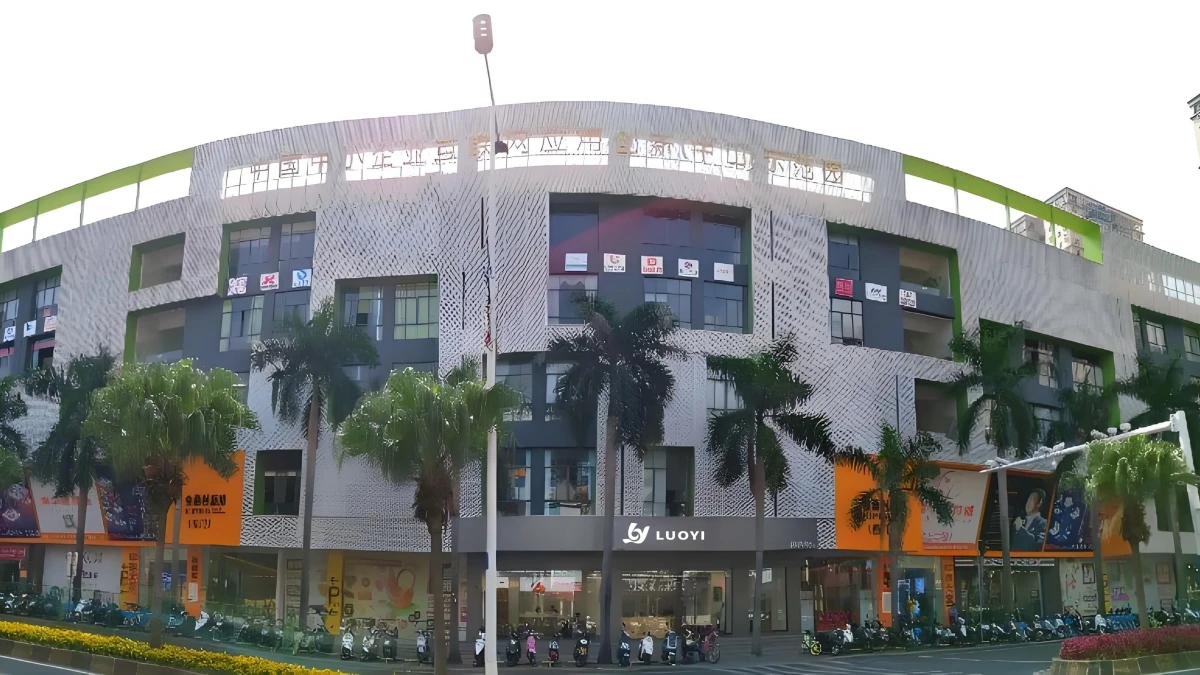
- Manufacturer, Trading Company
- Hong Kong S.A.R.
- Lead time0 days
- Avg. response≤ 2h
Main productsRibbons,Packaging Bags,Packaging Boxes,Garment Accessories,Cards/Papers
Main marketsNorth America(40.00%), Western Europe(20.00%), Southeast Asia(15.00%), Mid East(15.00%)

- Manufacturer/Factory
- China Henan
- Lead time15 days
- Avg. response≤ 10h
Main productsRibbons and Printed Ribbons, Sticker Label, Hang String Seal /Seal Tags/ Hang Tags String, Cotton Tape, Silicone Products, Nail Files, Lanyard
Main marketsSouth America,Eastern Europe,Mid East,North America,Southeast Asia,Eastern Asia,Oceania,Western Europe,Africa

Hangzhou Fuhan Garment Accessories Co., Ltd.
- Verified by BV
- Combined
- China Zhejiang
- Lead time15 days
- Avg. response≤ 3h
Main productsGarment Woven Label Tag, Packaging Box, Embroidery Patch, PVC Rubber Patch, Garment Accessories, Adhesive Sticker Print Label, Packaging Bag, Leather Labels, Scented Sachet, Ribbon
Main marketsEurope


$0.032 - $0.048
MOQ: 500 Pieces
Guangzhou Langyin Network Technology Co., Ltd.
- Verified by SGS Group
- Manufacturer
- Lead time0 days
- Avg. response≤ 2h
Main productsHang Tag, Woven Label, Plastic Seal Tag, Hang Tag String, Patches
Main marketsSouth America(30%), Eastern Europe(20%), Southeast Asia(20%)

Yichanglong Garment Accessories Limited
- Verified by SGS
- Manufacturer/Factory
- China Guangdong
- Lead time15 days
- Avg. response≤ 6h
Main productsHang Tag String, Elastic Tape, Perfume Metal Label, Nail File, Backpack, Lanyard, Lvds Screen Cable, Paper Tag, Drawcord, Silk Scarf
Main marketsSouth America,Eastern Europe,Mid East,North America,Southeast Asia,Eastern Asia,Oceania,Western Europe,Africa


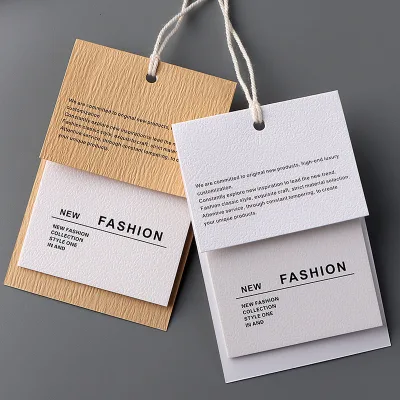
Custom Clothing Paper Hang Tag Eco-Firendly Embossed Logo Garment Tags
$0.04 - $0.055
MOQ: 5000 Pieces


Dongguan Fanyuan Trading Co., Ltd.
- Verified by BV
- Manufacturer/Factory
- China Guangdong
- Lead time23 days
- Avg. response≤ 5h
Main productsWoven Label/Patch/Badge, Embroidered Patch/Badge, PVC/Silicone Label, 3D PVC Keychains, Action Figure, Handicrafts, Statue, Cartoon Toys, Promotional Gifts, Fridge Magnet
Main marketsSouth America,Eastern Europe,Mid East,North America,Southeast Asia,Eastern Asia,Oceania,Western Europe,Africa

Customized Stickers Clothing Hangtags Customized Logo Printed Clothing Hangtag Tags
$0.1412 - $1.42
MOQ: 100 Pieces

Shenzhen Lingyu Packaging And Printing Products Co., Ltd.
- Verified by TüVRheinland
- Trading Company
- Lead time7 days
- Avg. response≤ 3h
Main productsPaper Boxs, Paper Bags, Napkin, Plastic Bag, Express Bag
Main marketsNorth America(50%), Western Europe(20%), Oceania(10%)

Zhangzhou Taki Industry and Trade Co., Ltd
- Verified by BV
- Manufacturer/Factory
- China Fujian
- Lead time23 days
- Avg. response≤ 6h
Main productsPackaging Paper Bag, Packaging Paper Box, Products Box, Fold Boutique Gift Box, Shopping Paper Bag, Fruit Packaging Cartons Box, Kraft Paper Bags Food Bag, Plastic Box Pet PVC Boxes, Paper Sleeves with Brand Design, One-Stop Packaging Supplier
Main marketsSouth America,Eastern Europe,Mid East,North America,Southeast Asia,Eastern Asia,Oceania,Western Europe,Africa


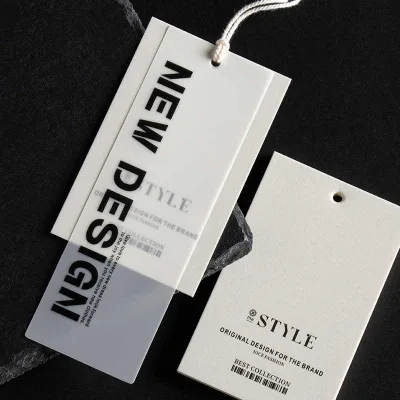
Custom Design Hangtag Seal String Hang Tag Cardboard Garment Tags Clothing Labels
$0.095 - $0.39
MOQ: 500 Pieces

Custom Hang Paper Tag Labels Tags for Clothes Garment Clothing Hang Tags
$0.095 - $0.39
MOQ: 500 Pieces

Custom Hang Paper Tag Labels Price Tags for Clothes Garment Clothing Hang Tags
$0.095 - $0.39
MOQ: 500 Pieces

Custom Design Printing Name Logo Paper Garment Clothing Hang Tags with String
$0.095 - $0.39
MOQ: 500 Pieces

Wenzhou Yigou Trading Co., Ltd
- Verified by CTI
- Trading Company
- China Zhejiang
- Lead time30 days
- Avg. response≤ 4h
Main productsClothing Accessories, Label Printing Material, Polyester Satin, Seal Tag, Rubber Label, Plastic Seal Tag, Woven Label, Label Ribbon TTR Ribbon, Cotton Tape, Woven Edge Satin Ribbon
Main marketsSoutheast Asia/ Mideast,Europe


Your Logo Custom Clothing Labels Clothing Tags Customized Hang Tags Custom Price Tag
$0.005 - $0.20
MOQ: 1000 Sets

$0.009 - $0.10
MOQ: 1000 Pieces


Custom Private Brand Logo Clothing Hang Tags Garment Clothes Size Tags Sale Price Hang Tags
$0.005 - $0.20
MOQ: 1000 Sets

$0.005 - $0.20
MOQ: 1000 Sets

Guangzhou Blf Packing Co., Ltd.
- Verified by TUVRHEINLAND
- Combined
- China Guangdong
- Lead time15 days
- Avg. response≤ 7h
Main productsPaper Bag, Paper Box, Gift Box, Non Woven Bag, Book, Tag, Sticker, Air Freshener, Cards, Jewelry Box
Main marketsOthers(foreignTradeCapacity.exportBusinessCapacityMarketOther),Europe,North America
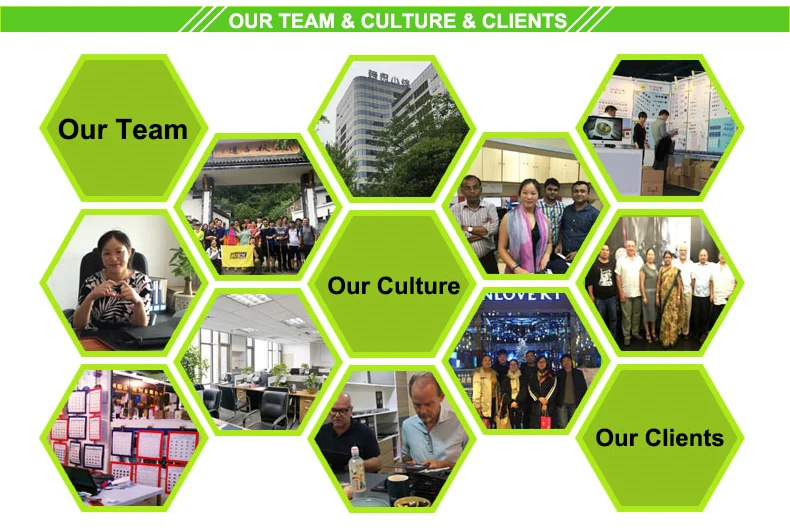
- Trading Company
- Zhejiang, China
- Lead time30 days
- Avg. response≤ 11h
Main productsgarment trimming,bra&underwear accessories,lace trim collection,bag parts and hardware,fabric and lining
Main marketsSoutheast Asia(40.00%), North America(15.00%), South America(15.00%), Western Europe(10.00%), Eastern Europe(10.00%), Domestic Market(5.00%), Mid East(5.00%)
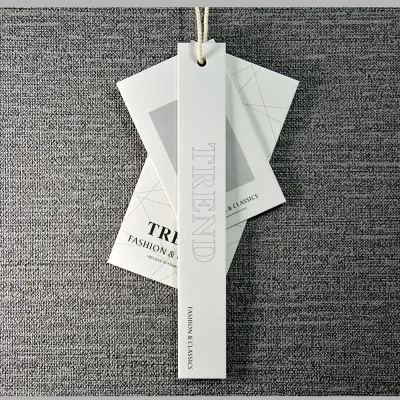
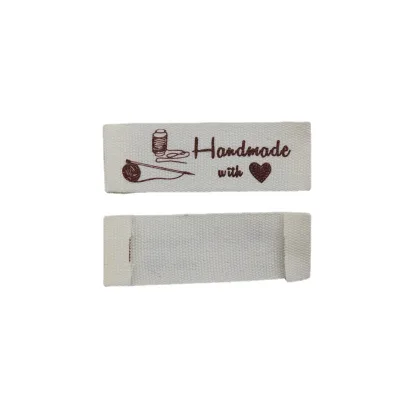
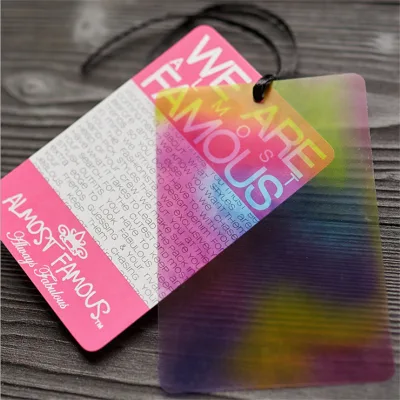
$0.0615 - $0.082
MOQ: 5000 pieces
- Trading Company
- Hong Kong S.A.R.
- Lead time0 days
- Avg. response≤ 1h
Main productsTag,shipping mark,trademark accessories,woven labels,Paper bag
Main marketsEastern Europe(30.00%), South America(30.00%), North America(30.00%), Southeast Asia(10.00%)
REUNERS ENTERPRISES (HONG KONG) LIMITED
- Verified by SGS Group
- Manufacturer, Trading Company
- Lead time5 days
- Avg. response≤ 2h
Main productsWoven Label, Woven Patches, Embroidery Patches, Hang Tags, Plastic Seal Tags
Main marketsDomestic Market(50%), North America(23%), Eastern Europe(10%)
Luokai (zhongshan) Packaging Co., Ltd.
- Verified by SGS Group
- Manufacturer, Trading Company
- Lead time15 days
- Avg. response≤ 2h
Main productsRibbon, Ribbon Bow, Packaging Bag, Paper Printing, Gift Box
Main marketsNorth America(30%), Western Europe(30%), Mid East(20%)

Xiamen Neostar Trade Co., Ltd.
- Verified by SGS
- Trading Company
- China Fujian
- Lead time23 days
- Avg. response≤ 6h
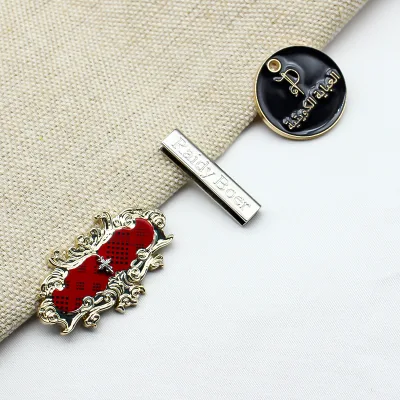
Main productsMetal Button, Clothing Metal Label, Bag Metal Tag, Zipper Puller, Pin Badge, Leather Patch, Rubbert Patch, Heat Transfer Label, Metal Buckle, Clothing Label
Main marketsSoutheast Asia/ Mideast,Europe,North America


Competitive Price Sewing Metal Label Custom Logo Clothing Tag by Factory
$0.05 - $0.15
MOQ: 100 Pieces


Qingdao Chenghaoda Science and Technology Co., Ltd.
- Verified by BV
- Manufacturer/Factory
- China Shandong
- Lead time15 days
- Avg. response≤ 15h
Main productsCustom Packaging Paper Bag, Custom Packaging Paper Box, Corrugated Carton/Gift Box, Custom Notebook, Decorative Books, Book/Booklet/Brochure/Catalog/Magazine Printing, Disposable Dishware
Main marketsNorth America,Eastern Asia,Western Europe

Dongguan FengSuer Textile Co., Ltd
- Verified by TUVRHEINLAND
- Trading Company
- China Guangdong
- Lead time23 days
- Avg. response≤ 4h
Main productsWoven Patches, Woven Labels, Embroidery Patch, Keychians, Hantags, Printing Labels, Printing Patches, Woven Tape, Ribbon
Main marketsEurope


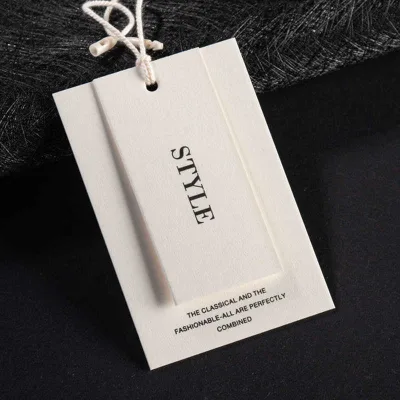
High-End White Tags Custom Clothing Paper Card Garment Tags Price Tag for Clothing Own Logo
$0.005 - $0.50
MOQ: 100 Pieces

Custom Printed Hangtag Price Tag Garment Swing Tags Labels Hangtag for Clothing
$0.01 - $0.15
MOQ: 100 Pieces

Clothing Labels Custom Hangtag Own Brand Tag Luxury Garment Swing Hang Tags
$0.01 - $0.80
MOQ: 100 Pieces

Clothing Fabric Custom Logo Washable Satin Neck Woven Label Tag for Garment
$0.004 - $0.30
MOQ: 100 Pieces

Hangzhou Qiudie Garment Accessories CO.,LTD
- Verified by CTI
- Trading Company,Manufacturer/Factory
- China Zhejiang
- Lead time15 days
- Avg. response≤ 6h
Main productsWoven Label, Hang Tag, Embroidery Patch, Leather Patch, Stickers, Seal Tag, Grosgrain Ribbon, Tote Bag, Printing Label
Main marketsSouth America,Eastern Europe,Mid East,Southeast Asia,Eastern Asia,Oceania,Western Europe,Africa
Hangzhou Fuyang Hongwei Garment Accessories Co., Ltd.
- Manufacturer, Trading Company
- Zhejiang, China
- Lead time15 days
- Avg. response≤ 11h
Main productsleather patch,rubber logo patch,embroidery patch,trademark,color box
Main marketsSouth America(20.00%), North America(20.00%), Northern Europe(10.00%), Western Europe(10.00%), Southern Europe(10.00%), Mid East(10.00%), Eastern Europe(10.00%), South Asia(5.00%), Eastern Asia(5.00%)

Guangzhou Praise-E Packaging Products Co., Ltd.
- Verified by TUVRHEINLAND
- Manufacturer/Factory
- China Guangdong
- Lead time0 days
- Avg. response≤ 4h
Main productsHologram Sticker, Packaging Label, Packaging Bags, Packaging Boxes, Paper Boxes, Catalogue, Tag, Shrink Packaging Label
Main marketsEastern Europe,North America,Southeast Asia

Customized Logo Coated Paper Hang Tags for Clothing and Garment Luggage Tag
$0.02 - $0.04
MOQ: 500 pieces


Tag of Clothing Paper Label Accepts Customized Printed Logo of Different Materials
$0.10 - $0.35
MOQ: 500 pieces

Custom Logo Paper Retail Packaging Label Hang Tag for Garment Clothing Bag
$0.02 - $0.04
MOQ: 500 pieces


Zhongshan Yulan Garment Accessories Co., Ltd
- Verified by BV
- Trading Company
- China Guangdong
- Lead time15 days
- Avg. response≤ 2h
Main productsSilicone Patch/Rubber Badge, Elastic Band/Webbing, Embroidery Patch/Badge, Woven Label/Tag, Woven Patch/Badge, Metal Label/Metal Badge, Leather Patch/Leather Label, Printing Label/Tag, Hang Tag/Swing Ticket, Shoes Outsole
Main marketsOthers(foreignTradeCapacity.exportBusinessCapacityMarketOther)

Dongguang D&G Industrial Co., Ltd.
- Verified by SGS
- Combined
- China Guangdong
- Lead time15 days
- Avg. response≤ 1h
Main productsJeans Buttons, Jeans Rivets, Snap Fasteners, Pronged Snap Fasterners, Eyelets, Metal Plates, Dress Hooks, Metal Buckles, Snap Button, Sew-on Buttons
Main marketsEurope
Guangzhou Honyun Apparel Accessories Co., Ltd.
- Verified by TüVRheinland
- Trading Company
- Lead time10 days
- Avg. response≤ 8h
Main productsWoven Label, Hang Tag, Plastic Seal Tag
Main marketsNorth America(50%), Southeast Asia(10%), Northern Europe(9%)
Guangzhou Blue Sky Packaging And Printing Products Co., Ltd.
- Trading Company
- Lead time旺季: "1 - 10000":17,"> 10000":"To be negotiated", 淡季: "1 - 10000":17,"> 10000":"To be negotiated"
- Avg. response≤ 3h
Main productsCake Box, Pizza Box, Paper Bag, Envelope, Paper Box

Tianjin Caile Printing Co., Ltd
- Verified by TUVRHEINLAND
- Trading Company
- China Tianjin
- Lead time60 days
- Avg. response≤ 7h
Main productsPlanner, Journal, Notebook, Calendar, Box, Diary, PU Leather Binder, Pop up Book, First Aid Kit, Gift Set
Main marketsEurope,Australia,North America

Custom Hang Paper Tag Labels Price Tags for Clothes Garment Clothing Hang Tags
$0.01 - $0.10
MOQ: 1000 Pieces

Recycled Garment Swing Price Custom Logo Clothing Wholesale Tags for Clothes Shirt Tags Hang Tag
$0.01 - $0.10
MOQ: 1000 Pieces

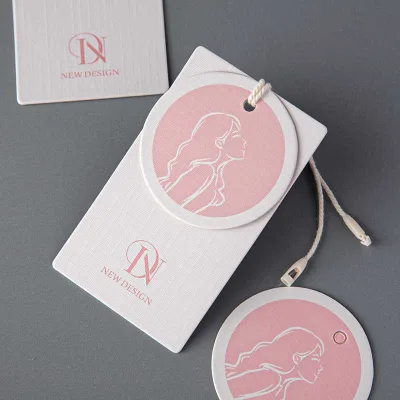
Luxury Hang Tag Design Customizes Your Logo Personalized Clothing Swing Tag Custom
$0.01 - $0.10
MOQ: 1000 Pieces

Wenzhou Quanfeng Garment Accessories Co., Ltd.
- Trading Company,Manufacturer/Factory
- China Zhejiang
- Lead time23 days
- Avg. response≤ 8h
Main productsLabel Printing Material, Polyester Satin, Seal Tag, Rubber Label, Plastic Seal Tag, Woven Label, Label Ribbon, TTR Ribbon, Woven Edge Satin Ribbon, Cotton Tape
Main marketsSouth America,Eastern Europe,Mid East,North America,Southeast Asia,Eastern Asia,Oceania,Western Europe,Africa











Comprehensive Sourcing Guide
Customized Clothing Garment Tag Supplier Concentration and Factory Types
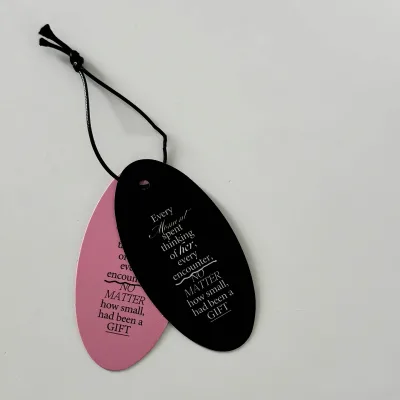
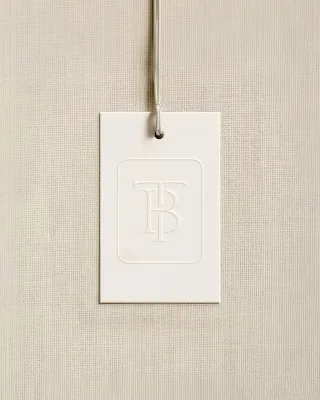
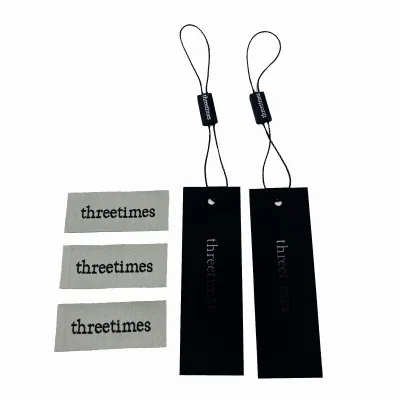
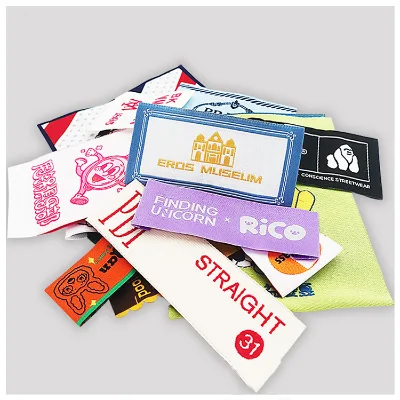
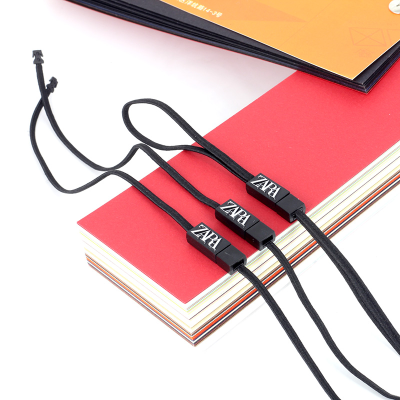
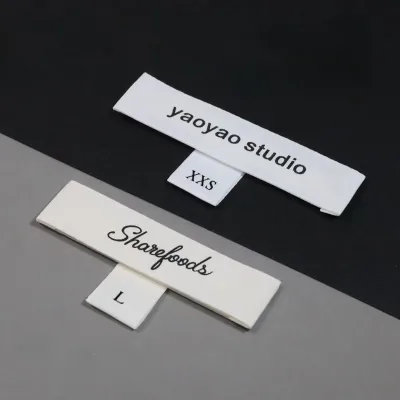
When sourcing customized clothing garment tags, buyers will encounter a mix of manufacturer factories and trading companies, and understanding the difference matters for both pricing and accountability. Manufacturer/factory-type suppliers typically control their own production equipment for processes such as woven damask labels, printed hangtags, and in-mould plastic seals, which can shorten communication loops when artwork changes mid-production. Trading companies, by contrast, aggregate output from multiple workshops and may offer a broader catalog spanning garment labels, ribbons, packaging bags, lanyards, and related accessories, which is convenient for buyers consolidating several trim items into one order. Some suppliers list themselves as both manufacturer and trading company, so it is worth asking directly which products they produce in-house and which they subcontract.
Geographically, the supplier results in this category point to sourcing bases in southern and central China, including Fujian and Henan provinces, as well as Hong Kong S.A.R.-based operations that often combine trading reach with manufacturing ties. A Fujian-based supplier listing woven fabric tags, elastic webbing, ribbons, and shoelaces suggests a trim-focused cluster where tag production sits alongside complementary garment accessories. Rather than assuming a single dominant cluster, buyers should treat region as one screening signal: check whether the stated location matches the product origin on individual listings, and confirm whether the supplier's main product lines align with tags specifically rather than tangential accessories, since specialization usually correlates with better tooling and finishing consistency for customized tag work.
How to Verify Customized Clothing Garment Tag Suppliers
Verification should begin with the credentials a supplier platform displays, then move to checks the buyer performs independently. Some suppliers in this category carry third-party verification badges, such as BV verification, which indicates an on-site or documentation check by an external inspection body; treat this as a meaningful baseline rather than a guarantee. Others list system certifications such as ISO 9001, ISO 14001, or QC 080000, which relate to quality management, environmental management, and hazardous substance process control respectively. When a certification is claimed, ask for the certificate number and validity dates, and confirm the scope covers the factory producing your tags rather than only a sales office.
Company type is another verification anchor: a self-declared manufacturer should be able to share production-floor photos or video calls showing weaving looms, printing presses, or die-cutting equipment relevant to tags, while a trading company should be transparent about which partner factories it uses. Cross-check the supplier's stated location against the product origin field on specific listings; discrepancies, such as a Hong Kong headquarters shipping from a mainland production site, are common and acceptable but should be understood upfront. For customized work, request a pre-production sample before mass production and confirm the supplier can reproduce your logo, fold style, and color standards. Finally, test responsiveness during the inquiry stage, since reply speed at this phase typically predicts how production questions will be handled later.
What to Compare Across Customized Clothing Garment Tag Suppliers
Build a comparison sheet using the attributes suppliers actually display, without assuming every field is populated. Useful dimensions include lead time, quoted in days; MOQ per design; response time, often shown in hours; company type; verification or certification status; and main product lines. In this category, for example, some listings quote MOQs as low as 100 pieces per design while others start at 200, and lead times of around 15 days appear on some supplier profiles while others show different figures or none at all. Response-time values also vary widely between suppliers, so weigh this when your project involves frequent artwork revisions.
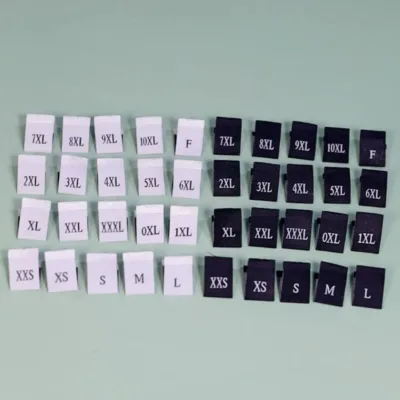
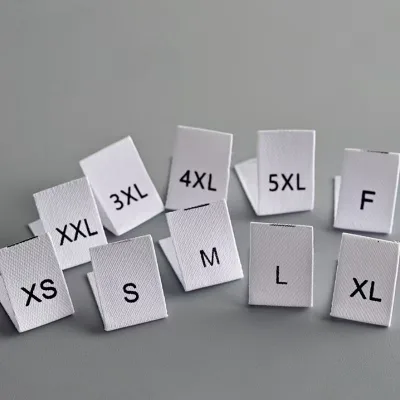
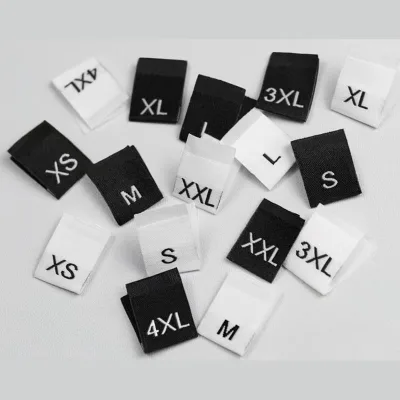
Beyond profile-level data, compare product-level evidence from listings. One supplier's woven fabric tag listing may specify a 5–7 day sample window, a 0.5 cm by 0.5 cm packing format, and per-piece pricing between roughly 0.03 and 0.50, while another may offer size tags at a fraction of a cent per unit in a large color matrix covering dozens of size runs in white and black. Note the manufacturing technique differences: woven damask, embroidered, printed paper, and in-mould plastic seal tags serve different price points and durability needs. Compare customization breadth too — whether width, height, fold style, and color are all listed as customizable — and whether eco-friendly or washable features are claimed for the materials. Suppliers whose main products center on garment labels and trims will generally handle tag customization more fluidly than those listing tags as a sideline.
Common Customized Clothing Garment Tag Sourcing Risks
The most frequent risk in customized tag sourcing is artwork-to-production mismatch. A hangtag design that looks correct on screen can suffer color drift on woven damask or paper stock, and fine typography may not reproduce at small tag sizes. Because several listings in this category advertise high color fastness and washable construction, buyers should specify which claims apply to their chosen material and technique, then verify with a physical sample exposed to actual washing conditions. Another common issue is MOQ rigidity: a supplier quoting 100 pieces per design may impose that minimum per size, per colorway, or per artwork revision, multiplying cost across a size run that spans XXS through extended sizes.
Packaging and logistics risks also deserve attention. One supplier lists tags packed at 500 pieces per polybag in a 5 cm by 5 cm format, while others ship in export cartons of roughly 46 by 35 by 35 dimensions — confirm how your tags will be packed, whether center-folded or end-folded tags will arrive creased correctly, and whether strings or seal attachments are pre-fitted. Timing risk arises when sample lead times (5–7 days in some listings) are confused with bulk lead times, which can differ substantially. Finally, beware of suppliers whose tag listings sit far outside their core product lines; a ribbon or lanyard specialist may subcontract tags, reducing your control over quality. Always confirm who physically produces the goods before committing deposits.
Customized Clothing Garment Tag Regional Sourcing and Logistics
Regional context shapes both capability and shipping strategy. The supplier results for this category reference production and trading bases in Fujian province, Henan province, and Hong Kong S.A.R., each with distinct logistics implications. Fujian-based suppliers, with Xiamen cited as a product origin, sit near major coastal ports, which generally supports straightforward export consolidation for trims and accessories. Henan-based manufacturers serve central China's industrial base and typically ship to port by inland transport, which can add a few days to ex-factory-to-vessel timing. Hong Kong-based trading operations often provide English-language trade facilitation and flexible consolidated shipping, while production occurs across the border.
When the origin is not disclosed for a specific supplier, buyers should identify clusters independently: search listing-level origin fields, ask suppliers which city their factory occupies, and look for specialization patterns — a supplier whose main products include garment labels, ribbons, and packaging accessories is more likely located within an established trim-manufacturing area than one selling tags incidentally. For logistics planning, tag consignments are light but bulky relative to value, so air freight is feasible for urgent replenishment while sea freight suits planned seasonal programs. Confirm Incoterms early, ask whether tags can be shipped together with other trims from the same supplier to save consolidation cost, and verify packing standards — carton dimensions, polybag counts, and carton marking — so your freight forwarder can quote accurately before production finishes.
Customized Clothing Garment Tag Commercial Terms and Order Planning
Commercial terms for customized tags tend to be straightforward, but details determine total cost. Listed per-unit prices in this category range from fractions of a cent for simple plastic seal tags to higher unit prices for woven fabric tags, so anchor expectations to the technique: woven, embroidered, printed paper, and in-mould plastic each carry different price structures. Confirm whether quoted prices include string attachment, eyelets, folding, and custom color matching, since these add-ons frequently appear as surcharges. MOQs of 100 to 200 pieces per design appear on some listings, which allows small brands to test designs, but verify whether the minimum applies per artwork, per size, or per color. Ask about sample costs and whether sample fees are credited against bulk orders.
Order planning should work backward from your garment production calendar. If a supplier lists a 15-day lead time, treat that as production only — add sample iteration, artwork approval, quality inspection, and transit before tags reach your garment factory. One supplier advertises replies within half an hour and 5–7 day sampling; use fast responders for time-sensitive programs, but still confirm bulk capacity matches sample speed. Payment terms deserve explicit negotiation: typical structures involve a deposit with balance before shipment, and some platforms offer escrow-style protection — verify availability per transaction. Finally, plan reorders by retaining finalized artwork files, agreed color standards, and packing specifications with the supplier so repeat orders avoid re-approval delays and maintain consistency across production runs.
FAQs
What is the typical lead time for customized garment tags?
The standard production lead time is 15 days for most suppliers. This duration covers material sourcing, printing, and quality checks. Buyers should confirm specific timelines with the supplier before placing bulk orders to ensure timely delivery for their collection launches.
What is the minimum order quantity for custom clothing labels?
The minimum order quantity is typically 100 pieces for woven labels. Some plastic or printed tag options may require a minimum of 200 pieces. These low MOQs allow small brands to test designs without committing to large inventory volumes initially.
How quickly do suppliers respond to inquiries about garment tags?
Response times vary, with some suppliers replying within 2 hours and others taking up to 9 hours. Quick replies are often highlighted in product descriptions. Buyers should prioritize suppliers with faster response rates to ensure efficient communication during the customization process.
What certifications do garment tag manufacturers hold?
Some manufacturers hold ISO 9001, ISO 14001, and QC 080000 certifications. These standards ensure quality management and environmental responsibility. Buyers seeking verified suppliers should check for BV verification or specific industry certifications to guarantee product reliability and ethical manufacturing practices.
What is the price range for customized clothing tags?
Prices range from $0.001 to $0.50 per piece depending on material and complexity. Woven labels and plastic tags generally fall within the lower end of this spectrum. Bulk orders often reduce unit costs, making it essential to request detailed quotes for accurate budgeting.
Can I get samples of customized garment tags before ordering?
Samples are typically available within 5 to 7 days. Many suppliers offer quick reply services to facilitate sample requests. Buyers should verify sample costs and shipping details with the supplier to ensure the testing phase aligns with their project timeline and budget.