Source Custom Waterproof Glossy Vinyl Sticker for Beverage, Shipping, Medicine
Compare 30 listings for Custom Waterproof Glossy Vinyl Sticker options tailored for beverage labels, shipping tags, and medicine packaging. Buyers can evaluate specifications like thickness, size, and printing methods to find the right supplier; compare the available evidence and request quotations based on your requirements.
Updated
Key considerations
Products List
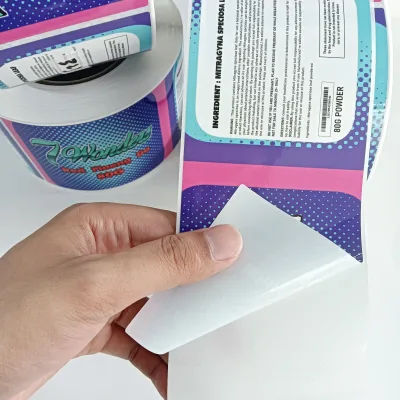


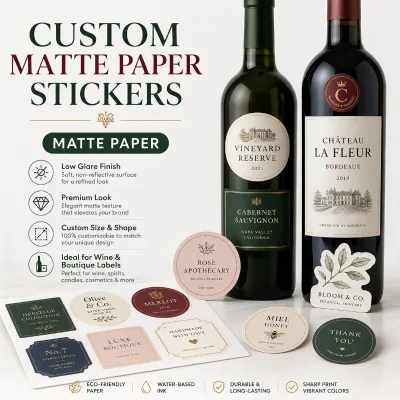
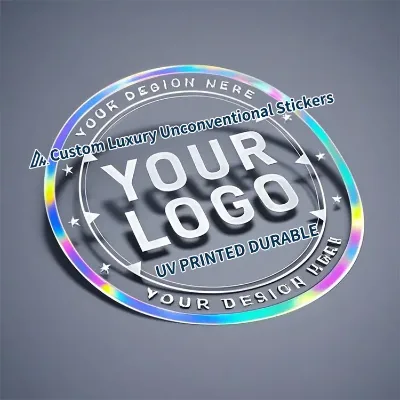


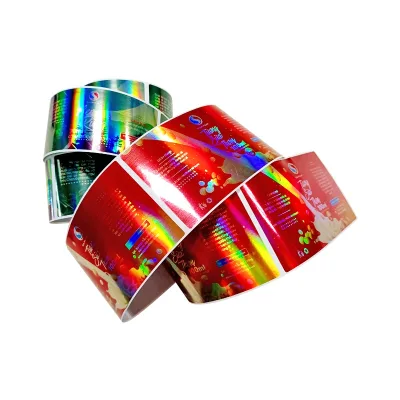


UV Resistant Design Moulded Self-Adhesive Printing Custom Self-Adhesive Stickers
$0.01 - $0.15
MOQ: 3000 Pieces

Customized Bottle Packaging Waterproof Printing Self-Adhesive Label Stickers
$0.03 - $0.14
MOQ: 1000 Pieces

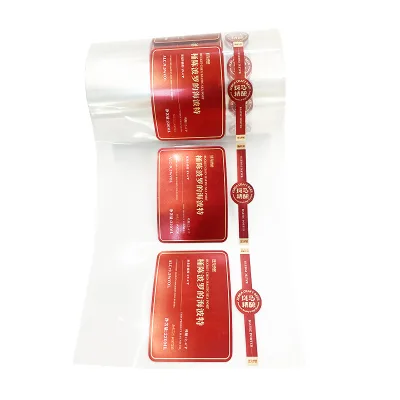
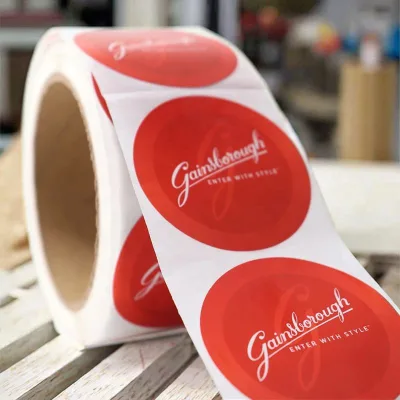


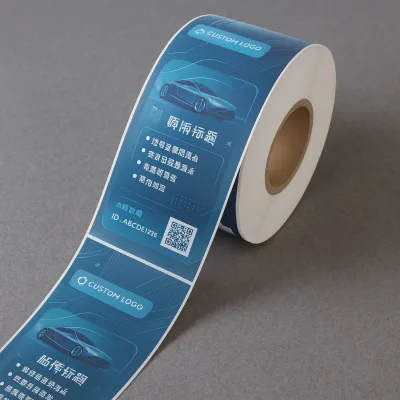
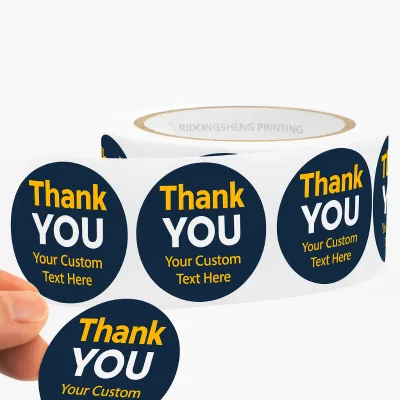
Custom Printing Transparent Logo Clear Waterproof Vinyl Adhesive Packaging Labels
$0.02 - $0.08
MOQ: 1000 Pieces
Comprehensive Sourcing Guide
Custom Waterproof Glossy Vinyl Sticker Sourcing Guide
Procuring custom waterproof glossy vinyl stickers requires a strategic approach to balancing aesthetic appeal with functional durability. Buyers must first define the specific industrial use case, as the supplied data indicates these labels are frequently utilized in cosmetic, beverage, and medicine sectors. The glossy finish enhances visual branding, making it ideal for price tags and bottled beverage applications where shelf presence is critical. However, the "glossy" attribute is just one option; matte finishes and other surface treatments are also available, so verifying the exact finish against brand guidelines is essential before placing bulk orders.
The material composition is a primary driver of performance, with vinyl being the dominant substrate observed in current listings. This material choice supports the waterproof and UV-proof claims necessary for products exposed to moisture or sunlight. Buyers should confirm that the adhesive properties align with the intended surface, whether it is glass, plastic, or metal. Additionally, the customization options for shape and size allow for unique die-cut designs, but these customizations can impact production complexity and cost, requiring early alignment with the supplier on design feasibility and tooling requirements.
Product Scope and Observed Listing Signals
The market for these stickers shows a wide range of specifications, with observed prices ranging from $0.01 to $0.40 per unit. This broad spectrum suggests that cost is heavily influenced by order volume, design complexity, and specific material thicknesses. The minimum order quantity (MOQ) varies significantly, starting from as low as one unit for prototyping up to 3,000 units for larger runs. Buyers should use this flexibility to test designs with low MOQs before committing to high-volume production, ensuring that the final product meets quality expectations without excessive inventory risk.
Listing signals indicate that suppliers offer extensive customization, including OEM shapes and sizes such as 25x25 mm or 100x100 mm. The product models, such as XY1471 or XY1493, suggest standardized base offerings that can be tailored to specific client needs. It is crucial to verify that the "customized" attributes apply to both the physical dimensions and the printing specifications. Buyers should also note that while some listings mention single item selling units, bulk packaging in carton boxes is standard, which affects logistics planning and storage requirements for large orders.
Technical Specifications to Verify
Thickness is a critical technical parameter, with observed values including 0.08mm and other customized options. Buyers must specify the exact thickness required for their application, as thinner vinyl may be more prone to tearing during application, while thicker options offer greater durability. The width is often listed as "Other," indicating that non-standard widths are available but require explicit definition in the purchase order. Confirming these dimensional tolerances with the supplier ensures that the stickers fit seamlessly onto product packaging or equipment without misalignment or waste.
Printing technology plays a vital role in the longevity and clarity of the sticker. Observed printing types include offset, UV digital, and thermal transfer printing, each offering different advantages in color fidelity and resistance to fading. The use of CMYK or Pantone colors allows for precise brand matching, but buyers should request physical proofs to verify color accuracy. Additionally, surface finishing options like glossy or matte coatings, along with effects such as stamping or debossing, should be confirmed to ensure they meet the desired tactile and visual standards for the final product.
Compliance and Safety Documentation
While specific safety certifications are not universally listed, some suppliers provide ISO9001, ISO14001, and OSAS18001 certifications, indicating a commitment to quality management and environmental standards. Buyers should request copies of these certificates to verify the supplier’s operational compliance, especially if the stickers are intended for use in regulated industries like medicine or food. Although ASTM D3359 and ISO 4892 are mentioned in background contexts, their direct applicability to every product listing is not confirmed, so buyers must explicitly ask if these standards are met for adhesion and weather resistance testing.
For products used in cosmetic or beverage industries, compliance with local labeling regulations is paramount. Buyers must ensure that the materials used are safe for contact with the intended products and that the inks do not contain harmful substances. It is advisable to request material safety data sheets (MSDS) or declarations of conformity from the supplier. Verifying that the supplier adheres to these regulatory requirements protects the buyer from potential legal liabilities and ensures that the final product can be legally sold in target markets without compliance issues.
Cost Drivers and Commercial Terms
Several factors influence the final cost of custom waterproof glossy vinyl stickers, including the complexity of the design, the number of colors used, and the chosen surface finishing. Complex die-cut shapes and multi-layer finishes like stamping or embossing can increase production time and cost. Buyers should optimize their designs to minimize unnecessary complexity while maintaining brand impact. Additionally, the choice of printing method, such as offset versus digital, affects pricing, with offset being more cost-effective for large volumes and digital offering flexibility for smaller runs.
Commercial terms such as payment methods, shipping options, and lead times are critical components of the procurement process. Buyers should negotiate clear terms regarding sample costs, which may be refundable upon bulk order placement. It is also important to clarify who bears the responsibility for shipping costs and insurance, especially for international orders. Understanding the lead times for production and delivery helps in planning inventory levels and avoiding stockouts. Clear communication of these terms ensures a smooth transaction and prevents unexpected expenses or delays.
Supplier Qualification and Quality Control
Selecting a reliable supplier involves verifying their production capabilities and quality control processes. Buyers should inquire about the supplier’s experience in producing stickers for similar industries and request references or case studies. Checking the supplier’s facility for modern printing equipment and quality assurance protocols can provide confidence in their ability to deliver consistent results. Additionally, buyers should assess the supplier’s responsiveness and willingness to collaborate on design adjustments, as this indicates a partnership-oriented approach rather than a transactional one.
Quality control measures should be explicitly defined in the purchase agreement, including criteria for defect rates and acceptable color variations. Buyers may request pre-shipment inspections or third-party quality audits to ensure that the delivered goods meet the specified standards. Establishing a clear process for handling defective items, including returns or replacements, is essential for mitigating risk. By implementing robust quality control checks, buyers can maintain high standards and ensure that the stickers perform as expected in real-world applications.
Long-Term Procurement Checks
Establishing a long-term relationship with a supplier requires regular performance reviews and continuous improvement initiatives. Buyers should track key metrics such as on-time delivery rates, defect rates, and responsiveness to issues. Regular feedback sessions with the supplier can help identify areas for improvement and strengthen the partnership. Additionally, buyers should stay informed about industry trends and technological advancements in sticker production, which may offer opportunities for cost savings or enhanced product features.
Sustainability is becoming an increasingly important factor in procurement decisions. Buyers should explore options for eco-friendly materials and processes, such as recyclable vinyl or water-based inks, to align with corporate sustainability goals. Engaging with suppliers who prioritize environmental responsibility can enhance brand reputation and meet the growing demand for sustainable products. By focusing on long-term value and sustainability, buyers can build a resilient supply chain that supports their business objectives and adapts to changing market conditions.
FAQs
What materials are used for custom waterproof glossy vinyl stickers?
Custom waterproof glossy vinyl stickers are primarily manufactured using vinyl material. This synthetic polymer provides excellent durability and resistance to water damage. The glossy surface finishing enhances visual appeal while protecting the printed design. Buyers can also select matte finishes or other surface treatments depending on their specific branding requirements and application needs.
Can I customize the size and shape of these stickers?
Yes, customization is available for both size and shape. Manufacturers offer OEM sizes and OEM shapes to meet specific design requirements. Common label shapes include heart, hexagonal, irregular, oblong, pentagonal, oval, octagonal, semicircular, rectangular, round, and triangular. Buyers can provide designs in AI, PDF, PSD, or CDR formats for precise die-cutting and printing.
What printing types are supported for these adhesive stickers?
Multiple printing types are supported, including offset printing, digital printing, and UV printing. Specific handling options encompass CMYK and Pantone offset printing, cold stamping, color printing, debossing, die-cutting printing, thermal transfer printing, and UV digital printing. These versatile methods ensure high-quality reproduction of complex logos and detailed graphics for various industrial uses.
What certifications do the sticker manufacturers hold?
Manufacturers typically hold ISO9001, ISO14001, and OSAS18001 certifications. These standards indicate adherence to quality management, environmental protection, and occupational health and safety protocols. Buyers can verify these credentials to ensure reliable production processes. The products originate from Guangdong, China, where many certified factories specialize in custom printing and packaging solutions for global clients.
What is the typical packaging method for these stickers?
Stickers are commonly packed in carton boxes or supplied as rollings or sheets. The single package size is often 10x10x10 cm, with a single gross weight of 0.01 kg. Core diameters for rolls may include 3/4 inch, 1 inch, or 3 inch options. This flexible packaging ensures safe transport and easy storage for various order quantities and shipping requirements.
Which industries can use these custom printed stickers?
These stickers serve multiple industries, including cosmetic, beverage, food, medicine, and shipping sectors. They are suitable for custom stickers, bottled beverage labels, shipping labels, price tags, and medicine packaging. The waterproof and durable vinyl material ensures longevity in diverse environments, making them ideal for product branding, identification, and regulatory compliance across various commercial applications.