Source Scratch Off Custom Label Sticker for Food, Medicine, Packaging
Compare 30 suppliers offering Scratch Off Custom Label Sticker solutions for food, medicine, and packaging applications. Buyers can review material options like vinyl and paper, printing types, and customization features to find the right fit; compare the available evidence and request quotations based on your requirements.
Updated
Key considerations
Products List


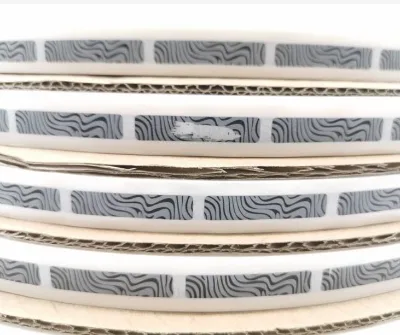
Wholesale Custom Printing Scratch off Film Sticker Label Scratch off Stickers
$2.5678 - $3.5946
MOQ: 100 pieces
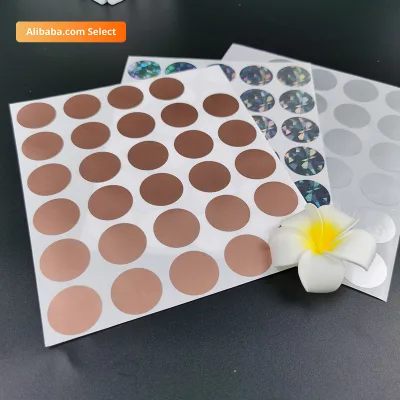

$0.356 - $0.655
MOQ: 100 Square Meters
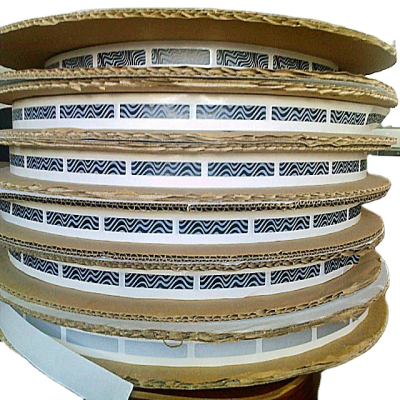
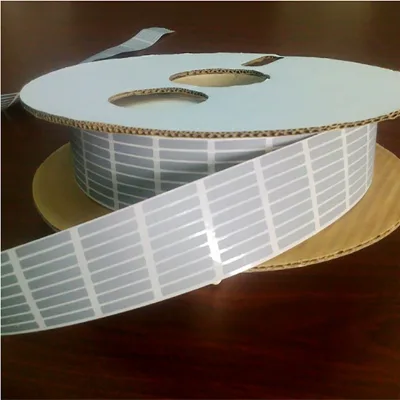
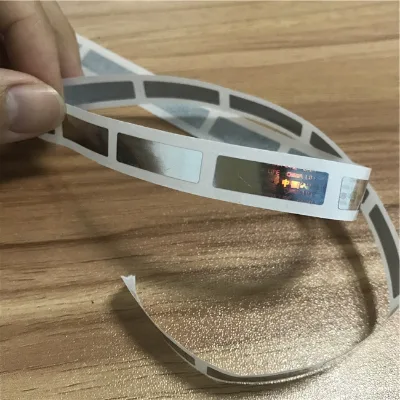
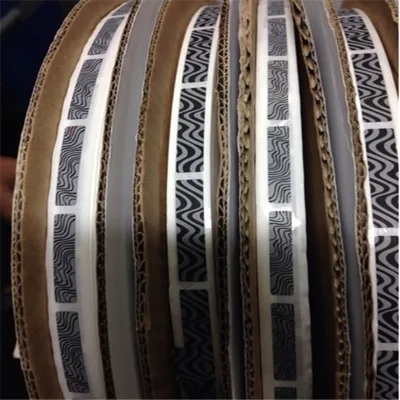
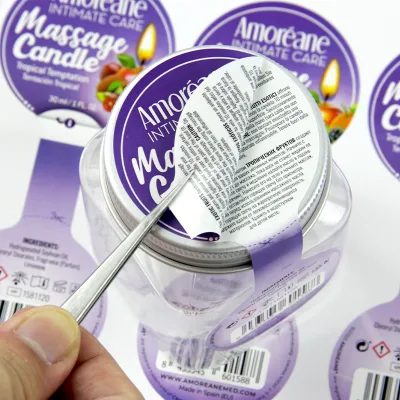
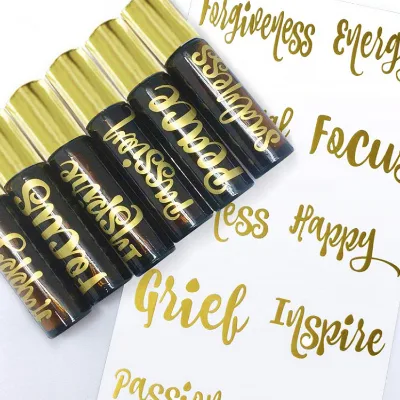
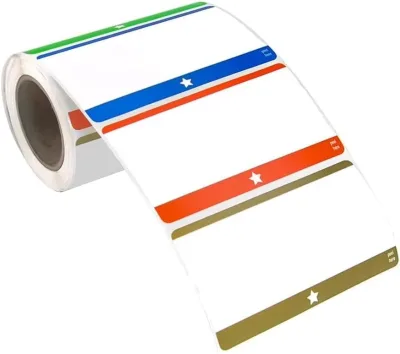
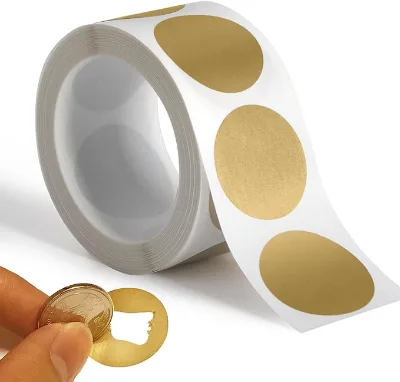
Hot Sale Scratch Off Plastic Sticker Paper Printed Labels Custom Packaging Adhesive Label
$0.0205 - $0.0308
MOQ: 3000 pieces
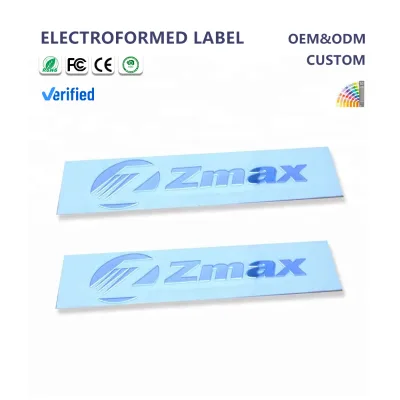

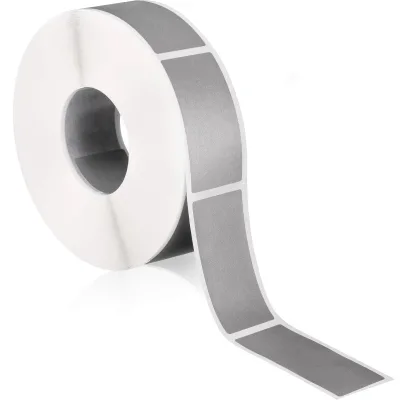
Scratch off Sticker Gray Self Adhesive Scratch off Label Scratch Cards
$0.018 - $0.07
MOQ: 10000 Pieces
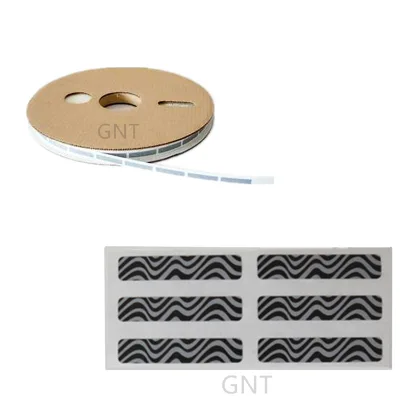
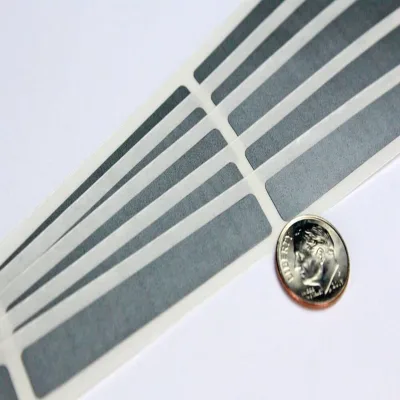
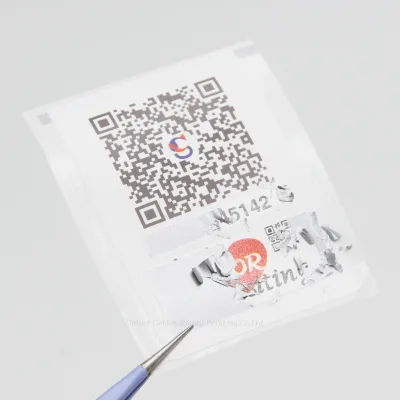
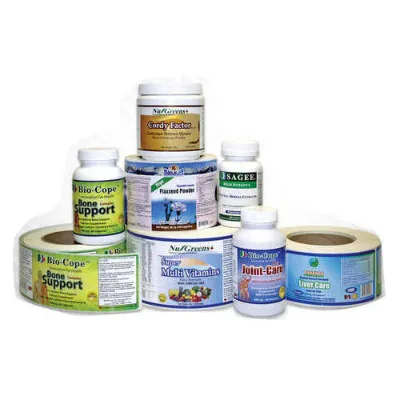

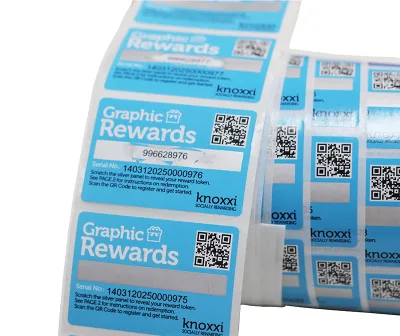
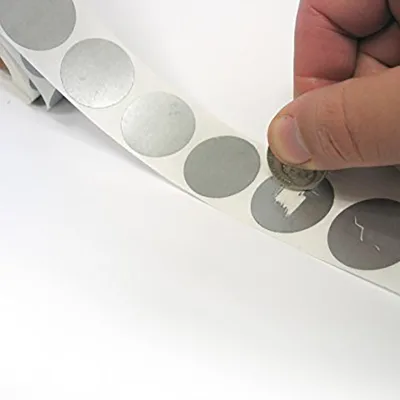
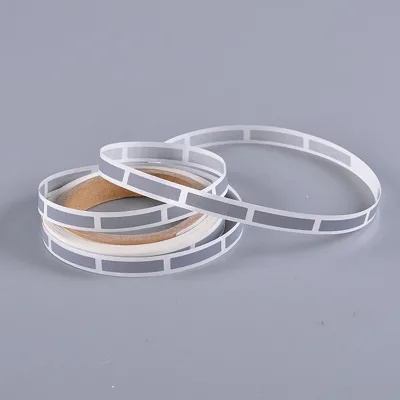
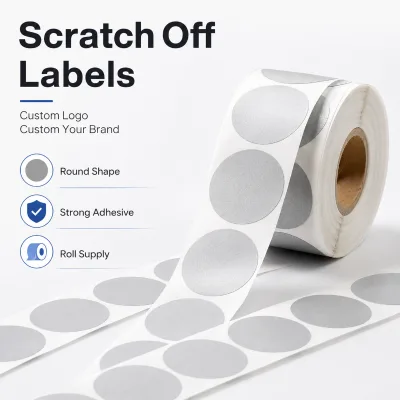
Comprehensive Sourcing Guide
Scratch Off Custom Label Sticker Sourcing Guide
Procuring scratch-off custom label stickers requires a nuanced understanding of both the adhesive substrate and the security overlay mechanism. Buyers must first determine whether the primary need is product authentication, promotional engagement, or regulatory compliance. The market offers diverse material options, ranging from transparent PVC and vinyl to art paper and pearl film, each interacting differently with the scratch-off membrane. Selecting the wrong base material can lead to adhesion failures or poor print quality, especially when the final application involves exposure to moisture or handling stress.
The customization process involves coordinating artwork formats with specific printing technologies such as digital or letterpress printing. Suppliers typically accept vector files like AI, PDF, CDR, and PSD, ensuring high-fidelity reproduction of complex designs. It is critical to verify that the chosen surface finishing, whether lamination, embossing, or UV varnish, complements the scratch-off layer without compromising its integrity. Buyers should request samples to test the tactile experience and durability of the scratch-off area, ensuring it reveals the underlying information clearly without damaging the surrounding label structure.
Product Scope and Observed Listing Signals
The observed product range indicates a strong emphasis on versatility, with materials including vinyl, paper, and various BOPP films. Listings frequently highlight applications in pharmaceutical labeling, food packaging, and beverage bottling, suggesting that these sectors drive demand for secure and durable stickers. The presence of both transparent and opaque options allows buyers to tailor visibility needs, while the availability of custom models supports unique branding requirements. This diversity means that sourcing strategies must be tailored to the specific environmental conditions of the end product, such as refrigeration for beverages or chemical exposure in pharmaceuticals.
Commercial signals reveal a wide range of minimum order quantities, from small batches of 1,000 pieces to large industrial runs exceeding 100,000 units. This flexibility accommodates both startup brands and established manufacturers, though pricing structures will vary significantly based on volume. The observed price range is relatively low, indicating a competitive market with high production efficiency. However, buyers should be aware that lower prices may correlate with standard finishing options or less stringent quality controls, necessitating careful evaluation of sample quality before committing to large orders.
Technical Specifications to Verify
Verifying the technical specifications of scratch-off labels is essential to ensure they meet functional requirements. Key attributes to confirm include the membrane type, such as OPP, and the surface materials, which may include glossy silver BOPP or plain laser BOPP. The transparency level, whether transparent or opaque, must align with the design intent and the information being concealed. Additionally, the backing paper type, such as glassine, affects the ease of application and storage stability. Buyers should request detailed technical data sheets that specify the adhesive type, peel strength, and resistance to tearing or smudging during the scratching process.
Printing and finishing capabilities also play a crucial role in the final product quality. Digital printing offers flexibility for short runs and variable data, while letterpress printing may provide superior texture for certain artistic effects. Surface finishes like lamination, embossing, and UV varnish add durability and aesthetic appeal but must be compatible with the scratch-off coating. It is important to verify that the artwork format requirements, such as AI or PDF, are strictly followed to avoid production delays. Buyers should also confirm the single package size and packing method, such as export cartons or corrugated cases, to ensure efficient logistics and storage.
Compliance and Safety Documentation
Compliance with international standards is a critical aspect of sourcing scratch-off labels, particularly for regulated industries like pharmaceuticals and food. The presence of ISO9001 and SGS certifications indicates that suppliers adhere to quality management systems and third-party verification processes. Buyers should request copies of these certificates to verify their validity and scope. Additionally, it is important to ensure that the materials used, including adhesives and inks, comply with relevant safety regulations, such as FDA standards for food contact or REACH for chemical safety in the European market.
Documentation should also cover the environmental impact of the materials, especially if sustainability is a corporate priority. Buyers should inquire about the recyclability of the label components and the availability of eco-friendly alternatives, such as biodegradable papers or water-based adhesives. Clear labeling of the H.S Code, such as 3919909000, facilitates accurate customs clearance and tariff assessment. Ensuring that all compliance documentation is up-to-date and readily available helps mitigate risks associated with regulatory non-compliance and potential product recalls.
Cost Drivers and Commercial Terms
Several factors influence the total cost of scratch-off custom label stickers, including material selection, printing complexity, and order volume. The choice between vinyl, paper, and specialized films like pearl film or BOPP directly impacts the base cost. Additional processes such as lamination, embossing, or UV varnish add to the production expense. Buyers should obtain detailed quotes that break down these costs to understand the value proposition of each option. Negotiating trade terms and payment methods, such as T/T, PayPal, or Western Union, can also affect the overall financial outlay and cash flow management.
Lead times and shipping logistics are significant cost drivers that require careful planning. The observed delivery time of 7-10 days suggests a relatively fast turnaround, but this may vary based on order size and customization complexity. Buyers should confirm the port of shipment, whether Shanghai, Ningbo, or any port in China, and factor in freight costs and insurance. Minimum order quantities, ranging from 3,000 to 5,000 pieces in many listings, can influence unit pricing. Understanding these commercial terms helps buyers optimize their procurement strategy and avoid unexpected expenses.
Supplier Qualification and Quality Control
Evaluating supplier qualifications is crucial to ensuring consistent quality and reliable service. Buyers should verify the supplier’s production capacity, quality control processes, and customer service responsiveness. The availability of free samples, either similar or customized, allows buyers to assess the product quality firsthand. It is important to inspect these samples for print accuracy, adhesion strength, and the effectiveness of the scratch-off mechanism. Suppliers with a strong track record in the industry, as indicated by certifications and positive client feedback, are generally more reliable partners.
Quality control measures should be clearly defined and agreed upon before production begins. Buyers should request a quality assurance plan that outlines inspection points, acceptance criteria, and defect rates. Regular communication with the supplier during the production process can help identify and address potential issues early. Additionally, buyers should consider implementing their own quality checks upon receipt of the goods, verifying that the delivered products match the approved samples in terms of material, print, and functionality. Establishing a robust quality control framework helps maintain brand integrity and customer satisfaction.
Long-Term Procurement Checks
Long-term procurement success depends on establishing a sustainable relationship with suppliers and continuously monitoring performance. Buyers should conduct periodic reviews of supplier performance, including delivery times, product quality, and responsiveness to issues. Regular audits, whether on-site or virtual, can help ensure that suppliers maintain their quality standards and compliance certifications. Building a diversified supplier base can also mitigate risks associated with supply chain disruptions or price fluctuations. Maintaining open lines of communication fosters collaboration and innovation, leading to better product solutions and cost efficiencies.
Staying informed about industry trends and technological advancements is essential for long-term competitiveness. Buyers should monitor developments in label materials, printing technologies, and security features to identify opportunities for improvement. Engaging with suppliers on future product development can lead to customized solutions that meet evolving market demands. Additionally, buyers should regularly update their procurement strategies to reflect changes in regulatory requirements, sustainability goals, and customer preferences. By proactively managing these aspects, buyers can ensure that their scratch-off label procurement remains efficient, compliant, and aligned with business objectives.
FAQs
Can I get a free sample of Scratch Off Custom Label Sticker?
Yes, free samples are available for Scratch Off Custom Label Sticker. You can request a similar sample or a customized version to verify quality before placing a bulk order. This allows you to check the material, printing, and finishing details. The supplier offers this option to help buyers make informed decisions about their specific packaging needs.
What materials are used for Scratch Off Custom Label Sticker?
Scratch Off Custom Label Sticker uses materials like vinyl, pearl film, art paper, plain laser BOPP, and glossy silver BOPP. Some options include transparent PVC or opaque art paper with glassine backing. These materials support digital or letterpress printing and various surface finishes like lamination or embossing, ensuring durability and aesthetic appeal for different applications.
What is the minimum order quantity for Scratch Off Custom Label Sticker?
The minimum order quantity varies by product type. For some vinyl or PVC options, the MOQ is 3000 pieces. For art paper or other specific models, it may be 5000 pieces. Buyers should confirm the exact MOQ based on the selected material and customization requirements to ensure the order meets the supplier's production thresholds.
How long is the delivery time for Scratch Off Custom Label Sticker?
The standard delivery time is typically 7-10 days after order confirmation. This lead time applies to most customized orders, including those with digital printing or lamination. Buyers should account for this duration when planning their packaging schedules. Expedited options may be available through negotiated trade terms depending on the supplier's current capacity and location.
What certifications do Scratch Off Custom Label Sticker suppliers have?
Suppliers often hold ISO9001 and SGS certifications for their Scratch Off Custom Label Sticker production. These certifications ensure quality management and product safety standards are met. Buyers can rely on these credentials for pharmaceutical, food, or general packaging applications. The certifications verify that the manufacturing processes adhere to international quality benchmarks for adhesive labels and films.
What printing types are supported for Scratch Off Custom Label Sticker?
Digital printing and letterpress printing are supported for Scratch Off Custom Label Sticker. Digital printing allows for high-quality, detailed designs with CMYK or Pantone colors. Letterpress printing is available for art paper options. Both methods support customization, including lamination, embossing, or UV varnish finishes, ensuring the final product matches the buyer's specific branding and functional requirements.