Engineering Machinery Excavator Operating Cabin Suppliers and Manufacturers
Source Engineering Machinery Excavator Operating Cabin parts from 32 verified suppliers. Compare locations, lead times, MOQs, and response speeds to find the right fit. Contact suppliers directly to request quotes and verify certifications; review the available evidence before requesting comparable quotations from suitable candidates.
Updated
Suppliers List

Shandong Hupnp Machinery Technology Group Co., Ltd.
- Manufacturer, Trading Company
- Shandong, China
- Lead time15 days
- Avg. response≤ 5h
Main productsCrawler excavator,excavator parts,injector,oil pressure sensor,travel motor
Main marketsSouth Asia(20.00%), North America(20.00%), Domestic Market(11.00%), Mid East(10.00%), Southeast Asia(10.00%), Western Europe(6.00%), Oceania(6.00%), Northern Europe(5.00%), Eastern Europe(5.00%), Southern Europe(4.00%), South America(2.00%), Eastern Asia(1.00%)
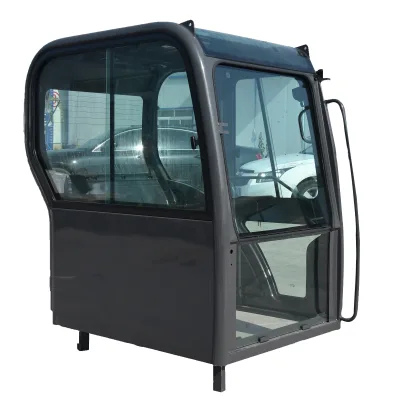
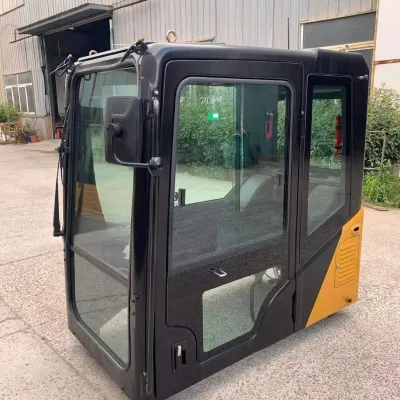
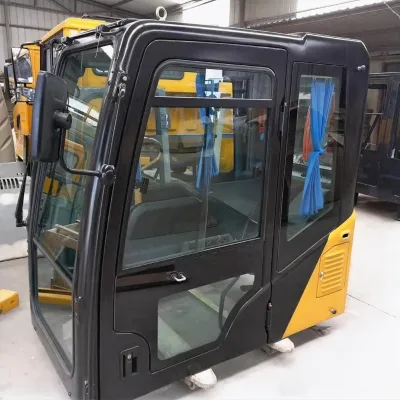
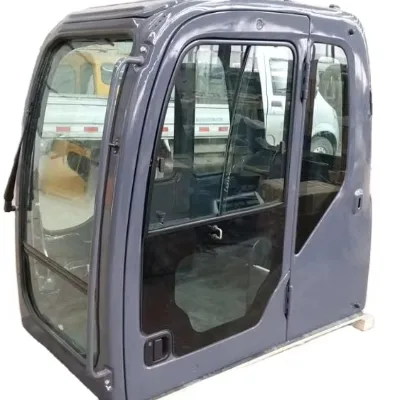
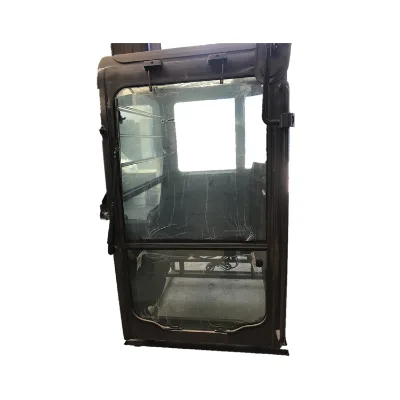
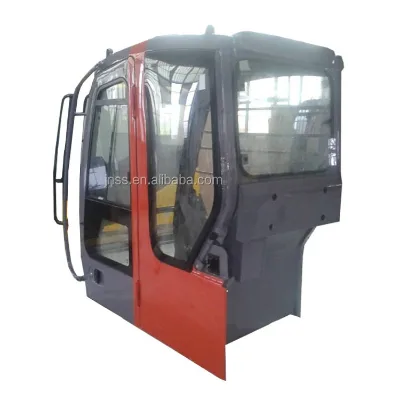
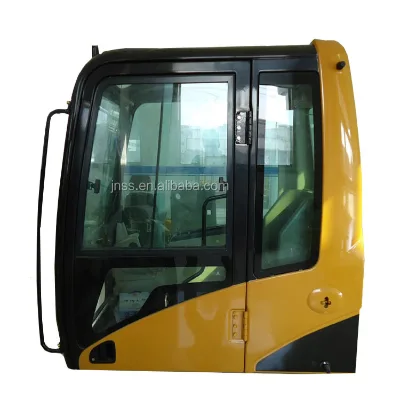
Construction Machinery Parts DX60 Excavator Cab 6000 kg Excavator Operator Cab Glass Excavator Cabin
$1000.00 - $1200.00
MOQ: 1
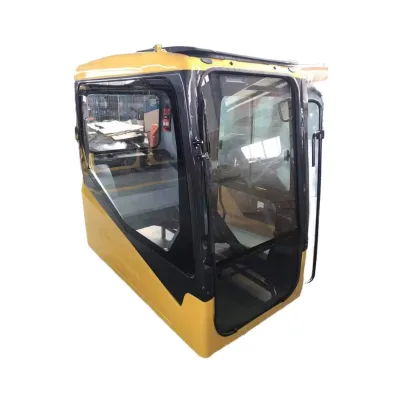
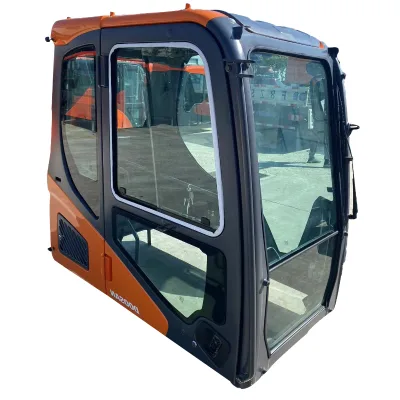
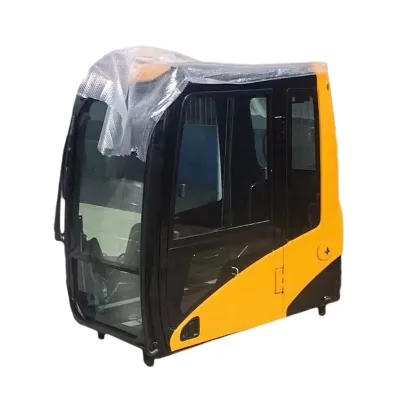
DX225 Construction Machinery Crawler Excavator Cabin Match for DX150 DX205 DX245 With Glass and Door
$1750.00 - $2050.00
MOQ: 1
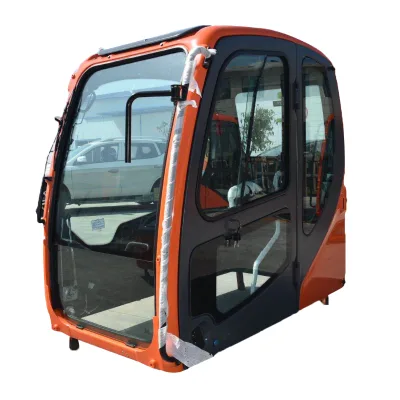
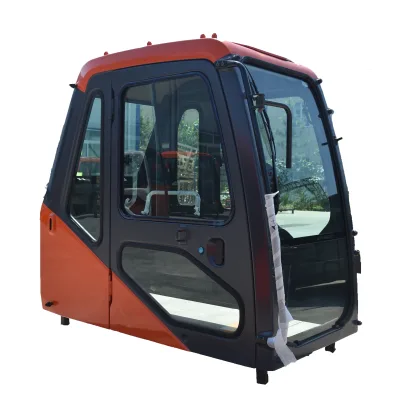
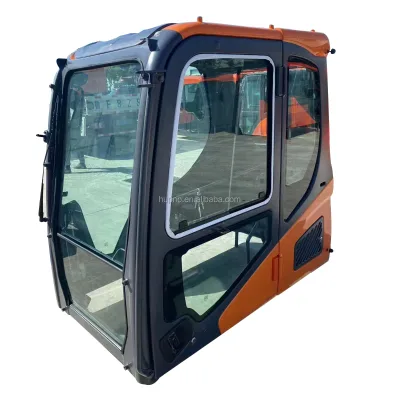
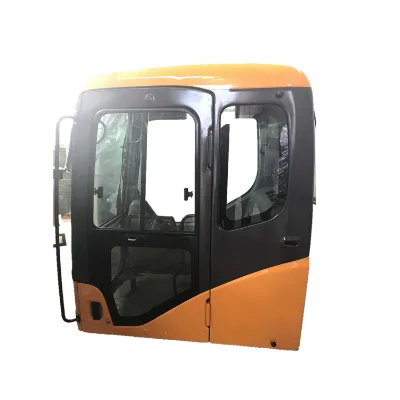
New Excavator Cabin DH220 Excavator Operator Cabin Drive Cab Operator Door Cabin Door Assy
$1150.00 - $1350.00
MOQ: 1
Guangzhou CSW Machinery Co., Limited
- Verified by SGS Group
- Trading Company
- Lead time25 days
- Avg. response≤ 3h
Main productsHeavy Equipments Repair Tools, Excavator Attachments, Excavator Hydraulic Parts, Excavator Undercarriage Parts, Excavator Parts
Main marketsNorth America(15%), Oceania(15%), South America(10%)
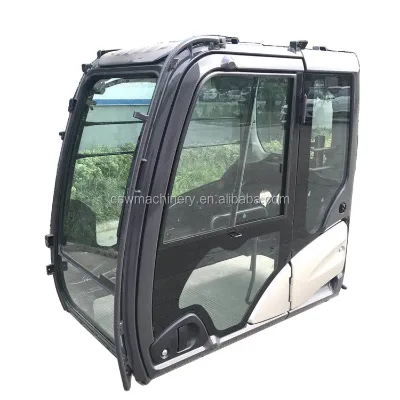
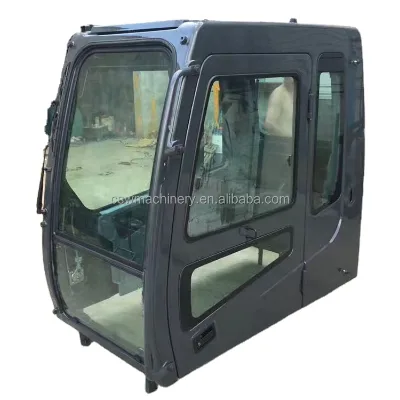
CSW Excavator Cabin for hyundai Excavartors Robex 210-7lc Cab Brand New OEM Quality
$2850.00 - $3250.00
MOQ: 1 pieces
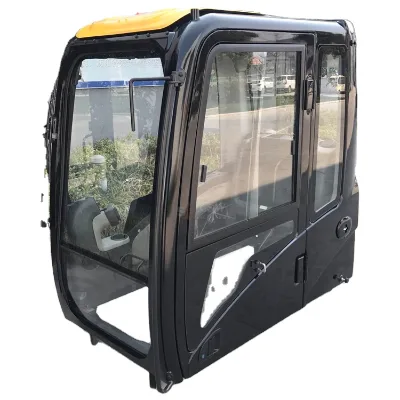
Brand New Mould Pressed Excavator Cabin CAT330D Operator Cab OEM Excavator Cab
$2350.00 - $2850.00
MOQ: 1
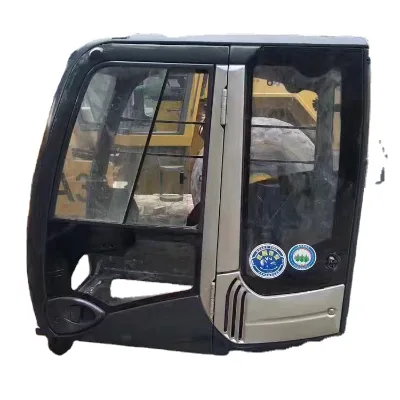
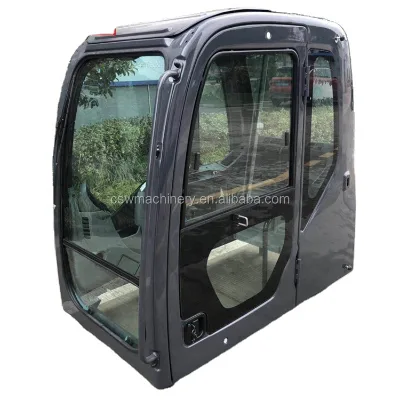
Brand New SK250-8 Excavator Driver Cabin SK350-8 Excavator Cab for Kobelco
$2250.00 - $2650.00
MOQ: 1 pieces
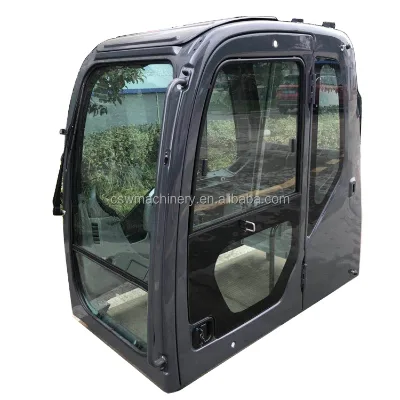
$2450.00 - $2850.00
MOQ: 1 pieces

Yantai Chicheng Hydraulic Machinery Co., Ltd.
- Verified by SGS
- Combined
- China Shandong
- Lead time23 days
- Avg. response≤ 1h
Main productsExcavator, Hydraulic Cylinder, Hydraulic Hose
Main marketsDomestic


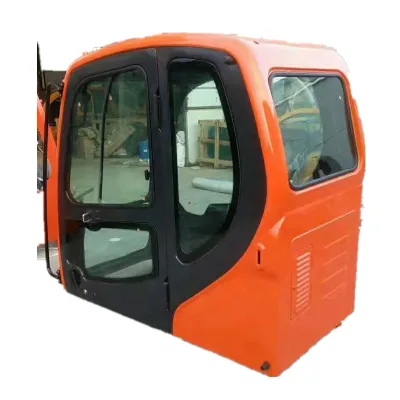
China Manufacturer Wholesale Construction Machinery Parts Doosan Excavator Operator Cabin
$500.00 - $1200.00
MOQ: 1 Pieces

OEM Quality Excavator Cabin for Doosan Dx225LC Dx300LC Dx340LC Operator Cab Assy
$500.00 - $1200.00
MOQ: 1 Pieces

Zhengzhou Cooper Industry Co., Ltd.
- Trading Company
- Henan, China
- Lead time30 days
- Avg. response≤ 2h
Main productsVehicle Parts & Accessories,Construction Machinery Attachments,Bus Spare Parts,Truck Spare Parts,Engine Parts
Main marketsAfrica(43.00%), Western Europe(14.00%), North America(14.00%), Mid East(10.00%), Southeast Asia(7.00%), Oceania(6.00%), South America(6.00%)

Shandong Tianfu International Trade Co., Ltd.
- Verified by SGS
- Trading Company
- China Shandong
- Lead time15 days
- Avg. response≤ 9h
Main productsLoader Part
Main marketsSouth America


$2400.00 - $3000.00
MOQ: 1 Pieces

Jining Bairuize Electrical Equipment Co., Ltd.
- Trading Company
- Shandong, China
- Lead time3 days
- Avg. response≤ 1h
Main productsexcavator spare parts,excavator final drive,hydraulic pump,excavator undercarriage,Bulldozer Parts
Main marketsNorth America(20.00%), South America(18.00%), Northern Europe(12.00%), Africa(10.00%), Oceania(10.00%), South Asia(5.00%), Eastern Europe(5.00%), Mid East(5.00%), Central America(5.00%), Southern Europe(3.00%), Southeast Asia(3.00%), Eastern Asia(2.00%), Domestic Market(1.00%), Western Europe(1.00%)
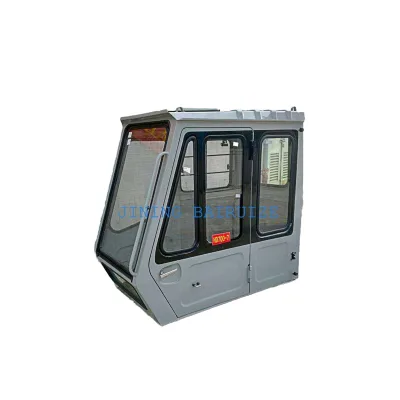
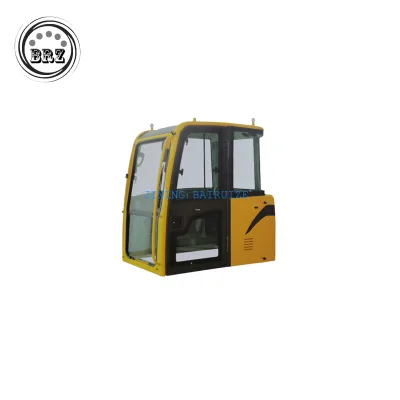
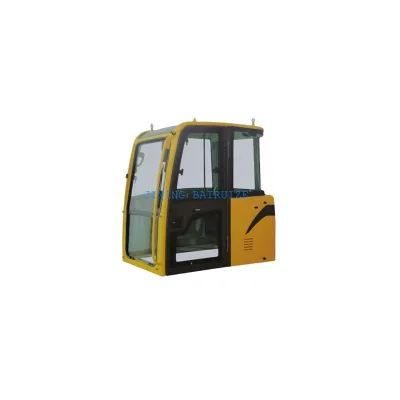
Made in China SK 30 SR Excavator Driver Cabin Door SK60 SK50 Operator Cab
$2784.6439 - $2922.8953
MOQ: 1 pieces
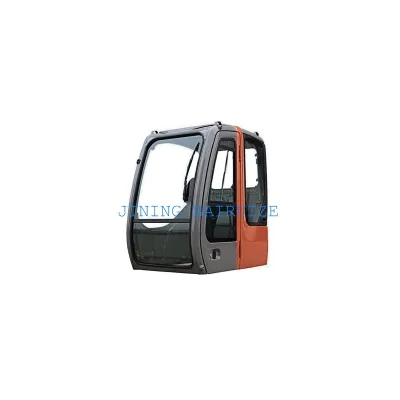
Made in China High Quality PC75UU-2 PC78 Excavator Complete Cab Excavator Parts PC120-6 Cabin
$2792.7373 - $2860.18
MOQ: 1 pieces
Guangzhou Omo Construction Machinery Equipment Co., Ltd.
- Manufacturer, Trading Company
- Guangdong, China
- Lead time15 days
- Avg. response≤ 11h
Main productsExcavator engine assembly,Excavator oil seal,Excavator hydraulic pump,Excavator parts,Excavator electric parts
Main marketsNorth America(25.00%), Eastern Europe(10.00%), Africa(10.00%), Domestic Market(5.00%), South Asia(5.00%), Southern Europe(5.00%), South America(5.00%), Northern Europe(5.00%), Central America(5.00%), Western Europe(5.00%), Eastern Asia(5.00%), Mid East(5.00%), Oceania(5.00%), Southeast Asia(5.00%)
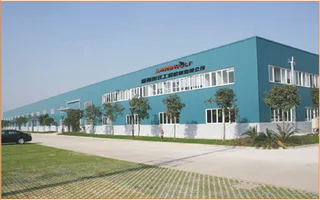
Hunan Landwolf Engineering Machinery Co., Ltd.
- Trading Company
- Hunan, China
- Lead time10 days
- Avg. response≤ 1h
Main productsexcavator spare parts,truck-mounted crane,crane parts,concrete machinery parts
Main marketsSoutheast Asia(25.00%), Africa(25.00%), Mid East(20.00%), South America(10.00%), North America(10.00%), Domestic Market(5.00%), Eastern Asia(5.00%)
Hunan Huiguangyuan Supply Chain Management Co., Ltd.
- Trading Company
- Hunan, China
- Lead time0 days
- Avg. response≤ 2h
Main productsExcavator Parts,Crane Parts,Loader Parts,Mining Truck Parts,Port Machinery Parts
Main marketsSoutheast Asia(60.00%)
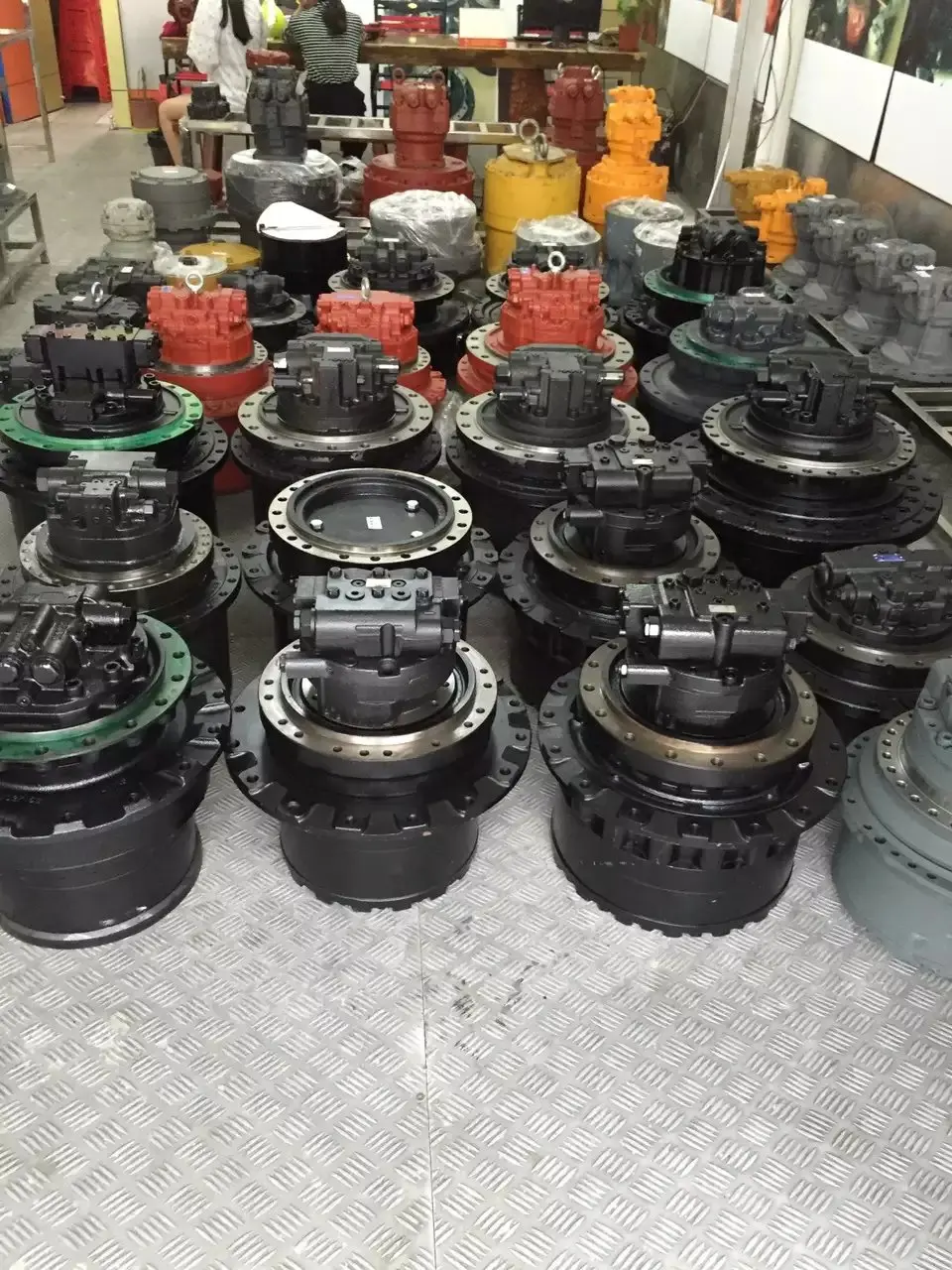
Jining Haochang Group Co., Ltd.
- Trading Company
- Shandong, China
- Lead time3 days
- Avg. response≤ 3h
Main productsExcavator spare parts,Final drive with travel motor,Hydraulic pump and parts,Swing Motor and parts,excavator hydraulic parts
Main marketsEastern Europe(20.00%), South America(20.00%), Western Europe(20.00%), North America(10.00%), Oceania(10.00%), Africa(10.00%), Southern Europe(5.00%), Central America(5.00%)

Xiamen Winsum Machinery Co., Ltd.
- Verified by BV
- Manufacturer/Factory
- China Fujian
- Lead time0 days
- Avg. response≤ 7h
Main productsUndercarriage Part, Track Chain, Track Link, Track Roller, Bulldozer Parts, Excavator Parts, Excavator Bucket Teeth, Hydraulic Cylinder, Top Roller
Main marketsSouth America,Eastern Europe,Mid East,North America,Southeast Asia,Eastern Asia,Oceania,Western Europe,Africa

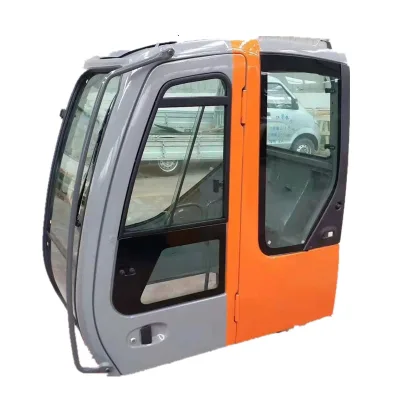
Excavator Cab Zx160LC Zx160LC-3 Excavator Operator Drive Cabin for Hitachi
$300.00 - $500.00
MOQ: 1 Pieces

Excavator Cabin Hyundai R220LC-7 Excavator Cabin Drivers Cabin for Hyundai Robex
$300.00 - $500.00
MOQ: 1 Pieces


Excavator Parts Driver Cab Operator Cabin for Volvo Excavator Ec140 Ec320 Ec380 Ec420 Ec460b
$300.00 - $500.00
MOQ: 1 Pieces

$300.00 - $500.00
MOQ: 1 Pieces


SHANDONG VOCHAINS IMP & EXP CO., LTD.
- Verified by SGS
- Trading Company
- China Shandong
- Lead time30 days
- Avg. response≤ 11h
Main productsShantui Dozer, Excavator, Mini Excavator, Wheel Loader, Backhoe Loader, Agricultural Machinery, Heavy Equipment, Undercarrage Parts, Engine Parts, Construction Machinery Parts
Main marketsAfrica,Southeast Asia/ Mideast

Hefei Zhuri Construction Machinery Co., Ltd
- Verified by CTI
- Trading Company,Manufacturer/Factory
- China Anhui
- Lead time15 days
- Avg. response≤ 3h
Main productsExcavator Parts, Hydraulic Pump, Hydraulic Motor, Control Valve, Engine Assy and Parts, Undercarriage Parts, Final Drive, Reducer, Travel Gearbox, Hydraulic Cylinder
Main marketsSouth America,Eastern Europe,Mid East,North America,Southeast Asia,Eastern Asia,Oceania,Western Europe,Africa

Sany- Group Genuine Parts Sany- Excavator Cabin with All The Models Sany- Excavator Cabin
$2800.00 - $3500.00
MOQ: 1 Pieces

Baoding City Xushui District Hexin Construction Machinery Equipment Leasing Office
- Manufacturer, Trading Company
- Hebei, China
- Lead time0 days
- Avg. response≤ 2h
Main productsexcavator parts,Second-hand excavator,Excavator accessories,excavator door
Main marketsWestern Europe(20.00%), Southern Europe(10.00%), Northern Europe(10.00%), Eastern Asia(10.00%), Mid East(10.00%), Africa(10.00%), North America(10.00%), Eastern Europe(10.00%), South America(10.00%)

Shandong Yongcheng Hydraulic Technology Co., Ltd.
- Verified by SGS
- Combined
- China Shandong
- Lead time15 days
- Avg. response≤ 4h
Main productsMotor, Pump, Rubber Track, Punching Machine
Main marketsAfrica,Southeast Asia/ Mideast,Domestic,Europe
Shandong Tianfu International Trade Co.,ltd.
- Trading Company
- Shandong, China
- Lead time0 days
- Avg. response≤ 4h
Main productsLoader parts,Engine parts,loader torque converter,loader transmission,Torque converter transmission assembly
Main marketsMid East(20.00%), Africa(20.00%), Northern Europe(20.00%), South Asia(10.00%), Southeast Asia(10.00%), Western Europe(10.00%), Eastern Asia(10.00%)
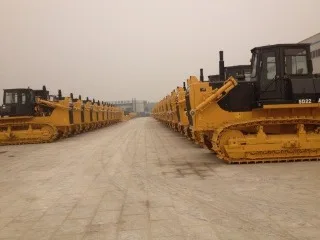
Jining United Import And Export Co., Ltd.
- Trading Company
- Shandong, China
- Lead time10 days
- Avg. response≤ 6h
Main productsBulldozers,Excavators,Wheel Loaders,HOWO TRUCK,Road Rollers
Main marketsSouth Asia(10.00%), Central America(10.00%), Eastern Asia(10.00%), Mid East(10.00%), Oceania(10.00%), Africa(10.00%), Southeast Asia(10.00%), Eastern Europe(10.00%), South America(10.00%), North America(10.00%)
Jining Shanshi Construction Machinery Co., Ltd.
- Trading Company
- Shandong, China
- Lead time7 days
- Avg. response≤ 5h
Main productsFinal Drive,Travel Motor,Swing Bearing,Hydraulic Pump,Track Shoe
Main marketsNorth America(20.00%), Eastern Europe(15.00%), Oceania(15.00%), Western Europe(10.00%), Southeast Asia(10.00%), South Asia(5.00%), Northern Europe(5.00%), Central America(5.00%), Africa(5.00%), Eastern Asia(5.00%), South America(5.00%)

MINI ELEPHANT HEAVY INDUSTRY CO., LTD.
- Verified by CTI
- Combined
- China Shandong
- Lead time15 days
- Avg. response≤ 2h
Main productsExvacator, Lawn Mower, Loader, Mini Exvacator, GPS Lawn Mower, Skid Steer Loader, Lithium-Ion Lawnmower, Remote-Controlled Lawnmower
Main marketsDomestic

Cab Excavator with Diesel Engine, Tracked Excavator, Mini Excavator Construction Machinery
$2200.00 - $3400.00
MOQ: 1 Pieces

Shandong Gretch Vehicle Group Limited
- Trading Company
- China Shandong
- Lead time0 days
- Avg. response≤ 3h
Main productsDump Truck

$15000.00 - $18000.00
MOQ: 1 Pieces

Second Hand PC220 Hydraulic Excavator Comfort Operator Cabin for Urban Renewal and Pipeline Projects
$14000.00 - $16000.00
MOQ: 1 Pieces

Zhengzhou Yuyuantong Engineering Machinery Co., Ltd
- Trading Company
- China Henan
- Lead time0 days
- Avg. response≤ 1h
Main productsUsed Excavator, Used Excavator Machine, Mini Excavator, Wheel Excavator, Loader, Crane, Road Roller, Bulldozer, Backhoe Loader

Used Excavator Original Operator Cabin Heavy Digger Ready to Operate After Simple Debugging
$28000.00 - $30000.00
MOQ: 1 Pieces

Used Excavator Fine Appearance Interior Cabin Heavy Machinery Ready for Immediate Delivery Service
$28000.00 - $30000.00
MOQ: 1 Pieces
Guangzhou Honour Time Machinery Limited
- Verified by SGS Group
- Trading Company
- Guangdong, China
- Lead time3 days
- Avg. response≤ 2h
Main productsDiesel Engine Liner Kit, Machinery Engine Parts, Diesel Engine Assy, Diesel Engine Repair Kit, Excavator Parts
Main marketsSouth America(30%), Southeast Asia(30%), Africa(20%)
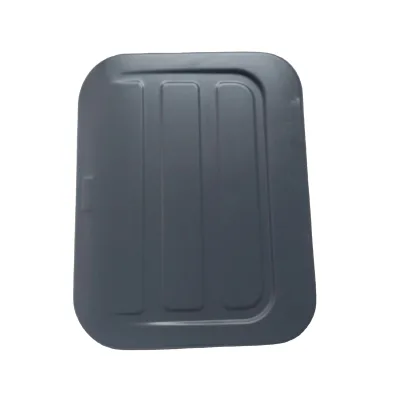
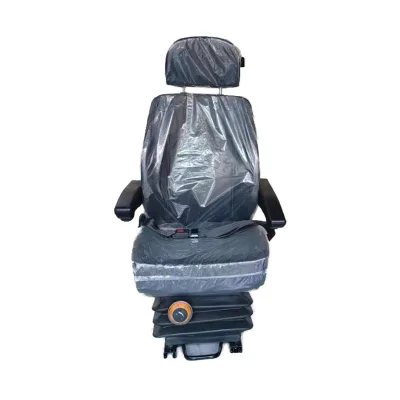
$205.4936 - $226.0441
MOQ: 1 pieces
Acntruck Vehicle & Machinery (Shanghai) Co., Ltd.
- Trading Company
- Lead time旺季: "1 - 5":38,"> 5":"To be negotiated", 淡季: "1 - 5":38,"> 5":"To be negotiated"
- Avg. response≤ 3h
Main productsWheel Loader, Excavator, Bulldozer, Road Roller, Motor Grader
Jinkung Industrial (shandong) Corporation
- Verified by TüVRheinland
- Manufacturer, Trading Company
- Lead time7 days
- Avg. response≤ 2h
Main productsMini Excavator, Lawn Mower, Loader, Spraying Machine, Tractor
Main marketsNorth America(39%), Eastern Europe(15%), Western Europe(10%)

Wuhan Fusen Machinery Co., Ltd.
- Trading Company,Manufacturer/Factory
- China Hubei
- Lead time38 days
- Avg. response≤ 9h
Main productsTractor & Implements, Forklift, Loader, Bulldozer, Motor Grader, Road Roller, Skid Steer Loader, Aspalt Paver
Main marketsSouth America,Eastern Europe,Mid East,Southeast Asia,Eastern Asia,Oceania,Western Europe,Africa
Dalian Yinlu Electrical Control Equipment Manufacturer
- Verified by TüVRheinland
- Manufacturer, Trading Company
- Lead time0 days
- Avg. response≤ 4h
Main productsElectrical Cabinet, Power Distribution Equipment, Sheet Metal Fabrication Part, Metal Enclosure
Main marketsDomestic Market(48%), Eastern Europe(10%), Eastern Asia(10%)
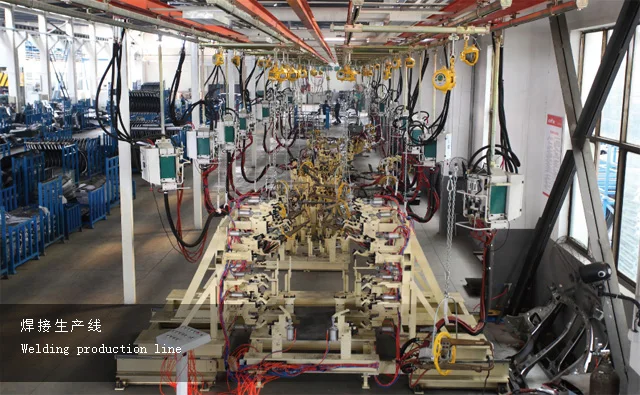
Jiangsu Dfm Vehicle Industry Co., Ltd.
- Manufacturer, Trading Company
- Jiangsu, China
- Lead time35 days
- Avg. response≤ 4h
Main productstruck parts,fire fighting parts,truck door,truck cab,truck body parts
Main marketsDomestic Market(20.00%), Eastern Asia(20.00%), South America(20.00%), Southeast Asia(10.00%), Western Europe(10.00%), Eastern Europe(10.00%), Africa(10.00%)
Superegn Mechanical Engineering (Shanghai) Co., Ltd.
- Trading Company
- Lead time旺季: "1 - 1":7,"> 1":"To be negotiated", 淡季: "1 - 1":7,"> 1":"To be negotiated"
- Avg. response≤ 2h
Main productsMotor Grader Wheel Loader, Wheel Loader, Road Roller, Bulldozer, Truck Crane
Oriemac Machinery & Equipment (Shanghai) Co., Ltd.
- Trading Company
- Lead time旺季: "1 - 1":35,"2 - 5":60,"> 5":"To be negotiated", 淡季: "1 - 1":35,"2 - 5":60,"> 5":"To be negotiated"
- Avg. response≤ 6h
Main productsEarth-moving Machinery, Road Construction Machinery, Lifting Machinery, Concrete Machinery, Drilling Machinery
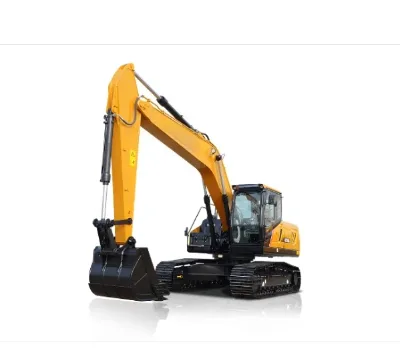
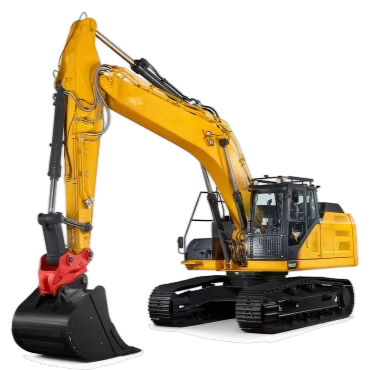
942F Comfortable Operation Excavator ROPS Cab Climate Control
$136492.8229 - $139462.2842
MOQ: 1 packs
Guangzhou Creditworthy Machinery Equipment Co., Ltd.
- Verified by TüVRheinland
- Trading Company
- Lead time0 days
- Avg. response≤ 2h
Main productsExcavator Engine Parts, Excavator Engine Assembly, Excavator Full Vehicle Parts, Mining Equipment Parts, Excavator Whole Machine
Main marketsSoutheast Asia(20%), North America(10%), Eastern Europe(10%)
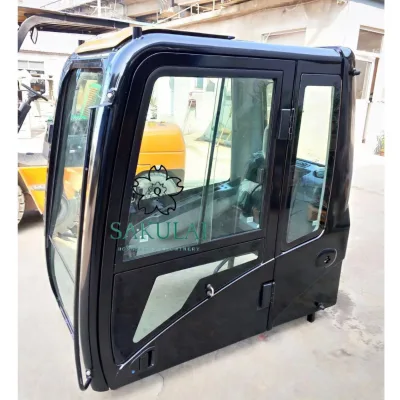
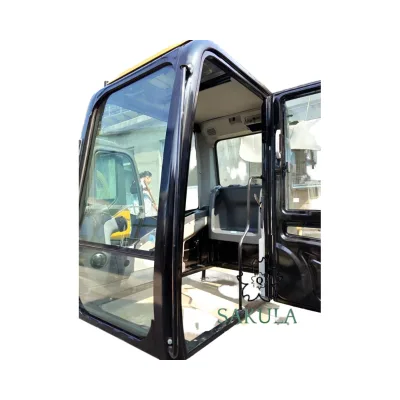
Original Factory New E320D Excavator New High Quality Excavator Cab for Caterpillar
$500.00 - $600.00
MOQ: 1 pieces

Xuzhou EJON Heavy Machinery Co.,Ltd.
- Verified by TUVRHEINLAND
- Combined
- China Jiangsu
- Lead time15 days
- Avg. response≤ 1h
Main productsExcavator, Mini Excavator, Skid Steer Loader, Lawn Mower
Main marketsDomestic

Spacious Comfort Cabin 22ton Crawler Excavator, Reduce Operator Fatigue Ex225
$56800.00 - $62000.00
MOQ: 1 Pieces

Easy Maintenance 22ton Medium Excavator, Centralized Maintenance Design Save Time Ex225
$56800.00 - $62000.00
MOQ: 1 Pieces

Shandong Ant Heavy Industry Technology Co., Ltd.
- Trading Company
- China Shandong
- Lead time0 days
- Avg. response≤ 9h
Main productsUsed Excavators, Used Bulldozers, Concrete Pump Truck, Used Motor Grader, Used Loader
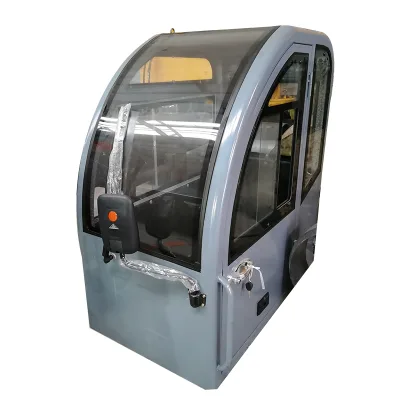
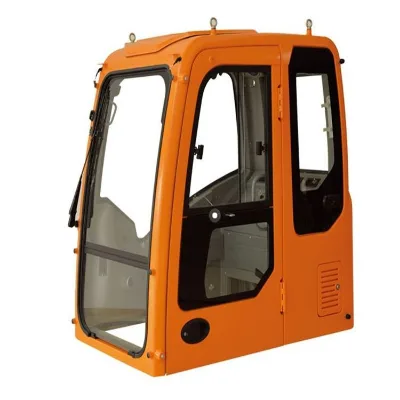
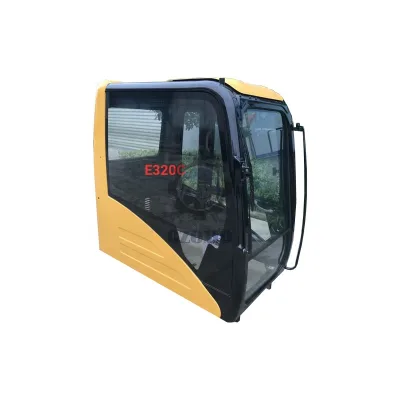
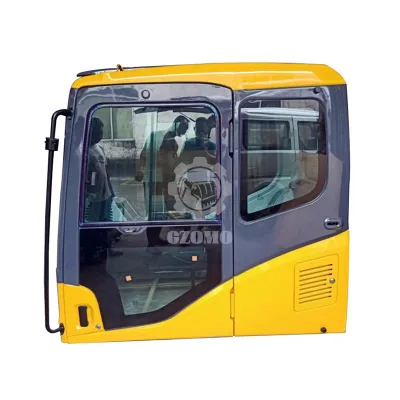
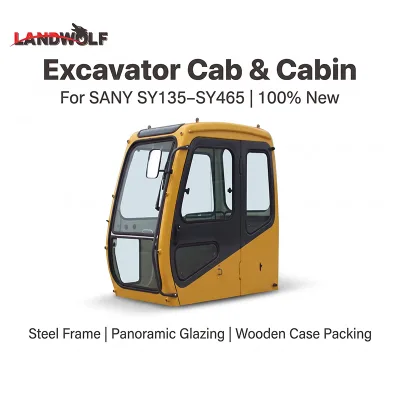
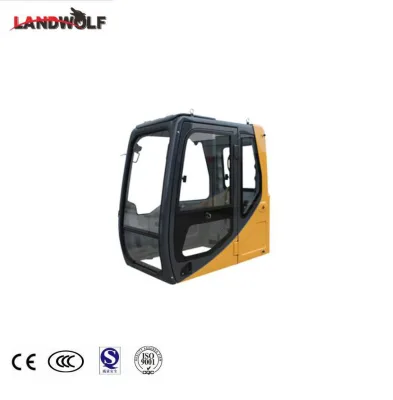
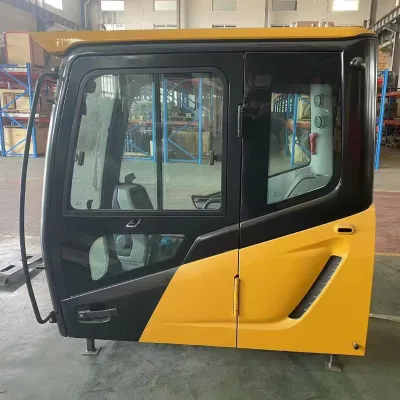
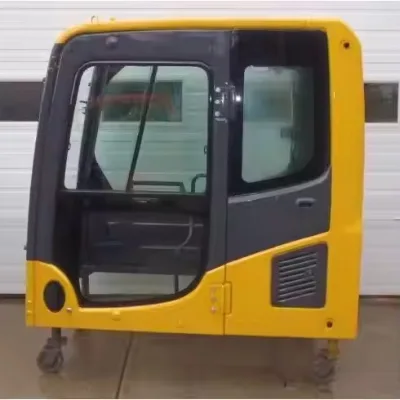
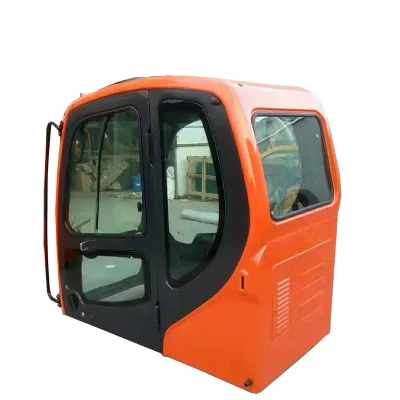




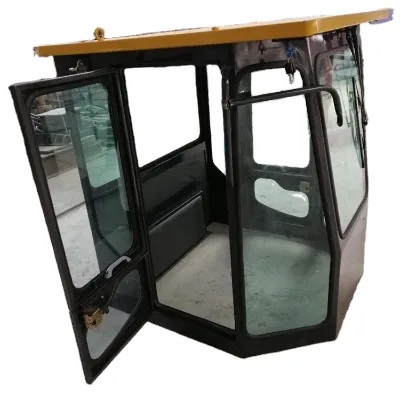


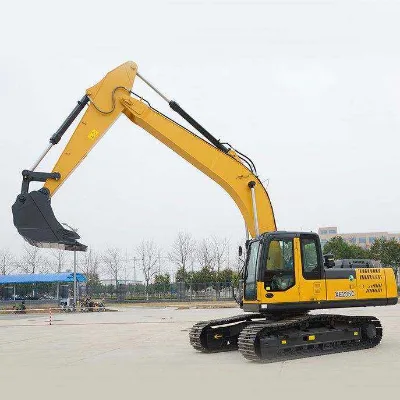


Comprehensive Sourcing Guide
Engineering Machinery Excavator Operating Cabin Supplier Concentration and Factory Types
The sourcing landscape for engineering machinery excavator operating cabins reveals a distinct concentration of manufacturing activity within Shandong, China, where a significant portion of suppliers are based. This regional clustering suggests a mature industrial ecosystem capable of supporting the complex fabrication requirements of heavy equipment components. Buyers evaluating these suppliers will encounter a mix of company types, primarily categorized as manufacturers and trading companies. The presence of both entity types indicates that while some suppliers control the production line directly, others may facilitate access to a broader network of workshops or specialized fabricators. Understanding this distinction is critical for buyers who need to determine whether they are engaging with the primary source of production or an intermediary layer. The data indicates that Shandong serves as a primary hub for these operations, offering buyers a centralized location to assess multiple potential partners for their excavator cabin needs.
In addition to the Shandong-based entities, the market also features suppliers originating from Guangdong, China, who specialize in different segments of the cabin market, such as used or refurbished units. These Guangdong-based suppliers often highlight specific capabilities like light customization, graphic processing, and sample processing, indicating a flexibility that may appeal to buyers seeking tailored solutions or replacements for older machinery models. The variation in company types and locations means that buyers must carefully review the supplier profile to understand the origin of the product. Whether sourcing a brand new OEM-quality cabin from a manufacturer in Shandong or a used cabin from a trading company in Guangdong, the supplier type dictates the level of control over quality and the nature of the transaction. This diversity in supplier composition allows buyers to select partners based on their specific project requirements, whether they prioritize new manufacturing precision or cost-effective refurbished options.
How to Verify Engineering Machinery Excavator Operating Cabin Suppliers
Verification of Engineering Machinery Excavator Operating Cabin suppliers requires a multi-layered approach that goes beyond basic company registration checks. Buyers should prioritize suppliers who display third-party verification badges, such as those from SGS Group, which provide an additional layer of confidence regarding the supplier’s operational legitimacy and business practices. This verification status is a strong indicator that the supplier has undergone external audits, reducing the risk of engaging with fraudulent entities. However, verification alone is not sufficient; buyers must also scrutinize the specific product evidence provided. For instance, some suppliers offer video outgoing-inspection services, allowing buyers to visually confirm the condition and quality of the cabin before shipment. This feature is particularly valuable for used or refurbished cabins, where physical inspection is impossible, and provides tangible proof of the product’s current state.
Beyond verification badges and video inspections, buyers should assess the supplier’s commitment to quality assurance through documentation. Suppliers who provide machinery test reports and detailed product attributes demonstrate a higher level of professionalism and transparency. Attributes such as ROPS (Roll Over Protective Structure) cabin certification, original finishing status, and exact model compatibility are critical for ensuring the cabin meets safety and operational standards. Buyers must verify that the compatible brands and model numbers listed, such as Doosan, Volvo, or Hitachi, accurately match their machinery requirements. Additionally, checking for the provision of single package sizes and gross weights helps in planning logistics and ensuring the supplier has a clear understanding of the product’s physical characteristics. By combining verification status, video evidence, and detailed technical documentation, buyers can build a robust profile of supplier reliability and product authenticity.
What to Compare Across Engineering Machinery Excavator Operating Cabin Suppliers
When comparing suppliers, buyers should focus on key operational metrics such as response time, lead time, and minimum order quantity (MOQ) to gauge efficiency and flexibility. Response times vary among suppliers, with some offering rapid replies within five hours, while others may take up to three hours, indicating different levels of customer service capacity. Lead times are another critical factor, ranging from fifteen days to twenty-five days, which directly impacts project scheduling and inventory management. Buyers with urgent needs should prioritize suppliers with shorter lead times, while those with flexible schedules might opt for suppliers offering more competitive pricing or specialized customization options. The MOQ is generally low, often starting at one piece, which allows buyers to order single units for replacement purposes without committing to large volumes. This low barrier to entry facilitates easier testing of new suppliers and reduces the financial risk associated with initial orders.
Price ranges also vary significantly based on the type of cabin and the compatible brand, providing buyers with options across different budget tiers. For example, cabins for models like the DX60 or DH220 may range from approximately $1,000 to $1,350, while larger or more complex cabins for models like the DX380LCA can reach up to $3,500. Used cabins, such as those for Hitachi models, may fall in the $2,850 to $3,350 range, reflecting their condition and included features. Buyers should compare these prices against the supplier’s verification status and warranty offerings to ensure value for money. Some suppliers offer a twelve-month warranty, which adds significant value and reduces long-term risk. By systematically comparing response speeds, lead times, MOQs, prices, and warranty terms, buyers can identify suppliers that best align with their operational requirements and budget constraints, ensuring a balanced selection process.
Common Engineering Machinery Excavator Operating Cabin Sourcing Risks
One of the primary risks in sourcing excavator operating cabins is the potential mismatch between the listed compatible brands and the actual product specifications. Suppliers may list multiple compatible brands, such as Doosan, HUMMUH, and HUPNP, which can create confusion regarding the exact fit for a specific machine model. Buyers must carefully verify the model numbers and ensure that the cabin’s dimensions and mounting points align perfectly with their excavator to avoid installation failures. Another significant risk involves the condition of used or refurbished cabins, where the distinction between "original finishing" and aftermarket modifications may be unclear. Without detailed video inspections or comprehensive machinery test reports, buyers may receive cabins that do not meet the expected quality standards, leading to additional costs for repairs or modifications. This risk is heightened when dealing with suppliers who do not provide transparent evidence of the product’s current state.
Packaging and logistics also present notable risks, particularly for large and heavy items like excavator cabins. Inadequate packaging can lead to damage during transit, resulting in costly returns or delays. Buyers should verify the packaging details, such as wood or plywood packing, and ensure that the supplier has a proven track record of safe delivery. The single gross weight and package dimensions provided by suppliers are critical for calculating shipping costs and ensuring that the cabin can be handled safely at the destination. Additionally, buyers should be cautious of suppliers who do not provide clear warranty terms or after-sales support. A lack of clear warranty policies, such as the twelve-month warranty offered by some suppliers, can leave buyers vulnerable to defects that emerge after installation. By identifying and mitigating these risks through thorough due diligence, buyers can protect their investments and ensure a smoother sourcing process.
Engineering Machinery Excavator Operating Cabin Regional Sourcing and Logistics
Regional sourcing strategies play a crucial role in optimizing logistics and reducing overall procurement costs for excavator operating cabins. Suppliers based in Shandong, China, offer the advantage of a concentrated manufacturing cluster, which can streamline production and potentially reduce lead times for new cabins. Buyers sourcing from this region should consider the proximity to major shipping ports to minimize inland transportation costs and ensure timely delivery. Conversely, suppliers in Guangdong, China, may offer different logistical advantages, particularly for buyers sourcing used or customized cabins. The regional differences in supplier locations mean that buyers must evaluate the total landed cost, including shipping, insurance, and customs duties, rather than just the unit price. Understanding the geographic distribution of suppliers allows buyers to make informed decisions about which region offers the best balance of cost, speed, and reliability for their specific needs.
Logistics planning must also account for the physical characteristics of the cabins, such as their single package size and gross weight. For instance, a cabin with a single package size of 210x120x190 cm and a gross weight of 550 kg requires specialized handling and freight arrangements. Buyers should work closely with their suppliers to ensure that the packaging is robust enough to withstand international shipping and that the supplier provides accurate documentation for customs clearance. The availability of video outgoing-inspection services can also aid in logistics planning by allowing buyers to verify the cabin’s condition and packaging before it leaves the factory. By integrating regional sourcing insights with detailed logistical planning, buyers can minimize the risks of damage, delays, and unexpected costs, ensuring that the excavator cabins arrive in optimal condition and on schedule.
Engineering Machinery Excavator Operating Cabin Commercial Terms and Order Planning
Commercial terms and order planning are essential components of a successful sourcing strategy for excavator operating cabins. Buyers should negotiate clear payment terms, such as the use of escrow services, to protect their financial interests until the product is received and verified. The availability of escrow can provide an additional layer of security, ensuring that funds are only released when the buyer is satisfied with the product’s quality and condition. Order planning should also consider the supplier’s lead time and MOQ to align with the buyer’s operational schedule. For example, a supplier with a fifteen-day lead time and a low MOQ may be ideal for urgent replacement needs, while a supplier with a twenty-five-day lead time might offer better pricing for planned maintenance cycles. By carefully aligning commercial terms with operational requirements, buyers can optimize their cash flow and ensure that the cabins are available when needed.
Warranty and after-sales support are critical commercial terms that can significantly impact the long-term value of the procurement. Suppliers offering a twelve-month warranty provide buyers with peace of mind and protection against defects, reducing the risk of unexpected repair costs. Buyers should verify the scope of the warranty and ensure that it covers both parts and labor, if applicable. Additionally, buyers should assess the supplier’s responsiveness to post-sale inquiries and their ability to provide technical support during installation. Clear communication channels and responsive customer service can prevent minor issues from escalating into major problems. By prioritizing suppliers with robust warranty policies and strong after-sales support, buyers can build a reliable supply chain that minimizes downtime and maximizes the lifespan of their excavator equipment. This strategic approach to commercial terms ensures that the sourcing process is not just a transactional exchange but a long-term partnership.
FAQs
What is the price range for excavator cabins?
Excavator cabin prices vary significantly based on the model and compatibility. For instance, DX60 cabins range from $1000 to $1200, while DX225 options cost between $1750 and $2050. Larger models like the DX380LCA can reach up to $3500. Buyers should verify specific pricing for their required machine model before placing orders.
What are the typical lead times for delivery?
Lead times for excavator cabins generally range from 15 to 25 days depending on the supplier. Some manufacturers offer faster turnaround times of 15 days, while others may require up to 25 days for production and shipping. Buyers should confirm the exact lead time with the supplier to ensure it aligns with their project schedule.
What is the minimum order quantity for cabins?
The minimum order quantity for most excavator cabins is one piece. Suppliers typically allow buyers to purchase single units for repair or replacement purposes. This low MOQ makes it accessible for individual machinery repair shops or plant maintenance teams to source specific cabin parts without needing to buy in bulk.
Which excavator brands are compatible with these cabins?
These cabins are compatible with various major excavator brands including Doosan, Volvo, Hitachi, Hyundai, and Komatsu. Specific models like DX60, EC140BLC, ZX210, and R210-7lc are supported. Buyers must check the model number and compatible brand details for each product to ensure proper fit for their specific machinery.
Are the cabins ROPS certified and tested?
Many excavator cabins are ROPS certified and come with machinery test reports. Suppliers often provide video outgoing inspections to verify quality before shipment. Buyers should request these reports and videos to ensure the cabin meets safety standards and is suitable for operation in construction and engineering environments.
What is the response time for supplier inquiries?
Supplier response times for excavator cabin inquiries typically range from 3 to 5 hours. Faster response times indicate more active and responsive suppliers. Buyers can expect quicker communication from suppliers with shorter response times, which is beneficial for urgent sourcing needs or clarifying technical specifications.
Where are these excavator cabins manufactured?
Excavator cabins are primarily manufactured in China, with specific origins in Shandong and Guangdong provinces. These regions are known for their construction machinery parts industry. Buyers should verify the place of origin for each product to understand shipping logistics and potential import regulations for their specific location.