Environmental Embroidered Alien Plush Toy Suppliers and Manufacturers
Compare 34 verified suppliers offering Environmental Embroidered Alien Plush Toy products with varying lead times, MOQs, and response speeds. Review location, pricing, and certification details to select a partner and request samples for verification; review the available evidence before requesting comparable quotations from suitable candidates.
Updated
Suppliers List

Yangzhou Babyjoy Arts & Crafts Co., Ltd.
- Trading Company
- Jiangsu, China
- Lead time30 days
- Avg. response≤ 7h
Main productsplush toy,pillow,blanket,mascot,indoor slppers
Main marketsNorth America(25.00%), South America(24.00%), Western Europe(12.00%), Domestic Market(10.00%), Eastern Europe(8.00%), Southeast Asia(8.00%), Africa(8.00%), Oceania(5.00%)
Yangzhou Jinrunan Maternal And Infant Supplies Co., Ltd.
- Trading Company
- Jiangsu, China
- Lead time15 days
- Avg. response≤ 3h
Main productsPlush Doll,Plush Cushion,Plush Slippers,Plush Bags,Plush Keychain
Main marketsSouthern Europe(10.00%), Northern Europe(10.00%), Central America(10.00%), Western Europe(10.00%), Mid East(10.00%), Southeast Asia(10.00%), Eastern Europe(10.00%), South America(10.00%), North America(10.00%), Domestic Market(5.00%), South Asia(5.00%)
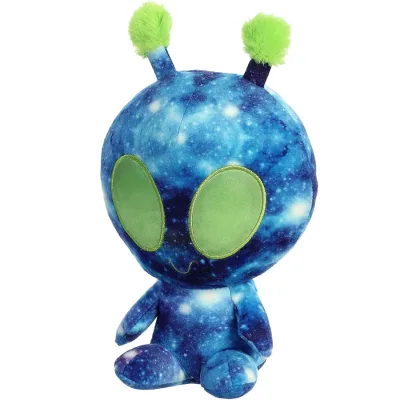
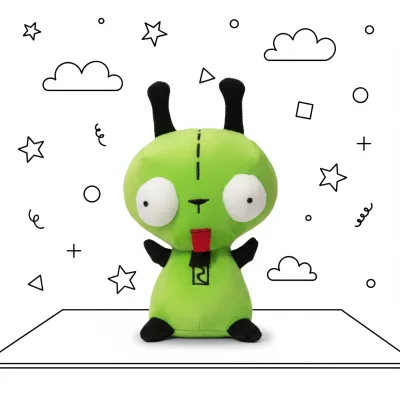
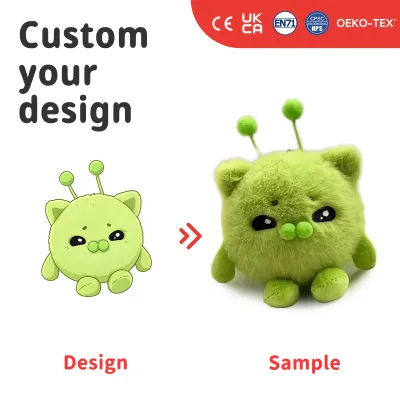
Factory Wholesale Custom Creativity Funny Alien Plush Toy Doll Green Alien Stuffed Toys for Kids
$1.98 - $3.13
MOQ: 10 pieces
Yangzhou Lutus Houseware Co., Ltd.
- Trading Company
- Jiangsu, China
- Lead time0 days
- Avg. response≤ 1h
Main productsPlush Toys,Slippers,Household Products
Main marketsNorth America(40.00%), Western Europe(10.00%), Southeast Asia(10.00%), Eastern Europe(10.00%), Mid East(10.00%), Southern Europe(5.00%), Northern Europe(5.00%), Africa(5.00%), South America(5.00%)
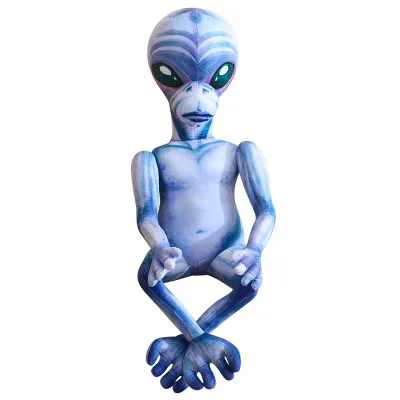
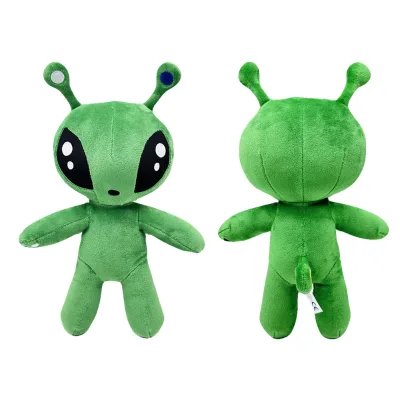
Hot Sell Custom Design Funny Plush Green Alien Plush Pillow Alien Plush Toy With Cartilage for Kids
$4.4161 - $5.1341
MOQ: 50 pieces
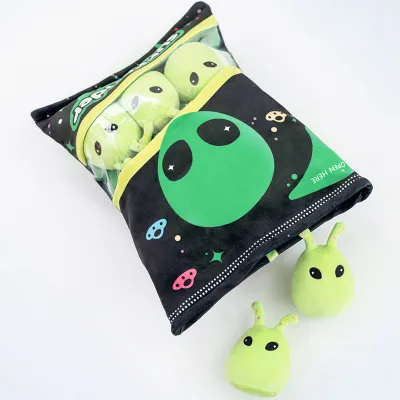
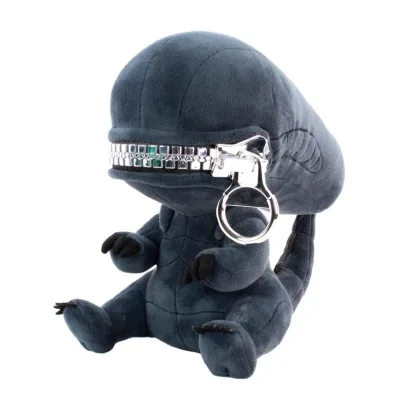
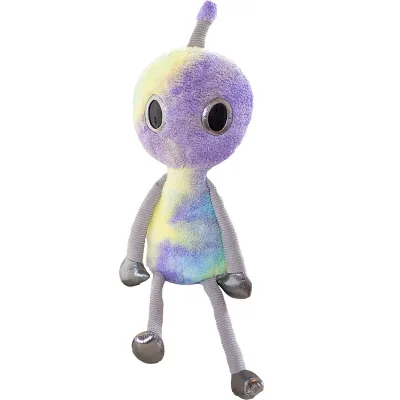
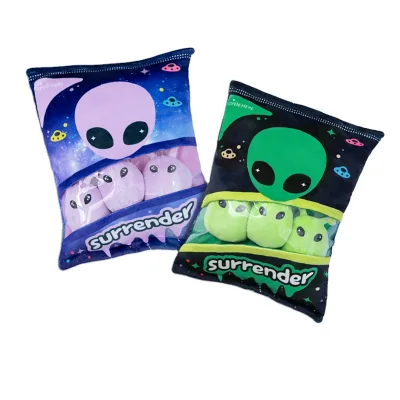
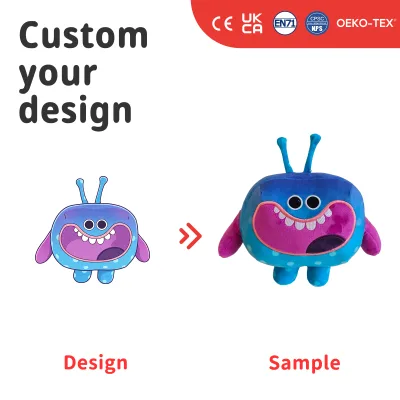
Adorable Purple and Green alien Plush Toy Cute Plush Pillow Toy alien Snack Doll with Squeaker
$7.35 - $7.75
MOQ: 500 pieces
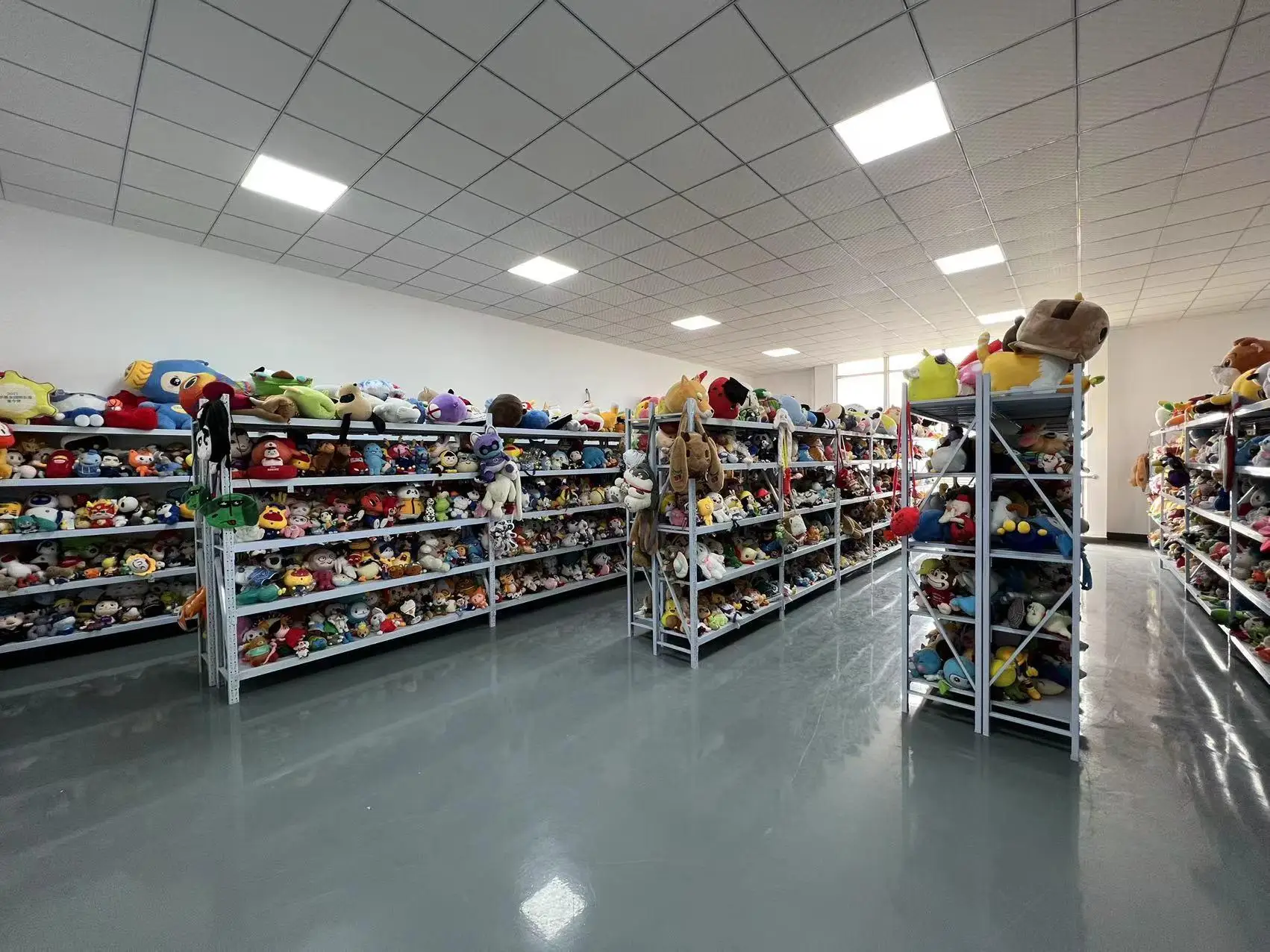
Changsha Fluffy Dream toy Co., Ltd.
- Trading Company
- Hunan, China
- Lead time25 days
- Avg. response≤ 2h
Main productsCustom plush toys,Stuffed Animal Toys,Plush keychain,Plush cushion,Creative plush products
Main marketsNorth America(60.00%), Eastern Europe(10.00%), Southeast Asia(5.00%), Northern Europe(4.00%), Oceania(4.00%), Western Europe(3.00%), Mid East(3.00%), South America(3.00%), Central America(2.00%), Southern Europe(2.00%), Domestic Market(1.00%), South Asia(1.00%), Eastern Asia(1.00%), Africa(1.00%)

Dongguan Lokwell Toys Co. Ltd.
- Trading Company,Manufacturer/Factory
- China Guangdong
- Lead time45 days
- Avg. response≤ 19h
Main productsPlush&Stuffed Toy, Fabrics Doll, Teddy Bear, Pet Toy, Cuddle Toy, Backpacks, Keychain, Cushion, Neck Pillow, Hand Puppets
Main marketsSouth America,Eastern Europe,Mid East,North America,Southeast Asia,Eastern Asia,Oceania,Western Europe,Africa


Custom Made Stuffed Toy of Little Monster Plush Keychain/ Plush Monster Toy for Easter Day
$1.90 - $3.90
MOQ: 500 Pieces
Yangzhou Joyful Toys&Gifts Co., Ltd.
- Trading Company
- Jiangsu, China
- Lead time20 days
- Avg. response≤ 6h
Main productsstuffed toys,plush pillows,Electric plush toys,custom plush toy,plush keychain
Main marketsNorth America(30.00%), Southern Europe(10.00%), Eastern Europe(10.00%), Western Europe(10.00%), Mid East(6.00%), Domestic Market(5.00%), Northern Europe(5.00%), Central America(5.00%), South America(5.00%), South Asia(5.00%), Africa(5.00%), Southeast Asia(2.00%), Eastern Asia(2.00%)
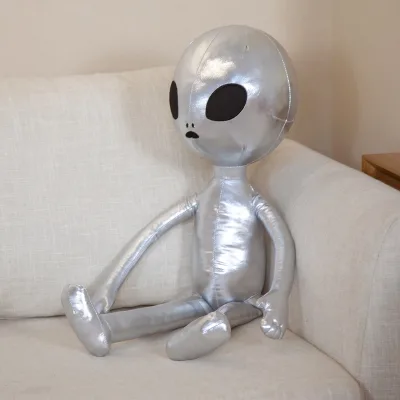
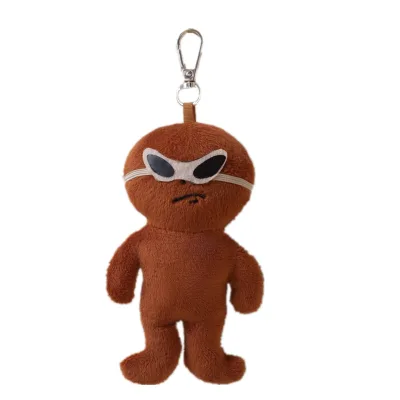
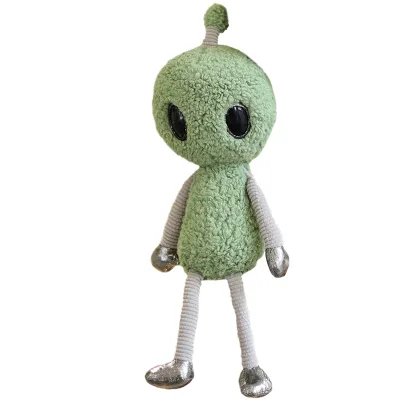
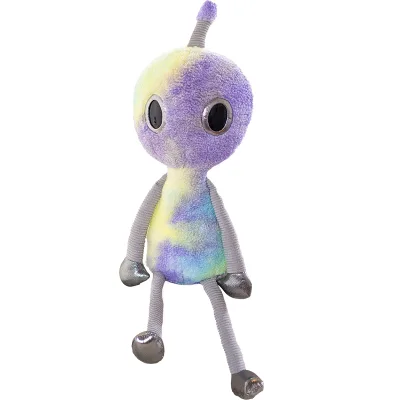
$3.2453 - $6.1609
MOQ: 10 Minimum
Guangdong Kinqee International Trade Co., Ltd.
- Verified by SGS Group
- Trading Company
- Lead time10 days
- Avg. response≤ 2h
Main productsPlush Doll/, Mascot Costume, Fiberglass, Resin Figurine, PVC Figurine

- Verified by CTI
- Trading Company
- China Anhui
- Lead time23 days
- Avg. response≤ 2h
Main productsFurniture, Home Furniture
Main marketsSoutheast Asia/ Mideast

Shenzhen Wanwei Technology Co., Ltd.
- Trading Company
- China Guangdong
- Lead time15 days
- Avg. response≤ 4h
Main productsPerfume, Mini Perfume, Women Perfume, Men Perfume, Unisex Perfume, Perfume Gift Set, Travel Perfume, Arabic Perfume, Fragrance, Cologne
Main marketsSouth America,Eastern Europe,Mid East,North America,Southeast Asia,Eastern Asia,Oceania,Western Europe,Africa

NANJING SONNY IMP. & EXP. CO., LTD.
- Verified by SGS
- Trading Company
- China Jiangsu
- Lead time60 days
- Avg. response≤ 15h
Main productsPlush Toys Animal Toys Baby Toys Pet Toys
Main marketsAfrica,Domestic,Europe


Talking Back & Moving Aliens with Big Eyes Plush Toy Electronic Toy Best Children Gift
$3.50 - $5.00
MOQ: 2000 Pieces

Hebei Xiongan Binzheng Toys Co., Ltd.
- Verified by TüVRheinland
- Manufacturer, Trading Company
- Hebei, China
- Lead time15 days
- Avg. response≤ 3h
Main productsBoba Plush Toys, Santa Claus Stuffed Toys, Bear With Rose Stuffed Animals, Long Cat Pillow Toys, Claw Machine Toys
Main marketsNorth America(50%), Western Europe(20%), Eastern Europe(15%)

- Verified by TUVRHEINLAND
- Trading Company
- China Jiangsu
- Lead time30 days
- Avg. response≤ 3h
Main productsPet Products, Pet Food, Pet House, Pet Plush Toy, Pet Clothes, Pet Collar, Cat Litter, Pet Leash, Pet Harness
Main marketsNorth America

Green Alien Soft Plush Stuffed Doll Custom Animal Wholesale Gift Novelty Cartoon Toys
$0.50 - $5.00
MOQ: 2000 Pieces


Creative Children's Festival Gift Squirrel Doll Simulation Animal Doll Plush Toy Customization
$0.80 - $6.99
MOQ: 500 Pieces
- Verified by TüVRheinland
- Manufacturer, Trading Company
- Lead time10 days
- Avg. response≤ 4h
Main productsPlush Toys
Main marketsNorth America(45%), Western Europe(30%), Southeast Asia(20%)

Lianyungang Hongwen Toys Co., Ltd.
- Verified by SGS
- Combined
- China Jiangsu
- Lead time23 days
- Avg. response≤ 8h
Main productsCustom Plush Backpack, Stuffed Toy, Custom Plush Pillow, Custom Plush Doll, Custom Plush Toy, Custom Hold-All, Plush Pillow, Animal Plush, Stuffed Plush Toys, Plush Toy Animals
Main marketsAfrica,Southeast Asia/ Mideast,East Asia(Japan/ South Korea),Domestic,Europe,Australia,North America


Custom Plush Rabbit Toy Character Plushie Custom Dolls Design Stuffed Animal Toy
$2.00 - $5.00
MOQ: 100 Pieces

Custom Cute Plush Creative Animation Personalized Custom Plush Doll Animal Toy
$1.50 - $3.00
MOQ: 100 Pieces
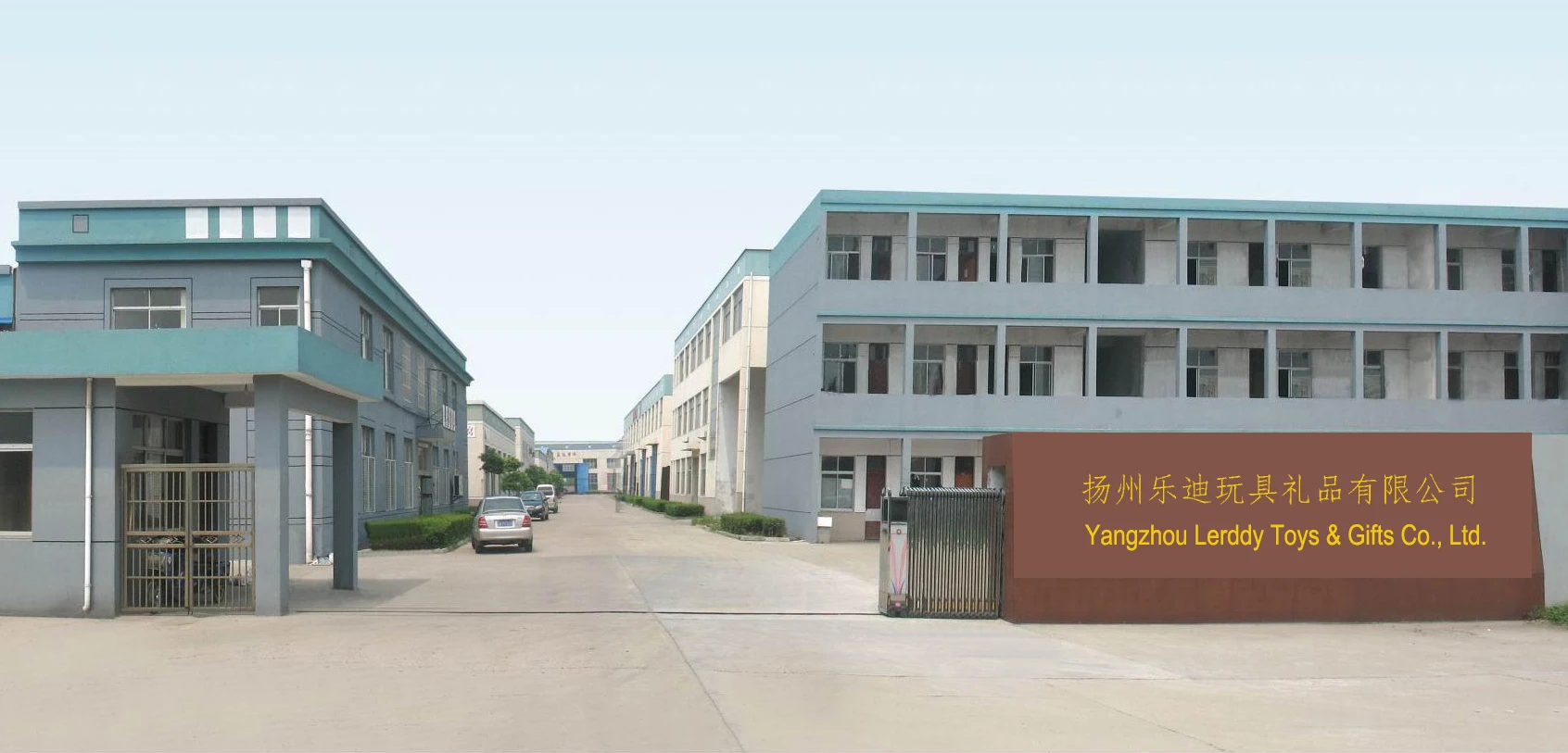
Yangzhou Lerddy Toys & Gifts Co., Ltd.
- Trading Company
- Jiangsu, China
- Lead time30 days
- Avg. response≤ 2h
Main productsPlush Toy,Stuffed toy,Stuffed animals,Plush slippers,Gifts
Main marketsNorth America(30.00%), South America(20.00%), Mid East(10.00%), Northern Europe(8.00%), Southeast Asia(8.00%), Oceania(5.00%), Central America(5.00%), Western Europe(5.00%), Southern Europe(5.00%), Eastern Europe(3.00%), South Asia(1.00%)

Shanghai Touch Industrial Development Co., Ltd.
- Verified by TUVRHEINLAND
- Combined
- China Shanghai
- Lead time15 days
- Avg. response≤ 5h
Main productsInstant Hot Pack, Hot Cold Pack, Gel Eye Mask, Gel Ice Pack, Gel Bottle Cooler, Instant Ice Pack, Hand Warmer, Heat Pack, Cooling Scarf, Gel Beads
Main marketsSouth America,Others(foreignTradeCapacity.exportBusinessCapacityMarketOther),Southeast Asia/ Mideast,East Asia(Japan/ South Korea),Domestic,Europe,Australia,North America
Dongguan Jialedi Toys Co., Ltd.
- Verified by TüVRheinland
- Manufacturer, Trading Company
- Lead time15 days
- Avg. response≤ 2h
Main productsStuffed Animal Toys, Plush Pillows, Plush Figure Toys, Plush Bags, U-Shaped Pillow
Main marketsNorth America(60%), South America(10%), Eastern Europe(10%)
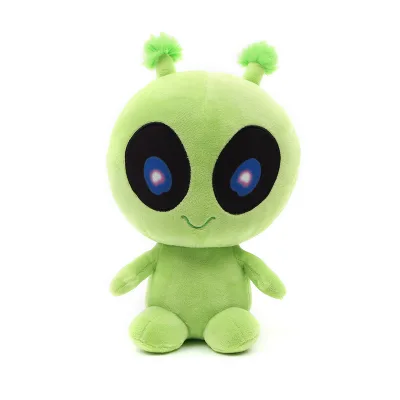
China Factory Custom Design Funny Stuffed Plush Green Alien Doll Toys Anime Cartoon Toy
$2.6982 - $3.3203
MOQ: 50 pieces

- Verified by TUVRHEINLAND
- Trading Company
- China Jiangsu
- Lead time30 days
- Avg. response≤ 3h
Main productsPlush Toy, Teddy Bear, Baby Toy, Pet Toy, Puppet, Doll, Plush Bag, Slippers, Cap, Electric Toy
Main marketsNorth America
Yangzhou Amy Rabbit Electronic Commerce Co., Ltd.
- Verified by TüVRheinland
- Manufacturer, Trading Company
- Lead time20 days
- Avg. response≤ 2h
Main productsPlush Toys
Main marketsNorth America(60%), Western Europe(20%), Northern Europe(20%)
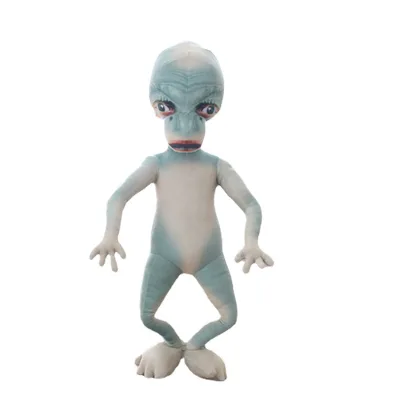
New Arrival Plush Alien Toys Stuffed Anime Children Birthday Gift Plush Alien Doll
$2.0521 - $2.1661
MOQ: 50 pieces
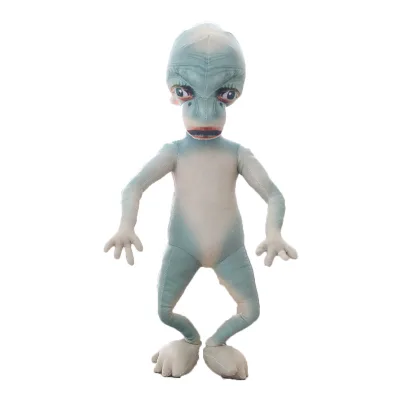
$4.1043 - $7.1967
MOQ: 50 pieces

Shanghai David International Trade Co., Ltd.
- Verified by TUVRHEINLAND
- Combined
- China Shanghai
- Lead time15 days
- Avg. response≤ 10h
Main productsPromotional Gifts, Gift Sets, Tshirts, Hats, Hot Packs, Hot Cold Packs, Ice Packs, Bags, Umbrellas, Water Bottles
Main marketsSouth America,Africa,Southeast Asia/ Mideast,East Asia(Japan/ South Korea),Domestic,Europe,Australia,North America
- Verified by SGS Group
- Trading Company
- Lead time30 days
- Avg. response≤ 2h
Main productsPlush Toys, Mascot Costume, PVC/Resin Figures, Pet Toys, Craft Gifts
Main marketsNorth America(60%), Oceania(10%), Western Europe(8%)

- Combined
- China Jiangsu
- Lead time30 days
- Avg. response≤ 7h
Main productsCustom Plush Toy, Plush Doll
Main marketsSoutheast Asia/ Mideast,Europe,North America

Embroidered Doll Stuffed Animal Toys Mini Plush Toy 10cm Doll Fabric or Smooth Plush Doll
$3.00 - $5.50
MOQ: 50 Pieces


Hunan Yeemary Toy Creative Design and Manufacturing Co., Ltd.
- Verified by SGS
- Combined
- China Hunan
- Lead time30 days
- Avg. response≤ 3h
Main productsCustomized According to Drawings, Customized Acc, Custom Plush Animal, Custom Plush Doll, Custom Plush Plant, Custom Plush Keychain, Custom Plush Pillow, Custom Plush Backpack, Cotton Plush Dolls, Christmas Doll
Main marketsSouth America,East Asia(Japan/ South Korea),Domestic,Europe,North America

Custom Stuffed Plush Toy Custom Plush Soft Toy Plush Custom Human Doll Toys
$1.00 - $5.00
MOQ: 100 Pieces

Custom Stuffed Plush Toy Manufacturer Custom Plushie Soft Plush Custom Human Doll Toys
$1.00 - $5.00
MOQ: 100 Pieces

Custom Stuffed Plush Toy Manufacturer Custom Plush Soft Plush Custom Human Doll Toys
$1.00 - $5.00
MOQ: 100 Pieces

$1.00 - $5.00
MOQ: 100 Pieces
Suzhou Jinjieen Trading Co., Ltd.
- Verified by TüVRheinland
- Trading Company
- Jiangsu, China
- Lead time30 days
- Avg. response≤ 5h
Main productsStuffed Toys, Ai Plush Toys, PVC Crafts, Comfort Toys, Pet Toys
Main marketsNorth America(60%), Western Europe(30%), Africa(4%)
Huizhou Zhuoteng Electronic Commerce Co., Ltd.
- Trading Company
- Guangdong, China
- Lead time0 days
- Avg. response≤ 5h
Main productskids Clothing,baby Clothing,Toddler Clothing,kids dresses,Children's pajamas
Main marketsNorth America(80.00%), Southeast Asia(5.00%), South America(5.00%)
Dongguan Ai Cheng Toys Co., Ltd.
- Manufacturer
- Guangdong, China
- Lead time25 days
- Avg. response≤ 8h
Main productsplush toys,plush pillow,plush bag,plush puppet,plush slippers
Main marketsWestern Europe(20.00%), Eastern Europe(20.00%), Domestic Market(20.00%), Central America(20.00%), South America(10.00%), North America(10.00%)
Shanghai Rbin Industry And Trade Co., Ltd.
- Verified by TüVRheinland
- Trading Company
- Lead time45 days
- Avg. response≤ 3h
Main productsCustom Plush Toy, Plush Keychain, Pillow And Cushion, Stuffed Animal Toy, Plush Pet Toys
Main marketsNorth America(60%), Western Europe(20%), Southeast Asia(10%)

Pakfoon Trading Company Limited
- Verified by SGS
- Trading Company
- China Guangdong
- Lead time15 days
- Avg. response≤ 6h
Main productsPlush Toy, PVC Toy, Pet Toy, Baby Toy, Soft Toy, Functional Toy, Stuffed Toy, Stuffed Animal
Main marketsEast Asia(Japan/ South Korea)

$3.00 - $4.00
MOQ: 500 Pieces

Plush Toy New Creative Gift CE Plushies Baby Plush Figure Animal Dolls Sale Eco Doll Toy
$3.00 - $4.00
MOQ: 500 Pieces

Plushies Animal Eco Baby Factory Kids Plush Toy Creative Logo Cartoon CE Figure Hot Selling Sale Toy
$3.00 - $4.00
MOQ: 500 Pieces

$3.00 - $4.00
MOQ: 500 Pieces

Figure Cartoon Baby OEM Eco Hot Selling Hot Gift CE Animal Custom Plushies Toy Kids Stuffed Toy
$3.00 - $4.00
MOQ: 500 Pieces

Dolls New Children Creative Eco Kids OEM Hot Animal Plush Toy Gift Hot Selling Cartoon Cute Toy
$3.00 - $4.00
MOQ: 500 Pieces
- Verified by TüVRheinland
- Trading Company
- Lead time30 days
- Avg. response≤ 2h
Main productsPlush Dolls, Cartoon Costume, Plush Throw Pillow, Plush Accessory, Plush Bag
Main marketsNorth America(60%), Western Europe(19%), Southeast Asia(10%)
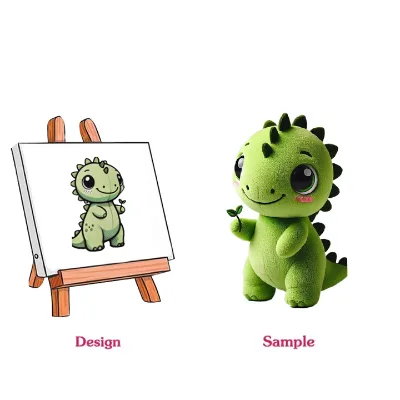
$3.00 - $3.80
MOQ: 300 pieces
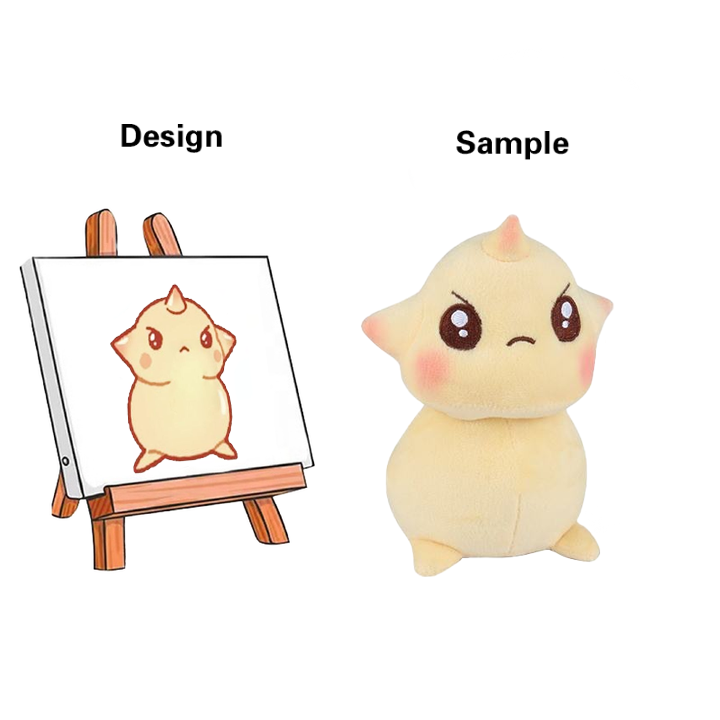
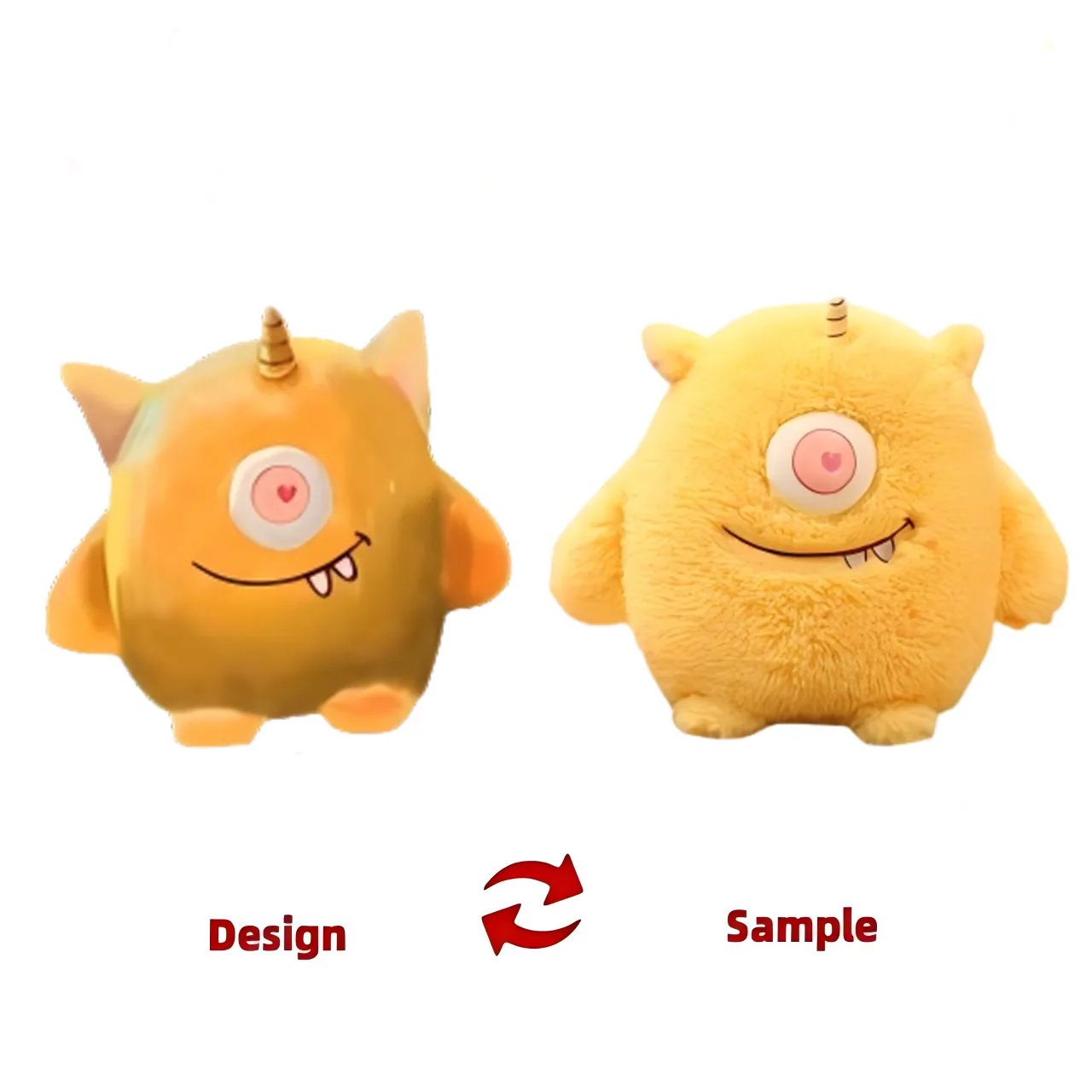
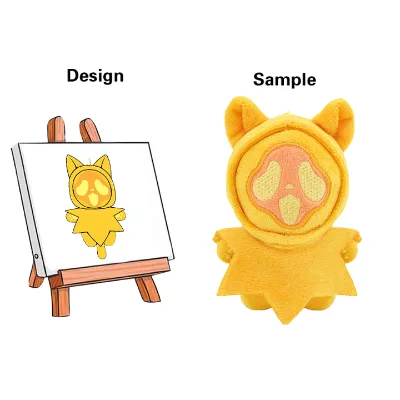
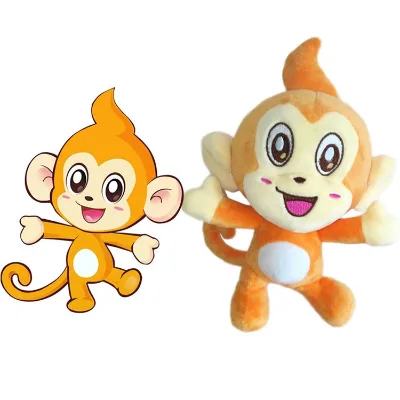
- Verified by TüVRheinland
- Manufacturer, Trading Company
- Lead time15 days
- Avg. response≤ 3h
Main productsPlush Toy, Flower Plush, Pet Toy, Custom Plush Toy, Keychain
Main marketsNorth America(40%), Northern Europe(25%), Southeast Asia(20%)
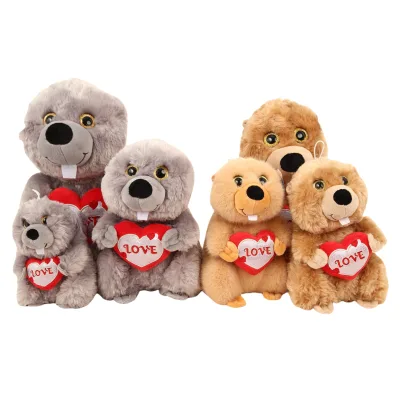
$2.25 - $3.88
MOQ: 1200 Minimum
Shenzhen Ji Mi Technology Co., Ltd.
- Manufacturer, Trading Company
- Guangdong, China
- Lead time15 days
- Avg. response≤ 4h
Main productsSchool bag,Plush toy,Backpack,luggage and bags,toy
Main marketsNorth America(25.00%), Western Europe(20.00%), Domestic Market(10.00%), Southeast Asia(10.00%), Mid East(5.00%), Northern Europe(5.00%), Eastern Europe(5.00%), Eastern Asia(5.00%)
YIWU DOLPHINESHOW TRADING CO.LTD
- Verified by SGS Group
- Trading Company
- Lead time25 days
- Avg. response≤ 4h
Main productsPlush Toys, Blankets, Plush Keychains and Travel Pillows, Plush Dolls, Pet Toys
Main marketsNorth America(40%), South America(30%), Southeast Asia(10%)
Dongguan Xinsheng Toys Co., Ltd.
- Manufacturer, Trading Company
- Guangdong, China
- Lead time0 days
- Avg. response≤ 22h
Main productsStuffed Animal Toy, Plush Pillow, Plush Keychains Toy, Electronic Plush Toy, Plush Backpack
Main marketsNorth America(70.00%), Domestic Market(10.00%), Western Europe(5.00%), Southern Europe(5.00%), Northern Europe(5.00%), Eastern Europe(5.00%)
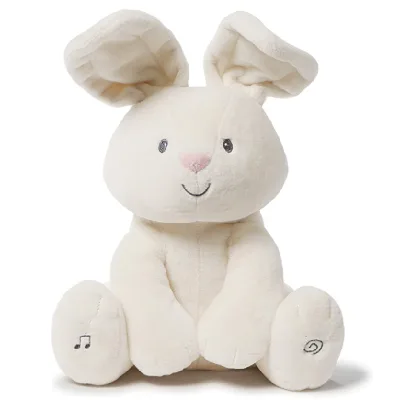
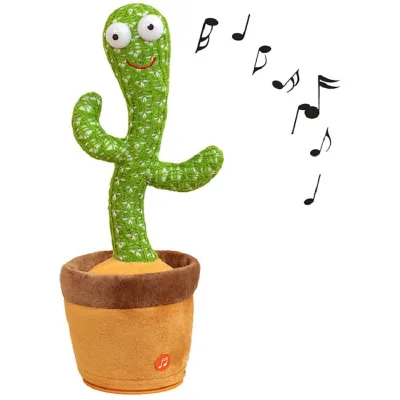
New Design Custom Talking Maker Toys with logo Customised Stuffed Figure Plush Toy
$1.0283 - $3.9079
MOQ: 500 pieces

Ningbo Gusta Stationery Co., Ltd.
- Verified by BV
- Trading Company
- China Zhejiang
- Lead time30 days
- Avg. response≤ 6h
Main productsPencil Case, Stationery Set, Bag, Toys, Office Supplies, Arts & Crafts, Housewares, Silicone Product, School Bag, Travel Bag
Main marketsEast Asia(Japan/ South Korea),Europe,North America


Custom Plush Toy Soft Eco Friendly Party Gift High Quality OEM Production
$3.95 - $4.29
MOQ: 1000 Pieces




Comprehensive Sourcing Guide
Environmental Embroidered Alien Plush Toy Supplier Concentration and Factory Types
The current supplier landscape for environmental embroidered alien plush toys reveals a distinct concentration of manufacturing and trading entities within Jiangsu, China. This regional clustering suggests a mature supply chain ecosystem where raw materials, embroidery machinery, and assembly labor are readily available in close proximity. Buyers evaluating this market should note that the predominant company type observed is the Trading Company, which acts as an intermediary between factories and international purchasers. These trading entities often aggregate products from multiple smaller workshops, allowing them to offer a diverse catalog that includes plush toys, pillows, blankets, mascots, and indoor slippers. This structure can be advantageous for buyers seeking a one-stop solution for varied product lines, as it simplifies logistics and communication. However, it also means that the actual manufacturing origin might be dispersed among several smaller facilities within the same province. The presence of these trading companies indicates that while the physical production is localized, the commercial interface is streamlined for global trade. Understanding this dynamic is crucial for buyers who need to balance the convenience of a single point of contact with the need for direct factory oversight. The concentration in Jiangsu also implies that shipping infrastructure is likely optimized for export, potentially reducing transit times for finished goods. Buyers should consider how this geographic focus impacts their overall supply chain strategy, particularly if they require rapid replenishment or frequent small-batch orders. The density of suppliers in this region creates a competitive environment, which can drive down costs but may also increase the complexity of supplier verification. It is essential to recognize that while the location is consistent, the operational capabilities and quality control standards can vary significantly between different trading companies and their underlying factory partners. This variability necessitates a thorough due diligence process to ensure that the environmental and embroidery claims are substantiated by actual production practices rather than just marketing materials.
How to Verify Environmental Embroidered Alien Plush Toy Suppliers
Verifying the authenticity and capabilities of suppliers requires a multi-layered approach that goes beyond surface-level product listings. Buyers must prioritize the confirmation of specific certifications, such as CPC and CE, which are critical for ensuring that plush toys meet international safety standards, particularly for children’s products. These certifications are not merely optional badges but legal requirements in many markets, and their absence can lead to significant compliance risks. When assessing suppliers, buyers should request copies of these certificates and verify their validity through the issuing bodies. Additionally, the response time of a supplier is a strong indicator of their operational efficiency and customer service quality. In the current market, response times vary, with some suppliers indicating a seven-day turnaround while others claim much faster engagement. A shorter response time often correlates with a more agile supply chain and better communication channels, which are vital for resolving issues quickly. Buyers should also scrutinize the product attributes listed, such as the use of PP cotton filling and specific embroidery techniques like matte lamination. These details provide insight into the material quality and manufacturing precision. It is important to verify that the claimed environmental aspects, such as the use of eco-friendly dyes or sustainable fabrics, are backed by tangible evidence rather than vague assertions. Buyers should ask for material safety data sheets or third-party test reports that confirm the absence of harmful substances. Furthermore, the presence of custom branding options, such as embroidered logos, indicates a supplier’s flexibility and capability to handle personalized orders. However, buyers must ensure that the customization process does not compromise the integrity of the environmental claims. Engaging in direct dialogue with suppliers to discuss their sourcing practices and quality control measures can reveal much about their reliability. Buyers should also look for suppliers who provide detailed packaging information, as this reflects their attention to detail and commitment to protecting products during transit. By combining these verification steps, buyers can build a more accurate picture of a supplier’s true capabilities and reliability.
What to Compare Across Environmental Embroidered Alien Plush Toy Suppliers
When evaluating multiple suppliers, buyers should focus on key operational metrics that directly impact cost, speed, and quality. Lead time is a critical factor, with observed ranges varying from zero days for ready-to-ship items to thirty days for custom orders. This disparity highlights the importance of aligning supplier capabilities with inventory requirements. Buyers seeking rapid turnover should prioritize suppliers with shorter lead times, while those planning for seasonal launches may have more flexibility. Minimum Order Quantity (MOQ) is another vital comparison point, ranging from as low as one unit for sample orders to five hundred units for bulk production. This wide range allows buyers to test the market with minimal risk before committing to large-scale purchases. Suppliers with lower MOQs are particularly attractive for startups or those testing new designs. Price is also a significant differentiator, with costs varying based on size, customization, and material quality. For instance, basic plush toys may start at around two dollars, while more complex designs with additional features can exceed eight dollars. Buyers should compare these prices in the context of the total value provided, including shipping and customization costs. Response time is another crucial metric, with some suppliers responding within a day and others taking up to seven days. Faster response times can facilitate quicker decision-making and problem resolution. Additionally, buyers should compare the main products offered by each supplier to ensure alignment with their specific needs. Some suppliers specialize in plush dolls and keychains, while others focus on household products like pillows and slippers. This specialization can indicate a higher level of expertise and quality in specific product categories. Buyers should also consider the supplier’s ability to handle custom designs, as this can be a key differentiator in a competitive market. By systematically comparing these factors, buyers can identify suppliers that best fit their operational and financial requirements. This comparative analysis helps in building a diversified supplier base, reducing dependency on any single source and enhancing supply chain resilience.
Common Environmental Embroidered Alien Plush Toy Sourcing Risks
Sourcing environmental embroidered alien plush toys involves several inherent risks that buyers must proactively manage to ensure a smooth procurement process. One significant risk is the potential discrepancy between claimed environmental standards and actual production practices. Suppliers may market their products as eco-friendly without providing verifiable evidence, leading to compliance issues and reputational damage. Buyers must therefore insist on concrete proof of environmental claims, such as certifications for sustainable materials or non-toxic dyes. Another risk is the variability in product quality, particularly when dealing with trading companies that may source from multiple factories. Inconsistent quality can result in defective products, returns, and customer dissatisfaction. To mitigate this, buyers should request samples and conduct thorough quality inspections before placing large orders. The lead time variability is also a risk, as delays can disrupt inventory planning and sales cycles. Suppliers claiming zero-day lead times may not be able to sustain this for custom orders, leading to potential bottlenecks. Buyers should clarify lead times for both standard and custom products to avoid misunderstandings. Additionally, the risk of intellectual property infringement is present, especially when dealing with custom designs or branded characters. Buyers must ensure that suppliers have the necessary rights to produce and sell the requested designs. Packaging and shipping risks are also notable, as improper handling can damage plush toys during transit. Buyers should verify that suppliers use appropriate packaging materials and methods to protect products. Finally, the risk of communication breakdowns can lead to errors in order specifications and delivery details. Establishing clear and frequent communication channels with suppliers is essential to prevent such issues. By identifying and addressing these risks early, buyers can protect their interests and ensure a successful sourcing experience.
Environmental Embroidered Alien Plush Toy Regional Sourcing and Logistics
The geographic concentration of suppliers in Jiangsu, China, offers distinct advantages for logistics and supply chain management. This region is well-connected to major ports and transportation networks, facilitating efficient export operations. Buyers sourcing from this area can benefit from reduced transit times and lower shipping costs compared to suppliers in more remote locations. The presence of a dense cluster of trading companies and factories also means that there is a robust ecosystem of logistics providers, customs brokers, and freight forwarders available to support international trade. This infrastructure can simplify the complexities of cross-border shipping, allowing buyers to focus on product selection and quality control. However, buyers must also consider the potential for congestion and delays during peak seasons, which can impact delivery schedules. It is advisable to plan shipments well in advance and maintain open communication with logistics partners to monitor progress. The regional focus on plush toys and related products suggests that there is specialized expertise in handling these goods, including knowledge of specific packaging and labeling requirements for different markets. Buyers should leverage this expertise by working with suppliers who have experience in exporting to their target regions. Additionally, the proximity of suppliers to raw material sources can reduce lead times for production, allowing for more responsive order fulfillment. Buyers should also consider the environmental impact of their logistics choices, opting for suppliers who use sustainable shipping practices where possible. By understanding the logistical landscape of Jiangsu, buyers can make informed decisions that optimize their supply chain efficiency and cost-effectiveness. This regional insight is crucial for developing a resilient and agile sourcing strategy that can adapt to changing market conditions.
Environmental Embroidered Alien Plush Toy Commercial Terms and Order Planning
Effective order planning and negotiation of commercial terms are essential for successful sourcing of environmental embroidered alien plush toys. Buyers should carefully review the terms and conditions offered by suppliers, including payment terms, return policies, and warranty provisions. Clear agreements on these matters can prevent disputes and ensure a smooth transaction process. The MOQ requirements vary significantly, with some suppliers offering low minimums for sample orders and higher minimums for bulk production. Buyers should align their order quantities with their sales forecasts to avoid excess inventory or stockouts. Pricing structures should be transparent, with all costs, including customization and shipping, clearly outlined. Buyers should negotiate for volume discounts where applicable, especially for large orders. Lead times should be confirmed in writing, with penalties for delays to protect the buyer’s interests. Sample times are also important, with some suppliers offering quick turnaround for prototypes. Buyers should use samples to verify quality and design before committing to full production. Additionally, buyers should consider the supplier’s ability to handle custom branding and packaging, as this can add value to the final product. Communication is key, with regular updates on production progress helping to manage expectations. Buyers should establish a point of contact for ongoing communication to ensure issues are resolved promptly. By focusing on these commercial aspects, buyers can build strong relationships with suppliers and secure favorable terms that support their business goals. This strategic approach to order planning and negotiation is vital for long-term success in the plush toy market.
FAQs
What is the price range for embroidered alien plush toys?
Prices for these items typically range from $1.98 to $8.75 per unit depending on size and customization. Some basic models start at $2.00, while larger or more complex designs with specific features like cartilage can cost up to $8.75. Buyers should check specific product listings for exact pricing tiers.
What is the minimum order quantity for these plush toys?
Minimum order quantities vary significantly by supplier and product type. Some suppliers accept orders as low as one piece for sample testing, while others require a minimum of 10, 50, or 500 units. Buyers must verify the specific MOQ for each product listing to ensure it aligns with their purchasing volume.
How long does production take for custom alien plush toys?
Production lead times generally range from zero to thirty days depending on the supplier and order complexity. Some suppliers offer immediate availability with zero lead time, while others require up to thirty days for manufacturing. Sample times may take five to seven days. Buyers should confirm current production schedules directly with suppliers.
Where are these plush toys manufactured?
Most of these embroidered alien plush toys are manufactured in Jiangsu, China. This region is a known hub for plush toy production, offering various materials like short plush and PP cotton filling. Buyers can filter search results by this location to find suppliers with established manufacturing capabilities in this specific area.
What certifications are available for these plush toys?
Some suppliers offer products certified with CPC and CE standards, ensuring compliance with safety regulations for children's toys. These certifications are crucial for buyers targeting specific markets with strict safety requirements. Buyers should request valid certification documents from suppliers to verify that the products meet the necessary regulatory standards for their destination.
How quickly do suppliers respond to inquiries?
Supplier response times vary, with some responding within one hour and others taking up to seven hours. Faster response times often indicate higher availability and better customer service readiness. Buyers looking for quick communication should prioritize suppliers with shorter response times to ensure efficient negotiation and order processing throughout the sourcing journey.