EO Sterile Specimen Collection Bag Suppliers and Manufacturers
Source 19 verified manufacturers for EO Sterile Specimen Collection Bag. Compare ISO 9001 certified factories in China with lead times of 20-23 days and MOQs starting at 10,000 units. Review response times and customization options to select the right partner.
Updated
Suppliers List

Dongguan Chenghua Industrial Co., Ltd.
- Verified by BV
- Manufacturer/Factory
- China Guangdong
- Lead time23 days
- Avg. response≤ 4h
Main productsZiplock Bag, Biodegradable Bag, Aluminum Bag, Doypack, Zipper Bag, Food Bag, OPP Bags, Plastic Bags, Poly Bags, Specimen Bags
Main marketsSouth America,Eastern Europe,Mid East,North America,Southeast Asia,Eastern Asia,Oceania,Western Europe,Africa


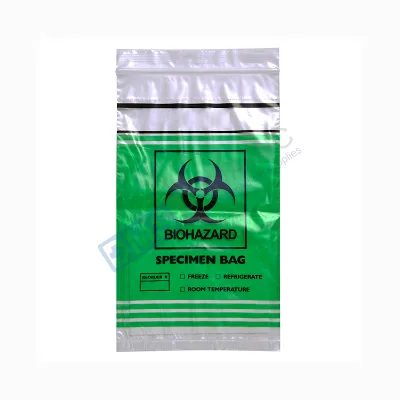
Zipper Plastic Bio Hazard Bag Medical PE Pathological Seal Laboratory Specimen Bag
$0.01
MOQ: 10000 Pieces
Xiamen Huli Fengyi Industry Co., Ltd.
- Verified by SGS Group
- Manufacturer, Trading Company
- Lead time20 days
- Avg. response≤ 6h
Main productsZiplock Bag, Compostable Trash Bag, Oven Bag, Cling Film
Main marketsMid East(54%), Western Europe(30%), North America(7%)
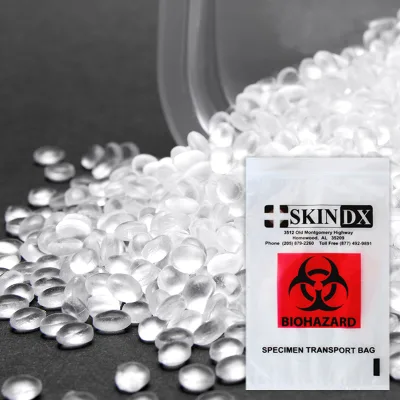
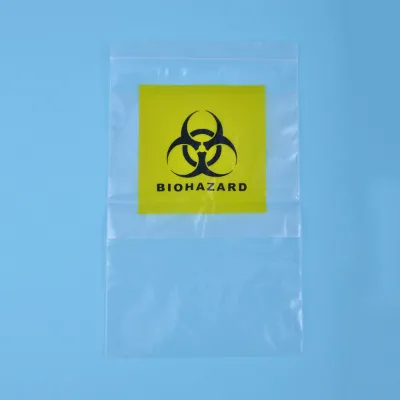
High Quality LDPE Biohazard Zip-lock Medical Specimen Bag Made in China for sickness Use
$0.001 - $0.005
MOQ: 100000 Minimum

Hangzhou Geesing Medical Instrument Co., Ltd.
- Trading Company
- Zhejiang, China
- Lead time0 days
- Avg. response≤ 4h
Main productslaparoscope,trocar,endobag,disposable ligating clips,surgical forceps
Main marketsMid East(50.00%), South America(30.00%), Africa(8.00%), Eastern Asia(7.00%), North America(3.00%), Western Europe(1.00%), Eastern Europe(1.00%)

Changzhou Senya Medical Innovation Co., Ltd.
- Verified by BV
- Manufacturer/Factory
- China Jiangsu
- Lead time15 days
- Avg. response≤ 6h
Main productsEndo Linear Cutter Stapler & Reloads, Disposable Laparoscopic Trocar, Disposable Ultrasonic Scalpel, Wound Protector Retractor, Endo Fascia Closure System, Endo Retrieval Baf, Disposable Suction and Irrigation Sets
Main marketsSouth America,Eastern Europe,Mid East,North America,Southeast Asia,Eastern Asia,Oceania,Western Europe,Africa


Surgical Specimen Collection Bag for Minimally Invasive Procedures and Tissue Handling
$6.50 - $7.50
MOQ: 5 Pieces

- Trading Company
- Hong Kong S.A.R.
- Lead time0 days
- Avg. response≤ 3h
Main productsAuto Bags,Tamper Evident Security Bags,ICAO STEBs,Security Bags,Poly Mailers
Main marketsNorth America(25.00%), Southeast Asia(20.00%), Western Europe(15.00%), Mid East(15.00%), Oceania(10.00%), Africa(6.00%), Domestic Market(6.00%), South America(2.00%), Central America(1.00%)

- Combined
- China Anhui
- Lead time30 days
- Avg. response≤ 5h
Main productsNitrile Gloves, Vinyl Glove, Disposable Gloves, Examination Glove, Medical Gloves, Food Gloves, Dental Consumables, Specimen Transportation Bag, Sterilisation Pouch, Absorbent Pouches
Main marketsSouth America,Africa,Southeast Asia/ Mideast,East Asia(Japan/ South Korea),Domestic,Europe,Australia,North America


95kpa Transport Bags for Specimens Biohazard Collection Specimen Bag for Urine & Lab
$0.48 - $2.68
MOQ: 200 Pieces


Chongqing Aibid Technology Co., Ltd.
- Trading Company
- Chongqing, China
- Lead time10 days
- Avg. response≤ 2h
Main productsOphthalmic Equipment,Optometry equipment,Surgical instruments,Hospital equipment,Ultrasonic equipment
Main marketsNorth America(25.00%), South Asia(12.00%), Africa(12.00%), South America(10.00%), Southeast Asia(10.00%), Mid East(8.00%), Eastern Asia(8.00%), Northern Europe(4.00%), Eastern Europe(3.00%), Southern Europe(2.00%), Western Europe(2.00%), Central America(2.00%), Domestic Market(1.00%), Oceania(1.00%)
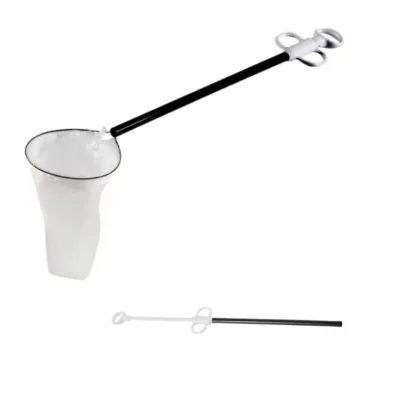
$6.80 - $8.80
MOQ: 1 Minimum
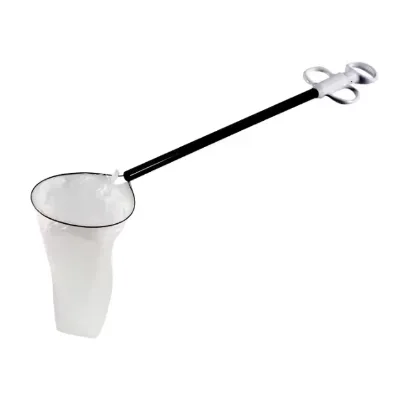
Better Price Single Use Specimen Retrieval Poush Endo Bag Laparoscopic Tissue Removal Bag
$6.90 - $8.90
MOQ: 1 Minimum
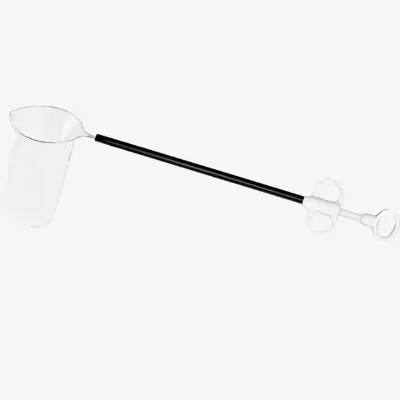
CE Approved Disposable Plastic Manual Specimen Bag Laparoscopic Endobag Pouch Tissue Retrieval Bag
$7.7986 - $9.1318
MOQ: 1 Minimum
Qingdao Hiprove Medical Technologies Co., Ltd.
- Verified by TüVRheinland
- Trading Company
- Lead time15 days
- Avg. response≤ 3h
Main productsMedical Dressing And Bandage, Injection And Infusion Products, Breathing And Anaesthesia, Medical Protection Products, Laboratory Products
Main marketsAfrica(20%), Mid East(20%), South America(10%)

Ningbo Yingmed Medical Instruments Co., Ltd.
- Verified by TUVRHEINLAND
- Trading Company,Manufacturer/Factory
- China Zhejiang
- Lead time23 days
- Avg. response≤ 16h
Main productsSurgical Gloves, Alcohol Pads, Surgical Mask, Syringe, IV Set, Bandage, Urine Bag, Oxygen Mask, Nebulizer Mask, Surgical Suture
Main marketsMid East,Southeast Asia,Western Europe,Africa
- Verified by SGS Group
- Manufacturer, Trading Company
- Lead time30 days
- Avg. response≤ 3h
Main productsUrine Drainage Bag, Suction Connect Tube, Catheter, Nebulizer Mask, Oxygen Mask
Main marketsWestern Europe(50%), Mid East(35%), North America(5%)
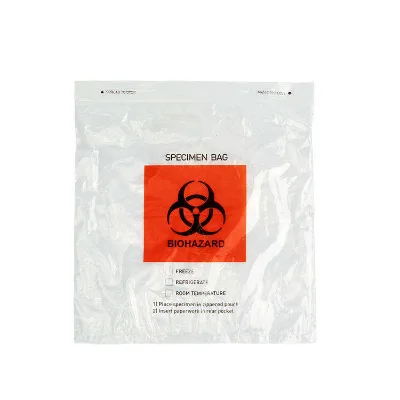
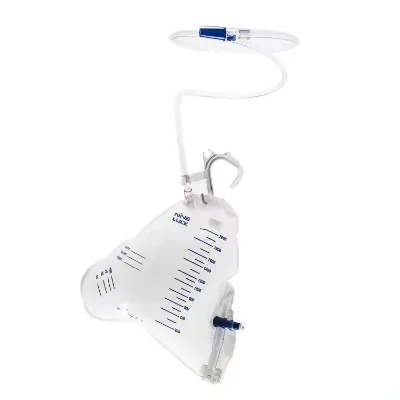
CE Certified Medical Urine Bag Disposable Sterile Urine Bag 2000ml Urine Collection Bag Fo Rmen
$0.40 - $0.50
MOQ: 2000 Minimum

Guangzhou Becon Bio Technology Co., Ltd.
- Trading Company
- Guangdong, China
- Lead time15 days
- Avg. response≤ 2h
Main productsMicrotome Blade,Centrifuge Tubes,Slides Rack& Container,PCR Sealing Film,Cryovial Tubes
Main marketsOceania(20.00%), Africa(20.00%), Southern Europe(10.00%), Northern Europe(10.00%), Western Europe(10.00%), Eastern Europe(10.00%), Mid East(5.00%), South America(5.00%), Central America(5.00%), North America(5.00%)
Tongcheng Tianbai Plastic Co., Ltd.
- Verified by SGS Group
- Manufacturer, Trading Company
- Lead time10 days
- Avg. response≤ 4h
Main productsNon Woven Packaging Bags, Plastic Packaging Bags, Round Bottom Drum Liners, Disposable Covers
Main marketsNorth America(40%), South America(10%), Africa(10%)
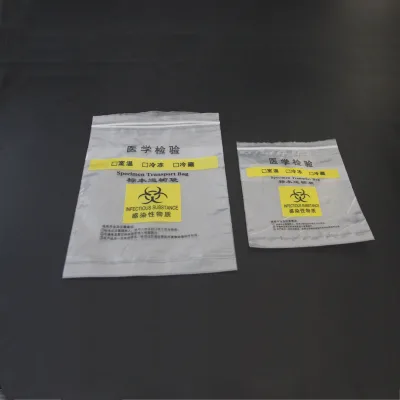
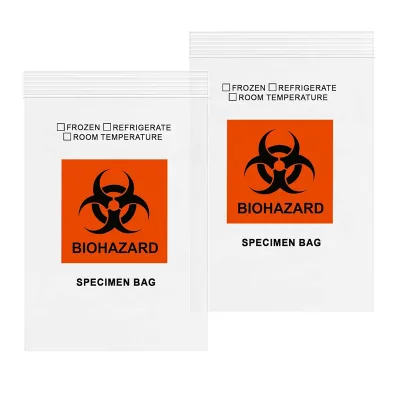
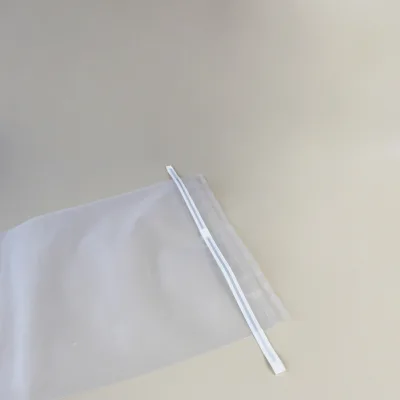
$0.412 - $0.6172
MOQ: 20000 pieces
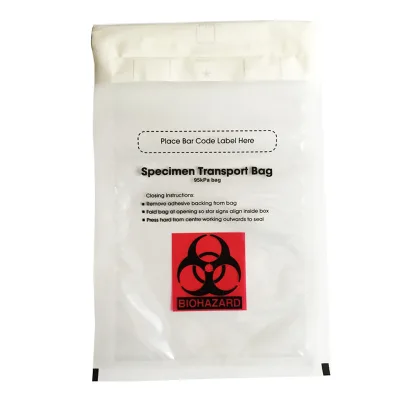
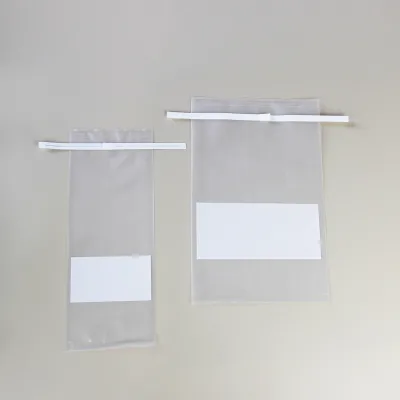
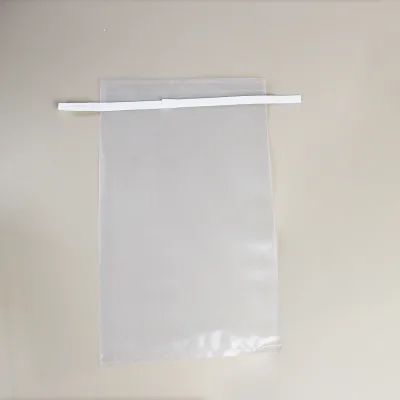
- Trading Company
- Lead time旺季: "1 - 15000":15,"> 15000":"To be negotiated", 淡季: "1 - 15000":15,"> 15000":"To be negotiated"
- Avg. response≤ 6h
Main productsVinyl Gloves,Household Gloves,Sterilization Pouch,Isolation Gown,Dental Bibs
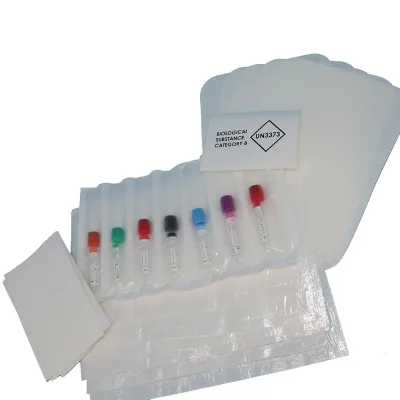
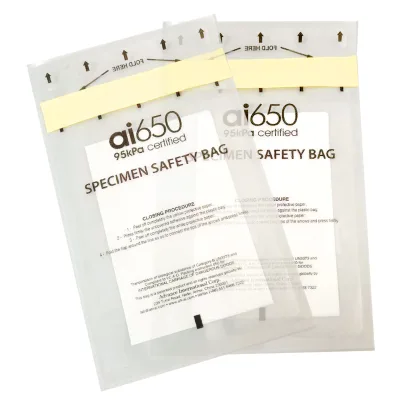
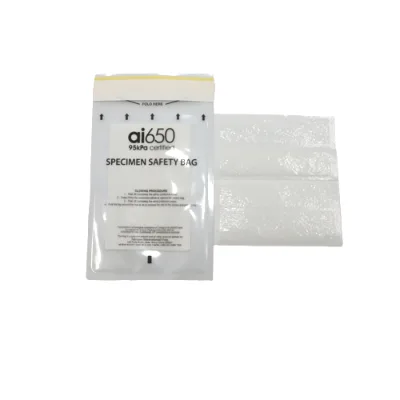
AI650 Specimen Bag Transport Biohazard Bags Biohazard Specimen Bags use medical institution
$0.56 - $0.65
MOQ: 1000 Minimum
Dongguan Chenghua Industrial Co., Ltd.
- Verified by TüVRheinland
- Manufacturer, Trading Company
- Lead time0 days
- Avg. response≤ 2h
Main productsZiplock Bag, Self Adhesive Bag, Food Bag, T Shirt Bag, Zipper Bag
Main marketsDomestic Market(40%), North America(15%), Africa(10%)
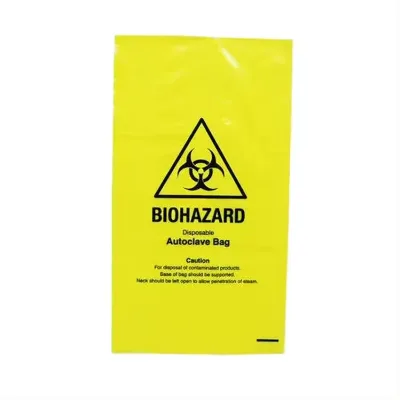
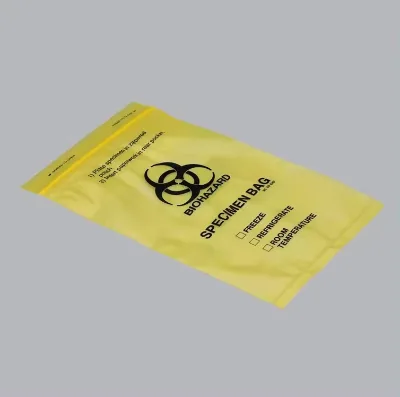
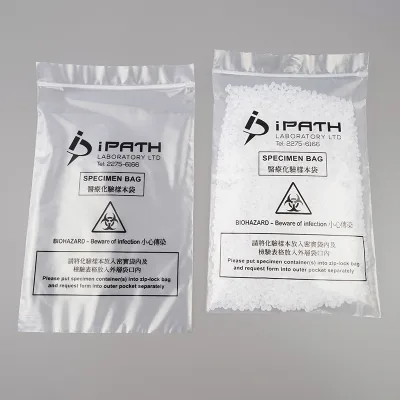
$0.01 - $0.03
MOQ: 10000 pieces
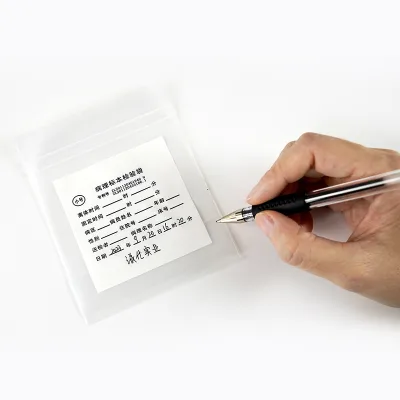
Shanghai Dynamic Medical Supplies Co., Ltd.
- Verified by SGS Group
- Trading Company
- Lead time30 days
- Avg. response≤ 12h
Main productsCommode and Bedpan Liners , Patient Belonging Bags , Specimen Bags , Vomit Bags , Trash Bags
Main marketsNorth America(55%), Western Europe(12%), Southeast Asia(5%)
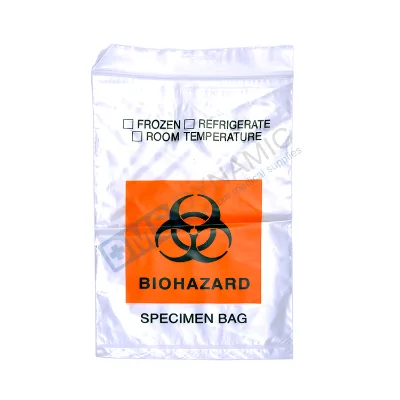
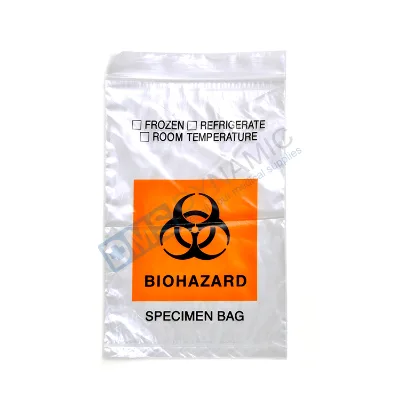
$0.015 - $0.02
MOQ: 150000 Minimum
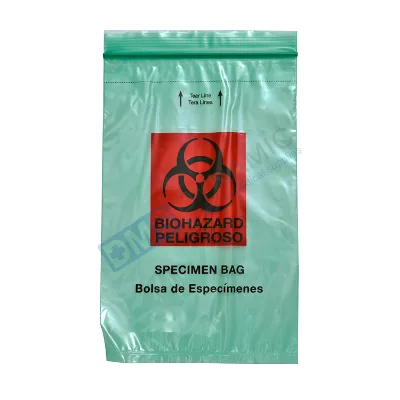
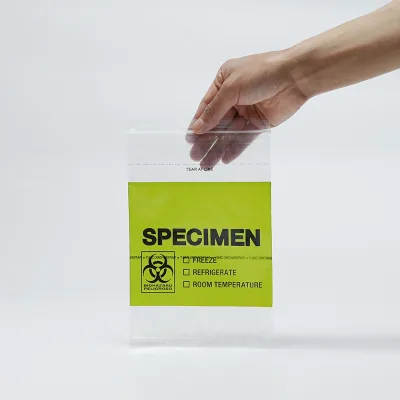

SHANGHAI TEAMSTAND CORPORATION
- Verified by BV
- Trading Company
- China Shanghai
- Lead time23 days
- Avg. response≤ 2h
Main productsHypodermic Syringe, Blood Collection Set, Infusion Set, Huber Needle, Breathing Circuit, Prefilled Syringe, Catheter and Tube, Hemodialyser, AV Fistula Needle, Biopsy Needle
Main marketsOthers(foreignTradeCapacity.exportBusinessCapacityMarketOther)


Surgical Disposable Specimen Retrieval Bag Detachable Endo Pouch Medical Retrieval Bags
$8.50 - $10.00
MOQ: 1000 Pieces

Zibo Eastmed Healthcare Products Co., Ltd.
- Verified by SGS
- Trading Company,Manufacturer/Factory
- China Shandong
- Lead time38 days
- Avg. response≤ 15h
Main productsSyringe, Infusion Set, Disposable Syringe, Burette Set, Hypodermic Needle, Surgical Gloves, Surgical Blade, Blood Transfusion Set, Uringe Bag, Scalp Vein Set
Main marketsSouth America,Eastern Europe,Mid East,Southeast Asia,Eastern Asia,Western Europe,Africa
Hunan Bkmam International Trade Co., Ltd.
- Verified by TüVRheinland
- Manufacturer, Trading Company
- Lead time0 days
- Avg. response≤ 3h
Main productsLaboratory Instruments, Laboratory Glass, Laboratory Consumables
Main marketsSoutheast Asia(30%), Mid East(30%), North America(20%)
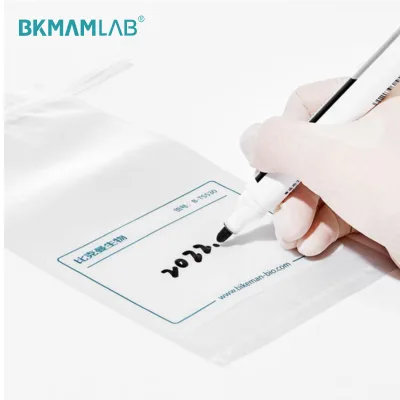
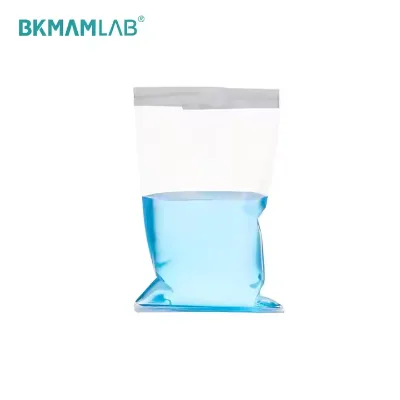
Customize Accepted Liquid Collection Bag Whirl Pak Sterilized Sampling Bag
$1.68 - $1.75
MOQ: 100 bags
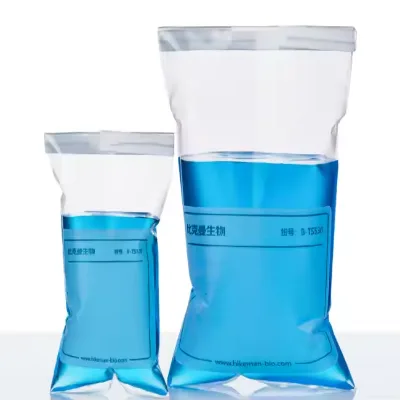
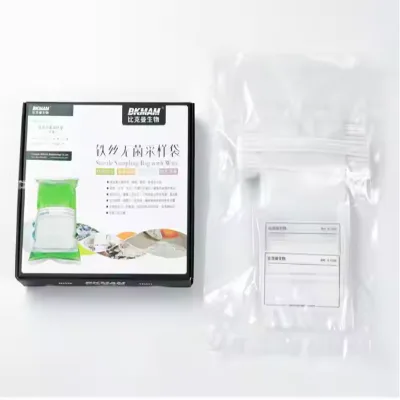
Laboratory Use 115*230mm PE Material Sterile Iron Wire Sampling Bag Whirl Pack Sampling Bag
$0.1573 - $0.1783
MOQ: 100 Minimum
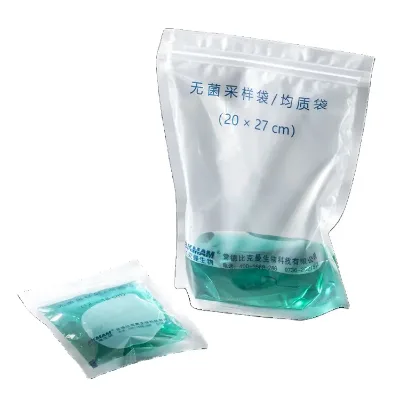
Sterile Sampling Lab Consumables Disposable Plastic Specimen Collection Bag Customizable OEM Support
$0.14 - $0.15
MOQ: 100 pieces
Yantai Bagmart Packaging Co., Ltd.
- Verified by SGS Group
- Manufacturer, Trading Company
- Lead time0 days
- Avg. response≤ 7h
Main productsPlastic Packaging Bag, Injection molded products
Main marketsNorth America(27%), Eastern Asia(15%), Western Europe(15%)
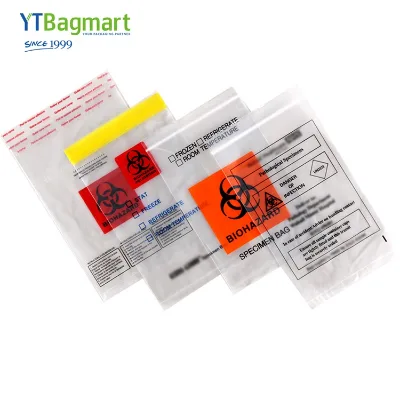
PE Biohazard Specimen Bag with Double Pocket Design for Sample Packaging and Daily Handling
$0.0513 - $0.2577
MOQ: 20000 pieces
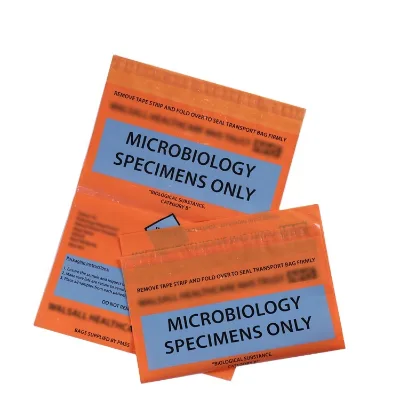
Customized 95Kpa Specimen Bag Bpa Free Specimen Collection Bags Specimen Zipper Top Bag
$0.05 - $0.25
MOQ: 20000
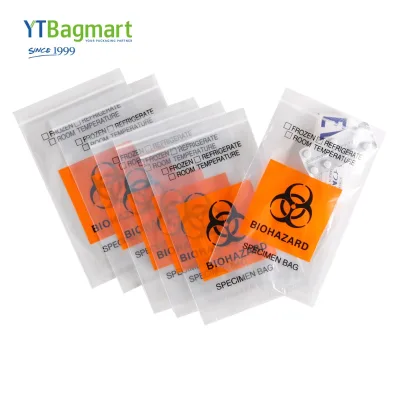
Specimen Bag with Double Layers and Document Holder for Clear Packing and Organized Handling
$0.0525 - $0.2636
MOQ: 20000 pieces
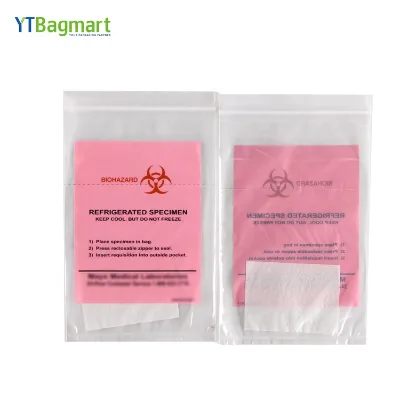
Thickened Specimen Bag with Durable Ziplock for Safe Sample Storage and Transport Packaging
$0.05 - $0.25
MOQ: 20000 pieces
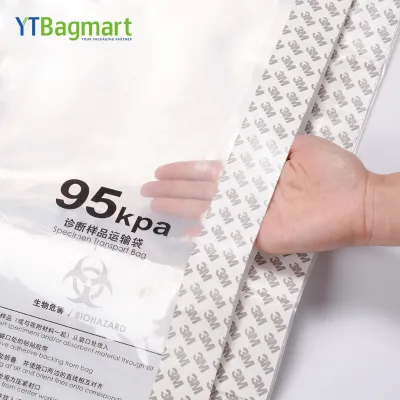
95kpa Biological Laboratory Specimen Sealed Bag with a Dual Pouch Biohazard Symbol
$0.0512 - $0.2562
MOQ: 20000 pieces
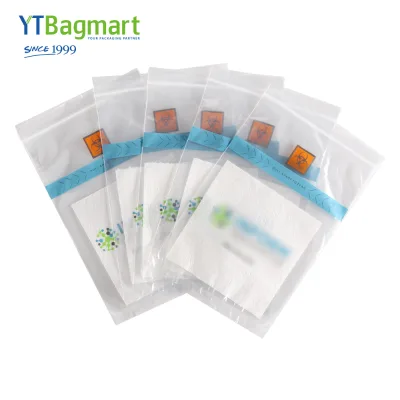
Custom Printed Specimen Bag with Ziplock and Document Pocket for Sample Storage and Transport
$0.0513 - $0.2577
MOQ: 20000 pieces
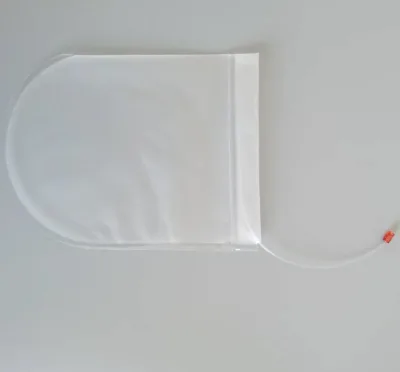
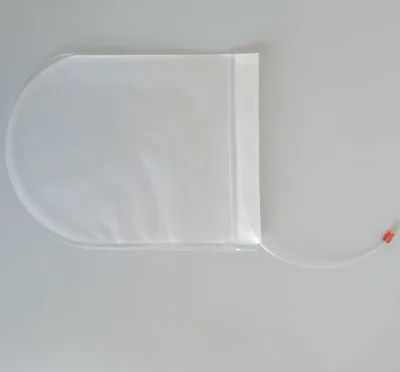
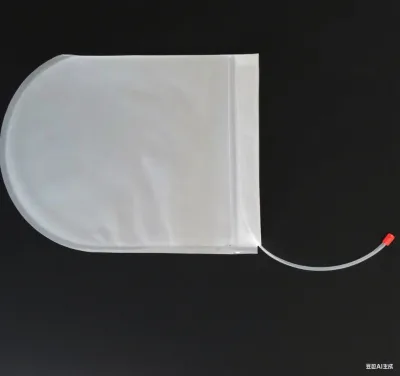




Comprehensive Sourcing Guide
EO Sterile Specimen Collection Bag Supplier Concentration and Factory Types
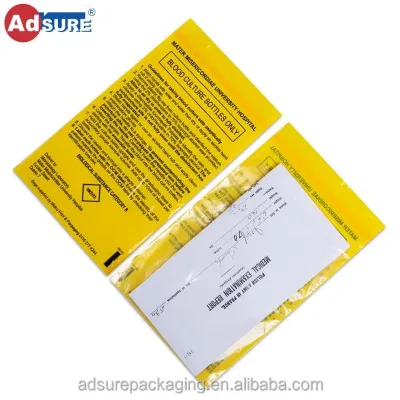
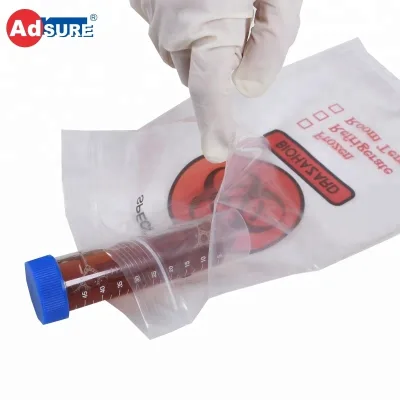
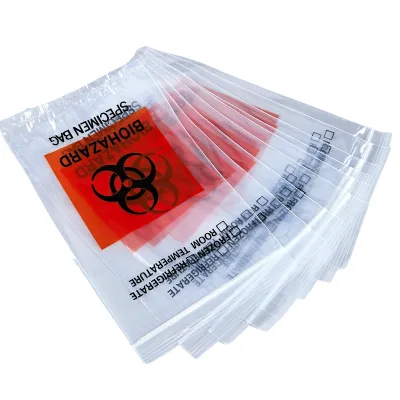
The current supplier landscape for EO Sterile Specimen Collection Bag solutions is heavily concentrated in China, with Guangdong identified as a primary manufacturing hub. This regional clustering suggests a mature supply chain ecosystem where raw material availability and specialized packaging expertise converge. Buyers evaluating these suppliers will find that the majority of entities operating in this space are classified as Manufacturer/Factory entities, indicating direct control over the production process. This structural advantage often translates to greater flexibility in managing complex customization requests, such as adjusting bag thickness, seal integrity, or incorporating specific biohazard markings. The presence of these factories implies that buyers can engage directly with production teams to discuss technical specifications, rather than navigating through multiple layers of intermediaries. This direct line of communication is critical when sourcing sterile medical packaging, where adherence to strict quality standards and material purity is non-negotiable.
In addition to pure manufacturing entities, the market also includes companies that operate as both Manufacturer and Trading Company hybrids. These dual-role suppliers offer a different value proposition, potentially combining in-house production capabilities with broader logistical networks or access to a wider variety of complementary packaging products. Some suppliers in this category list main products that extend beyond specimen bags to include Ziplock Bags, Biodegradable Bags, and Aluminum Bags, suggesting a versatile production line capable of handling diverse material requirements. This versatility can be advantageous for buyers seeking a single source for multiple packaging needs, although it requires careful verification to ensure that the specific expertise in sterile specimen collection is not diluted by generalist operations. The distinction between pure manufacturers and hybrid entities is crucial for assessing the depth of technical support and the scalability of production capacity for large-volume orders.
How to Verify EO Sterile Specimen Collection Bag Suppliers
Verification of suppliers for EO Sterile Specimen Collection Bag products requires a multi-layered approach that goes beyond basic company registration checks. Buyers should prioritize suppliers who have undergone third-party verification processes, such as those conducted by BV or SGS Group. These verifications provide an external audit of the supplier’s operational capabilities, financial stability, and compliance with international standards. For instance, some suppliers display BV verification, while others may hold SGS Group credentials, each offering a different level of assurance regarding the supplier’s legitimacy and operational integrity. Additionally, system certifications such as ISO 9001 are commonly displayed, indicating a baseline commitment to quality management systems. However, buyers must look beyond these general certifications to verify specific product-related credentials, such as RoHS, ISO, or CE marks, which are often listed in product attributes for medical and biological specimen bags.
Beyond certifications, buyers should scrutinize the specific product attributes and customization options offered by each supplier. The availability of customized logos, names, sizes, and thicknesses is a strong indicator of a supplier’s flexibility and technical capability. For example, some suppliers explicitly state that customization is available for various bag attributes, including moisture-proof features and specific shapes like plastic bags or special bags. Buyers should also verify the raw materials used, such as Polypropylene Plastic Bag or High Pressure Polyethylene Plastic Bag, to ensure they meet the required standards for sterile specimen collection. Furthermore, checking for specific product models, such as 0512 or 01081, can help in identifying consistent product lines and tracking quality over time. It is essential to confirm that the supplier can provide detailed documentation for these materials and processes, ensuring that the final product meets the stringent requirements for medical and biological safety.
What to Compare Across EO Sterile Specimen Collection Bag Suppliers
When comparing suppliers for EO Sterile Specimen Collection Bag products, several key dimensions must be evaluated to determine the best fit for specific procurement needs. Lead time is a critical factor, with some suppliers indicating a lead time of 23 days, while others may offer 20 days or even longer, such as 40 days for certain customized orders. This variation can significantly impact inventory management and project timelines, making it essential for buyers to align supplier capabilities with their delivery schedules. Response time is another important metric, with some suppliers demonstrating a response time of 3.13, indicating a high level of responsiveness and customer service efficiency. Buyers should prioritize suppliers who can provide quick and accurate responses to inquiries, as this often correlates with better overall project management and issue resolution.
MOQ and pricing structures also play a pivotal role in supplier selection. Some suppliers have an MOQ of 10,000 units, which may be suitable for large-scale operations but could be prohibitive for smaller buyers. Pricing can vary widely, with some products listed at a minimum price of $0.01 and a maximum of $0.10, while others may have different price points based on customization and material specifications. Buyers should also consider the range of main products offered by each supplier, as those with a broader portfolio may offer better value through bundled orders or cross-selling opportunities. Additionally, the availability of OEM and ODM services, as well as the ability to handle light customization and sample processing, can be decisive factors for buyers seeking tailored solutions. By carefully comparing these dimensions, buyers can identify suppliers that offer the best balance of cost, quality, and service for their specific requirements.
Common EO Sterile Specimen Collection Bag Sourcing Risks
Sourcing EO Sterile Specimen Collection Bag products from international suppliers introduces several potential risks that buyers must proactively manage. One significant risk is the variability in product quality and consistency, particularly when dealing with suppliers who offer extensive customization options. While customization allows for tailored solutions, it also increases the complexity of quality control, as each unique specification requires rigorous testing and validation. Buyers must ensure that their suppliers have robust quality assurance processes in place, including regular inspections and testing of raw materials and finished products. The absence of clear warranty or after-sales service information, as seen in some product attributes, can further exacerbate this risk, leaving buyers without recourse in case of product failures or defects.
Another critical risk is the potential for miscommunication regarding regulatory compliance and certification requirements. While some suppliers display certifications such as ISO 9001, RoHS, or CE, buyers must verify that these certifications are valid and applicable to the specific product being sourced. There is a risk that suppliers may rely on general certifications that do not adequately cover the specific needs of sterile specimen collection bags, such as biocompatibility or sterility assurance levels. Additionally, the use of different raw materials, such as LDPE or Polypropylene, may have varying regulatory implications depending on the destination market. Buyers must conduct thorough due diligence to ensure that their suppliers can provide the necessary documentation and test results to demonstrate compliance with all relevant regulations, thereby mitigating the risk of product recalls or legal issues.
EO Sterile Specimen Collection Bag Regional Sourcing and Logistics
Regional sourcing decisions for EO Sterile Specimen Collection Bag products are heavily influenced by the geographic concentration of manufacturing facilities, particularly in China. Guangdong province, identified as a key location, offers a well-developed infrastructure for packaging manufacturing, including access to raw materials, skilled labor, and logistics networks. This regional advantage can lead to competitive pricing and faster production cycles, but it also requires buyers to consider the implications of international shipping and customs clearance. Buyers must evaluate the total landed cost, which includes not only the product price but also freight, insurance, and import duties. The distance between the manufacturing hub and the final destination can significantly impact delivery times and overall supply chain resilience, making it essential for buyers to establish clear logistics strategies and contingency plans.
In addition to cost and time considerations, buyers must also assess the logistical capabilities of their suppliers. Some suppliers may offer specific packing options, such as cartons, which can affect the efficiency of loading and transportation. The single package size and gross weight of products, as indicated in some product attributes, provide valuable information for planning logistics and storage. Buyers should also consider the supplier’s ability to handle export documentation and compliance with international shipping regulations. For suppliers located in Fujian, China, as seen in some product origins, the proximity to major ports may offer additional logistical advantages. By carefully evaluating these regional and logistical factors, buyers can optimize their supply chain for efficiency, cost-effectiveness, and reliability, ensuring that their EO Sterile Specimen Collection Bag products are delivered on time and in good condition.
EO Sterile Specimen Collection Bag Commercial Terms and Order Planning
Effective order planning for EO Sterile Specimen Collection Bag products requires a thorough understanding of the commercial terms offered by suppliers. Lead times, as previously noted, can vary significantly, with some suppliers offering 20 to 23 days, while others may require up to 40 days for customized orders. Buyers must align their order placement with their production schedules and inventory needs, allowing sufficient time for production, quality control, and shipping. Response times are also crucial, as suppliers with faster response rates, such as 3.13, can facilitate quicker decision-making and issue resolution. Buyers should establish clear communication channels and expectations with their suppliers to ensure that any changes or issues are addressed promptly, minimizing disruptions to the supply chain.
Pricing and MOQ are other key commercial terms that require careful negotiation and planning. With MOQs as low as 10,000 units and prices ranging from $0.01 to $0.10, buyers have some flexibility in structuring their orders. However, buyers must consider the total cost of ownership, including any additional fees for customization, packaging, or shipping. Suppliers offering OEM and ODM services may have different pricing structures, which buyers should evaluate based on their specific needs. Additionally, buyers should inquire about payment terms, such as the availability of escrow services, to mitigate financial risks. By carefully planning their orders and negotiating favorable commercial terms, buyers can optimize their procurement strategy for EO Sterile Specimen Collection Bag products, ensuring cost-effectiveness and supply chain stability.
FAQs
What certifications do sterile specimen bags have?
Manufacturers typically hold ISO 9001 and ISO 22000 system certifications. Some products also display RoHS, CE, and GMC marks. These credentials verify quality management and material safety standards for medical and biological packaging applications.
What is the minimum order quantity for these bags?
The standard minimum order quantity is 10,000 units. Buyers should verify specific MOQs with suppliers as requirements may vary based on customization needs, bag size, and material thickness selected for the specific order.
How long does production take for orders?
Typical lead times range from 20 to 23 days for standard production runs. Some suppliers may require approximately 40 days for specific custom orders. Buyers should confirm exact delivery schedules directly with the manufacturer before placing orders.
Can I customize the logo and size?
Yes, customization is available for logos, names, sizes, and thickness. Suppliers offer OEM and ODM services to meet specific branding and dimensional requirements. Buyers can request tailored specifications for their medical or laboratory packaging needs.
What materials are used for specimen bags?
Common materials include Polypropylene, LDPE, and High Pressure Polyethylene. These plastics provide moisture-proof and barrier properties suitable for biological and pathological specimen collection. The material choice depends on the specific application and sterilization requirements.
What is the price range for these bags?
Prices generally range from $0.01 to $0.10 per unit. Costs vary based on material type, customization level, and order volume. Buyers should request detailed quotes to determine the final price for their specific quantity and specifications.