Japanese Kawaii Washed Plush Bag Suppliers and Manufacturers
Compare 29 verified suppliers offering Japanese Kawaii Washed Plush Bag options with varying lead times, MOQs, and certifications. Review response times and customization capabilities to select the right partner for your order; review the available evidence before requesting comparable quotations from suitable candidates.
Updated
Suppliers List

Lianyungang Hongwen Toys Co., Ltd.
- Verified by SGS
- Combined
- China Jiangsu
- Lead time23 days
- Avg. response≤ 8h
Main productsCustom Plush Backpack, Stuffed Toy, Custom Plush Pillow, Custom Plush Doll, Custom Plush Toy, Custom Hold-All, Plush Pillow, Animal Plush, Stuffed Plush Toys, Plush Toy Animals
Main marketsAfrica,Southeast Asia/ Mideast,East Asia(Japan/ South Korea),Domestic,Europe,Australia,North America


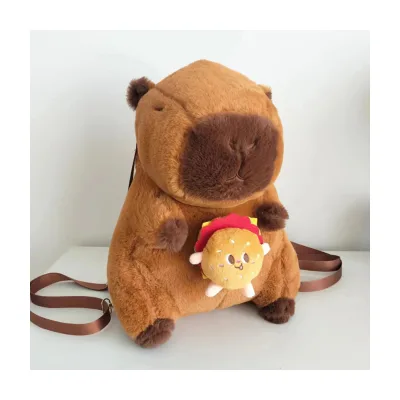
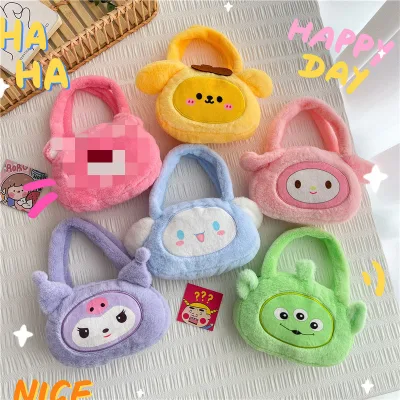
Customized Kawaii Cartoon Plush Bag Anime Soft Sea Stuffed Animals Plush Backpack
$1.50 - $3.00
MOQ: 100 Pieces


Jiaxing Big Bear Toys Co., Ltd.
- Trading Company
- Zhe Jiang, China
- Lead time60 days
- Avg. response≤ 4h
Main productsplush toy,Plush Slipper,Sofa for kids,Throw pillow
Main marketsNorth America(70.00%), Central America(15.00%), Eastern Europe(10.00%), South America(5.00%)

Suzhou Bluecamps Culture Creativity Co., Ltd.
- Trading Company
- Jiangsu, China
- Lead time7 days
- Avg. response≤ 4h
Main productsWig box(bag),makeup bag,toiletry bag,Train case,pencil case
Main marketsWestern Europe(30.00%), North America(30.00%), Southern Europe(10.00%), Northern Europe(10.00%), Central America(10.00%), Eastern Europe(10.00%)
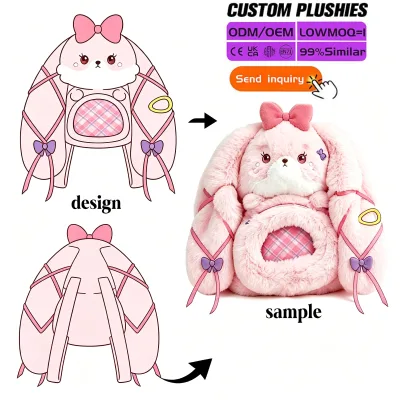
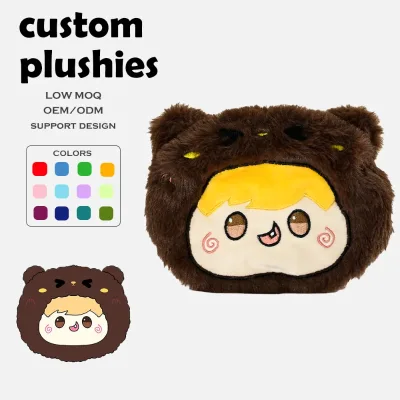
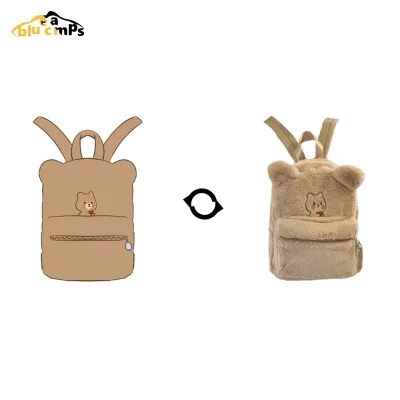
$2.50 - $3.20
MOQ: 100 pieces
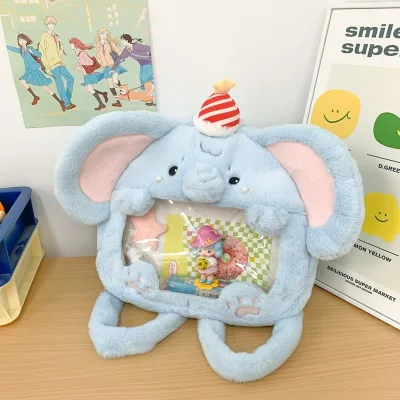
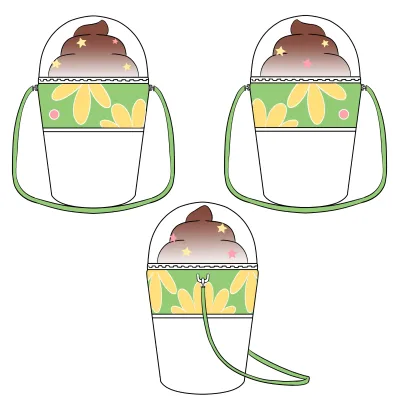
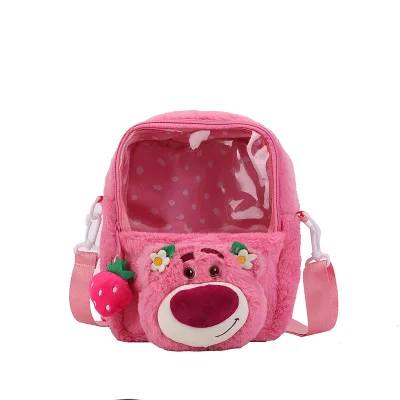
Personalized Design Custom Ita Bag Kawaii Elephant 30CM Backpack Transparent Crossbody Plush Bag
$2.5678 - $3.9529
MOQ: 3 pieces
Hebei Xiongan Binzheng Toys Co., Ltd.
- Verified by TüVRheinland
- Manufacturer, Trading Company
- Hebei, China
- Lead time15 days
- Avg. response≤ 3h
Main productsBoba Plush Toys, Santa Claus Stuffed Toys, Bear With Rose Stuffed Animals, Long Cat Pillow Toys, Claw Machine Toys
Main marketsNorth America(50%), Western Europe(20%), Eastern Europe(15%)
Shenzhen Hongyi New Energy Technology Co., Ltd.
- Verified by TüVRheinland
- Trading Company
- Lead time30 days
- Avg. response≤ 3h
Main productsPlush Toy, Custom Plush Toy, Vinyl Face Plush, Blind Box, Anime Figure
Main marketsNorth America(70%), Oceania(5%), Eastern Asia(5%)

Changsha Yangqu Network Technology Co., Ltd.
- Trading Company
- Hunan, China
- Lead time15 days
- Avg. response≤ 13h
Main productsPlush toys,Plush doll,Plush Pillow,Plush keychain,Plush animal toys
Main marketsEastern Europe(30.00%), South America(30.00%), North America(30.00%), Africa(10.00%)
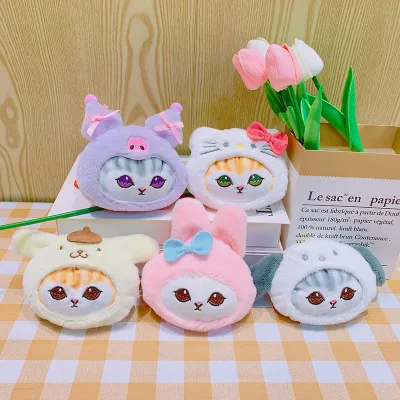
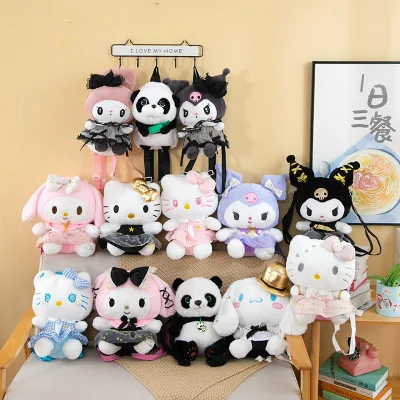
Kawaii Japanese Cute Plush Cat Kuromi Fish Headphone Coin Purse Wholesale Doll Storage Bag
$1.50 - $1.70
MOQ: 2 pieces
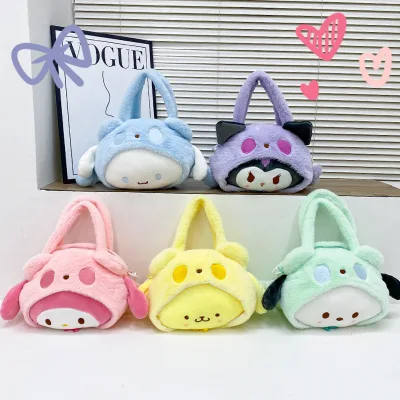
$2.4224 - $2.6322
MOQ: 5 pieces
- Trading Company
- Zhejiang, China
- Lead time15 days
- Avg. response≤ 4h
Main productsPLUSH TOY,BACKPACK,PVC KEYCHAIN
Main marketsNorth America(50.00%), South America(25.00%), Eastern Europe(15.00%), Africa(5.00%), Southeast Asia(5.00%)

- Combined
- China Jiangsu
- Lead time30 days
- Avg. response≤ 7h
Main productsCustom Plush Toy, Plush Doll
Main marketsSoutheast Asia/ Mideast,Europe,North America


$1.09 - $3.99
MOQ: 100 Pieces

Plush Commission Customization Mini Coin Purse Bag Custom Plush Pouch Wallet Anime Plush Bag
$3.99 - $5.99
MOQ: 2 Pieces

$14.00 - $15.00
MOQ: 3 Pieces

$1.09 - $3.99
MOQ: 100 Pieces


Shenzhen Yanlsle Cultural and Creative Technology Co., Ltd.
- Verified by SGS
- Trading Company
- China Guangdong
- Lead time15 days
- Avg. response≤ 8h
Main productsBrooch/Coin/Badge/Medal/Pin/Keychain
Main marketsDomestic

Kawaii Handbag Custom Plush Toy Cute Plushie Stuffed Animal Bag Custom Plush Manufacture
$2.99 - $5.99
MOQ: 100 Pieces

Backpack Custom Stuffed Animal Cartoon Anime Plush Bag Shoulder Bags Hand Bag Cotton Cloth Unisex
$2.99 - $5.99
MOQ: 100 Pieces

$2.99 - $5.99
MOQ: 100 Pieces

Customized Plush Backpacks Cartoon Plush Backpack Custom Design Shoulder Bag for Girl and Women
$2.99 - $5.99
MOQ: 100 Pieces

Rainbow Cute Customize Backpack Custom Plush Bag Custom Children Bags Plush
$2.99 - $5.99
MOQ: 100 Pieces
- Verified by TüVRheinland
- Manufacturer, Trading Company
- Jiangsu, China
- Lead time7 days
- Avg. response≤ 2h
Main productsPlush Toys, Bags, Slippers, Pillow, Festival Gifts
Main marketsNorth America(30%), Western Europe(20%), Northern Europe(20%)
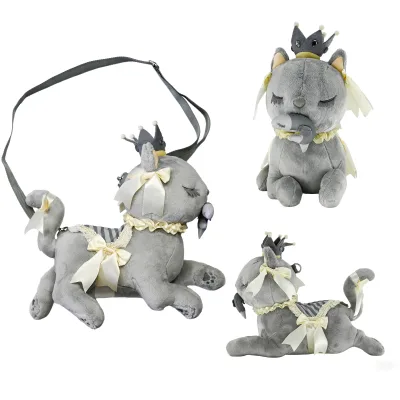
$3.6021 - $5.0426
MOQ: 100 pieces
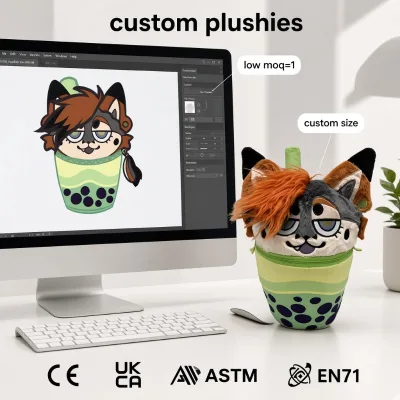
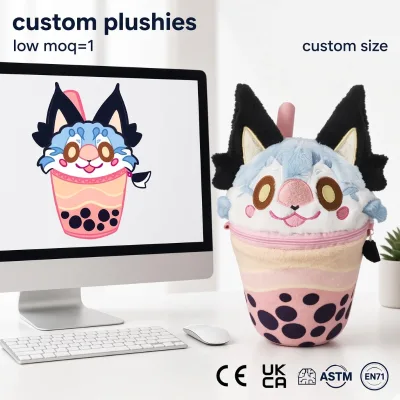
Shenzhen Xingtong Shimao E-Commerce Co., Ltd.
- Manufacturer, Trading Company
- Guangdong, China
- Lead time0 days
- Avg. response≤ 3h
Main productsKeychains,bags,Hats,gifts
Main marketsNorth America(60.00%), Western Europe(10.00%), Eastern Europe(10.00%), South America(10.00%), Southeast Asia(5.00%), Africa(3.00%), Mid East(2.00%)
Shenzhen Huiboxin Electronics Co., Ltd.
- Verified by Intertek
- Trading Company
- Lead time7 days
- Avg. response≤ 4h
Main productsBag and Luggage, Toy, Stationary, Silicone Mould, Water Bottle
Main marketsNorth America(15%), Southeast Asia(15%), South America(12%)
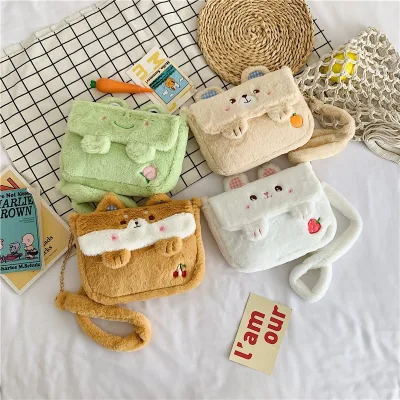
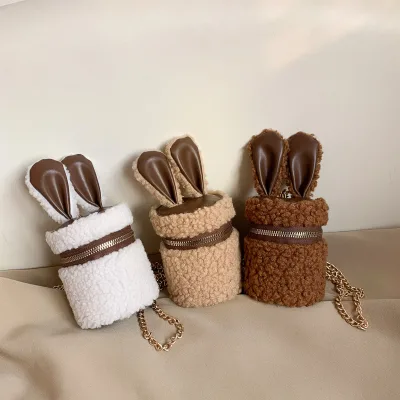
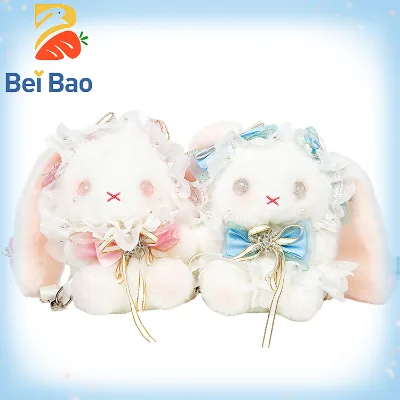
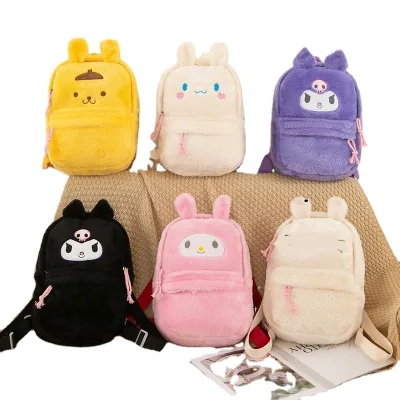
Kawaii Cute Mini Plush Bucket Crossbody Chain Bag Shoulder Bag Rabbit Ear Plush Cylinder Bag
$4.70 - $4.90
MOQ: 10 pieces
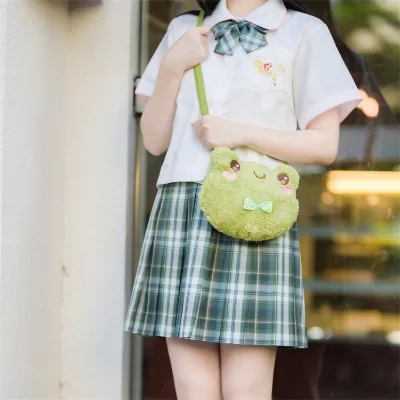
New Style Frog Girls Plush Shoulder Bag Plush Hand Bag Messenger Frog Plush Bag
$2.85 - $3.00
MOQ: 10 pieces

- Verified by TUVRHEINLAND
- Trading Company
- China Zhejiang
- Lead time15 days
- Avg. response≤ 7h
Main productsToys
Main marketsEast Asia(Japan/ South Korea),Europe,North America

- Verified by TUVRHEINLAND
- Combined
- China Zhejiang
- Lead time30 days
- Avg. response≤ 8h
Main productsToys, Plush Toy, Animal Toy, Soft Stuffed Toy, Baby Product, Pencisl Case, Backpacks, Key Chains, Promotion Gifts
Main marketsNorth America

Kawaii Plush Backpack Wallet Cartoon Animal Lolita Crossbody Bag with Chain Strap
$1.45 - $1.85
MOQ: 1000 Pieces

Mini Straw Zipper Woven Crossbody Bag Kawaii Flower Shoulder Bag Lovely Handbag
$2.10 - $2.50
MOQ: 200 Pieces

Unicorn Coin Bag Cartoon Plush Shoulder Bag Children Cute Princess Messenger Bag
$1.45
MOQ: 100 Pieces


- Verified by SGS
- Trading Company
- China Zhejiang
- Lead time15 days
- Avg. response≤ 4h
Main productsYiwu Sourcing Agent, DIY Toys, DIY Jewelry, Travel Souvenirs, Stationery, School Furtiture, Outdoor Products, Caps & Shoes & Socks, Costumes & Props, Beauty Tools
Main marketsAfrica,East Asia(Japan/ South Korea),North America

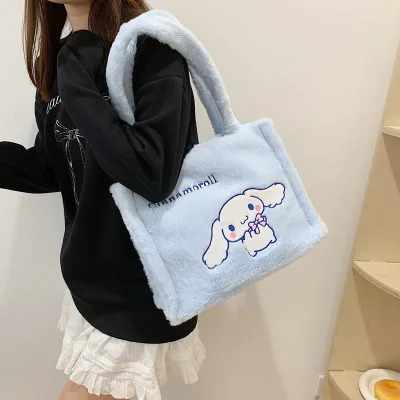
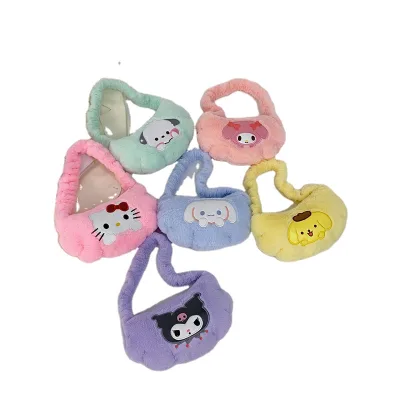
Kapibarakulomi Melody Plush Bag Large Capacity Sanrio Double Shoulder Children's Bag
$2.05 - $2.18
MOQ: 100 Pieces

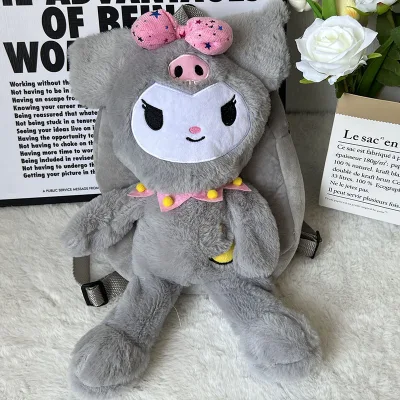
New Sanrio Mink Fur Multi-Purpose Cute Kuromi Capybara Plush Bag Cute Children's Bag
$1.71 - $1.96
MOQ: 100 Pieces


Cartoon Sanrio Plush Coin Purse Casual Children's Bag Chain Bag Shoulder Crossbody Bag
$0.78 - $0.89
MOQ: 100 Pieces

Shenzhen Dahoufa Technology Co., Ltd.
- Manufacturer, Trading Company
- Guangdong, China
- Lead time7 days
- Avg. response≤ 6h
Main productsPlush toy,stationery,plush bags,keychain,action figure
Main marketsNorth America(30.00%), Eastern Europe(20.00%), Western Europe(20.00%), South America(10.00%), Southeast Asia(10.00%), Africa(5.00%)

Huizhou Maimai Trading Co., Ltd.
- Trading Company
- Guangdong, China
- Lead time0 days
- Avg. response≤ 4h
Main productskitchenware,Home appliances,cleaning products,horticulture,Craft gifts
Main marketsNorth America(40.00%), Southern Europe(20.00%), Western Europe(20.00%), Northern Europe(10.00%), Eastern Europe(5.00%), South America(5.00%)

Yiwu Zhengshang International Trade Co., Ltd.
- Trading Company
- China Zhejiang
- Lead time0 days
- Avg. response≤ 14h

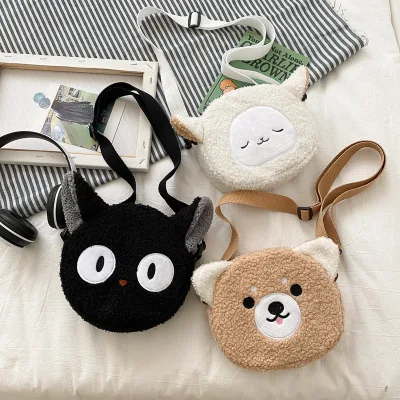
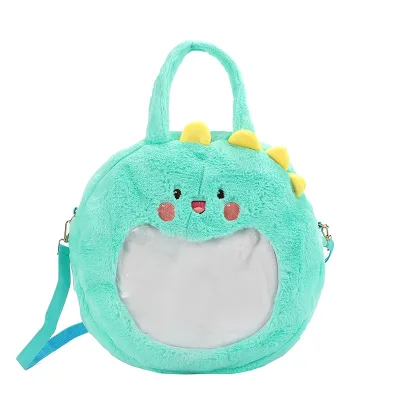
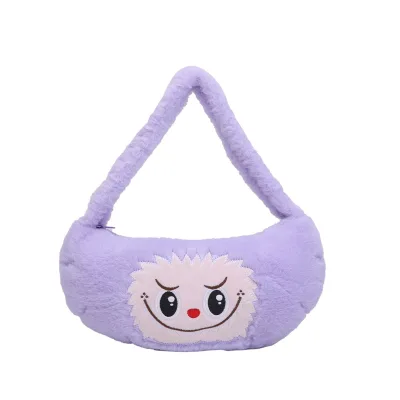
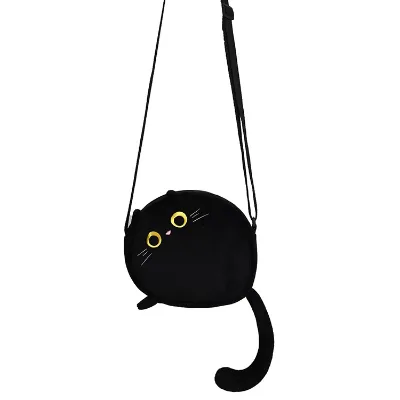
Japanese Cute Cartoon Animal Shaped Plush Shoulder Bag, Fluffy Spherical Shape, Shoulder Bag
$3.70 - $4.80
MOQ: 2 Pieces

Cute Japanese New Plush Backpack, Four Different Ways of Carrying, Animal Shaped, Shoulder Bag
$6.20 - $7.33
MOQ: 2 Pieces
Baigou New City Tieyi Bag Factory
- Verified by SGS Group
- Manufacturer, Trading Company
- Lead time90 days
- Avg. response≤ 3h
Main productsIta Bag, custom gothic bag, custom novelty bag, custom ita bag manufacturer, plush bag custom
Main marketsNorth America(60%), Western Europe(20%), Mid East(15%)
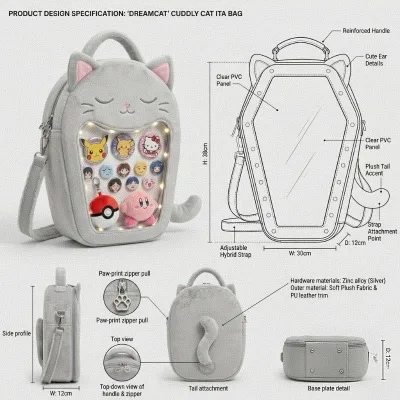
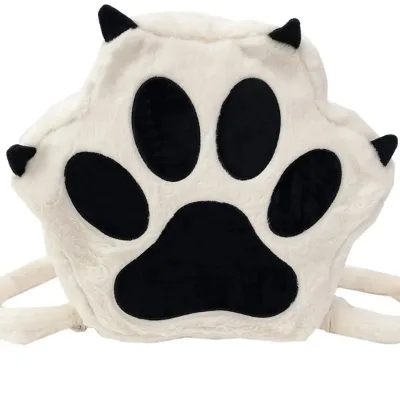
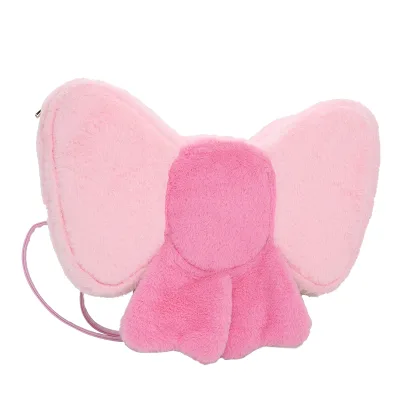
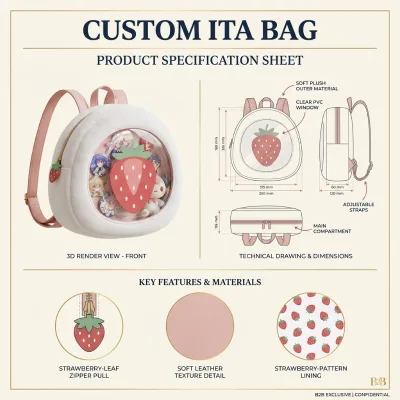
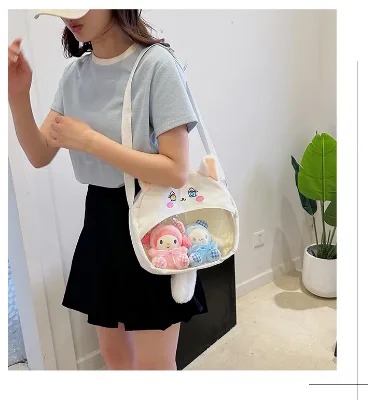
$8.7826 - $13.0173
MOQ: 100 pieces

Yancheng Joy Foundationcultural Creativity Co., Ltd.
- Verified by SGS
- Combined
- China Jiangsu
- Lead time15 days
- Avg. response≤ 4h
Main productsCustom Plush Toy, Plush Stuffed Animals, Plush Bag, Plush Slipper, Plush Keychain, Plush Coin Pouch
Main marketsSoutheast Asia/ Mideast,Domestic,Europe,North America

$3.99 - $4.99
MOQ: 2 pieces

Custom Plush Backpack Black Printed Plush Bear Stuffed Animal Plush Crossbody Bag
$7.99 - $9.99
MOQ: 50 Pieces
Huizhou Zhuoteng Electronic Commerce Co., Ltd.
- Trading Company
- Guangdong, China
- Lead time0 days
- Avg. response≤ 5h
Main productskids Clothing,baby Clothing,Toddler Clothing,kids dresses,Children's pajamas
Main marketsNorth America(80.00%), Southeast Asia(5.00%), South America(5.00%)

- Combined
- China Guangdong
- Lead time45 days
- Avg. response≤ 1h
Main productsResin Craft, Baby Doll, Christmas Tree, Christmas Wreath, Christmas Garland, Christmas Decoration, Artificial Flower, Artificial Plant, Artificial Tree, Christmas Ornaments
Main marketsSouth America,Europe,North America

Jinjiang Jiaxing Supply Management Co., Ltd.
- Verified by TUVRHEINLAND
- Trading Company
- China Fujian
- Lead time30 days
- Avg. response≤ 2h
Main productsEVA Clogs, Flip Flop, Shoe Charms, Shopping Bags, Wristbands, Gifts, Promotional Gifts, Slipper, Sport Cap, Ball
Main marketsNorth America
Shandong Beibao Gifts Co., Ltd.
- Verified by TüVRheinland
- Manufacturer, Trading Company
- Lead time15 days
- Avg. response≤ 13h
Main productsPlush Toys
Main marketsCentral America(25%), North America(15%), Northern Europe(15%)
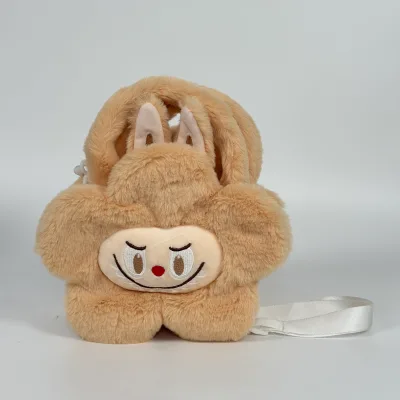
$2.6427 - $2.7252
MOQ: 100 pieces
Hefei Ming'en Trading Co., Ltd.
- Trading Company
- Anhui, China
- Lead time30 days
- Avg. response≤ 1h
Main productsBackpack,Handbag,Hats,Apparels,Accessories
Main marketsNorth America(60.00%), Eastern Asia(5.00%), Oceania(5.00%), Southern Europe(5.00%), Southeast Asia(5.00%), Northern Europe(5.00%), Western Europe(5.00%), Mid East(4.00%), Domestic Market(1.00%), South Asia(1.00%), Africa(1.00%), Eastern Europe(1.00%), Central America(1.00%), South America(1.00%)

Yiwu Superstar Creation Company
- Trading Company,Manufacturer/Factory
- China Zhejiang
- Lead time23 days
- Avg. response≤ 3h
Main productsPlush Toys, Tourist Souvenirs, Wedding Souvenirs, Christmas Decorations, Christmas Ornaments, Christmas Gifts, Fridge Magnets, Christmas Baubles, Music Box, Snow Globe
Main marketsSouth America,Eastern Europe,Mid East,North America,Southeast Asia,Eastern Asia,Oceania,Western Europe,Africa
Baoding Liuzhen Luggage Manufacturing Co., Ltd.
- Verified by SGS Group
- Manufacturer, Trading Company
- Lead time30 days
- Avg. response≤ 3h
Main productsLady Bag, Backpack, Handbag, Wallet, Fanny pack
Main marketsNorth America(40%), South America(40%), Eastern Europe(10%)

Quanzhou Changyi Crafts Gifts Limited
- Verified by TUVRHEINLAND
- Manufacturer/Factory
- China Fujian
- Lead time23 days
- Avg. response≤ 7h
Main productsBallpoint Pen, Silicone Bracelet, Name Card Holder, Luggage Tag, Gift Set, Mobile Phone Accessory, Passport Cover, Ceramic Coaster, Gift Bag, Gift Box
Main marketsSouth America,Mid East,North America,Southeast Asia,Eastern Asia,Oceania,Western Europe,Africa

Cute Bear Handbag Plush Shoulder Bags Fluffy Cartoon Tote Bag with Metal Chain
$1.48 - $1.95
MOQ: 50 Pieces

$2.80 - $3.14
MOQ: 50 Pieces
Ningbo Hooya Imp. & Exp. Group Co., Ltd.
- Trading Company
- Zhejiang, China
- Lead time30 days
- Avg. response≤ 6h
Main productsGeneral Merchandise (Including Household Items,Kitchen Supplies,Cleaning Stuff,Baby Supplies,Hardware Tools
Main marketsSouth America(25.00%), North America(20.00%), Mid East(10.00%), Northern Europe(7.00%), Eastern Asia(6.00%), Southern Europe(6.00%), Central America(5.00%), Southeast Asia(5.00%), Eastern Europe(5.00%), Africa(5.00%), Western Europe(4.00%), South Asia(1.00%), Oceania(1.00%)
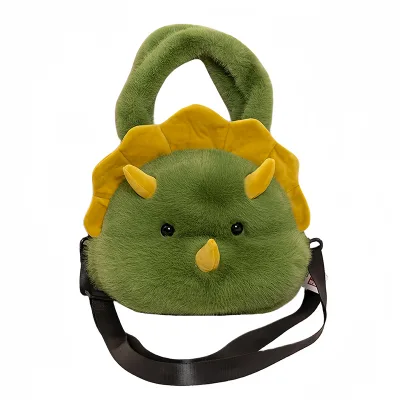
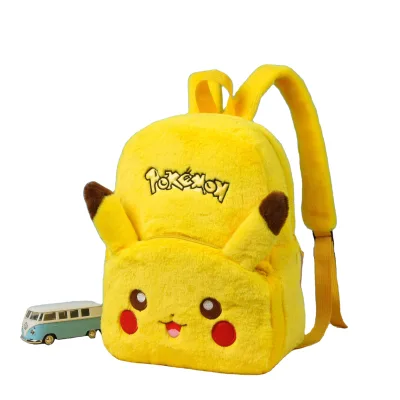
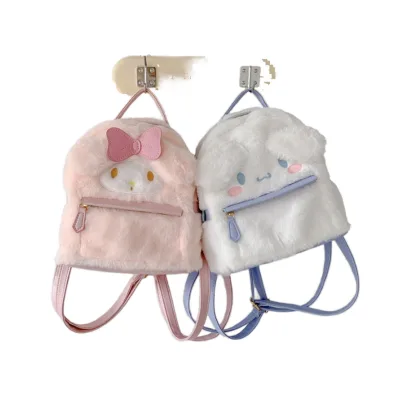
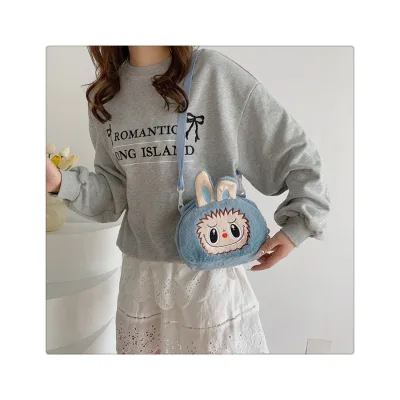


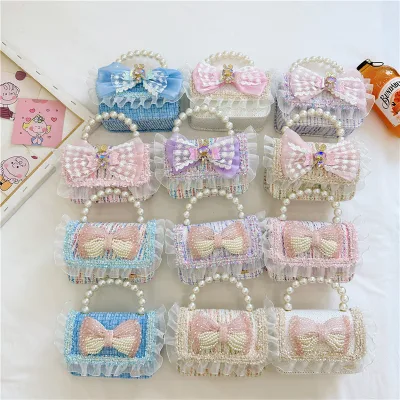
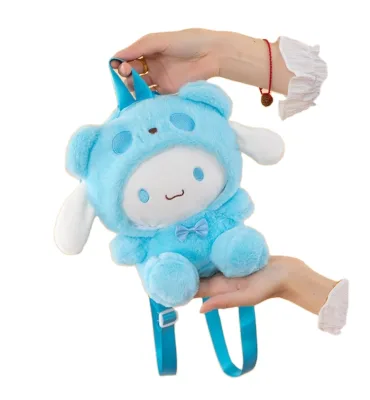
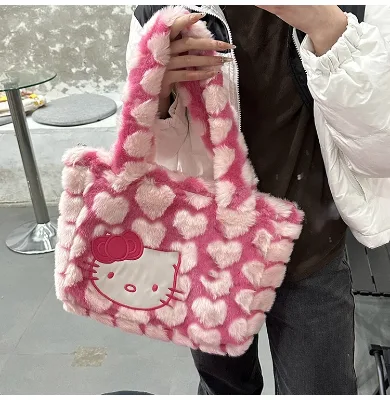
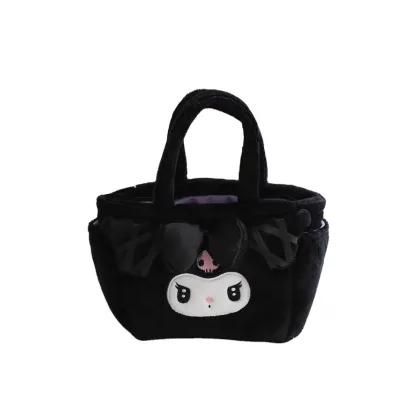
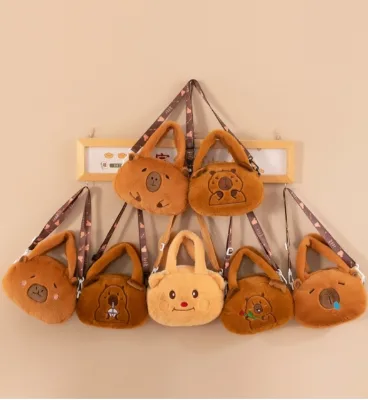


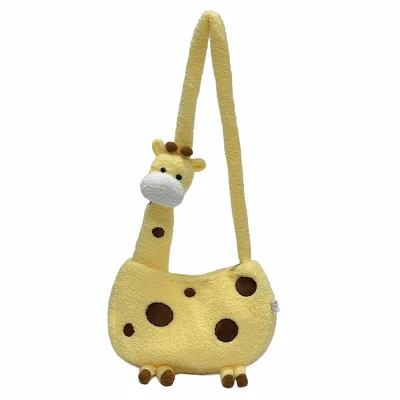
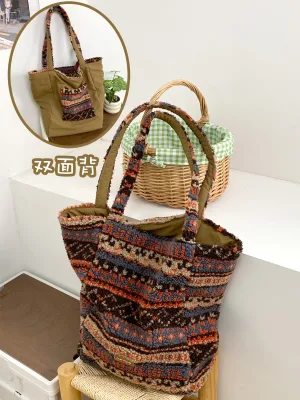
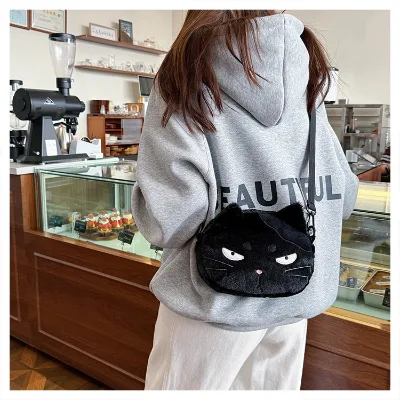


Comprehensive Sourcing Guide
Japanese Kawaii Washed Plush Bag Supplier Concentration and Factory Types
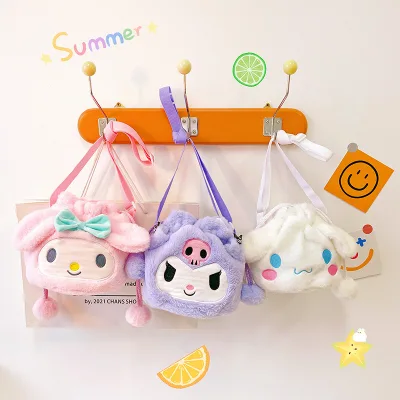
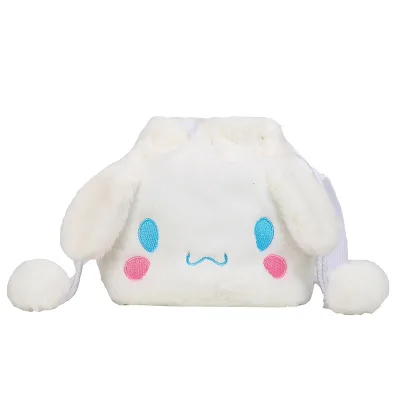
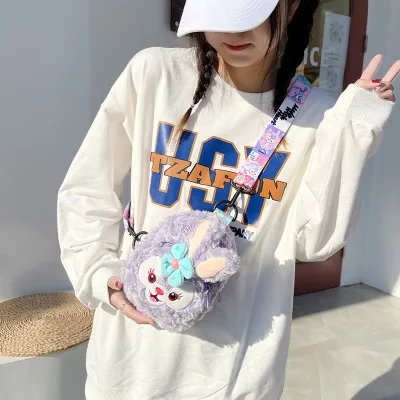
The sourcing landscape for Japanese kawaii washed plush bags reveals distinct manufacturing clusters primarily located in Jiangsu and Zhejiang provinces within China. These regions serve as critical hubs for producers specializing in soft goods, with many facilities offering combined capabilities that blend manufacturing with trading services. Buyers evaluating these suppliers will often encounter entities that operate as trading companies, which can streamline communication and consolidate orders from multiple smaller workshops. However, it is also common to find combined suppliers who maintain direct control over production lines while managing export logistics. This dual nature allows for greater flexibility in handling custom designs, such as the popular kawaii animal motifs and anime-inspired aesthetics that define this niche. Understanding the specific company type is essential, as trading companies may offer broader product ranges but potentially less direct oversight of the manufacturing process compared to pure factories.
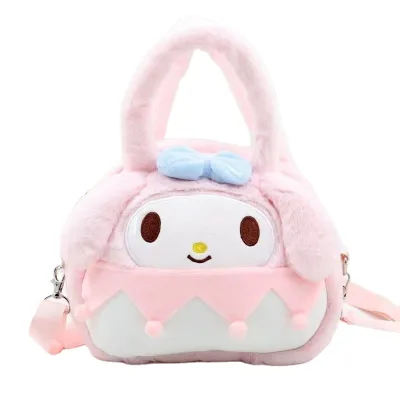
When assessing the concentration of these suppliers, buyers should note that Jiangsu-based manufacturers often focus on a wide array of plush accessories, including custom backpacks, handbags, and novelty items like plush Ita bags. These suppliers frequently highlight their ability to produce hand-made items with soft, comfortable features that appeal to the target demographic. In contrast, Zhejiang-based entities may specialize in specific character-themed goods, such as Kuromi or My Melody inspired handbags, often catering to younger age ranges with strict safety standards. The presence of these regional clusters means that buyers can find specialized partners for different aspects of their product line, from high-volume basic plush toys to intricate, custom-designed kawaii bags. It is crucial to verify the actual production capacity and whether the supplier’s main products align with the specific technical requirements of washed plush materials, ensuring that the chosen partner has the expertise to handle delicate fabric treatments without compromising the structural integrity of the bag.
How to Verify Japanese Kawaii Washed Plush Bag Suppliers
Verification of suppliers requires a multi-layered approach that goes beyond basic profile checks, focusing on tangible evidence of quality and compliance. Buyers should prioritize suppliers who display third-party verification badges, such as SGS, which indicates that an independent agency has audited the company’s operations. This verification is a strong indicator of reliability, suggesting that the supplier has met certain standards for business legitimacy and operational transparency. Additionally, examining the product evidence for specific certifications is vital, as plush toys and bags intended for children or general gift use often require rigorous safety testing. Look for products that explicitly list certifications such as CE, EN71, ASTM, CPSIA, and REACH, which are critical for market access in Europe and North America. These certifications ensure that the materials used, including the plush fabric and filling, are free from harmful substances and meet strict safety guidelines.
Beyond certifications, buyers must verify the supplier’s ability to handle custom orders and provide necessary documentation. Check if the supplier offers OEM/ODM services, which is a key indicator of their flexibility and manufacturing capability. A supplier that explicitly states "OEM/ODM: Yes!" is likely equipped to handle custom logos, specific modeling sources, and tailored weight requirements. Furthermore, inspect the product attributes for details on testing, such as ASTM or EN71 test reports, which provide concrete proof of product safety. It is also important to verify the supplier’s response time, as a quick and professional reply can indicate a well-organized customer service team. Suppliers with response times under eight hours, for instance, are generally more responsive to urgent inquiries and complex customization requests. Buyers should also look for evidence of established business practices, such as clear packing specifications and standardized production processes, which suggest a mature operation capable of maintaining consistency across large orders.
What to Compare Across Japanese Kawaii Washed Plush Bag Suppliers
When comparing suppliers, buyers must evaluate a range of operational metrics to determine the best fit for their specific needs. Lead time is a critical factor, as it directly impacts inventory planning and market launch schedules. Some suppliers may offer lead times as short as seven days for certain items, while others might require up to sixty days for complex custom orders. It is essential to clarify whether the stated lead time includes sample approval and bulk production, as this can vary significantly between suppliers. Additionally, compare the Minimum Order Quantity (MOQ) requirements, which can range from as low as five pieces for ready-made items to one hundred pieces or more for fully customized designs. Suppliers with lower MOQs are ideal for testing the market or launching new product lines with limited risk, while those with higher MOQs may offer better unit economics for established products.
Another key dimension for comparison is the price range and the associated value proposition. Prices for plush bags can vary widely, from as low as $1.50 to over $6.50 per unit, depending on the complexity of the design, the quality of materials, and the order volume. Buyers should not solely focus on the lowest price but rather assess the cost against the quality of materials, such as the use of PP cotton filling and plush fabric, and the inclusion of features like clear pockets or custom straps. Response time is also a crucial comparative metric, with some suppliers responding within four hours and others taking longer. A faster response time often correlates with better communication and problem-solving capabilities during the production process. Finally, compare the main products offered by each supplier to ensure they have specialized expertise in the specific type of kawaii plush bag you intend to source, whether it is a simple handbag or a complex backpack with multiple compartments.
Common Japanese Kawaii Washed Plush Bag Sourcing Risks
One of the primary risks in sourcing kawaii plush bags is the potential discrepancy between sample quality and bulk production. Suppliers may provide a high-quality sample that meets all aesthetic and functional requirements, but the bulk order might suffer from inconsistencies in stitching, fabric texture, or color matching. This risk is particularly acute with custom designs, where the complexity of the pattern and the number of components can lead to manufacturing errors. To mitigate this, buyers should insist on pre-production samples that are representative of the bulk run and clearly define quality standards in the purchase agreement. Additionally, the risk of intellectual property infringement is significant, especially when sourcing products inspired by popular anime or character brands. Buyers must ensure that the supplier has the legal right to produce and sell the designs, or they must provide their own licensed artwork to avoid legal complications.
Another common risk is the miscommunication regarding customization details, such as logo placement, packaging specifications, and labeling requirements. Suppliers may interpret instructions differently, leading to products that do not meet the buyer’s expectations. For example, a request for a "custom logo" might result in a printed logo instead of an embroidered one if not specified clearly. Furthermore, the risk of delayed shipments is prevalent, particularly during peak seasons or when suppliers are managing multiple large orders. Buyers should establish clear communication channels and request regular updates on production progress to identify and address potential delays early. It is also important to verify the supplier’s ability to handle returns or replacements for defective items, as this can impact customer satisfaction and brand reputation. By proactively addressing these risks through detailed contracts and regular monitoring, buyers can minimize disruptions and ensure a smoother sourcing experience.
Japanese Kawaii Washed Plush Bag Regional Sourcing and Logistics
Sourcing from regional clusters in China offers logistical advantages but also presents specific challenges that buyers must navigate. Suppliers in Jiangsu and Zhejiang provinces are well-connected to major shipping ports, facilitating efficient export logistics for bulk orders. However, the distance between these manufacturing hubs and international destinations can lead to longer transit times and higher freight costs. Buyers should consider the total landed cost, including shipping, insurance, and customs duties, when evaluating supplier quotes. Additionally, the choice of shipping method, whether by sea or air, will impact the lead time and cost structure. Sea freight is more cost-effective for large volumes but takes longer, while air freight is faster but significantly more expensive. Buyers must balance these factors based on their inventory needs and market demand.
Another logistical consideration is the packaging and labeling requirements, which can vary by destination market. Suppliers often provide standard packing options, such as 30-40 pieces per carton, but buyers may need custom packaging to meet local regulations or branding needs. It is crucial to verify that the supplier can accommodate these requirements without incurring excessive additional costs. Furthermore, buyers should be aware of the potential for currency fluctuations and exchange rate risks, which can affect the final cost of goods. Establishing a stable pricing agreement with the supplier can help mitigate this risk. Finally, buyers should consider the environmental impact of their sourcing decisions, as many consumers are increasingly concerned about sustainability. Suppliers who use eco-friendly materials or offer recyclable packaging may provide a competitive advantage in the market. By carefully planning logistics and considering these factors, buyers can optimize their supply chain and reduce overall costs.
Japanese Kawaii Washed Plush Bag Commercial Terms and Order Planning
Commercial terms and order planning are critical components of a successful sourcing strategy for kawaii plush bags. Buyers must clearly define the payment terms, such as using escrow services to protect their funds until the goods are received and inspected. This ensures that the supplier fulfills their obligations before payment is released. Additionally, buyers should negotiate favorable terms for sample orders, as these are essential for quality verification before committing to bulk production. Some suppliers offer free or discounted samples, which can reduce initial costs and risk. It is also important to establish a clear timeline for order placement, production, and delivery, allowing for adequate buffer time to handle any unexpected delays. Buyers should plan for seasonal fluctuations in demand, particularly around holidays and special events, to ensure timely delivery of products.
Furthermore, buyers should consider the long-term relationship with their supplier, as consistent orders can lead to better pricing and priority treatment. Building a strong partnership with a reliable supplier can result in improved communication, faster response times, and greater flexibility in handling custom requests. Buyers should also plan for quality control measures, such as third-party inspections, to ensure that the products meet their standards before shipment. This can help prevent costly returns and customer complaints. Finally, buyers should stay informed about market trends and consumer preferences, as the kawaii plush bag market is dynamic and subject to rapid changes. By adapting their product offerings and sourcing strategies to these trends, buyers can maintain a competitive edge and drive sales growth. Careful planning and proactive management of commercial terms are essential for achieving long-term success in this niche market.
FAQs
What is the typical lead time for custom plush bags?
Lead times vary by supplier and order volume. Some manufacturers report a standard production time of about 23 days, while others may require up to 60 days. Custom orders often depend on the specific quantity and design complexity requested by the buyer.
Are custom logos available on these plush bags?
Yes, customization is widely available for these products. Buyers can request their own logo to be printed or attached to the plush bags. Many suppliers offer OEM and ODM services to accommodate specific branding needs for gifts or retail purposes.
What certifications do these plush toys typically hold?
Products often carry safety certifications such as CE, EN71, ASTM, CPSIA, and Reach. Some suppliers also provide BSCI and ISO9001 certifications. These standards ensure the plush items meet international safety requirements for children and general consumer use.
What is the minimum order quantity for custom plush bags?
Minimum order quantities differ significantly between suppliers. Some manufacturers require a minimum of 100 pieces, while others accept orders as low as 5 pieces. Buyers should verify the specific MOQ with the supplier before placing a custom order.
Where are these plush bag manufacturers located?
Most manufacturers are located in China, specifically in Jiangsu and Zhejiang provinces. These regions are known for their textile and toy manufacturing capabilities. Buyers can find suppliers in these areas offering various styles of custom plush bags.
How long does it take to receive a sample?
Sample preparation typically takes between 3 to 7 working days. This timeframe allows the supplier to create a prototype based on the buyer's design specifications. Buyers should confirm the exact sample time with the specific manufacturer before proceeding.
What is the price range for custom plush backpacks?
Prices for custom plush backpacks generally range from 1.50 to 6.50 USD per unit. The final cost depends on factors like material, size, customization level, and order quantity. Buyers should request a quote based on their specific requirements.