European Wood Burning Fireplace Suppliers and Manufacturers
Explore 21 verified options for European Wood Burning Fireplace from factories in China Hebei, Hubei, and Guangdong. Compare certifications like ISO 9001, lead times, and response rates to select a suitable partner for your project needs; review the available evidence before requesting comparable quotations from suitable candidates.
Updated
Suppliers List

Xingtai Sichuang Machinery Manufacturing Co., Ltd.
- Manufacturer/Factory
- China Hebei
- Lead time23 days
- Avg. response≤ 3h
Main productsElectric Loader, Micro Cultivator, Macaroni Making Machine, Thread Rolling Machine, Well Drilling Machine, Knife Grinding Machine, Winch, Dumpling Machine, Noodle Machine, Electric Forklift
Main marketsMid East,North America,Southeast Asia,Africa

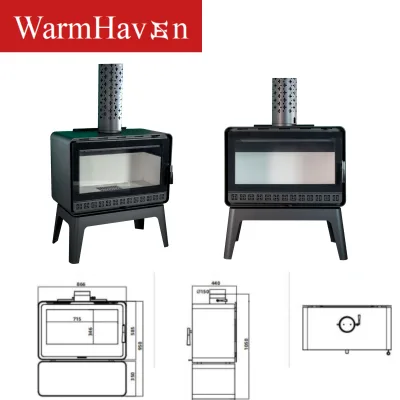
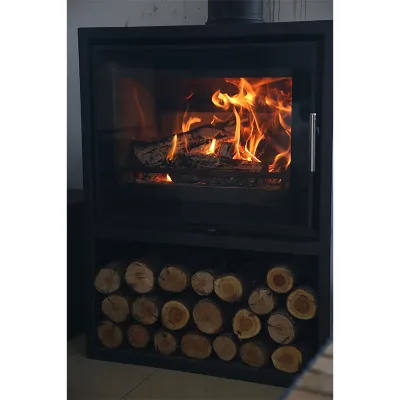
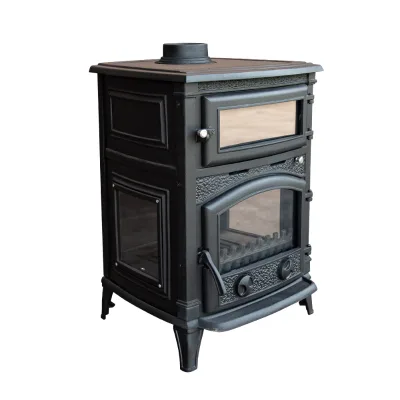
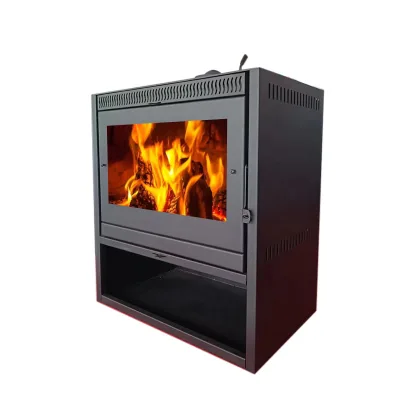
Europe Hot Sale Wood-Burning Fireplace Wood Burning Stoves Fireplaces
$650.00 - $1300.00
MOQ: 1 Pieces


Enshi Wen Di Import and Export Co., Ltd
- Verified by TUVRHEINLAND
- Trading Company,Manufacturer/Factory
- China Hubei
- Lead time15 days
- Avg. response≤ 4h
Main productsWall Sticker, Wall Decor, Wallpaper, Wood Stove, Tent Stove, Camping Tent, Camping Fireplace, Camping Stove, Wall Paper, Acoustic Panel
Main marketsSouth America,Eastern Europe,Mid East,North America,Southeast Asia,Eastern Asia,Oceania,Western Europe,Africa
Foshan Wanmei Decoration Products Co., Ltd.
- Manufacturer
- Guangdong, China
- Lead time0 days
- Avg. response≤ 3h
Main products3D Water Vapor Fireplace,Decorative Electronic Fireplace,Fireplace mantel,Electric fireplace,Fire charcoal fireplace
Main marketsDomestic Market(40.00%), Western Europe(18.00%), Southeast Asia(10.00%), South Asia(10.00%), Africa(10.00%), Mid East(10.00%)
Xuzhou Best Arts & Crafts Co., Ltd.
- Verified by SGS Group
- Manufacturer, Trading Company
- Jiangsu, China
- Lead time30 days
- Avg. response≤ 4h
Main productsEcodesign Ready Stove, Wood Stove, Insert Stove, Cast Iron Stove, Fireplace
Main marketsNorthern Europe(40%), Western Europe(20%), North America(15%)

Jinan Chaowan Furnace Technology Co., Ltd.
- Verified by CTI
- Manufacturer/Factory
- China Shandong
- Lead time0 days
- Avg. response≤ 6h
Xuzhou High Energy Environmental Technology Co., Ltd.
- Trading Company
- Jiangsu, China
- Lead time45 days
- Avg. response≤ 8h
Main productsWood stove,Fireplace,Cast iron parts,Environmental Protection equipment,Valve
Main marketsNorthern Europe(35.00%), Western Europe(35.00%), Eastern Europe(10.00%), Southern Europe(5.00%), North America(5.00%), Oceania(5.00%), Eastern Asia(5.00%)
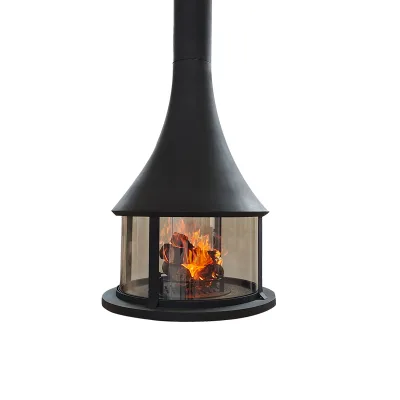
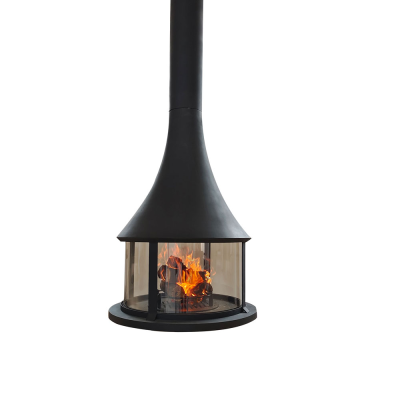
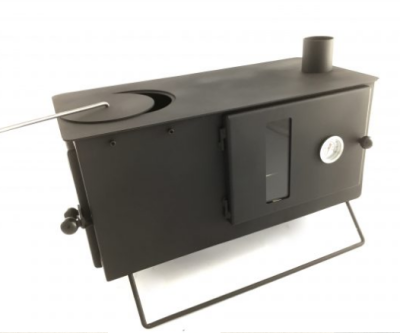
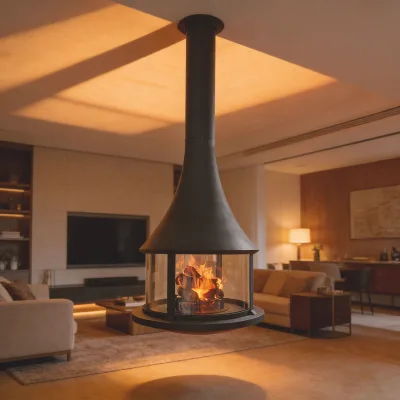
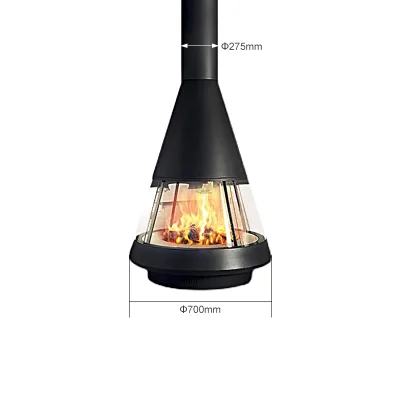
wood burning fireplace mobile,hanging fireplace indoor
$999.00 - $1200.00
JINAN LODOR CNC EQUIPMENT CO., LTD.
- Verified by Intertek
- Manufacturer, Trading Company
- Shandong, China
- Lead time15 days
- Avg. response≤ 2h
Main productsElectric Fireplace, Ethanol Fireplace, Water Fireplace, Wood Fireplace, Gas Fireplace
Main marketsWestern Europe(40%), North America(20%), Mid East(15%)

Shanxi C-Trying Machinery Equipment Co., Ltd
- Verified by SGS
- Trading Company
- China Shanxi
- Lead time30 days
- Avg. response≤ 2h
Main productsGasoline Generator, Diesel Generator, DC Generator, Gas Generator, Permanent Magnet Generator, Submersible Mixer, Centrifugal Fan, Solar Generator, Solar Panel, Generator Parts
Main marketsAfrica

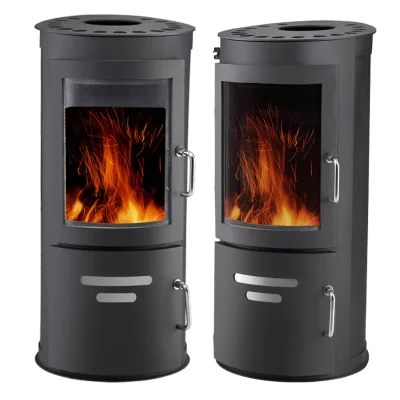
Hot Sell Real Fire Europe Fashion Wood Burning Fireplace with High Efficiency
$238.00 - $288.00
MOQ: 10 Pieces

Classic Indoor Small European Home Stay Heater Wood Burning Fireplace
$238.00 - $288.00
MOQ: 10 Pieces

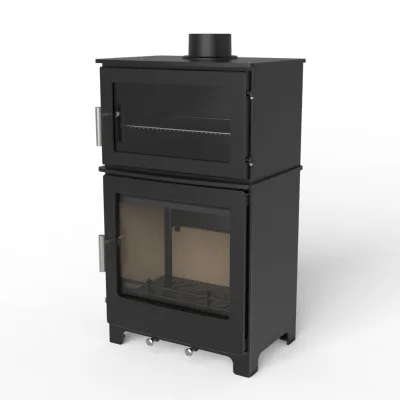
Eco-Design CE RoHS Ukca Certification Heating Wood Burning Stoves Fireplace
$238.00 - $288.00
MOQ: 10 Pieces


Modern Design Indoor Wood Burning Stove Smokeless Fireplace with 3-Side Glass
$238.00 - $288.00
MOQ: 1 Pieces

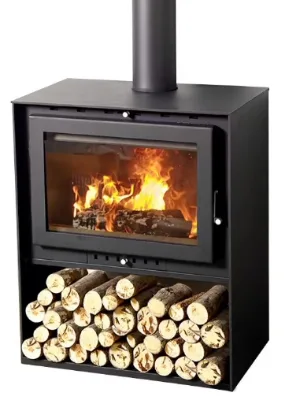
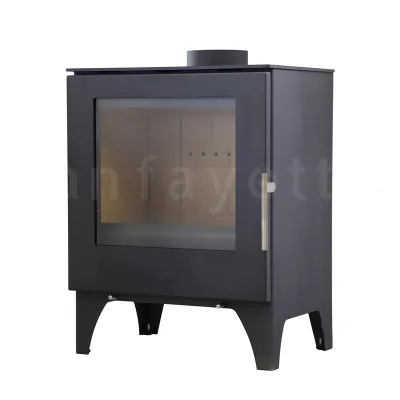
Modern High Quality Indoor Decorative Black Freestanding Steel Wood Burning Fireplace
$238.00 - $288.00
MOQ: 1 Pieces
Jinan Chaowan New Energy Technology Co., Ltd.
- Manufacturer, Trading Company
- Shandong, China
- Lead time0 days
- Avg. response≤ 2h
Main productsWood-burning fireplace,Wood-fired boiler,biomass boiler,Biomass heating stove,Coal-fired stove
Main marketsDomestic Market(60.00%), North America(10.00%), Western Europe(10.00%), Eastern Europe(10.00%), Eastern Asia(5.00%), Southeast Asia(3.00%), Africa(2.00%)
Boluo Taimei J&k Home Workshop
- Manufacturer, Trading Company
- Guangdong, China
- Lead time30 days
- Avg. response≤ 3h
Main productsFurniture,Fireplace,Home Decoration,Customized furniture,Chair& Sofa
Main marketsNorth America(30.00%), Northern Europe(10.00%), Western Europe(10.00%), Mid East(10.00%), Oceania(10.00%), Eastern Europe(10.00%), Southern Europe(10.00%), Domestic Market(5.00%), South America(5.00%)
Henan Longfei Shengshi International Trading Co., Ltd
- Trading Company
- Henan, China
- Lead time15 days
- Avg. response≤ 2h
Main productsWood fireplace,Hanging Fireplace,Water Feature,Corten Steel Landscape,Outdoor fireplace
Main marketsSoutheast Asia(50.00%), North America(50.00%)
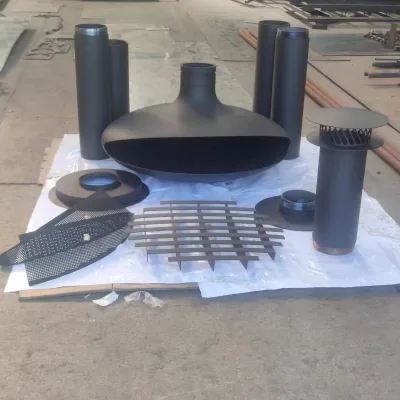
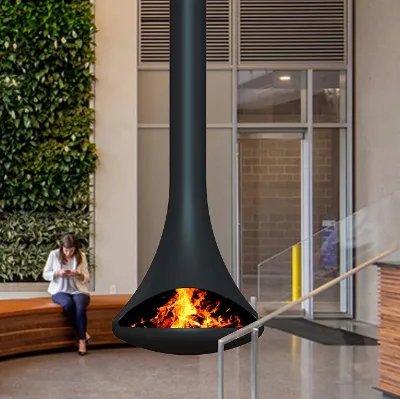
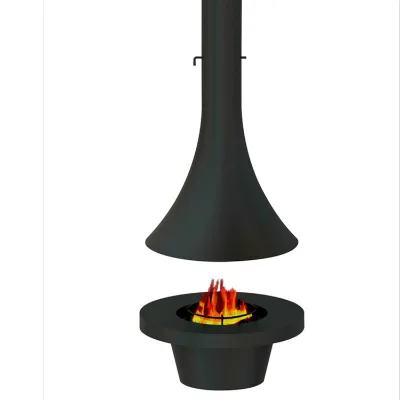
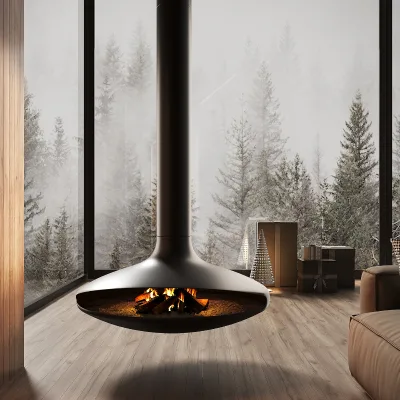
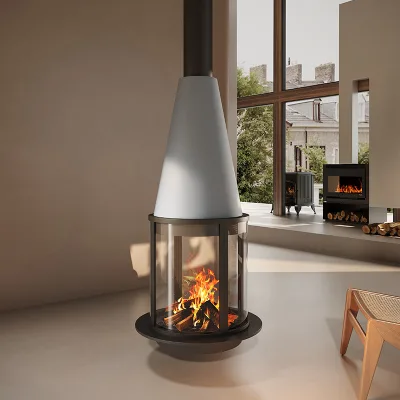
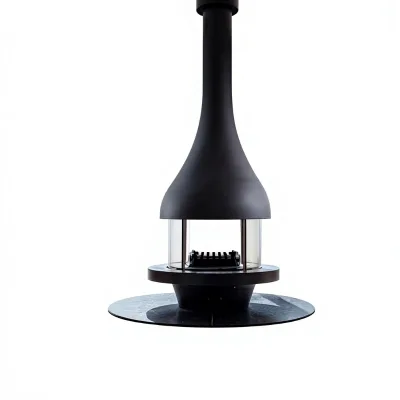
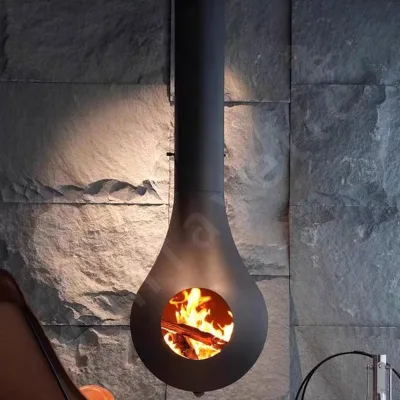
Popular in Europe Suspended Fireplace for Indoor Wood-Burning Core for the Living Room of Villa
$899.00 - $1099.00
MOQ: 1 pieces
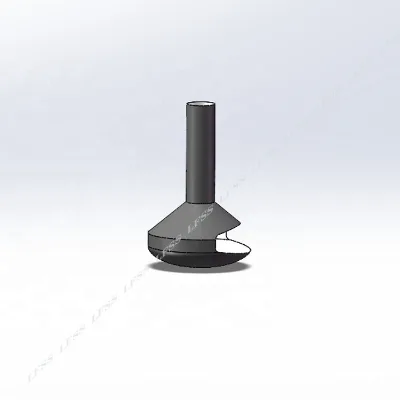
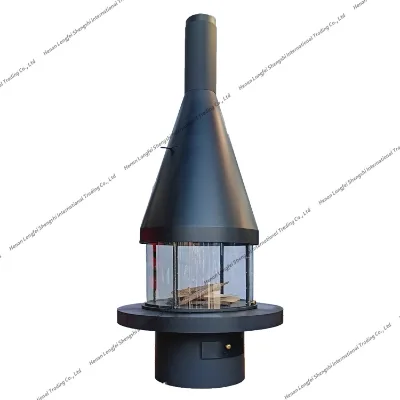
Decorative Glass Fireplace for the Living Room Ground Wood Burning Gas Custom Fireplace
$3499.00 - $3999.00
MOQ: 1
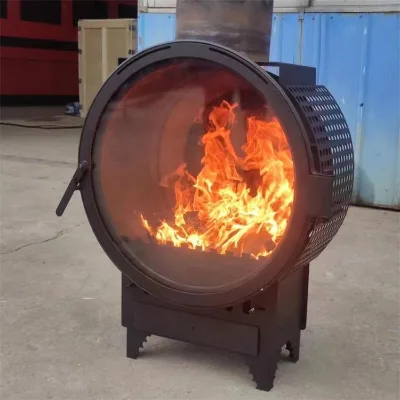
Morden Wall Mounted Wood Burning Fireplace Indoor Central Hanging Round Stove
$724.00 - $795.00
MOQ: 2 pieces
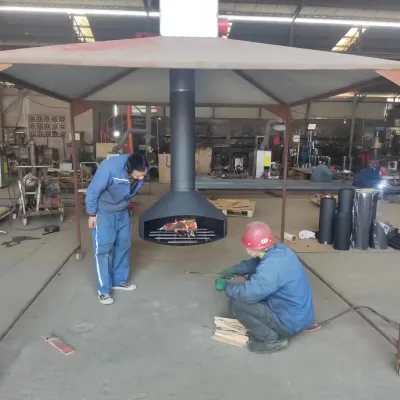
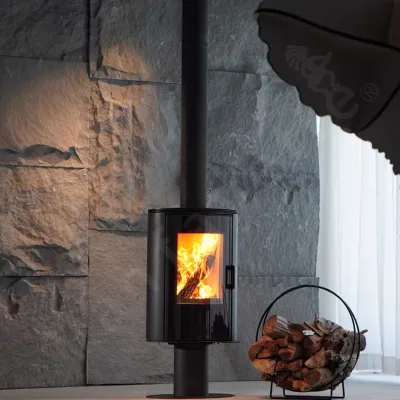
Exclusively Customised High-quality Octagonal Design Rotatable Wooden Burning Fireplace
$1099.00 - $1299.00
MOQ: 2 pieces
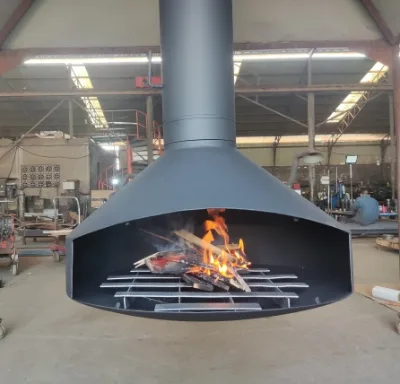
$1148.0092 - $1356.9278
MOQ: 2 pieces
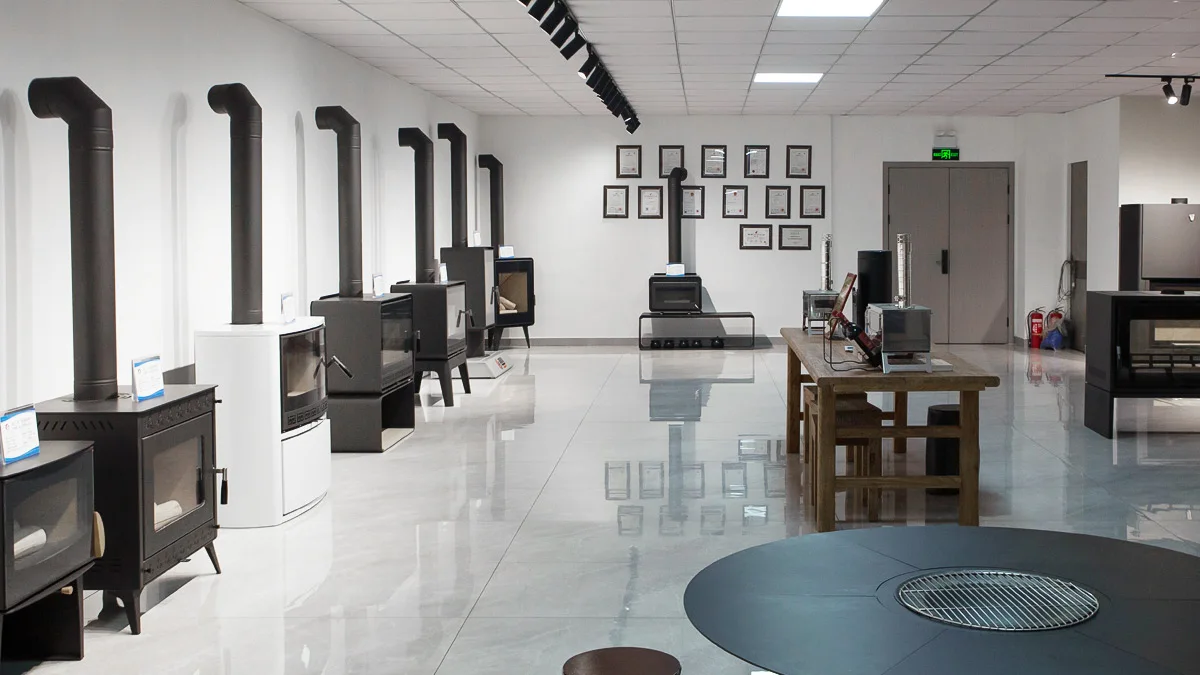
Shengzhou Jingxin Electric Appliance Co., Ltd.
- Manufacturer, Trading Company
- Zhejiang, China
- Lead time45 days
- Avg. response≤ 2h
Main productsWood Stove,Electric fireplace,Wood burning Fireplace,BBQ Oven,Outdoor Stove
Main marketsDomestic Market(71.00%), North America(10.00%), South America(5.00%), Eastern Europe(2.00%), Northern Europe(2.00%), Western Europe(2.00%), Eastern Asia(2.00%), Oceania(2.00%), Southern Europe(2.00%), Africa(1.00%), Southeast Asia(1.00%)
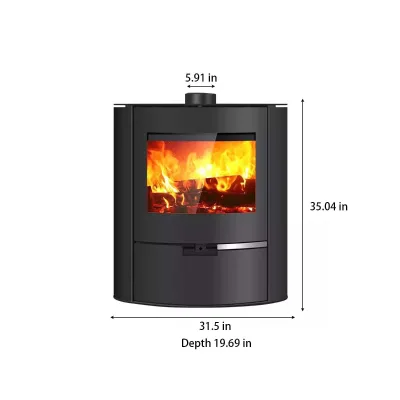

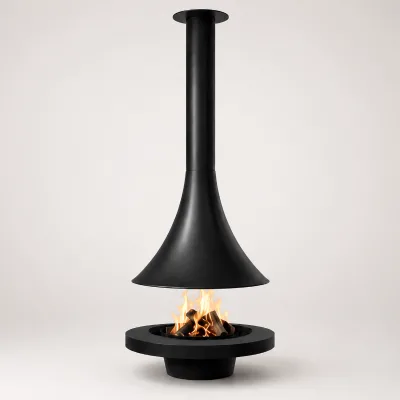
Suspended 360° View Wood Burning Fireplace - Modern Central Hearth
$3500.00 - $4175.00

HENAN JINBAILAI INDUSTRIAL CO., LTD.
- Verified by BV
- Trading Company
- China Henan
- Lead time23 days
- Avg. response≤ 3h
Main productsBBQ, Gas Fire Pit, Wood Fireplace, Stove, Steel Planter, Metal Decors, Garden Furniture, Garden Landscape
Main marketsEurope,North America

Shijiazhuang Guanrun Trading Co., Ltd.
- Verified by SGS
- Trading Company
- China Hebei
- Lead time15 days
- Avg. response≤ 4h
Main productsBBQ Grill, Fireplace, Stove, Fire Pit, Gas Fire Pit, Smokeless Fire Pit, Fire Pit Table, Pizza Oven, Firewood Rack, Accessories for Fire Pits
Main marketsDomestic
Henan Better Industrial Co., Ltd.
- Verified by SGS Group
- Manufacturer, Trading Company
- Lead time15 days
- Avg. response≤ 1h
Main productsBBQ, Gas Fire Pit, Flower Pot, Garden Edging, Water Feature
Main marketsSoutheast Asia(20%), Oceania(15%), Western Europe(15%)

Shandong Zhanhong Metal Products Co., Ltd
- Verified by BV
- Manufacturer/Factory
- China Shandong
- Lead time23 days
- Avg. response≤ 5h
Main productsFire Pit, Garden Planter, BBQ Fireplace, Screen
Main marketsEastern Europe,Mid East,North America,Eastern Asia,Oceania,Western Europe
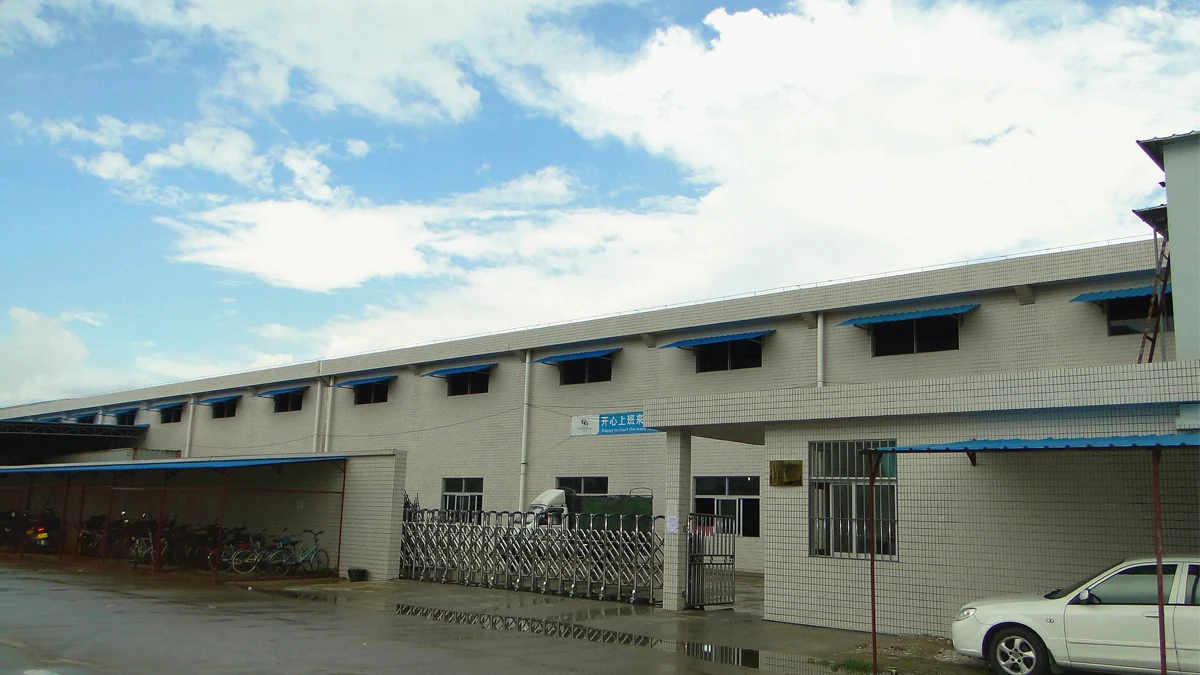
Shanghai CG Import & Export Co., Ltd.
- Trading Company
- Shanghai, China
- Lead time30 days
- Avg. response≤ 4h
Main productsOutdoor Furniture,Indoor Furniture,Fireplace,Decor
Main marketsNorth America(30.00%), Oceania(15.00%), Mid East(10.00%), Central America(10.00%), Eastern Europe(10.00%), South America(8.00%), Northern Europe(3.00%), South Asia(3.00%), Western Europe(3.00%), Southern Europe(3.00%), Southeast Asia(2.00%), Eastern Asia(2.00%), Domestic Market(1.00%)

Ningbo Precise Machinery Co., Ltd.
- Manufacturer
- Zhejiang, China
- Lead time45 days
- Avg. response≤ 12h
Main productsWood Burning Stove, Wood Pellet Stove, Gas Fireplace
Main marketsOceania(35.00%), Western Europe(28.00%), North America(25.00%), Southern Europe(8.00%), South America(2.00%), Eastern Asia(1.00%), Domestic Market(1.00%)

Shandong HY Metal Products Ltd.
- Trading Company,Manufacturer/Factory
- China Shandong
- Lead time15 days
- Avg. response≤ 8h
Main productsFlower Pot, Decorative Screen, Fire Pit, Garden Edging
Main marketsSouth America,Eastern Europe,Mid East,North America,Southeast Asia,Eastern Asia,Oceania,Africa

CIXI AUCST ELECTRICAL APPLIANCE CO., LTD
- Manufacturer
- China Zhejiang
- Lead time30 days
- Avg. response≤ 1h
Main productsAir Cooler, Fan, Halogen Heater, Quartz Heater, Carbon Heater, Oil Heater, Convection Heater, PTC Heater, Mica Heater, Fireplace
Main marketsSouth America,Southeast Asia/ Mideast,Europe

Qingdao Legend Metal Products Co., Ltd.
- Verified by SGS
- Trading Company
- China Shandong
- Lead time30 days
- Avg. response≤ 25h
Main productsPatio Heater, Outdoor Heater, Outdoor Gas Heater, Indoor Fireplace, Indoor Stove, Gas Fireplace, Wood Burning Fireplace, Gas Stove, Wood Burning Stove, Gas Fire Pit
Main marketsAfrica,Europe,Australia


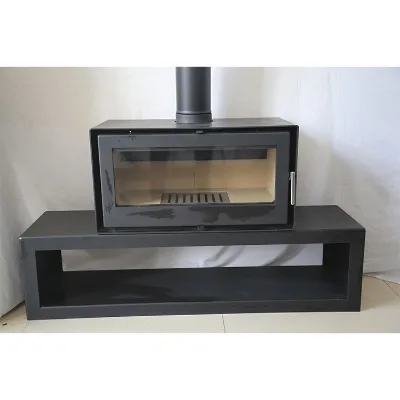


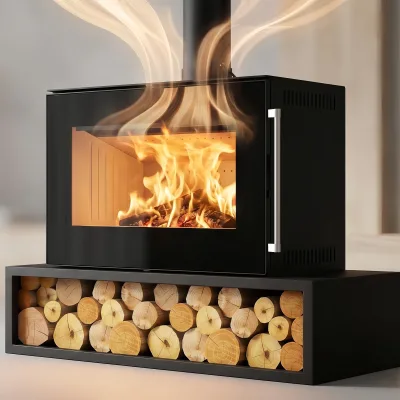
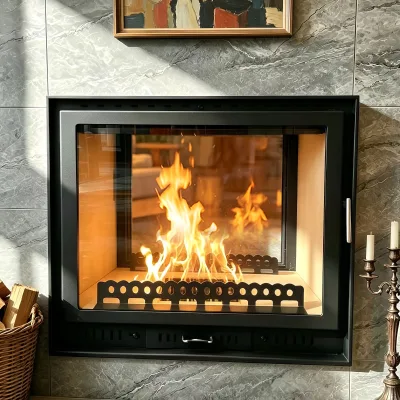
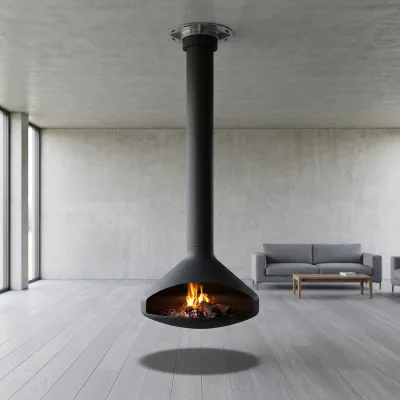
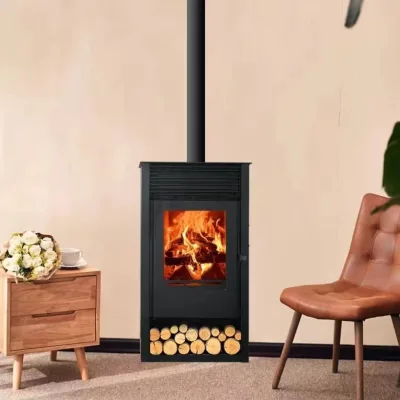






Comprehensive Sourcing Guide
European Wood Burning Fireplace Supplier Concentration and Factory Types
The current supplier landscape for European wood burning fireplaces reveals a distinct geographic concentration in China, with specific manufacturing hubs identified in Hebei and Hubei provinces. Suppliers located in Hebei, such as those in Xingtai City, often operate as manufacturers or factories with established capabilities in producing heavy industrial and home heating equipment. These entities frequently list main products that include electric loaders, micro cultivators, and various drilling machines alongside wood burning fireplaces, suggesting a diversified industrial base that leverages existing metalworking infrastructure for fireplace production. The presence of ISO 9001 and GMP certifications among these Hebei-based suppliers indicates a baseline commitment to quality management systems, which is critical for ensuring consistent output in metal fabrication processes. Buyers evaluating suppliers in this region should note that the combination of diverse machinery production and fireplace manufacturing may offer cost efficiencies due to shared supply chains for raw materials like steel and cast iron.
In contrast, suppliers based in Hubei province present a different operational profile, often functioning as both trading companies and manufacturers. This dual role can provide buyers with greater flexibility in product selection, as trading capabilities allow for the aggregation of various designs, including wall stickers, acoustic panels, and camping stoves, alongside the core wood burning fireplace offerings. The Hubei suppliers observed hold a broader range of certifications, including ISO 9000, ISO 20000, and QC 080000, in addition to ISO 9001 and GMP. This extensive certification portfolio suggests a rigorous approach to quality control and process management, which may be particularly relevant for buyers requiring strict compliance with international standards. Furthermore, some suppliers in this region have undergone verification by TÜV Rheinland, adding an external layer of credibility to their operational claims. When assessing factory types, buyers should distinguish between pure manufacturers who control the entire production process and hybrid entities that may outsource certain components while managing final assembly and quality assurance in-house.
How to Verify European Wood Burning Fireplace Suppliers
Verifying the legitimacy and capability of suppliers requires a multi-layered approach that goes beyond simple profile reviews. One critical step is to examine the specific certifications listed against the product attributes. For instance, many European Wood Burning Fireplace products display GS and CE certifications, which are essential for market access in Europe. Buyers must confirm that the supplier’s system certifications, such as ISO 9001, align with the product-specific certifications claimed. A supplier claiming ISO 9001 certification should be able to provide valid documentation that covers the manufacturing processes for the specific fireplace models being sourced. Additionally, the presence of TÜV Rheinland verification for certain suppliers offers a strong indicator of operational reliability, as this third-party verification involves rigorous audits of business licenses and factory conditions. Buyers should prioritize suppliers who have undergone such independent verification to mitigate the risk of engaging with fraudulent or non-compliant entities.
Another vital aspect of verification is assessing the supplier’s response time and lead time metrics, which serve as proxies for operational efficiency and communication reliability. Suppliers with faster response times, such as those averaging around 2.31 hours, may indicate a more responsive customer service team capable of addressing technical queries and customization requests promptly. Similarly, lead times provide insight into production capacity and inventory management. A lead time of 15 days, as observed in some Hubei-based suppliers, suggests a streamlined production process, whereas longer lead times may indicate potential bottlenecks or a reliance on made-to-order manufacturing. Buyers should also verify the supplier’s main products to ensure that wood burning fireplaces are a core competency rather than a peripheral offering. Suppliers whose main products include a wide array of unrelated items, such as electric forklifts or wall stickers, may have less specialized expertise in fireplace manufacturing. Cross-referencing these metrics with product evidence, such as detailed specifications and material descriptions, helps build a comprehensive picture of the supplier’s reliability and capability.
What to Compare Across European Wood Burning Fireplace Suppliers
When comparing suppliers, buyers should focus on key operational dimensions such as lead time, minimum order quantity (MOQ), and customization capabilities. Lead times vary significantly across the supplier base, with some offering as little as 15 days and others indicating longer production cycles. This variation can impact inventory planning and market launch strategies, making it essential to align supplier lead times with business requirements. MOQs also differ, with some suppliers offering a low MOQ of just one piece, which is advantageous for testing market demand or small-scale projects. In contrast, other suppliers may have higher MOQs that require larger upfront investments. Buyers should evaluate whether the supplier’s MOQ aligns with their sales volume projections and storage capabilities. Additionally, customization options are a critical differentiator, with many suppliers offering available customization for design, material, and functionality. Understanding the extent of customization allowed, such as adjustable thermostats or remote control features, helps buyers tailor products to specific market preferences.
Price and product specifications are another crucial area for comparison. The price range for European wood burning fireplaces can vary widely, from as low as $268 to over $2,600, depending on the model, material, and features. Buyers should analyze the price-to-feature ratio, considering factors such as material quality, certification status, and additional features like overheating protection or adjustable thermostats. For example, some models are priced at $378 and include specific dimensions and weight specifications, while others are priced higher due to advanced features or premium materials. It is also important to compare the product attributes, such as installation type (freestanding vs. insert), usage (indoor vs. outdoor), and style (country vs. modern). Suppliers offering a diverse range of models, such as ST-650, ST-750, and A0111, provide buyers with more options to meet varied customer needs. By systematically comparing these dimensions, buyers can identify suppliers that offer the best balance of cost, quality, and flexibility for their specific sourcing requirements.
Common European Wood Burning Fireplace Sourcing Risks
One significant risk in sourcing European wood burning fireplaces is the potential mismatch between product specifications and actual delivery. Buyers must carefully review product attributes such as material composition, weight, and dimensions to ensure they meet their requirements. For instance, some fireplaces are made of metal with specific weights like 83kg or 98kg, while others may be heavier at 190kg. These variations impact shipping costs and installation requirements, so buyers must verify that the supplier’s specifications match their logistical and structural constraints. Additionally, the presence or absence of features like remote controls, overheating protection, and automatic thermostats can significantly affect user experience and safety. Suppliers claiming features such as "without remote control" or "without overheating protection" may pose safety risks or fail to meet customer expectations. Buyers should request detailed product datasheets and, if possible, samples to verify these attributes before placing large orders.
Another risk is the reliability of after-sales service and warranty provisions. Some suppliers offer warranties of one year and provide services like return and replacement or online technical support, which are crucial for maintaining customer satisfaction. However, the effectiveness of these services depends on the supplier’s operational capacity and geographic location. Suppliers located in remote areas may face challenges in providing timely support or handling returns. Furthermore, the packaging method, such as fully enclosed wooden crate packing or wooden cases, plays a vital role in protecting the product during transit. Inadequate packaging can lead to damage, resulting in additional costs and delays. Buyers should assess the supplier’s packaging standards and inquire about their experience in exporting similar products to ensure that the fireplaces arrive in pristine condition. By proactively addressing these risks through thorough due diligence and clear contractual terms, buyers can minimize potential disruptions and ensure a smoother sourcing process.
European Wood Burning Fireplace Regional Sourcing and Logistics
Sourcing European wood burning fireplaces from China involves navigating distinct regional logistics advantages and challenges. Suppliers in Hebei province, particularly those in Xingtai City, benefit from established industrial infrastructure and proximity to major ports, which can facilitate efficient export operations. The location of these suppliers often correlates with their ability to produce heavy items like wood burning fireplaces, which require robust handling and secure packaging. Buyers should consider the shipping methods offered by these suppliers, such as sea freight, which is commonly used for bulky items due to its cost-effectiveness. Understanding the lead times associated with sea freight from Hebei is crucial for planning inventory and managing customer expectations. Additionally, the origin of the products, explicitly stated as Xingtai City, Hebei Province, China, provides transparency regarding the supply chain and helps buyers assess the logistical feasibility of sourcing from this region.
In contrast, suppliers in Hubei and Guangdong provinces offer different logistical profiles. Hubei-based suppliers, with lead times as short as 15 days, may provide faster turnaround times for orders, which can be advantageous for time-sensitive projects. Guangdong suppliers, known for their manufacturing capabilities in electronic and decorative items, may offer specialized products like 3D water vapor fireplaces or minimalist designs with remote controls. The place of origin for these products, explicitly Guangdong, China, indicates a focus on advanced manufacturing techniques and design innovation. Buyers should evaluate the shipping options and lead times from these regions to determine the best fit for their needs. Furthermore, the packaging standards, such as double-layer carbon steel plate construction or custom sizes, may impact shipping volume and costs. By understanding the regional strengths and logistical nuances of each sourcing location, buyers can optimize their supply chain for efficiency and cost-effectiveness.
European Wood Burning Fireplace Commercial Terms and Order Planning
Effective order planning for European wood burning fireplaces requires a clear understanding of commercial terms, including pricing structures, payment conditions, and delivery schedules. The price range for these products, spanning from $268 to $2,600, necessitates careful budgeting and cost analysis. Buyers should negotiate prices based on order volume, customization requirements, and shipping terms. For instance, suppliers offering affordable prices with high efficiency and easy operation may provide better value for money, but buyers must verify that these claims are substantiated by product evidence. Additionally, the availability of stock, as indicated by some suppliers, can reduce lead times and allow for quicker order fulfillment. Buyers should inquire about stock levels and production schedules to ensure timely delivery, especially for large orders or urgent projects. Understanding the supplier’s capacity for OEM and ODM services is also important, as it allows for greater flexibility in product design and branding.
Commercial terms also encompass warranty and after-sales support, which are critical for long-term customer satisfaction. Suppliers offering a one-year warranty and services like return and replacement or online technical support provide a safety net for buyers. However, the specifics of these terms, such as the duration of the warranty and the scope of support, should be clearly defined in the contract. Buyers should also consider the shipping terms, such as whether the supplier handles customs clearance or if the buyer is responsible for import duties. The use of secure packaging, like fully enclosed wooden crates, can mitigate the risk of damage during transit, but buyers should verify that these costs are included in the quoted price. By carefully reviewing and negotiating these commercial terms, buyers can establish a robust framework for their sourcing activities, ensuring that they receive high-quality products at competitive prices with reliable support. This proactive approach to order planning helps mitigate risks and enhances the overall sourcing experience.
FAQs
What is the price range for European wood burning fireplaces?
Prices typically range from $268 to $2,600 depending on the model and features. Basic freestanding units often start around $378, while more complex built-in or larger models can reach higher price points. Buyers should check specific product listings for exact pricing details.
What certifications do these fireplaces usually have?
Most European-style wood burning fireplaces listed carry GS and CE certifications. These marks indicate compliance with specific safety and quality standards for the European market. Buyers should verify these certifications on individual product pages to ensure they meet local regulatory requirements for import and use.
What is the typical lead time for these products?
Lead times vary by supplier, with some offering as little as 15 days and others around 23 days. Some manufacturers may list zero days for specific stock items, but this is less common. Buyers should confirm the exact production schedule with the supplier before placing an order.
Where are these fireplaces manufactured?
Manufacturers are primarily located in China, specifically in Hebei, Hubei, and Guangdong provinces. Hebei is a common hub for wood stove production, while Guangdong suppliers often focus on minimalist or electric-style designs. Buyers can filter results by these specific regions to find preferred manufacturing bases.
What is the minimum order quantity (MOQ)?
The minimum order quantity is often just one piece, allowing for sample orders or small purchases. This low MOQ makes it easier for buyers to test product quality before committing to larger volumes. However, bulk pricing may apply for larger orders, so buyers should inquire about tiered pricing.
What materials are used in construction?
Common materials include metal, double-layer carbon steel plate, and other durable metals designed for high heat. Some models feature adjustable thermostats and overheating protection for safety. Buyers should review product specifications to confirm the exact material composition and thickness for durability and heat retention performance.