hot-dip galvanized steel structure shed Suppliers and Manufacturers
Explore 25 verified options for hot-dip galvanized steel structure shed from China Shandong. Compare response times, lead times, certifications like ISO 9001, and pricing ranges. Contact suppliers directly to request custom quotes; review the available evidence before requesting comparable quotations from suitable candidates.
Updated
Suppliers List

Qingdao Titan Construction Engineering Co., Ltd.
- Verified by SGS
- Trading Company
- China Shandong
- Lead time60 days
- Avg. response≤ 2h
Main productsSteel Structure, Steel Building, Steel Structure Workshop, Steel Structure Warehouse, Steel Shed, Steel Garage, Steel Workshop, Steel Warehouse, Prefabricated Steel Structure, Prefabricated Steel Building
Main marketsEastern Europe,Mid East,Southeast Asia,Eastern Asia,Western Europe,Africa

Shandong Lianfeng Chuangye Materials Co., Ltd
- Verified by CTI
- Trading Company
- China Shandong
- Lead time15 days
- Avg. response≤ 8h
Main productsSteel Structures, Steel Structure Warehouse, Steel Structures Workshop, Steel Framed Houses, Steel Structure Farm, Steel Structure Garage, Structural Steel Beams, Structural Steel Columns, H Beam, Steel Pipe
Main marketsSouth America,Southeast Asia/ Mideast,Domestic,Europe

Qingdao Gemsun Steel Structure Co., Ltd.
- Verified by BV
- Manufacturer/Factory
- China Shandong
- Lead time30 days
- Avg. response≤ 6h
Main productsSteel Shed, Steel Warehouse, Steel Structure, Steel Building, Mobile House, Container House, Hanger, Workshop, Factory, Per Fabricated Building
Main marketsSouth America,Eastern Europe,Mid East,North America,Southeast Asia,Eastern Asia,Oceania,Western Europe,Africa


Hot DIP Galvanized Steel Structure Shed Warehouse with GB Standard
$25.00 - $50.00
MOQ: 100 Square Meters


Light Frame Prefabricated Industrial Design Steel Structure Shed
$25.00 - $50.00
MOQ: 800 Square Meters

Qingdao Jiahexin Steel Co., Ltd.
- Verified by BV
- Combined
- China Shandong
- Lead time23 days
- Avg. response≤ 23h
Main productsGalvanized H Beam/ H Beam Welded with Plate, Steel Beam / Support/ Bracket for Solar Project, Galvanized C Purlin/ Channel, Parts of Steel Structure Painting / Galvanized, H Beam Welded with Rebar Galvanized, HDG L Angle/ L Bar / L Beam, Galvanized T Bar/ T Lintel / T Beam, Galvanize Steel Profile / Steel Angle/ Flat Bar, Welded H Beam for Column Steel Structure, Solar System Beam Steel Rail Strut Arm/Bracket

Qingdao Xinguangzheng Steel Structure Co., Ltd.
- Verified by TUVRHEINLAND
- Combined
- China Shandong
- Lead time30 days
- Avg. response≤ 5h
Main productsSteel Structure Workshop, Prefabricated House, Steel Structure Warehouse, Poultry House, Steel Structure Villa, Steel Structure Material, Container House, Crane, EPS Cement Sandwich Panel, Steel Structure Building
Main marketsSoutheast Asia/ Mideast

Qingdao KXD Steel Structure Co., Ltd.
- Trading Company
- China Shandong
- Lead time30 days
- Avg. response≤ 8h
Main productsSteel Structure, Prefabricated Building, Steel Structure Warehouse, Steel Structure Workshop, Prefabricated House, Container House, Sandwich Panel, Corrugated Steel Sheet, Steel Building, Chicken House
Main marketsSouth America,Africa,Southeast Asia/ Mideast,Europe,Australia,North America

Hebei Sanjuyuan Steel Structure Engineering Co., Ltd.
- Verified by BV
- Trading Company,Manufacturer/Factory
- China Hebei
- Lead time45 days
- Avg. response≤ 5h
Main productsSteel Structure, Steel Warehouse, Steel Workshop, Steel Building, Poultry Farm, Steel Shed, Steel Barn, Steel Horse Arena, Steel Gymnasium, Breeding Farm
Main marketsSouth America,Mid East,North America,Southeast Asia,Eastern Asia,Oceania,Africa

Qingdao Xinguangzheng Sino Building Co., Ltd
- Verified by TUVRHEINLAND
- Trading Company,Manufacturer/Factory,Group Corporation
- China Shandong
- Lead time60 days
- Avg. response≤ 4h
Main productsSteel Structure, Prefab Building, Steel Workshop, Steel Warehouse, Chicken Farm, Poultry Farm, Prefabricated Building, Chicken House, Warehouse Building, Industrial Steel Building
Main marketsSouth America,Eastern Europe,Mid East,North America,Southeast Asia,Eastern Asia,Oceania,Western Europe,Africa

Hot DIP Galvanized Steel Framework Steel Structure Prefab Metal Storage Shed
$35.00 - $60.00
MOQ: 200 Square Meters

Bolted Steel Structural Layout Steel Structure Prefab Metal Storage Shed
$35.00 - $60.00
MOQ: 200 Square Meters

Customized Prefabricated Building Steel Structure Warehouse Shed
$25.00 - $60.00
MOQ: 500 Square Meters


Durable China Galvanized Prefabricated Steel Structures for Sheds
$25.00 - $60.00
MOQ: 300 Square Meters

Zaozhuang Hongdaweiye Metal Structure Manufacturing Co., Ltd
- Verified by TüVRheinland
- Manufacturer, Trading Company
- Lead time0 days
- Avg. response≤ 3h
Main productsSteel Structure Warehouse, Steel Structure Factory Building, Steel Structure Car Shelter, Steel Structure Livestock Shed, Steel Structure Garage
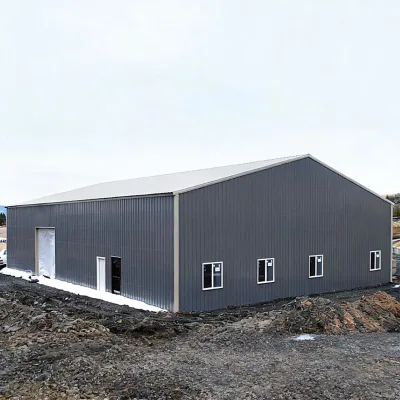
$38.3039 - $39.3398
MOQ: 22500 square
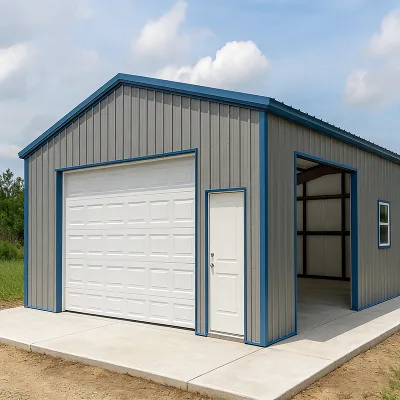
$39.0954 - $40.1252
MOQ: 22 square
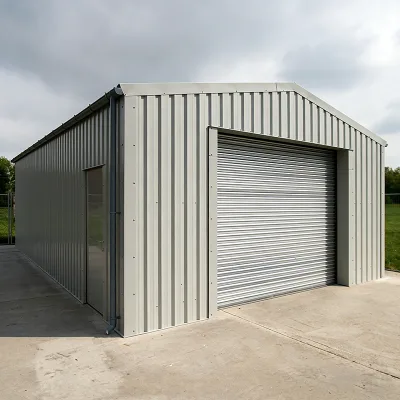
$38.8556 - $39.8794
MOQ: 22 square
$32.9225 - $87.4502
MOQ: 100 square

Qingdao Bestower Machine Co., Ltd.
- Verified by TUVRHEINLAND
- Trading Company,Manufacturer/Factory
- China Shandong
- Lead time30 days
- Avg. response≤ 3h
Main productsSteel Structure Building, Steel Tower, Steel Structure, Transmission Tower, Communication Tower, Wind Turbine Tower, Monopole Tower, Steel Frame, Steel Pole, GSM Tower
Main marketsSouth America,Eastern Europe,Mid East,North America,Southeast Asia,Eastern Asia,Oceania,Western Europe,Africa

Qingdao Doublegrand Metal Products Co., Ltd.
- Manufacturer/Factory
- China Shandong
- Lead time45 days
- Avg. response≤ 22h
Main productsSteel Structure, Steel Structure Warehouse, Steel Structure Workshop, Light Steel Structure Project, Prefabricated House, Prefabricated Warehouse, Prefabricated Building, Container House, Steel Structure Building, Steel Shed
Main marketsSouth America,Eastern Europe,Mid East,North America,Southeast Asia,Eastern Asia,Oceania,Western Europe,Africa
Qingdao Taiwei Steel Structure Co., Ltd.
- Verified by SGS Group
- Manufacturer, Trading Company
- Lead time20 days
Main productsSteel Structure Warehouse/ Steel Structure Workshop/ Prefab House/ Poultry House, Steel Structure Building/ Prefabricated Building, Sandwich Panel/ Corrugated Steel Sheet/ Construction Steel
Main marketsDomestic Market(22%), Africa(16%), Mid East(15%)
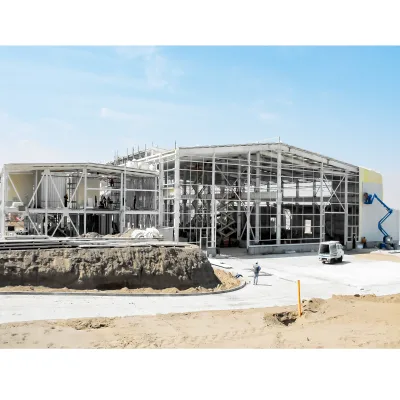
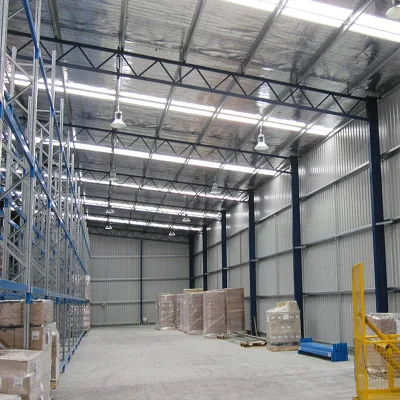
Prefabricated Steel Structure Warehouse Prefab Structural Building Shed Warehouse Buildings
$25.00 - $35.00
MOQ: 500
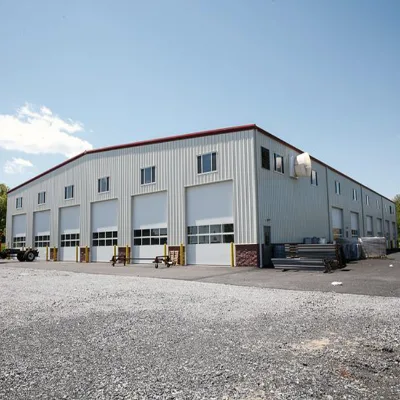
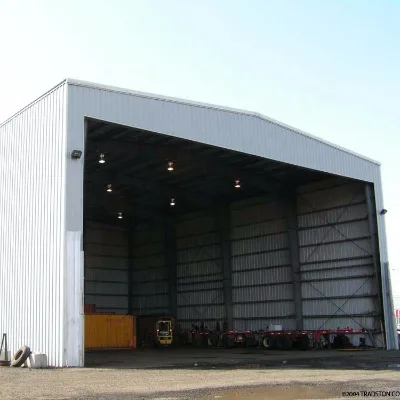
Hebei Sichuang Steel Structure Engineering Co., Ltd.
- Verified by TüVRheinland
- Manufacturer, Trading Company
- Lead time30 days
- Avg. response≤ 1h
Main productsPrefabricated Building, Prefabricated Farm Houses, Prefabricated H-shaped Steel Structure Components, Prefabricated Sports Hall Building, Prefabricated Warehouse Building
Main marketsSouth America(15%), Africa(15%), Domestic Market(10%)

Qingdao Jingdao Credit Construction Steel Structure Co., Ltd.
- Trading Company,Manufacturer/Factory,Group Corporation
- China Shandong
- Lead time23 days
- Avg. response≤ 2h
Main productsSteel Structure Warehouse, Steel Structure Workshop, Steel Structure Building, Steel Structure Hangar, Power-Plant, Steel Structure Poultry House, Prefabricated House, Steel Building, Industrial Door, Container House
Main marketsSouth America,Eastern Europe,Mid East,North America,Southeast Asia,Eastern Asia,Oceania,Western Europe,Africa

Qingdao Xinguangzheng Huayang Construction Engineering Co., Ltd.
- Verified by TUVRHEINLAND
- Combined
- China Shandong
- Lead time30 days
- Avg. response≤ 7h
Main productsSteel Structure Workshop, Steel Structure Warehouse, Steel Structure Building, Steel Structure Hangar, Steel Structure Poultry House, Prefabricated House, Container House, Industrial Door
Main marketsAfrica


Long Span Flat Roof Design Structural Steel Building Shed for Warehouse
$30.00 - $80.00
MOQ: 1000 Square Meters
Guangdong Junyou Steel Structure Co., Ltd.
- Verified by TüVRheinland
- Manufacturer, Trading Company
- Lead time30 days
- Avg. response≤ 2h
Main productsSteel Building, Steel Warehouse, Steel Workshop, Prefab House, Container House
Main marketsDomestic Market(30%), Southeast Asia(29%), Africa(10%)
- Manufacturer, Trading Company
- Shandong, China
- Lead time15 days
- Avg. response≤ 1h
Main productsSteel Structures,PPGI,GI Products,Stainless Steel,Highway Guardrail
Main marketsNorth America(28.00%), South America(20.00%), Oceania(15.00%), Mid East(10.00%), Africa(10.00%), Southeast Asia(10.00%), South Asia(1.00%), Southern Europe(1.00%), Eastern Europe(1.00%), Northern Europe(1.00%), Central America(1.00%), Western Europe(1.00%), Eastern Asia(1.00%)
High Quality Prefabricated Metal Light Steel Structures Building Prefab Build Hangar
$26.00 - $80.00
MOQ: 100 square

Qingdao Xinfeng Steel Structure Co., Ltd.
- Verified by BV
- Manufacturer
- China Shandong
- Lead time30 days
- Avg. response≤ 4h
Main productsPrefabricated Steel Structure Building, Warehouse, Workshop, Hangar, Shed, Farm Storage, Office Building, Container House, Factory, Chicken Coop
Guangdong Liyou Steel Structure Engineering Co., Ltd.
- Verified by SGS Group
- Manufacturer, Trading Company
- Lead time20 days
- Avg. response≤ 2h
Main productsSteel Structure Building, Steel Structure Warehouse, Steel Structure Workshop, Multi-story Steel Structure, Steel Structure Villa
Main marketsDomestic Market(50%), Southeast Asia(15%), North America(15%)
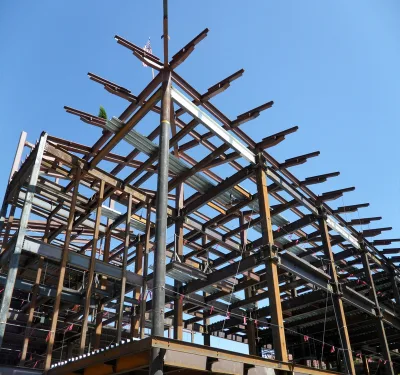
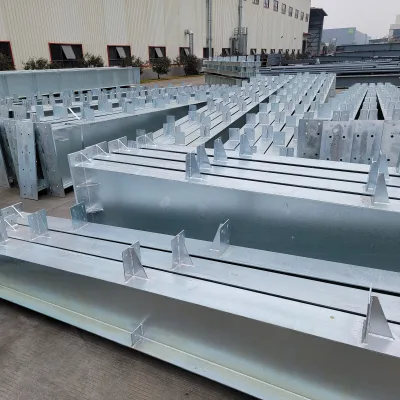
Hot-Dip Galvanized Industrial Steel Structure Warehouse Customized for Workshop or Villa
$513.7073 - $719.1902
MOQ: 10 tons
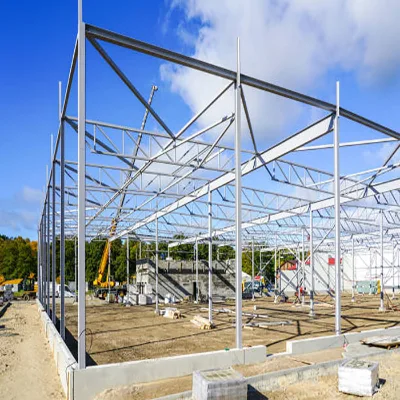
$25685.365 - $46233.657
MOQ: 100 meters
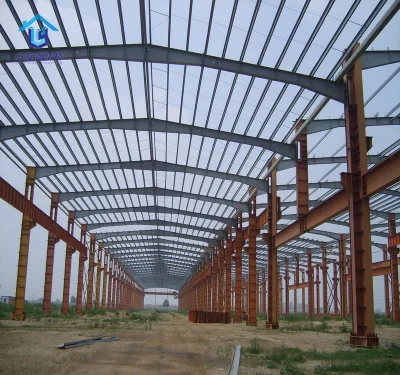
Steel Construction Warehouse Prefab Self Storage Units Small Steel Frame Shed
$30.8869 - $51.4772
MOQ: 100 square

Shandong Zhuopin Steel Bridge Engineering Co., Ltd.
- Verified by SGS
- Combined
- China Shandong
- Lead time30 days
- Avg. response≤ 3h
Main productsSteel Structure Building, Steel Structure Bridge, Steel Structure
Main marketsSoutheast Asia/ Mideast
Shijiazhuang Sanhe Steel Structure Co., Ltd.
- Verified by SGS Group
- Manufacturer, Trading Company
- Lead time50 days
- Avg. response≤ 1h
Main productsSteel Structure, Prefabricated Warehouses Construction, Metal Workshops, Agricultural Prefab Poultry Farm Shed, Industrial Storage Shed
Main marketsNorth America(19%), Africa(18%), South America(15%)
$26.00 - $29.00
MOQ: 400 square
- Verified by TüVRheinland
- Trading Company
- Lead time7 days
- Avg. response≤ 7h
Main productsCarbon Steel Coil, Galvanized Steel Coil, PPGI, Corrugated Roofing Sheet, Aluminum Coil
Main marketsAfrica(20%), Domestic Market(20%), Southeast Asia(18%)
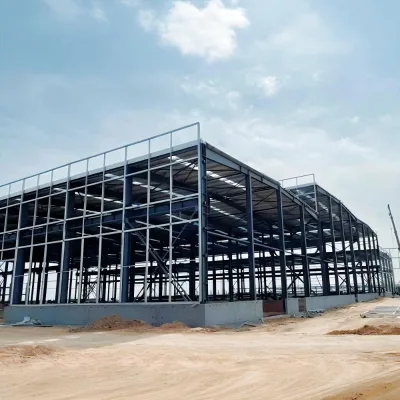
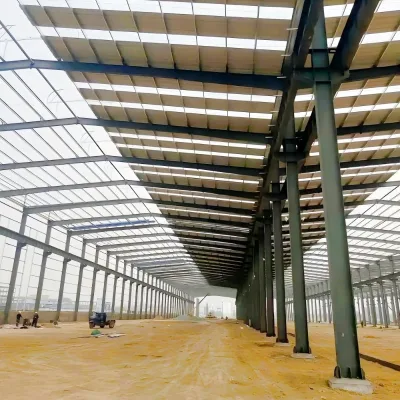
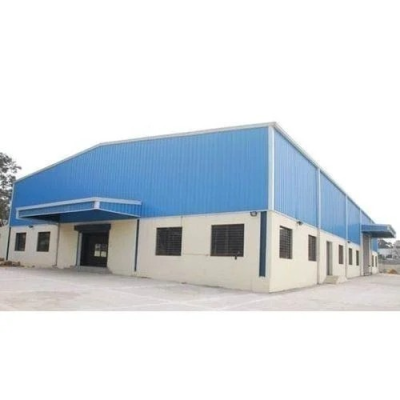
Light Steel Structure House Hot Selling Steel Structure Warehouse Building Structural Steel Building
$30.00 - $120.00
MOQ: 1000 square
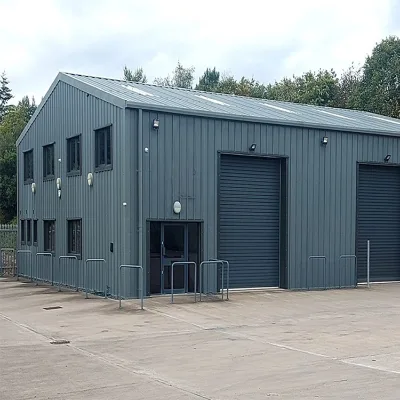
Prefab Steel Structures Warehouse Car Garage Steel Structure Building House Metal Building
$30.00 - $120.00
MOQ: 1000 square
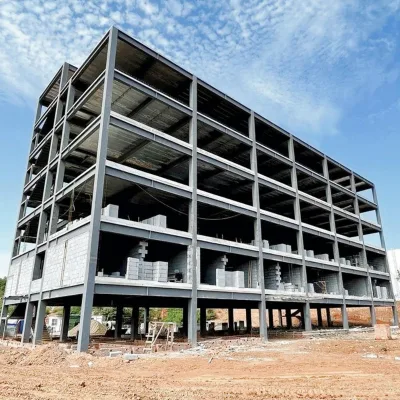
long span steel arch structure steel structure modular building
$30.00 - $100.00
Qingdao Lanjing LS Steel Structure Co., Ltd.
- Verified by TüVRheinland
- Manufacturer, Trading Company
- Lead time45 days
- Avg. response≤ 1h
Main productsWorkshop, Warehouse, Chicken House, Cow Shed, Office Building
Main marketsSoutheast Asia(27%), Africa(20%), Oceania(10%)

Qingdao XGZ Steel Structure Overseas Co., Ltd.
- Verified by SGS
- Combined
- China Shandong
- Lead time45 days
- Avg. response≤ 1h
Main productsWarehouse, Workshop, Steel Structure, Steel Structure Warehouse, Steel Structure Building, Industrial Steel Structure, Building Material, Steel Structure Factory, Prefabricated Steel Structure, Commercial Steel Building
Main marketsSouth America,Africa,Southeast Asia/ Mideast

Hot DIP Galvanized Anti-Rust Prefabricated Metal Frame Shed Building
$400.00 - $488.00
MOQ: 100 Square Meters

Jiangsu Andy Steel Structure Co., Ltd.
- Trading Company
- Lead time旺季: , 淡季:
Main productsSteel Structures, Dome Roof, Space Fram, Steel Pipe Truss, Curtain Wall






Comprehensive Sourcing Guide
Hot-Dip Galvanized Steel Structure Shed Supplier Concentration and Factory Types
The current supplier landscape for hot-dip galvanized steel structure sheds reveals a distinct concentration of manufacturing activity within specific industrial regions, with China Shandong emerging as a notable hub for these specialized construction materials. This geographic clustering suggests a mature supply chain ecosystem where raw material access, specialized labor, and logistical infrastructure converge to support large-scale production. Buyers evaluating suppliers should recognize that this regional focus often correlates with established capabilities in fabricating complex steel frameworks, including H-section steel and cold-drawn steel components, which are critical for the structural integrity of galvanized sheds. The presence of multiple manufacturers in this area indicates a competitive environment that may drive innovation in design and efficiency, offering buyers a wider selection of options ranging from simple assembly units to complex warehouse structures. Understanding this concentration helps in assessing the reliability of supply chains, as regional clusters often benefit from shared resources and established export protocols that streamline the procurement process for international clients seeking high-volume orders.
Supplier types in this sector vary significantly, encompassing both trading companies and direct manufacturers, each offering distinct advantages depending on the buyer’s specific needs. Trading companies often provide a broader portfolio of products, including steel buildings, workshops, and prefabricated structures, allowing for consolidated sourcing from a single point of contact. In contrast, manufacturers typically focus on OEM and ODM capabilities, providing greater control over customization and quality assurance for bespoke projects. The distinction is crucial because it impacts lead times, communication efficiency, and the level of technical support available during the design phase. Buyers must carefully evaluate whether their project requires the flexibility and variety offered by trading entities or the specialized production expertise and direct oversight provided by factory-direct suppliers. This choice influences not only the initial procurement strategy but also the long-term relationship dynamics, particularly when dealing with complex installations or recurring orders that demand consistent quality and timely delivery.
How to Verify Hot-Dip Galvanized Steel Structure Shed Suppliers
Verifying the credibility of suppliers requires a multi-layered approach that goes beyond basic company profiles, focusing on independent certifications and third-party validations. Buyers should prioritize suppliers who hold recognized system certifications such as ISO 9001 for quality management and ISO 14001 for environmental management, as these indicate a structured approach to production standards and sustainability. Additionally, verification badges from reputable agencies like SGS, CTI, and BV serve as critical indicators of a supplier’s operational integrity and compliance with international trade standards. These verifications often involve rigorous audits of manufacturing facilities, quality control processes, and financial stability, providing buyers with a higher degree of confidence in the supplier’s ability to deliver on their promises. It is essential to review the scope of these certifications to ensure they specifically cover the production of steel structures and galvanized components, rather than general trading activities, to confirm that the supplier has the technical capability to meet project specifications.
Beyond certifications, buyers should assess the supplier’s responsiveness and technical support capabilities as indicators of their operational efficiency and customer service quality. Response times, such as those recorded at 1.50 hours or 7.12 hours, can reflect the supplier’s commitment to timely communication, which is vital for resolving technical queries and coordinating logistics. Suppliers offering online installation guidance or support for complex assembly processes demonstrate a higher level of technical expertise and customer care, reducing the risk of on-site errors. Buyers should also examine the supplier’s product evidence, including detailed specifications for materials like Q235B or Q355B steel, surface treatments such as SA2.5 shot blasting, and design standards like GB or ASTM. These details provide insight into the supplier’s attention to detail and adherence to industry norms. By combining certification checks with an evaluation of communication speed and technical documentation, buyers can build a comprehensive profile of a supplier’s reliability and suitability for their specific sourcing requirements.
What to Compare Across Hot-Dip Galvanized Steel Structure Shed Suppliers
When comparing suppliers, lead time and minimum order quantity (MOQ) are pivotal factors that directly impact project scheduling and budget allocation. Lead times can vary significantly, with some suppliers offering rapid turnaround times of 15 days, while others may require up to 60 days for complex or large-scale orders. This variance often reflects the supplier’s production capacity, inventory levels, and the complexity of the customization required. Buyers must align these lead times with their project deadlines to avoid costly delays. Similarly, MOQs range from as low as one unit for small-scale or prototype orders to 600 square meters for larger commercial projects. Understanding these thresholds helps buyers determine the most cost-effective sourcing strategy, especially when balancing the need for customization against the economies of scale offered by larger orders. Suppliers with flexible MOQs may be preferable for smaller projects, while those with higher thresholds might offer better unit pricing for bulk purchases.
Price and product specifications are equally critical dimensions for comparison, influencing both the initial investment and the long-term performance of the steel structure. Prices for hot-dip galvanized steel sheds can range from $25 to $600 per unit or square meter, depending on factors such as material grade, thickness, and included features like sandwich panels or specific roof styles. Buyers should scrutinize the price-to-value ratio, ensuring that lower prices do not compromise on essential quality attributes like corrosion resistance or structural strength. Product attributes such as the use of H-section steel, bolt connections, and customizable designs should be matched against the supplier’s pricing to identify the best value proposition. Additionally, comparing the range of main products offered, from simple parking shelters to complex warehouse structures, can reveal a supplier’s versatility and expertise. By systematically evaluating lead times, MOQs, pricing, and technical specifications, buyers can make informed decisions that balance cost, quality, and delivery requirements.
Common Hot-Dip Galvanized Steel Structure Shed Sourcing Risks
One of the primary risks in sourcing hot-dip galvanized steel structure sheds is the potential discrepancy between advertised specifications and actual product quality, particularly regarding material grades and surface treatments. Buyers may encounter suppliers who claim to use high-grade steel like Q355B or provide extensive hot-dip galvanization but deliver products with inferior corrosion resistance or structural integrity. This risk is exacerbated by the complexity of steel fabrication, where subtle deviations in manufacturing processes can significantly impact the lifespan and safety of the structure. To mitigate this, buyers must insist on detailed material certificates and third-party testing reports that verify the chemical composition and mechanical properties of the steel. Additionally, verifying the thickness of the galvanized coating and the quality of the surface treatment, such as SA2.5 shot blasting, is essential to ensure long-term durability against environmental factors. Without rigorous verification, buyers risk investing in structures that may fail prematurely, leading to costly repairs or replacements.
Another significant risk involves logistical challenges and installation complexities, which can arise from inadequate planning or insufficient supplier support. Steel structures often require precise assembly and specialized installation techniques, and suppliers who do not provide comprehensive guidance or support may leave buyers vulnerable to on-site errors and delays. The risk is further compounded by the variability in packaging and shipping methods, which can affect the condition of the components upon arrival. Buyers should assess the supplier’s experience in handling international logistics and their ability to provide clear installation instructions or online guidance. Additionally, the risk of customs delays or import duties can impact the overall project timeline and cost, making it crucial to work with suppliers who have a proven track record in export compliance. By proactively addressing these risks through detailed contract specifications and supplier vetting, buyers can minimize disruptions and ensure a smoother sourcing process.
Hot-Dip Galvanized Steel Structure Shed Regional Sourcing and Logistics
Sourcing from regional hubs like China Shandong offers distinct logistical advantages, including proximity to major ports and established manufacturing infrastructure that facilitate efficient export operations. This geographic concentration allows for streamlined supply chain management, reducing transit times and costs associated with raw material procurement and finished goods shipping. Buyers benefit from the availability of specialized logistics providers familiar with the unique requirements of steel structures, such as heavy-lift handling and secure packaging to prevent damage during transit. The region’s industrial ecosystem also supports rapid prototyping and customization, enabling suppliers to respond quickly to specific project requirements. However, buyers must also consider the potential for regional disruptions, such as seasonal weather impacts or local policy changes, which could affect production schedules. Understanding these regional dynamics helps in developing robust contingency plans and selecting suppliers with strong logistical capabilities to ensure timely delivery.
Logistics planning for steel structure sheds requires careful attention to packaging standards and shipping documentation to ensure safe and compliant international transport. Suppliers typically use standard export packaging or customer-specific requirements, such as steel crates or plastic wraps with edge protectors, to safeguard components during transit. Buyers should verify that the packaging meets international shipping standards to prevent damage from moisture, impact, or handling errors. Additionally, accurate documentation, including commercial invoices, packing lists, and certificates of origin, is essential for smooth customs clearance and compliance with import regulations. Buyers should work closely with their suppliers to ensure that all documentation is prepared correctly and in advance, minimizing the risk of delays at ports of entry. By prioritizing logistical efficiency and compliance, buyers can reduce overall procurement costs and ensure that their steel structures arrive in optimal condition, ready for immediate installation.
Hot-Dip Galvanized Steel Structure Shed Commercial Terms and Order Planning
Commercial terms and order planning are critical components of a successful sourcing strategy, requiring careful negotiation of payment terms, delivery schedules, and warranty conditions. Buyers should seek suppliers who offer flexible payment options, such as escrow services or letter of credit arrangements, to mitigate financial risks and ensure secure transactions. Clear delivery terms, including Incoterms like FOB or CIF, should be agreed upon to define responsibilities for shipping and insurance. Additionally, establishing a detailed project timeline with milestones for design approval, production, and delivery helps in managing expectations and coordinating with on-site installation teams. Buyers should also clarify the supplier’s warranty policies and after-sales support, ensuring that any defects or issues are addressed promptly. By structuring commercial terms that protect both parties and align with project goals, buyers can foster a collaborative relationship that supports long-term success.
Order planning must also account for the scalability and customization capabilities of the supplier to accommodate future project needs. Suppliers with OEM and ODM capacities can provide tailored solutions that evolve with the buyer’s requirements, offering flexibility for expansion or modification. Buyers should assess the supplier’s ability to handle large-volume orders without compromising quality or lead times, ensuring that they can meet growing demand. Additionally, considering the supplier’s main product range, which may include related items like container houses or mobile structures, can provide opportunities for consolidated sourcing and cost savings. By integrating commercial terms with strategic order planning, buyers can optimize their procurement process, reduce administrative overhead, and build a resilient supply chain that supports their business objectives. This holistic approach ensures that every aspect of the sourcing journey, from initial inquiry to final delivery, is managed efficiently and effectively.
FAQs
What is the price range for hot-dip galvanized steel structure sheds?
Prices typically range from $25 to $80 per square meter for standard prefabricated units. Higher-end structural frames with specific certifications or complex designs may cost between $500 and $600 per unit. Buyers should verify exact pricing based on custom dimensions and material grades like Q235B or Q355B.
What is the minimum order quantity for these steel sheds?
Minimum order quantities vary significantly by supplier and product type. Some manufacturers accept orders as low as one unit for customized designs, while others require a minimum of 600 square meters for large warehouse structures. Always confirm the specific MOQ with the supplier before finalizing the purchase agreement.
How long does production and delivery take?
Lead times generally range from 15 to 60 days depending on the complexity and order volume. Some suppliers offer rapid production with a 15-day turnaround, while others may require up to 60 days for larger projects. Response times for inquiries also vary, typically between 1.5 and 7 hours.
Are these sheds certified and verified by third parties?
Many suppliers hold ISO 9001 and ISO 14001 certifications for quality and environmental management. Products often comply with GB standards and may include CE certification. Verification services such as SGS, CTI, and BV are commonly used to validate supplier credentials and product quality before shipment.
What materials and standards are used in construction?
Sheds are typically constructed using H-section steel, carbon structural steel, or Q235B/Q355B grades. Standards include GB, ASTM, and DIN. Features often include bolt connections, cold-drawn steel molding, and hot-dip galvanized surfaces for anti-corrosion protection, ensuring a design life of up to 50 years.
Can I customize the design and dimensions of the shed?
Customization is widely available for size, roof style, and wall materials. Suppliers offer OEM and ODM services, allowing for specific CAD or Tekla drawings. Options include single or double roof slopes, various sandwich panel thicknesses, and custom colors to meet specific architectural or functional requirements.