Forging Ore Mining DTH Bit Suppliers and Manufacturers
Compare 29 verified suppliers of Forging Ore Mining DTH Bit based on location, response time, and certifications. Review product attributes like weight, material, and standards before contacting factories for quotes; review the available evidence before requesting comparable quotations from suitable candidates.
Updated
Suppliers List

Glorytek Industry (Beijing) Co., Ltd.
- Verified by CTI
- Manufacturer/Factory
- China Beijing
- Lead time15 days
- Avg. response≤ 5h
Main productsDrilling Rig, Drill Bits, DTH Drill Rig, Drill Machine, Downhole Motor, Water Well Drill Rig, Tricone Bits, DTH Hammer, Anchor Drill Rig, Button Bits
Main marketsSouth America,Eastern Europe,Mid East,North America,Southeast Asia,Eastern Asia,Oceania,Western Europe,Africa

Guangzhou International Technology Co., Ltd.
- Verified by TUVRHEINLAND
- Trading Company
- China Hunan
- Lead time15 days
- Avg. response≤ 4h
Main productsDrill Rig, PDC Bits, Tricone Bits, Roller Cone Bit, Drilling Machine, Impregnated Diamond Core Bits, DTH Hammer Drill Bits, Drilling Equipment, Drilling Tools, PDC Core Bits
Main marketsAfrica,Europe


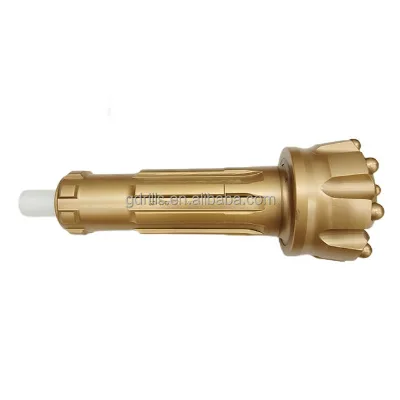
Latest Mining Machine Bit 130mm DTH Hammer Bit Down The Hole Bit Durable in Use DTH Drill
$500.00 - $650.00
MOQ: 1 Pieces

DTH Hammer Bit Rock Bit Drilling Bits DTH Bit High Air Pressure Drill Bits
$200.00 - $500.00
MOQ: 1 Pieces

DTH Bit for Mining Machine DHD350 Drill Bit DHD380 Bit DTH Hammers High Air Pressure
$200.00 - $500.00
MOQ: 1 Pieces


Factory Wholesale DTH Hammer Drill Bit Tungsten Carbide Underground 140mm Mining Bits
$500.00 - $650.00
MOQ: 1 Pieces
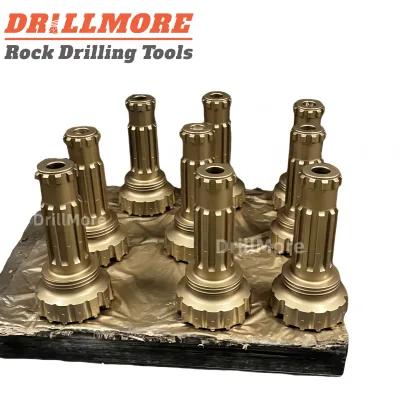
Zhuzhou Drillmore Rock Tools Co., Ltd.
- Manufacturer, Trading Company
- Hunan, China
- Lead time20 days
- Avg. response≤ 2h
Main productstricone bit,rock bit,button bit,DTH hammer,DTH drill bit
Main marketsSouth America(38.00%), Central America(20.00%), Southeast Asia(15.00%), North America(12.00%), Mid East(9.00%), Africa(6.00%)
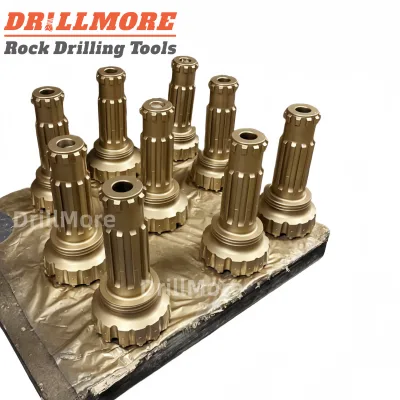
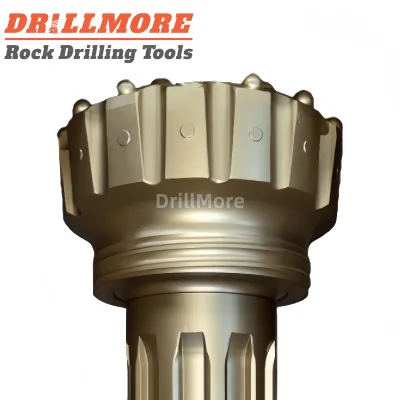
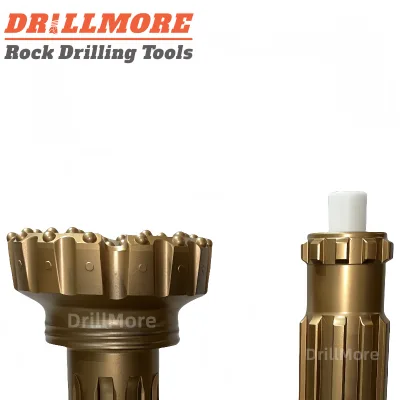
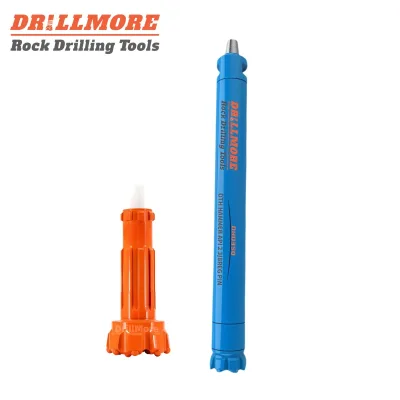
$175.6977 - $660.662
MOQ: 1 Minimum

Changsha Heijingang Industrial Co., Ltd.
- Combined
- China Hunan
- Lead time30 days
- Avg. response≤ 6h
Main productsDTH Hammer, DTH Bit, Drill Rig, Thread Bit, Rock Drilling Machine, Drilling Bits
Main marketsSouth America,Africa,Southeast Asia/ Mideast,East Asia(Japan/ South Korea),Domestic,Europe,Australia,North America

Changsha Tianhe Drilling Tools and Machinery Co., Ltd.
- Verified by SGS
- Manufacturer
- China Hunan
- Lead time23 days
- Avg. response≤ 6h
Main productsDTH Hammers and DTH Bits(3inch -32inch)for Water, Overburden Casing System, Button Bits, Shank Adapters, Coupling Sleeve, DTH Bits, Concentric and Ecasing System, Drilling Tools Manufacturer, Drill Bits, RC Hammers and RC Bits
Main marketsSouth America,Africa,Southeast Asia/ Mideast,East Asia(Japan/ South Korea),Domestic,Europe,Australia
- Manufacturer, Trading Company
- Hunan, China
- Lead time0 days
- Avg. response≤ 6h
Main productsPARTS,DRILL TOOLS,impactor,Drilling rig parts,carbide
Main marketsDomestic Market(10.00%), South Asia(10.00%), Northern Europe(10.00%), Central America(10.00%), Eastern Asia(10.00%), Mid East(10.00%), Africa(10.00%), Southeast Asia(10.00%), South America(10.00%), North America(10.00%)

Changsha Chaojingang Machinery Manufacturing Co., Ltd.
- Verified by SGS
- Combined
- China Hunan
- Lead time30 days
- Avg. response≤ 6h
Main productsDTH Hammer, DTH Bit, Reverse Circulation Hammer, Reverse Circulation Bit, High Air Pressure DTH Hammer, Top Hammer Drill Bit, Casing Drilling System, Drill Pipes and Rods
Main marketsSouth America,Africa,Southeast Asia/ Mideast,Domestic,Europe,Australia


DTH Hammer Bit Blasting Hole Rock Drill Bit DTH Hard Rock Drilling Bits for Mining
$30.00 - $300.00
MOQ: 1 Pieces


Henan Chinal Share Import & Export Trading Co., Ltd.
- Trading Company
- Henan, China
- Lead time20 days
- Avg. response≤ 1h
Main productsMining Drilling Rig,Water well drilling rig,Core sampling drilling rig,Tunnel jumbo drilling rig,Air compressors
Main marketsSouth America(35.00%), Africa(19.00%), Southeast Asia(18.00%), South Asia(6.00%), Eastern Europe(5.00%), Central America(5.00%), Mid East(3.00%), Domestic Market(2.00%), Eastern Asia(2.00%), Western Europe(1.00%), Southern Europe(1.00%), Northern Europe(1.00%), North America(1.00%), Oceania(1.00%)
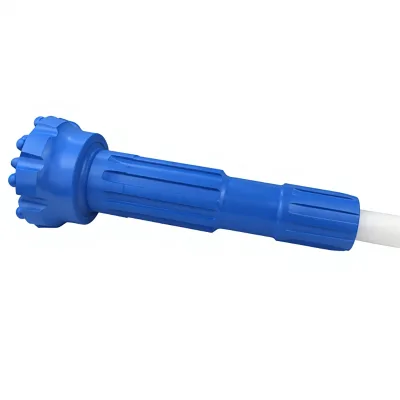
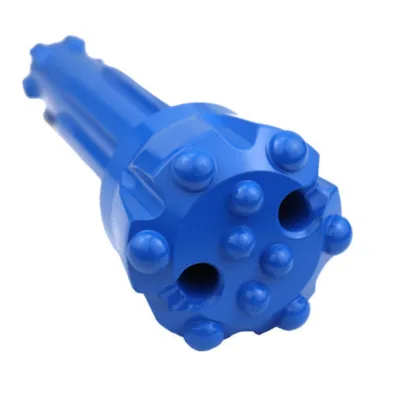
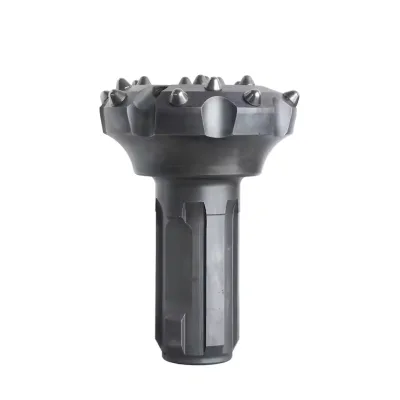
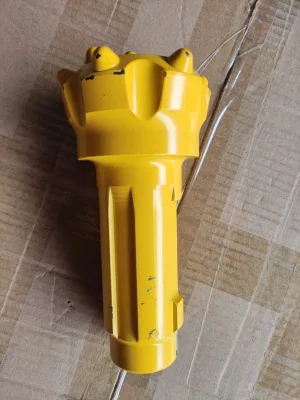
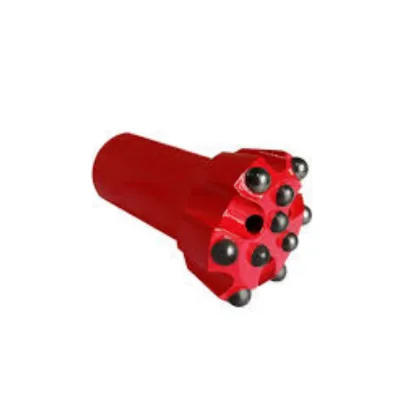
High-Speed Mining Drill RIG Bit Low-Pressure Tungsten Steel Cross DTH Bit
$122.9458 - $139.4766
MOQ: 1 sets

Linqing City Ruilong Drill Co., Ltd.
- Trading Company
- Shandong, China
- Lead time10 days
- Avg. response≤ 4h
Main productsDrill Bit,Drill Pipe,Drill Rig,Spare parts for drilling
Main marketsSoutheast Asia(20.00%), Oceania(11.00%), Mid East(10.00%), Northern Europe(10.00%), Africa(10.00%), North America(10.00%), Eastern Europe(10.00%), Domestic Market(5.00%), Western Europe(5.00%), South Asia(5.00%), South America(2.00%), Eastern Asia(2.00%)
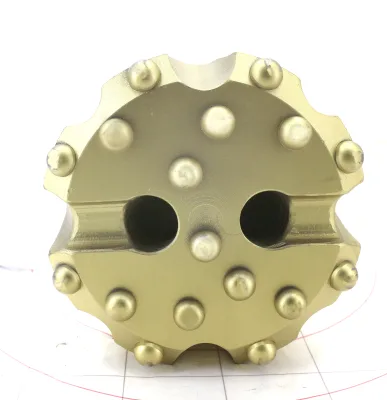
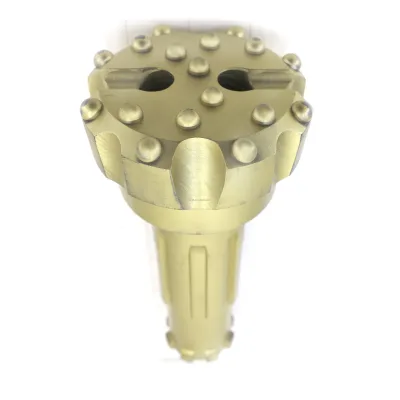
Mining Rock Drilling Tools Down the Hole Large Size DTH Hammers Drill Bits
$950.00 - $2300.00
MOQ: 1 pieces
$950.00 - $2300.00
MOQ: 1 pieces
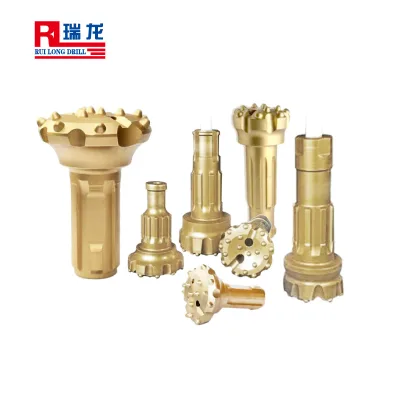
High Quality 4" 5" 6" 8"DTH hammer bit for water well or rock drilling
$170.00 - $200.00
MOQ: 10 pieces
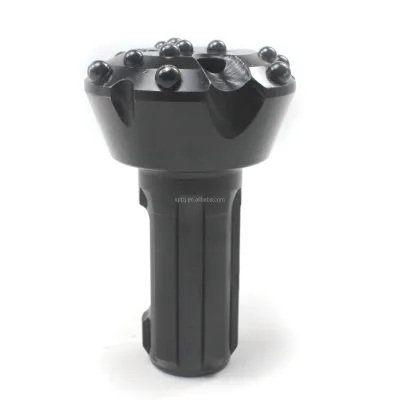
$600.00 - $1500.00
MOQ: 1 pieces

Zhejiang Sanrock Supply Management Co., Ltd.
- Verified by TUVRHEINLAND
- Trading Company,Manufacturer/Factory
- China Zhejiang
- Lead time23 days
- Avg. response≤ 5h
Main productsCore Drilling Rig, Pile Drilling Rig, Solar Pile Drlling Rig, Rotary Drilling Rig, DTH Drilling Rig, Blasting Drilling Rig, Pneumatic Rock Drilling Rig, Underground Jumbo Drilling Rig, Drill Rod, DTH Drill Hammer
Main marketsSouth America,Eastern Europe,Mid East,North America,Southeast Asia,Eastern Asia,Oceania,Western Europe,Africa
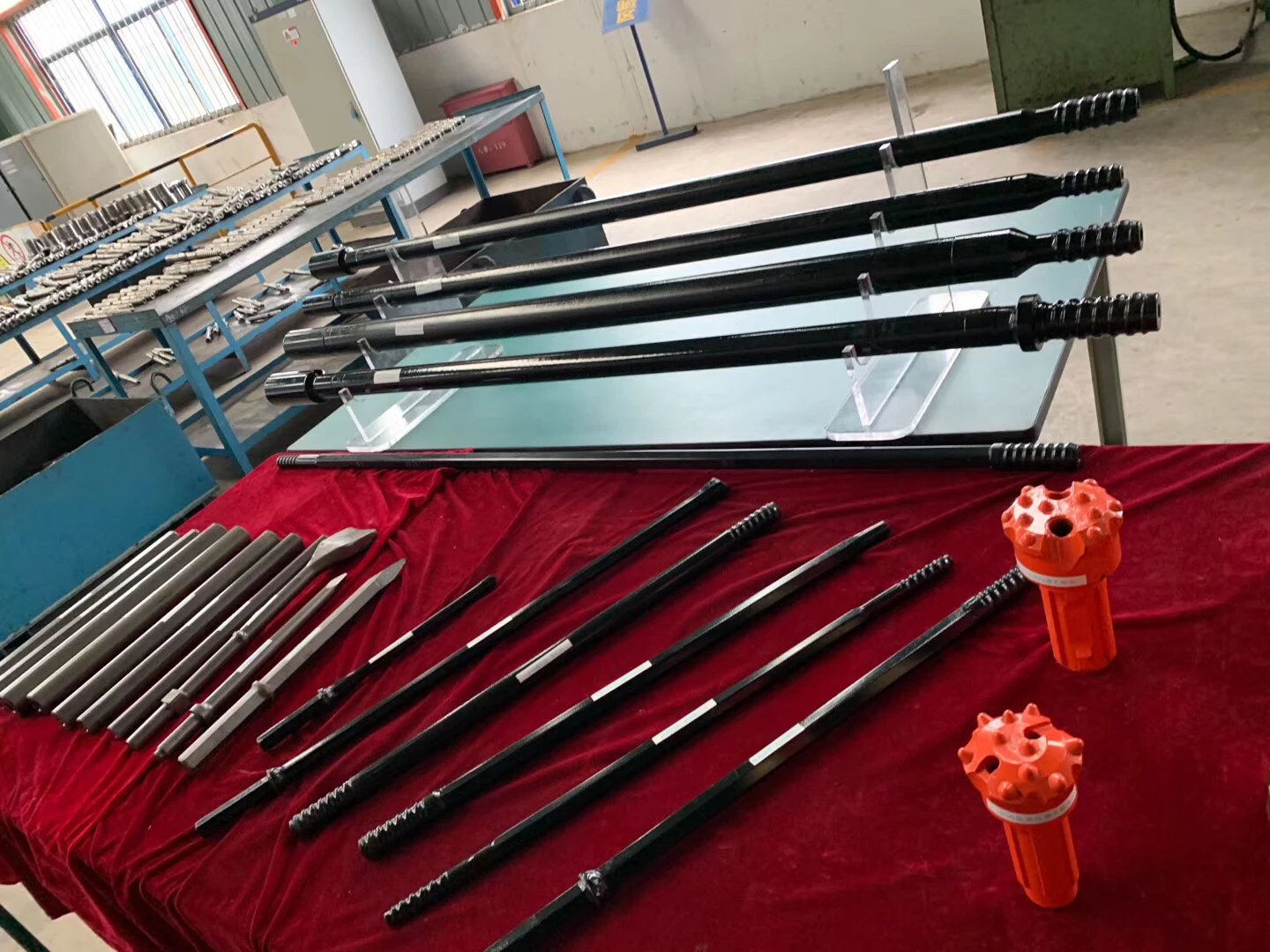
- Trading Company
- Guizhou, China
- Lead time0 days
- Avg. response≤ 13h
Main productsShank Adapter, Drill Rod, Coupling, Drill Bit, DTH Bit
Main marketsSouth America(15.00%), Africa(15.00%), Eastern Europe(15.00%), Southeast Asia(15.00%), South America(15.00%), Africa(15.00%), Eastern Europe(15.00%), Southeast Asia(15.00%), Domestic Market(10.00%), Domestic Market(10.00%), North America(5.00%), Oceania(5.00%), Northern Europe(5.00%), North America(5.00%), Oceania(5.00%), Northern Europe(5.00%), Eastern Asia(3.00%), Western Europe(3.00%), Southern Europe(3.00%), Mid East(3.00%), Eastern Asia(3.00%), Western Europe(3.00%), Southern Europe(3.00%), Mid East(3.00%), South Asia(2.00%), Central America(1.00%), Central America(1.00%)
Xiamen Leanoms Science And Technology Co., LTD.
- Verified by SGS Group
- Trading Company
- Fujian, China
- Lead time20 days
- Avg. response≤ 2h
Main productsDTH Hammer & Bit, Drill Pipe & HDD Drilling Tools, Top Hammer Rock Drilling Tools, Rotary Bit & Rotary Pipe and Sub, Core Drilling Tools & Drilling Rig Spare Parts
Main marketsWestern Europe(32%), North America(25%), South America(13%)

Putian Firip Mining&Machinery Co., Ltd.
- Verified by BV
- Manufacturer
- China Fujian
- Lead time23 days
- Avg. response≤ 8h
Main productsDTH Bit, DTH Hammer, Button Bit, Cross Bits, Tapered Button Bit, Rock Tools, Drilling Tools, Low Air Pressure Drill Bit, Other Parts, High Air Pressure Drill Bit
Main marketsSouth America,Africa,Southeast Asia/ Mideast,East Asia(Japan/ South Korea),Europe
Changsha Tianhe Drilling Tools And Machinery Co., Ltd.
- Verified by SGS Group
- Manufacturer, Trading Company
- Lead time15 days
- Avg. response≤ 7h
Main productsDTH Hammer, DTH Drill Bits, Casing Drilling Systems, Drill Pipe, RC Drilling Tools
Main marketsSoutheast Asia(15%), North America(10%), South America(10%)
Zhejiang Pulanka Rock Tools Co., Ltd.
- Verified by Intertek
- Manufacturer, Trading Company
- Lead time30 days
- Avg. response≤ 4h
Main productsDrill Bit, Thread Button Bit, Dth Hammer Bit, Dth Hammer , Drill Rod
Main marketsSoutheast Asia(50%), Africa(10%), North America(10%)
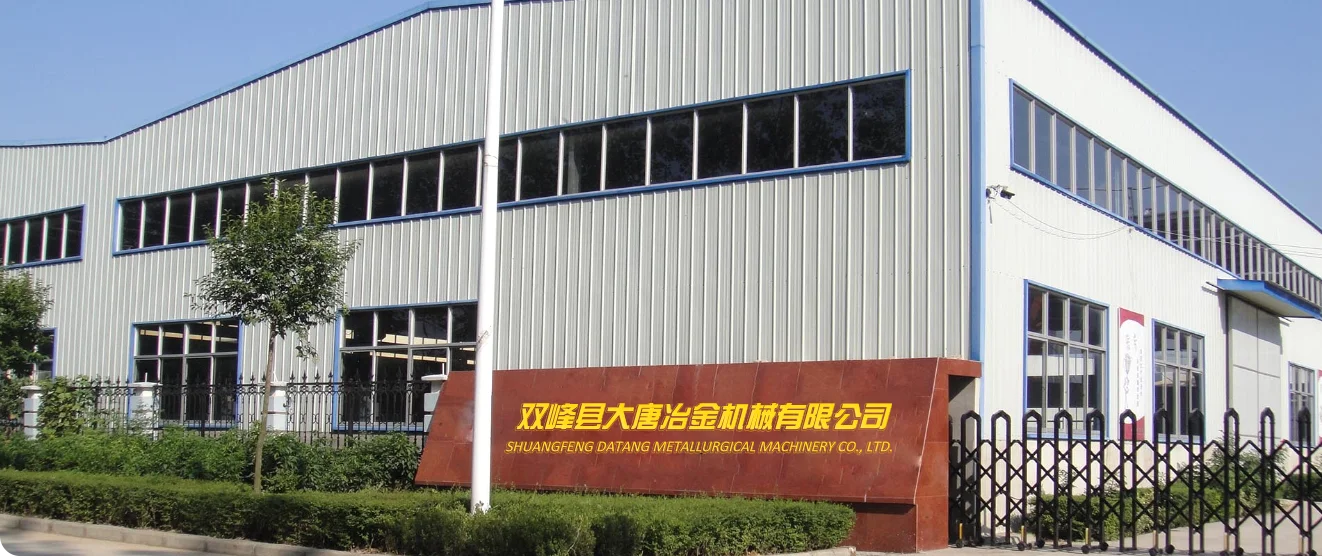
Shuangfeng County Datang Metallurgical Machinery Co., Ltd.
- Manufacturer, Trading Company
- Hunan, China
- Lead time0 days
- Avg. response≤ 2h
Main productsCone Crusher Part,Jaw Crusher Part,Impact Crusher Part,Jaw Crusher,Impact Crusher
Main marketsSouth America(30.00%), Eastern Europe(30.00%), Mid East(20.00%), North America(20.00%)
- Trading Company
- Shanghai, China
- Lead time20 days
- Avg. response≤ 11h
Main productsair compessor,drilling rig,mine drilling rig,portable air compressor,screw air compressor
Main marketsAfrica(30.00%), South America(15.00%), Domestic Market(10.00%), North America(10.00%), Southeast Asia(10.00%), South Asia(10.00%), Mid East(5.00%), Eastern Europe(5.00%), Western Europe(5.00%)
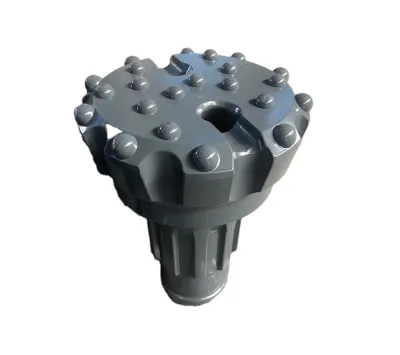
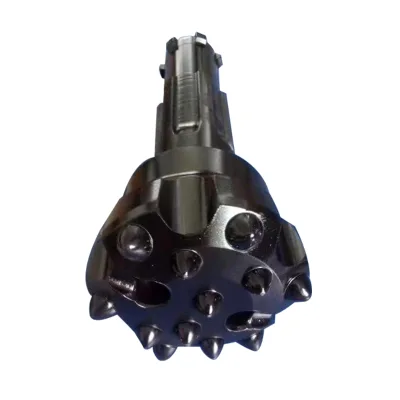
DHD3.5A 100mm Carbide DTH Hammer Drill Bit for Water Well Drill Rig
$115.00 - $120.00
Zhejiang Miningwell Supply Chain Management Co., Ltd.
- Verified by SGS Group
- Manufacturer, Trading Company
- Lead time15 days
- Avg. response≤ 2h
Main productsWater Well Drilling Machine, Air Compressor, DTH Drilling Machine, DTH Hammer, DTH Bits; Drill Rod
Main marketsSoutheast Asia(30%), South America(25%), Africa(25%)

Changsha Sollroc Engineering Equipments Co., Ltd.
- Verified by CTI
- Trading Company,Manufacturer/Factory
- China Hunan
- Lead time15 days
- Avg. response≤ 17h
Main productsDTH Bit, DTH Hammer, Button Bit, Rock Drilling Tools, Drill Rod, Reverse Circulation(RC) Hammer, Reverse Circulation(RC) Bit, Odex System, Symmetrix System, Diamond Core Bit
Main marketsSouth America,Eastern Europe,Mid East,North America,Southeast Asia,Eastern Asia,Oceania,Western Europe,Africa

Shandong Monarock Machinery Technology Co., Ltd.
- Verified by CTI
- Trading Company
- China Shandong
- Lead time23 days
- Avg. response≤ 10h
Main marketsSouth America
Shenyang ABT Drilling Equipment Co., Ltd.
- Verified by Intertek
- Manufacturer, Trading Company
- Lead time10 days
- Avg. response≤ 3h
Main productsAir Compressor, Drilling Rig, Hammer, Drill Bit, Water Detector
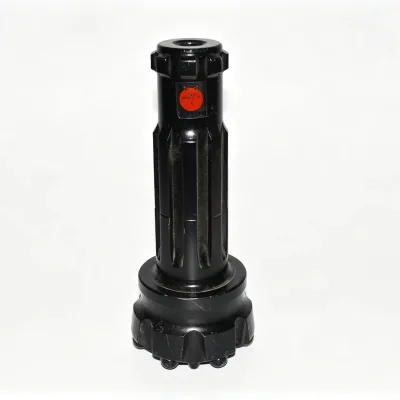
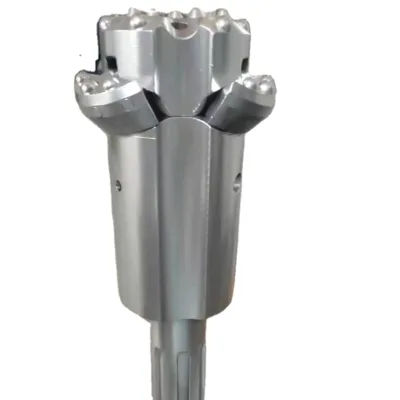
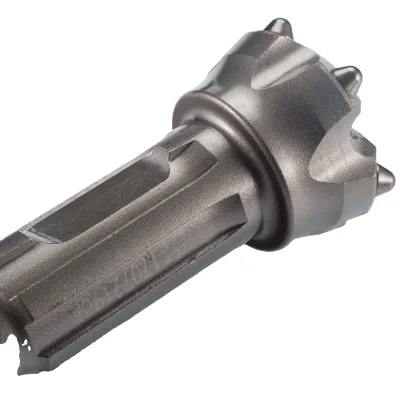
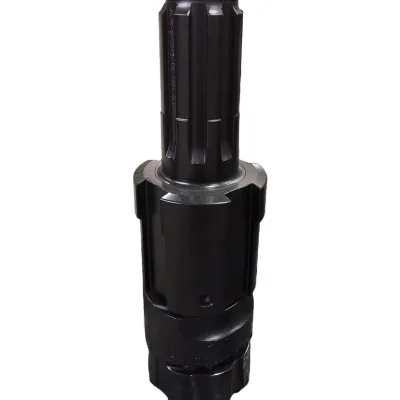
$600.00
- Manufacturer, Trading Company
- Henan, China
- Lead time15 days
- Avg. response≤ 1h
Main productsHigh Pressure Jet Grouting,Refractory Pan Mixer And Planetary Concrete Mixer,Grout Plant,Refractory Gunning Machine,Hydraulic Jack
Main marketsEastern Europe(30.00%), Southeast Asia(30.00%), Africa(20.00%), Domestic Market(5.00%), Western Europe(2.00%), Eastern Asia(2.00%), Mid East(2.00%), South Asia(2.00%), South America(2.00%), Oceania(1.00%), Southern Europe(1.00%), Northern Europe(1.00%), Central America(1.00%), North America(1.00%)
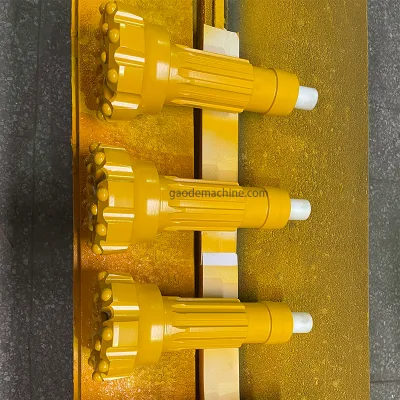
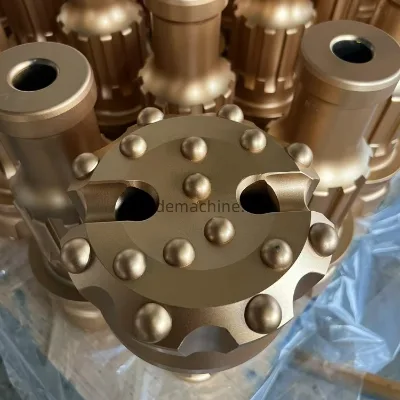
$87.6372 - $113.4118
MOQ: 1 sets
Hunan Kuangbao Precision Drilling Machinery Co., Ltd.
- Manufacturer, Trading Company
- Hunan, China
- Lead time15 days
- Avg. response≤ 9h
Main productsPdc Drill Bit, Pdc Drag Bit, Pdc Core Bit, Diamond Bit, Drag bit
Main marketsDomestic Market(20.00%), Africa(10.00%), Eastern Europe(10.00%), Southeast Asia(10.00%), South Asia(5.00%), Eastern Asia(5.00%), North America(5.00%), South America(5.00%), Oceania(5.00%), Western Europe(5.00%), Southern Europe(5.00%), Central America(5.00%), Northern Europe(5.00%), Mid East(5.00%)
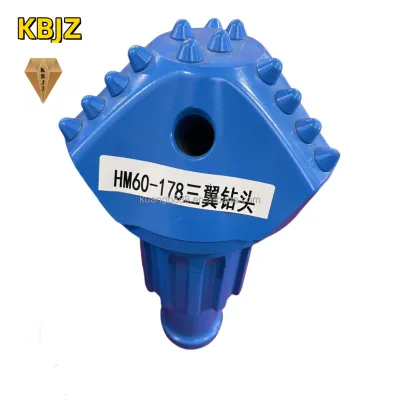
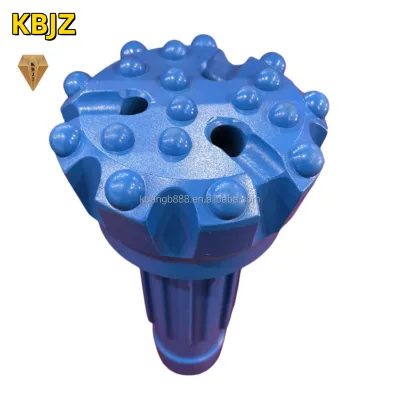
DTH Hammer 90MM 130MM QL60 165MM High Pressure DTH Bits for Mining Machinery Misson 60
$290.0834 - $308.731
MOQ: 1 pieces
Taizhou Kaiqiu Drilling Tools Co., Ltd.
- Verified by Intertek
- Manufacturer, Trading Company
- Lead time7 days
- Avg. response≤ 3h
Main productsThread Bit, DTH Bit , DTH Hammer, Shank Adapter , Drill Pipe
Main marketsSoutheast Asia(50%), Domestic Market(21%), Western Europe(10%)
Hebei Gimarpol Machinery Technology Co., Ltd.
- Trading Company
- Hebei, China
- Lead time7 days
- Avg. response≤ 7h
Main productsRock drilling tool,Top Hammer Bit,Heavy-duty drill bit tools,DTH Bits,Rock drilling bit
Main marketsEastern Europe(20.00%), Eastern Asia(10.00%), Mid East(10.00%), Domestic Market(10.00%), Africa(10.00%), South Asia(10.00%), North America(10.00%), South America(10.00%), Oceania(5.00%), Southeast Asia(5.00%)
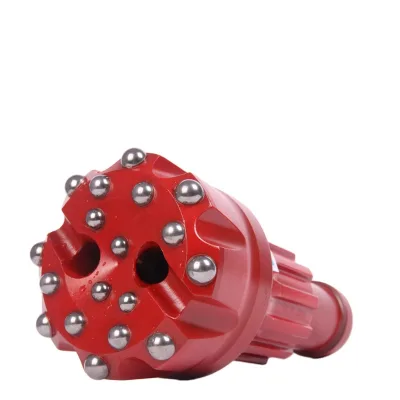
Factory Price Cir Series Low Air Pressure Dth Hammer Bit 120mm Dth Drill Bit
$51.0241 - $204.0933
MOQ: 50 Minimum
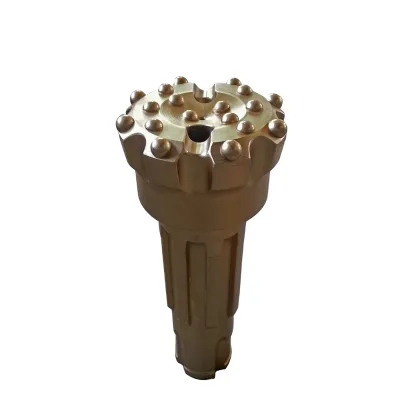
China Wholesale Cir110 6 Inch 165mm Dth Hammer Bit/Button Drill Bit
$51.5507 - $206.2027
MOQ: 50 Minimum

Beijing Jincheng Mining Technology Co., Ltd.
- Verified by SGS
- Trading Company
- China Beijing
- Lead time30 days
- Avg. response≤ 5h
Main productsCore Drilling Rig, Water Well Drilling Rig, Rock Drilling Rig, Engineering Drilling Rig, DTH Drilling Tools, Diamond Core Drilling Tools, Water Well Drilling Tools, Portable Air Compressor, Drill Mud Pump
Main marketsAfrica

Yanggu Juli Machinery Co., Ltd
- Verified by SGS
- Combined
- China Shandong
- Lead time15 days
- Avg. response≤ 2h
Main productsFoundation Drilling Tools, Road Milling Bits, Mining Tools, Bucket Teeth, Rock Drilling Tools, Shield Driving Cutters, Trenching Tools, Drilling Bucket, Drilling Auger, Construction Machinery
Main marketsOthers(foreignTradeCapacity.exportBusinessCapacityMarketOther),Southeast Asia/ Mideast

Rock DTH Bits CIR90-120mm-Kh for Coal Mining, Well and Quarry Drilling
$350.00 - $400.00
MOQ: 10 Pieces

Changsha Feiya Engineering Machinery Equipment Co., Ltd.
- Trading Company
- Hunan, China
- Lead time25 days
- Avg. response≤ 2h
Main productsDTH Hammer, DTH Bit, Drill Rigs, DTH Button Bits, Drill Rod
Main marketsEastern Europe(50.00%), Africa(20.00%), Domestic Market(20.00%), South America(10.00%), South Asia(0.00%), Eastern Asia(0.00%), North America(0.00%), Oceania(0.00%), Western Europe(0.00%), Southern Europe(0.00%), Central America(0.00%), Northern Europe(0.00%), Mid East(0.00%), Southeast Asia(0.00%)
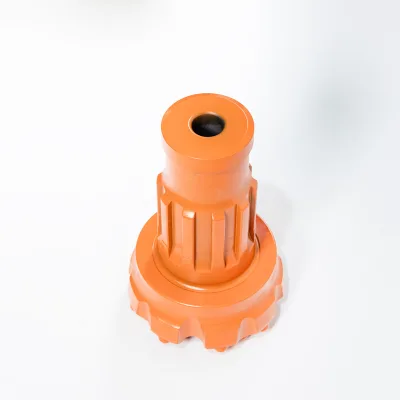
Heavy Duty DHD360 165mm Down the Hole Bits Wear Resistant Tungsten Carbide Bits for Mining
$560.00 - $750.00
MOQ: 1
Guizhou Gold Drills Equipment Co., Ltd.
- Trading Company
- Guizhou, China
- Lead time0 days
- Avg. response≤ 2h
Main productsRock Drilling Tools,Drill Spare Parts,Drill Bit,Drilling Pipe,DTH Hammer Drilling Tools
Main marketsSouth America(10.00%), North America(10.00%), Northern Europe(10.00%), Central America(10.00%), Mid East(9.00%), Eastern Asia(8.00%), Southeast Asia(8.00%), Eastern Europe(8.00%), Africa(5.00%), Domestic Market(5.00%), South Asia(5.00%), Southern Europe(5.00%), Western Europe(5.00%), Oceania(2.00%)






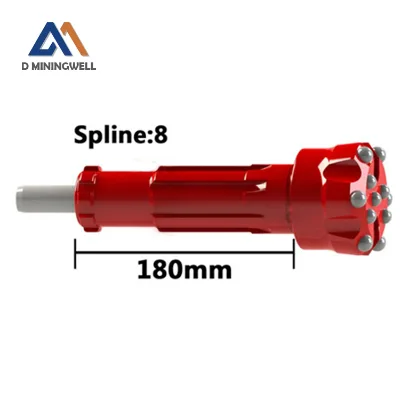


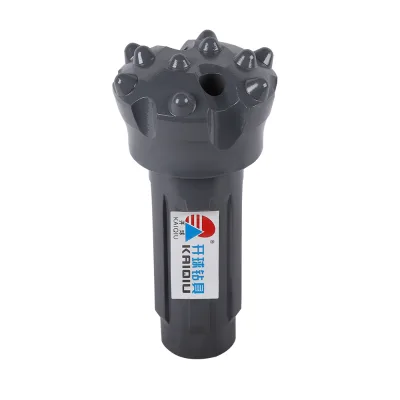
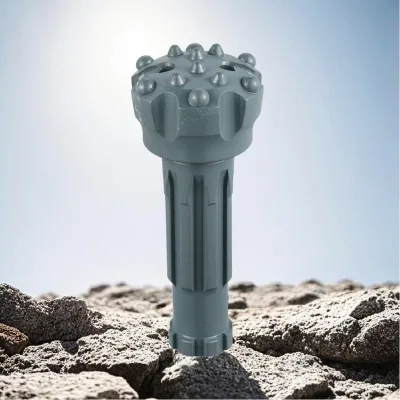


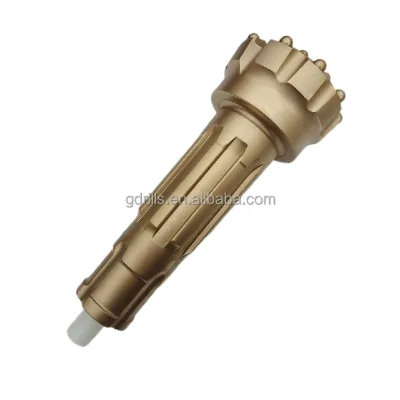
Comprehensive Sourcing Guide
Forging Ore Mining DTH Bit Supplier Concentration and Factory Types
The current supplier landscape for forging ore mining DTH bits reveals a distinct concentration of manufacturing activity within specific Chinese regions, with Beijing and Hunan emerging as primary hubs based on available location data. Suppliers located in Beijing are identified as manufacturers or factories, indicating a direct production capability for items such as DTH hammers, rock drill bits, and downhole motors. These entities often list OEM capabilities as part of their core capacity, suggesting they can handle custom specifications for mining machinery parts. In contrast, suppliers operating from Hunan are classified as trading companies, which implies a different operational model focused on aggregating products from various sources rather than direct fabrication. This distinction is critical for buyers seeking either direct factory engagement or a broader product range through a single intermediary.
When evaluating the factory types, it is essential to note that the Beijing-based manufacturers hold specific system certifications like ISO 9001 and ISO 14001, which serve as indicators of their quality management and environmental standards. The Hunan-based trading companies also display verification credentials, such as TUVRHEINLAND, and maintain ISO9001:2015 certificates, ensuring a baseline of reliability despite their trading status. The main products listed for these groups consistently include drilling rigs, drill bits, and DTH hammers, confirming their specialization in the mining and construction sectors. Buyers should recognize that while both factory and trading company types offer access to the same core product categories, the nature of the relationship and the supply chain depth will differ significantly between a direct manufacturer in Beijing and a trading entity in Hunan.
How to Verify Forging Ore Mining DTH Bit Suppliers
Verification of Forging Ore Mining DTH Bit suppliers requires a rigorous examination of their specific credentials and third-party validation status to ensure authenticity and operational integrity. The available data indicates that suppliers undergo verification processes by entities such as CTI and TUVRHEINLAND, which provide an external layer of trust regarding their business legitimacy. Buyers must prioritize suppliers who display these specific verification badges, as they confirm that the company has passed independent checks on their business scope and operational history. It is important to distinguish between the verification bodies, as different agencies may have varying scopes of assessment, but the presence of any recognized third-party verification is a strong positive signal for supplier reliability.
Beyond basic verification, buyers should scrutinize the specific system certifications held by the supplier, such as ISO 9001, ISO 14001, or ISO9001:2015, to ensure their quality management systems align with international standards. The product evidence shows that some suppliers list certifications like ISO 9001:CE, which may indicate compliance with specific regional or industry requirements for their drilling tools. Additionally, the availability of video outgoing-inspection and machinery test reports for specific products offers a tangible method for buyers to verify the condition and specifications of the goods before shipment. These reports, combined with the supplier's stated response times, provide a comprehensive view of their operational transparency and commitment to quality assurance, allowing buyers to make informed decisions based on verified data rather than unconfirmed claims.
What to Compare Across Forging Ore Mining DTH Bit Suppliers
Comparing suppliers requires a detailed analysis of key operational metrics such as lead times, minimum order quantities, and response speeds to determine the best fit for specific project needs. The data shows a lead time of 15 days for certain products, which serves as a benchmark for production and delivery scheduling. Buyers should compare this against other potential suppliers to ensure their project timelines can be met, as variations in lead time can significantly impact overall logistics and operational continuity. Furthermore, the minimum order quantity (MOQ) is listed as 1 piece for several items, indicating a high level of flexibility for buyers who may require small batches or custom prototypes. This low MOQ threshold is a significant advantage for testing new designs or fulfilling urgent, small-scale mining requirements without the burden of large inventory commitments.
Response time is another critical dimension for comparison, with observed response times ranging from 3.61 to 4.60, reflecting the speed at which suppliers engage with potential buyers. A faster response time often correlates with better communication channels and a more proactive approach to addressing technical queries or order modifications. Buyers should also evaluate the range of main products offered, as some suppliers specialize in a broad array of drilling equipment including rigs and bits, while others may focus on specific components like DTH hammers. The ability to source multiple related items from a single supplier can streamline the procurement process and reduce logistical complexity. By systematically comparing these attributes, buyers can identify suppliers that offer the optimal balance of speed, flexibility, and product breadth for their specific mining operations.
Common Forging Ore Mining DTH Bit Sourcing Risks
One of the primary risks in sourcing forging ore mining DTH bits involves the potential mismatch between product specifications and actual manufacturing capabilities, particularly regarding material composition and processing methods. The product evidence highlights variations in materials, such as stainless steel and cast steel, and processing types like forging, which directly influence the durability and performance of the bits in hard rock environments. Buyers must verify that the stated material and processing type align with the specific geological conditions of their mining site, as using a bit designed for soft formations in hard rock can lead to premature failure and increased operational costs. The presence of different carbide teeth grades, such as Yk05, further complicates the selection process, requiring precise technical validation to ensure the bit can withstand the intended drilling pressure and abrasion.
Another significant risk is the variability in packaging and shipping standards, which can affect the condition of the equipment upon arrival. The data indicates that products are often packed in wooden cases, but the specific packing standards and protection levels may vary between suppliers. Inadequate packaging can lead to damage during transit, especially for heavy items weighing up to 71kg, which are common in this category. Additionally, the reliance on third-party verification and certifications does not guarantee that every individual shipment will meet the same quality standards, making it essential for buyers to request detailed inspection reports or video evidence of the specific batch before finalizing the order. Understanding these risks allows buyers to implement stricter quality control measures and mitigate potential losses associated with product failure or damage during the supply chain.
Forging Ore Mining DTH Bit Regional Sourcing and Logistics
Regional sourcing strategies for forging ore mining DTH bits are heavily influenced by the geographic location of the suppliers, with Beijing and Hunan representing the two primary clusters identified in the current results. Suppliers in Beijing, being manufacturers, may offer more direct control over the production process and potentially faster turnaround for custom orders, while those in Hunan, operating as trading companies, might provide a wider variety of sourced products from different factories. The logistics implications of these locations are significant, as the distance from the supplier to the buyer's destination will impact shipping costs and delivery times. Buyers should consider the proximity of these manufacturing hubs to major ports or logistics centers to optimize the shipping route and reduce transit time for their heavy drilling equipment.
Logistics planning must also account for the specific weight and dimensions of the products, which can range from 15kg to 71kg and require specialized handling. The use of wooden cases for packing suggests that the items are robust but still require careful loading and securing to prevent movement during transport. Buyers should verify the supplier's experience in handling international shipments of heavy machinery parts, as improper logistics can lead to delays or damage. Additionally, the origin of the products, consistently listed as China, means that buyers must be aware of any import regulations or tariffs that may apply to drilling equipment entering their country. By understanding the regional distribution of suppliers and the associated logistical challenges, buyers can develop a more efficient and cost-effective sourcing strategy that minimizes risks and ensures timely delivery of critical mining tools.
Forging Ore Mining DTH Bit Commercial Terms and Order Planning
Commercial terms for forging ore mining DTH bits vary significantly based on the supplier type and the specific product configuration, requiring careful negotiation to align with budget and operational constraints. The price data indicates a range from 20.00 to 800.00, reflecting the diversity in product sizes, materials, and specifications available in the market. Buyers should be prepared to negotiate based on the volume of their order, as the low MOQ of 1 piece suggests that even small orders are feasible, but larger quantities may yield better pricing tiers. It is crucial to clarify whether the quoted price includes all necessary components, such as specific shanks or carbide teeth, and to confirm if customization fees apply for non-standard models. Understanding the full cost structure helps in accurate budgeting and prevents unexpected expenses during the order fulfillment process.
Order planning must also consider the production lead time and the supplier's capacity to handle custom requests, as indicated by the OEM capabilities and customization options available. The 15-day lead time observed for certain products serves as a baseline for scheduling, but buyers should confirm if this timeline applies to their specific order requirements, especially if custom modifications are needed. The availability of video outgoing-inspection and machinery test reports provides an opportunity to verify the product before shipment, which should be integrated into the order timeline to avoid delays. Additionally, buyers should establish clear communication channels with the supplier to monitor production progress and address any issues promptly. By planning orders with these commercial and logistical factors in mind, buyers can ensure a smooth procurement process and maintain the continuity of their mining operations.
FAQs
What is the minimum order quantity for DTH bits?
The minimum order quantity is one piece. This low threshold allows buyers to test product quality before committing to larger volumes. Suppliers offer flexible purchasing options to accommodate small initial orders for mining and drilling applications.
How long does production take for these bits?
Production lead time is typically fifteen days. This timeframe covers the forging process and quality checks for new condition items. Buyers should confirm exact schedules with suppliers to ensure timely delivery for their specific drilling projects.
Are these DTH bits customizable for specific needs?
Customization is available for most DTH hammer bits. Buyers can request specific models, sizes, or shank types to match their drilling equipment. This flexibility ensures the bits fit various mining and water well drilling requirements effectively.
What certifications do these mining drill bits have?
Many suppliers hold ISO 9001 and ISO 14001 certifications. Some products also meet API or CE standards. These certifications verify manufacturing quality and environmental management, providing assurance for international mining and construction machinery procurement.
Where are these forging ore mining DTH bits made?
These bits are manufactured in China, specifically in Beijing and Hunan. The place of origin is clearly stated for all products. Buyers can verify the specific manufacturing location to assess logistics and supply chain reliability.
What is the price range for DTH drill bits?
Prices range from twenty to eight hundred dollars per piece. The cost varies based on size, material, and specific model requirements. Buyers should request quotes for their exact specifications to determine the final price for their order.