Four Wheel Tractor Rotary Tiller Suppliers and Manufacturers
Compare 23 verified suppliers offering four wheel tractor rotary tillers with varying lead times, response speeds, and certifications. Review product specs like working width and power source, then request quotes to confirm pricing and customization options; review the available evidence before requesting comparable quotations from suitable candidates.
Updated
Suppliers List

Yucheng Hengshing Machinery Co., Ltd.
- Verified by BV
- Combined
- China Shandong
- Lead time30 days
- Avg. response≤ 22h
Main productsPlow, Disc Plough, Disc Harrow, Cultivator, Farm Mower, Farm Trailer, Potato Harvester, Potato Planter, Corn Thresher, Peanut Thresher
Main marketsSouth America,Africa,Southeast Asia/ Mideast,Europe,Australia,North America

Shandong Liying Agricultural Technology Development Co., Ltd.
- Verified by BV
- Trading Company
- China Shandong
- Lead time15 days
- Avg. response≤ 4h
Main productsTractor, Disc Plough, Disc Harrow, Power Tiller, Corn Seeder, Vegetable Seeder, Farm Trailer, Fertilizer Spreader, Mower, Potato Harvester
Main marketsSouth America,Africa,Southeast Asia/ Mideast
- Verified by Intertek
- Trading Company
- Lead time7 days
- Avg. response≤ 1h
Main productsFruit Vegetable Machine, Meat Processing Machine, Pastry Bakery Machine, Snack Machine, Feed Processing Machine
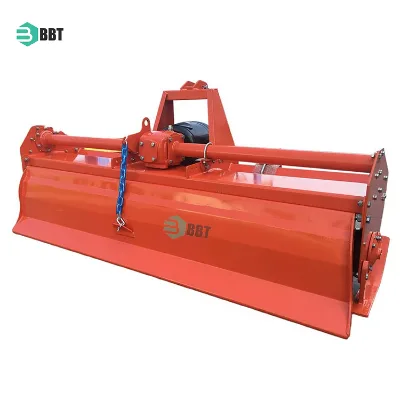
New Rotary Tiller for Four Wheel Tractor Farm Equipment with Gearbox High Efficiency
$520.00 - $3600.00
MOQ: 1 Minimum
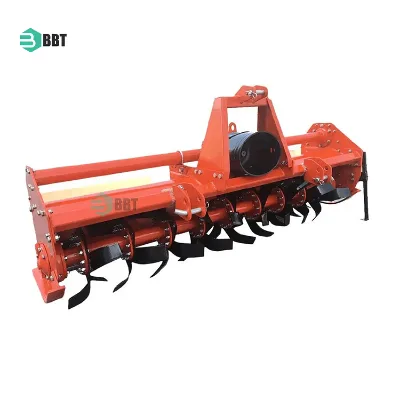
Multifunctional C-Type Rotary Tiller with Gearbox and Blade 490kg
$450.00 - $520.00
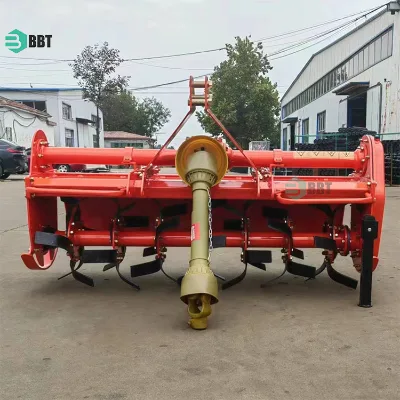
Diesel 4Wd Rotary Tiller Farm Agriculture Rotary Tiller Walk Behind Rotary Tillers
$520.00 - $3600.00
MOQ: 1 Minimum
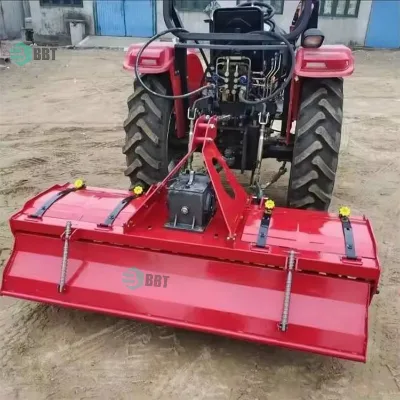
Henan Xifa Network Technology Co., Ltd.
- Verified by Intertek
- Manufacturer, Trading Company
- Lead time7 days
- Avg. response≤ 1h
Main productsAnimal Cages, Tractors, Feed Processing Machinery, Excavators
Main marketsNorth America(20%), Domestic Market(20%), Africa(15%)
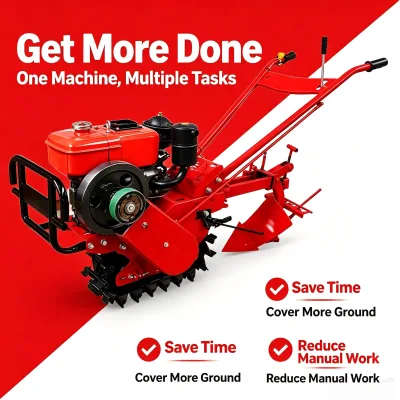
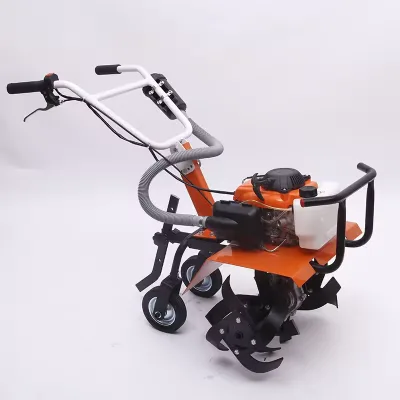
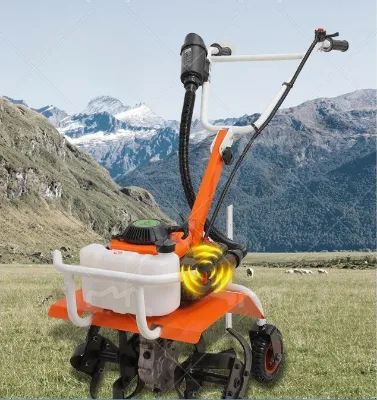
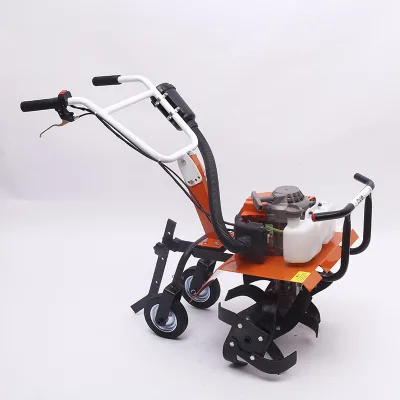
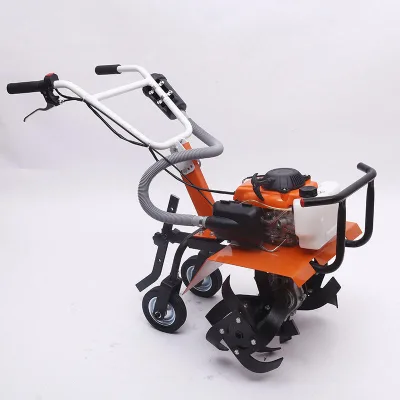
Lightweight Rotary Tiller for Garden & Orchard Use
$93.00 - $170.00

Jeegee Agri. Equip. Manufacturing Co., Ltd.
- Verified by SGS
- Combined
- China Jiangsu
- Lead time45 days
- Avg. response≤ 5h
Main marketsSouth America,Africa,Southeast Asia/ Mideast,East Asia(Japan/ South Korea),Domestic,Europe,Australia,North America
Henan Haojiu Technology Co., Ltd.
- Manufacturer, Trading Company
- Henan, China
- Lead time60 days
- Avg. response≤ 5h
Main productsrotary tiller,Corn seeder,corn harvester,lawn mower
Main marketsSouth America(20.00%), Africa(20.00%), Mid East(20.00%), North America(10.00%), Eastern Europe(10.00%), Oceania(10.00%), South Asia(10.00%)
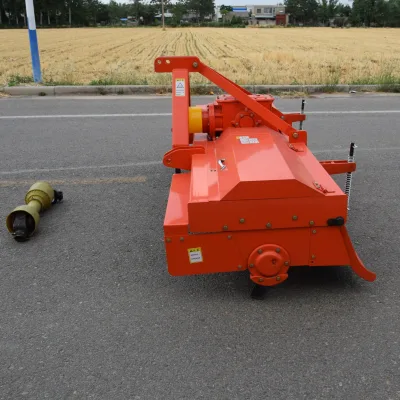
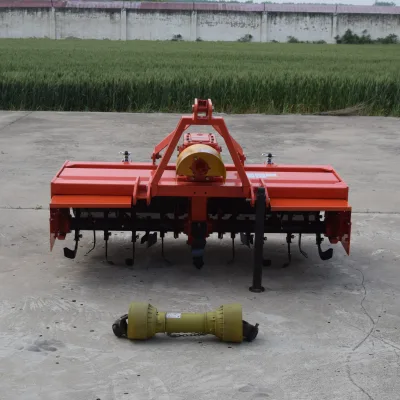
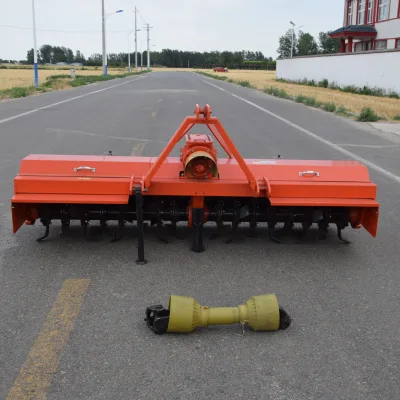
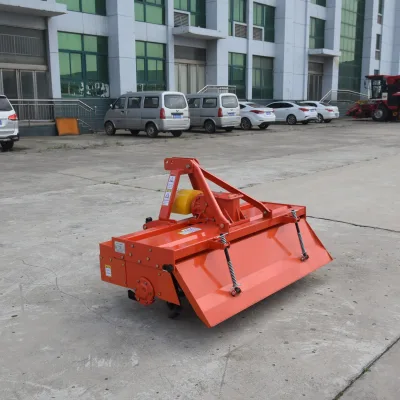
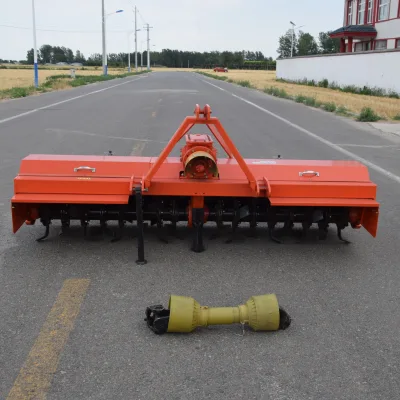
Farm Agricultural Mini Power Micro Tiller Tractor Engine Machine Cultivator Tractors
$450.00 - $500.00
MOQ: 1 sets
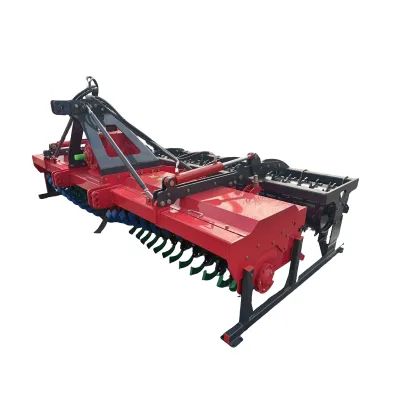

Jiangsu Yueda Intelligent Agricultural Equipment Co., Ltd.
- Verified by CTI
- Combined
- China Jiangsu
- Lead time23 days
- Avg. response≤ 10h
Main productsTractor, Farm Tractor, Jinma Tractor, Small Tractor, Tractor Parts, Jinma Tractor Parts, Agricultural Tractor, Jinma Tractor Spare Parts, 4WD Tractor, Mini Tractor
Main marketsSouth America,Africa,Southeast Asia/ Mideast,Domestic,Europe,Australia,North America
Shandong Unio Machinery Equipment Co., Ltd.
- Verified by Intertek
- Trading Company
- Lead time10 days
- Avg. response≤ 2h
Main productsCultivator, Grain Processing Machine, Harvester, Tractor, Feed Processing Machine
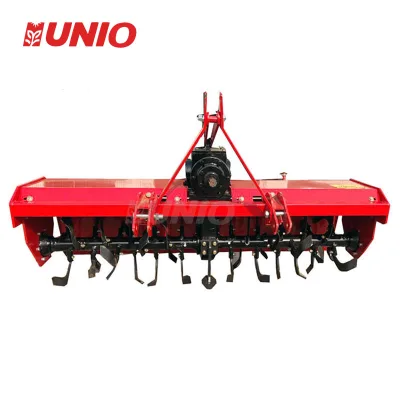
Highest Quality Agriculture Equipment and Tools 4 Wheel Farm Tractor Rotavator Rotary Tiller
$429.1889 - $481.5534
MOQ: 1 sets
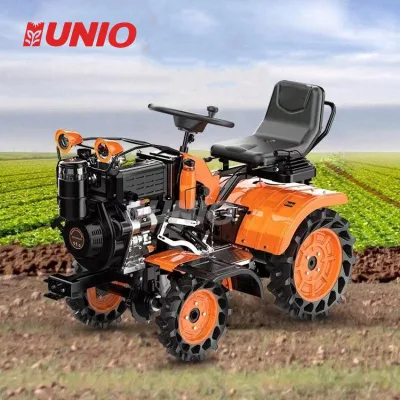
$1333.7678 - $1487.7825
MOQ: 1 sets

Yingshang Shunyue Agricultural Technology Co., Ltd.
- Verified by SGS
- Trading Company
- China Anhui
- Lead time15 days
- Avg. response≤ 1h
Main productsCombine, Harvester, Rice Transplanter, Tractor, Agricultural Machinery, Farm Tractor, 4WD Tractor, Farm Machinery
Main marketsDomestic

Good Condition 70HP Four Wheel Drive Farm Tractor Comes with Rotary Tiller
$7000.00 - $7600.00
MOQ: 1 Pieces

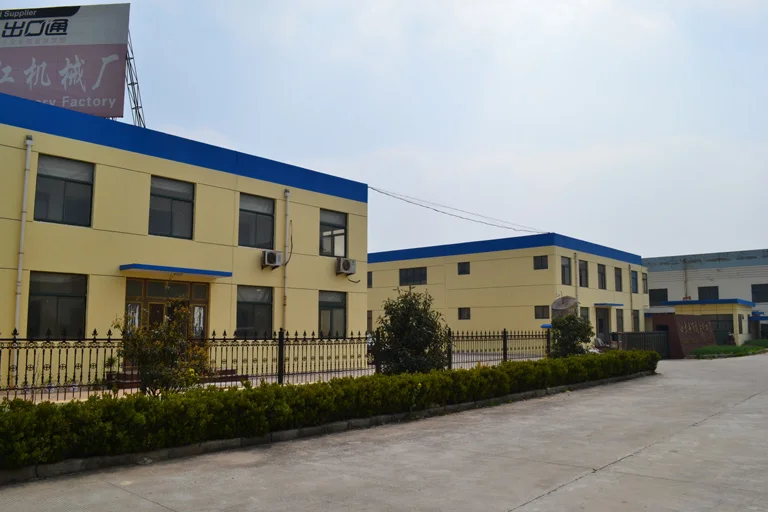
Yancheng Dafeng Longjiang Machinery Factory
- Manufacturer, Trading Company
- Jiangsu, China
- Lead time25 days
- Avg. response≤ 19h
Main productsRotary Tiller, Mini Excavator, Mower, Transport Box, Fertilizer Spreader
Main marketsDomestic Market(60.00%), Western Europe(16.00%), North America(10.00%), Northern Europe(5.00%), Southeast Asia(5.00%), Southern Europe(2.00%), Eastern Europe(2.00%), South Asia(0.00%), Eastern Asia(0.00%), South America(0.00%), Oceania(0.00%), Central America(0.00%), Africa(0.00%), Mid East(0.00%)
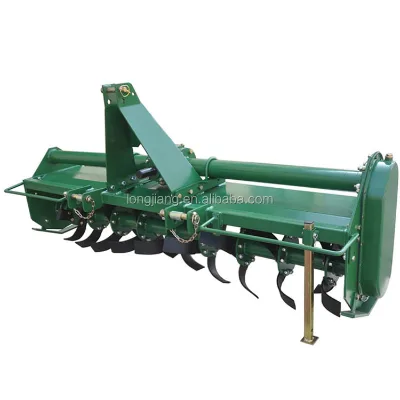
Cheap 4 Wheel Drive Tractor Side Chain Driven Rotary Tiller
$670.00 - $703.00
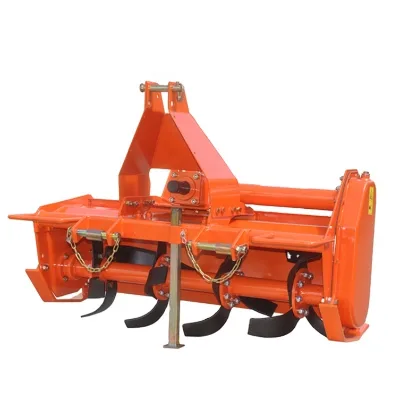
Light Farm Machinery Rotary Tiller with 22 Horsepower Tractor
$385.00 - $415.00
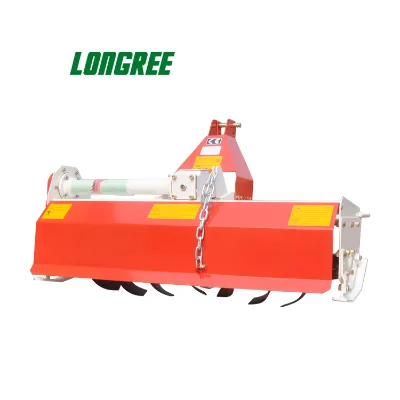
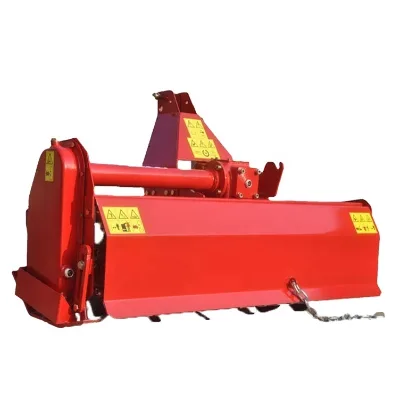
$410.00 - $446.00
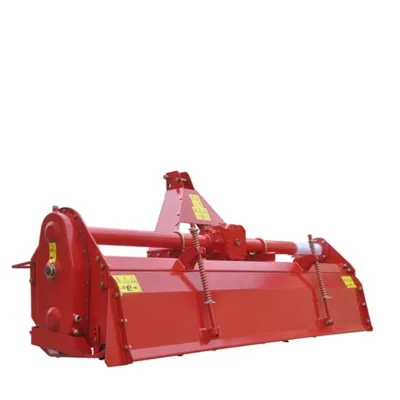
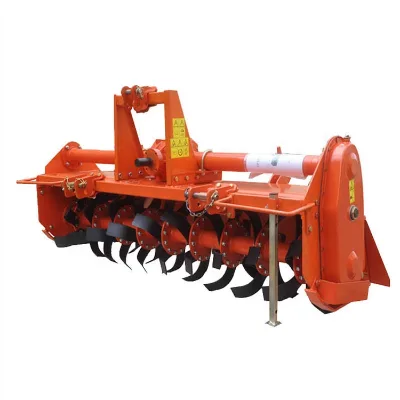

Xi'an Yaao Agricultural Machinery Co., Ltd.
- Verified by TUVRHEINLAND
- Combined
- China Shaanxi
- Lead time15 days
- Avg. response≤ 2h
Main productsSeeder, Subsoiler, Cultivator, Rotary Tiller
Main marketsDomestic

Shandong Grander Equipment Co., Ltd.
- Verified by TUVRHEINLAND
- Trading Company
- China Shandong
- Lead time15 days
- Avg. response≤ 12h
Main productsWood Chipper, Safety Products, Garden Tools, Disc Mower, Drum Mower, Tiller, Safety Gloves, Farm Machine, Garden Machine, Safety Shoes
Main marketsSouth America,Southeast Asia/ Mideast,Europe

Shandong BONHUE Machinery Equipment Co., Ltd.
- Verified by CTI
- Combined
- China Shandong
- Lead time30 days
- Avg. response≤ 8h
Main productsLoader, Tractor, Sanitation Vehicle, Forklift, Truck, Sanitation Tricycle, Trash Can, Silage Film, Construction Machinery, Road Sweeper
Main marketsDomestic

Gaomi Guanriyu Machinery Co., Ltd.
- Combined
- China Shandong
- Lead time30 days
- Avg. response≤ 12h
Main productsGrass Mower, Chipper Shredder, Ginger Harvester, Hay Baler, Cultivator Tiller, Mini 4wheels Tractor, Harrow, Exhause Fan
Main marketsDomestic,Europe
Shandong Xinleichuang Machinery Co., Ltd.
- Verified by SGS Group
- Manufacturer, Trading Company
- Lead time3 days
- Avg. response≤ 1h
Main productsTractor, Hand Held Chain Trenching Machine, Track Rotary Tiller, Car Type Grader, Road Mixer
Main marketsDomestic Market(40%), North America(20%), Africa(20%)
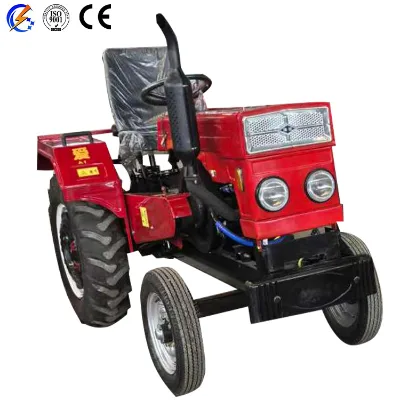
China New Type Machinery Mini Four Wheel Tractor Agricultural Mini Tiller for Sale
$1729.3625 - $1771.0336
MOQ: 1 sets
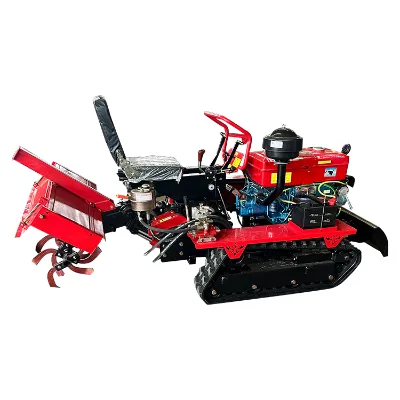
Mini Tiller Micro Four-wheel Tractor Multifunctional Agricultural Machinery for Sale
$800.00 - $1200.00
MOQ: 1 sets
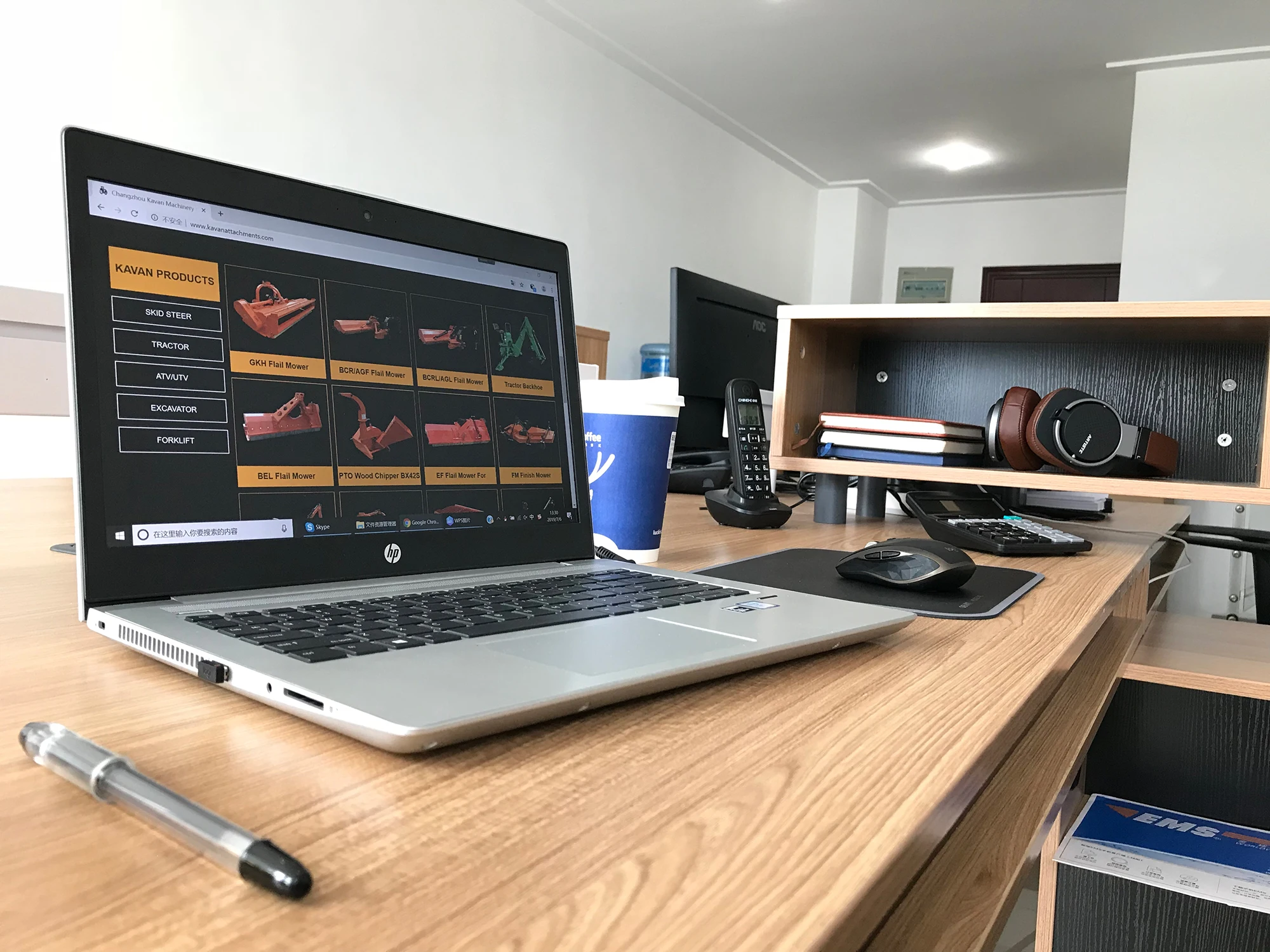
Changzhou Kavan Machinery Co., Ltd.
- Manufacturer, Trading Company
- Jiangsu, China
- Lead time45 days
- Avg. response≤ 8h
Main productsTractor Implements,Skid Steer attachments,Excavator attachments,ATV Implements,Wheel Loder Implements
Main marketsNorth America(30.00%), Northern Europe(27.00%), Southern Europe(13.00%), Oceania(12.00%), Eastern Europe(10.00%), Western Europe(8.00%)
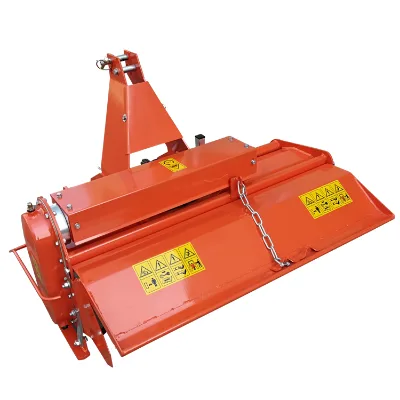
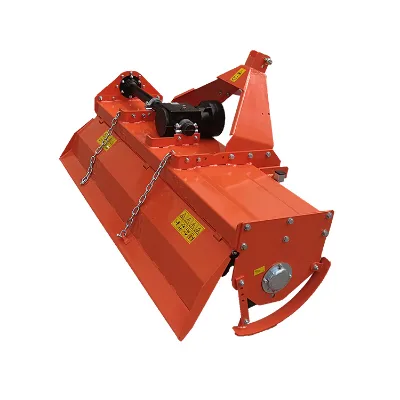
New condition and farm use rotary tiller light rotary tiller WHEEL LOADER
$425.00 - $475.00
MOQ: 2 units
Foshan Shunde Maoduoyu Trading Co., Ltd.
- Manufacturer, Trading Company, Distributor/Wholesaler
- Guangdong, China
- Lead time0 days
- Avg. response≤ 1h
Main productsIndustrial machinery,Commercial machinery,Packaging machinery,Filling machinery,Food machinery
Main marketsNorth America(50.00%), Southeast Asia(10.00%), Mid East(10.00%), Central America(10.00%), Domestic Market(5.00%), Western Europe(5.00%), Northern Europe(3.00%), South Asia(2.00%), Oceania(1.00%), Eastern Asia(1.00%), Eastern Europe(1.00%), South America(1.00%), Africa(1.00%)
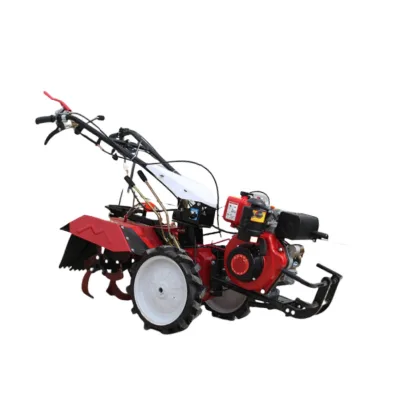
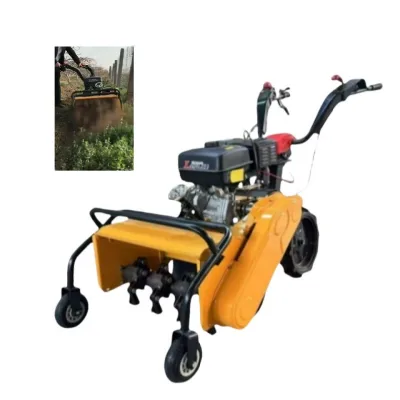
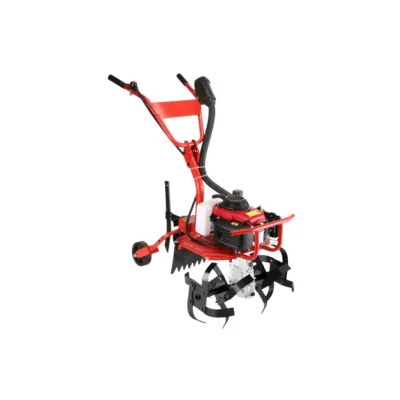
$295.00 - $727.00
MOQ: 1 Minimum
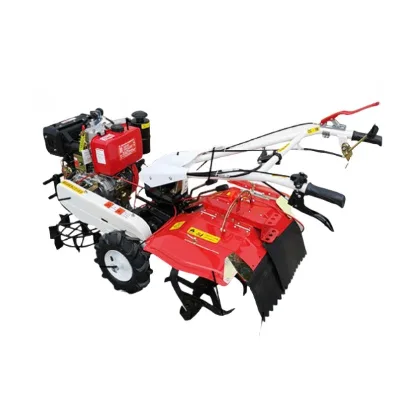
Shanghai Huanyu Zongheng Trading Co., Ltd.
- Trading Company
- Shanghai, China
- Lead time0 days
- Avg. response≤ 1h
Main productsagricultural sprayers,brush cutter,agricultural machinery,agricultural drones,farm tools
Main marketsSouth Asia(20.00%), Central America(20.00%), Mid East(20.00%), Southeast Asia(20.00%), North America(20.00%)
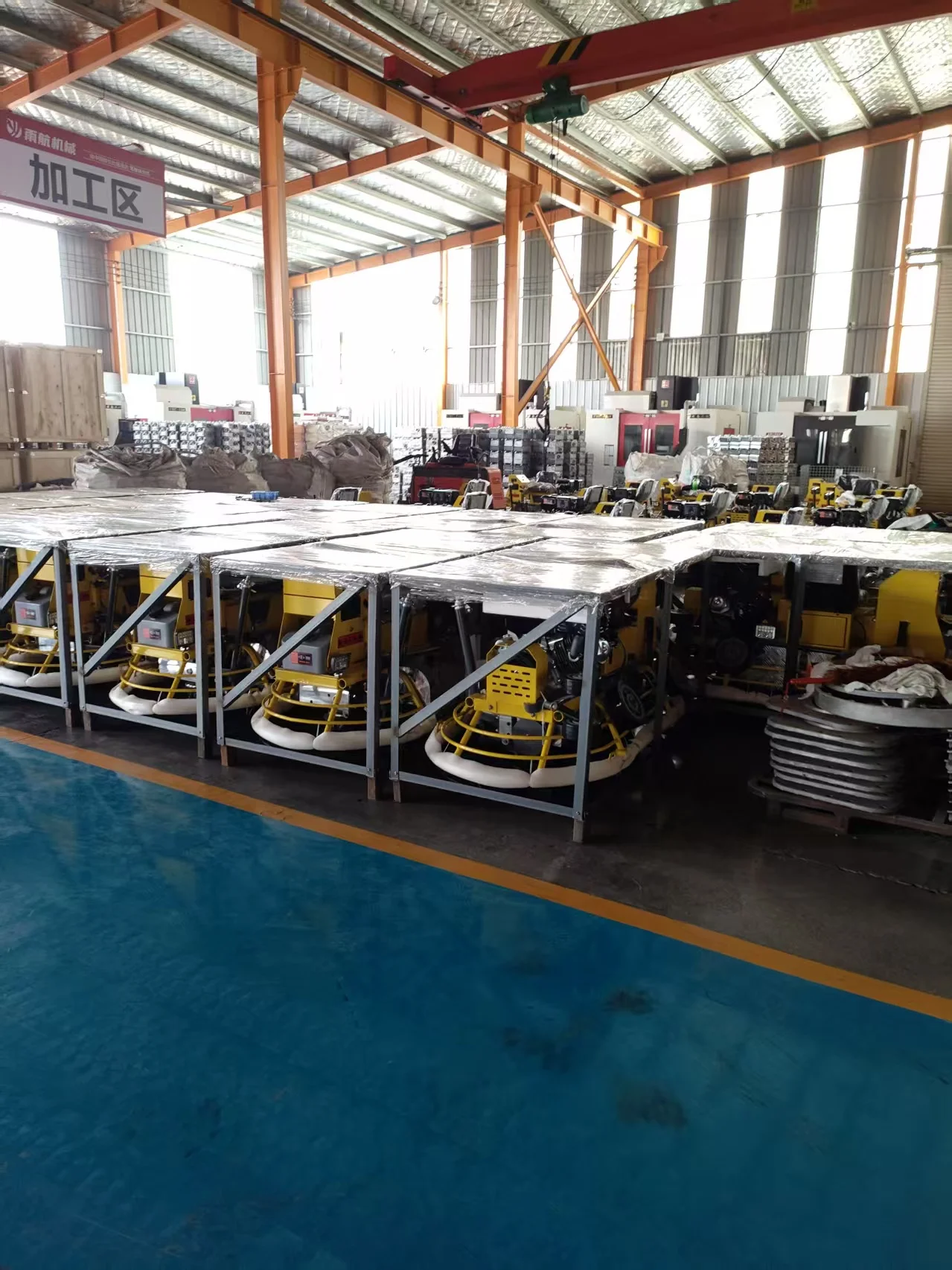
Luohe Ao Jianqing Intelligent Equipment Co., Ltd.
- Trading Company
- Henan, China
- Lead time15 days
- Avg. response≤ 3h
Main productstrowel,trephine,Cutting machine,backhoe,vibrators
Main marketsDomestic Market(40.00%), North America(10.00%), Africa(10.00%), South Asia(10.00%), Eastern Asia(10.00%), Oceania(5.00%), Southern Europe(5.00%), Southeast Asia(5.00%), South America(5.00%)
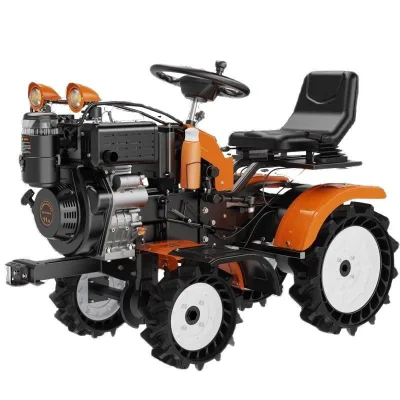
$4688.80 - $5000.00
MOQ: 10 pieces
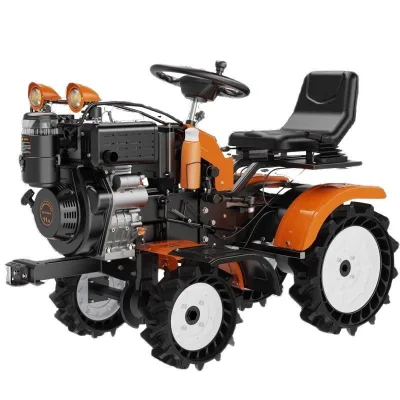
Small Rotary Tiller, Small Tractor Free Provision of Solid Tires Rotating Plow Tillage Tool
$4688.80 - $5000.00
MOQ: 10 pieces
Henan Formend Imp. & Exp. Co., Ltd
- Verified by SGS Group
- Trading Company
- Lead time10 days
- Avg. response≤ 3h
Main productsTractor, Sprayer, Grass Mower, Rice Mill, Disc Mill
Main marketsAfrica(40%), Southeast Asia(30%), Eastern Europe(10%)
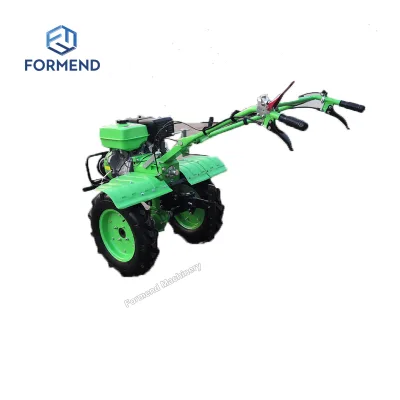
Hot Sale Walking Behind Farm Machine Rotary Tiller for Farm Garden and Orchard Use
$440.6019 - $461.0956
MOQ: 1 sets

Weifang Wolong Machinery Manufacturing Co., Ltd.
- Manufacturer/Factory
- China Shandong
- Lead time120 days
- Avg. response≤ 4h
Main productsMini Tractor, Walking Tractor, Power Tiller, Tractor Implements, Trailer, Rotary Tiller, Farm Tractor, Silage Wrap Film, Silage Film, Planter
Main marketsSouth America,Eastern Europe,Southeast Asia,Africa

Shandong Yuntai Machinery Co., Ltd.
- Verified by BV
- Combined
- China Shandong
- Lead time30 days
- Avg. response≤ 16h
Main productsDisc Plough, Disc Harrow, Disc Blade, Trailer, Cultivator, Agricultural Spare Parts, Plough Disc, Harrow Disc, Tractor Trailer, Ox Plough
Main marketsSouth America,Africa,Southeast Asia/ Mideast,Europe,Australia,North America

Changzhou Kaideli Machinery Co., Ltd.
- Combined
- China Jiangsu
- Lead time30 days
- Avg. response≤ 6h
Main productsFlail Mower, Wood Chipper, Rotary Tiller, Snow Machinery, Tractor Implements, ATV Implements, Slasher, Backhoe, Front End Loader, Spare Parts
Main marketsDomestic,Europe,Australia


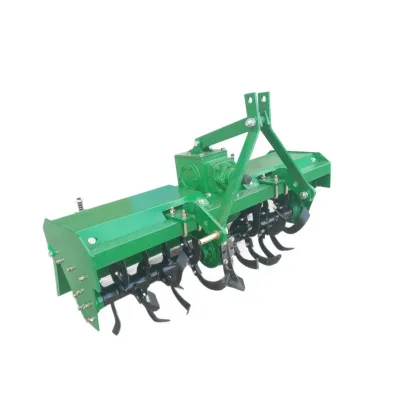
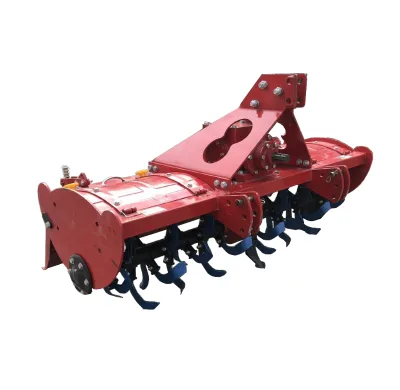


Comprehensive Sourcing Guide
Four Wheel Tractor Rotary Tiller Supplier Concentration and Factory Types
The current supplier landscape for four wheel tractor rotary tillers reveals a distinct concentration of manufacturing activity within China, specifically in the Shandong region. This geographic clustering is evident in the origin data provided for various product listings, which cite locations such as Yucheng, Dezhou, and general Shandong Province. When evaluating potential partners, buyers should recognize that this regional density often correlates with established supply chains for agricultural machinery components, including gear drives, PTO shafts, and heavy steel frames. The presence of multiple suppliers in this area suggests a mature industrial ecosystem where specialized sub-suppliers for tiller blades, horizontal and vertical axis configurations, and tractor mounting systems are readily available. This concentration can facilitate faster prototyping and reduced logistics costs for raw materials, although it also means buyers must carefully distinguish between genuine manufacturers and trading entities operating within the same industrial parks.
Supplier types in this category vary significantly, ranging from combined manufacturing entities to pure trading companies. Some suppliers are identified as having combined capabilities, allowing them to offer both OEM and ODM services alongside their own branded products. These entities often possess the physical infrastructure to handle complex assembly processes, such as welding rotary tiller frames and installing gear drive systems. In contrast, other suppliers are classified strictly as trading companies, which may streamline the communication process but lack direct control over the manufacturing floor. The distinction is critical because it impacts the ability to customize specific attributes like working width, blade count, or color schemes. Buyers seeking deep customization, such as adapting a machine for a specific tractor horsepower or modifying the arbor configuration, should prioritize suppliers with verified manufacturing capabilities over those who merely aggregate existing stock.
How to Verify Four Wheel Tractor Rotary Tiller Suppliers
Verification is a critical step in mitigating risk when sourcing agricultural machinery from international markets. Buyers should prioritize suppliers who have undergone third-party verification processes, as these provide an external layer of confidence regarding the company’s legitimacy and operational capacity. In the current results, verification badges such as BV and Intertek are present, indicating that these entities have met specific criteria for business existence and potentially product quality. These certifications serve as a baseline filter, helping buyers eliminate unverified entities that may pose higher risks regarding contract fulfillment or product consistency. However, verification alone is not a guarantee of product performance; it primarily confirms the supplier’s identity and basic business structure. Therefore, buyers must look beyond the badge and examine the specific scope of the verification to ensure it covers the relevant manufacturing or trading activities for rotary tillers.
Beyond basic verification, buyers should assess the technical specifications and certifications associated with the products themselves. Many listings include product-level certifications such as CE, which is a mandatory requirement for selling machinery in many international markets, particularly in Europe. Additionally, some suppliers reference standards like ISO9001: 2008 or SGS, which indicate adherence to quality management systems. Buyers should request copies of these certificates and verify their validity with the issuing bodies. It is also important to check for specific product attributes that align with local regulations, such as safety features for PTO shafts or emission standards for diesel-powered units. By cross-referencing the supplier’s claimed certifications with the actual product documentation, buyers can ensure that the machinery they purchase meets the legal and safety requirements of their destination market, reducing the risk of customs delays or liability issues.
What to Compare Across Four Wheel Tractor Rotary Tiller Suppliers
When evaluating multiple suppliers, buyers must compare key operational metrics to determine the best fit for their specific needs. Response time is a significant indicator of supplier efficiency and customer service quality. Data shows a wide variance in response speeds, with some suppliers responding within one day while others take over twenty days. A faster response time often correlates with better communication throughout the order process, from initial inquiry to post-sale support. Buyers should prioritize suppliers with quicker response times, especially if they require urgent quotes or technical clarifications. Additionally, lead times provide insight into the supplier’s production capacity and inventory management. Lead times in the current results range from seven days to thirty days, reflecting differences in manufacturing complexity and stock availability. Understanding these timelines helps buyers plan their inventory and manage customer expectations effectively.
Another crucial dimension for comparison is the minimum order quantity (MOQ) and pricing structure. MOQs can vary significantly, with some suppliers offering a minimum of just one unit, which is ideal for small-scale buyers or those testing the market. Others may have higher MOQs, which can be more cost-effective for bulk purchases. Pricing also varies based on specifications, such as working width, blade count, and power source. For instance, rotary tillers with different models like 1GQN-180 or 1GLN-200 may have distinct price ranges. Buyers should compare the price-to-feature ratio, considering attributes like customization availability, drive type, and warranty terms. Suppliers offering ODM and OEM capabilities may provide more flexibility in tailoring the product to specific market demands. By systematically comparing these factors, buyers can identify suppliers that offer the best balance of cost, speed, and customization for their Four Wheel Tractor Rotary Tiller requirements.
Common Four Wheel Tractor Rotary Tiller Sourcing Risks
One of the primary risks in sourcing agricultural machinery is the discrepancy between advertised specifications and actual product performance. Buyers must be cautious of vague descriptions that do not specify critical details such as the arbor configuration, drive type, or matched power requirements. For example, a rotary tiller advertised for a four-wheel tractor may have different traction types, such as hanging or traction-based, which affect its compatibility with specific tractor models. Additionally, the power source, whether diesel or tractor-driven, significantly impacts the machine’s operation and maintenance needs. Buyers should request detailed technical drawings and specifications to ensure the product matches their operational requirements. Failure to verify these details can result in machinery that is incompatible with existing equipment or unsuitable for the intended farming policy, such as dry cultivating machinery.
Another significant risk is the variability in after-sales support and warranty terms. Agricultural machinery requires regular maintenance and occasional repairs, making reliable support essential. Some suppliers offer video technical support and online assistance, which can be valuable for troubleshooting issues remotely. However, the duration and scope of warranties vary, with some offering up to 1.5 years of coverage. Buyers should clearly understand what is covered under the warranty, including parts and labor, and whether the supplier provides spare parts readily. Additionally, the packing method, whether iron box, iron frame, or wooden package, can affect the condition of the machinery upon arrival. Poor packing can lead to damage during transit, resulting in additional costs and delays. Buyers should inquire about the packing standards and insurance options to mitigate the risk of transit damage and ensure that the machinery arrives in optimal condition.
Four Wheel Tractor Rotary Tiller Regional Sourcing and Logistics
Sourcing from specific regions like Shandong, China, offers logistical advantages due to the concentration of manufacturing facilities and established export infrastructure. The proximity of suppliers to major ports can reduce inland transportation costs and lead times, facilitating faster delivery to international buyers. However, buyers must also consider the specific origin details provided, such as Yucheng or Dezhou, as these locations may have different logistical profiles. Understanding the supplier’s location helps in estimating shipping costs and transit times more accurately. Additionally, regional sourcing can simplify communication and coordination, as suppliers in the same area may share similar business practices and cultural norms. This can enhance the overall sourcing experience, particularly for buyers who value direct interaction and quick resolution of issues.
Logistics planning should also account for the packaging and handling requirements of heavy agricultural machinery. Rotary tillers are substantial items, often weighing hundreds of kilograms, and require robust packaging to prevent damage during transit. Suppliers may use iron boxes, iron frames, or wooden packages, each with different implications for shipping volume and cost. Buyers should work with suppliers to optimize packaging for container loading, ensuring that the machinery is securely fastened and protected. Additionally, understanding the supplier’s experience with international shipping can help in navigating customs clearance and documentation requirements. Suppliers with a track record of exporting to various markets, such as Europe, North America, and South America, are likely to be more adept at handling the complexities of international logistics. By leveraging regional advantages and planning logistics carefully, buyers can ensure efficient and cost-effective delivery of their four wheel tractor rotary tillers.
Four Wheel Tractor Rotary Tiller Commercial Terms and Order Planning
Commercial terms play a vital role in the final cost and risk allocation of a Four Wheel Tractor Rotary Tiller purchase. Buyers should carefully review the payment terms, delivery conditions, and return policies offered by suppliers. Clear commercial terms help in avoiding misunderstandings and disputes, ensuring a smooth transaction process. Additionally, buyers should consider the total cost of ownership, including shipping, insurance, and potential tariffs, when comparing quotes from different suppliers. Suppliers with competitive pricing and favorable commercial terms can offer significant cost savings, particularly for large orders. However, buyers must balance cost with quality and reliability, as the cheapest option may not always provide the best value in the long run.
Order planning should also take into account the supplier’s capacity and production schedule. Suppliers with ODM and OEM capabilities may have longer lead times due to the customization process, while those with standard models may offer faster delivery. Buyers should align their order quantities with the supplier’s production capacity to avoid delays. Additionally, considering the seasonal demand for agricultural machinery can help in timing orders to secure better prices and availability. By planning orders strategically and negotiating favorable commercial terms, buyers can optimize their supply chain and ensure a steady supply of high-quality four wheel tractor rotary tillers. This proactive approach helps in managing inventory levels and meeting customer demands efficiently, ultimately contributing to the success of the buyer’s agricultural machinery business.
FAQs
What is the typical lead time for four wheel tractor rotary tillers?
Manufacturers in China Shandong generally offer lead times ranging from 7 to 30 days depending on the supplier type. Trading companies often provide faster turnaround times around 15 days, while combined suppliers may require up to 30 days for production. Buyers should confirm specific schedules with the supplier before placing orders to ensure timely delivery.
What are the price ranges for agricultural rotary tillers?
Prices for rotary tillers vary significantly based on specifications and customization. Costs typically range from approximately $470 to $1,590 per unit. Specific models like the 1GQN-180 are priced between $915 and $955, while other variants may start as low as $790. Minimum order quantities are often set at just one unit, allowing for flexible purchasing.
What certifications are available for these agricultural machines?
Many suppliers provide products with CE certification and comply with ISO9001: 2008 standards. Some manufacturers also hold BV or Intertek verification status. Buyers should verify specific certification documents directly with the supplier to ensure compliance with local regulations. Product standards may also include high-quality steel construction and specific dimensional requirements for optimal performance.
What customization options are available for rotary tillers?
Customization is widely available for rotary tillers, including OEM and ODM services. Suppliers can adjust working widths, blade counts, and power sources to meet specific farming needs. Options include horizontal or vertical axis configurations and different traction types. Buyers can request drawing customizations and specific color choices to align with their operational requirements and branding preferences.
What is the minimum order quantity for these machines?
The minimum order quantity for many rotary tiller models is set at one unit. This low MOQ allows buyers to test product quality and performance before committing to larger orders. Suppliers in China Shandong often support small batch purchases, making it easier for small farms or new distributors to source equipment without significant initial inventory investment.
How quickly do suppliers respond to inquiries?
Response times vary among suppliers, with some responding within one day and others taking up to 21 days. Trading companies often demonstrate faster response speeds, averaging around 3.71 days. Combined suppliers may have longer response times due to internal processes. Buyers should prioritize suppliers with quicker response rates to ensure efficient communication and faster order processing.