tft rgb-stripe lcd panel display Suppliers and Manufacturers
Source 26 verified tft rgb-stripe lcd panel display suppliers from China Guangdong. Compare lead times, MOQs, response times, and certifications like ISO 9001. Request quotes directly to evaluate pricing and OEM capabilities; review the available evidence before requesting comparable quotations from suitable candidates.
Updated
Suppliers List

Dongguan Bibuke Electronic Technology CO.,LTD
- Verified by SGS
- Trading Company,Manufacturer/Factory,Group Corporation
- China Guangdong
- Lead time23 days
- Avg. response≤ 2h
Main productsLCD Display, TFT LCD Display, LCD Module Display, OLED Display, COB LCD Display, Cog LCD Display, Buzzer, Other Electronic Materials
Main marketsSouth America,Eastern Europe,Mid East,North America,Southeast Asia,Eastern Asia,Oceania,Western Europe,Africa

Shenzhen Rongguanghui Optoelectronics Technology Co., Ltd
- Verified by BV
- Combined
- China Guangdong
- Lead time30 days
- Avg. response≤ 4h
Main marketsDomestic,North America
Hunan Chengxin Optoelectronics Co., Ltd.
- Verified by TüVRheinland
- Manufacturer, Trading Company
- Lead time45 days
- Avg. response≤ 3h
Main productsLiquid Crystal Display Module, LED Backlight Module, LCM LCD Module
Main marketsDomestic Market(90%), Southeast Asia(10%)

Shenzhen LianXun Optronics Co., Ltd.
- Manufacturer/Factory
- China Guangdong
- Lead time45 days
- Avg. response≤ 25h
Main productsLCD Module, TFT LCD, LCD Display, LCD, LCD Screen, Touch Screen, Touch Panel, Touch Display, Touch Screen Displays, Touch Screen Panel
Main marketsSouth America,Eastern Europe,Mid East,North America,Southeast Asia,Eastern Asia,Western Europe

Shenzhen Kalaide Photoelectric Technology Co., Ltd.
- Verified by SGS
- Combined
- China Guangdong
- Lead time30 days
- Avg. response≤ 8h
Main marketsEast Asia(Japan/ South Korea)


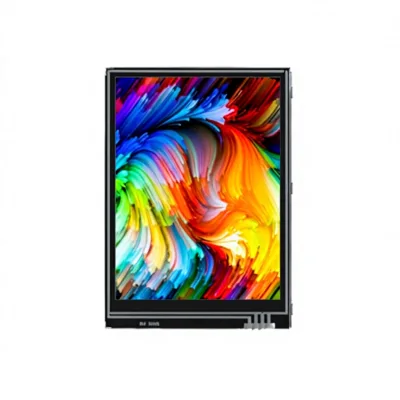
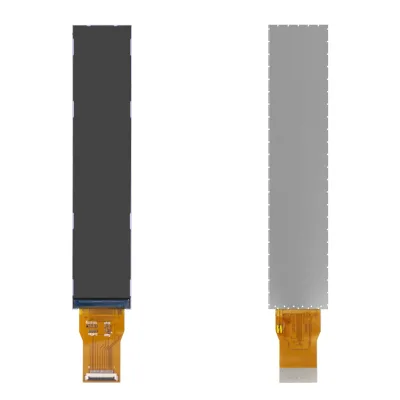
Industrial Grade 4.5inch 480*854 RGB TFT LCD Panel Display for Interactive Display
$5.00 - $7.00
MOQ: 1 Pieces


Saide Display (Shenzhen) Co., Ltd
- Verified by SGS
- Trading Company
- China Guangdong
- Lead time15 days
- Avg. response≤ 3h
Main productsIndustrial Touch Screen, Industrial Panel PC, HMI Display, Open Frame Monitor, Rugged Monitor, Waterproof Monitor, Sunlight Readable Display, Medical Grade Touch Screen Display, Marine Grade Touch Screen Monitor, Industrial LCD Module
Main marketsDomestic,Europe
Shenzhen Lianxun Optronics Co., Ltd.
- Verified by SGS Group
- Manufacturer, Trading Company
- Lead time20 days
- Avg. response≤ 9h
Main productsLCD Module, TFT LCD, OLED, Resistive Touch Panel, Capacitive Touch Panel
Main marketsDomestic Market(61%), North America(12%), Southern Europe(6%)
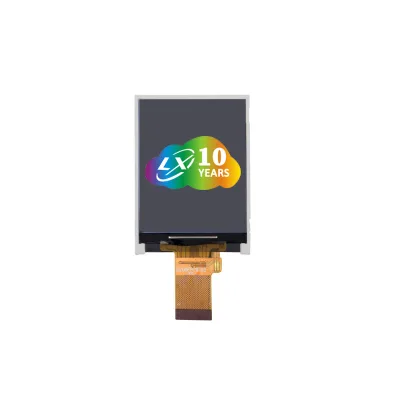
$2.0702 - $5.0692
MOQ: 1 pieces
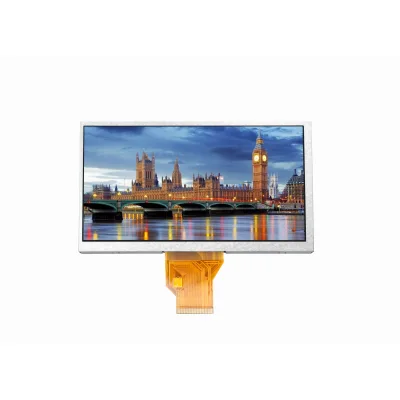
7.0 Inch 800(RGB)* 480 Pixels 6 H Viewing Angle TFT lcd display Screen with 24 Bit RGB Interface
$8.00 - $12.00
MOQ: 50 Minimum
Changsha Jiarui Technology Co.,ltd
- Trading Company
- Hunan, China
- Lead time0 days
- Avg. response≤ 4h
Main productssegment LCD display,LCD Module,graphic lcd,character lcd,TFT LCD
Main marketsEastern Asia(20.00%), Southeast Asia(20.00%), South America(10.00%), Mid East(10.00%), North America(10.00%), South Asia(10.00%), Eastern Europe(5.00%), Southern Europe(5.00%), Northern Europe(5.00%), Western Europe(5.00%)
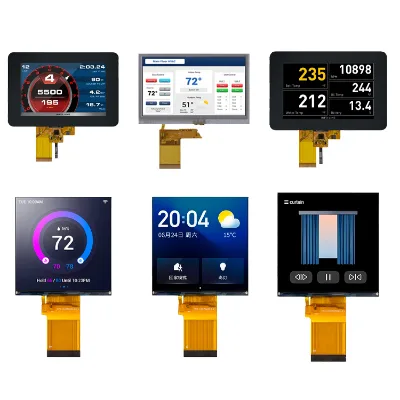
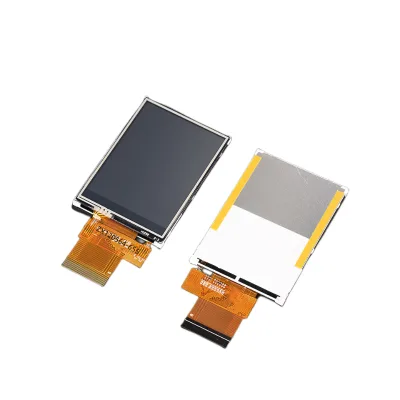
Custom Tft Interface 2.8 Capacitive Panel Lcd Screen Small Color Tft Lcd Display
$2.00 - $10.50
MOQ: 10 Minimum
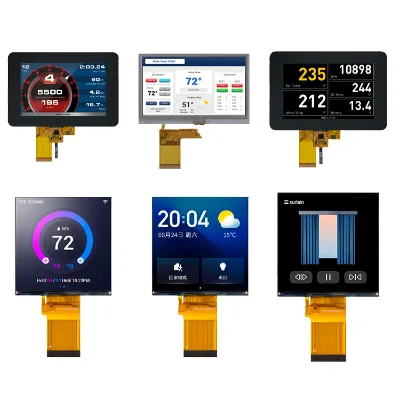
Manufacturer 2.8 inch 240*320 tft lcd display hot sell lcd screen display
$1.80 - $4.50
MOQ: 10 Minimum
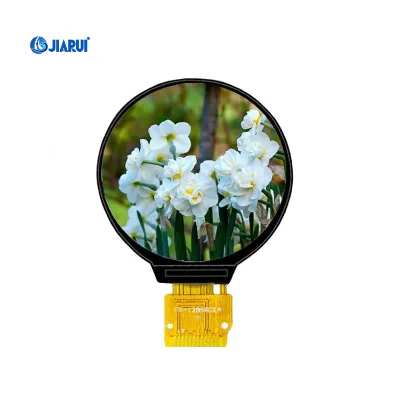
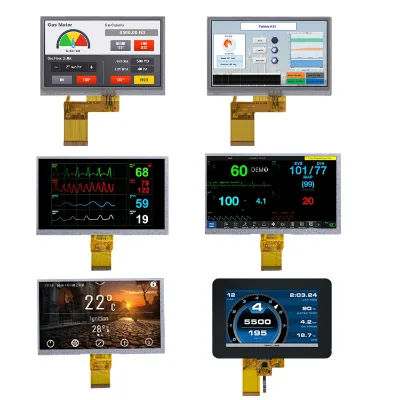
2.4 Inch Liquid Crystal Display Module 240x320 TFT LCD Display With Touch
$2.00 - $10.50
MOQ: 10 Minimum
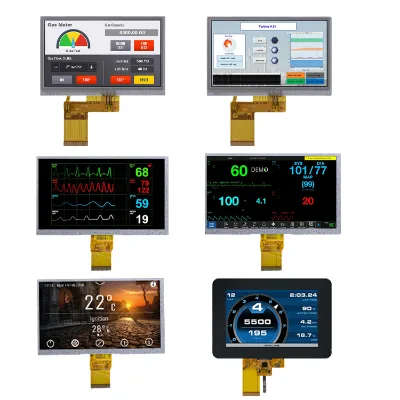
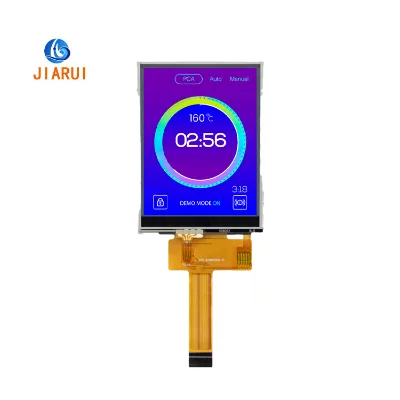
High Brightness 2.4 Inch 240rgbx320 Lcd Module Tft Display For Multimedia Device
$1.80 - $4.50
MOQ: 10 Minimum

Shenzhen Hzy Photoelectric Technology Co., Ltd.
- Verified by TUVRHEINLAND
- Combined
- China Guangdong
- Lead time30 days
- Avg. response≤ 4h
Main productsLCD Display, LCD Module, LCD Screen, LCD Panel, Liquid Crystal Display, TFT LCD Display, TFT LCD, Monochrome LCD Display, Backlight
Main marketsSouth America,Others(foreignTradeCapacity.exportBusinessCapacityMarketOther)
Shenzhen Chenghao Optoelectronic Co., Ltd.
- Manufacturer, Trading Company
- Guangdong, China
- Lead time15 days
- Avg. response≤ 9h
Main productsLCD Display,LCD Screen,Touch Screen,LCD Module,TFT LCD Display
Main marketsDomestic Market(40.00%), North America(13.00%), Eastern Europe(7.00%), South America(5.00%), Southeast Asia(5.00%), Southern Europe(4.00%), Northern Europe(4.00%), Africa(4.00%), Western Europe(4.00%), Eastern Asia(4.00%), Mid East(4.00%), Oceania(4.00%), Central America(1.00%), South Asia(1.00%)
ABELOE (HK) TECHNOLOGY CO., LIMITED
- Verified by SGS Group
- Manufacturer, Trading Company
- Lead time15 days
- Avg. response≤ 3h
Main productsGaming Monitor, Tablet PC, All-in-One Computer, Digital Signage, POS Machine
Main marketsNorthern Europe(30%), North America(20%), Eastern Europe(20%)
Guangzhou Dacai Optoelectronic Technology Co., Ltd.
- Manufacturer
- Guangdong, China
- Lead time30 days
- Avg. response≤ 1h
Main productsIndustrial serial screen,HMI,LCD screen,Smart home serial screen,lcd module
Main marketsSoutheast Asia(15.00%), Eastern Europe(15.00%), South America(10.00%), North America(10.00%)

Shenzhen Leshida Microelectronics Technology Co., Ltd
- Verified by TUVRHEINLAND
- Manufacturer/Factory
- China Guangdong
- Lead time23 days
- Avg. response≤ 5h
Main productsLCD Display, TFT Display, OLED Display, TFT, LCD, OLED, Car LCD, COB Display, Motor LCD, Healthy Equip LCD
Main marketsSouth America,Eastern Europe,Mid East,North America,Southeast Asia,Eastern Asia,Oceania,Western Europe,Africa

Dongguan Chuangzhi Huijia Technology Co., Ltd
- Manufacturer/Factory
- China Guangdong
- Lead time23 days
- Avg. response≤ 6h
Main productsTFT LCD Display, LCD Screen, LCD Display, TFT LCD, Display TFT, Touch LCD, Smart LCD, Digital LCD Display, LCD Module, Graphic LCD
Main marketsSouth America,Eastern Europe,Mid East,North America,Southeast Asia,Eastern Asia,Western Europe


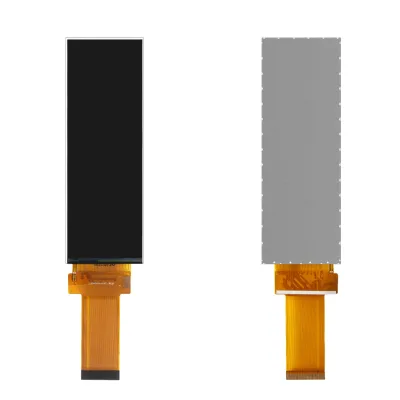
Premium 6.86-Inch TFT Display Panel with 480X1280 Resolution LCD Display
$10.50 - $11.20
MOQ: 1000 Pieces

High Contrast 1.8inch 240*286 Square LCD Display IPS TFT with RGB or Spi Interface
$2.20 - $2.80
MOQ: 1000 Pieces

Changsha Sunman Electronics Co., Ltd.
- Manufacturer, Trading Company
- Hunan, China
- Lead time30 days
- Avg. response≤ 19h
Main productsSegment LCD,Segment LCD With Backlight,Segment LCD Module,Character LCD Module,Graphic LCD
Main marketsDomestic Market(65.00%), North America(15.00%), Eastern Asia(5.00%), Mid East(3.00%), South Asia(2.00%), Western Europe(2.00%), Oceania(1.00%), Eastern Europe(1.00%), South America(1.00%), Africa(1.00%), Southern Europe(1.00%), Northern Europe(1.00%), Central America(1.00%), Southeast Asia(1.00%)
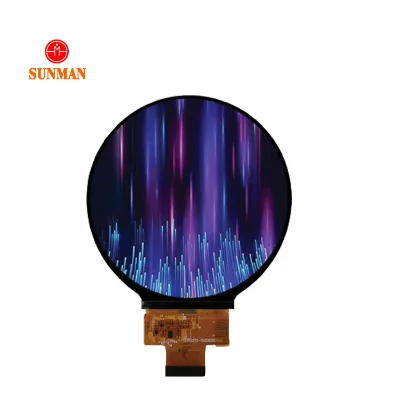
Custom tft screen 1.28 1.6 2.1 2.76 3.4 3.6 4.0 5.0 inch tft round lcd display
$17.50 - $17.90
MOQ: 10 pieces
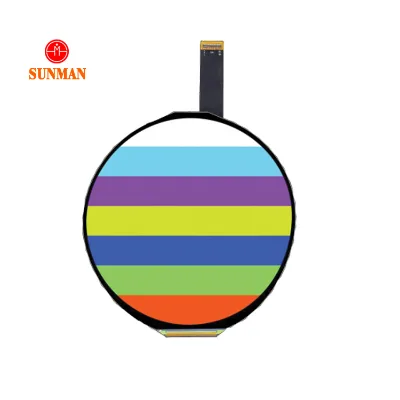
$43.50 - $44.50
MOQ: 1 pieces
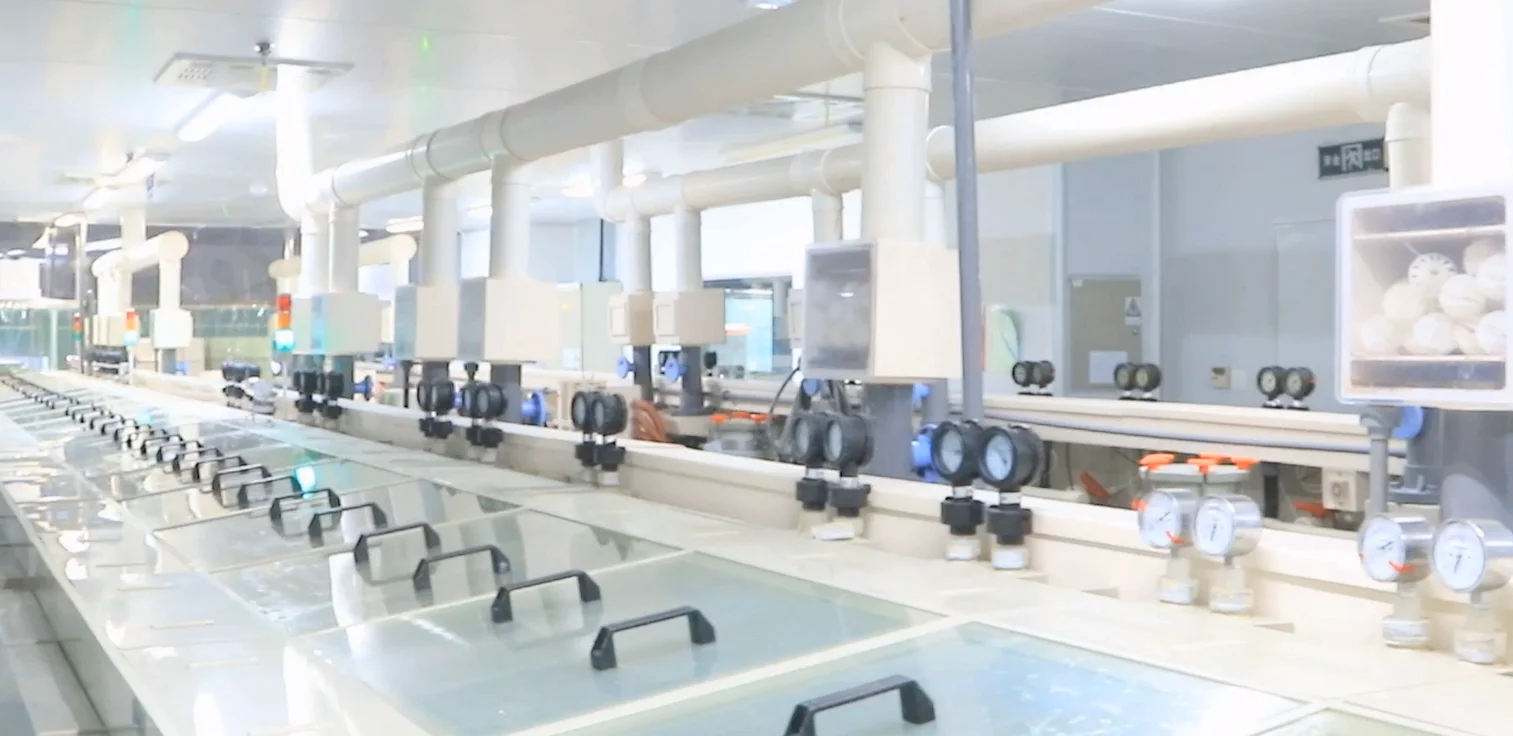
Anhui Golden Vision Optoelectronic Technology Co., Ltd.
- Manufacturer, Trading Company
- Anhui, China
- Lead time30 days
- Avg. response≤ 2h
Main productsMonochrome LCD Screen,TFT LCD Screen,Serial Port Screen,Touch LCD Display,Knob Screen
Main marketsNorth America(40.00%), Southeast Asia(25.00%), Central America(20.00%), Southern Europe(2.00%), Northern Europe(2.00%), Oceania(2.00%), Eastern Europe(2.00%), Western Europe(2.00%), South Asia(1.00%), Eastern Asia(1.00%), Mid East(1.00%), Africa(1.00%), South America(1.00%)
Shenzhen Dongxingqiang Technology Co., Ltd.
- Manufacturer, Trading Company
- Guangdong, China
- Lead time5 days
- Avg. response≤ 2h
Main productsTFT LCD Display, OLED Display, Monochrome Display, Flexible Display
Main marketsWestern Europe(40.00%), North America(30.00%), Eastern Europe(10.00%), Oceania(5.00%), Eastern Asia(5.00%), Northern Europe(5.00%), Africa(5.00%)

Mingshang Technology Co., Ltd.
- Manufacturer/Factory,Group Corporation
- China Guangdong
- Lead time23 days
- Avg. response≤ 5h
Main productsRear View Camera, Mobile DVR, Rear View System, Wireless Camera System, Vehicle Safety System, Ai Camera, 360 Camera System, Adas, DMS, Bsd
Main marketsEastern Europe,North America,Western Europe
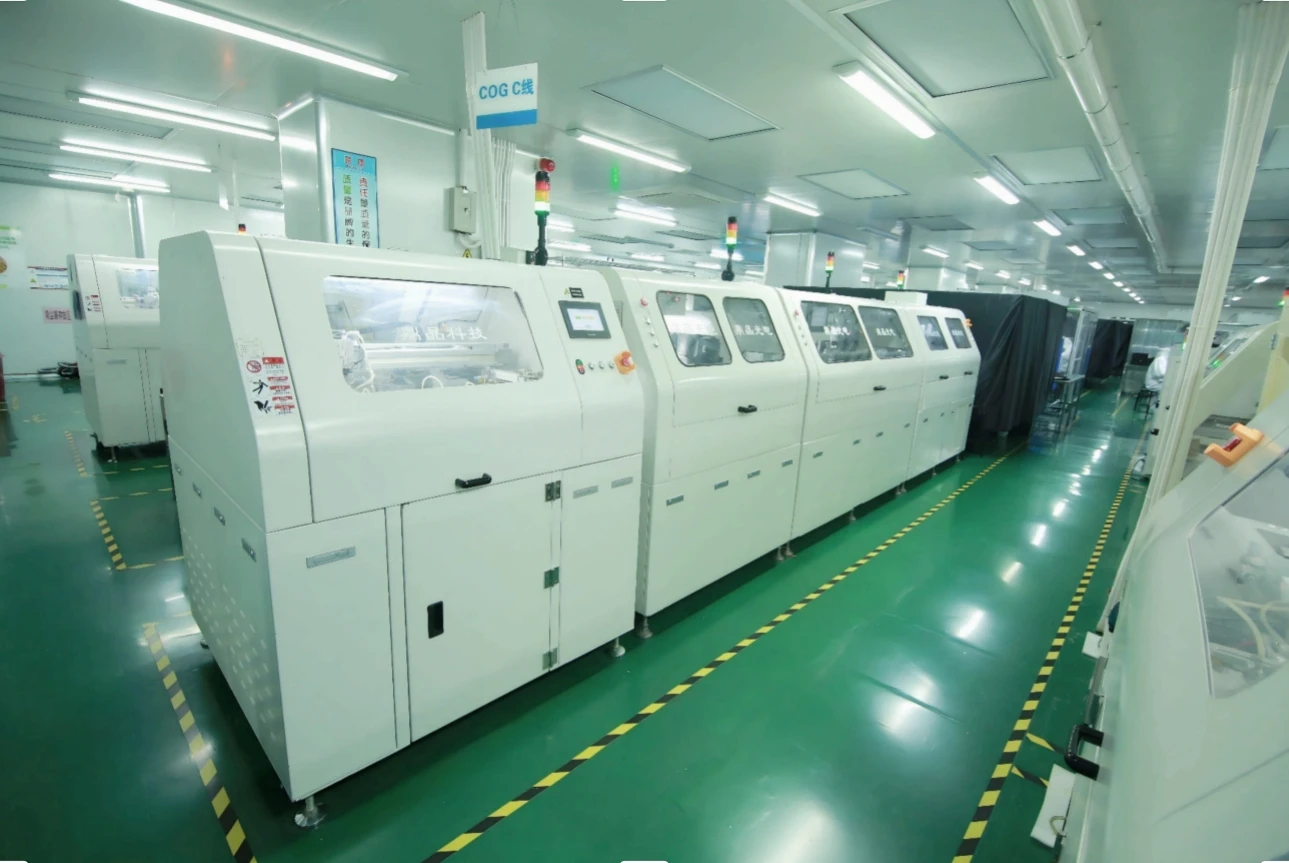
Shenzhen Dinsen Display Co., Ltd.
- Manufacturer
- Guangdong, China
- Lead time15 days
- Avg. response≤ 1h
Main productsLCD Display Module,Monochrome LCD Display,OLED Display,TFT LCD Display,Mobile LCD Display
Main marketsNorth America(20.00%), Northern Europe(15.00%), Eastern Europe(15.00%), Western Europe(15.00%), Southeast Asia(10.00%), Central America(10.00%), South America(10.00%), Southern Europe(5.00%)
Huaxin Display Technology (SZ) Co., Ltd.
- Manufacturer
- guangdong, China
- Lead time60 days
- Avg. response≤ 3h
Main productsTFT LCD Modules,IPS LCD Module,OLED Dsiplay,Touch Screen,UART Display
Main marketsDomestic Market(20.00%), North America(20.00%), Eastern Asia(15.00%), Eastern Europe(8.00%), Western Europe(6.00%), Northern Europe(6.00%), Southeast Asia(5.00%), South America(5.00%), Africa(5.00%), Oceania(2.00%), South Asia(2.00%), Southern Europe(2.00%), Mid East(2.00%), Central America(2.00%)
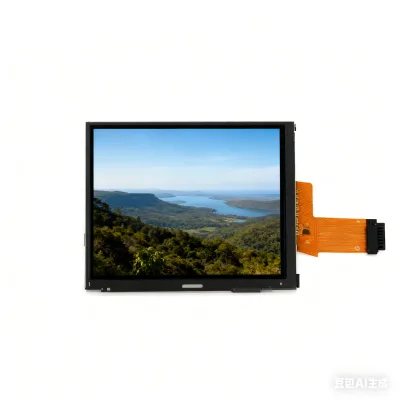
$12.339 - $20.563
MOQ: 10 pieces
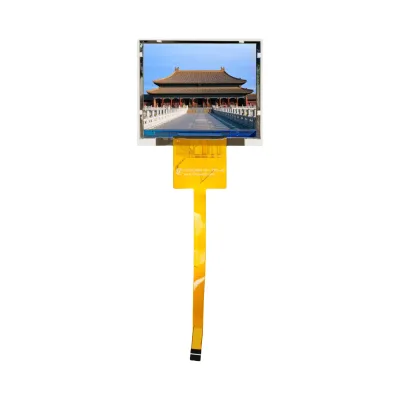

Zhaoxin (Shenzhen) Digital Technology Co., Ltd.
- Manufacturer
- Guangdong, China
- Lead time10 days
- Avg. response≤ 3h
Main productsLCD display Modules,LCD Touch Screen,commercial display,custom lcd display,IC
Main marketsNorth America(15.00%), Western Europe(14.00%), Northern Europe(10.00%), Mid East(10.00%), Domestic Market(9.00%), Eastern Europe(8.00%), Southeast Asia(6.00%), Eastern Asia(6.00%), Central America(5.00%), South America(5.00%), Africa(5.00%), Oceania(3.00%), Southern Europe(2.00%), South Asia(2.00%)
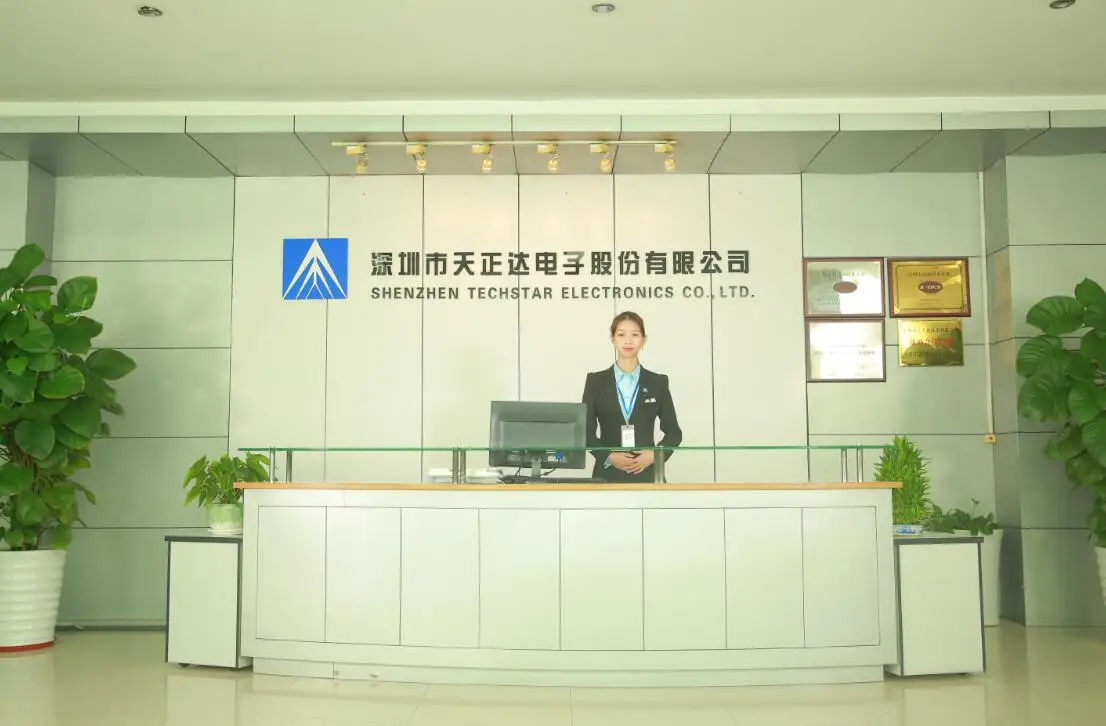
Shenzhen Tianzhengda Electronics Co., Ltd.
- Manufacturer, Trading Company
- Guangdong, China
- Lead time15 days
- Avg. response≤ 5h
Main productsLCD Module,LCM display,AMOLED Module,Touch Screen,TFT LCD Screen
Main marketsNorth America(30.00%), Eastern Asia(25.00%), Domestic Market(25.00%), Southeast Asia(10.00%), Western Europe(10.00%)
Shenzhen Eurotech Technology Co., Ltd.
- Manufacturer, Trading Company
- Guangdong, China
- Lead time3 days
- Avg. response≤ 4h
Main productsLCD With Driver Board, OLED, Touch Screen, Cover Lens, Customize LCD
Main marketsNorth America(46.00%), Domestic Market(30.00%), Western Europe(5.00%), Southern Europe(5.00%), Northern Europe(5.00%), Eastern Europe(5.00%), South America(4.00%)
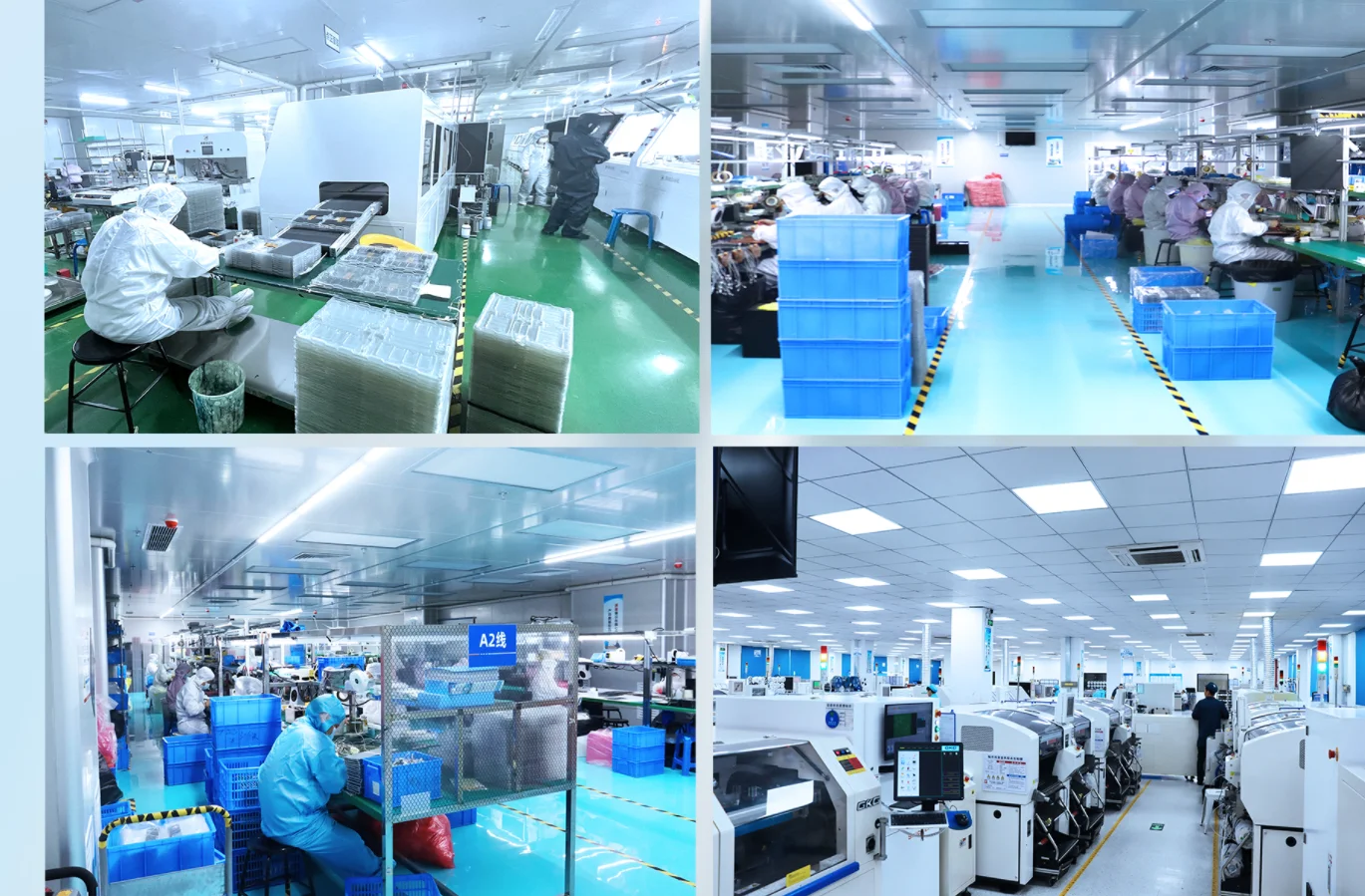
HongKong JiaHong Electronic Technology Co., Limited
- Trading Company
- Hong Kong S.A.R.
- Lead time7 days
- Avg. response≤ 2h
Main productsLCD module,LCD display screen,LCD driver board kit,capacitive touch screen,Intelligent display module
Main marketsDomestic Market(30.00%), North America(30.00%), Mid East(10.00%), Southeast Asia(10.00%), Eastern Europe(5.00%), South Asia(5.00%), Central America(5.00%), Northern Europe(3.00%), Southern Europe(2.00%)

- Trading Company,Manufacturer/Factory
- China Guangdong
- Lead time23 days
- Avg. response≤ 6h
Main productsLCD Display, LCD Screen, LCD Module, Character LCD, LED Backlight Display, LCD Monitor, TFT Display, LCD Panel, LCM, 7 Segment LED Display
Main marketsSouth America,Eastern Europe,Mid East,North America,Southeast Asia,Eastern Asia,Oceania,Western Europe,Africa

3.0inch 360*640dots TFT LCD Display with Optional Touch Panel 2.97inch TFT
$6.88 - $7.58
MOQ: 400 Pieces


Shenzhen Hongjing Electronic Co., Ltd.
- Verified by TüVRheinland
- Manufacturer, Trading Company
- Lead time0 days
- Avg. response≤ 4h
Main productsLCD Module, Custom LCD, TFT LCD Display Screen, Capacitive Touch Panel, LCD Control Board
Main marketsNorth America(20%), Southeast Asia(20%), Mid East(20%)
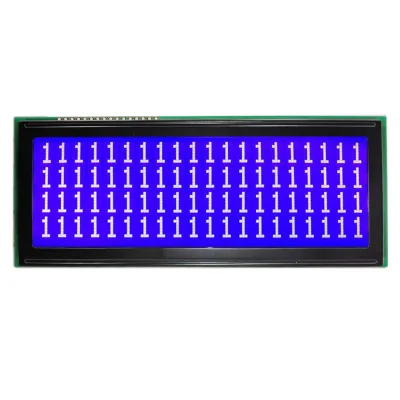
Custom Flexible Transparent TFT LCD Display Screen with Blue Backlight Character Display Module
$3.50 - $5.20
MOQ: 1 pieces
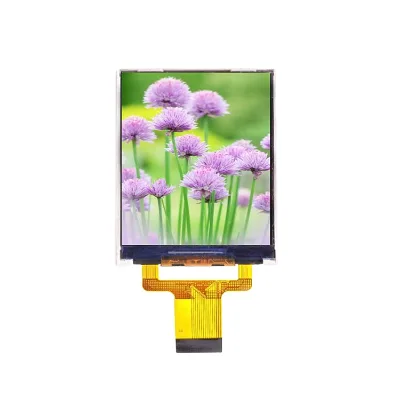
$1.60 - $2.40
MOQ: 1 pieces








Comprehensive Sourcing Guide
Tft Rgb-Stripe Lcd Panel Display Supplier Concentration and Factory Types
The current supplier landscape for TFT RGB-stripe LCD panel displays is heavily concentrated in China, with Guangdong serving as a primary manufacturing hub. This regional focus is significant because it indicates a mature ecosystem for electronic components, including LCD modules, OLED displays, and other related electronic materials. Buyers evaluating potential partners should recognize that this geographic clustering often correlates with established supply chains for raw materials like glass substrates and driver ICs, which are critical for producing high-quality TFT LCD modules. The presence of suppliers in Shenzhen further reinforces this concentration, as the city is a global center for electronics manufacturing and innovation. When assessing suppliers, it is important to note that the company types in this sector vary, ranging from trading companies to manufacturers and group corporations. This diversity means that buyers must carefully distinguish between entities that actually produce the goods and those that facilitate trade, as this distinction impacts quality control, customization capabilities, and direct communication.
Understanding the specific factory type is crucial for determining the level of customization and technical support available. Many suppliers in this region offer both OEM and ODM services, allowing buyers to tailor products to specific application needs, such as graphic design, surveillance, or mobile phone interfaces. The main products listed by these suppliers often include a wide array of display technologies, from standard TFT LCDs to more specialized options like COB and COG LCD displays. This breadth of product offerings suggests that many factories have versatile production lines capable of handling different drive modes, such as static or multiplex drive LCD modules. Buyers should leverage this information to identify suppliers whose core competencies align with their specific technical requirements, whether they need a simple counting module or a complex graphic display with capacitive touch capabilities. The concentration in Guangdong also implies that logistics and shipping infrastructure are well-developed, which can facilitate faster turnaround times for orders.
How to Verify Tft Rgb-Stripe Lcd Panel Display Suppliers
Verification is a critical step in ensuring the reliability and quality of TFT RGB-stripe LCD panel display suppliers. Buyers should prioritize suppliers who have undergone third-party verification processes, as these provide an additional layer of trust and assurance. In the current market, some suppliers have been verified by recognized agencies such as SGS and BV, which indicates that their business operations and product quality have been scrutinized by independent experts. This verification status is a strong indicator of a supplier’s commitment to maintaining high standards and transparency in their business practices. Buyers should look for these verification badges or statements on supplier profiles, as they serve as a quick filter for identifying credible partners. Additionally, the presence of system certifications such as ISO 9001, ISO 14001, and TS 16949 further demonstrates a supplier’s adherence to international quality and environmental management standards. These certifications are particularly important for buyers in industries with strict regulatory requirements, such as automotive or medical electronics.
Beyond certifications, buyers should assess the supplier’s responsiveness and communication efficiency, as these factors can significantly impact the sourcing process. Response times are a key metric for evaluating how quickly a supplier can address inquiries, provide quotations, and resolve issues. In this sector, some suppliers have demonstrated response times of around 1.21 hours, while others may take longer, such as 3.88 hours. Faster response times often correlate with better customer service and a more proactive approach to problem-solving. Buyers should also consider the supplier’s ability to provide detailed product specifications and technical support. For instance, suppliers offering products with specific attributes like IPS viewing angles, surface acoustic wave touch screens, or specific drive modes should be able to provide comprehensive documentation and samples. By combining verification status, certifications, and responsiveness metrics, buyers can build a more accurate picture of a supplier’s reliability and capability to meet their sourcing needs.
What to Compare Across Tft Rgb-Stripe Lcd Panel Display Suppliers
When comparing suppliers for TFT RGB-stripe LCD panel displays, buyers should focus on key operational metrics such as lead times, minimum order quantities (MOQs), and pricing structures. Lead times vary among suppliers, with some offering a lead time of 23 days and others taking up to 30 days. This difference can be significant for buyers with tight production schedules or urgent project deadlines. It is essential to clarify whether the lead time includes production, testing, and shipping, as this affects the overall timeline. Similarly, MOQs can range widely, from as low as 1 unit for sample orders to 1000 units for bulk production. Buyers should align their order volumes with the supplier’s MOQ policies to avoid unnecessary costs or inventory issues. Pricing is another critical factor, with prices for TFT LCD modules ranging from approximately $0.13 to $2.00 per unit, depending on specifications such as screen size, resolution, and touch capabilities. Buyers should request detailed quotations that break down costs by unit price, tooling fees, and shipping charges to ensure transparency.
In addition to operational metrics, buyers should compare the technical specifications and customization options offered by different suppliers. Some suppliers provide products with specific drive modes, such as static drive or multiplex drive LCD modules, and offer various display technologies like TFT, FSTN, or STN. The availability of customization services, including OEM and ODM capabilities, allows buyers to tailor products to their specific application requirements. Buyers should also evaluate the supplier’s product range, as some may specialize in small-sized LCMs while others offer a broader selection of displays for different applications. By comparing these technical and commercial aspects, buyers can identify suppliers that best match their project needs. It is also important to consider the supplier’s ability to provide consistent quality and after-sales support, as these factors contribute to the long-term success of the sourcing relationship.
Common Tft Rgb-Stripe Lcd Panel Display Sourcing Risks
Sourcing TFT RGB-stripe LCD panel displays from international suppliers involves several potential risks that buyers must manage carefully. One significant risk is the variability in product quality and consistency, which can arise from differences in manufacturing processes and quality control standards. Even with certifications like ISO 9001, there may be variations in the performance of individual batches, particularly if the supplier lacks rigorous testing protocols. Buyers should mitigate this risk by requesting samples and conducting thorough testing before placing large orders. Another risk is the potential for delays in delivery, which can disrupt production schedules and lead to additional costs. Lead times can be affected by factors such as raw material shortages, production bottlenecks, or logistical challenges. Buyers should maintain open communication with suppliers and establish clear expectations regarding delivery timelines and contingency plans for potential delays.
Intellectual property and customization risks are also prevalent in this sector, especially when working with suppliers that offer OEM and ODM services. Buyers must ensure that their designs and specifications are protected through appropriate legal agreements and that the supplier adheres to confidentiality clauses. There is also a risk of miscommunication regarding technical specifications, which can result in products that do not meet the buyer’s requirements. To minimize this risk, buyers should provide detailed and unambiguous specifications and confirm understanding with the supplier before production begins. Additionally, buyers should be aware of the potential for currency fluctuations and changes in shipping costs, which can impact the final price of the order. By identifying and proactively managing these risks, buyers can enhance the reliability and efficiency of their sourcing process for TFT RGB-stripe LCD panel displays.
Tft Rgb-Stripe Lcd Panel Display Regional Sourcing and Logistics
The concentration of TFT RGB-stripe LCD panel display suppliers in China, particularly in Guangdong and Shenzhen, offers both advantages and challenges for international buyers. On the positive side, this regional clustering provides access to a robust supply chain and a wide variety of suppliers, which can facilitate competitive pricing and faster access to products. The well-developed logistics infrastructure in these areas supports efficient shipping and handling of electronic components, reducing the risk of damage during transit. However, buyers must also consider the complexities of international shipping, including customs clearance, import duties, and potential delays due to global logistics disruptions. Understanding the specific shipping terms and responsibilities is crucial for managing costs and timelines effectively. Buyers should work with suppliers who have experience in exporting to their target markets and can provide accurate estimates for shipping costs and delivery times.
Logistics planning should also account for the specific requirements of LCD panel displays, which are sensitive to environmental conditions such as temperature and humidity. Proper packaging and handling are essential to prevent damage during transit, and buyers should verify that suppliers use appropriate packaging materials and methods. Some suppliers offer standard export packaging, while others may provide customized packaging solutions to meet specific buyer requirements. Buyers should also consider the impact of lead times on inventory management, as longer lead times may require higher safety stock levels. By carefully planning logistics and working with experienced suppliers, buyers can minimize risks and ensure the timely delivery of TFT RGB-stripe LCD panel displays. Additionally, buyers should stay informed about changes in trade regulations and shipping policies that may affect their sourcing operations.
Tft Rgb-Stripe Lcd Panel Display Commercial Terms and Order Planning
Effective order planning for TFT RGB-stripe LCD panel displays requires a clear understanding of commercial terms and payment structures. Buyers should negotiate favorable payment terms that align with their cash flow needs and risk tolerance, such as using escrow services or letter of credit arrangements to secure transactions. It is important to clarify the Incoterms used for shipping, as this determines the responsibilities and costs associated with transportation and insurance. Buyers should also establish clear quality acceptance criteria and return policies to address any issues that may arise after delivery. By defining these commercial terms upfront, buyers can avoid misunderstandings and ensure a smooth transaction process. Additionally, buyers should consider the total cost of ownership, including not only the unit price but also shipping, duties, and potential rework costs, to make informed sourcing decisions.
Order planning should also take into account the supplier’s production capacity and lead times to ensure timely delivery. Buyers should communicate their volume requirements and delivery schedules clearly to the supplier and confirm that the supplier can meet these expectations. For large orders, buyers may need to place advance orders or secure production slots to guarantee availability. It is also advisable to establish a long-term relationship with a reliable supplier to benefit from consistent quality and potential volume discounts. By carefully planning orders and managing commercial terms, buyers can optimize their sourcing strategy for TFT RGB-stripe LCD panel displays and achieve better value and reliability in their supply chain. Regular review and adjustment of sourcing strategies based on market conditions and supplier performance are essential for maintaining a competitive edge.
FAQs
What is the typical lead time for TFT LCD panel orders?
The typical lead time for these orders is 23 days based on current supplier data. Some suppliers offer a 30-day lead time for specific models. Buyers should confirm exact delivery schedules before placing large orders to ensure production timelines are met.
What are the minimum order quantities for TFT LCD modules?
Minimum order quantities vary by product model, ranging from 1 unit to 1000 units. Some standard panels require 500 units, while others start at 1000 units. Buyers must check specific product listings to determine the exact MOQ required for their selected display type.
Which certifications do these suppliers hold for quality assurance?
Suppliers hold certifications including ISO 9001, ISO 14001, and TS 16949 for quality management. Some also possess OHSAS 18001 and SGS verification status. These credentials indicate adherence to international standards for manufacturing processes and environmental safety protocols.
What is the price range for TFT LCD display panels?
Prices for TFT LCD panels range from 0.13 to 2.00 USD per unit depending on specifications. Specific models like the 2.7-inch display are priced at 2.00 USD, while smaller modules may cost as low as 0.13 USD. Final pricing depends on volume and customization requirements.
Where are the manufacturers of these LCD displays located?
Manufacturers are primarily located in Guangdong, China, with specific facilities in Shenzhen. All listed products originate from China, ensuring proximity to major electronic component supply chains. Buyers can expect efficient logistics from these established industrial hubs in southern China.
Do suppliers offer customization services for LCD modules?
Yes, many suppliers offer both OEM and ODM customization services for LCD modules. Customization is available for specific drive modes and display technologies. Buyers should verify if their required specifications align with the available customization options before finalizing their procurement strategy.
What response times can buyers expect from these suppliers?
Supplier response times vary, with some averaging 1.21 hours and others taking up to 3.88 hours. Faster response times are often associated with verified trading companies. Buyers should prioritize suppliers with shorter response times for urgent procurement needs and quick communication.