RC Airplane Brushless Motor ESC Suppliers and Manufacturers
Explore 30 verified options for RC Airplane Brushless Motor ESC from Guangdong factories and trading companies. Compare response times, lead times, and product specifications like voltage and weight before requesting quotes; review the available evidence before requesting comparable quotations from suitable candidates.
Updated
Suppliers List
Shenzhen Futian District Dongheng Xingsheng E -Commerce Firm (individual Business)
- Manufacturer
- Guangdong, China
- Lead time7 days
- Avg. response≤ 3h
Main productsIGBT,IC,PLC,encoder,LCD
Main marketsMid East(30.00%), North America(20.00%), Southeast Asia(20.00%), South America(15.00%), Western Europe(5.00%), Eastern Europe(5.00%), Africa(5.00%)

Shenzhen Gorrwix Electronics Co., Ltd.
- Verified by SGS
- Trading Company
- China Guangdong
- Lead time15 days
- Avg. response≤ 2h
Main productsCommunication Antenna, Fpv Antenna, Fpv Motor, Drone Accessories, 4G/5g Antenna
Main marketsNorth America


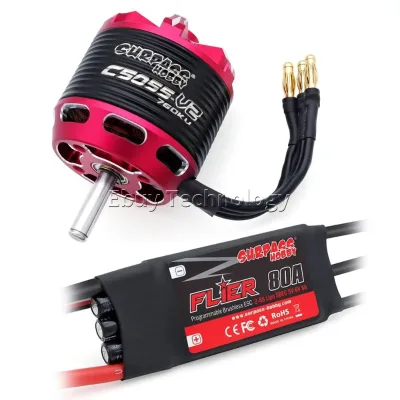
Airplane Outrunner Brushless Motor and Flier ESC Combo for Model Aircraft
$10.00 - $14.00
MOQ: 10 Pieces

RC Plane Helicopter Engine Brushless Outrunner Motors for Aircraft Radio RC Airplane
$10.00 - $14.00
MOQ: 10 Pieces


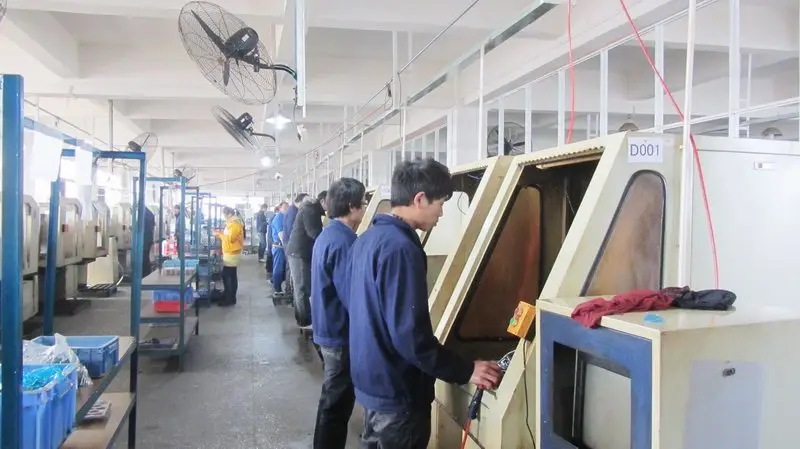
Dongguan Freerchobby Model Co., Ltd.
- Manufacturer, Trading Company
- Guangdong, China
- Lead time10 days
- Avg. response≤ 7h
Main productsDC Motor,Motor Controller,Propeller
Main marketsNorth America(30.00%), Northern Europe(10.00%), Western Europe(10.00%), Mid East(10.00%), Southeast Asia(10.00%), Domestic Market(10.00%), Southern Europe(10.00%), Eastern Europe(5.00%), South America(5.00%)

Shenzhen Nereus Industrial Co., Ltd.
- Verified by TUVRHEINLAND
- Trading Company
- China Guangdong
- Lead time15 days
- Avg. response≤ 2h
Main productsDrone, Electronic Speed Controller, Flight Controller, Brushless Motor, Servo Motor, Video Transmission System, Drone Camera Module, Fpv Camera Module
Main marketsNorth America
Huizhou AGF Electronic Technology Co., Ltd.
- Verified by SGS Group
- Manufacturer, Trading Company
- Lead time5 days
- Avg. response≤ 6h
Main productsServo, Gyro, Receiver, RC Accessory, Electronic Speed Control (ESC)
Main marketsDomestic Market(59%), Eastern Europe(15%), Eastern Asia(14%)
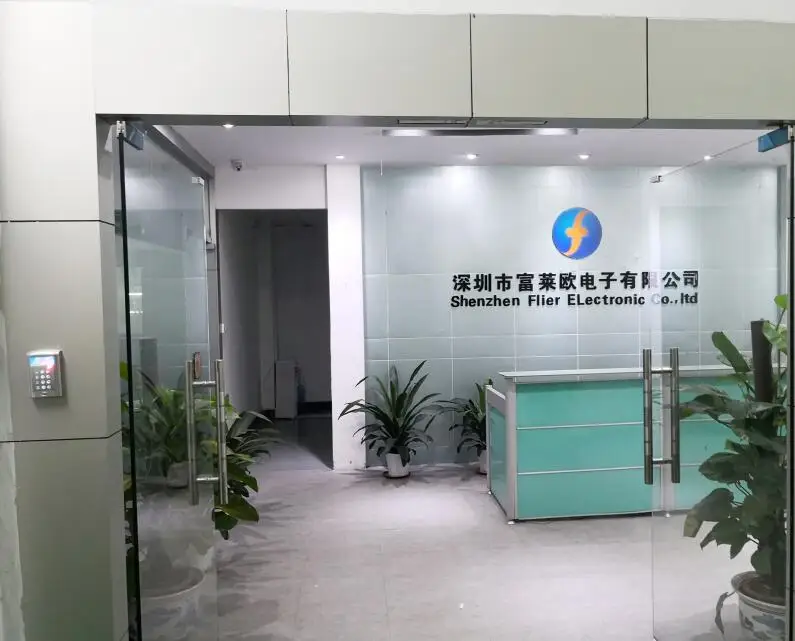
Shenzhen Fulaiou Electronics Co., Ltd.
- Manufacturer
- Guangdong, China
- Lead time7 days
- Avg. response≤ 3h
Main productsBrushless Electronic Speed Controller,Brushless esc,BLDC controller,Electronic speed controller,Motor controller
Main marketsWestern Europe(40.00%), North America(20.00%), South America(10.00%), Northern Europe(10.00%), Eastern Europe(10.00%), South Asia(5.00%), Mid East(5.00%)
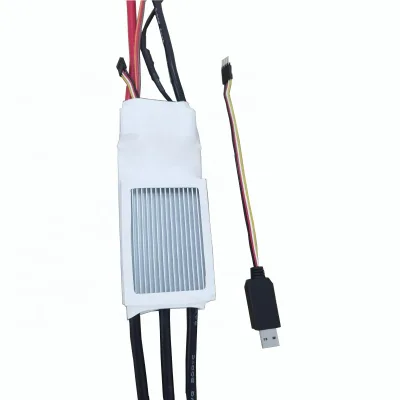
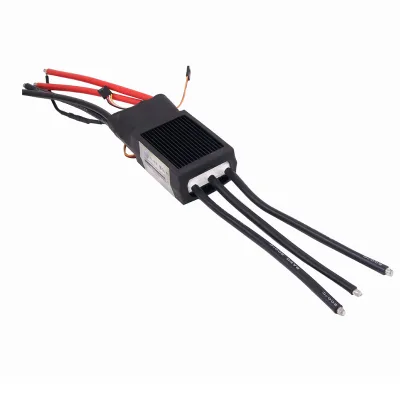
$194.3191 - $213.853
MOQ: 1 pieces
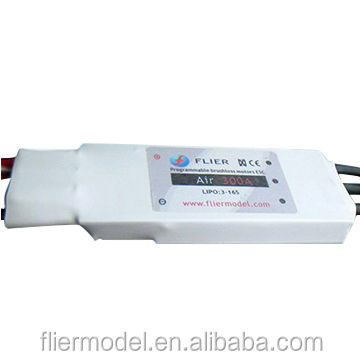
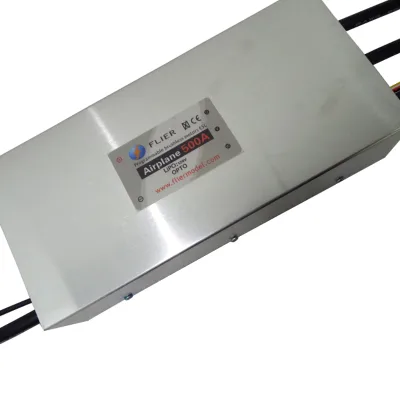
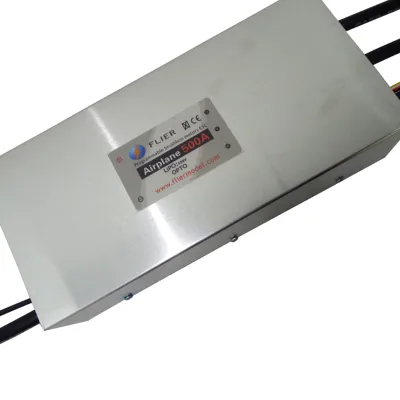
Super 120V RC Airplane/UAV/Paramotor/Paraglider 500A ESC Beginner Electric Helicopter Air Cooled
$443.6986 - $505.8986
MOQ: 1 pieces
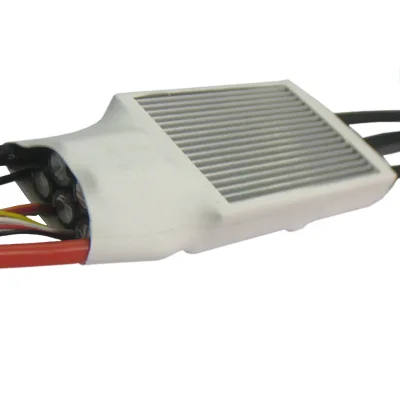
$59.1051 - $97.8284
MOQ: 1 pieces

Hubei ZQ Yun Technology Co.,Ltd
- Verified by BV
- Trading Company,Manufacturer/Factory
- China Hubei
- Lead time45 days
- Avg. response≤ 6h
Main productsDelta Wing Drone, Vtol Drone, Fixed Wing Drone, Agricultural Drone, Agriculture Drone, Delivery Drone, Cargo Drone, Fpv Drone, Drone Battery, Drone Accessories
Main marketsSouth America,Eastern Europe,Mid East,North America,Southeast Asia,Eastern Asia,Oceania,Western Europe,Africa

- Verified by TUVRHEINLAND
- Combined
- China Guangdong
- Lead time15 days
- Avg. response≤ 6h
Main productsBrushless Motor, ESC, Propeller, Drone, Unmanned Aerial Vehicle, Model Power, Robot Dynamics, Underwater Power, Skatboard, Propulsion System
Main marketsDomestic

Vtol Drone /Manned Aircraft Brushless DC Motor 12090 Outrunner 300A ESC for Giant Scale RC Airplane
$295.00 - $335.00
MOQ: 1 Pieces

75V 200A Brushless Flight Controller ESC for Heavy Lift Drone and Robot/Agv/Surfboard Drone Motor
$246.00 - $266.00
MOQ: 9 Pieces

400V 160A Brushless Flight Controller ESC for Heavy Lift Drone and Robot/Agv/Surfboard /Vtol
$2760.00 - $2898.00
MOQ: 4 Pieces

1306 Outrunner High Thrust Brushless Motor for RC Aircraft Airplane Foam Plane
$11.00 - $12.00
MOQ: 9 Pieces

$15.00 - $17.00
MOQ: 50 Pieces

Shenzhen Jiuhang Electronic Technology Co., Ltd.
- Verified by Intertek
- Trading Company
- Lead time7 days
- Avg. response≤ 3h
Main productsBattery Charger, Electronic Speed Controller, Motor
Main marketsSouth Asia(40%), Eastern Asia(30%), North America(20%)
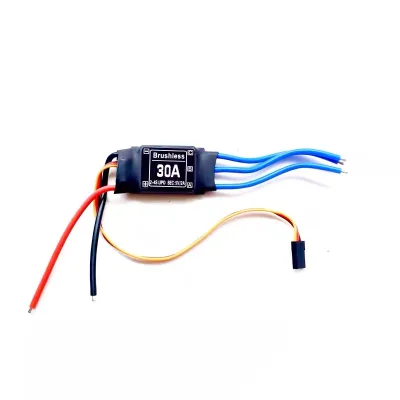
Upgraded XXD 30A 40A Brushless ESC for Fixed Wing RC Aircraft Multirotor Drone and Hobby Models
$3.8094 - $4.0161
MOQ: 1 pieces

Shenzhen Zemei Technology Co., Ltd.
- Verified by SGS
- Trading Company
- China Guangdong
- Lead time15 days
- Avg. response≤ 24h
Main productsUav Drone Accessories, Fpv Drone Accessories, Drone Remote Controller, Drone Propellers, Drone Motors, Drone Mounts, Drone Gimbal Camera, Drone Frame, Agriculture Drone Uav Engine, Drone Flight Control
Main marketsSoutheast Asia/ Mideast
Shenzhen Diamond Dynamics Technology Co., Ltd.
- Manufacturer, Trading Company
- Guangdong, China
- Lead time30 days
- Avg. response≤ 8h
Main productsunderwater Ppropulsorler,brushless Motor,ESC,Waterproof Motor,Servo
Main marketsNorth America(30.00%), Western Europe(10.00%), Mid East(10.00%), Eastern Europe(10.00%), Eastern Asia(8.00%), Southern Europe(5.00%), Northern Europe(5.00%), Central America(5.00%), South Asia(5.00%), Oceania(5.00%), Southeast Asia(5.00%), Africa(2.00%)
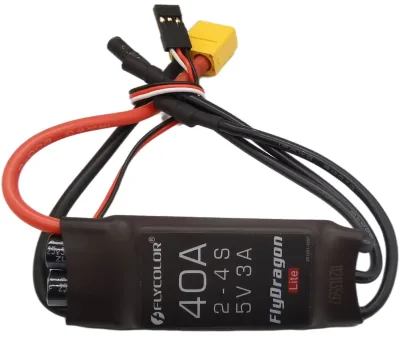
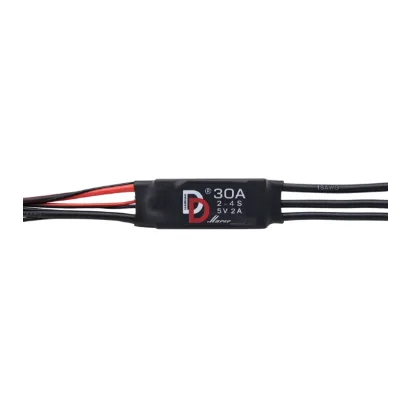
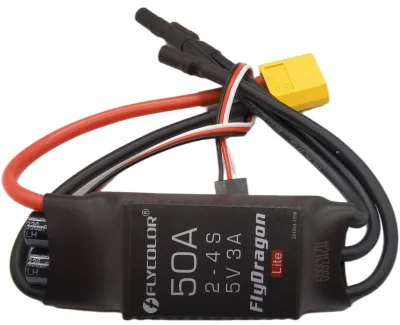
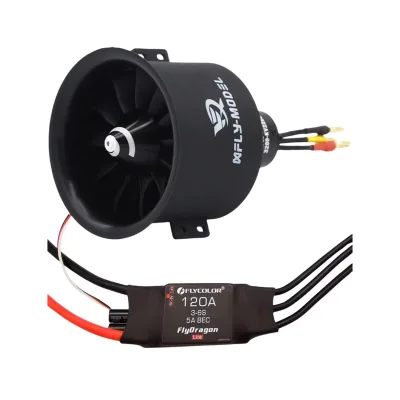
$82.0679 - $131.8285
MOQ: 1 Minimum

Guangzhou Gesai Intelligent Electronic Technology Co., Ltd.
- Manufacturer, Trading Company, Distributor/Wholesaler
- Guangdong, China
- Lead time0 days
- Avg. response≤ 8h
Main productsTethered drone,Data&Video Link,Uav Accessories,UAV ground control station,Gimbal and Mapping CameraUAV Ground Control Station
Main marketsDomestic Market(100.00%), Mid East(80.00%), Southeast Asia(70.00%), North America(70.00%), South Asia(65.00%), Western Europe(60.00%), Central America(60.00%), South America(50.00%), Oceania(50.00%), Eastern Asia(45.00%), Eastern Europe(45.00%), Southern Europe(40.00%), Africa(35.00%), Northern Europe(20.00%)
Shenzhen Huaxunneng Technology Co., Ltd.
- Manufacturer, Trading Company, Distributor/Wholesaler
- Lead time旺季: "1 - 3":16,"> 3":"To be negotiated", 淡季: "1 - 3":16,"> 3":"To be negotiated"
- Avg. response≤ 14h
Main productsFPV drone kits,Blushless motor,FPV camera,FPV Transmitter&Receiver,Flight Controller
Shenzhen Jinxinyi Electronic Co., Ltd.
- Verified by Intertek
- Manufacturer, Trading Company
- Lead time5 days
- Avg. response≤ 5h
Main productsRC Connectors, RC Connector Cable, Silicone Wire
Main marketsDomestic Market(45%), North America(5%), South America(5%)
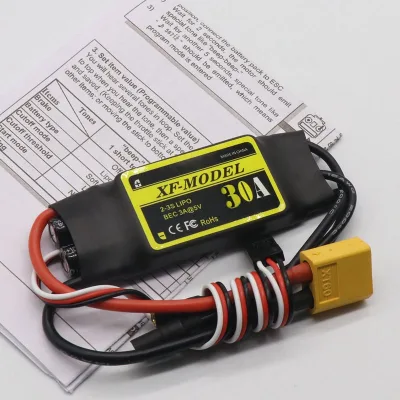
$6.1703 - $25.6008
MOQ: 5 Minimum

Xianning Tyi Model Technology Co., Ltd.
- Verified by SGS
- Combined
- China Hubei
- Lead time23 days
- Avg. response≤ 3h
Main productsAgricultural Drone, Delivery Drone, Fpv Drone, Vtol Drone, Fire Fighting Drone, Drone Motor, Other Drone Accessories, Delta Wing Drone, Switchblade Drone, Lightshow Drone
Main marketsSouth America,Africa,Southeast Asia/ Mideast,East Asia(Japan/ South Korea),Domestic,Europe,Australia,North America
Shenzhen Yimai Technology Limited
- Manufacturer, Trading Company, Distributor/Wholesaler
- Guangdong, China
- Lead time7 days
- Avg. response≤ 3h
Main productsDRONE,DRONE ACCESORIES
Main marketsDomestic Market(10.00%), South Asia(10.00%), Southern Europe(10.00%), Northern Europe(10.00%), Central America(10.00%), Western Europe(10.00%), Eastern Asia(10.00%), Mid East(10.00%), Oceania(10.00%), Africa(10.00%), Southeast Asia(10.00%), Eastern Europe(10.00%), South America(10.00%), North America(10.00%)
ABELOE (HK) TECHNOLOGY CO., LIMITED
- Verified by SGS Group
- Manufacturer, Trading Company
- Lead time15 days
- Avg. response≤ 3h
Main productsGaming Monitor, Tablet PC, All-in-One Computer, Digital Signage, POS Machine
Main marketsNorthern Europe(30%), North America(20%), Eastern Europe(20%)
Chengdu Blackhouse Technology Co., Ltd.
- Trading Company
- Sichuan, China
- Lead time1 days
- Avg. response≤ 1h
Main productsFPV drone,FPV parts,Agricultral Drone PARTS,FPV Cameras,lipo battery
Main marketsNorth America(30.00%), Southeast Asia(20.00%), Northern Europe(20.00%), Eastern Europe(20.00%), Mid East(10.00%)

Dongguan Yuhui Electric Appliance Co., Ltd.
- Verified by CTI
- Combined
- China Guangdong
- Lead time45 days
- Avg. response≤ 5h
Main productsMotor Core, Drone Motors/Accessories, Turbo Jet Fan, BLDC Motor, Stator Core Laminations, Fixed Rotor Iron Core Mold, Electric Tool Iron Core, New Energy Vehicle Iron Core, High Speed Hair Dryer
Main marketsSoutheast Asia/ Mideast,East Asia(Japan/ South Korea),Domestic,Europe,North America

5215 Powerful Thrust High Speed Multi Rotor Drone Brushless Drone Motor with ESC and Propeller
$30.00 - $40.00
MOQ: 10 pieces


EV Craft 2836 1120kv RC Brushless Motor Drone Motor for RC Helicopter Fixed Wing Robotic Uav
$9.00 - $11.00
MOQ: 100 pieces

D2830 750kv 850kv 1000kv 1300kv Brushless Motor for RC Multicopter Drone Helicopter Airplane
$10.00 - $12.00
MOQ: 10 pieces

$9.00 - $12.00
MOQ: 10 pieces
Heyuan Jiayi Electronic Technology Co., Ltd.
- Trading Company
- Lead time旺季: "1 - 1000":7,"> 1000":"To be negotiated", 淡季: "1 - 1000":7,"> 1000":"To be negotiated"
- Avg. response≤ 3h
Main productsSilicone Wire, Amass Connector, RC Servo, Drone Accessories, FlySky Remote Control
$6.5373 - $24.6256
MOQ: 2 Minimum
$3.6941 - $14.3658
MOQ: 5 Minimum
Shenzhen Fengfei Electronics Co., Ltd.
- Manufacturer, Trading Company, Distributor/Wholesaler
- Guangdong, China
- Lead time10 days
- Avg. response≤ 13h
Main productsElectronics,Drone accessories,FPV accessories,battery
Main marketsEastern Europe(50.00%), South Asia(5.00%), Southern Europe(5.00%), North America(5.00%), Northern Europe(5.00%), Western Europe(5.00%), Eastern Asia(5.00%), Mid East(5.00%), Africa(5.00%), Southeast Asia(5.00%), South America(5.00%)
Wuhan Darmi Technology Co., Ltd.
- Trading Company
- Hubei, China
- Lead time0 days
- Avg. response≤ 6h
Main productsDrones Accessories,Flight controller,remote controller,motor and ESC,Battery and charger
Main marketsEastern Europe(30.00%), Western Europe(20.00%), Southern Europe(10.00%), North America(10.00%), South Asia(5.00%), Southeast Asia(5.00%), Central America(5.00%), South America(5.00%), Mid East(5.00%), Africa(5.00%)

Shenzhen Cool-Young Technology Co., Ltd.,
- Manufacturer, Trading Company
- Guangdong, China
- Lead time0 days
- Avg. response≤ 3h
Main productsDrone,Anti-Drone,Drone Accessories,Drone Antennas,Drone Signal Amplifier
Main marketsSouth America(30.00%), North America(30.00%), Northern Europe(10.00%), Western Europe(10.00%), South Asia(5.00%), Africa(5.00%), Central America(5.00%), Southeast Asia(5.00%)

Guangzhou Yuyun Power Technology Co., Ltd.
- Trading Company
- China Guangdong
- Lead time23 days
- Avg. response≤ 3h
Main productsDrone, Fpv, Drone Accessories, Drone Battery, Uav Engine, Electronic Speed Controller(ESC), Video Transmitter(Vtx), Flight Controller(FC) , Tx Module, Motor
Main marketsSouth America,Eastern Europe,Mid East,North America,Southeast Asia,Eastern Asia,Oceania,Western Europe,Africa

Shanghai Meichu Industrial Co., Ltd.
- Verified by SGS
- Trading Company
- China Shanghai
- Lead time30 days
- Avg. response≤ 2h
Main productsDC Motor, AC Motor, Warm Blower, Centrifugal Fan, Linear Actuator, DC Motor Geared, DC Gear Motor, DC Motor with Worm Gear Box, Brushless DC Motor, 3-Phase AC Motor
Main marketsOthers(foreignTradeCapacity.exportBusinessCapacityMarketOther),Europe,North America


45V DC Brushless Motor for Drone Brushless DC Motor for Model Uav Aircraft
$100.51 - $105.79
MOQ: 100 pieces

Shenzhen Gold Best Automation Co., Ltd.
- Verified by BV
- Trading Company
- China Guangdong
- Lead time23 days
- Avg. response≤ 3h
Main productsAutomatic Dispensing Robot Series, Automatic Locking Screw Robot Series, Automatic Soldering Robot Series, Standard Transmission Platform Series, Printer Machines Series, Diesel Generator Series
Main marketsDomestic

$19.40 - $23.40
MOQ: 100 Pieces

$19.40 - $23.40
MOQ: 100 Pieces
Jiangxi Kufei Intelligent Technology Co., Ltd.
- Verified by SGS Group
- Manufacturer, Trading Company
- Lead time20 days
- Avg. response≤ 3h
Main productsFPV Drone, Drone Motors, FPV Stacks, FPV Cameras, Fiber Optic

Padi Fly Technology Company Limited
- Verified by CTI
- Trading Company,Manufacturer/Factory
- China Guangdong
- Lead time15 days
- Avg. response≤ 2h
Main productsAnti-Drone Modules, Fpv Drones, Drone Detections, Drone Optical Fiber, Anti Fpv Module, Drone Defense, Fpv Drone Jammer, Fpv Suppressor, Antenna, Drone Accessories
Main marketsSouth America,Eastern Europe,Mid East,North America,Southeast Asia,Eastern Asia,Western Europe

3115 900kv BLDC Brushless Motor for Fpv Drone Multirotor RC Racing Multicopter
$9.00 - $12.60
MOQ: 1 Pieces

2810 1180kv 1350kv 1500kv 4s-6s Brushless Motor for Fpv Quadcopter Racing Drone RC Aircraft
$5.50 - $7.70
MOQ: 1 Pieces

Lightweight 3115 1250kv Brushless Motor for Fpv Drone Racing Multicopter RC
$9.00 - $12.60
MOQ: 1 Pieces

$9.00 - $12.60
MOQ: 1 Pieces


5215 340kv Fpv Brushless Drone Motor for Long Range Fpv Quadcopter Drone
$35.00 - $62.00
MOQ: 4 Pieces
Dongguan Juhai Electronic Technology Co., Ltd.
- Verified by TüVRheinland
- Manufacturer, Trading Company
- Lead time0 days
- Avg. response≤ 2h
Main productsFPV Drone Batteries, RC Car Lipo Batteries, RC Heli Lipo Battery, RC Boat Batteries, High-Capacity Lithium-Ion Batteries
Main marketsDomestic Market(30%), North America(20%), Northern Europe(15%)
Chengdu Kemanzhuo Technology Co., Ltd.
- Verified by SGS Group
- Trading Company
- Lead time10 days
- Avg. response≤ 5h
Main productsFPV Motor, Flight Controller, Brushless ESC, FPV VTX, FPV Camera
Main marketsEastern Europe(50%), Domestic Market(30%), Southeast Asia(10%)
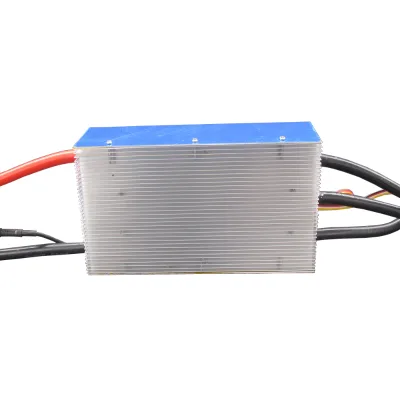
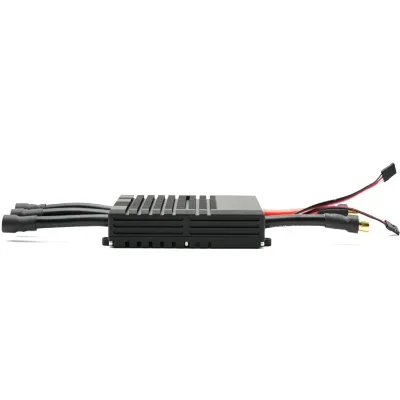


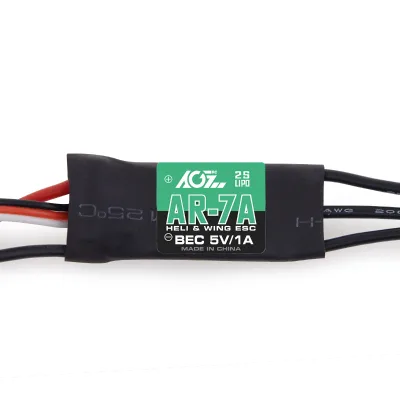
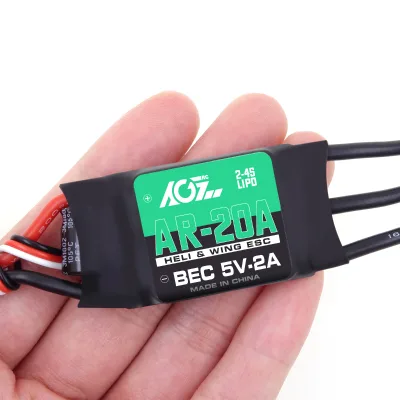




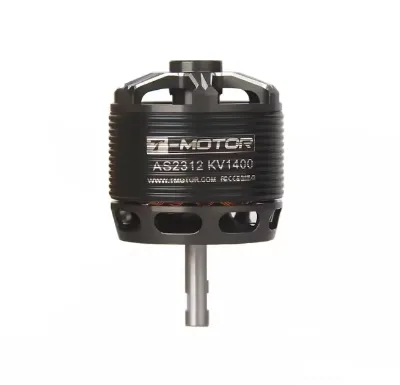
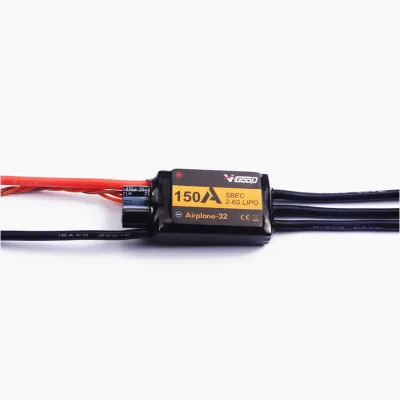
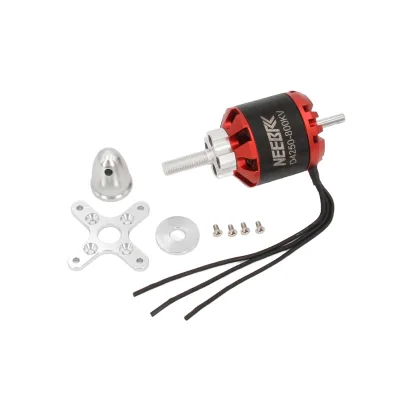
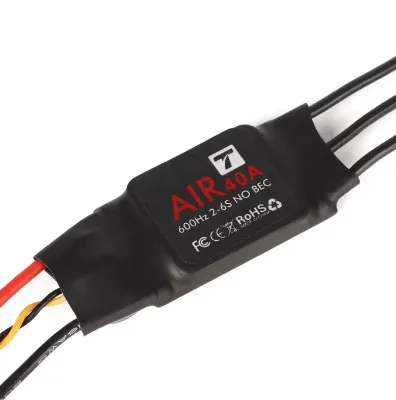
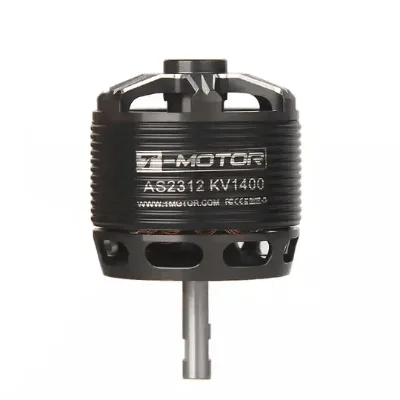
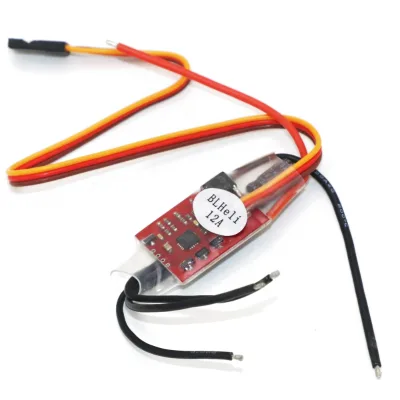
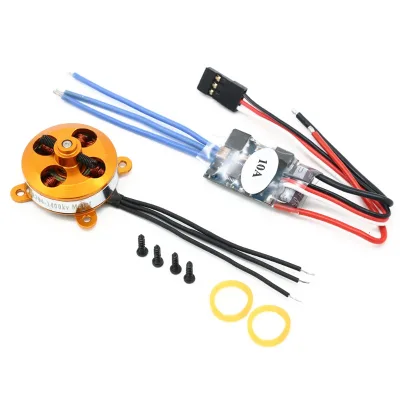
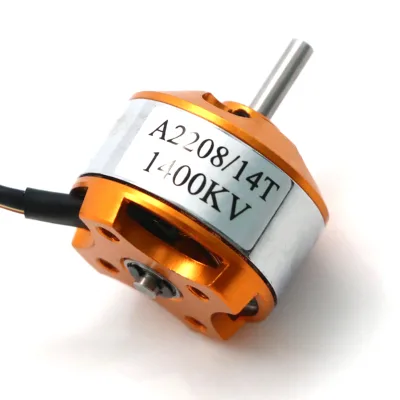


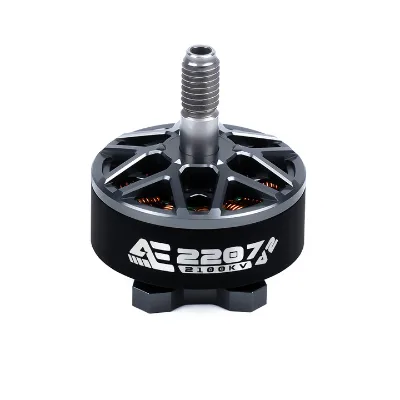
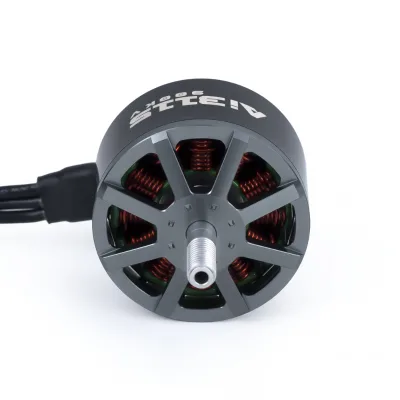
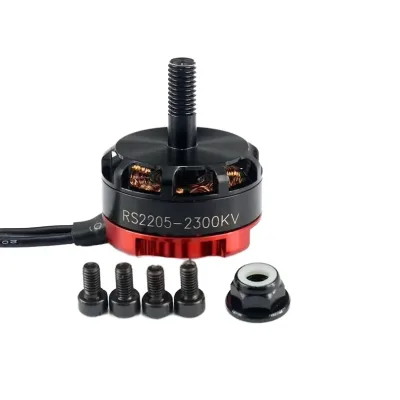
Comprehensive Sourcing Guide
RC Airplane Brushless Motor ESC Supplier Concentration and Factory Types
The current supplier landscape for RC Airplane Brushless Motor ESC components reveals a distinct concentration of manufacturing and trading entities within Guangdong, China. This geographic clustering is significant because it indicates a mature supply chain ecosystem where raw materials, specialized electronics, and assembly labor are readily available. Buyers observing results will notice that the primary location cited is Guangdong, which serves as a hub for electronic component production. This region’s infrastructure supports both large-scale manufacturing and smaller, agile trading operations. The presence of multiple suppliers in this single province suggests that logistics networks are optimized for exporting these specific electronic accessories. When evaluating potential partners, buyers should recognize that this concentration does not guarantee uniform quality or pricing, but it does imply that lead times and shipping options may be more standardized compared to sourcing from dispersed global locations. Understanding this geographic reality helps in predicting shipping durations and understanding the cultural and business norms that may influence negotiations.
Within this concentrated region, the supplier types vary between manufacturers and trading companies, each offering different advantages for sourcing RC Airplane Brushless Motor ESC. The data indicates that some entities identify as manufacturers, implying direct control over production processes, while others operate as trading companies, acting as intermediaries. For instance, one observed supplier type is listed as a Manufacturer, which typically suggests closer involvement with the product’s technical specifications and production capacity. Conversely, another observed supplier type is a Trading Company, which may offer a broader range of complementary products like communication antennas or drone accessories. This distinction is crucial for buyers who need to decide whether they prioritize direct factory communication and potential cost savings or the convenience of a single point of contact for diverse inventory. The main products listed by these suppliers often include IGBT, IC, PLC, and various electronic accessories, indicating a broad capability in electronic assembly. Buyers must carefully review the company type to align their sourcing strategy with their need for technical support versus logistical convenience.
How to Verify RC Airplane Brushless Motor ESC Suppliers
Verifying the legitimacy and capability of suppliers requires a multi-layered approach that goes beyond simple profile reviews. One critical step is to check for third-party verification badges, such as SGS, which can provide an additional layer of trust regarding the supplier’s business operations. In the current results, one supplier is noted as having SGS verification, which serves as a tangible indicator of due diligence performed by an external agency. However, buyers should not assume that all suppliers possess such certifications, as another observed supplier shows a system certification of NIL. This absence of displayed certification does not necessarily indicate poor quality, but it does require the buyer to conduct more rigorous independent checks. Buyers should request recent audit reports or video tours of the production facility to confirm that the supplier’s claims about their manufacturing capabilities are accurate. This is particularly important when dealing with electronic components where quality control standards are paramount for the reliability of the final drone or airplane product.
Another essential verification step involves assessing the supplier’s responsiveness and communication efficiency, which can serve as a proxy for their operational maturity. The response time metric provides a quantifiable measure of how quickly a supplier engages with potential buyers. For example, one supplier demonstrates a response time of 1.52 hours, while another shows a response time of 3 hours. These figures suggest that faster response times may correlate with more active sales teams or streamlined inquiry handling processes. Buyers should use this data to gauge the supplier’s willingness to engage and their potential for resolving issues quickly during the procurement process. Additionally, buyers should verify the supplier’s main products to ensure they align with specific technical requirements. A supplier listing IGBT, IC, and PLC as main products may have different expertise compared to one focusing on communication antennas and drone accessories. Cross-referencing these product lists with the specific RC Airplane Brushless Motor ESC models needed can help buyers identify suppliers with relevant technical knowledge and inventory depth.
What to Compare Across RC Airplane Brushless Motor ESC Suppliers
When comparing suppliers, lead time is a critical factor that impacts inventory management and project timelines. The data shows a significant variance in lead times, with one supplier offering a lead time of 7 days and another listing 15 days. This difference can be decisive for buyers with urgent project deadlines or those managing tight supply chains. A shorter lead time of 7 days suggests a more agile production process or higher stock availability, while a 15-day lead time may indicate a make-to-order model or longer production cycles. Buyers should align their order planning with these lead times to avoid stockouts or production delays. It is also important to consider that lead times may vary based on order volume and customization requirements. Therefore, buyers should confirm the exact lead time for their specific order quantity and any custom specifications before finalizing agreements. Understanding these temporal constraints helps in building a realistic procurement schedule and managing stakeholder expectations regarding delivery dates.
Minimum Order Quantity (MOQ) and pricing structures are equally important dimensions for comparison. The observed MOQs range from 10 units to 500 units, reflecting the diverse business models of the suppliers. A supplier with an MOQ of 10 is suitable for small-scale testing or low-volume production runs, allowing buyers to mitigate risk and validate product quality before committing to larger orders. In contrast, a supplier with an MOQ of 500 is better suited for bulk procurement, potentially offering economies of scale. Pricing also varies, with some products listed in the range of $3.75 to $3.85, while others are priced between $34.72 and $37.52. These price differences likely correspond to the complexity and component value of the products, such as simple speed controllers versus complete quadcopter kits. Buyers should evaluate the total cost of ownership, including shipping and potential customs duties, rather than just the unit price. Comparing these commercial terms across multiple suppliers enables buyers to negotiate better deals and select partners that offer the best balance of cost, volume flexibility, and delivery speed.
Common RC Airplane Brushless Motor ESC Sourcing Risks
One significant risk in sourcing RC Airplane Brushless Motor ESC is the potential mismatch between product specifications and actual performance. The product attributes listed often include generic terms like "no brand" or broad functional applications such as "MP3 Bluetooth decoding board 4.2" or "Artificial Intelligence/Machine Learning." These descriptions can be misleading if not carefully cross-referenced with technical datasheets. For instance, a product labeled with a functional application related to AI may not be suitable for standard rc airplane motor control if the specific electrical characteristics do not match the motor’s requirements. Buyers must verify that the product’s electrical ratings, such as input voltage and current capacity, align with their specific drone or airplane models. The lack of a specific brand name on some products, such as those listed with "Brand Name: no brand," may also indicate a lack of established quality assurance protocols. Buyers should request detailed technical documentation and sample testing results to ensure that the components meet the necessary performance standards for their applications.
Another risk involves the variability in product customization and compatibility. Some suppliers offer customization options, while others provide standard, non-universal products. For example, one product is listed as "Not Universal," which limits its applicability to specific motor or frame configurations. Buyers who require versatile components for a diverse product line may find these restrictions problematic. Additionally, the material composition, such as metal or ABS plastic, can affect the durability and heat dissipation of the esc. A product made of metal may offer better heat management but could be heavier, impacting the overall weight balance of the drone. Buyers must carefully review the material and structural attributes to ensure they meet their design requirements. Furthermore, the absence of detailed certification information for some suppliers, indicated by "system_certification: NIL," raises concerns about regulatory compliance and product safety. Buyers should proactively inquire about compliance with relevant international standards and request evidence of quality control processes to mitigate these risks.
RC Airplane Brushless Motor ESC Regional Sourcing and Logistics
Sourcing from Guangdong, China, offers logistical advantages due to the region’s established export infrastructure. The concentration of suppliers in this area facilitates efficient consolidation of goods, which can reduce shipping costs and simplify logistics management. Buyers can benefit from the proximity to major ports and airports, which typically results in faster transit times and more frequent shipping schedules. However, buyers must also consider the potential for supply chain disruptions, such as seasonal peaks or regulatory changes, which can impact lead times and availability. Understanding the local logistics landscape helps in planning for these variables and building buffer stock if necessary. The geographic clustering also means that buyers can potentially visit multiple suppliers in a single trip, facilitating face-to-face negotiations and factory audits. This proximity can enhance trust and provide a deeper understanding of the supplier’s operational capabilities. Buyers should leverage this regional advantage by coordinating visits or engaging local agents to oversee production and quality control.
Logistics planning should also account for the specific packaging and weight of the products, which affect shipping costs and handling requirements. Product attributes such as single package size and gross weight are critical for calculating freight charges. For example, a product with a single package size of 27X18X8 cm and a gross weight of 0.800 KG will have different shipping implications compared to a larger, heavier item. Buyers should use these dimensions to estimate the volume weight and actual weight for shipping quotes. Additionally, the type of packaging, such as standard packaging boxes, can influence the protection of goods during transit. Buyers should ensure that the packaging is robust enough to prevent damage, especially for electronic components that are sensitive to shock and static electricity. Coordinating with logistics providers early in the process can help optimize container loading and reduce overall shipping expenses. Buyers should also consider the impact of customs regulations in their destination country, ensuring that all necessary documentation is prepared to avoid delays at borders.
RC Airplane Brushless Motor ESC Commercial Terms and Order Planning
Effective order planning requires a clear understanding of the commercial terms offered by suppliers, including payment methods and warranty policies. While specific payment terms are not detailed in the current facts, buyers should negotiate favorable conditions such as partial payments or escrow services to protect their interests. The presence of escrow options can provide a secure transaction environment, ensuring that funds are released only upon satisfactory delivery. Buyers should also inquire about warranty periods and return policies for defective products, as this can significantly impact the total cost of ownership. Establishing clear communication channels for after-sales support is essential, especially when dealing with electronic components that may require technical troubleshooting. Buyers should document all agreed-upon terms in a formal contract to prevent misunderstandings and ensure accountability. This proactive approach to commercial terms helps in building a stable and reliable supply chain relationship.
Order planning should also incorporate strategies for managing inventory and forecasting demand. By analyzing the MOQ and lead times of different suppliers, buyers can develop a hybrid sourcing strategy that balances cost efficiency with supply security. For instance, using a supplier with a low MOQ for initial orders and prototype testing, while transitioning to a supplier with higher capacity for mass production, can optimize resource allocation. Buyers should also consider the product lifecycle and plan for future upgrades or replacements. The availability of customization options can be leveraged to differentiate products in the market, but it requires careful planning to manage production complexity. Regularly reviewing supplier performance metrics, such as response time and lead time consistency, allows buyers to make data-driven decisions about their supplier base. By maintaining a diversified supplier portfolio and continuously evaluating commercial terms, buyers can mitigate risks and ensure a steady supply of high-quality RC Airplane Brushless Motor ESC components.
FAQs
What is the price range for 30A brushless ESCs?
The price for a 30A speed controller typically ranges from 3.75 to 3.85 USD per unit. This pricing applies to single-item sales with a minimum order quantity of ten units. Buyers should verify current stock levels and shipping costs before finalizing the purchase to ensure accurate total expenses.
What is the minimum order quantity for ESCs?
Minimum order quantities vary by supplier and product specifications. For standard 30A controllers, the MOQ is ten units. For higher-capacity 120A industrial drone ESCs, the MOQ increases to five hundred units. Always confirm the specific MOQ with the supplier before placing an order to avoid fulfillment delays.
How long does delivery take for these components?
Lead times depend on the supplier type and product complexity. Manufacturer suppliers typically offer a seven-day lead time for standard items. Trading companies may require up to fifteen days for processing and shipping. Buyers should request a confirmed delivery schedule to align with their project timelines effectively.
Where are these ESC manufacturers located?
Most suppliers for these electronic components are located in Guangdong, China. This region is a major hub for manufacturing electronic accessories and drone parts. Buyers can verify specific factory addresses during the inquiry process to assess logistics costs and potential shipping routes for their international orders.
What input voltage do these ESCs support?
High-current drone ESCs generally support an input voltage range of 3 to 6s LiPo batteries. This specification ensures compatibility with various drone power systems. Buyers must match the ESC voltage rating with their battery configuration to prevent damage and ensure optimal performance during flight operations.
Are these ESCs customizable for specific drones?
Customization is available for many industrial and specialized drone ESCs. Suppliers offer options for custom mounting holes, dimensions, and branding. Buyers should provide detailed technical requirements to the supplier to ensure the customized product meets their specific drone frame and performance needs accurately.