fully automatic all-in-one inkjet printer Suppliers and Manufacturers
Explore 30 verified suppliers offering fully automatic all-in-one inkjet printers with varying lead times, response speeds, and certifications. Compare dimensions, pricing, and origin locations to select the right factory for your production needs; review the available evidence before requesting comparable quotations from suitable candidates.
Updated
Suppliers List

WILLITA INK JET TECHNOLOGY(WUHAN) CO.,LTD.
- Verified by SGS
- Combined
- China Hubei
- Lead time15 days
- Avg. response≤ 4h
Main productsInkjet Printer, Laser Marking Machine, Tij Inkjet Printer, Industrial Inkjet Printer, Inkjet Printer Inks, Handheld Inkjet Printer, Wall Printer
Main marketsSouth America,Africa,Southeast Asia/ Mideast,East Asia(Japan/ South Korea),Europe,Australia,North America

Guangzhou Docod Precision Group Limited
- Verified by BV
- Combined
- China Guangdong
- Lead time15 days
- Avg. response≤ 4h
Main productsContinuous Inkjet Printer, Tlj Online Printer, Tlj Handheld Printer, Dod Large Character Inkjet Printer, Tto Thermal Transfer Overprinter, Laser Marking Machine, Piezo Inkjet Pritner (Pij), Application Equipment, Clj Spare Parts
Main marketsSouth America,Africa,Southeast Asia/ Mideast,East Asia(Japan/ South Korea),Europe


High-Performance Large Character Inkjet Printer for Efficient Coding
$1661.54 - $2492.31
MOQ: 1 Pieces

Guangzhou Inktime Digital Technology Co., Ltd.
- Verified by SGS
- Combined
- China Guangdong
- Lead time30 days
- Avg. response≤ 7h
Main productsDtf Printer, Sublimation Printer, Advertising Printer, Dtf Film, Dtf Ink, Sublimation Ink, Sublimation Paper, UV Printer
Main marketsSouth America,Africa,Southeast Asia/ Mideast,East Asia(Japan/ South Korea),Domestic,Europe,North America
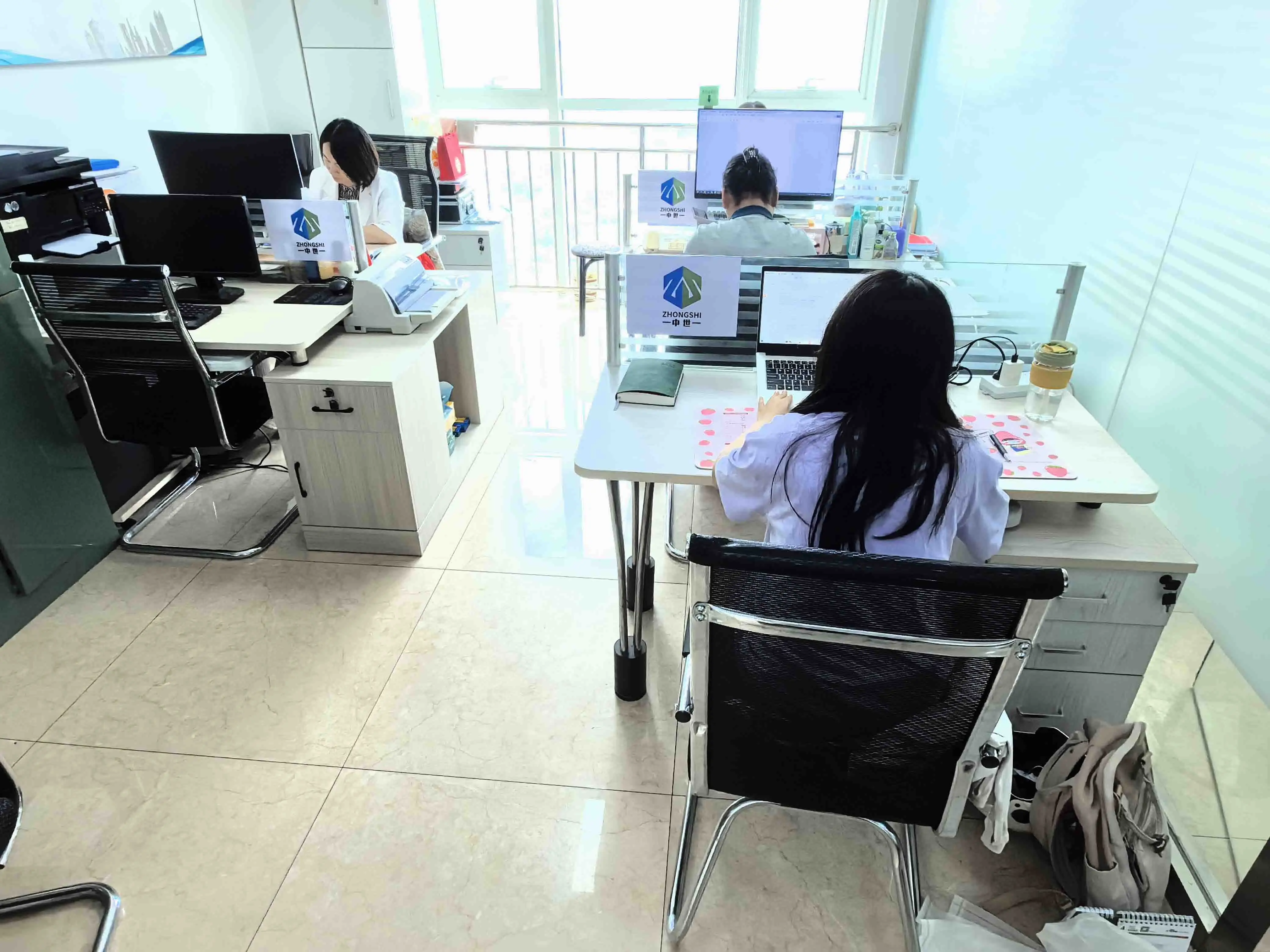
Hebei Zhongshi Shuzhi Technology Co., Ltd.
- Trading Company
- Hebei, China
- Lead time15 days
- Avg. response≤ 2h
Main productsthermal transfer overprinter,Laser marking machine,vision Inspection System,TIJ,CIJ
Main marketsSoutheast Asia(40.00%), Mid East(20.00%), South Asia(10.00%), Africa(10.00%), Eastern Asia(10.00%), South America(5.00%), North America(5.00%)
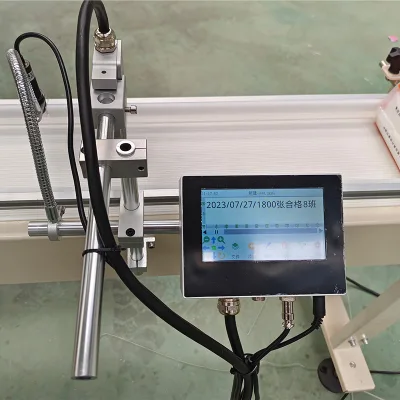
$205.2123 - $564.3346
MOQ: 1 sets
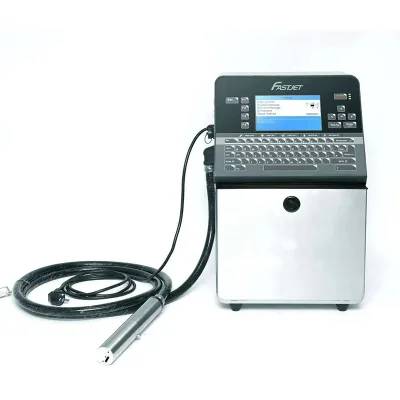
$2051.0983 - $2256.3106
MOQ: 1 sets
Guangxi Lanzhuoxin Inkjet Equipment Co., Ltd.
- Verified by TüVRheinland
- Trading Company
- Lead time0 days
- Avg. response≤ 1h
Main productsInkjet Printer, Laser Marking Machine, TIJ Inkjet Printer, CIJ Small Character Inkjet Printer, Ink Cartridge
Main marketsNorth America(30%), Western Europe(30%), Southeast Asia(25%)

Zhengzhou Dana Photoelectric Technology Co., Ltd.
- Verified by TUVRHEINLAND
- Combined
- China Henan
- Lead time15 days
- Avg. response≤ 1h
Main productsLaser Engraving Machine, Tij Printer, Laser Marking
Main marketsSoutheast Asia/ Mideast,Domestic
Maersky Logo Technology (guangzhou) Co., Ltd.
- Verified by Intertek
- Trading Company
- Lead time30 days
- Avg. response≤ 1h
Main productsCIJ Inkjet Printer, CO2 Laser Printer, Handheld Inkjet Printer, TIJ Inkjet Printer, UV Color Inkjet Machine
Main marketsNorth America(45%), South America(20%), Eastern Europe(10%)
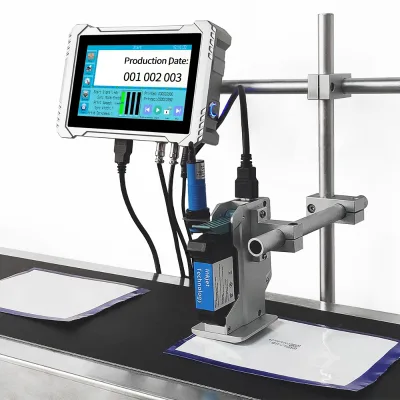
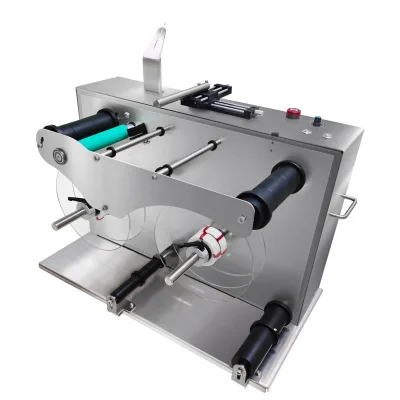
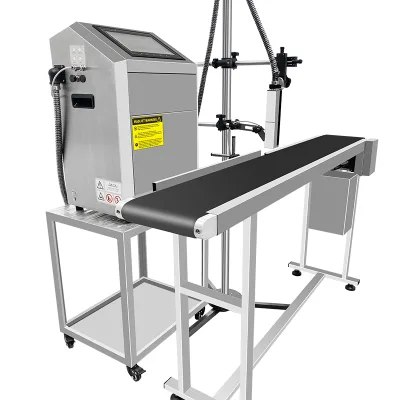
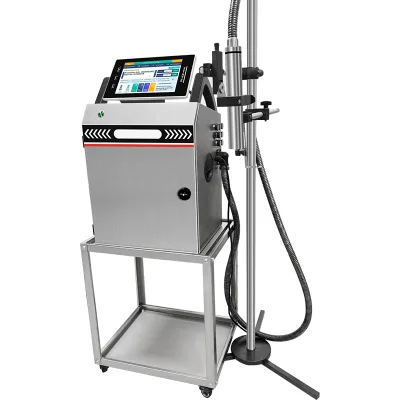
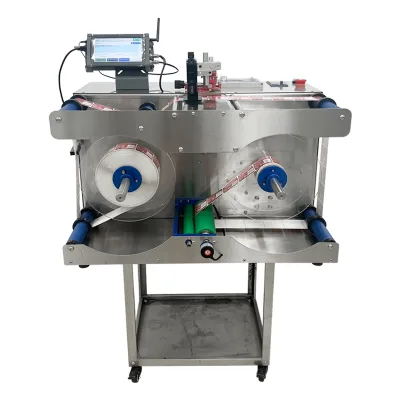
$1540.147 - $1848.1764
MOQ: 1 sets
Wuhan Baike Intelligent Technology Co., Ltd.
- Verified by TüVRheinland
- Trading Company
- Lead time20 days
- Avg. response≤ 2h
Main productsFiber Laser Cutting Machine, Laser Cleaning Machine, Laser Welding Machine, Laser Marking Machine, Wall Printing Machine
Main marketsEastern Europe(20%), North America(15%), Western Europe(15%)

Guangzhou Baicheng Digital Equipment Co., Ltd.
- Verified by SGS
- Trading Company,Manufacturer/Factory
- China Guangdong
- Lead time0 days
- Avg. response≤ 5h
Main productsInkjet Printer, UV Printer, Dtf Printer, UV Dtf Printer, Eco Solvent Printer, Solvent Printer, Sublimation Printer

Zhejiang Aishijie Digital Technology Co., Ltd.
- Verified by SGS
- Combined
- China Zhejiang
- Lead time15 days
- Avg. response≤ 2h
Main productsTextile Printing Machine, UV Printer, Printing Machinery, 3D Printing Machine, PVC Film Printer, Wall Panel Film Printer, Thermal Transfer Film Printer, Digital Printer, Spc Digital Printing Machine
Main marketsDomestic


High-Performance Inkjet Printer for Professional Quality Digital Printing
$40100.00 - $68500.00
MOQ: 1 Sets
Dongguan Golden Sources Technology Co., Ltd.
- Verified by Intertek
- Manufacturer, Trading Company
- Guangdong, China
- Lead time0 days
- Avg. response≤ 3h
Main productsHandheld Inkjet Printer, Mini Inkjet Printers
Main marketsNorth America(36%), Eastern Europe(18%), Oceania(9%)
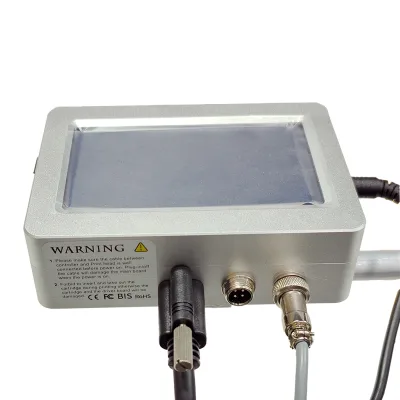
Simple and Sophisticated Printing Machine Online Inkjet Printer Industrial Inkjet Printer
$338.1364 - $358.6301
MOQ: 1 sets
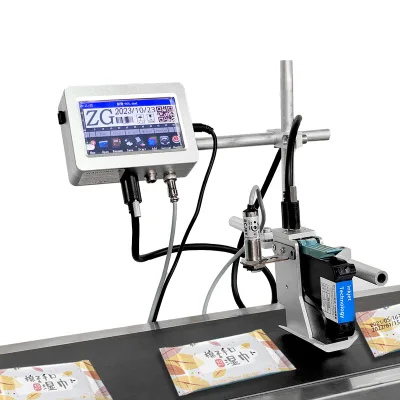
Foshan Denoma Electronic Technology Co., Ltd.
- Verified by TüVRheinland
- Trading Company
- Lead time0 days
- Avg. response≤ 1h
Main productsInkjet Printer Chip & Accessories, Laser Marking Machine, CIJ Inkjet Printer, TIJ Inkjet Printer, Inkjet Printer Ink Cartridge
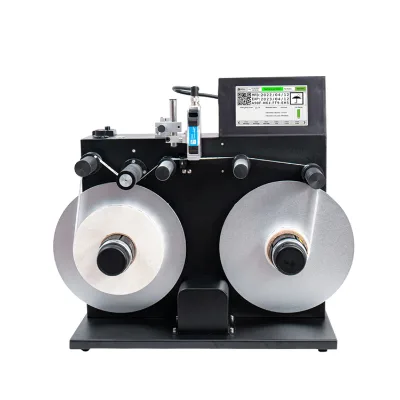
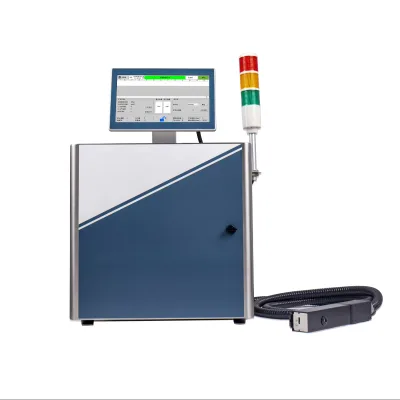
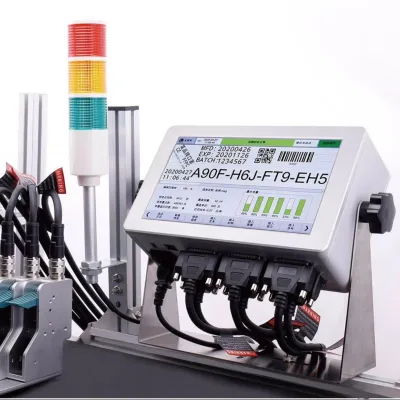
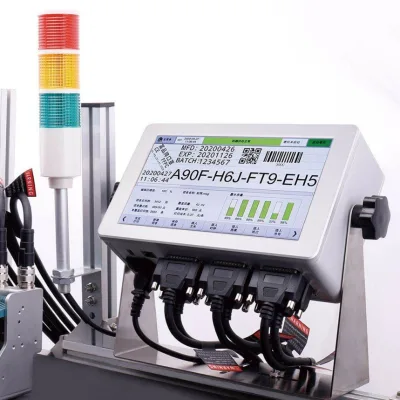
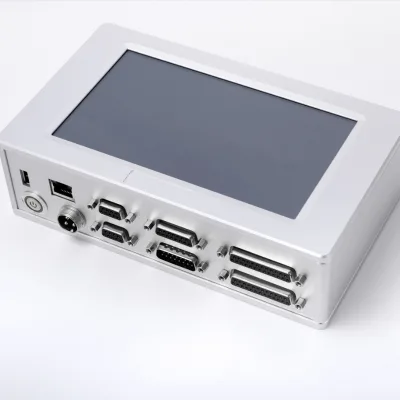
Good Quality Food & Beverage Applicable Industries Online Inkjet Machine Tij Printer
$423.0494
MOQ: 1 Minimum
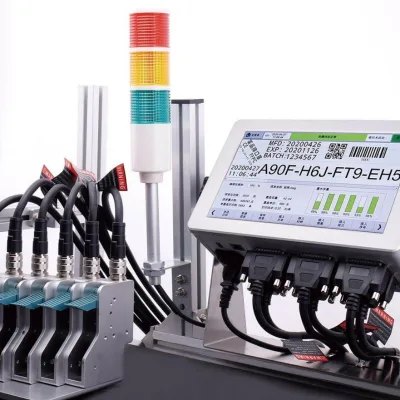
Hefei Merion International Trade Co., Ltd.
- Trading Company
- Anhui, China
- Lead time3 days
- Avg. response≤ 1h
Main productshandheld inkjet printer,wrapping machine,3D printer pen,ink cartridge,Laser marking machine
Main marketsNorth America(30.00%), Southeast Asia(15.00%), Eastern Asia(11.00%), Eastern Europe(10.00%), South America(10.00%), Mid East(9.00%), Africa(8.00%), Oceania(8.00%)
- Verified by SGS Group
- Manufacturer, Trading Company
- Lead time3 days
- Avg. response≤ 3h
Main productsTTO Ribbon, Thermal Transfer Overprinter, Coding Machine, Hot Ink Roll , Hot Coding Foil
Main marketsDomestic Market(30%), North America(10%), Southeast Asia(10%)
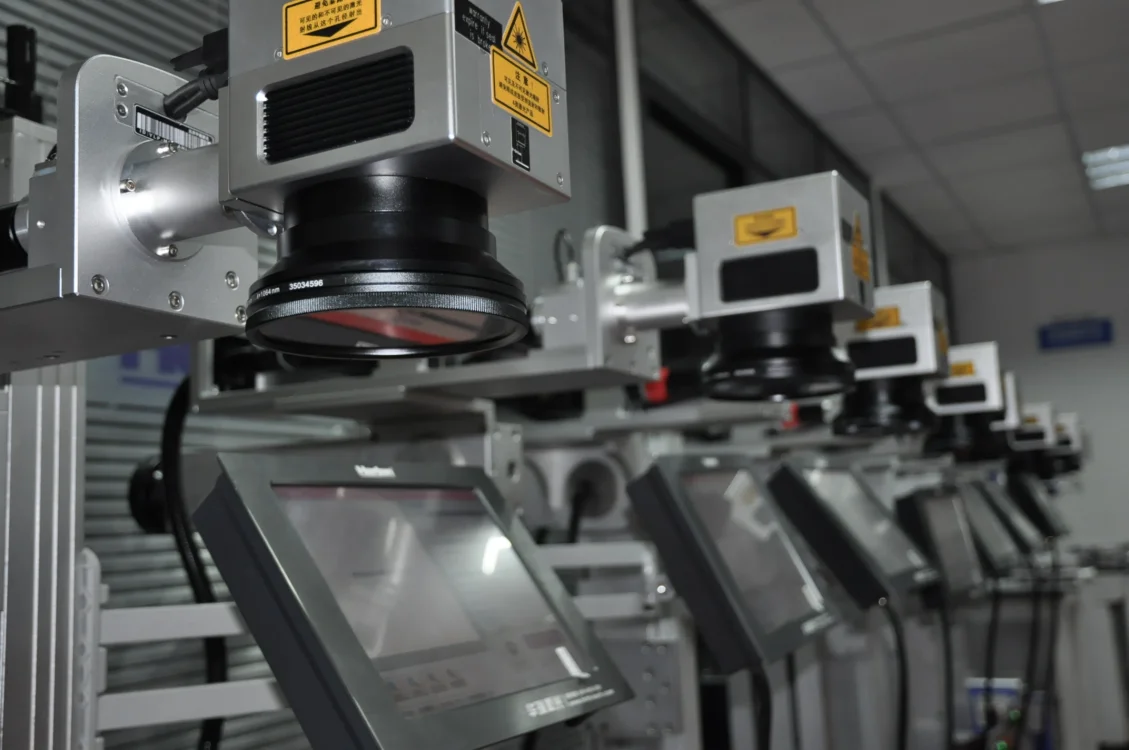
Wuhan Amark Technology Co., Ltd.
- Trading Company
- Hubei, China
- Lead time7 days
- Avg. response≤ 2h
Main productsFlying laser,laser coder,inkjet printer,conveyor belt,paging machine
Main marketsEastern Asia(21.00%), Northern Europe(17.00%), Eastern Europe(15.00%), North America(10.00%), South America(9.00%), Mid East(6.00%), South Asia(5.00%), Central America(3.00%), Southern Europe(3.00%), Africa(3.00%), Domestic Market(2.00%), Oceania(2.00%), Western Europe(2.00%), Southeast Asia(2.00%)
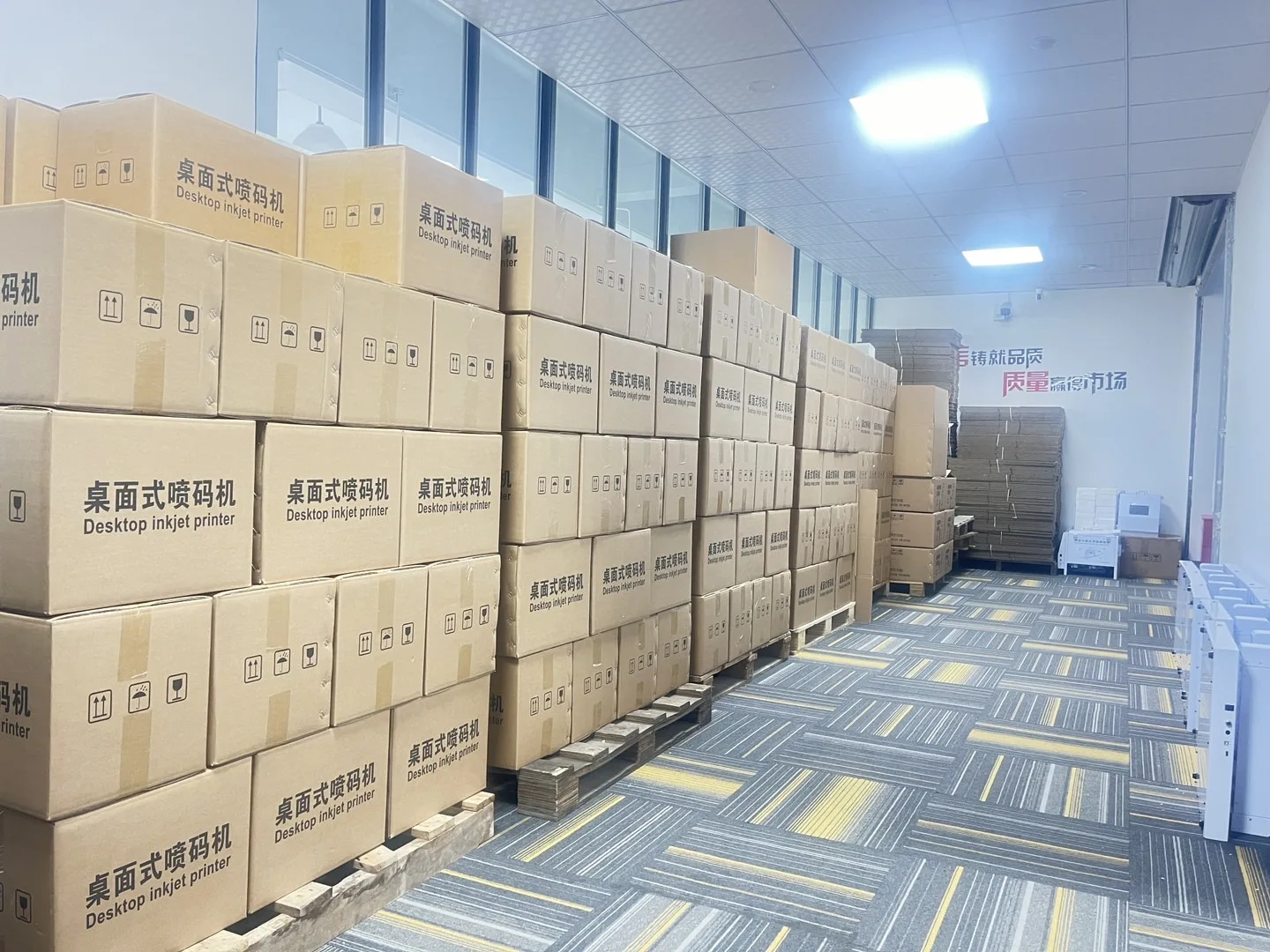
Hefei Jiaomai International Trade Co., Ltd.
- Trading Company
- Anhui, China
- Lead time15 days
- Avg. response≤ 2h
Main productsInkjet printer,Strapping Machine,sealing machine,vacuum packing machine,uv printer
Main marketsSouthern Europe(10.00%), Eastern Europe(10.00%), Western Europe(10.00%), Northern Europe(10.00%), Africa(8.00%), Mid East(6.00%), South America(5.00%), North America(5.00%), Oceania(5.00%), Eastern Asia(2.00%), Southeast Asia(1.00%)
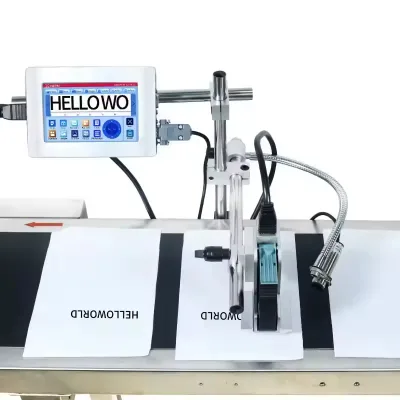
5 Inch Online Inkjet Printer Intelligent High-resolution Inkjet Label Coding Mark Printer
$219.00 - $239.00
MOQ: 1 pieces

GUANGZHOU YALIAN COSMETIC MACHINERY EQUIPMENT CO., LIMITED
- Trading Company
- China Guangdong
- Lead time30 days
- Avg. response≤ 3h
Main productsMixing Machine, Filling Production Line Machine, Water Treatment, Vacuum Homogenizer Mixer, Labeling Machine, Capping Machine, Vacuum Capping Machine, Package Machine, Filling Machine, Cosmetics Mixer Equipment
Main marketsAfrica,Australia,North America
Hefei Hanjie Packing Machinery Ink-Jet Printer Co., Ltd.
- Manufacturer, Trading Company
- Anhui, China
- Lead time7 days
- Avg. response≤ 5h
Main productsInkjet Printers, Laser Marking Machine, Strapping Tools Machine, Sealing Machines, Packaging Machine
Main marketsMid East(18.00%), Africa(15.00%), South Asia(10.00%), South America(10.00%), Southeast Asia(10.00%), Eastern Asia(8.00%), North America(7.00%), Western Europe(5.00%), Central America(5.00%), Oceania(3.00%), Southern Europe(3.00%), Northern Europe(3.00%), Eastern Europe(3.00%)
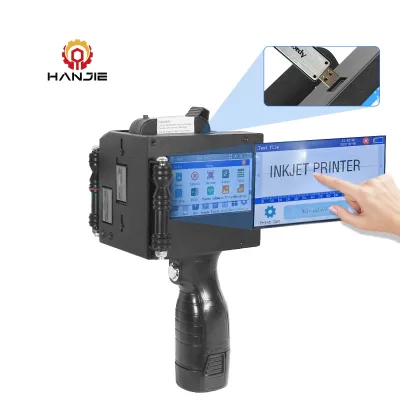
Semi-automatic Inkjet Printers 50.8mm High Large Character Handheld Inkjet Printer
$300.00 - $350.00
MOQ: 5 pieces
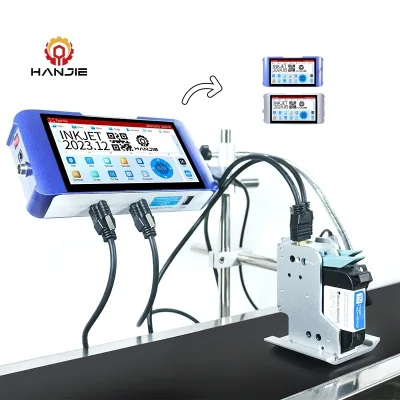
Manufacture Thermal Inkjet Printers Multi-function Solvent Ink Jet Printer for Industrial Use
$227.4518 - $268.8073
MOQ: 1 pieces

Guangzhou Wdot Industrial Equipment Co., Ltd.
- Verified by SGS
- Combined
- China Guangdong
- Lead time15 days
- Avg. response≤ 4h
Main marketsSouth America,Southeast Asia/ Mideast

Online Modified Touch Screen Inkjet Printer High Accuracy Fast Speed Inkjet Printer
$110.00 - $200.00
MOQ: 1 Pieces


12.7mm High Speed Online Inkjet Printer with Automatic Date Coding Function
$110.00 - $200.00
MOQ: 1 Pieces

Automatic Online Inkjet Printer 12.7mm High Speed for Date and Batch Coding
$110.00 - $200.00
MOQ: 1 Pieces

Qingdao Zhongkang Printing and Packaging Machinery Co., Ltd.
- Verified by TUVRHEINLAND
- Trading Company
- China Shandong
- Lead time30 days
- Avg. response≤ 3h
Main productsPacking Machine, Non-Woven Bags, Filling Machine, Capping Machine, Vacuum Packing Machine, Labeling Machine, Strapping Machine, Sealing Machine, Printer Coding Machine, Packaging Bag
Main marketsSouth America,Domestic,Europe
Guangzhou Disen Electronic Equipment Co., Ltd.
- Verified by TüVRheinland
- Trading Company
- Lead time7 days
- Avg. response≤ 2h
Main productsApparel Machinery, Printing Machine, Paper Production Machinery, Office Equipment, Industry Laser Equipment
Main marketsAfrica(20%), North America(10%), South America(10%)

Xinxiang Haitop Machinery Equipment Co., Ltd.
- Trading Company
- Henan, China
- Lead time30 days
- Avg. response≤ 2h
Main productsexpiry date printer,laser marking machine,thermal printer,hot stamping machine,digital printing machine
Main marketsDomestic Market(30.00%), Southern Europe(10.00%), Northern Europe(9.00%), Western Europe(9.00%), Eastern Europe(9.00%), Central America(7.00%), Southeast Asia(5.00%), North America(4.00%), Oceania(4.00%), South Asia(4.00%), Eastern Asia(4.00%), South America(3.00%), Africa(1.00%), Mid East(1.00%)

Wuhan Leadjet Science and Technology Development Co., Ltd.
- Verified by BV
- Combined
- China Hubei
- Lead time15 days
- Avg. response≤ 4h
Main productsInkjet Coder, Laser Coder, Cij Printer, Coding Machine, Inkjet Printer, Case Coder, Conveyor, Page Machine, Marking Machine, Industrial Ink Jet
Main marketsSouth America,Southeast Asia/ Mideast,North America
Jiexi Technology (shenzhen) Co., Ltd.
- Manufacturer, Trading Company, Distributor/Wholesaler
- Guangdong, China
- Lead time10 days
- Avg. response≤ 3h
Main productsPackage Machine,Machinery Accessories,Coding Machine,Inkjet Printing Machine,Welding Equipment
Main marketsNorth America(25.00%), Western Europe(15.00%), Oceania(15.00%), Northern Europe(10.00%), Mid East(10.00%), South America(10.00%), Southeast Asia(10.00%), Eastern Europe(5.00%)
Hunan Binxin Digital Technology Co., Ltd.
- Verified by TüVRheinland
- Trading Company
- Lead time0 days
- Avg. response≤ 2h
Main productsInkjet Printer, Coding Machine, Ink Cartridge, Laser Printer
Main marketsDomestic Market(60%), North America(10%), Western Europe(10%)

Shenyang Faith Technology Co., Ltd.
- Verified by TUVRHEINLAND
- Trading Company
- China Liaoning
- Lead time15 days
- Avg. response≤ 3h
Main productsInkjet Printer, Small Character Inkjet Printer, Laser Printer, Laser Marking Machine, High Quality High Speed Cij Labeling Pri, High Quality Multi Language Digital Onli, High Quality Portable Expiry Date Batch, Paging Machine, Tij Inkjet Printer Machine, Ink Cartridge Filling Machine
Main marketsSouth America,Africa,Southeast Asia/ Mideast,East Asia(Japan/ South Korea),Europe,Australia,North America


Commercial Continuous Inkjet Printer for Can Printing with Touch Screen
$2274.00 - $2531.00
MOQ: 1 Sets
Guangzhou Camry Intelligent Technology Co., Ltd.
- Manufacturer
- Guangdong, China
- Lead time30 days
- Avg. response≤ 5h
Main productsCylinder Printer,Flatbed Printer,Robot Printer,One Pass Printer,Roll to Roll Printer
Main marketsNorth America(20.00%), South America(15.00%), Mid East(10.00%), Central America(10.00%), Southern Europe(9.00%), Eastern Europe(8.00%), Northern Europe(8.00%), Southeast Asia(5.00%), Domestic Market(5.00%), Eastern Asia(3.00%), South Asia(2.00%), Africa(2.00%), Western Europe(2.00%), Oceania(1.00%)
Shanghai Demac Machinery Equipment Co., Ltd.
- Verified by Intertek
- Manufacturer, Trading Company
- Lead time10 days
- Avg. response≤ 3h
Main productsTTO Printer, Laser Printer, Inkjet Printer, Ribbon, Printhead
Main marketsSouth America(20%), Southeast Asia(20%), Eastern Europe(15%)

Shanghai Yuchang Industrial Co., Ltd.
- Verified by BV
- Trading Company,Manufacturer/Factory
- China Shanghai
- Lead time15 days
- Avg. response≤ 8h
Main productsHandheld Inkjet Printer, Hand Jet Printer, Industrial Inkjet Printer, Laser Marking Machine, Portable Marking Solution, Laser Printer, Laser Engraver, Ink Jet Printing Machine, Pipe Fly Laser Machine, Laser Cutting Machine
Main marketsSouth America,Eastern Europe,Mid East,North America,Southeast Asia,Eastern Asia,Oceania,Western Europe,Africa

Yaomazhi (Wuhan) Technology Co., Ltd
- Verified by TUVRHEINLAND
- Combined
- China Hubei
- Lead time15 days
- Avg. response≤ 3h
Main productsInkjet Printer, Handheld Inkjet Printer, Online Inkjet Printer, Fiber Laser Marking Machine, CO2 Laser Marking Machine, Conveyor and Paging Machine, Ink Cartridge, Laser Printer, Continuous Inkjet Printer, Chip and Connector
Main marketsSouth America,Africa,Southeast Asia/ Mideast,East Asia(Japan/ South Korea),Europe,Australia,North America


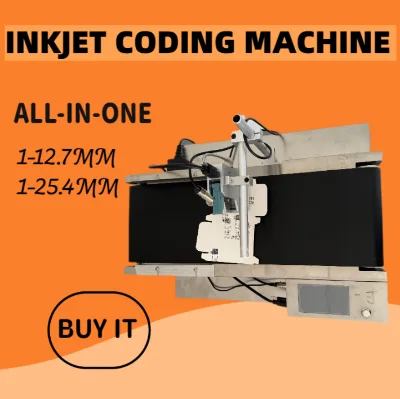
Industrial Inkjet Printer Automatic Inkjet Printer Continuous Inkjet Printer
$220.00 - $330.00
MOQ: 1 Pieces




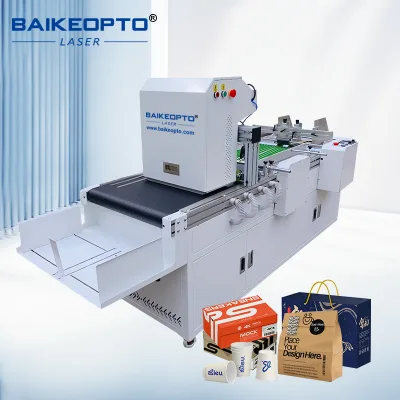
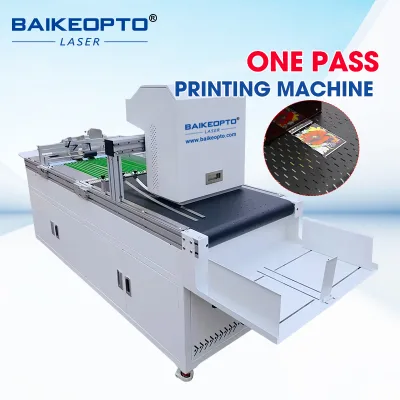


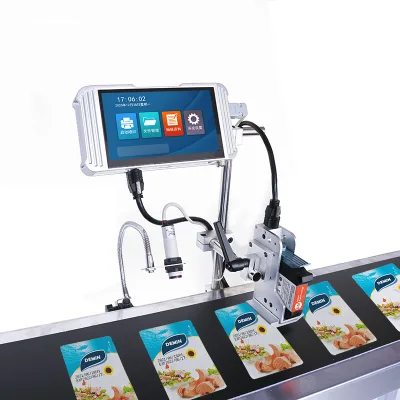
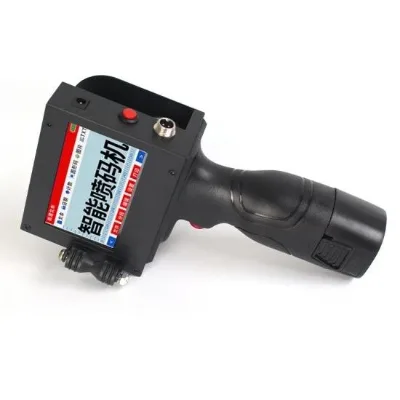
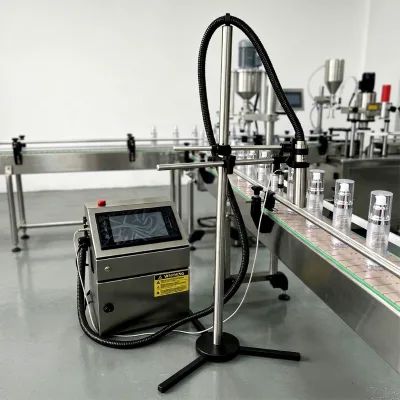
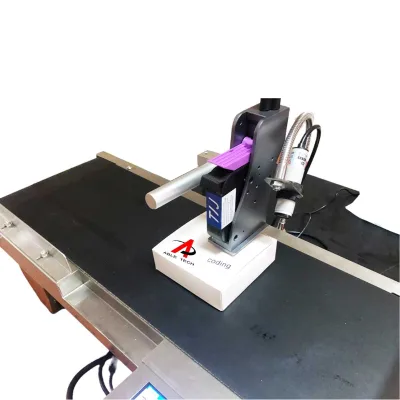
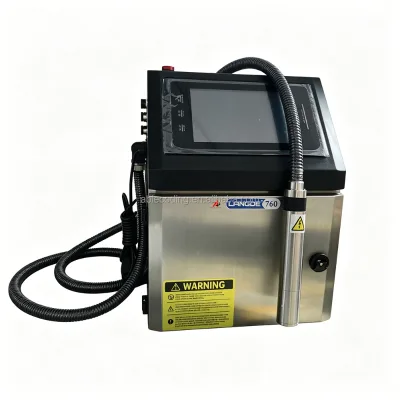
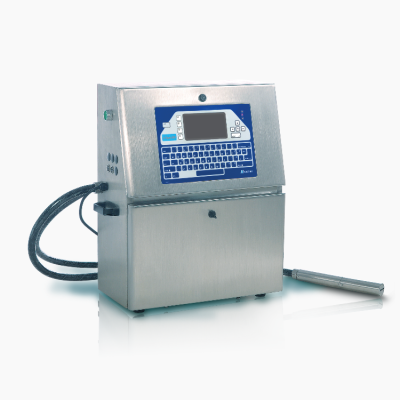




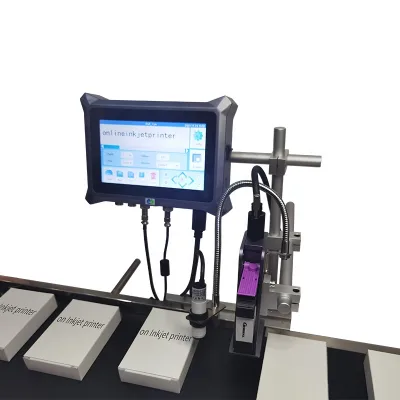
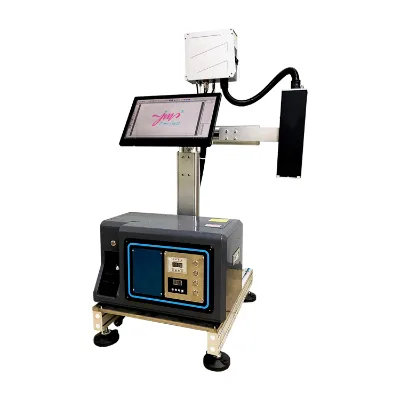
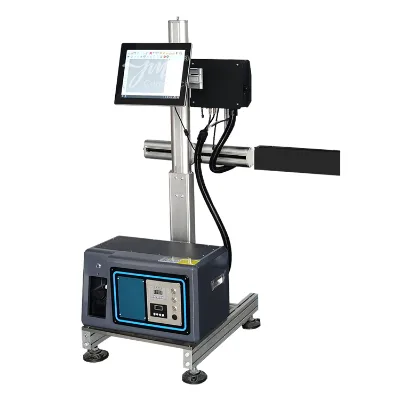
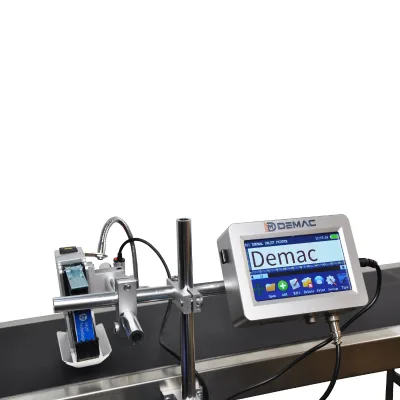


Comprehensive Sourcing Guide
Fully Automatic All-In-One Inkjet Printer Supplier Concentration and Factory Types
The current supplier landscape for fully automatic all-in-one inkjet printers reveals a distinct geographic concentration in China, with specific manufacturing hubs identified in Hubei and Guangdong provinces. Suppliers in Hubei, particularly those based in Wuhan City, often present themselves as combined entities that blend manufacturing capabilities with trading functions. These factories typically emphasize their ability to produce a wide range of inkjet solutions, including industrial, handheld, and wall printers, while holding ISO9001:2015 certification and undergoing SGS verification. This combination of location and company type suggests a mature industrial base where engineering and sales operations are integrated, allowing for streamlined communication and potentially faster iteration on custom designs. Buyers evaluating these Hubei-based sources should note that the presence of an ISO certificate and third-party verification adds a layer of credibility regarding quality management systems, though it does not guarantee specific product performance without further testing.
In contrast, suppliers located in Guangdong province often operate with a different structural focus, highlighting capabilities in both OEM and ODM services. These entities frequently list a diverse portfolio of main products, such as continuous inkjet printers, thermal transfer overprinters, and laser marking machines, indicating a broader technological scope. While some Guangdong suppliers may not display explicit system certifications in the initial results, they often hold other forms of verification, such as BV certification, which serves as an alternative indicator of operational legitimacy. The distinction between these regional clusters is vital for buyers, as Hubei suppliers may offer more specialized high-resolution thermal inkjet technologies, whereas Guangdong suppliers might provide more versatile, multi-technology solutions. Understanding these factory types helps buyers align their sourcing strategy with the specific technical requirements of their production lines, whether they need a dedicated high-speed coding machine or a flexible, multi-purpose printing system.
How to Verify Fully Automatic All-In-One Inkjet Printer Suppliers
Verifying the legitimacy and capability of fully automatic all-in-one inkjet printer suppliers requires a multi-layered approach that goes beyond surface-level profile reviews. Buyers should prioritize suppliers who display clear verification badges, such as SGS or BV, as these indicate that a third-party agency has conducted some form of on-site or document audit. For instance, Hubei-based suppliers with ISO9001:2015 certificates provide evidence of standardized quality management processes, which is crucial for maintaining consistency in automated printing equipment. However, certification alone is insufficient; buyers must cross-reference these claims by requesting recent audit reports or video calls to observe the production floor. This direct observation allows buyers to confirm whether the supplier is a genuine factory with assembly lines or a trading company that outsources production. The presence of an "Own brand" or ODM capability in the supplier's profile further suggests a degree of manufacturing autonomy, which can be a positive indicator of technical control and inventory management.
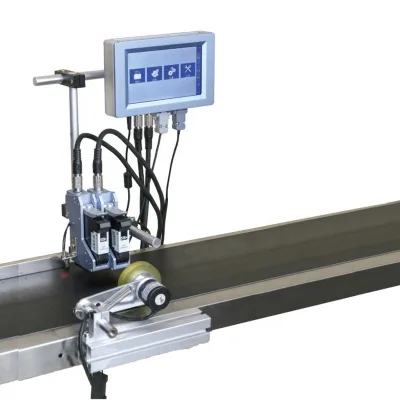
Beyond verification badges, buyers should assess the supplier's responsiveness and technical depth as proxies for reliability. A response time of approximately 3.30 to 3.58 hours, as observed in current results, indicates a professional sales infrastructure that can address urgent inquiries efficiently. This speed is particularly important when discussing complex specifications like automatic grades, ink types, or integration with existing production lines. Buyers should also scrutinize the detailed product attributes provided, such as the specific working patterns (e.g., On-Line) and application classifications (e.g., High Resolution or Small Character Ink Jet). Suppliers that provide granular details about their machines, such as CPU specifications, voltage requirements, and protection grades like IP55, demonstrate a higher level of technical transparency. This level of detail reduces the risk of miscommunication and ensures that the buyer can accurately assess whether the supplier's fully automatic all-in-one inkjet printer meets their specific operational needs before committing to a purchase.
What to Compare Across Fully Automatic All-In-One Inkjet Printer Suppliers
When comparing suppliers for fully automatic all-in-one inkjet printers, buyers must evaluate a range of technical and commercial dimensions to ensure the best fit for their operations. Key technical attributes to compare include the printing principle, such as Thermal Inkjet Technology versus Continuous Ink Jet, and the automatic grade, which ranges from Semi-Automatic to Fully Automatic. For example, some suppliers offer machines with a Quard Core 1.4 GHz CPU and water-based inks, while others provide MEK ink options for different substrate adhesion requirements. Buyers should also compare the printing height, speed, and resolution capabilities, as these directly impact production throughput. Additionally, the customization availability is a critical factor; suppliers that offer ODM or OEM services can tailor the machine to specific branding or functional needs, whereas those with fixed models may offer faster delivery but less flexibility. Comparing these technical specifications side-by-side helps buyers identify which supplier can deliver the precise performance metrics required for their specific industry, whether it be food, drug, or daily industrial applications.
Commercial terms and logistical factors are equally important in the comparison process. Buyers should analyze the minimum order quantity (MOQ), which in some cases is as low as one unit, allowing for easy trial orders. Lead times, such as the 15-day standard observed, provide a baseline for production scheduling, but buyers should also inquire about expedited options for urgent needs. Pricing structures vary significantly, with some models starting around $259 for desktop units and others exceeding $1,800 for advanced industrial systems. Buyers must also consider the supplier's location, as this affects shipping costs and import duties; Hubei and Guangdong suppliers may have different logistics advantages depending on the buyer's destination. Furthermore, the inclusion of after-sales support, such as video outgoing-inspection services or warranty terms, should be weighed against the initial price. By creating a detailed comparison matrix that includes technical specs, pricing, MOQ, lead time, and support services, buyers can make a data-driven decision that balances cost efficiency with long-term operational reliability.
Common Fully Automatic All-In-One Inkjet Printer Sourcing Risks
One of the primary risks in sourcing fully automatic all-in-one inkjet printers is the potential mismatch between advertised specifications and actual machine performance. Suppliers may list broad capabilities, such as "High Resolution" or "Automatic Grade," without providing detailed test data or real-world performance metrics. This ambiguity can lead to disappointment when the machine fails to meet the required printing speed or quality standards on the buyer's production line. For instance, a supplier might claim a printing speed of 0-55m/Min, but this figure may only be achievable under ideal laboratory conditions, not in a dusty or humid factory environment. Buyers must be cautious of vague descriptions and insist on specific, measurable parameters, such as the exact printing height, voltage stability, and ink consumption rates. Without these precise details, buyers risk investing in equipment that requires costly modifications or fails to integrate seamlessly with their existing automated systems, leading to production delays and increased operational costs.
Another significant risk is the variability in after-sales support and spare parts availability, particularly when dealing with suppliers from different regions. While some suppliers offer video outgoing-inspection services and comprehensive packaging, others may provide minimal support, leaving buyers responsible for troubleshooting and maintenance. This risk is exacerbated by the complexity of fully automatic systems, which often require specialized knowledge for repair and calibration. If a supplier does not have a local service network or reliable remote support channels, downtime can be prolonged, impacting overall productivity. Additionally, buyers should be wary of suppliers who do not clearly state their return policies or warranty terms. In the event of a defect, the lack of a clear recourse can result in financial loss and operational disruption. To mitigate these risks, buyers should prioritize suppliers with established verification records, clear communication channels, and transparent support policies, ensuring that they have a reliable partner for the long-term maintenance of their inkjet printing equipment.
Fully Automatic All-In-One Inkjet Printer Regional Sourcing and Logistics
Sourcing fully automatic all-in-one inkjet printers from China involves navigating distinct regional logistics advantages based on the supplier's location. Suppliers in Hubei province, particularly those in Wuhan City, benefit from central inland logistics networks, which can offer cost-effective shipping to various domestic and international destinations. These suppliers often package their machines in standard export cartons or box packaging, ensuring safe transit. However, buyers must consider the transit time from inland hubs, which may be longer than from coastal ports. In contrast, suppliers in Guangdong province have access to major international shipping ports, potentially offering faster delivery times for overseas buyers. This geographic advantage can be crucial for buyers with tight production schedules or those requiring rapid replenishment of spare parts. Understanding these logistical nuances allows buyers to optimize their supply chain, balancing cost and speed based on their specific location and inventory requirements.
The packaging and standard dimensions of the machines also play a significant role in logistics planning. Suppliers provide specific product standards, such as 580340230mm or 644570cm, which buyers must use to calculate container loading and warehouse space. Proper packaging, such as carton boxes or standard export packing, is essential to protect the sensitive electronic components and printing heads during transit. Buyers should verify that the supplier uses robust packaging materials to prevent damage, especially for heavy industrial models. Additionally, the origin of the machine, whether from Hubei or Guangdong, may influence the choice of freight forwarder and insurance options. Buyers should work with their logistics partners to determine the most efficient shipping route, considering factors like customs clearance times and local delivery regulations. By carefully planning the logistics based on the supplier's location and the machine's dimensions, buyers can minimize transit risks and ensure that their fully automatic all-in-one inkjet printers arrive in optimal condition.
Fully Automatic All-In-One Inkjet Printer Commercial Terms and Order Planning
Effective order planning for fully automatic all-in-one inkjet printers requires a clear understanding of the commercial terms offered by suppliers. Buyers should pay close attention to the minimum order quantity (MOQ), which can range from one unit for trial orders to larger quantities for bulk purchases. A low MOQ allows buyers to test the supplier's product quality and service responsiveness before committing to a larger investment. Additionally, the lead time, such as the 15-day standard observed, is a critical factor in production planning. Buyers must align their order placement with their production schedules to avoid delays, especially if they require customizations or specific configurations. It is also important to clarify the payment terms, including any deposits or escrow options that may be available to protect the buyer's funds. Transparent commercial terms help buyers manage their cash flow and reduce financial risk, ensuring a smooth transaction from order placement to delivery.
Beyond the initial purchase, buyers should consider the long-term commercial relationship with the supplier, including pricing stability and support for future orders. Suppliers may offer different price tiers based on volume, so buyers should negotiate for the best possible rate based on their projected usage. Additionally, buyers should inquire about the availability of consumables, such as ink and maintenance kits, to ensure a continuous supply of necessary materials. Some suppliers provide comprehensive packaging and documentation, which can simplify the installation and commissioning process. By establishing a clear understanding of these commercial terms and planning for future needs, buyers can build a sustainable sourcing strategy. This approach not only secures the initial purchase but also ensures that the supplier can support the buyer's ongoing operational requirements, fostering a reliable and mutually beneficial partnership for the long term.
FAQs
What is the price range for fully automatic all-in-one inkjet printers?
Prices for fully automatic all-in-one inkjet printers typically range from $259 to $1,800 depending on the model and specifications. Entry-level desktop units start around $259, while advanced continuous jet systems for production lines can cost up to $1,800. Buyers should verify specific pricing for their required printing height and speed capabilities.
What is the minimum order quantity for these inkjet printers?
The minimum order quantity for fully automatic all-in-one inkjet printers is generally one unit. This low MOQ allows buyers to test performance before committing to larger orders. Suppliers typically support single-unit purchases for both desktop and online coding machines, making it easy to evaluate features like automatic grade and customization options.
How long does delivery take for these industrial printers?
Standard lead times for fully automatic all-in-one inkjet printers are approximately 15 days. This timeframe applies to most models including thermal foam and continuous jet types. Buyers should confirm exact shipping schedules with suppliers, as production volume and customization requirements may slightly extend the delivery window for specific industrial applications.
Are these printers suitable for food and daily industrial use?
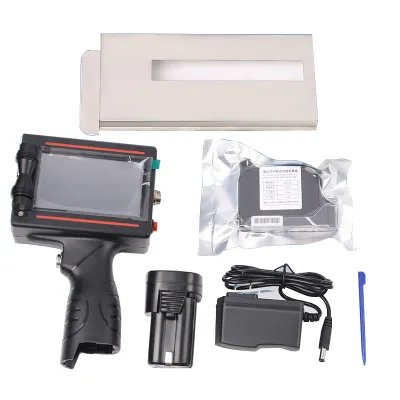
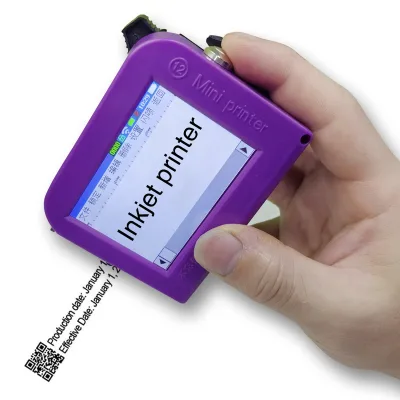
Yes, many fully automatic all-in-one inkjet printers are designed for food, drug, and daily industrial applications. They feature automatic grades and support various inks like water-based or quick-dry options. These machines handle batch numbers, QR codes, and expiry dates on diverse surfaces, ensuring compliance with standard industrial coding requirements.
What certifications do these inkjet printer suppliers hold?
Suppliers of fully automatic all-in-one inkjet printers often hold ISO9001:2015 system certifications. Some manufacturers also undergo SGS or BV verification processes. These credentials indicate adherence to quality management standards. Buyers should request current certification documents to ensure the equipment meets specific regulatory and operational requirements for their production environment.
Can these printers be customized for specific production lines?
Customization is available for many fully automatic all-in-one inkjet printers. Suppliers offer ODM and OEM capabilities to adapt machines for specific working patterns and applications. Buyers can request modifications for printing height, speed, and ink types. This flexibility ensures the equipment integrates seamlessly into existing online or semi-automatic production workflows.