Fully Automatic Wood Pellet Machine Suppliers and Manufacturers
Explore 30 verified suppliers offering fully automatic wood pellet machines with varying lead times, certifications, and capacities. Compare response times, MOQs, and pricing to find the right partner for your biomass production needs; review the available evidence before requesting comparable quotations from suitable candidates.
Updated
Suppliers List

Laizhou Chengda Machinery Co., Ltd.
- Verified by BV
- Trading Company,Manufacturer/Factory
- China Shandong
- Lead time23 days
- Avg. response≤ 4h
Main productsPellet Machine, Pellet Mill, Pellet Press, Pellet Making Machine, Pelletizer, Wood Pellet Press, Wood Pellet Machine, Hammer Mill, Wood Chipper, Belt Conveyor
Main marketsSouth America,Eastern Europe,Mid East,North America,Southeast Asia,Eastern Asia,Oceania,Western Europe,Africa

High Efficiency Biomass Pelletizing Machine Fully Automatic Wood Pellet Production Line
$399.00 - $1599.00
MOQ: 1 Sets


Shandong Tony Environmental Protection Sci-Tech Co., Ltd.
- Verified by BV
- Manufacturer
- China Shandong
- Lead time30 days
- Avg. response≤ 9h
Main productsPellet Machine, Pellet Line, Wood Chipper, Hammer Mill, Drum Dryer, Cooler Separator, Belt Conveyor, Packing Machine

Zhengzhou Faithin Machinery Equipment Co., Ltd
- Verified by SGS
- Manufacturer/Factory
- China Henan
- Lead time15 days
- Avg. response≤ 3h
Main productsChaff Cutter, Pellet Machine, Mixing Machine, Rice Mill Machine, Oil Press Machine, Disc Mill Machine, Hammer Mill Machine, Hammer Crusher, Jaw Crusher
Main marketsSouth America,Eastern Europe,Mid East,North America,Southeast Asia,Eastern Asia,Oceania,Western Europe,Africa

Wood Pellet Making Machine Line Wood Pallet Making Machine Fully Automatic Wood Pellets
$1490.00 - $1800.00
MOQ: 1 Pieces

Wood Pellet Machine Pelletizer Wood Pellets Machinery Oak Sawdust Pellet Machine
$1490.00 - $1800.00
MOQ: 1 Pieces

- Verified by BV
- Trading Company,Manufacturer/Factory
- China Henan
- Lead time15 days
- Avg. response≤ 4h
Main productsOil Expeller, Oil Press Machine, Oil Refinery, Pellet Machine, Food Processing Machine, Animal Feed Machine, Packing Machine, Filling Machine, Briquette Machine, Brick Machine
Main marketsSouth America,Eastern Europe,Mid East,North America,Southeast Asia,Eastern Asia,Oceania,Western Europe,Africa

Premium Wood Pelletizer for High-Volume Wood Pellet Production machine
$13950.00 - $14000.00
MOQ: 1 Sets


Advanced Sawdust Pellet Machine for Eco-Friendly Wood Pellet Production
$13950.00 - $14000.00
MOQ: 1 Sets


Henan Bedo Machinery Equipment Co., Ltd.
- Manufacturer, Trading Company
- Henan, China
- Lead time15 days
- Avg. response≤ 2h
Main productsWood Chipper, Wood Sawdust Machine, Wood Sawdust Briquetting Machine, Wood Pellet Production Line, Feed Pellet Production Line
Main marketsEastern Europe(40.00%), Southeast Asia(30.00%), South Asia(10.00%), South America(10.00%), Africa(10.00%)
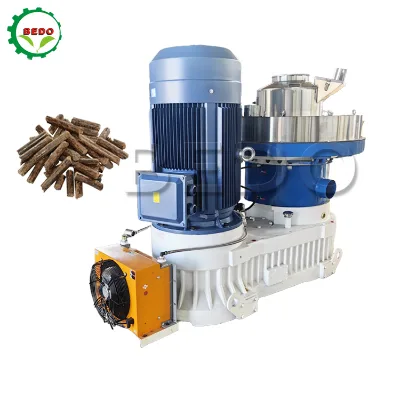
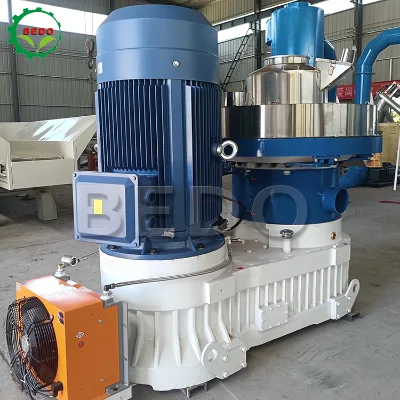
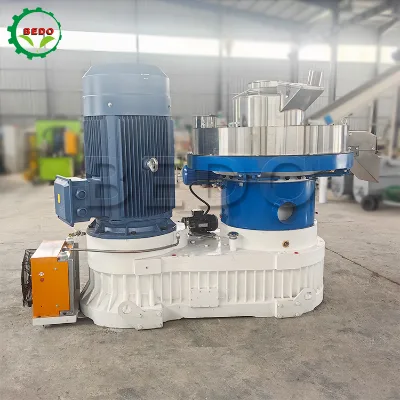
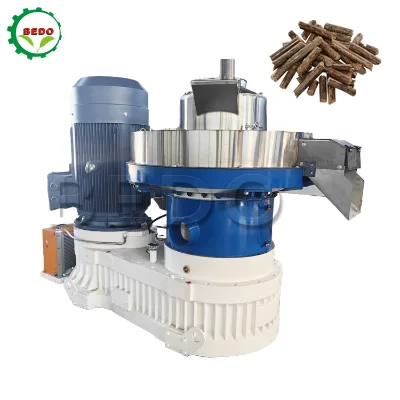
$15500.00 - $18500.00
MOQ: 1 sets

Chongqing Qiaoxing Machinery & Equipment Company
- Trading Company,Manufacturer/Factory
- China Chongqing
- Lead time23 days
- Avg. response≤ 5h
Main productsPellet Machine, Soap Making Machine, Food Machine, Wood Pellet Line, Feed Pellet Line, Wood Pellet Mill, Animal Feed Pellet Mill, Food Dryer, Hammer Mill, Animal Feed Pellet Plant
Main marketsSouth America,Eastern Europe,Mid East,North America,Southeast Asia,Eastern Asia,Oceania,Western Europe,Africa

Full Automatic Wood Pellet Machinery Grass Pellet Production Machine Line
$22000.00 - $25000.00
MOQ: 1 Pieces

Henan Yibao Machinery Equipment Co., Ltd.
- Verified by Intertek
- Manufacturer, Trading Company
- Lead time15 days
- Avg. response≤ 3h
Main productsFeed Pellet Machine, Wood Crusher, Pellets Mills, Dryer Machine, Shredder Machine
Main marketsAfrica(42%), Mid East(13%), Southeast Asia(10%)

Zhangqiu Fada Pellet Machinery Co., Ltd.
- Manufacturer, Trading Company
- Shandong, China
- Lead time10 days
- Avg. response≤ 5h
Main productsPellet Machine,Pellet Production Line,Dryer Equipment,Hammer Mill,Wood Working Machine
Main marketsDomestic Market(55.68%), Eastern Europe(9.44%), Western Europe(9.44%), Southeast Asia(9.33%), Southern Europe(6.39%), Northern Europe(5.28%), South America(2.22%), North America(1.11%), Eastern Asia(1.11%)
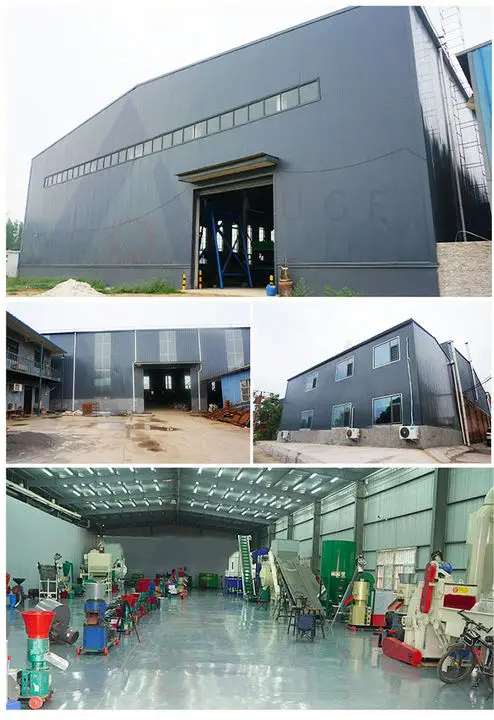
Henan Auge Machinery and Equipment Co.,ltd.
- Trading Company
- Henan, China
- Lead time5 days
- Avg. response≤ 3h
Main productspellet machine,chaff cutter,silage baler,mixer,conveyor
Main marketsDomestic Market(50.00%), Africa(15.00%), South America(15.00%), Mid East(6.00%), North America(2.00%), Central America(2.00%), Western Europe(2.00%), Eastern Asia(2.00%), Southeast Asia(2.00%), Oceania(2.00%), Eastern Europe(2.00%)

Shandong Hongxin Machinery Co., Ltd.
- Verified by SGS
- Combined
- China Shandong
- Lead time30 days
- Avg. response≤ 6h
Main productsWood Chipper Wood Crusher, Wood Grinder Wood Shredder, Brush Chipper Horizontal Grinder, Sawdust Machine Hammer Mill, Log Debarker Wood Debarking Machine, Wood Pellet Machine Pellet Mill, Biomass Pellet Machine, Mobile Diesel Wood Chipper, Disc Wood Chipper, Stump Crusher
Main marketsSouth America,Southeast Asia/ Mideast,Europe


2024 CE Certificated Wood Pellet Machine/Wood Pellet Mill/Wood Pellet Making Machine
$1000.00 - $128500.00
MOQ: 1 Sets
HENAN ETERNALWIN MACHINERY EQUIPMENT CO., LTD.
- Verified by SGS Group
- Trading Company
- Lead time15 days
- Avg. response≤ 1h
Main productsFeed pellet processing equipment/Floating and sinking fish feed production equipment/Pet food extruder machine line/Snack extruder machine, Wood pellet production equipment
Main marketsEastern Europe(25%), Western Europe(25%), North America(5%)
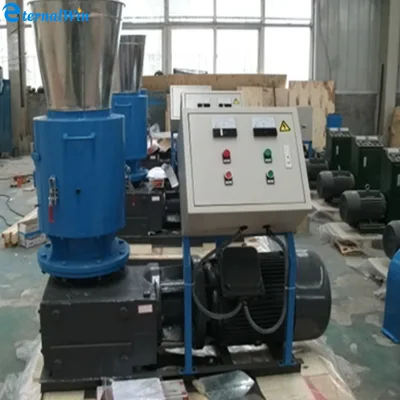
Full Automatic Industrial Wood Pellet Machine for Making Wood Pellet Pellet Grinder Machine
$6250.00 - $6350.00
MOQ: 1 sets
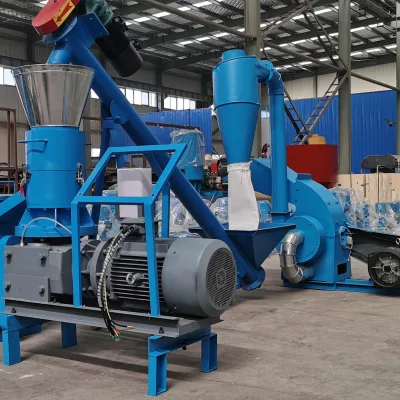
200-250 Kg/h Wood Solid Fuel Burning Pelet Machine Wood Pellet Automatic Wood Pellet Machine
$1871.60 - $4654.53
MOQ: 1 sets
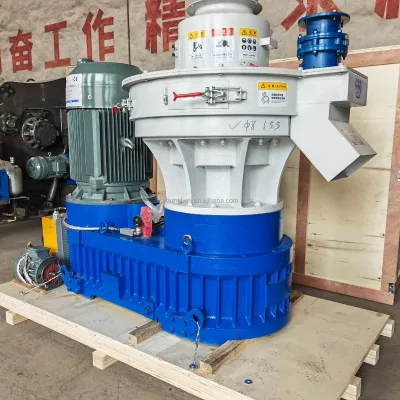
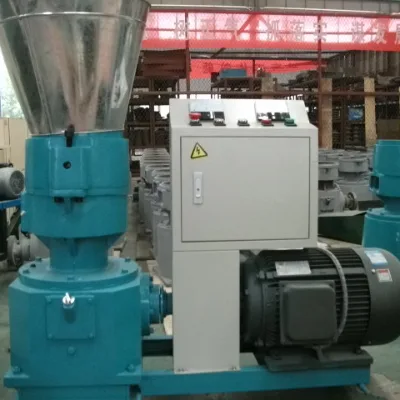
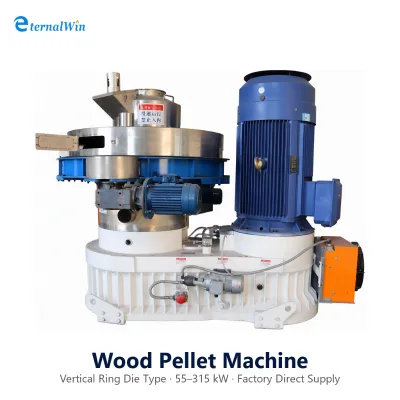

Henan Yibao Machinery Equipment Co., Ltd.
- Manufacturer
- China Henan
- Lead time23 days
- Avg. response≤ 6h
Main productsWood Pellet Mill, Wood Pellet Machine, Chipper Shredder, Feed Pellet Processing Machine, Dryer Machine, Briquette Making Machine, Feed Processing Machine, Shredder Machine, Charcoal Making Machine, Wood Crusher Machine
Main marketsSouth America,Africa,Southeast Asia/ Mideast,Domestic,North America
Zhengzhou Furui Machinery Co., Ltd.
- Verified by TüVRheinland
- Manufacturer, Trading Company
- Lead time7 days
- Avg. response≤ 6h
Main productsSolid Liquid Separator, Dewatering Machine, Double Shaft Shredding Machine, Fruit & Vegetable Juicing Machine
Main marketsSoutheast Asia(30%), Western Europe(20%), North America(10%)
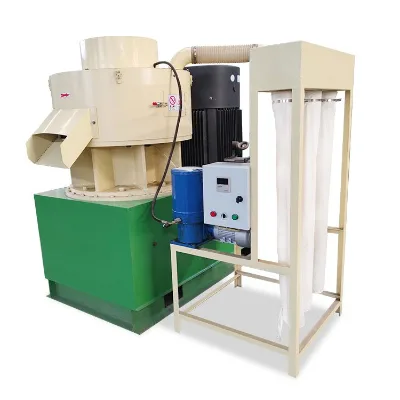
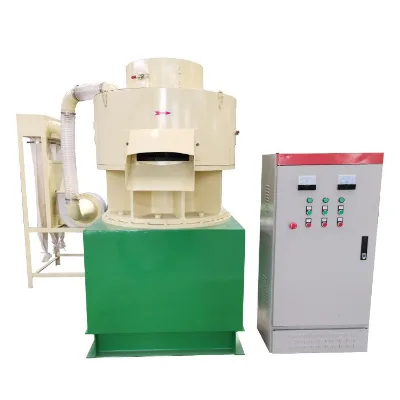
Oem Wood Pellet Machine Machinery Pto Granules Machine Bioenergy Feed Pellets Mill
$1620.00
MOQ: 1 Minimum

Zhengzhou Jawo Machinery Co., Ltd.
- Verified by TUVRHEINLAND
- Manufacturer/Factory
- China Henan
- Lead time15 days
- Avg. response≤ 6h
Main productsSausage Making Machine, Dumpling Machine, Frozen Meat Cutter, French Fries Production Line, Garlic Separator, Egg Grading Machine, Sand Blasting Machine, Metal Detector, Embroidery Machine, Spray Dryer
Main marketsSouth America,Eastern Europe,Mid East,North America,Southeast Asia,Eastern Asia,Oceania,Western Europe,Africa

SHANDONG DEXI MACHINE CO., LTD
- Manufacturer/Factory
- China Shandong
- Lead time23 days
- Avg. response≤ 7h
Main productsWood Pellet Machine, Drum Wood Chipper, Hammer Mill, Drum Rotary Dryer, Pellet Cooler, Straw Crusher, Sawdust Machine, Wood Shaving Machine, Pellet Production Line, Pellet Packing Machine
Main marketsSouth America,Eastern Europe,Mid East,North America,Southeast Asia,Eastern Asia,Oceania,Western Europe,Africa

Shandong Jinneng Machinery Co., Ltd.
- Verified by BV
- Combined
- China Shandong
- Lead time15 days
- Avg. response≤ 3h
Main marketsSoutheast Asia/ Mideast,East Asia(Japan/ South Korea),Domestic
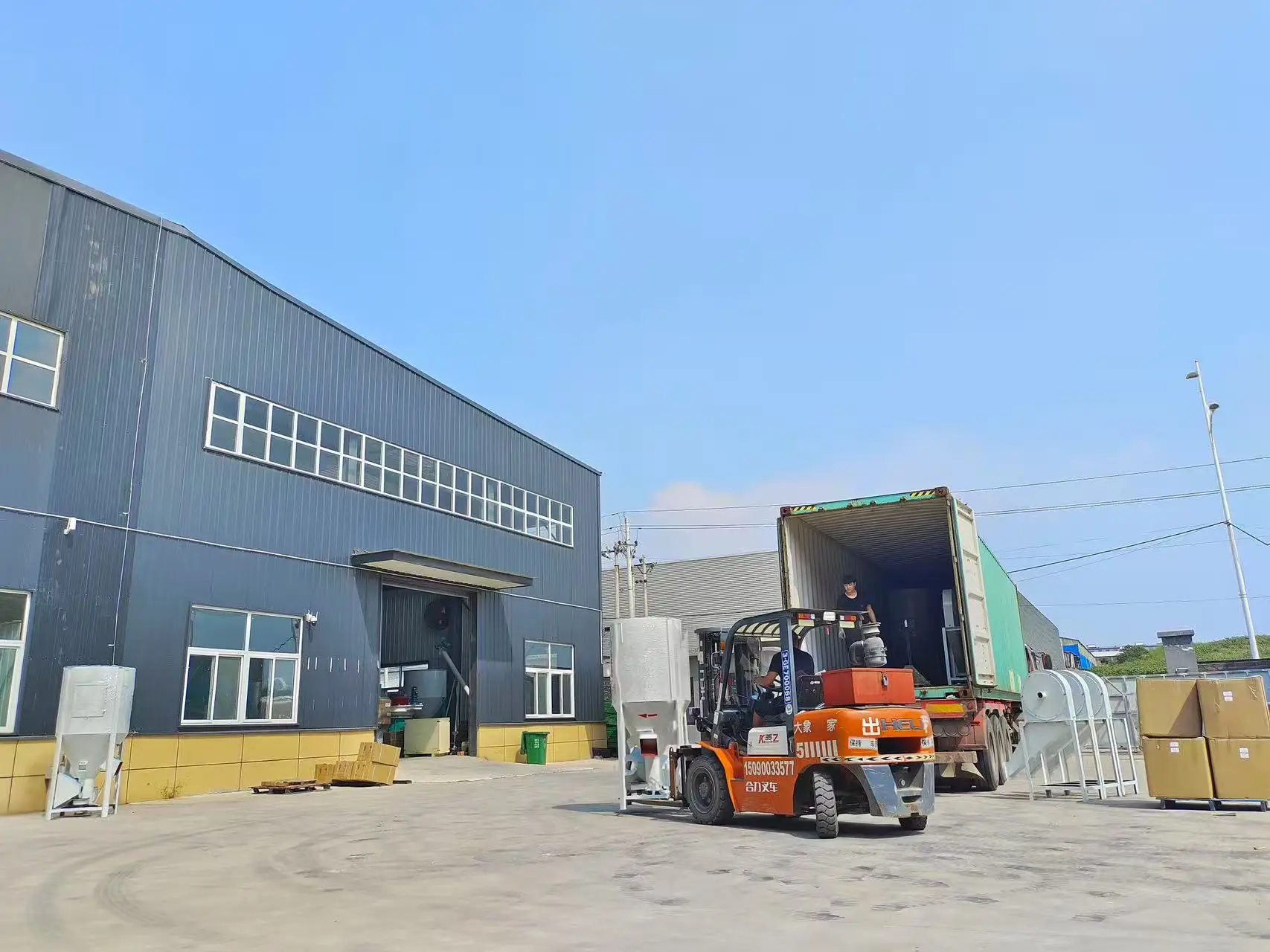
Jinan Hongyue Machinery And Tools Co., Ltd.
- Trading Company
- Shandong, China
- Lead time0 days
- Avg. response≤ 2h
Main productsAbrasive Tool,Diamond Polishing Tools,Pellet Machine,Pellet Line,Agricultural Machine
Main marketsNorth America(30.00%), Mid East(20.00%), Africa(20.00%), Southeast Asia(10.00%), Domestic Market(5.00%), South Asia(5.00%), Southern Europe(5.00%), Northern Europe(5.00%), Central America(5.00%), Western Europe(5.00%), Eastern Asia(5.00%), Eastern Europe(5.00%), Oceania(5.00%), South America(5.00%)

Zhengzhou Angtuo Machinery Equipment Co., Ltd.
- Verified by SGS
- Manufacturer/Factory
- China Henan
- Lead time15 days
- Avg. response≤ 5h
Main productsFood Machinery, Agricultural Machinery, Animal Feed Pellet Machinery, Fruit Vegetable Processing Machinery, Wood Processing Machinery
Main marketsSouth America,Eastern Europe,Mid East,North America,Southeast Asia,Eastern Asia,Oceania,Africa


Pellets Machine China Wood Pellets Mills Wood Biomass Pellet Machine
$1689.00 - $7729.00
MOQ: 1 Pieces

Henan Mingxin Machinery Co., Ltd
- Manufacturer
- China Henan
- Lead time15 days
- Avg. response≤ 6h
Main productsWood Pellet Machine, Double Shaft Shredder, Metal Crusher, Oil Press Machine, Oil Refinery Machine, Baler Machine
Main marketsSouth America,Africa,Southeast Asia/ Mideast,East Asia(Japan/ South Korea),Europe,Australia,North America

Flat Die Wood Pelletizer Manufacturer Pellet Machine Wood Pellets Mill Wood Pellet Machine for Sale
$12000.00 - $12100.00
MOQ: 1 set


Luoyang Luodate Machinery Equipment Co., Ltd.
- Manufacturer, Trading Company
- Lead time旺季: "1 - 1":30,"> 1":"To be negotiated", 淡季: "1 - 1":30,"> 1":"To be negotiated"
- Avg. response≤ 3h
Main productsFeed Processing Machines, Feed Pellet Mill, Feed Production Line, Wood Pellet Mill, Biomass Pellet Production Line
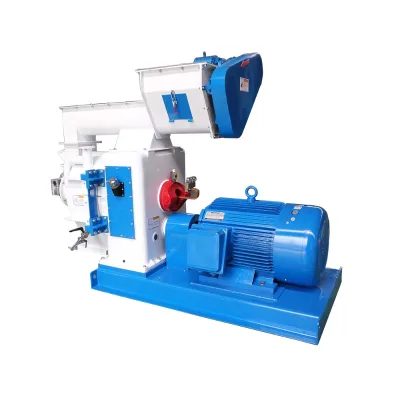
$12309.4914 - $20759.2271
MOQ: 1 sets
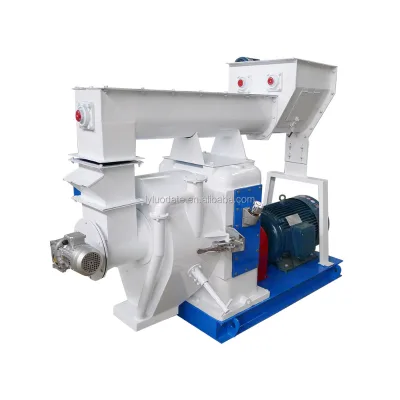
$11698.3569 - $20498.0058
MOQ: 1 sets
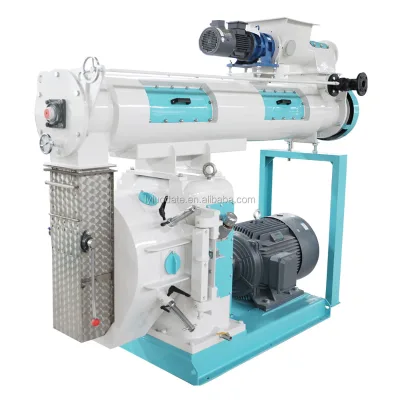
Laizhou Chengda Machinery Co., Ltd.
- Verified by SGS Group
- Manufacturer, Trading Company
- Lead time10 days
- Avg. response≤ 2h
Main productsPellet Machinery, Hammer Mill, Wood Shaving Machine
Main marketsEastern Europe(20%), Western Europe(20%), Southern Europe(20%)

Henan Vanmay Industry Co., Ltd.
- Verified by BV
- Trading Company
- China Henan
- Lead time15 days
- Avg. response≤ 6h
Main productsGrinding Machine, Feeding Machine, Rice Mill Machine, Animal Feed Pellet Machine, Grain Grinding/Grinder Machine, Chaff Cutter Machine, Corn/Wheat/Beans Harvester Machine, Corn/Paddy/Millet/Sorghum Thresher Machine, Silage Baler & Wrapper Machine, Animal Feed Mixer Machine
Main marketsSouth America,Africa,Others(foreignTradeCapacity.exportBusinessCapacityMarketOther),Southeast Asia/ Mideast,Europe,North America

Anyang Aols Machinery Equipments Co., Ltd.
- Trading Company
- Henan, China
- Lead time15 days
- Avg. response≤ 3h
Main productspellet machine,briquette machine,chaff cutter,dryer machine,hammer mill
Main marketsSouth America(30.00%), Africa(30.00%), Eastern Asia(10.00%), Mid East(10.00%), North America(10.00%), Southeast Asia(10.00%)

Zhengzhou Effort Trading Co., Ltd.
- Trading Company
- China Henan
- Lead time30 days
- Avg. response≤ 8h
Main productsBall Mill, Jaw Crusher, Rubber Autoclave, Stone Vibrating Screen, Stone Vibrating Feeder, Wet Pan Mill, Oil Press Machine, Wood Powder Milling Machine, Hammer Crusher, Sand Making Line
Main marketsSouth America,Africa,Southeast Asia/ Mideast,East Asia(Japan/ South Korea),Europe,Australia,North America
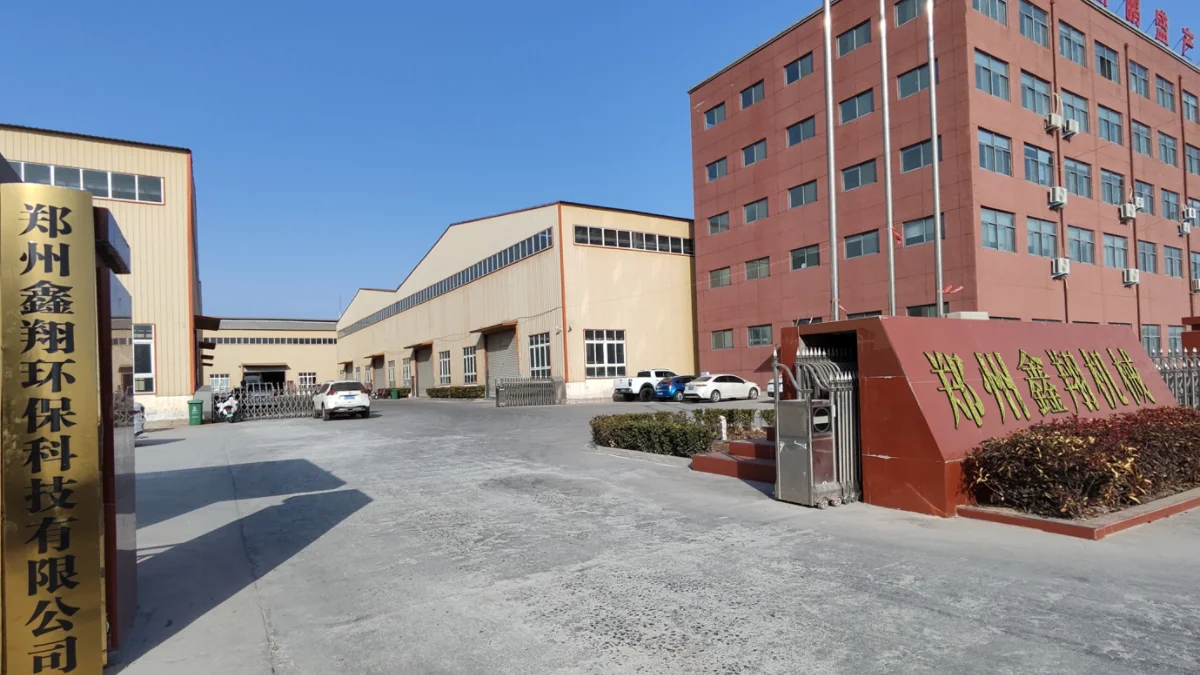
Zhengzhou Xinxiang Environmental Protection Technology Co., Ltd.
- Manufacturer, Trading Company
- Henan, China
- Lead time10 days
- Avg. response≤ 1h
Main productsWooden Comprehensive Crusher,Wood Chipper,Biomass Pellet Machine,Wooden Pellet Production line,Tyre Shredder
Main marketsSoutheast Asia(40.00%), Domestic Market(15.00%), South Asia(10.00%), Eastern Asia(10.00%), Mid East(10.00%), Eastern Europe(10.00%), Africa(5.00%)
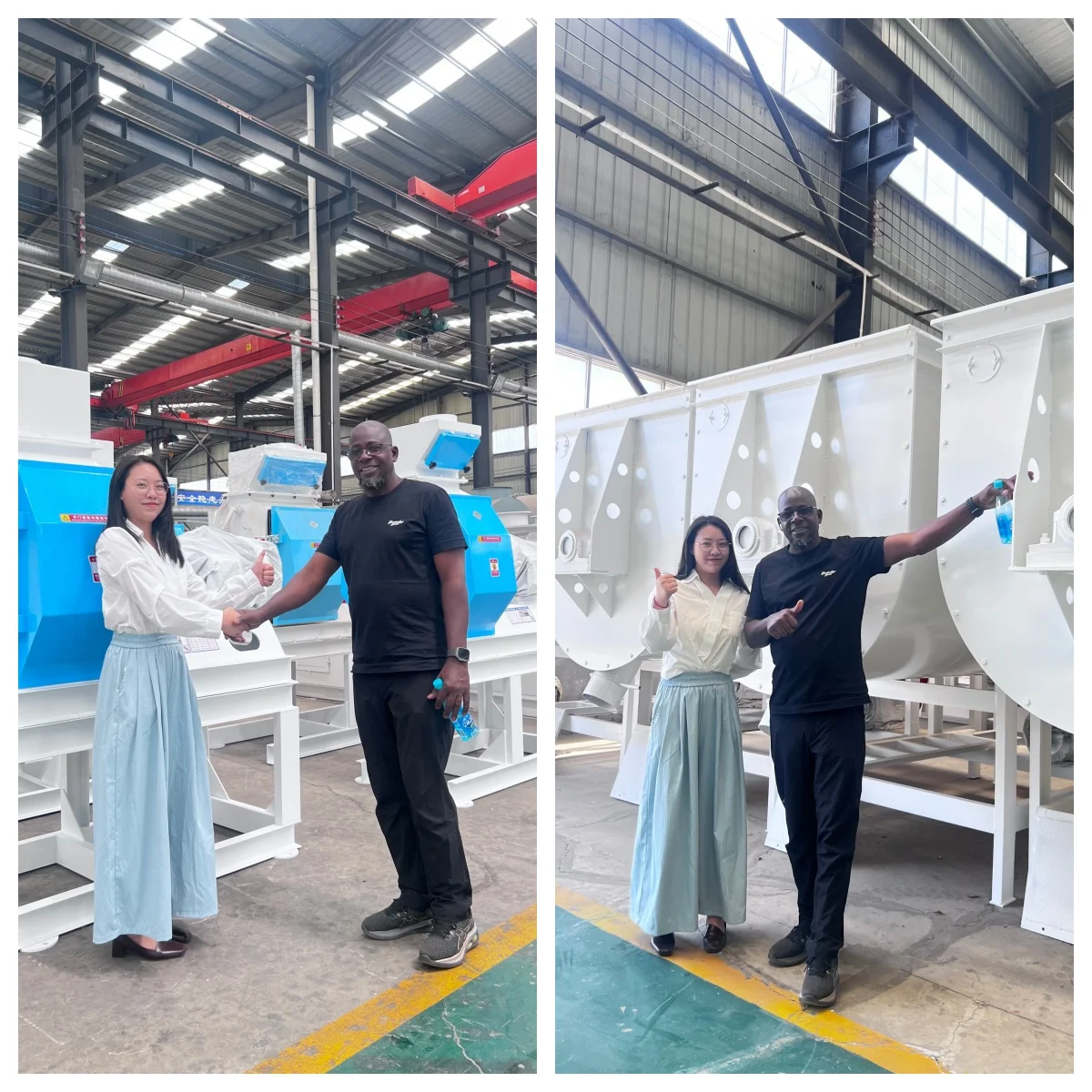
Xiamen Litre Technology Co., Ltd.
- Trading Company, Distributor/Wholesaler
- Fujian, China
- Lead time5 days
- Avg. response≤ 1h
Main productsBaking Equipment,Food Machinery,Other snack food machines,Packaging Machine
Main marketsSouth America(20.00%), Domestic Market(10.00%), South Asia(10.00%), Northern Europe(10.00%), Eastern Asia(10.00%), Oceania(10.00%), Africa(10.00%), Eastern Europe(10.00%), North America(10.00%)
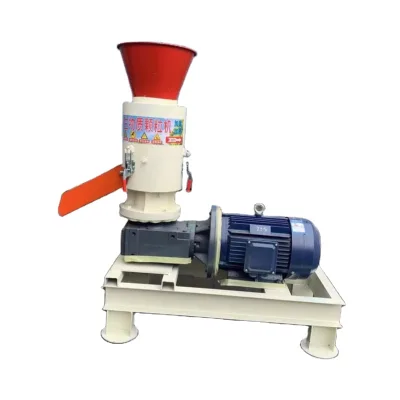
Small Wood Granulation Wood Pellet Biomass Pellet Machine Manufacturer
$3463.2067 - $3678.3765
MOQ: 1 sets
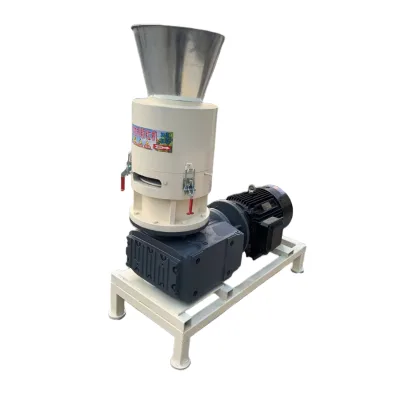
Shandong Hongsheng Intelligent Technology Co., Ltd.
- Manufacturer, Trading Company
- Shandong, China
- Lead time0 days
- Avg. response≤ 1h
Main productsWood-based Panel Machinery,agricultural machinery,Woodworking machinery parts,agricultural machinery component and parts,Other mechanical parts
Main marketsDomestic Market(55.00%), South Asia(20.00%), Southeast Asia(20.00%), Africa(5.00%)

CHANGZHOU HONGWEI IN-TECH CO., LTD.
- Combined
- China Jiangsu
- Lead time30 days
- Avg. response≤ 7h
Main productsDrum Chipper, Pellet Mill, Hammer Mill, Ring Die, Roller Shell
Main marketsSoutheast Asia/ Mideast,Europe
Henan Create Machinery Co., Ltd.
- Manufacturer, Trading Company
- Lead time旺季: "1 - 1":7,"2 - 2":15,"3 - 3":30,"> 3":"To be negotiated", 淡季: "1 - 1":7,"2 - 2":15,"3 - 3":30,"> 3":"To be negotiated"
- Avg. response≤ 2h
Main productsWood pellet mill production line,wood chipper,Fish feed production line
Liyang Weifeng Equipment Co., Ltd.
- Manufacturer, Trading Company
- Jiangsu, China
- Lead time30 days
- Avg. response≤ 3h
Main productsFeed Pellet Mill,Biomass Pellet Mill
Main marketsSoutheast Asia(40.00%), Africa(30.00%), South America(20.00%), Domestic Market(10.00%)
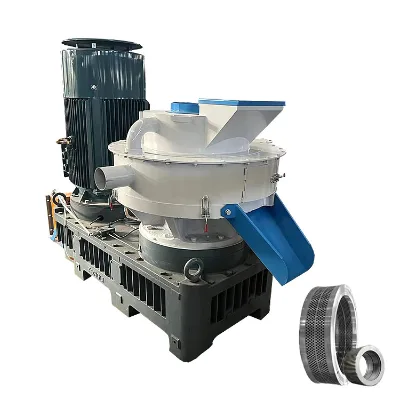
China Hot Sale Factory Price Wood Pellet Production Line Peanut Shell Pellet Mill Machine
$14000.00 - $15500.00
MOQ: 1 sets
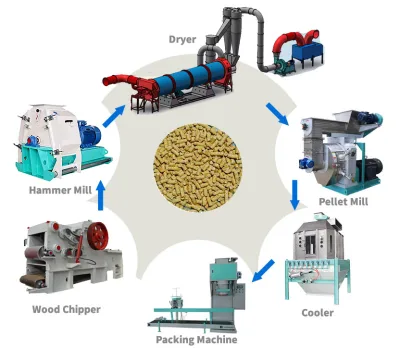
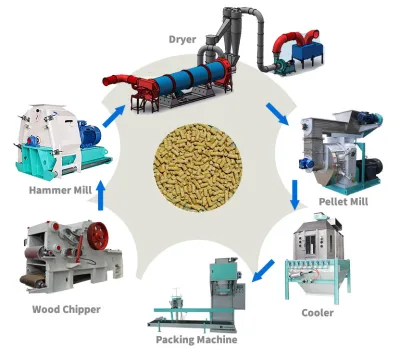
3T/H Rubber Wood Log Pellet Making Machine Line Peanut Shell Pellet Production Line
$14000.00 - $15000.00
MOQ: 1 sets


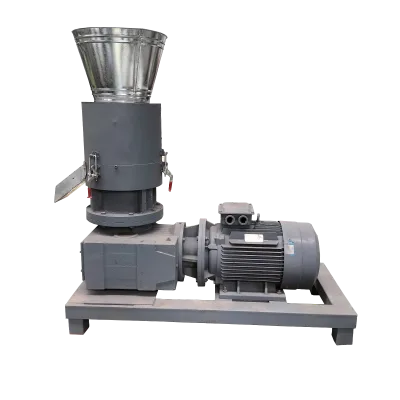
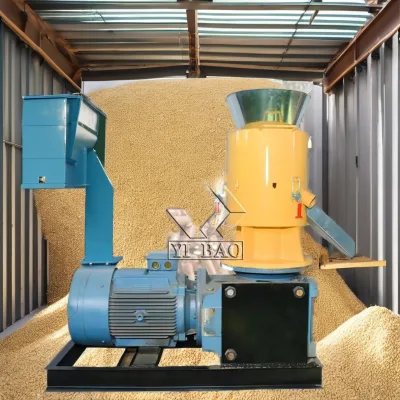
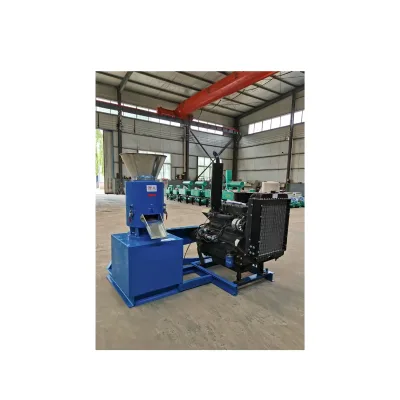
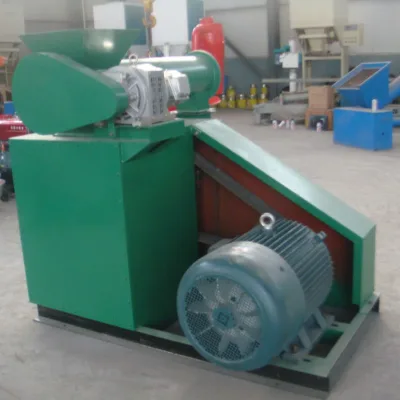
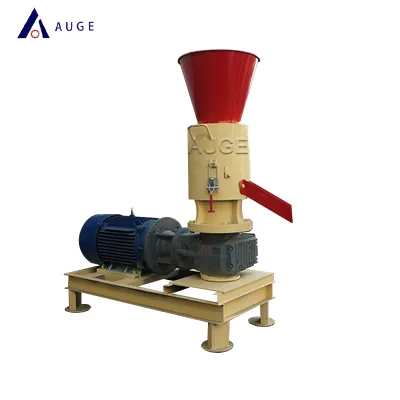
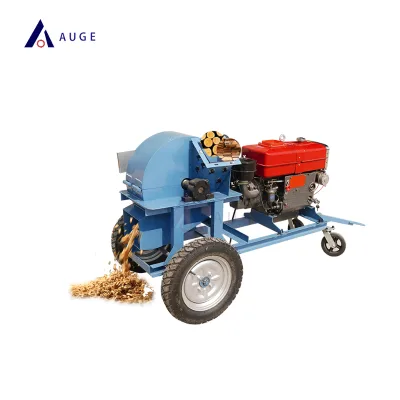


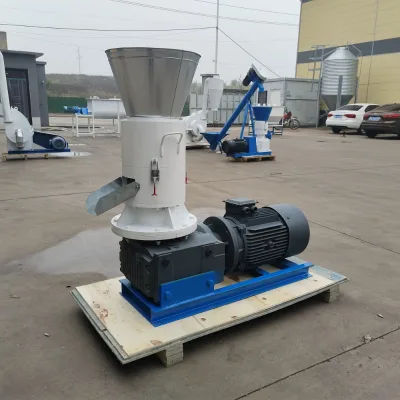
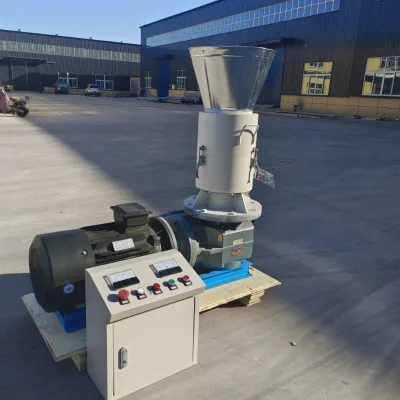
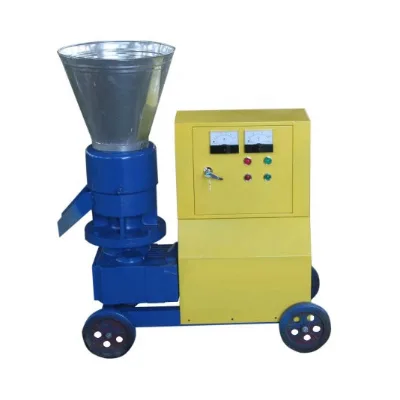


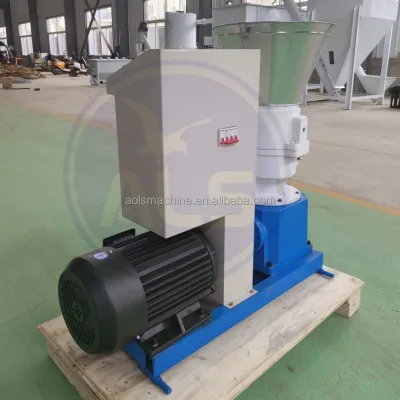


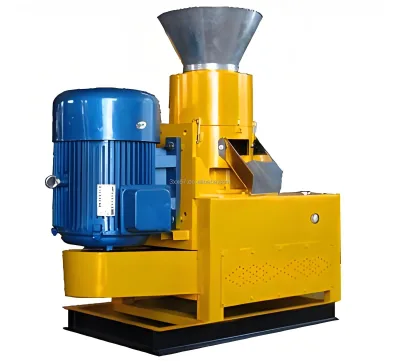
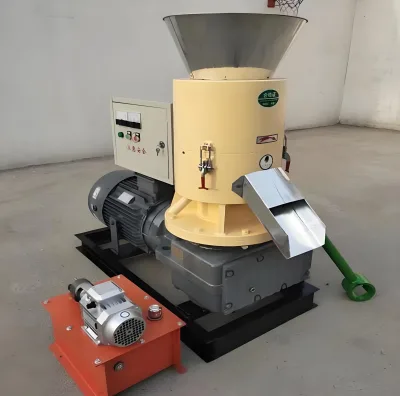
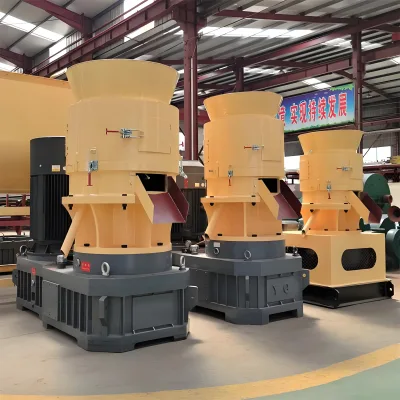
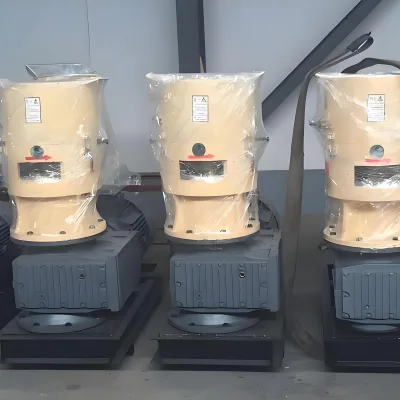
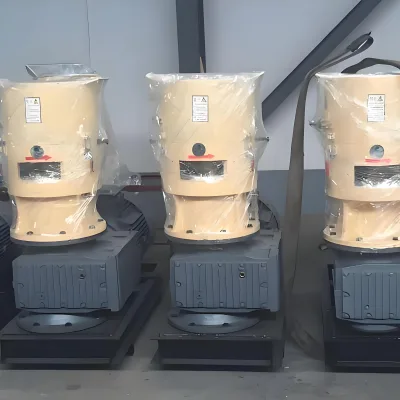
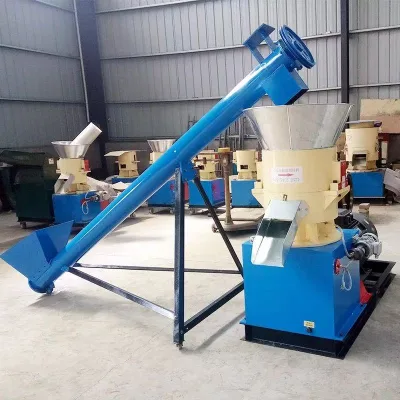
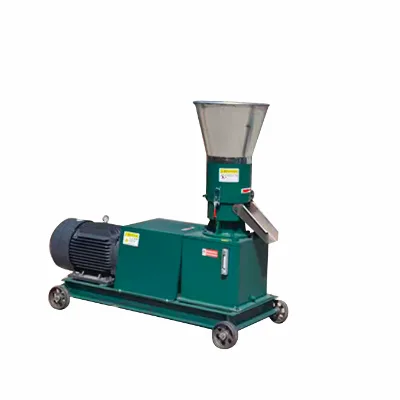


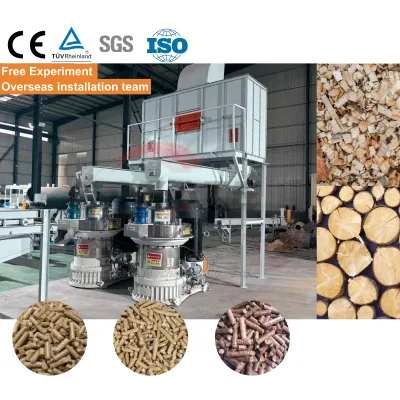
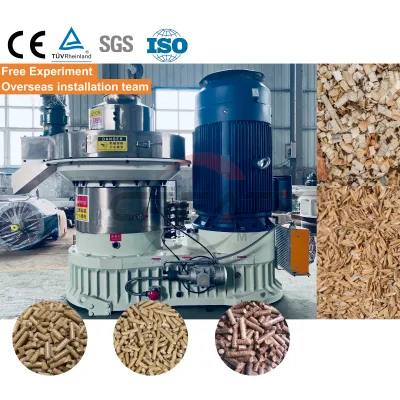
Comprehensive Sourcing Guide
Fully Automatic Wood Pellet Machine Supplier Concentration and Factory Types
The landscape for sourcing fully automatic wood pellet machines is defined by a mix of manufacturing capabilities and trading structures, primarily concentrated in specific industrial regions. Evidence indicates that a significant portion of suppliers are located in China, with Shandong emerging as a notable hub for this machinery. This geographic concentration suggests a mature supply chain ecosystem where raw materials, component suppliers, and assembly facilities are clustered, potentially reducing logistical friction for buyers. Within this region, companies operate under two primary business models: trading companies and manufacturer/factory entities. Trading companies often serve as intermediaries, offering a broader catalog of compatible parts or complementary equipment like wood chippers and belt conveyors, while manufacturers focus on the core production of pellet mills and presses. Understanding this distinction is critical for buyers, as it directly impacts pricing transparency, technical support depth, and the ability to customize machinery for specific biomass feedstocks.
Factory types vary significantly in their operational focus and capacity offerings. Some suppliers identify strictly as manufacturers, emphasizing their ability to produce complete production lines, including drum dryers, coolers, and packing machines, which indicates a vertical integration strategy. Others operate as both trading companies and factories, allowing them to source specific components externally while assembling final units in-house. This hybrid model can offer flexibility but may complicate accountability if a specific component fails. The presence of OEM and ODM capabilities among these suppliers suggests that many factories are equipped to handle custom branding and design modifications, catering to buyers who require unique specifications or private labeling. However, the extent of these capabilities varies, with some suppliers listing only their own brand, such as Chengda Machinery, while others explicitly advertise customization services. Buyers must carefully review the company type declaration to determine whether they are dealing with a direct producer or a reseller, as this influences the level of technical expertise available during the selection process.
How to Verify Fully Automatic Wood Pellet Machine Suppliers
Verification is the cornerstone of mitigating risk when engaging with international machinery suppliers, particularly in the biomass equipment sector where technical specifications can be complex. One of the primary methods for establishing supplier credibility is through third-party verification services. Data shows that certain suppliers hold BV (Bureau Veritas) verification status, which provides an independent assessment of the company’s legal existence and operational capabilities. This verification acts as a baseline trust signal, confirming that the entity is a legitimate business entity rather than a shell company. However, verification alone does not guarantee product quality or financial stability, so buyers should treat it as a starting point rather than a final seal of approval. It is essential to cross-reference these verification badges with other data points, such as the supplier’s response time and historical performance metrics, to build a comprehensive profile of reliability.
Beyond basic verification, buyers should scrutinize the technical certifications and product attributes listed in supplier catalogs. Many fully automatic wood pellet machines are listed with CE and ISO certifications, which are critical for ensuring compliance with international safety and quality standards, particularly for export to Europe or other regulated markets. The presence of ISO 9000 system certification indicates that the supplier adheres to standardized quality management processes, which can be a strong indicator of consistent manufacturing quality. Buyers should request copies of these certificates and verify their validity with the issuing bodies. Additionally, examining the detailed product attributes, such as voltage requirements (e.g., 380V), automatic grade, and controlling mode (CNC or artificial), helps assess whether the supplier’s offerings align with the buyer’s local infrastructure and operational needs. Suppliers that provide detailed, consistent technical data are generally more trustworthy than those with vague or incomplete product descriptions.
What to Compare Across Fully Automatic Wood Pellet Machine Suppliers
When evaluating multiple suppliers for fully automatic wood pellet machines, several key performance indicators must be compared to ensure the best value and operational fit. Lead time is a critical factor, as it directly impacts project timelines and cash flow. Available data indicates that lead times can vary significantly, with some suppliers offering delivery within 23 days, while others may require up to 30 days or more. This variation often reflects the complexity of the order, the availability of raw materials, and the supplier’s current production load. Buyers should also consider the response time, which serves as a proxy for customer service quality. Suppliers with faster response times, such as those averaging around 3.53 hours, are likely more responsive to inquiries and potential issues during the procurement process. Comparing these metrics across different suppliers helps identify those that are not only technically capable but also operationally efficient.
Price and minimum order quantity (MOQ) are another crucial pair of variables to analyze. The price range for fully automatic wood pellet machines is broad, reflecting differences in capacity, automation level, and component quality. For instance, smaller or semi-automatic units may start at lower price points, while large-scale industrial lines with capacities exceeding 2 tons per hour can command significantly higher prices. Some suppliers list fixed prices for specific models, while others provide a range, indicating that final costs may depend on customization options or configuration choices. The MOQ is typically low, often starting at just one unit, which allows buyers to test the supplier’s capabilities with a single purchase before committing to larger orders. However, buyers should be aware that economies of scale may apply for larger orders, potentially reducing the per-unit cost. Comparing these financial terms alongside technical specifications ensures that the selected supplier offers the best balance of cost, quality, and service.
Common Fully Automatic Wood Pellet Machine Sourcing Risks
Sourcing fully automatic wood pellet machines from international suppliers introduces several inherent risks that buyers must proactively manage. One significant risk is the discrepancy between advertised specifications and actual product performance. While suppliers may list high capacities, such as 2-10 tons per hour, real-world performance can vary based on the moisture content and type of biomass feedstock. Buyers often assume that a machine rated for wood pellets will perform equally well with other materials like rice husks or corn stalks, but this is not always the case. The lack of standardized testing protocols across different suppliers means that capacity claims may not be directly comparable. Additionally, the complexity of fully automatic systems, which include CNC controls and automatic lubrication systems, increases the potential for technical failures if the machine is not operated correctly or maintained properly. Buyers must ensure that the supplier provides comprehensive documentation and training to mitigate these operational risks.
Another major risk is the variability in after-sales support and warranty coverage. While many suppliers offer a one-year warranty, the scope of this warranty can vary significantly. Some suppliers provide free services, such as video chat support or engineer guidance for installation, while others may charge extra for these services. The reliability of spare parts availability is also a concern, as delays in receiving replacement components like dies and rollers can halt production for extended periods. Buyers should verify the supplier’s policy on spare parts and technical support before placing an order. Furthermore, the risk of communication barriers cannot be overlooked, especially when dealing with suppliers in different time zones. Misunderstandings regarding technical requirements or delivery terms can lead to costly errors. To mitigate these risks, buyers should establish clear communication channels and request detailed contracts that specify all support obligations and penalty clauses for non-performance.
Fully Automatic Wood Pellet Machine Regional Sourcing and Logistics
The geographic location of suppliers plays a pivotal role in determining logistics costs, delivery times, and overall supply chain resilience. As noted, many Fully Automatic Wood Pellet Machine suppliers are concentrated in China, particularly in the Shandong province. This regional clustering offers advantages in terms of supply chain efficiency, as component suppliers and assembly facilities are often located in close proximity. However, it also means that buyers must carefully consider the logistics of exporting heavy machinery from this region. The standard packing methods, such as plywood boxes or iron cases, are designed to protect the machinery during transit, but the weight and dimensions of these units can significantly impact shipping costs. For example, large industrial pellet lines with weights exceeding 9,000 kg require specialized freight solutions, which can add substantial costs to the final landed price. Buyers should factor in these logistical expenses when comparing quotes from different suppliers.
In addition to shipping costs, buyers must also consider the regulatory and customs requirements associated with importing machinery from specific regions. Different countries have varying standards for electrical equipment, safety certifications, and environmental regulations. Suppliers in China often provide CE and ISO certifications, which are widely recognized and can facilitate customs clearance in many markets. However, buyers must verify that these certifications are valid for their specific destination country. Furthermore, the choice of shipping method, whether by sea or air, will impact the lead time and cost. Sea freight is generally more cost-effective for heavy machinery but takes longer, while air freight is faster but prohibitively expensive for large units. Buyers should work with their freight forwarders to determine the most efficient shipping route and ensure that all necessary documentation, such as bills of lading and certificates of origin, are prepared correctly to avoid delays at customs.
Fully Automatic Wood Pellet Machine Commercial Terms and Order Planning
Effective order planning for fully automatic wood pellet machines requires a thorough understanding of commercial terms and payment structures. Payment methods vary among suppliers, with some requiring a 30% deposit upfront, while others may accept T/T, PayPal, or online LC (Letter of Credit) options. The choice of payment method can impact cash flow and risk exposure for the buyer. For larger orders, using a Letter of Credit can provide a layer of security by ensuring that payment is only released upon the presentation of specific shipping documents. Buyers should negotiate payment terms that align with their financial capabilities and risk tolerance. Additionally, the inclusion of escrow services, if available, can offer an extra layer of protection by holding funds until the buyer confirms receipt and satisfaction with the goods. Understanding these financial terms is crucial for avoiding unexpected costs or disputes during the transaction process.
Beyond payment terms, buyers must also plan for the installation and commissioning of the machinery. Many suppliers offer installation services, ranging from manual guidance to video chat support or on-site engineer assistance. The cost and availability of these services should be clearly defined in the contract. Buyers should assess their own technical capabilities and determine whether they require external support for installation. Furthermore, the warranty period, typically one year, should be clearly understood, including what components are covered and the process for claiming warranty service. Buyers should also consider the long-term maintenance costs, including the availability and price of spare parts like dies and rollers. By carefully planning these commercial and operational aspects, buyers can ensure a smooth procurement process and minimize disruptions to their biomass pellet production operations.
FAQs
What is the price range for fully automatic wood pellet machines?
Prices for fully automatic wood pellet machines typically range from $399 to $80,000 depending on capacity and configuration. Entry-level units start near $399, while high-capacity industrial lines can reach $80,000. Buyers should verify specific model pricing and minimum order quantities before placing orders to ensure budget alignment.
What certifications do these machines usually have?
Most fully automatic wood pellet machines carry CE and ISO certifications. These standards ensure compliance with international safety and quality requirements. Buyers should request valid certification documents from suppliers to verify that the equipment meets the specific regulatory standards required for their target market or operational environment.
What is the typical lead time for delivery?
Typical lead times for fully automatic wood pellet machines range from 7 to 30 working days. Some suppliers offer faster delivery within 7-15 days, while larger production lines may require up to 30 days. Buyers should confirm exact production schedules with suppliers to align with their project timelines effectively.
What is the minimum order quantity for these machines?
The minimum order quantity for fully automatic wood pellet machines is often just one unit. This allows buyers to test equipment performance before committing to larger orders. Suppliers generally support single-unit purchases, making it easier for small businesses to enter the biomass pellet production market with minimal initial investment.
Where are these machines typically manufactured?
Fully automatic wood pellet machines are primarily manufactured in China, specifically in the Shandong province. This region is a major hub for agricultural and industrial machinery production. Buyers should verify the exact origin and shipping logistics to understand potential import duties and transit times for their specific destination.
What warranty is provided for these machines?
Standard warranty coverage for fully automatic wood pellet machines is typically one year. This period covers manufacturing defects and component failures under normal operating conditions. Buyers should clarify warranty terms, including coverage for wear parts like dies and rollers, to ensure long-term operational support and maintenance planning.