Full Steel Modular House Suppliers and Manufacturers
Source 29 verified suppliers for Full Steel Modular House projects. Compare key dimensions including lead times, MOQs, response speeds, and certifications like ISO9001 and SGS. Review product specs and request quotes directly from these manufacturers; review the available evidence before requesting comparable quotations from suitable candidates.
Updated
Suppliers List
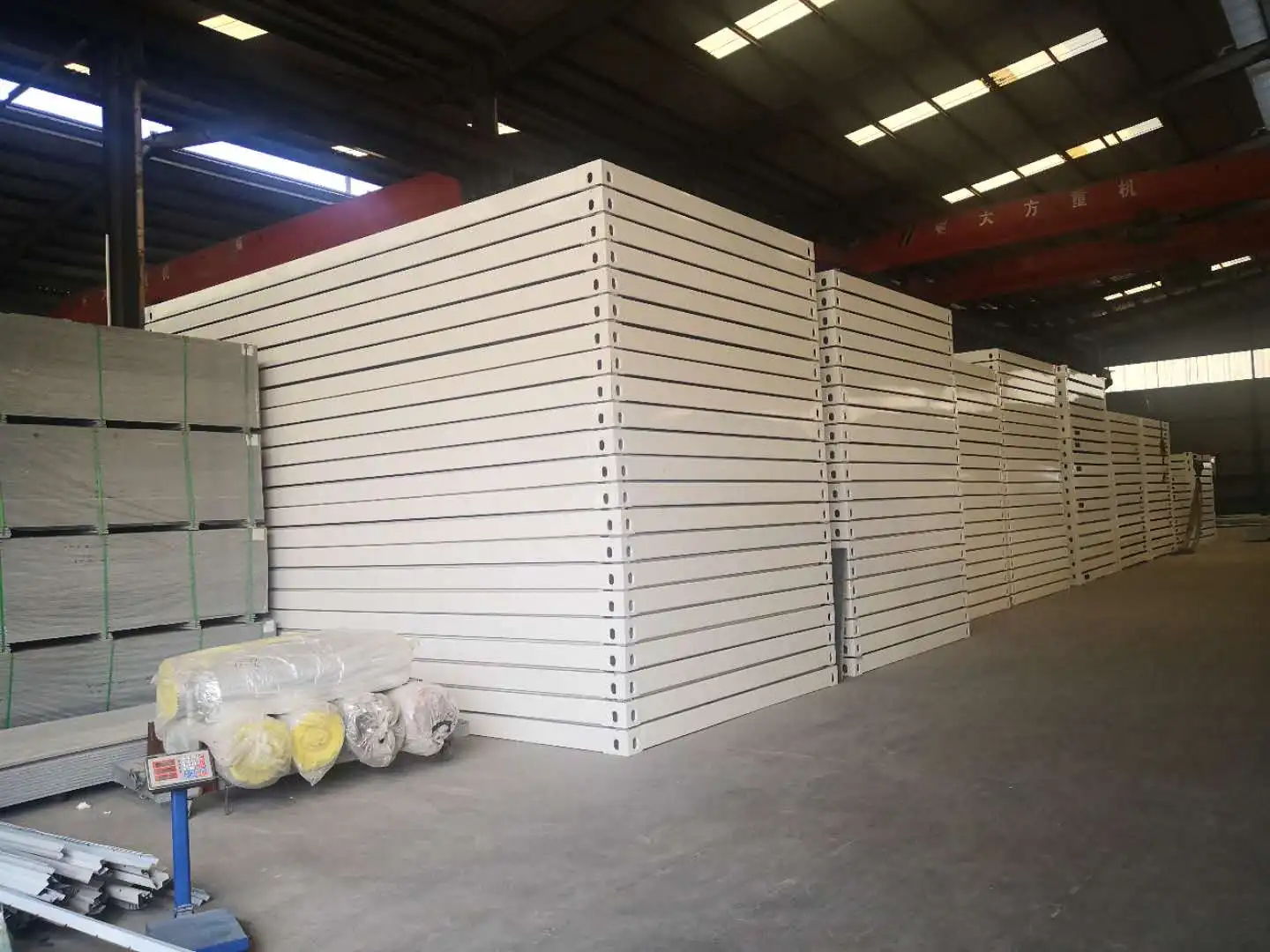
Henan Feeker Import And Export Co., Ltd.
- Manufacturer, Trading Company
- Henan, China
- Lead time10 days
- Avg. response≤ 10h
Main productsFlat Pack House, Expandable Container House, Foldable Container House, Detachable Container House
Main marketsNorth America(50.00%), Southeast Asia(30.00%), Eastern Asia(2.00%), South America(2.00%), Oceania(2.00%), Western Europe(2.00%), Central America(2.00%), Northern Europe(2.00%), Africa(2.00%), Eastern Europe(2.00%), Mid East(2.00%), South Asia(1.00%), Southern Europe(1.00%)
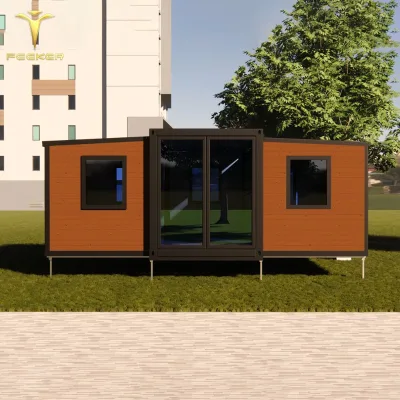
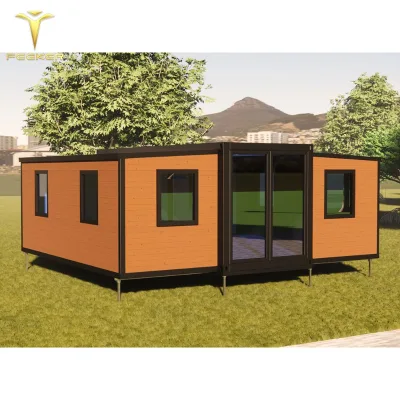
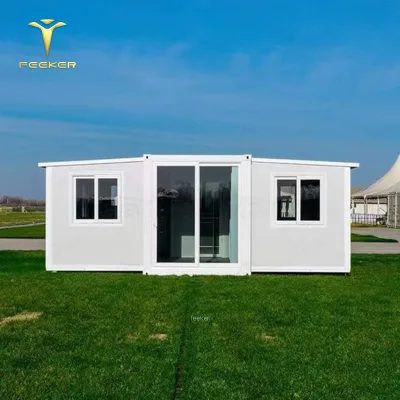
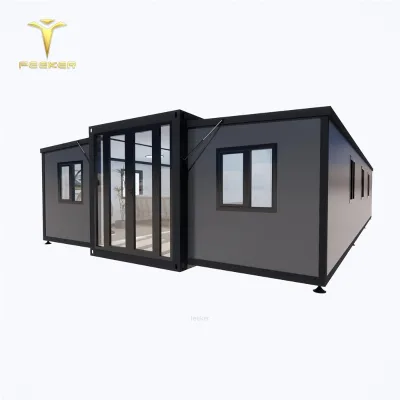
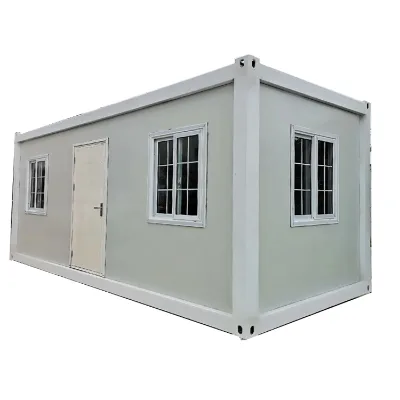
Frames Temporary Modular Houses Luxury Home Prefab Container House For Sale
$3800.00 - $5699.00
MOQ: 1 pieces
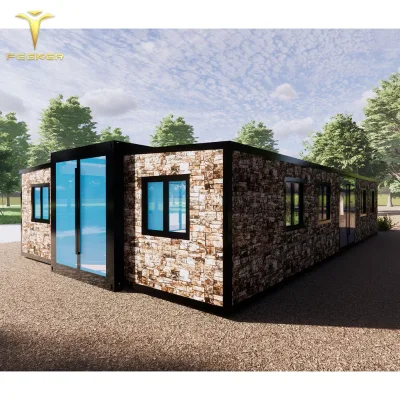
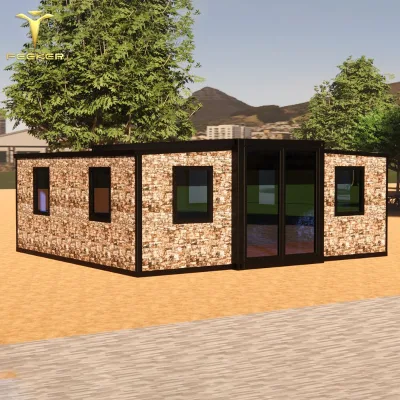
$3800.00 - $5699.00
MOQ: 1 pieces

shandong qihua fire engineering co.,ltd.
- Verified by SGS
- Combined
- China Shandong
- Lead time15 days
- Avg. response≤ 2h
Main productsPrefabricated Steel Structure, Steel Workshop, Steel Warehouse, Steel Frame Building, Light & Heavy Steel Structure, Steel Structure Fireproof Coating, Intumescent Fireproof Coating, Thin/Ultra-Thin Fireproof Paint, Thick Fireproof Coating, Water-Based Fire Retardant Coating
Main marketsDomestic

Yinhong Mobile House (Shanghai) Co., Ltd.
- Verified by SGS
- Combined
- China Shanghai
- Lead time30 days
- Avg. response≤ 2h
Main productsPrefab House, Container House, Portable House, Prefabricated House, Villa, Steel Structure House, Container Home, Modular House, Sandwich Panel, Apartment House
Main marketsSouth America,Africa,Southeast Asia/ Mideast,East Asia(Japan/ South Korea),Domestic,Europe,Australia,North America


Low Cost Modular Houses High Quality Steel Structure Container House
$1499.00 - $2699.00
MOQ: 1 Pieces

Professional Sales of Modular Houses Villas Container Steel Structure Houses
$899.00 - $1299.00
MOQ: 4 Pieces

Dongguan Vanhe Modular House Co., Ltd.
- Verified by TUVRHEINLAND
- Trading Company
- China Guangdong
- Lead time30 days
- Avg. response≤ 5h
Main productsPrefab House, Container House, Sandwich Panel House, Steel Structure Warehouse, Light Steel Villa, Portable Toilet, Unit Bathroom Pod, EPS Cement House
Main marketsSoutheast Asia/ Mideast

Shandong Zhuopin Steel Bridge Engineering Co., Ltd.
- Verified by SGS
- Combined
- China Shandong
- Lead time30 days
- Avg. response≤ 3h
Main productsSteel Structure Building, Steel Structure Bridge, Steel Structure
Main marketsSoutheast Asia/ Mideast

Pre-Engineered Modular Steel Structure House / Steel Structure House
$45.00 - $70.00
MOQ: 500 Square Meters


Guangdong Wellcamp Steel Structure & Modular Housing Co., Ltd.
- Verified by CTI
- Combined
- China Guangdong
- Lead time15 days
- Avg. response≤ 13h
Main productsSteel Structure, Prefab House, Steel Villa, Container House, Modular House, Cowshed, Folding Container House, Portable Toilet, Prefab Warehouse, Accommodation
Main marketsSouth America,Africa,Southeast Asia/ Mideast,Europe,Australia,North America

Henan K-Home Steel Structure Co., Ltd.
- Verified by BV
- Trading Company,Manufacturer/Factory
- China Henan
- Lead time38 days
- Avg. response≤ 4h
Main productsContainer House, Prefab House, Container Home, Porta Cabin, Modular House, Flat Pack Container House, Container Toilet, Steel Structure House, Peb Building, Pre-Engineered Building
Main marketsSouth America,Eastern Europe,Mid East,North America,Southeast Asia,Eastern Asia,Oceania,Western Europe,Africa

Qingdao KXD Steel Structure Co., Ltd.
- Trading Company
- China Shandong
- Lead time30 days
- Avg. response≤ 8h
Main productsSteel Structure, Prefabricated Building, Steel Structure Warehouse, Steel Structure Workshop, Prefabricated House, Container House, Sandwich Panel, Corrugated Steel Sheet, Steel Building, Chicken House
Main marketsSouth America,Africa,Southeast Asia/ Mideast,Europe,Australia,North America
VITA INTERNATIONAL FREIGHT CO., LIMITED
- Trading Company
- Hong Kong S.A.R.
- Lead time5 days
- Avg. response≤ 4h
Main productsShipping Container,Dry Container,Refrigerated Container,Side door container,Tunnel shipping containers
Main marketsEastern Europe(10.00%), South America(10.00%), North America(10.00%), Oceania(10.00%), Central America(10.00%), Southern Europe(8.00%), Northern Europe(8.00%), Mid East(6.00%), Southeast Asia(5.00%), South Asia(5.00%), Domestic Market(5.00%), Eastern Asia(5.00%), Western Europe(5.00%), Africa(3.00%)
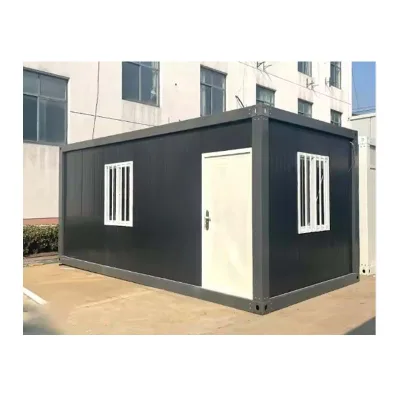
$838.6283 - $995.8719
MOQ: 1 sets
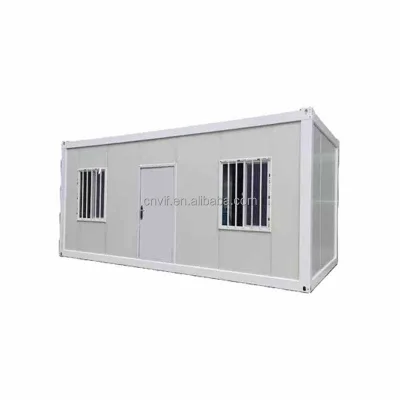
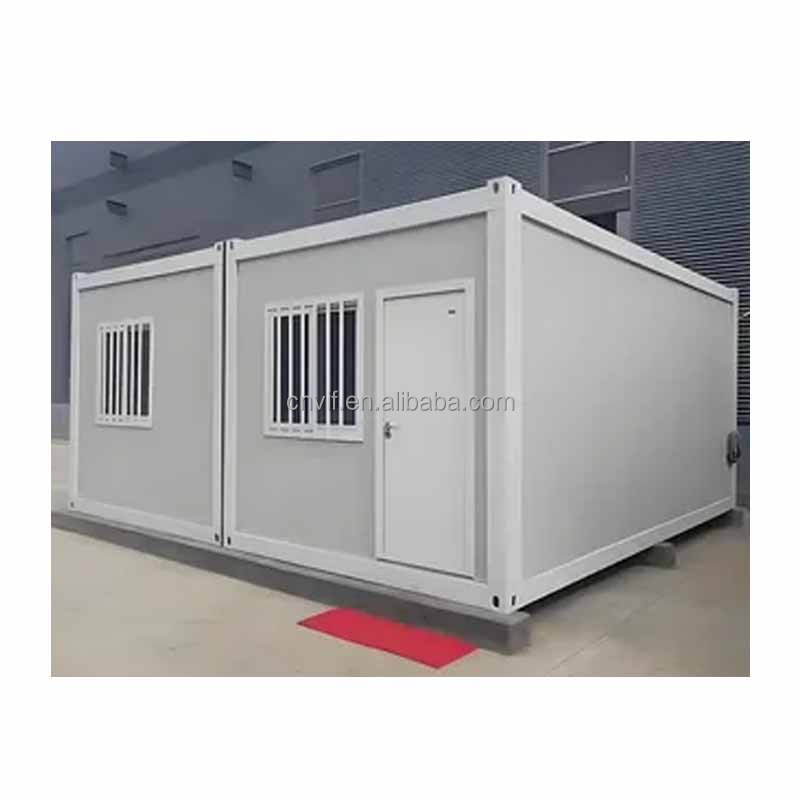
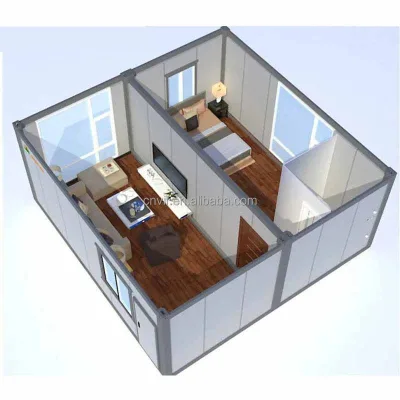
High Quality 20 Feet Containers House
$800.00 - $950.00
Hebei Baijing Zhuoda Building Materials Technology Co., Ltd.
- Manufacturer, Trading Company
- Hebei, China
- Lead time5 days
- Avg. response≤ 11h
Main productsContainer houses,Polyurethane rock wool board,Swimming pool,Pressed veneer,prefabricated house
Main marketsSouth America(20.00%), North America(20.00%), South Asia(10.00%), Northern Europe(10.00%), Central America(10.00%), Mid East(10.00%), Africa(10.00%), Southeast Asia(10.00%)
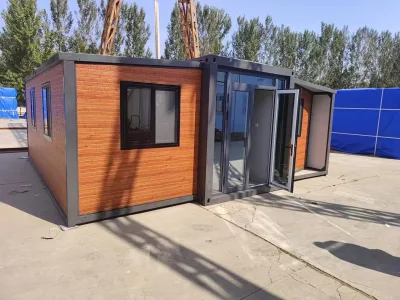
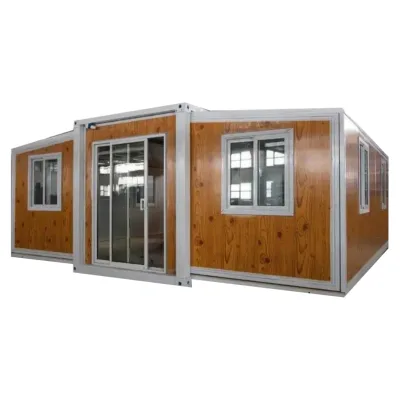
Hot Selling Modular Container House with Two Bedrooms and Living Room, Quick Installation
$8300.00 - $16600.00
MOQ: 1 Minimum

Xiamen Sunfine Architect & Construction Co., Ltd.
- Verified by BV
- Combined
- China Fujian
- Lead time23 days
- Avg. response≤ 3h
Main productsContainer House, Prefab House, Moveble House, Prefabricated Building, Flat Pack Cabins, Portable Toilet
Main marketsSouth America,Africa,Southeast Asia/ Mideast,Europe,Australia,North America
Guangdong Guose Modular Construction Co., LTD.
- Verified by TüVRheinland
- Manufacturer, Trading Company
- Lead time0 days
- Avg. response≤ 5h
Main productsContainer House, Prefab House, Tiny House, Modular House
Main marketsOceania(20%), Mid East(20%), North America(15%)
Zhejiang Gaoerji Steel Structure Material Co., Ltd.
- Manufacturer, Trading Company
- Zhejiang, China
- Lead time30 days
- Avg. response≤ 1h
Main productsSteel Structure Building, Steel Structure, Steel Structure Factory Building Warehouse, Steel Structure Prefabricated Building, Steel Structure Villa
Main marketsAfrica(60.00%), South America(10.00%), Southeast Asia(10.00%), Oceania(5.00%), Eastern Europe(3.00%), North America(2.00%)

Qingdao Xinguangzheng Husbandry Co., Ltd.
- Verified by TUVRHEINLAND
- Trading Company,Manufacturer/Factory
- China Shandong
- Lead time0 days
- Avg. response≤ 3h
Main productsSteel Structure Building, Steel Warehouse, Steel Workshop, Steel House, Prefabricated Warehouse, Steel Structure Exhibition Hall, Prefab House, Poulty House, Steel Structure Frame, Poultry Equipment
Main marketsSouth America,Eastern Europe,Mid East,North America,Southeast Asia,Eastern Asia,Oceania,Western Europe,Africa
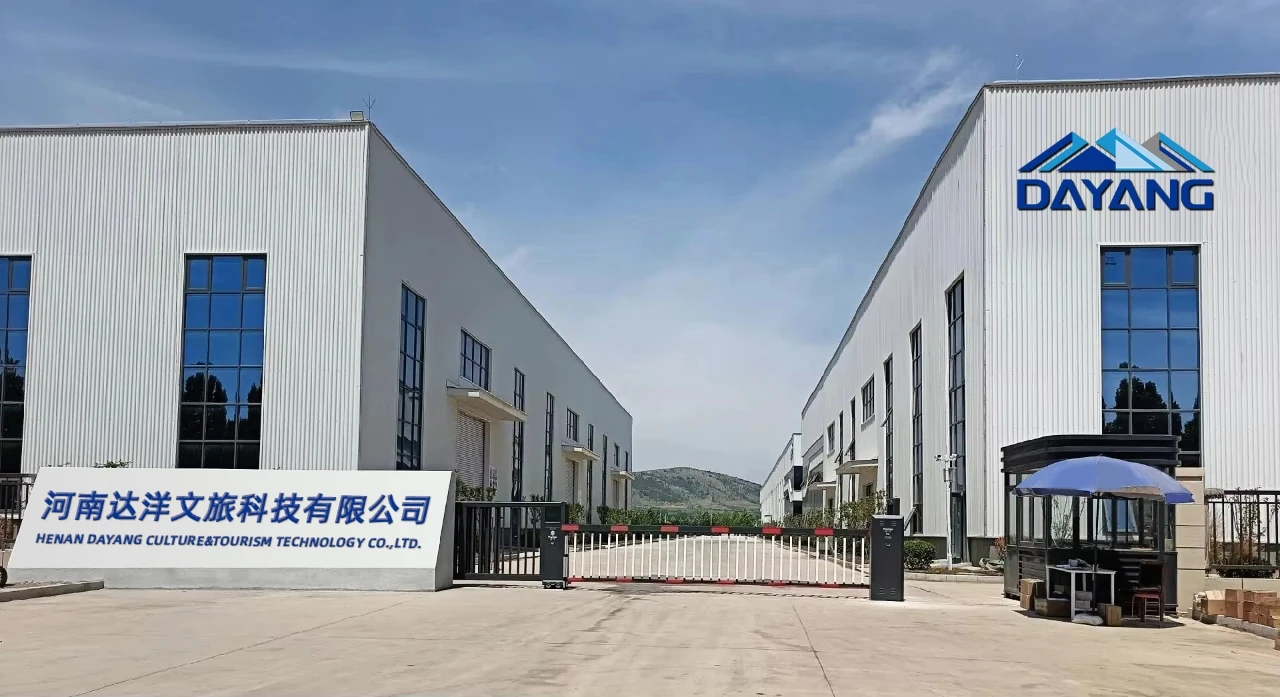
Henan Dayang Culture And Tourism Technology Co., Ltd.
- Trading Company
- Henan, China
- Lead time15 days
- Avg. response≤ 3h
Main productsTensile Membrane Struture,Container housing,Capsule House,Gardon suppllies,Food Truck
Main marketsSoutheast Asia(20.00%), North America(20.00%), Mid East(15.00%), South Asia(10.00%), Northern Europe(10.00%), South America(10.00%), Domestic Market(10.00%), Africa(5.00%)

SHANXI BRILLIANT MOULD PLASTIC TECHNOLOGY CO., LTD
- Verified by TUVRHEINLAND
- Manufacturer/Factory
- China Shanxi
- Lead time60 days
- Avg. response≤ 9h
Main productsPlastuc Injection Mold, Plastic Ap Mold, Lotion Pump Mold, Trigger Sprayer Mold, Mist Sprayer Mold, Flip Cap Mold
Main marketsSouth America,Eastern Europe,Mid East,North America,Southeast Asia,Eastern Asia,Oceania,Western Europe,Africa

Hebei Zhongxinhe Assembled Housing Manufacturing Co., Ltd.
- Verified by BV
- Combined
- China Hebei
- Lead time30 days
- Avg. response≤ 7h
Main productsTwin Wing Extension Room, Folding Box Room, Packing Box Room
Main marketsEast Asia(Japan/ South Korea),Europe,North America

Zhonglian Steel Supply Co., Ltd.
- Verified by SGS
- Trading Company
- China Shandong
- Lead time30 days
- Avg. response≤ 2h
Main productsSteel Plate Coil Plate H Steel Steel Pipe an
Main marketsDomestic
Shanghai Z-Trust Import And Export Co., Ltd.
- Trading Company
- Shanghai, China
- Lead time5 days
- Avg. response≤ 8h
Main productsAluminum Composite Panel,RC Drones,Mechanical Dog,Samrt Robot
Main marketsSouth America(18.00%), North America(15.00%), Western Europe(12.00%), Eastern Europe(12.00%), Central America(10.00%), Southern Europe(10.00%), Oceania(8.00%), Northern Europe(7.00%), South Asia(5.00%), Mid East(1.00%), Africa(1.00%), Southeast Asia(1.00%)

Jiangxi Haisheng International Trade Co., Ltd.
- Verified by SGS
- Trading Company
- China Jiangxi
- Lead time15 days
- Avg. response≤ 1h
Main productsMobile Home, Movable House, Modern Prefabricated House, Integrated House, Modular Building, Office Container
Main marketsDomestic

Elegant Modular House with Strong Steel Structure and Modern Finishes
$980.00 - $1280.00
MOQ: 4 Pieces

Modern Modular House with Resilient Steel and Innovative Design Elements
$980.00 - $1280.00
MOQ: 4 Pieces

Weifang Fuqian Metal Products Co., Ltd.
- Verified by Intertek
- Manufacturer, Trading Company
- Lead time15 days
- Avg. response≤ 2h
Main productsPrefab House, Capsule House, Container House
Main marketsAfrica(51%), Domestic Market(35%), Eastern Europe(8%)

Qingdao Sunway Steel Industrial Equipment Co., Ltd.
- Verified by TUVRHEINLAND
- Trading Company
- China Shandong
- Lead time30 days
- Avg. response≤ 9h
Main productsSteel Structure Workshop, Steel Structure Warehouse, Steel Structure Building, Multi-Story Steel Building, Prefabricated House, Mobile Prefabricated House, Mobile House, Container House, Prefab Villa, Prefab Light Villa
Main marketsOthers(foreignTradeCapacity.exportBusinessCapacityMarketOther)
Guangzhou Yuze Integrated Housing Co., Ltd.
- Verified by TüVRheinland
- Trading Company
- Lead time40 days
- Avg. response≤ 2h
Main productsContainer House, Prefab House, Steel Structure House
Main marketsWestern Europe(25%), Eastern Europe(20%), Oceania(20%)
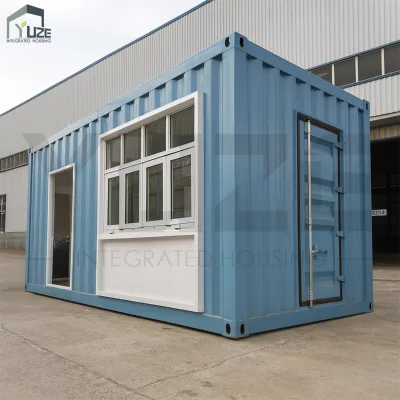
Durable Steel Multifunctional Modular Shipping One Bedroom Container House for Outdoor Use
$279.00 - $299.00
MOQ: 10 Minimum
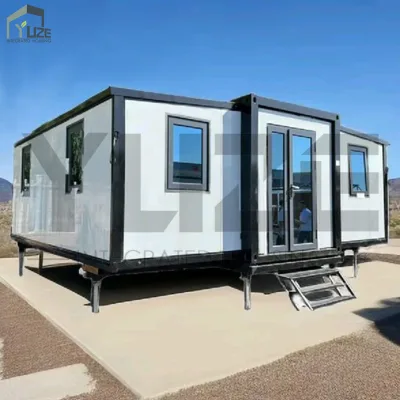
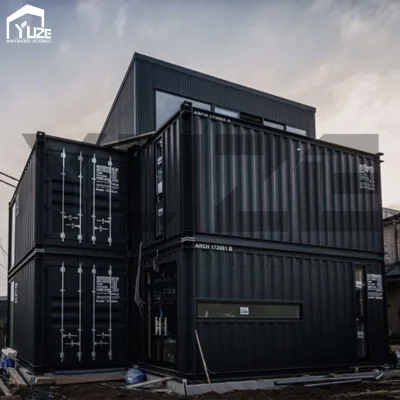

Hebei Jiacheng Integrated Housing Co., Ltd.
- Verified by BV
- Combined
- China Hebei
- Lead time15 days
- Avg. response≤ 2h
Main productsContainer Home, Prefab Home, Mobile Home, Expandable Container House, Mobile House, Folding Container House, Prefab Container House, Prefabricated Container House, Container House, Folding House
Main marketsSouth America,Southeast Asia/ Mideast,Domestic,Europe,Australia,North America
- Verified by SGS Group
- Manufacturer, Trading Company
- Lead time25 days
- Avg. response≤ 9h
Main productsAluminum Frame Tent, Event Tent, Wedding Tent, Circus Tent, Hotel Tent
Main marketsMid East(21%), Southeast Asia(13%), North America(8%)
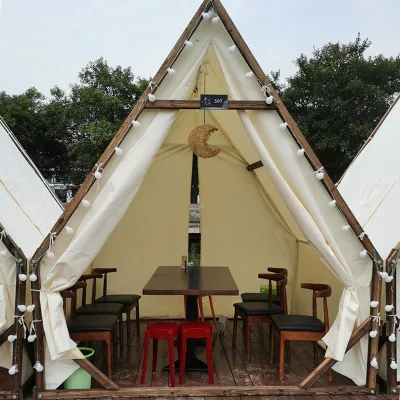
Triangle Tiny Modular House for Outdoors
$350.00 - $400.00
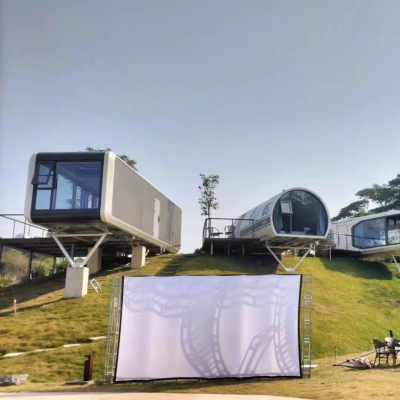
Good Price Prefab Homes Villa Houses Mobile Houses Homes Prefabricated Homes Apartment Building
$29000.00 - $30000.00
MOQ: 1
Shanghai Aludream Building Material Co., Ltd.
- Trading Company
- Lead time旺季: "1 - 1":7,"2 - 2":15,"3 - 10":30,"> 10":"To be negotiated", 淡季: "1 - 1":7,"2 - 2":15,"3 - 10":30,"> 10":"To be negotiated"
- Avg. response≤ 8h
Main productsExpandable Container House,Folding Container House,Detachable Container House,Aluminum Composite Panel,Aluminum honeycomb panel
Jining China Power Machinery Co., Ltd.
- Verified by SGS Group
- Manufacturer, Trading Company
- Lead time15 days
- Avg. response≤ 2h
Main productsDiesel Generator Set, Container House, Backhoe Loader, Construction Materials, Excavator
Main marketsMid East(40%), North America(30%), Western Europe(20%)
Shandong Mars Cabin Technology Co., Ltd.
- Verified by TüVRheinland
- Manufacturer, Trading Company
- Lead time0 days
- Avg. response≤ 3h
Main productsApple Cabin, A Frame House, Space Capsule House, Garden Shed, Backyard Cabin
Main marketsSouth America(20%), Mid East(20%), North America(18%)
Shanghai Allstar Industrial Co., Ltd.
- Manufacturer, Trading Company
- Shanghai, China
- Lead time30 days
- Avg. response≤ 2h
Main productsContainer House,Sandwich panel,Epxandable container house,Apple cabin house,Flat pack container house
Main marketsOceania(20.00%), Southeast Asia(15.00%), North America(10.00%), Africa(10.00%), South America(10.00%), Domestic Market(10.00%), Eastern Europe(5.00%), South Asia(5.00%), Western Europe(5.00%), Eastern Asia(5.00%), Mid East(5.00%)








Comprehensive Sourcing Guide
Full Steel Modular House Supplier Concentration and Factory Types
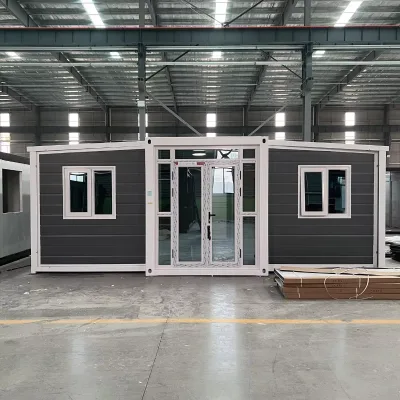
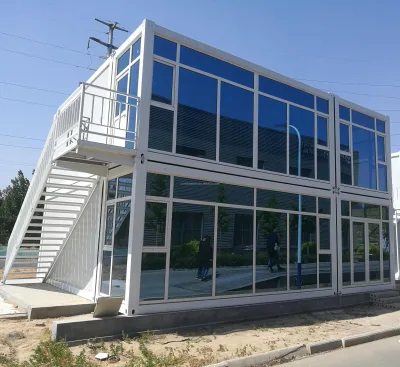
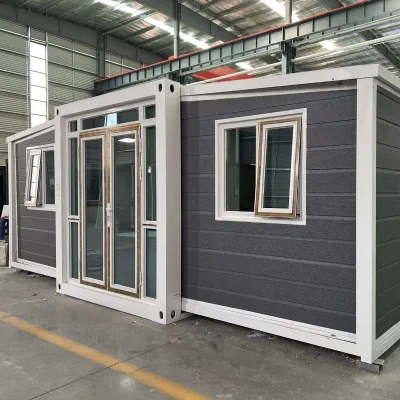
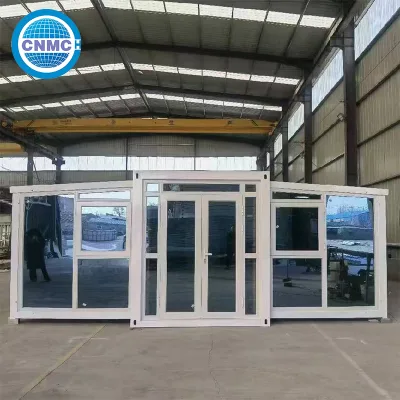
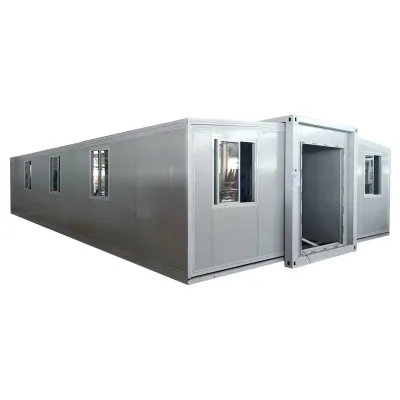
The current supplier landscape for full steel modular houses reveals a diverse mix of manufacturing capabilities and business models, primarily concentrated in specific Chinese industrial hubs. Evidence indicates that suppliers are located in regions such as Henan, Shandong, and Shanghai, each offering distinct advantages based on their local industrial ecosystems. In Henan, manufacturers and trading companies focus heavily on container-based solutions, including flat pack, expandable, and foldable units. These suppliers often list main products like modular demountable container houses and fully furnished options, suggesting a specialization in rapid-deployment housing solutions rather than traditional heavy steel structures. The presence of both manufacturers and trading companies in this region implies that buyers may encounter direct factory pricing or intermediary markups, requiring careful verification of the actual production source.
In contrast, suppliers in Shandong and Shanghai demonstrate a stronger focus on heavy steel structures and prefabricated buildings. The Shandong-based entities are verified by SGS and specialize in prefabricated steel structures, including workshops, warehouses, and light to heavy steel frame buildings. Their product evidence highlights premium modular steel houses with H-section steel and hot-rolled molding methods, indicating a capability for large-scale industrial and residential projects. Meanwhile, Shanghai-based suppliers offer a broader range of products, from container homes to steel structure villas, and hold ISO9001:2015 and ISO14001:2015 certifications. This geographic distribution suggests that buyers seeking lightweight, quick-assembly container homes should look toward Henan, while those requiring robust, code-compliant steel frames for permanent or semi-permanent structures should prioritize suppliers in Shandong and Shanghai. Understanding these regional specializations helps in narrowing down the supplier pool to those with relevant experience and infrastructure.
How to Verify Full Steel Modular House Suppliers
Verifying the legitimacy and capability of Full Steel Modular House suppliers requires a multi-layered approach that goes beyond basic profile reviews. First, buyers must scrutinize the supplier type to distinguish between pure manufacturers, trading companies, and combined entities. A supplier listing itself as a "Combined" type, such as those in Shandong, may have in-house production for steel structures while outsourcing other components. It is crucial to request proof of factory ownership, such as land use rights or equipment lists, to ensure that the quoted prices reflect actual manufacturing costs rather than trading margins. Additionally, checking for third-party verification badges like SGS provides an additional layer of confidence regarding the supplier's operational stability and compliance with international trade standards. These verifications help mitigate the risk of engaging with shell companies that lack the technical capacity to deliver complex steel modular projects.
Beyond structural verification, buyers should assess the supplier's technical certifications and quality management systems. Suppliers in Shanghai, for instance, display ISO9001:2015 and ISO14001:2015 certificates, which are critical for ensuring consistent quality control and environmental compliance in the manufacturing process. Buyers should request copies of these certificates and verify their validity through the issuing bodies. Furthermore, examining the product attributes for specific standards is essential; for example, steel structures should comply with recognized standards such as GB, ASTM, AISI, or BS. Suppliers that explicitly list these standards in their product specifications, such as those offering H-section steel with ASTM compliance, demonstrate a higher level of technical rigor. Buyers should also inquire about the supplier's ability to provide engineering drawings and structural calculations, as this indicates a mature design and fabrication process capable of meeting local building codes in the buyer's destination country.
What to Compare Across Full Steel Modular House Suppliers
When evaluating multiple suppliers for full steel modular houses, buyers must compare key operational metrics such as lead times, minimum order quantities (MOQs), and response speeds to determine which partner best fits their project timeline and budget. Lead times vary significantly across the supplier base, with some Henan-based container house manufacturers offering a lead time of 10 days, which is ideal for urgent or small-scale projects. In contrast, suppliers focusing on heavy steel structures in Shandong and Shanghai may have longer lead times, such as 15 to 30 days, due to the complexity of fabrication and assembly. Buyers should align these lead times with their project schedules, considering that longer lead times often correlate with more customized or structurally complex orders. Additionally, MOQs range widely, from as low as one unit for certain container houses to 200 square meters for large-scale steel structure projects, influencing the feasibility of small versus bulk orders.
Response time and after-sales support are equally critical factors in supplier comparison. Suppliers with rapid response times, such as those reporting response times under 1.5 hours, are better equipped to handle urgent inquiries and technical clarifications, which is vital for complex modular projects. Buyers should also compare the scope of after-sales services, including online technical support and the availability of engineers for installation guidance. For instance, some suppliers explicitly state that engineers can be arranged to guide installation, a valuable service for buyers lacking local technical expertise. Furthermore, comparing product features such as insulation materials (e.g., polyurethane, rockwool, glasswool) and fireproof ratings (e.g., A1 grade) helps in assessing the quality and suitability of the modular houses for specific climates and regulatory requirements. By systematically comparing these dimensions, buyers can identify suppliers that offer the best balance of speed, cost, and technical support.
Common Full Steel Modular House Sourcing Risks
One of the primary risks in sourcing full steel modular houses is the discrepancy between advertised specifications and actual product quality, particularly regarding material grades and structural integrity. Buyers must be cautious of suppliers who do not clearly specify the steel type, such as Q235 or Q355b carbon structural steel, or who fail to provide detailed structural calculations. Without clear evidence of material standards, there is a risk of receiving substandard steel that may not meet local building codes or safety requirements. Additionally, the risk of hidden costs is significant, as some suppliers may quote low base prices but charge extra for customization, transportation, or installation services. Buyers should request detailed quotations that break down all costs, including packaging, shipping, and any necessary modifications, to avoid budget overruns. It is also important to verify the supplier's capacity to handle large orders, as some suppliers may overpromise their production capabilities, leading to delays or quality compromises.
Another common risk is the lack of comprehensive after-sales support and warranty coverage. While some suppliers offer online technical support, others may not provide adequate assistance for installation issues or long-term maintenance. Buyers should carefully review the warranty terms, such as the one-year warranty offered by some Henan-based suppliers, and clarify what is covered, including parts and labor. Additionally, the risk of logistical damage is high for modular structures, as they are often transported in containers and assembled on-site. Buyers should ensure that the supplier uses robust packaging methods, such as container packing for 40HQ shipments, to protect the steel components during transit. Furthermore, buyers should verify the supplier's experience in exporting to their specific region, as familiarity with local regulations and logistics networks can significantly reduce the risk of customs delays or compliance issues. By proactively addressing these risks, buyers can ensure a smoother sourcing process and a higher quality final product.
Full Steel Modular House Regional Sourcing and Logistics
Sourcing full steel modular houses from different regions in China involves distinct logistical considerations that impact both cost and delivery efficiency. Suppliers in Henan, which specialize in container-based modular houses, often benefit from established logistics networks for smaller, standardized units. These products, such as flat pack and expandable container houses, are designed for easy transportation and can be shipped in standard containers, reducing freight costs and simplifying customs clearance. Buyers sourcing from this region should consider the ease of assembly and the potential for rapid deployment, which is particularly advantageous for temporary housing or emergency relief projects. However, buyers must also account for the distance to major ports, as transportation costs from inland Henan to coastal shipping hubs can add to the overall expense.
In contrast, suppliers in Shandong and Shanghai, which focus on heavy steel structures and prefabricated buildings, may involve more complex logistics due to the size and weight of the components. Large-span steel structures, with spans ranging from 10 to 120 meters, often require disassembly into smaller sections for transport, which necessitates careful planning of loading and unloading procedures. Buyers sourcing from these regions should work closely with the supplier to ensure that the packaging and labeling of components are optimized for efficient assembly on-site. Additionally, the proximity of Shanghai to major international shipping lanes can offer faster transit times to global destinations, potentially reducing overall lead times. Buyers should also consider the impact of regional trade policies and tariffs, as sourcing from different provinces may have varying implications for import duties and compliance requirements. By understanding these regional logistical nuances, buyers can make informed decisions that balance cost, speed, and convenience.
Full Steel Modular House Commercial Terms and Order Planning
Effective order planning for full steel modular houses requires a thorough understanding of commercial terms, including payment structures, delivery conditions, and customization options. Buyers should negotiate clear payment terms that align with project milestones, such as a deposit upon order confirmation and the balance upon completion of production or before shipment. It is also important to clarify the Incoterms, such as FOB or CIF, to determine who is responsible for shipping and insurance costs. For suppliers with low MOQs, such as those offering single-unit container houses, buyers may have more flexibility in negotiating terms, whereas large-scale steel structure projects with MOQs of 200 square meters may require more rigid contractual agreements. Additionally, buyers should inquire about the supplier's ability to handle customizations, such as specific dimensions, finishes, or insulation requirements, and ensure that these are clearly documented in the purchase order to avoid disputes.
Furthermore, buyers must plan for the installation and commissioning phase, which is a critical part of the commercial process for modular houses. Suppliers that offer engineer-guided installation services, as seen in some Shandong-based listings, can significantly reduce the risk of assembly errors and ensure that the structure meets safety standards. Buyers should coordinate with the supplier to schedule these services well in advance, considering travel and accommodation costs for the engineers. It is also advisable to establish a clear communication channel for post-delivery support, including warranty claims and technical assistance. By carefully planning these commercial and logistical aspects, buyers can ensure a seamless transition from order placement to final installation, minimizing disruptions and ensuring that the Full Steel Modular House meets all functional and aesthetic requirements. This proactive approach to order planning helps in building a strong partnership with the supplier and achieving a successful project outcome.
FAQs
What is the price range for modular container houses?
Prices for modular container houses typically range from $3,800 to $5,699 per unit. This pricing applies to fully furnished expandable units with standard sandwich panel materials. Buyers should note that costs vary based on specific customization needs and final configuration requirements.
What is the minimum order quantity for prefab houses?
The minimum order quantity varies by supplier type. Some manufacturers accept a single unit for modular container houses, while others require a minimum of ten units for steel structure projects. Buyers must verify the specific MOQ with the supplier before placing an order.
How long does delivery take for modular homes?
Lead times generally range from ten to thirty days depending on the supplier and product complexity. Some manufacturers offer rapid turnaround times of ten days, while others may require up to thirty days for production. Buyers should confirm the exact schedule with their chosen supplier.
What certifications do steel structure suppliers hold?
Verified suppliers often hold ISO9001:2015 and ISO14001:2015 certificates for quality and environmental management. Additionally, some suppliers possess SGS verification for their manufacturing processes. Buyers should request these documents to ensure compliance with international standards and quality expectations for their projects.
Where are these modular houses manufactured?
Manufacturing locations include Henan, Shandong, and Shanghai in China. Suppliers in these regions produce various types of modular homes, including expandable containers and steel structures. Buyers can filter results by these specific locations to align with their logistical preferences and supply chain requirements.
What materials are used in modular container houses?
Common materials include sandwich panels, steel frames, and H-section steel. Insulation options often feature polyurethane, rockwool, glasswool, or EPS. These materials ensure durability, thermal efficiency, and structural integrity for residential or commercial applications like hotels, offices, and villas.