Portable Electric Wood Planer Suppliers and Manufacturers
Source 30 verified suppliers for Portable Electric Wood Planer units from China. Compare key dimensions including ISO certifications, lead times, and MOQs. Contact suppliers directly to request quotes and verify production capabilities; review the available evidence before requesting comparable quotations from suitable candidates.
Updated
Suppliers List

Shandong Zouping Shuanghuan Machinery Manufacturing Co., Ltd.
- Verified by TUVRHEINLAND
- Combined
- China Shandong
- Lead time15 days
- Avg. response≤ 3h
Main productsSawmill, Wood Pallet Machine, Wood Chipper Machine, Wood Circular Saw, Portable Sawmill, Vertical Band Sawmill, Horizontal Band Sawmill, Chain Saw Mill, Wood Working Machinery, Solid Floor Production Line
Main marketsNorth America

- Verified by TUVRHEINLAND
- Trading Company,Manufacturer/Factory
- China Zhejiang
- Lead time90 days
- Avg. response≤ 5h
Main productsCordless Drill, Circular Saw, Jigsaw, Angle Grinder, Spray Gun, Electric Planer, Impact Drill, Rotary Hammer, Welding Machine, High Pressure Washer
Main marketsSouth America,Eastern Europe,Mid East,North America,Southeast Asia,Eastern Asia,Oceania,Western Europe,Africa

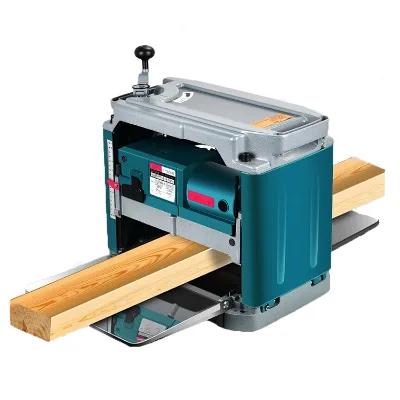
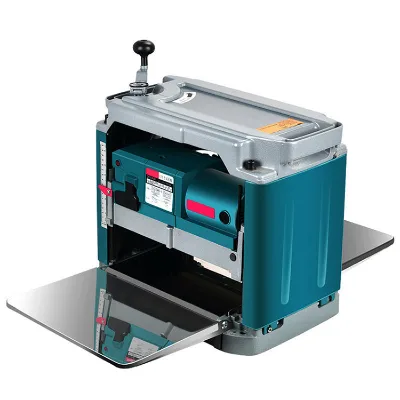
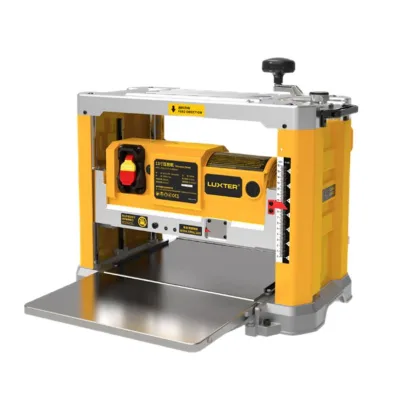
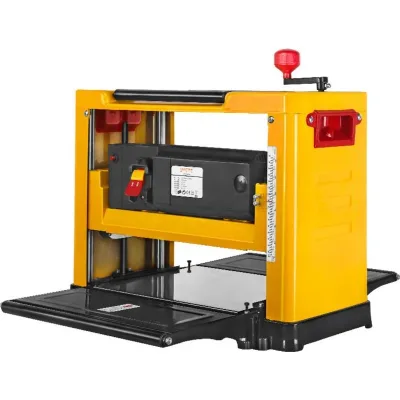
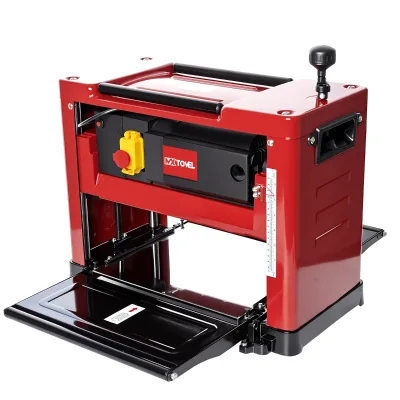
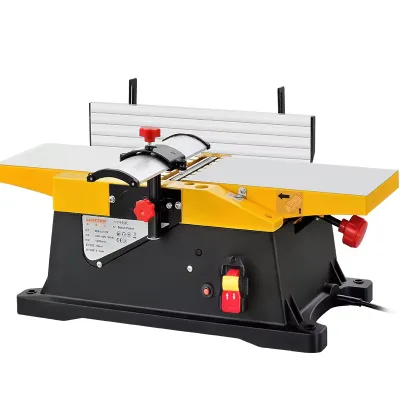
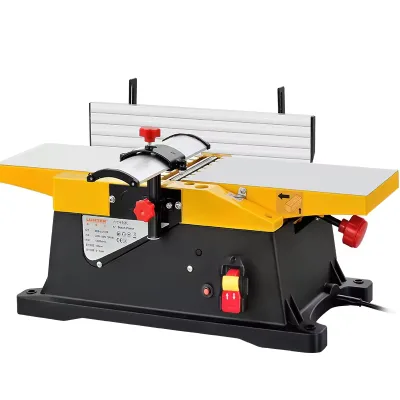
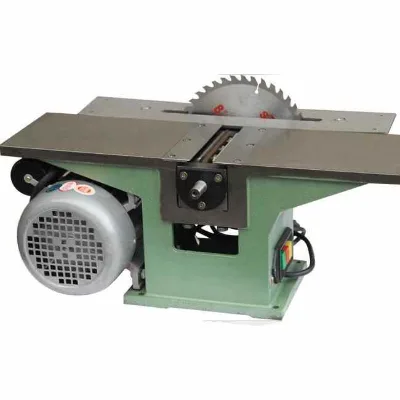
Electric 2000W Portable Woodworking Table Planer Benchtop Planer Wood Thickness Planer
$150.00 - $152.00
MOQ: 5 Pieces

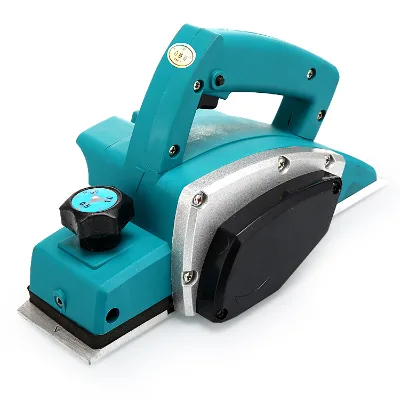
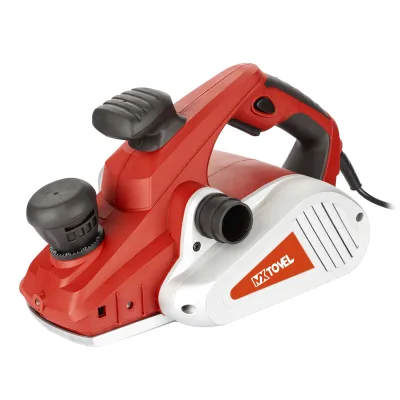
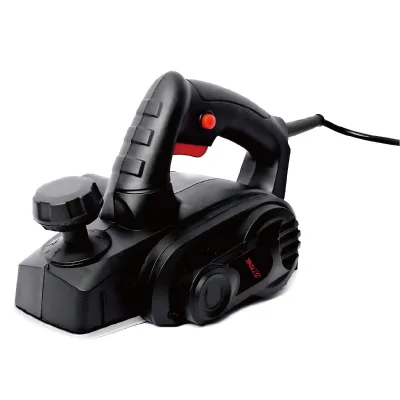
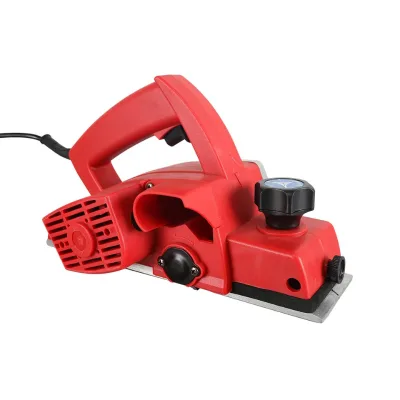
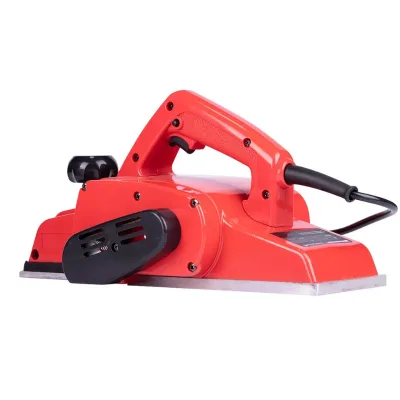
Electric Power 710W 82mm Parallel Guide Portable Woodworking Thickness Machine Wood Planer
$16.00 - $18.00
MOQ: 4 Pieces

Yongkang Xiaocheng Electric Appliance Co., Ltd.
- Verified by BV
- Combined
- China Zhejiang
- Lead time30 days
- Avg. response≤ 8h
Main productsAngle Grinder, Impact Drill, Electric Drill, Electric Blower, Electric Planer, Electric Hammer, Jig Saw, Cut off Machine, Circular Saw, Power Tool
Main marketsSouth America,Africa,Southeast Asia/ Mideast,East Asia(Japan/ South Korea),Europe,Australia

Zhengzhou Share Machinery Co., Ltd.
- Trading Company
- Henan, China
- Lead time7 days
- Avg. response≤ 3h
Main productsConstruction Machinery/Industrial Machinery/Printing Machinery
Main marketsSouth America(20.00%), North America(20.00%), Africa(10.00%), Southeast Asia(10.00%), Eastern Europe(10.00%), Oceania(7.00%), South Asia(5.00%), Southern Europe(5.00%), Central America(5.00%), Western Europe(2.00%), Eastern Asia(2.00%), Northern Europe(2.00%), Mid East(2.00%)
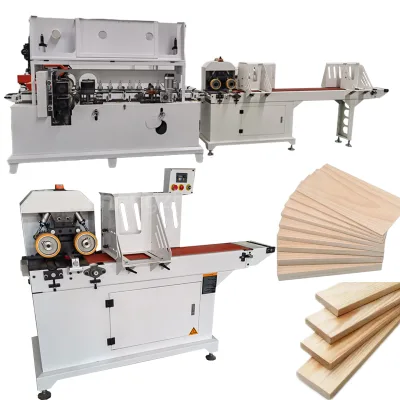
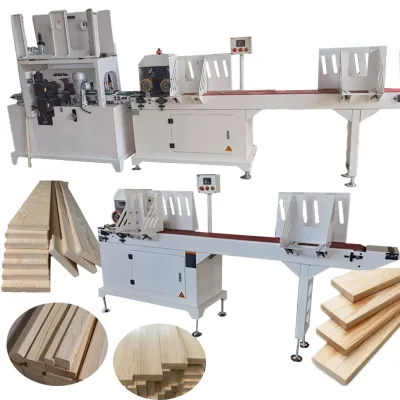
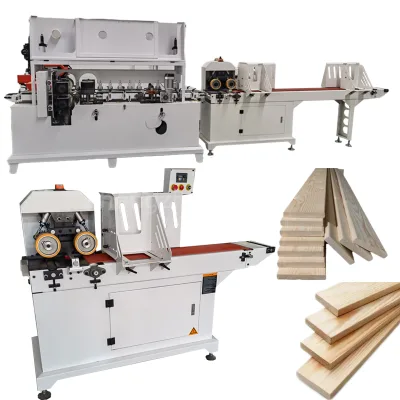
Portable Hand 4 Side Wood Planer Wood Machine Electric Planers Machine
$1579.00 - $6299.00
MOQ: 1 sets

Ningbo Yinzhou Guoten Industrial Co., Ltd.
- Verified by SGS
- Trading Company
- China Zhejiang
- Lead time45 days
- Avg. response≤ 13h
Main productsElectric Tools, Garden Tools, Hand Tools, Power Tools, Air Tools
Main marketsSouth America,Southeast Asia/ Mideast,Europe

Electricplaner Multifunctional Portable Desktop Woodworking Planer Press Plane Power Woodplaner
$27.76 - $33.45
MOQ: 5 pieces

New Model Portable Power Woodworking Mini Hand Planer Electric Wood Planer Thicknessermachine
$12.67 - $21.87
MOQ: 300 pieces
Guangzhou Liangu International Trade Co., Ltd.
- Manufacturer, Trading Company
- Guangdong, China
- Lead time3 days
- Avg. response≤ 6h
Main productsPower tools,Hardware tools,Hand Tool,pneumatic tool,electrical tools
Main marketsNorth America(30.00%), Eastern Europe(10.00%)
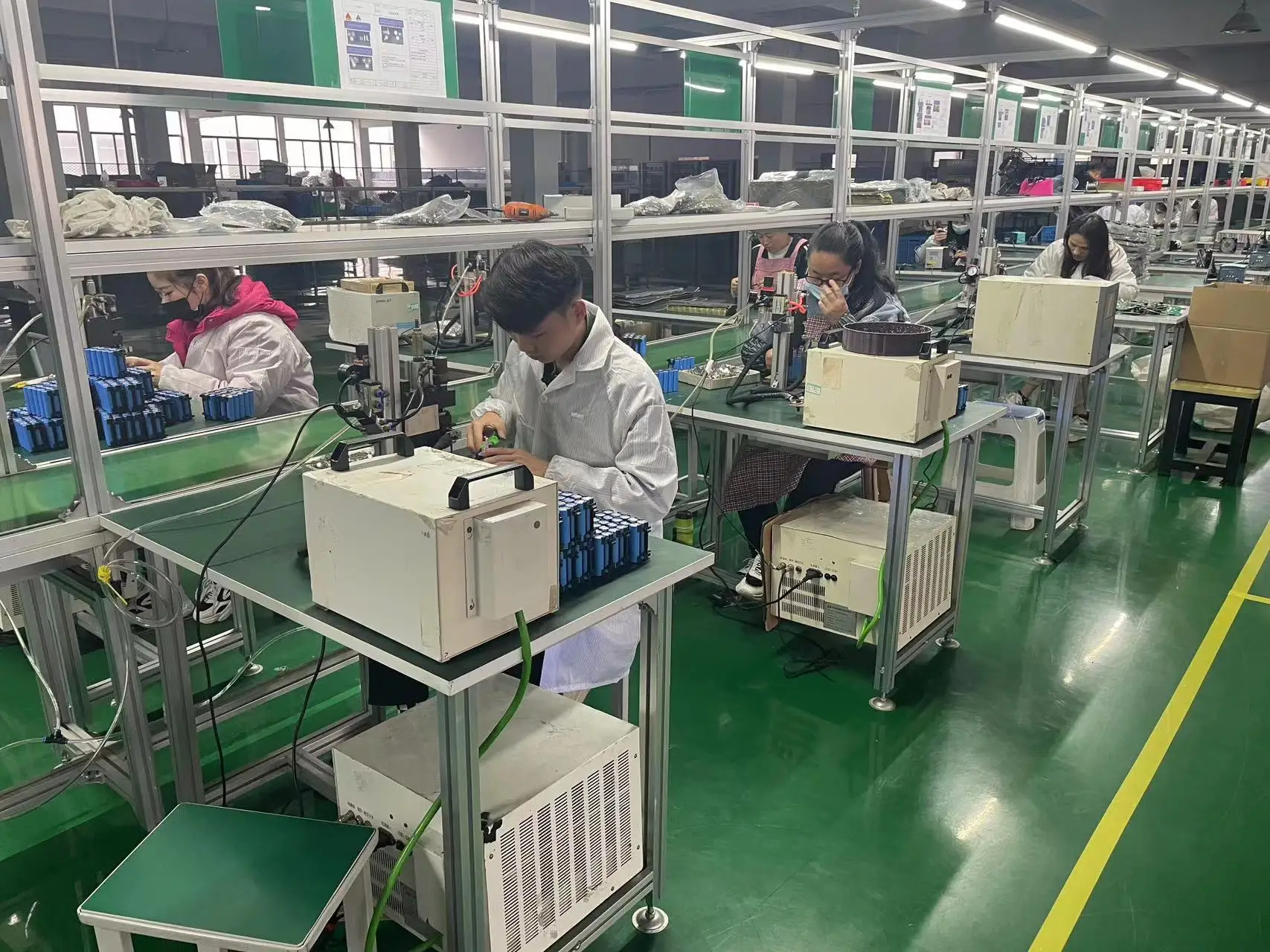
Nantong Wall Gold Tools Co., Ltd.
- Manufacturer, Trading Company
- Jiangsu Province, China
- Lead time15 days
- Avg. response≤ 3h
Main productsElectric Drill, Electric Wrench, Laser Level, Chain Saw, Pruning Scissors
Main marketsNorth America(30.00%), Domestic Market(30.00%), Northern Europe(20.00%), South America(10.00%), Western Europe(10.00%)
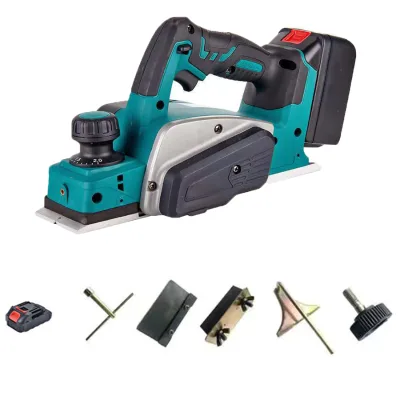
DIY Lithium Battery Portable Wood Working Machine Polisher Industrial Electric Planer
$20.4758 - $33.9547
MOQ: 1 sets
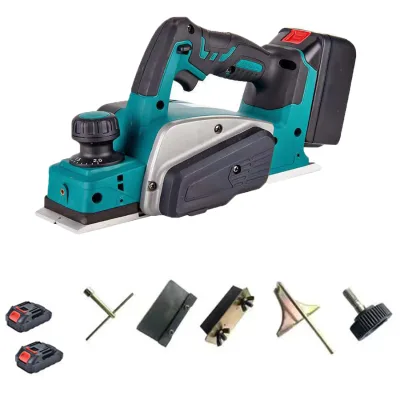
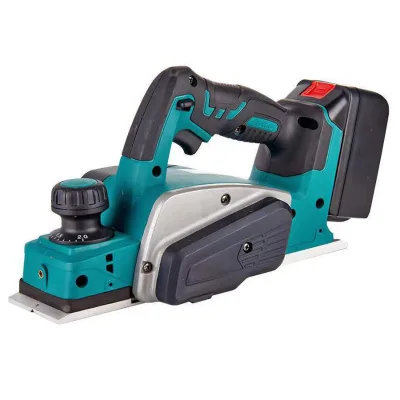
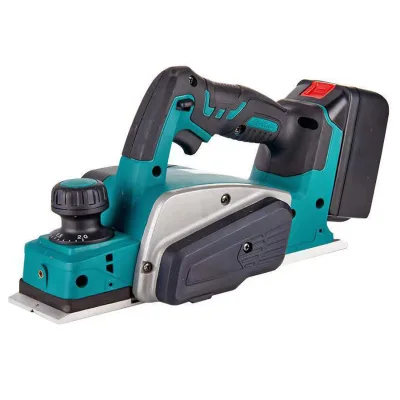
$30.3523 - $40.6418
MOQ: 1 sets
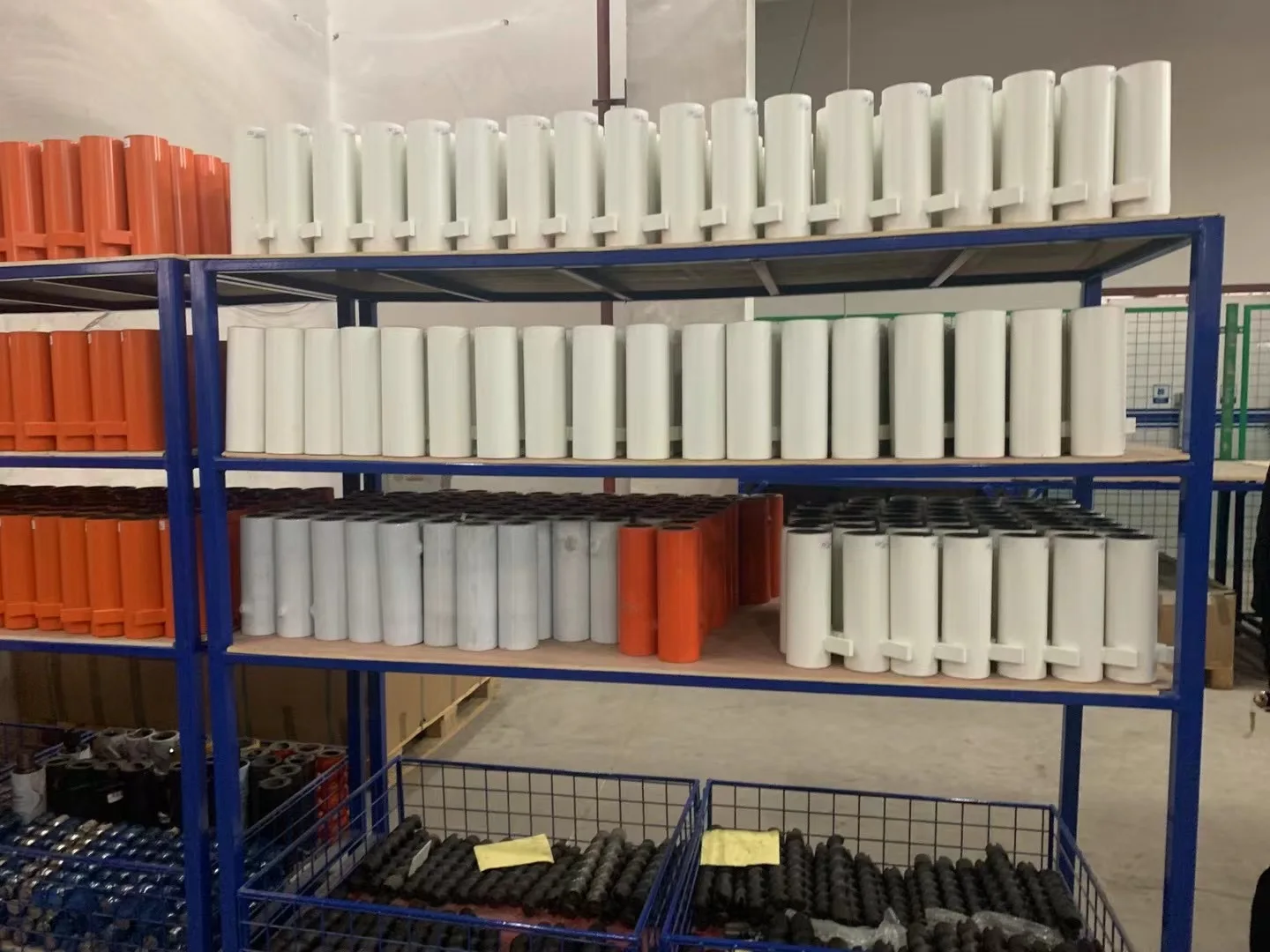
Yongkang Maitaibao Tools Co., Ltd.
- Manufacturer, Trading Company
- Zhejiang, China
- Lead time25 days
- Avg. response≤ 2h
Main productsSpraying machine accessories,stator and rotor,sprayer stator rotor,screw pump stator rotor
Main marketsSoutheast Asia(30.00%)

TAIZHOU EFFTOOL TECHNOLOGY CO., LTD.
- Verified by TUVRHEINLAND
- Trading Company,Manufacturer/Factory
- China Zhejiang
- Lead time90 days
- Avg. response≤ 13h
Main productsPower Tools, Electric Tools, Cordless Tools, Garden Tools, Hand Tools, Welding Machine, Pneumatic Tools, Accessories
Main marketsSouth America,Eastern Europe,Mid East,North America,Southeast Asia,Eastern Asia,Oceania,Africa
Yongkang Leisu Electric Tool Factory
- Manufacturer, Trading Company
- Zhejiang, China
- Lead time0 days
- Avg. response≤ 2h
Main productselectric drill,sander,electric hammer,angle grinders,Garden tools
Main marketsEastern Europe(10.00%), South America(10.00%), Eastern Asia(10.00%), Central America(9.00%), North America(8.00%), Southern Europe(5.00%), Northern Europe(5.00%), Western Europe(5.00%)
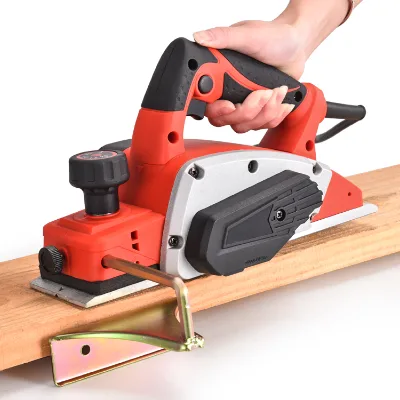
$13.57 - $15.42
MOQ: 100 pieces
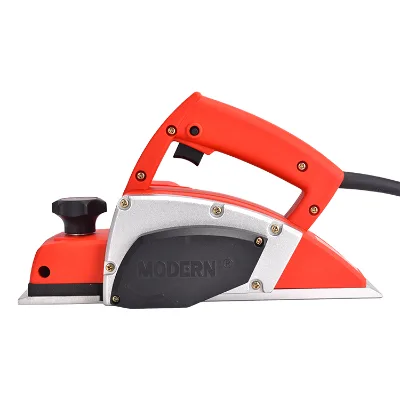
$11.3786 - $12.4153
MOQ: 100 pieces
Nanjing Metalwell Machinery Equipment Co., Ltd.
- Verified by SGS Group
- Trading Company
- Lead time60 days
- Avg. response≤ 6h
Main productsRotary Hammer, Angle Grinder , Jig Saw, Sander, Cordless Circular Saw
Main marketsEastern Europe(30%), Western Europe(30%), North America(15%)
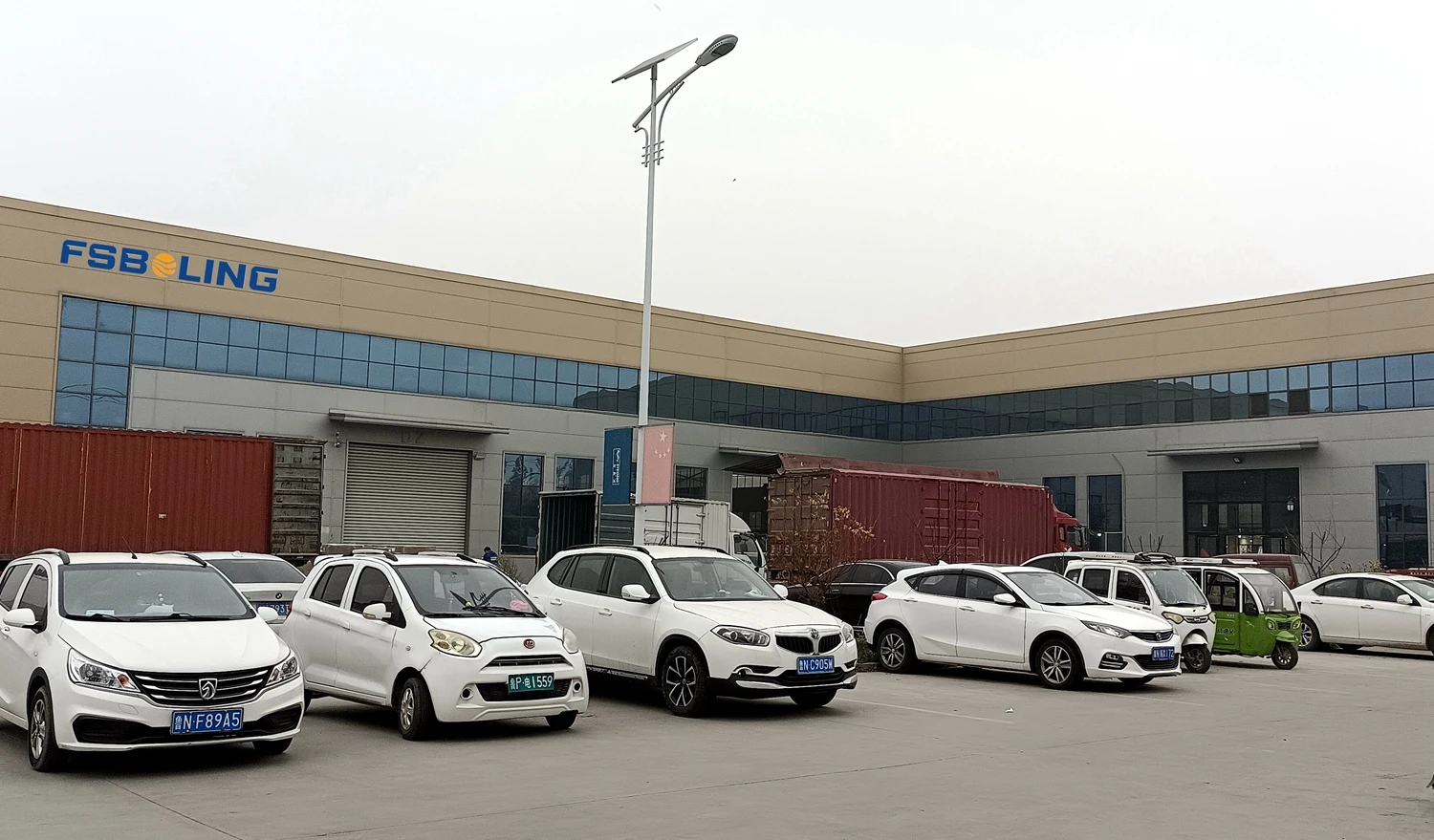
Foshan Boling Technology Co., Ltd.
- Trading Company
- Guangdong, China
- Lead time10 days
- Avg. response≤ 5h
Main productsWoodworking Saw Table/Edge Bonding Machine/Wood Planner/CNC Woodworking Machine, Hardware Tool
Main marketsNorth America(20.00%), South America(20.00%), Western Europe(20.00%), Eastern Europe(10.00%), Mid East(10.00%), South Asia(5.00%), Southern Europe(5.00%), Northern Europe(5.00%), Southeast Asia(5.00%)

- Verified by SGS
- Combined
- China Jiangsu
- Lead time30 days
- Avg. response≤ 4h
Main productsPower Drill, Cordless Tools, Cordless Chainsaw, Battery Tools, Lithium Battery Tool, Cordless Drill, Cordless Impact Drill, Cordless Impact Wrench, Cordless Angle Grinder, Cordless Blower
Main marketsEast Asia(Japan/ South Korea)

Wood Planer Machine Electric Customizable Electric Wood Thickness Electric Planer Price
$51.18 - $66.54
MOQ: 1 Pieces

$37.21 - $47.53
MOQ: 2 Pieces

Thickness Electric Planer Woodworking Machine Customizable Woodworking Planer Machine Prices
$51.18 - $66.54
MOQ: 1 Pieces

- Verified by CTI
- Trading Company
- China Jiangsu
- Lead time23 days
- Avg. response≤ 3h
Main productsPower Tools, Electric Tools, Cordless Tools, Bench Tools, Garden Tools, Angle Grinder, Circular Saw, Cordless Drill, Grass Trimmer, Sander
Main marketsSouth America,Africa,Southeast Asia/ Mideast,Europe,North America
Henan Share M&E Equipment Co.,Ltd
- Verified by SGS Group
- Trading Company
- Lead time7 days
- Avg. response≤ 3h
Main productsTextile Machinery, Printing Machinery, Construction Machinery, Wood Machinery
Main marketsNorth America(20%), South America(20%), Eastern Europe(10%)

Zhengzhou Hento Machinery Co., Ltd.
- Verified by SGS
- Trading Company,Manufacturer/Factory,Group Corporation
- China Henan
- Lead time15 days
- Avg. response≤ 6h
Main productsMeat Processing Machinery, Egg Processing Machinery, Dairy Processing Machinery, Fruit & Vegetable Processing Machinery, Grain Product Making Machines, Snack Machines, Nuts Processing Machinery, Packing Machines, Drying Machines, Commodity Making Machines
Main marketsSouth America,Eastern Europe,Mid East,North America,Southeast Asia,Eastern Asia,Oceania,Western Europe,Africa

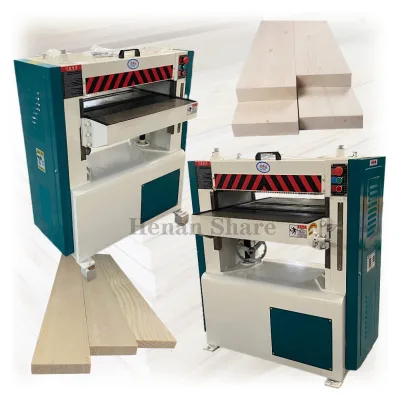
Woodworking Machinery / Woodworking Thickness Planer / Electric Wood Planer
$999.00 - $1299.00
MOQ: 1 Sets


Guangzhou Xiran Hardware Co., Ltd.
- Manufacturer, Trading Company
- Guangdong, China
- Lead time7 days
- Avg. response≤ 4h
Main productsHardware tools,Hand Tool,Power tools,pneumatic tool,Spray gun
Main marketsSouth Asia(5.00%), Mid East(5.00%), Central America(5.00%), Western Europe(5.00%), Southeast Asia(5.00%), Eastern Europe(5.00%), South America(5.00%), North America(5.00%), Southern Europe(4.00%), Oceania(3.00%), Eastern Asia(2.00%), Africa(2.00%), Northern Europe(2.00%), Domestic Market(1.00%)
Guangdong Yuantuo Technology Co., Ltd.
- Verified by SGS Group
- Manufacturer, Trading Company
- Lead time7 days
- Avg. response≤ 1h
Main productsTool Set, Power Drill, Power Tool, Impact Wrench, Fishing Reel Battery
Main marketsNorth America(30%), Western Europe(20%), South America(10%)
Dongguan Top Machinery Co., Ltd.
- Trading Company
- Lead time旺季: "1 - 100":9,"> 100":"To be negotiated", 淡季: "1 - 100":9,"> 100":"To be negotiated"
- Avg. response≤ 3h
Main productsMetal Marking Machine,Badge Machine,Automotive Maintenance and Diagnostic products,Jewelry making machinery,Sports Machinery

Qingdao Zhongding Machinery Co., Ltd.
- Combined
- China Shandong
- Lead time30 days
- Avg. response≤ 8h
Main productsCNC Machinery, Panel Saw, Edge Bander, Press Machine, Sanding Machine, Drilling Machine
Main marketsSouth America,Africa,Southeast Asia/ Mideast,East Asia(Japan/ South Korea),Europe,Australia,North America

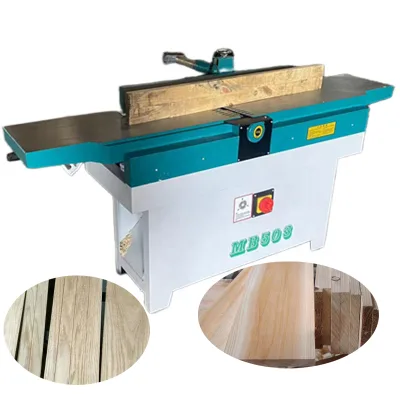
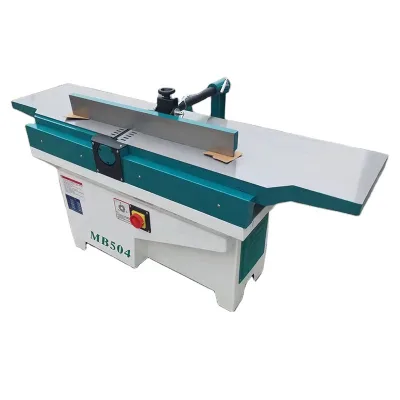
Woodworking Machine Surface Planer Thickness Planer for Wood Furniture
$1200.00 - $2000.00
MOQ: 1 Sets


Zouping Work International Trading Co., Ltd.
- Verified by BV
- Trading Company
- China Shandong
- Lead time15 days
- Avg. response≤ 3h
Main productsSawmill, Wood Chipper, Wood Drying Kiln, Wood Pallet Machine, Wood Pellet Machine, Forestry, Agriculture, Recycling, Biomass
Main marketsNorth America

Four Side Wood Thickness Electric Woodworking Double Side Moulder Planer
$4200.00 - $5200.00
MOQ: 1 Sets



Taizhou Longxiang E-Commerce Co., Ltd.
- Trading Company
- Zhejiang, China
- Lead time35 days
- Avg. response≤ 18h
Main productsWelding Machine Equipement, Welding Machine Accessories, Hardware & Tools, High Pressure Washer
Main marketsDomestic Market(40.00%), Mid East(20.00%), Africa(10.00%), Eastern Europe(10.00%), Southeast Asia(10.00%), South Asia(5.00%), South America(4.00%), North America(1.00%)
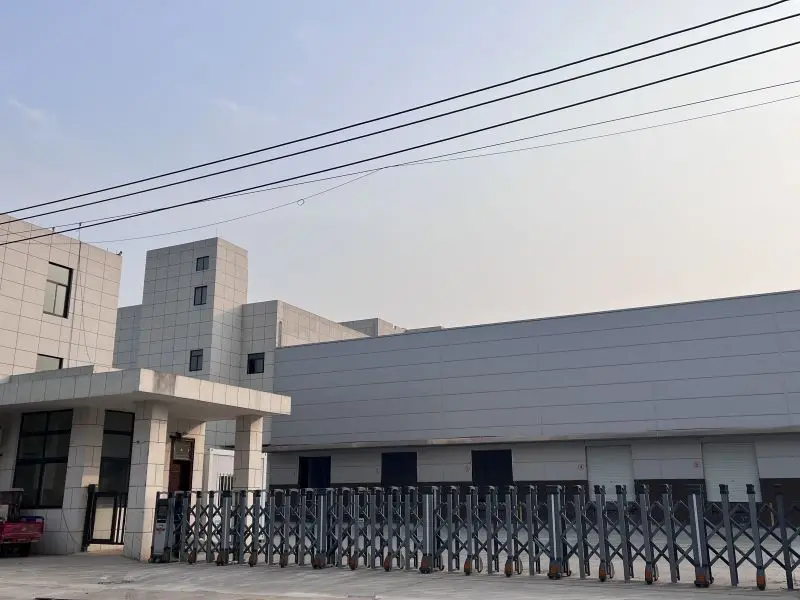
Henan Shangjia Heavy Industry Machinery Co., Ltd.
- Manufacturer
- Henan, China
- Lead time5 days
- Avg. response≤ 4h
Main productsConstruction & Building Machinery,Agricultural machinery,Woodworking machinery,Pipe processing machinery,Cleaning machinery
Main marketsAfrica(18.00%), Western Europe(15.00%), South America(15.00%), North America(12.00%), Eastern Europe(10.00%), South Asia(5.00%), Southeast Asia(5.00%), Southern Europe(5.00%), Northern Europe(5.00%), Central America(5.00%), Mid East(5.00%)

Shanghai Win Star Woodworking Machinery Co., Ltd.
- Verified by SGS
- Manufacturer/Factory
- China Shanghai
- Lead time23 days
- Avg. response≤ 2h
Main productsEdge Banding Machine, Sliding Table Saw, Wide Belt Sander Machine, Hot Press Machine, Cold Press Machine, Four Side Moulder, Double Side Planer, Wood Drilling Machine, CNC Router, Profile Wrapping Machine
Main marketsSouth America,Eastern Europe,Mid East,North America,Southeast Asia,Eastern Asia,Oceania,Western Europe,Africa
Luohe Xingdian Electromechanical Equipment Co., Ltd.
- Verified by SGS Group
- Trading Company
- Lead time7 days
- Avg. response≤ 1h
Main productsFood making machine, Powder milling machine, Farm machine, Water well drilling machine
Main marketsNorth America(35%), Africa(30%), Southeast Asia(14%)
Shenzhen Exuan Machinery & Equipment Manufactring Co., Ltd.
- Manufacturer, Trading Company
- Guangdong, China
- Lead time15 days
- Avg. response≤ 6h
Main productsDrain Cleaner machine,Tile Cutter machine,Woodworking machine,Farm Machine,Induction heater
Main marketsNorth America(50.00%), Western Europe(30.00%), Eastern Europe(15.00%), South America(5.00%)
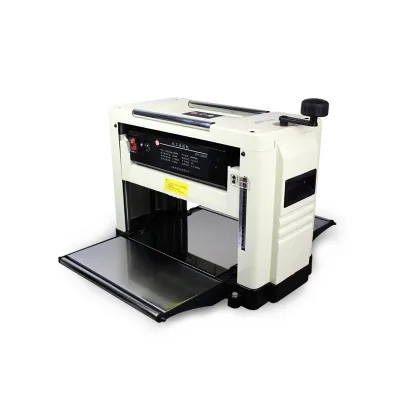
Small Wood Surface Thickness Planer for Woodworking Wood Planer Machine
$303.58 - $329.98
MOQ: 1 pieces
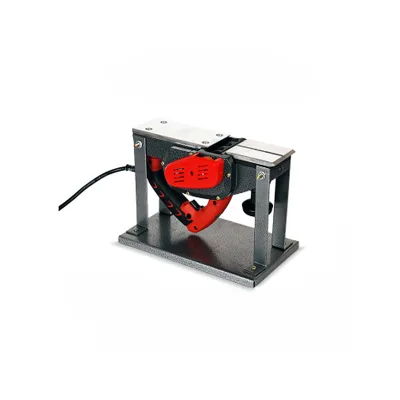
New High Power Professional Woodworking Tools 600W Thickness Electric Wood Planer Machine
$32.15 - $35.72
MOQ: 1 sets

Qingdao Dingwang Machinery Co., Ltd
- Verified by CTI
- Combined
- China Shandong
- Lead time15 days
- Avg. response≤ 2h
Main productsWoodworking Machinery, Edge Banding Machine, Precision Cutting Saw, Nc Machining Center, Planer, High Speed Screw Planer, Cold Press, Hot-Press, Sanding Machine, Polishing Machine
Main marketsDomestic


High Quality Multi-Function Grinding Portable Planer for Wood Calibration
$989.00 - $1189.00
MOQ: 1 Pieces

The Best Multi-Function High Speed High Precision Planer for Wood Calibration
$989.00 - $1189.00
MOQ: 1 Pieces



- Trading Company
- Shanghai, China
- Lead time30 days
- Avg. response≤ 3h
Main productsPower Tools,Garden Tools,Car Service Tools
Main marketsEastern Asia(100.00%), Mid East(100.00%), Northern Europe(100.00%), Domestic Market(100.00%), Eastern Europe(100.00%), South Asia(100.00%), Southern Europe(100.00%), Central America(100.00%), North America(40.00%), Western Europe(21.00%), Oceania(15.00%), Africa(8.00%), Southeast Asia(8.00%), South America(8.00%)
Yongkang Kuayu Import And Export Co., Ltd.
- Verified by Intertek
- Manufacturer, Trading Company
- Lead time30 days
- Avg. response≤ 2h
Main productsPower Tools, Cordless Machine, Battery
Main marketsSoutheast Asia(60%), South America(20%), Domestic Market(20%)

Yongkang Qingwei Industry & Trade Co., Ltd.
- Manufacturer, Trading Company
- Zhejiang, China
- Lead time15 days
- Avg. response≤ 23h
Main productselectric tools,electric saw,chainsaw,electric drill,electric grinder
Main marketsDomestic Market(20.00%), Mid East(20.00%), Northern Europe(10.00%), Central America(10.00%), Western Europe(10.00%), Eastern Asia(10.00%), Southern Europe(10.00%), South America(5.00%), North America(5.00%)
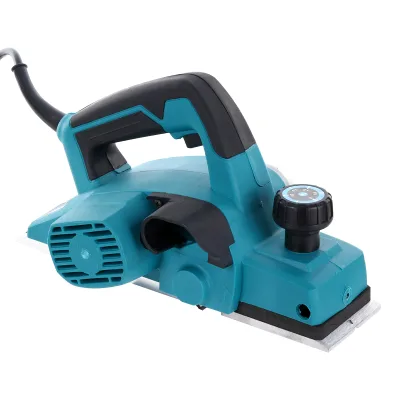
Powerful Electric Planer Handheld Copper Wire Wood Planer Carpenter Woodworking DIY Power Tool
$13.3219 - $14.3466
MOQ: 50 pieces
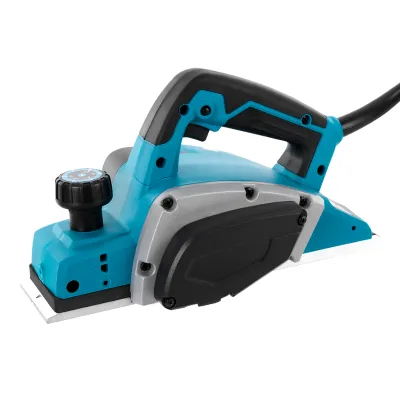
Mini Manual Wood Planer Portable Professional Woodworking Tool Table 90mm Electric Planer Armature
$13.3488 - $14.3751
MOQ: 50 pieces


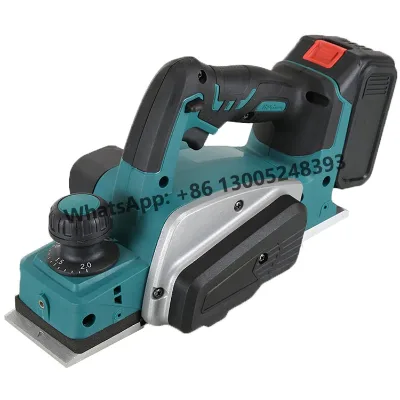
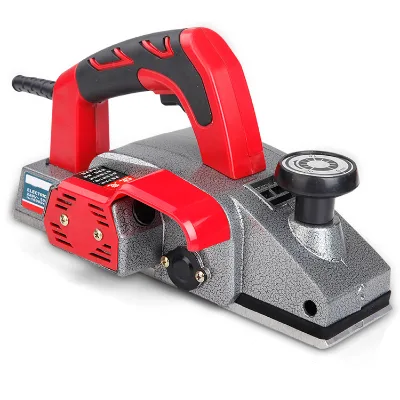
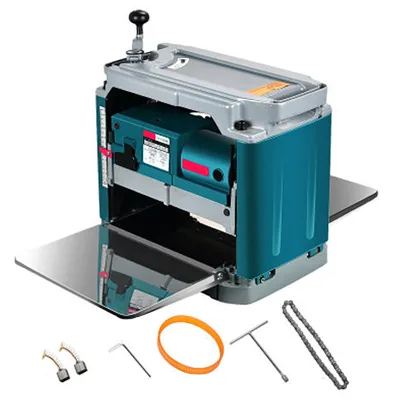


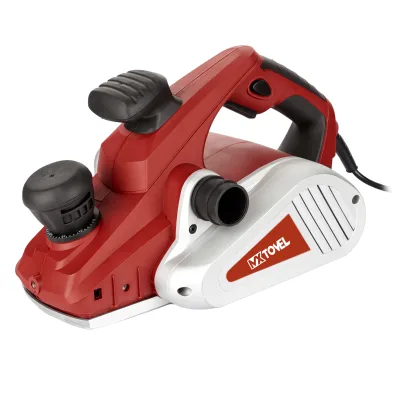
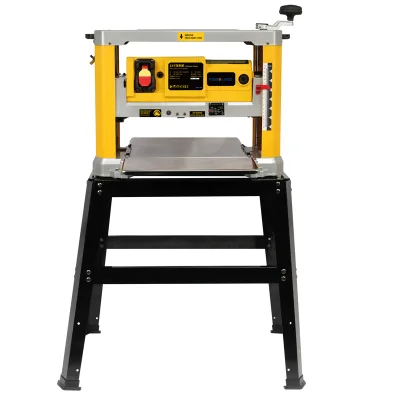
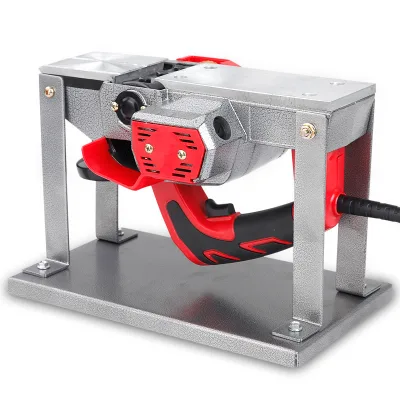
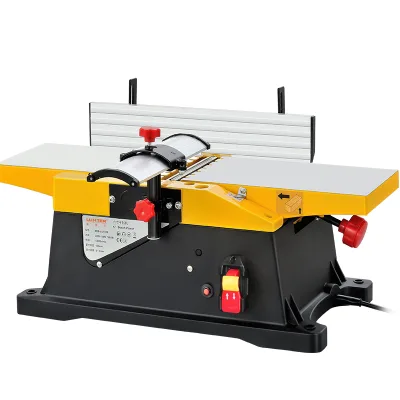


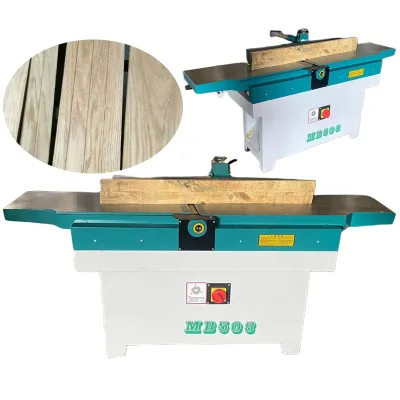
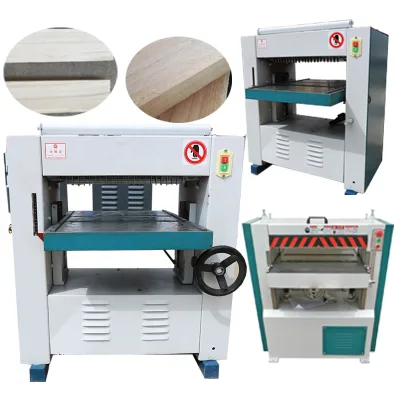
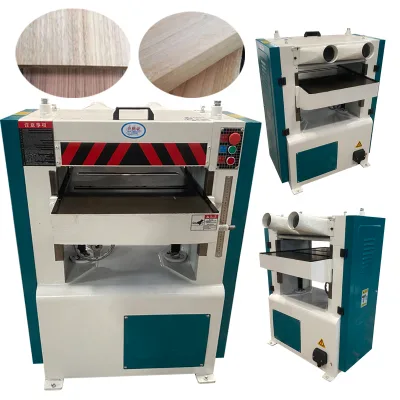
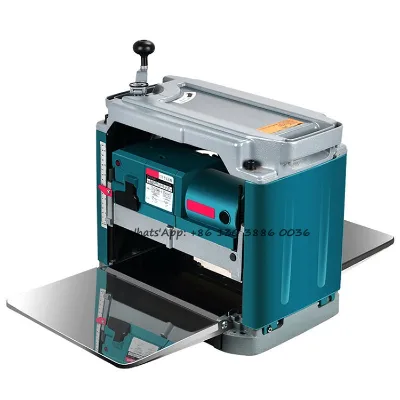
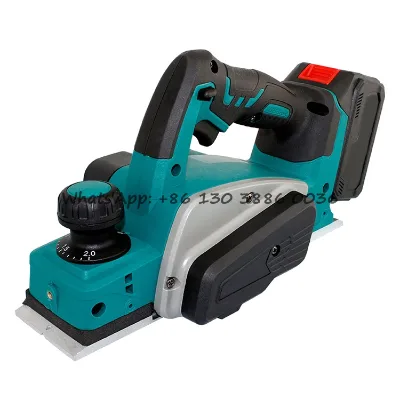
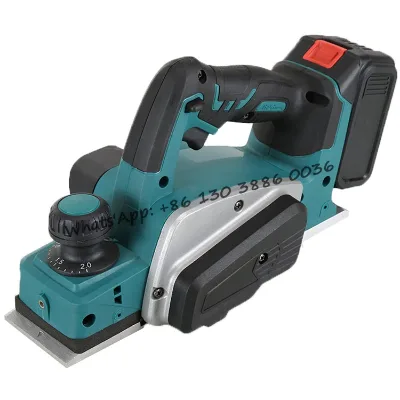
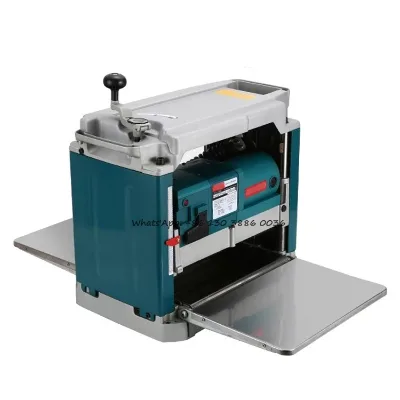
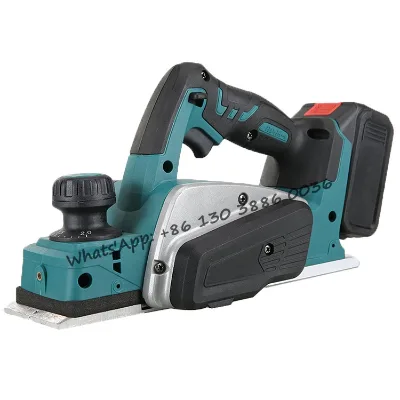
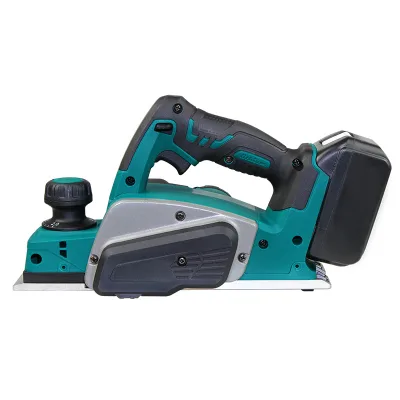
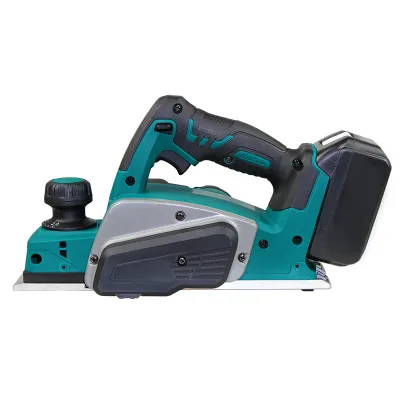
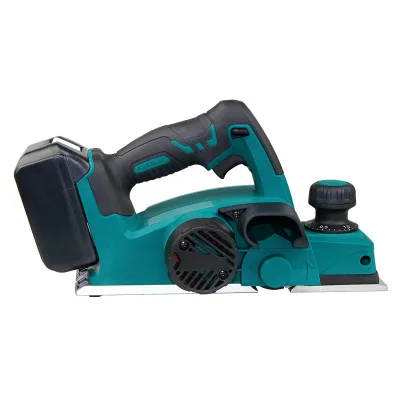
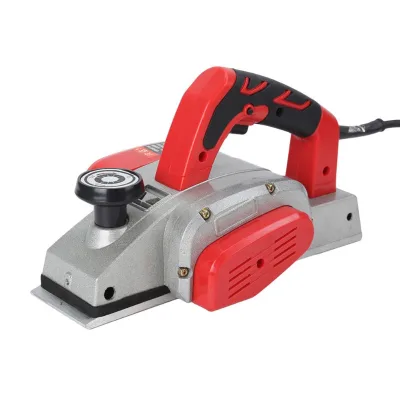


Comprehensive Sourcing Guide
Portable Electric Wood Planer Supplier Concentration and Factory Types
When evaluating the supply base for portable electric wood planers, the first structural question is whether a listed company actually manufactures the tool or merely trades it. Supplier profiles in this category commonly display a company type label, and the observed results include both combined manufacturer-trader entities and trading companies that also operate factories. A combined entity typically controls production of adjacent woodworking machinery such as sawmills, wood chippers, and thickness planers, while a trading-type supplier aggregates products from multiple workshops. Neither model is inherently better: manufacturers may offer deeper technical control over motor, cutter drum, and housing assembly, whereas traders can consolidate a broader tool lineup under one export operation.
Geographic concentration matters as well. The current results show suppliers located in China's Shandong and Zhejiang provinces, and Shandong entries in particular list main products dominated by sawmill and woodworking machinery, which suggests an industrial-woodworking cluster rather than a general power-tool cluster. Zhejiang entries, by contrast, list consumer power tools such as cordless drills, circular saws, and electric planers, consistent with a handheld-tool manufacturing base. When browsing beyond these results, buyers should identify clusters themselves by checking a supplier's registered location, main-product list, and whether planers sit at the center or the edge of the catalog. A supplier whose catalog is overwhelmingly planers and sawmills will usually understand this product differently from one selling a little of everything.
How to Verify Portable Electric Wood Planer Suppliers
Verification begins with the credentials a platform displays and ends with what you confirm independently. In the current results, one Shandong supplier shows an ISO9001:2015 system certificate and a TÜV Rheinland verification badge, while a Zhejiang supplier shows ISO 9001 certification. Treat these as starting signals rather than proof of planer-specific quality: a quality-management certificate covers processes, not the electrical safety of a handheld tool. Product listings themselves may carry a certification field—some planer entries in the results state CE and ISO on the product attribute level—so record exactly which certificate is claimed at company level and which at product level, then request copies and check certificate numbers against the issuing body's database before relying on them.
Beyond documents, verify capability directly. Ask for the factory's business license scope, confirm whether the registered name matches the exporting entity, and request a video or live walk-through of the assembly line where motors are fitted and final testing is performed. Ask who performs dielectric strength and insulation testing on finished units and at what sampling rate. For buyers sourcing from a combined manufacturer-trader, clarify which products are built in-house and which are bought in, because warranty responsibility differs. Finally, test responsiveness before committing: response-time figures are displayed on some profiles, but your own inquiry round—sending identical technical questions to several suppliers and timing replies—remains the most reliable behavioral check on communication quality.
What to Compare Across Portable Electric Wood Planer Suppliers
Build a comparison sheet from the attributes platforms actually display, without assuming every supplier shows every field. Useful dimensions in this category include location, company type, main products, response time, lead time, research-and-development capacity labels, and per-product specifications. The observed results illustrate the spread: one Shandong supplier lists a response time of 2.75 hours and a 15-day lead time, while a Zhejiang supplier lists 4.68 hours and a 90-day lead time—a gap large enough to change project scheduling, though you should confirm current figures directly, as displayed values age. R&D labels such as ODM, OEM, and own-brand capability tell you whether a supplier can execute your modifications or only sell a catalog unit.
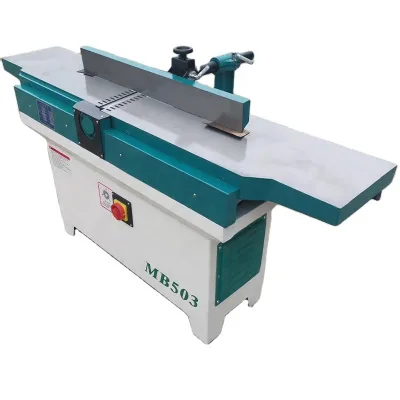
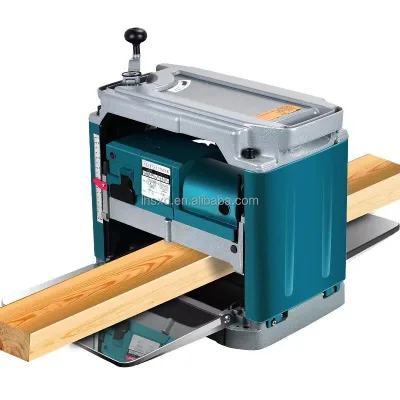
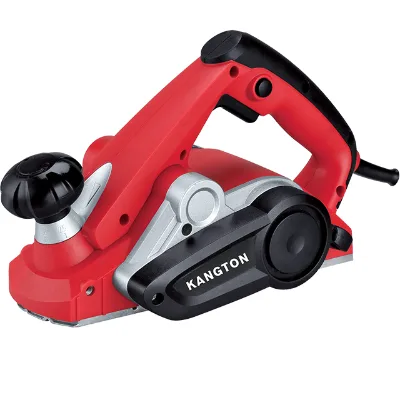
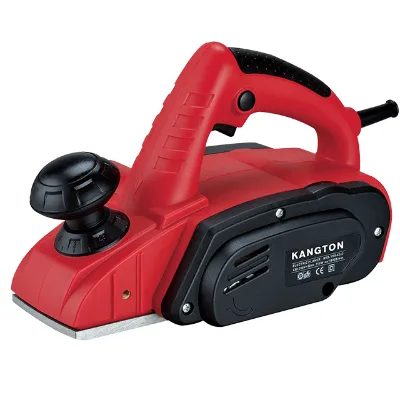
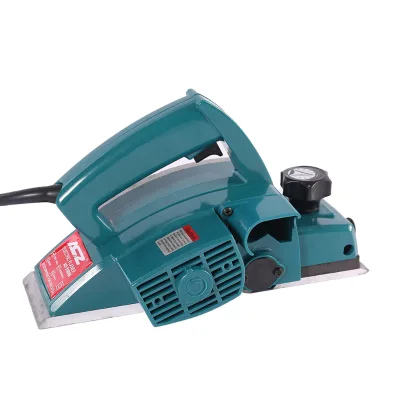
Product-level comparison should focus on the mechanical parameters that separate a usable tool from a returned one: planing width, planing depth, spindle or no-load speed, motor power, voltage, and weight. In the observed listings, working widths range from 82 mm handheld units to 400 mm flat planers, and motor power entries run under 5 kW for benchtop models down to 710 W for portable units, so align specifications with your intended channel—jobsite handheld versus light workshop benchtop. Also compare MOQ and packing: one entry shows an MOQ of 1 unit with iron-frame packaging at a listed price band, another shows MOQ 5 in color boxes. Only compare prices quoted at the same Incoterm and configuration.
Common Portable Electric Wood Planer Sourcing Risks
The most frequent risk in this category is specification drift: the sample performs well, but production units ship with a cheaper motor, thinner housing, or unlabeled blade steel. Because a portable planer is a rotating-cutting tool held near the operator's hands, silent substitutions on the cutter drum, belt, or switch are genuine safety issues, not just quality annoyances. Counter this by locking a golden sample, listing critical components by brand or grade in the purchase specification, and reserving the right to inspect first-article units against that sample before mass shipment.
Certification risk runs a close second. Product pages may state CE and ISO in attribute fields, but a marking on a listing is not a valid certificate, and a factory-level ISO 9001 certificate does not demonstrate that each planer model passed the applicable electrical-safety testing for your market. Request the actual test reports for the specific model number, check that the certificate holder matches the exporter, and be alert to certificates issued to a different, similarly named model. Additional risks include MOQ quoted low to win the inquiry then raised at contract stage; lead times quoted from stock on one configuration only; and combined manufacturer-trader entities whose planers are actually bought from a third workshop, weakening control over spare parts and warranty repairs. Finally, packaging built for container shipping versus parcel courier differs substantially—iron-frame packing seen in some machinery listings is unsuitable for individual handheld-tool e-commerce fulfillment.
Portable Electric Wood Planer Regional Sourcing and Logistics
The current results place suppliers in Shandong and Zhejiang, China, and the two bases imply different logistics profiles. Shandong entries list main products such as sawmills, pallet machines, and heavy woodworking machinery, with packing described as iron frames or pallets; suppliers from this cluster are practical if you are bundling a portable planer with larger woodworking equipment in one mixed-container order. Zhejiang entries list handheld power tools—drills, grinders, electric planers—with color-box retail packaging and model numbers typical of consumer lines; that cluster suits buyers building a retail-assorted tool program. Lead times shown in the results range from 15 days to 90 days, so port scheduling should follow the supplier's confirmed production calendar, not the displayed figure.
Plan logistics around the tool's combination of weight, sharp blades, and lithium-free corded design where applicable. Handheld planers typically ship in inner boxes plus export cartons; confirm carton dimensions and units per carton in writing, since pallet utilization and freight class depend on it. Ask which Chinese port the factory routinely ships from—Qingdao serves Shandong and Ningbo or Shanghai serves Zhejiang—and whether the quoted price includes inland haulage to that port. For sample shipments, couriers may classify planers with blades as tools with sharp edges; request proper blade guards and declare accurately. If you need destination-market labeling or multi-language manuals, agree who prints and applies them before the goods reach the port, because rework at origin is far cheaper than at destination.
Portable Electric Wood Planer Commercial Terms and Order Planning
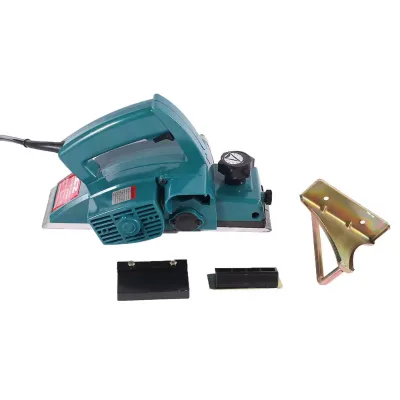
Commercial terms in this category vary widely enough that side-by-side quotes must be normalized. Observed listings show price ranges from roughly 150 USD for a benchtop 2000 W thickness planer to 9,000 USD for a single-sided high-power planer, with MOQs of 1 and 5 units on different entries—so always align quotes on the same model, voltage, plug standard, packaging, and Incoterm before comparing. For handheld units, ask for tiered pricing at your realistic annual volume rather than the single-unit list price, and confirm whether blade sets, guide fences, or wrenches are included or priced as spares. Payment structure should reflect supplier verification status: a verified manufacturer with audited certificates may justify a smaller deposit than an unverified trader, but avoid full prepayment in either case until a first order has shipped cleanly.
Order planning should respect the lead-time spread noted earlier—15 days versus 90 days in current results—and build buffer for peak-season port congestion and pre-Chinese New Year production surges, when power-tool factories fill months in advance. If you plan customization, confirm the supplier's ODM or OEM label translates into concrete support: mold changes, color and logo printing, manual language, and carton design each carry separate tooling or setup costs that must appear in the contract. Define inspection windows, spare-part availability for cutter drums and belts over a multi-year horizon, and warranty handling for destination-market returns before signing. Finally, schedule a repeat order discussion after first delivery so capacity is reserved rather than negotiated under time pressure.
FAQs
What is the price range for portable electric wood planers?
Portable electric wood planers are available from $150 to $9,000 depending on capacity and features. Benchtop models typically cost between $150 and $1,500, while industrial log molders range from $4,000 to $9,000. Prices vary based on motor power, working width, and customization options.
What certifications do these woodworking machines have?
Most portable electric wood planers carry CE and ISO certifications. Some industrial log molders hold ISO9001:2015 certificates. These certifications ensure compliance with international safety and quality standards for woodworking machinery, providing assurance for industrial and commercial buyers sourcing equipment from China.
What is the typical lead time for these machines?
Lead times vary significantly by supplier and product type. Some manufacturers offer a lead time of 15 days for standard models, while others may require up to 90 days for complex machinery. Buyers should confirm specific delivery schedules with suppliers before placing orders to ensure timely production.
What is the minimum order quantity for these planers?
Minimum order quantities range from one unit for some portable models to five units for others. Many suppliers accept single-unit orders for benchtop planers, while larger industrial machines may have higher MOQs. Buyers should verify specific MOQ requirements with suppliers to align with their procurement needs.
Where are these woodworking machines manufactured?
These portable electric wood planers are primarily manufactured in China, specifically in Shandong and Zhejiang provinces. Suppliers in these regions offer a wide range of woodworking machinery, including benchtop planers, log molders, and industrial thickness planers, catering to diverse buyer requirements and specifications.
What customization options are available for these machines?
Customization is available for many portable electric wood planers, including OEM and ODM services. Buyers can request specific working widths, motor powers, and branding options. Some suppliers offer custom packaging and technical specifications to meet unique industrial requirements, ensuring the machinery fits specific production workflows.