Woodworking Hydraulic Cold Press Machine Suppliers and Manufacturers
Explore 23 verified suppliers offering woodworking hydraulic cold press machines with ISO9001:2015 and CE certifications. Compare lead times, response rates, and pricing ranges from 1000 to 13500 USD before requesting quotes for specific models like MYJ50T or MJ50; review the available evidence before requesting comparable quotations from suitable candidates.
Updated
Suppliers List

QINGDAO SOSN MACHINERY CO., LTD.
- Verified by CTI
- Combined
- China Shandong
- Lead time23 days
- Avg. response≤ 4h
Main productsCNC Router, Panel Saw, Edging Banding Machines, Boring Machines, Woodworking Machines Series, Dust Collectors, Sliding Table Saw
Main marketsSouth America,Africa,Southeast Asia/ Mideast,Domestic,Europe,Australia,North America

Qingdao Zhongding Machinery Co., Ltd.
- Combined
- China Shandong
- Lead time30 days
- Avg. response≤ 8h
Main productsCNC Machinery, Panel Saw, Edge Bander, Press Machine, Sanding Machine, Drilling Machine
Main marketsSouth America,Africa,Southeast Asia/ Mideast,East Asia(Japan/ South Korea),Europe,Australia,North America


50t Woodworking Plywood Hydraulic Cold Press Machine for Woodworking
$5100.00 - $13500.00
MOQ: 1 Pieces

Shenzhen Aucox Technology Co., Ltd.
- Manufacturer, Trading Company, Distributor/Wholesaler
- Guangdong, China
- Lead time7 days
- Avg. response≤ 4h
Main productsedge banding machine,sliding table saw,woodworking machinery,other woodworking machinery,table saw
Main marketsMid East(20.00%), Africa(16.00%), Southeast Asia(15.00%), North America(10.00%), South America(10.00%), Central America(10.00%), Western Europe(5.00%), South Asia(5.00%), Eastern Europe(4.00%), Eastern Asia(3.00%), Northern Europe(2.00%)

Shandong MINGHUNG Wood Based Panel Machinery Co., Ltd
- Manufacturer
- China Shandong
- Lead time30 days
- Avg. response≤ 3h
Main productsVeneer Peeling Machine, Plywood Machine, Hot Press Machine, Veneer Dryer Machine, Glue Spreader, Plywood Cold Press Machine, Plywood Saw Machine, Plywood Sanding Machine, Wood Debarker, Vacuum Veneer Stacker
Main marketsSouth America,Africa,Southeast Asia/ Mideast,East Asia(Japan/ South Korea),Europe,Australia,North America


Hydraulic Cold Press Machine for Plywood Production Line Woodworking Press Machine
$14000.00 - $18000.00
MOQ: 1 set


LINYI METRO MACHINERY CO.,LIMITED
- Verified by SGS
- Manufacturer
- China Shandong
- Lead time30 days
- Avg. response≤ 15h
Main productsPlywood Machinery, Particleboard Line, MDF Line, LVL Line, Boiler, Veneer Making Machinery, OSB Line, Wood-Based Panel Machinery, Blockboard Machinery, Woodworking Machinery
Main marketsDomestic


1.3X3.6m Customized Cold Press Machine Hydraulic Press for Woodworking Machine
$3000.00 - $10000.00
MOQ: 1 set

Shanghai Win Star Woodworking Machinery Co., Ltd.
- Verified by SGS
- Manufacturer/Factory
- China Shanghai
- Lead time23 days
- Avg. response≤ 2h
Main productsEdge Banding Machine, Sliding Table Saw, Wide Belt Sander Machine, Hot Press Machine, Cold Press Machine, Four Side Moulder, Double Side Planer, Wood Drilling Machine, CNC Router, Profile Wrapping Machine
Main marketsSouth America,Eastern Europe,Mid East,North America,Southeast Asia,Eastern Asia,Oceania,Western Europe,Africa


Woodworking Machinery 50ton Door Press Machine Fully Automatic Hydraulic Cold Press Machine
$2580.00 - $2980.00
MOQ: 1 Sets
Shunde District Of Foshan City Xinjun CNC Equipment Co., Ltd.
- Manufacturer
- Guangdong, China
- Lead time15 days
- Avg. response≤ 16h
Main productsPUR Laminating Machine,Vacuum Membrane Press Machine,PUR Profile Wrapping Machine
Main marketsDomestic Market(70.00%), Mid East(6.00%), Eastern Asia(5.00%), South Asia(5.00%), Africa(5.00%), Southeast Asia(5.00%), North America(2.00%), South America(2.00%)
Linyi Yuequn International Trading Co., Ltd.
- Manufacturer, Trading Company
- Shandong, China
- Lead time5 days
- Avg. response≤ 2h
Main productsplywood production line,okywood log debarker machine,plywood veneer peeling machine,plywood hot press machine,plywood cold press machine
Main marketsNorth America(30.00%), Mid East(25.00%), Western Europe(10.00%), Central America(10.00%), South America(10.00%), Eastern Europe(10.00%), Eastern Asia(5.00%)

- Verified by TUVRHEINLAND
- Trading Company,Manufacturer/Factory,Group Corporation
- China Shandong
- Lead time38 days
- Avg. response≤ 16h
Main productsWoodworking Machine, Plywood Machine, Veneer Dryer, Hot Press Machine, Glue Spreader, Engineered Panel Board Making Machine, Timber Block Handling Machine, Vacuum Gripper, Straight Knife Blade Grinder, Veneer Peeling Knife
Main marketsSouth America,Eastern Europe,Mid East,North America,Eastern Asia,Oceania,Western Europe,Africa

Hot Sales Pre Press Machinery Hydraulic Cold Press Machine Woodworking Machinery
$300.00 - $500.00
MOQ: 1 Pieces


Cold Press Woodworking Machinery Hydraulic Wood Plywood Veneer Laminating Cold Press Machine
Negotiable
MOQ: 1 Pieces


Cold Press Woodworking Plywood Cold Press Hydraulic Cold Press for Wooden Doors
Negotiable
MOQ: 1 Pieces
Linyi Dihui International Trade Co., Ltd.
- Trading Company
- Shandong, China
- Lead time20 days
- Avg. response≤ 3h
Main productswood door cold press machine,hot press machine,glue spreader,e type lifter,wood veneer peeling machine
Main marketsDomestic Market(50.00%), South America(15.00%), Southeast Asia(10.00%), Mid East(8.00%), Africa(7.00%), Eastern Asia(5.00%), South Asia(5.00%)
$2700.00 - $2850.00
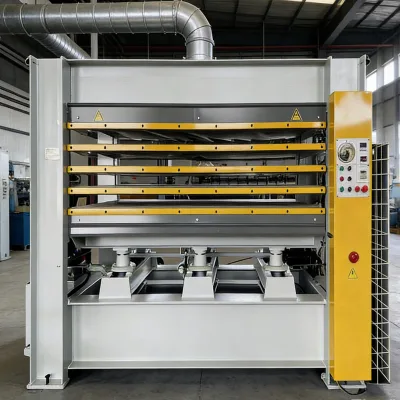
$5122.2531 - $8197.2422
MOQ: 1 pieces
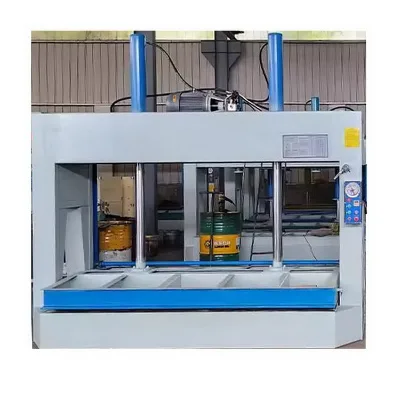
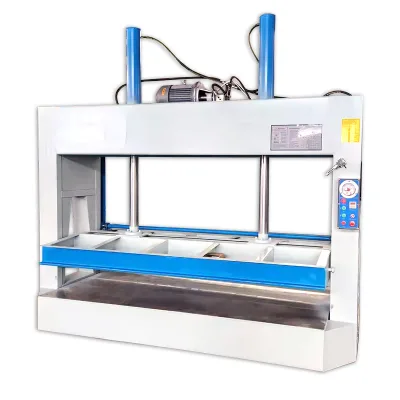
Fully Automatic Hydraulic Cold Press for 100 Tons Woodworking Machinery Vacuum Press Machine
$3750.00 - $3800.00
MOQ: 1 pieces
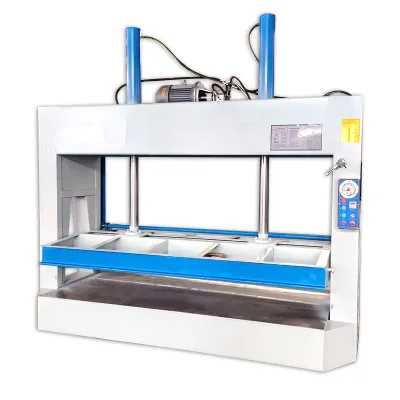
Wholesale Different Sizes Medium Density Board Making Hydraulic Wood Hydraulic Cold Press Machine
$3850.3674 - $3901.7056
MOQ: 1 pieces
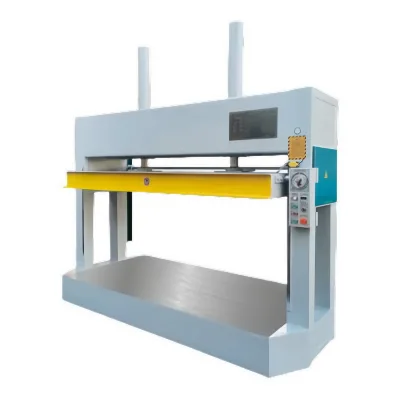
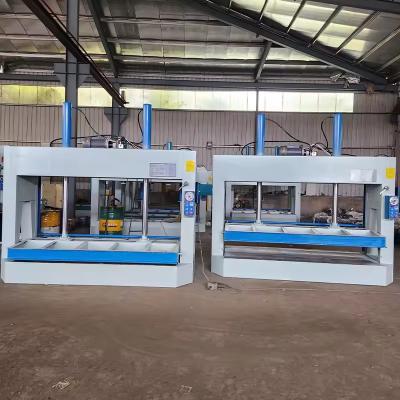
50 Tons Woodworking Cold Press Machine for Wood Door Laminate Panel
$2300.00 - $2500.00
Qingdao Delilai Machinery Co., Ltd
- Verified by TüVRheinland
- Manufacturer, Trading Company
- Lead time7 days
- Avg. response≤ 2h
Main productsPrecise Panel Saw, Polishing Machine, Edge Banding Machine, Sanding Machine, Press Machine
Main marketsNorth America(50%), South America(10%), Eastern Europe(10%)
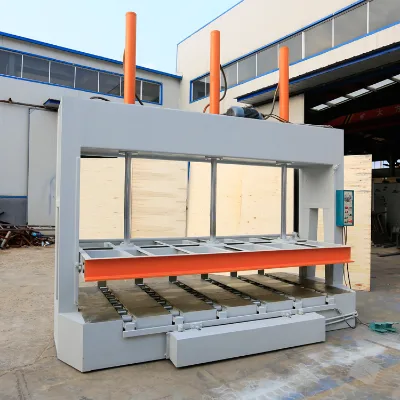
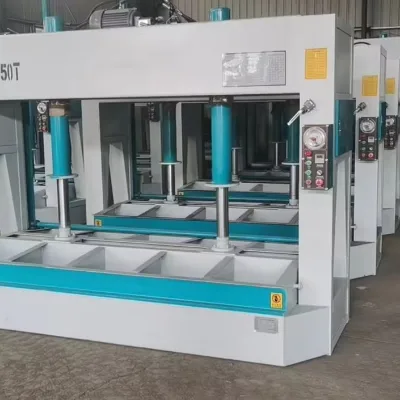
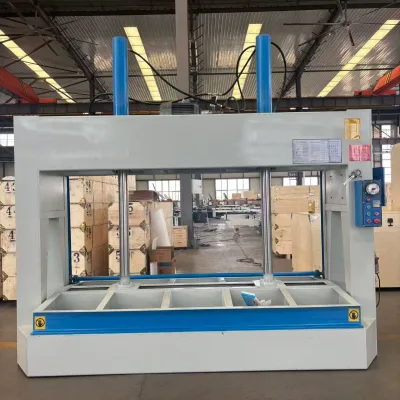
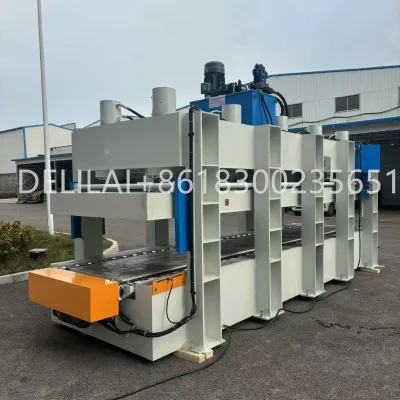
Woodworking Heavy Duty Plywood Panel Wood Board 50 Ton Hydraulic Cold Press Machine
$3500.00 - $4300.00
MOQ: 1 sets
Qingdao Allison Machinery Technology Co., Ltd.
- Verified by SGS Group
- Manufacturer, Trading Company
- Lead time7 days
- Avg. response≤ 2h
Main productsWoodworking Machinery, Textile Machinery
Main marketsNorth America(20%), Africa(20%), Domestic Market(10%)
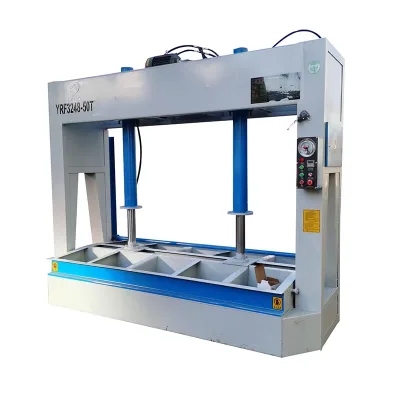
$2500.00 - $2800.00
MOQ: 1 pieces
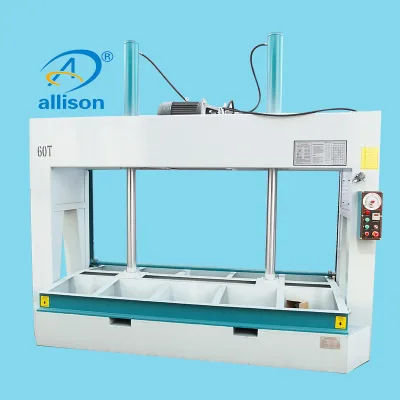
$2886.8372 - $2989.9385
MOQ: 1 sets
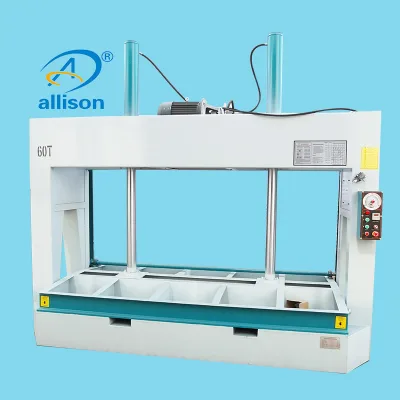
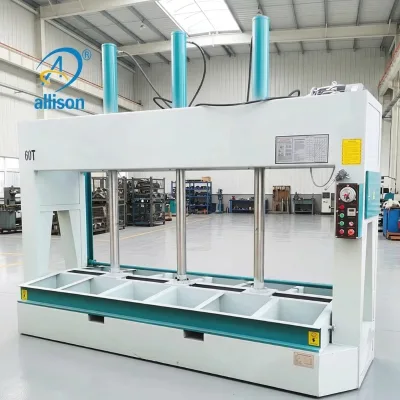

Qingdao Maonple Machinery Technology Co., Ltd.
- Verified by CTI
- Trading Company,Manufacturer/Factory
- China Shandong
- Lead time15 days
- Avg. response≤ 4h
Main productsPanel Saw, Edge Banding Machine, CNC Router, Electric Panel Saw, CNC Beam Saw, Edge Bander, Drilling Machine, Hot Press Machine
Main marketsSouth America,Eastern Europe,Mid East,Southeast Asia,Eastern Asia,Western Europe,Africa

Factory Price Woodworking Cold Press 50t 60t Hydraulic Cold Press Machine
$2900.00 - $3000.00
MOQ: 1 Pieces


High Quality 50ton Pressure Woodworking Machinery Hydraulic Cold Press Machine
$2900.00 - $3000.00
MOQ: 1 Pieces


Advanced Automatic Woodworking Hydraulic Cold Press Machine for Wood Panels
$2900.00 - $3000.00
MOQ: 1 Pieces

Samet Intelligent Manufacturing Co., Ltd.
- Verified by SGS Group
- Manufacturer, Trading Company
- Lead time15 days
- Avg. response≤ 1h
Main productsCNC Router, Vacuum Press Machine, Polishing Machine, 3D Scanner, Fiber Laser Cutting Machine
Main marketsSouth America(20%), North America(10%), Eastern Europe(10%)
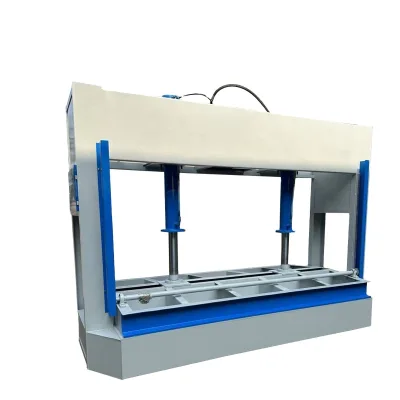
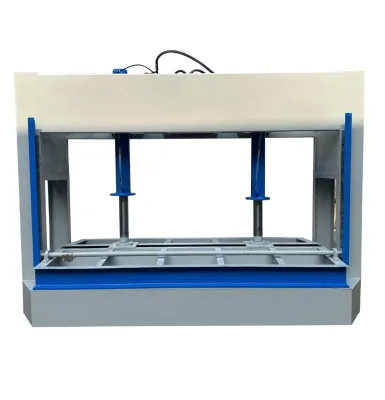
Cold Press Machine Woodworking Door Pressing Making Machine 50T Cold Hydraulic Press for Wood
$2092.726 - $2710.3885
MOQ: 1 sets
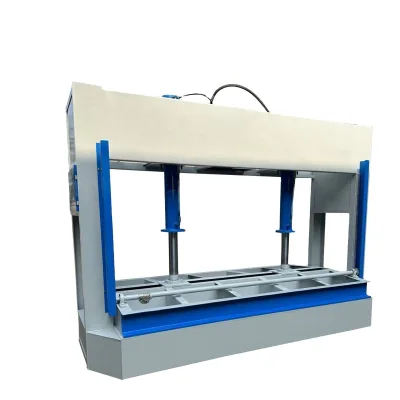
$2254.2416 - $2664.1037
MOQ: 1 sets
Jinan Grandio CNC Equipment Co., Ltd.
- Verified by SGS Group
- Manufacturer, Trading Company
- Lead time15 days
- Avg. response≤ 2h
Main productsCNC Router, Vacuum Press Machine, Polishing Machine, 3D Scanner, Fiber Laser Cutting Machine
Main marketsSouth America(20%), North America(10%), Eastern Europe(10%)

Qingdao Joway Machinery Co., Ltd.
- Manufacturer, Trading Company
- Shandong, China
- Lead time7 days
- Avg. response≤ 1h
Main productsEdge banding machine,Panel saw,Polishing Machine,Press Machine,dustless blasting
Main marketsSouth Asia(10.00%), Central America(10.00%), Southeast Asia(10.00%), Mid East(10.00%), South America(10.00%), North America(10.00%), Domestic Market(5.00%), Oceania(5.00%), Southern Europe(5.00%), Northern Europe(5.00%), Africa(5.00%), Western Europe(5.00%), Eastern Asia(5.00%), Eastern Europe(5.00%)

Qingdao Zhongding Machinery Co., Ltd.
- Verified by SGS
- Combined
- China Shandong
- Lead time30 days
- Avg. response≤ 3h
Main productswoodworking machinery
Main marketsSouth America,Africa,Southeast Asia/ Mideast,East Asia(Japan/ South Korea),Europe,Australia,North America

Cheap Price Hydraulic Pressure Continuous Plywood Wood Cold Press Woodworking Machine
$5100.00 - $5300.00
MOQ: 1 Pieces


High Quality Hydraulic Cold Press Woodworking Machine for Wood Board with Options
$5100.00 - $5300.00
MOQ: 1 Pieces

Advanced High-Performance Hydraulic Cold Press Machine for Woodworking
$3400.00 - $3700.00
MOQ: 1 Pieces

Customized Cold Press Machinery with Optional Function Woodworking Machine
$5100.00 - $5300.00
MOQ: 1 Pieces
Qingdao Guang Yu Tai Machinery Co., Ltd.
- Manufacturer
- Shandong, China
- Lead time0 days
- Avg. response≤ 3h
Main productsroller coating machine,sanding machine,spray painting machine,polish machine,Automatic spray machine
Main marketsSoutheast Asia(20.00%), North America(20.00%)

Qingdao Yingzhuo Machinery Technology Co., Ltd.
- Verified by TUVRHEINLAND
- Combined
- China Shandong
- Lead time15 days
- Avg. response≤ 3h
Main productsWoodworking Machine, Edge Banding Machine, Sliding Table Panel Saw, CNC Router, Sanding Machine, Drilling Machine, Press Machine, Dust Collector, CNC Beam Saw, Deburring Machine
Main marketsDomestic


Woodworking 50 Ton Plywood Hydraulic Cold Press Machine for Wooden Panel
$2500.00 - $2850.00
MOQ: 1 Sets
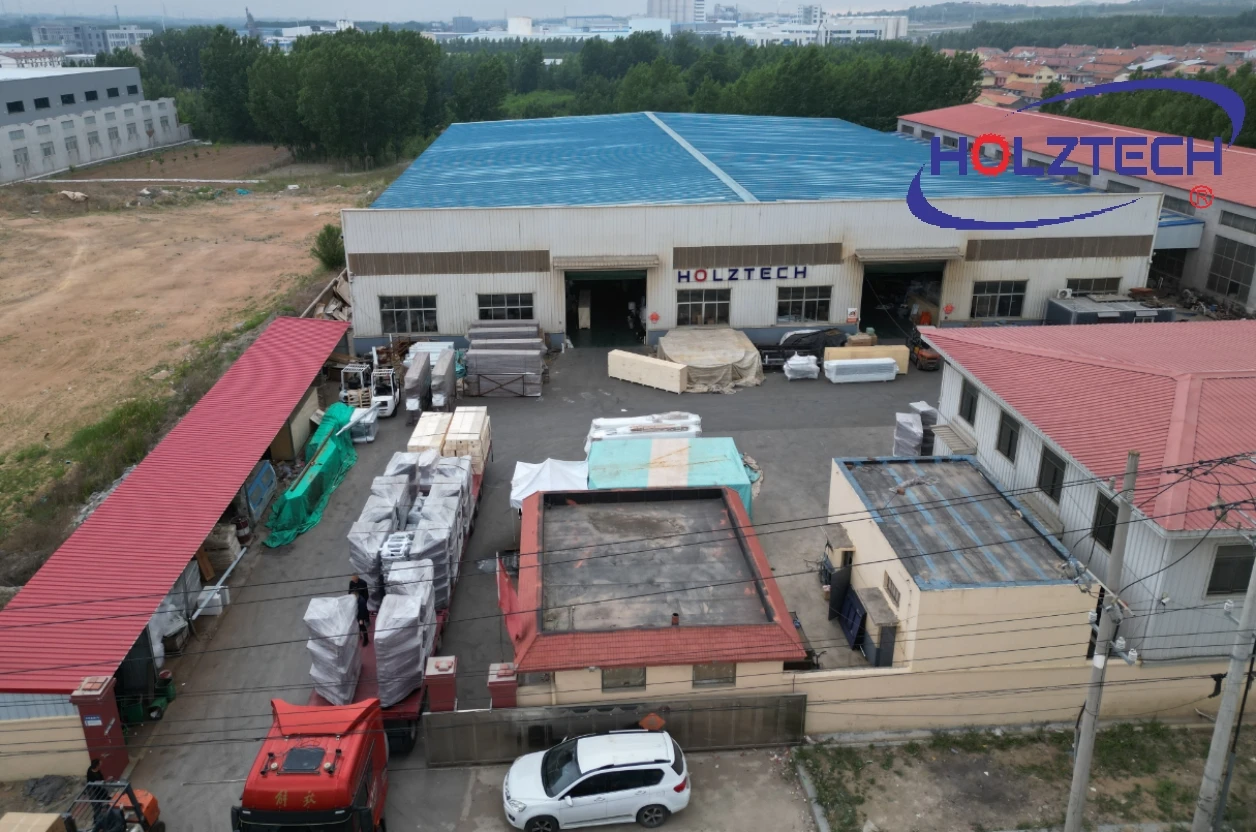
Qingdao Holztech Machinery Co., Ltd.
- Manufacturer, Trading Company
- Shandong, China
- Lead time30 days
- Avg. response≤ 2h
Main productsPANEL SAW,EDGE BANDER,DRILLING MACHINES,SANDING MACHINE,COLD PRESS
Main marketsEastern Europe(15.00%), Domestic Market(10.00%), South Asia(10.00%), Africa(10.00%), Southeast Asia(10.00%), Central America(10.00%), South America(10.00%), Mid East(5.00%), Oceania(5.00%), Southern Europe(5.00%), Northern Europe(5.00%), North America(5.00%)

Qingdao Antioch Woodworking Machinery Co., Ltd.
- Verified by BV
- Trading Company
- China Shandong
- Lead time30 days
- Avg. response≤ 6h
Main productsCNC Nesting Machine, CNC Router, Edge Banding Machine, Sliiding Table Saw, Hot Press, Cold Press, Wide Belt Sander
Main marketsSoutheast Asia/ Mideast

Woodworking Hydraulic Cold Press Machine for Plywood and Door Making for Woodworking Furniture
$2600.00 - $2850.00
MOQ: 1 Pieces

$2850.00 - $3100.00
MOQ: 1 Pieces

$2850.00 - $3100.00
MOQ: 1 Pieces

$5200.00 - $5700.00
MOQ: 1 Pieces

High-Efficiency Cold Press Machine for Woodworking 2 Cylinder for Woodworking Door
$2850.00 - $3100.00
MOQ: 1 Pieces
Qingdao Hairuikeyuan Machinery Co., Ltd.
- Verified by SGS Group
- Manufacturer, Trading Company
- Lead time7 days
- Avg. response≤ 2h
Main productsSliding Table Saw, Automatic Grinding Machine, Edge Banding Machine, Sanding Machine, Drilling Machine
Main marketsSoutheast Asia(20%), North America(10%), South America(10%)

Shandong Guandiao CNC Equipment Co., Ltd.
- Verified by BV
- Combined
- China Shandong
- Lead time15 days
- Avg. response≤ 11h
Main productsWoodworking CNC Router, Automatic CNC Cutting Machine, Vacuum Membrane Press Machine, 3D Scanner, Edge Banding Machine, Side Hole Drilling Machine, 8. Advertising /Acrylic Vacuum Forming Machine, Woodworking CNC Lathe, Laser Cutting Machine
Main marketsSouth America,Africa,Southeast Asia/ Mideast,East Asia(Japan/ South Korea),Domestic,Europe,Australia,North America


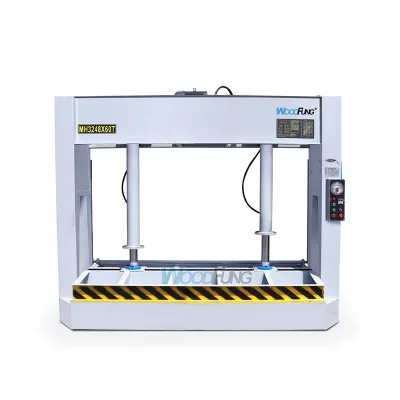
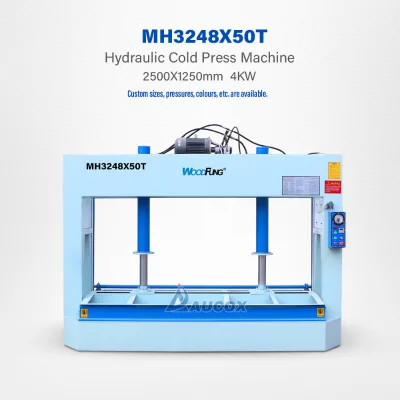
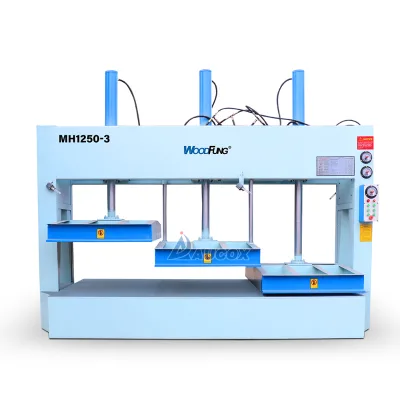
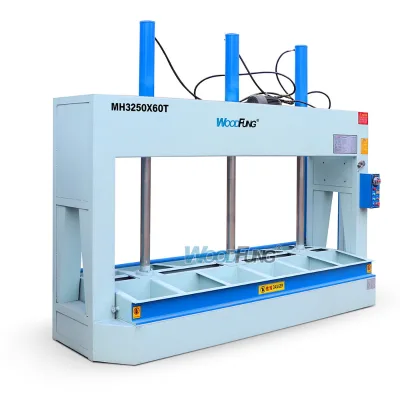
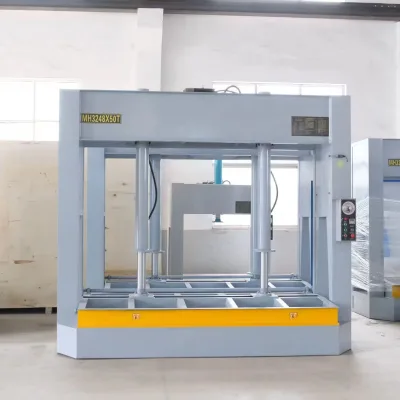
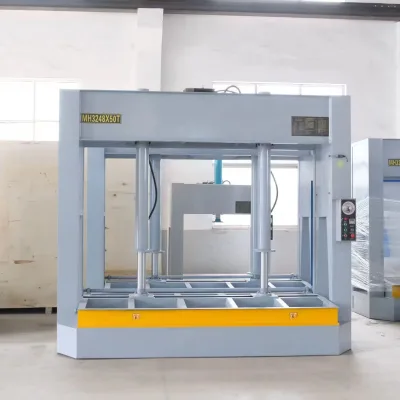
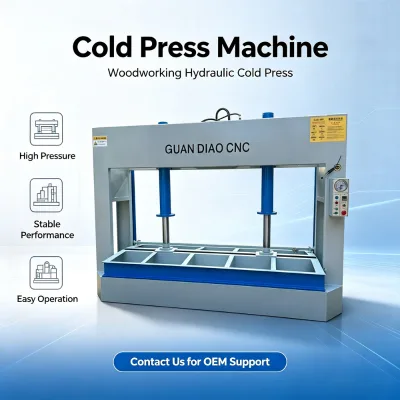
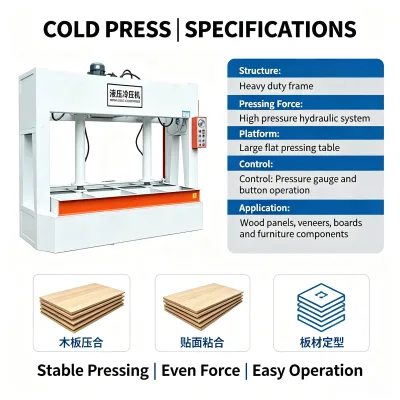
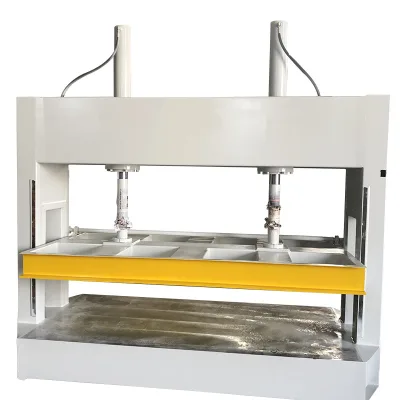
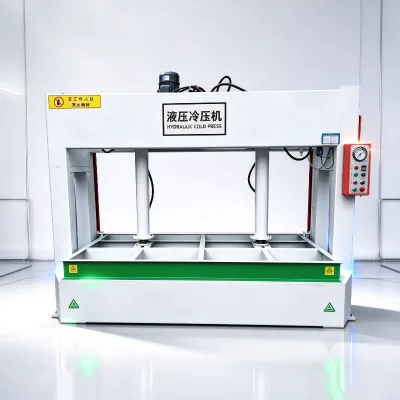
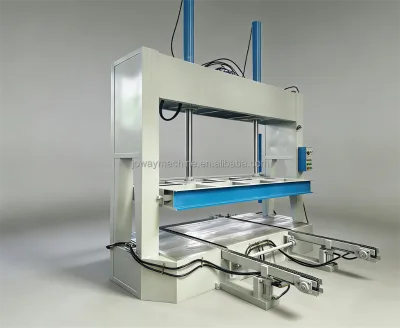
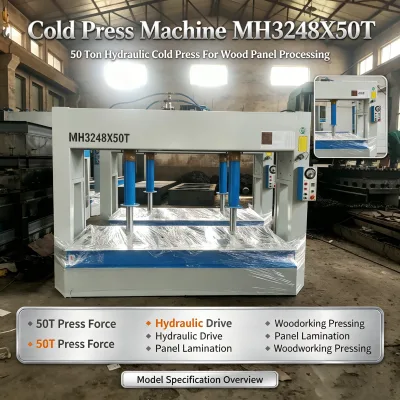


Comprehensive Sourcing Guide
Woodworking Hydraulic Cold Press Machine Supplier Concentration and Factory Types
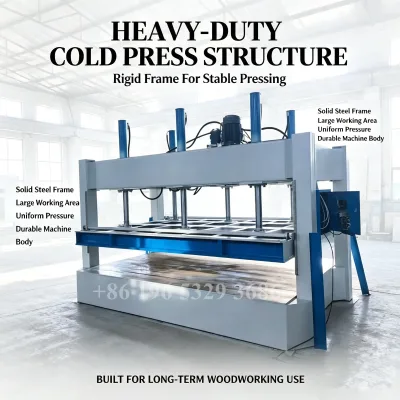
The current supplier landscape for woodworking hydraulic cold press machines reveals a distinct geographic concentration in China, specifically within the Shandong province. This regional clustering suggests a mature industrial ecosystem where specialized manufacturing capabilities have developed over time, likely driven by proximity to raw material sources and established logistics networks. Buyers evaluating potential partners should recognize that this concentration does not imply uniformity in quality or capability across all entities located in the region. Instead, it indicates a competitive market where suppliers must differentiate themselves through specific technical offerings, certification standards, and operational efficiency. The presence of combined company types, which may include both manufacturing and trading functions, adds another layer of complexity to the sourcing process. These entities often possess broader product portfolios, ranging from CNC routers and panel saws to dust collectors and boring machines, which can be advantageous for buyers seeking comprehensive machinery solutions. However, this breadth of product lines requires careful scrutiny to ensure that the specific hydraulic cold press machines offered are backed by dedicated engineering and production resources rather than being mere add-ons to a general trading inventory. Understanding the factory type is crucial because combined entities might offer different lead times and customization options compared to pure manufacturing plants. Buyers must assess whether the supplier’s primary focus aligns with their specific volume and technical requirements, as the depth of expertise in hydraulic systems can vary significantly even within the same geographic cluster.
Furthermore, the diversity in company structures means that buyers will encounter a mix of specialized woodworking machinery producers and broader industrial equipment suppliers. Some suppliers may emphasize their capability in OEM and ODM services, indicating a flexibility to customize machines for specific production lines or unique pressing requirements. This is particularly relevant for buyers who need tailored solutions for different wood-based panel products, such as plywood or MDF. The availability of customization options, as noted in product attributes, suggests that many suppliers are equipped to modify standard designs to fit specific platen sizes, pressure capacities, or automation levels. However, the extent of this customization capability should be verified through direct communication, as the level of engineering support can differ widely. Buyers should also consider the main products listed by each supplier to gauge their core competency. A supplier whose primary focus is on press machines and sanding equipment may offer more robust hydraulic systems and better after-sales support for cold press machines compared to a supplier whose main products are CNC machinery or drilling equipment. This distinction is vital for ensuring long-term reliability and performance of the hydraulic cold press machine in a high-volume production environment.
How to Verify Woodworking Hydraulic Cold Press Machine Suppliers
Verifying the credibility and operational capacity of Woodworking Hydraulic Cold Press Machine suppliers requires a multi-faceted approach that goes beyond simple product listings. One critical step is to check for third-party verification badges, such as CTI, which can provide an additional layer of confidence regarding the supplier’s business legitimacy and operational history. While verification badges are helpful, they should not be the sole determinant of supplier quality. Buyers must also scrutinize the system certifications displayed, such as ISO9001:2015 and ISO14001:2015 certificates, which indicate adherence to international quality and environmental management standards. These certifications are particularly important for hydraulic machinery, as they reflect the supplier’s commitment to consistent manufacturing processes and responsible production practices. However, the presence of these certificates should be cross-referenced with the specific product certifications, such as CE and ISO marks, which are often required for machinery exported to certain markets. Buyers should request copies of these certificates and verify their validity through the issuing bodies to ensure they are current and applicable to the specific models being considered. This due diligence helps mitigate the risk of dealing with suppliers who may have outdated or improperly obtained certifications.
In addition to certifications, buyers should evaluate the supplier’s responsiveness and transparency in communication. The response time metric, which can vary significantly between suppliers, serves as an indicator of their operational efficiency and customer service commitment. A faster response time, such as 3.69 hours compared to 7.66 hours, may suggest a more agile organization capable of addressing technical queries and order inquiries promptly. This is crucial for complex machinery purchases where technical specifications and customization details need to be clarified quickly. Buyers should also look for evidence of product attributes that align with their specific needs, such as the controlling mode, automatic grade, and pressing shape. For instance, some suppliers offer machines with CNC controlling modes and multi-layer pressing capabilities, while others may provide semiautomatic, single-layer options. The ability of the supplier to provide detailed and accurate product attributes, including dimensions, pressure capacities, and power requirements, is a strong indicator of their technical competence. Buyers should compare these details across multiple suppliers to identify those who provide the most comprehensive and transparent information. Additionally, checking the packing methods, such as standard wooden cases or plywood cases, can provide insights into the supplier’s attention to detail and commitment to protecting the machinery during transit.
What to Compare Across Woodworking Hydraulic Cold Press Machine Suppliers
When comparing suppliers of woodworking hydraulic cold press machines, buyers should focus on key operational metrics that directly impact production efficiency and total cost of ownership. Lead time is a critical factor, as it determines how quickly the machinery can be delivered and integrated into the production line. Suppliers may offer varying lead times, such as 23 days or 30 days, which can significantly affect project timelines and inventory management. Buyers should assess whether these lead times are realistic and consistent, and whether they include time for customization and testing. Alongside lead time, the minimum order quantity (MOQ) is another important consideration. Some suppliers may have an MOQ of just one unit, which is beneficial for small-scale operations or trial orders, while others may have higher thresholds. This flexibility can be crucial for buyers who are testing new markets or expanding their production capacity gradually. Additionally, buyers should compare the price ranges offered by different suppliers, which can vary widely based on the machine’s specifications, capacity, and features. For example, prices may range from $1,000 to $13,500 depending on the model, pressure capacity, and automation level. It is essential to ensure that the price comparison includes all relevant components, such as hydraulic pumps, control systems, and packaging, to avoid hidden costs.
Beyond operational metrics, buyers should also evaluate the technical specifications and customization options available from each supplier. The maximum pressure capacity, platen size, and worktable dimensions are critical parameters that must match the buyer’s production requirements. Suppliers may offer models with varying pressure capacities, such as 50 tons or 80 tons, and different platen sizes, such as 12502500 mm or 13002500 mm. Buyers should carefully review these specifications to ensure they align with their intended applications, whether for plywood, MDF, or other wood-based panels. The controlling mode is another important differentiator, with options ranging from artificial control to CNC automation. CNC-controlled machines may offer higher precision and efficiency but come at a higher price point. Buyers should also consider the automatic grade, with semiautomatic machines being a common choice for balancing cost and functionality. Additionally, the structure type, such as frame type, and the processing technics, such as cold press, should be verified to ensure they meet the buyer’s quality standards. The availability of customization options, including the ability to modify the machine for specific pressing shapes or work modes, can be a significant advantage for buyers with unique production needs. Comparing these technical details across suppliers will help buyers identify the best value proposition for their specific requirements.
Common Woodworking Hydraulic Cold Press Machine Sourcing Risks
Sourcing woodworking hydraulic cold press machines from international suppliers, particularly those in concentrated manufacturing hubs like Shandong, China, exposes buyers to several inherent risks that require proactive management. One significant risk is the potential discrepancy between advertised specifications and actual machine performance. While suppliers may list attributes such as maximum pressure, platen dimensions, and power consumption, the real-world performance can vary due to differences in component quality, assembly standards, and testing procedures. Buyers must be cautious of suppliers who provide vague or incomplete product attributes, as this may indicate a lack of transparency or technical expertise. For instance, the controlling mode and automatic grade are critical factors that affect operational efficiency, and any ambiguity in these areas can lead to unexpected downtime or maintenance issues. Additionally, the work mode, whether continuous or period, must align with the buyer’s production schedule, and mismatches can result in reduced throughput or increased energy costs. To mitigate this risk, buyers should request detailed technical documentation and, if possible, arrange for third-party inspections or factory audits to verify the machine’s capabilities before finalizing the purchase. This due diligence is essential to ensure that the machinery meets the required performance standards and can withstand the demands of continuous industrial use.
Another common risk is the variability in after-sales support and spare parts availability. Hydraulic cold press machines are complex pieces of equipment that require regular maintenance and occasional repairs. Buyers must assess the supplier’s ability to provide timely technical support and a reliable supply of spare parts, such as hydraulic pumps, seals, and control components. Suppliers with established OEM and ODM capabilities may have better access to proprietary parts, but this can also lead to dependency on the original manufacturer for repairs. Buyers should inquire about the warranty terms, response times for technical queries, and the availability of local service partners in their region. The packing method, such as standard wooden cases or plywood cases, is also a critical factor, as improper packaging can lead to damage during transit, resulting in delays and additional costs. Buyers should verify that the supplier uses robust packaging solutions that protect the machine from moisture, shock, and other environmental hazards. Furthermore, the certification status of the machine, including CE and ISO marks, should be verified to ensure compliance with local safety and regulatory standards. Failure to address these risks can lead to significant operational disruptions and financial losses, making it imperative for buyers to conduct thorough due diligence and establish clear communication channels with their suppliers.
Woodworking Hydraulic Cold Press Machine Regional Sourcing and Logistics
The geographic concentration of Woodworking Hydraulic Cold Press Machine suppliers in China, particularly in Shandong, offers both advantages and challenges for international buyers. Sourcing from this region can provide access to a wide range of suppliers with varying capabilities and price points, but it also requires careful consideration of logistics and shipping costs. The distance from the manufacturing hub to the buyer’s location will significantly impact the total cost of ownership, including freight, insurance, and customs duties. Buyers should evaluate the supplier’s experience in international shipping and their ability to handle complex logistics arrangements. Suppliers located in Qingdao, for example, may have easier access to major ports, potentially reducing shipping times and costs. However, buyers must also consider the lead time for production, which can vary between 23 and 30 days, and factor this into their overall supply chain planning. The packing method, such as standard wooden cases or plywood cases, plays a crucial role in protecting the machinery during transit, and buyers should ensure that the packaging meets international shipping standards to prevent damage. Additionally, the overall dimensions and weight of the machine, as specified in the product attributes, will determine the shipping method and associated costs. Buyers should work closely with their suppliers to optimize packaging and loading to maximize container space and minimize freight expenses.
Furthermore, buyers must navigate the regulatory and compliance requirements associated with importing woodworking machinery from China. This includes ensuring that the machines meet local safety and environmental standards, which may require additional certifications or modifications. The presence of CE and ISO certifications on the product is a positive indicator, but buyers should verify that these certifications are recognized in their target market. Customs clearance can also be a bottleneck, and buyers should be prepared to provide all necessary documentation, including commercial invoices, packing lists, and
FAQs
What is the price range for woodworking hydraulic cold press machines?
Prices typically range from $1,000 to $13,500 depending on specifications. Models like the MYJ50T start around $3,000, while the MJ50C reaches $5,100. Higher capacity units such as the 80t MYJ80T can cost up to $8,000. Buyers should verify exact quotes based on customization needs and order volume.
What certifications do these machines usually have?
Most suppliers provide CE and ISO certifications for their equipment. System certifications often include ISO9001:2015 and ISO14001:2015 certificates. Product attributes frequently list CE and ISO compliance. Buyers should request specific certificate copies to verify compliance with international safety and quality standards before placing orders.
What is the typical lead time for delivery?
Lead times generally range from 23 to 30 days. Some suppliers report a 23-day production cycle, while others indicate a 30-day timeframe. These durations depend on order quantity and customization requirements. Buyers should confirm specific delivery schedules with suppliers to ensure alignment with project timelines.
What is the minimum order quantity for these machines?
The minimum order quantity is often set at one unit. This allows buyers to purchase single machines for testing or small-scale operations. Suppliers typically accept orders starting from one piece. Buyers should confirm if bulk discounts apply for larger quantities when negotiating terms with suppliers.
Where are these machines manufactured?
Manufacturing locations are primarily in China, specifically Shandong province. Some products list Qingdao as the origin point. All observed units originate from China. Buyers should verify specific factory locations to assess logistics costs and shipping times for international delivery.
What pressing capacities are available?
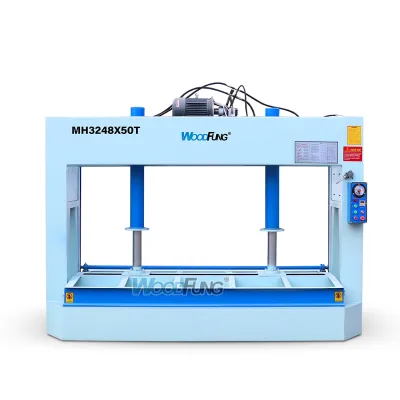
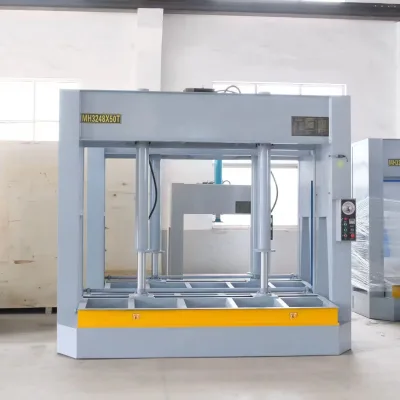
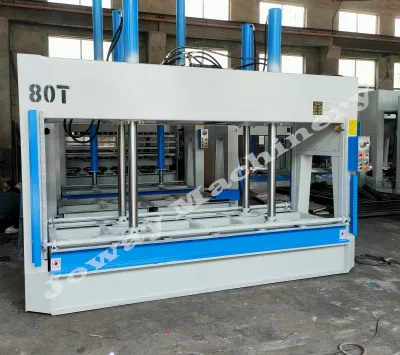
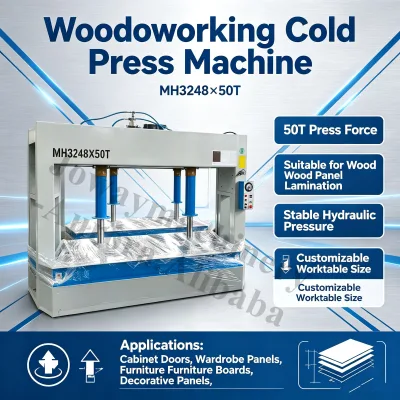
Available capacities include 50t, 80t, and 100t models. The MYJ50T and MH3284*50 offer 50-ton pressure. The MYJ80T and MH3248 provide 80-ton capacity. Higher-end options reach 100 tons. Buyers should select capacity based on material thickness and production volume requirements.
Do suppliers offer OEM and ODM services?
Yes, many suppliers provide both OEM and ODM capabilities. Some also offer own-brand services. Customization is listed as available for various models. Buyers seeking branded or modified machinery should discuss specific requirements with suppliers to ensure production feasibility and cost implications.