Gas Powered Aluminum Fishing Boat with Remote Control Suppliers and Manufacturers
Source Gas Powered Aluminum Fishing Boat with Remote Control from 21 verified suppliers. Compare lead times, certifications, and customization options to find the right manufacturer. Contact suppliers directly to request quotes and verify production capabilities; review the available evidence before requesting comparable quotations from suitable candidates.
Updated
Suppliers List
Guangdong Ecocampor Vehicle Co., Ltd.
- Verified by SGS Group
- Manufacturer, Trading Company
- Lead time30 days
- Avg. response≤ 10h
Main productsCaravans, Pontoon Boat, Aluminum Boat, Camping Trailer, Travel Trailer
Main marketsOceania(30%), North America(25%), Mid East(10%)
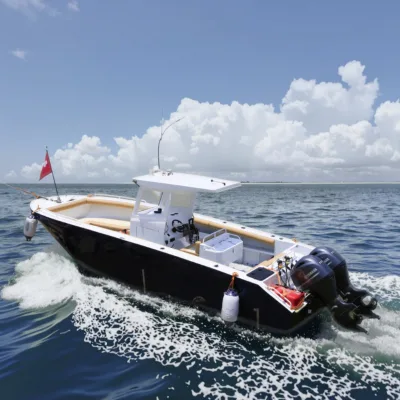
Direct Sale Aluminum Fishing Boat with Satisfaction Guarantee
$42187.52 - $46604.42
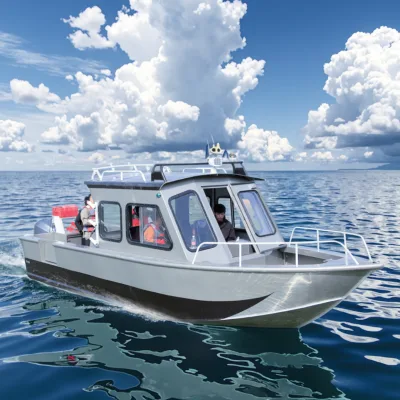
High Quality Aluminum Fishing Vessel Cabin Boats with Outboard Engine New Condition
$22046.70 - $24506.10

Qingdao Allsea Boats Co., Ltd.
- Verified by SGS
- Manufacturer/Factory
- China Shandong
- Lead time45 days
- Avg. response≤ 5h
Main productsBoat, Aluminum Boat, Aluminium Boat, Fishing Boat, Pontoon Boat, Landing Craft, House Boat, Leisure Boat, Recreational Boat, Aluminum Fishing Boat
Main marketsSouth America,Eastern Europe,Mid East,North America,Southeast Asia,Eastern Asia,Oceania,Western Europe,Africa

Dongtai Yongshengyinghua Yacht Co., Ltd.
- Verified by SGS
- Combined
- China Jiangsu
- Lead time15 days
- Avg. response≤ 11h
Main productsLure Bass Boat, Aluminum Alloy V Hull Boat, Pontoon Boat, Fishing Boat, Small Speed Boat, Marine Parts & Accessories
Main marketsDomestic,Europe


5m Fishing Boat Aluminum Boat with 2 Consoles and Tempered Glass Windshield
$9600.00 - $9800.00
MOQ: 2 Unit
Qingdao Allheart Marine Co., Ltd.
- Verified by SGS Group
- Manufacturer, Trading Company
- Lead time30 days
- Avg. response≤ 5h
Main productsAluminum Fishing Boats, Aluminum Work Boats, Landing Craft, Passenger Boats, Luxury Yacht
Main marketsOceania(50%), North America(15%), Western Europe(15%)

Qingdao Jinmeng Ship Trading Co., Ltd.
- Trading Company
- China Shandong
- Lead time0 days
- Avg. response≤ 5h
Main productsDredger, Dredger Machine, Cutter Suction Dredger

Advanced Aluminum Fishing Boat with Reliable Performance and Design Boat
$132000.00 - $148500.00
MOQ: 1 Pieces

Aluminum Speed Boat with Fishing Equipment and Cabin Structure Boat
$132000.00 - $148500.00
MOQ: 1 Pieces


Advanced Aluminum Fishing Boat with Comfortable Space and Durable Construction
$132000.00 - $148500.00
MOQ: 1 Pieces

New Design Aluminum Fishing Boat with Excellent Stability and Safety Performance
$132000.00 - $148500.00
MOQ: 1 Pieces
Qingdao Dookyu Crown Marine Co., Ltd.
- Verified by SGS Group
- Manufacturer, Trading Company
- Lead time0 days
Main productsYacht, Aluminum Boat
Main marketsDomestic Market(70%), Southeast Asia(15%), Western Europe(15%)

WUYI HENGHAI TOOLS JOINT-STOCK CO., LTD.
- Verified by BV
- Manufacturer/Factory
- China Zhejiang
- Lead time45 days
- Avg. response≤ 8h
Main productsOutboard Motor, Inflatable Boat, Stand up Paddle Board, Brush Cutter, Earth Auger, Multi-Functional Garden Tool, Mini Tiller, Trolling Motor, Hedge Trimmer, Aluminum Boat
Main marketsSouth America,Eastern Europe,Mid East,North America,Southeast Asia,Eastern Asia,Oceania,Western Europe,Africa

Yantai Abelly International CO.,LTD
- Verified by TUVRHEINLAND
- Trading Company
- China Shandong
- Lead time60 days
- Avg. response≤ 15h
Main productsAluminum Concrete Forms, Aluminum Profiles, Aluminum Pallet, Aluminum Extrusion, Aluminum Formwork, Aluminum Conductor Bar, Aluminum Seamless Pipe, Aluminum Tubing, Aluminum Decking, Aluminum Welding&Fabrication
Main marketsSouth America,Others(foreignTradeCapacity.exportBusinessCapacityMarketOther),Southeast Asia/ Mideast
Shandong Allsealion Boat Co., Ltd.
- Verified by TüVRheinland
- Trading Company
- Lead time10 days
- Avg. response≤ 2h
Main productsLanding Craft, Passenger Boat, Catamaran, Yacht, Work Boat
Main marketsOceania(40%), North America(30%), Africa(20%)

Qingdao Allheart Marine Co., Ltd.
- Verified by BV
- Manufacturer/Factory
- China Shandong
- Lead time45 days
- Avg. response≤ 4h
Main productsAluminum Boat, Fishing Boat, Work Boat, Passenger Boat, Pontoon Boat, Pilot Boat, Landing Craft, Water Taxi, Jet Boat, Yacht
Main marketsNorth America,Southeast Asia,Eastern Asia,Oceania,Western Europe,Africa
Zhengzhou Buyee Trading Co., Ltd.
- Verified by TüVRheinland
- Trading Company
- Lead time30 days
- Avg. response≤ 2h
Main productsSpeed Boat With Cabin, Speed Boat, Passenger Boat, Park Boat, Yacht
Main marketsSouth America(20%), North America(15%), Southeast Asia(10%)
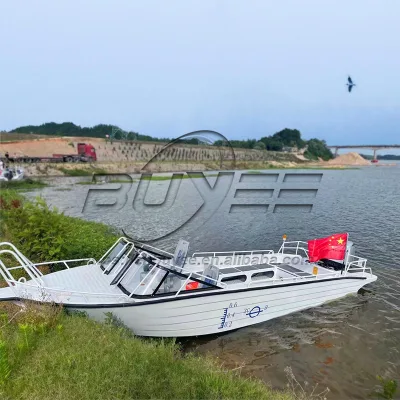
$6043.4181 - $6555.7458
MOQ: 1 sets
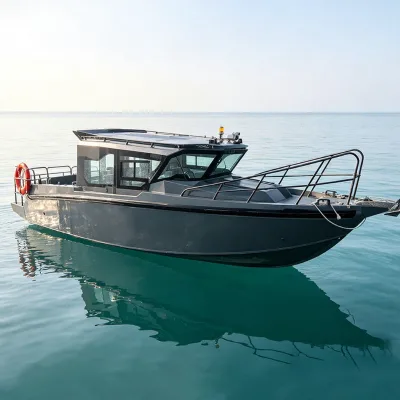
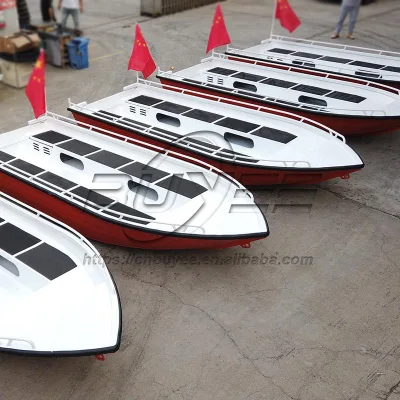
8-Person 5.2m/17FT Assault Boat with CE Certificate Double Thickened Tiller Steer Aluminum Boat
$2798.00 - $3198.00
MOQ: 1 sets
$3099.5444 - $3719.8668
MOQ: 1 units
$3071.9178 - $3481.7799
MOQ: 1 sets
Foshan ELT Camp & Outdoor Technology Co., Ltd.
- Verified by TüVRheinland
- Trading Company
- Lead time45 days
- Avg. response≤ 6h
Main productsPontoon Boat, Aluminum Boat, Fishing Boat, Caravan, Camper Trailer
Main marketsNorth America(22%), Oceania(20%), Western Europe(16%)
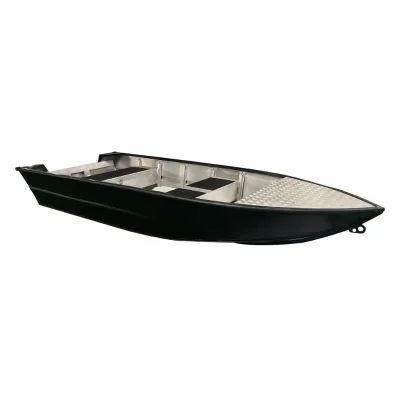
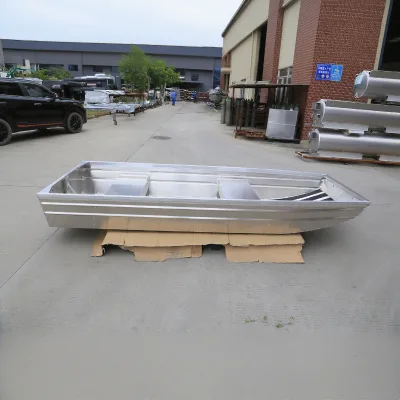
Brand New Aluminum Fishing Boat
$580.00 - $980.00
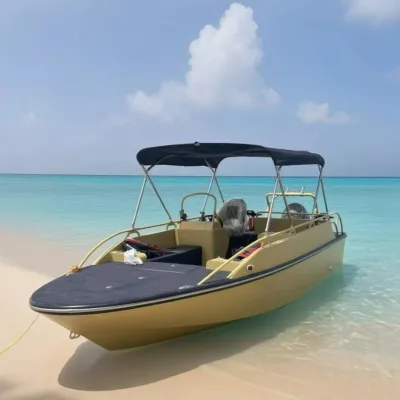
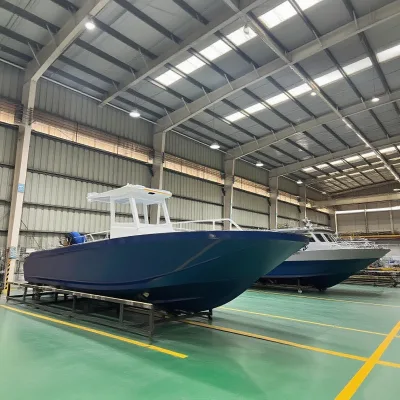
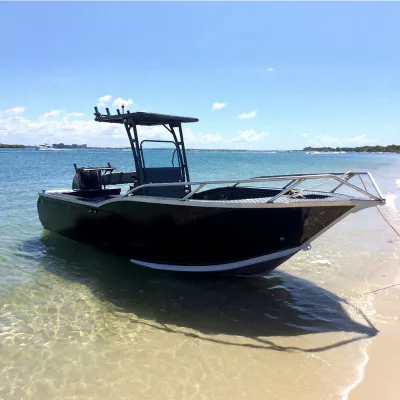
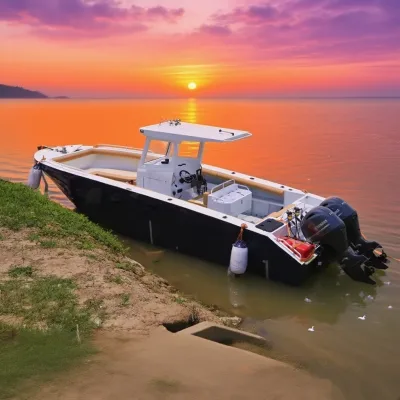
Gospel Boat 8.5m Aluminum Alloy Plate Boat for Fishing Center Console Luxury Yacht
$22875.00 - $37529.00
MOQ: 2 units
Wuxi Haiyu Marine Technology Co., Ltd.
- Manufacturer
- Jiangsu, China
- Lead time60 days
- Avg. response≤ 10h
Main productsfishing boat,aluminum fishing boat,aluminum yacht,official boat,sightseeing boat
Main marketsNorthern Europe(50.00%), Mid East(50.00%)
Shandong Furreo Yacht Co., Ltd.
- Verified by Intertek
- Manufacturer, Trading Company
- Lead time0 days
- Avg. response≤ 5h
Main productsYacht, Fishing Boat, Aluminum Boat
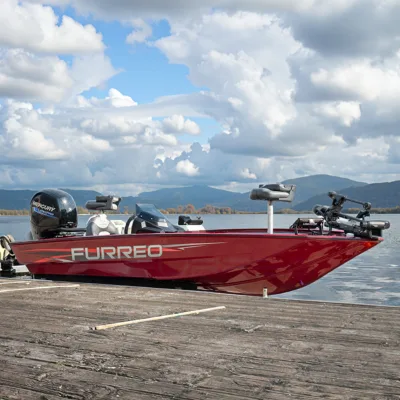
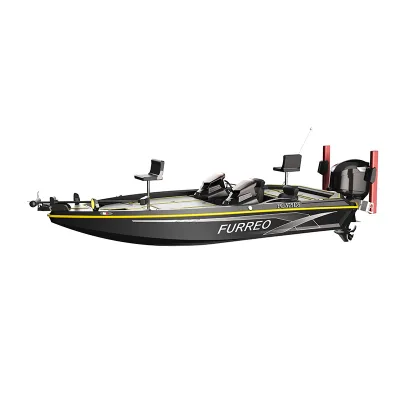
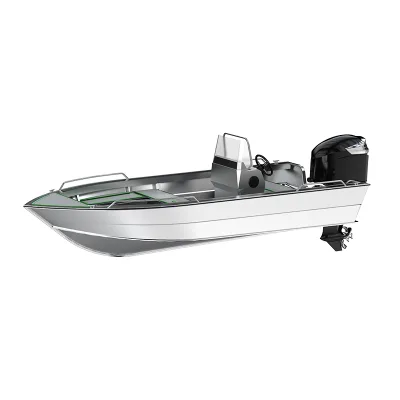
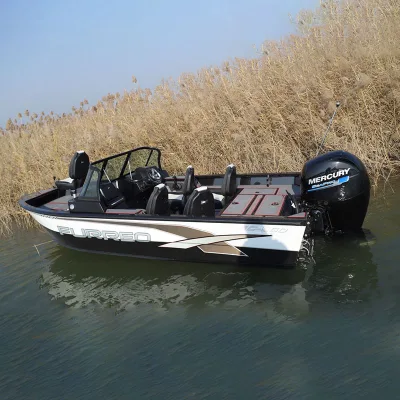
New Arrival CE 5.6m Console Aluminum Boat Fishing Boat Bass Boat
$25125.2602 - $29312.8035
MOQ: 1 sets
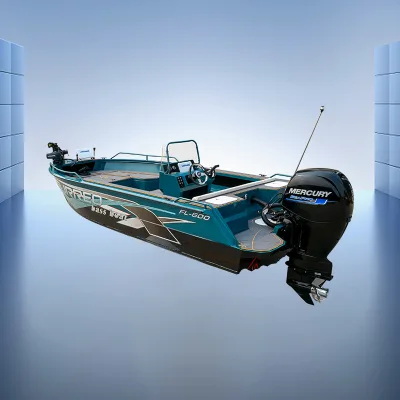
New Design Alu Boat Aluminum Fishing 6m 150hp for Selling CCS CE Certificates for Europe Customers
$30000.00 - $36800.00
MOQ: 1 sets

Qingdao Allhonor Boat Co., Ltd.
- Verified by SGS
- Manufacturer/Factory
- China Shandong
- Lead time45 days
- Avg. response≤ 3h
Main productsFishing Boat, Aluminum Boat, Yacht, Aluminum Fishing Boat, Landing Craft, Boat, Fishing Boat Trailers
Main marketsSouth America,Eastern Europe,Mid East,North America,Southeast Asia,Eastern Asia,Oceania,Western Europe,Africa


Durable 25FT Aluminum Fishing Boat for Offshore and Chartering Aluminium Boat
$22900.00 - $26900.00
MOQ: 1 Pieces

Factory Aluminium Aluminum Fishing Boat Motor Boat Sport Marine Boat
$13900.00 - $14900.00
MOQ: 1 unit


24FT Motor Fishing Boats with Aluminum Frames and Flame-Retardant Buoyancy Foam
$22900.00 - $26900.00
MOQ: 1 Pieces

Zhengzhou Great Amusement Rides Co., Ltd.
- Verified by Intertek
- Trading Company
- Lead time30 days
- Avg. response≤ 2h
Main productsLeisure Boat, Speed Boat, Fishing Boat, Houseboat, Passenger boat
Main marketsDomestic Market(50%), North America(15%), Southeast Asia(15%)
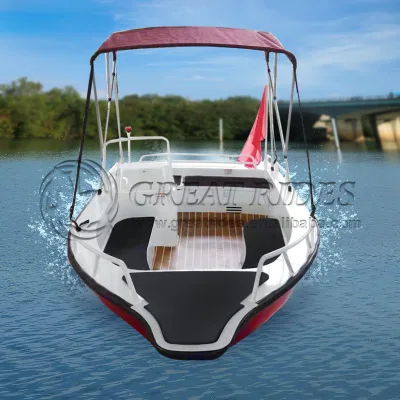
4.2m Aluminum Boat High Speed Ship Sporty Fishing With Life Jacket Aluminum Hull
$3072.9426 - $3994.1076
MOQ: 1 sets
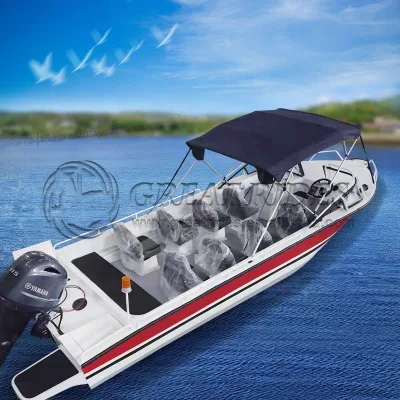
$7170.5389 - $8297.6597
MOQ: 1 sets

- Manufacturer/Factory
- China Shandong
- Lead time45 days
- Avg. response≤ 7h
Main productsAluminum Fishing Boat, Aluminum Work Boat, Custom Aluminum Boat, Speed Boat, Recreational Boat, Catamaran Boat, Passenger Boat, Landing Craft, Pontoon Boat, House Boat
Main marketsSouth America,Eastern Europe,Mid East,North America,Southeast Asia,Eastern Asia,Oceania,Western Europe,Africa

QINGDAO GROUND BOATS CO., LTD.
- Trading Company
- China Shandong
- Lead time45 days
- Avg. response≤ 4h
Main productsFishing Boat, Aluminum Boat, Speed Boat, Leisure Boat, Patrol Boat, Bass Boat, Pilot Boat, Catamaran, Boat
Main marketsEurope,Australia,North America

19FT 5.8m China Factory Aluminum Fishing Motor Boat with High Speed
$9000.00 - $12000.00
MOQ: 1 Pieces

5.1m High Quality Deep V Aluminum Fishing Boat with Outboard Motor
$10600.00 - $11900.00
MOQ: 1 Pieces

7.5m 25FT Aluminum Offshore Leisure Fishing Boat with Outboard Motor
$16000.00 - $20000.00
MOQ: 1 Unit


Foshan Kindle Technology Co., Ltd.
- Manufacturer, Trading Company
- Lead time旺季: "1 - 2":55,"> 2":"To be negotiated", 淡季: "1 - 2":55,"> 2":"To be negotiated"
- Avg. response≤ 7h
Main productsPontoon Boat, Fishing Boat, Truck Camper, Travel Trailer, Ute Tray And Canopy
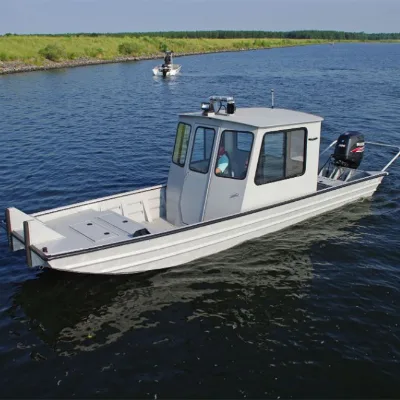
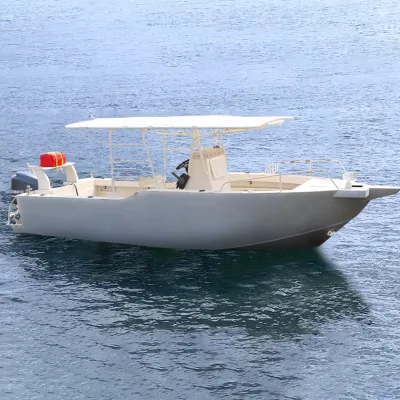
Hot Sale Fishing Boat with Spacious Deck for All-Day Fishing Adventures
$14701.002 - $18094.0153
MOQ: 2 sets

Qingdao Haijia Yacht Co., Ltd.
- Verified by SGS
- Trading Company
- China Shandong
- Lead time15 days
- Avg. response≤ 5h
Main productsInflatable Boat, Rib, Rigid Inflatable Boat, Aluminum Hull Inflatable Boat, Rafting Boat, Boat Trailer, Rescue Boat, Fishing Boat, Inflatable Aluminum Floor Boat
Main marketsDomestic
Qingdao Gather Yacht Co., Ltd.
- Manufacturer, Trading Company
- Shandong, China
- Lead time10 days
- Avg. response≤ 3h
Main productsFishing Boat,fiberglass boat,inflatable boat,BBQ donut boat,aluminum boat
Main marketsOceania(15.00%), Western Europe(15.00%), Mid East(10.00%), Southern Europe(10.00%), Southeast Asia(10.00%), Eastern Europe(10.00%), Northern Europe(8.00%), Central America(6.00%), Eastern Asia(5.00%), South Asia(4.00%), South America(3.00%), Domestic Market(2.00%), Africa(1.00%), North America(1.00%)








Comprehensive Sourcing Guide
Gas Powered Aluminum Fishing Boat with Remote Control Supplier Concentration and Factory Types
The current supplier landscape for Gas Powered Aluminum Fishing Boat with Remote Control features a mix of manufacturing entities and trading companies, offering buyers diverse procurement pathways. Data indicates that the primary company types involved are manufacturers, trading companies, and combined entities that blend both roles. This structural diversity means that a buyer might engage directly with a factory that handles production and assembly, or they might work with a trading company that sources from multiple workshops. The presence of manufacturers suggests that some suppliers have direct control over the fabrication process, which can be critical for ensuring quality consistency in aluminum hull construction. Conversely, trading companies may offer a broader catalog of variations, including different cabin styles or engine configurations, by aggregating products from various specialized factories. Understanding this distinction is vital for determining who holds the technical knowledge and who manages the logistics. Buyers should assess whether their priority lies in direct factory communication for custom modifications or in the convenience of a single point of contact for multiple product lines. The available data shows that some suppliers identify as manufacturers or factories, while others operate as trading companies or combined entities. This variation impacts the level of transparency regarding the supply chain and the potential for negotiating direct factory prices. It is essential to clarify the supplier’s role early in the inquiry process to align expectations regarding communication channels, technical support, and after-sales service. The concentration of these entity types suggests a mature market where specialization allows for both high-volume standard production and niche custom orders.
Location data reveals that suppliers for these vessels are concentrated in specific industrial regions within China, such as Shandong and Jiangsu provinces. These areas are known for their robust marine manufacturing infrastructure, which supports the production of aluminum boats and related components. When evaluating suppliers, buyers should consider the geographic proximity of the factory to major shipping ports, as this can influence logistics costs and lead times. Suppliers located in Shandong may have different logistical advantages compared to those in Jiangsu, depending on the destination port. The presence of suppliers in these regions indicates a cluster effect where skilled labor, raw material supply chains, and specialized testing facilities are readily available. This clustering can facilitate faster production cycles and easier quality inspections, as third-party verification agencies often have local offices in these industrial hubs. Buyers should verify the specific city or province of the supplier’s factory to understand the local regulatory environment and labor standards. Additionally, the regional concentration may affect the availability of certain materials, such as marine-grade aluminum alloys, which are critical for durability in saltwater environments. By focusing on suppliers from these established manufacturing bases, buyers can leverage the existing ecosystem of support services, including certification bodies and freight forwarders. It is important to note that while location is a factor, the specific capabilities of the factory, such as its equipment and workforce expertise, are equally important. Buyers should request detailed information about the factory’s location and its proximity to supply chain nodes to make an informed decision.
How to Verify Gas Powered Aluminum Fishing Boat with Remote Control Suppliers
Verification is a critical step in ensuring that the suppliers you engage with are legitimate and capable of delivering high-quality Gas Powered Aluminum Fishing Boat with Remote Control products. One of the primary methods for verification is checking for third-party audit reports, such as those provided by SGS Group. The data indicates that some suppliers have undergone verification by SGS, which adds a layer of credibility to their business operations. Buyers should look for suppliers who display these verification badges and request access to the full audit report to understand the scope of the verification. This report can provide insights into the supplier’s production capacity, quality control processes, and financial stability. In addition to third-party audits, buyers should verify the supplier’s business license and registration details to ensure they are a legally operating entity. Cross-referencing the supplier’s name with official government databases can help confirm their legal status and identify any potential red flags, such as past legal disputes or regulatory violations. It is also advisable to check for industry-specific certifications, such as CE certification, which indicates compliance with European health, safety, and environmental protection standards. The presence of CE certification on product listings suggests that the supplier adheres to certain manufacturing standards, which is particularly important for boats that will be used in international markets. Buyers should request copies of these certificates and verify their validity with the issuing body. Furthermore, buyers should assess the supplier’s response time and communication quality, as these factors can indicate their professionalism and reliability. A supplier that responds quickly and provides detailed, accurate information is more likely to be trustworthy. Buyers should also look for evidence of past performance, such as customer reviews or case studies, to gauge the supplier’s reputation in the market.
Another important aspect of verification is assessing the supplier’s technical capabilities and product evidence. Buyers should review the detailed product specifications provided by the supplier, including material grades, engine types, and dimensions. For example, some listings specify the use of Marine Grade Aluminum DNV 5083, which is a high-strength alloy suitable for marine applications. Buyers should verify that the materials used in the boat construction meet the required standards for durability and safety. Additionally, buyers should inquire about the supplier’s quality control processes, including how they test the boats for leaks, structural integrity, and engine performance. Requesting photos or videos of the production process and finished products can provide valuable insights into the supplier’s manufacturing practices. Buyers should also check if the supplier offers sample processing or light customization services, as this indicates flexibility and a willingness to meet specific buyer requirements. It is important to verify the supplier’s claims about their capabilities by asking for references or contacting previous customers. If possible, buyers should arrange for a third-party inspection of the factory before placing a large order. This inspection can help identify any discrepancies between the supplier’s claims and their actual operations. Buyers should also verify the supplier’s ability to provide after-sales support, including warranty terms and availability of spare parts. A supplier that offers comprehensive support is more likely to be reliable in the long term. By thoroughly verifying these aspects, buyers can mitigate the risk of engaging with unreliable suppliers and ensure a successful procurement experience.
What to Compare Across Gas Powered Aluminum Fishing Boat with Remote Control Suppliers
When evaluating multiple suppliers for Gas Powered Aluminum Fishing Boat with Remote Control, buyers must compare several key dimensions to identify the best fit for their needs. One of the most critical factors is the lead time, which varies significantly among suppliers. Some suppliers may offer a lead time of 30 days, while others may require up to 45 days or more. Buyers should align their project timelines with the supplier’s lead time to avoid delays in delivery. It is important to clarify whether the lead time includes production, testing, and shipping, or if it only covers the manufacturing phase. Additionally, buyers should compare the minimum order quantity (MOQ) requirements, as some suppliers may have a MOQ of one unit, while others may require larger orders. This is particularly relevant for buyers who are testing the market or need a small number of boats for specific projects. The response time is another important metric to consider, as it reflects the supplier’s efficiency and customer service quality. Suppliers with a response time of less than five hours are generally more responsive and likely to provide timely updates throughout the procurement process. Buyers should also compare the main products offered by each supplier, as some may specialize in aluminum fishing boats, while others may offer a wider range of marine vessels, including pontoon boats and travel trailers. This specialization can indicate the supplier’s expertise and focus in a particular area. Buyers should also look at the customization capabilities of each supplier, such as their ability to handle graphic processing, sample processing, or customized on-demand orders. This flexibility can be crucial for buyers who have specific design or functional requirements.
Price is another significant factor in supplier comparison, but it should not be the sole determinant. Buyers should compare the price ranges provided by different suppliers, keeping in mind that lower prices may come with compromises in quality or service. For instance, some listings show price ranges from approximately $13,000 to $15,000 for certain models, while others may be priced higher due to additional features or higher-grade materials. Buyers should request detailed quotations that break down the costs, including the base price, customization fees, and shipping costs. It is also important to compare the warranty terms and after-sales support offered by each supplier, as these can add significant value to the purchase. Buyers should also consider the supplier’s location and its impact on logistics costs, as shipping from different regions can vary in price and duration. Additionally, buyers should compare the certifications and standards adhered to by each supplier, such as ISO 9001 or CE certification, as these can indicate the level of quality control and compliance. The capacity for light customization or OEM services is also a key differentiator, as it allows buyers to tailor the product to their specific needs. Buyers should also assess the supplier’s ability to provide technical support and training, which can be valuable for ensuring the proper use and maintenance of the boats. By comparing these dimensions comprehensively, buyers can make an informed decision that balances cost, quality, and service. It is important to document all comparisons and keep records of communications to facilitate decision-making and future negotiations.
Common Gas Powered Aluminum Fishing Boat with Remote Control Sourcing Risks
Sourcing Gas Powered Aluminum Fishing Boat with Remote Control from international suppliers involves several risks that buyers must be aware of and mitigate. One of the primary risks is the potential for quality inconsistencies, as aluminum boats require precise welding and assembly to ensure structural integrity and watertightness. Buyers may encounter issues such as poor weld quality, corrosion, or engine malfunctions if the supplier does not adhere to strict quality control standards. To mitigate this risk, buyers should request detailed quality assurance documentation and consider hiring a third-party inspection agency to verify the quality of the boats before shipment. Another significant risk is the discrepancy between the product specifications and the actual product delivered. Suppliers may sometimes provide inaccurate information regarding materials, dimensions, or engine types, leading to dissatisfaction and potential safety hazards. Buyers should carefully review all product specifications and request samples or detailed photos to verify the accuracy of the information. It is also important to clarify the fuel type and engine compatibility, as some boats may be designed for petrol or gasoline engines, while others may require different fuel types. Miscommunication in this area can lead to operational issues and increased maintenance costs. Buyers should also be cautious of suppliers who do not provide clear warranty terms or after-sales support, as this can leave them vulnerable to unexpected repair costs.
Logistics and shipping risks are another major concern, particularly when dealing with large and heavy items like aluminum boats. The risk of damage during transit is high, and buyers must ensure that the supplier uses proper packaging and shipping methods to protect the boats. Buyers should verify that the supplier has experience in shipping marine vessels and understands the specific requirements for handling aluminum boats. Additionally, buyers should be aware of the potential for customs delays and import duties, which can increase the total cost and time of delivery. It is important to work with a reliable freight forwarder who can navigate the complexities of international shipping and customs clearance. Another risk is the potential for intellectual property infringement, especially if the buyer is looking for custom designs or proprietary technology. Buyers should ensure that their designs are protected and that the supplier does not share their intellectual property with third parties. This can be achieved through non-disclosure agreements and clear contractual terms. Buyers should also be cautious of suppliers who offer prices that seem too good to be true, as this may indicate low-quality materials or hidden costs. It is important to conduct thorough due diligence on the supplier’s financial stability and reputation to avoid scams or fraudulent activities. By identifying and addressing these risks proactively, buyers can protect their interests and ensure a successful sourcing experience. Regular communication and clear documentation are key to managing these
FAQs
What is the price range for aluminum fishing boats?
Prices for aluminum fishing boats typically range from approximately $13,000 to $46,600 depending on specifications. Costs vary based on hull material, engine type, and customization options. Buyers should verify exact pricing with suppliers for specific models and configurations to ensure accurate budgeting for their procurement needs.
How long does production take for these boats?
Manufacturing lead times generally range from 30 to 45 days for aluminum fishing vessels. This timeframe allows for material preparation, hull construction, and final assembly. Buyers should confirm specific delivery schedules with suppliers to align production cycles with their operational requirements and project timelines effectively.
What certifications do these aluminum boats have?
Many aluminum fishing boats carry CE certification, ensuring compliance with relevant safety and quality standards. Some manufacturers also hold ISO 9001 or ISO 9001:2015 certificates for quality management systems. Buyers should request valid certification documents to verify compliance before finalizing any purchase agreements.
Can I customize the aluminum fishing boat design?
Customization is widely available, including graphic processing, light customization, and on-demand modifications. Suppliers offer OEM services and own brand options for tailored designs. Buyers can specify colors, seating capacities, and functional features to meet specific operational needs and branding requirements during the ordering process.
Where are these aluminum boats manufactured?
These aluminum fishing boats are primarily manufactured in China, with specific production hubs located in Shandong and Jiangsu provinces. Buyers should verify the exact place of origin for each supplier to understand logistics, shipping costs, and regional manufacturing capabilities when evaluating potential procurement partners.
What is the minimum order quantity for boats?
The minimum order quantity is often one unit, allowing for single-item purchases. This flexibility supports buyers who need specific vessels without committing to large bulk orders. Buyers should confirm MOQ requirements with individual suppliers to ensure their procurement volume meets the manufacturer's minimum thresholds.
How quickly do suppliers respond to inquiries?
Supplier response times vary, with some responding within approximately 4.81 hours and others taking up to 10 hours. Faster response times indicate active sales teams ready to assist with technical questions and quotations. Buyers should prioritize suppliers with quicker response rates for efficient communication during the sourcing process.