Leg Clamp Kegel Trainer Suppliers and Manufacturers
Source 24 verified Leg Clamp Kegel Trainer suppliers from China. Compare ISO13485 certifications, Hebei origins, and sample times of 3-7 days. Review pricing and customization options to identify suitable partners for your procurement needs; review the available evidence before requesting comparable quotations from suitable candidates.
Updated
Suppliers List
Shijiazhuang Maikesi Brace Technology Co., Ltd.
- Verified by SGS Group
- Manufacturer, Trading Company
- Lead time3 days
- Avg. response≤ 2h
Main productsPosture Corrector, Waist Support Belt, Knee Brace, Maternity Belt, Resistance Bands
Main marketsNorth America(82%), Eastern Europe(3%), Western Europe(3%)
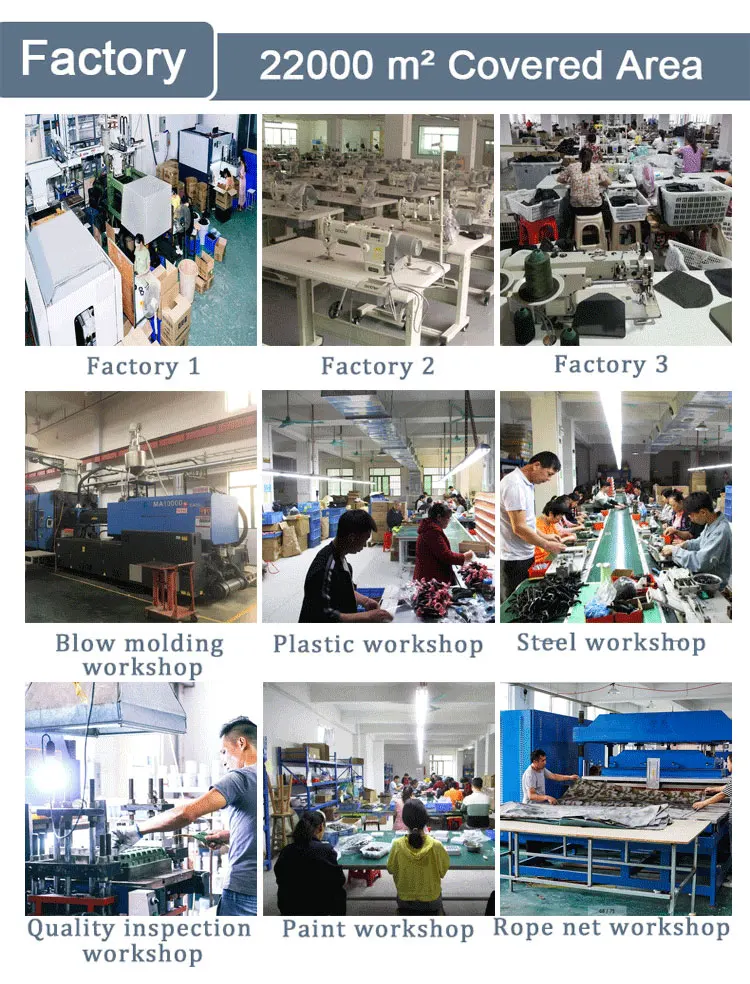
Hebei Aryda Daily Necessities Co., Ltd.
- Trading Company
- Hebei, China
- Lead time10 days
- Avg. response≤ 2h
Main productswater sports,Roller scooter,Camping and Hiking,Fitness and body shaping,board game
Main marketsNorth America(20.00%), Eastern Europe(10.00%), Oceania(10.00%), Mid East(10.00%), South America(5.00%), Southeast Asia(5.00%), Africa(5.00%), Eastern Asia(5.00%), Western Europe(5.00%), Central America(5.00%), Northern Europe(5.00%), Southern Europe(5.00%), South Asia(5.00%), Domestic Market(5.00%)
- Verified by Intertek
- Trading Company
- Lead time0 days
- Avg. response≤ 3h
Main productsDumbbell, Plate, Yoga Mat, Olympic Bar, Cos Function Station
Main marketsMid East(65%), Southeast Asia(15%), Western Europe(12%)
Shijiazhuang Maikesi Brace Technology Co., Ltd.
- Manufacturer, Trading Company
- Lead time旺季: "1 - 100":31,"> 100":"To be negotiated", 淡季: "1 - 100":31,"> 100":"To be negotiated"
- Avg. response≤ 2h
Main productsCollar strap, Back support belt, Knee pads, Wrist guard, Ankle brace
Nantong Get Power Fitness Equipment Co., Ltd.
- Verified by TüVRheinland
- Trading Company
- Lead time30 days
- Avg. response≤ 2h
Main productsDumbbell, Barbell, Weight Plate, Power Rack, Bench
Main marketsNorthern Europe(40%), North America(20%), Southeast Asia(20%)
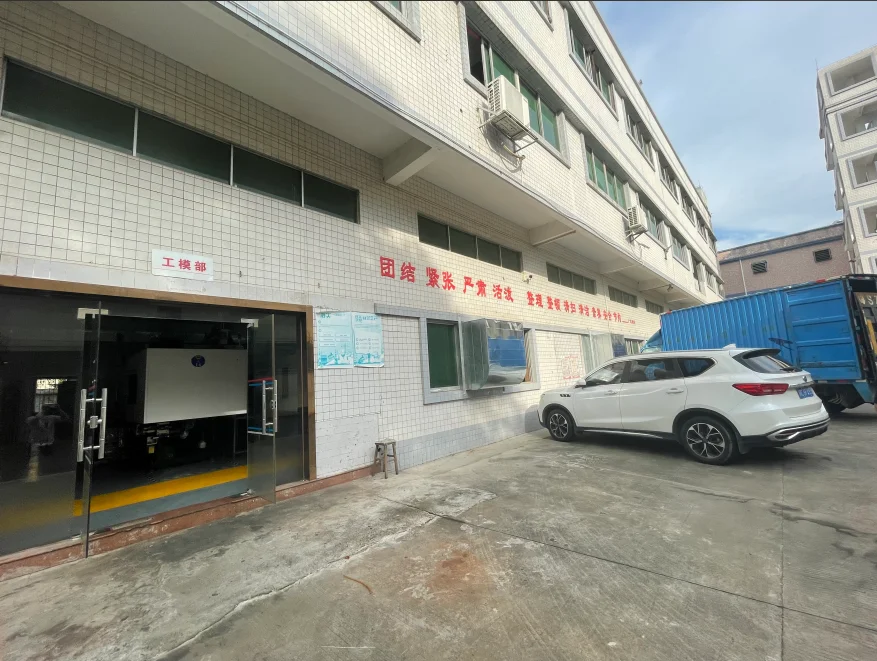
Dongguan Cyc Technology Development Co., Ltd.
- Manufacturer, Trading Company
- Guangdong, China
- Lead time0 days
- Avg. response≤ 2h
Main productsKegel trainer,Foot clip,Leg trainer
Main marketsNorth America(25.00%), Eastern Europe(20.00%), Northern Europe(20.00%), South America(15.00%), Southern Europe(10.00%), Western Europe(10.00%)
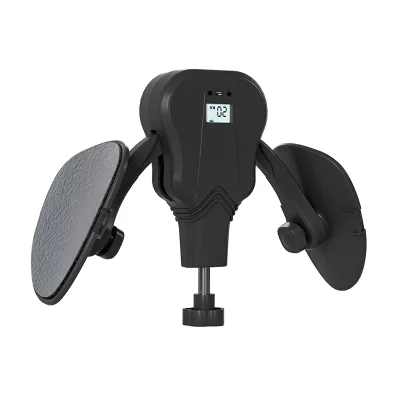
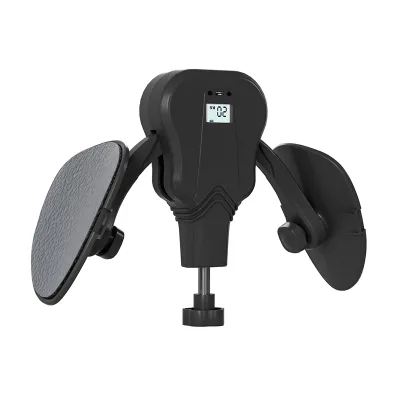
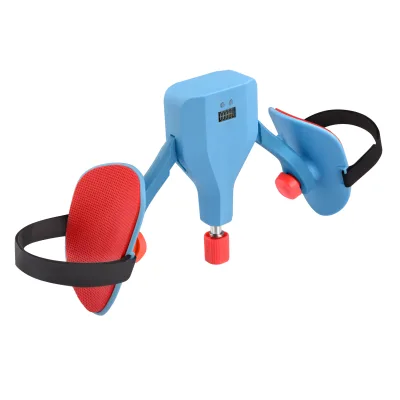
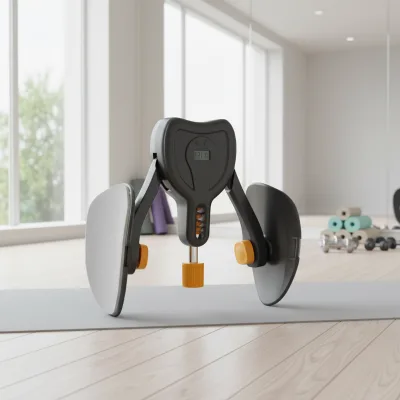
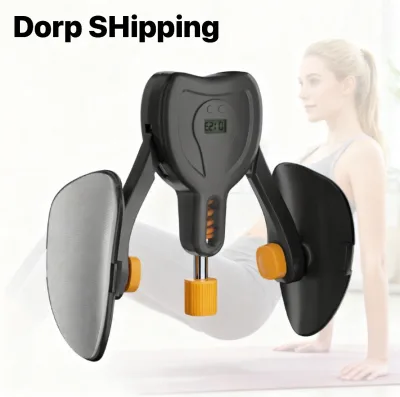
Smart Pelvic Floor Muscle Kegel Trainer and Bladder Control Leg Exercise Fitness Equipment
$4.30 - $4.80
MOQ: 1 pieces
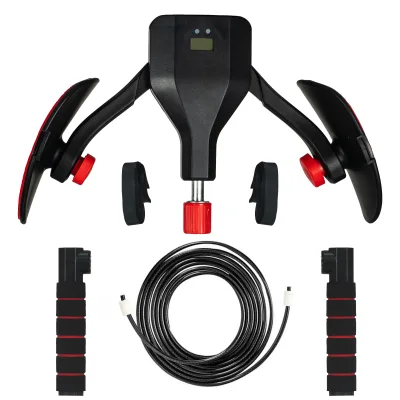
$9.2872 - $11.0225
MOQ: 1 pieces
Rizhao Fine Fitness Equipment Co., Ltd.
- Manufacturer, Trading Company
- Shandong, China
- Lead time15 days
- Avg. response≤ 2h
Main productsKettlebell,Dumbbell,Weight bumper plates,Barbell Bar,squat racks
Main marketsDomestic Market(20.00%), South America(20.00%), North America(20.00%), Eastern Europe(10.00%), Southern Europe(10.00%), Western Europe(10.00%), Southeast Asia(10.00%)
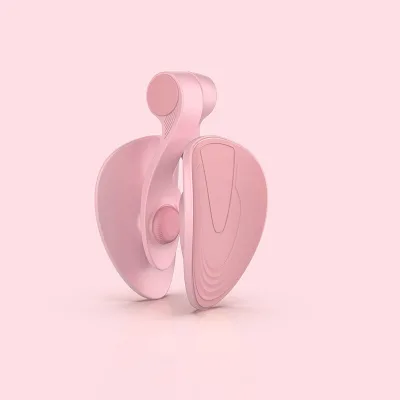
Wholesales Kegel Exerciser 360° Adjustable Leg Clamps Home Workout Custom Thigh Master
$2.20 - $2.50
MOQ: 100 pieces
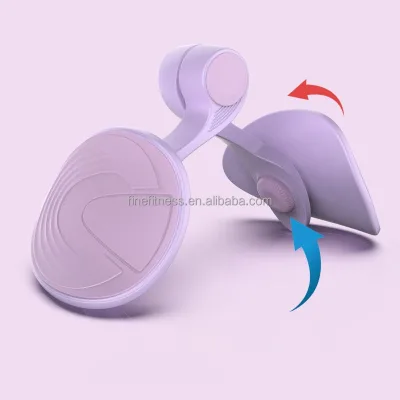
$2.10 - $2.60
MOQ: 100 pieces
Shenzhen Youmei Electronics Co., Ltd.
- Manufacturer, Trading Company
- Lead time旺季: "1 - 1000":15,"> 1000":"To be negotiated", 淡季: "1 - 1000":15,"> 1000":"To be negotiated"
- Avg. response≤ 14h
Main productsMassage Gun,High speed hair dryer,Health care,Fitness Accessories,Home Use Beauty Equipment
Yongkang Macyo Import And Export Co., Ltd.
- Verified by TüVRheinland
- Manufacturer, Trading Company
- Lead time15 days
- Avg. response≤ 3h
Main productsHome Fitness Equipment, Kids Educational Toys, Yoga Products
Main marketsSoutheast Asia(30%), Eastern Asia(20%), North America(15%)
Shijiazhuang Aofeite Imp & Exp Co., Ltd.
- Manufacturer, Trading Company
- Lead time旺季: "1 - 50":7,"> 50":"To be negotiated", 淡季: "1 - 50":7,"> 50":"To be negotiated"
- Avg. response≤ 2h
Main productsKnee Brace, Lumbar Support Belt

Guangzhou T&B Beauty Equipment Co., Ltd.
- Verified by BV
- Trading Company
- China Guangdong
- Lead time15 days
- Avg. response≤ 5h
Main productsShockwave Machine, Hyberbaric Chamber, Pemf Machine, Tecar Machine, Pressotherapy Machine, Cryotherapy Chamber, Emsculpt Machine, Hifu Face Lifting Machine, Microneedle RF, Cryolipolysis Body Slim Machine
Main marketsSouth America,Southeast Asia/ Mideast,East Asia(Japan/ South Korea),Europe,Australia,North America

Advanced Compact Kegel Exercise Digital Display Pelvic Floor Muscle Trainer
$370.00 - $530.00
MOQ: 1 Pieces

Portable EMS Pelvic Floor Trainer Machine for Kegel Exercise Rehabilitation
$899.00 - $1499.00
MOQ: 1 Pieces

Yiwu Lehong Sports Goods Co., Ltd.
- Trading Company
- Zhejiang, China
- Lead time15 days
- Avg. response≤ 3h
Main productsDumbbells,Fitness Equipment,Resistance Band,Yoga Products,Outdoor Sports
Main marketsNorth America(18.00%), Africa(15.00%), South America(10.00%), Southeast Asia(10.00%), Mid East(10.00%), Southern Europe(5.00%), Northern Europe(5.00%), Central America(5.00%), Western Europe(5.00%), Eastern Asia(5.00%), Eastern Europe(5.00%), South Asia(5.00%), Oceania(2.00%)
Hebei Zeyong Technology Co., Ltd.
- Trading Company
- Hebei, China
- Lead time15 days
- Avg. response≤ 3h
Main productsSports Protection,Sports clothes,Sports Shoes,Sports bags,outdoor products
Main marketsNorth America(30.00%), Eastern Europe(20.00%), Southern Europe(15.00%), Western Europe(10.00%), Eastern Asia(5.00%), Oceania(5.00%), South America(5.00%), Southeast Asia(5.00%), Northern Europe(3.00%), Mid East(1.00%), Africa(1.00%)

- Verified by SGS
- Trading Company,Manufacturer/Factory
- China Zhejiang
- Lead time23 days
- Avg. response≤ 5h
Main productsTent, Project Screen, Bicycle, Trampoline, Backpack, Kitchenware, Hammock, Pet Accessories, Garden Products
Main marketsSouth America,Eastern Europe,Mid East,North America,Southeast Asia,Eastern Asia,Oceania,Western Europe,Africa
Shijiazhuang Aofeite Imp & Exp Co., Ltd.
- Manufacturer, Trading Company
- Lead time旺季: "1 - 200":32,"> 200":"To be negotiated", 淡季: "1 - 200":32,"> 200":"To be negotiated"
- Avg. response≤ 2h
Main productsKnee Brace, Lumbar Support Belt

Guangzhou T&B Beauty Equipment Co., Ltd.
- Verified by BV
- Trading Company
- China Guangdong
- Lead time15 days
- Avg. response≤ 3h
Main productsTecar RF Physio Machine, Magneto Emtt Physio Machine, Shockwave Pain Relief Machine, Pressotherapy Slim Massage Machine, Hifu Face Lifting Machine, Fat Remove Machine, Endospheres Slim Machine, Trusculpt Flex ID Machine, RF Slim Machine
Main marketsSouth America,Southeast Asia/ Mideast,East Asia(Japan/ South Korea),Europe,Australia,North America

Wireless EMS Pelvic Floor Muscle Trainer Chair Portable Kegel Exerciser for Female Fitness
$440.00 - $450.00
MOQ: 1 Pieces

EMS Pelvic Floor Chair Cushion Kegel Muscle Trainer – Comfortable Design for Daily Exercise
$150.00 - $300.00
MOQ: 1 Pieces
- Trading Company
- Lead time旺季: "1 - 2":10,"3 - 50":15,"51 - 200":20,"> 200":"To be negotiated", 淡季: "1 - 2":10,"3 - 50":15,"51 - 200":20,"> 200":"To be negotiated"
- Avg. response≤ 8h
Main productsHip Booty Band,Stretch Band,Loop Band,Barbell Pad,Ankle Strap
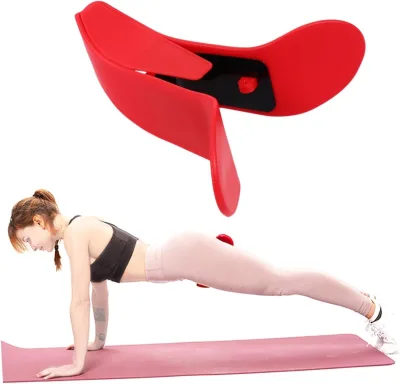
Thigh Master Hip Trainer Tightening Pelvic Floor Muscle Training Fitness Kegel Exerciser for Arm Leg
$1.96 - $2.28
MOQ: 10 pieces
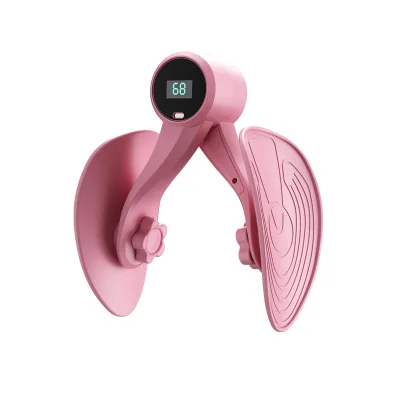
Yiwu Feide Sports Goods Co., Ltd.
- Verified by SGS Group
- Manufacturer, Trading Company
- Lead time20 days
- Avg. response≤ 4h
Main productsFoam Roller, Resistance Bands, Weight Vest, Pull Up Bar, Dumbbell
Main marketsNorth America(31%), Western Europe(21%), Eastern Europe(9%)
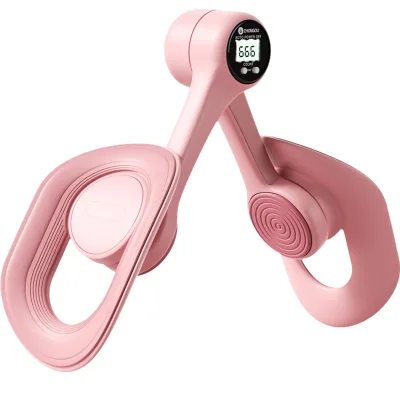
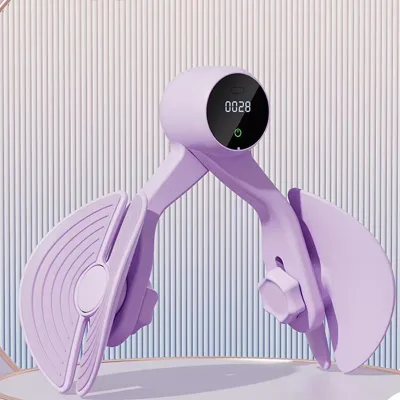
$6.0588 - $7.7014
MOQ: 200 pieces
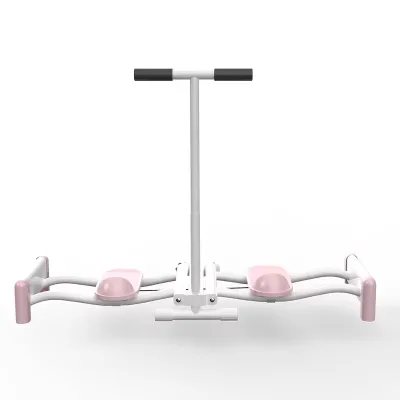
FDFIT Home Gym Yoga Leg Clamp Pelvic Floor Muscle Trainer With Customized Logo and Colour
$20.50 - $31.40
MOQ: 2 pieces
Shijiazhuang Langofit Import And Export Co., Ltd.
- Trading Company
- Hebei, China
- Lead time7 days
- Avg. response≤ 3h
Main productsKnee brace,Lumbar Support Belt,Ankle brace,Elbow brace,Wrist support
Main marketsNorth America(25.00%), Western Europe(15.00%), Eastern Europe(13.00%), Eastern Asia(8.00%), Central America(7.00%), Southern Europe(7.00%), South America(6.00%), Southeast Asia(5.00%), Northern Europe(4.00%), Domestic Market(3.00%), Oceania(3.00%), Mid East(2.00%), Africa(2.00%)
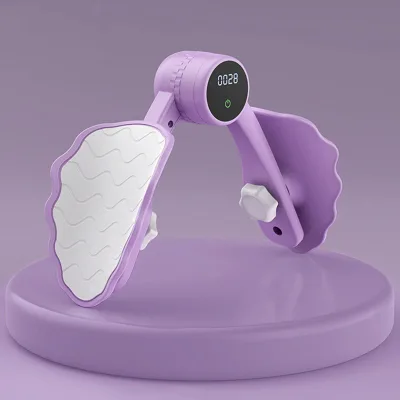
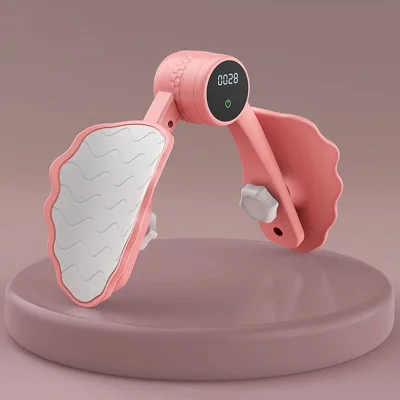
$5.9975 - $7.1344
MOQ: 100 pieces
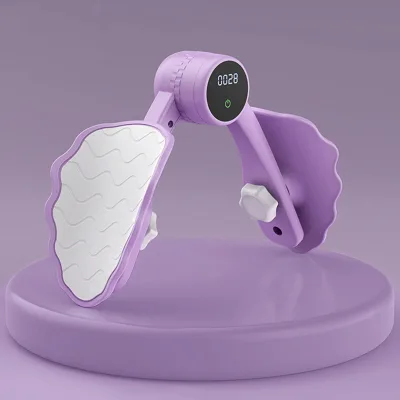
Ningbo E Best Leisure Product Co., Ltd.
- Verified by Intertek
- Trading Company
- Zhejiang, China
- Lead time30 days
- Avg. response≤ 6h
Main productsPet Training Supplies, Pilates Reformer , Gymnastic Bar
Main marketsNorth America(50%), South America(17%), Eastern Europe(15%)
Yancheng Leerpoo Import And Export Co., Ltd.
- Trading Company
- Jiangsu, China
- Lead time20 days
- Avg. response≤ 4h
Main productsfitness products,fitness wears,yoga products,gym training products,outdoor products
Main marketsNorthern Europe(30.00%), North America(20.00%), Southern Europe(10.00%), Western Europe(10.00%), South America(10.00%), Southeast Asia(10.00%), Eastern Asia(6.00%), Central America(4.00%)
- Manufacturer, Trading Company
- Guangdong, China
- Lead time15 days
- Avg. response≤ 3h
Main productsPickleball Paddle,Yoga and Pilates equipment,Golf clubs and bags,Bicycle,Outdoor camping products
Main marketsNorth America(50.00%), Eastern Europe(20.00%), Southern Europe(5.00%), Central America(5.00%), Western Europe(5.00%), South America(5.00%), Northern Europe(4.00%), South Asia(1.00%), Oceania(1.00%), Mid East(1.00%), Africa(1.00%), Southeast Asia(1.00%), Eastern Asia(1.00%)

SingSong Sports Equipment Co., Ltd.
- Verified by BV
- Trading Company
- China Hunan
- Lead time23 days
- Avg. response≤ 4h
Main productsPadel Racket, Padel Ball, Paddle Bags, Gym Fitness Equipment, Home Fitness Equipment, Smith Machine, Squat Rack, Spinning Bike, Fitness Bench, Dumbbell/Dumbbell Rack/ Weight Plats
Main marketsSouth America


Compact Multi-Function Lower Body Trainer for Home Gym, Targets Hip Adductors and Abductors
$249.00 - $269.00
MOQ: 1 Pieces
Dingzhou Yunlingyu Sports Goods Co., Ltd.
- Manufacturer, Trading Company
- Lead time旺季: "1 - 1000000":31,"> 1000000":"To be negotiated", 淡季: "1 - 1000000":31,"> 1000000":"To be negotiated"
- Avg. response≤ 5h
Main productsHex Bar, Bumper Plate, Weight Plate, Six in One Dumbbell Set, Calibrate Plate
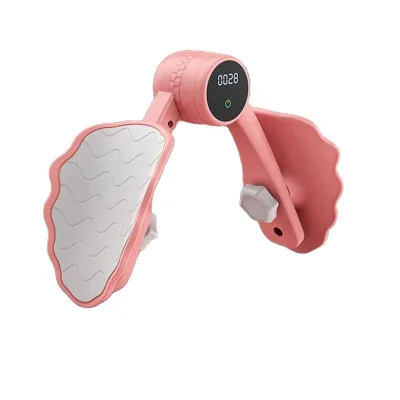
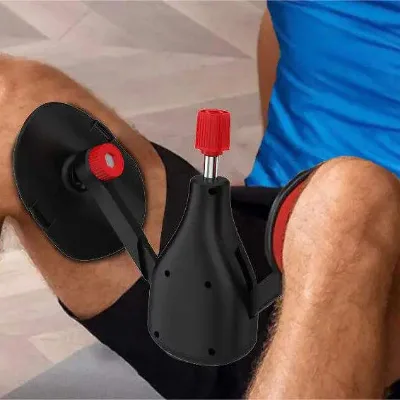
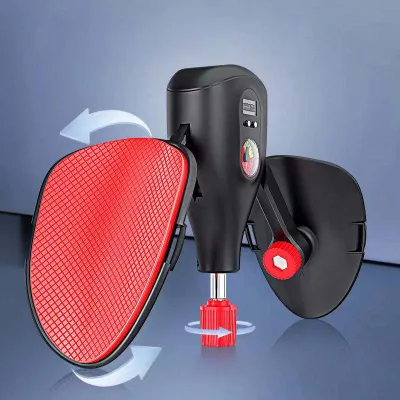
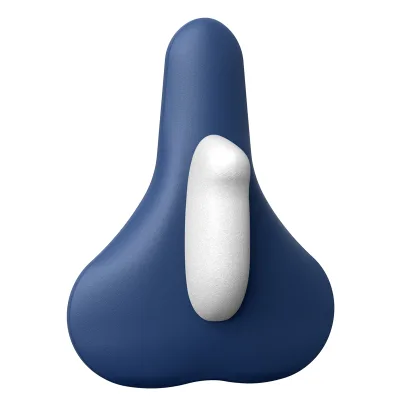
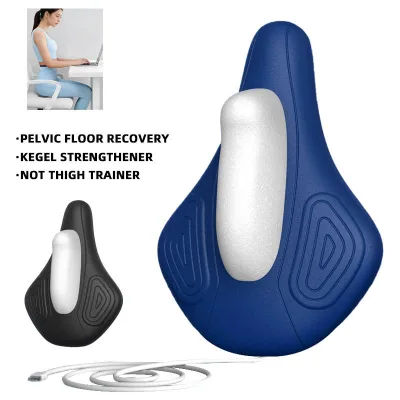
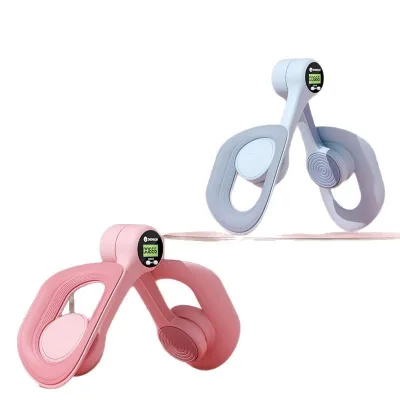
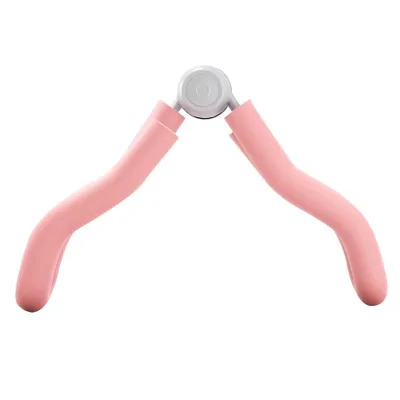
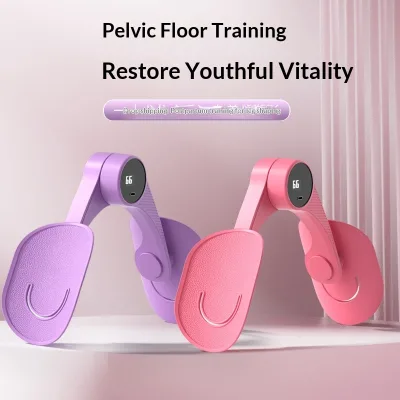
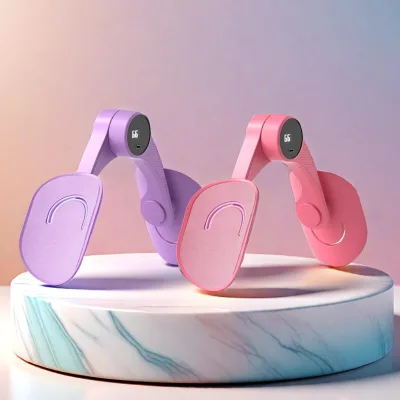
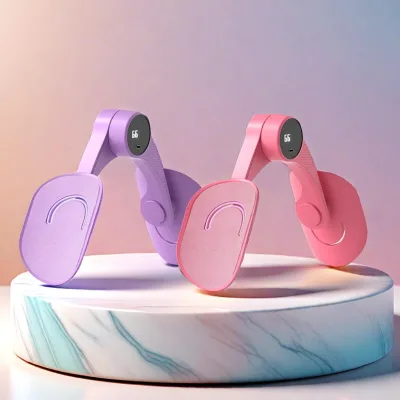
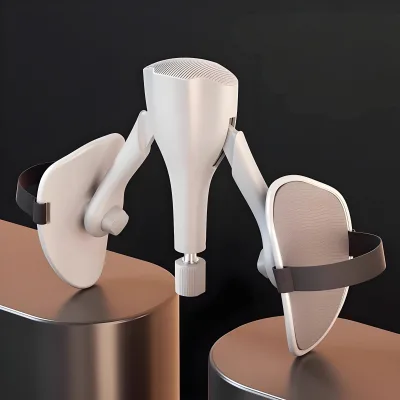
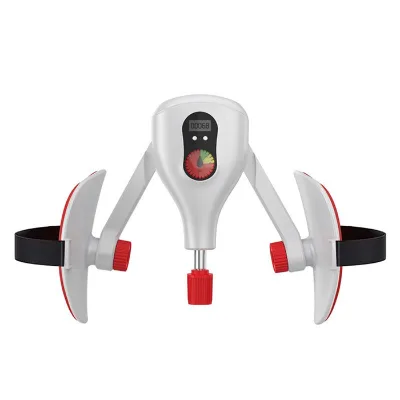
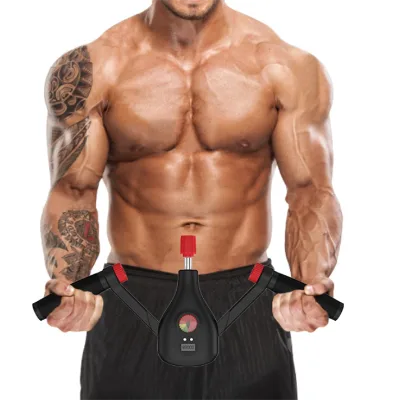
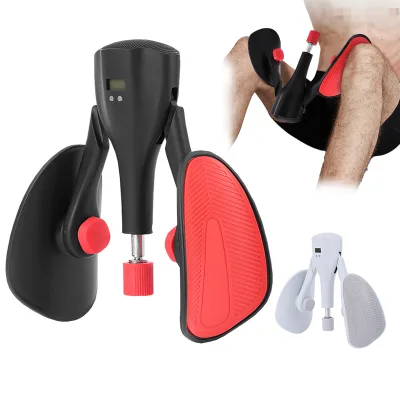
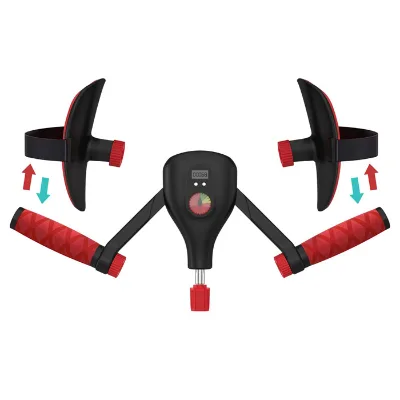
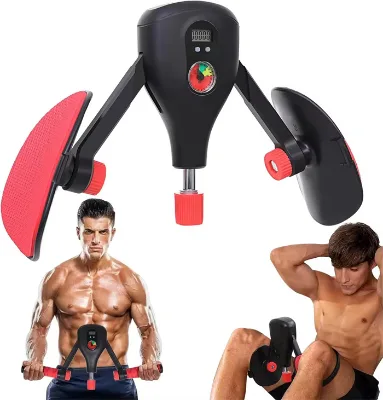
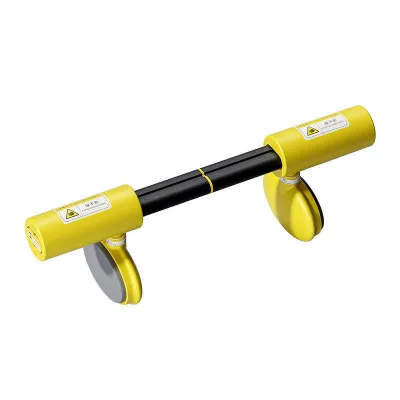
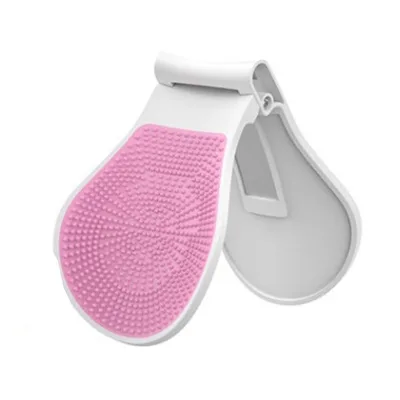
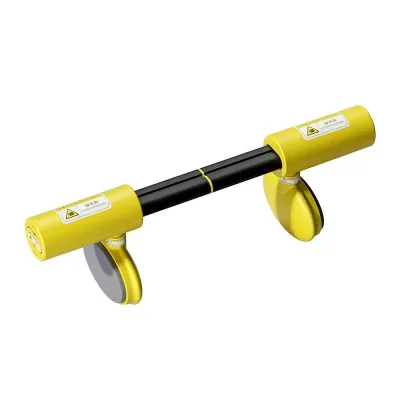
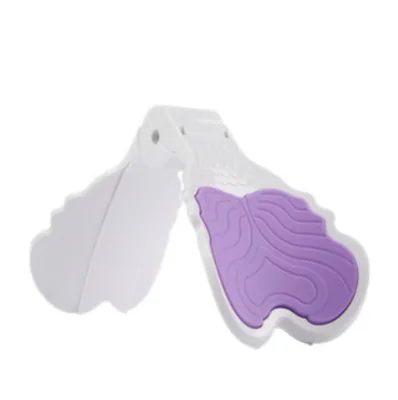
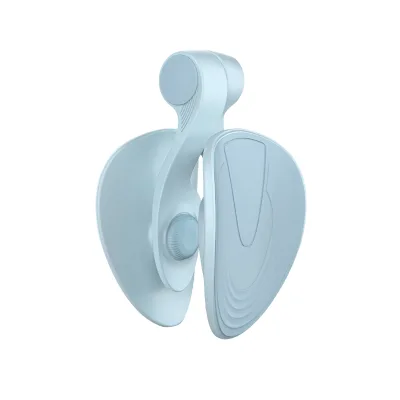
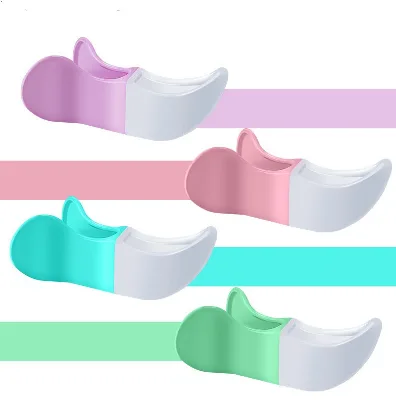
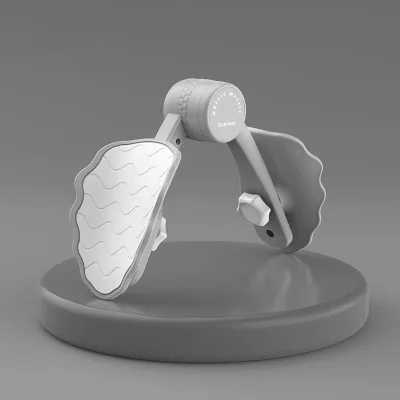
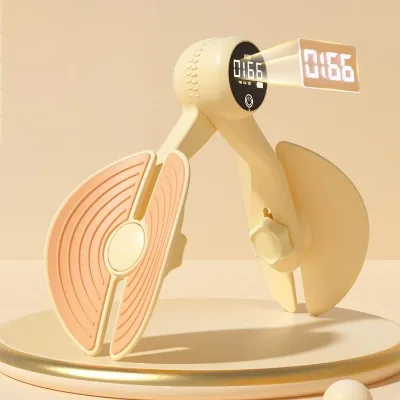
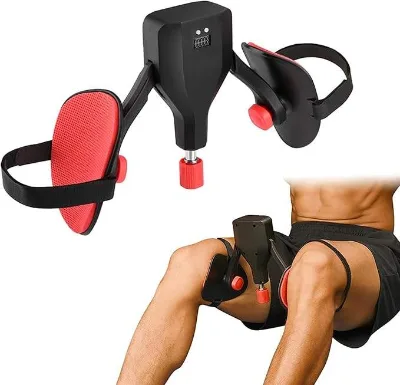
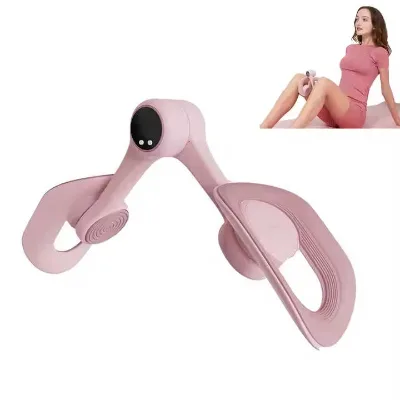


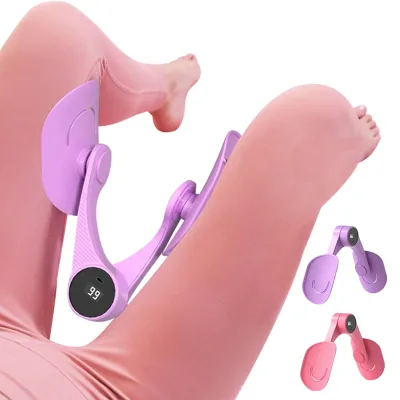
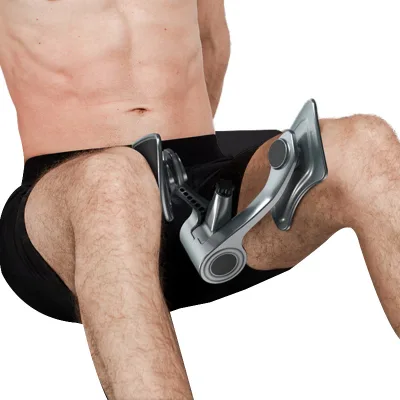
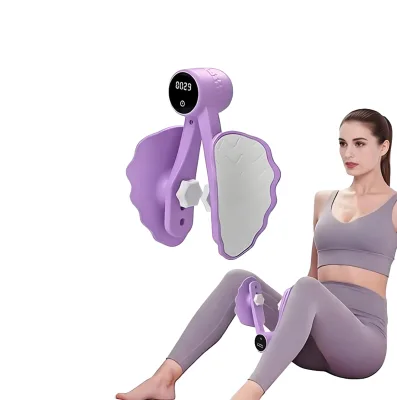
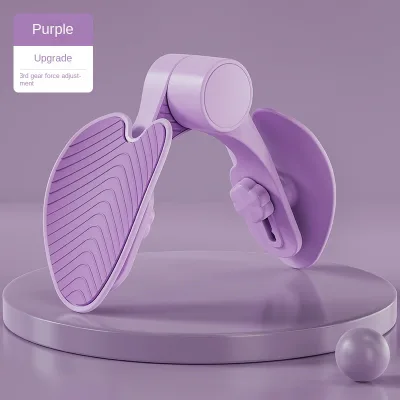
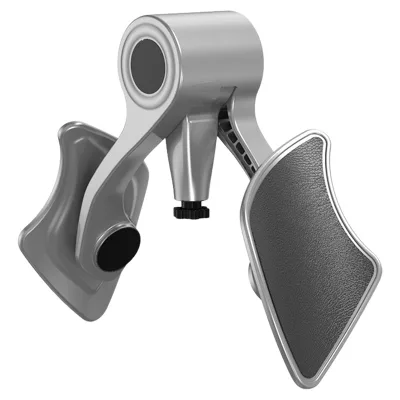
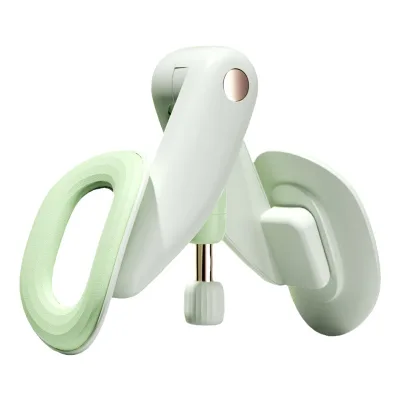
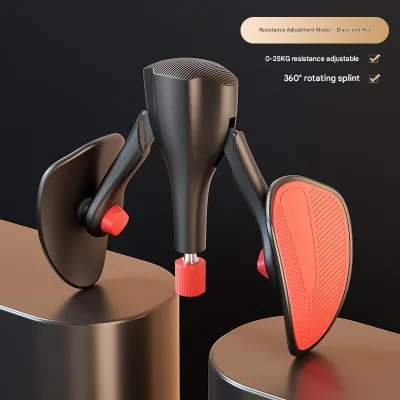
Comprehensive Sourcing Guide
Leg Clamp Kegel Trainer Supplier Concentration and Factory Types
The current supplier landscape for leg clamp kegel trainers reveals a distinct mix of manufacturing capabilities and trading structures, which significantly influences sourcing strategy. Data indicates that the primary company types available are manufacturers and trading companies, offering buyers different pathways for engagement. Manufacturers typically provide direct access to production lines, allowing for deeper customization and potentially lower unit costs at higher volumes. In contrast, trading companies often aggregate products from multiple factories, providing a broader catalog and streamlined communication for buyers who prefer a single point of contact. This duality means that sourcing decisions must weigh the benefits of direct factory relationships against the convenience and variety offered by intermediaries. Understanding this split is crucial for determining whether a buyer prioritizes supply chain transparency or product diversity.
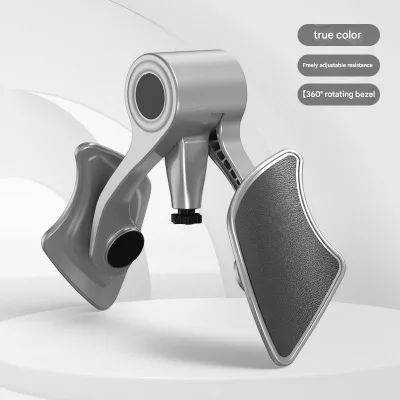
Geographic concentration plays a vital role in the availability and logistics of these fitness devices. Evidence points to specific regions in China, such as Hebei and Zhejiang, as key hubs for production. Products originating from Hebei often feature materials like PP+TPE or PP+PA+EVA, indicating a localized supply chain for plastics and rubber components essential for durable, adjustable clamps. Meanwhile, Zhejiang-based suppliers may offer different material compositions, such as pure PP, reflecting regional manufacturing specializations. These clusters suggest that buyers can expect consistent quality and material availability from these areas. However, relying solely on location without verifying the specific factory’s capabilities can lead to mismatches in production capacity or quality control standards. Buyers should use these geographic indicators as a starting point for due diligence rather than a guarantee of suitability.
How to Verify Leg Clamp Kegel Trainer Suppliers
Verification is the cornerstone of mitigating risk when sourcing leg clamp kegel trainers, especially given the health-related nature of the products. Buyers should prioritize suppliers who hold recognized system certifications, as these indicate adherence to international quality and environmental standards. Available data shows that many suppliers possess ISO 9001, ISO 13485, and ISO 14001 certifications. ISO 13485 is particularly relevant for medical or health-related devices, suggesting a higher level of quality management in production processes. Additionally, certifications like CE, UKCA, and RoHS are critical for market access in Europe and other regulated regions. Buyers must request valid certificates and verify their authenticity through the issuing bodies. Relying on self-declared claims without third-party validation exposes the buyer to compliance risks and potential product recalls.
Beyond certifications, verification should extend to the supplier’s operational reliability and product evidence. The presence of SGS Group verification is a strong indicator of a supplier’s commitment to transparency and quality assurance. Buyers should also examine product-specific attributes, such as material composition and functional claims. For instance, products labeled as "pelvic floor muscle trainers" should clearly specify materials like ABS, TPR, or PP+TPE to ensure durability and safety. Checking for OEM acceptance and customized logo availability can also reveal the supplier’s flexibility and professionalism. Furthermore, reviewing sample times and response times provides insight into the supplier’s operational efficiency. A supplier with a two-day response time and a three-day lead time for samples demonstrates a responsive and agile supply chain, which is essential for maintaining inventory levels and meeting market demands.
What to Compare Across Leg Clamp Kegel Trainer Suppliers
When evaluating multiple suppliers, buyers must compare key operational metrics to identify the most suitable partner for their specific needs. Lead time is a critical factor, with data showing variations such as three days for some manufacturers and ten days for others. Shorter lead times can be advantageous for rapid restocking or responding to sudden market trends, while longer lead times might indicate more complex production processes or lower priority. Buyers should align their inventory planning with these lead times to avoid stockouts or excess inventory. Additionally, comparing the range of main products offered by each supplier can reveal their specialization. Suppliers focusing on posture correctors, waist support belts, and knee braces may have more robust quality control systems for fitness equipment than those with a broader, less focused catalog.
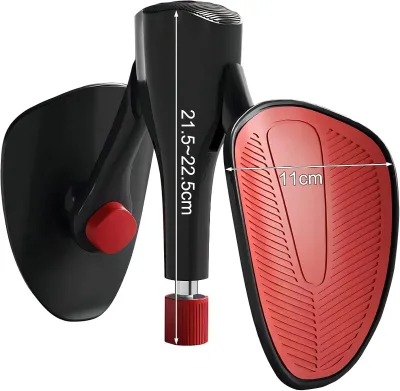
Price and customization options are also essential comparison points. The price range for leg clamp kegel trainers varies, with some products listed between $6.10 and $7.80, while others fall between $6.50 and $7.20. Buyers should consider not just the unit price but also the minimum order quantity (MOQ) and the cost of customization. Suppliers offering light customization, customized on demand, or sample processing provide greater flexibility for branding and product differentiation. Comparing the single package size and gross weight is also important for logistics planning, as these dimensions directly impact shipping costs. For example, a product with a single package size of 15x25x6 cm and a gross weight of 1.5 kg will have different shipping implications than one with a size of 35x20x15 cm and a weight of 1.2 kg. Buyers should create a weighted scoring matrix to objectively compare suppliers based on these tangible metrics.
Common Leg Clamp Kegel Trainer Sourcing Risks
One of the primary risks in sourcing leg clamp kegel trainers is the potential mismatch between product claims and actual performance. Products are often marketed with specific functions, such as "body building" or "leg exerciser master," but the actual efficacy can vary based on material quality and design. Buyers must be cautious of suppliers who make exaggerated health claims without providing supporting evidence or clinical data. Additionally, the use of different materials, such as PP+PA+EVA versus ABS+TPR, can affect the durability and comfort of the device. Suppliers may use lower-quality materials to reduce costs, which can lead to product failure and negative customer reviews. Buyers should request detailed material specifications and, if possible, conduct independent testing to verify the product’s structural integrity and safety.
Another significant risk is the inconsistency in supplier reliability and communication. While some suppliers demonstrate quick response times and clear communication, others may be less responsive or provide vague information. This inconsistency can lead to delays in order processing and difficulties in resolving issues after shipment. Buyers should also be aware of the risks associated with intellectual property and branding. Suppliers offering OEM services may not always protect the buyer’s brand identity, leading to potential leaks or unauthorized use of logos. Furthermore, the lack of standardized packaging or labeling can cause confusion in the supply chain. Buyers must establish clear contracts and quality assurance protocols to mitigate these risks. Regular audits and clear communication channels are essential to maintaining a reliable supply chain and ensuring that the products meet the buyer’s standards.
Leg Clamp Kegel Trainer Regional Sourcing and Logistics
Regional sourcing decisions are heavily influenced by the geographic location of the suppliers, which impacts both lead times and logistics costs. Suppliers located in Hebei, China, often benefit from established industrial clusters for plastic and rubber manufacturing, which can streamline the production of leg clamp kegel trainers. This regional concentration can lead to more consistent material quality and faster production cycles. However, buyers must also consider the logistical implications of sourcing from different regions. Products from Zhejiang, China, may have different shipping routes and transit times compared to those from Hebei. Buyers should evaluate the total landed cost, including freight, insurance, and customs duties, to determine the true cost of sourcing from each region. Understanding these logistical nuances is crucial for optimizing the supply chain and minimizing delays.
Packaging and labeling requirements also vary by region and market, adding another layer of complexity to sourcing. Suppliers may offer different packaging options, such as color boxes or simple poly bags, which can affect the product’s presentation and protection during transit. Buyers must ensure that the packaging meets the regulatory requirements of their target market, including labeling laws and environmental standards. For instance, products destined for the European market may require specific CE marking and RoHS compliance labels. Buyers should work closely with suppliers to ensure that all packaging and labeling are accurate and compliant. Additionally, considering the single package size and gross weight is essential for optimizing container loading and reducing shipping costs. By carefully planning the logistics and packaging, buyers can enhance the efficiency of their supply chain and improve the overall customer experience.
Leg Clamp Kegel Trainer Commercial Terms and Order Planning
Commercial terms and order planning are critical for ensuring a smooth transaction and successful product launch. Buyers should carefully review the payment terms offered by suppliers, such as PayPal, Western Union, TT, or online assurance. Each payment method has its own risks and benefits, and buyers should choose the one that best aligns with their risk tolerance and cash flow needs. Additionally, understanding the sample time is essential for product evaluation and approval. Suppliers with a sample time of 3-7 working days allow for quicker decision-making, which can accelerate the time to market. Buyers should plan their order timeline accordingly, accounting for sample approval, production, and shipping durations to avoid delays.
Minimum order quantities (MOQs) and pricing structures also play a significant role in order planning. Buyers should negotiate MOQs that align with their sales forecasts and storage capacity. Suppliers offering flexible MOQs can be advantageous for new product launches or testing market demand. Furthermore, buyers should consider the potential for volume discounts and long-term partnership benefits. Establishing a clear communication channel for order updates and issue resolution is also vital. Buyers should document all commercial terms in a formal contract to protect their interests. By carefully planning the commercial aspects of the sourcing process, buyers can minimize risks and maximize the value of their investment in leg clamp kegel trainers. This proactive approach ensures that the supply chain operates efficiently and meets the buyer’s business objectives.
FAQs
What is the price range for leg clamp kegel trainers?
Leg clamp kegel trainers typically cost between $6.10 and $7.80 per unit. This pricing reflects standard manufacturing costs for devices made from materials like PP, TPE, and ABS. Buyers should expect variations based on specific customization needs, packaging requirements, and order volume. These figures represent baseline wholesale rates for functional fitness equipment.
Where are these trainers manufactured?
Most leg clamp kegel trainers are manufactured in Hebei, China, with some production also occurring in Zhejiang. These regions are known for producing fitness equipment and plastic-based exercise devices. Buyers sourcing from these locations can access established supply chains for materials like PP, TPE, and ABS, ensuring consistent quality and availability for bulk orders.
What certifications do these products hold?
Manufacturers often provide CE, ISO9001, and ISO13485 certifications for these devices. These credentials verify compliance with international quality and safety standards for fitness and medical-grade equipment. Some suppliers also hold EMC or RoHS certifications. Buyers should verify specific documentation for each product to ensure regulatory compliance in their target markets before placing orders.
What is the sample lead time?
Sample lead times generally range from 3 to 7 working days. This period allows suppliers to prepare customized or standard units for buyer review. Production lead times for bulk orders may extend to 10 days or more depending on order size. Buyers should confirm exact timelines with suppliers to align with their inventory planning and market launch schedules.
Can I customize the logo on these trainers?
Yes, most suppliers accept customized logos and OEM branding for these devices. Buyers can request specific branding on the product packaging or the device itself. This service supports private label strategies for retailers and fitness brands. Customization options typically include graphic processing and specific packaging requirements, allowing for distinct market positioning.
What materials are used in construction?
These trainers are commonly constructed from durable plastics like PP, TPE, ABS, and EVA. These materials provide the necessary strength and flexibility for resistance training. Some models also incorporate TPR for enhanced grip and comfort. The choice of material ensures the devices are lightweight, portable, and suitable for repeated use in various fitness applications.