Gear Box Transmission Oil Filter Suppliers and Manufacturers
Find 23 verified suppliers offering gear box transmission oil filters with varying lead times, MOQs, and certifications. Compare response times, prices, and customization options to select the right partner for your automotive needs; review the available evidence before requesting comparable quotations from suitable candidates.
Updated
Suppliers List

Guangzhou Ghost Light Trading Co., Ltd.
- Verified by SGS
- Trading Company
- China Guangdong
- Lead time15 days
- Avg. response≤ 3h
Main productsAuto Parts- LED Bar, Work Light, Car Head Light, LED Flood Light, Coil Ignition, Spark Plugs, Entertainment Equipment, Auto Filters, Car Filters, Car DVR
Main marketsSouth America,Southeast Asia/ Mideast,Europe
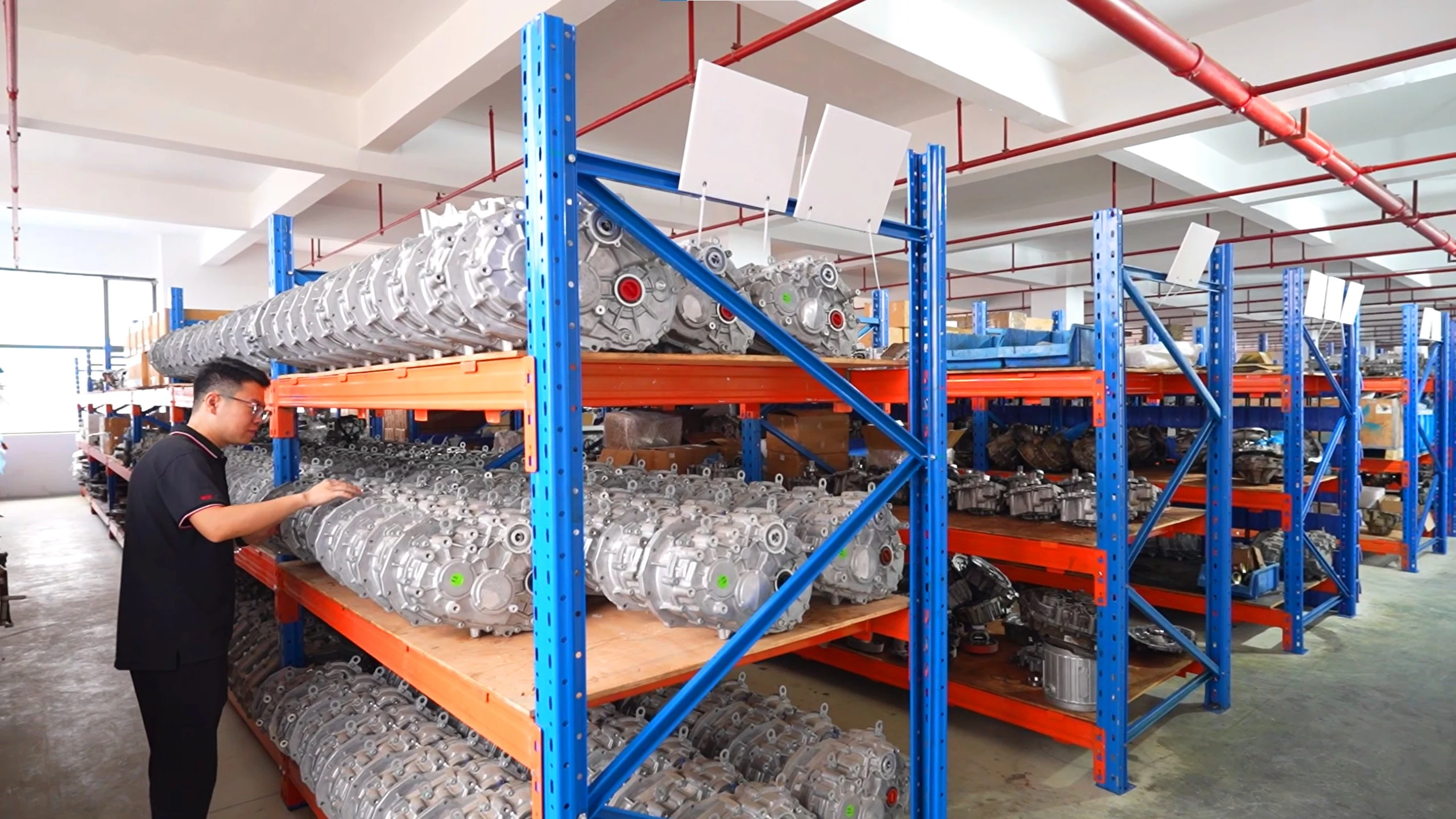
Guangzhou Mei Chuang Auto Parts Co., Ltd.
- Trading Company
- Guangdong, China
- Lead time15 days
- Avg. response≤ 2h
Main productsAutomatic Transmission Gearbox,Automatic Transmission TCU Mechatronics,Automatic Transmission TCU Accessories,Electric Vehicle Reducer,Electric Vehicle Reducer Accessories
Main marketsWestern Europe(27.00%), South America(17.00%), Southeast Asia(16.00%), Eastern Europe(11.00%), Africa(10.00%), Mid East(8.00%), Central America(4.00%), South Asia(2.00%), Domestic Market(1.00%), Eastern Asia(1.00%), Southern Europe(1.00%), Oceania(1.00%), North America(1.00%)
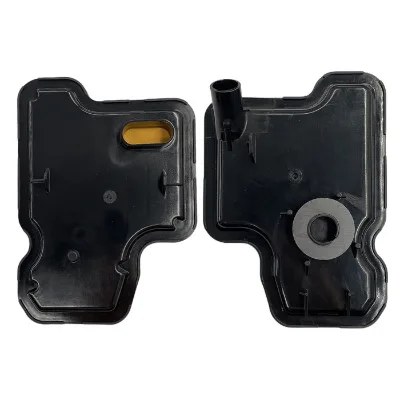
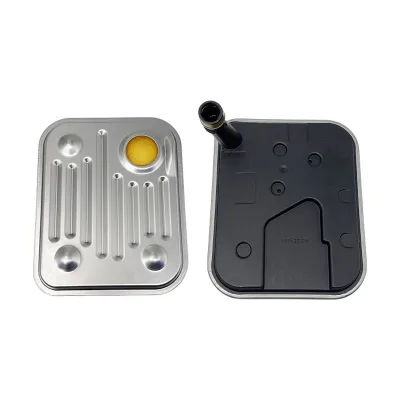
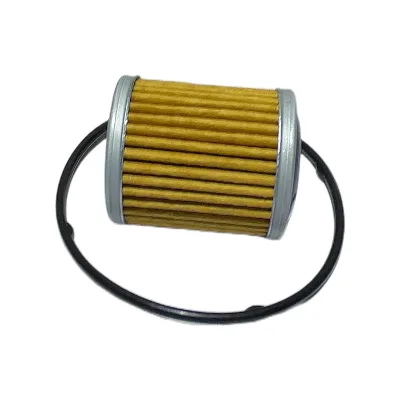
Meichuang JF011 181142 Filter/filtor Auto Transmission for Gearbox Accessories
$6.2643 - $8.3524
MOQ: 1 pieces
Guangzhou Transpeed Auto Technology Co., Ltd.
- Verified by SGS Group
- Manufacturer, Trading Company
- Lead time5 days
- Avg. response≤ 4h
Main productsAutomatic Transmission Parts, Transmission Piston, Transmission Master Kit, Transmission Oil Filter, Transmission Valve Body
Main marketsSouth America(15%), Eastern Europe(15%), Southeast Asia(15%)
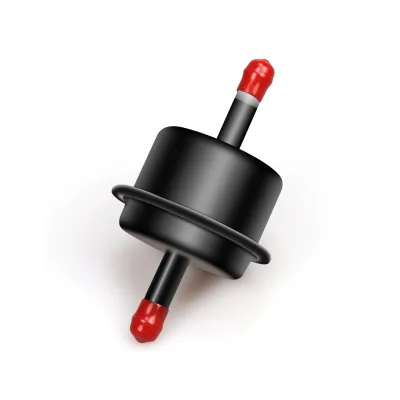
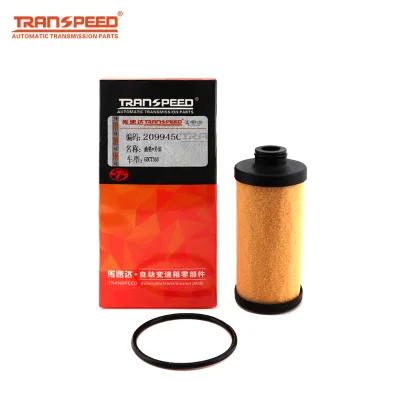
$3.1134 - $5.188
MOQ: 1 pieces

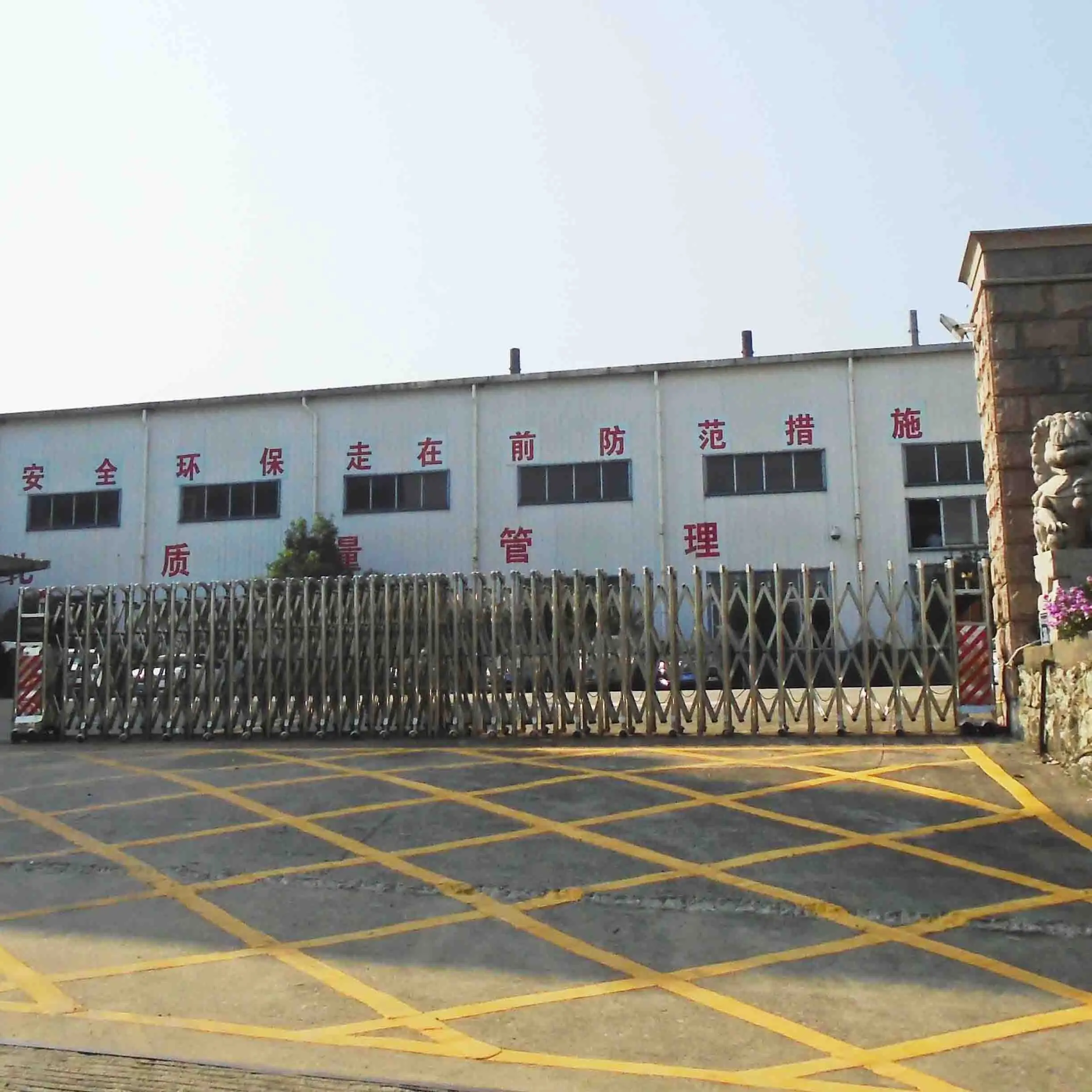
XINGTAI FULANGMU FILTER MANUFACTURE CO., LTD.
- Verified by CTI
- Combined
- China Hebei
- Lead time30 days
- Avg. response≤ 7h
Main productsAir Filter, Oil Filter, Cabin Filter, Fuel Filter, Engine Mount, Center Bearing, Suspension Bushing
Main marketsSouth America,Africa,Southeast Asia/ Mideast,East Asia(Japan/ South Korea),Domestic,Europe,Australia,North America
Guangzhou Ditasi Auto Parts Co., Ltd.
- Trading Company
- Guangdong, China
- Lead time10 days
- Avg. response≤ 1h
Main productsTransmission Filter,Fuel Injector,Auto Sensors
Main marketsDomestic Market(47.00%), Eastern Europe(30.00%), Southeast Asia(15.00%), North America(8.00%)
Guangzhou Shanhai Auto Parts Co., Ltd
- Verified by SGS
- Trading Company
- China Guangdong
- Lead time15 days
- Avg. response≤ 2h
Main productsAutomatic Transmission, Valve Body, Clutch, Transmission Computer, Ransmission Solenoid Valve
Main marketsAustralia


9HP48 Automatic Transmission Oil Filter for 9-Speed Gearbox - High Filtration Efficiency
$5.00 - $7.00
MOQ: 1 Pieces


Cm5 Automatic Transmission Oil Filter for 5-Speed Gearbox - High Precision Filtration
$2.50 - $4.00
MOQ: 1 Pieces

High Efficiency Gearbox Oil Filter Replacement for Df515 5-Speed Transmission
$12.00 - $14.00
MOQ: 1 Pieces

Premium 9HP48 Gearbox Oil Filter Replacement Compatible with 9-Speed Transmissions
$5.00 - $7.00
MOQ: 1 Pieces

Guangzhou Yuexiu District New Yongjian Auto Parts Trade Department
- Trading Company
- Guangdong, China
- Lead time15 days
- Avg. response≤ 3h
Main productsLgnition Coil, Valve Cover, Timing Chain Kits, Transmission Filter, Oxygen Sensor
Main marketsSouth America(13.00%), Eastern Asia(10.00%), Western Europe(10.00%), Southern Europe(10.00%), Eastern Europe(10.00%), North America(9.00%), Africa(8.00%), Mid East(8.00%), Southeast Asia(6.00%), Oceania(5.00%), Northern Europe(5.00%), Central America(3.00%), South Asia(2.00%), Domestic Market(1.00%)
Guangzhou Zhongxin Brothers Trading Co., Ltd.
- Trading Company, Distributor/Wholesaler
- Guangdong, China
- Lead time0 days
- Avg. response≤ 4h
Main productsoverhaul kit,Transmission,volve body,solenoid,Chain
Main marketsNorth America(30.00%), Southeast Asia(20.00%), Mid East(5.00%), Central America(2.00%)

Nangong Tongda Auto Parts Co., Ltd
- Verified by TUVRHEINLAND
- Combined
- China Hebei
- Lead time15 days
- Avg. response≤ 1h
Main productsOil Filter AC Filter, Wiper, Cabin Filter Fuel Filter Hydraulic Oil Filter, Truck Air Filter Motorcycle Filter, Air Filter, Motorcycle Filter
Main marketsSoutheast Asia/ Mideast

Durable Modified Transmission Filter 35330-28020 Automatic Transmission Oil Filters
$0.60 - $1.59
MOQ: 100 Pieces

Durable China-Made Transmission Oil Filter 35330-12050 Automatic Transmission Filter
$0.60 - $1.59
MOQ: 100 Pieces

Premium Transmission Filter 35330-21020 Transmission Oil Filter Quality Replacement
$0.60 - $1.59
MOQ: 100 Pieces

$0.60 - $1.59
MOQ: 100 Pieces
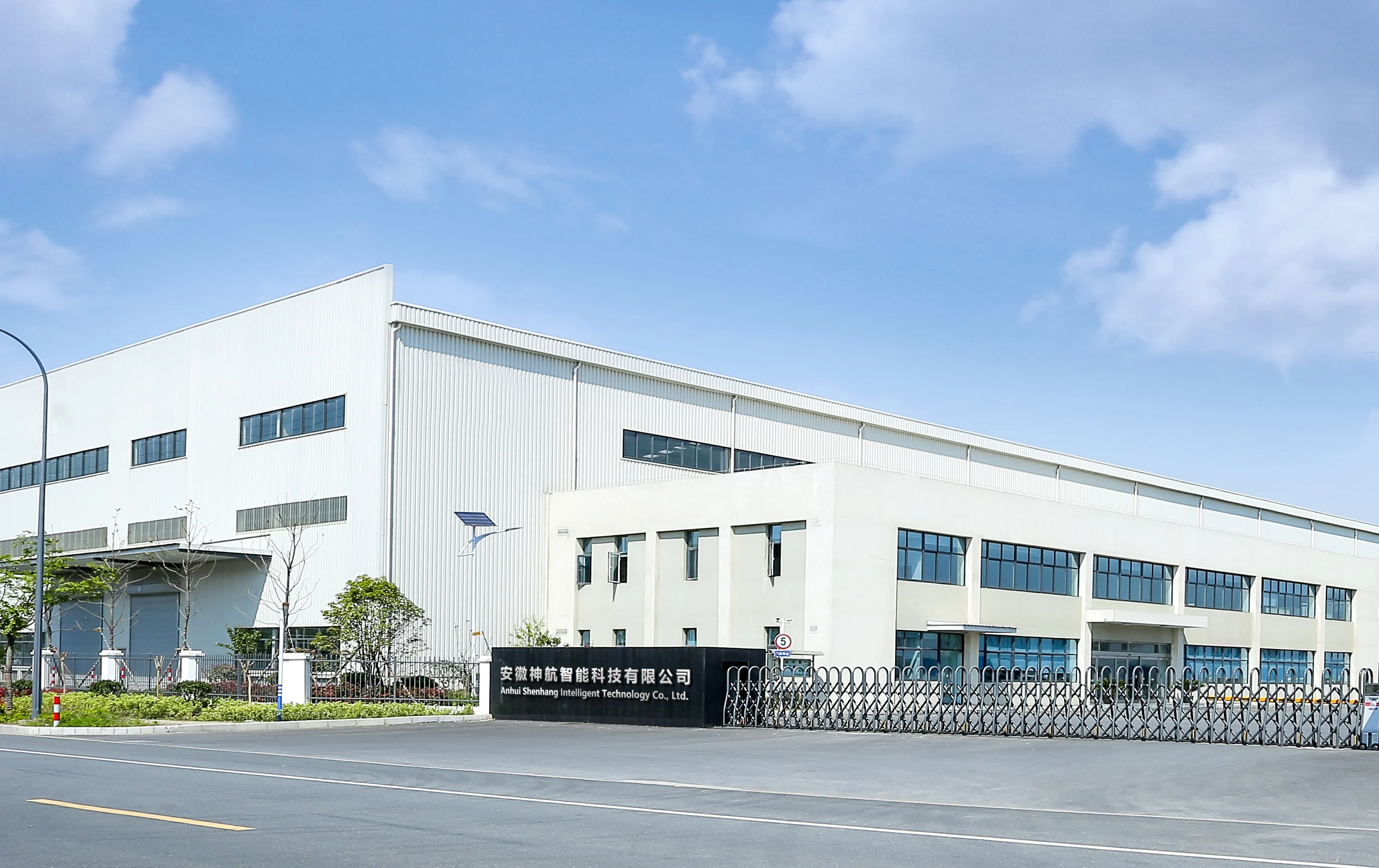
Anhui Shenhang Intelligent Technology Co., Ltd.
- Manufacturer
- Anhui, China
- Lead time7 days
- Avg. response≤ 1h
Main productsElectrical System,Transmission System,cooling System,Engine System,Chassis System
Main marketsDomestic Market(24.00%), North America(10.00%), Eastern Europe(10.00%), South America(9.00%), Oceania(8.00%), Central America(8.00%), Northern Europe(8.00%), Western Europe(6.00%), Southern Europe(6.00%), Africa(5.00%), Southeast Asia(3.00%), South Asia(2.00%), Mid East(1.00%)
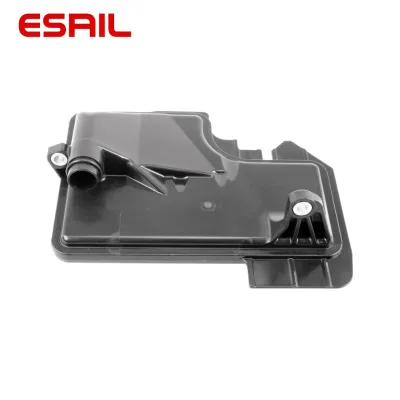
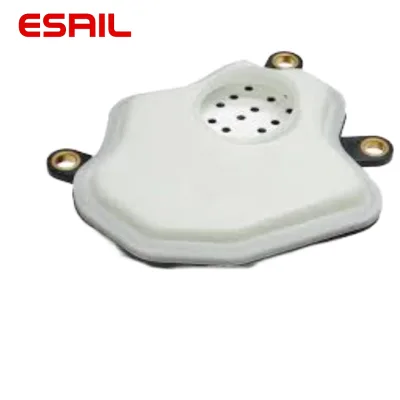
Automatic Gearbox Oil Strainer Transmission Filter 025CHA1506400 025CHA-1506400 for CHERY
$3.00 - $5.00
MOQ: 50 pieces
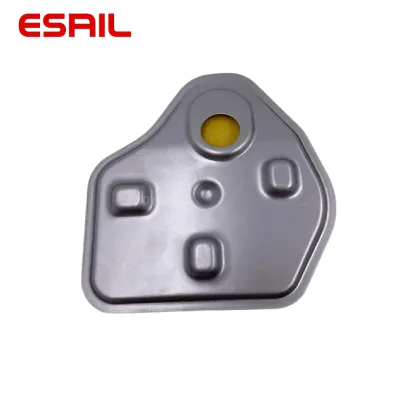
$2.0596 - $4.1193
MOQ: 50 pieces

Wenzhou Yize Industrial Co., Ltd.
- Trading Company,Manufacturer/Factory
- China Zhejiang
- Lead time0 days
- Avg. response≤ 19h
Main productsAutomobile Pumps, Suspension Parts, C. V. Joint, Auto Parts, Car Parts, Air Filter, Auto Filter, Wheel Hub Bearing, Shork Absorber, Brake Pad

Jinan Fuju Auto Parts Co., Ltd.
- Verified by SGS
- Trading Company
- China Shandong
- Lead time15 days
- Avg. response≤ 7h
Main productsFilter, Heavy-Duty Truck Accessories, Generator Sets Filter, Mining Equipment Filters, Commercial Truck Filters, Silicone Hoses
Main marketsDomestic,Europe
Jilin Bochen Trading Co., Ltd.
- Trading Company
- Jilin, China
- Lead time20 days
- Avg. response≤ 3h
Main productsVarnish,Curing agent,Paint,1K Paint,Coatings and paints
Main marketsNorth America(100.00%)
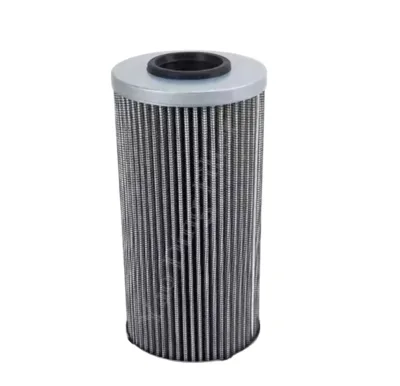
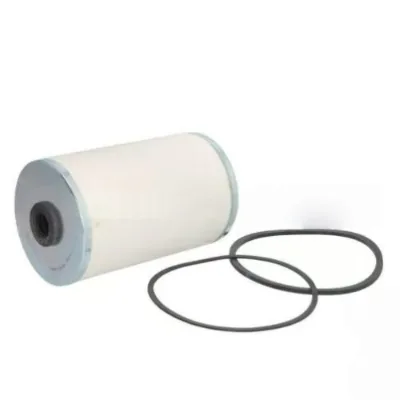
0660R020BN4HC HF6899 Main Gear Box Hydraulic Lubricating Oil Filter element
$120.00 - $210.00
MOQ: 1 Minimum
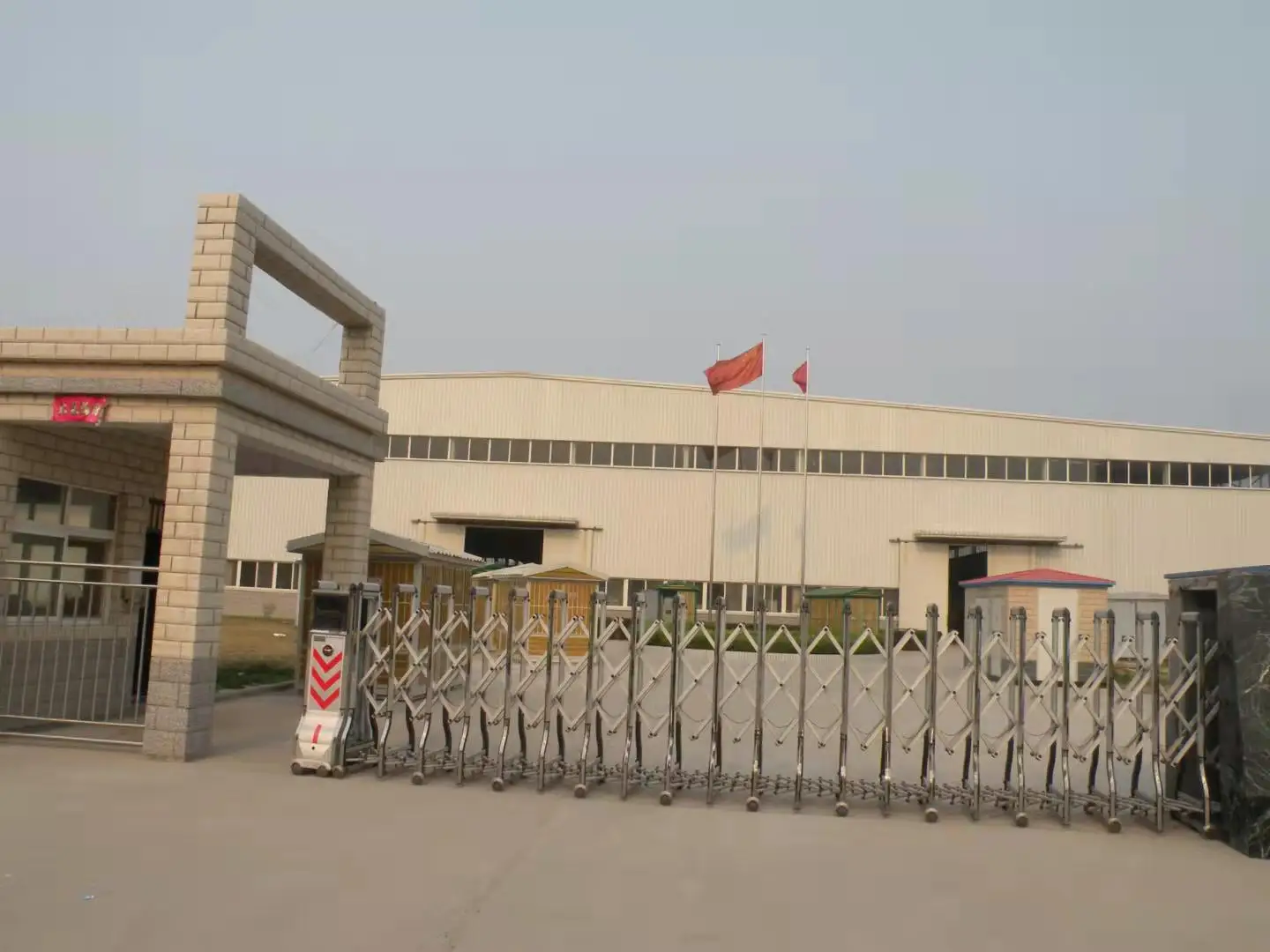
Langfang Huangyi Filters Co., Ltd.
- Manufacturer, Trading Company
- Hebei, China
- Lead time15 days
- Avg. response≤ 2h
Main productsHydraulic oil filters,oil filter,Natural gas filters,Dust filters,Plate-and-frame filters
Main marketsNorth America(30.00%), Oceania(25.00%), Eastern Europe(21.00%), Mid East(20.00%), Domestic Market(2.00%), South America(1.00%), Southeast Asia(1.00%)

Qidong Dajing Lubrication Equipment Co., Ltd.
- Combined
- China Jiangsu
- Lead time30 days
- Avg. response≤ 21h
Main productsElectric Lubricating Pump, Hand Lubricated Pump, Refueling Pump, Distributor, Oil Lubrication System, Grease Lubrication System, Intelligent Lubrication System, Lubricating System Accessories
Main marketsSoutheast Asia/ Mideast,Domestic,Europe
Xinxiang Dongfeng Filter Technology Co., Ltd.
- Verified by TüVRheinland
- Manufacturer, Trading Company
- Lead time15 days
- Avg. response≤ 2h
Main productsOil Filters, Filter Elements, Filtration Machines, Air Filter, Hydraulic Accessories
Main marketsDomestic Market(60%), North America(8%), Southeast Asia(6%)
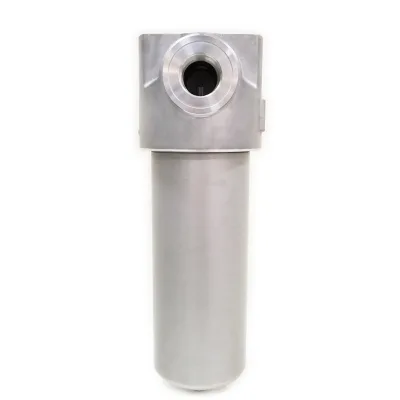
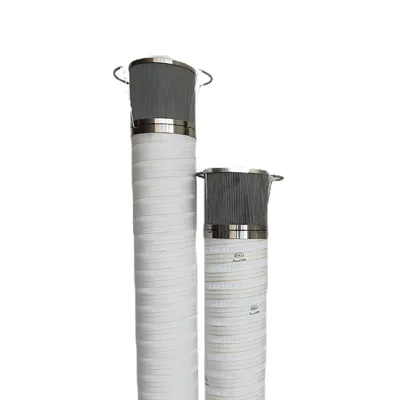
$85.00 - $87.00
MOQ: 10 pieces
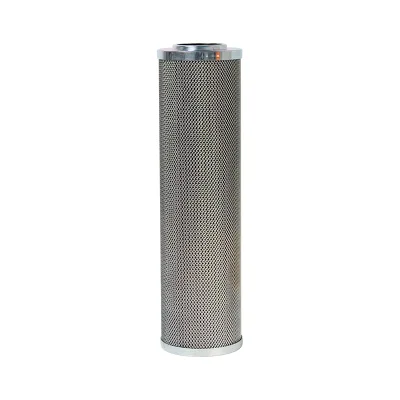
2600R Series New Filter Element for Wind Power Transmission Gearbox Hydraulic Filter
$45.00 - $49.00
MOQ: 10 pieces
Guangzhou Chuansuyou Automotive Parts Co., Ltd
- Manufacturer, Trading Company
- Guangdong, China
- Lead time0 days
- Avg. response≤ 2h
Main productstransmission case,Sealing element,autowave,Automotive parts
Main marketsNorth America(36.00%), Eastern Asia(28.00%), Southeast Asia(28.00%), South Asia(27.00%), Mid East(27.00%), Oceania(26.00%), South America(25.00%), Africa(18.00%)

Shanghai Spb Industry Co., Ltd.
- Verified by SGS
- Trading Company,Manufacturer/Factory,Group Corporation
- China Shanghai
- Lead time30 days
- Avg. response≤ 6h
Main productsCar Spare Part, Suspension Parts, Ball Joint, Shock Absorber, C. V Joint, Brake Pad, Radiator, Stabilizer Bar, Oil Filter, Steering Rack
Main marketsSouth America,Eastern Europe,Mid East,North America,Southeast Asia,Eastern Asia,Oceania,Western Europe,Africa

Transmission Filter Factory 01V325429 Transmission System Gearbox Parts
$1.90 - $10.90
MOQ: 100 Pieces


Shandong Weiyang Construction Machinery Co., Ltd.
- Trading Company
- China Shandong
- Lead time30 days
- Avg. response≤ 5h
Main productsLoader
Main marketsSouth America,Africa,Southeast Asia/ Mideast,East Asia(Japan/ South Korea),Domestic,Europe,Australia,North America

860125403 Gearbox Transmission Filter Hydraulic Filter for Zl50g Zl40.3.200c
$1.00 - $5.00
MOQ: 1 Pieces


Hebei Qianli Auto Parts Technology Co., Ltd.
- Manufacturer, Trading Company
- Hebei, China
- Lead time10 days
- Avg. response≤ 2h
Main productsHandbrake,Brake Pedal,Stamping Parts,Car Cable,Air Filter
Main marketsDomestic Market(70.00%), North America(10.00%), Eastern Europe(5.00%), Mid East(5.00%), Africa(5.00%), Southeast Asia(5.00%)

Ningbo Nathan Machinery Co., Ltd.
- Trading Company,Manufacturer/Factory
- China Zhejiang
- Lead time45 days
- Avg. response≤ 19h
Main productsAluminum Casting, Investment Casting, Die Casting, Sand Casting, Iron Casting, Stainless Steel Casting
Main marketsEastern Europe,North America,Oceania,Western Europe

OEM High Quality Transmission Filter Automatic Transmission Gearbox Spare Parts,
$8.00 - $10.00
MOQ: 50 Pieces


OEM High Quality Transmission Filter, Automatic Transmission Gearbox Spare Parts
$8.00 - $10.00
MOQ: 50 Pieces
Zhengzhou Cooper Industry Co., Ltd.
- Trading Company
- Henan, China
- Lead time30 days
- Avg. response≤ 2h
Main productsVehicle Parts & Accessories,Construction Machinery Attachments,Bus Spare Parts,Truck Spare Parts,Engine Parts
Main marketsAfrica(43.00%), Western Europe(14.00%), North America(14.00%), Mid East(10.00%), Southeast Asia(7.00%), Oceania(6.00%), South America(6.00%)
Hebei Jin Pai Sheng Import And Export Co., Ltd.
- Trading Company
- He'bei, China
- Lead time10 days
- Avg. response≤ 2h
Main productsDiesel forklift,Electrical forklift,Farm tractor,Excavator,Crane
Main marketsSoutheast Asia(25.00%), Africa(20.00%), Mid East(10.00%), Eastern Asia(10.00%), South Asia(10.00%), Central America(5.00%), Eastern Europe(5.00%), South America(3.00%), Domestic Market(3.00%), North America(3.00%), Northern Europe(2.00%), Oceania(2.00%), Western Europe(1.00%), Southern Europe(1.00%)
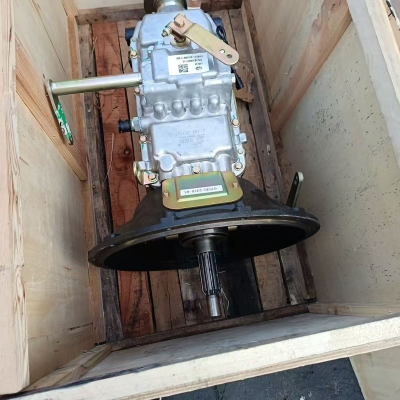
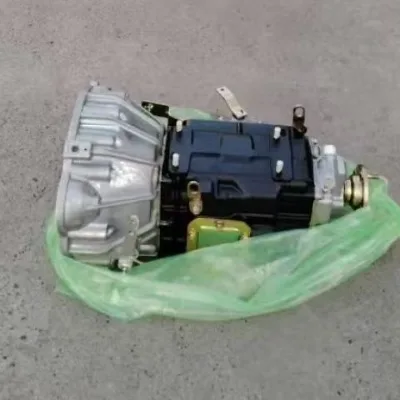
$650.00 - $680.00
MOQ: 1 pieces






Comprehensive Sourcing Guide
Gear Box Transmission Oil Filter Supplier Concentration and Factory Types
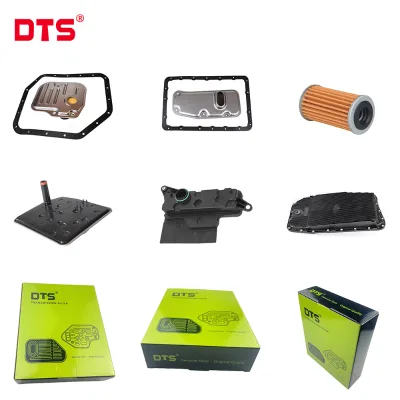
The current supplier landscape for gear box transmission oil filters reveals a distinct concentration of manufacturing and trading entities within China, specifically in the Guangdong region. This geographic clustering is significant because it indicates a mature industrial ecosystem where supply chains for automotive components are highly developed. Buyers evaluating potential partners should note that the majority of verified suppliers listed in recent results originate from this specific province, suggesting that logistical efficiency and component availability are optimized in this area. When assessing suppliers, it is crucial to distinguish between pure trading companies and those with manufacturing capabilities, as this distinction impacts quality control and customization flexibility. The data shows a mix of company types, with some entities identified strictly as trading companies while others operate as both manufacturers and traders. This hybrid model allows for greater adaptability in sourcing, as the supplier can leverage direct production lines for standard items while using trading networks for broader inventory management. Understanding this structural composition helps buyers anticipate the level of direct engagement they will have with the production floor versus a sales intermediary.
Furthermore, the product portfolios of these suppliers often extend beyond transmission filters to include a wide array of auto parts such as LED bars, work lights, and various engine components. This diversification suggests that many suppliers are generalist auto parts distributors rather than specialized filter manufacturers, which may influence their depth of technical expertise in transmission-specific engineering. However, the presence of specific product evidence, such as OE numbers like U540e and 35330-12020, demonstrates that these generalists maintain specialized inventory lines for critical transmission components. Buyers should verify whether the supplier’s primary focus aligns with their specific volume needs, as a trading company might offer faster access to diverse SKUs, whereas a manufacturer might provide better long-term pricing stability for high-volume orders. The concentration in Guangdong also implies that buyers can potentially visit facilities or conduct third-party audits more easily due to the density of industrial zones. This geographic advantage reduces the friction of supplier verification and allows for more frequent quality inspections, which is particularly important for components that directly affect vehicle performance and longevity.
How to Verify Gear Box Transmission Oil Filter Suppliers
Verification of Gear Box Transmission Oil Filter suppliers requires a rigorous examination of their credentials and operational history to ensure reliability and product authenticity. One of the primary indicators of supplier legitimacy is the presence of third-party verification badges, such as SGS, which appears in the current results for several key suppliers. This verification process typically involves an audit of the supplier’s business license, factory conditions, and quality management systems, providing a baseline level of trust for international buyers. Buyers should prioritize suppliers who display these verified badges, as it indicates that an independent agency has confirmed their operational status. Additionally, the response time metric serves as a practical indicator of supplier engagement and organizational efficiency. A response time of under three days, as observed in some results, suggests a responsive sales team capable of handling inquiries and resolving issues promptly. This metric is particularly useful for gauging the supplier’s commitment to customer service, which is critical when dealing with complex automotive parts that may require technical support or rapid order processing.
Beyond digital badges and response metrics, buyers must scrutinize the specific product attributes and certifications listed for the transmission filters. The data indicates that many filters carry ISO certifications and are made from materials such as plastic, aluminum, or aluminum alloy, which are standard for this component type. Buyers should request documentation to confirm that these certifications are current and applicable to the specific models they intend to purchase. It is also essential to verify the OE numbers and reference codes provided, such as 35330-12020 or 24274649, to ensure compatibility with the buyer’s target vehicle models. Mismatches in OE numbers can lead to costly installation errors and warranty claims. Furthermore, buyers should inquire about the warranty terms, which are frequently listed as 12 months in the current results, and clarify the conditions under which this warranty is honored. This includes understanding the process for returns or replacements in case of defects. By combining verification badges, response speed analysis, and detailed product specification checks, buyers can build a comprehensive profile of supplier reliability, reducing the risk of engaging with unverified or incompetent vendors in the transmission parts market.
What to Compare Across Gear Box Transmission Oil Filter Suppliers
When comparing suppliers for gear box transmission oil filters, buyers should focus on key operational dimensions such as lead time, minimum order quantity (MOQ), and pricing structures to determine the best fit for their procurement strategy. The current data reveals a range of lead times, with some suppliers offering a lead time of five days, while others indicate a standard of fifteen days. This variation is critical for buyers managing inventory levels and fulfilling urgent repair orders, as shorter lead times can significantly reduce stockholding costs and improve customer satisfaction. Similarly, MOQs vary considerably, with some suppliers requiring as few as one or three units, while others set thresholds at ten or twenty units. This flexibility allows buyers to test new suppliers with small orders before committing to larger volumes, mitigating the risk of overstocking or quality issues. Pricing is another vital comparison point, with observed price ranges for transmission filters spanning from approximately $3.50 to over $8.00 per unit, depending on the model and material. Buyers should analyze these prices in the context of the MOQ and lead time to calculate the total cost of ownership, including potential expedited shipping fees for urgent orders.
In addition to operational metrics, buyers should compare the customization options and technical support capabilities offered by different suppliers. The results indicate that customization is available for many transmission filters, allowing buyers to request specific packaging, branding, or minor design modifications to suit their market needs. This capability is particularly valuable for private label programs or specialized industrial applications. Buyers should also evaluate the breadth of the supplier’s product catalog, as some suppliers offer a wide range of transmission models, from Honda CM5 to GM 6T41 and 4L80E filters. A supplier with a comprehensive inventory can serve as a single source for multiple vehicle brands, simplifying the procurement process and potentially negotiating better volume discounts. Furthermore, the presence of R&D capabilities, such as sample processing or graphic processing, suggests that some suppliers can assist with product development or troubleshooting. By systematically comparing lead times, MOQs, prices, customization options, and product breadth, buyers can identify suppliers that align with their specific operational requirements and strategic goals, ensuring a more efficient and cost-effective sourcing process.
Common Gear Box Transmission Oil Filter Sourcing Risks
Sourcing gear box transmission oil filters carries inherent risks related to product compatibility, material quality, and supply chain transparency that buyers must actively manage. One of the most significant risks is the potential for mismatched OE numbers or incorrect specifications, which can lead to installation failures and vehicle damage. The current results show a variety of OE numbers, such as U540e, 35330-12020, and 24274649, highlighting the complexity of the transmission parts market. Buyers must ensure that the filters they order precisely match the requirements of their target vehicles, as even minor discrepancies in dimensions or filtration capacity can cause severe transmission issues. Another risk is the variability in material quality, with filters made from plastic, aluminum, or aluminum alloy. While these materials are standard, the grade and manufacturing precision can vary significantly between suppliers, affecting the filter’s durability and performance under high-pressure conditions. Buyers should request material certifications or test reports to verify that the components meet industry standards for strength and filtration efficiency.
Additionally, buyers face risks associated with inconsistent lead times and communication gaps, particularly when dealing with trading companies that may not have direct control over production schedules. The data shows lead times ranging from five to fifteen days, but these estimates can be subject to change based on raw material availability or production bottlenecks. Delays in shipment can disrupt the buyer’s inventory management and lead to lost sales or service delays for end customers. Furthermore, the lack of detailed warranty terms in some product listings, indicated by slashes or generic statements, creates uncertainty regarding post-sale support. Buyers should clarify warranty conditions before placing orders to ensure they have recourse in case of defects. Another risk is the potential for counterfeit or substandard products, especially when sourcing from unverified suppliers. To mitigate these risks, buyers should conduct thorough due diligence, including verifying supplier credentials, requesting samples for testing, and establishing clear communication channels for order tracking and issue resolution. By proactively addressing these risks, buyers can protect their business reputation and ensure the reliability of their supply chain.
Gear Box Transmission Oil Filter Regional Sourcing and Logistics
Regional sourcing of gear box transmission oil filters is heavily influenced by the geographic concentration of suppliers in China, particularly in the Guangdong province, which offers significant logistical advantages for international buyers. This region is a major hub for automotive parts manufacturing, providing access to a dense network of suppliers, raw material providers, and logistics services. The proximity of suppliers to major ports in Guangdong facilitates efficient export operations, reducing transit times and shipping costs for buyers in North America, Europe, and other global markets. Buyers should leverage this geographic advantage by prioritizing suppliers located in this cluster, as it often correlates with higher supply chain maturity and faster turnaround times. Additionally, the concentration of suppliers in Guangdong allows for easier coordination of consolidated shipments, enabling buyers to combine orders from multiple suppliers into a single container to optimize freight costs. This strategy is particularly effective for buyers sourcing a diverse range of transmission filters for different vehicle models.
However, buyers must also consider the logistical implications of sourcing from this region, including customs clearance procedures and potential tariffs. While Guangdong offers efficient export infrastructure, international buyers should be aware of the regulatory requirements in their destination countries, such as certification standards for automotive parts. Buyers should work with suppliers who have experience in exporting to their specific markets, as these suppliers are likely to be familiar with the necessary documentation and compliance requirements. Furthermore, buyers should evaluate the supplier’s packaging standards, as the current results indicate the use of neutral boxes or single packaging, which may require additional protection during transit to prevent damage. Establishing clear agreements on packaging and labeling can help minimize the risk of product damage during shipping. By understanding the logistical landscape of the Guangdong region, buyers can make informed decisions about their sourcing strategy, optimizing for cost, speed, and reliability while navigating the complexities of international trade.
Gear Box Transmission Oil Filter Commercial Terms and Order Planning
Effective order planning for gear box transmission oil filters requires careful attention to commercial terms, including pricing structures, payment methods, and inventory management strategies. The current data shows a wide range of prices, from $3.50 to over $8.00 per unit, which reflects variations in material quality, OE complexity, and supplier positioning. Buyers should negotiate pricing based on volume commitments, as higher MOQs often correlate with lower unit costs. For example, suppliers with an MOQ of one or three units may charge a premium compared to those requiring twenty units. Buyers should also consider the total cost of ownership, including shipping, insurance, and potential duties, when evaluating price quotes. Payment terms are another critical commercial aspect, with many suppliers offering standard options such as Telegraphic Transfer (TT) or Letters of Credit (LC). Buyers should negotiate favorable payment terms, such as partial upfront payment and balance upon shipment, to mitigate financial risk. Additionally, buyers should clarify the validity period of price quotes, as raw material costs can fluctuate, affecting the final price.
Inventory planning is equally important, as buyers must balance the need for stock availability with the cost of holding inventory. The varying lead times, from five to fifteen days, allow buyers to plan their replenishment cycles accordingly. Buyers with predictable demand can place larger, less frequent orders to benefit from lower
FAQs
What is the typical lead time for transmission oil filters?
The typical lead time for these transmission oil filters is 15 days. Some suppliers offer faster processing with a lead time of just 5 days. Buyers should confirm specific delivery schedules with the manufacturer before placing an order to ensure timely arrival.
What are the minimum order quantities for these filters?
Minimum order quantities vary significantly by product model. Some items require only 3 units, while others start at 10 or 20 units. Buyers must check the specific product listing to find the exact MOQ required for their purchase volume and budget.
Where are these transmission filters manufactured?
All listed transmission oil filters originate from Guangdong, China. The products are manufactured by suppliers located in this region, ensuring consistent production standards. Buyers can verify the place of origin on individual product pages before finalizing any procurement decisions.
Do these filters come with a warranty?
Many of the available transmission oil filters include a 12-month warranty. This coverage applies to specific models like the U540E and 35330-0W021. Buyers should review the warranty terms for each item to understand the duration and scope of protection provided.
What certifications do these auto parts hold?
The products carry ISO certifications and are made from materials like plastic or aluminum alloy. Some listings specify ISO Material:Plastic or ISO Material:Aluminum. Buyers should verify the exact certification details on the product page to ensure compliance with their quality standards.
What is the price range for these filters?
Prices for these transmission filters range from 3.50 to 8.22 USD per unit. Specific models like the 35330-0W021 start at 3.50, while others like the 6T41 filter are priced around 8.22. The final cost depends on the specific model and quantity ordered.
Are customization options available for these filters?
Customization is available for many of the transmission oil filter models listed. Suppliers offer options to tailor products to specific requirements. Buyers should contact the supplier directly to discuss customization needs and confirm if the specific model supports these modifications.