Source Clutch Pedal Spring for Mitsubishi for Auto, Farm, Trucks
Find 13 verified Clutch Pedal Spring for Mitsubishi options from Chinese manufacturers. Compare specifications, materials, pricing, and MOQs for automotive, farm machinery, and heavy-duty truck applications. Review steel wire diameters, surface finishes, and customization options to select the right part for your specific vehicle repair or replacement needs today.
Updated
Key considerations
Products List


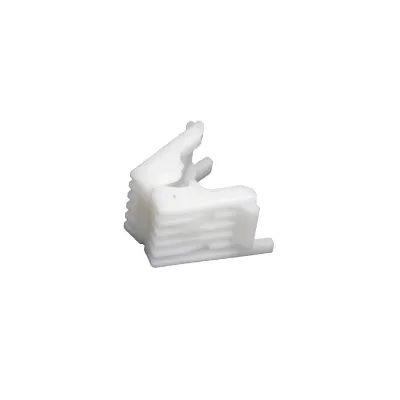
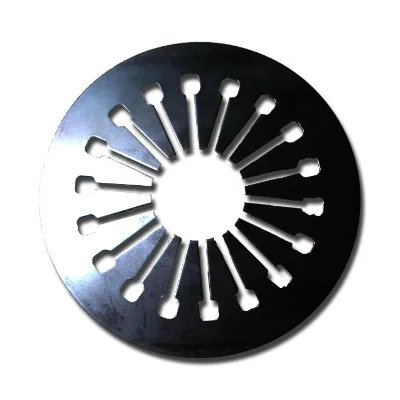
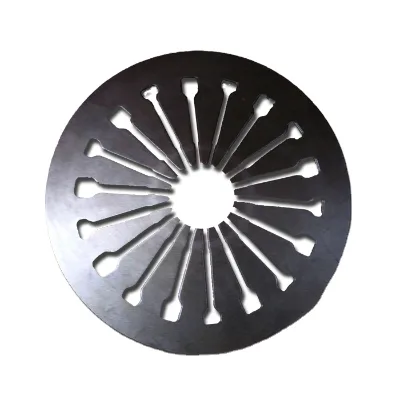
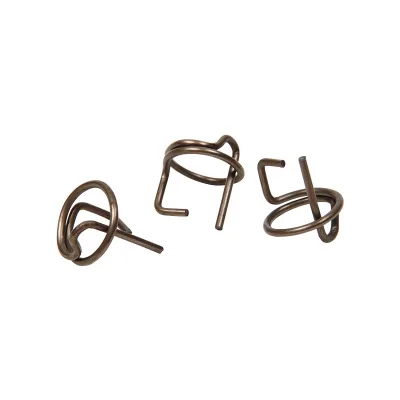


Clutch Springs for Ms250 Ms230 Ms210 025 023 021
$0.19 - $0.29
MOQ: 499 Pieces
Ningbo Eastar Electromechanical Industrial Trading Co., Ltd.
Comprehensive Sourcing Guide
Clutch Pedal Spring for Mitsubishi Sourcing Guide
Sourcing replacement suspension and clutch components for Mitsubishi vehicles requires a disciplined approach to technical verification and supplier qualification. The market offers a wide array of coil springs and hydraulic buffers, but distinguishing between generic aftermarket parts and vehicle-specific replacements is critical for maintaining ride quality and safety. Buyers must navigate a landscape where product attributes such as material composition, surface finish, and damping force direction vary significantly across listings. This guide provides a structured framework for evaluating these components, ensuring that procurement decisions are grounded in observable data rather than marketing claims.
The following sections detail the essential steps for validating product specifications, verifying compliance documentation, and assessing commercial terms. By focusing on concrete evidence such as wire diameter ranges, standard certifications, and origin locations, buyers can mitigate the risk of receiving substandard components. The guidance emphasizes the importance of cross-referencing observed listing signals with actual product capabilities, ensuring that the selected springs meet the rigorous demands of automotive applications. This methodical approach helps secure reliable supply chains and consistent product quality for fleet maintenance or aftermarket distribution.
Product Scope and Observed Listing Signals
The current market presents a diverse range of automotive springs, including coil springs designed for rear suspension positions and specialized components like clutch pedal return springs. Observed listings indicate a price range from $0.07 to $10 USD, reflecting variations in material quality, manufacturing complexity, and order volume. Buyers should note that while some products are explicitly labeled for Lexus or general car usage, others specify applications for farm machinery, tractors, and heavy-duty trucks. This broad scope necessitates careful filtering to identify parts compatible with Mitsubishi vehicles, as generic labels may not guarantee precise fitment or performance characteristics for specific automotive models.
Key attributes observed in supplier listings include customization availability, single-cylinder hydraulic structures, and black oxide coating finishes. Materials predominantly consist of carbon steel and high-carbon spring steel wire, with wire diameters ranging from 0.6mm to 8.5mm in some contexts, and up to 12mm in others. Models such as MF0123, LHQ666, and TH0019 appear in various catalogs, often accompanied by OEM numbers like 9820342980 for clutch pedal springs. These identifiers serve as starting points for verification, but buyers must confirm that the specific part number corresponds to the intended Mitsubishi application, as overlapping model numbers across different product categories can lead to procurement errors.
Technical Specifications to Verify
Technical validation begins with confirming the spring type, load capacity, and dimensional accuracy. For clutch pedal applications, the spring must provide consistent restoration force and durability under repeated compression cycles. Buyers should verify the wire diameter, free length, and outer diameter against the original equipment manufacturer (OEM) specifications. The observed range of wire diameters from 0.1mm to 12mm highlights the variability in product offerings; therefore, precise measurement is essential to ensure the selected spring fits within the designated housing and delivers the required mechanical performance. Discrepancies in dimensions can lead to premature failure or improper pedal operation.
Material composition and surface treatment are equally critical for longevity and corrosion resistance. High-carbon spring steel wire, often oil-tempered and quenched, is a common standard for automotive springs, providing the necessary tensile strength and fatigue resistance. Surface finishes such as black oxide coating help protect against rust and environmental degradation. Buyers must request material test reports or certificates of analysis to confirm that the steel meets relevant standards, such as DIN17223 or equivalent specifications for silicon-chromium steel. Verifying these technical details ensures that the spring can withstand the operational stresses of daily driving without compromising safety or reliability.
Compliance and Safety Documentation
Compliance with international quality management standards is a primary indicator of supplier reliability. Many observed listings cite certifications such as ISO9001, TS16949, and SGS, which suggest adherence to rigorous manufacturing and quality control processes. TS16949, in particular, is a widely recognized standard for automotive supply chains, indicating that the supplier has implemented specific requirements for quality management systems. Buyers should request valid certification documents and verify their current status with the issuing body to ensure that the supplier maintains compliance. This verification step helps mitigate the risk of sourcing from facilities that may not consistently meet automotive industry standards.
In addition to quality certifications, buyers should inquire about specific product testing and validation procedures. While some listings mention high-quality claims, concrete evidence of performance testing, such as fatigue life cycles or load-deflection curves, provides greater assurance of product integrity. Documentation should also include material traceability records, linking the final product to the raw steel batch. This level of transparency allows buyers to assess the supplier’s commitment to quality and their ability to address potential defects. Ensuring that all compliance documentation is up-to-date and verifiable is essential for maintaining regulatory compliance and protecting the end-user from potential safety hazards.
Cost Drivers and Commercial Terms
Pricing for automotive springs is influenced by several factors, including material costs, manufacturing complexity, and order volume. The observed price range of $0.07 to $10 USD reflects these variables, with lower prices typically associated with higher minimum order quantities (MOQs) and simpler designs. Buyers should analyze the total cost of ownership, considering not just the unit price but also shipping, tariffs, and potential costs associated with quality issues. Understanding the cost structure helps in negotiating favorable terms and selecting suppliers who offer competitive pricing without compromising on quality. It is also important to consider the MOQ, which can range from 1 to 5000 pieces, depending on the supplier’s production capabilities and business model.
Payment terms and lead times are critical components of the commercial agreement. Common payment methods include T/T, Western Union, and PayPal, each offering different levels of security and convenience for both buyer and supplier. Buyers should negotiate clear payment schedules that align with production milestones and delivery expectations. Lead times can vary based on order size and customization requirements, so establishing realistic timelines is essential for inventory management. Additionally, packaging specifications, such as carton packing, should be confirmed to ensure that products arrive in good condition. Clear commercial terms help prevent misunderstandings and ensure a smooth procurement process from order placement to delivery.
Supplier Qualification and Quality Control
Supplier qualification involves a thorough assessment of the manufacturer’s capabilities, location, and quality control systems. Many observed suppliers are located in regions such as Yangzhou and Zhejiang in China, which are known for their manufacturing expertise in automotive components. Buyers should verify the supplier’s production capacity, equipment, and workforce experience to ensure they can meet volume requirements and maintain consistent quality. Requesting factory audits or third-party inspection reports can provide valuable insights into the supplier’s operational standards and commitment to quality. This due diligence helps identify reliable partners who can support long-term procurement needs.
Quality control processes should be clearly defined and consistently implemented throughout the production cycle. Buyers should inquire about in-process inspections, final quality checks, and sampling procedures to ensure that every batch meets specified standards. Suppliers with robust quality control systems are more likely to deliver products that conform to technical specifications and performance expectations. Additionally, establishing a clear communication channel for addressing quality issues is essential for maintaining a productive relationship. Buyers should define acceptable quality limits (AQL) and agree on corrective action procedures in the event of non-conformance. This proactive approach helps minimize defects and ensures that the supplied springs meet the required standards for automotive applications.
Long-Term Procurement Checks
Establishing a long-term procurement strategy requires ongoing monitoring of supplier performance and product quality. Regular audits and performance reviews help identify any deviations from agreed-upon standards and allow for timely corrective actions. Buyers should track key performance indicators such as on-time delivery rates, defect rates, and responsiveness to issues. Maintaining a diverse supplier base can also mitigate risks associated with supply chain disruptions. By continuously evaluating supplier capabilities and market conditions, buyers can ensure a stable and reliable supply of clutch pedal springs and other automotive components. This strategic approach supports operational efficiency and cost-effectiveness over time.
Continuous improvement and adaptation to market changes are essential for maintaining a competitive edge. Buyers should stay informed about industry trends, technological advancements, and regulatory updates that may impact product specifications or compliance requirements. Engaging with suppliers to discuss potential improvements or new product developments can lead to better value and performance. Additionally, fostering strong relationships with suppliers encourages collaboration and innovation, which can result in customized solutions tailored to specific needs. By prioritizing long-term partnerships and continuous evaluation, buyers can build a resilient supply chain that supports their business objectives and ensures the availability of high-quality automotive components.
FAQs
Can clutch pedal springs be customized for specific vehicle models?
Yes, customization is available for clutch pedal springs to meet specific vehicle requirements. Suppliers offer tailored solutions including custom wire diameters ranging from 0.6 to 8.5mm and free lengths adjusted to your specifications. This ensures precise fitment and performance for various automotive applications beyond standard OEM sizes.
What materials are used for manufacturing high-quality clutch springs?
High-quality clutch springs are typically manufactured using carbon steel or oil-tempered quenched high carbon spring steel wire. These materials provide the necessary durability and elasticity for repeated use. The steel often meets standards like DIN17223, ensuring consistent mechanical properties and resistance to fatigue under heavy operational loads.
What certifications should reliable clutch spring suppliers possess?
Reliable suppliers should possess ISO9001 and TS16949 certifications, indicating adherence to strict quality management systems in the automotive industry. Additionally, SGS certification may be present, verifying product safety and performance standards. These credentials ensure that the manufacturing processes meet international requirements for automotive component reliability and consistency.
What is the typical minimum order quantity for clutch springs?
The typical minimum order quantity varies, with some suppliers requiring as few as 100 pieces while others may set the MOQ at 1000 pieces or higher. Buyers can often negotiate these terms based on volume. Understanding the MOQ helps in planning inventory levels and managing initial procurement costs effectively for small or large orders.
Where are clutch pedal springs typically manufactured?
Clutch pedal springs are typically manufactured in China, with specific production hubs located in regions like Yangzhou and Zhejiang. These areas are known for their robust manufacturing infrastructure and supply chain efficiency. Sourcing from these locations often provides competitive pricing and access to a wide variety of spring specifications and customization options.
What surface finishes are applied to automotive clutch springs?
Automotive clutch springs often feature a black oxide coating as a standard surface finish. This treatment enhances corrosion resistance and provides a professional appearance while maintaining the structural integrity of the steel. The coating process is part of the overall production workflow to ensure longevity and reliability in various environmental conditions.