Glossy Aluminium Beverage Can Suppliers and Manufacturers
Source Glossy Aluminium Beverage Can options from 20 verified suppliers in China. Compare key dimensions including ISO certifications, lead times, and MOQs to find the right partner. Contact suppliers directly to request samples and pricing details; review the available evidence before requesting comparable quotations from suitable candidates.
Updated
Suppliers List

QINGDAO BAIXI INDUSTRY CO., LTD.
- Verified by BV
- Trading Company
- China Shandong
- Lead time23 days
- Avg. response≤ 5h
Main productsAluminum Cans, Beer Cans, Beverage Cans, Soda Cans, Plastic Beer Carriers, Carbonated Drinks Cans, Energy Drinks Cans, Aluminum Can Lids, Easy Open Ends
Main marketsSouth America,Eastern Europe,Mid East,North America,Southeast Asia,Eastern Asia,Oceania,Western Europe,Africa

Hainan Laizhi Industry Co., Ltd
- Verified by BV
- Trading Company
- China Hainan
- Lead time15 days
- Avg. response≤ 4h
Main productsBeverage, Carbonated Drink, Beer, Fruit Juice, Aluminum Can, Tin Can, Coffee, Energy Drink
Main marketsAfrica
- Verified by SGS Group
- Trading Company
- Lead time0 days
- Avg. response≤ 4h
Main productsGlass packaging, Plastic package, Metal packaging, Environmentally friendly packaging
Main marketsNorth America(45%), Western Europe(25%), Eastern Europe(15%)
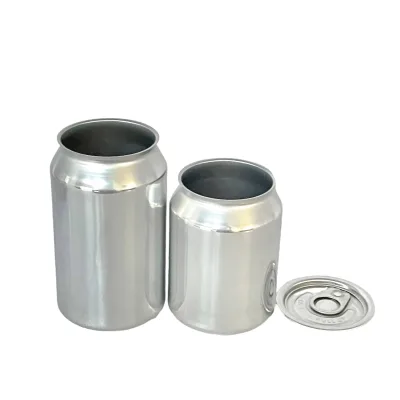
$0.20 - $0.40
MOQ: 100 Minimum
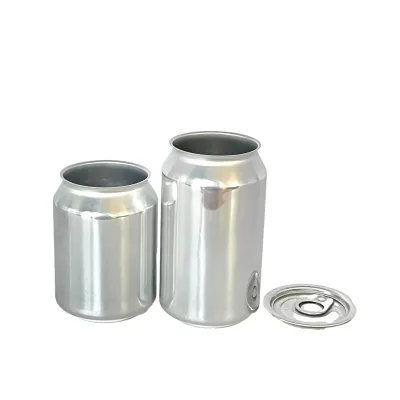
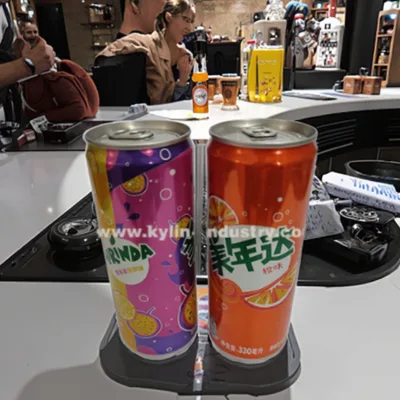
Customize Print Logo 250ml 330ml 500ml Metal Can Slim Sleek Type Aluminum Cans for Beer Beverage
$0.20 - $0.40
MOQ: 100 Minimum
Foshan Kylin Trading Company Limited.
- Trading Company
- Guangdong, China
- Lead time30 days
- Avg. response≤ 2h
Main productsnapkin dispenser,bottle opener,ice bucket,tray,can carrier
Main marketsWestern Europe(30.00%), Southern Europe(10.00%), Mid East(10.00%), Eastern Europe(8.00%), Africa(7.00%), North America(5.00%), Northern Europe(5.00%), South America(5.00%), Central America(5.00%), Eastern Asia(4.00%), South Asia(4.00%), Southeast Asia(3.00%), Domestic Market(2.00%), Oceania(2.00%)
Xiamen Ruiyan Machinery Equipment Co., Ltd.
- Verified by TüVRheinland
- Manufacturer, Trading Company
- Lead time15 days
- Avg. response≤ 5h
Main productsCan Sealing Machine
Main marketsDomestic Market(55%), Eastern Asia(35%), Southeast Asia(4%)

Hefei Biopin Import & Export Trading Co., Ltd.
- Verified by BV
- Combined
- China Anhui
- Lead time30 days
- Avg. response≤ 10h
Main productsBeverage Can, Aluminum Eoe, Aluminum Can, Aluminum Beverage Can End, Aluminum Coil Stock for Can&End, Aluminum Can Body Stock, Aluminum Can End Stock, Aluminum Can Tab Stock, Aluminum Easy Open Can and End, Can End
Main marketsSouth America,Africa,Southeast Asia/ Mideast,East Asia(Japan/ South Korea),Europe,North America
NINGBO SHINING ALUMINUM PACKAGING CO. LTD
- Manufacturer, Trading Company
- Zhejiang, China
- Lead time30 days
- Avg. response≤ 11h
Main productsAluminum Bottle,Aluminum Can,Aluminum Cup,aerosol can,aluminum jar
Main marketsNorth America(28.00%), Domestic Market(20.00%), Western Europe(15.00%), South America(12.00%), Oceania(10.00%), Mid East(8.00%), Northern Europe(2.00%), Southeast Asia(2.00%), Eastern Europe(2.00%), Central America(1.00%)
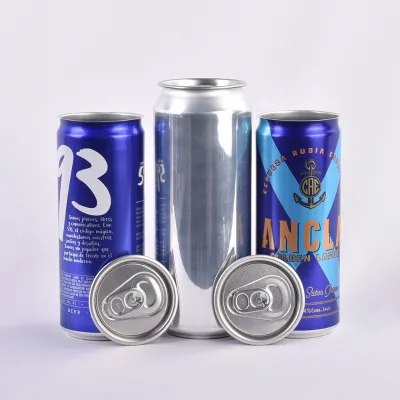
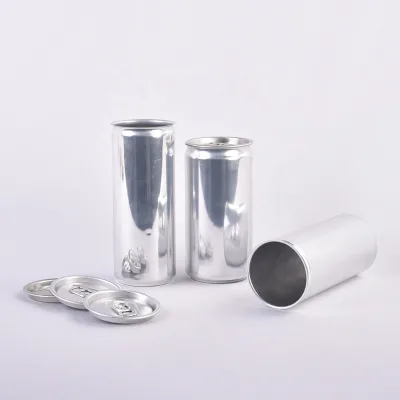
$0.0923 - $0.1026
MOQ: 120 pieces
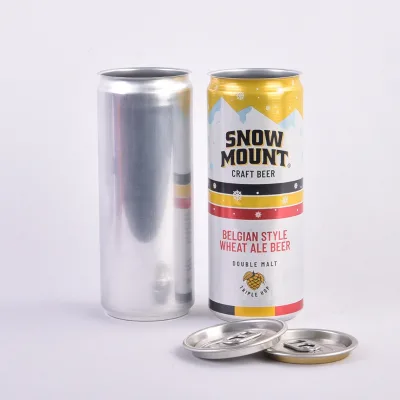
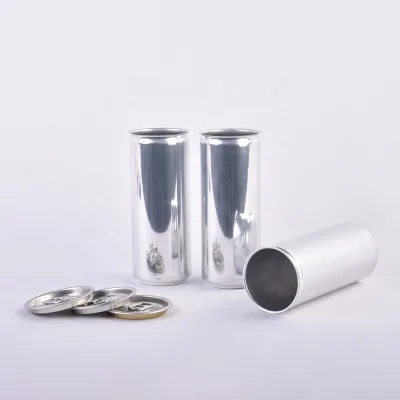
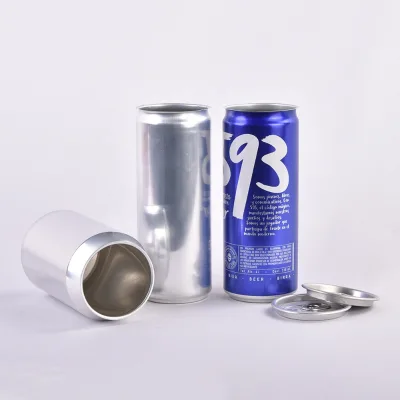
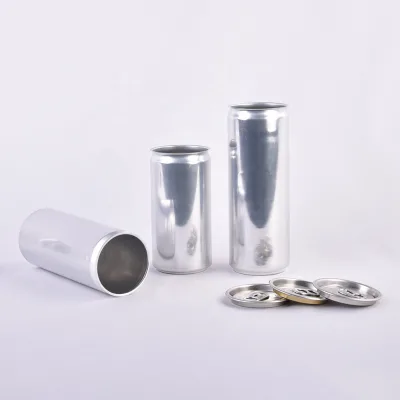
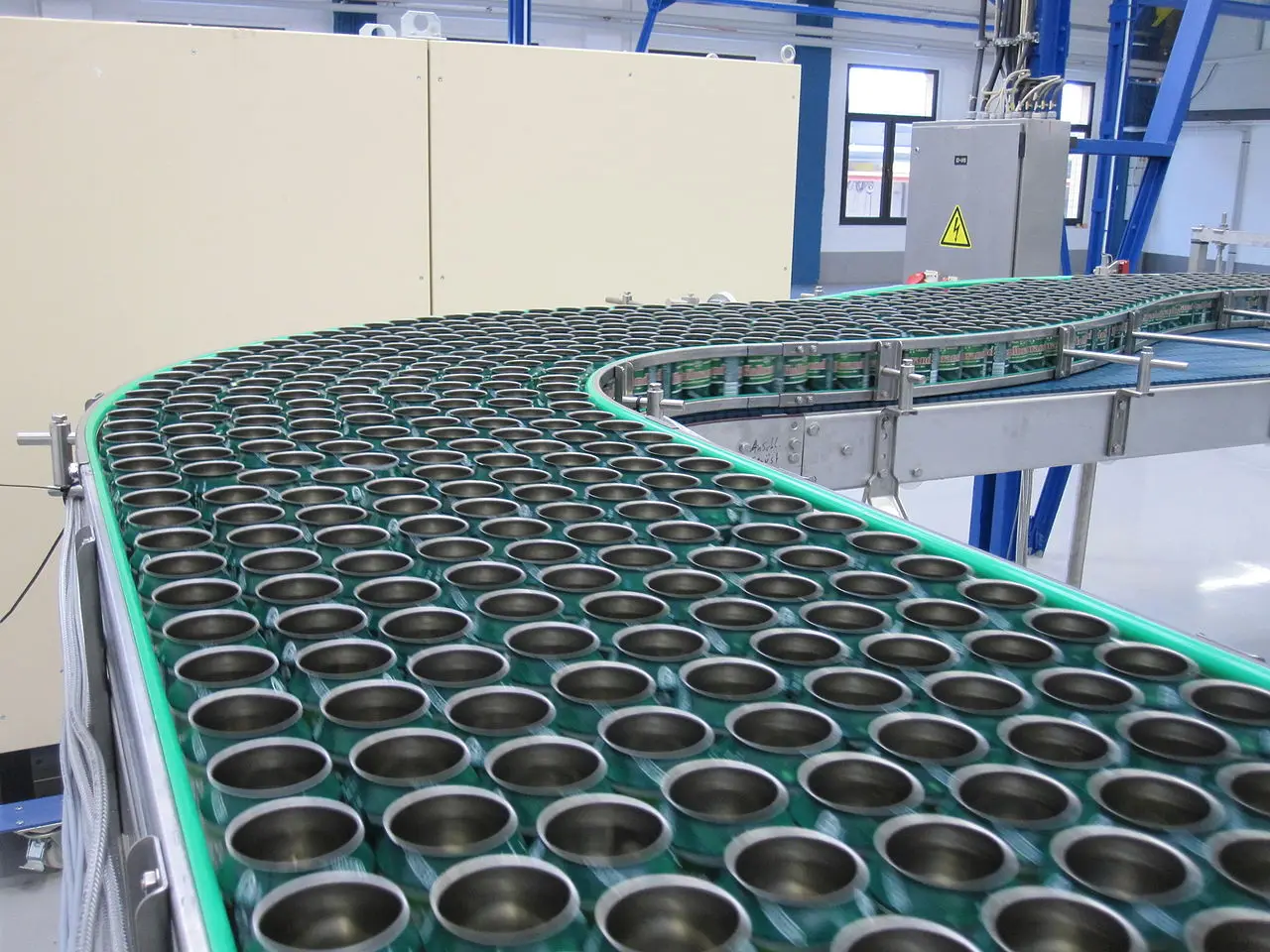
Hefei Biopin Import & Export Trading Co., Ltd.
- Manufacturer, Trading Company
- Anhui, China
- Lead time25 days
- Avg. response≤ 3h
Main productsPop-Top Can,Battery cathode aluminum foil
Main marketsMid East(71.00%), Western Europe(12.00%), South Asia(9.00%), Southeast Asia(4.00%), Eastern Europe(1.00%), Oceania(1.00%), South America(1.00%), Africa(1.00%)

Anhui Creative Packaging Technology Co., Ltd.
- Verified by BV
- Trading Company,Manufacturer/Factory
- China Anhui
- Lead time23 days
- Avg. response≤ 5h
Main productsGlass Jars, Glass Bottles, Glass Liquor/Beer/Oil Bottles, Glass Cosmetic/Perfume Bottles, Glass Cup, Candle Jar, Preform, Lids/Cap, Aluminum Cans, Wine Glass
Main marketsSouth America,Eastern Europe,Mid East,North America,Southeast Asia,Eastern Asia,Oceania,Western Europe,Africa
Inksworld Technology (Zhuhai) Co.,Ltd.
- Manufacturer, Trading Company
- Guangdong, China
- Lead time11 days
- Avg. response≤ 6h
Main productsglass bottle with swing top,glass milk bottle,glass Jar,mason Jar,Glass beverage bottle
Main marketsSoutheast Asia(32.00%), South Asia(26.00%), Mid East(18.00%), North America(12.00%), South America(6.00%), Northern Europe(3.00%), Eastern Europe(2.00%), Oceania(1.00%)
Anhui Idea Technology Imp & Exp Co., Ltd.
- Manufacturer, Trading Company
- Lead time旺季: "1 - 10000":10,"10001 - 100000":15,"> 100000":"To be negotiated", 淡季: "1 - 10000":10,"10001 - 100000":15,"> 100000":"To be negotiated"
- Avg. response≤ 5h
Main productsGlass Jar, Glass Bottle, Glass Container, PET Preform, Aluminum Cans
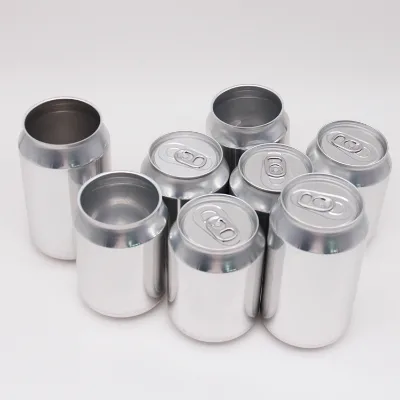
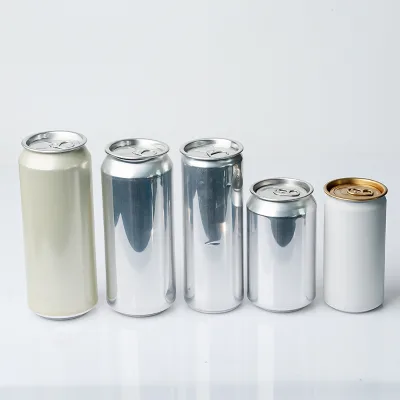
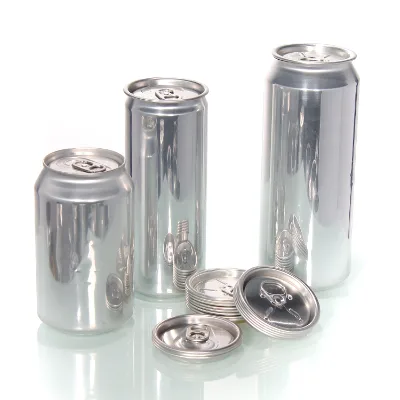
250 ml 330 ml 473 ml 500 ml Aluminium Can Drink Can for Food Beverage
$0.057 - $0.086
MOQ: 100000 Minimum
$0.06 - $0.085
MOQ: 10000 Minimum
Foshan Brilliant Import & Export Co., Ltd
- Manufacturer, Trading Company
- Guangdong, China
- Lead time25 days
- Avg. response≤ 6h
Main productsAluminum Can,Aluminum Bottle,Aerosol Can,Cosmetic Tubes,Actuator Caps
Main marketsAfrica(20.00%), North America(20.00%), South America(10.00%), South Asia(10.00%), Eastern Asia(10.00%), Southeast Asia(5.00%), Southern Europe(5.00%), Northern Europe(5.00%), Central America(5.00%), Western Europe(5.00%), Eastern Europe(5.00%)
Anhui Creative Packaging Technology Co., Ltd.
- Verified by SGS Group
- Manufacturer, Trading Company
- Lead time15 days
- Avg. response≤ 5h
Main productsGlass Jar, Aluminum Can, Plastic Preform, Tinplate Lid, Glass Bottle
Main marketsSouth America(30%), Southern Europe(20%), Northern Europe(10%)
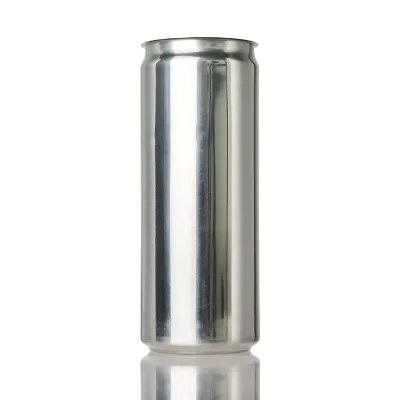
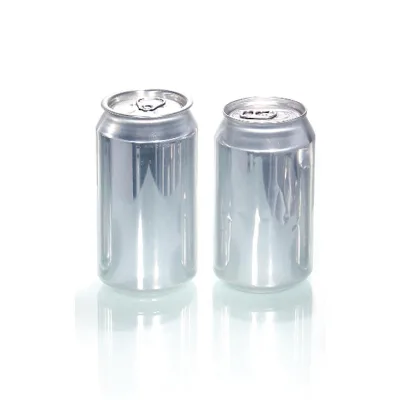
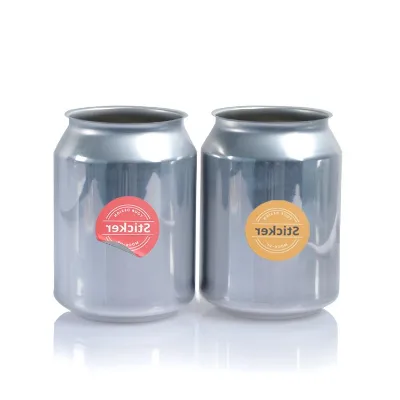
High Quality Metal Drink Can Beer Aluminum Can Beverages Beer Soda Wine Juice Party
$0.06 - $0.10
MOQ: 10000 pieces
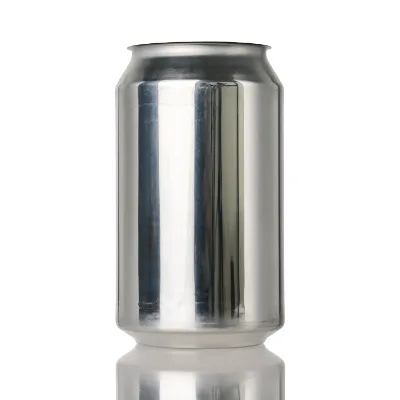
Wholesale Superleek 330ml 355ml 500ml Aluminum Cans Metal Unprinted Beverage Cans
$0.08 - $0.11
MOQ: 150000 pieces
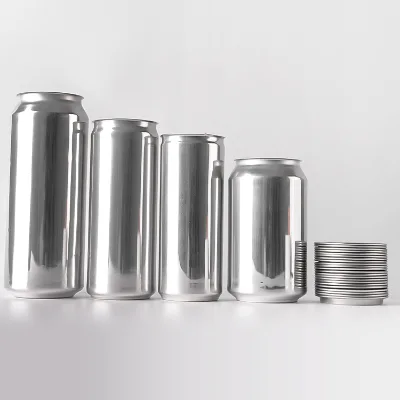
Custom Alcohol Drink 500Ml Standard Outdoor Blank Aluminum Cans for Coffee Latte
$0.0723 - $0.1033
MOQ: 100000 pieces

Shanghai Friend Metals Technology Co.,LTD
- Verified by CTI
- Trading Company
- China Shanghai
- Lead time30 days
- Avg. response≤ 23h
Main productsAluminum Cans, Aluminum Lid, Aluminum Coil, Food Aluminum Cans, Tinplate Cans, Pet Cans
Main marketsDomestic
Shenzhen Xingjian Industrial Co., Ltd.
- Manufacturer
- Guangdong, China
- Lead time0 days
- Avg. response≤ 9h
Main productsOuter packaging of food and beverage,Custom paper product packaging,Metal can packing
Main marketsMid East(30.00%), Southeast Asia(20.00%), South America(15.00%), North America(15.00%), Western Europe(10.00%), Eastern Europe(10.00%)
Jinan Erjin Import & Export Co., Ltd.
- Trading Company
- Shandong, China
- Lead time25 days
- Avg. response≤ 7h
Main productsPlastic Beer Keg, Aluminum Cans, Aluminum Can Ends, Plastic Can Cover, Beer
Main marketsDomestic Market(50.00%), Oceania(11.00%), North America(10.00%), Eastern Asia(8.00%), Africa(6.00%), South America(5.00%), Eastern Europe(5.00%), Mid East(5.00%)
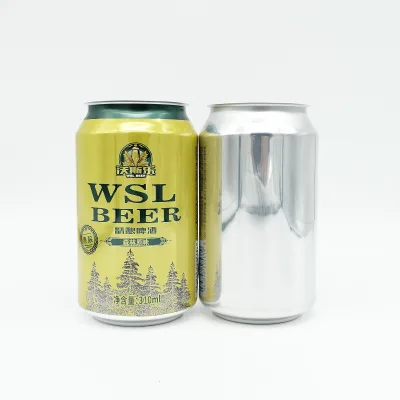
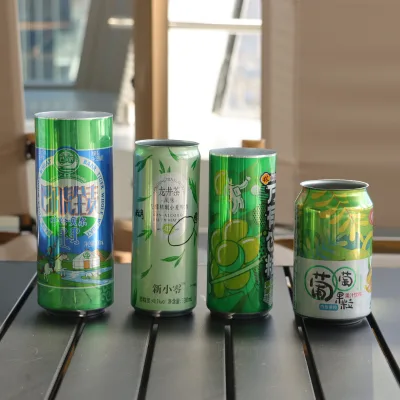
Custom Food Grade Aluminum Drink Cans 330 ml 250ml 1000ml Easy Open Can for Beer Beverage Packaging
$0.05 - $0.08
MOQ: 100000 pieces
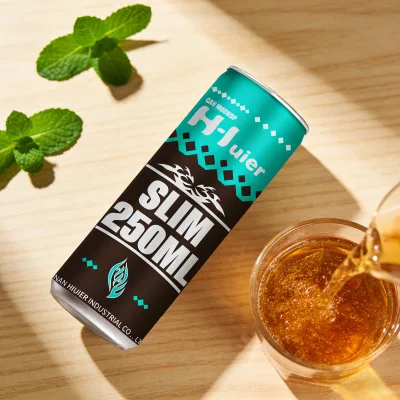
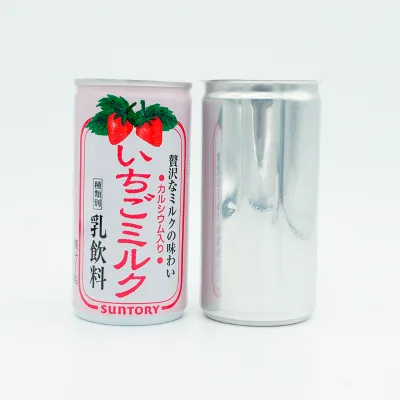
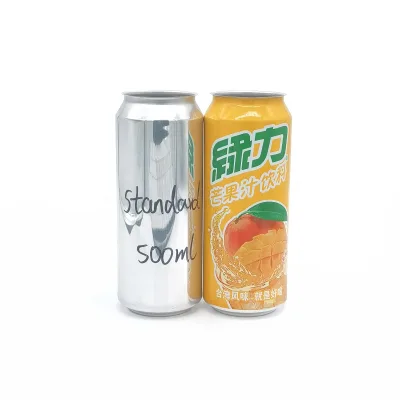
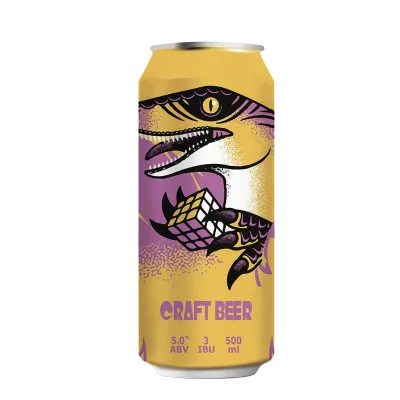
$0.0415 - $0.1037
MOQ: 100000 pieces
Ningbo Kegco International Trade Co., Ltd.
- Verified by SGS Group
- Trading Company
- Lead time25 days
- Avg. response≤ 12h
Main productsAluminum Can; Aerosol Can; Aluminum Bottle; Glass Bottle; Plastic Can; Keg, Fermenter Tank; Brewhouse, Kegerator; Wine Fridge, Ice Maker
Main marketsNorth America(40%), Eastern Europe(18%), South America(5%)
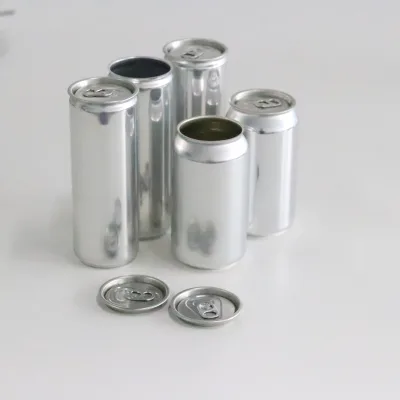
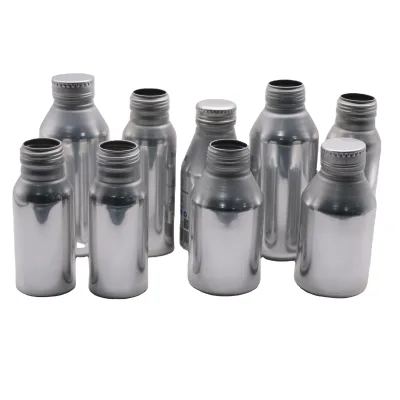
Sleek Slim Aluminum Cans 250Ml 330Ml 355Ml Beverage Bpa Free Ring -Pull Cans Beer Cans in Bulk
$0.0718 - $0.0821
MOQ: 1 pieces

Shanghai P-Luck International Logistics Co., Ltd.
- Manufacturer, Trading Company
- Shanghai, China
- Lead time30 days
- Avg. response≤ 2h
Main products3-PC Can,2-PC Can
Main marketsSoutheast Asia(30.00%), North America(10.00%), Western Europe(10.00%), Eastern Europe(10.00%), Eastern Asia(10.00%), Central America(5.00%), South America(5.00%), Africa(5.00%), Mid East(5.00%), Northern Europe(5.00%), Southern Europe(5.00%)
Zhenjiang Splendid Trade Link New Energy Technology Co. Ltd.
- Verified by TüVRheinland
- Trading Company
- Lead time30 days
- Avg. response≤ 1h
Main productsAluminum & Tinplate Lid / Cover / Cap, Aluminum & Tinplate & Plastic & PET Can, Spray / Aerosol Valve & Can & Actuator System, Aluminum & Tinplate Bowl, Food Packaging & Manufacturing Equipment / Machinery
Main marketsEastern Europe(70%), South America(20%), Southeast Asia(10%)
Hainan Laizhi Industry Co., Ltd.
- Verified by SGS Group
- Trading Company
- Lead time0 days
- Avg. response≤ 1h
Main productsCarbonated drinks, OEM Beer , Craft Beer , Energy Drinks , Aluminum Can
Main marketsMid East(68%), Oceania(11%), North America(10%)








Comprehensive Sourcing Guide
Glossy Aluminium Beverage Can Supplier Concentration and Factory Types
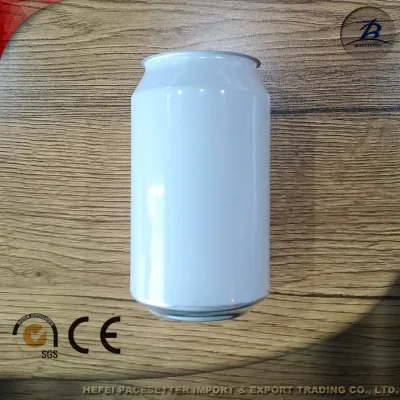
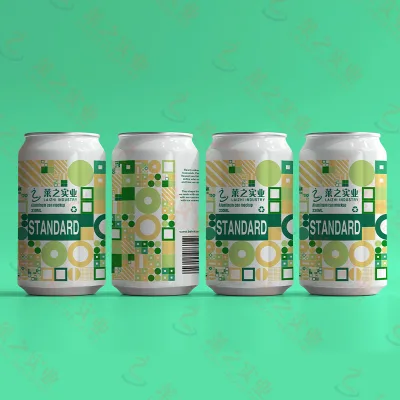
The current supplier landscape for glossy aluminium beverage cans reveals a distinct geographic concentration in China, with specific operational hubs identified in Shandong and Hainan provinces. These locations serve as primary manufacturing centers for both empty metal packaging and finished carbonated beverages, indicating a robust regional ecosystem for this product category. Suppliers in these regions are predominantly classified as trading companies rather than direct manufacturers, which suggests that buyers may be engaging with intermediaries who coordinate production across multiple facilities. This structural dynamic is critical for sourcing strategies, as trading companies often provide broader product ranges and flexible order management compared to single-factory entities. The presence of these trading companies in Shandong and Hainan highlights the importance of verifying whether the supplier acts as a direct producer or a facilitator, as this distinction impacts quality control, communication efficiency, and supply chain transparency.
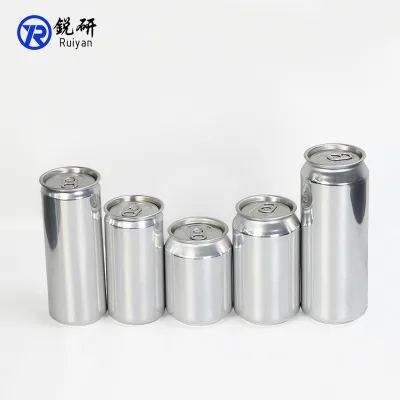
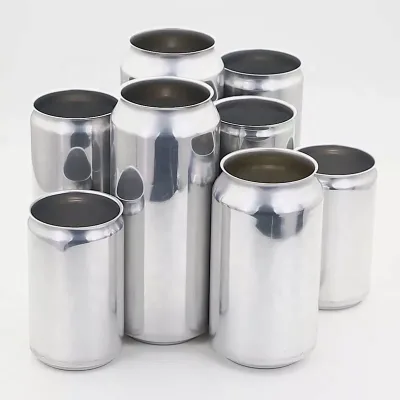
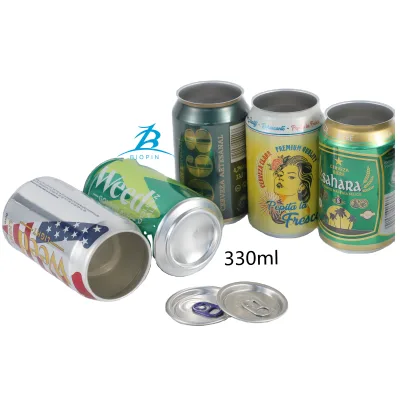
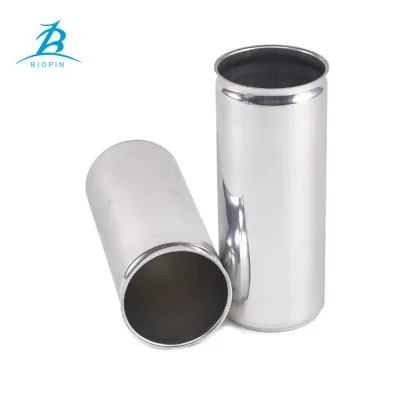
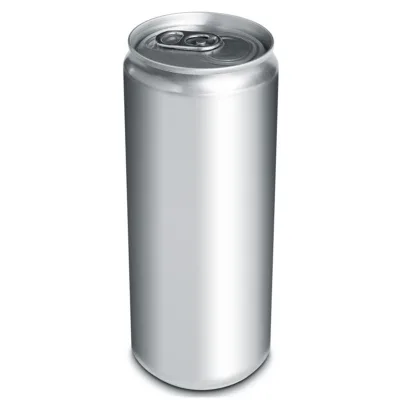
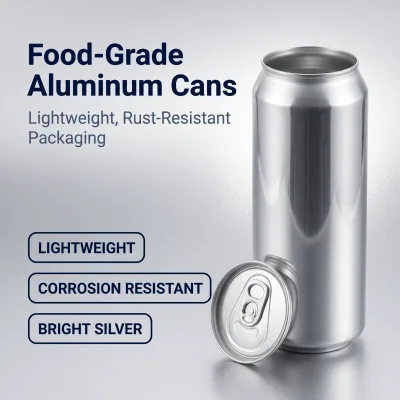
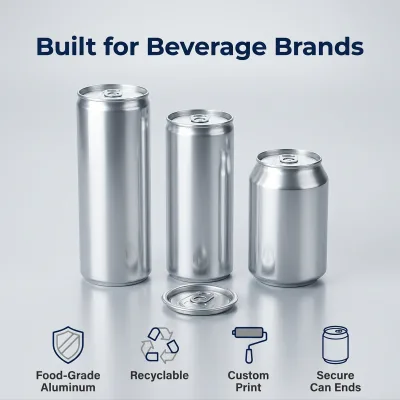
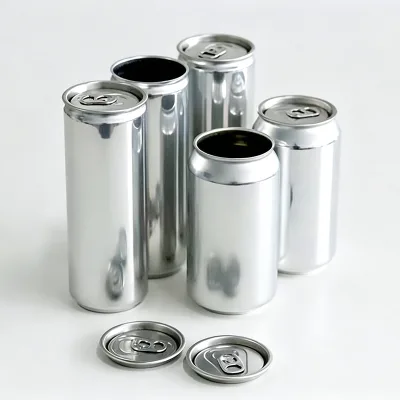
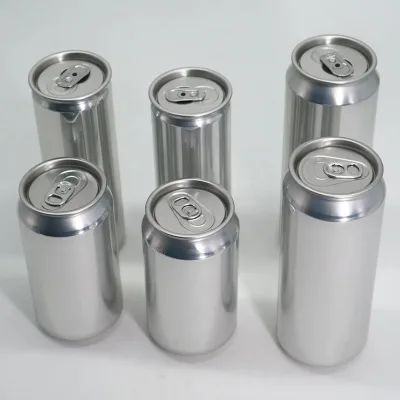
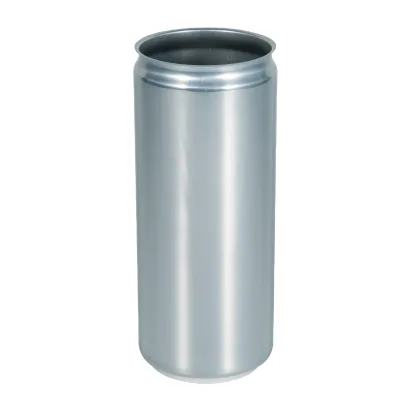
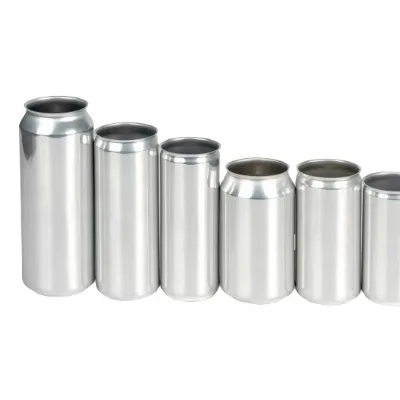
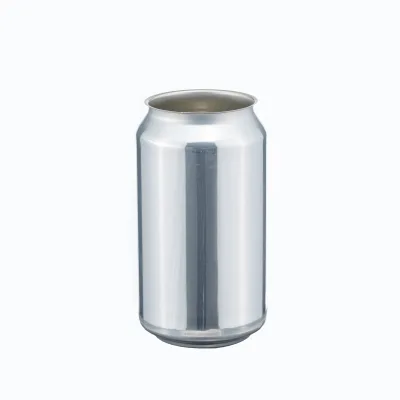
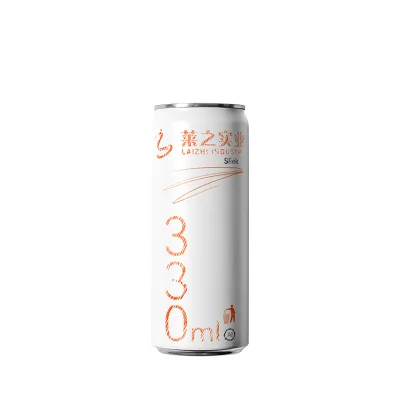
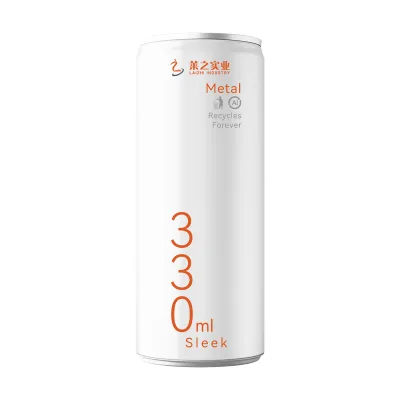
In addition to geographic clustering, the types of products offered by these suppliers vary significantly, ranging from empty aluminum cans to finished carbonated drinks. Some suppliers specialize in providing empty cans with customizable features such as glossy finishes, specific aluminum alloys like 3104 or 3004, and various can shapes including standard, sleek, stubby, and slim designs. Others focus on finished beverages, offering carbonated drinks with specific flavors and nutritional profiles. This divergence in product focus means that buyers must clearly define their needs, whether they require raw packaging materials for their own filling operations or finished goods for immediate distribution. The availability of OEM and ODM capabilities among these suppliers further expands the options for customization, allowing brands to tailor both the packaging design and the product content to their specific market requirements. Understanding these factory types and product specializations is essential for aligning supplier capabilities with business objectives.
How to Verify Glossy Aluminium Beverage Can Suppliers
Verification of Glossy Aluminium Beverage Can suppliers requires a multi-layered approach that prioritizes credential validation and operational transparency. One key indicator of supplier reliability is the possession of recognized system certifications, with ISO 9001, ISO 14001, and ISO 22000 being commonly cited among verified entities. These certifications demonstrate adherence to quality management, environmental standards, and food safety protocols, which are crucial for beverage packaging. Additionally, third-party verification services such as BV (Bureau Veritas) provide an external layer of trust, confirming that the supplier’s business operations and product claims have been independently assessed. Buyers should actively seek out suppliers who display these verification badges and certification logos, as they serve as tangible evidence of compliance with international standards. It is also important to note that some suppliers may hold additional certifications like CE, CIQ, GMP, SEDEX, or HACCP, which can further enhance their credibility in specific markets or for specific product types.
Beyond certifications, verifying a supplier’s responsiveness and production capacity is essential for ensuring a smooth sourcing process. Response time is a critical metric, with some suppliers demonstrating an average response time of approximately 4.17 hours, while others may respond even faster. A quick response time often correlates with efficient internal processes and a customer-centric approach, which can be vital for resolving issues or negotiating terms promptly. Furthermore, buyers should inquire about the supplier’s ability to provide samples, as this allows for direct assessment of product quality, including the glossiness of the aluminum finish and the integrity of the can structure. Checking for the availability of sample services and understanding the associated costs and lead times can provide valuable insights into the supplier’s flexibility and commitment to customer satisfaction. By combining credential verification with operational assessments, buyers can build a more comprehensive profile of potential suppliers.
What to Compare Across Glossy Aluminium Beverage Can Suppliers
When evaluating multiple suppliers for glossy aluminium beverage cans, several key dimensions must be compared to identify the most suitable partner. Lead time is a significant factor, with some suppliers offering production cycles as short as 15 days, while others may require up to 23 days. This variation can impact inventory management and market launch timelines, making it essential to align supplier lead times with business schedules. Minimum Order Quantity (MOQ) is another critical comparison point, ranging from 100,000 pieces to 300,000 pieces depending on the supplier and product type. Buyers with smaller volume requirements may need to seek suppliers with lower MOQs or consider consolidating orders to meet higher thresholds. Additionally, price ranges vary, with some suppliers offering cans at prices as low as $0.05 per unit, while others may charge up to $0.15 per unit. These price differences often reflect variations in material quality, customization options, and order volumes, so buyers should evaluate the total cost of ownership rather than just the unit price.
Beyond lead time, MOQ, and price, buyers should also compare the specific product attributes and customization options available. For instance, some suppliers offer cans with specific aluminum types like 3104 or 3004, while others may provide different temper grades such as H19. The availability of various can shapes, including standard, sleek, stubby, and slim designs, allows for greater flexibility in branding and consumer appeal. Additionally, the type of internal coating, such as epoxy or BPA-free options, is an important consideration for health-conscious consumers and regulatory compliance. Buyers should also assess the supplier’s ability to provide customized ends styles, such as CDL B64 or RTP SOT, which can affect the ease of opening and overall user experience. By systematically comparing these product attributes alongside operational metrics, buyers can make more informed decisions that balance cost, quality, and customization needs.
Common Glossy Aluminium Beverage Can Sourcing Risks
Sourcing glossy aluminium beverage cans involves several potential risks that buyers must proactively manage to ensure a successful procurement process. One significant risk is the variability in product quality, particularly regarding the glossiness and durability of the aluminum finish. Without proper quality control measures, buyers may receive cans with inconsistent surface treatments or structural defects, which can impact brand perception and consumer satisfaction. To mitigate this risk, buyers should request detailed product specifications and conduct thorough sample evaluations before placing large orders. Additionally, verifying the supplier’s production capabilities and quality assurance processes can help ensure that the final products meet the required standards. It is also important to consider the environmental impact of the sourcing process, as some suppliers may not adhere to strict environmental regulations, potentially leading to reputational risks for the buyer.
Another common risk is the potential for supply chain disruptions, which can be exacerbated by long lead times or logistical challenges. Suppliers with longer lead times, such as those requiring 23 days for production, may be more susceptible to delays caused by raw material shortages, labor issues, or transportation bottlenecks. Buyers should develop contingency plans, such as maintaining safety stock or identifying alternative suppliers, to minimize the impact of such disruptions. Furthermore, the reliance on trading companies rather than direct manufacturers can introduce additional layers of complexity, as communication gaps or misaligned incentives may arise. To address this, buyers should establish clear communication channels and regular check-ins with their suppliers to monitor progress and address any issues promptly. By anticipating and planning for these risks, buyers can enhance the resilience of their supply chain and ensure a more reliable sourcing experience.
Glossy Aluminium Beverage Can Regional Sourcing and Logistics
Regional sourcing plays a crucial role in the logistics and cost structure of glossy aluminium beverage cans, with China emerging as a primary manufacturing hub. Suppliers located in Shandong and Hainan provinces offer distinct advantages in terms of production capacity and logistical efficiency. Shandong, in particular, is known for its robust industrial base, which supports the production of high-quality aluminum cans and related packaging materials. Hainan, on the other hand, may offer different logistical benefits, such as proximity to certain shipping routes or favorable trade policies. Buyers should consider these regional factors when selecting suppliers, as they can impact shipping costs, delivery times, and overall supply chain efficiency. Additionally, the concentration of suppliers in these regions may facilitate easier coordination and collaboration, allowing for more streamlined procurement processes.
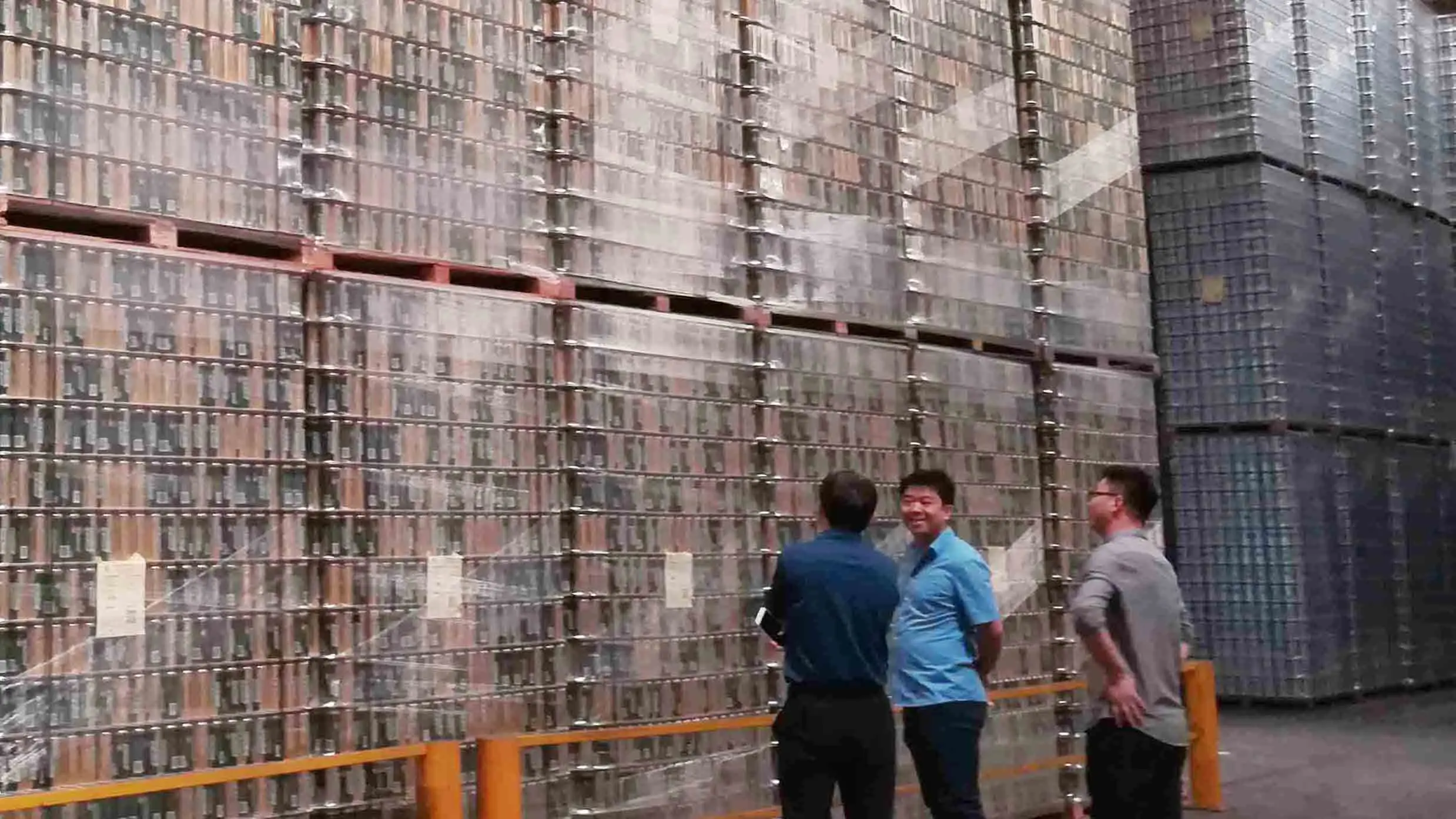
Logistics considerations also extend to the packaging and handling of the cans, which can affect their condition during transit. Some suppliers pack their cans on pallets, with specific quantities per pallet, such as 7,780 cans, to optimize space and reduce damage risks. Buyers should inquire about the packing methods used by their suppliers to ensure that the cans arrive in optimal condition. Furthermore, the choice of shipping method, whether by sea or air, can influence lead times and costs. Sea freight is typically more cost-effective for large volumes, while air freight may be necessary for urgent orders. Buyers should work closely with their suppliers to determine the most efficient logistics strategy, taking into account factors such as order volume, delivery deadlines, and budget constraints. By carefully managing regional sourcing and logistics, buyers can enhance the reliability and cost-effectiveness of their supply chain.
Glossy Aluminium Beverage Can Commercial Terms and Order Planning
Effective commercial terms and order planning are essential for managing the procurement of glossy aluminium beverage cans successfully. Buyers should negotiate clear payment terms, such as using escrow services to protect their funds until the goods are received and verified. This approach minimizes financial risk and ensures that suppliers are incentivized to deliver products that meet the agreed-upon specifications. Additionally, buyers should establish clear expectations regarding delivery schedules, including any penalties for late deliveries or bonuses for early completion. These terms can help align the interests of both parties and foster a more collaborative relationship. It is also important to consider the flexibility of order adjustments, as market demands may change during the production cycle. Suppliers who offer some degree of flexibility in order quantities or delivery dates can provide greater value to buyers facing uncertain market conditions.
Order planning should also take into account the supplier’s production capacity and lead times to ensure that inventory levels are maintained adequately. Buyers should work with their suppliers to develop a production schedule that aligns with their sales forecasts and market launch plans. This may involve placing smaller, more frequent orders to reduce the risk of overstocking or understocking. Additionally, buyers should consider the total cost of ownership, including shipping, handling, and potential tariffs, when evaluating supplier quotes. By integrating these commercial terms and order planning strategies, buyers can create a more resilient and efficient procurement process. Regular communication with suppliers and continuous monitoring of market trends can further enhance the ability to adapt to changing conditions and optimize supply chain performance.
FAQs
What is the price range for aluminum beverage cans?
Prices typically range from $0.05 to $0.15 per unit depending on specifications. Bulk orders often secure lower rates, while custom printing or specialized shapes may increase costs. Buyers should verify exact pricing based on volume and material grade requirements.
What is the minimum order quantity for these cans?
Minimum order quantities generally start at 100,000 pieces for standard models. Some suppliers require 300,000 units for specific customizations or larger volumes. Buyers must confirm the exact MOQ with the supplier before placing an order to ensure production feasibility.
How long does production take for aluminum cans?
Lead times vary between 15 and 23 days depending on order size and customization needs. Standard cans may ship faster than custom-printed versions. Buyers should confirm the exact timeline with the supplier to align with their inventory and distribution schedules.
What certifications do aluminum beverage cans have?
Cans typically hold ISO, CE, and CIQ certifications. Many suppliers also maintain ISO 9001, ISO 14001, and HACCP standards. These certifications ensure quality and safety compliance. Buyers should request valid certificates to verify that the products meet international regulatory requirements.
Are aluminum beverage cans customizable?
Yes, customization is available for shapes, sizes, and printing. Options include standard, sleek, stubby, and slim can types. Buyers can specify aluminum grades like 3104 or 3004. Customization allows brands to tailor packaging to their specific marketing and functional needs.
Where are these aluminum cans manufactured?
Manufacturing locations include China, specifically in Shandong and Hainan provinces. These regions host suppliers specializing in metal packaging and beverage cans. Buyers can filter results by location to prioritize suppliers near their logistics hubs or preferred sourcing regions for efficiency.