Octagonal Christmas Tin Box Suppliers and Manufacturers
Compare 31 verified suppliers offering Octagonal Christmas Tin Box products with varying lead times, MOQs, and certifications. Review response times and factory locations in China to select a partner for your packaging needs; review the available evidence before requesting comparable quotations from suitable candidates.
Updated
Suppliers List

Ningbo Beixuan International Trading Co., Ltd.
- Verified by TUVRHEINLAND
- Manufacturer/Factory
- China Zhejiang
- Lead time15 days
- Avg. response≤ 9h
Main productsPlastic Bottle, Plastic Cup, Plastic Honey Jar, Plastic Food Container, Glass Juice/ Beverage Bottle, Glass Jar, Glass Wine Bottle, Glass Essential Oil Bottles, Cosmetic & Perfume Glass Bottles, Paper Cup
Main marketsSouth America,Eastern Europe,Mid East,North America,Southeast Asia,Eastern Asia,Oceania,Western Europe,Africa
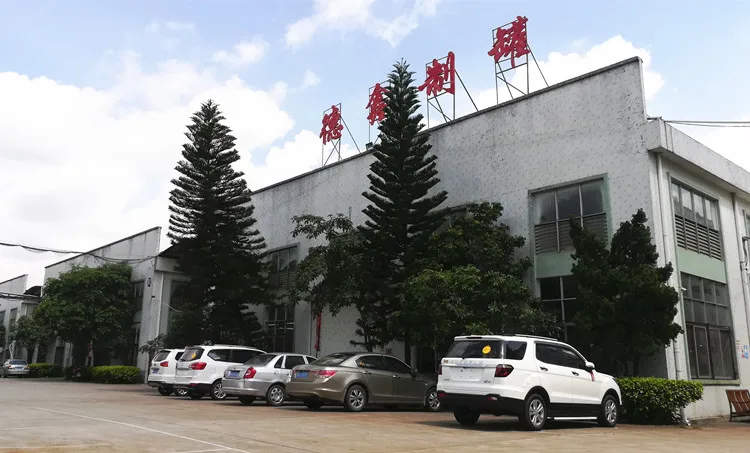
Dongguan City Dexin Can Manufacturing Co., Ltd.
- Manufacturer, Trading Company
- Guangdong, China
- Lead time25 days
- Avg. response≤ 1h
Main productsTin Box, Tin Can, Tin Tray, Tin Bucket, Metal Box
Main marketsNorth America(70.00%), Eastern Asia(20.00%), Northern Europe(5.00%), Mid East(5.00%)
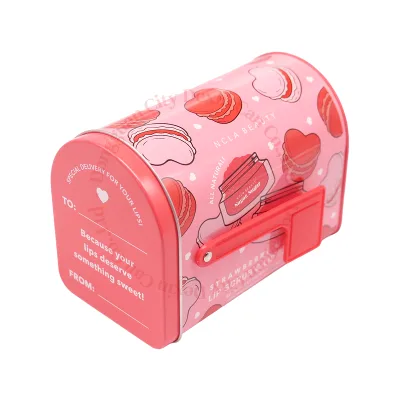
$0.57 - $0.9305
MOQ: 1000 pieces
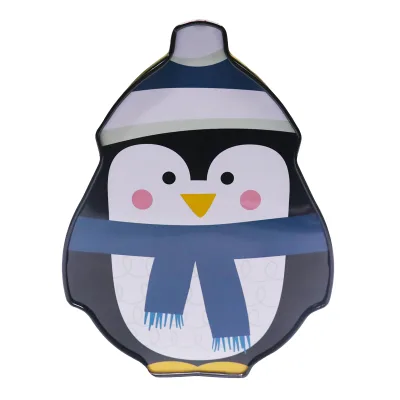
$0.561 - $0.917
MOQ: 1000 pieces
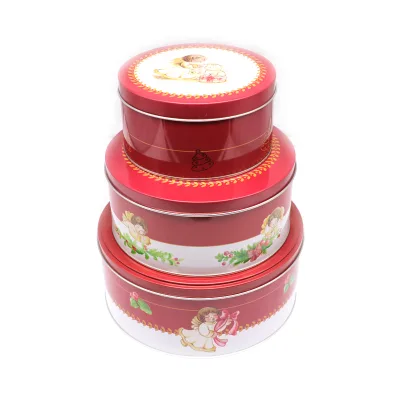
$0.5176 - $0.9305
MOQ: 3000 pieces

Dongguan City Huawei Hardware Products Co., Ltd.
- Verified by SGS
- Combined
- China Guangdong
- Lead time30 days
- Avg. response≤ 2h
Main productsTin Box, Tin Can, Food Tin Box, Tin Packing Box, Tea Tin Box, Cosmetic Tin Box, Candy Tin Box, Gift Tin Box, Cigarette Tin Box, Wine Tin Box
Main marketsSouth America
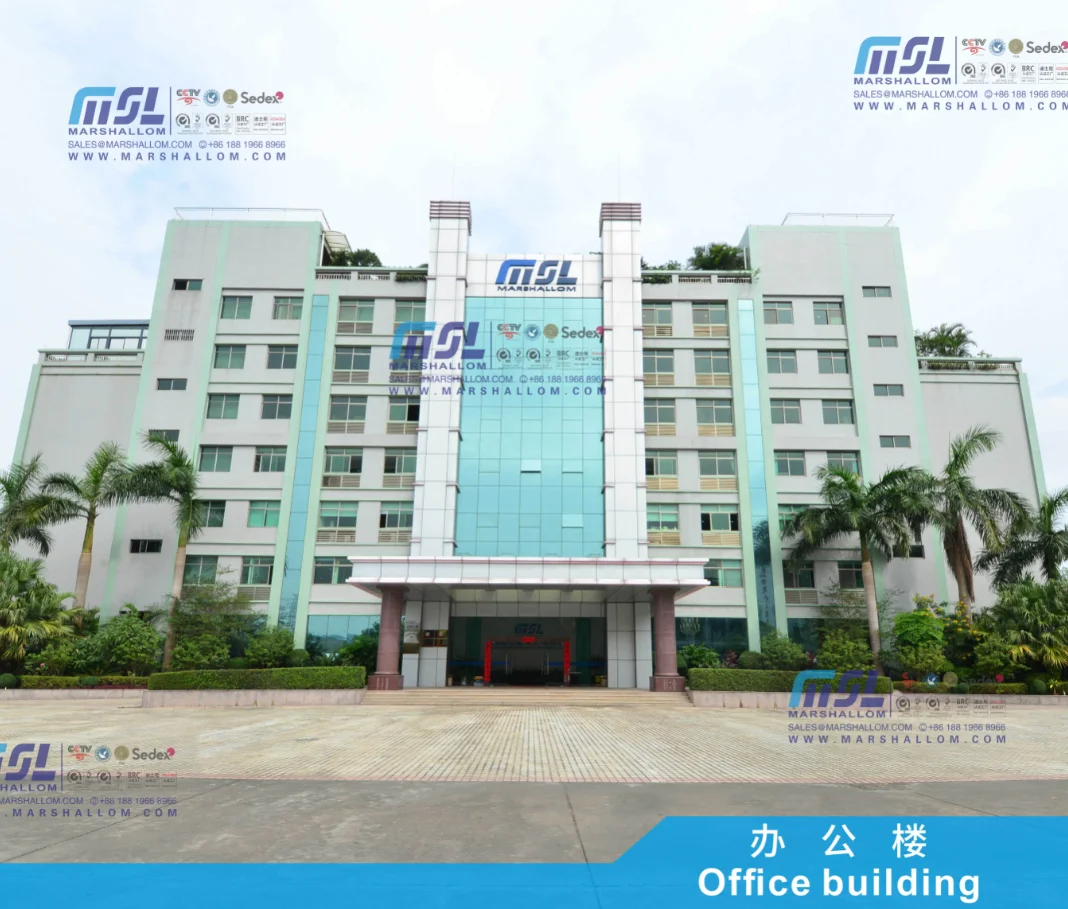
Marshallom Metal Manufacture (Huizhou) Co., Ltd.
- Manufacturer
- Guangdong, China
- Lead time35 days
- Avg. response≤ 14h
Main productstin box,tin can,metal tin,printing,packaging
Main marketsWestern Europe(30.00%), North America(25.00%), Domestic Market(20.00%), Eastern Europe(8.00%), Southern Europe(5.00%), South America(4.00%), Northern Europe(4.00%), Southeast Asia(1.00%), Mid East(1.00%), Eastern Asia(1.00%), Central America(1.00%)

Dongguan City Weimei Can(Manufactory) Co., Ltd.
- Manufacturer
- China Guangdong
- Lead time30 days
- Avg. response≤ 14h
Main productsTin Container, Tin Box, Tin Bucket, Tin Coaster, Tin Badge, Tin Tray, Tin Sign, Tin Pencil Case, Tin Clock, Tin Photo Frame
Main marketsEast Asia(Japan/ South Korea),Europe,North America

$0.31 - $0.36
MOQ: 5000 Pieces

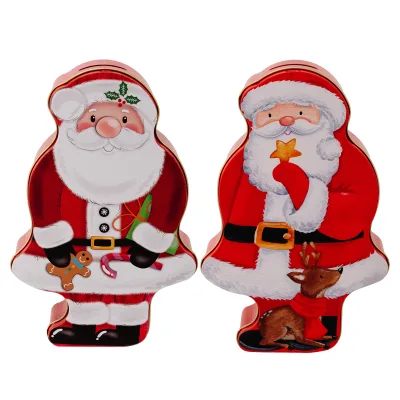
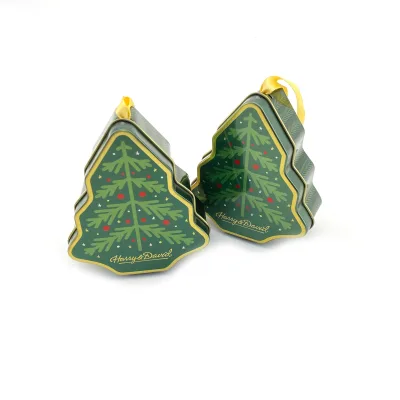
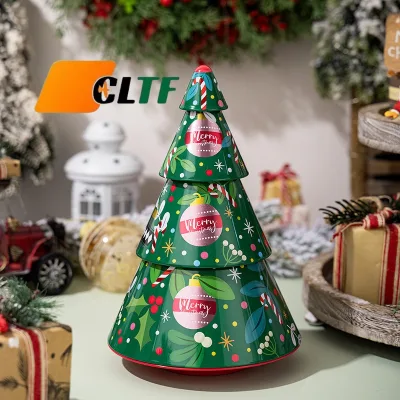
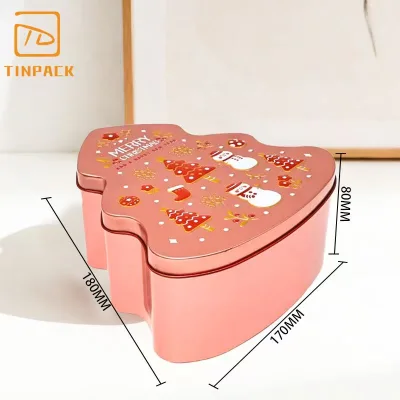
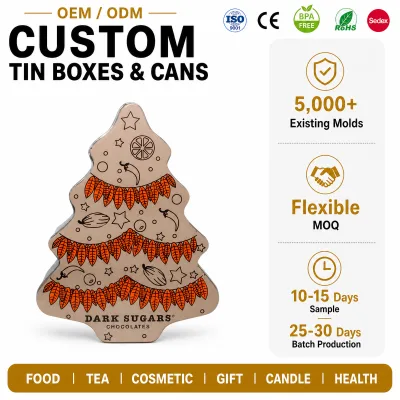
Metal Christmas Tin Tree Festival Tin Tree Candy Cookie Chocolate Tin Can Tree Shaped Tin Box
$0.21 - $0.36
MOQ: 5000 Pieces

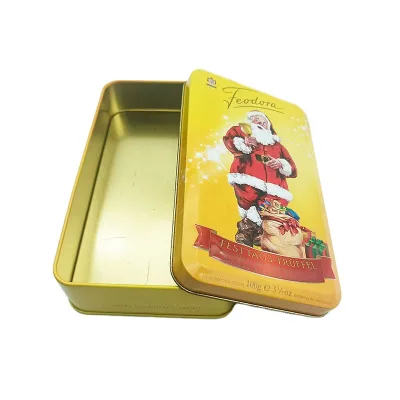
Rectangle Chocolate Tin Metal Tin Can Candy Cookie Christmas Gift Packaging Tin Box
$0.11 - $0.16
MOQ: 5000 Pieces

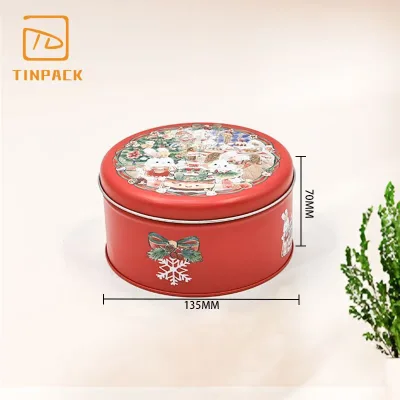
Round Metal Tin Gift Tin Can Christmas Tin Box with String Packaging Tin Box
$0.31 - $0.36
MOQ: 5000 Pieces

Christmas Festival Tin Tree Gift Tin Can Chocolate Cookie Candy Tin Box Tree Shape Tin Box
$0.31 - $0.36
MOQ: 5000 Pieces

$0.43 - $0.48
MOQ: 5000 Pieces

Hangzhou Anyou Manufacturing Cans Co., Ltd.
- Combined
- China Zhejiang
- Lead time23 days
- Avg. response≤ 6h
Main productsTin Cans, Tinplate Cans, Mental Jar, Pop Can, Custom Iron Can, Irregular Cartoon Tumbler Money Coin Box Metal, Tin Bucket, Push and Pull Tin Box
Main marketsSouth America,Africa,Southeast Asia/ Mideast,East Asia(Japan/ South Korea),Domestic,Europe,Australia,North America


New Christmas Gift Packaging Round Tinplate Box Christmas Eve Storage Tin Box
$0.35 - $1.38
MOQ: 3000 Pieces

New Christmas Gift Packaging Round Tinplate Box Christmas Eve Storage Tin Box
$0.35 - $1.38
MOQ: 3000 Pieces

New Christmas Gift Packaging Round Tinplate Box Christmas Eve Storage Tin Box
$0.35 - $1.38
MOQ: 3000 Pieces


Brilliant Tin Box Manufacturing Co., Ltd.
- Trading Company
- China Guangdong
- Lead time30 days
- Avg. response≤ 4h
Main productsCustom Tin, Tin Box, Tin Can, Cookie Tin, Chocolate Tin, Tea Tin, Candy Tin, Biscuit Tin, Child Resistant Tin, Popcorn Tin
Main marketsSouth America,Southeast Asia/ Mideast,East Asia(Japan/ South Korea),Europe,Australia,North America


Decorative Easter Tin Box Egg Tin for Christmas Candy Tin Holiday Chocolate Tin Container Factory
$0.18 - $0.32
MOQ: 5000 Pieces


Stylish Rectangle Gift Box Tin Case Christmas Metal Tin for Promotional Festival Storage Container
$0.20 - $0.35
MOQ: 5000 Pieces

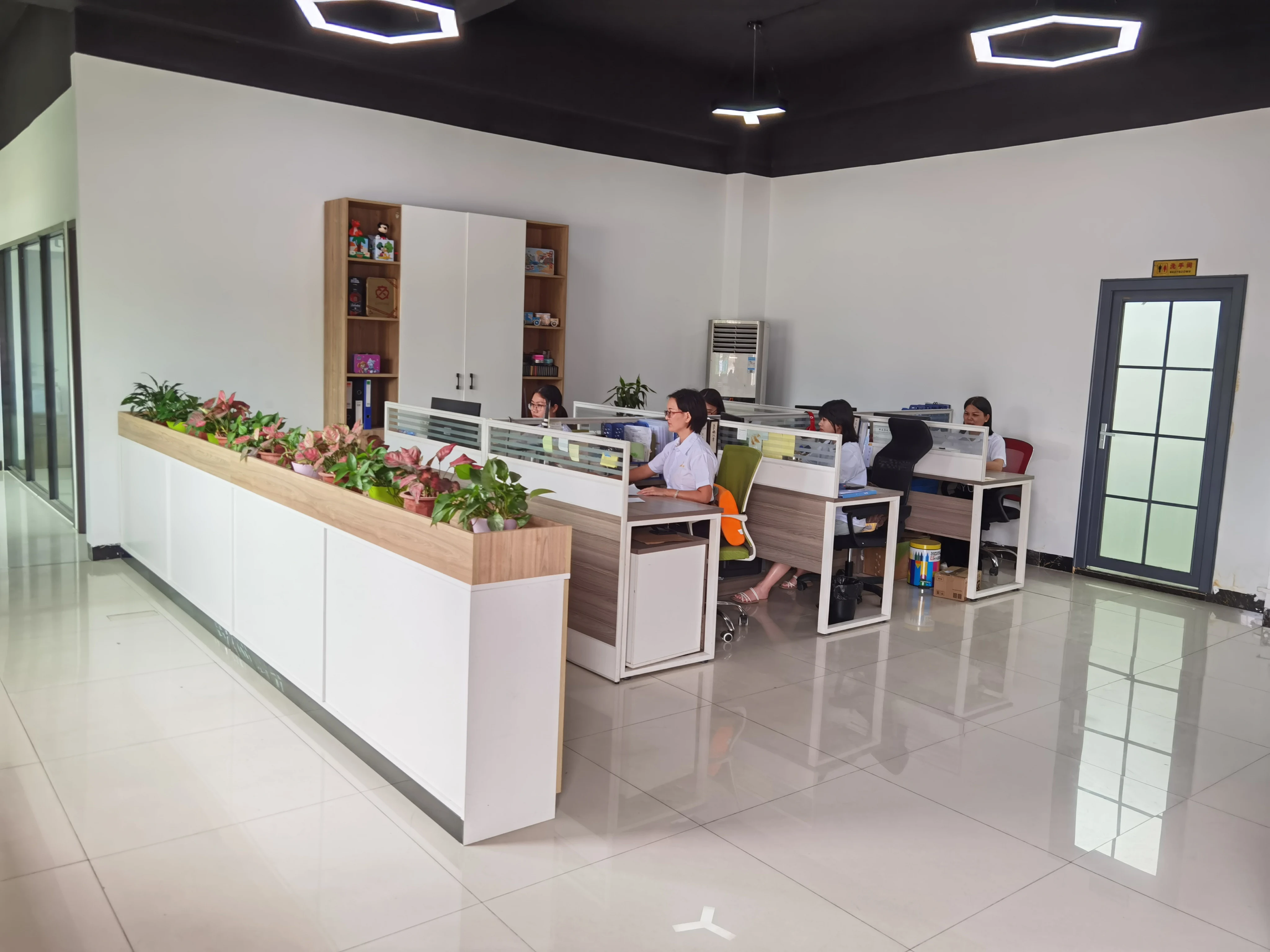
Dongguan Hongshuo Technology Co., Ltd.
- Manufacturer, Trading Company
- Gaungdong, China
- Lead time25 days
- Avg. response≤ 7h
Main productsmetal tin box,metal can,metal jar,tin can,metal packaging
Main marketsSouth America(20.00%), North America(20.00%), Central America(15.00%), Southern Europe(5.00%), Northern Europe(5.00%), Eastern Europe(5.00%), Western Europe(5.00%), South Asia(5.00%), Mid East(5.00%), Africa(5.00%), Southeast Asia(5.00%), Eastern Asia(3.00%), Domestic Market(2.00%)
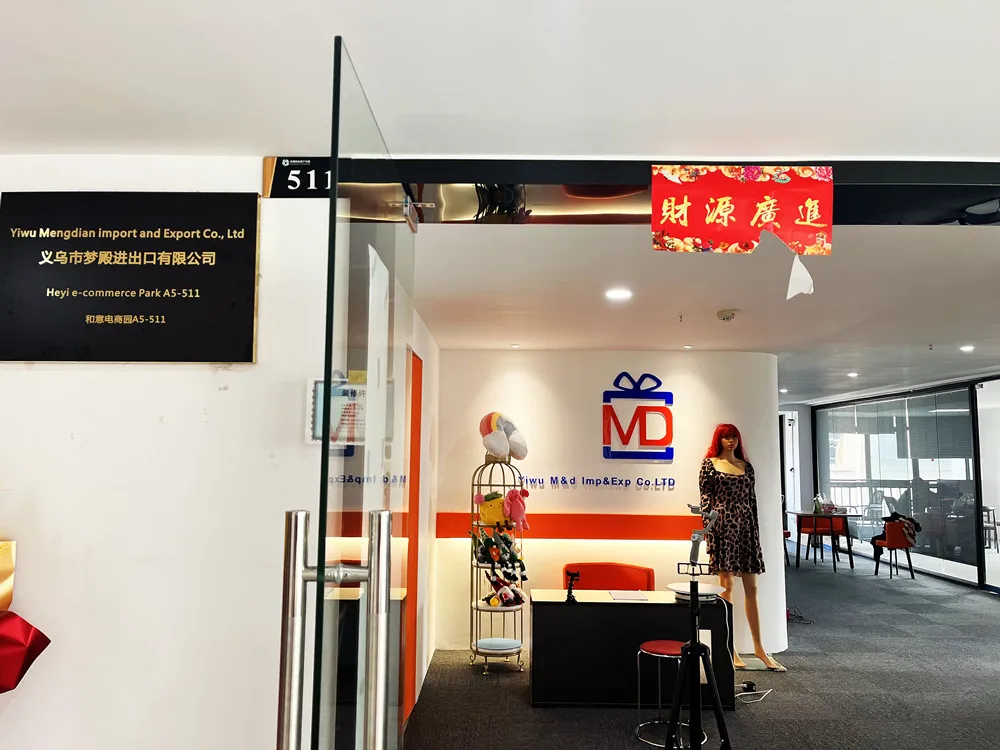
Yiwu M&d Import And Export Co., Ltd.
- Trading Company
- Zhejiang, China
- Lead time10 days
- Avg. response≤ 9h
Main productsChristmas Socks, Christmas Sacks, Balloon, Gift Box, Doll
Main marketsNorth America(40.00%), Western Europe(20.00%), South America(10.00%), Eastern Europe(10.00%), Northern Europe(5.00%), Africa(5.00%), Mid East(5.00%), Southeast Asia(5.00%)
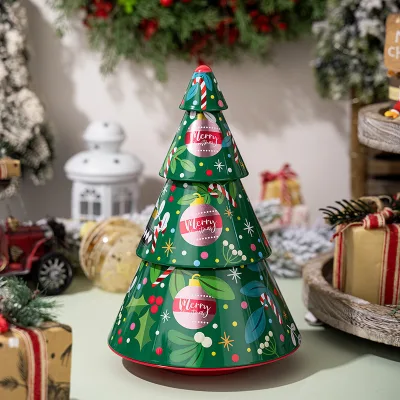
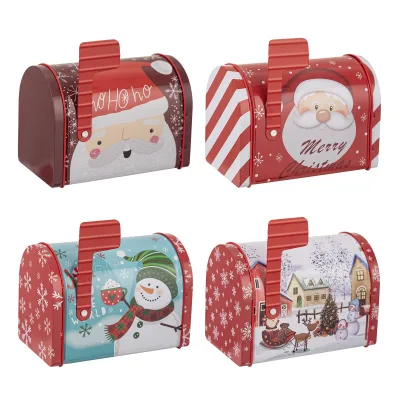
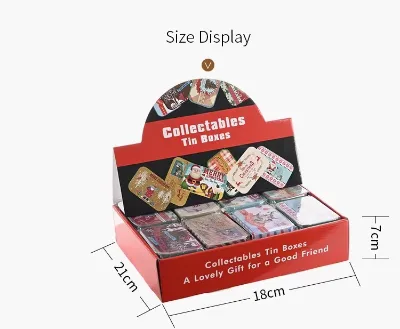
$3.95 - $4.30
MOQ: 2 pieces
Changsha Changlong Tongfei Electronic Technology Co., Ltd.
- Verified by Intertek
- Manufacturer, Trading Company
- Lead time30 days
- Avg. response≤ 2h
Main productsCrochet Flower Artificial Flower, Bags, Festival Gifts and Decorations, Fashion Accessories, Cable
Main marketsNorth America(20%), Mid East(15%), Northern Europe(13%)

Dongguan City Jinyuanbao Packing Industrial Co., Ltd.
- Verified by SGS
- Combined
- China Guangdong
- Lead time15 days
- Avg. response≤ 5h
Main productsCoffee Tea Tin Box/Tin Can, Candy Wax Tin Box/Tin Can, Christamas Gift Tin Box/Tin Can, Aluminum Tin Box/Tin Can, Cookie Biscuit Tin Box/Tin Can, Candy Sweet Tin Box/Tin Can, Lunch Tin Box/Tin Can, Tin Bucket/Tin Pail/Tin Tray
Main marketsEurope,North America

Custom Christmas Theme Printed Star-Shaped Tin Canister Gift Package Tin Box
$0.54 - $1.38
MOQ: 3000 pieces


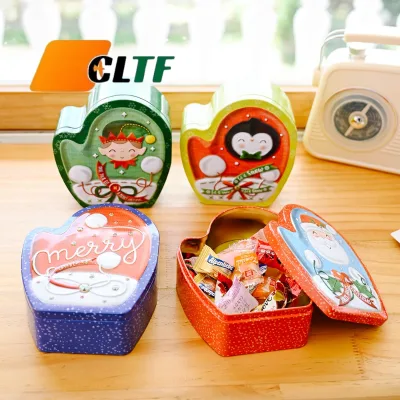
Decorative Holiday Tin Container Christmas-Themed House-Shaped Gift Tin Box for Treats
$0.99 - $1.18
MOQ: 3000 pieces


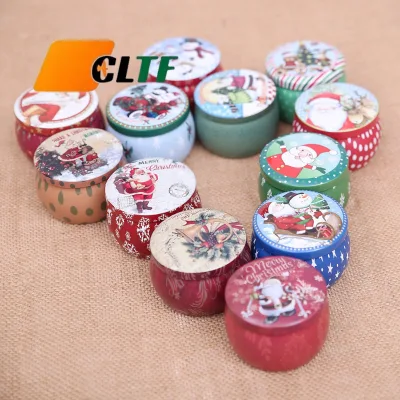
Christmas Round Candy/Chocolate Metal Tin Can Gift Packaging Tin Container
$0.82 - $0.95
MOQ: 3000 pieces

Christmas Patterns Metal Iron Tinplate Gift Decorative Tin Box for Kids
$1.05 - $3.25
MOQ: 3000 pieces
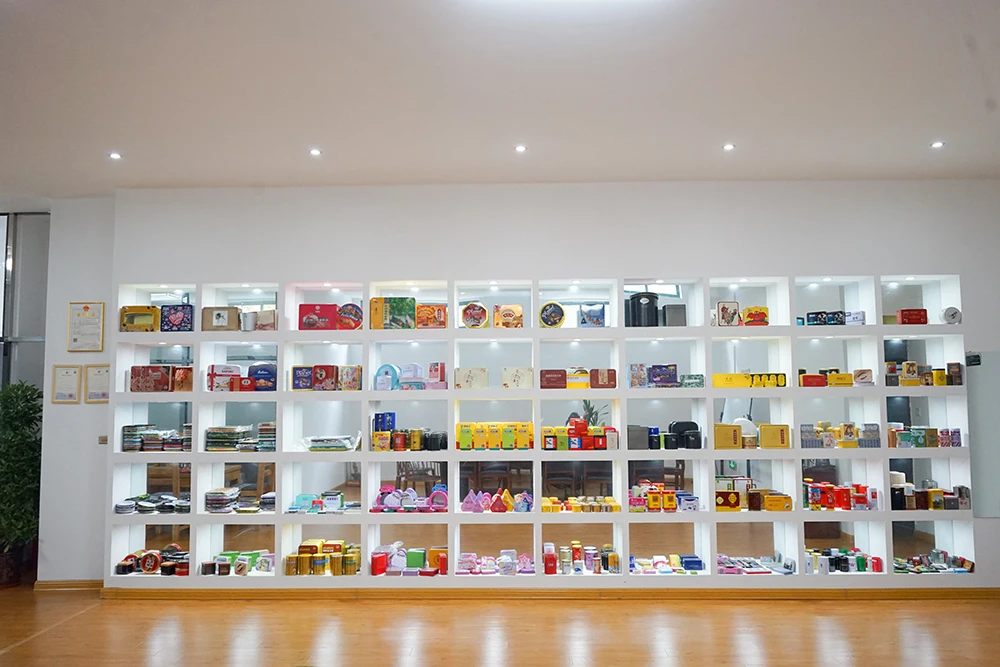
Luan Jinshang Tin Box Co., Ltd.
- Manufacturer, Trading Company
- Anhui, China
- Lead time0 days
- Avg. response≤ 3h
Main productsRolling Tray,Smoking Accessories,Tin Box,Gift Tin box,Cookie Tin box
Main marketsEastern Asia(50.00%), North America(20.00%), Western Europe(10.00%), Eastern Europe(10.00%), Southern Europe(5.00%), South America(5.00%)

SG Packaging (Dongguan) Co., Ltd.
- Verified by SGS
- Combined
- China Guangdong
- Lead time15 days
- Avg. response≤ 7h
Main productsPackaging Materials, Packaging Molds, Packaging Equipment, Gift Box, Carton Box, Paper Bag, Insert Card, Corrugated Box, Plastic Tape, Poly Bag
Main marketsAfrica,Southeast Asia/ Mideast,East Asia(Japan/ South Korea),Europe,Australia,North America
Wenzhou Changshi Paper And Plastic Products Co., Ltd.
- Verified by TüVRheinland
- Manufacturer, Trading Company
- Lead time15 days
- Avg. response≤ 1h
Main productsPaper Tube, Paper Box, Coasters
Main marketsCentral America(21%), Domestic Market(17%), North America(12%)
Dongguan Tinpack Packaging Product Co., Ltd.
- Verified by SGS Group
- Manufacturer, Trading Company
- Lead time30 days
- Avg. response≤ 2h
Main productsTin Box, Tin Can, Metal Popcorn Tin, Galvanized Steel Ice Bucket, Tin Serving Tray
Main marketsDomestic Market(30%), North America(20%), Mid East(10%)

Shenzhen Bright Glassware Co., Ltd.
- Verified by SGS
- Trading Company
- China Guangdong
- Lead time30 days
- Avg. response≤ 5h
Main productsGlassware, Candle Jar, Glass Candle Holder, Reed Diffuser Bottle, Glass Perfume Bottle, Drinkware, Food Storage Jar, Candle Lid, Packaging Gift Box

Christmas Tree Shape Tinplate Box Christmas Decoration Tin Box for Gift
$0.90 - $1.45
MOQ: 5000 Pieces

Small Christmas Tree Shape Tin Box Gift Package Cans for Festival Decoration
$0.30 - $1.50
MOQ: 3000 Pieces
Dongguan Jin Feng Hardware Products Co., Ltd.
- Verified by Intertek
- Trading Company
- Lead time15 days
- Avg. response≤ 2h
Main productsTinplate Packing Can, Tinplate Coffee Bean Can, Tinplate Edible Oil Can, Stainless Steel Packing Can
Main marketsEastern Europe(29%), Western Europe(28%), North America(18%)
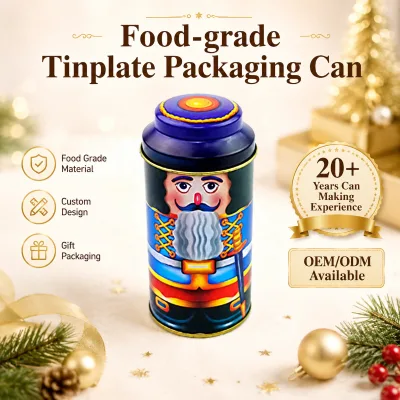
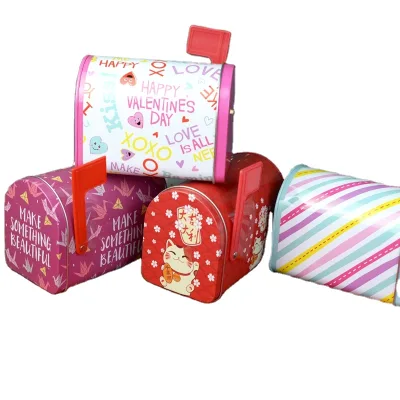
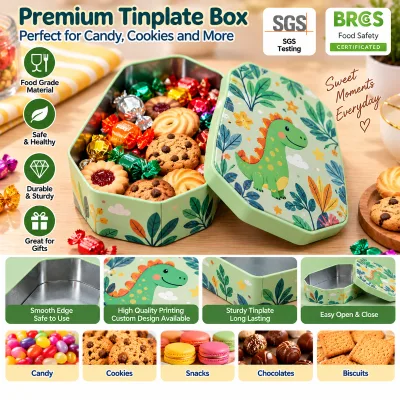
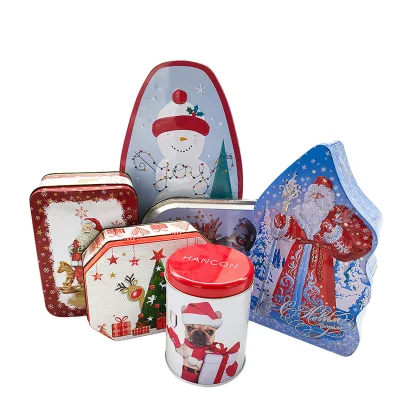
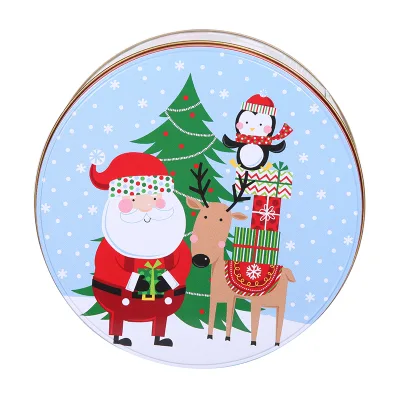
2 Sets Christmas Xmas Holiday Gift Tin Boxes Metal Container Canisters for Holiday Celebrations
$0.4638 - $0.7196
MOQ: 5000 pieces
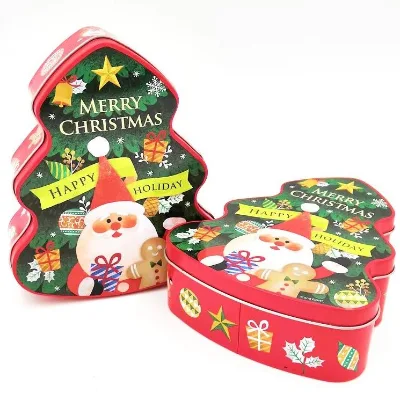
Small Custom Christmas Tree Shape Tinplate Tin Box Wildly Popular Hot Sale for Food Use
$0.50 - $0.55
MOQ: 5000 pieces
Yiwu Fulai Paper Products Co., Ltd.
- Manufacturer, Trading Company
- Zhejiang, China
- Lead time10 days
- Avg. response≤ 4h
Main productsGift Bag,Gift Box,Food Package,Party Products,Mailer Box
Main marketsNorth America(30.00%), Northern Europe(20.00%), South America(20.00%), Eastern Europe(10.00%), South Asia(8.00%), Africa(5.00%), Mid East(5.00%), Domestic Market(2.00%)
Shijiazhuang Leguang Trading Co., Ltd.
- Verified by SGS Group
- Trading Company
- Lead time3 days
- Avg. response≤ 2h
Main productsCosmetic Plastic bottles, Cream Jar, Glass Spray Bottle, Cosmetic Jar, Paper Tube
Main marketsNorth America(30%), Western Europe(20%), Southeast Asia(20%)
- Verified by SGS Group
- Manufacturer, Trading Company
- Lead time30 days
- Avg. response≤ 4h
Main productsTin Box
Main marketsDomestic Market(31%), North America(20%), Eastern Europe(10%)
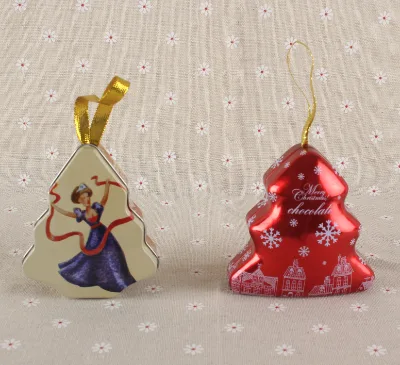
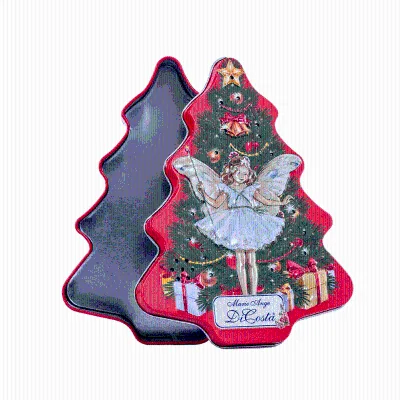
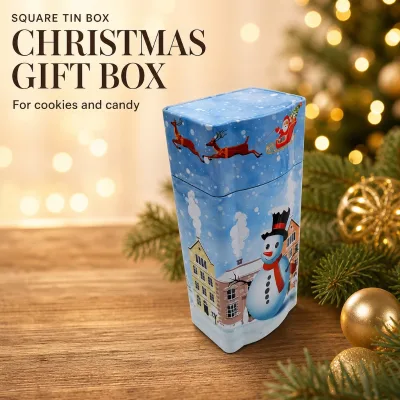
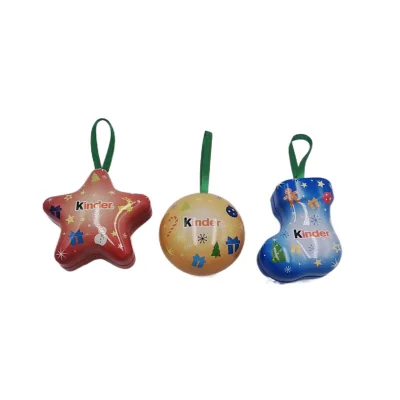
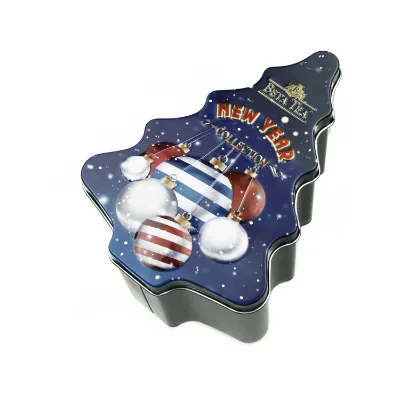
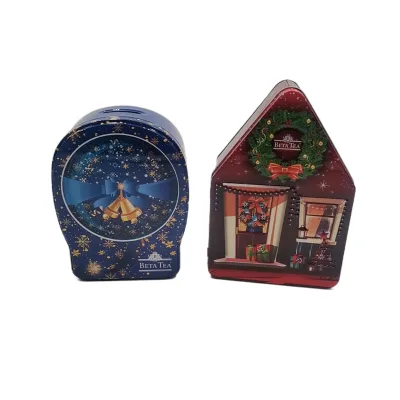
Personalized Printing Custom Metal Tin Cans Tree Shape Christmas Tin Box for Gift Packing
$0.7136
MOQ: 5000 Minimum
Dongguan Longsheng Can Making Co., Ltd.
- Manufacturer, Trading Company
- Guangdong, China
- Lead time25 days
- Avg. response≤ 2h
Main productstin box,tin can,metal box,serve tray,metal tray
Main marketsMid East(15.00%), North America(15.00%), Western Europe(10.00%), South Asia(10.00%), South America(10.00%), Southern Europe(10.00%), Northern Europe(10.00%), Eastern Asia(5.00%), Southeast Asia(5.00%), Eastern Europe(5.00%), Central America(5.00%)

- Combined
- China Guangdong
- Lead time30 days
- Avg. response≤ 5h
Main productsTin Can
Main marketsSouth America,Africa,Southeast Asia/ Mideast,East Asia(Japan/ South Korea),Domestic,Europe,Australia,North America

$0.67 - $0.87
MOQ: 3000 Pieces

$0.13 - $0.50
MOQ: 3000 Pieces

Factory Custom Tinplate Can Container Metal Tin Packaging Hinge Gift Tin Box for Christmas
$0.52 - $0.72
MOQ: 3000 Pieces


$0.70 - $0.90
MOQ: 3000 Pieces

$0.68 - $0.88
MOQ: 3000 Pieces
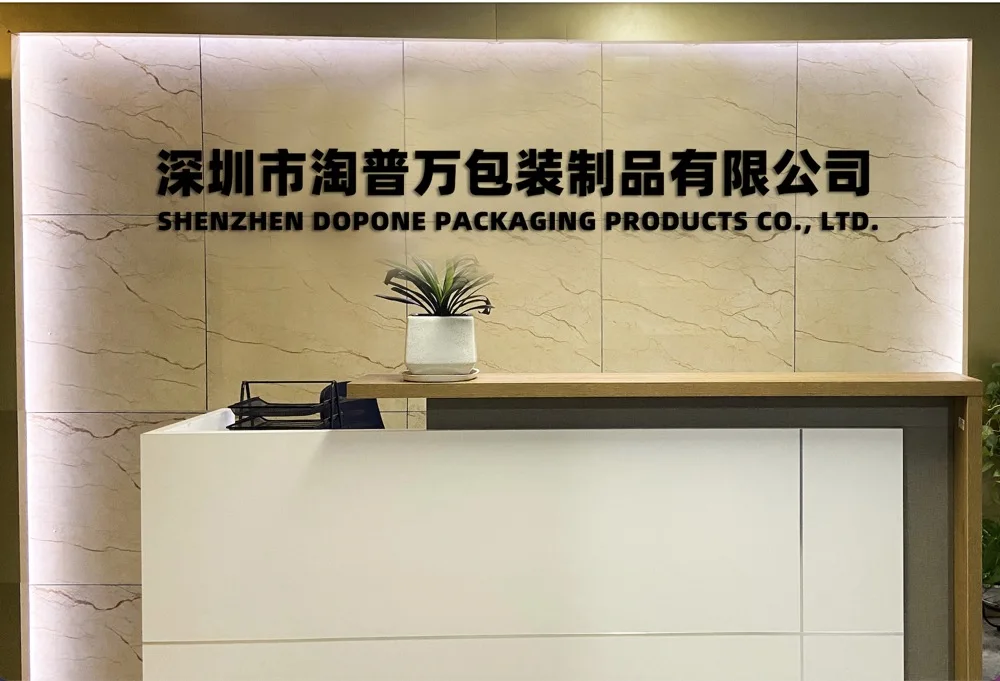
Shenzhen Dopone Printing & Packaging Co., Ltd.
- Manufacturer, Trading Company
- Guangdong, China
- Lead time7 days
- Avg. response≤ 8h
Main productsPackaging Box,Gift Box,Jewelry Box,Paper Bag,Paper Box
Main marketsNorth America(30.00%), South America(15.00%), Southeast Asia(10.00%), Eastern Europe(10.00%), Western Europe(5.00%), South Asia(5.00%), Mid East(5.00%), Oceania(5.00%), Central America(5.00%), Domestic Market(3.00%), Eastern Asia(2.00%), Northern Europe(2.00%), Africa(2.00%), Southern Europe(1.00%)
Dongguan Rongzheng Metal Can Co., Ltd.
- Verified by SGS Group
- Manufacturer, Trading Company
- Lead time30 days
- Avg. response≤ 1h
Main productsCandy/Chocolate Tin Box, Tea Tin Box, Cookie Tins , Cosmetics Tin Box, Wine/Coffee Tin Box
Main marketsDomestic Market(50%), Southern Europe(20%), North America(10%)

Anhui Jinyu Metal Printing & Can Co., Ltd.
- Manufacturer, Trading Company
- Anhui, China
- Lead time30 days
- Avg. response≤ 10h
Main productsTin Box,Tin Can,Tin Rolling Tray
Main marketsNorth America(50.00%), Southeast Asia(25.00%), Domestic Market(15.00%), South America(5.00%), Northern Europe(5.00%)

- Trading Company
- Guangdong, China
- Lead time35 days
- Avg. response≤ 7h
Main productsTin boxes packaging,Biscuit tin boxes,Tea tins,Wine tins,Gift tin boxes
Main marketsWestern Europe(22.65%), Domestic Market(18.77%), Oceania(10.32%), Southern Europe(9.45%), North America(9.27%), Mid East(5.91%), South America(4.51%), Southeast Asia(4.31%), Eastern Asia(4.10%), Eastern Europe(3.21%), South Asia(2.60%), Northern Europe(2.20%), Africa(1.50%), Central America(1.20%)
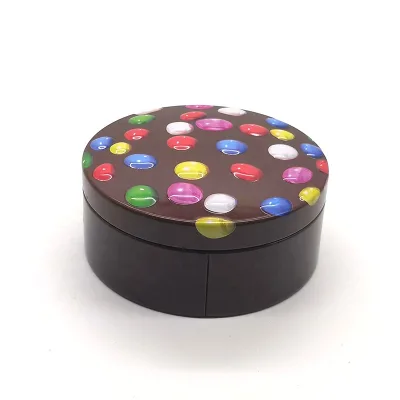
Round Customized Christmas Round Chocolate Packaging Tin Box with Embossed Effect
$0.4473 - $0.6238
MOQ: 5000
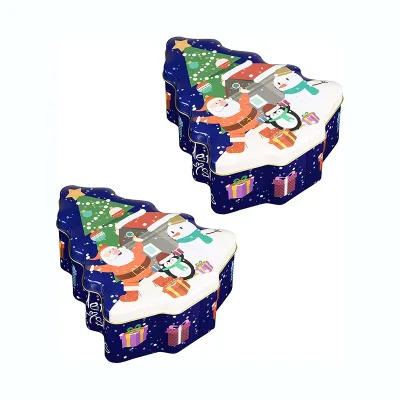
Dongguan Changcheng Cans Co., Ltd.
- Verified by Intertek
- Manufacturer, Trading Company
- Lead time30 days
- Avg. response≤ 2h
Main productsTin Box, Tin Can
Main marketsDomestic Market(60%), North America(14%), Mid East(12%)

Dongguan Liyi Packaging Products Co., Ltd.
- Manufacturer, Trading Company
- Duangdong, China
- Lead time10 days
- Avg. response≤ 1h
Main productsTin,Tin Can,Tin Packaging,Tin box,Metal Box
Main marketsSouth America(20.00%), North America(20.00%), Southern Europe(10.00%), Northern Europe(10.00%), Central America(10.00%), Western Europe(10.00%), Mid East(10.00%), Eastern Europe(10.00%)

Ningbo Pack Imp. & Exp. Co., Ltd.
- Verified by SGS
- Trading Company,Manufacturer/Factory
- China Zhejiang
- Lead time30 days
- Avg. response≤ 9h
Main productsAluminum Jar, Aluminum Bottle, Tin Box, Glass Dropper Bottle, Glass Tube, Paper Box, Paper Tube, Plastic Pop Top Tube, Plastic Bottle, Silicone Gummy Mold
Main marketsSouth America,Eastern Europe,Mid East,North America,Southeast Asia,Eastern Asia,Oceania,Western Europe,Africa


Chinese New Year Themed Tin Box for Festival Candy and Mooncake Packaging
$0.05 - $0.50
MOQ: 1000 Pieces
- Verified by Intertek
- Manufacturer, Trading Company
- Guangdong, China
- Lead time30 days
- Avg. response≤ 2h
Main productsTin Box, Tin Can, Metal Can, Candle Tin, Pre Roll Tin
Main marketsDomestic Market(41%), Southeast Asia(16%), North America(15%)
Zhejiang Liyuan Metal Packaging Co.,Ltd.
- Verified by SGS Group
- Manufacturer, Trading Company
- Lead time30 days
- Avg. response≤ 3h
Main productsTin Box
Main marketsDomestic Market(60%), Western Europe(20%), North America(15%)


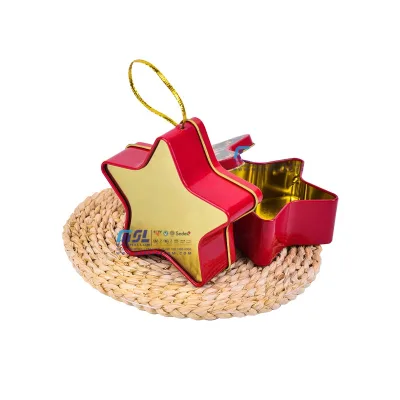




Comprehensive Sourcing Guide
Octagonal Christmas Tin Box Supplier Concentration and Factory Types
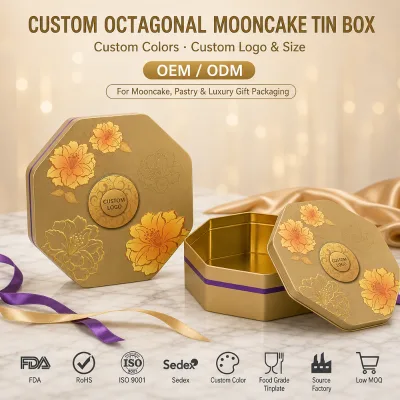
Current data indicates that manufacturers of metal packaging are concentrated in specific Chinese provinces, with Zhejiang and Guangdong emerging as key hubs for this category. Factories in these regions often list main products including tin boxes, metal cans, and various storage containers, suggesting a specialized cluster for metal packaging solutions. Some suppliers operate as pure manufacturers, while others function as a hybrid of manufacturer and trading company, offering a broader range of inventory including stock items alongside custom production lines. This distinction is critical because a factory type influences the flexibility of order customization and the depth of technical expertise available for complex shapes like octagonal designs.
When evaluating the supplier base, buyers should note that response times and lead times vary significantly between these facility types. Data shows response times ranging from approximately one hour to nearly nine hours, while lead times for production can span from fifteen to twenty-five days depending on the specific factory capacity and current order volume. Suppliers in these clusters often possess capabilities for OEM and ODM services, allowing for stock availability or custom manufacturing based on client specifications. Buyers must verify if a supplier's primary focus aligns with their specific needs, as some may prioritize general metal packaging while others specialize in festive or gift-oriented tin containers.
How to Verify Octagonal Christmas Tin Box Suppliers
Verification of supplier credentials is essential to ensure product quality and business reliability before committing to an order. Buyers should look for specific system certifications such as ISO 9001, ISO 14001, or TS 16949, which indicate adherence to international quality and environmental management standards. Some suppliers may also hold third-party verification marks like TÜV Rheinland, which serves as an independent confirmation of their operational capabilities and compliance with safety protocols. It is important to cross-reference these claims against the supplier's profile rather than accepting them at face value, as the presence of these certifications often correlates with more rigorous internal quality control processes.
Beyond certifications, buyers must assess the supplier's verification status and product evidence to confirm their legitimacy. Product listings should include detailed attributes such as material composition, specifically food-grade tinplate, and precise dimensions for the octagonal shape. Evidence of customization capabilities, such as available printing pages and logo printing options, further validates a supplier's ability to meet specific design requirements. Buyers should also check for eco-friendly claims and specific usage certifications like CIQ, which are relevant for food and gift applications. If a supplier lacks clear evidence for these attributes, it is advisable to request direct documentation or samples before proceeding with any commercial agreement.
What to Compare Across Octagonal Christmas Tin Box Suppliers
Comparing suppliers requires a systematic analysis of key operational metrics including minimum order quantities, pricing structures, and production lead times. Available data suggests that minimum order quantities for metal packaging often start at 1,000 pieces, though some suppliers may require orders of 5,000 pieces depending on the complexity of the design and material usage. Pricing can vary based on the specific model and finishing options, with some listings showing unit costs ranging from approximately 0.40 to 1.93 dollars. Buyers should compare these figures against their budget constraints while considering that lower prices might correlate with higher minimums or less customization flexibility.
Response time and capacity for customization are equally critical factors in the comparison process. Suppliers with faster response times, such as those reporting under one hour, may offer better communication and quicker turnaround for urgent inquiries. Capacity indicators like OEM and ODM availability suggest a supplier's ability to handle custom orders, whereas stock availability might be preferable for immediate needs. Additionally, buyers should evaluate the specific product attributes provided, such as surface finishing options like glossy or matte, and sealing types like cap with hinge. These details directly impact the final product's appearance and functionality, making them essential criteria for selecting the most suitable partner for an octagonal tin box project.
Common Octagonal Christmas Tin Box Sourcing Risks
One significant risk in sourcing metal packaging involves discrepancies between advertised product attributes and the actual delivered goods. Buyers may encounter issues where the material thickness, such as 0.23mm versus 0.25mm, does not match the specification required for structural integrity, potentially leading to deformation during shipping or handling. Another risk arises from inconsistent printing quality, where the offset lithography or glossy lamination specified in the product details may not be achieved in the final batch. These quality variances can be particularly problematic for festive items where visual appeal is paramount, and any defect can render the product unsuitable for its intended gift or storage purpose.
Logistical and communication risks also pose challenges, especially when dealing with suppliers who have varying response times or lead times. A supplier with a lead time of twenty-five days may not meet tight holiday deadlines, whereas a faster lead time of fifteen days might be necessary for time-sensitive orders. Furthermore, the lack of standardized packaging descriptions can lead to confusion regarding how the boxes are shipped, with some using carton and pallet combinations while others use simple cartons. Buyers must verify these logistical details to ensure that the packaging protects the product during transit and that the delivery schedule aligns with their sales or distribution timeline to avoid costly delays or stockouts.
Octagonal Christmas Tin Box Regional Sourcing and Logistics
Sourcing from specific regions in China, such as Zhejiang and Guangdong, offers distinct logistical advantages and challenges that buyers must consider. Factories in these provinces often have established supply chains for raw materials like tinplate, which can streamline production and reduce costs. However, the distance from these manufacturing hubs to international ports can impact shipping times and freight costs. Buyers should verify the place of origin listed in product details, as this information helps in estimating transit times and calculating total landed costs accurately. Understanding the regional concentration of suppliers allows buyers to target specific clusters that may offer better pricing or faster production cycles for their specific needs.
Logistics planning must also account for the specific packaging requirements of the supplier to ensure safe transport. Product evidence indicates that packing methods vary, with some suppliers using carton and pallet combinations while others rely on simple cartons. This variation affects how the goods are loaded into containers and can influence the number of units that fit per shipment. Buyers should confirm the single package size and gross weight to optimize container utilization and reduce shipping expenses. Additionally, verifying the origin and packing details helps in anticipating any customs requirements or handling procedures that might be necessary upon arrival, ensuring a smoother supply chain from the factory floor to the final destination.
Octagonal Christmas Tin Box Commercial Terms and Order Planning
Commercial terms for octagonal tin boxes often include specific requirements regarding customization, sample availability, and payment structures. Some suppliers offer free samples, which is a valuable opportunity for buyers to verify product quality before placing a large order. However, buyers must clarify whether these samples are truly free or if shipping costs are included, as this can affect the overall cost assessment. Customization options, such as logo printing and color customization, are frequently available, but these services may come with higher minimum order quantities or longer lead times. Understanding these terms is crucial for planning the order volume and ensuring that the final product meets the desired specifications without unexpected cost overruns.
Order planning should also consider the established lead times and the potential for stock availability to manage inventory effectively. With lead times ranging from fifteen to twenty-five days, buyers need to schedule their orders well in advance to avoid delays, especially during peak holiday seasons. Suppliers with stock capabilities may offer faster delivery for standard items, while custom orders will require the full production cycle. Buyers should also verify the specific product standards and models, such as BX036G or BX016G, to ensure compatibility with their existing packaging lines or branding requirements. Careful planning of these commercial terms and timelines ensures a smooth procurement process and timely delivery of high-quality octagonal tin boxes.
FAQs
What is the typical lead time for custom tin boxes?
Manufacturers in China generally require 15 to 25 days to produce custom orders. This timeframe depends on the complexity of the design and the current production schedule. Buyers should confirm specific dates with suppliers before placing bulk orders to ensure timely delivery for seasonal events.
What is the minimum order quantity for metal packaging?
Most suppliers set a minimum order quantity of 5000 pieces for standard tin boxes. Some manufacturers offer lower thresholds, such as 1000 pieces, for specific shapes or stock items. Buyers should verify the exact MOQ with the supplier, as it varies by product model and customization level.
Are these tin boxes suitable for food storage?
Yes, many tin boxes are explicitly designed for food applications like candy, cookies, and tea. They are often made from food-grade tinplate and certified with ISO or CIQ standards. Buyers should check the product attributes to confirm the material is safe for direct food contact.
What certifications do these manufacturers hold?
Suppliers often hold ISO 9001, ISO 14001, and TS 16949 certifications for quality and environmental management. Product-specific certifications like CIQ may also apply for food-safe items. Buyers should request valid certificates to ensure the manufacturer meets international standards for their specific sourcing needs.
How quickly do suppliers respond to inquiries?
Response times vary, with some suppliers replying within one day and others taking up to eight days. Faster response rates often indicate higher availability and dedicated sales teams. Buyers should prioritize suppliers with quick response times to streamline the negotiation and sampling process effectively.
Can I get free samples for evaluation?
Some suppliers provide free samples to help buyers evaluate quality and design before committing to bulk orders. However, shipping costs may still apply. Buyers should inquire about sample policies directly, as availability and terms differ significantly between manufacturers and trading companies.