Recycled Material Tin Box Suppliers and Manufacturers
Source Recycled Material Tin Box options from 24 verified suppliers in Guangdong, China. Compare key dimensions including lead times of 30-35 days, response speeds, and certifications like ISO and BSCI. Review price ranges and MOQs to identify the right partner for your packaging needs.
Updated
Suppliers List

- Trading Company
- Guangdong, China
- Lead time35 days
- Avg. response≤ 7h
Main productsTin boxes packaging,Biscuit tin boxes,Tea tins,Wine tins,Gift tin boxes
Main marketsWestern Europe(22.65%), Domestic Market(18.77%), Oceania(10.32%), Southern Europe(9.45%), North America(9.27%), Mid East(5.91%), South America(4.51%), Southeast Asia(4.31%), Eastern Asia(4.10%), Eastern Europe(3.21%), South Asia(2.60%), Northern Europe(2.20%), Africa(1.50%), Central America(1.20%)
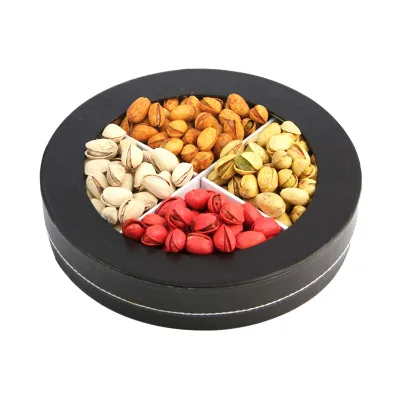
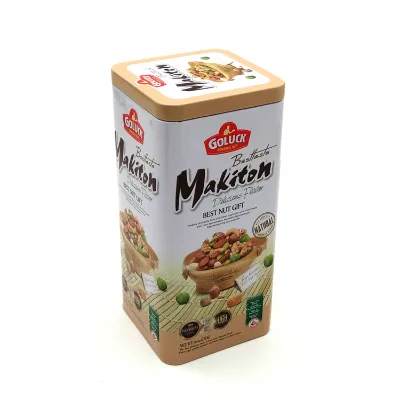
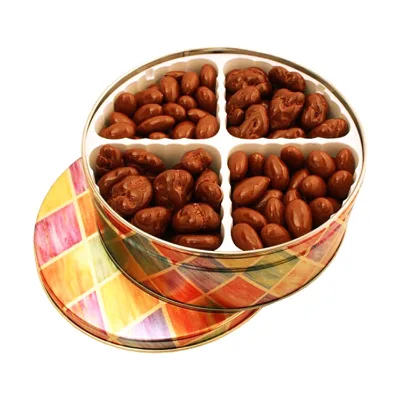
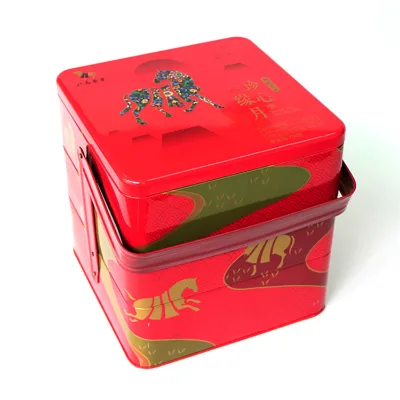
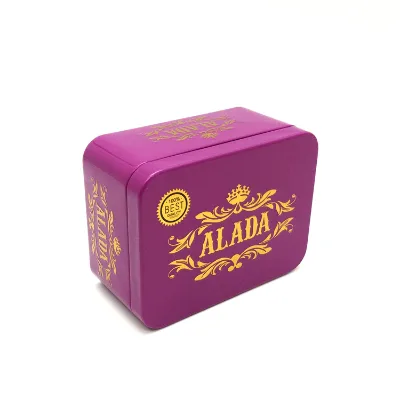
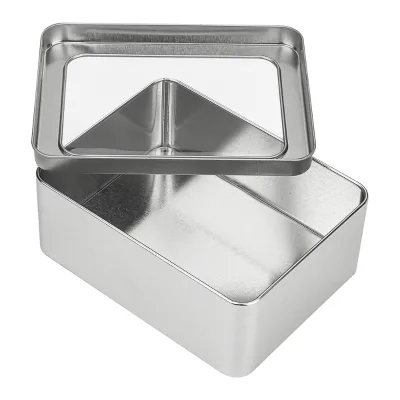
Wholesale High Quality Nut Storage Rectangle Tin Box
$2.70 - $2.80
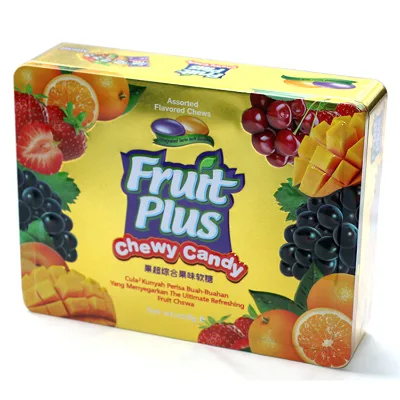

Dongguan City Weimei Can(Manufactory) Co., Ltd.
- Manufacturer
- China Guangdong
- Lead time30 days
- Avg. response≤ 14h
Main productsTin Container, Tin Box, Tin Bucket, Tin Coaster, Tin Badge, Tin Tray, Tin Sign, Tin Pencil Case, Tin Clock, Tin Photo Frame
Main marketsEast Asia(Japan/ South Korea),Europe,North America


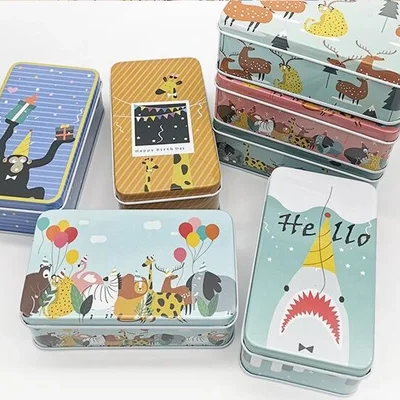
Rectangle Shape Metal Tin Storage Tin Can Tin Container Gift Packaging Tin Box
$0.30 - $0.35
MOQ: 5000 Pieces


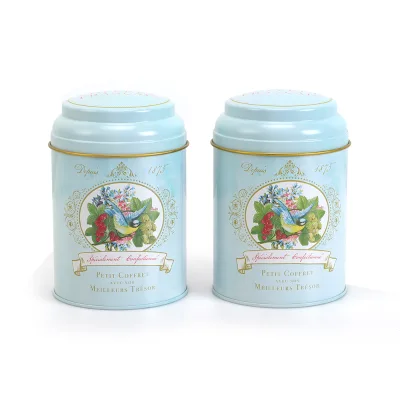
Metal Tea Packaging Tin Box Tea Storage Tin Can Gift Tin Box Tea Gift Tin Box
$0.41 - $0.46
MOQ: 5000 Pieces

Dongguan Mingsheng Can Making Co., Ltd.
- Verified by Intertek
- Manufacturer, Trading Company
- Lead time20 days
- Avg. response≤ 1h
Main productsTin Box, Tin Can, Metal Tray, Ice Bucket, Metal Advertising Plate
Main marketsNorth America(20%), Southeast Asia(15%), Mid East(15%)

Chinapack Ningbo Import & Export Co., Ltd.
- Verified by SGS
- Trading Company,Manufacturer/Factory
- China Zhejiang
- Lead time23 days
- Avg. response≤ 17h
Main productsSnowboard, Water Bottle, Promotional Hats, Glass Bottle, Ski Set, Snowboot, Snowboard Binding, Home Sock, Hood, Scarf
Main marketsSouth America,Eastern Europe,North America,Southeast Asia,Eastern Asia,Oceania,Western Europe
Dongguan City Wanxinlong Metal Manufacture Co., Ltd.
- Verified by TüVRheinland
- Manufacturer, Trading Company
- Lead time30 days
- Avg. response≤ 5h
Main productsTin Box, Metal Box
Main marketsNorth America(50%), Northern Europe(15%), Domestic Market(10%)

Anhui Avantis Packaging Technology Co., Ltd.
- Verified by CTI
- Trading Company
- China Anhui
- Lead time23 days
- Avg. response≤ 5h
Main productsGlass Bottle, Glass Container, Rolling Tray, Mylar Bag, Rolling Cone Tube, Plastic Joint Tubes, Glass Tube, Hinged Cap Vials, Child-Resistant Packaging, Sitz Bath
Main marketsSouth America,Africa,Southeast Asia/ Mideast,Europe,Australia,North America

Dongguan City Huawei Hardware Products Co., Ltd.
- Verified by SGS
- Combined
- China Guangdong
- Lead time30 days
- Avg. response≤ 2h
Main productsTin Box, Tin Can, Food Tin Box, Tin Packing Box, Tea Tin Box, Cosmetic Tin Box, Candy Tin Box, Gift Tin Box, Cigarette Tin Box, Wine Tin Box
Main marketsSouth America

Dongguan Huaiyang Metal Manufacture Co.,Ltd.
- Manufacturer, Trading Company
- Guangdong, China
- Lead time30 days
- Avg. response≤ 6h
Main productsTin Box,Gift Box,Metal Can,Metal Bucket,Storage Box
Main marketsDomestic Market(30.00%), Western Europe(20.00%), North America(15.00%), Eastern Asia(10.00%), Southern Europe(10.00%), Oceania(3.00%), Northern Europe(3.00%), Central America(3.00%), Mid East(2.00%), South America(2.00%), South Asia(2.00%)
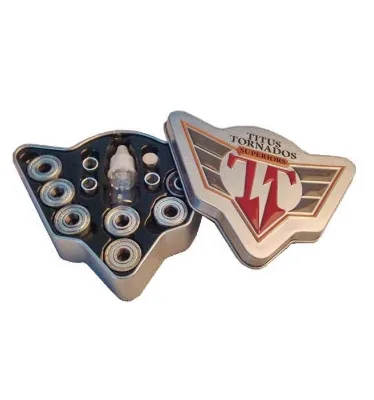
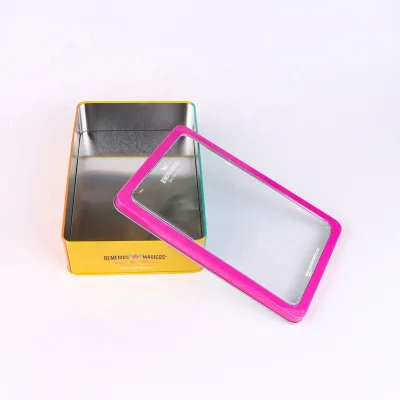
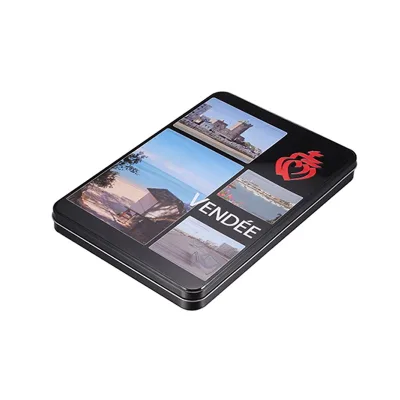
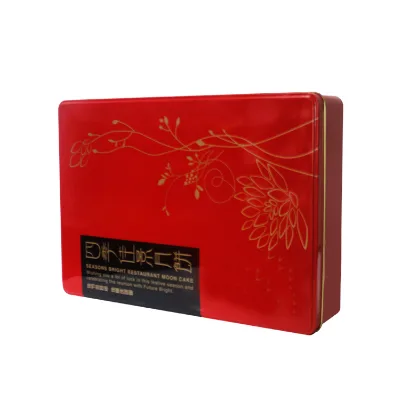
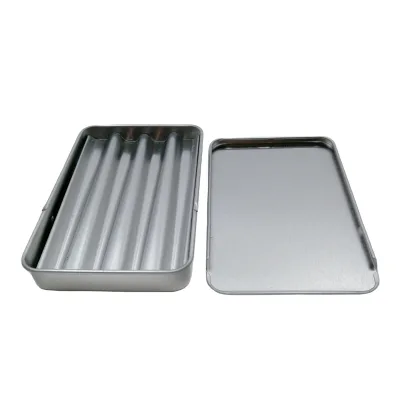
Large Size Flat Rectangular Shape Tin Box Metal case with 3 Hinges to Storage Postcards 320x220mm
$1.0218 - $2.042
MOQ: 5 Minimum
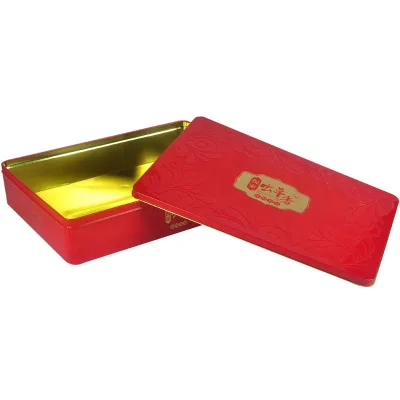
Large Size Flat Rectangular Tin Box with Embossing Patterns 420x300x76 mm for T-Shirt Packaging
$2.00 - $3.00
MOQ: 5000 Minimum
- Verified by SGS Group
- Manufacturer, Trading Company
- Lead time30 days
- Avg. response≤ 4h
Main productsTin Box
Main marketsDomestic Market(31%), North America(20%), Eastern Europe(10%)
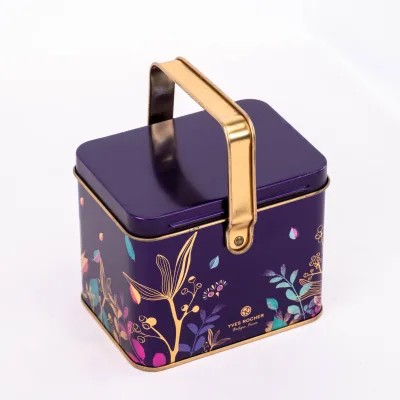
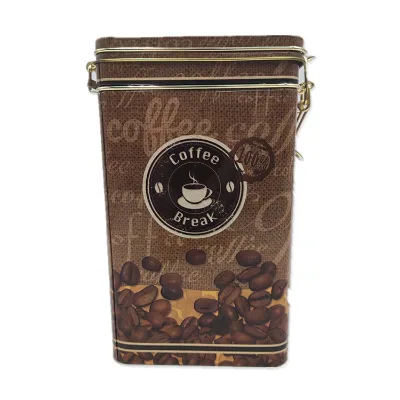
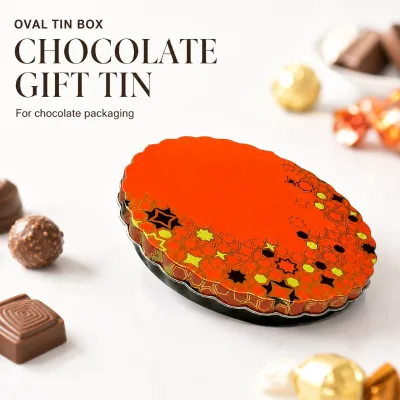
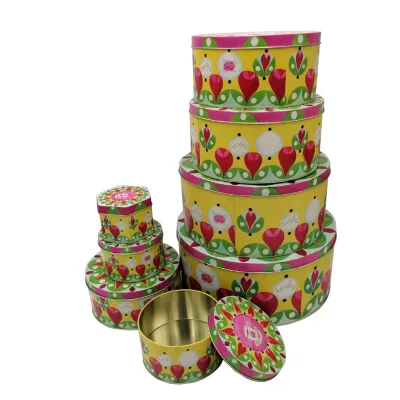
New Promotion Oem Decorative Custom Design Food Grade Recycled Empty Round Tin Box
$0.89 - $1.20
MOQ: 5000
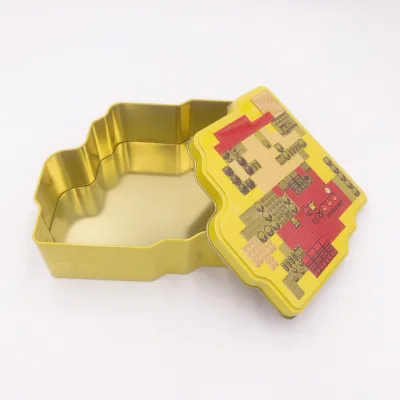
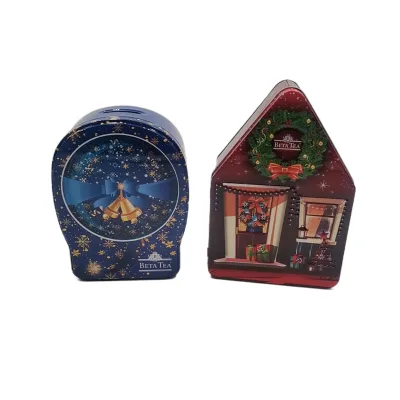

Brilliant Tin Box Manufacturing Co., Ltd.
- Trading Company
- China Guangdong
- Lead time30 days
- Avg. response≤ 4h
Main productsCustom Tin, Tin Box, Tin Can, Cookie Tin, Chocolate Tin, Tea Tin, Candy Tin, Biscuit Tin, Child Resistant Tin, Popcorn Tin
Main marketsSouth America,Southeast Asia/ Mideast,East Asia(Japan/ South Korea),Europe,Australia,North America
Dongguan Lianglvfang Packing Products Co., Ltd.
- Verified by SGS Group
- Manufacturer, Trading Company
- Lead time5 days
- Avg. response≤ 7h
Main productsTin Box, Tin Can, Aluminum Tin, Cosmetics Tin, Food Tin
Main marketsNorth America(25%), Oceania(15%), Western Europe(15%)
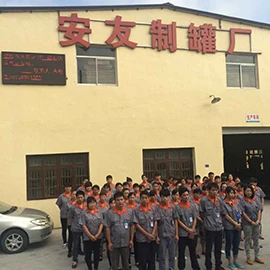
Hangzhou Anyou Manufacturing Cans Co., ltd.
- Manufacturer, Trading Company
- Zhejiang, China
- Lead time30 days
- Avg. response≤ 1h
Main productsFood packaging,Tea packing,Toy packaging,Arts and Crafts packaging,Candy packaging
Main marketsDomestic Market(20.00%), Southeast Asia(20.00%), Eastern Europe(11.00%), North America(10.00%), Western Europe(8.00%), Northern Europe(6.00%), Southern Europe(5.00%), South America(5.00%), South Asia(5.00%), Mid East(4.00%), Africa(3.00%), Eastern Asia(3.00%)
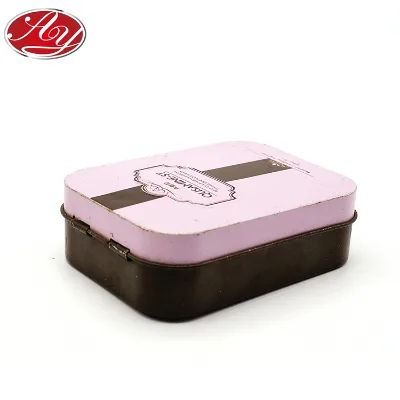
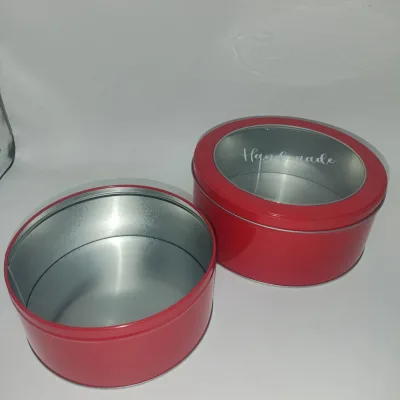
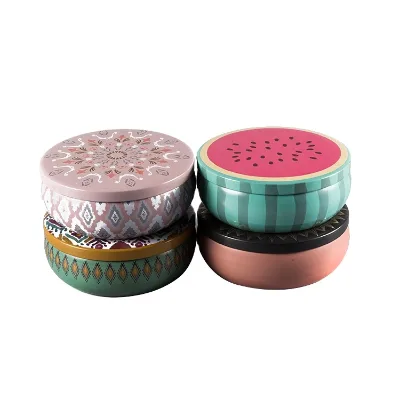
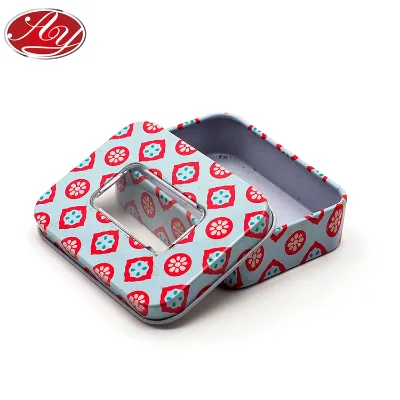
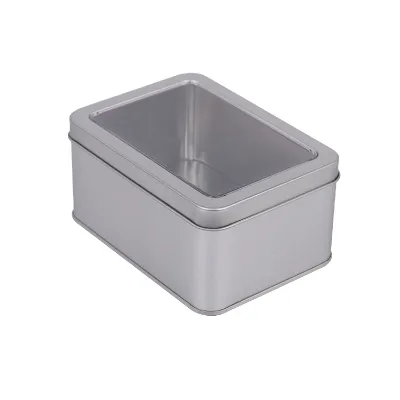
High Quality Customized Colored Empty Small Metal Tin Box With Window
$0.1541 - $0.6672
MOQ: 10 Minimum
Dongguan Jin Feng Hardware Products Co., Ltd.
- Verified by Intertek
- Trading Company
- Lead time15 days
- Avg. response≤ 2h
Main productsTinplate Packing Can, Tinplate Coffee Bean Can, Tinplate Edible Oil Can, Stainless Steel Packing Can
Main marketsEastern Europe(29%), Western Europe(28%), North America(18%)

Ningbo Pack Imp. & Exp. Co., Ltd.
- Verified by SGS
- Trading Company,Manufacturer/Factory
- China Zhejiang
- Lead time30 days
- Avg. response≤ 9h
Main productsAluminum Jar, Aluminum Bottle, Tin Box, Glass Dropper Bottle, Glass Tube, Paper Box, Paper Tube, Plastic Pop Top Tube, Plastic Bottle, Silicone Gummy Mold
Main marketsSouth America,Eastern Europe,Mid East,North America,Southeast Asia,Eastern Asia,Oceania,Western Europe,Africa

- Combined
- China Guangdong
- Lead time30 days
- Avg. response≤ 5h
Main productsTin Can
Main marketsSouth America,Africa,Southeast Asia/ Mideast,East Asia(Japan/ South Korea),Domestic,Europe,Australia,North America
Dongguan City Xinyu Tin Can Manufactory Co., Ltd.
- Manufacturer, Trading Company
- Lead time旺季: "1 - 100000":15,"> 100000":"To be negotiated", 淡季: "1 - 100000":15,"> 100000":"To be negotiated"
- Avg. response≤ 3h
Main productsTin Box, Tin Can

Guangdong Juwei Metal Can Co., Ltd.
- Verified by BV
- Combined
- China Guangdong
- Lead time0 days
- Avg. response≤ 8h
Main productsOlive Oil Tin Can, Edible Metal Tins, 1L Metal Cans, Engine Oil Tin Can, 5 Gallon Pail, 1L Metal Tin Can, Metal Pail, 6 Gallon Metal Bucket, Metal Barrel, Metal Paint Can
Main marketsSouth America,Southeast Asia/ Mideast,East Asia(Japan/ South Korea),Europe,North America
Dongguan Jeystin Manufacturing Co., Ltd.
- Verified by SGS Group
- Trading Company
- Lead time30 days
- Avg. response≤ 2h
Main productsMatcha Tin Can, Child Resistant Tin , Slide Tin , Coffee Tin, Tea Tin
Main marketsNorth America(47%), South America(20%), Eastern Europe(15%)
- Verified by SGS Group
- Manufacturer, Trading Company
- Lead time25 days
- Avg. response≤ 2h
Main productsTin box, Tin can, Cosmetic Tin Box, Food Tin Box, Gift Tin Box
Main marketsSoutheast Asia(58%), Mid East(18%), Western Europe(10%)
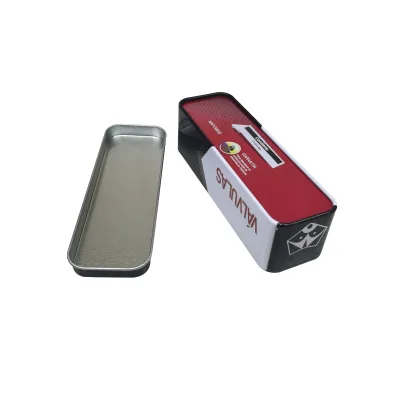
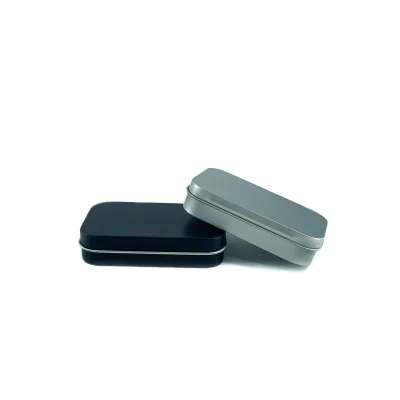
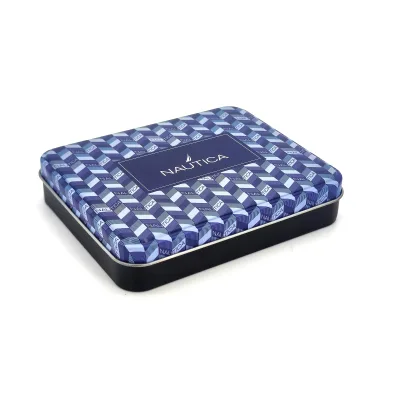
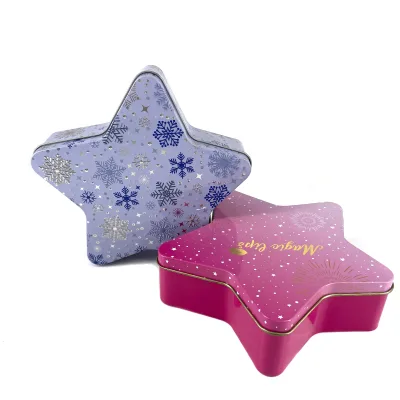
$0.48 - $0.76
MOQ: 1000 pieces

Zhejiang Jiafeng Stationery Co., Ltd.
- Manufacturer, Trading Company
- Zhejiang, China
- Lead time30 days
- Avg. response≤ 3h
Main productsTin Box,Tin Can,Metal Box,Tinplate Tin Box,Tin Packaging
Main marketsNorth America(20.00%), South America(20.00%), Oceania(20.00%), Eastern Europe(10.00%), Domestic Market(10.00%), Mid East(10.00%), Southeast Asia(10.00%)
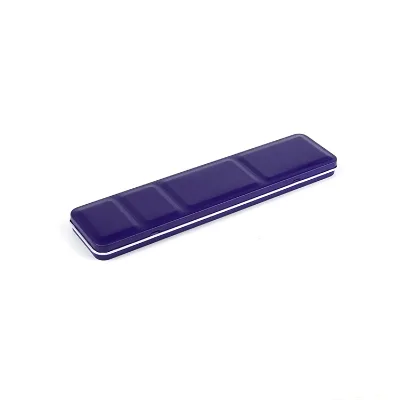
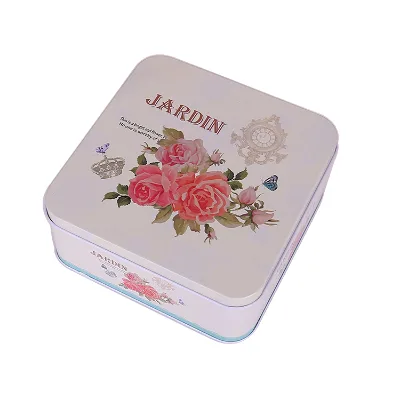
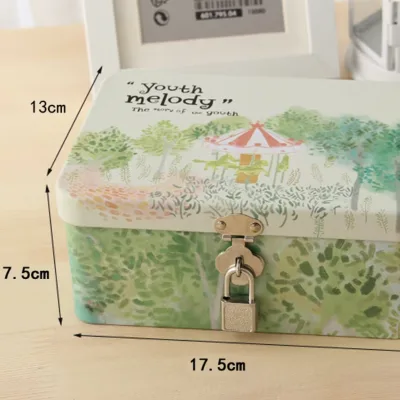
Custom Printed Tin Box,metal Box for Food,metal Box for Cards,metal Box for Magnets
$0.3605 - $0.4114
MOQ: 5 pieces
Dongguan Rongzheng Metal Can Co., Ltd.
- Verified by SGS Group
- Manufacturer, Trading Company
- Lead time30 days
- Avg. response≤ 1h
Main productsCandy/Chocolate Tin Box, Tea Tin Box, Cookie Tins , Cosmetics Tin Box, Wine/Coffee Tin Box
Main marketsDomestic Market(50%), Southern Europe(20%), North America(10%)
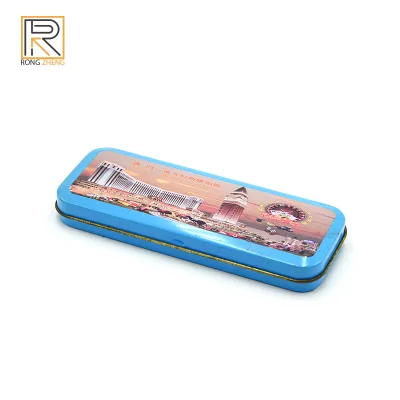
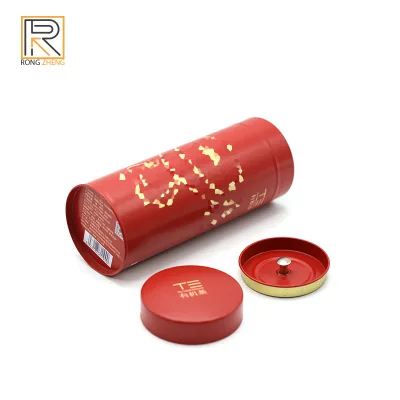
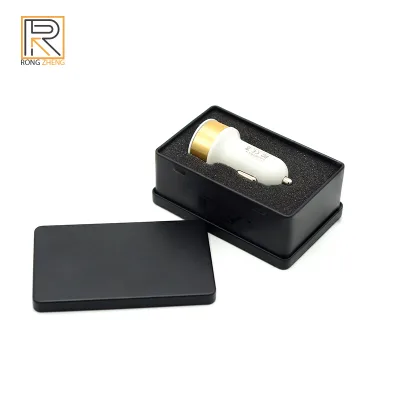
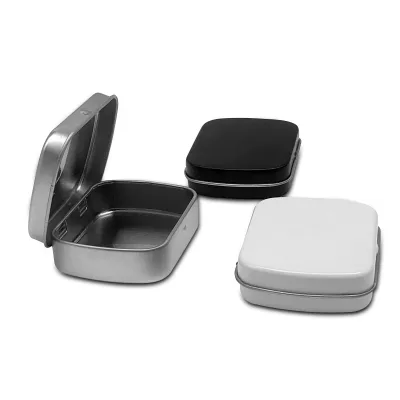
Hot Sale Rectangular Hinged Tin Box With for Storage and Packaging for Watches Pens Tools Gifts
$0.8542 - $1.0906
MOQ: 3 pieces
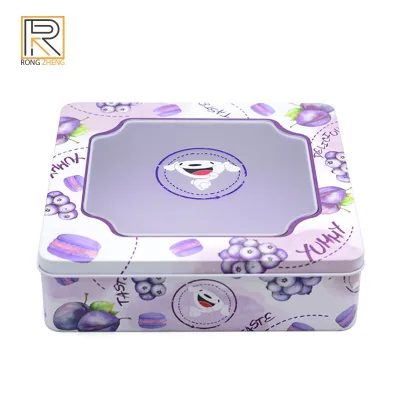
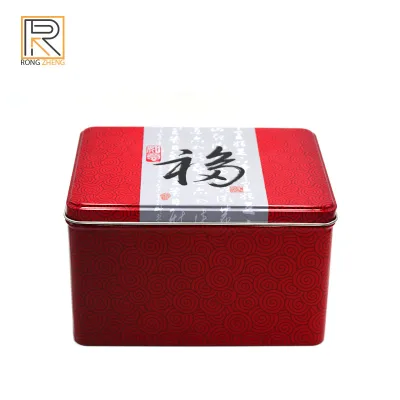
$0.4338 - $1.3434
MOQ: 2000 Minimum
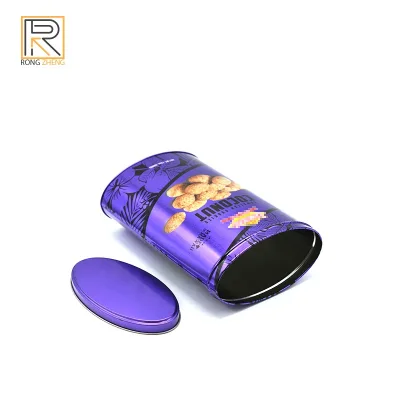
$0.34 - $1.38
MOQ: 1000 Minimum

Hangzhou Anyou Manufacturing Cans Co., Ltd.
- Combined
- China Zhejiang
- Lead time23 days
- Avg. response≤ 6h
Main productsTin Cans, Tinplate Cans, Mental Jar, Pop Can, Custom Iron Can, Irregular Cartoon Tumbler Money Coin Box Metal, Tin Bucket, Push and Pull Tin Box
Main marketsSouth America,Africa,Southeast Asia/ Mideast,East Asia(Japan/ South Korea),Domestic,Europe,Australia,North America

Jinjiang Jiaxing Supply Management Co., Ltd.
- Verified by TUVRHEINLAND
- Trading Company
- China Fujian
- Lead time30 days
- Avg. response≤ 2h
Main productsEVA Clogs, Flip Flop, Shoe Charms, Shopping Bags, Wristbands, Gifts, Promotional Gifts, Slipper, Sport Cap, Ball
Main marketsNorth America
Dongguan Gangyuan Hardware Products Co., Ltd.
- Manufacturer, Trading Company
- Guangdong, China
- Lead time25 days
- Avg. response≤ 3h
Main productsMetal Jar,Cookie Tin,Tin Box,Customized Tin,Tinplate Painting
Main marketsDomestic Market(45.00%), Southeast Asia(15.00%), North America(15.00%), Mid East(10.00%), Western Europe(8.00%), South America(5.00%), Northern Europe(2.00%)











Comprehensive Sourcing Guide
Recycled Material Tin Box Supplier Concentration and Factory Types
The sourcing landscape for recycled material tin boxes reveals a distinct concentration of manufacturing capabilities within specific industrial regions, with Guangdong, China emerging as a primary hub for this specialized packaging sector. Suppliers operating in this geographic cluster often leverage established supply chains for raw tinplate and recycled metal inputs, allowing for efficient production scaling. When evaluating potential partners, buyers must distinguish between trading companies and direct manufacturers, as this distinction significantly impacts pricing structures, customization flexibility, and quality control protocols. Trading companies may offer a broader array of generic stock items and faster initial response times, whereas manufacturers typically provide deeper technical expertise in material sourcing and production line optimization. The presence of both entity types in the search results indicates a mature market where buyers can choose based on their specific operational needs, whether that requires rapid procurement of standard sizes or complex OEM development for branded recycled packaging solutions.
Understanding the operational model of each supplier is crucial for aligning procurement strategies with business goals. Manufacturers in this sector often highlight their capacity for Original Design Manufacturing (ODM) and Original Equipment Manufacturing (OEM), signaling their ability to adapt production lines for specific recycled material requirements. These facilities may possess specialized equipment for handling tinplate with recycled content, ensuring that the structural integrity and aesthetic quality meet international standards. Conversely, trading companies might aggregate products from multiple factories, offering a consolidated catalog that includes various shapes, sizes, and finishes. Buyers should investigate whether the supplier’s main products align with their specific volume and design requirements, as some entities specialize in niche applications like tea or biscuit tins, while others focus on general-purpose gift or storage containers. This differentiation helps in narrowing down the supplier pool to those with proven expertise in Recycled Material Tin Box production, ensuring a more targeted and effective sourcing process.
How to Verify Recycled Material Tin Box Suppliers
Verifying the authenticity and reliability of suppliers offering recycled material tin boxes requires a rigorous examination of their certifications and testing documentation. Buyers should prioritize suppliers who display recognized quality management and social compliance certifications, such as ISO, BSCI, Sedex, and BRC, as these indicate adherence to international standards for production safety and ethical labor practices. Additionally, specific product testing results, including FDA, LFGB, EN71-3, and BPA compliance, are critical for ensuring that the recycled materials used in the tin boxes are safe for food contact or consumer goods packaging. These certifications serve as tangible evidence of a supplier’s commitment to quality and regulatory compliance, reducing the risk of sourcing substandard or non-compliant products. Buyers must request copies of these certificates and verify their validity through the issuing bodies, ensuring that the supplier’s claims are backed by independent third-party validation. This step is essential for maintaining brand integrity and avoiding potential legal or reputational issues associated with non-compliant packaging materials.
Beyond certifications, buyers should assess the supplier’s responsiveness and communication efficiency as indicators of their operational reliability. A supplier’s response time, often displayed in hours, can reflect their customer service capacity and willingness to engage in detailed technical discussions. Suppliers with faster response times may be better equipped to handle urgent inquiries, provide quick quotes, and address production issues promptly. However, buyers should also consider the depth of the responses received, as thorough and accurate answers demonstrate a higher level of expertise and attention to detail. It is advisable to initiate contact with multiple suppliers to compare their communication styles and responsiveness, using this information to gauge their potential as long-term partners. Additionally, buyers should inquire about the supplier’s customization capabilities, such as logo printing, surface handling, and design flexibility, to ensure they can meet specific branding and functional requirements. This holistic approach to verification helps in identifying suppliers who not only meet technical standards but also offer a collaborative and responsive sourcing experience.
What to Compare Across Recycled Material Tin Box Suppliers
When comparing suppliers for recycled material tin boxes, buyers should focus on key operational metrics such as lead times, minimum order quantities (MOQs), and pricing structures to determine the best fit for their procurement needs. Lead times, which can vary significantly between suppliers, are critical for inventory planning and supply chain efficiency. Suppliers with shorter lead times, such as those offering thirty-day production cycles, may be preferable for buyers requiring faster turnaround, while those with longer lead times might offer more competitive pricing or greater customization options. MOQs are another vital factor, as they directly impact the initial investment and inventory holding costs. Buyers should seek suppliers with MOQs that align with their order volumes, balancing the need for cost efficiency with the flexibility to manage stock levels. Comparing these metrics across multiple suppliers allows buyers to identify those that offer the best balance of speed, volume flexibility, and cost-effectiveness, ensuring that their sourcing strategy supports their business objectives.
Pricing and product attributes also play a crucial role in supplier comparison, with buyers needing to evaluate the cost per unit alongside the specific features and materials offered. Prices for recycled material tin boxes can range widely depending on factors such as size, shape, printing complexity, and material thickness. Buyers should request detailed quotes that break down costs for different product specifications, enabling a fair comparison of value propositions. Additionally, examining product attributes such as weight, shape, and surface handling can help buyers assess the quality and suitability of the tin boxes for their intended use. Suppliers offering eco-friendly features, such as recycled materials and durable construction, may command a premium but provide long-term benefits in terms of sustainability and brand image. By systematically comparing these factors, buyers can make informed decisions that optimize their sourcing outcomes, ensuring they select suppliers who deliver the right combination of quality, cost, and service for their Recycled Material Tin Box requirements.
Common Recycled Material Tin Box Sourcing Risks
One of the primary risks in sourcing recycled material tin boxes is the potential inconsistency in material quality and compliance with environmental claims. Buyers must be cautious of suppliers who make vague or unsubstantiated claims about the recycled content of their products, as this can lead to discrepancies between marketing assertions and actual product specifications. Without verified documentation, such as material safety data sheets or third-party recycling certifications, buyers risk sourcing products that do not meet their sustainability goals or regulatory requirements. This risk is compounded by the complexity of the recycling supply chain, where the source and processing of recycled tinplate can vary significantly between manufacturers. Buyers should insist on transparent supply chain information and request evidence of the recycled material content, ensuring that their sourcing decisions are aligned with their corporate social responsibility commitments. Failing to verify these claims can result in reputational damage and potential legal issues, particularly in markets with strict environmental regulations.
Another significant risk is the variability in production quality and delivery reliability, which can disrupt supply chain operations and customer satisfaction. Suppliers may face challenges in maintaining consistent quality across large production runs, especially when dealing with recycled materials that can have inherent variations in composition. This can lead to issues such as uneven surface finishes, structural weaknesses, or printing defects, which can compromise the functionality and aesthetic appeal of the tin boxes. Additionally, delays in production or shipping can occur due to unforeseen circumstances, such as raw material shortages or logistical bottlenecks, impacting the buyer’s ability to meet market demand. To mitigate these risks, buyers should establish clear quality control protocols and include penalty clauses for non-compliance or delays in their contracts. Regular communication and site audits can also help in monitoring supplier performance and addressing issues proactively, ensuring a more stable and reliable sourcing relationship for recycled material tin boxes.
Recycled Material Tin Box Regional Sourcing and Logistics
Sourcing recycled material tin boxes from regional hubs like Guangdong, China, offers logistical advantages due to the area’s well-developed manufacturing infrastructure and export capabilities. Suppliers in this region benefit from proximity to raw material suppliers, skilled labor, and efficient transportation networks, which can reduce production costs and lead times. Buyers should consider the implications of sourcing from this region, including potential shipping costs, transit times, and customs procedures, when planning their supply chain strategy. The concentration of manufacturers in Guangdong also facilitates easier access to a diverse range of suppliers, allowing buyers to compare options and negotiate better terms. However, buyers must also be aware of the logistical challenges associated with international shipping, such as freight volatility and port congestion, which can impact delivery schedules. By understanding the regional dynamics, buyers can make informed decisions about their sourcing locations, balancing cost efficiency with supply chain resilience and reliability for their Recycled Material Tin Box procurement needs.
Logistics planning should also account for the specific packaging and handling requirements of tin boxes, which are durable but can be susceptible to damage during transit if not properly packed. Buyers should work with suppliers who have experience in exporting similar products, ensuring that packaging methods meet international shipping standards and protect the goods from damage. This includes using appropriate cushioning, stacking, and securing techniques to prevent dents, scratches, or deformation of the tin boxes during transportation. Additionally, buyers should consider the environmental impact of their logistics choices, opting for suppliers who offer eco-friendly packaging solutions or carbon-neutral shipping options where available. By integrating logistics considerations into their sourcing strategy, buyers can minimize risks and costs associated with transportation, ensuring that their recycled material tin boxes arrive at their destination in optimal condition. This holistic approach to regional sourcing and logistics helps in building a robust and sustainable supply chain for tin box procurement.
Recycled Material Tin Box Commercial Terms and Order Planning
Effective order planning for recycled material tin boxes requires careful consideration of commercial terms, including payment conditions, warranty policies, and after-sales support. Buyers should negotiate clear and favorable payment terms, such as partial upfront payments and balance upon shipment, to manage cash flow and mitigate financial risk. It is also important to establish clear warranty and return policies for defective products, ensuring that suppliers take responsibility for quality issues. Buyers should inquire about the supplier’s customer service capabilities, including their responsiveness to complaints and their ability to provide technical support or replacements. These commercial terms form the foundation of a successful sourcing relationship, providing protection and support for the buyer throughout the procurement process. By securing favorable terms, buyers can reduce their exposure to potential losses and ensure a smoother transaction experience for their Recycled Material Tin Box orders.
In addition to commercial terms, buyers should plan their orders based on projected demand and inventory requirements, avoiding overstocking or stockouts that can impact business operations. This involves forecasting sales trends, considering seasonal variations, and aligning order quantities with production lead times and MOQs. Buyers should also consider the flexibility of their suppliers to accommodate order changes or rush requests, which can be crucial for responding to market fluctuations. Establishing a long-term partnership with a reliable supplier can provide greater stability and predictability, allowing for better planning and cost management. By integrating commercial terms and order planning into their sourcing strategy, buyers can optimize their procurement processes, ensuring that they receive high-quality recycled material tin boxes in a timely and cost-effective manner. This strategic approach helps in building a resilient supply chain that supports the buyer’s business growth and sustainability goals.
FAQs
What is the price range for recycled tin boxes?
Prices for recycled tin boxes typically range from $0.11 to $2.80 per unit depending on size and customization. Basic rectangular storage tins start near $0.11, while specialized food packaging or larger gift containers can reach up to $2.80. Buyers should verify specific model pricing with suppliers for accurate quotes.
What certifications do these tin boxes have?
Many suppliers offer tin boxes certified with ISO, BSCI, Sedex, and Brc standards. These certifications ensure compliance with international quality and ethical manufacturing practices. Some products also undergo FDA, LFGB, and En71-3 testing for food safety. Buyers should request current certification documents to verify specific product compliance before ordering.
What is the minimum order quantity for these tins?
The minimum order quantity is generally 5000 units for standard recycled tin boxes. This MOQ applies to most manufacturers and trading companies listed. Buyers seeking smaller quantities may need to negotiate directly or look for stock items. Confirming the exact MOQ with the supplier is essential for accurate budgeting and planning.
How long does production take for custom tins?
Production lead times typically range from 30 to 35 days for custom orders. This timeframe allows for material sourcing, printing, and assembly of recycled tin boxes. Expedited options may be available depending on the supplier's capacity. Buyers should confirm the exact lead time with the manufacturer to align with their delivery schedules.
Where are these tin box manufacturers located?
Most manufacturers are located in Guangdong, China, specifically in areas like Dong Guan. This region is a major hub for metal packaging production. Buyers can expect efficient logistics and supply chain integration from these locations. Verifying the exact factory address helps in assessing shipping costs and lead times for international orders.
Can I get custom logo printing on recycled tins?
Yes, custom logo printing is available on many recycled tin boxes. Suppliers offer offset printing and varnishing services to add branding. Some products support logo printing while others may be sold without it. Buyers should specify their design requirements and confirm printing capabilities with the supplier to ensure brand alignment.