Hand Blown Crystal Whiskey Snifter Suppliers and Manufacturers
Explore 29 verified options for Hand Blown Crystal Whiskey Snifter from Guangdong, China. Compare lead times, MOQs, and material certifications like food-safe glass. Contact suppliers directly to request custom logo services and negotiate pricing; review the available evidence before requesting comparable quotations from suitable candidates.
Suppliers List
Guangzhou Chengfeng Brother Industrial Co., Ltd.
- Manufacturer, Trading Company
- Lead time旺季: "1 - 10000":30,"> 10000":"To be negotiated", 淡季: "1 - 10000":30,"> 10000":"To be negotiated"
Main productsWhiskey Glass, Shot Glass, Wine Glass, Champagne Glass, Cocktail Glass
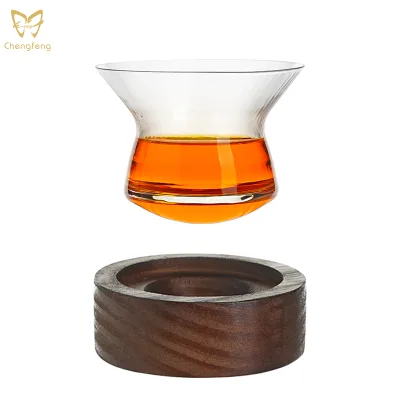
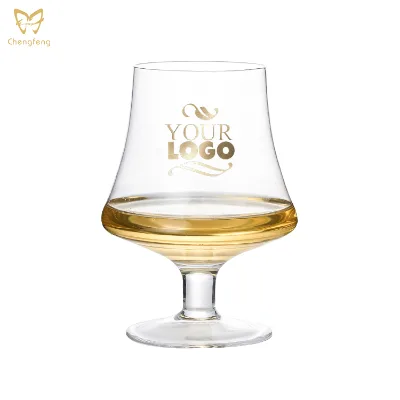
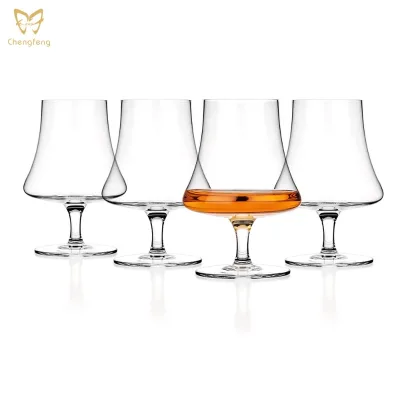
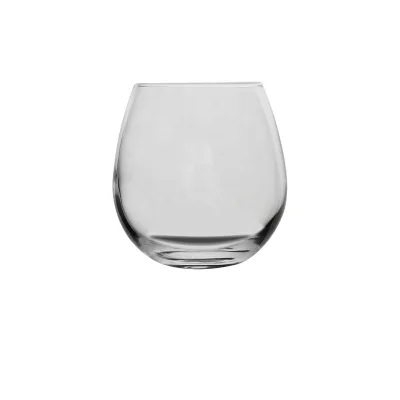
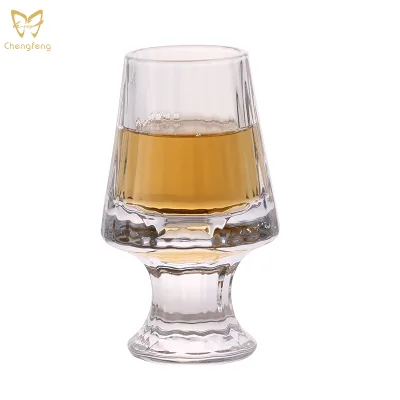
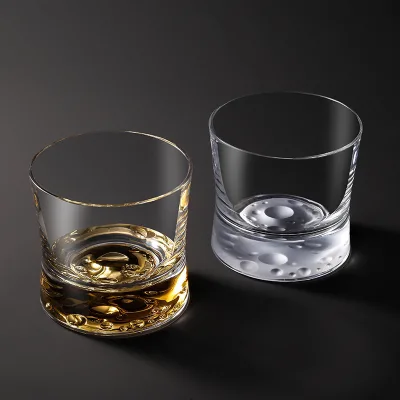
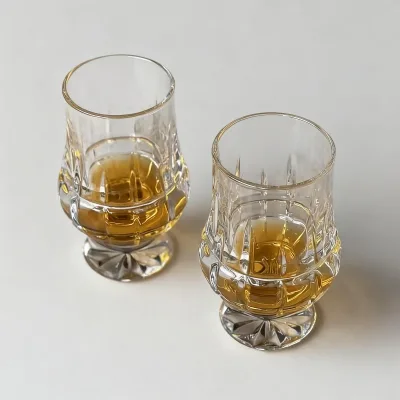
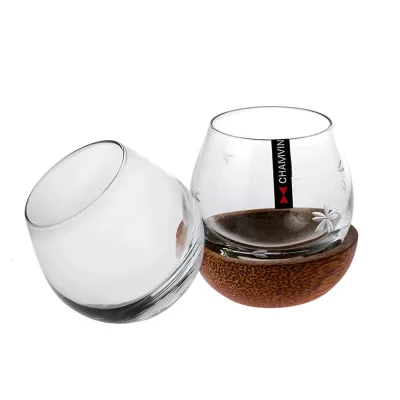
12 oz Clear Crystal Whiskey Snifter Tumbler Glasses
$0.60 - $0.80

Shanxi Dingnuo Goods Trading Co., Ltd.
- Trading Company
- Shanxi, China
- Lead time15 days
- Avg. response≤ 2h
Main productsBeer glasses,Wine Glasses,GLass Jar,Glass Candle Holders,Whiskey Glasses
Main marketsNorth America(50.0%), South America(30.0%), Central America(10.0%), Eastern Europe(10.0%)

Wuhan Xinhuahang Household Goods Co., Ltd.
- Verified by BV
- Combined
- China Hubei
- Lead time15 days
- Avg. response≤ 4h
Main productsWine Glasses, Beer Glass, Drinking Glass, Decanter, Shot Glass, Coffee Glass, Cocktail Glass, Champagne Glass, Wine Accessories
Main marketsEurope,Australia,North America
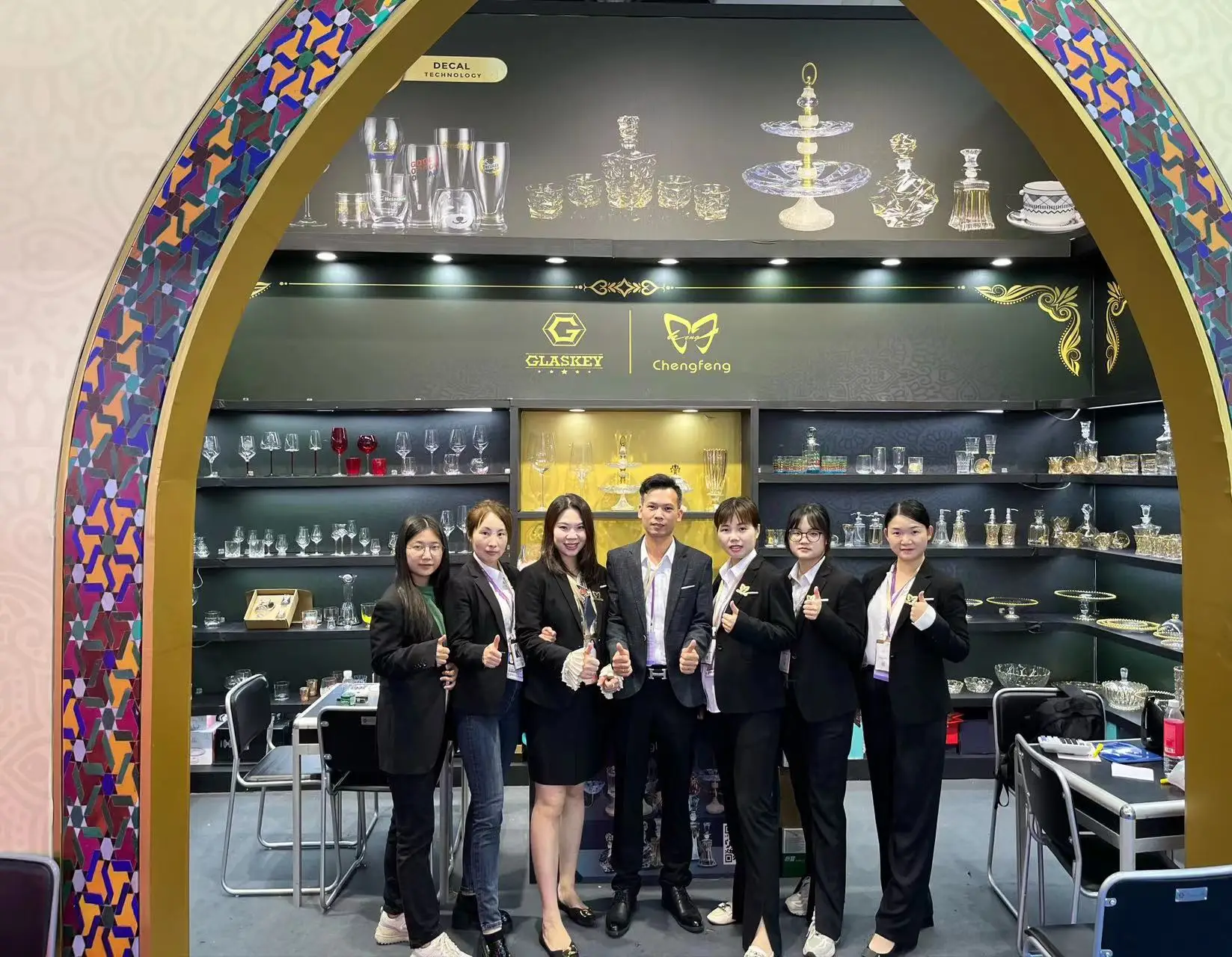
Guangzhou Chengfeng Brother Industrial Co., Ltd.
- Manufacturer, Trading Company
- Guangdong, China
- Lead time30 days
- Avg. response≤ 3h
Main productsWhiskey Glass,Shot Glass,Wine Glass,Champagne Glass,Cocktail Glass
Main marketsNorth America(60.0%), Southern Europe(10.0%), Western Europe(10.0%), Eastern Asia(10.0%), Oceania(10.0%)

Guangzhou Xiaoying Home Furnishing Co., Ltd.
- Trading Company
- Guangdong, China
- Lead time0 days
- Avg. response≤ 4h
Main productsRed Wine Glass, Champagne Glass, Whisky Glass, Beer Glass, Glass Plate
Main marketsNorth America(40.0%), Eastern Europe(12.0%), Western Europe(9.0%), Northern Europe(9.0%), Southern Europe(6.0%), South America(5.0%), Southeast Asia(5.0%), Central America(4.0%), Mid East(3.0%), Africa(2.0%), Domestic Market(2.0%), South Asia(1.0%), Eastern Asia(1.0%), Oceania(1.0%)

XIAMEN SHUNSTONE HOMEWARE CO., LTD.
- Manufacturer/Factory
- China Fujian
- Lead time23 days
- Avg. response≤ 5h
Main productsWhiskey Gift Set, Whiskey Glass, Wine Glass, Cocktail Shaker, Cooking Steak Stone, Whiskey Decanter, Wine Decanter, Wine Opener
Main marketsSouth America,Eastern Europe,Mid East,North America,Southeast Asia,Eastern Asia,Oceania,Western Europe,Africa
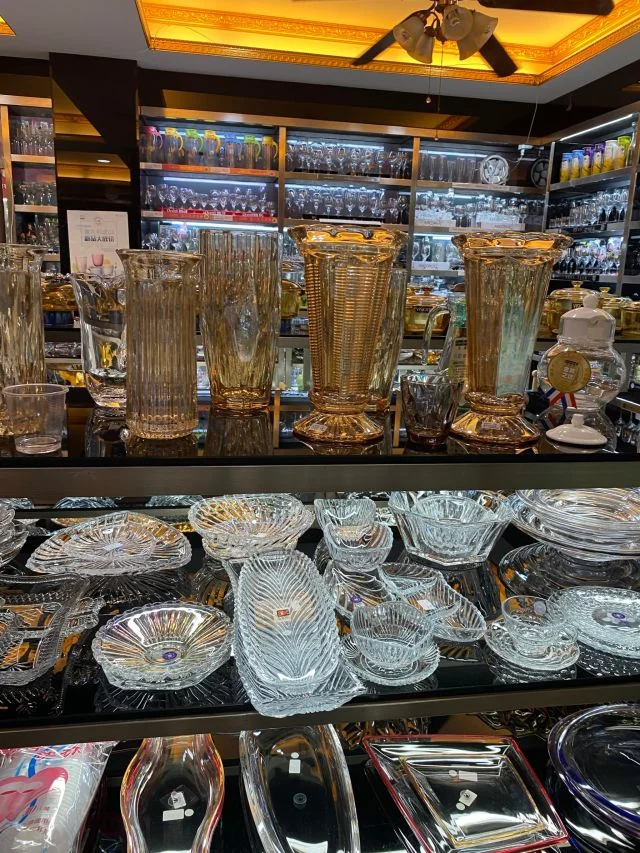
Shanxi Snw Science And Trade Co., Ltd.
- Trading Company
- Shanxi, China
- Lead time45 days
- Avg. response≤ 7h
Main productsWine glass,Glass Candle Jar,Glass Vase,Beer Glass,Glass Storage Jar
Main marketsSouth America(20.0%), North America(15.0%), Central America(10.0%), Eastern Europe(10.0%), Eastern Asia(8.0%), South Asia(6.0%), Northern Europe(5.0%), Southeast Asia(5.0%), Western Europe(5.0%), Oceania(5.0%), Mid East(4.0%), Southern Europe(4.0%), Domestic Market(3.0%)
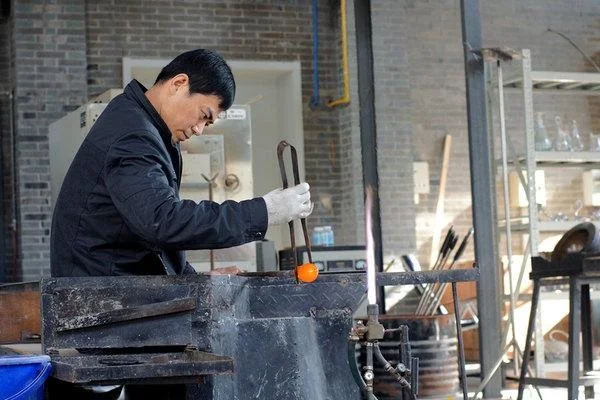
Shanxi Jinbaijia Trading Co., Ltd.
- Trading Company
- Shanxi, China
- Lead time30 days
- Avg. response≤ 10h
Main productsDrinkware
Main marketsNorth America(40.0%), South America(30.0%), Western Europe(10.0%), Domestic Market(10.0%), Southeast Asia(10.0%)
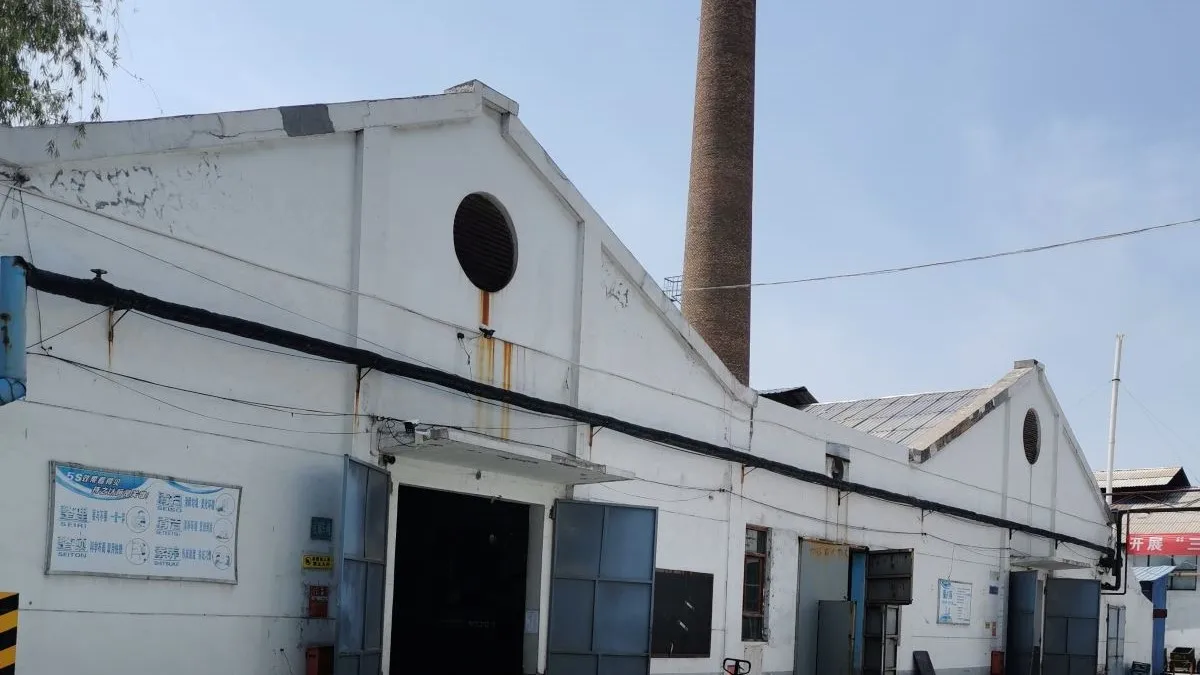
Xiamen Horae Glassware Co., Ltd.
- Manufacturer, Trading Company, Distributor/Wholesaler
- Fujian, China
- Lead time0 days
- Avg. response≤ 4h
Main productsglassware,glass products,glasses,packing,gift and crafts
Main marketsEastern Europe(20.0%), North America(20.0%), Western Europe(15.0%), Southeast Asia(10.0%), Southern Europe(5.0%), Northern Europe(5.0%), Central America(5.0%), South America(5.0%), Eastern Asia(5.0%), Mid East(5.0%), Oceania(5.0%)
Guangzhou Tianfu Glass Products Co., Ltd.
- Verified by SGS Group
- Trading Company
- Lead time0 days
- Avg. response≤ 3h
Main productsGlass, Red Wine Glass, Beer Glass, Cocktail Glass, Champagne Glass
Main marketsNorth America(30%), Southeast Asia(20%), Western Europe(10%)
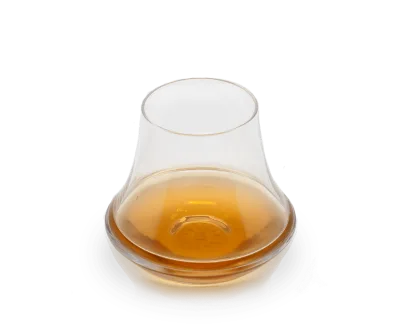
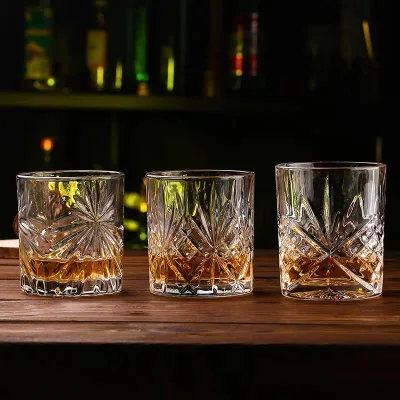
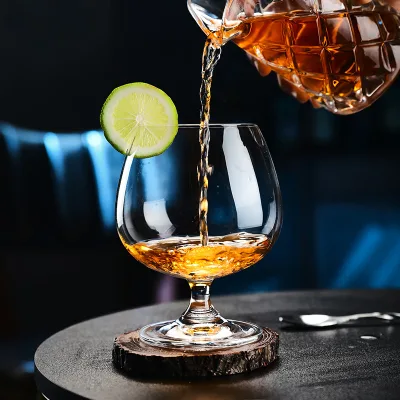
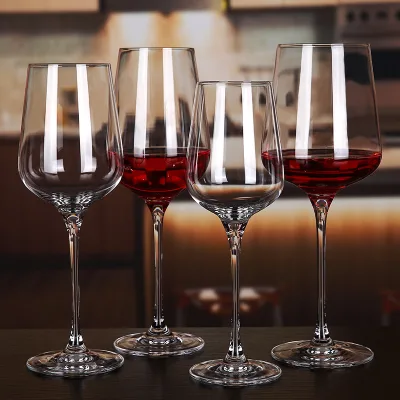
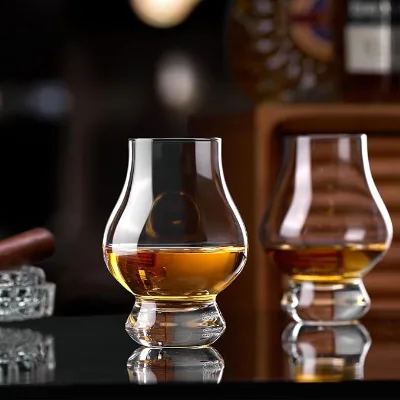
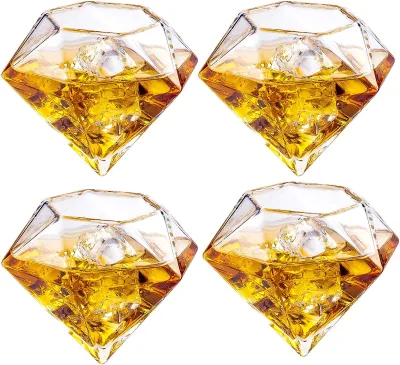
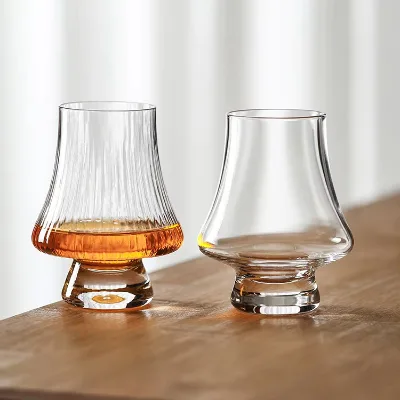
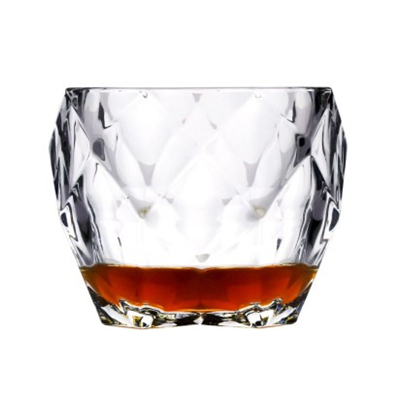
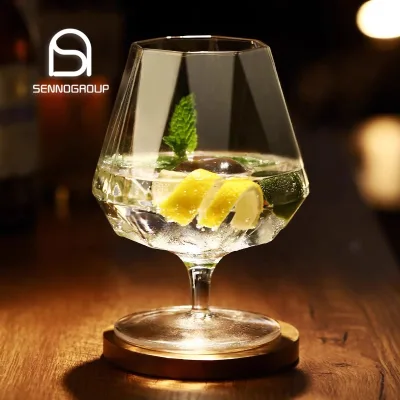
Whiskey Glass Traditional Whisky Snifter Bar Accessories Diamond Shape Whiskey Glass
$0.85 - $1.45
Moq: 200
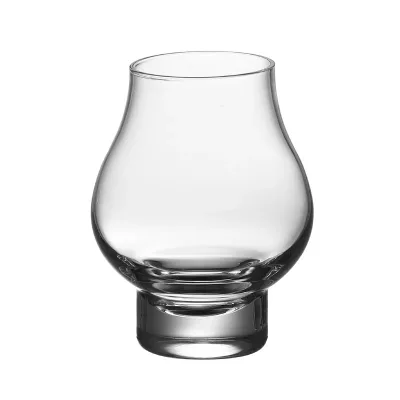
Guangzhou Yingtu Glass Co., Ltd.
- Verified by TüVRheinland
- Trading Company
- Lead time45 days
Main productsWine Glass, Drinking Glass, Decanting Glass, Water Glass
Main marketsDomestic Market(80%), Eastern Asia(10%), North America(7%)

- Verified by SGS
- Manufacturer/Factory
- China Zhejiang
- Lead time38 days
- Avg. response≤ 7h
Main productsBar Mat, Ice Bucket, Cocktail Shaker, Barware, Jigger, Mug, Ss Cup, Bar Spoon, Strainer, Muddler
Main marketsSouth America,Eastern Europe,Mid East,North America,Southeast Asia,Eastern Asia,Oceania,Western Europe,Africa

- Verified by SGS
- Trading Company
- China Zhejiang
- Lead time15 days
- Avg. response≤ 15h
Main productsMop, Kitchen Knife, Chopping Board, Blanket, Mosquito Net, Cushion, Slipper, Broom, Luggage, Educational Toy
Main marketsEurope,Australia

Hangzhou Topwell Packing Co., Ltd.
- Verified by SGS
- Trading Company
- China Zhejiang
- Lead time15 days
- Avg. response≤ 7h
Main marketsAfrica,Southeast Asia/ Mideast,Domestic,Europe,North America
Xiamen Ao Sheng Da E-Commerce Co., Ltd.
- Trading Company
- Fujian, China
- Lead time0 days
- Avg. response≤ 7h
Main productsWhiskey Glass;,Wine Glass,Cocktail Glass,Mug,Coffee Cup
Main marketsNorth America(33.0%), South America(25.0%), Oceania(15.0%), Eastern Europe(9.0%), Western Europe(8.0%), Northern Europe(4.0%), Southeast Asia(2.0%), South Asia(1.0%), Southern Europe(1.0%), Eastern Asia(1.0%), Mid East(1.0%)

Hemera (Tianjin) Technology Development Limited
- Verified by TUVRHEINLAND
- Manufacturer/Factory
- China Tianjin
- Lead time38 days
- Avg. response≤ 5h
Main productsGlass Cup, Glass Teapot, Glass Jar&Container, Glass Pitcher&Carafe, Water Jug, Coffee Set, Wine Set, Glass Cooking Ware
Main marketsSouth America,Eastern Europe,Mid East,North America,Southeast Asia,Eastern Asia,Oceania,Western Europe,Africa


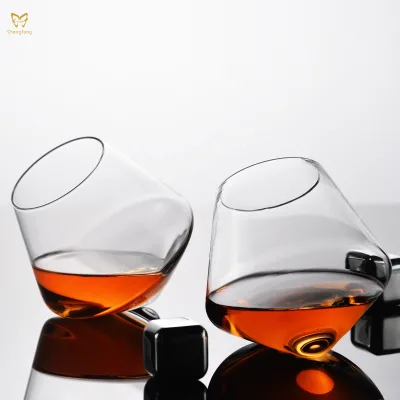
Crystal Whiskey Tumblers Old Fashioned Bourbon Glasses Round Spin Glass Wine Cup
$2.00 - $4.00
Moq: 500

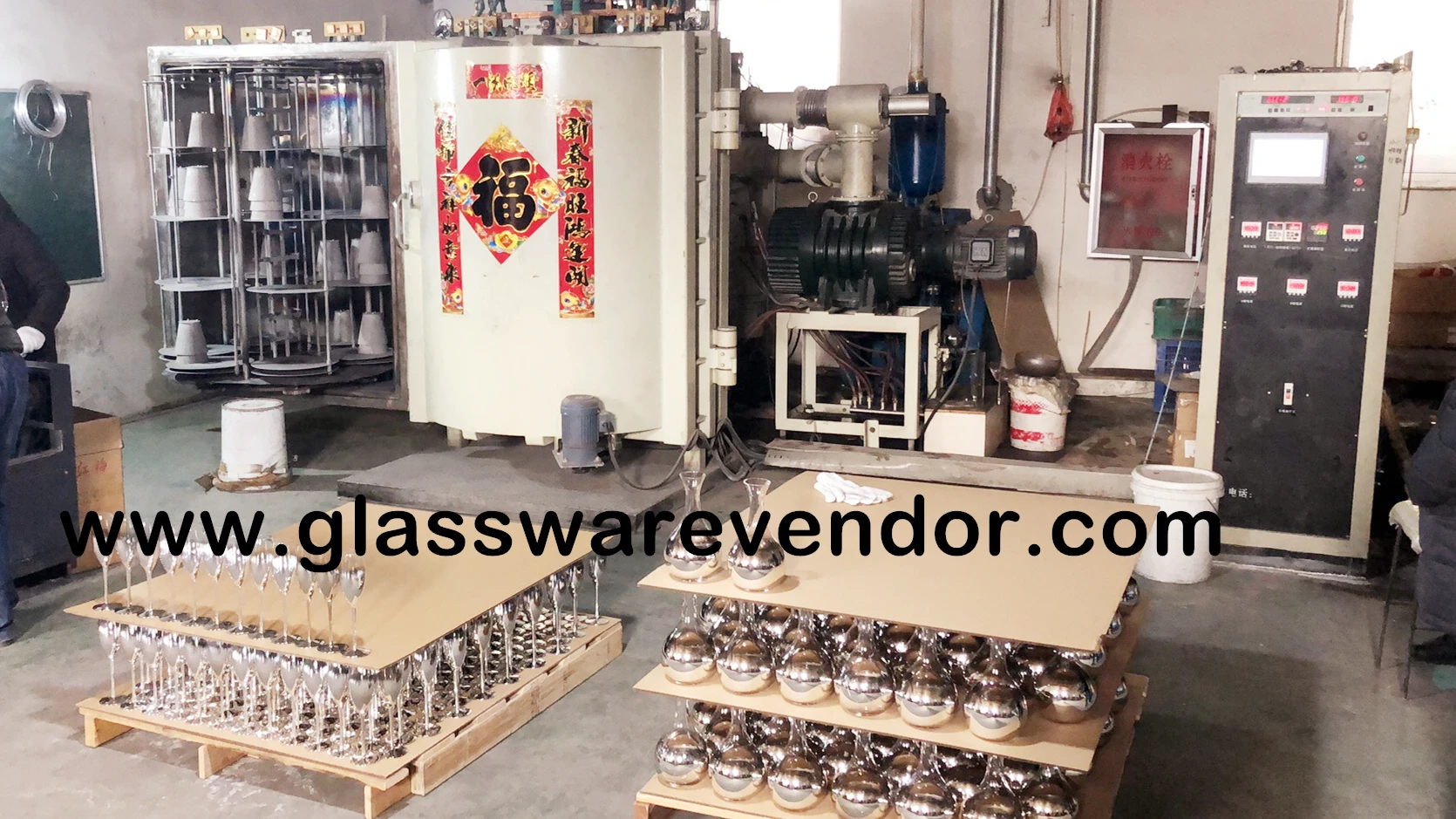
Shenzhen Sunrise Glassware Co., ltd.
- Trading Company
- Guangdong, China
- Lead time30 days
- Avg. response≤ 11h
Main productscustom crystal wine glass,custom hand cut whiskey glass,custom drinking glass,custom colored glass cup,custom double wall glass cups
Main marketsWestern Europe(20.0%), North America(20.0%), Southern Europe(16.0%), Domestic Market(10.0%), Northern Europe(10.0%), Oceania(7.000000000000001%), Mid East(5.0%), Eastern Asia(5.0%), South America(2.0%), Southeast Asia(2.0%), Central America(2.0%), Eastern Europe(1.0%)
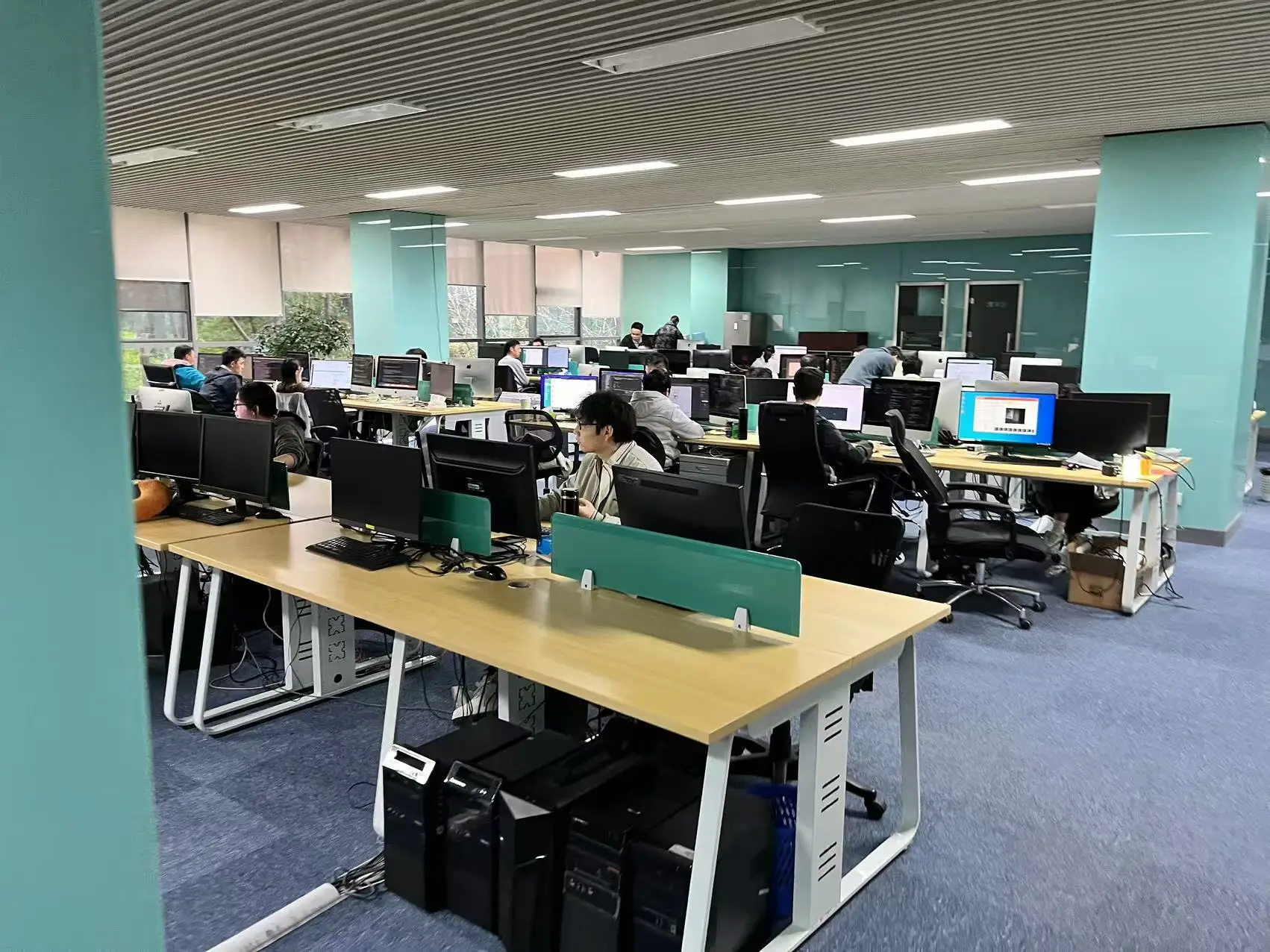
Hangzhou Haishang Minghui Trading Co., Ltd.
- Trading Company
- Zhejiang, China
- Lead time15 days
- Avg. response≤ 4h
Main productsGlass,Red wine glass,Beer mug,Teacup,Glass storage cans
Main marketsNorth America(70.0%)
Guangzhou Senno Import And Export Co., Ltd.
- Trading Company
- Lead time旺季: "1 - 1000":31,"> 1000":"To be negotiated", 淡季: "1 - 1000":31,"> 1000":"To be negotiated"
- Avg. response≤ 4h
Main productsBarware, Restaurantware, Glassware

Hebei Xingchen Glass Technology Co., Ltd.
- Verified by CTI
- Combined
- China Hebei
- Lead time30 days
- Avg. response≤ 10h
Main productsGlass Cup, French Press, Coffee Pot, Glass Jar, Teapot, Syphon Coffee Maker, Glass Cooking Pot, Glass Pitcher, Glass Straw, Glass Teacup
Main marketsSouth America,Africa,Others(foreignTradeCapacity.exportBusinessCapacityMarketOther),Southeast Asia/ Mideast,East Asia(Japan/ South Korea),Europe,Australia,North America


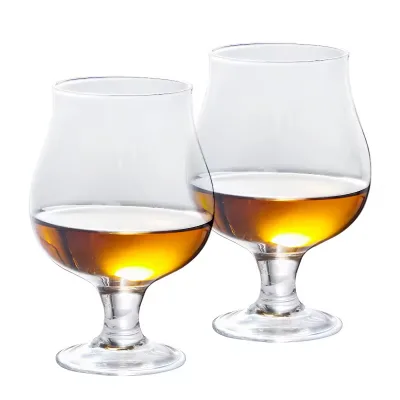
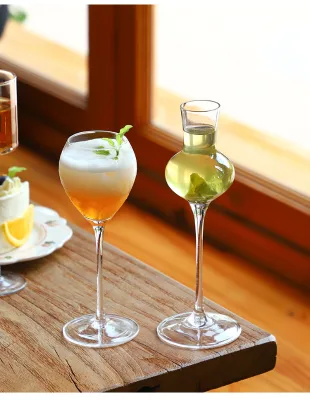
Unique Long Stem Champagne Goblet Glass Cup Hand Blown Crystal Glass Wine Glasses
$1.55 - $2.35
Moq: 500

Shenzhen Bridge Diamonds Technology Co., Ltd.
- Manufacturer
- Guangdong Province, China
- Lead time5 days
- Avg. response≤ 4h
Main productsFollow Me,To get one,$1000-$50,Coupons
Main marketsNorth America(50.0%), Eastern Europe(10.0%), Eastern Asia(10.0%), Oceania(10.0%), Southeast Asia(10.0%), Western Europe(10.0%)
Qixian Kewantong Glassware Co., Ltd.
- Verified by Intertek
- Manufacturer, Trading Company
- Lead time30 days
Main productsWine Glasses, Decanter, Whiskey Glasses, Champagne Glasses, Glass Plate
Main marketsDomestic Market(45%), North America(15%), Mid East(10%)

Suzhou Tongrang Gift Co., Ltd.
- Verified by CTI
- Trading Company
- China Jiangsu
- Lead time15 days
- Avg. response≤ 4h
Main productsGlasswares, Tablewares, Gift, Wineglasses, Glass Bottles, Tumblers, Glass Plate, Glass Jar, Gift Customs, Bottles
Main marketsNorth America
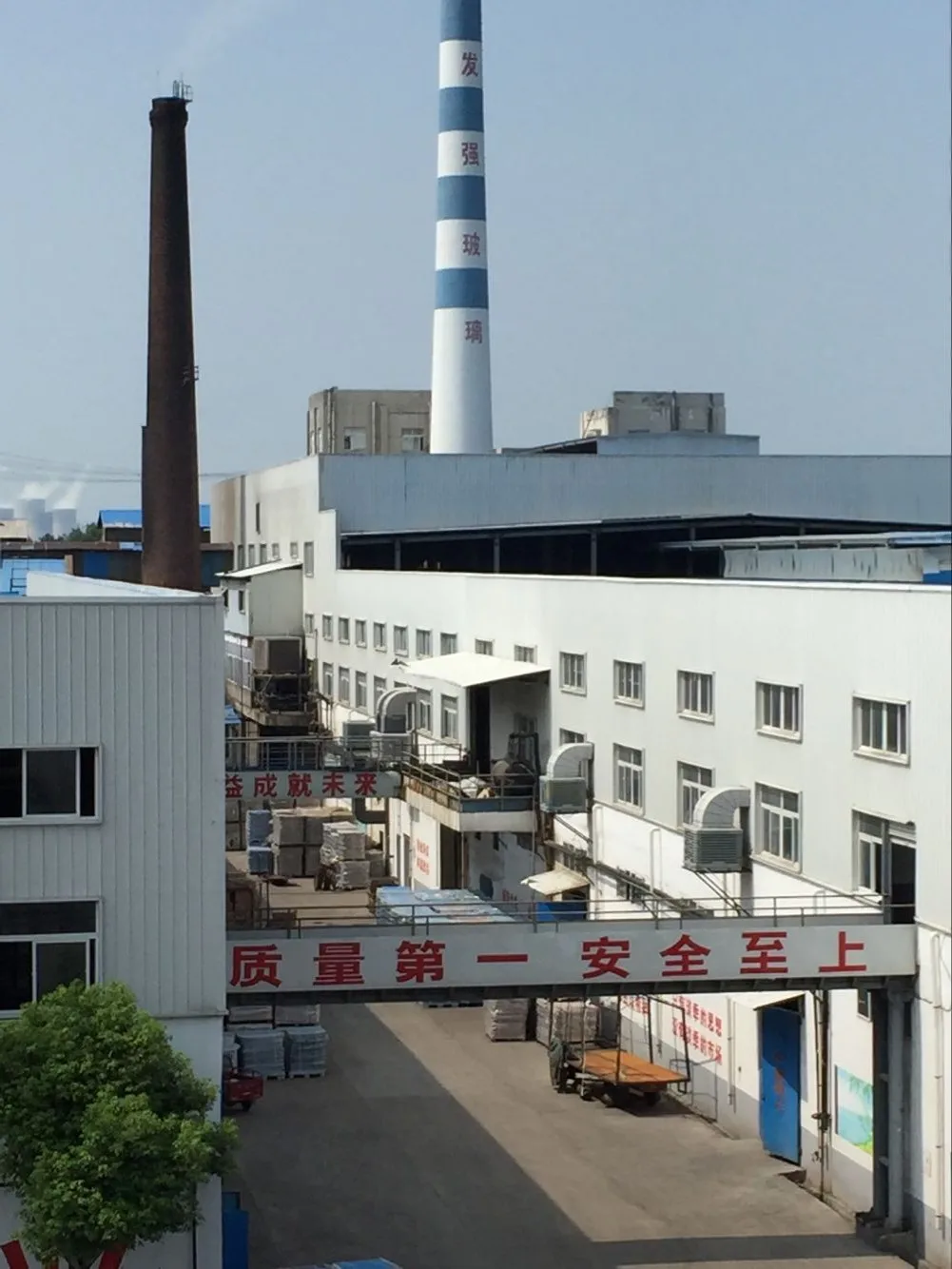
Hefei Jingli Houseware Technology Co., Ltd.
- Trading Company
- Anhui, China
- Lead time25 days
- Avg. response≤ 2h
Main productswhiskey decanter sets,whiskey glass sets,wine glass cup,double wall glass cup,shot glass
Main marketsSouth Asia(20.0%), South America(20.0%), Southern Europe(20.0%), Eastern Europe(10.0%), North America(10.0%), Northern Europe(10.0%), Mid East(10.0%)
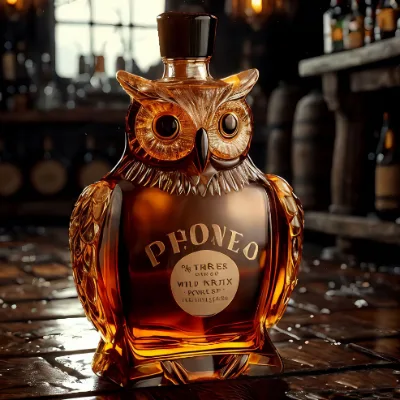
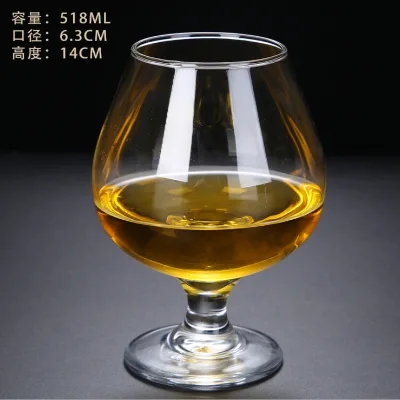
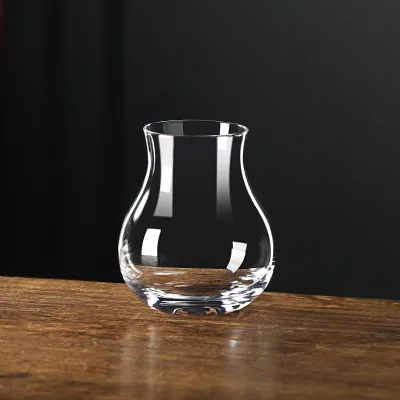
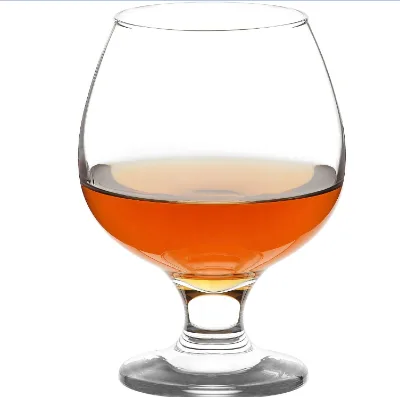
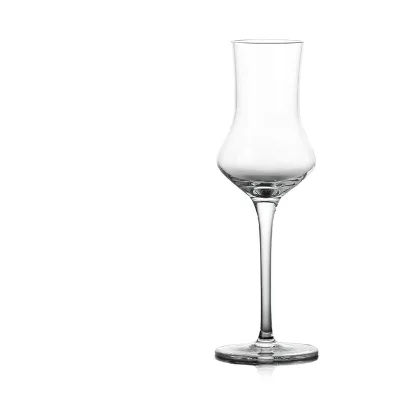
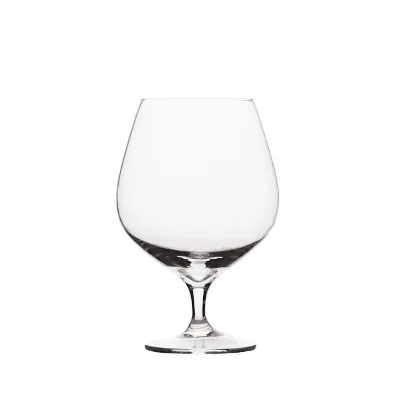
High Quality Hand Blown Clear Crystal Snifter Good Quality Stemware for Brandy on Sale
$1.15 - $1.20
Moq: 1000
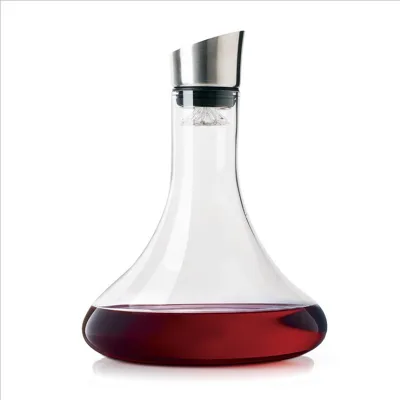

Shanxi Midas Industrial Co., Ltd.
- Verified by CTI
- Manufacturer/Factory
- China Shanxi
- Lead time23 days
- Avg. response≤ 16h
Main productsDuctile Iron Pipe and Fitting, Steel Pipe and Fitting, Valve, Manhole Cover, Coupling, Flange, Water Meter, Dismantling Joint, Flange Adaptor, Pumps
Main marketsSouth America,Eastern Europe,Mid East,North America,Southeast Asia,Eastern Asia,Western Europe,Africa

Qingdao Simpassic Import and Export Co., Ltd.
- Trading Company,Manufacturer/Factory
- China Shandong
- Lead time0 days
- Avg. response≤ 24h
Main productsGlass Cup, Glass Jar, Borosilicate Glass Food Containers, Glass Mug, Tableare, Glass Tumbler, Glassware, Glass Jug, Glass
Main marketsSouth America,Eastern Europe,Mid East,North America,Southeast Asia,Eastern Asia,Oceania,Western Europe,Africa

Hangzhou Radiant Glass Import & Export Co., Ltd.
- Verified by SGS
- Trading Company
- China Zhejiang
- Lead time23 days
- Avg. response≤ 4h
Main productsGlass Water Pipe, Glass Pipe, Oil Burner Pipe/Bowl, Silicone Pipe, Quartz Banger, Downstem, Glass Bowl, Glass Accessories, Ash Catcher, Glass Smoking Pipe
Main marketsSouth America,North America


Big Ice Catcher Wholesale Glass Hand Craft China Factory Smoking Water Pipe Glass Pipes
$12.60 - $15.00
Moq: 60


Hejian City Shenghong Glass Products Co., Ltd.
- Verified by BV
- Combined
- China Hebei
- Lead time15 days
- Avg. response≤ 3h
Main productsGlass Smoking Pipe, Glass Water Pipe, Water Pipe, Smoking Water Pipes, Recycler Oil Rigs, DAB Oil Rigs, Ash Catchers, Smoking Accessories, Hand Pipe, 3-D Hand Painting Pipes
Main marketsSoutheast Asia/ Mideast,Europe,Australia,North America

Jiangsu Mengran Glass Artware Co., Ltd.
- Verified by BV
- Combined
- China Jiangsu
- Lead time30 days
- Avg. response≤ 3h
Main productsGlass Smoking Pipe, Glass Water Pipe, Glass Hookah, Ash Catcher, Quartz Banger, Carb Cap, DAB Rig, Glass Tobacco Bowl, Nectar Collector, Glass Pipe
Main marketsEast Asia(Japan/ South Korea),Domestic,Europe,North America






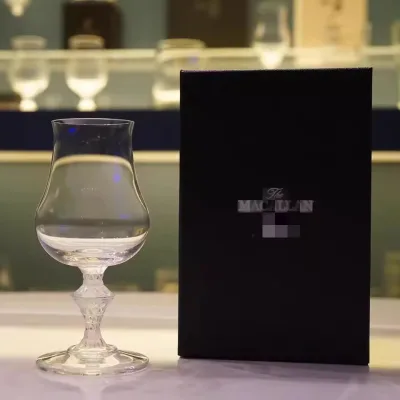
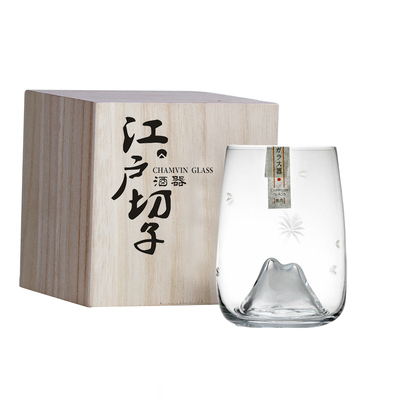
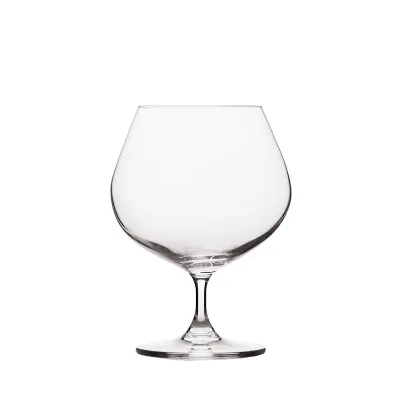
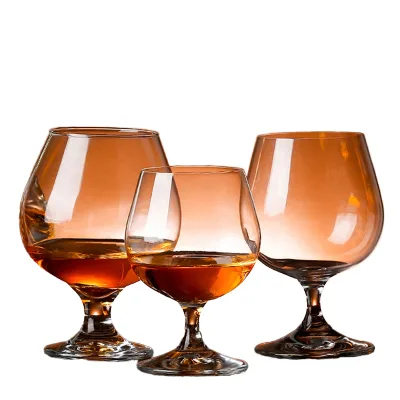
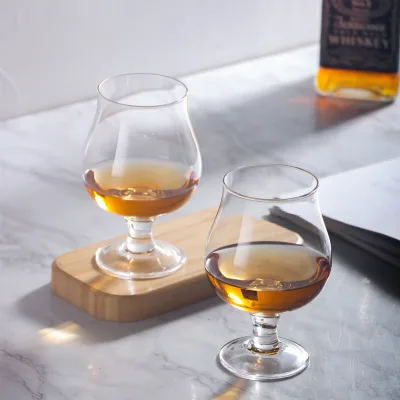
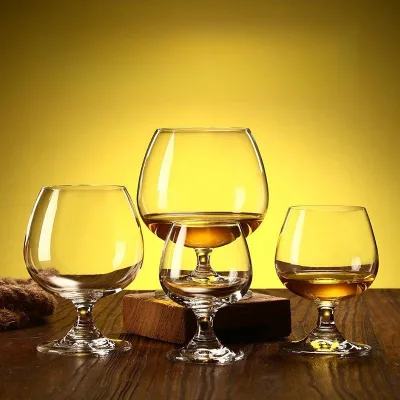
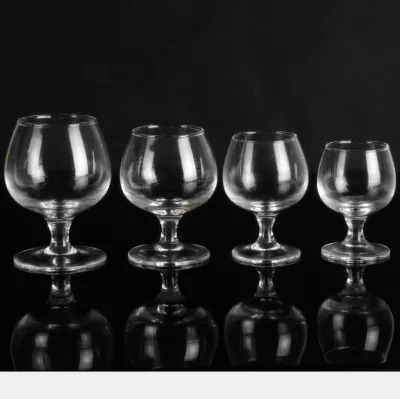
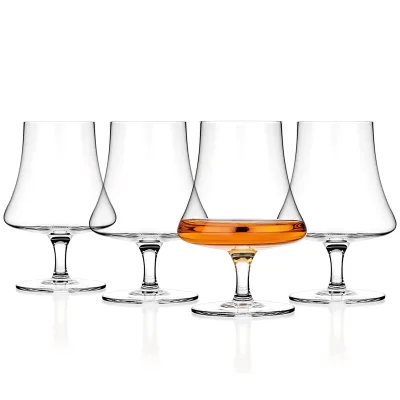
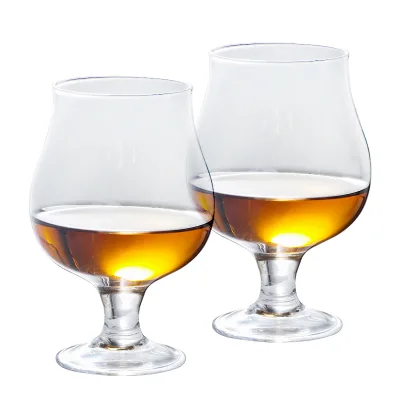


Comprehensive Sourcing Guide
Hand Blown Crystal Whiskey Snifter Supplier Concentration and Factory Types
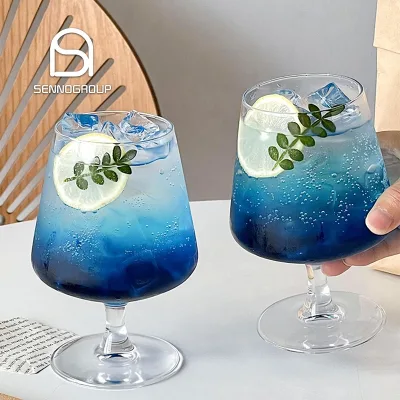
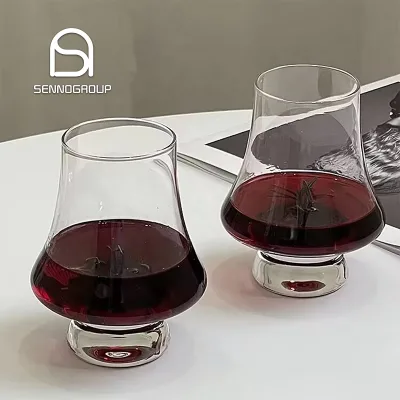
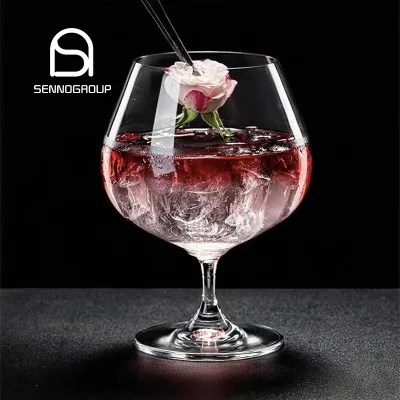
The current supplier landscape for hand blown crystal whiskey snifters reveals a mix of manufacturing and trading company profiles, with a notable concentration of production facilities originating from Guangdong, China. Specific product evidence indicates that many items labeled as crystal or glass snifters are manufactured in this region, utilizing materials described as lead-free crystal glass or standard glass. While some listings highlight hand-made techniques for specific high-end tumblers, other entries specify machine-made processes for similar glassware, suggesting a diverse range of production capabilities within the same geographic cluster. Buyers should verify whether a specific supplier claims hand-blown craftsmanship or relies on automated molding, as this distinction significantly impacts the final product's aesthetic and structural integrity.
When evaluating the type of entity, it is crucial to distinguish between direct manufacturers and trading companies, as both appear in the search results for this category. Manufacturers typically offer direct control over the production line, which can influence lead times and customization options, whereas trading companies may aggregate products from multiple factories to offer a broader catalog. The presence of a "Food Safe Material" advantage in product attributes suggests that manufacturers in this cluster adhere to specific safety standards for glassware intended for spirits. However, without explicit verification of a supplier's factory ownership, buyers must treat all entities as potential intermediaries unless proven otherwise. The geographic concentration in Guangdong implies a mature supply chain, but the specific location of the factory floor remains a variable that requires direct confirmation during the vetting process.
How to Verify Hand Blown Crystal Whiskey Snifter Suppliers
Verification of supplier claims regarding hand-blown crystal production requires a rigorous examination of product attributes and manufacturing details provided in the listing. Buyers should scrutinize the "Technology" field, looking for explicit mentions of "Hand made" versus "Machine made," as some listings for similar snifters indicate machine production despite the "crystal" label. Additionally, the "Material" specification must be checked for terms like "Lead free Crystal Glass" to ensure the product meets safety and quality expectations for spirits. It is essential to request physical samples or detailed video evidence of the blowing process, as text descriptions alone cannot confirm the artisanal nature of the manufacturing. The presence of a specific brand name, such as "chengfengglass," on product attributes may indicate a private label operation, but this does not automatically verify the supplier's own manufacturing capacity or the authenticity of the hand-blown claim.
Beyond product specifications, buyers must validate the supplier's operational history and response capabilities to ensure reliability. The "lead_time" data shows a standard window of 30 days for orders up to 10,000 pieces, with larger quantities requiring negotiation, which serves as a baseline for production capacity. However, this general lead time does not account for the specific complexities of hand-blown glass, which often requires longer curing and finishing times. Buyers should inquire about the supplier's establishment year and request references from previous clients who ordered similar custom glassware. Furthermore, verifying the "place of origin" as Guangdong, China, against the supplier's actual business license is a critical step to confirm the physical location of the factory. Without these concrete checks, the risk of receiving machine-made glass marketed as hand-blown remains high, necessitating a cautious approach to supplier selection.
What to Compare Across Hand Blown Crystal Whiskey Snifter Suppliers
When comparing potential suppliers, the primary differentiators often lie in the Minimum Order Quantity (MOQ) and the pricing structure associated with different order volumes. Evidence shows a wide variance in MOQ requirements, with some listings accepting orders as low as 100 pieces while others mandate a minimum of 5,000 pieces. This disparity significantly impacts the feasibility of sourcing for small to medium-sized businesses, making it essential to align supplier MOQs with the buyer's inventory strategy. Pricing also fluctuates based on these volume thresholds, with unit costs ranging from approximately $0.30 to $3.85 depending on the specific product model and material specifications. Buyers must calculate the total landed cost, including the impact of higher unit prices for smaller runs, to determine the most economically viable supplier for their specific needs.
Another critical comparison point is the customization capabilities and the specific product attributes offered by each supplier. Some listings explicitly state that "Customized Logo Acceptable" and offer OEM services, while others focus on standard stock items with fixed designs. The "Style" attribute varies from "Classic" to "American Style" and "Bohemian," indicating that suppliers cater to different market segments and aesthetic preferences. Buyers should compare the "Single package size" and "Single gross weight" to estimate shipping costs, as these dimensions vary significantly between a 70ml snifter and a 467ml tumbler. Additionally, the "Usage" field, which ranges from "Hotel" to "Hospitality use," helps identify suppliers whose products are tailored to specific commercial environments. A thorough comparison of these attributes ensures that the selected supplier can meet both the functional and branding requirements of the buyer's project.
Common Hand Blown Crystal Whiskey Snifter Sourcing Risks
One of the most significant risks in sourcing hand-blown crystal whiskey snifters is the discrepancy between the advertised manufacturing technique and the actual production method. While some product attributes list "Hand made" as a feature, others in the same category specify "Machine made," creating confusion about the true nature of the product. This inconsistency can lead to receiving mass-produced glassware that lacks the unique character and value associated with hand-blown items. Buyers must be vigilant in verifying the production process through direct communication and sample inspection, as relying solely on listing descriptions can result in a mismatch between expectations and the delivered goods. The risk is compounded by the potential for suppliers to use generic terms like "crystal" without adhering to strict lead-free standards, which could affect the safety and quality of the final product.
Another prevalent risk involves the variability in lead times and the potential for delays, particularly for larger order quantities. The standard lead time of 30 days for orders up to 10,000 pieces may not account for the additional time required for hand-blown glass production, which often involves intricate finishing and quality control steps. For orders exceeding 10,000 pieces, the lead time is listed as "To be negotiated," introducing uncertainty into the supply chain planning. This ambiguity can disrupt inventory management and market launch schedules, especially if the supplier lacks the capacity to scale production quickly. Furthermore, the "Food Safe Material" claim, while present in some attributes, requires independent verification to ensure compliance with international safety standards. Buyers should mitigate these risks by establishing clear contractual terms regarding production timelines and quality assurance protocols before placing any orders.
Hand Blown Crystal Whiskey Snifter Regional Sourcing and Logistics
The regional sourcing landscape for hand-blown crystal whiskey snifters is heavily influenced by the concentration of manufacturers in Guangdong, China, which serves as a primary hub for glassware production. This geographic cluster offers access to a mature supply chain, including raw material suppliers and specialized finishing services, which can streamline the manufacturing process. However, the specific location of the factory within this region can impact logistics and shipping costs, as different cities may have varying port access and transportation infrastructure. Buyers should verify the exact "place of origin" listed in the product attributes and cross-reference it with the supplier's business address to ensure accurate logistics planning. The "Single package size" and "Single gross weight" provided in the listings are critical for calculating freight charges, as these dimensions vary significantly between different snifter models and packaging configurations.
Logistics planning must also account for the fragility of crystal glassware, which requires specialized packaging to prevent breakage during transit. The "Single package size" data indicates that some items are packed in boxes measuring up to 40x40x40 cm, while others are more compact, affecting the number of units that can be shipped per container. Buyers should inquire about the packaging standards used by the supplier, ensuring that they meet the requirements for international shipping and handling. Additionally, the "Usage" field, which includes applications like "Hotel" and "Bar," suggests that the products are designed for commercial environments where durability and presentation are paramount. Understanding the regional logistics capabilities of the supplier, including their experience with export documentation and customs clearance, is essential for a smooth delivery process. Buyers should prioritize suppliers who demonstrate a strong track record in handling fragile glassware to minimize the risk of damage during transit.
Hand Blown Crystal Whiskey Snifter Commercial Terms and Order Planning
Commercial terms for hand-blown crystal whiskey snifters vary significantly based on the supplier's capacity and the specific order requirements. The "lead_time" data indicates a standard 30-day production window for orders up to 10,000 pieces, with larger quantities requiring individual negotiation. This flexibility allows buyers to plan their inventory cycles more effectively, but it also necessitates early engagement with suppliers to secure production slots. The "MOQ" ranges from 100 to 5,000 pieces, offering options for both small-scale startups and large-scale retailers. Buyers should carefully evaluate these terms against their budget and sales projections to determine the most suitable supplier. Additionally, the "price_min" and "price_max" ranges provide a baseline for cost estimation, but final pricing may depend on factors such as customization, packaging, and shipping arrangements.
Order planning must also consider the customization options available, such as "Customized Logo Acceptable" and "OEM Service Accepted," which are common features in the product attributes. These services allow buyers to brand the snifters according to their specific requirements, but they may incur additional costs and extend the lead time. Buyers should clarify the timeline for logo application and any associated fees before finalizing the order. The "Style" and "Color" options, ranging from "Classic" to "Bohemian" and "Transparent" to "Colorful," further expand the customization possibilities. However, buyers must ensure that the chosen design aligns with their target market's preferences and that the supplier has the capability to produce the requested variations. By carefully reviewing these commercial terms and planning accordingly, buyers can optimize their sourcing strategy and ensure a successful procurement process for hand-blown crystal whiskey snifters.
FAQs
What is the typical lead time for crystal whiskey glasses?
The standard lead time is 30 days for orders between 1 and 10,000 pieces during both peak and off-peak seasons. For larger quantities exceeding 10,000 pieces, the delivery schedule must be negotiated directly with the supplier to accommodate production capacity and logistics requirements.
What are the minimum order quantities for these glasses?
Minimum order quantities vary significantly by product type. Some high-end rotating snifters require a minimum of 5,000 pieces, while standard crystal snifters may have a minimum order of just 100 pieces. Buyers should verify the specific MOQ for their chosen model before placing an order.
Are these glasses made from lead-free crystal glass?
Many available options are manufactured using lead-free crystal glass, ensuring safety for food and beverage contact. Some premium models explicitly state this material composition, while others use standard glass. Buyers should check the product specifications to confirm the material type for their specific needs.
What is the price range for crystal whiskey snifters?
Prices range from approximately $0.30 to $3.85 per piece depending on the design and material quality. Basic machine-made glasses start at lower price points, while hand-made or high-end crystal rotating snifters command higher prices. Volume discounts may apply for larger orders.
Can I customize the logo on these glasses?
Custom logos are generally acceptable for many of the available glassware options. Suppliers often support OEM services, allowing buyers to add their branding to the products. Buyers should confirm customization options and any associated costs with the supplier before finalizing their purchase agreement.
Where are these crystal glasses manufactured?
The primary place of origin for these glassware products is Guangdong, China. Manufacturers and trading companies in this region supply various styles, including classic and American-style designs. Buyers can expect consistent manufacturing standards from suppliers located in this specific geographic area.