Hand Blown Multi-Color Cocktail Glass Suppliers and Manufacturers
Source Hand Blown Multi-Color Cocktail Glass from 26 verified suppliers in Hunan, China. Compare key dimensions including lead times, MOQs, and pricing to find the right partner. Review detailed product specifications and request quotes directly to streamline your procurement process.
Suppliers List
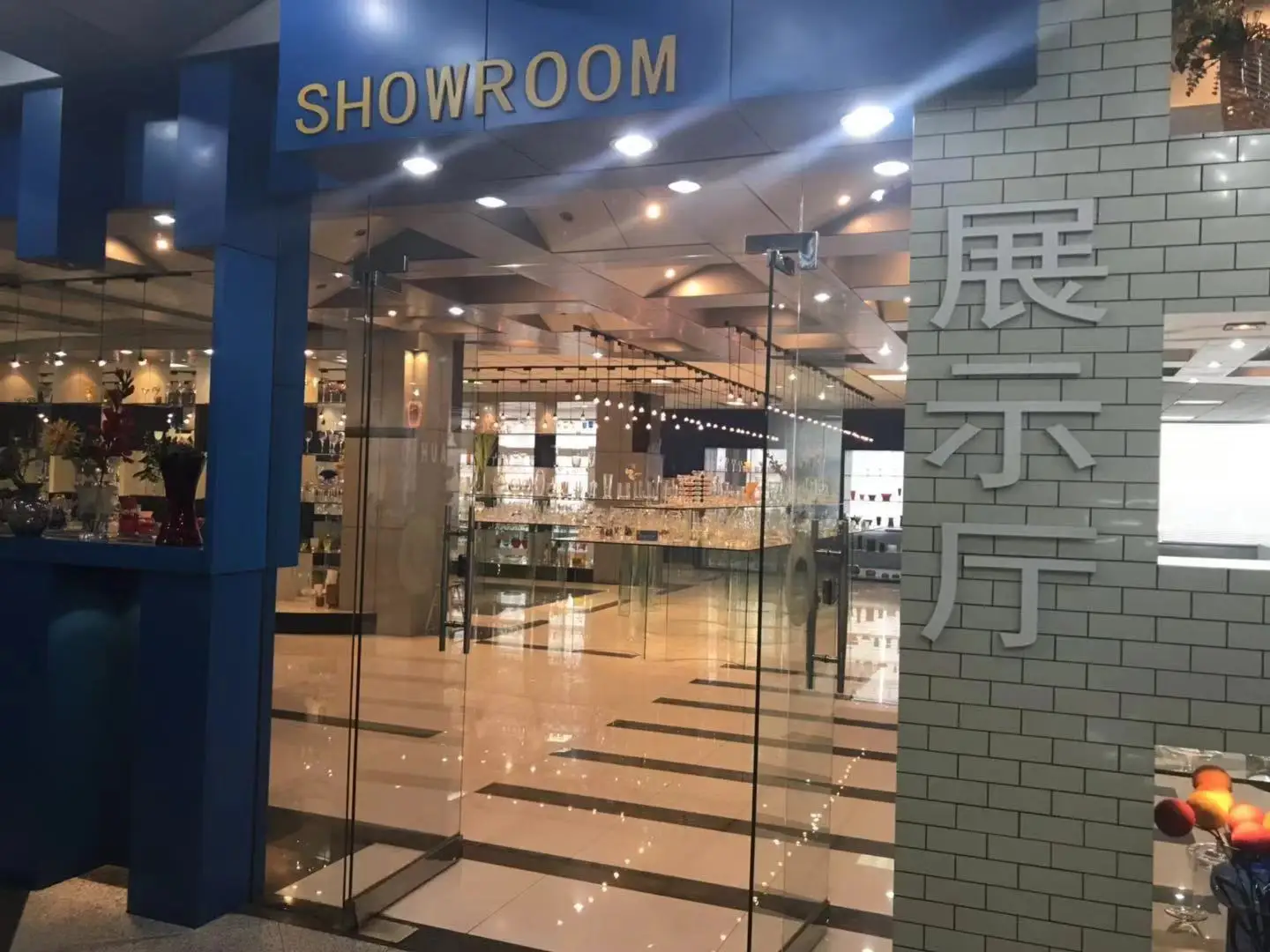
Changsha Aikeyi Homeware Co., Ltd.
- Trading Company
- Hunan, China
- Lead time25 days
- Avg. response≤ 2h
Main productsCustomized Glassware,Glass Tableware,Wine Glass,Glass Bottle,Glass Jar
Main marketsNorth America(33.0%), Oceania(15.0%), South America(12.0%), Western Europe(9.0%), Mid East(8.0%), Central America(4.0%), Northern Europe(4.0%), Africa(3.0%), Eastern Europe(3.0%), Southern Europe(3.0%), South Asia(2.0%), Southeast Asia(2.0%), Eastern Asia(2.0%)
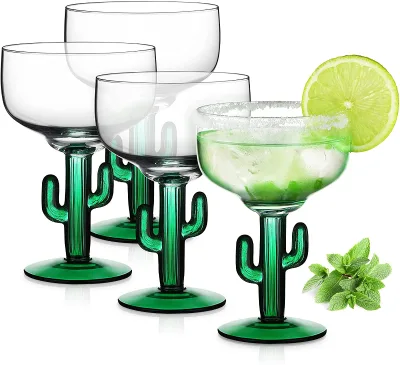
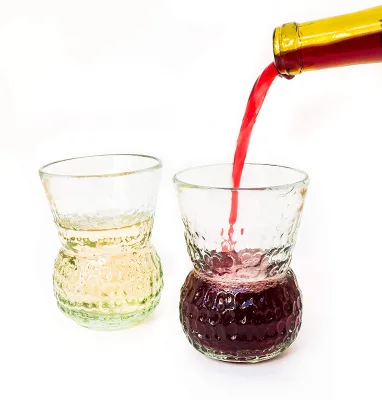
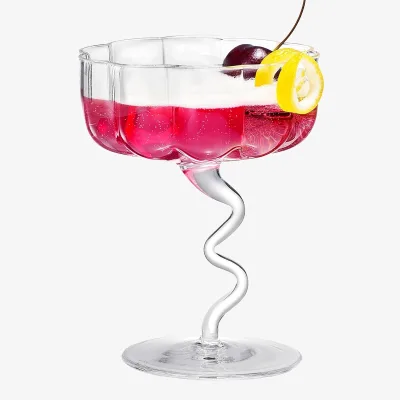
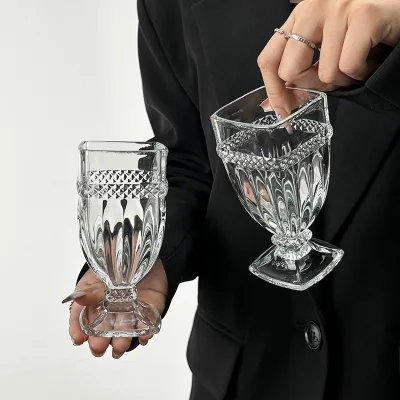
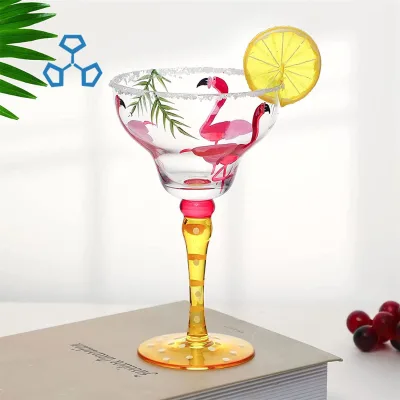
Colorful Swinging Spiral Cocktail Glass, Flower-shaped Glass, Hand-blown Unique Vintage Stemware
$1.39 - $3.99
MOQ: 1000 sets
$0.71 - $0.77
MOQ: 1000 pieces
Xiamen Horae Glassware Co., Ltd.
- Manufacturer, Trading Company, Distributor/Wholesaler
- Fujian, China
- Lead time0 days
- Avg. response≤ 4h
Main productsglassware,glass products,glasses,packing,gift and crafts
Main marketsEastern Europe(20.0%), North America(20.0%), Western Europe(15.0%), Southeast Asia(10.0%), Southern Europe(5.0%), Northern Europe(5.0%), Central America(5.0%), South America(5.0%), Eastern Asia(5.0%), Mid East(5.0%), Oceania(5.0%)

Rollin Porcelain Industrial Co., Ltd.
- Verified by BV
- Manufacturer/Factory
- China Guangdong
- Lead time45 days
- Avg. response≤ 6h
Main productsPorcelain Dinnerware, Tableware, Dinner Set, Dinner Plate, Hotel and Restaurant Tableware, Bone China, Cutlery, Glassware, Ceramic Plate, Porcelain
Main marketsEastern Europe,Mid East,North America,Southeast Asia,Eastern Asia,Oceania,Western Europe
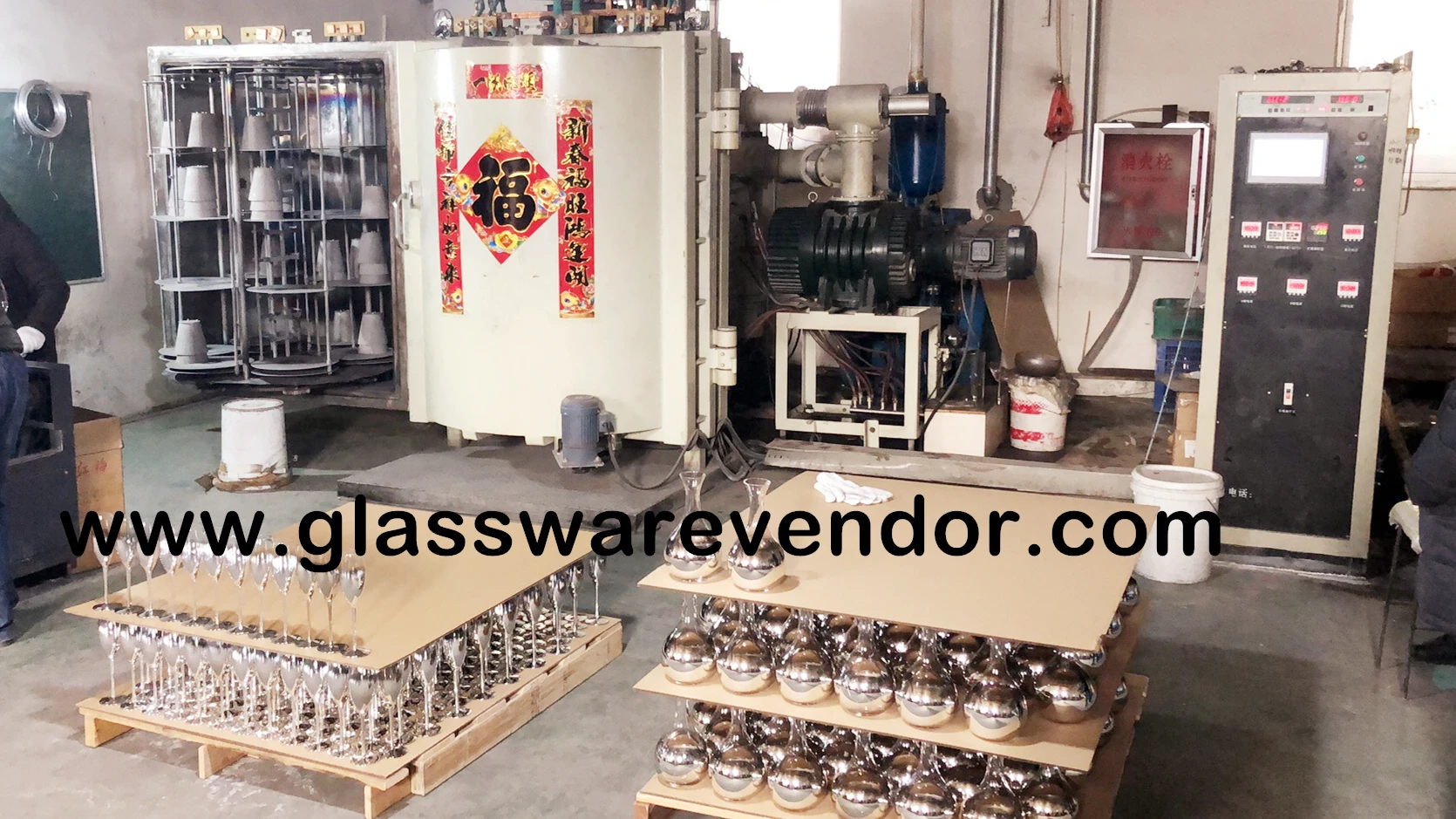
Shenzhen Sunrise Glassware Co., ltd.
- Trading Company
- Guangdong, China
- Lead time30 days
- Avg. response≤ 8h
Main productscustom crystal wine glass,custom hand cut whiskey glass,custom drinking glass,custom colored glass cup,custom double wall glass cups
Main marketsWestern Europe(20.0%), North America(20.0%), Southern Europe(16.0%), Domestic Market(10.0%), Northern Europe(10.0%), Oceania(7.000000000000001%), Mid East(5.0%), Eastern Asia(5.0%), South America(2.0%), Southeast Asia(2.0%), Central America(2.0%), Eastern Europe(1.0%)
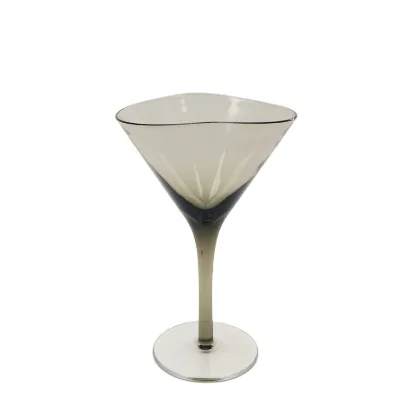
$2.74 - $2.94
MOQ: 2000 pieces
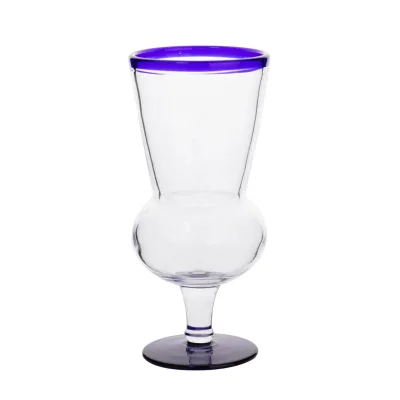
purple rim black base footed hurricane cocktail glass hurricane juice glass
$1.85 - $1.99
MOQ: 2000 Minimum
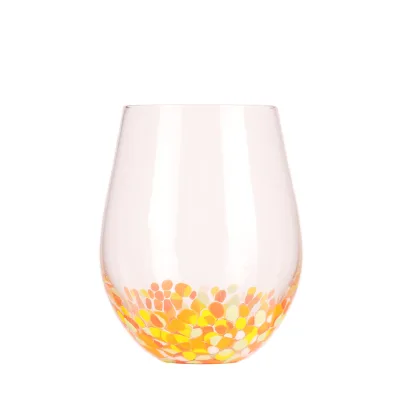
Shanxi Jingsheng Glassware Co., Ltd.
- Verified by TüVRheinland
- Manufacturer, Trading Company
- Lead time25 days
- Avg. response≤ 3h
Main productsGlass Coffee Cup, Glass Tea Cup Set, Glass Drinkware, Glass Water Cup Set, Glass Home Decoration
Main marketsDomestic Market(39%), North America(20%), Western Europe(10%)

XIAMEN SHUNSTONE HOMEWARE CO., LTD.
- Manufacturer/Factory
- China Fujian
- Lead time23 days
- Avg. response≤ 5h
Main productsWhiskey Gift Set, Whiskey Glass, Wine Glass, Cocktail Shaker, Cooking Steak Stone, Whiskey Decanter, Wine Decanter, Wine Opener
Main marketsSouth America,Eastern Europe,Mid East,North America,Southeast Asia,Eastern Asia,Oceania,Western Europe,Africa


High Borosilicate Vertical Grain Champagne Wine Glass Decoration Butterfly Wine Glasses
$3.99 - $4.29
MOQ: 480 Pieces

Hebei Xingchen Glass Technology Co., Ltd.
- Verified by CTI
- Combined
- China Hebei
- Lead time30 days
- Avg. response≤ 10h
Main productsGlass Cup, French Press, Coffee Pot, Glass Jar, Teapot, Syphon Coffee Maker, Glass Cooking Pot, Glass Pitcher, Glass Straw, Glass Teacup
Main marketsSouth America,Africa,Others(foreignTradeCapacity.exportBusinessCapacityMarketOther),Southeast Asia/ Mideast,East Asia(Japan/ South Korea),Europe,Australia,North America


Hand-Blown Blue Borosilicate Glass Vertical Colorful Ribbed Drinking Cup Glass with Handle
$1.21 - $1.59
MOQ: 300 Pieces

Unique Long Stem Champagne Goblet Glass Cup Hand Blown Crystal Glass Wine Glasses
$1.55 - $2.35
MOQ: 500 Pieces

Wholesale Customized Hand Blown White Red Wine Glass Champagne Goblet Glasses Set
$1.25 - $2.75
MOQ: 500 Pieces

Hebei Zhuozhongxi Glass Products Co., Ltd.
- Verified by BV
- Manufacturer/Factory
- China Hebei
- Lead time15 days
- Avg. response≤ 4h
Main productsGlass Cup, Glass Teapot, Coffee Appliance, Tea Set, Glass Crafts, Glass Jug, Glass Food Storage Jar, Wine Glass, Candle Holders, Double Wall Glass
Main marketsSouth America,Eastern Europe,Mid East,North America,Southeast Asia,Eastern Asia,Oceania,Western Europe,Africa
Guangzhou Tianfu Glass Products Co., Ltd.
- Verified by SGS Group
- Trading Company
- Lead time0 days
- Avg. response≤ 3h
Main productsGlass, Red Wine Glass, Beer Glass, Cocktail Glass, Champagne Glass
Main marketsNorth America(30%), Southeast Asia(20%), Western Europe(10%)
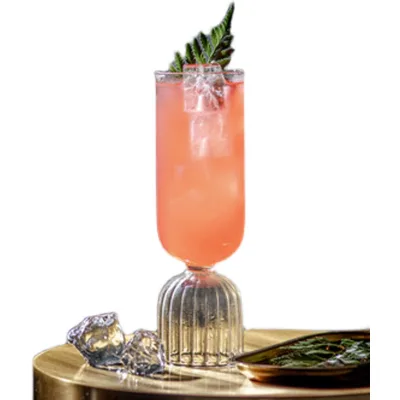
Custom Made Hand Blown Champagne Flute Borosilicate Glass Clear Striped Cocktail Glass
$1.53 - $1.91
MOQ: 300 pieces
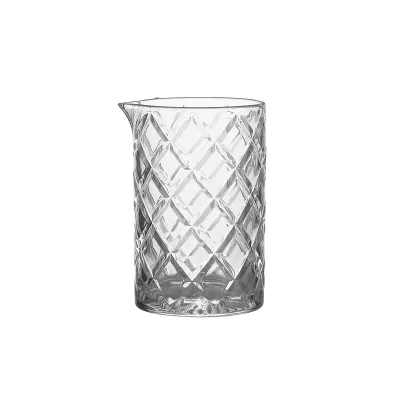
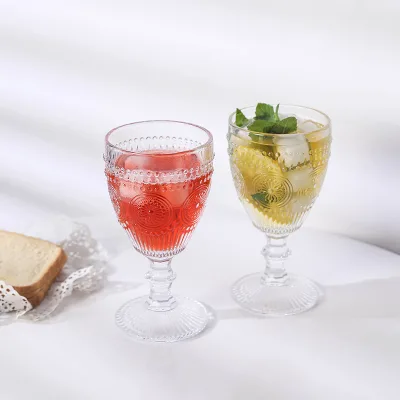
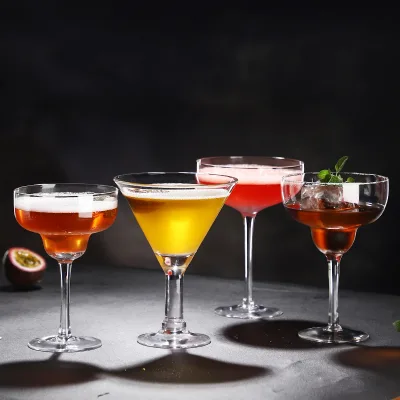
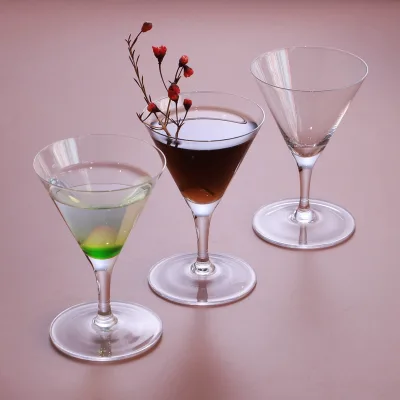
custom logo high-foot martini glass Lead free crystal triangle cocktail glasses for party
$1.15 - $1.50
MOQ: 300 pieces
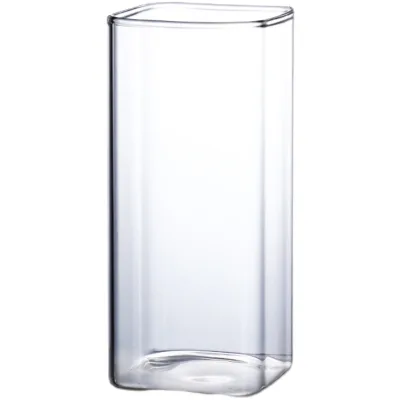
New design Wedding drinking Glass with logo Personalized thin whiskey Glass
$0.93 - $1.53
MOQ: 100 pieces

Jinjiang Jiaxing Supply Management Co., Ltd.
- Verified by TUVRHEINLAND
- Trading Company
- China Fujian
- Lead time30 days
- Avg. response≤ 1h
Main productsEVA Clogs, Flip Flop, Shoe Charms, Shopping Bags, Wristbands, Gifts, Promotional Gifts, Slipper, Sport Cap, Ball
Main marketsNorth America

- Verified by TUVRHEINLAND
- Manufacturer/Factory
- China Zhejiang
- Lead time45 days
- Avg. response≤ 3h
Main productsIce Bucket, Toys, Kitchen Products, Hip Flask, Shaker, Bar Caddy, Menu Board, Bottle Opener, Barwares, Wine Glasses
Main marketsSouth America,Eastern Europe,Mid East,North America,Southeast Asia,Eastern Asia,Oceania,Western Europe,Africa

Wuhan Xinhuahang Household Goods Co., Ltd.
- Verified by BV
- Combined
- China Hubei
- Lead time15 days
- Avg. response≤ 4h
Main productsWine Glasses, Beer Glass, Drinking Glass, Decanter, Shot Glass, Coffee Glass, Cocktail Glass, Champagne Glass, Wine Accessories
Main marketsEurope,Australia,North America

Various Designs Foreign Wine Cup Bar Drinking Hand-Blown Glassware Clear Rotating Whisky Glass
$0.35 - $0.55
MOQ: 48 Pieces


$2.46 - $3.36
MOQ: 480 Pieces

Various Designs Foreign Wine Cup Hand-Blown Restaurant Drinking Thick Bottom Clear Whiskey Glass
$0.35 - $0.55
MOQ: 48 Pieces

Hand Blown Gift Hot Sale Optic Swirl Colored Green Blue, Purple Gin Tonic Wine Glass
$0.98 - $1.32
MOQ: 480 Pieces

Various Designs Foreign Wine Cup Hand-Blown Glassware Clear Thick Bottom Diamond Whiskey Glass
$0.35 - $0.55
MOQ: 48 Pieces

Foshan Nanhai Hua Yue Glass Co., Ltd.
- Verified by BV
- Combined
- China Guangdong
- Lead time30 days
- Avg. response≤ 3h
Main productsGlassware, Glass Bottle, Glass Cups, Glass Mugs, Wine Glass, Glass Plates, Glass Jars, Glass Bowls
Main marketsSoutheast Asia/ Mideast,Europe,Australia,North America

Handmade Fruit Sugar Colored Wine Glass Goblet Glass Champagne Glass Cocktail Glass
$3.50
MOQ: 10000 Pieces


Yancheng Xinboyuan Glass Co., Ltd.
- Verified by BV
- Trading Company,Manufacturer/Factory
- China Jiangsu
- Lead time23 days
- Avg. response≤ 12h
Main productsGlass Table Lamp, Glass Perfume Bottles, Glass Lampshade, Glass Labware, Glass Bottles & Jars, Glass Candlesticks, Borosilicate Mug & Cups, Glass Vases & Terrariums, Glass Beakers, Glass Reagent Bottles
Main marketsEastern Europe,Mid East,North America,Western Europe

The Wedding Flute Glass Highball Glass Is a Uniquely Designed Cocktail Glass
$3.80 - $4.50
MOQ: 300 Pieces


Shanxi Snw Science And Trade Co., Ltd.
- Trading Company
- Shanxi, China
- Lead time45 days
- Avg. response≤ 7h
Main productsWine glass,Glass Candle Jar,Glass Vase,Beer Glass,Glass Storage Jar
Main marketsSouth America(20.0%), North America(15.0%), Central America(10.0%), Eastern Europe(10.0%), Eastern Asia(8.0%), South Asia(6.0%), Northern Europe(5.0%), Southeast Asia(5.0%), Western Europe(5.0%), Oceania(5.0%), Mid East(4.0%), Southern Europe(4.0%), Domestic Market(3.0%)

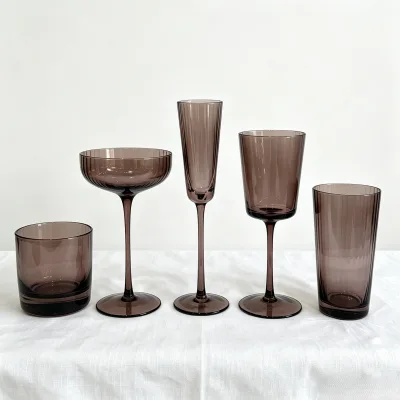
$2.75 - $4.50
MOQ: 200 Minimum
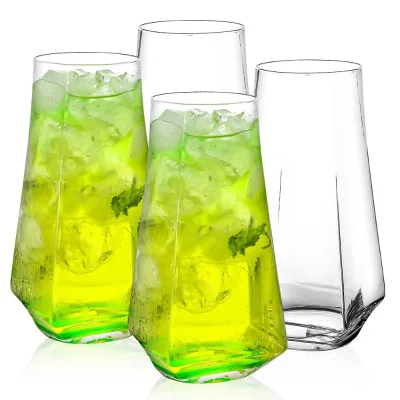

- Verified by CTI
- Trading Company
- China Shanghai
- Lead time23 days
- Avg. response≤ 6h
Main productsGlass Bottle, Bottle, Vodka Glass Bottle, Whisky Glass Bottle, Glass Beer Bottle, Glass Wine Bottle, Beer Bottle, Glass Decanter, Glass Jars, Glass
Main marketsSouth America,Africa,Europe,Australia,North America


Glass Bottle Wine Glass with Screw Liquor Bottle Glass Liquor Bottle 750ml Hand Shaped Bottle
$0.25 - $0.50
MOQ: 6000 Pieces
Qixian Xin Sen Glass Products Co., Ltd.
- Verified by Intertek
- Manufacturer, Trading Company
- Lead time35 days
- Avg. response≤ 3h
Main productsDrinking Glassware, Glass Jar, Glass Plate, Glass Vase
Main marketsNorth America(40%), Oceania(20%), Northern Europe(20%)

- Verified by SGS
- Trading Company
- China Zhejiang
- Lead time15 days
- Avg. response≤ 15h
Main productsMop, Kitchen Knife, Chopping Board, Blanket, Mosquito Net, Cushion, Slipper, Broom, Luggage, Educational Toy
Main marketsEurope,Australia

Multi-Style Hand Blown Mountain Bottom Crystal Whiskey Lead-Free Shot Wine Glasses
$1.20 - $1.41
MOQ: 700 Pieces

Wholesale Handmade Eco-Friendly Glass Cocktail Whisky Cup Customizable for Parties Glass
$4.50 - $5.00
MOQ: 200 Pieces

$1.03 - $1.21
MOQ: 800 Pieces

High Quality Modern Style Personalized Practical Trendy Creative Cocktail Glasses
$4.50 - $5.00
MOQ: 200 Pieces

Guangzhou Garbo International Trading Co., Ltd.
- Verified by TUVRHEINLAND
- Trading Company,Manufacturer/Factory
- China Guangdong
- Lead time45 days
- Avg. response≤ 7h
Main productsGlassware, Glass Cup, Glass Mug, Glass Bowl, Glass Candy Jar, Glass Pitcher, Glass Ice Cream Cup and Ice Bucket, Opal Glassware, Stainless Steel Cutlery, Ceramic Dinnerware
Main marketsSouth America,Eastern Europe,Mid East,North America,Southeast Asia,Eastern Asia,Oceania,Western Europe,Africa


Wholesale Stem Wine Brandy Cocktail Glass Cup and Coupe 294ml Beer Glass Goblet
$0.65 - $1.00
MOQ: 5000 Pieces

$1.52 - $1.90
MOQ: 3000 Pieces

Hand-Engraved Cocktail Glasses with Line Engraved Wine Glassware
Contact supplier


High Quality 14oz Hand Blown & Hand Painted Glass Drinking Cup
Contact supplier
Baoying County Xuzhiguang Glass Crafts Co., Ltd.
- Verified by SGS Group
- Manufacturer, Trading Company
- Lead time7 days
- Avg. response≤ 2h
Main productsGlass Vases, Glass Candle Holders, Glass Tea Sets, Glass Wind Chimes, Glass Wine Glasses
Main marketsDomestic Market(66%), North America(12%), Western Europe(5%)
Jianhu Jingyi Glass Products Co., Ltd.
- Manufacturer
- Jiangsu, China
- Lead time35 days
- Avg. response≤ 2h
Main productsGlass candle holders,Glass Vase,Hourglass,Glass tableware,Glass Christmas ornaments
Main marketsNorth America(69.86%), Domestic Market(12.68%), Western Europe(6.619999999999999%), Mid East(3.2099999999999995%), South America(2.66%), Eastern Asia(1.28%), Northern Europe(1.28%), Africa(0.86%), Eastern Europe(0.69%), Southeast Asia(0.52%), Southern Europe(0.34%)
Yangzhou Artdragon Decorations Co., Ltd.
- Manufacturer, Trading Company
- Jiangsu, China
- Lead time60 days
- Avg. response≤ 3h
Main productsGlass Crafts, Felt Products, Sport Products
Main marketsNorth America(65.0%), Western Europe(25.0%), South America(3.0%), Northern Europe(3.0%), Oceania(1.0%), Southern Europe(1.0%), Eastern Asia(1.0%), Mid East(1.0%)

Hemera (Tianjin) Technology Development Limited
- Verified by TUVRHEINLAND
- Manufacturer/Factory
- China Tianjin
- Lead time38 days
- Avg. response≤ 4h
Main productsGlass Cup, Glass Teapot, Glass Jar&Container, Glass Pitcher&Carafe, Water Jug, Coffee Set, Wine Set, Glass Cooking Ware
Main marketsSouth America,Eastern Europe,Mid East,North America,Southeast Asia,Eastern Asia,Oceania,Western Europe,Africa

Glass Double Wall Glasses Cocktail Tumbler Hot Drinking Old Fashioned Glass Rocks Cup
$2.00 - $3.00
MOQ: 500 Pieces


Creative Customized Irregular Shape Whiskey Glass Drinking Glass Whisky Cup
$2.50 - $3.25
MOQ: 500 Pieces

Special Shaped Glass Water Whiskey Cup Home Office Juice Cup Bar Wine Whiskey Glasses
$2.00 - $4.00
MOQ: 500 Pieces
Shanxi Liangpin Glassware Co., Ltd.
- Manufacturer
- Shanxi, China
- Lead time7 days
- Avg. response≤ 1h
Main productsglass cup,tea set,Water cup,Decanter,Dining plate
Main marketsSouthern Europe(10.0%), Northern Europe(10.0%), Western Europe(10.0%), Eastern Europe(10.0%), South America(10.0%), North America(10.0%), Domestic Market(5.0%), South Asia(5.0%), Central America(5.0%), Oceania(5.0%), Africa(5.0%), Southeast Asia(5.0%), Eastern Asia(5.0%), Mid East(5.0%)

Tianjin Jiaming Technology Co., Ltd.
- Verified by SGS
- Trading Company
- China Tianjin
- Lead time15 days
- Avg. response≤ 10h
Main productsGlass Jar, Glass Cup, Kitchen Utensils, Teapot, Glass Pitcher
Main marketsOthers(foreignTradeCapacity.exportBusinessCapacityMarketOther)

$0.87 - $1.07
MOQ: 500 Pieces

Guangzhou Blais Hotel Supplies Co., Ltd.
- Verified by SGS Group
- Trading Company
- Lead time30 days
- Avg. response≤ 6h
Main productsCeramic Dinnerware, Stainless Steel Flatware, Wine Glass, Charger Plate
Main marketsNorth America(95%), South America(3%), Africa(1%)





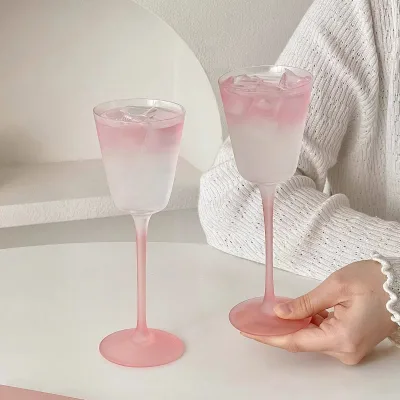
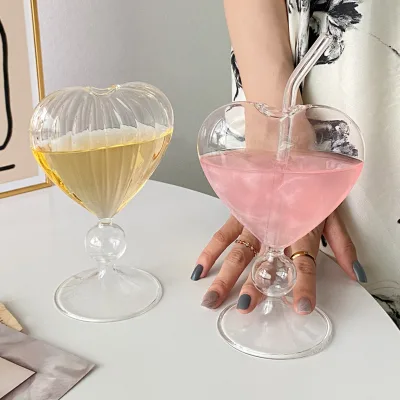
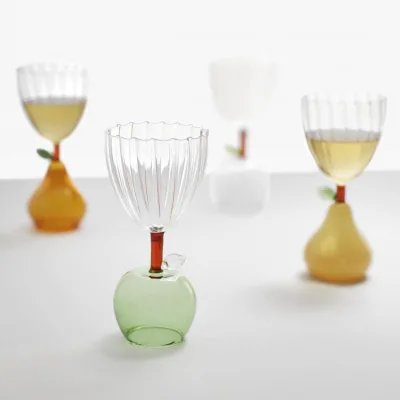
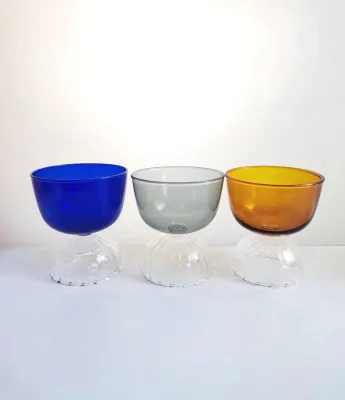

Comprehensive Sourcing Guide
Hand Blown Multi-Color Cocktail Glass Supplier Concentration and Factory Types
The available data indicates a specific concentration of suppliers operating within Hunan, China, for this product category. This region appears to host multiple entities offering customized glassware, including wine glasses and cocktail sets, suggesting a localized manufacturing cluster. Buyers should prioritize verifying this geographic concentration, as the presence of multiple suppliers in Hunan may indicate established supply chains for raw materials and skilled labor specific to hand-blown techniques. However, without explicit confirmation of every supplier's exact factory address, buyers must treat this regional data as a starting point for due diligence rather than a definitive map of all available production sites.
Regarding company structures, the observed results include Trading Companies alongside potential manufacturing entities. A Trading Company acts as an intermediary, which can streamline communication but may obscure the actual production floor details. Buyers need to distinguish between a direct factory and a trading entity by examining the main products listed and the specific attributes of the hand-blown glassware. If a supplier lists diverse product lines like glass bottles and jars alongside cocktail glasses, it may suggest a broader trading scope rather than a specialized glass factory. Verifying the company type is essential to understand the depth of technical expertise available for complex hand-blown designs.
How to Verify Hand Blown Multi-Color Cocktail Glass Suppliers
Verification begins with scrutinizing the specific product attributes provided in the search results, such as the "Hand blown" technology tag and the "Sustainable" or "Substainable" features. These attributes serve as initial evidence of the manufacturing process, but buyers must request physical samples to confirm the quality of the hand-blown finish and the accuracy of the multi-color application. The presence of specific model numbers like GW210953 or A895 allows for precise tracking of product specifications, ensuring that the supplier can reproduce the exact design details required for the order. Buyers should not rely solely on digital descriptions but must validate the physical reality of the craftsmanship.
Another critical verification step involves checking the response time and the consistency of the supplier's communication. The data shows a response time of 2, which indicates a relatively quick turnaround for initial inquiries, but this metric should be tested directly by the buyer. A fast response does not guarantee production capability, so buyers should ask detailed questions about the production timeline and the specific steps involved in creating the multi-color effect. Additionally, verifying the brand name associated with the products, such as Aikeyi or JBJ, helps in assessing the supplier's market presence and reputation. Buyers should cross-reference these brand names with external sources to ensure they represent legitimate entities with a history of reliable delivery.
What to Compare Across Hand Blown Multi-Color Cocktail Glass Suppliers
When evaluating potential partners, buyers must compare the Minimum Order Quantities (MOQ) and pricing structures, which vary significantly across the available options. Some listings show an MOQ of 1200 pieces with a price range starting around 3.89, while others offer lower thresholds like 500 pieces with prices near 1.07. This variation requires buyers to align their order volume with the supplier's capacity and cost structure. A lower MOQ might be attractive for testing the market, but the unit price could be higher, affecting the overall margin. Buyers should calculate the total landed cost, including shipping, to determine the most economical option for their specific volume requirements.
Lead times and response speeds are also critical comparison points that influence the supply chain efficiency. The observed lead time of 25 days suggests a standard production window, but this can fluctuate based on order complexity and current factory workload. Buyers should compare this against the supplier's stated response time to gauge their overall operational efficiency. A supplier with a short lead time but a slow response time might cause delays in communication, while a fast responder with a long lead time might struggle to meet urgent deadlines. Additionally, comparing the main products offered, such as whether they specialize in stemless glasses or traditional stemware, helps ensure the supplier has the specific expertise required for the multi-color hand-blown designs.
Common Hand Blown Multi-Color Cocktail Glass Sourcing Risks
One significant risk involves the inconsistency of color application in hand-blown glassware, which is a manual process prone to variation. The product attributes mention "Green" and "Clear Transparent" colors, but the multi-color aspect may introduce challenges in maintaining uniformity across a large batch. Buyers must be aware that hand-blown techniques can result in slight differences in hue and intensity, which might not meet strict quality control standards if not managed correctly. To mitigate this, buyers should request detailed color charts and approve a pre-production sample that matches the exact multi-color specifications before authorizing the full order.
Another risk is the potential mismatch between the stated material properties and the actual product performance. While some listings specify "High borosilicate" or "Lead free" materials, others may not provide such detailed chemical composition data. This lack of transparency can lead to issues regarding durability and safety, especially for glassware intended for food and beverage use. Buyers should verify the material certifications and ensure that the glass meets relevant safety standards for the target market. Without clear evidence of material compliance, there is a risk of receiving products that are fragile or unsafe, leading to returns and reputational damage.
Hand Blown Multi-Color Cocktail Glass Regional Sourcing and Logistics
The concentration of suppliers in Hunan, China, presents specific logistical considerations for international buyers. Sourcing from this region may involve longer transit times compared to suppliers located closer to major shipping ports, although the specific distance depends on the buyer's location. Buyers should factor in the time required for inland transportation from the factory to the port, as well as the ocean freight duration. Understanding the logistics chain is crucial for accurate delivery estimates, especially when dealing with fragile items like hand-blown glass that require careful packaging to prevent breakage during transit.
Packaging specifications are another logistical factor that varies by supplier and can impact shipping costs and product safety. The data indicates single package sizes ranging from 7.4x7.4x14.8 cm to 30x20x20 cm, which directly influences the volume and weight of the shipment. Buyers must ensure that the packaging is robust enough to protect the delicate glassware while optimizing the container space to reduce freight costs. Additionally, verifying the supplier's experience with international shipping and their ability to handle customs documentation is essential. A supplier familiar with export procedures can streamline the logistics process, reducing the risk of delays or additional fees at the destination.
Hand Blown Multi-Color Cocktail Glass Commercial Terms and Order Planning
Commercial terms such as payment methods and escrow services play a vital role in securing the transaction and protecting the buyer's interests. While the provided data does not explicitly confirm the availability of escrow services for all suppliers, buyers should prioritize platforms or suppliers that offer secure payment options to mitigate financial risk. Understanding the payment terms, including deposit requirements and balance payment schedules, is essential for effective cash flow management. Buyers should negotiate terms that align with their financial capabilities and the supplier's expectations, ensuring a mutually beneficial agreement that supports the order planning process.
Order planning requires a clear understanding of the production timeline and the ability to accommodate potential delays. With a lead time of 25 days observed in some listings, buyers should plan their inventory replenishment well in advance to avoid stockouts. It is also important to consider the impact of seasonal demand on production capacity, as hand-blown glassware may experience fluctuations in availability during peak seasons. Buyers should establish a buffer in their order planning to account for any unforeseen delays in production or shipping. By carefully managing the timeline and maintaining open communication with the supplier, buyers can ensure a smooth and timely delivery of their hand-blown multi-color cocktail glass orders.
FAQs
What is the typical lead time for hand blown cocktail glasses?
The typical lead time for these items is 25 days based on current supplier data. Buyers should confirm specific schedules as production times may vary by order volume and customization needs. Always verify the exact delivery window before placing a large order to ensure timely arrival.
What is the minimum order quantity for these glasses?
Minimum order quantities range from 500 to 1200 pieces depending on the specific design selected. Some sustainable options require 500 units while others may need 1200. Buyers must check the specific product page to confirm the exact MOQ applicable to their chosen style and color.
Where are these hand blown glasses manufactured?
These glasses are manufactured in Hunan, China according to the provided supplier facts. The region is known for producing various glassware types including wine and cocktail glasses. Buyers should verify the specific factory location if they require detailed logistics planning or local compliance checks.
What materials are used for these sustainable cocktail glasses?
Materials include high borosilicate and lead-free glass for sustainable options. Some products feature crystal textures while others use standard glass. Buyers should review the specific product attributes to confirm material composition, especially if they require eco-friendly or specific safety certifications for their market.
How quickly do suppliers typically respond to inquiries?
Suppliers typically respond within 2 hours based on the observed data. This fast response time helps buyers clarify details about pricing and customization quickly. However, response times can vary, so buyers should test communication channels early in the sourcing process to ensure reliable contact.
What is the price range for these custom glassware items?
Prices range from approximately 0.71 to 9.09 per piece depending on design complexity and order volume. Specific costs vary by color, capacity, and whether the item is hand blown or stemless. Buyers should request a detailed quote for their exact quantity to get an accurate final price.
Are customized logos available for these cocktail glasses?
Customized logos are acceptable for many of the available designs. Suppliers offer branding options for events like weddings or corporate giveaways. Buyers should confirm logo placement limits and additional costs during the inquiry phase to ensure the final product meets their specific branding requirements.