Aperture Setting Gold Necklace Suppliers and Manufacturers
Source Aperture Setting Gold Necklace from 30 verified suppliers in China. Compare response times, lead times, and certifications like ISO 9001 and SGS. Review OEM capabilities and MOQs to find the right partner; review the available evidence before requesting comparable quotations from suitable candidates.
Updated
Suppliers List

Longyuan (Guangzhou) Industrial Development Co., Ltd.
- Verified by TUVRHEINLAND
- Manufacturer/Factory
- China Guangdong
- Lead time23 days
- Avg. response≤ 7h
Main productsJewelry, Fashion Watch, Hair Accessories, Men Jewelry, Women Jewelry, Pendants, Brooches, Bracelets, Crowns, Necklaces
Main marketsSouth America,Eastern Europe,Mid East,North America,Western Europe

Yiwu Trendz Accessories Co., Ltd.
- Manufacturer, Trading Company
- Zhejiang, China
- Lead time15 days
- Avg. response≤ 4h
Main productsJewelry, Jewelry Accessories, Children's Jewelry , Adult Jewelry , Hair Accessories
Main marketsSouthern Europe(8.33%), Northern Europe(8.33%), Central America(8.33%), Western Europe(8.33%), Eastern Asia(8.33%), Mid East(8.33%), Oceania(8.33%), Africa(8.33%), Southeast Asia(8.33%), Eastern Europe(8.33%), South America(8.33%), North America(8.33%)

- Verified by BV
- Trading Company,Manufacturer/Factory
- China Guangdong
- Lead time0 days
- Avg. response≤ 9h
Main productsSilver Jewelry, Brass Jewelry, Fashion Jewelry, Semi-Precious
Main marketsSouth America,Eastern Europe,Mid East,Southeast Asia,Eastern Asia,Oceania,Western Europe,Africa


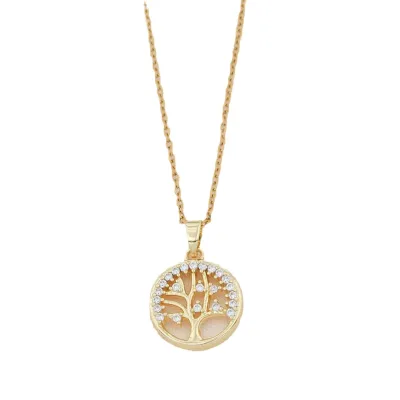
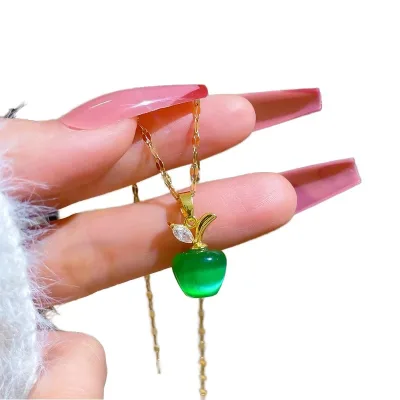
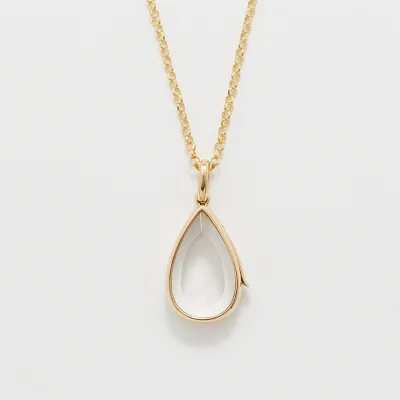
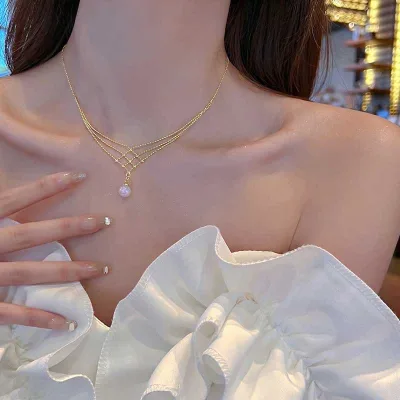
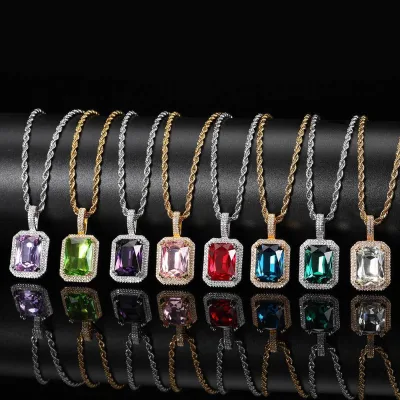
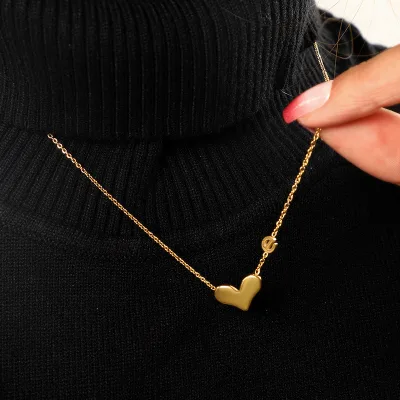
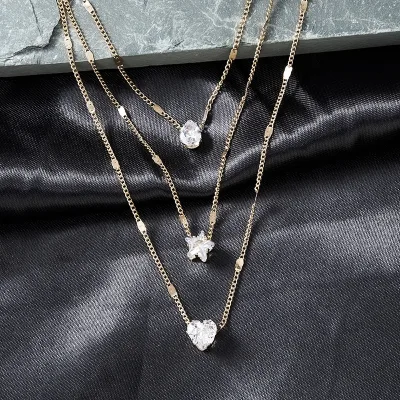
Gold Necklace Starfish Pendant Collarbone Necklace for Fashion Jewelry Accessories
$26.46 - $32.53
MOQ: 1 Pieces


Fashion jewelry elegant gold colored zirconia collarbone necklace for accessories
$20.79 - $26.19
MOQ: 1 Pieces

- Verified by CTI
- Trading Company
- China Zhejiang
- Lead time15 days
- Avg. response≤ 6h
Main productsJewelry, Brooch, Belt, Necklace, Agent, Bracelet, China Trim, China Ring, China Hair Accessory, China Earring
Main marketsSouth America

- Verified by TUVRHEINLAND
- Trading Company
- China Zhejiang
- Lead time15 days
- Avg. response≤ 14h
Main productsWooden Toy, Outdoor Product, Kitchen Item, Personal Care Tool, Painting Set, Disk Rack, Yoga, Garden
Main marketsSouth America,Europe,North America
Dongguan Dalingshan Huaewang Ornament Manufactory
- Manufacturer, Trading Company
- Guangdong, China
- Lead time7 days
- Avg. response≤ 2h
Main productsFashion Jewelry,Fine jewelry,Press on nails,Artificial fingernails
Main marketsSouth America(20.00%), North America(20.00%), Western Europe(10.00%), Southeast Asia(10.00%), Northern Europe(10.00%), Central America(8.00%), Southern Europe(5.00%), Eastern Europe(5.00%), Eastern Asia(4.00%), South Asia(3.00%), Oceania(3.00%), Africa(2.00%)

Jinjiang Jiaxing Supply Management Co., Ltd.
- Verified by TUVRHEINLAND
- Trading Company
- China Fujian
- Lead time30 days
- Avg. response≤ 2h
Main productsEVA Clogs, Flip Flop, Shoe Charms, Shopping Bags, Wristbands, Gifts, Promotional Gifts, Slipper, Sport Cap, Ball
Main marketsNorth America
Yiwu Pincai Daily Necessities Co., Ltd.
- Trading Company
- Zhejiang, China
- Lead time7 days
- Avg. response≤ 3h
Main productsNecklaces, Body Chain, Rings, Earrings, Jewelry Piercing
Main marketsNorth America(25.00%), Eastern Europe(15.00%), South America(10.00%), Western Europe(10.00%), Mid East(10.00%), South Asia(5.00%), Oceania(5.00%), Central America(5.00%), Northern Europe(5.00%), Africa(5.00%), Southeast Asia(5.00%)

GOODLINESS JEWELLERY CO., LIMITED
- Verified by SGS
- Manufacturer
- China Guangdong
- Lead time23 days
- Avg. response≤ 7h
Main products925 Silver Ring, Brass Jewelry, 925 Silver Earring, 925 Silver Necklace, 925 Silver Set, 925 Silver Bangle, Customer's Design, 925 Silver Bracelet, Silver Accessory, Brass Accessory
Main marketsSoutheast Asia/ Mideast,Europe,North America

Guangzhou Govolon Trade Co., Ltd.
- Trading Company,Manufacturer/Factory
- China Guangdong
- Lead time15 days
- Avg. response≤ 25h
Main productsGarment Accessories, Lace, Button, Zipper, Fringe and Tassels, Belt Ribbon, Garment Trimming, Patch Badge, Buckle, Hotfix
Main marketsSouth America,Mid East,North America,Southeast Asia,Western Europe,Africa
Foshan Shorea Jewelry Co., Ltd.
- Verified by SGS Group
- Trading Company
- Lead time14 days
- Avg. response≤ 2h
Main productsNecklace, Bracelet, Earring, Ring, Jewelry Set
Main marketsNorth America(50%), Western Europe(20%), South America(10%)

Qingdao Gemopia Jewelry Co., Ltd.
- Combined
- China Shandong
- Lead time30 days
- Avg. response≤ 5h
Main productsGold Jewelry, Silver Ring
Main marketsSouth America,Africa,Southeast Asia/ Mideast,East Asia(Japan/ South Korea),Domestic,Europe,Australia,North America
Yiwu Xiongshun Jewelry Co., Ltd.
- Manufacturer, Trading Company
- Zhejiang, China
- Lead time3 days
- Avg. response≤ 3h
Main productspendant necklace,metal ring,bracelet,metal craft,jewelry accessories
Main marketsNorth America(30.00%), Western Europe(10.00%), Mid East(10.00%), Southeast Asia(10.00%), Eastern Europe(10.00%), South America(10.00%), South Asia(5.00%), Northern Europe(5.00%), Oceania(5.00%), Africa(5.00%)

Shenzhen Hengda Xin Jewelry Co., Ltd.
- Verified by BV
- Combined
- China Guangdong
- Lead time15 days
- Avg. response≤ 2h
Main productsJewelry, Stainless Steel Fittings, Stainless Steel Jewelry, Necklace, Bracelet, Stud Earrings, Ring, Pendant, Fashion Jewelry, Fashion Accessories
Main marketsSoutheast Asia/ Mideast,East Asia(Japan/ South Korea),Domestic,Europe,Australia,North America
Dongguan Lele Jewelry Company Limited
- Verified by TüVRheinland
- Manufacturer, Trading Company
- Lead time15 days
- Avg. response≤ 5h
Main productsNecklace, Bracelet, Earrings, Ring, Brooches
Main marketsDomestic Market(27%), North America(20%), South America(20%)

Shenzhen Jinshengrun Technology Co., Ltd.
- Manufacturer/Factory
- China Guangdong
- Lead time0 days
- Avg. response≤ 3h
Main productsCable Reel, Through Bore Slip Ring, Pancake Slip Ring, Cable Reel / Hose Reel, Fiber Optic Rotary Joint Series, Custom Cable Reel/Hose Reel, Pneumatic/Hydraulic Rotary Joint Union, Waterproof Slip Ring, Capsule Slip Ring, High Current Slip Ring Series
- Trading Company
- Zhejiang, China
- Lead time0 days
- Avg. response≤ 2h
Main productsjewelry,glasses,Department Store,shoes,Beauty Makeup
Main marketsAfrica(40.00%), North America(20.00%), South America(20.00%)

Yiwu Renrui E-commerce Business
- Trading Company
- China Zhejiang
- Lead time0 days
- Avg. response≤ 4h
Main productsSouvenir Gift, Craft, Scented Candle, Artificial Flower, Christmas Ornaments, Daily Use, Home Decoration, Solid Wood Carvings, Accessories, Photo Frame

Shenzhen Marvel Electronic Co., Ltd.
- Verified by TUVRHEINLAND
- Trading Company
- China Guangdong
- Lead time15 days
- Avg. response≤ 10h
Main productsCustom Jewelry, Silver Jewelry, Earring, Necklace, Bracelet, Nose Ring, Jewelry Set, Fashion Jewelry, Brooch
Main marketsEurope,North America

Jinjiang Jiayi Supply Chain Management Co., Ltd.
- Verified by BV
- Trading Company
- China Fujian
- Lead time30 days
- Avg. response≤ 2h
Main productsGift, Shoe, Garment, Machine
Main marketsDomestic
Zhuhai Jinyuan Jewelry Co., Ltd.
- Manufacturer, Trading Company
- Guangdong, China
- Lead time0 days
- Avg. response≤ 2h
Main productsSterling SIlver Jewerly,Brass Jewelry,Fashion Jewerlry,Stainless Steel Jewelry
Main marketsWestern Europe(30.00%), North America(30.00%), Mid East(20.00%), South Asia(15.00%), Africa(5.00%)
- Trading Company
- Zhejiang, China
- Lead time7 days
- Avg. response≤ 15h
Main productsearrings,necklaces,bracelets,rings,headwear
Main marketsWestern Europe(20.00%), Central America(20.00%), South America(18.00%), North America(8.00%), Southeast Asia(5.00%), Eastern Asia(5.00%), Eastern Europe(5.00%), Mid East(5.00%), Northern Europe(5.00%), South Asia(3.00%), Southern Europe(3.00%), Domestic Market(1.00%), Oceania(1.00%), Africa(1.00%)
Guangzhou Saijing Glass Products Co., Ltd.
- Verified by TüVRheinland
- Trading Company
- Lead time15 days
- Avg. response≤ 2h
Main productsGlass Beads, Seed Beads, Shells Flower, Seven Chakras, Stone Beads
Main marketsWestern Europe(44%), North America(30%), Southeast Asia(8%)
Shenzhen Jingzhanyi Jewelry Company Limited
- Manufacturer, Trading Company, Distributor/Wholesaler
- Guangdong, China
- Lead time15 days
- Avg. response≤ 1h
Main productsJewelry mold design and manufacture,24k/22k/18k/14k gold set diamond jewelry design and manufacture,925 sterling silver jewelry design and manufacture,Filling glue/enamel/baking paint/drop glue jewelry manufacturing,Precious metal and hardware material CNC products carving
Main marketsEastern Europe(12.00%), Eastern Asia(10.00%), Domestic Market(10.00%), Central America(10.00%), Southeast Asia(10.00%), North America(10.00%), South America(10.00%), Northern Europe(6.00%), Western Europe(6.00%), Mid East(5.00%), Oceania(5.00%), Southern Europe(4.00%), South Asia(2.00%)

Guangzhou Mimier Jewelry, Co, Ltd.
- Manufacturer/Factory
- China Guangdong
- Lead time120 days
- Avg. response≤ 20h
Main productsFashion Jewelry, Fashion Earrings, Fashion Bracelets, Fashion Rings, Fashion Necklace, Stainless Steel Jewelry, Jewellery Accessories, Jewellery Set
Main marketsEastern Europe,North America,Western Europe,Africa

YIWU JINYE IMPORT AND EXPORT CO., LTD
- Verified by SGS
- Trading Company
- China Zhejiang
- Lead time15 days
- Avg. response≤ 25h
Main productsBangle, Wrist Band, Bracelet, Fashion Jewelry
Main marketsNorth America
Xuchang Pengyexuan Trading Co., Ltd.
- Trading Company
- Henan Province, China
- Lead time5 days
- Avg. response≤ 16h
Main productsNecklace,Bracelet,Earrings,ring,Brooch
Main marketsNorth America(80.00%), Africa(5.00%)
Dongguan Mange Stainless Steel Jewelry Co., Ltd.
- Manufacturer, Trading Company
- Guangdong, China
- Lead time0 days
- Avg. response≤ 2h
Main productsStainless steel jewelry,Jewelry accessories
Main marketsSouthern Europe(20.00%), Domestic Market(10.00%), North America(10.00%), Northern Europe(10.00%), Western Europe(10.00%), Eastern Asia(10.00%), Southeast Asia(10.00%), Eastern Europe(10.00%), South America(10.00%)
- Manufacturer, Trading Company
- Zhejiang, China
- Lead time10 days
- Avg. response≤ 4h
Main productsStainless Steel Jewelry,Fashion Jewelry,necklace,earrings,bracelet
Main marketsWestern Europe(50.00%), North America(45.00%), Domestic Market(5.00%)

Shenzhen Amengwei Jewelry Co., Ltd.
- Trading Company,Manufacturer/Factory
- China Guangdong
- Lead time23 days
- Avg. response≤ 18h
Main productsBody Piercing Jewelry, Hinged Segment Ring, Nose Ring Belly Ring, Stainless Steel Jewelry, Labret Lip Ring, Earring, Necklace, Bracelet, Ring
Main marketsSouth America,Eastern Europe,Mid East,North America,Southeast Asia,Eastern Asia,Oceania,Western Europe,Africa


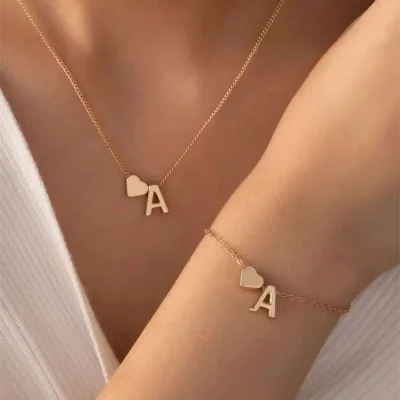


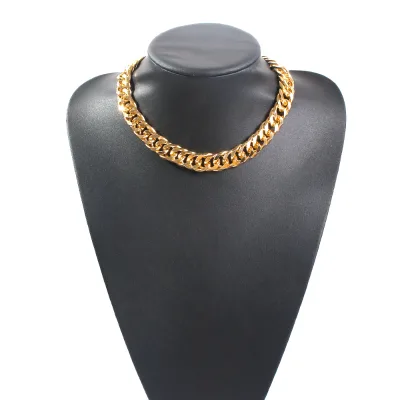
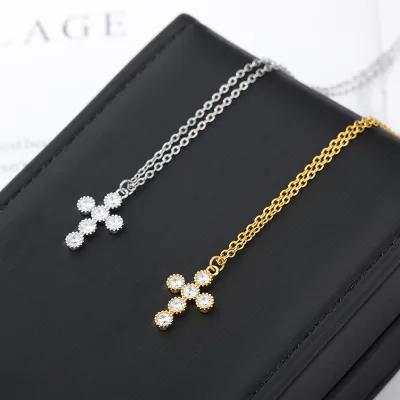
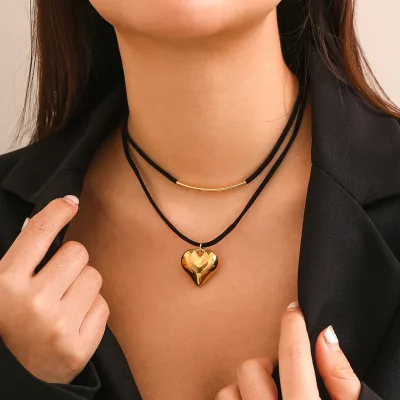


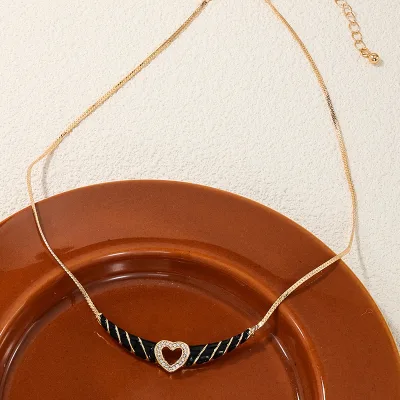
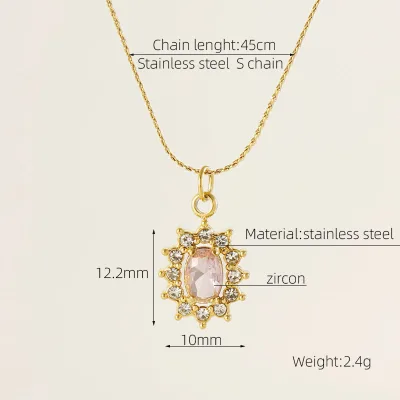


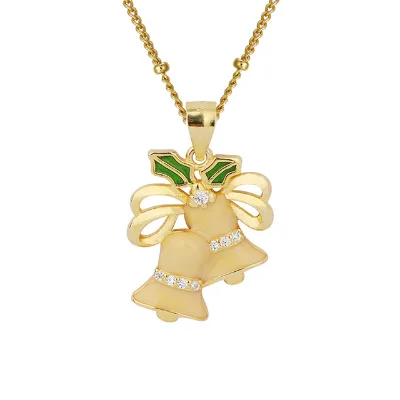


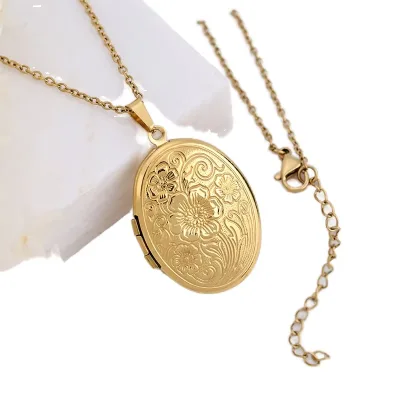






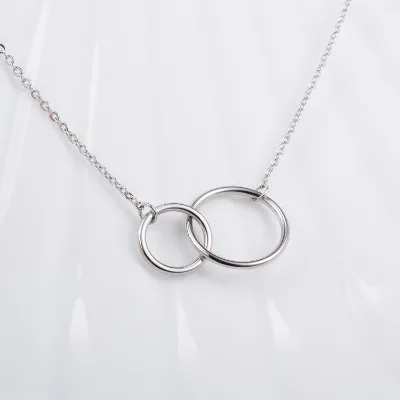
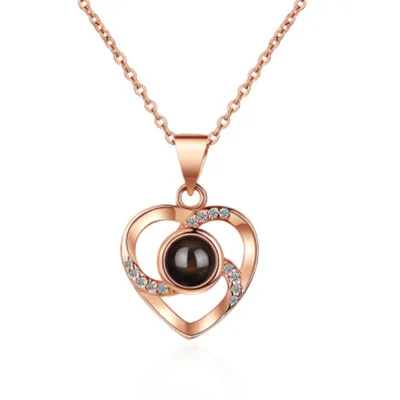
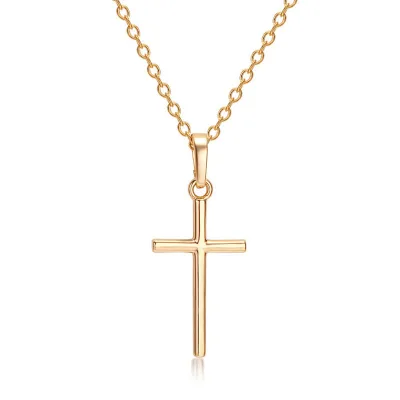
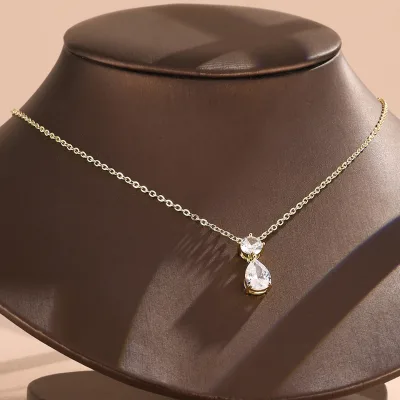

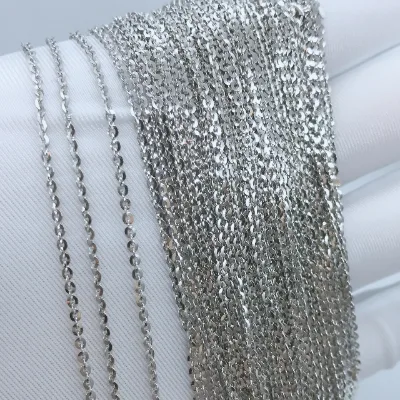


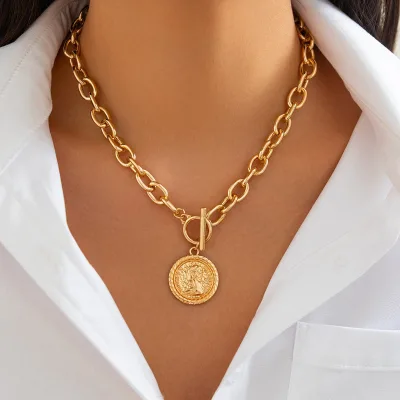
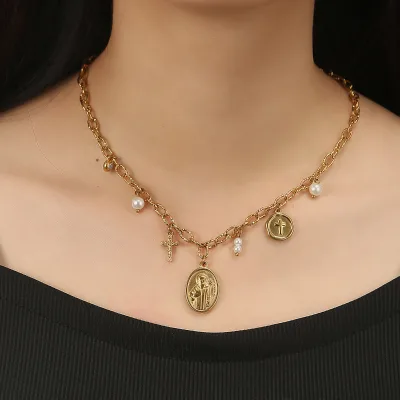
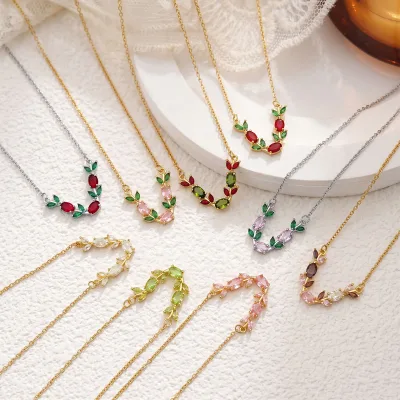


Comprehensive Sourcing Guide
Aperture Setting Gold Necklace Supplier Concentration and Factory Types
The current supplier landscape for aperture setting gold necklaces reveals a distinct geographic concentration in China, specifically within the Guangdong and Zhejiang provinces. These regions serve as critical manufacturing hubs where the infrastructure supports both large-scale production and specialized craftsmanship. Suppliers located in Guangdong often operate as manufacturers or factories, leveraging local supply chains for materials like brass and 925 sterling silver. This proximity to raw material sources and established logistics networks allows for efficient production cycles, particularly for items requiring complex plating processes such as gold, rhodium, or silver finishes. The presence of verified entities in these areas indicates a mature ecosystem where quality control measures, such as ISO 9001 certification, are more commonly integrated into daily operations. Buyers seeking direct factory engagement will find a higher density of production facilities in Guangdong, which are equipped to handle OEM and ODM requests for fashion jewelry and semi-precious stone settings.
In contrast, suppliers based in Zhejiang may present a mixed operational model, functioning as either trading companies or manufacturers. This dual nature can offer buyers greater flexibility in product variety, as trading entities often aggregate inventory from multiple smaller workshops. However, it also necessitates careful verification to ensure that the stated capabilities align with actual production capacity. The main products listed by these suppliers frequently include fashion jewelry, hair accessories, and specific items like pendants and necklaces, suggesting a broad specialization in accessory markets rather than exclusive focus on high-end jewelry. Understanding this distinction is vital for buyers who prioritize direct factory communication versus the convenience of a single-point procurement source. The concentration in these specific Chinese provinces highlights the importance of regional expertise in metalworking and stone setting, which are essential for producing durable and aesthetically pleasing aperture setting designs.
How to Verify Aperture Setting Gold Necklace Suppliers
Verification is a critical step in mitigating risk when sourcing aperture setting gold necklaces, as the market contains a mix of manufacturers, trading companies, and potentially unverified entities. Buyers should prioritize suppliers who have undergone third-party verification processes, such as those conducted by TÜV Rheinland or Bureau Veritas (BV). These certifications provide an external validation of the supplier’s business legitimacy and operational standards, offering a layer of trust that self-declared claims cannot match. For instance, some suppliers in the current results display TÜV Rheinland verification, indicating a rigorous assessment of their facilities and management systems. Similarly, BV verification signals adherence to specific quality and compliance benchmarks. Buyers must actively check for these badges on supplier profiles, as their absence does not necessarily indicate poor quality but does require additional due diligence. Relying on verified status helps filter out entities that may lack the infrastructure to handle complex orders or maintain consistent quality control.
Beyond verification badges, buyers should scrutinize the specific certifications and standards associated with the products themselves. For jewelry items, particularly those involving precious metals like 925 sterling silver or gold plating, certifications such as SGS can provide evidence of material composition and safety compliance. Some suppliers explicitly list SGS certificates for their products, which is a strong indicator of transparency regarding material quality. Additionally, the presence of system certifications like ISO 9001 suggests that the supplier has implemented a structured quality management system. Buyers should request copies of these certificates and verify their validity through the issuing bodies when possible. It is also important to note that not all suppliers will display every type of certification, so a combination of verification badges, product-specific certificates, and clear communication about quality standards should form the basis of the assessment. This multi-layered verification approach ensures that the supplier is not only legitimate but also capable of delivering products that meet international quality expectations.
What to Compare Across Aperture Setting Gold Necklace Suppliers
When evaluating potential suppliers for aperture setting gold necklaces, several key dimensions must be compared to determine the best fit for specific business needs. Lead time is a primary factor, with current data showing variations ranging from zero days to over thirty days. Suppliers with shorter lead times, such as those listing fifteen days, may be better suited for urgent orders or fast-fashion cycles, while those with longer lead times might offer more competitive pricing or specialized craftsmanship. Minimum Order Quantity (MOQ) is another critical comparison point, with some suppliers requiring as few as one piece, which is ideal for sampling or small boutique orders, while others may have higher thresholds, such as thirty or forty pieces, suitable for bulk purchasing. Response time also varies, with some suppliers responding within four hours and others taking up to eight or more hours, which can impact the efficiency of negotiations and problem-solving. Buyers should align these metrics with their own operational requirements to avoid bottlenecks in their supply chain.
In addition to logistical metrics, buyers should compare the range of main products and customization capabilities offered by each supplier. Some suppliers specialize in a broad array of jewelry items, including fashion watches, hair accessories, and various types of necklaces, indicating a versatile production line. Others may focus more narrowly on specific materials or styles, such as 925 sterling silver or brass items with gold plating. The availability of OEM and ODM services is a significant differentiator, allowing buyers to create unique products tailored to their brand identity. Suppliers that explicitly welcome OEM and ODM requests demonstrate a willingness to collaborate on design and manufacturing processes. Furthermore, the specific attributes of the products, such as plating options, pendant shapes, and material compositions, should be compared to ensure they meet the desired aesthetic and quality standards. By systematically comparing these factors, buyers can identify suppliers that offer the best balance of cost, speed, quality, and flexibility for their Aperture Setting Gold Necklace sourcing needs.
Common Aperture Setting Gold Necklace Sourcing Risks
Sourcing aperture setting gold necklaces involves several inherent risks that buyers must proactively manage to ensure a successful procurement process. One significant risk is the discrepancy between sample quality and bulk production output. While samples may showcase exquisite craftsmanship and accurate color matching, mass production can sometimes suffer from inconsistencies in plating thickness, stone setting security, or chain durability. This risk is particularly relevant for items with complex designs, such as multi-layer necklaces or those with intricate aperture settings. Buyers should mitigate this by establishing clear quality control protocols and, if possible, conducting third-party inspections before shipment. Another risk is the potential for miscommunication regarding customization requirements. Suppliers offering OEM services may interpret design specifications differently, leading to products that do not meet the buyer’s expectations. Clear and detailed technical drawings, along with regular communication checkpoints, are essential to minimize this risk.
Additionally, buyers face the risk of supply chain disruptions, which can affect lead times and material availability. Fluctuations in the cost of raw materials, such as gold, silver, or brass, can impact pricing and production schedules. Suppliers may also experience delays due to external factors like regulatory changes or logistical bottlenecks. To address this, buyers should maintain open lines of communication with their suppliers and request regular updates on production status. It is also advisable to have backup suppliers identified in case of unforeseen disruptions. Another risk is the potential for non-compliance with international standards or regulations, particularly regarding material safety and labeling. Buyers must ensure that their suppliers adhere to relevant standards, such as those verified by SGS or other certification bodies, to avoid legal issues or product recalls in their target markets. By anticipating and planning for these risks, buyers can create a more resilient and reliable sourcing strategy for aperture setting gold necklaces.
Aperture Setting Gold Necklace Regional Sourcing and Logistics
The geographic location of suppliers plays a crucial role in determining logistics costs, lead times, and overall supply chain efficiency for aperture setting gold necklaces. Suppliers located in Guangdong, China, benefit from a well-developed infrastructure for international shipping, with access to major ports and airports that facilitate rapid export. This region’s concentration of jewelry manufacturers creates a synergistic effect, where specialized services for packaging, quality control, and logistics are readily available. Buyers sourcing from Guangdong can often expect streamlined shipping processes, with options for various carriers such as DHL, FedEx, and UPS. The proximity to raw material suppliers also reduces the risk of delays due to material shortages, ensuring a more stable production schedule. However, buyers should be aware that shipping costs can vary depending on the weight and dimensions of the products, as well as the chosen shipping method.
In contrast, suppliers in Zhejiang, China, may offer different logistical advantages, particularly for buyers looking for a mix of trading and manufacturing capabilities. While the region also has robust shipping infrastructure, the nature of trading companies may introduce additional steps in the logistics process, such as consolidation of goods from multiple sources. Buyers should consider the total landed cost, including shipping, insurance, and customs duties, when evaluating suppliers from different regions. The choice of shipping method, whether by air or sea, will also impact lead times and costs. Air freight is faster but more expensive, making it suitable for urgent orders or high-value items, while sea freight is more cost-effective for bulk shipments but requires longer lead times. Buyers should work closely with their suppliers to determine the most efficient shipping strategy based on their specific needs and budget constraints. Understanding these regional logistics dynamics is essential for optimizing the supply chain and ensuring timely delivery of aperture setting gold necklaces.
Aperture Setting Gold Necklace Commercial Terms and Order Planning
Commercial terms and order planning are fundamental aspects of sourcing aperture setting gold necklaces that require careful attention to detail. Payment terms are a key component of these agreements, with common methods including T/T, Western Union, PayPal, and Money Gram. Buyers should negotiate terms that protect their interests, such as requiring a deposit upon order placement and the balance payment upon completion of production or before shipment. Some suppliers may offer sample fees that are returned upon placing a bulk order, which can be a beneficial arrangement for buyers testing new products. It is also important to clarify the sample time and delivery time expectations, as these can vary significantly between suppliers. For instance, sample times may range from within fifteen work days to longer periods, while delivery times for bulk orders can extend from twenty to thirty-five days after receiving the deposit.
Order planning should also consider the packaging and labeling requirements, as these can impact both product protection and marketability. Suppliers may offer standard packaging, such as individual OPP bags and cartons, or customized packaging based on client requests. Buyers should specify their packaging preferences early in the negotiation process to avoid misunderstandings. Additionally, buyers should plan for potential variations in pricing, as costs can fluctuate based on material prices and order volume. Some suppliers may offer tiered pricing based on MOQ, which can incentivize larger orders. Buyers should analyze their sales forecasts and inventory needs to determine the optimal order quantity that balances cost efficiency with stock availability. By establishing clear commercial terms and robust order planning processes, buyers can minimize financial risks and ensure a smooth procurement experience for aperture setting gold necklaces.
FAQs
What is the typical lead time for gold necklaces?
Manufacturers in China generally require 15 to 23 days for production. Some suppliers offer faster turnaround times of 15 days, while others may take up to 35 days after receiving the deposit. Buyers should confirm specific delivery schedules with the supplier before placing orders to ensure timely arrival.
What is the minimum order quantity for these items?
Minimum order quantities vary significantly by supplier and product type. Some manufacturers require a minimum of 30 pieces, while others may accept orders as low as one piece. Buyers should check the specific product listing for the exact MOQ requirements to ensure they meet the supplier's threshold.
Are these necklaces made from real gold?
Most items listed are fashion jewelry made from materials like brass, titanium, or 925 sterling silver with gold plating. While some pieces use genuine 925 sterling silver, they are typically plated rather than solid gold. Buyers should verify the material specifications and plating details provided in the product attributes.
Do suppliers offer customization services?
Yes, many manufacturers provide OEM and ODM customization services. Buyers can often request custom logos, specific pendant shapes, or personalized name necklaces. Customization is usually available for fashion jewelry sets and individual pieces, allowing buyers to tailor products to their specific brand requirements or customer preferences.
What certifications do these suppliers hold?
Suppliers may hold various certifications such as ISO 9001 for quality management systems. Some products come with SGS certificates, and items made from 925 sterling silver often feature a 925 stamp. Buyers should verify specific certifications and quality standards directly with the supplier to ensure compliance with their market requirements.
How quickly do suppliers respond to inquiries?
Response times vary among suppliers, with some responding within four hours and others taking up to eight hours. Faster response times indicate active customer service teams. Buyers should expect responses within a reasonable timeframe and may choose suppliers with quicker reply rates for more efficient communication during the sourcing process.