14k Gold Plated Beaded Bracelet with Imitation Pearl Suppliers and Manufacturers
Explore 28 verified suppliers offering 14k Gold Plated Beaded Bracelet with Imitation Pearl from China and Hong Kong. Compare response times, lead times, MOQs, and certifications like SGS to find the right factory for your needs. Start filtering by location and capacity today.
Updated
Suppliers List

- Verified by SGS
- Manufacturer/Factory
- China Zhejiang
- Lead time30 days
- Avg. response≤ 2h
Main productsNecklace, Bracelets, Earring, Ring, Brooch, Phone Lanyard, Key Chain, Body Jewelry, Hair Clip, Hair Band
Main marketsSouth America,Eastern Europe,Mid East,North America,Southeast Asia,Eastern Asia,Oceania,Western Europe,Africa
- Trading Company
- Hong Kong S.A.R.
- Lead time15 days
- Avg. response≤ 2h
Main productsNecklace,Earrings,Rings,Bracelet,lady's bag
Main marketsSoutheast Asia(15.00%), South America(15.00%), North America(15.00%), Central America(10.00%), Domestic Market(8.00%), Northern Europe(6.00%), Eastern Europe(5.00%), Africa(5.00%), Eastern Asia(5.00%), Oceania(5.00%), South Asia(4.00%), Western Europe(3.00%), Southern Europe(2.00%), Mid East(2.00%)
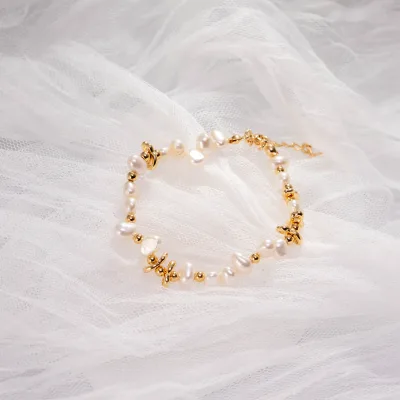
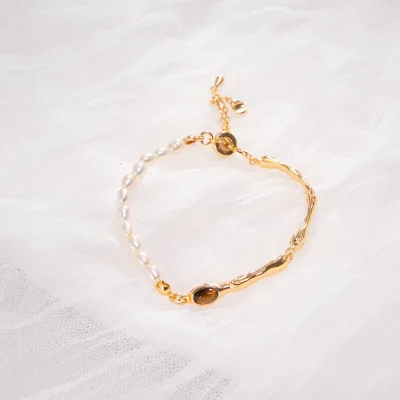
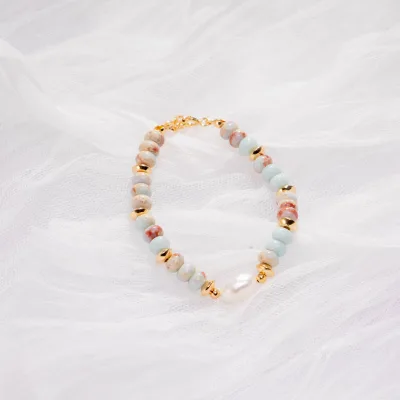
Unisex Trendy Gold Plated Bohemian Bracelet with Imitation Pearl and Beaded Design Gift Jewelry
$18.00 - $20.00
MOQ: 2 pieces

Guangzhou Heng Dian Trade Co., Ltd.
- Trading Company
- China Guangdong
- Lead time15 days
- Avg. response≤ 10h
Main productsEarring, Jewelry Sets, Bracelet, Ring, Necklace, Pendant, Bangle
Main marketsSouth America,Europe,North America
- Verified by SGS Group
- Manufacturer, Trading Company
- Lead time30 days
- Avg. response≤ 6h
Main productsFashion Jewelry
Main marketsNorth America(60%), Western Europe(20%), Eastern Europe(6%)
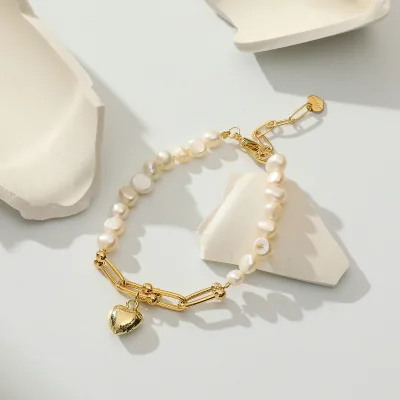
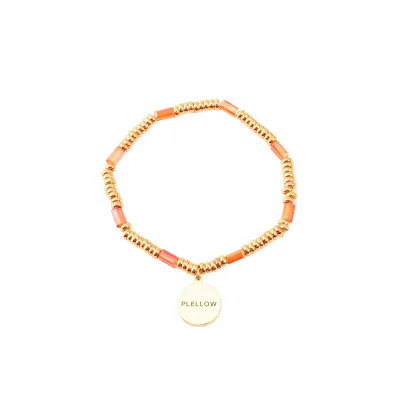
Double pearl bracelet titanium steel plated 18K gold color design sense fashion bracelet for Women
$2.9066 - $3.1839
MOQ: 30 pieces
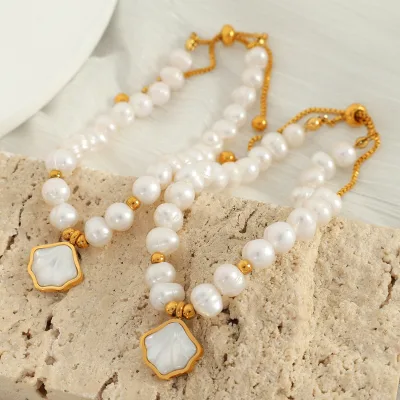
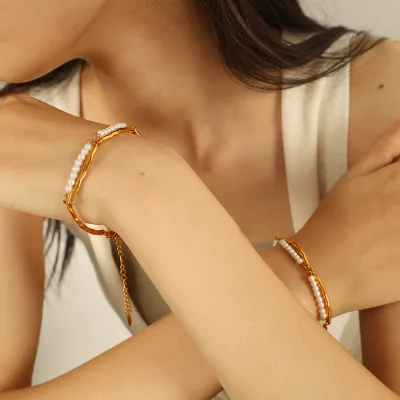
French elegance everything natural freshwater pearl bracelet jewelry simple shell pendant bracelet
$3.8944 - $4.2347
MOQ: 30 pieces

YIWU JINYE IMPORT AND EXPORT CO., LTD
- Verified by SGS
- Trading Company
- China Zhejiang
- Lead time15 days
- Avg. response≤ 25h
Main productsBangle, Wrist Band, Bracelet, Fashion Jewelry
Main marketsNorth America

GOODLINESS JEWELLERY CO., LIMITED
- Verified by SGS
- Manufacturer
- China Guangdong
- Lead time23 days
- Avg. response≤ 7h
Main products925 Silver Ring, Brass Jewelry, 925 Silver Earring, 925 Silver Necklace, 925 Silver Set, 925 Silver Bangle, Customer's Design, 925 Silver Bracelet, Silver Accessory, Brass Accessory
Main marketsSoutheast Asia/ Mideast,Europe,North America

Longyuan (Guangzhou) Industrial Development Co., Ltd.
- Verified by TUVRHEINLAND
- Manufacturer/Factory
- China Guangdong
- Lead time23 days
- Avg. response≤ 7h
Main productsJewelry, Fashion Watch, Hair Accessories, Men Jewelry, Women Jewelry, Pendants, Brooches, Bracelets, Crowns, Necklaces
Main marketsSouth America,Eastern Europe,Mid East,North America,Western Europe


Temperament Silver Pearl Bracelet Female Trend Hand Ornaments Fashion Accessories
$16.00 - $17.00
MOQ: 20 Pieces

Guangzhou Lefeng Jewelry Co., Ltd.
- Manufacturer, Trading Company
- Guangdong, China
- Lead time20 days
- Avg. response≤ 2h
Main productsNecklace/Bracelet/Earring/Anklet/Ring
Main marketsNorth America(45.00%), Western Europe(13.00%), Africa(8.00%), Southern Europe(8.00%), South America(5.00%), Domestic Market(4.00%), Oceania(3.00%), Eastern Europe(3.00%), Northern Europe(3.00%), Southeast Asia(2.00%), South Asia(2.00%), Central America(2.00%), Eastern Asia(1.00%), Mid East(1.00%)
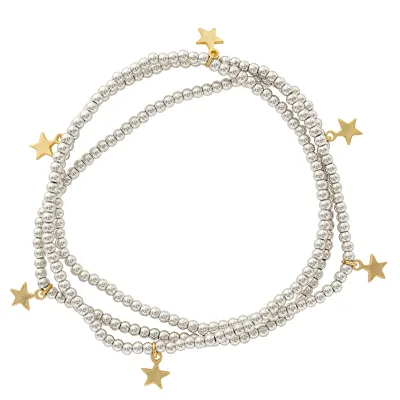
Charm Bracelets Jewelry Stainless Steel 14k Gold Plated Custom Star Charm Bead Bracelet
$1.2412 - $2.0416
MOQ: 50 pieces
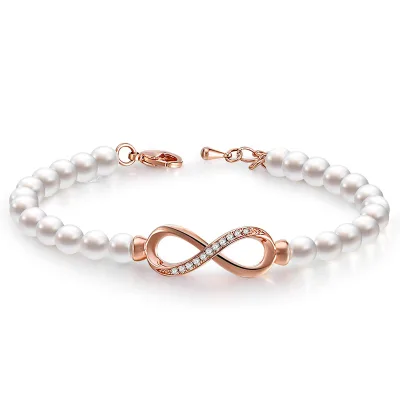
$3.3233 - $5.6917
MOQ: 50 pieces

Shenzhen Right Grand Jewelry Co., Ltd.
- Verified by SGS
- Manufacturer
- China Guangdong
- Lead time15 days
- Avg. response≤ 5h
Main productsNecklace, Bracelet, Earring, Ring, Nose Ring, Ear Piercing, Belly Ring, Nipple Ring
Main marketsSouth America,Europe,North America

Elegant Fashion 18K Gold Plated Stainless Steel Open Cuff Imitation Pearl Bracelets
$2.08 - $2.51
MOQ: 6 Pieces

Stainless Steel 14K Gold Plated Acrylic Stone Beaded Charm Bracelet for Women
$1.35 - $3.35
MOQ: 50 Pieces


Colorful Cute Stainless Steel Gold Plated Glass Bead Beaded Chain Ladies Bracelet
$1.35 - $3.55
MOQ: 50 Pieces

Stainless Steel Jewelry Gold Plated Tiny Charm Bohemian Crystal Bead Bracelet
$2.00 - $3.13
MOQ: 6 Pieces
Guangzhou Jiahe Jewelry Co., Ltd.
- Manufacturer, Trading Company, Agent, Distributor/Wholesaler
- Guangdong, China
- Lead time0 days
- Avg. response≤ 3h
Main productsPendant,bracelet,Ring,Earrings,Jewelry set
Main marketsSouth America(87.00%), Domestic Market(1.00%), North America(1.00%), South Asia(1.00%), Southern Europe(1.00%), Northern Europe(1.00%), Central America(1.00%), Western Europe(1.00%), Eastern Asia(1.00%), Mid East(1.00%), Oceania(1.00%), Africa(1.00%), Southeast Asia(1.00%), Eastern Europe(1.00%)
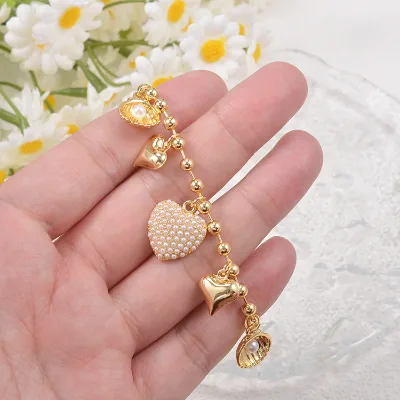
$1.514 - $1.7508
MOQ: 12 Minimum
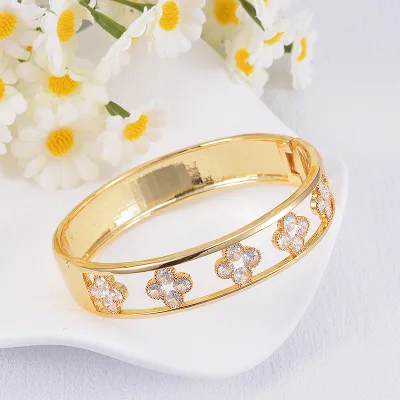
Jewelry Exquisite Charming Bangle Copper 14k Gold Plated Zircon Flower Women Bangle Jewelry
$3.2843
MOQ: 120 Minimum
- Trading Company
- Zhejiang, China
- Lead time14 days
- Avg. response≤ 8h
Main productsBracelet,Necklace,Keychain,Lanyard,Earrings
Main marketsNorth America(30.00%), Southeast Asia(20.00%), Eastern Europe(20.00%), South America(20.00%), Africa(5.00%), Mid East(2.00%), Western Europe(1.00%), Eastern Asia(1.00%), Oceania(1.00%)
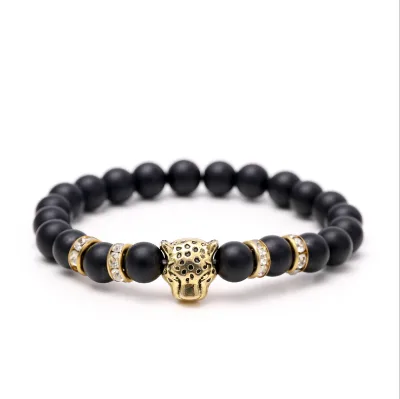
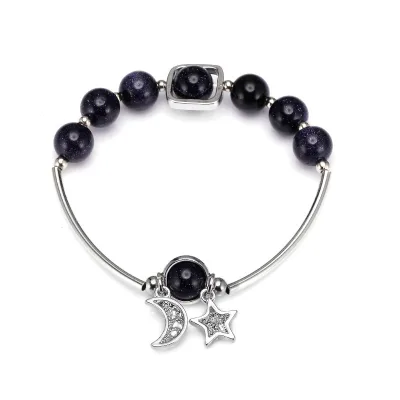
Retro Blue sandstone bracelet girls' simple lovers jewelry natural stone bracelet
$1.49 - $1.79
MOQ: 12 Minimum

Shenzhen Amengwei Jewelry Co., Ltd.
- Trading Company,Manufacturer/Factory
- China Guangdong
- Lead time23 days
- Avg. response≤ 18h
Main productsBody Piercing Jewelry, Hinged Segment Ring, Nose Ring Belly Ring, Stainless Steel Jewelry, Labret Lip Ring, Earring, Necklace, Bracelet, Ring
Main marketsSouth America,Eastern Europe,Mid East,North America,Southeast Asia,Eastern Asia,Oceania,Western Europe,Africa
Yiwu Zhuofang Jewelry Co., Ltd.
- Manufacturer, Trading Company
- Lead time旺季: "1 - 12":10,"13 - 120":15,"121 - 1200":25,"> 1200":"To be negotiated", 淡季: "1 - 12":10,"13 - 120":15,"121 - 1200":25,"> 1200":"To be negotiated"
- Avg. response≤ 2h
Main productsNecklace , Earring, Rings, Bracelet , Brooch

Jiuya Huitong (Qingdao) International Trade Co., Ltd.
- Verified by SGS
- Trading Company,Manufacturer/Factory
- China Shandong
- Lead time90 days
- Avg. response≤ 5h
Main productsClothes, Abaya, Camping Tent, Camping Furniture, Solar Light
Main marketsSouth America,Eastern Europe,Mid East,North America,Southeast Asia,Eastern Asia,Oceania,Western Europe,Africa

14K Gold Jadeite Bracelet Natural Freshwater Real Pearl Bracelet for Women
$1.00 - $5.00
MOQ: 500 Pieces

Rutilated Quartz Women Charms Bracelet Crystal Beaded Bracelets Jewelry
$1.00 - $10.00
MOQ: 500 Pieces

Dongguan Changan Fantasy Accessories Factory (Individual Business)
- Verified by TüVRheinland
- Trading Company
- Lead time7 days
- Avg. response≤ 1h
Main productsStainless Steel Rings, Stainless Steel Earings, Stainless Steel Necklaces, Stainless Steel Bracelets & Bangles, Fashion Jewelry Sets
Main marketsNorth America(25%), Northern Europe(15%), Eastern Asia(10%)
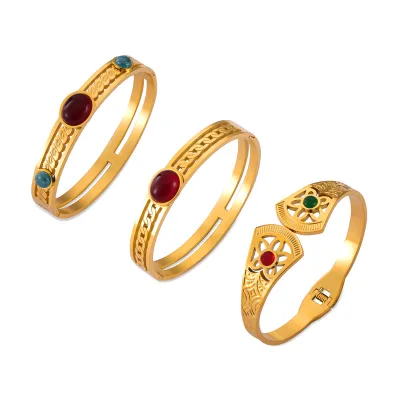
$3.1224 - $3.5526
MOQ: 1 Minimum
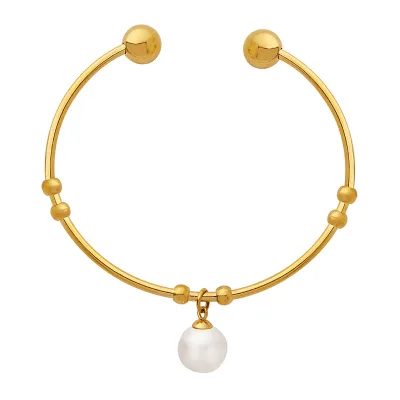
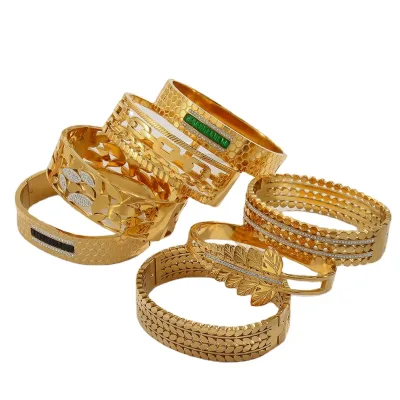
New Simple Design 18K Gold Plated Stainless Steel Bangle With Imitation Pearl Women's Jewelry
$2.3624 - $2.7222
MOQ: 2 pieces
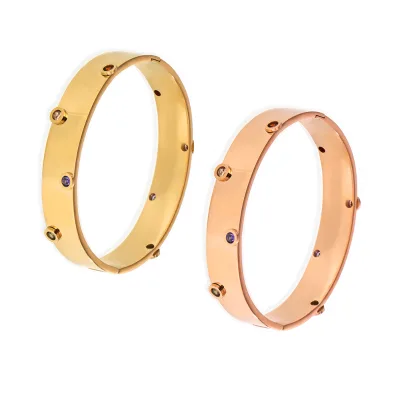
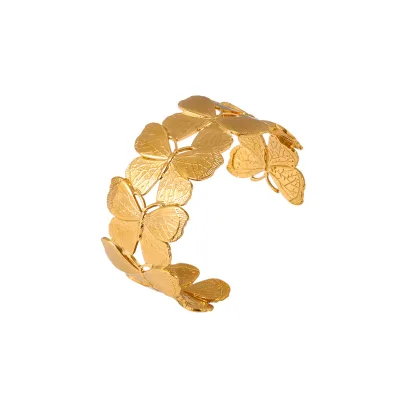
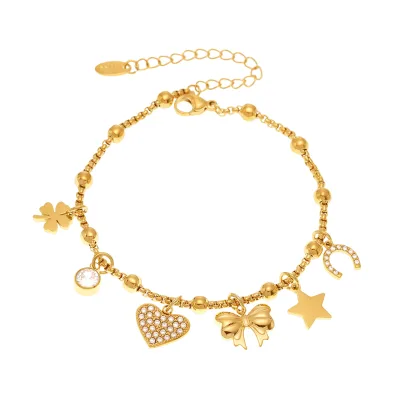
Hot-selling Butterfly Adjustable Stainless Steel 18K Gold Plated Bangle
$4.1073 - $4.3441
MOQ: 1 pieces
Yiwu Jingyue Jewelry Co., Ltd.
- Verified by SGS Group
- Manufacturer, Trading Company
- Lead time0 days
- Avg. response≤ 3h
Main products925 Sterling Silver, Stainless Steel Jewelry, Alloy Jewelry, Keychain, Handcraft Jewelry
Main marketsNorth America(60%), Western Europe(15%), Eastern Europe(10%)
Yiwu Feiling Jewelry Co., Ltd.
- Trading Company
- Zhejiang, China
- Lead time15 days
- Avg. response≤ 3h
Main productsbracelet,necklace,earring,rings,sunglasses
Main marketsNorth America(30.00%), South America(15.00%), Central America(10.00%), Western Europe(8.00%), Eastern Europe(7.00%), Southern Europe(6.00%), Northern Europe(5.00%), Africa(5.00%), Southeast Asia(5.00%), Mid East(5.00%), South Asia(2.00%), Eastern Asia(2.00%)
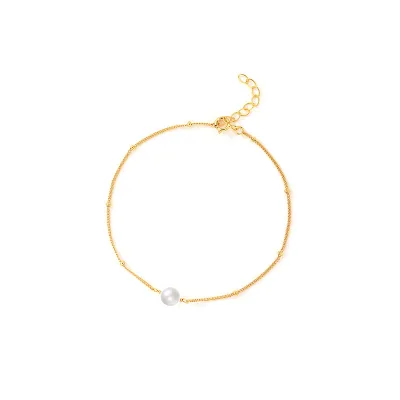
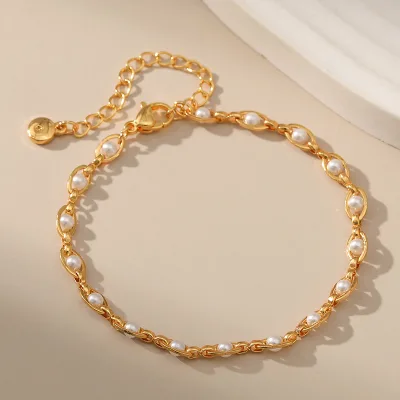
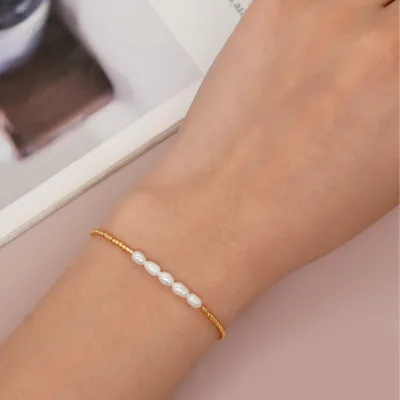
$1.6909 - $1.7928
MOQ: 3 pieces
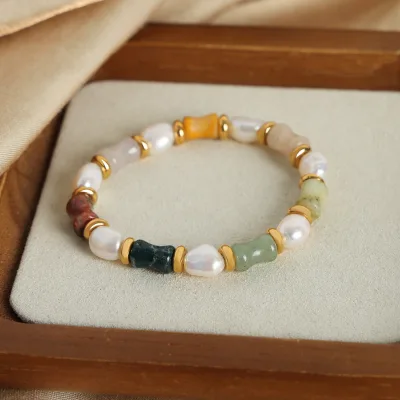
$3.5751 - $3.6785
MOQ: 3 pieces
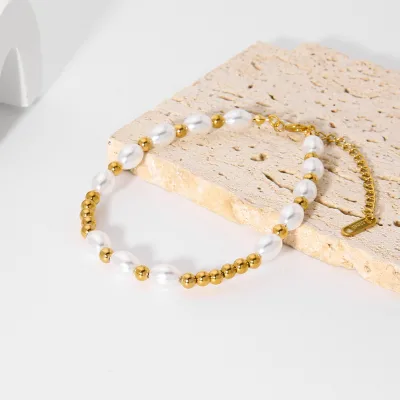
Wholesale Stainless Steel Jewelry 2024 Women Fashion Adjustable Pearl s
$2.1556 - $2.3115
MOQ: 2 pieces
Zhuji Junhe Import and Export Co., Ltd.
- Verified by Intertek
- Manufacturer, Trading Company
- Lead time30 days
- Avg. response≤ 3h
Main productsSports Socks, Men's Socks, Women's Socks, Wool Socks, Holiday Socks
Main marketsNorth America(38%), Western Europe(30%), Northern Europe(10%)
Yiwu Hertiny Jewelry Co., Ltd.
- Trading Company
- Zhejiang, China
- Lead time20 days
- Avg. response≤ 2h
Main productsJewelry,Beads,Charms,Accessories Material,925 sterling silver necklace
Main marketsWestern Europe(30.00%), North America(15.00%), Southern Europe(15.00%), Eastern Europe(10.00%), Northern Europe(10.00%), Oceania(10.00%), South America(5.00%), Mid East(5.00%)

Guangzhou Peishang Jewelry Co., Ltd.
- Verified by BV
- Combined
- China Guangdong
- Lead time30 days
- Avg. response≤ 4h
Main productsEarring, Ring, Necklace, Bracelet, Anklet, Jewelry Set, Silver Jewelry, Brass Jewelry, CZ Jewelry, Natural Stone Jewelry
Main marketsSoutheast Asia/ Mideast,Europe,Australia,North America


925 Sterling Silver 14K Gold Plated Women Vintage Jewelry Bar Charm Bracelets
$5.88 - $7.09
MOQ: 30 Pieces

$4.48 - $5.28
MOQ: 30 Pieces
- Trading Company
- Lead time旺季: "1 - 60":35,"> 60":"To be negotiated", 淡季: "1 - 60":35,"> 60":"To be negotiated"
- Avg. response≤ 8h
Main productsfashion jewelry,women necklace,women earrings,fashion rings jewelry,fashion bracelets jewelry

Putian Chengqiu Hui Trading Co., Ltd.
- Verified by TUVRHEINLAND
- Trading Company
- China Fujian
- Lead time15 days
- Avg. response≤ 5h
Main productsSports Shoes, Watch, Slippers, Bags, Training Clothes, Clothing Design, Hat, Jewel, Sunglasses, Belt
Main marketsDomestic

Bohemian Style Turquoise Bracelet Moonstone Beaded Chain Charmed Beaded Bracelets
$1.51 - $2.21
MOQ: 2 Pieces

Ins Style Natural Pearl Gold Bracelet Light Luxury Temperament Bead Bangle Jewelry
$1.50 - $2.00
MOQ: 2 Pieces

Luxury Baroque Pearl Moss Agate Bead Bracelet Charm Gemstone Elastic Bracelets for Ladies
$4.47 - $5.47
MOQ: 2 Pieces

Fashion Jewelry Beaded Natural Turquoise Gift Gemstone Beads Bracelet Bohemian Style
$4.73 - $5.53
MOQ: 2 Pieces

Hot Sale Ins Style 18K Gold Plated Letter V Pendant Bracelet Luxury Brand Non-Fade Bracelet
$1.65 - $2.15
MOQ: 2 Pieces

New Design 14K Gold Plated Statement Bangle Fine Jewelry Cubic Zircon Trend Bangle for Lady
$3.80 - $4.60
MOQ: 2 Pieces
Dongguan Mange Stainless Steel Jewelry Co., Ltd.
- Manufacturer, Trading Company
- Guangdong, China
- Lead time0 days
- Avg. response≤ 2h
Main productsStainless steel jewelry,Jewelry accessories
Main marketsSouthern Europe(20.00%), Domestic Market(10.00%), North America(10.00%), Northern Europe(10.00%), Western Europe(10.00%), Eastern Asia(10.00%), Southeast Asia(10.00%), Eastern Europe(10.00%), South America(10.00%)

Zhuhai Kirin Jewelry Co., Ltd.
- Combined
- China Guangdong
- Lead time15 days
- Avg. response≤ 13h
Main productsFashion Jewelry
Main marketsSoutheast Asia/ Mideast,Europe,North America

Yiwu Phonbon Import & Export Co., Ltd.
- Trading Company
- Zhejiang, China
- Lead time15 days
- Avg. response≤ 7h
Main productsmedal,lapel pin,metal coins,cross,rosary
Main marketsWestern Europe(16.67%), Southeast Asia(16.67%), Southern Europe(15.00%), Eastern Europe(15.00%), South America(10.00%), Africa(5.00%), Northern Europe(5.00%), Central America(5.00%), North America(5.00%), Mid East(3.00%), Eastern Asia(2.00%), South Asia(1.00%), Oceania(0.66%)
Qingdao Dadongsheng Jewelry Co., Ltd.
- Verified by SGS Group
- Manufacturer, Trading Company
- Lead time30 days
- Avg. response≤ 5h
Main productsJewelry
Main marketsNorth America(64%), Western Europe(20%), Southeast Asia(6%)
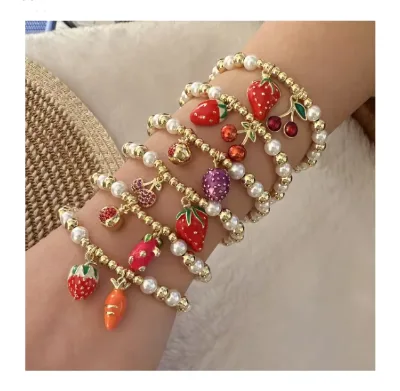
$1.68 - $2.89
MOQ: 10 pieces
Shenzhen Forcehold Industrial Co., Ltd.
- Manufacturer, Trading Company, Business Service (Transportation, finance, travel, Ads, etc)
- Guandong, China
- Lead time5 days
- Avg. response≤ 10h
Main productsCustomization Service,Product Design,Fashion Jewelry,OEM /ODM service,Wear Accessories
Main marketsMid East(18.00%), Western Europe(15.00%), South America(15.00%), North America(13.00%), Eastern Asia(10.00%), Eastern Europe(10.00%), Northern Europe(10.00%), Oceania(4.00%), Africa(3.00%), Central America(2.00%)

Shenzhen Hengda Xin Jewelry Co., Ltd.
- Verified by BV
- Combined
- China Guangdong
- Lead time15 days
- Avg. response≤ 2h
Main productsJewelry, Stainless Steel Fittings, Stainless Steel Jewelry, Necklace, Bracelet, Stud Earrings, Ring, Pendant, Fashion Jewelry, Fashion Accessories
Main marketsSoutheast Asia/ Mideast,East Asia(Japan/ South Korea),Domestic,Europe,Australia,North America

Elegant Jewelry Fashion Women Stainless Steel Diamond Gold Plated Bangle
$3.68 - $3.88
MOQ: 100 Pieces


Fashion Bracelet Jewelry Sterling Silver 925 Adjustable Sliding Bead Charm Bracelet
$9.00 - $9.80
MOQ: 100 Pieces


18K Gold Plated Luxury Stainless Steel Bangle with Colorful Zircon for Women
$3.09 - $3.51
MOQ: 30 Pieces


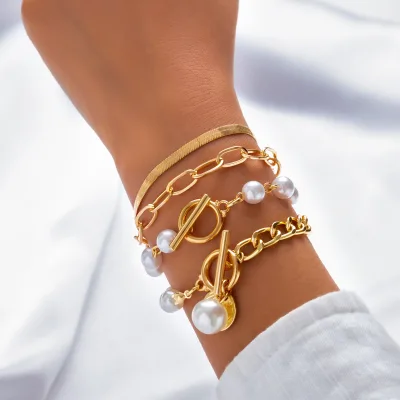
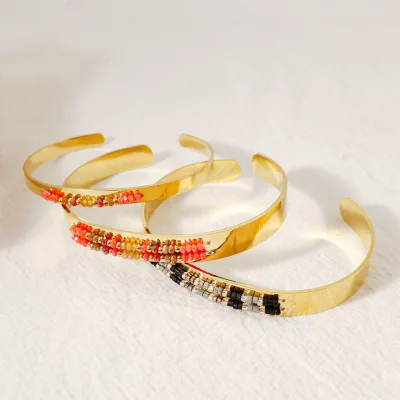
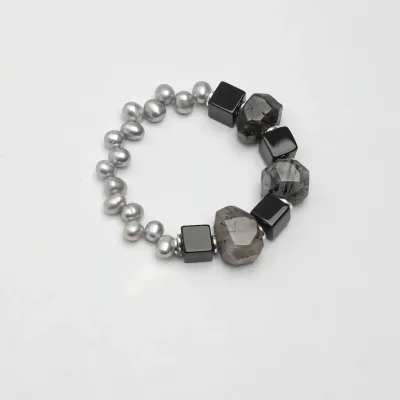
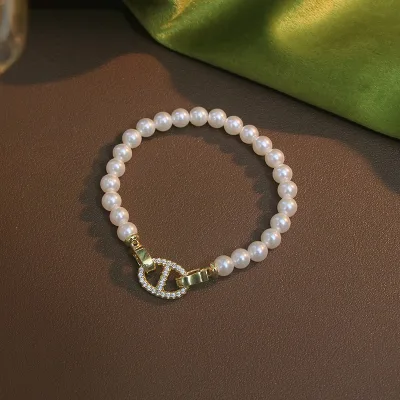
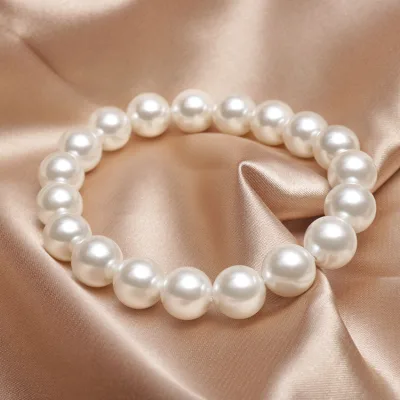
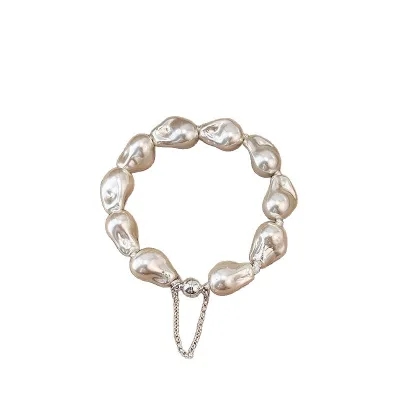


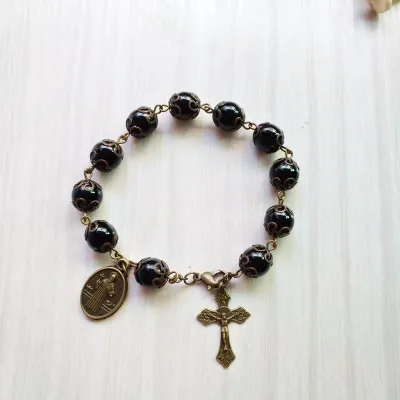
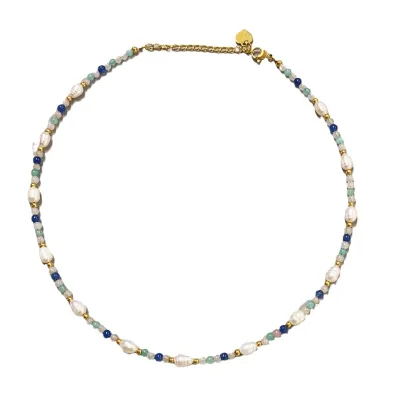
Comprehensive Sourcing Guide
14k Gold Plated Beaded Bracelet with Imitation Pearl Supplier Concentration and Factory Types
The sourcing landscape for 14K gold plated beaded bracelets with imitation pearls reveals a distinct split between manufacturing hubs and trading entities, each offering different operational advantages. Evidence indicates that a significant portion of production originates from China, specifically within the Zhejiang and Guangdong provinces. Suppliers located in these regions are predominantly classified as manufacturers or factories, which suggests direct control over the production line, material sourcing, and quality assurance processes. This factory-type structure is particularly relevant for buyers seeking custom OEM or ODM services, as these entities explicitly list capabilities for custom designs, including specific plating colors like 14K gold and 18K gold. The presence of SGS verification on some of these manufacturing profiles adds a layer of credibility regarding their operational standards and compliance with international trade requirements. Buyers looking for high-volume production runs or bespoke jewelry designs will likely find these factory-based suppliers more suitable due to their direct involvement in the creation of items such as glass-based beaded bracelets or those featuring AAA cubic zirconia stones.
In contrast, trading companies based in regions like Hong Kong S.A.R. offer a different value proposition, often focusing on curated selections and faster turnaround times for smaller orders. These entities typically act as intermediaries, aggregating products from various sources to provide a broader catalog that may include vintage styles, bohemian designs, or unisex accessories. While they may not own the factories, their proximity to international logistics hubs can facilitate quicker shipping and more flexible communication. The main products listed by these trading companies often include a diverse range of jewelry types, such as necklaces, earrings, and bracelets, allowing buyers to consolidate orders across multiple categories. However, the trade-off often involves higher minimum order quantities for custom work or less direct oversight of the manufacturing process. Understanding this dichotomy between factory-direct production in mainland China and trading-company aggregation in Hong Kong is crucial for aligning supplier selection with specific business needs, whether the priority is cost-effective mass production or flexible, mixed-category sourcing.
How to Verify 14k Gold Plated Beaded Bracelet with Imitation Pearl Suppliers
Verifying the legitimacy and capability of suppliers requires a multi-layered approach that goes beyond surface-level product listings. Buyers should prioritize suppliers who display third-party verification badges, such as SGS, which indicates that an independent agency has audited the company’s business license and factory conditions. This verification is a strong indicator of a supplier’s operational stability and adherence to basic trade standards. Additionally, examining the supplier’s response time is a practical metric for assessing their professionalism and readiness to engage in complex negotiations. A response time of approximately one to two hours suggests a dedicated sales team capable of handling inquiries promptly, which is essential for resolving technical questions about plating thickness, bead material, or packaging specifications. Suppliers with slower response times, such as those taking nearly ten hours to reply, may indicate a lack of immediate availability or a less customer-centric operational model, which could lead to delays in order processing and communication bottlenecks during critical production phases.
Beyond verification badges and response speeds, buyers must scrutinize the detailed product attributes to ensure they match their specific requirements. For instance, confirming the exact plating type is critical; some products specify 14K or 18K gold plating, while others may only offer generic gold tones or 24K plating on different base materials. The material composition of the beads themselves, whether glass, imitation pearl, or natural stone, must be explicitly stated in the product properties to avoid discrepancies in the final shipment. Buyers should also verify the supplier’s ability to handle custom orders by checking for explicit mentions of OEM/ODM support and warm welcome customization policies. Furthermore, examining the packaging details, such as the use of OPP bags, bubble bags, and cartons, provides insight into the supplier’s attention to product protection and presentation. By cross-referencing these specific product attributes with the supplier’s stated capabilities and verification status, buyers can build a comprehensive profile of each potential partner, ensuring that the selected supplier can reliably deliver the quality and specifications required for their market.
What to Compare Across 14k Gold Plated Beaded Bracelet with Imitation Pearl Suppliers
When evaluating multiple suppliers, comparing key commercial and operational metrics is essential for identifying the most suitable partner for your business model. One of the most significant differentiators is the Minimum Order Quantity (MOQ), which can vary drastically from as low as two pieces to several hundred units. Suppliers with low MOQs, such as those requiring only a dozen pieces, are ideal for testing new designs, fulfilling small boutique orders, or mitigating inventory risk. Conversely, suppliers with higher MOQs, such as 300 pieces, are better suited for large-scale retail distribution where economies of scale can drive down unit costs. Buyers should also compare the price ranges associated with these MOQs, noting that unit prices may fluctuate based on order volume and customization complexity. For example, simple beaded bracelets may start at very low price points, while more intricate designs with gold accents or specific stone settings may command higher prices. Aligning your order volume with the supplier’s MOQ structure is crucial for optimizing cost efficiency and cash flow.
Lead time and response speed are another critical pair of metrics to compare, as they directly impact your ability to meet market demand and customer expectations. Suppliers with shorter lead times, such as fifteen days, offer greater flexibility for restocking popular items or responding to sudden market trends. In contrast, suppliers with longer lead times, such as thirty days, may require more advanced planning and larger inventory buffers. The response time, measured in hours, also plays a role in the overall efficiency of the sourcing process; faster responses can accelerate the approval of samples and the resolution of production issues. Additionally, buyers should compare the main product categories offered by each supplier to ensure they can serve as a comprehensive source for related accessories. A supplier specializing exclusively in bracelets may not be able to provide complementary items like necklaces or earrings, whereas a trading company with a broader catalog might offer more convenience for mixed orders. By systematically comparing these dimensions, buyers can create a balanced supplier portfolio that meets both their cost and operational requirements.
Common 14k Gold Plated Beaded Bracelet with Imitation Pearl Sourcing Risks
One of the primary risks in sourcing 14K gold plated beaded bracelets is the potential discrepancy between the advertised plating quality and the actual product received. While suppliers may claim 14K or 18K gold plating, the thickness of the plating layer can vary significantly, affecting the durability and longevity of the jewelry. Buyers must verify the specific plating standards and ensure that the supplier provides clear information on the plating process, such as whether it is electroplated or dipped. Another risk involves the material composition of the beads themselves; imitation pearls can be made from various materials, including glass, plastic, or shell, each with different aesthetic and durability characteristics. If the product description is vague or uses generic terms like "imitation pearl" without specifying the base material, there is a risk of receiving lower-quality items that do not match the expected luxury feel. This is particularly relevant for products marketed as "exquisite" or "luxury," where the tactile and visual quality of the beads is a key selling point.
Packaging and shipping risks are also significant, especially for delicate beaded jewelry that can easily become tangled or damaged during transit. Suppliers may use minimal packaging, such as a single OPP bag, which offers little protection against crushing or abrasion. Buyers should assess the supplier’s packaging standards, looking for the use of bubble bags, individual boxes, or carton reinforcements to ensure product integrity. Additionally, the risk of communication breakdowns can lead to errors in custom orders, such as incorrect colors, sizes, or plating shades. Suppliers with slower response times or those located in different time zones may struggle to provide timely updates or resolve issues quickly. Furthermore, the reliance on third-party logistics can introduce delays or damage, particularly if the supplier does not have established relationships with reliable courier services. To mitigate these risks, buyers should request detailed packaging specifications, conduct thorough sample testing, and maintain clear, documented communication throughout the ordering process to ensure that all expectations are met and any potential issues are addressed proactively.
14k Gold Plated Beaded Bracelet with Imitation Pearl Regional Sourcing and Logistics
Sourcing from specific regions in China, such as Zhejiang and Guangdong, offers distinct logistical advantages due to the concentration of manufacturing infrastructure and supply chain networks. Zhejiang is known for its robust manufacturing capabilities, particularly in the production of fashion accessories and jewelry components. Suppliers in this region often benefit from proximity to raw material suppliers and specialized labor pools, which can streamline the production process for items like glass-beaded bracelets or those with simple, elegant designs. The presence of verified manufacturers in Zhejiang suggests a mature ecosystem for quality control and export compliance, making it a reliable source for buyers seeking consistent production quality. Additionally, the logistical infrastructure in Zhejiang is well-developed, facilitating efficient shipping to major international ports and reducing transit times for ocean freight. Buyers sourcing from this region should consider the potential for lower production costs due to economies of scale and the availability of a wide range of customization options, from OEM to ODM services.
In contrast, sourcing from Guangdong, another major manufacturing hub, offers access to a diverse range of jewelry styles, including vintage, bohemian, and luxury designs. Suppliers in Guangdong often specialize in more intricate pieces, such as those featuring gold-plated chains, imitation pearls, and stone settings. The region’s strong export orientation and established logistics networks make it easy to ship goods globally, with many suppliers offering multiple delivery methods, including DHL, UPS, and FedEx. Buyers sourcing from Guangdong should be aware of the potential for higher complexity in production, which may require more detailed specifications and closer communication to ensure accuracy. Additionally, the presence of trading companies in Hong Kong, which often source from Guangdong factories, can provide buyers with access to a broader catalog and more flexible order options. However, buyers must carefully evaluate the logistics costs and lead times associated with each region, as factors such as customs clearance, port congestion, and carrier availability can impact the overall delivery schedule. Understanding these regional nuances allows buyers to make informed decisions about where to source their products based on their specific needs for cost, quality, and speed.
14k Gold Plated Beaded Bracelet with Imitation Pearl Commercial Terms and Order Planning
Effective order planning for 14K gold plated beaded bracelets requires a clear understanding of the commercial terms and logistical requirements associated with each supplier. Buyers should carefully review the pricing structures, noting that unit costs may vary based on order volume, customization complexity, and material choices. For instance, simple beaded bracelets may have a lower price point, while those with gold accents or specific plating requirements may command higher prices. It is essential to confirm whether the quoted prices include packaging, shipping, and any additional fees, such as mold charges for custom designs. Buyers should also establish clear payment terms, such as deposits and balance payments, to manage cash flow and mitigate financial risk. Additionally, understanding the supplier’s return and refund policies is crucial, especially for custom orders that may not be eligible for returns if they do not meet specifications. By clarifying these commercial terms upfront, buyers can avoid unexpected costs and ensure a smooth transaction process.
Logistics and delivery planning are equally important, as they directly impact the ability to meet market demand and customer expectations. Buyers should work with suppliers to determine the most efficient shipping methods, considering factors such as transit time, cost, and reliability. For urgent orders, air freight may
FAQs
What is the typical lead time for beaded bracelets?
The typical lead time for these bracelets is 30 days based on current supplier data. Some suppliers in Hong Kong offer a faster 15-day turnaround for specific orders. Buyers should confirm exact delivery schedules with the manufacturer before placing bulk orders to ensure timely arrival.
What is the minimum order quantity for these bracelets?
Minimum order quantities vary significantly by product style and supplier. Some listings require as few as 2 pieces, while others set the minimum at 300 units. Buyers must check the specific product page to find the exact MOQ that matches their purchasing volume and budget constraints.
Are these bracelets available with custom OEM or ODM services?
Yes, many suppliers explicitly welcome custom OEM and ODM requests for these beaded bracelets. The product attributes indicate that customization is available for styles featuring imitation pearls and gold plating. Buyers should discuss specific design requirements directly with the manufacturer to ensure feasibility.
What materials are used for the beads and plating?
Common materials include glass beads with 14K or 24K gold plating over base metals. Some listings specify imitation pearls and cubic zirconia stones alongside gold-filled options. Buyers should verify the exact material composition listed for each product to ensure it meets their quality and durability standards.
Where are the manufacturers of these bracelets located?
Manufacturers are primarily located in China, specifically in Zhejiang and Guangdong provinces. Some trading companies operate out of Hong Kong S.A.R. to facilitate international shipping. Buyers should verify the specific origin listed on the product page to understand shipping logistics and potential tariffs.
What is the price range for wholesale orders?
Wholesale prices range from approximately 0.55 to 20.00 per piece depending on the design and material quality. Simple glass bead styles start near 0.55, while intricate gold-plated designs with charms can reach 20.00. Buyers should request a quote based on their specific quantity to get accurate pricing.
How quickly do suppliers typically respond to inquiries?
Response times vary, with some suppliers replying within 1.13 hours and others taking up to 10 hours. Faster response times are often associated with manufacturers in Zhejiang, while trading companies may have slightly longer reply windows. Buyers should prioritize suppliers with quick response metrics for urgent sourcing needs.