Hand Blown Clear Glass Vase with Wood Base Suppliers and Manufacturers
Compare 27 verified suppliers offering Hand Blown Clear Glass Vase with Wood Base products with lead times from 30 to 60 days and MOQs ranging from 300 to 1000 units. Review certifications like ISO9001:2015 and BSCI to select a factory or trading company for your order.
Updated
Suppliers List

Golden Ace Industrial Co., Ltd.
- Verified by BV
- Combined
- China Shandong
- Lead time60 days
- Avg. response≤ 13h
Main productsGlassware, Kitchenware, Houseware, Glass Vase, Giftware
Main marketsAfrica,Southeast Asia/ Mideast,Europe,Australia,North America


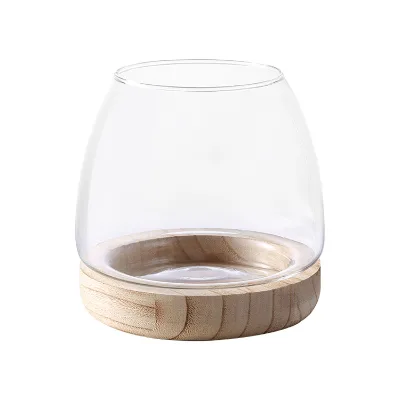
Wholesale Handmade Mouth Blown Glassware Clear Glass Vase for Home Decoration
$3.00 - $5.00
MOQ: 300 Pieces


Yancheng Jingxin Glassware Co., Ltd.
- Verified by TüVRheinland
- Manufacturer, Trading Company
- Lead time30 days
- Avg. response≤ 10h
Main productsGlass Lamp Shades, Glass Teapot & Tea Cup, Glass Home Decoration, Glass Labware
Main marketsNorth America(25%), Domestic Market(20%), Northern Europe(10%)
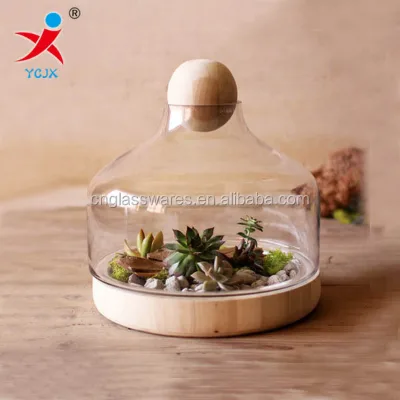
$1.70 - $4.70
MOQ: 500 Minimum

Guangzhou Garbo International Trading Co., Ltd.
- Verified by TUVRHEINLAND
- Trading Company,Manufacturer/Factory
- China Guangdong
- Lead time45 days
- Avg. response≤ 5h
Main productsGlassware, Glass Cup, Glass Mug, Glass Bowl, Glass Candy Jar, Glass Pitcher, Glass Ice Cream Cup and Ice Bucket, Opal Glassware, Stainless Steel Cutlery, Ceramic Dinnerware
Main marketsSouth America,Eastern Europe,Mid East,North America,Southeast Asia,Eastern Asia,Oceania,Western Europe,Africa

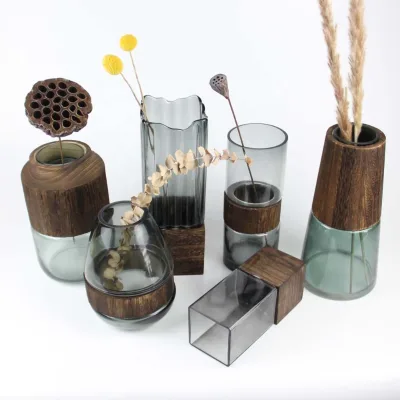
Modern Style Handmade Solid Color Glass Vase with Wooden Base for Home Decoration
$4.97 - $5.35
MOQ: 3000 Pieces


New Design Transparent Glass Vase with Wooden Bottom Base Flower Vases
$59.35 - $65.89
MOQ: 3000 Pieces

Jinan Glass International Trade Co., Ltd.
- Manufacturer/Factory
- China Shandong
- Lead time15 days
- Avg. response≤ 7h
Main productsGlass Smoking Pipe, Glass Pipe, Printing and Package, Laboratory Glassware, Home Glassware, Machine, Sticker, Wall Decal
Main marketsSouth America,Eastern Europe,North America,Southeast Asia,Eastern Asia,Oceania,Western Europe,Africa
Jiangsu Fine Technology Co., Ltd.
- Manufacturer, Trading Company
- Lead time旺季: "1 - 200":20,"> 200":"To be negotiated", 淡季: "1 - 200":20,"> 200":"To be negotiated"
- Avg. response≤ 11h
Main productsGlass Teapot,Double Wall Glass Cup,Glass Terrarium,Borosilicate Glass Globe,Laboratory Glassware
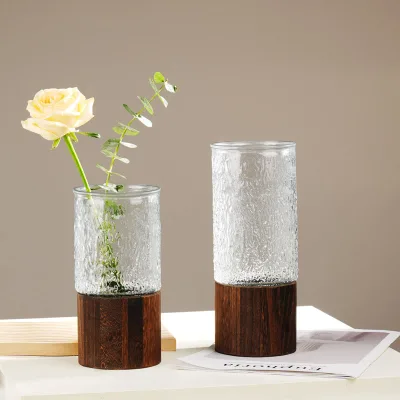
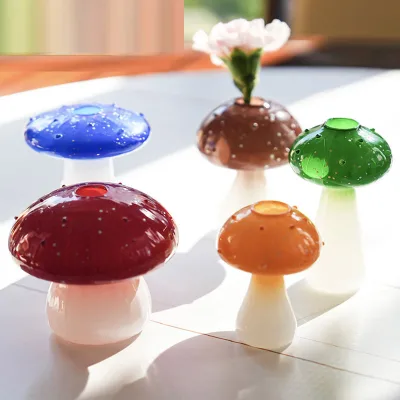
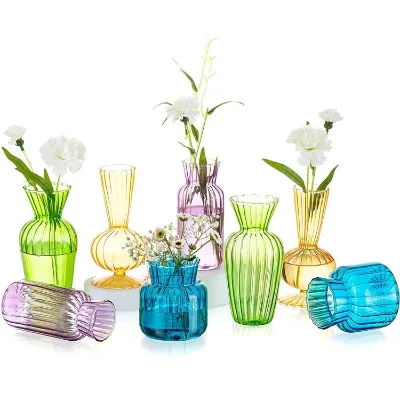
Different Colors Painting Hand Made Ripple Glass Flower Vase for Home Table Decoration
$1.40 - $1.80
MOQ: 500 pieces
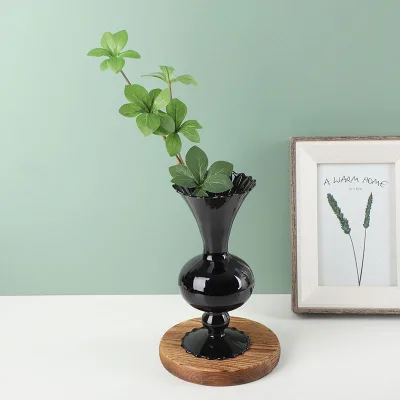
Black Color Luxury Blown Vase for the Living Room Study Table Glass Craft Vase Decoration
$4.2023
MOQ: 500 Minimum

Foshan Ciray Household Products Co., Ltd.
- Trading Company,Manufacturer/Factory
- China Guangdong
- Lead time45 days
- Avg. response≤ 18h
Main productsCeramic Plate, Ceramic Bowl, Ceramic Tray, Stainless Steel Tray, Stainless Steel Cutlery, Stainless Steel Plate, Coffee-Related Products, Ceramic Ornaments, Ceramic Tableware, Glass Tableware
Main marketsSouth America,Eastern Europe,North America,Oceania,Western Europe
- Manufacturer, Trading Company
- Anhui, China
- Lead time45 days
- Avg. response≤ 2h
Main productsContainer Jar,Glass Teapot Pitcher,Glass Oil Pot,Glass water cup,Fresh-keeping bowl
Main marketsDomestic Market(20.00%), Northern Europe(15.00%), North America(11.00%), Central America(10.00%), Mid East(10.00%), Oceania(8.00%), Western Europe(5.00%), Eastern Asia(5.00%), South Asia(5.00%), Southern Europe(5.00%), Eastern Europe(3.00%), South America(1.00%), Africa(1.00%), Southeast Asia(1.00%)
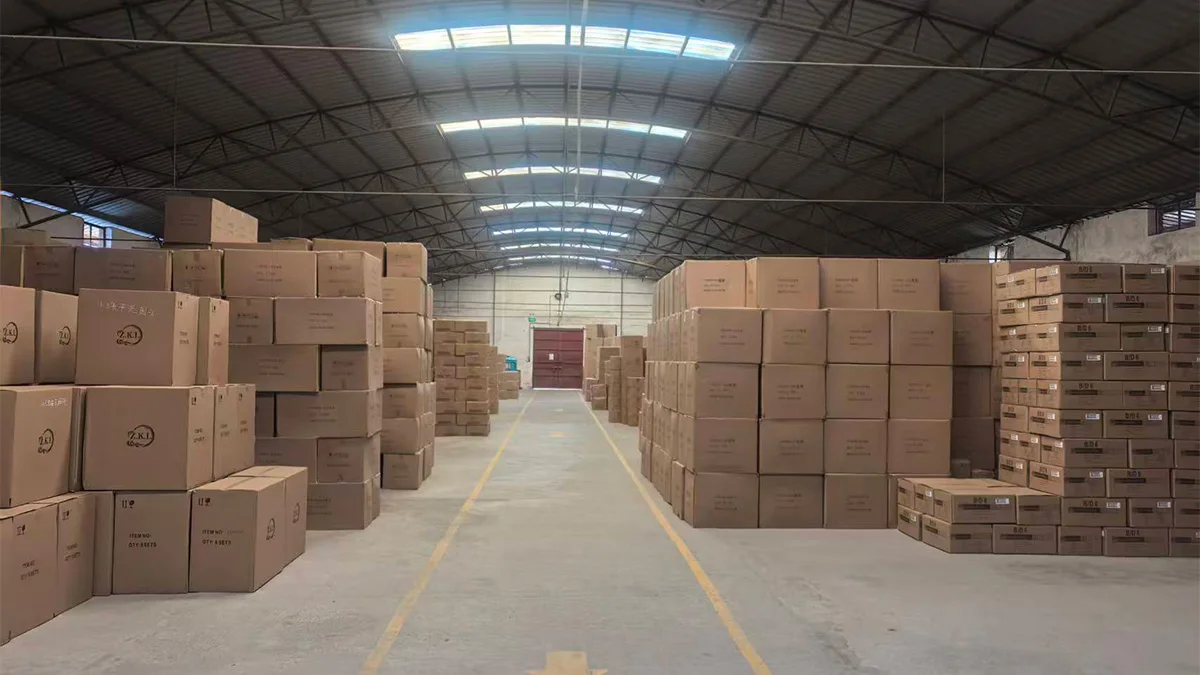
Shaanxi Freeway Import And Export Co., Ltd.
- Manufacturer
- Shaanxi, China
- Lead time45 days
- Avg. response≤ 2h
Main productsGlassware,wine glasses,glass candle holder,glass vase,drinking glasses
Main marketsWestern Europe(40.00%), North America(40.00%), South America(15.00%), Oceania(5.00%)
Xuzhou Bolite Import & Export Trading Co., Ltd.
- Verified by SGS Group
- Trading Company
- Lead time30 days
- Avg. response≤ 3h
Main productsGlass Bottle and Accessories
Main marketsSoutheast Asia(26%), South Asia(12%), Domestic Market(12%)
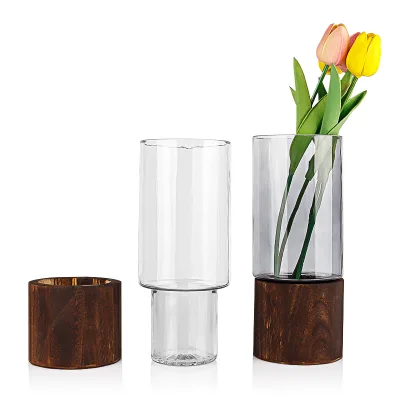
Home Decoration Big 1250ml Round Clear or Grey Glass Flower Vase with Wooden Base
$2.00 - $3.00
MOQ: 10 pieces
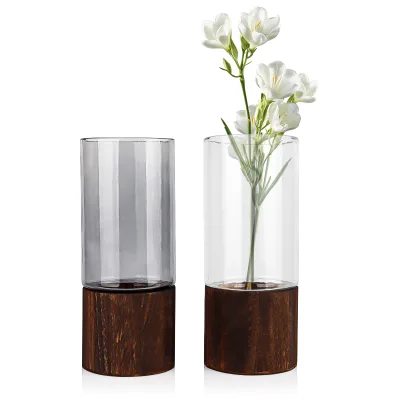
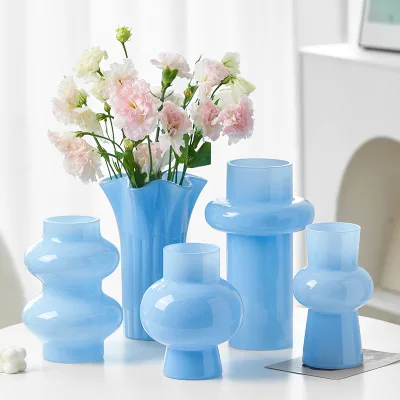
$3.00 - $3.50
MOQ: 1000 pieces
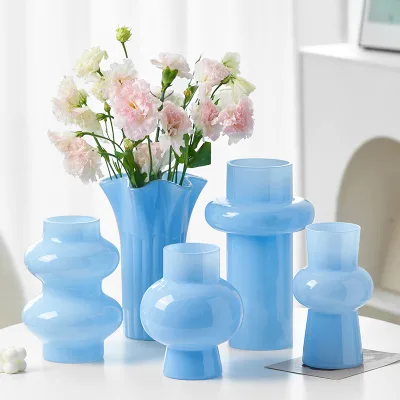
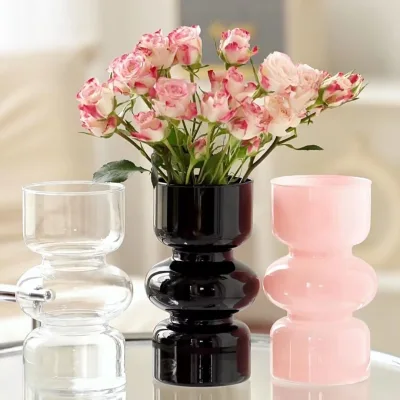

Xuzhou Huajing Glass Products Co., Ltd.
- Verified by BV
- Combined
- China Jiangsu
- Lead time23 days
- Avg. response≤ 8h
Main productsGlass Bottle, Glass Jar, Water Bottle, Perfume Bottle, Mason Jars, Candle Jar, Plastic Bottles, Lids Bottle Caps Closures, Wine Bottle, Juice Bottle
Main marketsSouth America,Africa,Southeast Asia/ Mideast,East Asia(Japan/ South Korea),Domestic,Europe,Australia,North America


Blown Glass Vase Home Table Decoration Small Clear Flower Color Glass Vase
$0.50 - $0.60
MOQ: 1000 Pieces


Zibo Lianghua Glass Products Co., Ltd.
- Manufacturer, Trading Company
- Shandong, China
- Lead time30 days
- Avg. response≤ 6h
Main productsGlass Jar,glass bee catcher,Glass vase,Glass Bottle,Candle
Main marketsEastern Asia(27.00%), Eastern Europe(24.00%), North America(22.00%), Domestic Market(6.00%), South America(5.00%), Southern Europe(4.00%), Southeast Asia(3.00%), Western Europe(3.00%), Africa(1.00%), South Asia(1.00%), Oceania(1.00%), Northern Europe(1.00%), Central America(1.00%), Mid East(1.00%)
Shanxi Delight Houseware Co., Ltd.
- Verified by Intertek
- Trading Company
- Lead time30 days
- Avg. response≤ 4h
Main productsGlass Drinkware, Glass Plate and Bowl, Glass Candle Holder, Glass Decanter
Main marketsNorth America(20%), Mid East(15%), South America(10%)
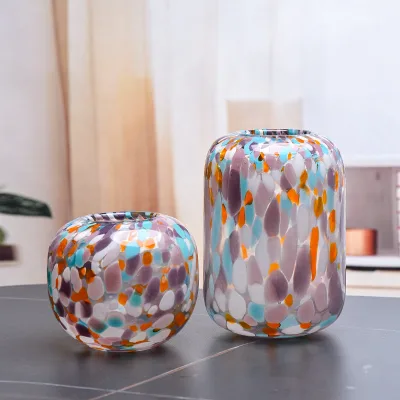
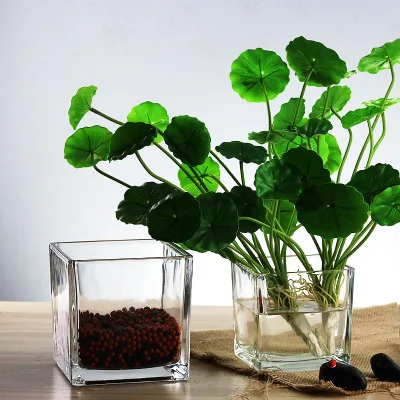
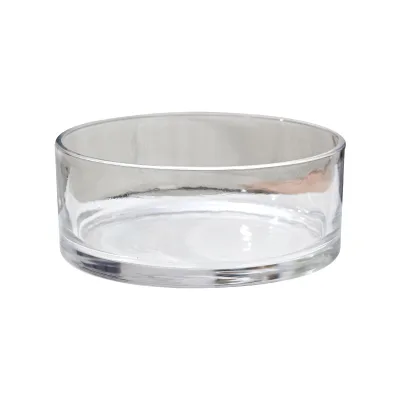
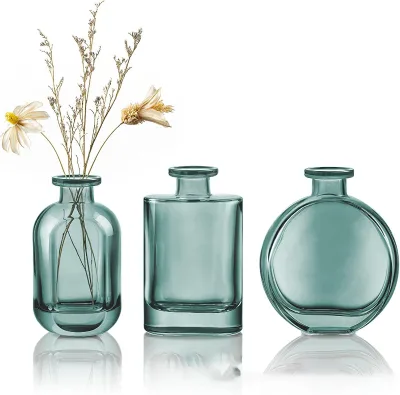
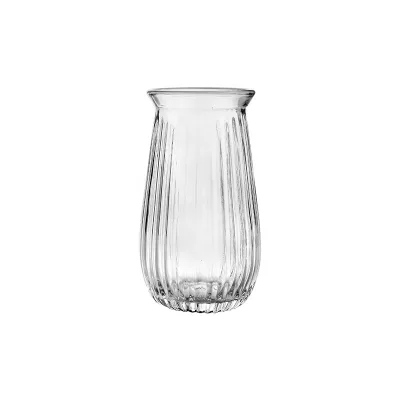
Ready Stock Simple Design Transparent Cylinder Shape Glass Flower Vase for Best Selling
$2.19 - $2.69
MOQ: 100 pieces
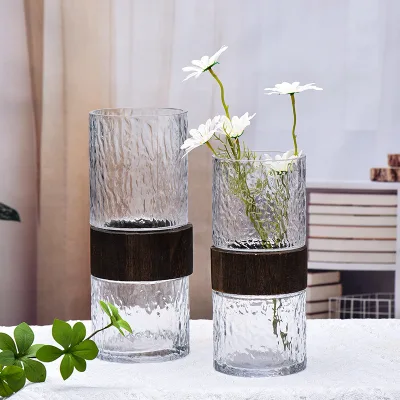
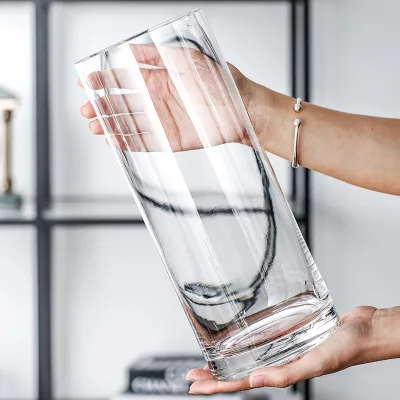
Taiyuan Jarvi Glassware Co., Ltd.
- Trading Company
- Shanxi, China
- Lead time0 days
- Avg. response≤ 5h
Main productswine glasses,glass plates,glass vases,glass candle holders,glass decanters
Main marketsNorth America(65.00%), Northern Europe(20.00%), Mid East(10.00%), South Asia(2.00%), Africa(2.00%), Domestic Market(1.00%)
Shijiazhuang Maoka Trading Co., Ltd.
- Verified by SGS Group
- Trading Company
- Lead time20 days
- Avg. response≤ 4h
Main productsMetal Leather Portable Cigarette Case, Men Cigarette Case, Paper Pulp Soap Box, Square Paper Mooncake Box, Paperboard Gift Box
Main marketsWestern Europe(64%), Southern Europe(22%), Northern Europe(10%)

Qingdao Qiteng Yongxin Glass Products Co., Ltd
- Verified by SGS
- Trading Company
- China Shandong
- Lead time30 days
- Avg. response≤ 7h
Main productsScented Oil Bottle, Wine Bottle, Beverage Bottle, Perfume Bottles, Reed Diffuser Bottles, Rum Bottle, Wax Holder, Essential Oil Glass Bottle, Nail Polish Glass Bottle, Roll on Glass Bottle
Main marketsEurope


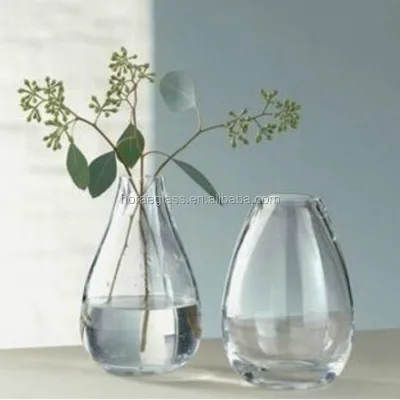
Handcrafted Clear Glass Vase for Rustic Home Fresh Flower Table Display Hot Sale
$0.40 - $0.80
MOQ: 1 Pieces

Xiamen Horae Glassware Co., Ltd.
- Manufacturer, Trading Company, Distributor/Wholesaler
- Fujian, China
- Lead time0 days
- Avg. response≤ 4h
Main productsglassware,glass products,glasses,packing,gift and crafts
Main marketsEastern Europe(20.00%), North America(20.00%), Western Europe(15.00%), Southeast Asia(10.00%), Southern Europe(5.00%), Northern Europe(5.00%), Central America(5.00%), South America(5.00%), Eastern Asia(5.00%), Mid East(5.00%), Oceania(5.00%)
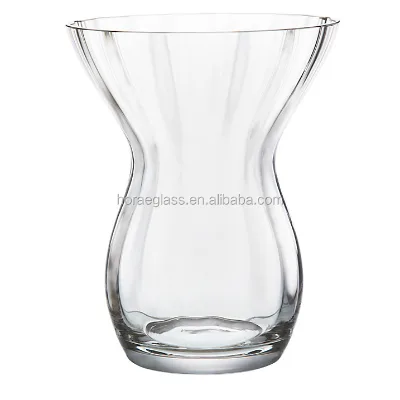
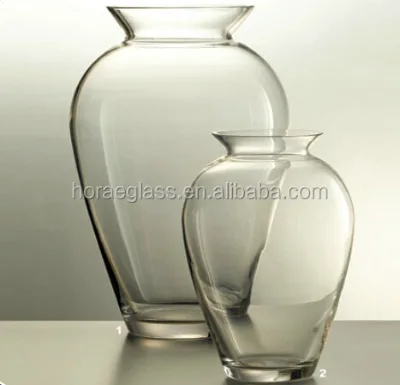
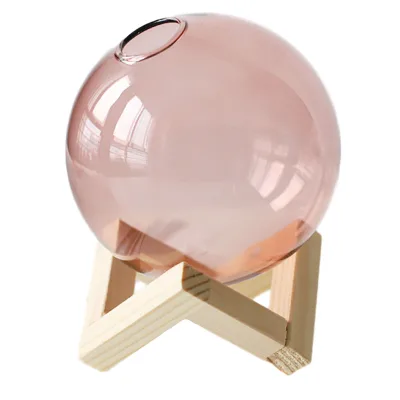
Beautiful Amber Round clear Glass Vase,round Glass Bulk Vase by Hand Blown
$2.7766 - $4.114
MOQ: 3000 pieces

Yancheng Xinboyuan Glass Co., Ltd.
- Verified by BV
- Trading Company,Manufacturer/Factory
- China Jiangsu
- Lead time23 days
- Avg. response≤ 7h
Main productsGlass Table Lamp, Glass Perfume Bottles, Glass Lampshade, Glass Labware, Glass Bottles & Jars, Glass Candlesticks, Borosilicate Mug & Cups, Glass Vases & Terrariums, Glass Beakers, Glass Reagent Bottles
Main marketsEastern Europe,Mid East,North America,Western Europe


$0.90 - $1.80
MOQ: 500 Pieces

Rizhao Baibo Packaging Co., Ltd.
- Verified by TUVRHEINLAND
- Trading Company
- China Shandong
- Lead time15 days
- Avg. response≤ 4h
Main productsGlass Vase, Glass Jar, Glass Bottle, Glass Beverage, Glass Candlestick Jar, Glass Lampshade
Main marketsNorth America
Guangzhou Garbo International Trading Co., Ltd.
- Trading Company
- Lead time旺季: "1 - 10000":35,"> 10000":"To be negotiated", 淡季: "1 - 10000":35,"> 10000":"To be negotiated"
- Avg. response≤ 4h
Main productsGlassware, Opal Glassware, High Borosilicate Glassware, Stainless Steel Flatware, Kitchenware
Shijiazhuang Maoka Trading Co., Ltd.
- Trading Company
- Lead time旺季: "1 - 100":15,"> 100":"To be negotiated", 淡季: "1 - 100":15,"> 100":"To be negotiated"
- Avg. response≤ 3h
Main productsWine Decanter, Wine Glass, Package printing box, Plastic Items, Glass Candleholder
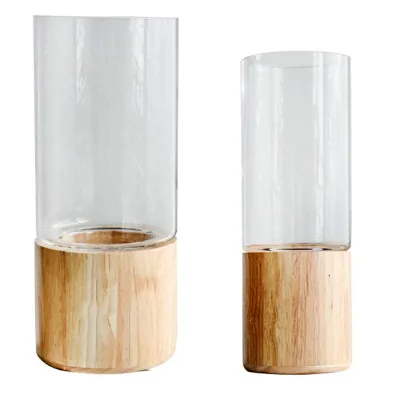
$5.1447 - $7.2032
MOQ: 100 pieces
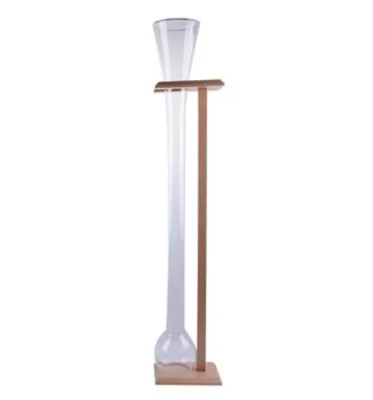
$14.3466 - $18.4442
MOQ: 100 pieces
Baoying County Xuzhiguang Glass Crafts Co., Ltd.
- Verified by SGS Group
- Manufacturer, Trading Company
- Lead time7 days
- Avg. response≤ 1h
Main productsGlass Vases, Glass Candle Holders, Glass Tea Sets, Glass Wind Chimes, Glass Wine Glasses
Main marketsDomestic Market(66%), North America(12%), Western Europe(5%)
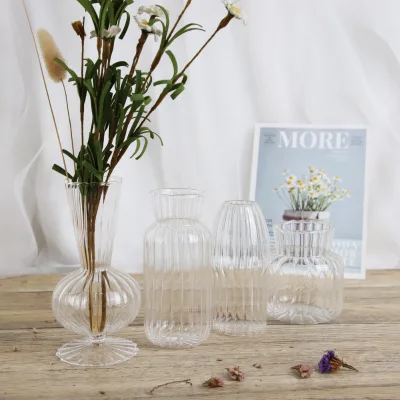
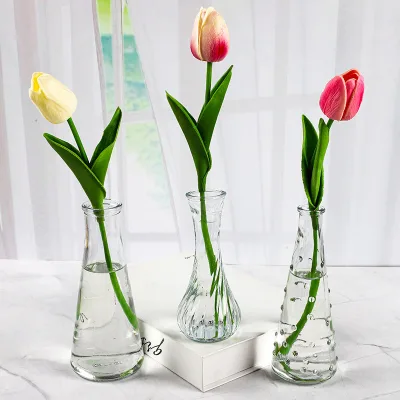
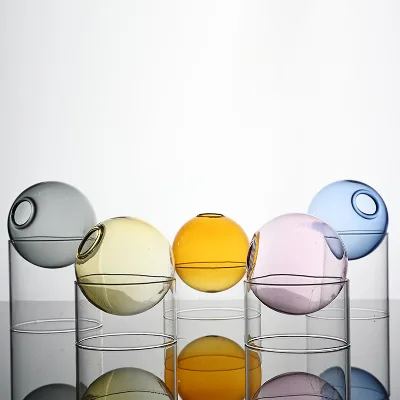
Cheap Price Creative Handblown Glass Tabletop Vases
$1.20 - $2.00
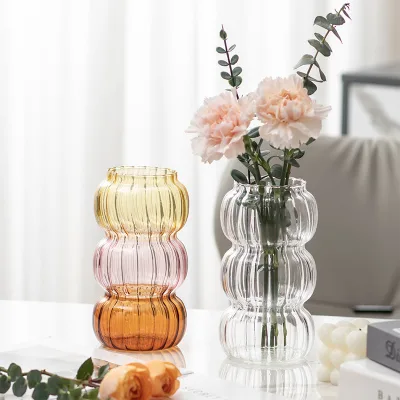
Baoying Meilida Christmas Glass Crafts Factory
- Verified by Intertek
- Manufacturer, Trading Company
- Lead time20 days
- Avg. response≤ 7h
Main productsChristmas Ornaments, Glass Crafts
Main marketsNorth America(40%), Eastern Europe(22%), Western Europe(18%)
Wen Xi'an Cheng'er Glass Products Co., Ltd.
- Trading Company
- Shanxi, China
- Lead time0 days
- Avg. response≤ 1h
Main productsGlass vase,Small glass fish tank,Hydroponic vase,Glass square cylinder,Wedding vase
Main marketsNorthern Europe(5.00%), Central America(5.00%), Eastern Europe(5.00%), North America(5.00%)

Xuzhou Xirui Glass Products Co., Ltd.
- Manufacturer, Trading Company
- Jiangsu, China
- Lead time20 days
- Avg. response≤ 2h
Main productsPlastic Lid Products, Match Gift Bottle/Water Bottle, Lunch Box
Main marketsDomestic Market(40.00%), North America(20.00%), Mid East(20.00%), Western Europe(10.00%), Southeast Asia(10.00%)

Ningbo Beixuan International Trading Co., Ltd.
- Verified by TUVRHEINLAND
- Manufacturer/Factory
- China Zhejiang
- Lead time15 days
- Avg. response≤ 9h
Main productsPlastic Bottle, Plastic Cup, Plastic Honey Jar, Plastic Food Container, Glass Juice/ Beverage Bottle, Glass Jar, Glass Wine Bottle, Glass Essential Oil Bottles, Cosmetic & Perfume Glass Bottles, Paper Cup
Main marketsSouth America,Eastern Europe,Mid East,North America,Southeast Asia,Eastern Asia,Oceania,Western Europe,Africa
Huailai Golden Glass Co., Ltd.
- Manufacturer, Trading Company
- Lead time旺季: "1 - 24":10,"> 24":"To be negotiated", 淡季: "1 - 24":10,"> 24":"To be negotiated"
- Avg. response≤ 4h
Main productsGlass Cup & Mug, Glass vase, Glass candle jars, Wine glasses, Tableware
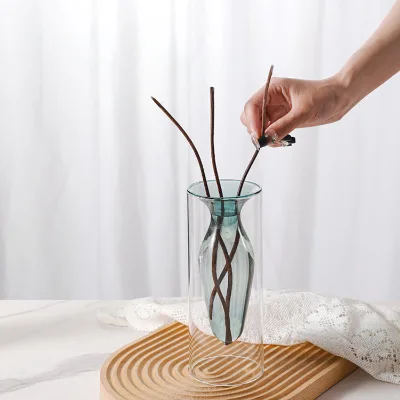
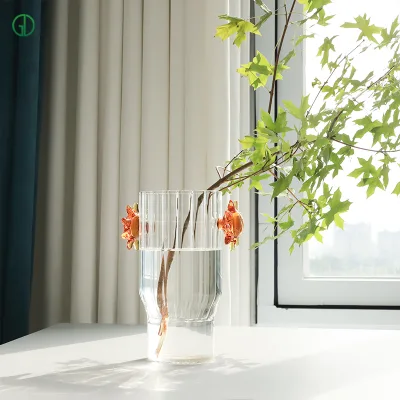
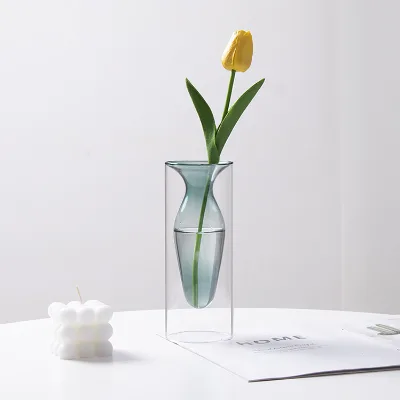
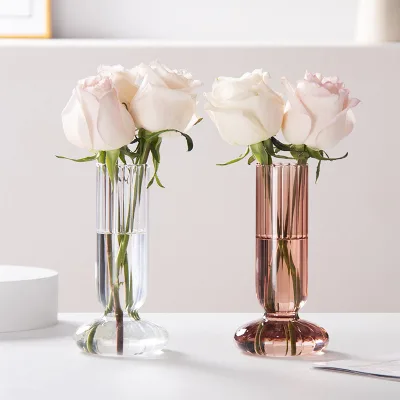
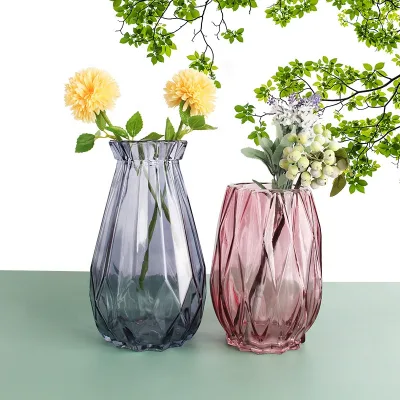
Clear Pink Lake Green Glass Vase Living Room Decoration Design Sense Nordic Small Glass Vase
$3.15 - $3.95
MOQ: 24 pieces
Xuzhou Haoboyang Glass Products Co., Ltd.
- Manufacturer, Trading Company
- Jiangsu, China
- Lead time30 days
- Avg. response≤ 3h
Main productsCR Jar,Glass Bottle,Cosmetic Bottles,Perfume Glass Bottles,Glass Tube Bottles
Main marketsDomestic Market(19.00%), North America(18.00%), Western Europe(10.00%), Oceania(9.00%), Southern Europe(8.00%), South America(5.00%), Eastern Europe(5.00%), Eastern Asia(5.00%), Africa(5.00%), Southeast Asia(5.00%), Mid East(4.00%), South Asia(3.00%), Northern Europe(3.00%), Central America(1.00%)



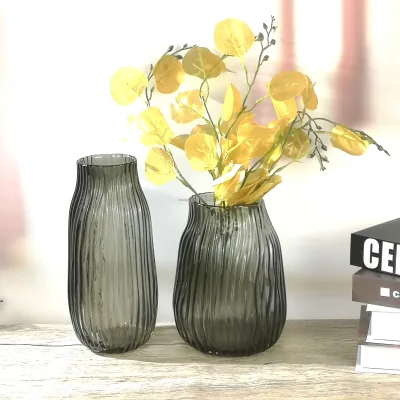
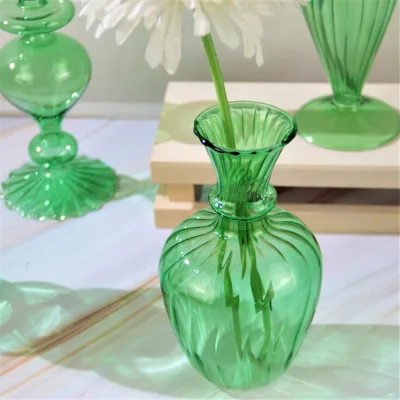
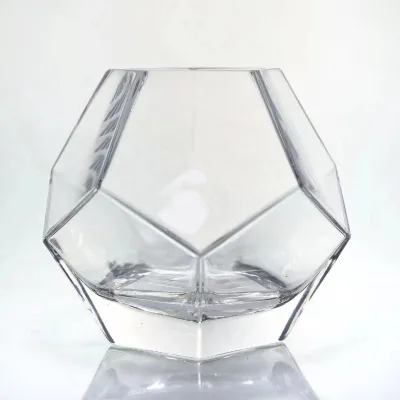
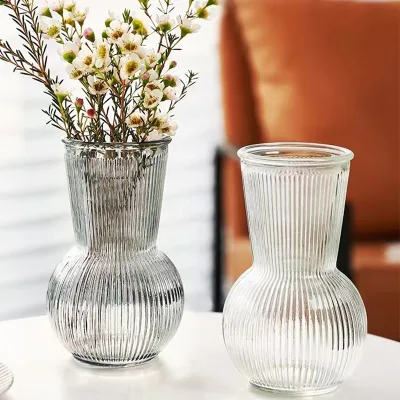


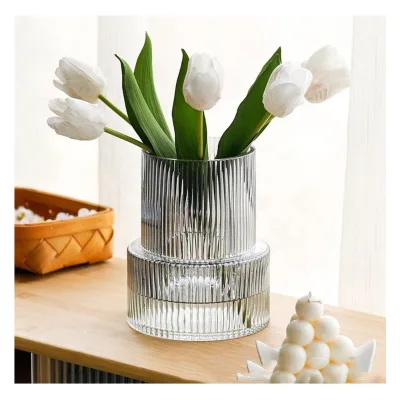
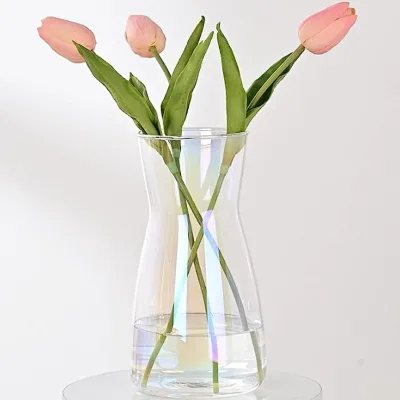
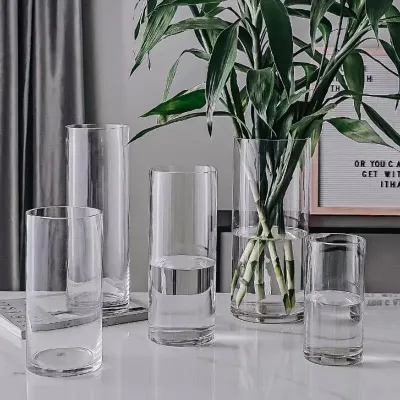
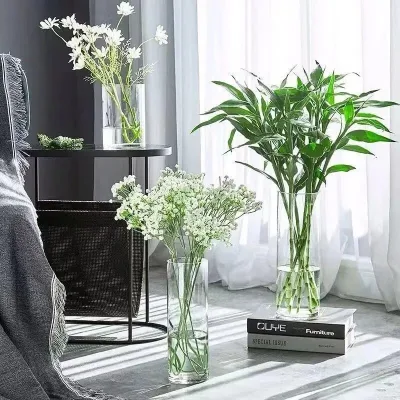



Comprehensive Sourcing Guide
Hand Blown Clear Glass Vase with Wood Base Supplier Concentration and Factory Types
The current supplier landscape for Hand Blown Clear Glass Vase with Wood Base products reveals a distinct geographic and operational structure that buyers must navigate carefully. Evidence indicates that manufacturing capabilities are concentrated in specific regions of China, with Shandong and Guangdong identified as key production hubs. Shandong suppliers often operate as combined entities, blending manufacturing and trading functions, which can streamline communication but may obscure the actual factory floor dynamics. These combined companies frequently hold ISO9001:2015 and ISO14001:2015 certifications, signaling a baseline commitment to quality management and environmental standards. In contrast, suppliers located in Guangdong often present themselves as either pure trading companies or manufacturer/factory hybrids. This distinction is critical because trading companies may offer broader product assortments, such as glass cups, mugs, and ceramic dinnerware, while manufacturer-focused entities might specialize more deeply in specific glassware techniques like hand blowing. The presence of TüVRheinland verification for some Guangdong-based suppliers adds another layer of credibility, suggesting rigorous third-party oversight of their operational processes. Buyers should recognize that the "combined" or "manufacturer/trading" label does not guarantee direct factory access, and the concentration in these two provinces suggests a mature supply chain ecosystem where raw glass materials and wood base components are readily available locally.
Understanding the diversity of factory types is essential for aligning supplier selection with specific business needs. Some suppliers explicitly list OEM and ODM capabilities, indicating they can customize designs or develop new products based on buyer specifications. This is particularly relevant for hand blown glass, where the artisanal nature of the process allows for significant variation in shape, size, and finish. Other suppliers may focus on standardized products with limited customization options, catering to buyers who prioritize speed and consistency over unique design elements. The main products listed by these suppliers range from decorative glass vases to kitchenware and labware, suggesting that many factories have versatile production lines capable of handling different glass applications. However, this versatility can sometimes lead to a dilution of expertise in any single product category. Buyers should investigate whether the supplier’s primary focus aligns with the specific requirements of Hand Blown Clear Glass Vase with Wood Base products. For instance, a supplier whose main products include glass lamp shades and tea cups might have different quality control standards compared to one specializing exclusively in home decor vases. The variation in company types and product focuses means that buyers cannot assume uniformity in production quality or service levels across all suppliers in this category.
How to Verify Hand Blown Clear Glass Vase with Wood Base Suppliers
Verification is the cornerstone of mitigating risk when sourcing Hand Blown Clear Glass Vase with Wood Base products from international suppliers. The first step involves scrutinizing the verification badges and certifications displayed by potential partners. Suppliers may hold BV (Bureau Veritas) verification, which confirms the legal existence and basic operational status of the business, but this does not necessarily attest to product quality or manufacturing capabilities. More robust verification comes from third-party inspection agencies like TüVRheinland, which often conduct on-site audits of the factory floor, equipment, and quality control systems. Buyers should prioritize suppliers with such comprehensive verifications, as they provide a higher degree of confidence in the supplier’s ability to deliver consistent quality. Additionally, system certifications such as ISO9001:2015 and ISO14001:2015 are strong indicators of a supplier’s commitment to standardized processes and environmental responsibility. These certifications are not merely decorative; they require regular audits and continuous improvement, which can translate to more reliable production outcomes. However, buyers should also look for product-specific certifications, such as BSCI or FSC, which may be relevant if the wood base component is a significant part of the product’s value proposition or if ethical sourcing is a priority.
Beyond certifications, buyers must actively verify the supplier’s responsiveness and transparency. The response time is a critical metric that reflects the supplier’s operational efficiency and customer service orientation. A response time of around 10 to 13 hours suggests a professional team that is likely to communicate promptly during the negotiation and order fulfillment phases. Slow response times can be a red flag, indicating potential bottlenecks in communication or a lack of dedicated account management. Buyers should also examine the supplier’s product evidence, including detailed product attributes, images, and specifications. For hand blown glass vases, details such as the glaze type, processing method, and standard dimensions are crucial for ensuring the product meets design requirements. Suppliers that provide comprehensive product data, including model numbers and packing specifications, are generally more transparent and reliable. Furthermore, buyers should verify the supplier’s claims about customization capabilities by requesting samples or detailed technical drawings. This hands-on verification process helps to confirm that the supplier can actually deliver the customized products they promise, rather than relying solely on marketing materials. By combining certification checks, responsiveness analysis, and product evidence review, buyers can build a comprehensive profile of each supplier’s reliability and suitability for their specific needs.
What to Compare Across Hand Blown Clear Glass Vase with Wood Base Suppliers
When evaluating multiple suppliers for Hand Blown Clear Glass Vase with Wood Base products, buyers must systematically compare key operational and commercial metrics to identify the best fit for their business. One of the most critical factors is the lead time, which directly impacts inventory management and customer satisfaction. Suppliers may offer lead times ranging from 30 to 60 days, depending on the complexity of the order, the current production load, and the level of customization required. Shorter lead times are advantageous for buyers who need to respond quickly to market trends or replenish stock rapidly, but they may come at a higher cost or with limited customization options. Conversely, longer lead times might allow for more intricate designs or better pricing, but they require careful planning and buffer stock. Buyers should also compare the Minimum Order Quantity (MOQ) requirements, which can vary significantly from 300 to 1000 pieces or more. Lower MOQs are beneficial for small businesses or those testing new markets, while higher MOQs may offer better unit prices for large-scale buyers. Understanding these trade-offs is essential for aligning supplier capabilities with the buyer’s volume and cash flow constraints.
Price and payment terms are another crucial dimension for comparison, as they directly affect the bottom line. Unit prices for Hand Blown Clear Glass Vase with Wood Base products can range from approximately $1.70 to $8.00, depending on factors such as size, complexity, material quality, and order volume. Buyers should request detailed quotations that break down costs for the glass vase, the wood base, and any additional services like packaging or customization. It is also important to compare the supplier’s response time, as faster communication can facilitate smoother negotiations and quicker issue resolution. Some suppliers may offer additional services such as sample processing or graphic customization, which can add value but may also increase costs. Buyers should also consider the supplier’s main products and specialization; a supplier focused primarily on glass vases may offer better quality and pricing than one with a broad, diversified product line. By systematically comparing lead times, MOQs, prices, and service offerings, buyers can make informed decisions that balance cost, quality, and operational efficiency. This comparative analysis helps to identify suppliers that not only meet the basic requirements but also offer strategic advantages in terms of flexibility and reliability.
Common Hand Blown Clear Glass Vase with Wood Base Sourcing Risks
Sourcing Hand Blown Clear Glass Vase with Wood Base products involves several inherent risks that buyers must proactively manage to ensure a successful procurement process. One of the primary risks is product quality inconsistency, particularly given the artisanal nature of hand blown glass. Unlike machine-produced items, hand blown vases can exhibit variations in shape, thickness, and finish, which may not meet strict quality standards if not properly controlled. Buyers should be aware that even with ISO certifications, the variability inherent in hand crafting can lead to defects or deviations from the approved sample. This risk is compounded by the addition of a wood base, which introduces another potential point of failure, such as cracking, warping, or poor adhesion to the glass. To mitigate this, buyers must establish clear quality specifications and conduct rigorous pre-shipment inspections. It is also important to verify the supplier’s quality control processes, including how they handle defects and whether they offer replacements for non-conforming products. Without robust quality assurance measures, buyers risk receiving batches of products that do not meet their standards, leading to customer dissatisfaction and financial losses.
Another significant risk is the reliability of the supply chain, particularly regarding lead times and communication. Delays in production or shipping can disrupt inventory levels and damage customer relationships, especially if the buyer is operating on tight schedules. Suppliers may cite various reasons for delays, such as raw material shortages, labor issues, or logistical bottlenecks, but these excuses do not absolve them of responsibility. Buyers should assess the supplier’s track record for on-time delivery and their ability to communicate proactively about potential issues. Additionally, there is a risk of intellectual property infringement if the buyer provides custom designs or specifications. Suppliers may inadvertently or intentionally share these designs with competitors, undermining the buyer’s competitive advantage. To protect against this, buyers should use non-disclosure agreements and work with suppliers who have a strong reputation for confidentiality. Furthermore, the risk of fraud or misrepresentation cannot be ignored, particularly when dealing with trading companies that may not have direct control over production. Buyers should verify the supplier’s actual manufacturing capabilities and avoid relying solely on marketing claims. By identifying and addressing these risks early in the sourcing process, buyers can minimize disruptions and ensure a more secure and predictable procurement experience.
Hand Blown Clear Glass Vase with Wood Base Regional Sourcing and Logistics
The geographic location of suppliers plays a pivotal role in determining logistics costs, lead times, and overall supply chain efficiency for Hand Blown Clear Glass Vase with Wood Base products. Current evidence points to China as the primary sourcing region, with specific concentrations in Shandong and Guangdong provinces. Shandong suppliers, often operating as combined manufacturing and trading entities, benefit from established industrial clusters that provide access to raw materials and skilled labor. This concentration can lead to competitive pricing and efficient production, but buyers must consider the logistical implications of shipping from this region. Guangdong, on the other hand, is known for its robust export infrastructure and proximity to major ports, which can facilitate faster and more cost-effective shipping to international markets. Suppliers in Guangdong may also have more experience with international trade regulations and documentation, reducing the risk of customs delays. Buyers should evaluate the supplier’s location in the context of their target market, as shipping from different regions can result in varying transit times and freight costs. For example, shipping from Guangdong to North America or Europe may be more streamlined due to established trade routes and carrier partnerships.
Logistics planning must also account for the fragile nature of glass products and the need for specialized packaging. Hand blown glass vases with wood bases require careful handling to prevent breakage during transit, which can significantly impact shipping costs and insurance premiums. Buyers should verify the supplier’s packaging standards, including the use of protective materials like foam, bubble wrap, and sturdy cartons. Some suppliers may offer customized packaging solutions, such as brown boxes or specific carton configurations, to enhance product protection and brand presentation. Additionally, buyers should consider the impact of seasonal factors on logistics, such as peak shipping seasons or holiday-related delays, which can affect lead times and availability. Working with suppliers who have experience in international logistics can help mitigate these risks, as they are likely to have established relationships with freight forwarders and carriers. Buyers should also explore options for consolidating shipments or using third-party logistics providers to optimize costs and efficiency. By carefully considering the regional sourcing advantages and logistical requirements, buyers can develop a
FAQs
What is the price range for hand blown glass vases?
Prices for hand blown glass vases typically range from $1.70 to $8.00 per unit. The final cost depends on the specific size, glaze type, and customization requirements. Buyers should check the minimum order quantity to determine the exact per-unit price for their specific order volume.
What is the minimum order quantity for these vases?
The minimum order quantity varies by supplier, with common requirements being 300, 500, or 1000 pieces. Some suppliers offer lower MOQs for standard items, while custom designs may require higher volumes. Buyers must verify the specific MOQ with the supplier before placing an order.
How long does production take for these vases?
Production lead times generally range from 30 to 60 days after order confirmation. This duration depends on the order volume and whether the item is a standard stock product or a custom design. Buyers should confirm the exact timeline with the supplier to ensure timely delivery.
Are these vases suitable for home decoration?
Yes, these vases are explicitly designed for home decoration and tabletop use. They are available in various styles, including modern and fashion designs, and come in sizes suitable for different interior settings. The transparent or color glazed finishes add aesthetic value to any living space.
What certifications do the suppliers hold?
Suppliers hold various certifications including ISO9001:2015, ISO14001:2015, BSCI, FSC, and RoHS. These certifications indicate compliance with quality management, environmental standards, and social responsibility. Buyers should verify specific certification requirements with the supplier to ensure they meet their procurement standards.
Can I customize the glass vases?
Yes, customization is available for many hand blown glass vases. Suppliers offer OEM and ODM services, allowing buyers to specify colors, sizes, and designs. Customization options may include different glaze types and packaging. Buyers should discuss their specific requirements with the supplier to confirm feasibility.