Magnetic Picture Frame Suppliers and Manufacturers
Compare 25 verified suppliers offering magnetic picture frames with varying lead times, MOQs, and response speeds. Review product specs like material and thickness to source the right option for your needs; review the available evidence before requesting comparable quotations from suitable candidates.
Updated
Suppliers List
Dongguan Maghard Flexible Magnet Co., Ltd.
- Manufacturer, Trading Company
- Lead time旺季: "1 - 1000":15,"> 1000":"To be negotiated", 淡季: "1 - 1000":15,"> 1000":"To be negotiated"
- Avg. response≤ 7h
Main productsRubber Magnetic Sheets Strip Rolls, Magnetic Promotion Items, Fridge Magnet, Magnetic Toys, Magnetic Stationery Gifts
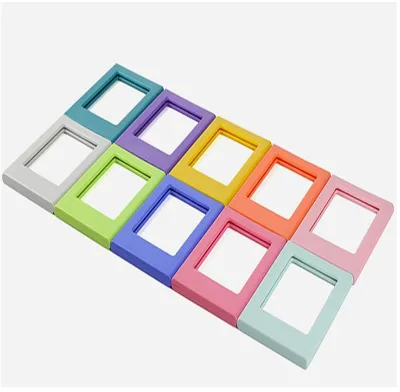
Magnetic Photo Picture Frame,Mini Table Photo Frame
$0.20 - $0.25
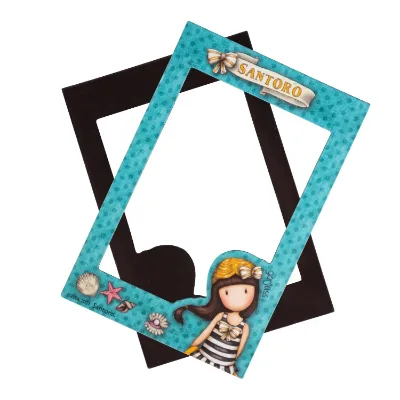
$0.1029 - $0.2573
MOQ: 1 pieces
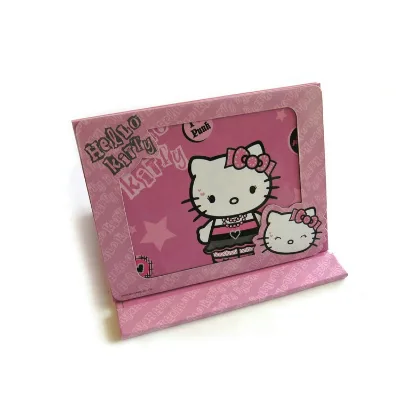
$0.50 - $0.80
MOQ: 1000 sets
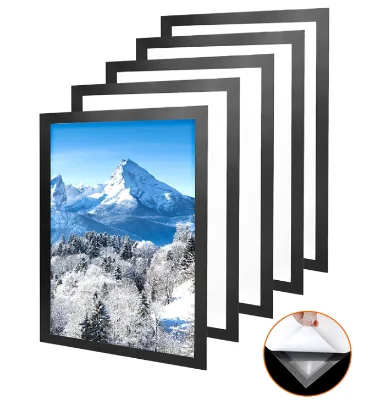
Factory Wholesale Waterproof A3 A4 Size Display Frame Magnetic Photo Frame for Walls
$1.00 - $1.20
MOQ: 1000 pieces


Dongguan Maghard Flexible Magnet Co., Ltd.
- Verified by TüVRheinland
- Manufacturer, Trading Company
- Lead time15 days
- Avg. response≤ 6h
Main productsMagnetic Materials, Decorative Accents, Whiteboards, Magnetic Blocks, Other Educational Toys
Main marketsDomestic Market(20%), Eastern Europe(15%), Western Europe(15%)

Shanghai Taixiong Magnetic Industrial Co., Ltd.
- Combined
- China Shanghai
- Lead time30 days
- Avg. response≤ 8h
Main productsMagenet
Main marketsEast Asia(Japan/ South Korea),Europe,North America
Kunming Leying Flower Co., Ltd.
- Manufacturer, Trading Company
- Yunnan, China
- Lead time30 days
- Avg. response≤ 3h
Main productsdried flowers,preserved flowers,Aquarium accessories,Aquarium Decoration,Home Decoration
Main marketsEastern Europe(30.00%), Northern Europe(20.00%), Western Europe(20.00%), Southern Europe(10.00%), Mid East(10.00%), North America(10.00%)
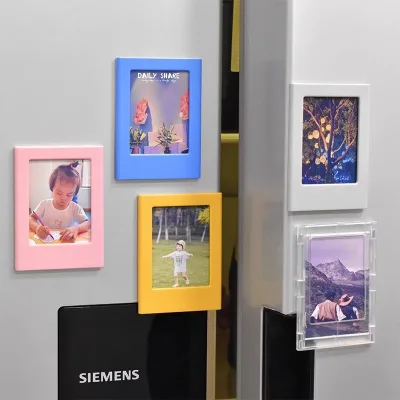
Magnetic Plastic Photo Frame for Home Decoration
$0.35 - $0.40


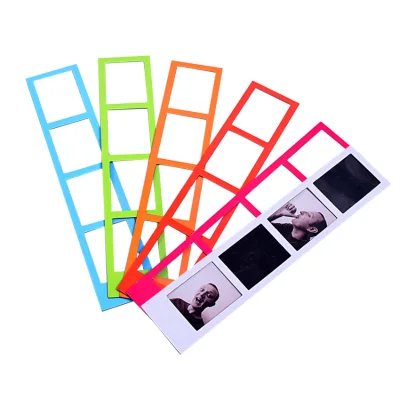
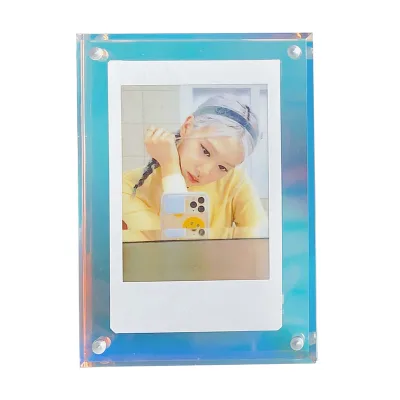
Magnetic Combination Photo Frame for Mini Film for Displaying Your Photos
$0.39 - $0.40
MOQ: 50 pieces


$0.6672 - $2.1019
MOQ: 100 Minimum
$1.0322 - $3.6846
MOQ: 50 Minimum
Shenzhen Everest Gift And Display Co., Ltd.
- Verified by Intertek
- Manufacturer, Trading Company
- Lead time18 days
- Avg. response≤ 10h
Main productsFloating Disaplay, Floating Photo Frame, Floating Globe, 360 Degree Turntable Display, Education Globe
Main marketsNorth America(35%), Eastern Europe(10%), Western Europe(10%)

Dongguan Magtoon Magnetic Products Co., Ltd.
- Manufacturer, Trading Company
- Guangdong, China
- Lead time15 days
- Avg. response≤ 3h
Main productsRubber magnets,Magnet strips,Fridge Magnet,Magnetic toys,Magnetic stationery
Main marketsDomestic Market(50.00%), Eastern Asia(30.00%), North America(10.00%), Eastern Europe(5.00%), Western Europe(5.00%)

Shenzhen Bao Si Xin Technology Development Co., Ltd.
- Verified by BV
- Combined
- China Guangdong
- Lead time23 days
- Avg. response≤ 1h
Main productsFoam Sticker, Bubble Sticker, Flocking Sticker, Felt Sticker, Tattoo, Non-Residue Sticker, Fridge Magnet, Magnetic Whiteboard, Silicone Sticker, Sticker Book
Main marketsSoutheast Asia/ Mideast,North America


Magnetic Photo Frame Is a Best-Selling Creative DIY Magnetic Photo Frame
$0.64 - $0.82
MOQ: 1000 Pieces
Guangzhou Xinshun Industrial Co., Ltd.
- Verified by TüVRheinland
- Manufacturer, Trading Company
- Lead time0 days
- Avg. response≤ 3h
Main productsPhoto Frame, Polystyene Sheet
Main marketsDomestic Market(50%), North America(20%), South America(20%)

Foshan Languo Chuangyijia Technology Co., Ltd.
- Verified by BV
- Combined
- China Guangdong
- Lead time15 days
- Avg. response≤ 10h
Main productsAcrylic, Custom Acrylic Box, Plastic Basket, Phto Frame, Pop Clips, Floor Display Stand, Plastic Brochure Holder, Custom Sign Holder, Shelf Data Strips, PVC Data Strips
Main marketsSouth America,Africa,Southeast Asia/ Mideast,East Asia(Japan/ South Korea),Domestic,Europe,Australia,North America


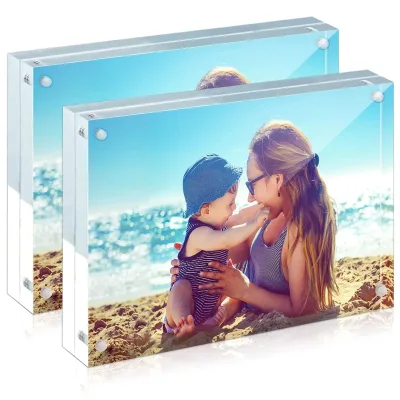
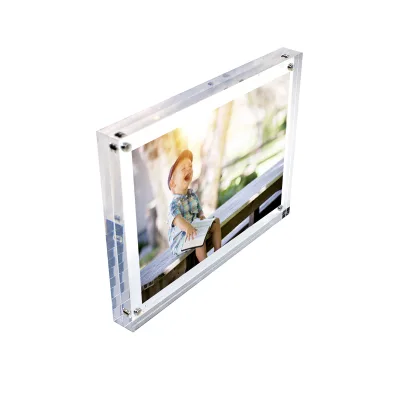
Custom 11X17 8X10 6X8 Inches A4 A5 A6 Acrylic Magnetic Photo Pictures Frame
$1.00 - $3.50
MOQ: 100 Pieces


- Verified by TUVRHEINLAND
- Combined
- China Fujian
- Lead time15 days
- Avg. response≤ 21h
Main productsFridge Magnet, Decorative Hook, Metal Plaque, Wood Plaque, Wooden Photo Frame, Wood Chalkboard, Book Mark, Linen Painting, Canvas Box, Cup Coasters
Main marketsSouth America,Africa,Southeast Asia/ Mideast,East Asia(Japan/ South Korea),Europe,Australia,North America


Different Size Acrylic Picture Frame & Acrylic Magnetic Picture Frame & Acrylic Box
$0.50 - $2.20
MOQ: 200 Pieces

Safecare Electro Products Co., Ltd.
- Trading Company
- China Anhui
- Lead time30 days
- Avg. response≤ 8h
Main productsFlexible Rubber Magnet, Neodymium Magnet, Magnetic Tape, Magnetic Strip, Rubber Magnet Sheet, Rubber Magnet Rolls, Ferrite Magnet
Main marketsSouth America,Africa,Southeast Asia/ Mideast,Europe,Australia,North America

Custom Magnetic Fridge Magnet Photo Frames Acrylic Magnetic Photo Frames for Decoration
$0.10 - $0.50
MOQ: 1000 Sets

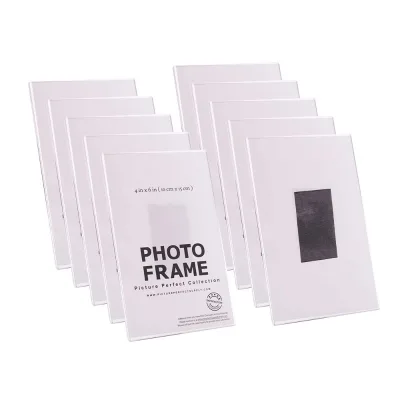
10 Pack Magnetic Pocket Picture Frame White and Black Holds 4 X 6 Inches Photos
$0.10 - $0.50
MOQ: 1000 Sets



MARUFUNG INTERNATIONAL CORPORATION
- Trading Company
- Taiwan, China
- Lead time60 days
- Avg. response≤ 9h
Main productsPHOTO FRAME,JEWELRY STORAGE,ORNAMENT,STATIONARY,TABELTOP
Main marketsNorth America(50.00%), Western Europe(20.00%), Mid East(15.00%), Domestic Market(5.00%), South America(5.00%), Southeast Asia(5.00%)

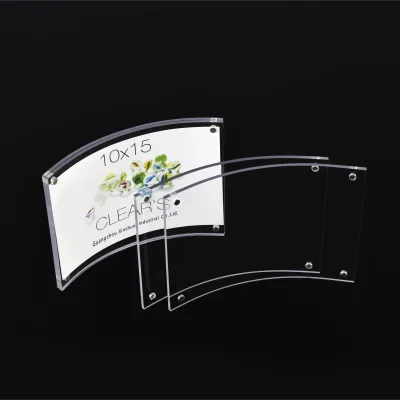
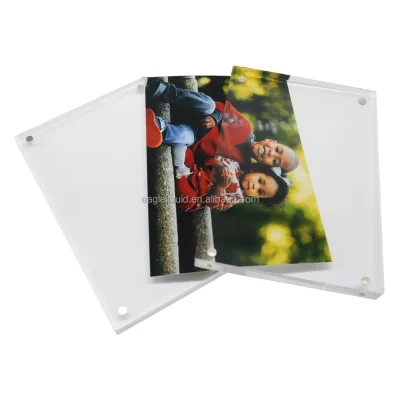
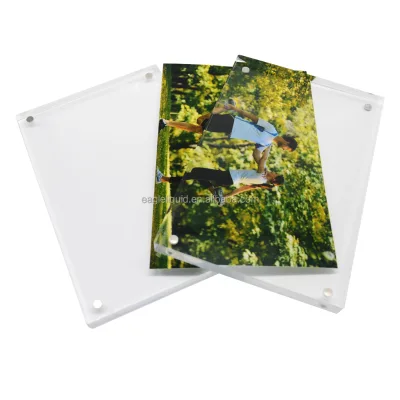
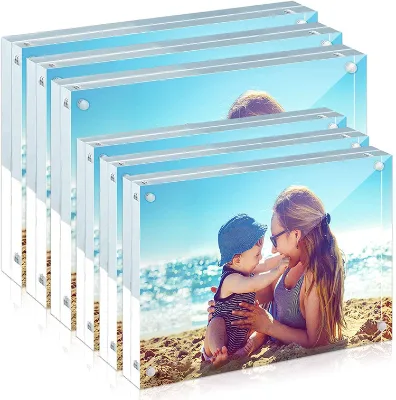
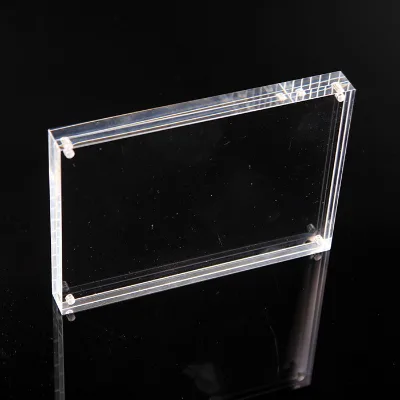
display self standing frameless clear acrylic magnetic picture photo frame
$3.00 - $5.50
MOQ: 10 pieces

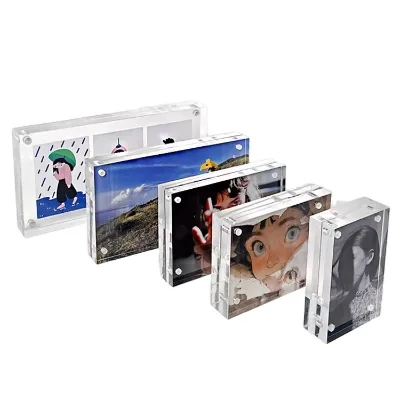
acrylic fridge magnetic photo frame mini frameless cards display picture frame
$3.00 - $5.50
MOQ: 10 pieces


Ningbo Tyj Industry and Trade Co., Ltd
- Verified by BV
- Combined
- China Zhejiang
- Lead time30 days
- Avg. response≤ 5h
Main marketsDomestic


Acrylic Photo Frame Colorful Clear Magnetic Horizontal Frameless Double Sided Personalized Display
$1.40 - $3.00
MOQ: 100 Pieces

Wenzhou Xybp Cultural Supplies Co., Ltd.
- Verified by SGS
- Combined
- China Zhejiang
- Lead time30 days
- Avg. response≤ 6h
Main productsAcrylic Photo Frame, Acrylic Display Stand, Acrylic Display, Acrylic Ornaments, Acrylic Sign Holder, Acrylic Box
Main marketsSoutheast Asia/ Mideast,Europe,North America


Colored Acrylic Picture Frame with Magnetic Corners for Effortless Display
$1.20 - $1.40
MOQ: 100 Pieces


Shenzhen E-Yue Manufacturer Co., Ltd.
- Verified by TUVRHEINLAND
- Manufacturer/Factory
- China Guangdong
- Lead time23 days
- Avg. response≤ 5h
Main productsCar Air Freshener, Paper Packaging Box, Can Air Freshener, Paper Flower, Promotion Gifts, Cotton Shopping Bag, Plaster Pendant Aroma Diffuser, Scetned Candles, Scented Bag for Home & Car, Gift Box
Main marketsSouth America,Mid East,North America,Southeast Asia,Eastern Asia,Oceania,Western Europe,Africa

Guangzhou Glory Advertising Signs Co., Ltd.
- Manufacturer/Factory
- China Guangdong
- Lead time15 days
- Avg. response≤ 3h
Main productsCast Acrylic Sheet, Crystal Light Box, Vacuum Light Box, Acrylic Sheet, PVC Foam Board, Slim Light Box, Outdoor Scrolling Light Box, Acrylic Craft, Mould Sucking Signage, Resin Signage
Main marketsSouth America,Eastern Europe,Mid East,North America,Southeast Asia,Eastern Asia,Oceania,Western Europe,Africa

PDA (Shenzhen) Technology Co., Ltd.
- Combined
- China Guangdong
- Lead time23 days
- Avg. response≤ 7h
Main productsLevitation Air Bonsai, Levitating Moon Lamp, Levitation Lamp, Levitation Bluetooth Speaker, Levitation Helmet, Levitation Shoes, Levitation Cup, Levitation Bottle, Magnetic Levitation Display Racks
Main marketsDomestic,Europe,North America

Magnetic Levitation Round Shaped Photo Frame Suspended in Air Floating
$10.50 - $11.00
MOQ: 100 Pieces

Hotsale Magnetic Levitation Photo Frame Picture for Gift Christmas Holiday
$8.60 - $9.00
MOQ: 100 Pieces

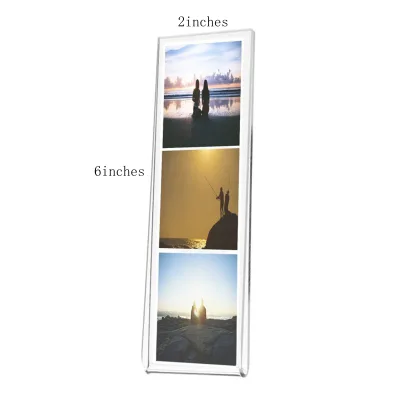
Photo Frame Rectangle Magnetic Floating Photo Frame Levitating Picture Frame LED Light 3 Pictures
$8.60 - $9.00
MOQ: 100 Pieces

Magnetic Levitation Miniature Photo Frame for Christmas Gift Decoration
$10.50 - $11.00
MOQ: 100 Pieces

$10.30 - $10.80
MOQ: 100 Pieces
Jilin Lewei Homewares Manufacturer Co., Ltd.
- Trading Company
- Jilin, China
- Lead time15 days
- Avg. response≤ 2h
Main productswater bottle,ceramic product,flowerpot,candle warmer,coffee cups
Main marketsNorth America(40.00%), Oceania(10.00%), Southeast Asia(10.00%), Northern Europe(10.00%), Western Europe(10.00%), Southern Europe(5.00%), Eastern Europe(5.00%), South America(5.00%), Eastern Asia(5.00%)

Magnet Photo Frame Fridge Magnet Plastic Picture Frame for 3 Inch Photo Mini Photo DIY Instax Frame
$0.20 - $0.35
MOQ: 100 pieces


NINGBO BOHONGCHUANGYI INTERNATIONAL CO., LTD.
- Trading Company,Manufacturer/Factory
- China Zhejiang
- Lead time30 days
- Avg. response≤ 13h
Main productsWooden Photo Frame, Photo Frame, Wooden Box, PVC Photo Frame, Baby Toy, Plastic Photo Frame, Glass Photo Frame, Polyresin Photo Frame, Wooden Toy, Leather Frame
Main marketsSouth America,Eastern Europe,Mid East,North America,Southeast Asia,Eastern Asia,Oceania,Western Europe,Africa

Creative Round Squiggle Colored Acrylic Picture Photo Frame with Magnet for Home Decor
$3.55 - $3.99
MOQ: 1000 Pieces


New Design Wave-Shaped Colored Acrylic Picture Photo Frame with Magnet for Home Decor
$3.55 - $3.99
MOQ: 1000 Pieces

Wenzhou Daoqin Handicraft Co., Ltd.
- Verified by CTI
- Combined
- China Zhejiang
- Lead time15 days
- Avg. response≤ 3h
Main productsAcrylic Box, Acrylic Display Box, Acrylic Display Stands, Acrylic Storage Box, Acrylic Photo Frame, Acrylic Sheet, Cast Acrylic Sheet, Acrylic Storage Rack
Main marketsDomestic

Shenzhen Eagle Imp. & Exp. Co. Ltd.
- Manufacturer
- Guangdong, China
- Lead time40 days
- Avg. response≤ 5h
Main productsPhoto Frame,Keychain,Sand Timer,Pen,Snow Globe
Main marketsMid East(15.00%), Eastern Europe(12.00%), South America(11.00%), North America(10.00%), Oceania(10.00%), Western Europe(10.00%), Southeast Asia(10.00%), Africa(8.00%), Central America(5.00%), Eastern Asia(5.00%), Northern Europe(4.00%)
Wenzhou Changshi Paper And Plastic Products Co., Ltd.
- Verified by TüVRheinland
- Manufacturer, Trading Company
- Lead time15 days
- Avg. response≤ 1h
Main productsPaper Tube, Paper Box, Coasters
Main marketsCentral America(21%), Domestic Market(17%), North America(12%)
- Trading Company
- Hong Kong S.A.R.
- Lead time20 days
- Avg. response≤ 1h
Main productshardware,Fastenres
Main marketsSouth America(15.00%), Africa(12.00%), Mid East(11.00%), Eastern Asia(9.00%), Southeast Asia(8.00%), Eastern Europe(6.00%), South Asia(6.00%), Northern Europe(6.00%), North America(5.00%), Southern Europe(5.00%), Domestic Market(4.00%), Western Europe(4.00%), Central America(3.00%), Oceania(3.00%)
Wenzhou Lianming Acrylic Products Co., Ltd.
- Manufacturer, Trading Company
- Zhejiang, China
- Lead time0 days
- Avg. response≤ 2h
Main productsAcrylic Hand Gift Box, Acrylic Picture Frame, Acrylic Flower Box, Acrylic Box, Acrylic Sheet
Main marketsNorth America(30.00%), Domestic Market(22.00%), Southeast Asia(15.00%), Eastern Europe(10.00%), Western Europe(8.00%), Central America(7.00%), South America(5.00%), Africa(3.00%)

$2.2739 - $3.2029
MOQ: 50 Minimum
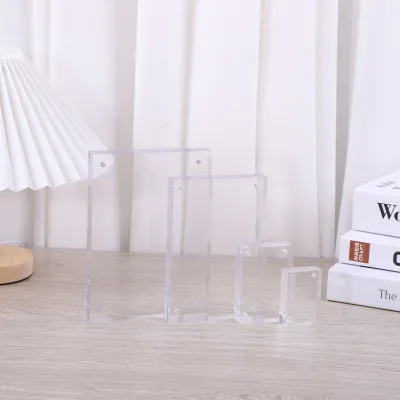
$2.0495 - $8.0949
MOQ: 30 pieces
Dongguan HMC Plexiglass Products Co., Ltd.
- Manufacturer, Trading Company
- Guangdong, China
- Lead time10 days
- Avg. response≤ 6h
Main productsPlastic sheet,Plastic profile,Plastic tube,plastic pipe,plastic rod
Main marketsNorth America(30.00%), Western Europe(10.00%), Southeast Asia(8.00%), Mid East(7.00%), Eastern Europe(7.00%), South America(3.00%), South Asia(3.00%), Africa(2.00%), Central America(2.00%)














Comprehensive Sourcing Guide
Magnetic Picture Frame Supplier Concentration and Factory Types
The current supplier landscape for magnetic picture frames reveals a mix of manufacturing and trading company entities operating within the sector. Data indicates that suppliers are primarily located in Guangdong, China, a region known for its extensive home decor and promotional product manufacturing capabilities. This concentration suggests a robust supply chain ecosystem where raw materials like rubber magnets and offset printing paper are readily accessible. Buyers should recognize that while many entities claim to be manufacturers, the presence of trading companies is also significant, often serving as intermediaries that aggregate products from various factories to offer a broader catalog.
When evaluating the type of entity, it is crucial to distinguish between direct production facilities and trading firms based on their stated capabilities and product evidence. Some suppliers list specific production attributes such as material composition, including rubber magnet combined with offset printing paper or kraft paper card, which points to direct manufacturing involvement. Others may focus on the aggregation of diverse items like magnetic toys, stationery gifts, and fridge magnets alongside photo frames. Buyers must verify whether the supplier controls the production process or merely facilitates the transaction, as this distinction impacts quality control, customization flexibility, and direct communication regarding production timelines.
How to Verify Magnetic Picture Frame Suppliers
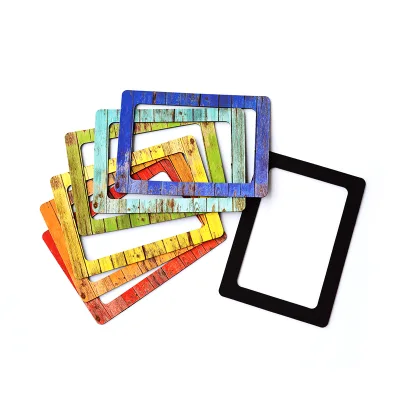
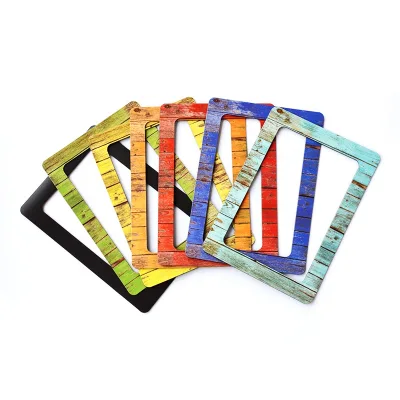
Verification begins with scrutinizing the specific product attributes and technical specifications provided in the supplier listings. Evidence shows that suppliers often detail material compositions, such as rubber magnet with PVC or rubber magnet combined with art paper and epoxy resin, alongside precise dimensions like thickness no less than 0.5mm. Buyers should cross-reference these technical claims with sample requests to ensure the physical product matches the described specifications. The presence of a brand name like Maghard on multiple listings suggests a potential common source or a specific manufacturer's portfolio, but buyers must confirm if this brand is exclusive to the supplier or widely licensed across the market.
Response time and sample availability serve as critical indicators of supplier reliability and operational efficiency. The observed data indicates a standard sample time of seven days across various product listings, which provides a baseline for evaluating supplier responsiveness. Buyers should test this metric by requesting samples and measuring the actual turnaround time against the stated seven-day window. Additionally, verifying the supplier's ability to handle custom requests, such as logo customization or specific printing methods like silk screen or offset printing, is essential. A supplier that consistently meets sample deadlines and demonstrates flexibility in customization is more likely to deliver on larger orders without compromising quality or schedule.
What to Compare Across Magnetic Picture Frame Suppliers
Comparing suppliers requires a systematic analysis of lead times, minimum order quantities, and pricing structures to determine the best fit for specific project needs. Lead time data indicates a standard duration of 15 days for orders ranging from 1 to 1000 units, with larger quantities requiring negotiation. Buyers should compare these timelines against their own project schedules and consider the potential for delays during peak seasons. Minimum order quantities vary significantly, with some listings showing an MOQ of just one unit, while others require 1000 units. This variance allows buyers to select suppliers that align with their inventory strategy, whether they are testing the market with small batches or committing to large-scale distribution.
Pricing and supply capacity are equally critical factors in the comparison process. Price ranges observed in the data span from approximately $0.10 to $1.20 per unit, depending on the product complexity, material, and printing requirements. Buyers must evaluate whether the lower price points correspond to acceptable quality standards or if the higher prices reflect superior materials like epoxy resin or specialized printing techniques. Furthermore, supply ability metrics, such as a stated capacity of 10,000 pieces per day, should be weighed against the supplier's actual order volume and production history. A supplier with high capacity but inconsistent lead times may pose a risk compared to a smaller supplier with a proven track record of on-time delivery.
Common Magnetic Picture Frame Sourcing Risks
One significant risk in sourcing magnetic picture frames involves the discrepancy between advertised materials and actual product composition. Listings describe materials ranging from rubber magnet and offset printing paper to PVC and epoxy resin, yet inconsistencies can arise if the supplier substitutes materials to cut costs. Buyers must ensure that the material specifications, such as thickness and magnetic strength, are strictly enforced in the production contract. The risk of receiving substandard products is heightened when suppliers do not provide detailed material certificates or when the product evidence lacks specific technical data regarding the magnetic properties or durability of the frame.
Another prevalent risk relates to the variability in printing quality and customization accuracy. Suppliers offer various printing methods, including digital, offset, and silk screen printing, but the final output may not match the approved design or color standards. The observed data mentions print methods like 4-color offset or 1-color silk screen, yet the actual color fidelity and resolution can vary between batches. Buyers should mitigate this risk by requesting pre-production samples that include the exact printing method and color palette intended for the final order. Additionally, the risk of packaging damage during transit must be addressed, as some listings specify OPP bag and carton packing, while others may lack detailed packaging protocols, leading to potential product damage upon arrival.
Magnetic Picture Frame Regional Sourcing and Logistics
The primary sourcing region for magnetic picture frames is identified as Guangdong, China, a hub for home decor and promotional product manufacturing. This location offers logistical advantages due to its proximity to major shipping ports like Shenzhen, which facilitates efficient export operations. Buyers should consider the impact of this regional concentration on lead times and shipping costs, as suppliers in this area are accustomed to handling international orders and have established relationships with freight forwarders. However, relying on a single region can introduce risks related to regional disruptions, such as weather events or policy changes, so diversifying the supplier base within the region or exploring other manufacturing hubs may be prudent.
Logistics planning must account for the specific packaging requirements and shipping methods associated with magnetic picture frames. Product evidence indicates that items are typically packed individually in OPP bags and then consolidated into cartons, which helps protect the frames during transit. Buyers should verify the single package size and gross weight, such as 15x10x2 cm and 0.3 kg, to accurately calculate shipping costs and container utilization. The port of dispatch, often Shenzhen, influences the transit time to various global destinations, and buyers should factor this into their overall supply chain timeline. Ensuring that the packaging is robust enough to withstand shipping conditions is essential to prevent damage, especially for fragile components like the magnetic backing or printed surfaces.
Magnetic Picture Frame Commercial Terms and Order Planning
Commercial terms for Magnetic Picture Frame orders often include specific conditions regarding payment, delivery, and customization. Lead times are typically set at 15 days for orders up to 1000 units, with larger quantities requiring negotiation, which underscores the importance of early planning. Buyers should establish clear agreements on these timelines to avoid delays, especially during peak seasons when production capacity may be stretched. Additionally, the minimum order quantity can range from one unit to 1000 units, allowing for flexible order planning based on budget and demand forecasts. Understanding these terms helps buyers align their inventory management with supplier capabilities.
Order planning also involves careful consideration of sample times and customization requirements. A standard sample time of seven days is observed across various listings, providing a predictable timeline for product validation. Buyers should incorporate this into their project schedule to ensure that samples are received and approved well before mass production begins. Customization options, such as logo printing and specific color schemes, add complexity to the order process and may extend lead times. Buyers must communicate these requirements clearly to the supplier and confirm that the production line can accommodate the specific design elements. By planning for these variables, buyers can minimize the risk of delays and ensure a smooth transition from sample approval to full-scale production.
FAQs
What is the typical lead time for magnetic picture frames?
The standard lead time is 15 days for orders between 1 and 1000 units during both peak and off-peak seasons. For quantities exceeding 1000 units, the delivery schedule requires direct negotiation with the supplier to confirm specific dates based on current production capacity.
What are the minimum order quantities for these frames?
Minimum order quantities vary by product type, with some listings accepting orders as low as one unit. Other customized options, such as specific promotional designs, may require a minimum purchase of 1000 pieces to proceed with manufacturing and printing processes.
How long does it take to receive a sample?
Suppliers typically require seven days to prepare and ship a sample of the magnetic photo frame. This sample time applies to various models including those made from rubber magnet and offset printing paper, ensuring you can verify quality before placing a bulk order.
What materials are used to make these magnetic frames?
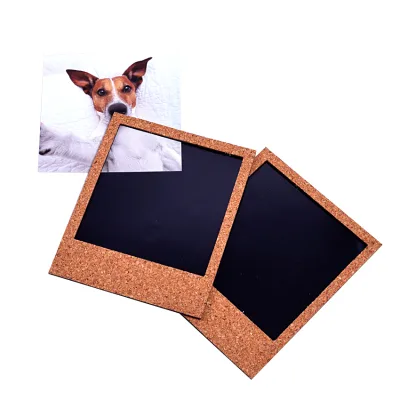
Common materials include rubber magnet combined with offset printing paper, kraft paper card, or PVC. Some specialized frames also utilize epoxy resin and art paper, providing durable options that can stick securely to metal surfaces like refrigerators or file cabinets.
Where are these magnetic picture frames manufactured?
All listed products originate from Guangdong, China, which is a major manufacturing hub for home decor items. The port of dispatch for shipping these goods is typically Shenzhen, facilitating efficient logistics for international buyers seeking these specific magnetic frame products.
What is the price range for magnetic photo frames?
Unit prices generally range from 0.10 to 1.20 depending on the specific model and customization level. Basic rubber magnet frames start around 0.10, while more complex designs with features like waterproofing or specific printing methods can cost up to 1.20 per piece.
What printing methods are available for customization?
Available printing techniques include silk screen printing, offset printing, digital printing, and UV printing. Buyers can choose between one-color or four-color printing options to match their branding needs, with most suppliers offering custom logo services on the frame surface.