Source Wooden Puzzle Vase Display Stand for Home, Exhibition, and Retail
Compare 30 wooden puzzle vase display stands from verified Chinese suppliers. These sustainable units feature customizable sizes and designs for home decor, exhibition shows, and specialty stores. Buyers can review model numbers like A8547 and NCT-58, check MOQs ranging from 50 to 200 pieces, and explore options with SGS or ISO9001 certifications for various indoor display needs.
Updated
Key considerations
Products List
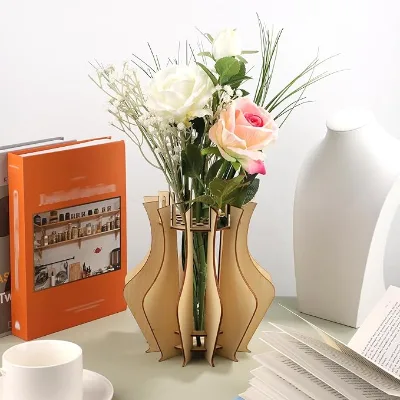

Wooden Flower Display Stand The Flower Shop Uses Wooden Display Stands
$90.00 - $95.00
MOQ: 100 Pieces



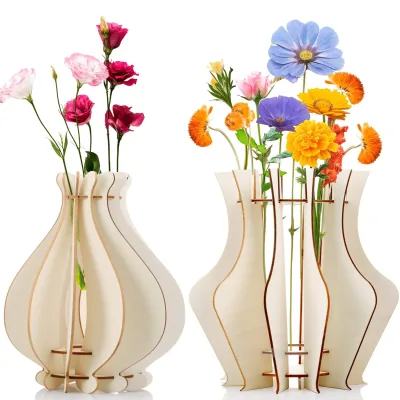
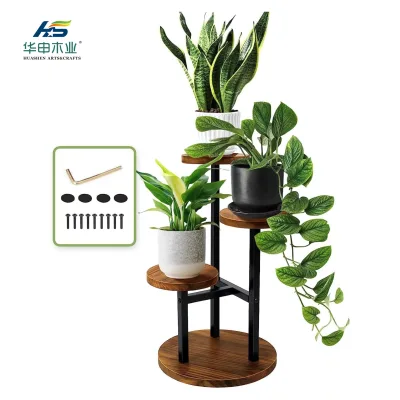
High Quality Wooden Plant Flower Vase Pot Display Stand Outdoor Flower Stand
$8.213 - $8.9416
MOQ: 200 pieces
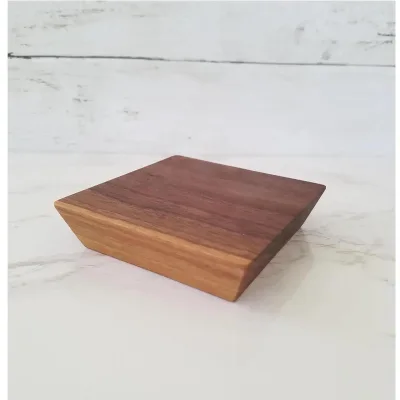
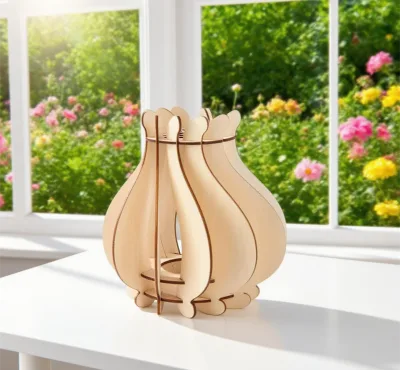
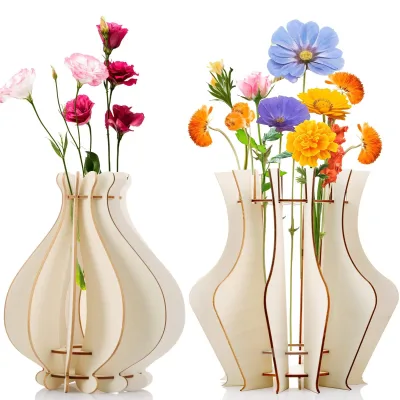

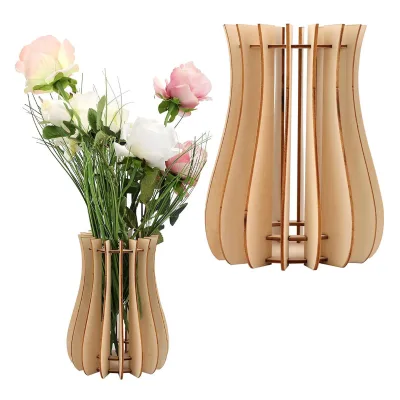
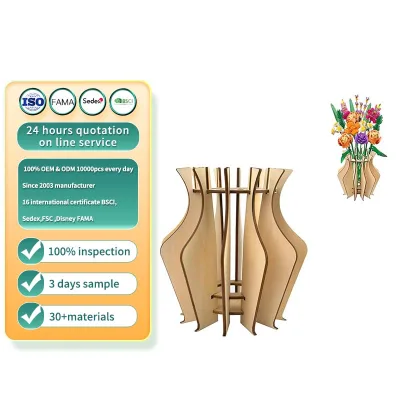
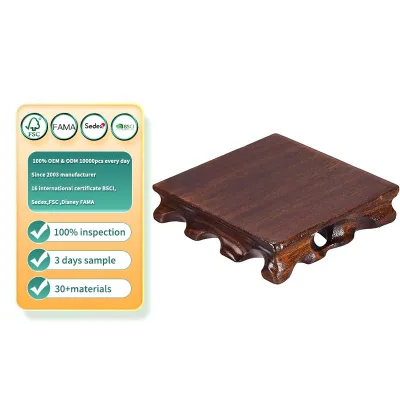

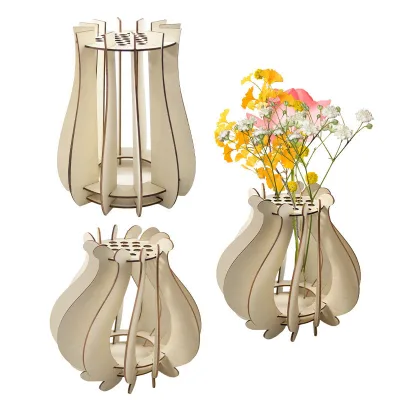
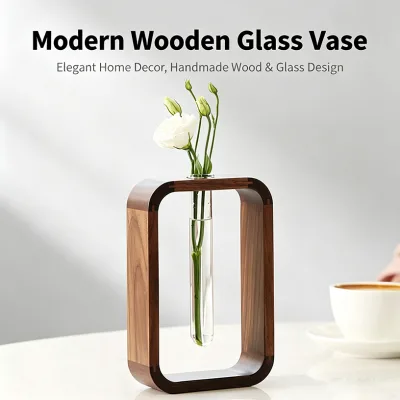
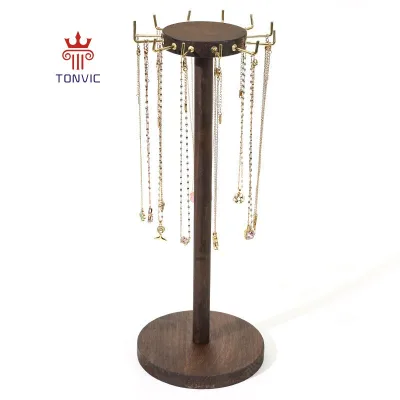
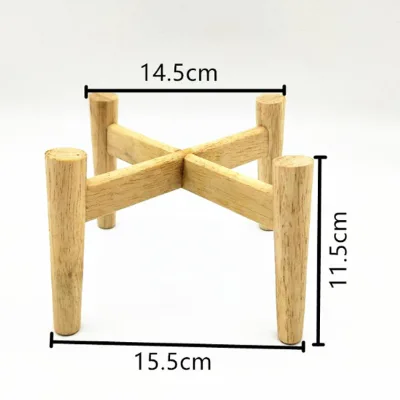


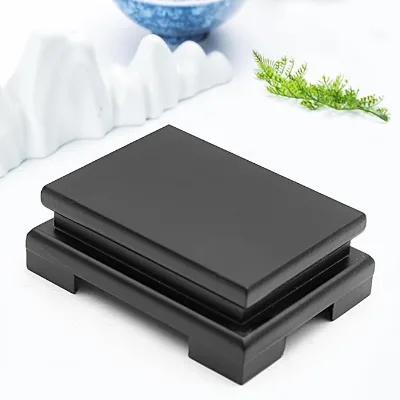
Wooden Display Stand Rectangle Wood Display Base Rectangle Vase Riser Teapot Aquarium Lamp
$3.0474 - $4.4132
MOQ: 200 pieces
Comprehensive Sourcing Guide
Wooden Puzzle Vase Display Stand Sourcing Guide
Sourcing a Wooden Puzzle Vase Display Stand requires careful attention to material integrity and structural design, as these items serve both decorative and functional purposes in retail and home environments. The observed market data indicates a diverse range of products, from small tabletop vases to larger floor-type stands, with origins primarily in Jiangsu and Fujian provinces in China. Buyers must distinguish between simple storage vessels and complex architectural displays, as the manufacturing complexity directly impacts lead times and unit costs. Understanding the specific use case, whether for cosmetics, ornaments, or general exhibition, is the first step in defining technical requirements.
The procurement landscape for these items is characterized by significant variation in minimum order quantities and customization options. While some listings suggest an MOQ of 200 pieces for standard wooden puzzle vases, others indicate lower thresholds of 50 pieces for different models or styles. This variability necessitates a clear definition of volume needs before engaging with suppliers. Furthermore, the availability of customized logos and designs allows for brand integration, but it also introduces additional verification steps to ensure that the puzzle mechanism functions correctly after branding is applied.
Product Scope and Observed Listing Signals
The product scope encompasses a wide array of wooden display solutions, ranging from small tabletop vases to substantial floor-type stands. Observed listings highlight specific model numbers such as A8547 for small vases and NCT-58 or NCT-18 for larger trunk therapy belt wood stands, indicating distinct product lines within the same category. The design styles vary from Art Deco to more generic functional forms, with shapes often categorized as "Other" to accommodate unique puzzle-based constructions. Buyers should note that while some items are marketed for anniversary occasions, others are intended for high-traffic environments like supermarkets, specialty stores, or exhibition shows.
Material composition is predominantly wood, with features emphasizing sustainability and recycled content, which appeals to eco-conscious procurement strategies. The observed price range spans from $1.26 to $225, reflecting differences in size, complexity, and material quality. Small vases under 12 inches are available at the lower end, while larger, customized stands command higher prices. It is crucial to verify whether the "puzzle" aspect refers to the assembly method, such as connect-style building, or the aesthetic design of the display itself, as this affects both the user experience and the durability of the final product.
Technical Specifications to Verify
Technical verification must begin with precise dimensional analysis, as sizes vary significantly from small tabletop units to large floor stands measuring up to 57.2cm x 225cm x 60cm. Buyers should confirm the single package size and overall dimensions to ensure compatibility with shipping containers and retail floor space. The build method, often described as "Connect," implies a modular assembly process that requires clear instructions and precise tolerances. Any deviation in these measurements can lead to assembly failures or aesthetic misalignment, particularly in puzzle-style designs where interlocking parts must fit seamlessly.
Material specifications and finishing details are equally critical for ensuring product longevity and safety. The wood used must be treated appropriately to prevent warping or cracking, especially if the display is intended for indoor use in varying humidity conditions. Buyers should request samples to verify the quality of the finish and the stability of the structure. Additionally, the customization options for color and logo placement must be technically feasible without compromising the structural integrity of the puzzle mechanism. Confirming the HS code, such as 4419909090, helps in accurately calculating duties and ensuring proper classification during international shipping.
Compliance and Safety Documentation
Compliance documentation is essential for mitigating risk in international trade, particularly when dealing with wooden products that may be subject to phytosanitary regulations. Buyers should verify that suppliers hold relevant certifications, such as SGS and ISO9001-2000, which indicate adherence to quality management systems and product safety standards. These certifications provide assurance that the manufacturing process is controlled and that the final product meets specific quality benchmarks. It is important to request valid certificates and check their expiration dates to ensure ongoing compliance throughout the procurement cycle.
Safety considerations extend beyond certification to include the physical safety of the end-user, especially for larger stands or items with small puzzle pieces. Buyers must ensure that the design does not pose a choking hazard or a tipping risk, particularly if the display is used in environments with children or pets. The absence of antitheft features in some listings suggests that these items are primarily decorative rather than secure storage, which should be clearly communicated to end-users. Verifying that the wood treatments and finishes are non-toxic is also crucial for maintaining a safe indoor environment.
Cost Drivers and Commercial Terms
Cost drivers for wooden puzzle vase display stands include material costs, labor intensity for puzzle assembly, and customization requirements. The observed MOQ range of 5 to 1000 pieces significantly influences the unit price, with lower volumes typically incurring higher per-unit costs due to setup and production inefficiencies. Buyers should negotiate based on their projected volume, considering whether the cost savings from larger orders outweigh the inventory holding costs. Additionally, the complexity of the design, such as intricate puzzle mechanisms or custom logos, adds to the manufacturing time and cost.
Commercial terms must be clearly defined to avoid unexpected expenses, including packaging, shipping, and payment conditions. The observed packing methods, such as inner boxes, bubble bags, and five-layer master cartons, are designed to protect the product during transit but add to the overall weight and volume. Buyers should clarify who bears the cost of these packaging materials and whether they are included in the quoted price. Payment terms should be structured to balance risk, with deposits for production and balance payments upon completion or shipment, ensuring that both parties are protected against default.
Supplier Qualification and Quality Control
Supplier qualification involves assessing the manufacturer's capability to produce complex wooden puzzles with consistent quality. Buyers should verify the supplier's production capacity, lead times, and history of fulfilling similar orders. The origin of the products, primarily from Jiangsu and Fujian provinces, indicates a concentration of manufacturing expertise in these regions. However, buyers must conduct due diligence to ensure that the supplier has the necessary equipment and skilled labor to handle the precision required for puzzle-style assemblies. Requesting references or case studies can provide insight into the supplier's reliability and performance.
Quality control measures must be implemented at various stages of production to ensure that the final product meets specifications. This includes inspecting raw materials for defects, monitoring the assembly process for accuracy, and conducting final checks for finish and stability. Buyers should establish clear acceptance criteria and consider third-party inspection services for large orders. The ability to offer design and drawing artwork customization is a positive indicator of a supplier's flexibility, but it also requires rigorous proofing and approval processes to prevent errors in the final product.
Long-Term Procurement Checks
Long-term procurement success depends on establishing a robust relationship with suppliers that prioritizes continuous improvement and adaptability. Buyers should regularly review supplier performance metrics, including on-time delivery rates, defect rates, and responsiveness to issues. This data-driven approach allows for informed decisions about contract renewals or supplier diversification. Additionally, staying informed about changes in material costs, shipping regulations, and market trends helps in anticipating potential disruptions and adjusting procurement strategies accordingly.
Sustainability and ethical sourcing are increasingly important factors in long-term procurement decisions. Buyers should verify that their suppliers adhere to environmental standards and ethical labor practices, as these factors can impact brand reputation and regulatory compliance. The observed features of sustainability and recycled content in some products align with these goals, but buyers must ensure that these claims are substantiated by credible certifications. Regular audits and open communication with suppliers can help maintain high standards and foster a partnership that supports mutual growth and resilience in the face of market changes.
FAQs
What is the MOQ for the Wooden Puzzle Vase Display Stand?
The minimum order quantity is 200 pieces for the standard A8547 model. Some customized options may require a lower MOQ of 50 pieces. Buyers should confirm the specific quantity requirements with the supplier before placing an order to ensure production feasibility.
Can the Wooden Puzzle Vase Display Stand be customized?
Yes, customization is available for this product. Buyers can request a customized logo, design artwork, and specific sizes. The supplier offers design and drawing services to meet unique branding or functional needs for the Wooden Puzzle Vase Display Stand.
What certifications does the Wooden Puzzle Vase Display Stand have?
The product holds SGS and ISO9001-2000 certifications. These credentials verify quality management and safety standards for the Wooden Puzzle Vase Display Stand. Buyers requiring specific compliance documentation should request copies from the supplier during the sourcing process.
Where is the Wooden Puzzle Vase Display Stand manufactured?
The product originates from Jiangsu, China, with some models sourced from Xiamen, Fujian, or GuangDong. The specific place of origin depends on the model number and supplier location. Buyers should verify the exact manufacturing site for logistics planning.
What is the design style of the Wooden Puzzle Vase Display Stand?
The display stand features an Art Deco design style. It is crafted from wood and intended for indoor use as a tabletop vase or storage unit. The aesthetic suits exhibitions, specialty stores, and home decor applications for the Wooden Puzzle Vase Display Stand.
How is the Wooden Puzzle Vase Display Stand packaged?
The product is packed in an inner box. Additional protection includes bubble bags, foam pads, and five layers of master cartons. Individual items may also be packed in PP bags. This ensures safe transit for the Wooden Puzzle Vase Display Stand.