Source Custom Acrylic Reptile Cage for Terrariums and Zoos
Find 30 options for Custom Acrylic Reptile Cage solutions designed for terrariums, zoos, and home applications. Compare features like eco-friendly materials, easy assembly, and various sizes from suppliers in China to find the right fit for your reptile care needs.
Updated
Key considerations
Products List
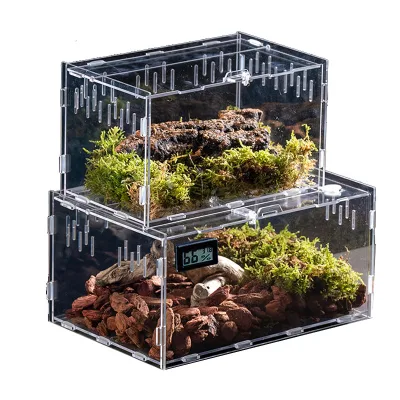
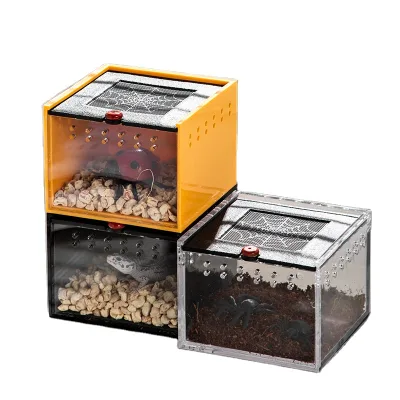
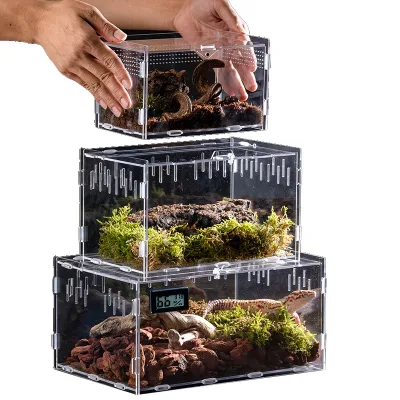
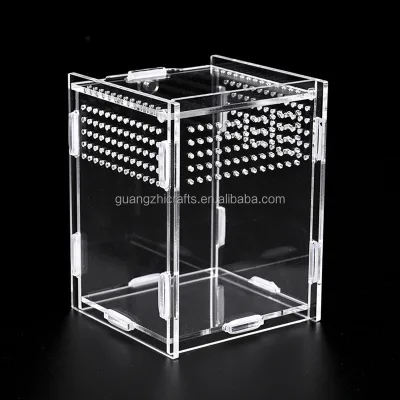
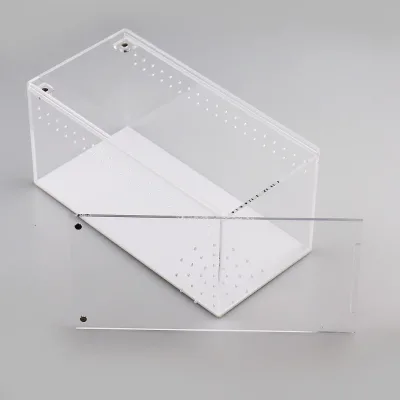
Transparent Lucite Reptile Cage Assembly Acrylic Reptile Feeding Cage
$2.0824 - $26.0274
MOQ: 100 Minimum
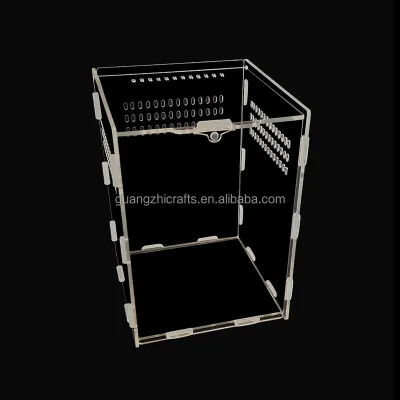


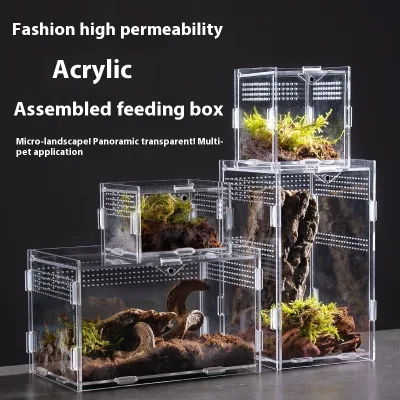
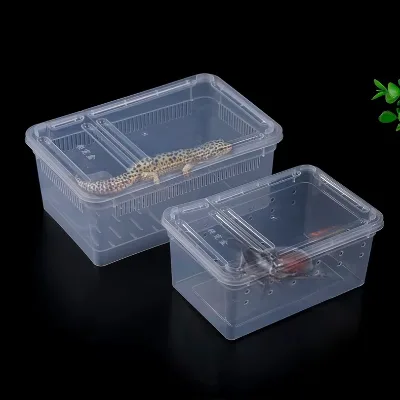


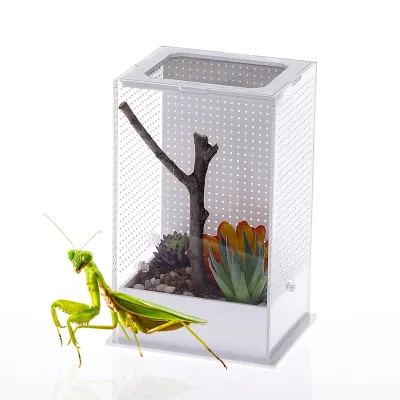
Transparent Reptile Enclosure Micro Reptile Cage Acrylic Insect Enclosure
$9.10 - $10.98
MOQ: 12 Pieces

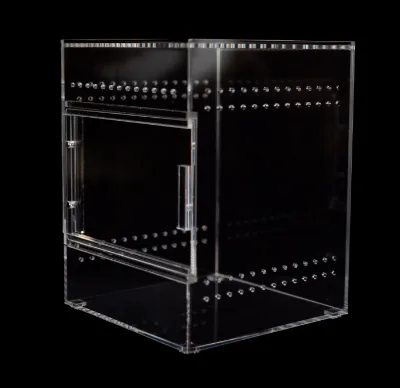
Acrylic Enclosure Reptile Breeding Box Terrarium Cage for Insect Reptile
$9.10 - $10.98
MOQ: 12 Pieces


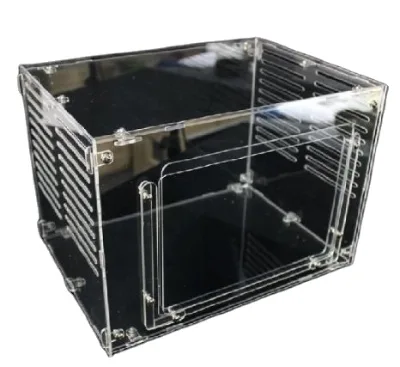
$10.00 - $20.00
MOQ: 100 Minimum
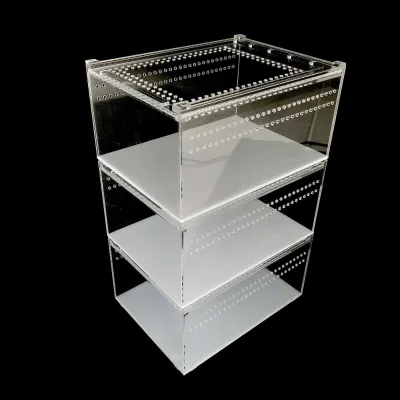
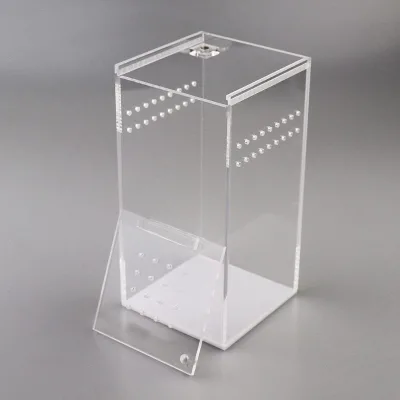
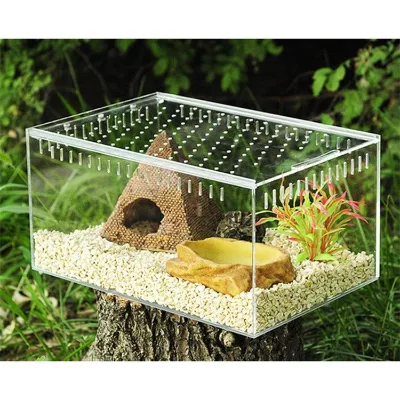
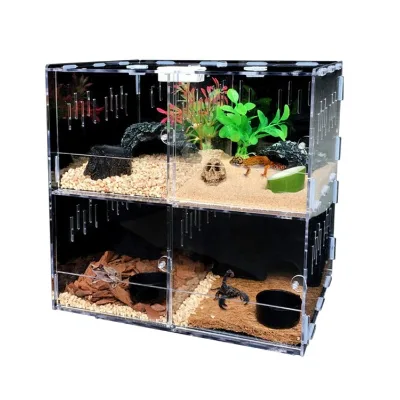
Comprehensive Sourcing Guide
Custom Acrylic Reptile Cage Sourcing Guide
Sourcing custom acrylic reptile cages requires a careful balance between aesthetic clarity and functional durability, particularly for specialized applications like feeding boxes or terrariums. Buyers must distinguish between standard off-the-shelf units and bespoke designs that accommodate specific reptile species, such as spiders, lizards, or other crawlers. The market offers products ranging from simple PP feeding containers to high-end polished acrylic assemblies, each serving distinct operational needs in home, shop, or zoo environments.
Procurement decisions should prioritize material integrity and assembly ease, as these factors directly impact animal safety and long-term maintenance. Observations indicate that suppliers often highlight eco-friendly features and easy assembly as key advantages, which are critical for buyers managing large inventories or frequent customer interactions. Understanding the specific use case, whether it involves temperature monitoring or secure containment, helps narrow down the vast array of available sizes and configurations to those that truly meet operational requirements.
Product Scope and Observed Listing Signals
The current market landscape for custom acrylic reptile cages includes a diverse range of product types, from quadrate-shaped feeding boxes to transparent lucite assembly cages. Listings frequently mention materials such as acrylic and PP, with acrylic often described as high-finished and high-end, suggesting a premium tier for display or long-term housing. Buyers should note that product attributes like "assembled design" and "cheap delivery cost" are common selling points, indicating a focus on logistical efficiency and ready-to-use configurations for end consumers.
Observed listing signals reveal a strong emphasis on customization, with many suppliers accepting logos and offering various size options. The product scope extends beyond simple cages to include specialized items like crawler feeding boxes with integrated thermometers, catering to precise environmental control needs. Colors range from clear and transparent to black and yellow, allowing for visual differentiation in retail settings. These signals suggest that buyers can expect a high degree of flexibility in branding and physical dimensions, provided they communicate their specific requirements clearly during the inquiry phase.
Technical Specifications to Verify
Verifying technical specifications is crucial to ensure the cage meets the physical and environmental needs of the reptile. Key dimensions observed in listings include sizes like 10x8x7cm, 20x12x12cm, and larger formats up to 40x25x20cm, with some models supporting custom sizes. Buyers must confirm the exact internal volume and wall thickness, as these factors influence structural integrity and ventilation. The presence of features like thermometer slots or specific closure types, such as push-up mechanisms, should be validated against the intended use case to prevent escape or environmental instability.
Material quality and surface treatment are equally important technical aspects. Acrylic cages are often described as polished, which enhances clarity but may require specific cleaning protocols to maintain appearance. Buyers should verify the weight of the product, as observed weights around 0.5kg for smaller units can indicate material density and durability. Additionally, the ease of disassembly and reassembly should be confirmed, as this affects shipping costs and the ability to perform maintenance or cleaning without damaging the structure.
Compliance and Safety Documentation
While specific certification statuses like ISO9001 are mentioned in background contexts, buyers must independently verify the actual compliance documentation provided by suppliers. For reptile habitats, safety primarily revolves around material toxicity and structural stability. Buyers should request material safety data sheets to ensure the acrylic or PP used is non-toxic and safe for prolonged animal contact. This is particularly important for feeding boxes where direct contact with food or water occurs, requiring materials that do not leach harmful chemicals.
Documentation should also cover any relevant animal welfare standards or local regulations regarding pet containment. Buyers need to confirm that the design includes adequate ventilation and secure closures to prevent injury or escape. Although "eco-friendly" is a common claim, buyers should seek tangible evidence of this, such as recyclable packaging or sustainable manufacturing processes. Ensuring that the supplier can provide clear safety guidelines and maintenance instructions is essential for reducing liability and ensuring the well-being of the animals housed within the custom cages.
Cost Drivers and Commercial Terms
Cost drivers for custom acrylic reptile cages include material grade, size complexity, and the extent of customization required. High-finished acrylic and polished surfaces typically command higher prices than standard PP alternatives. Buyers should also consider the impact of custom logos and engraving services, which add to the unit cost but enhance brand value. The observed price range of 0.88-33 USD suggests significant variation based on these factors, with larger, more complex, or heavily branded units falling at the higher end of the spectrum.
Commercial terms such as MOQ and lead times are critical for planning inventory and cash flow. Observed MOQs range from 2 to 500 pieces, with some suppliers offering samples to facilitate quality checks before bulk orders. Supply abilities, such as 5000 pieces per week, indicate the capacity of larger manufacturers to handle substantial orders. Buyers should negotiate clear terms regarding sample availability, payment methods, and shipping costs, as factors like "cheap delivery cost" can significantly impact the total landed cost of the product.
Supplier Qualification and Quality Control
Qualifying suppliers involves assessing their manufacturing capabilities and quality control processes. Buyers should prioritize suppliers who demonstrate expertise in acrylic fabrication, as evidenced by their ability to offer polished finishes and precise custom sizes. The presence of advanced features like easy assembly and disassembly suggests a mature manufacturing process that values user experience. Buyers should request photos or videos of the production line to verify the quality of edge polishing and joint assembly, which are common points of failure in acrylic products.
Quality control measures should include checks for clarity, structural integrity, and dimensional accuracy. Buyers should establish clear acceptance criteria for defects such as scratches, cloudiness, or misaligned parts. Given the "eco-friendly" claims, suppliers should also demonstrate responsible waste management and material sourcing practices. Engaging with suppliers who offer responsive customer service and clear communication channels can help resolve issues quickly, ensuring that any deviations from the agreed specifications are addressed before shipment.
Long-Term Procurement Checks
Long-term procurement success depends on establishing a reliable supply chain that can adapt to changing market demands. Buyers should regularly review supplier performance metrics, including on-time delivery rates, product consistency, and responsiveness to custom requests. Maintaining open communication with suppliers about new design trends or material innovations can help keep the product offering competitive. Additionally, buyers should monitor market feedback to ensure that the cages meet evolving customer expectations regarding aesthetics and functionality.
Continuous improvement in procurement processes involves refining quality control protocols and negotiating better terms based on volume and relationship history. Buyers should periodically re-evaluate the cost structure to identify opportunities for savings without compromising quality. Building a diversified supplier base can mitigate risks associated with single-source dependencies. By focusing on long-term partnerships and strategic alignment, buyers can secure a steady supply of high-quality custom acrylic reptile cages that support their business growth and customer satisfaction.
FAQs
What materials are used for custom acrylic reptile cages?
Custom acrylic reptile cages are primarily made from high-finished acrylic or PP plastic. Some models feature an assembled design with eco-friendly properties. The material choice ensures durability and safety for reptiles like spiders and lizards while allowing for clear visibility.
Which sizes are available for these reptile feeding boxes?
Available sizes range from 10x8x7cm up to 300x200x150mm with custom options. Specific dimensions include 15x15x15cm and 40x25x20cm with thermometer slots. Buyers can select from multiple standard sizes or request custom dimensions to fit specific reptile species requirements.
Can I add a custom logo to the acrylic cage?
Yes, suppliers accept customized logos on the acrylic reptile cages. Services typically include printing or engraving to brand the product. This customization is available for various product types including feeding boxes and display cages for home or shop applications.
How is the product packaged for shipping?
The products are usually packed in OPP bags for protection during transit. Some items may have specific packaging for larger units. This standard packing method helps maintain the integrity of the acrylic material while keeping delivery costs low for international buyers.
What is the minimum order quantity for these cages?
The minimum order quantity varies but can be as low as 10 pieces for some items. Other listings indicate an MOQ of 2 to 500 pieces depending on the specific model. Buyers should check individual supplier requirements as some offer samples before bulk orders.
Where are these acrylic reptile cages manufactured?
These products are manufactured in China, specifically in Zhejiang and Guangdong provinces. The supply ability is reported at 5000 pieces per week. This location allows for efficient production and shipping of various reptile cage models to global markets.
Are these cages suitable for different types of reptiles?
Yes, the cages are designed for reptiles including spiders, terrariums, and lizards. They serve as feeding boxes or houses suitable for various animal categories. The design supports easy assembly and disassembly for safe handling of different pet sizes and species.