Source Nordic Glass Flower Vase for Home, Wedding, and Office
Find 30 options for the Nordic Glass Flower Vase, featuring transparent and color glazed finishes in various sizes. Compare specifications for blown glass models suitable for daily life and decorative use, with customization and OEM/ODM services available from China.
Updated
Key considerations
Products List


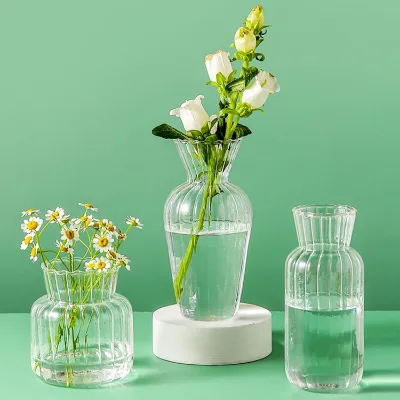
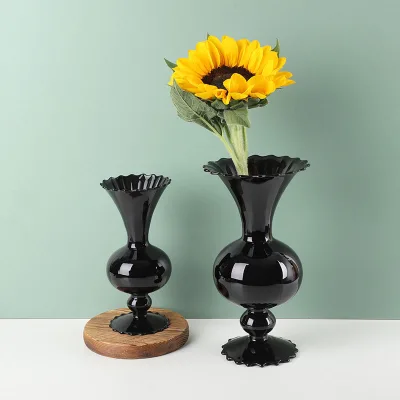


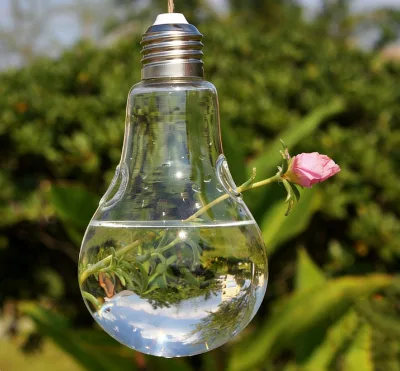
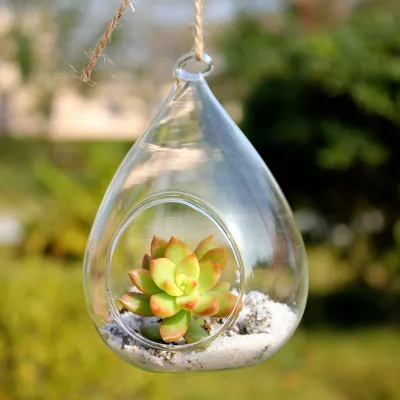
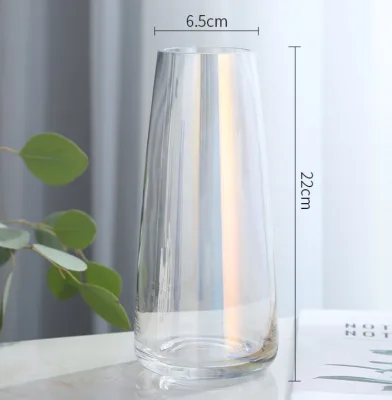


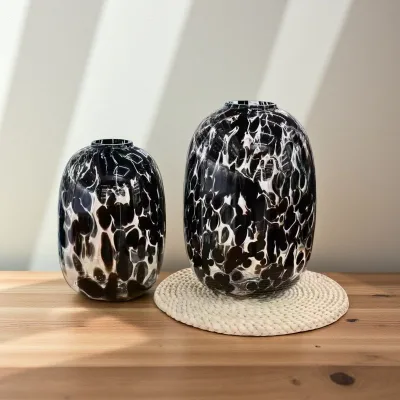
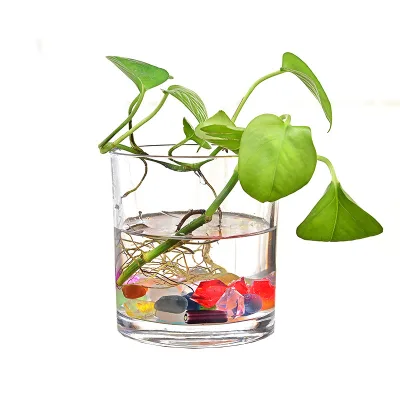
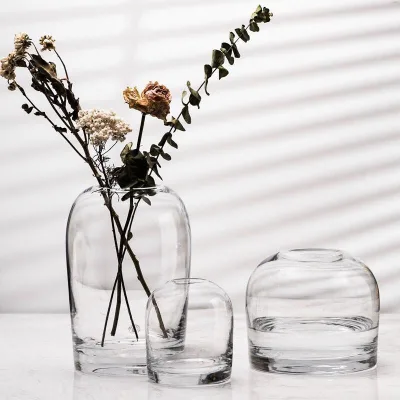
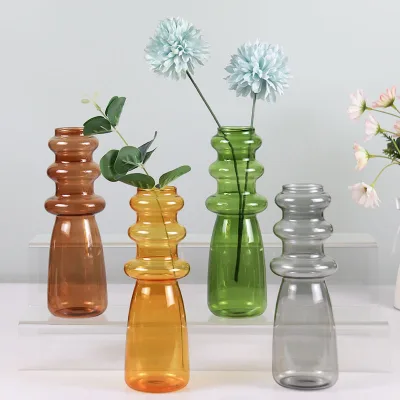
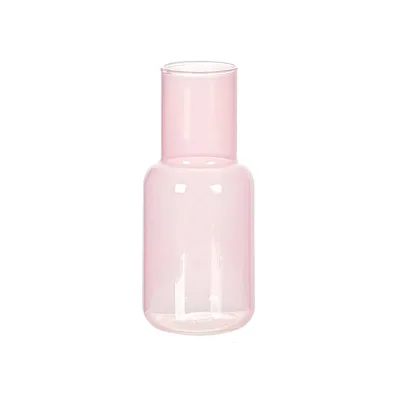
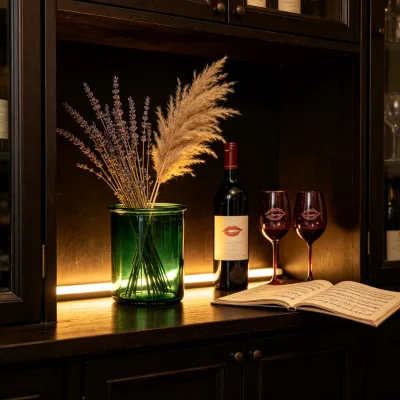
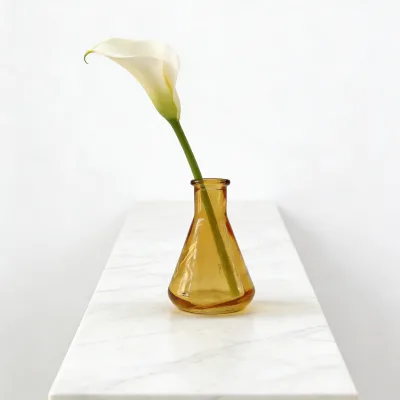
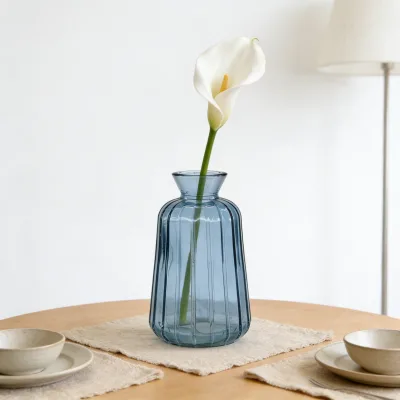
Comprehensive Sourcing Guide
Nordic Glass Flower Vase Sourcing Guide
Sourcing Nordic-style glass flower vases requires a nuanced understanding of minimalist design principles combined with functional durability. Buyers must distinguish between mass-produced decorative items and higher-quality pieces that reflect the authentic aesthetic of Scandinavian design. The core appeal lies in clean lines, transparent or subtly colored glass, and versatile forms that complement modern interiors. Procurement teams should prioritize suppliers who demonstrate expertise in glass blowing and finishing techniques, as these processes directly impact the visual clarity and structural integrity of the final product.
This guide focuses on verifying product attributes, technical specifications, and commercial terms to ensure alignment with brand standards. It addresses the critical decision points in selecting suppliers, evaluating material quality, and managing logistics. By adhering to evidence-based verification steps, buyers can mitigate risks associated with inconsistent quality, unclear customization options, and non-compliant materials. The following sections provide a structured approach to evaluating potential suppliers and establishing a reliable supply chain for Nordic-inspired glassware.
Product Scope and Observed Listing Signals
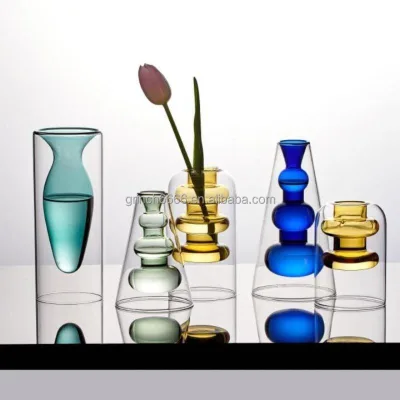
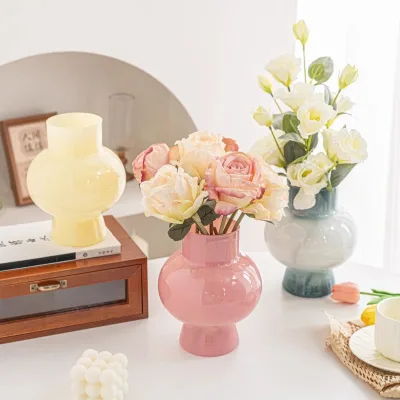
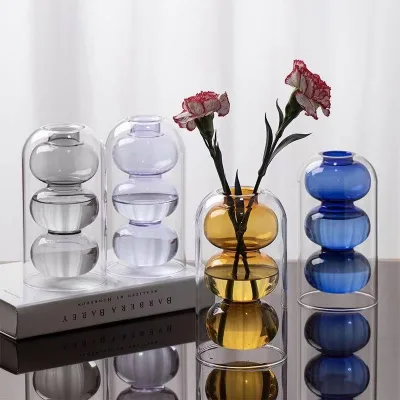
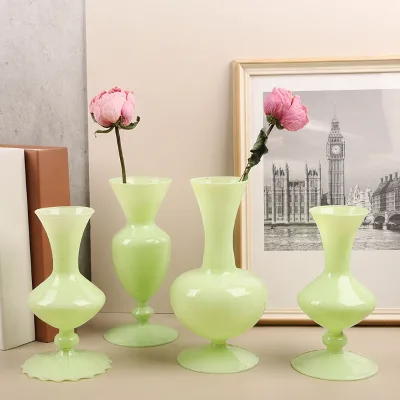
The observed product range includes glass vases categorized by size, such as large, medium, and small formats, with specific model numbers like 2145B-30P and 2070-1520 indicating distinct design variations. These items are primarily marketed for home decoration, wedding events, and daily life occasions, emphasizing their versatility in living rooms, dining areas, and bedrooms. The materials listed include standard glass and borosilicate glass, suggesting a spectrum of durability and thermal resistance. Buyers should note that while some listings mention transparent glazes, others specify color glazed options in shades like wine red, black, pale yellow, pink, and blue-white mixed colors, allowing for diverse aesthetic integration.
Customization is a significant feature in this segment, with suppliers accepting OEM/ODM requests, custom shapes, and customized logos. This flexibility supports brand differentiation but requires careful management of design files and approval workflows. The processing methods observed include blown glass techniques, which contribute to the unique character of each piece. Packaging is typically handled in cartons, with single package sizes varying based on the vase dimensions, such as 20x20x18 cm for certain models. Procurement teams must verify that the customization capabilities align with their specific design requirements and volume expectations to avoid miscommunication during production.
Technical Specifications to Verify
Technical verification begins with confirming the exact dimensions and weight of each vase model to ensure compatibility with logistics and display requirements. Standard sizes observed include heights such as 16x8x30 cm, 14.5x30 cm, and 15.5x20 cm, with corresponding widths and depths that define the vase's footprint. Buyers should request detailed technical drawings or CAD files to validate these measurements, especially when ordering custom shapes. The single gross weight of items like 0.15 kg for smaller vases provides a baseline for calculating shipping costs and handling requirements, but heavier models may require reinforced packaging to prevent breakage during transit.
Material composition is another critical technical aspect, with borosilicate glass offering superior thermal shock resistance compared to standard glass. This distinction is vital if the vases are intended for use with fresh flowers that may involve water temperature changes or if they are used in environments with fluctuating temperatures. Buyers should verify the glaze type, whether transparent or color glazed, and ensure that the finish is clear and free from defects. Additionally, the origin of production, often Jiangsu, China, should be confirmed to assess the supplier's logistical capabilities and potential lead times. Accurate specification verification prevents costly errors in inventory management and customer satisfaction.
Compliance and Safety Documentation
Compliance verification is essential to ensure that the glass vases meet international safety and quality standards, particularly for markets with strict regulatory requirements. While specific certifications like ISO 9001 and BSCI are mentioned in background contexts, buyers must request current and valid certificates from suppliers to confirm adherence to quality management systems and social responsibility standards. These documents provide assurance that the manufacturing processes are controlled and that the supplier operates ethically. Buyers should also inquire about any additional certifications required by their target markets, such as FDA compliance for food-contact surfaces if the vases are used for decorative purposes that might involve incidental contact.
Safety documentation should include test reports for lead content and other heavy metals, ensuring that the glass is non-toxic and safe for home use. Buyers must verify that the glazes and colors used are stable and do not leach harmful substances over time. Additionally, packaging materials should be evaluated for compliance with environmental regulations, such as restrictions on certain plastics or foams. Clear communication with suppliers regarding these requirements is crucial to avoid customs delays or product recalls. Procurement teams should maintain a file of all compliance documents for each supplier and product batch to facilitate audits and inspections.
Cost Drivers and Commercial Terms
Cost drivers for Nordic glass flower vases include material quality, customization complexity, and order volume. Borosilicate glass and intricate blown designs typically command higher prices than standard glass and simple shapes. The observed price range of 0.2 to 6.74 USD reflects this variability, with higher costs associated with custom colors, unique shapes, and smaller order quantities. Buyers should negotiate based on volume tiers, as larger orders often benefit from economies of scale. Minimum order quantities (MOQs) ranging from 50 to 3000 units impact pricing flexibility, with lower MOQs resulting in higher per-unit costs. Understanding these dynamics helps in budgeting and forecasting.
Commercial terms such as payment methods, lead times, and shipping responsibilities must be clearly defined in contracts. Buyers should clarify whether prices include packaging and labeling services, as customized logos and packaging add to the overall cost. Incoterms like FOB or CIF determine who bears the risk and cost of transportation, influencing the final landed cost. Lead times can vary based on production complexity and supplier capacity, so buyers should establish realistic timelines and build in buffers for potential delays. Regular communication with suppliers regarding production status is essential to manage expectations and ensure timely delivery.
Supplier Qualification and Quality Control
Supplier qualification involves assessing manufacturing capabilities, quality control processes, and past performance. Buyers should conduct factory audits or request third-party inspection reports to verify production standards and working conditions. Suppliers with experience in exporting to target markets are preferable, as they are likely familiar with international quality expectations and regulatory requirements. The ability to provide samples, as indicated by "Sample: Availiable," allows buyers to evaluate product quality before committing to large orders. Sample approval should be a formal step in the procurement process, with signed samples serving as the quality benchmark for production.
Quality control measures should include in-process inspections and final random inspections before shipment. Buyers should define acceptable quality limits (AQL) for defects such as cracks, bubbles, or color inconsistencies. Suppliers should have a robust system for identifying and correcting defects during production. Regular communication regarding quality issues and corrective actions is essential to maintain high standards. Buyers should also consider the supplier's responsiveness and problem-solving capabilities, as these factors contribute to a reliable partnership. Establishing a clear quality agreement helps align expectations and reduces the risk of disputes.
Long-Term Procurement Checks
Long-term procurement success depends on continuous monitoring of supplier performance and market trends. Buyers should establish key performance indicators (KPIs) for quality, delivery, and communication, reviewing them regularly with suppliers. Feedback loops should be implemented to address issues promptly and improve processes over time. Staying informed about design trends in the Nordic glassware market helps buyers anticipate changes in customer preferences and adjust their product offerings accordingly. Regularly updating the supplier base with new candidates ensures competitive pricing and access to innovative designs.
Risk management strategies should include diversifying suppliers to mitigate the impact of disruptions such as raw material shortages or logistical bottlenecks. Buyers should maintain safety stock levels for popular items to ensure continuity of supply. Contractual agreements should include clauses for price adjustments, force majeure, and dispute resolution to protect against unforeseen events. Building strong relationships with suppliers fosters collaboration and mutual growth, leading to better service and support. By implementing these long-term checks, buyers can sustain a resilient and efficient procurement operation for Nordic glass flower vases.
FAQs
What materials are used for these glass vases?
The vases are crafted from high-quality glass and borosilicate glass. This material choice ensures durability and clarity, making them suitable for everyday home decoration. The transparent glaze type highlights the natural beauty of the glass, allowing light to pass through effectively for a modern aesthetic.
Can I customize the design and logo?
Yes, customization is available for both design and branding. Buyers can accept custom shapes and designs to meet specific requirements. Additionally, a customized logo can be applied to the product. This OEM and ODM service allows for unique branding solutions for various occasions and home decor needs.
What are the available sizes and specifications?
The product line includes small, medium, and large sizes to suit different spaces. Specific models like 2145B-30P measure 14.5x30cm H, while 2070-1520 is 15.5*20cm H. Other options include 18.2*34.3cm H and 13*16cm H. These dimensions cater to diverse tabletop vase requirements for living rooms or dining areas.
Where are these vases manufactured?
These glass flower vases originate from Jiangsu, China. The manufacturing process involves blowing techniques to achieve the desired shape and finish. The products are packed in cartons for safe transport. This origin ensures access to established glassware manufacturing capabilities and efficient logistics for international buyers seeking reliable sourcing partners.
What colors are available for the vases?
A variety of colors are offered, including wine red, black, pale yellow, pink, blue white mixed color, and clear. Some options also feature light yellow, transparent, blue, or purple finishes. These color choices allow buyers to select pieces that match specific interior design themes or wedding decoration requirements effectively.
What is the minimum order quantity for bulk purchases?
The minimum order quantity ranges from 50 to 3000 units depending on the specific model and customization level. This flexibility supports both small trial orders and large-scale procurement needs. Buyers can select from single item selling units, making it easier to manage inventory and meet specific project requirements without excessive initial investment.