Source Indoor Outdoor Artificial Plants for Home Garden Office
Find 30 listings for Indoor Outdoor Artificial Plants from verified suppliers. Compare features like lifelike appearance, eco-friendly materials, and customization options for home, garden, and office decoration needs. Explore various sizes, colors, and styles including trees, flowers, and bonsai to suit your specific interior and exterior design requirements effectively.
Updated
Key considerations
Products List


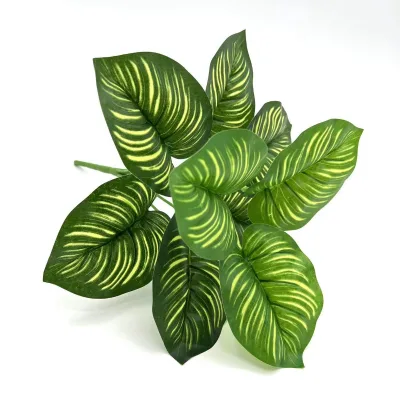
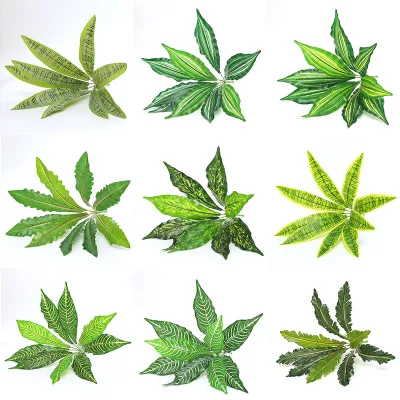
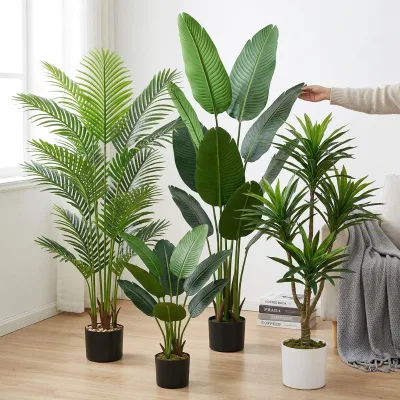


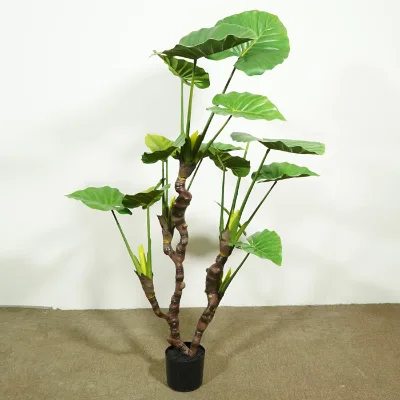
Indoor and Outdoor Decoration Artificial Plant Small Potted Home Natural Plants
$3.65 - $3.79
MOQ: 500 Pieces

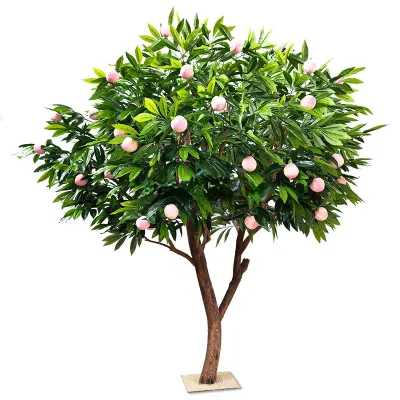
Simulation Plastic Artificial Plant in Pot Bonsai for Outdoor Decoration
$11.09 - $11.64
MOQ: 100 Pieces


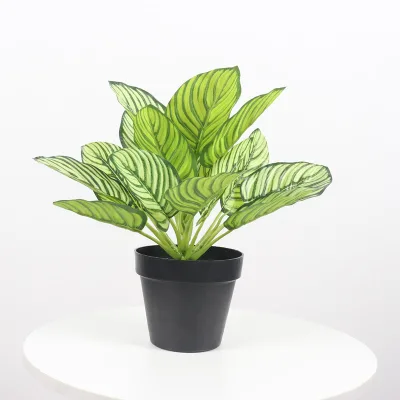


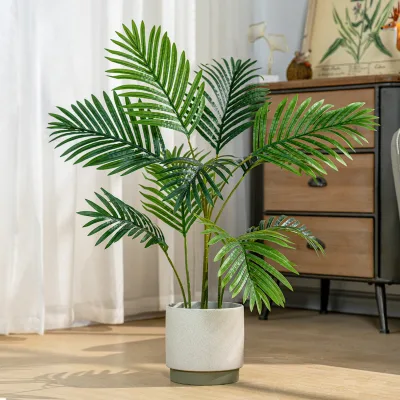
Customizable Outdoor Indoor Artificial Plastic Plant for Wedding Decoration
$1.71 - $3.48
MOQ: 100 Pieces

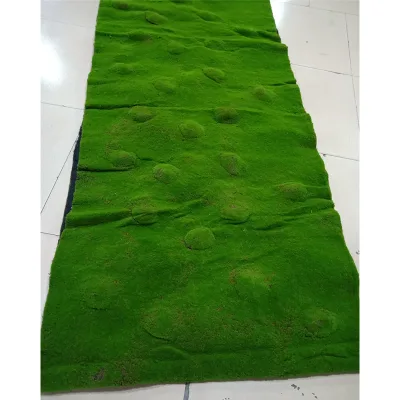
Artificial Wall Panel Indoor Outdoor Decoration Fence Synthetic Grass Artificial Plant
$3.00 - $4.00
MOQ: 1000 Pieces



Comprehensive Sourcing Guide
Indoor Outdoor Artificial Plants Sourcing Guide
Procuring artificial plants for both interior and exterior environments requires a nuanced understanding of material durability and aesthetic fidelity. Buyers must distinguish between products designed for climate-controlled spaces and those engineered to withstand UV exposure, rain, and temperature fluctuations. The supplied data indicates a diverse range of options, from small decorative bonsai styles to large-scale tree installations, each serving distinct functional roles in home, garden, or commercial decor.
The market offers significant customization capabilities, allowing buyers to tailor product dimensions, colors, and branding to specific project needs. With observed price points ranging from $0.31 to $82.90 and minimum order quantities varying widely, sourcing strategies must align with budget constraints and volume requirements. Understanding these variables is critical for selecting the right supplier who can deliver consistent quality across different product types, whether they are plastic-based flowers or evergreen foliage arrangements.
Product Scope and Observed Listing Signals
The current market landscape features a variety of artificial plant categories, including floral arrangements, bonsai styles, and tree-like structures. Specific models such as the 157043 and 196CY series demonstrate the availability of customized sizes, with lengths extending up to 95cm or more. These products are primarily constructed from plastic materials, offering features like lifelike appearances and evergreen characteristics that appeal to buyers seeking low-maintenance decorative solutions for various settings.
Color options are extensive, ranging from natural greens to vibrant hues like rose, lavender, and sky blue, catering to diverse design preferences. The observed listings highlight a strong emphasis on customization, with many suppliers offering logo printing and tailored packaging solutions. This flexibility allows businesses to create branded merchandise or unique interior design elements, ensuring that the final product aligns perfectly with their aesthetic vision and functional requirements.
Technical Specifications to Verify
When evaluating technical specifications, buyers should prioritize dimensions and weight to ensure logistical feasibility. Observed data shows single package sizes ranging from compact 40x60x50 cm boxes to larger 175x50x24 cm packages, with gross weights varying from 15.0 kg to 45.500 kg. These metrics are crucial for calculating shipping costs and storage requirements, particularly for large-scale installations or bulk orders where space and weight constraints are significant factors in the procurement process.
Material composition and surface treatment are also key technical considerations. Most products utilize plastic materials with printing techniques to achieve realistic textures and colors. Buyers should verify the specific type of plastic used, as this impacts durability and UV resistance. Additionally, confirming the presence of features like eco-friendly claims or high-quality construction can help ensure that the products meet long-term performance expectations, especially for outdoor applications where exposure to elements is a concern.
Compliance and Safety Documentation
Safety and regulatory compliance are essential for artificial plants, particularly those intended for indoor use or areas with high human contact. While specific certifications are not explicitly detailed in the provided data, buyers should inquire about REACH compliance and other relevant safety standards. Ensuring that materials are free from harmful chemicals is critical for maintaining a safe environment, especially in residential or educational settings where children or pets may interact with the products.
Documentation should also cover product safety testing results, including flammability and toxicity assessments. Buyers must request certificates of conformity from suppliers to verify that the products meet international safety regulations. This due diligence helps mitigate risks associated with product liability and ensures that the artificial plants can be legally sold and used in various markets, providing peace of mind for both suppliers and end-users.
Cost Drivers and Commercial Terms
Cost structures for artificial plants are influenced by material quality, customization levels, and order volume. The observed price range of $0.31 to $82.90 reflects the diversity in product complexity and size. Buyers should consider how factors like logo printing, custom packaging, and specific color requests impact the final unit cost. Understanding these variables allows for more accurate budgeting and negotiation, ensuring that the procurement strategy aligns with financial goals.
Commercial terms, including minimum order quantities and lead times, vary significantly across suppliers. MOQs range from 12 pieces to 1000 units, with delivery times typically spanning 7-15 days. Buyers should negotiate flexible terms that accommodate their inventory needs and cash flow constraints. Additionally, payment options such as TT, Western Union, PayPal, and Trade Assurance offer varying levels of security and convenience, influencing the overall cost and risk profile of the transaction.
Supplier Qualification and Quality Control
Supplier qualification is a critical step in ensuring consistent product quality and reliable service. Buyers should assess suppliers based on their production capabilities, customization options, and sample availability. The ability to provide samples allows for thorough evaluation of product quality before committing to large orders. Suppliers with established quality control processes and positive track records are more likely to deliver products that meet specified standards and expectations.
Quality control measures should include regular inspections of raw materials, production processes, and finished goods. Buyers should request detailed quality reports and inspection certificates to verify that products meet agreed-upon specifications. Establishing clear communication channels with suppliers facilitates timely resolution of any issues that may arise during production or delivery, ensuring a smooth procurement experience and minimizing the risk of defects or delays.
Long-Term Procurement Checks
Long-term procurement success depends on continuous monitoring of supplier performance and product quality. Buyers should establish key performance indicators (KPIs) to track metrics such as delivery times, defect rates, and customer satisfaction. Regular audits and feedback loops help identify areas for improvement and ensure that suppliers remain aligned with evolving business needs and market trends. This proactive approach fosters strong, sustainable partnerships that drive value over time.
Additionally, buyers should stay informed about industry developments and emerging technologies in artificial plant manufacturing. Keeping abreast of new materials, designs, and sustainability practices allows for strategic adjustments to procurement strategies. By continuously evaluating and optimizing the supply chain, buyers can maintain a competitive edge and ensure that their artificial plant offerings remain relevant and appealing to end-users in a dynamic market environment.
FAQs
Can I customize the logo on Indoor Outdoor Artificial Plants?
Yes, logo customization is available for these artificial plants. Buyers can request specific branding to be applied to the products. This service allows for tailored marketing materials. The customization options support various design requirements for different brand identities. This feature is particularly useful for corporate gifting or specialized retail displays.
What is the typical MOQ for artificial flower orders?
The minimum order quantity is typically set at 720 units for standard artificial flower items. This threshold ensures efficient production and shipping logistics for suppliers. Buyers should verify specific MOQs as they may vary by product model. Some items might have different requirements, so checking individual product details is recommended before placing bulk orders.
How long is the delivery time for these artificial plants?
The standard delivery time ranges from 7 to 15 days after order confirmation. This timeframe allows for production, quality checks, and packaging preparation. Buyers should account for potential variations based on order volume and shipping method. Early communication with suppliers can help manage expectations and ensure timely receipt of goods for decoration projects.
What materials are used to make these Indoor Outdoor Artificial Plants?
These artificial plants are primarily constructed from plastic materials to ensure durability and realism. The plastic construction allows for detailed leaf and stem designs that mimic natural flora. This material choice also contributes to the lightweight nature of the products. Plastic ensures the plants remain vibrant and resistant to fading in various indoor and outdoor environments.
Are samples available for Indoor Outdoor Artificial Plants before bulk purchase?
Samples are available for buyers to evaluate product quality before committing to large orders. This support allows purchasers to inspect the texture, color, and overall finish of the artificial plants. Testing samples helps ensure the products meet specific decoration needs. Buyers should contact suppliers directly to arrange sample requests and understand any associated sample fees or shipping costs.
What is the standard length for the artificial tree models?
Standard artificial tree models often come in lengths such as 2.2 meters, 2.4 meters, and 2.6 meters. These sizes are designed to fit various indoor and outdoor decoration spaces effectively. Buyers can choose the height that best suits their specific interior design or landscaping requirements. Custom sizes may also be available upon request for specialized projects.