heat protection leave-in spray Suppliers and Manufacturers
Compare 15 verified heat protection leave-in spray suppliers in Guangdong, China, focusing on response times, lead times, and product specifications like volume and ingredients. Review the listed price ranges and contact options to source thermal protection sprays for home or salon use.
Updated
Suppliers List

Guangzhou Yongbang Biological Technology Co., Ltd.
- Trading Company
- Guangdong, China
- Lead time7 days
- Avg. response≤ 3h
Main productsHair Styling, Hair Care Products
Main marketsNorth America(72.00%), Western Europe(14.00%), Southeast Asia(5.00%), South America(3.00%), Oceania(3.00%), Eastern Europe(3.00%)
Guangzhou Locroyal Cosmetics Co., Ltd.
- Trading Company
- Lead time旺季: "1 - 1000":15,"1001 - 3000":25,"> 3000":"To be negotiated", 淡季: "1 - 1000":15,"1001 - 3000":25,"> 3000":"To be negotiated"
- Avg. response≤ 4h
Main productsHair Shampoo, Hair Treatment, Hair Mask, Hair Conditioner, Hair Styling Products
Foshan Jecko Biotechnology Co., Ltd.
- Verified by TüVRheinland
- Manufacturer, Trading Company
- Lead time0 days
- Avg. response≤ 3h
Main productsHair Shampoo, Hair Mask, Hair Wax, Body Care, Hair Conditioner
Main marketsNorth America(18%), South America(15%), Southeast Asia(12%)
Bingo Cosmetic Manufacture Ltd.
- Manufacturer, Trading Company
- Lead time旺季: "1 - 720":14,"> 720":"To be negotiated", 淡季: "1 - 720":14,"> 720":"To be negotiated"
- Avg. response≤ 7h
Main productsHair Care Products, Hair Dyeing Products, Skin Care Products, Hair Styling Products, Pet Care Products
Guangzhou Locroyal Cosmetics Co., Ltd.
- Verified by SGS Group
- Manufacturer, Trading Company
- Lead time0 days
- Avg. response≤ 4h
Main productsHair Treatment, Hair Shampoo, Hair Conditioner, Hair Oil, Hair Mask
Main marketsSoutheast Asia(21%), North America(20%), Eastern Europe(19%)
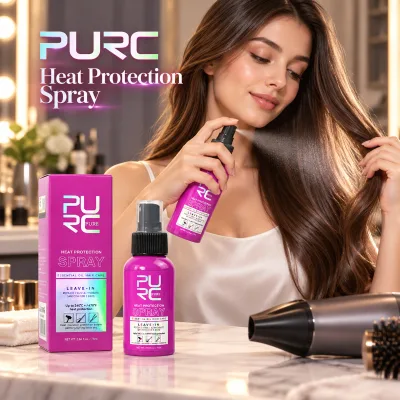
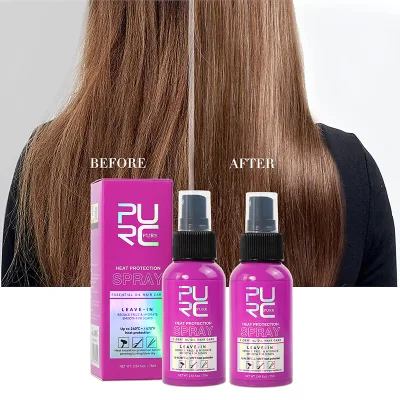
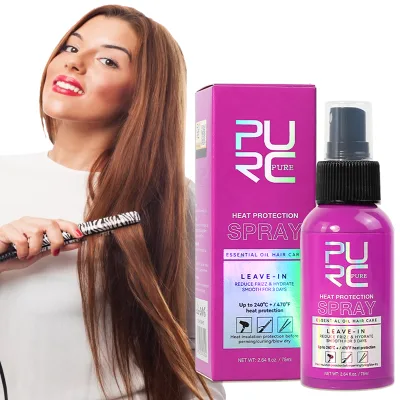
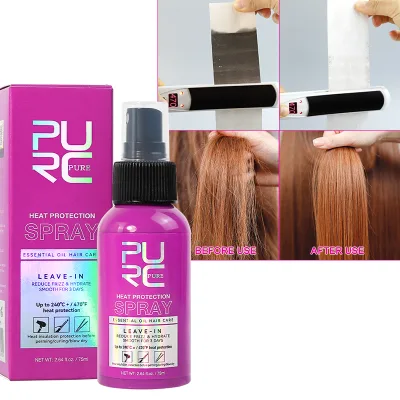
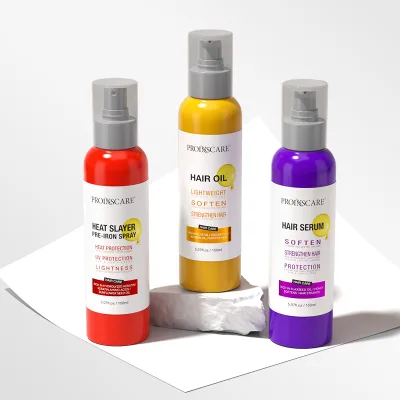
Private Label Heat Protection Spray Heat Protectant Spray for Hair Extensions Natural Vegan
$1.50 - $2.00
MOQ: 100 pieces

Guangzhou Weiniya Cosmetics Co., Ltd.
- Verified by TUVRHEINLAND
- Combined
- China Guangdong
- Lead time23 days
- Avg. response≤ 7h
Main productsHair Color Shampoo, Black Hair Shampoo, Hair Color Cream, Hair Darkening Soap, Hair Shampoo, Hair Conditioner, Hair Mask
Main marketsSouth America,Southeast Asia/ Mideast,North America


Private Label Organic Heat Protection Hair Mist Smooth Thermal Protector Spray
$2.12 - $2.38
MOQ: 5000 Pieces

Vsiu Custom Private Label Lightweight Silky Heat Protectant Spray for Hair
$2.12 - $2.38
MOQ: 5000 Pieces
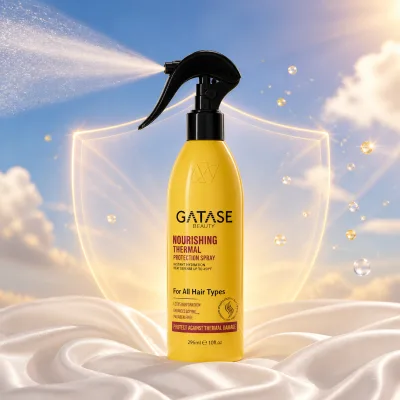
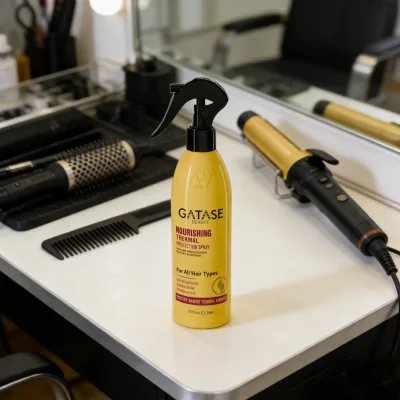
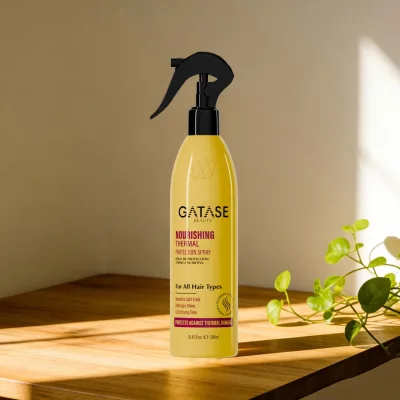
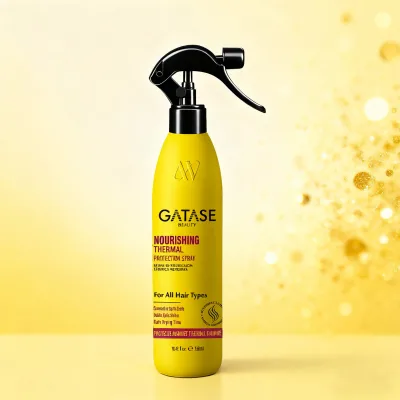
Guangzhou Gatase Cosmetics Co., Ltd.
- Verified by TüVRheinland
- Trading Company
- Lead time0 days
- Avg. response≤ 4h
Main productsShampoo, Hair Conditioner, Styling Products, Hair Care Product, Hair Treatment
Main marketsNorth America(30%), Mid East(30%), South America(10%)

Guangzhou Sevich Biology Technology Co., Ltd.
- Verified by SGS
- Trading Company
- China Guangdong
- Lead time15 days
- Avg. response≤ 6h
Main productsHair Building Fibers, Hair Fiberes, Keratin Hair Fibers, Keratin Fiber Powder, Hair Fibers Building, Hair Loss Treatment, Hair Loss Concealer, Hair Loss Men, Hair Loss Women
Main marketsSouth America,Southeast Asia/ Mideast,East Asia(Japan/ South Korea),Europe,Australia,North America
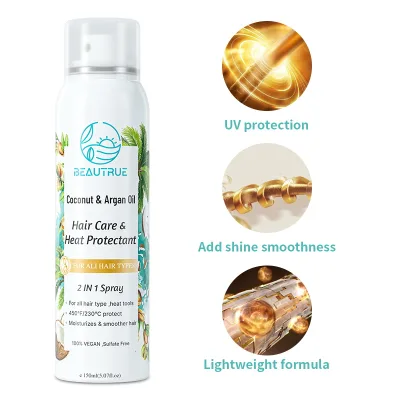
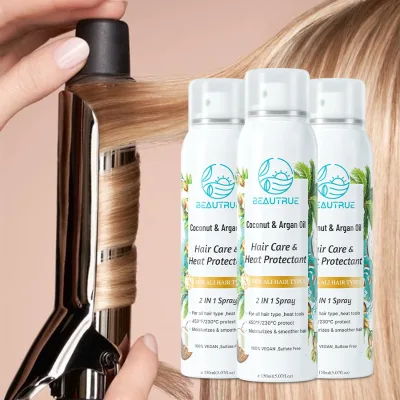
Guangzhou Beautrue Biotechnology Co., Ltd.
- Trading Company
- Lead time旺季: "100 - 1000":7,"> 1000":"To be negotiated", 淡季: "100 - 1000":7,"> 1000":"To be negotiated"
- Avg. response≤ 3h
Main productsHair Spray, Body Care, Hair Styling, Hair Care, Body Spray
Guangzhou Beslo Cosmetics Co., Ltd.
- Verified by TüVRheinland
- Trading Company
- Lead time45 days
- Avg. response≤ 8h
Main productsShampoo, Hair Conditioner, Pomade, Hair Mask, Hair Dye
Main marketsNorth America(20%), Western Europe(20%), South America(15%)
Guangzhou Hodm Professionals Cosmetics Co., Ltd.
- Manufacturer, Trading Company
- Lead time旺季: "1 - 500":31,"501 - 5000":38,"> 5000":"To be negotiated", 淡季: "1 - 500":31,"501 - 5000":38,"> 5000":"To be negotiated"
- Avg. response≤ 2h
Main productsShampoo & Conditioner, Hair Oil, Hair Mask, Hair Styling Products, Hair Care Spray
Guangzhou Chinchy Cosmetic Co., Ltd.
- Verified by SGS Group
- Trading Company
- Lead time15 days
- Avg. response≤ 6h
Main productsShampoo, Conditioner, Hair Mask, Essential Hair Oil, Brazilian Keratin Treatment
Main marketsSoutheast Asia(50%), Oceania(20%), Northern Europe(4%)
Guangzhou Bellezon Cosmetics Co., Ltd.
- Verified by SGS Group
- Trading Company
- Lead time15 days
- Avg. response≤ 5h
Main productsHair Care, Hair Styling, Wig Care, Skin Care, Beard Care
Main marketsNorth America(45%), Western Europe(25%), South America(3%)
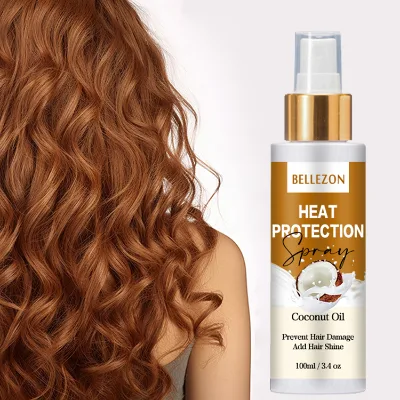
Silkening Heat Protectant Serum Spray Hair Style Hair Heat Protection Spray
$1.63 - $2.15
MOQ: 1000 pieces
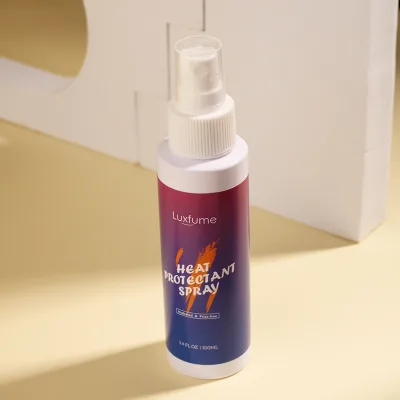
Iron Guard Thermal Protection Spray Resist Heat Damage to Hair Heat Protectant Spray
$1.1482 - $1.4795
MOQ: 1000 pieces
Guangzhou Baytiful Cosmetics Co., Ltd.
- Verified by TüVRheinland
- Trading Company
- Lead time25 days
Main productsLace Melt Spray, Hair Stying Mousse, Hair Styling Spray, Dry Shampoo, Curl Defining Cream
Main marketsNorth America(30%), South America(30%), Southeast Asia(10%)
Guangzhou Cantik Manufacture Co., Ltd.
- Manufacturer, Trading Company
- Guangdong, China
- Lead time0 days
- Avg. response≤ 3h
Main productsMen's hair care,Men's hair styling,hair care
Main marketsNorth America(40.00%), Western Europe(20.00%), Oceania(15.00%), Northern Europe(10.00%), Southern Europe(10.00%), Eastern Europe(5.00%)
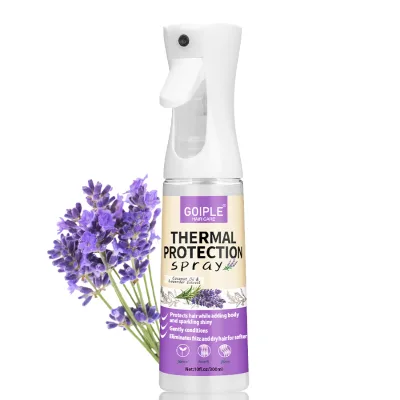
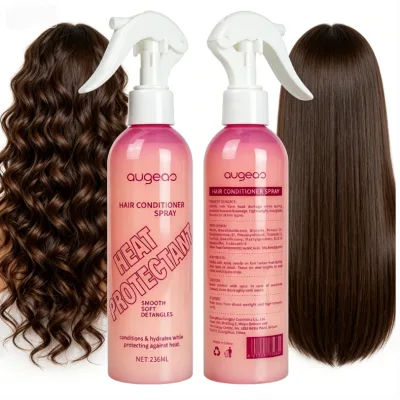
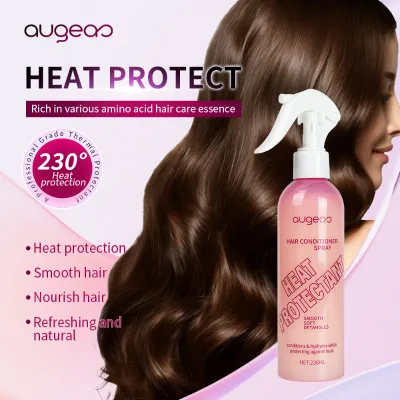
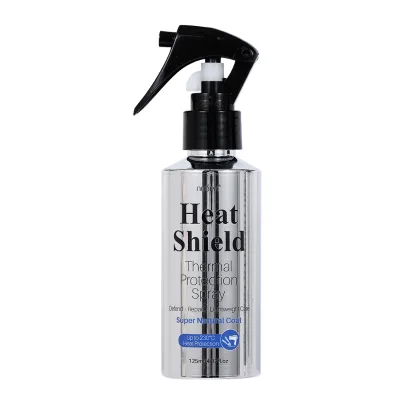
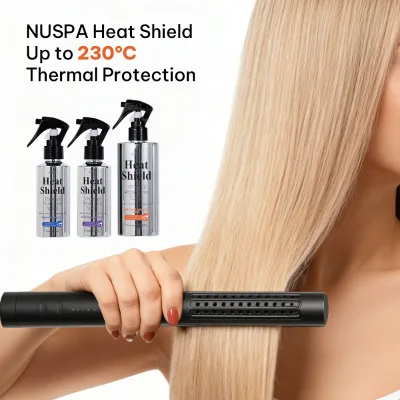


Comprehensive Sourcing Guide
Heat Protection Leave-In Spray Supplier Concentration and Factory Types
The current supplier landscape for heat protection leave-in spray is heavily concentrated in Guangdong, China, a region known for its robust manufacturing infrastructure and supply chain efficiency. This geographic clustering allows for rapid prototyping and scalable production, which is particularly beneficial for buyers seeking custom formulations or private label solutions. Most suppliers operating in this hub are classified as trading companies rather than direct manufacturers, meaning they act as intermediaries connecting buyers with factory partners. This structure can offer flexibility in sourcing multiple product types, such as hair shampoo, hair treatment, hair mask, hair conditioner, and hair styling products, from a single point of contact. However, it also necessitates careful verification of the actual production capabilities and quality control measures employed by the underlying factories. Buyers should understand that while trading companies streamline communication, they may add layers to the supply chain that affect lead times and cost structures.
Understanding the distinction between trading companies and factories is crucial for managing expectations regarding customization and volume. Trading companies often excel in customer service and order consolidation, making them suitable for smaller orders or buyers who need assistance with logistics and documentation. In contrast, direct factories may offer more competitive pricing for large volumes but might have higher minimum order quantities and less flexible communication channels. The presence of OEM and ODM capabilities among these suppliers indicates a willingness to customize products, including private labeling and specific ingredient formulations like coconut oil or lavender extract. Buyers should inquire about the specific factory partnerships of trading companies to ensure that the production standards meet their requirements. Additionally, the variety of main products offered by these suppliers suggests a broad expertise in hair care, which can be leveraged for bundled orders or diversified product portfolios.
How to Verify Heat Protection Leave-In Spray Suppliers
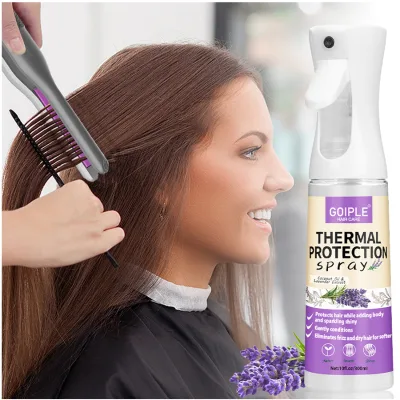
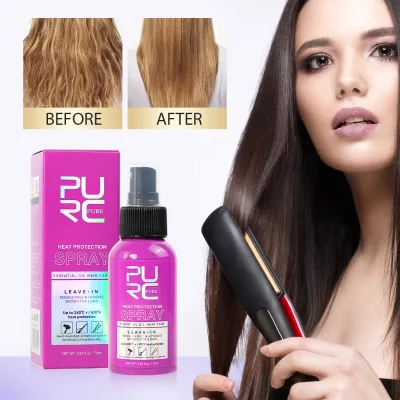
Verifying the legitimacy and capability of heat protection leave-in spray suppliers requires a multi-faceted approach that goes beyond surface-level profile reviews. Buyers should prioritize suppliers with demonstrated response times, as quick communication often correlates with operational efficiency and reliability. A response time of three to four hours is a positive indicator, suggesting that the supplier has dedicated staff to handle inquiries and resolve issues promptly. It is also essential to check for established business credentials, such as years in operation and relevant certifications, although specific certification details may vary and require direct confirmation. Buyers should request samples to evaluate product quality, packaging integrity, and the actual performance of the thermal protection features. This hands-on verification helps ensure that the product meets the stated claims of heat resistance, nourishment, and leave-in convenience.
In addition to product samples, buyers should assess the supplier’s transparency regarding their manufacturing processes and quality control standards. Requesting detailed product specifications, including ingredient lists, volume options, and packaging dimensions, can provide insight into the supplier’s attention to detail and compliance with international standards. For instance, verifying that the product contains natural ingredients like coconut oil or castor oil, as claimed, is critical for buyers targeting specific market segments. Buyers should also inquire about the supplier’s ability to provide test reports or compliance documents, such as MSDS or product safety certifications, which are often required for importation. Engaging in direct dialogue to discuss customization options, such as private labeling and custom logos, can further reveal the supplier’s flexibility and commitment to meeting buyer needs. This thorough verification process helps mitigate risks and ensures a solid foundation for a successful business relationship.
What to Compare Across Heat Protection Leave-In Spray Suppliers
When evaluating multiple suppliers for heat protection leave-in spray, buyers should compare key operational metrics such as lead times, minimum order quantities, and pricing structures. Lead times can vary significantly based on order volume and seasonality, with some suppliers offering standard lead times of seven days for smaller orders and longer periods for larger batches. It is important to clarify whether these lead times are consistent year-round or if they fluctuate during peak seasons, as this can impact inventory planning and delivery schedules. Buyers should also compare the minimum order quantities to determine which suppliers align with their initial order volumes and growth projections. Some suppliers may offer flexible MOQs for trial orders, while others may require larger commitments to secure competitive pricing.
Pricing is another critical factor, with costs varying based on volume, customization requirements, and ingredient quality. For example, prices for thermal protection sprays can range from approximately $1.34 to $2.99 per unit, depending on the volume and specific features such as organic or vegan formulations. Buyers should request detailed quotes that break down costs for different order sizes and customization options to identify the most cost-effective supplier. Additionally, comparing the range of main products offered by each supplier can help identify those with broader capabilities, potentially simplifying future sourcing needs. Suppliers offering a comprehensive range of hair care products, including shampoos, conditioners, and styling products, may provide better value through bundled orders or streamlined logistics. By systematically comparing these factors, buyers can make informed decisions that balance cost, quality, and operational efficiency.
Common Heat Protection Leave-In Spray Sourcing Risks
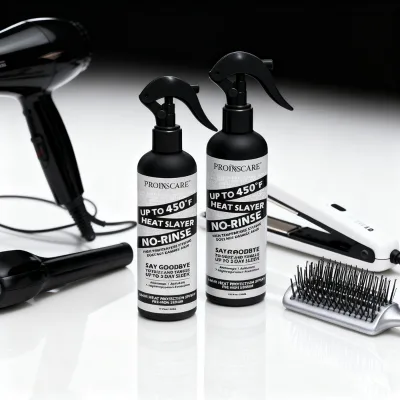
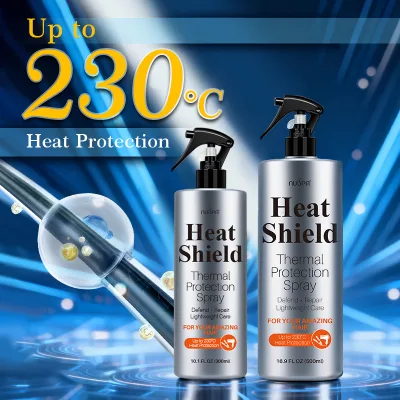
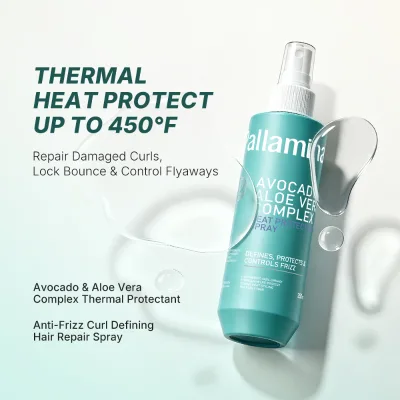
Sourcing heat protection leave-in spray from international suppliers involves several potential risks that buyers must proactively manage to ensure a smooth procurement process. One significant risk is the variability in product quality, which can arise from differences in manufacturing standards and ingredient sourcing. Buyers may encounter discrepancies between the advertised features, such as heat protection up to 450°F, and the actual performance of the product. This risk is heightened when working with trading companies that may not have direct oversight of the production process. To mitigate this, buyers should insist on rigorous quality control measures and regular inspections, particularly for large orders. Additionally, the risk of intellectual property infringement exists when customizing products with private labels, making it essential to establish clear contractual agreements regarding brand ownership and confidentiality.
Another common risk is the potential for delays in delivery due to supply chain disruptions or production bottlenecks. Lead times can be affected by factors such as raw material shortages, labor issues, or logistical challenges, particularly during peak seasons. Buyers should maintain open communication with their suppliers to stay informed about any potential delays and have contingency plans in place. Furthermore, the risk of non-compliance with international regulations and standards cannot be overlooked. Buyers must ensure that their suppliers adhere to relevant safety and labeling requirements in their target markets. This includes verifying that the product ingredients are approved for use and that the packaging meets local regulatory standards. By identifying and addressing these risks early in the sourcing process, buyers can protect their business interests and maintain customer satisfaction.
Heat Protection Leave-In Spray Regional Sourcing and Logistics
Regional sourcing from Guangdong, China, offers distinct advantages for heat protection leave-in spray procurement, primarily due to the region’s established logistics infrastructure and proximity to major shipping ports. This geographic advantage facilitates efficient transportation and reduces transit times, which is beneficial for maintaining inventory levels and responding to market demands. Buyers should leverage this regional concentration to negotiate favorable shipping terms and explore consolidated shipping options, especially when ordering multiple products from the same supplier. The presence of numerous trading companies in the area also means that buyers can access a wide variety of suppliers and products, enhancing their ability to find the best fit for their specific needs. However, buyers must also consider the complexities of international logistics, including customs clearance, import duties, and documentation requirements.
To optimize logistics, buyers should work closely with their suppliers to ensure that all necessary documentation is prepared accurately and promptly. This includes commercial invoices, packing lists, and certificates of origin, which are essential for smooth customs clearance. Buyers should also consider using freight forwarders with experience in handling personal care products to navigate regulatory requirements and ensure safe transportation. Additionally, exploring air freight options for urgent orders or small batches can provide flexibility in managing inventory. By understanding the logistical landscape of Guangdong and planning accordingly, buyers can minimize delays and costs associated with international shipping. This strategic approach to logistics ensures that products reach the market efficiently, supporting business growth and customer satisfaction.
Heat Protection Leave-In Spray Commercial Terms and Order Planning
Effective order planning for heat protection leave-in spray requires careful consideration of commercial terms, including payment methods, warranty policies, and after-sales support. Buyers should negotiate clear payment terms that align with their cash flow needs, such as using secure payment platforms like escrow to protect their interests until the goods are received and verified. It is also important to establish clear expectations regarding product warranties and return policies, particularly for customized or private label orders. Buyers should inquire about the supplier’s ability to provide samples before placing large orders, as this allows for thorough evaluation of product quality and performance. Additionally, understanding the supplier’s capacity for handling returns or exchanges in case of quality issues is crucial for risk management.
Order planning should also account for the supplier’s production capacity and lead times to ensure timely delivery. Buyers should communicate their volume requirements and growth projections to their suppliers to facilitate production planning and secure priority status for larger orders. Establishing a long-term partnership with a reliable supplier can lead to better pricing, improved service, and greater flexibility in order management. Buyers should also consider the supplier’s ability to scale production in response to market demand, ensuring that they can meet increasing orders without compromising quality or delivery times. By focusing on these commercial terms and planning strategies, buyers can build a resilient supply chain that supports their business objectives and minimizes operational risks.
FAQs
What is the price range for thermal protection sprays?
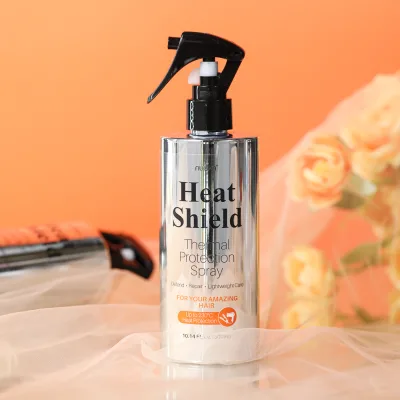
Prices for thermal protection sprays typically range from $1.34 to $2.99 per unit depending on volume. Smaller 100ml bottles are priced between $1.34 and $1.48, while larger 300ml options cost between $2.70 and $2.99. Buyers should verify exact pricing based on order quantity and customization requirements.
What are the lead times for bulk orders?
Standard lead times are approximately 7 days for initial samples. For bulk production, lead times vary by season and volume. During peak seasons, orders of 1-1000 units take 15 days, while larger orders may require negotiation. Off-peak seasons also generally require 15 days for standard quantities.
Do suppliers offer private label or OEM services?
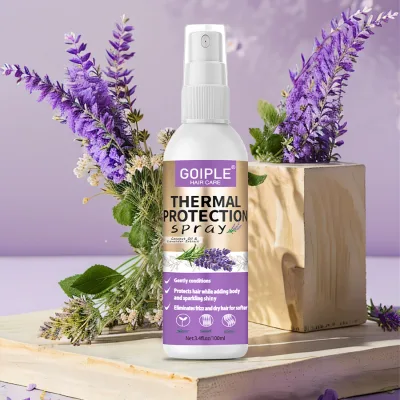
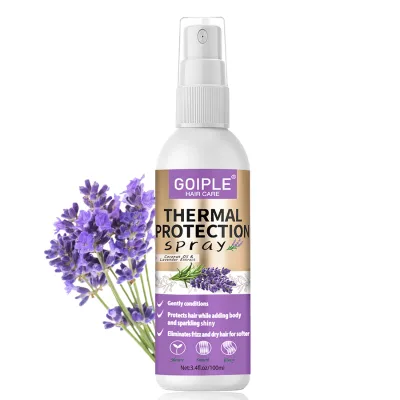
Yes, many suppliers offer private label and OEM services for thermal protection sprays. Buyers can customize logos, packaging, and formulas to match their brand identity. Options include adding specific ingredients like coconut oil or lavender extract. Suppliers welcome custom requests to meet specific market needs and branding requirements.
What ingredients are commonly used in these sprays?
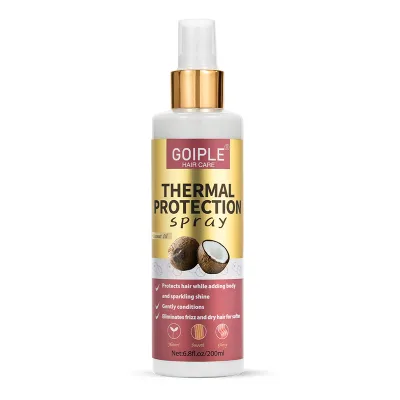
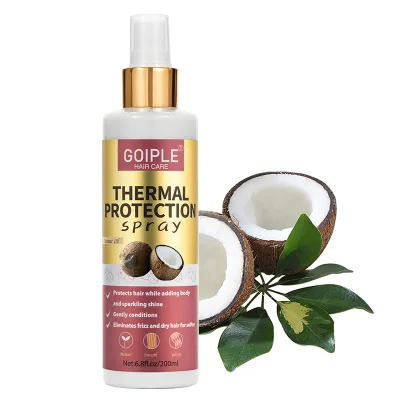
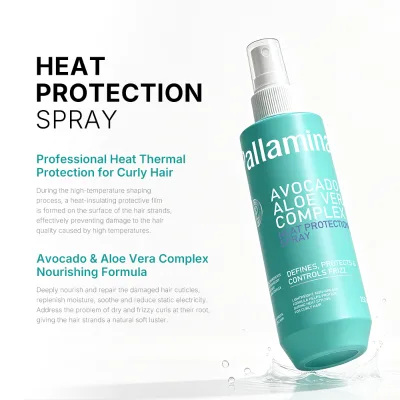
Common ingredients include coconut oil, castor oil, argan oil, silk, and keratin. These natural components help nourish, repair, and moisturize hair while protecting it from high heat styling tools. Some formulas are also alcohol-free, vegan, and cruelty-free, catering to diverse consumer preferences and safety standards.
Where are these hair care products manufactured?
Most thermal protection sprays are manufactured in Guangdong, China. This region is a major hub for personal care product manufacturing, offering efficient supply chains and competitive pricing. Buyers can expect consistent quality and reliable production capabilities from suppliers located in this area for various hair care needs.
What is the typical response time from suppliers?
Suppliers typically respond within 3 to 4 hours to inquiries. This quick response time ensures that buyers can receive prompt information regarding product details, pricing, and customization options. Efficient communication helps streamline the sourcing process and allows for faster decision-making when evaluating potential suppliers for thermal protection spray orders.