Source No Heat Hair Flexi Rods for Salon, Home, and Travel
Compare 30 listings of No Heat Hair Flexi Rods from verified suppliers. Buyers can evaluate materials like PE and rubber, sizes, and customization options for salon or home use; compare the available evidence and request quotations based on your requirements.
Updated
Key considerations
Products List
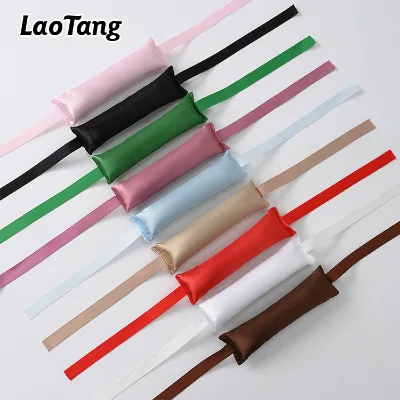
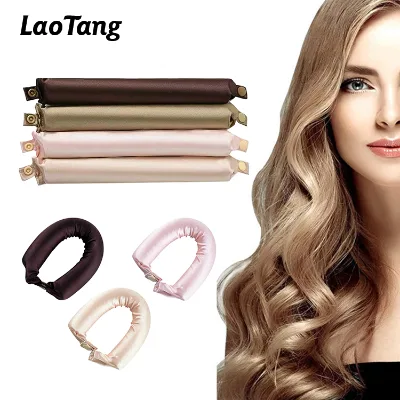
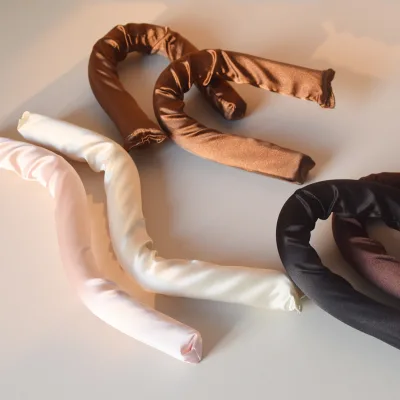
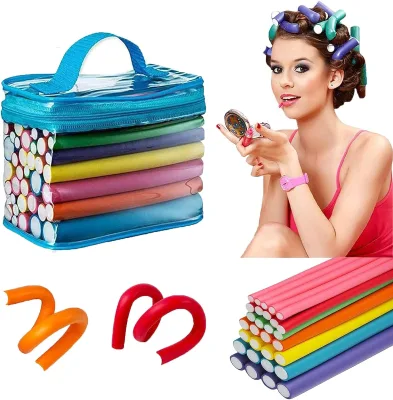
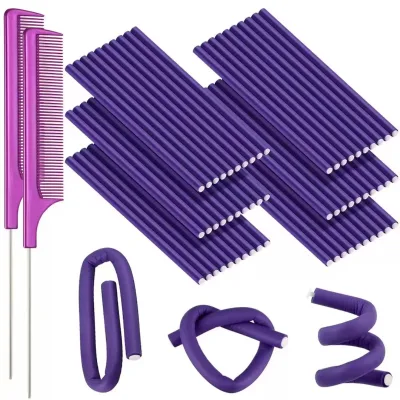
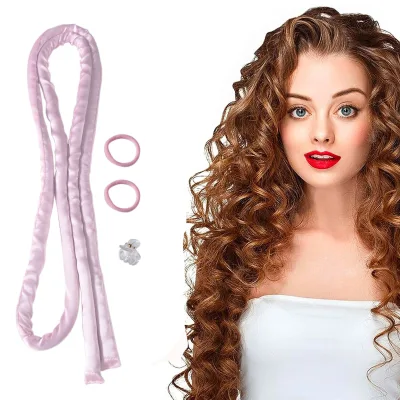
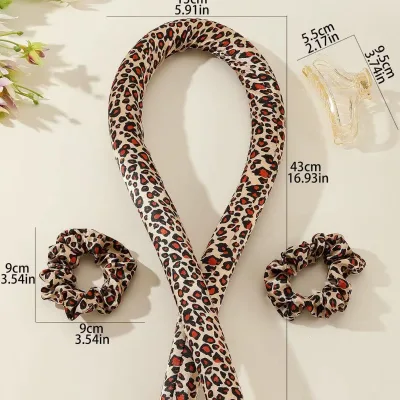


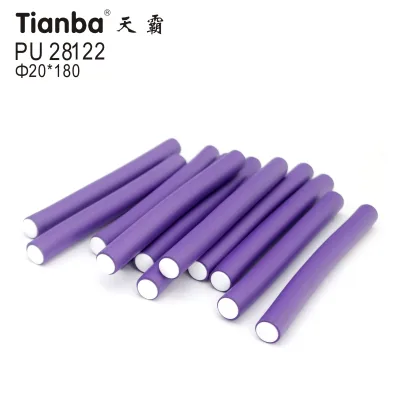
Comprehensive Sourcing Guide
No Heat Hair Flexi Rods Sourcing Guide
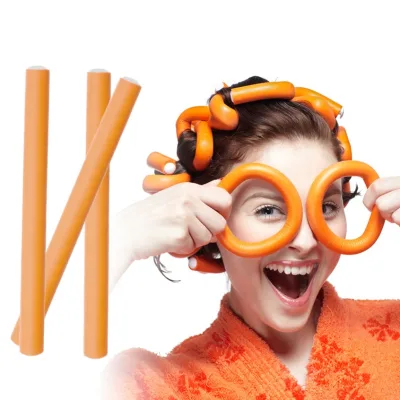
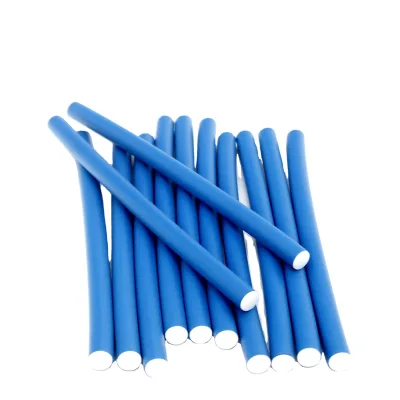
Procuring no-heat hair flexi rods requires a clear understanding of the specific material compositions and structural designs that define product performance in the beauty sector. These tools are primarily engineered for cold styling, allowing users to create spiral curls without the application of heat, which preserves hair integrity and reduces thermal damage. The core appeal lies in their flexibility and ease of use, making them suitable for both home consumers and professional salon environments. Buyers must distinguish between simple rubber variants and more complex constructions that include internal support structures to ensure consistent curl formation and durability during repeated use.
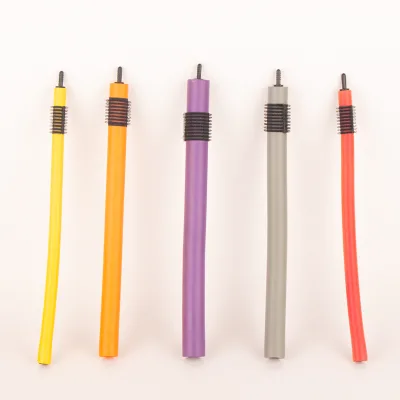
The market offers a variety of configurations, ranging from basic polyethylene rods to those incorporating iron cores for enhanced shape retention. Understanding these material differences is critical for selecting the right product for your target demographic. For instance, products made from pure rubber may offer superior softness and gentleness on hair, while those with internal metal bars provide better structural integrity for tighter curls. Sourcing decisions should be driven by the specific needs of your end-users, whether they prioritize convenience, hair health, or the longevity of the styling tool itself.
Product Scope and Observed Listing Signals
Current market listings indicate a diverse range of product attributes, with observed prices ranging from $0.06 to $9.90 USD, reflecting significant variation in quality and packaging. Minimum order quantities typically span from 10 to 2,000 units, offering flexibility for both small boutique orders and large-scale commercial procurement. The primary applications identified are hair curling, specifically targeting DIY enthusiasts and professional salon settings. Buyers should note that while some listings emphasize "cold" temperature usage, the core functionality remains consistent across most suppliers, focusing on mechanical curling rather than thermal styling.
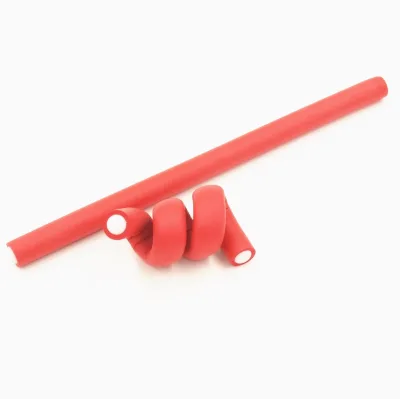
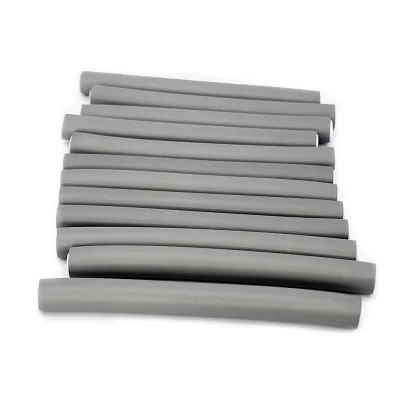
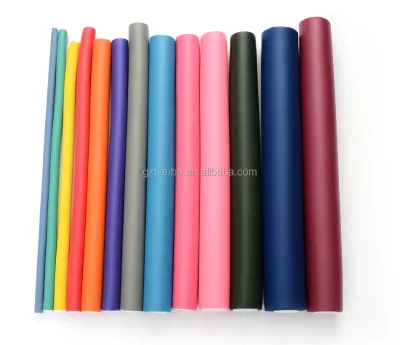
Product names and keywords frequently include terms like "TWIST-FLEX RODS," "bendable rubber," and "flexi rods," highlighting the key selling points of flexibility and ease of use. Common colors observed include green and gray, with customization options available for branding purposes. Packaging varies from simple polybags containing six pieces to larger cartons with specific dimensions, such as 73x30x28 cm for bulk shipments. These signals suggest a mature supply chain with established manufacturing processes in regions like Guangdong and Guangzhou, China, providing buyers with multiple sourcing options.
Technical Specifications to Verify
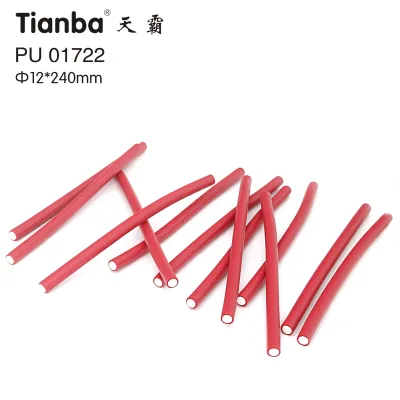
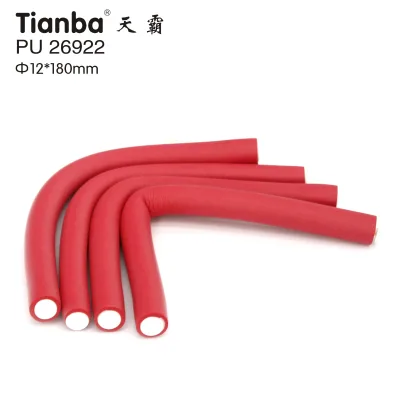
When evaluating technical specifications, the diameter and length of the rods are primary determinants of curl size and style. Observed sizes include diameters of 8mm with lengths of 210mm, as well as 14mm and 18mm variants with corresponding lengths of 180mm. Buyers must verify these dimensions against their product requirements, as even minor deviations can significantly impact the final curl outcome. Additionally, the shape of the rod, often described as "strap" or flexible, plays a crucial role in how easily the hair can be wrapped and secured. Confirming these physical attributes ensures that the product meets the expected styling results for your customers.
Material composition is another critical technical factor that influences both performance and safety. Listings indicate materials ranging from pure polyethylene (PE) to combinations of rubber and iron bars. The presence of an internal iron bar, for example, adds weight and structure, potentially improving curl retention but also affecting the overall weight and feel of the product. Buyers should request detailed material specifications to understand the balance between flexibility and durability. Verifying the exact composition helps in assessing the product's longevity and suitability for different hair types, ensuring that the selected rods provide a consistent and reliable styling experience.
Compliance and Safety Documentation
Safety and compliance are paramount when sourcing beauty tools that come into direct contact with hair and skin. While specific certification statuses are not universally confirmed in all listings, buyers should prioritize suppliers who can provide relevant safety documentation. The mention of OEKO-TEX standards in background contexts suggests a potential focus on textile or material safety, which may be relevant for products involving fabric or rubber components. Buyers must verify that all materials used, particularly those in contact with hair, are free from harmful substances and meet international safety regulations for cosmetic tools.
Documentation should also cover the manufacturing processes and quality control measures implemented by the supplier. Requesting test reports for material safety, such as heavy metal content in iron cores or chemical composition in rubber, is essential for mitigating liability risks. Buyers should ensure that suppliers adhere to strict quality standards to prevent issues like material degradation or breakage during use. By prioritizing suppliers with robust compliance frameworks, buyers can protect their brand reputation and ensure customer safety, which is a critical factor in the competitive beauty product market.
Cost Drivers and Commercial Terms
Several factors influence the final cost of no-heat hair flexi rods, including material selection, packaging complexity, and order volume. The observed price range of $0.06 to $9.90 USD reflects these variations, with higher prices likely corresponding to more complex designs or premium materials. Minimum order quantities, ranging from 10 to 2,000 units, also play a significant role in pricing, with larger orders typically benefiting from economies of scale. Buyers should negotiate terms that align with their inventory needs and cash flow constraints, considering the trade-offs between unit cost and order size.
Commercial terms such as delivery options, including Ex-work, FOB, CNF, and CIF, impact the total landed cost and logistics planning. Buyers must account for freight costs, which can vary significantly based on the weight and dimensions of the packaging. For instance, bulk packaging dimensions like 73x30x28 cm and gross weights of 23.0 kg per batch require careful logistics planning to optimize shipping efficiency. Additionally, sample costs are often negotiable, with freight typically collected, allowing buyers to evaluate product quality before committing to large orders. Understanding these commercial terms helps in making informed financial decisions and managing supply chain risks effectively.
Supplier Qualification and Quality Control
Evaluating supplier qualifications is essential to ensure consistent product quality and reliable supply chain performance. Buyers should assess suppliers based on their production capabilities, such as the stated supply ability of 10,000 bags per day, which indicates the capacity to handle large orders. Verifying the supplier's experience in manufacturing beauty tools and their adherence to quality control processes is crucial. Requesting references or case studies from previous clients can provide insights into the supplier's reliability and product consistency. Additionally, checking for OEM/ODM availability is important for buyers seeking customized products with specific branding or design requirements.
Quality control measures should be clearly defined and agreed upon before production begins. Buyers should establish clear acceptance criteria for product dimensions, material quality, and packaging integrity. Implementing pre-shipment inspections can help identify and rectify any defects before the goods are dispatched. Furthermore, maintaining open communication with the supplier regarding any changes in specifications or requirements is vital for ensuring that the final product meets expectations. By prioritizing suppliers with robust quality control systems, buyers can minimize the risk of receiving substandard products and maintain high customer satisfaction levels.
Long-Term Procurement Checks
Sustaining a successful procurement strategy for no-heat hair flexi rods requires ongoing monitoring and evaluation of supplier performance. Buyers should regularly review key performance indicators such as on-time delivery rates, product defect rates, and responsiveness to issues. Establishing a feedback loop with end-users can provide valuable insights into product performance and potential areas for improvement. Additionally, staying informed about market trends and competitor offerings can help buyers adjust their sourcing strategies to remain competitive. Continuous engagement with suppliers fosters a collaborative relationship that can lead to better pricing, improved product quality, and innovative solutions.
Long-term procurement also involves assessing the sustainability and ethical practices of suppliers. Buyers should consider the environmental impact of materials and packaging, seeking options that align with growing consumer demand for eco-friendly products. Verifying that suppliers adhere to ethical labor practices and environmental standards is crucial for maintaining brand integrity. By integrating sustainability and ethical considerations into their procurement processes, buyers can enhance their brand reputation and appeal to socially conscious consumers. Regular audits and reviews of supplier practices ensure that the supply chain remains resilient, ethical, and aligned with long-term business goals.
FAQs
What materials are used for No Heat Hair Flexi Rods?
The rods are typically made from PE or a combination of rubber and an internal iron bar. This construction ensures the rods remain flexible and durable during use. Some products feature a strap shape for easy handling. The material choice supports the cold curling process without requiring heat tools, making them safe for various hair types.
Can I customize the color and packaging for these rods?
Yes, customization is available for both color and packaging. Standard colors include green or gray, but other options can be arranged. Packaging can be customized, with common options being polybags or OPP bags. OEM and ODM services are also available, allowing buyers to tailor the product to their specific brand requirements and market needs effectively.
What are the standard sizes for these flexi rods?
Standard sizes include a diameter of 8mm with a length of 210mm, as well as 18x180mm and 14x180mm variants. These dimensions allow for different curl styles and hair volumes. Custom sizes can also be requested to meet specific product specifications. The flexibility of the rods ensures they can be bent to fit various head shapes comfortably.
How are the rods packaged for shipping and storage?
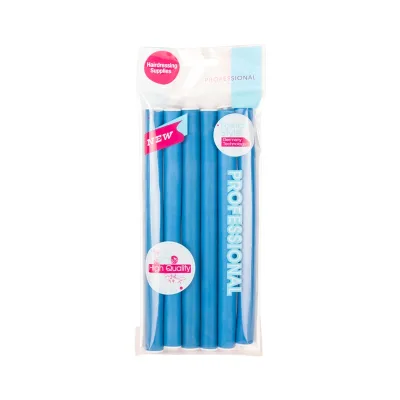
Rods are commonly packaged with six pieces in a polybag or OPP bag. Bulk cartons may contain 100 pieces per bag, with carton measurements around 48x29x35.5cm. Single package sizes vary by model, such as 28x15x11cm or 18x3x8cm. This structured packaging protects the items during transit and simplifies inventory management for buyers.
Where are these hair curling rods manufactured?
These products are manufactured in Guangdong, China, with specific origins noted in Guangzhou. The manufacturing location supports efficient logistics through ports like Guangzhou. Buyers can expect consistent quality from these regional factories. The location also facilitates various delivery terms, including Ex-work, FOB, CNF, and CIF, ensuring flexible shipping options for international orders.
What is the minimum order quantity for these rods?
The minimum order quantity ranges from 10 to 2000 pieces depending on the supplier and product model. Some items are sold in multiples of 288, while others allow single-item purchases. This flexibility accommodates both small trial orders and large bulk purchases. Buyers should check specific product listings for exact MOQ requirements to ensure they meet supplier thresholds.