Source wash-free fluffy dry shampoo for Home, Salon, Travel
Compare 30 listings for wash-free fluffy dry shampoo from verified Chinese manufacturers. Buyers can evaluate silicone-free formulas, OEM options, and MOQs ranging from 10 to 100,000 pieces for home, salon, and travel use; compare the available evidence and request quotations based on your requirements.
Updated
Key considerations
Products List
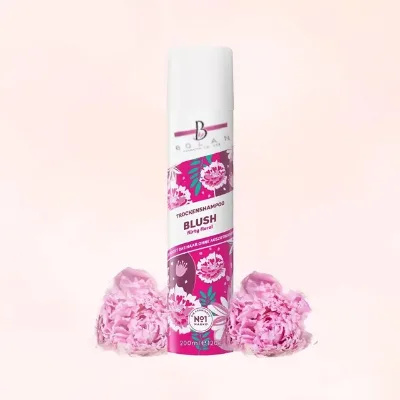
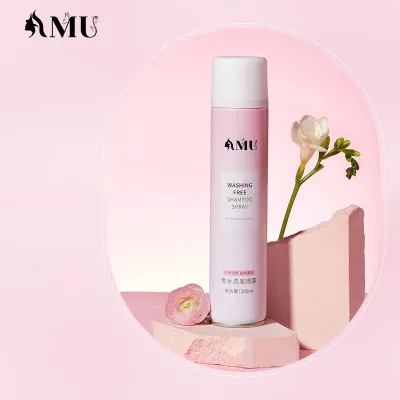

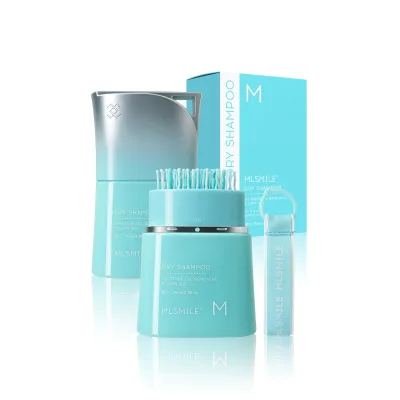
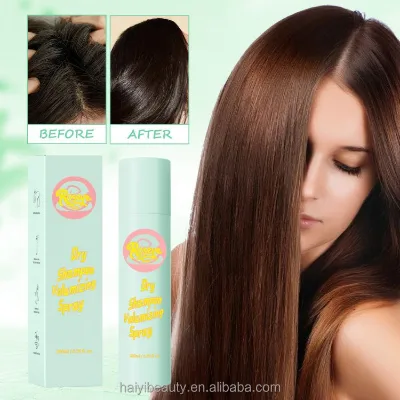
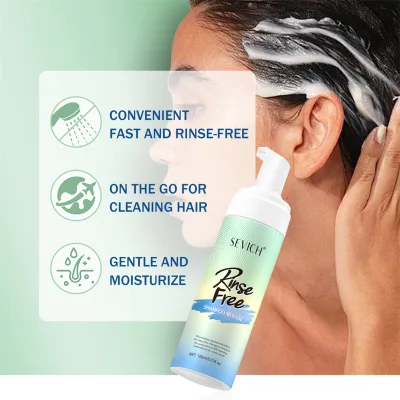
Hair Dry Cleaning OEM Factory Washing-Free Wash Hair Spray Dry Shampoo
$0.50 - $1.50
MOQ: 100000 Pieces

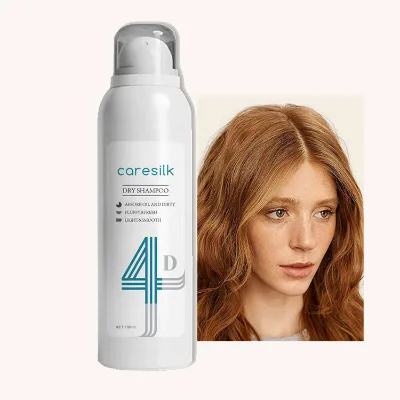
4 OEM ODM Hot Sale No-Wash Air-Feeling Fluffy Spray Remove Oil Dry Shampoo
$0.90 - $1.00
MOQ: 10000 Pieces


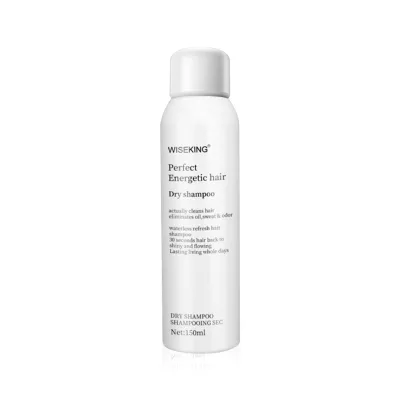

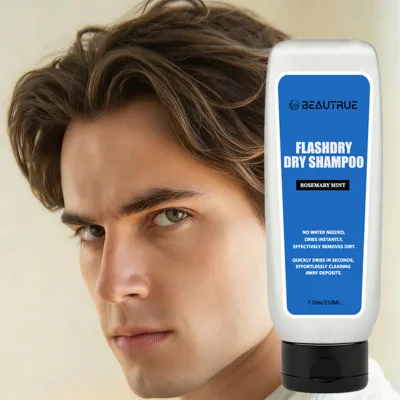
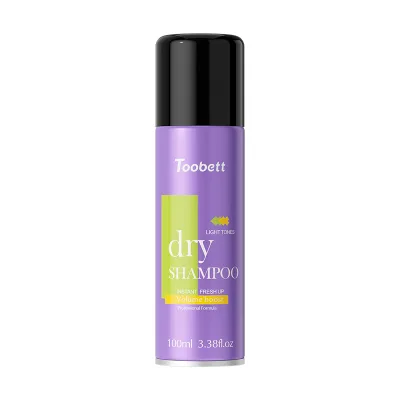
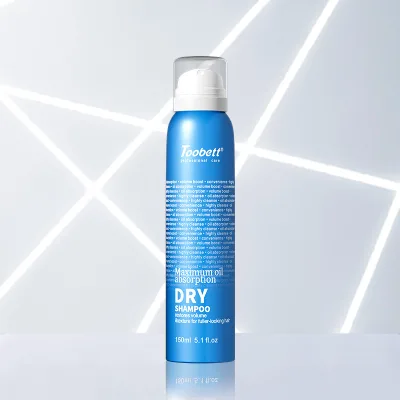

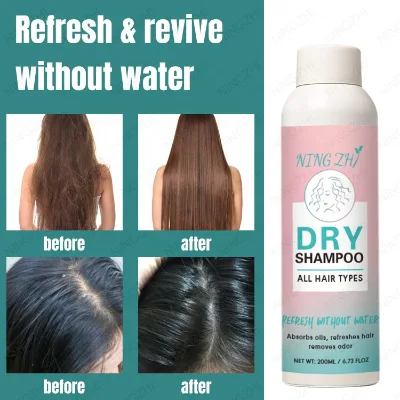
Comprehensive Sourcing Guide
Wash-Free Fluffy Dry Shampoo Sourcing Guide
Sourcing wash-free fluffy dry shampoo requires a clear understanding of the distinct product categories available in the current market. Buyers must distinguish between traditional powder-based dry shampoos and emerging liquid or cream alternatives that offer similar oil-absorbing benefits without water. The observed product landscape includes items explicitly labeled as dry shampoo with powder formulations, as well as purple shampoos and leave-in treatments that serve complementary roles in hair maintenance. This distinction is critical because the manufacturing processes, ingredient profiles, and regulatory requirements for powders differ significantly from those for liquid or cream-based hair care products. Procurement teams should first define whether the primary need is immediate oil absorption and volume enhancement, which typically points to powder or aerosol formats, or long-term tone correction and smoothing, which may involve purple shampoos or leave-in conditioners.
The term "fluffy" often refers to the textural outcome desired by consumers, implying volume and lightness rather than a specific physical state of the product itself. While some listings describe powder forms suitable for travel and home use, others offer cream or liquid formulas with features like smoothing, straightening, or color balance. Buyers should verify the physical form of the product, whether it is powder, cream, or liquid, as this impacts packaging requirements, shipping weight, and user experience. The observed data indicates a mix of products, including silicone-free and organic options, which appeal to specific consumer segments seeking clean beauty standards. Understanding these variations allows buyers to align their sourcing strategy with the specific functional claims and consumer expectations of their target market, ensuring that the selected product delivers the promised "fluffy" finish through the appropriate formulation technology.
Product Scope and Observed Listing Signals
The current market signals indicate a diverse range of hair care products that may fulfill the functional needs associated with wash-free dry shampoo applications. Listings show products with attributes such as "Silicone-Free," "Organic," and "Cruelty-Free," which are key selling points for modern consumers prioritizing ingredient transparency and ethical sourcing. The observed product names include "Purple hair shampoo" and "dry shampoo," suggesting that buyers might need to consider a broader portfolio that includes toning shampoos for color-treated hair alongside traditional oil-absorbing powders. These products often feature benefits like anti-brassiness, refreshing effects, and anti-frizz properties, which cater to specific hair types and maintenance routines. Procurement teams should evaluate whether the "fluffy" requirement is best met by a volumizing powder or a lightweight leave-in treatment, as the latter may offer additional smoothing and straightening benefits.
Volume and packaging specifications vary widely across the observed listings, reflecting different target markets and usage scenarios. Some products are packaged in small, portable sizes suitable for travel, with single package dimensions around 15x6.7x10 cm, while others come in larger volumes up to 200ml or 150ml, intended for home or salon use. The observed MOQs range from 10 to 100,000 pieces, indicating flexibility for both small startups and large retailers. Buyers should note that some products are offered with OEM branding capabilities, allowing for custom labeling and packaging designs. The presence of features like "Refreshing" and "Nourishing" suggests that these products are not just functional but also contribute to overall hair health. Understanding these signals helps buyers identify suppliers who can provide the specific volume, packaging, and branding options required for their distribution channels.
Technical Specifications to Verify
Verifying the physical and chemical specifications of wash-free dry shampoo is essential to ensure product performance and compatibility with packaging. Buyers must confirm the exact form of the product, whether it is a powder, cream, or liquid, as this affects the choice of container and dispensing mechanism. For powder-based dry shampoos, the particle size and absorbency rate are critical technical parameters that influence the "fluffy" texture and oil-control efficacy. For cream or liquid alternatives, the viscosity and drying time must be tested to ensure they do not leave residue or weigh hair down. The observed data includes specifications such as single gross weights of 0.250 kg and 0.350 kg, which help in calculating shipping costs and storage requirements. Buyers should request detailed technical data sheets that outline the ingredient concentration, pH balance, and stability testing results to ensure product consistency.
Packaging and labeling specifications also require careful verification to meet regulatory and logistical needs. The observed listings mention various package types, including plastic bottles and cartons with specific packing quantities like 60pcs/box. Buyers should confirm the material grade of the packaging, such as the use of superior grade plastic, to ensure durability and safety. Additionally, the single package size and dimensions must be verified to optimize palletization and container loading efficiency. For OEM orders, the customization options for labels and boxes should be clearly defined, including print quality and material options. Buyers should also check the model numbers and standard codes provided by suppliers to ensure traceability and compliance with internal quality management systems. Accurate specification verification prevents costly errors in production and ensures that the final product meets both functional and aesthetic expectations.
Compliance and Safety Documentation
Compliance with international safety and manufacturing standards is non-negotiable for hair care products, especially those marketed as organic or cruelty-free. Buyers must verify that suppliers hold relevant certifications such as GMPC and ISO, which indicate adherence to good manufacturing practices and quality management systems. These certifications are crucial for ensuring that the production environment is clean and that the products are free from contaminants. For products claiming to be silicone-free or organic, buyers should request documentation that substantiates these claims, such as ingredient lists and third-party audit reports. The observed listings mention certifications like GMPC and ISO, which are strong indicators of supplier reliability. Buyers should also check for compliance with regional regulations, such as those in the EU, US, or Asia, which may have specific requirements for labeling, ingredient restrictions, and product registration.
Safety data sheets (SDS) and product safety assessments are essential documents that buyers should obtain before placing orders. These documents provide detailed information on the chemical composition, potential hazards, and safe handling instructions for the product. For dry shampoos, it is important to verify that the product does not contain harmful propellants or allergens, especially if it is marketed for sensitive scalps. Buyers should also ensure that the supplier provides evidence of cruelty-free testing policies, as this is a key selling point for many consumers. The observed data includes attributes like "Cruelty-Free" and "Organic," which require robust documentation to avoid greenwashing claims. By thoroughly reviewing compliance and safety documentation, buyers can mitigate risks associated with product recalls, legal liabilities, and brand reputation damage.
Cost Drivers and Commercial Terms
Understanding the cost drivers and commercial terms is vital for negotiating favorable procurement agreements and maintaining healthy profit margins. The observed price range of 0.24-5.1 USD per unit reflects significant variation based on product type, packaging, and order volume. Buyers should analyze the cost breakdown, including raw material costs, manufacturing labor, packaging materials, and logistics expenses. For OEM orders, additional costs may arise from custom labeling, mold fees, and design services. The observed MOQs range from 10 to 100,000 pieces, allowing buyers to scale their orders based on demand forecasts and cash flow constraints. Buyers should negotiate volume discounts and tiered pricing structures to maximize savings as order quantities increase. Additionally, payment terms such as deposits and balance payments upon shipment should be clearly defined to manage financial risk.
Lead times and delivery schedules are critical commercial terms that impact inventory management and market responsiveness. The observed OEM/ODM delivery time of 10-20 workdays provides a baseline for planning production cycles. Buyers should confirm whether this lead time includes raw material procurement, production, quality control, and packaging. Delays in any of these stages can disrupt supply chains and lead to stockouts. Buyers should also consider the impact of shipping methods, such as sea freight or air freight, on overall delivery times and costs. For urgent orders, expedited shipping options may be available at a premium. Clear communication regarding production schedules and potential delays is essential for maintaining a reliable supply chain. By understanding these commercial terms, buyers can optimize their procurement strategy and ensure timely product availability.
Supplier Qualification and Quality Control
Supplier qualification is a critical step in ensuring the reliability and consistency of wash-free dry shampoo supplies. Buyers should conduct thorough due diligence on potential suppliers, including verifying their business licenses, manufacturing capabilities, and financial stability. The observed data indicates that suppliers are located in Guangdong, China, a major hub for cosmetics manufacturing. Buyers should assess the supplier's experience, such as the mentioned 20 years of experience, as an indicator of industry knowledge and operational maturity. Site visits or virtual audits can provide insights into the production environment, quality control processes, and employee training programs. Buyers should also check the supplier's track record with other clients and their ability to handle large-scale orders.
Quality control measures must be implemented throughout the production process to ensure product consistency and safety. Buyers should establish clear quality standards and inspection criteria, including visual checks, weight verification, and functional testing. Third-party inspection services can be engaged to conduct pre-shipment inspections and verify that the products meet the agreed-upon specifications. Buyers should also implement a robust sampling plan to test product performance, such as oil absorption and residue levels. Regular communication with the supplier regarding quality issues and corrective actions is essential for continuous improvement. By prioritizing supplier qualification and quality control, buyers can minimize the risk of receiving substandard products and maintain high customer satisfaction levels.
Long-Term Procurement Checks
Long-term procurement success depends on continuous monitoring and evaluation of supplier performance and market trends. Buyers should establish key performance indicators (KPIs) to track supplier reliability, including on-time delivery rates, product quality metrics, and responsiveness to issues. Regular performance reviews should be conducted to identify areas for improvement and reinforce positive behaviors. Buyers should also stay informed about changes in regulatory requirements, ingredient restrictions, and consumer preferences that may impact product sourcing. The observed market includes a variety of products with different features, such as anti-brassiness and smoothing, which may require periodic reassessment of product portfolios. Buyers should maintain open communication with suppliers to discuss future product developments and potential collaborations.
Building a resilient supply chain involves diversifying suppliers and developing contingency plans for potential disruptions. Buyers should identify alternative suppliers for critical components or finished products to mitigate risks associated with single-source dependencies. Regular market analysis can help buyers anticipate price fluctuations and supply shortages, allowing for proactive adjustments to procurement strategies. Buyers should also invest in relationship management to foster trust and cooperation with key suppliers. By implementing long-term procurement checks, buyers can ensure a stable and efficient supply chain that supports business growth and adapts to changing market conditions. This proactive approach helps maintain competitive advantage and customer loyalty in the dynamic hair care industry.
FAQs
What is the minimum order quantity for purple hair shampoo?
The minimum order quantity is 1000 pieces. This standard applies to the purple hair shampoo product which features color-protection and anti-brassiness functions. Buyers can expect a volume of 200ml per unit. The product is suitable for home use and targets adults with all hair types. Customization options are available for bulk orders.
Can I get OEM branding for dry shampoo products?
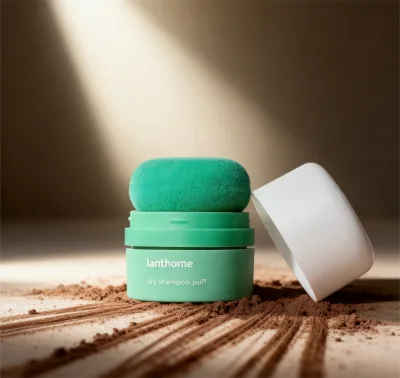
Yes, OEM and ODM services are accepted for dry shampoo products. The brand can be customized to your requirements. The product features a silicone-free and cruelty-free formula. It is available in a powder form with a single gross weight of 0.350 kg. The delivery time for customized orders typically ranges from 10 to 20 workdays.
What certifications do the dry shampoo manufacturers hold?
The dry shampoo products hold GMPC and ISO certifications. These standards ensure quality and safety for the manufacturing process. The products are suitable for travel, salon, and home use. The brand JUXINTANG offers these certified items. The formula is designed to be refreshing and suitable for female consumers.
Where are the hair care products manufactured?
The hair care products are manufactured in Guangdong, China. The place of origin is clearly stated as China. The products include purple shampoo and dry shampoo variants. The manufacturing facility has 20 years of experience. The products are exported globally with various packaging options available.
What is the packaging size for the purple shampoo?
The single package size for the purple shampoo is 15x6.7x10 cm. The product volume is 200ml, while the weight is listed as 100ml in some contexts. The box contains 60 pieces. The product is a cream formula with a herbal and floral scent. It is designed for smoothing and color balance.
Is the dry shampoo suitable for unisex use?
The dry shampoo is primarily targeted at female consumers, though some hair care products are unisex. The purple shampoo is explicitly labeled as unisex. The dry shampoo features a silicone-free and cruelty-free ingredient list. It is available in a powder form. The product is suitable for home and salon use.
What is the lead time for OEM orders?
The OEM and ODM delivery time is 10 to 20 workdays. This timeframe applies to customized hair care products. The products include purple shampoo and dry shampoo. The manufacturer accepts customization requests. The lead time ensures timely delivery for bulk orders.