High Rigidity Magnetic Separator Suppliers and Manufacturers
Compare 24 verified suppliers of High Rigidity Magnetic Separator based on location, lead time, and certifications. Review product specs like voltage and warranty before contacting vendors for quotes to ensure the right fit for your mining needs; review the available evidence before requesting comparable quotations from suitable candidates.
Updated
Suppliers List

- Trading Company,Manufacturer/Factory
- China Shandong
- Lead time45 days
- Avg. response≤ 16h
Main productsMagnetic Separator, Iron Separator, Eddy Current Separator, Magnetic Stirrer, High Intensity Magnetic Separator, High Gradient Magnetic Separator, Wet Magnetic Separator, Magnetic Separator for Conveyor Belt, Magnetic Filter, Magnetic Drum
Main marketsSouth America,Eastern Europe,Mid East,North America,Southeast Asia,Eastern Asia,Oceania,Western Europe,Africa


High Gradient Magnetic Mineral Separator Wet High Gradient Magnetic Mineral Separator
$1000.00 - $200000.00
MOQ: 1 Sets

High Gradient Magnetic Separator Metallic Mineral Magnetic Separator
$1000.00 - $200000.00
MOQ: 1 Sets

- Verified by BV
- Combined
- China Liaoning
- Lead time30 days
- Avg. response≤ 11h
Main productsMangetic Separator, High Intensity Wet Drum Separator, Lims, Mims, Dry Drum Separator, Magentic Bar
Main marketsSouth America,Africa,Southeast Asia/ Mideast,Europe,North America


High Magnetic Intensity Separator for Ceramic Material Purification
$10000.00 - $20000.00
MOQ: 1 Pieces


High Magnetic Intensity Separator for Non-Ferrous Material Purification
$10000.00 - $20000.00
MOQ: 1 Pieces
Hebei Helida Grain Selecting Machinery Technology Co., Ltd.
- Verified by TüVRheinland
- Manufacturer, Trading Company
- Lead time8 days
- Avg. response≤ 1h
Main productsSeed Cleaner, Gravity Destoner, Gravity Separator, Coating And Drying Machine, Packing Machine
Main marketsDomestic Market(54%), Africa(22%), South Asia(4%)
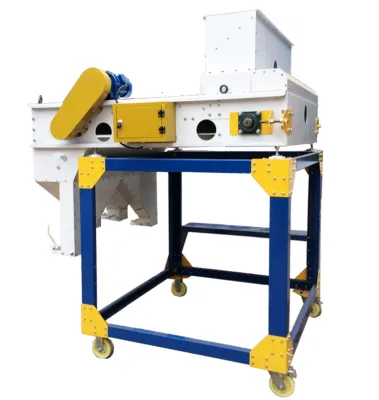
$5985.00 - $6131.00
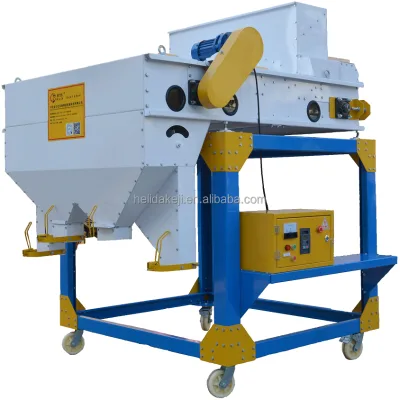
Magnetic Soil Separator Removes Magnets From Soil; 17,000 Gauss High Output, High Quality.
$6742.8917 - $7261.5757
Jiangxi Well-Tech International Mining Equipment Co., Ltd.
- Manufacturer, Trading Company
- Jiangxi, China
- Lead time30 days
- Avg. response≤ 2h
Main productsTrommel Screen,Shaking Table,Spiral Chute,Jig Machine,Centrifugal Concentrator
Main marketsDomestic Market(30.00%), Africa(25.00%), Oceania(25.00%), South Asia(2.00%), Eastern Asia(2.00%), Central America(2.00%), South America(2.00%), North America(2.00%), Southeast Asia(2.00%), Western Europe(2.00%), Mid East(2.00%), Eastern Europe(2.00%), Northern Europe(1.00%), Southern Europe(1.00%)

Henan Hanfa Heavy Industry Equipment Co., Ltd.
- Trading Company,Manufacturer/Factory,Group Corporation
- China Henan
- Lead time15 days
- Avg. response≤ 3h
Main productsStone Crusher, Water Well Drilling Rig, Ball Mill, DTH Drilling Rig, Rotary Drilling Rig, Pile Driver, Mobile Crushing Plant, Mineral Processing Line, Rotary Kiln, Flotation Machine
Main marketsSouth America,Eastern Europe,Mid East,North America,Southeast Asia,Eastern Asia,Oceania,Western Europe,Africa

High Gradient Magnetic Separator Vibrate High Gradient Magnetic Separator
$3000.00 - $50000.00
MOQ: 1 Sets


Qingdao Ding Li Machinery Co., Ltd.
- Verified by BV
- Combined
- China Shandong
- Lead time60 days
- Avg. response≤ 1h
Main productsFoundry Machinery, Casting Machine, Casting Machinery, Foundry Machine, Inertial Linear Vibrating Screen, Worm Feeder, Clay Sand Molding Line, Bucket Elevator
Main marketsSouth America,Africa

Xiamen Yuxiang Magnetic Materials Technology Co., Ltd.
- Trading Company
- China Fujian
- Lead time23 days
- Avg. response≤ 6h
Main productsNdFeB Magnet, SmCo Magnet, AlNiCo Magnet, Ferrite Magnet, Rubber Magnet, Fridge Magnet, Magnetic Powder, Magnetic Compound, Magnetic Core, Magnetic Materials
Main marketsSouth America,Africa,Southeast Asia/ Mideast,East Asia(Japan/ South Korea),Europe,Australia,North America
Weifang Hengji Magnetoelectric Machinery Co., Ltd.
- Manufacturer, Trading Company
- Shandong, China
- Lead time15 days
- Avg. response≤ 2h
Main productsmagnetic separator,permanent magnets,rod magnet,suspension magnet,roll magnetic
Main marketsWestern Europe(15.00%), South Asia(10.00%), Southern Europe(10.00%), Southeast Asia(10.00%), Eastern Asia(10.00%), Mid East(10.00%)

Dezhou Tianhai Precision Machinery Co., Ltd
- Verified by BV
- Combined
- China Shandong
- Lead time23 days
- Avg. response≤ 4h
Main productsmachine tool accessories
Main marketsAfrica,Southeast Asia/ Mideast,East Asia(Japan/ South Korea),Europe,Australia,North America
Jiangxi Changyi Mining Machinery Co., Ltd.
- Verified by TüVRheinland
- Manufacturer, Trading Company
- Lead time15 days
- Avg. response≤ 1h
Main productsMineral Separator, Mine Mill, Crusher, Sand Washer, Vibrating Screen
Main marketsAfrica(30%), South America(20%), Southeast Asia(20%)
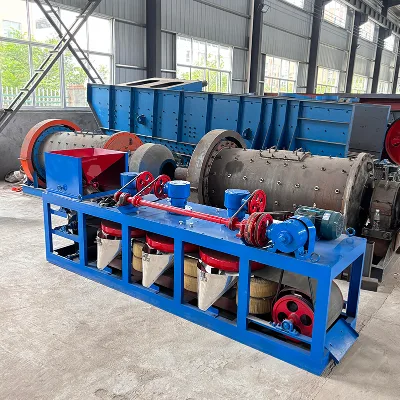
$8200.00 - $9800.00
MOQ: 1 sets
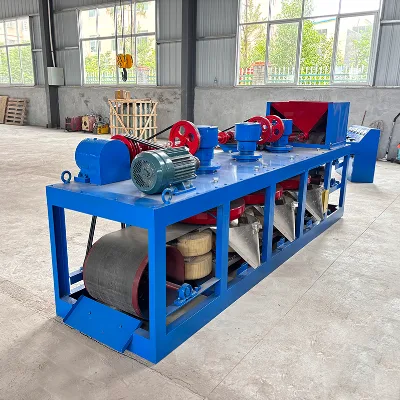
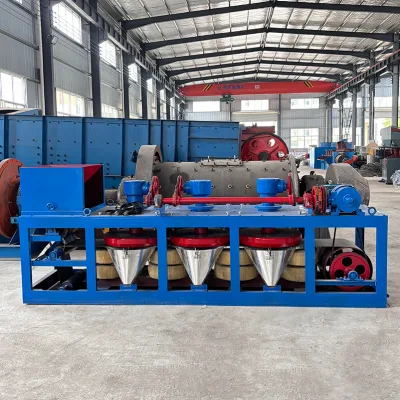
$5631.4882 - $7986.4741
MOQ: 1 sets
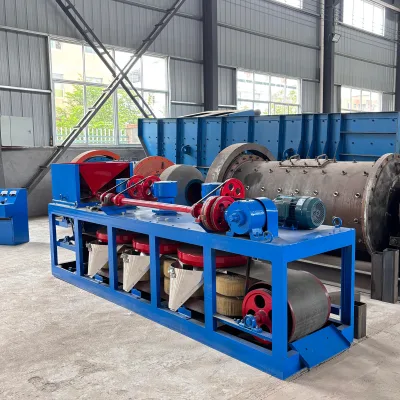
Flat Magnetic Separator Industrial Magnets Block Magnetic Separator Three Disc Magnetic Separator
$8286.9832 - $9021.2728
MOQ: 1 sets
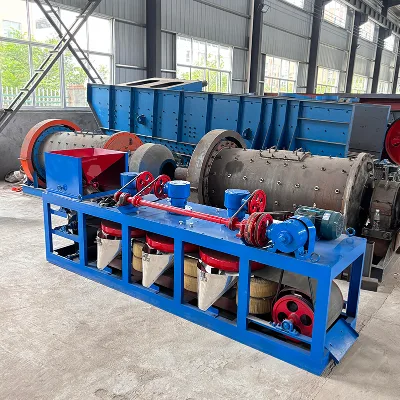
$5500.00 - $7300.00
MOQ: 1 sets
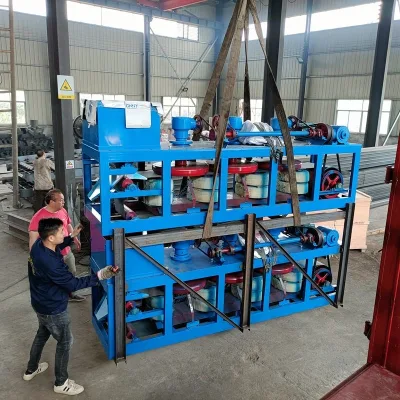
Dry Magnetic Field Adjustable Three-Disc Magnetic Separator for Metal Ore Separation
$8900.00 - $10500.00
MOQ: 1
Shicheng Gaoxuan Bearing Bush Co., Ltd.
- Manufacturer, Trading Company
- Jiangxi, China
- Lead time15 days
- Avg. response≤ 3h
Main productsBearing bush,mining equipments,magnetic separator,gravity equipments,flotation machine
Main marketsAfrica(40.00%), South America(20.00%), Oceania(15.00%), Southeast Asia(7.00%), Southern Europe(4.00%), Western Europe(3.00%), Mid East(3.00%), Domestic Market(3.00%), Central America(2.00%), Eastern Europe(1.00%), North America(1.00%), Northern Europe(1.00%)
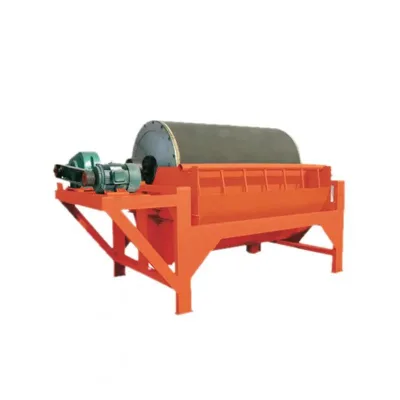
High Quality Magnetic Beneficiation Equipment Metal Magnetic Separator Magnetic Separator
$8502.7297 - $9762.3934
MOQ: 1 sets
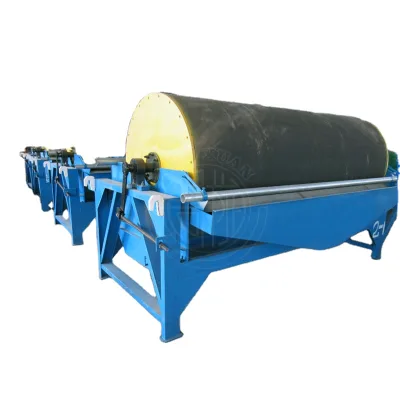
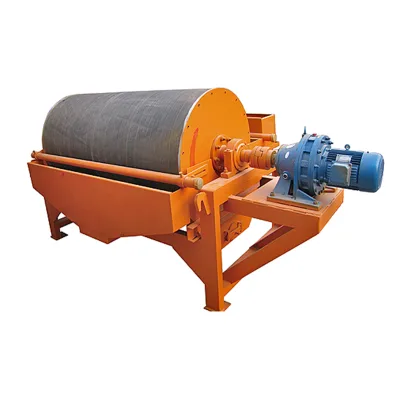

Jiangxi Gandong Mining Equipment Machinery Manufacturer
- Combined
- China Jiangxi
- Lead time30 days
- Avg. response≤ 13h
Main productsShaking Table, Mining Equipment, Gravity Table, Spiral Concentrator, Gold Concentrator, Jig, Concentrator Table, Mineral Processing Equipment, Beneficiation Equipment, Spiral Chutes
Main marketsAfrica,Domestic
Baichy Heavy Industrial Machinery Co., Ltd.
- Verified by TüVRheinland
- Manufacturer, Trading Company
- Lead time7 days
- Avg. response≤ 2h
Main productsStone Crusher, Impact Crusher, Cone Crusher, Mobile Crusher Plant, Grinding Mill Equipment
Main marketsDomestic Market(32%), Southeast Asia(14%), South America(12%)
Ganzhou Gelin Mining Machinery Co., Ltd.
- Verified by TüVRheinland
- Manufacturer, Trading Company
- Lead time3 days
- Avg. response≤ 6h
Main productsBall Mill, Rotary Scrubber, Shaking Table, Gold Washing Machine, Spiral Chute
Main marketsDomestic Market(43%), Africa(37%), Southeast Asia(13%)

Shijiazhuang Huatao Import and Export Trade Co., Ltd.
- Verified by BV
- Trading Company,Manufacturer/Factory,Group Corporation
- China Hebei
- Lead time23 days
- Avg. response≤ 7h
Main productsPaper Machinery Equipments, Corrugated Cardboard Machine, Industrial Accessories
Main marketsSouth America,Eastern Europe,Mid East,North America,Southeast Asia,Eastern Asia,Oceania,Western Europe,Africa

Ganzhou Gelin Mining Machinery Co., Ltd.
- Combined
- China Jiangxi
- Lead time15 days
- Avg. response≤ 12h
Main productsGold Mining Equipment, Zircon Ore Processing Machine, Gold Washing Trommel, Centrifugal Gold Concentrator, Shaking Table, Jigger Machine
Main marketsSouth America,Africa,Southeast Asia/ Mideast,East Asia(Japan/ South Korea),Domestic,Europe,Australia,North America


High Quality Dry Permanent Magnetic Separator Magnetic Separator for Mineral
$6199.00 - $51999.00
MOQ: 1 Sets


Suspended Metal Separation Process Separator Mineral Magnetic Separator Iron Remover
$3500.00 - $35000.00
MOQ: 1 Sets

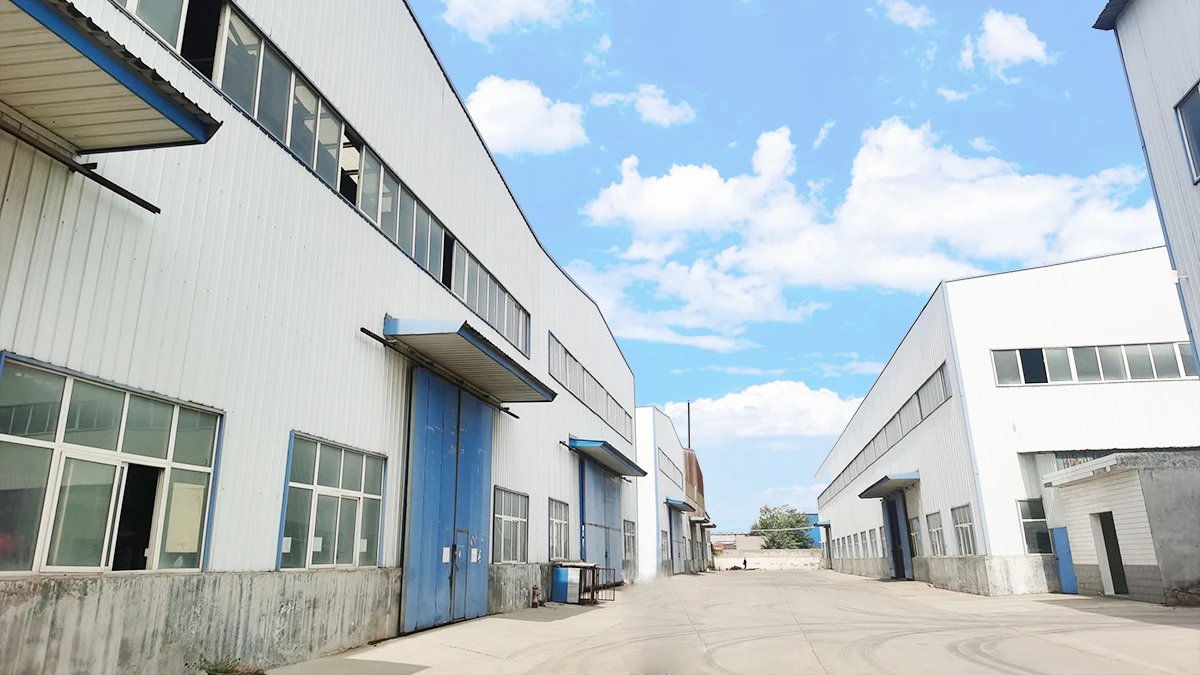
Henan Fantianliang Machinery And Equipment Co., Ltd.
- Trading Company
- Henan, China
- Lead time10 days
- Avg. response≤ 2h
Main productsCement plant,AAC Plant,Lime Plant,Stone Crusher Plant,Mining Processing Plant
Main marketsSoutheast Asia(78.00%), South America(8.00%), Africa(6.00%), Northern Europe(5.00%), Oceania(3.00%)
Ganzhou Jianlong Machinery Equipment Co., Ltd.
- Manufacturer, Trading Company
- Jiangxi, China
- Lead time20 days
- Avg. response≤ 3h
Main productsCrushing equipment,Gravity separation equipment,Sieving equipment,Flotation equipment,Renewable resources recovery equipment
Main marketsNorth America(35.00%), Eastern Asia(15.00%), Southeast Asia(10.00%), Mid East(10.00%), South Asia(5.00%), South America(5.00%), Northern Europe(5.00%), Africa(5.00%), Central America(5.00%), Western Europe(1.00%), Domestic Market(1.00%), Eastern Europe(1.00%), Southern Europe(1.00%), Oceania(1.00%)
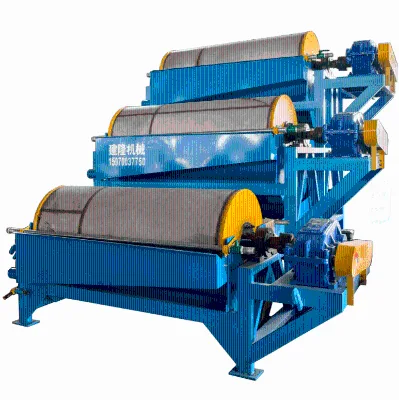
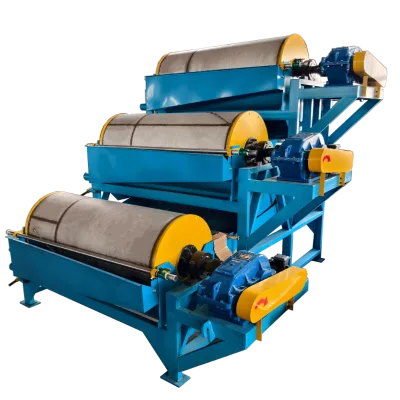
$1603.4833 - $2172.4602
MOQ: 1 sets
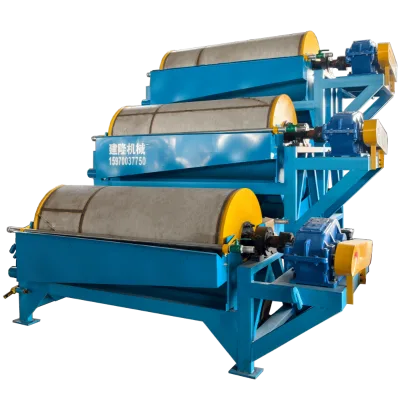
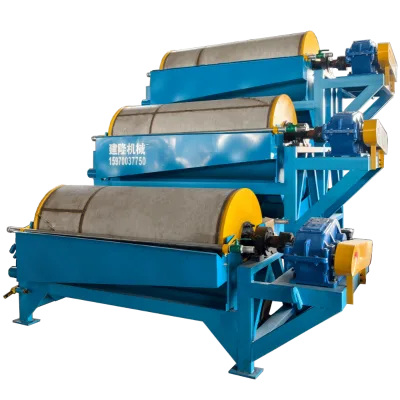
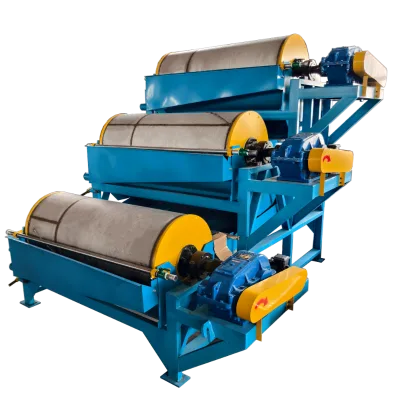
Permanent Magnetic Separator for Conveyor Belt Dry Magnetic Separator Drawer Magnet Separator
$1605.7138 - $2175.4822
MOQ: 1 sets
$1601.2753 - $2169.4697
MOQ: 1 sets
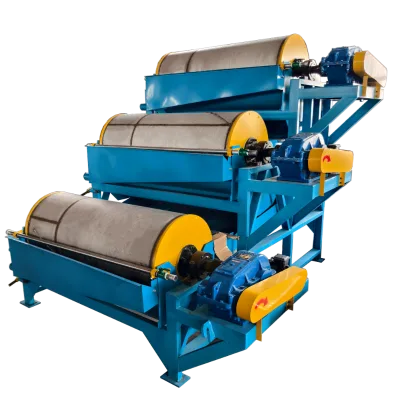
Magnetic Separator Magnetic Magnetic and Metal Detector Sorting System
$1601.2753 - $2169.4697
MOQ: 1 sets
$1605.7138 - $2175.4822
MOQ: 1 sets

Zhengzhou Effort Trading Co., Ltd.
- Trading Company
- China Henan
- Lead time30 days
- Avg. response≤ 6h
Main productsBall Mill, Jaw Crusher, Rubber Autoclave, Stone Vibrating Screen, Stone Vibrating Feeder, Wet Pan Mill, Oil Press Machine, Wood Powder Milling Machine, Hammer Crusher, Sand Making Line
Main marketsSouth America,Africa,Southeast Asia/ Mideast,East Asia(Japan/ South Korea),Europe,Australia,North America

Shanghai Vithy Filter System Co., Ltd.
- Verified by CTI
- Combined
- China Shanghai
- Lead time60 days
- Avg. response≤ 2h
Main productsIndustrial Fluid Filter, Air Filter, Automatic Candle Filter, Automatic Self-Cleaning Scraper Filter, Automatic Back-Flushing Mesh Filter, Automatic Tubular Back-Flushing Mesh Filter, Vertical Pressure Leaf Filter, Horizontal Pressure Leaf Filter, Precision Microporous Cartridge Filter, Cartridge Filter
Main marketsSoutheast Asia/ Mideast,Domestic,Europe

Metal Processing Application High-Intensity Industrial Magnetic Separator
$100.00 - $500.00
MOQ: 1 Pieces


Hunan Kemeida Electric Co., Ltd.
- Manufacturer/Factory
- China Hunan
- Lead time60 days
- Avg. response≤ 15h
Main productsLifting Magnet, Magnetic Separator, Electromagnetic Stirrer, Cable Reel, Mandrel, Slurry Magnetic Separator, High Gradient Vertical Ring Magnetic Separator, Electro Permanent Magnet, Tong Grabs, Magnetic Transporting Equipment for Rebar
Main marketsSouth America,Eastern Europe,Mid East,North America,Southeast Asia,Eastern Asia,Oceania,Western Europe,Africa

Henan Songling Heavy Industry Technology Co., Ltd.
- Verified by TUVRHEINLAND
- Manufacturer/Factory
- China Henan
- Lead time45 days
- Avg. response≤ 3h
Main productsMining Machine, Crushers, Grinding Mills, Feeders, Screens, Flotation Machine, Magnetic Separator, Oil Sludge Pyrolysis Machine, Ore Dressing Equipments, Conveyors
Main marketsSouth America,Mid East,Southeast Asia,Eastern Asia,Africa

Chengdu Cheegers Machinery Company Limited
- Verified by SGS
- Combined
- China Sichuan
- Lead time30 days
- Avg. response≤ 3h
Main productsAir Lock, Rotary Valve, Discharge Valve, Rotary Airlock Valve, Two Way Valve, Rotary Feeder, Material Handling Equipment
Main marketsSouth America,Africa,Southeast Asia/ Mideast,East Asia(Japan/ South Korea),Domestic,Australia
Jiangxi Walker Machinery Co., Ltd.
- Manufacturer, Trading Company
- Lead time旺季: "1 - 1":35,"> 1":"To be negotiated", 淡季: "1 - 1":35,"> 1":"To be negotiated"
- Avg. response≤ 1h
Main productsMineral Separator, Crusher, Sand Washer, Vibrating Screen, Mine Mill
$10429.6313 - $12781.4109
MOQ: 1 sets
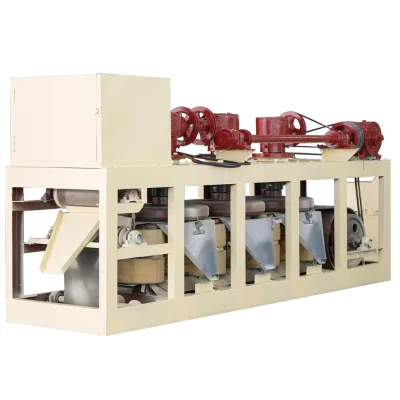
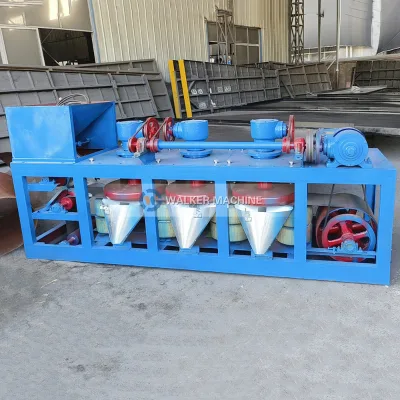
Customized 3 Disc Magnetic Separator for Gold, Copper, Lithium Ore High Gradient, Low Maintenance
$12000.00 - $13000.00
MOQ: 1 sets








Comprehensive Sourcing Guide
High Rigidity Magnetic Separator Supplier Concentration and Factory Types
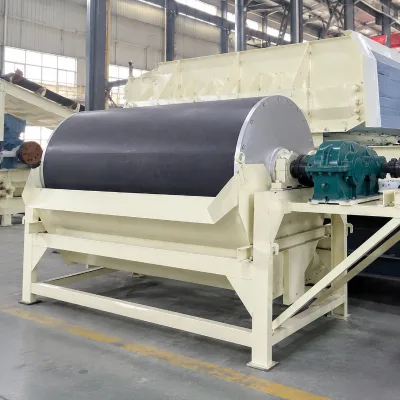
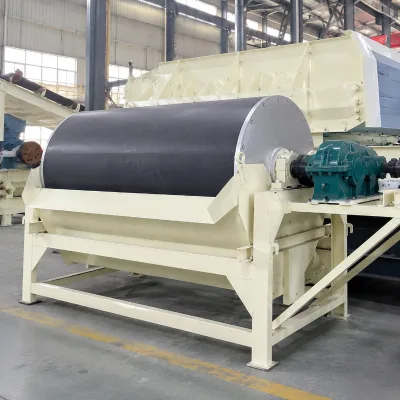
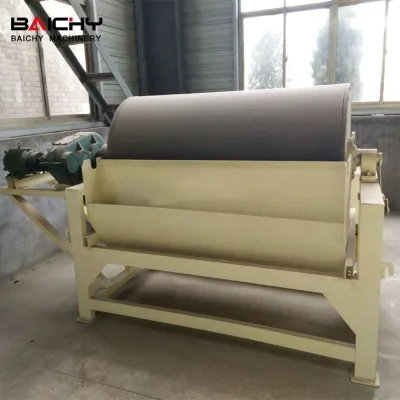
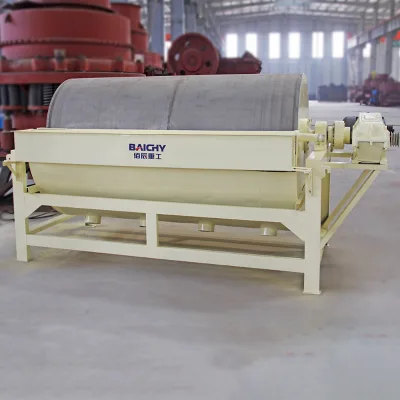
The current supplier landscape for high rigidity magnetic separators reveals a distinct geographic concentration in China, with specific manufacturing hubs identified in Shandong and Liaoning provinces. Suppliers in these regions are categorized primarily as trading companies, manufacturer/factories, or combined entities, indicating a mix of direct production capabilities and commercial distribution networks. This structural diversity allows buyers to access a wide range of product specifications, from wet high-intensity separators to dry drum models, depending on whether they prioritize direct factory pricing or the logistical flexibility of trading firms. The presence of both manufacturer and trading company types suggests that buyers can negotiate directly with production facilities for customizations or work with intermediaries for consolidated shipping and broader product portfolios.
Manufacturers in these clusters often possess established research and development capacities, including OEM and ODM services, which are critical for sourcing high rigidity magnetic separators tailored to specific mineral processing requirements. Many suppliers hold system certifications such as ISO 9001, ISO 14001, and OHSAS 18001, signaling adherence to international quality and environmental management standards. Some suppliers also display verification badges from third-party inspection agencies like BV, adding a layer of trust regarding their operational legitimacy. The main products listed by these suppliers frequently include high gradient magnetic separators, wet magnetic separators, and iron separators, demonstrating a specialized focus on mineral separation equipment rather than general machinery. This specialization ensures that the suppliers have the technical expertise to handle the complex engineering demands of high rigidity applications.
How to Verify High Rigidity Magnetic Separator Suppliers
Verifying the credibility of High Rigidity Magnetic Separator suppliers requires a multi-step approach that goes beyond simple product listings. Buyers should prioritize suppliers who display third-party verification badges, such as BV certification, which indicates that an independent agency has audited the company’s business license and operational capabilities. Additionally, checking for valid system certifications like ISO 9001:2015 and ISO 14001:2015 is essential, as these documents confirm that the supplier’s quality management and environmental practices meet recognized international standards. Buyers must request copies of these certificates and verify their validity through the issuing bodies to ensure they are current and not expired. This step is crucial for mitigating the risk of engaging with entities that may lack the necessary infrastructure for consistent production quality.
Beyond certifications, buyers should assess the supplier’s response time and communication efficiency, as these metrics often correlate with their operational maturity and customer service commitment. In the current results, response times vary, with some suppliers demonstrating rapid engagement capabilities while others may have longer intervals. A quick and professional response to initial inquiries can indicate a well-organized sales team capable of handling complex technical questions regarding high rigidity magnetic separators. Furthermore, buyers should inquire about the supplier’s establishment year and track record in the industry, although this specific data point may not always be explicitly displayed. Requesting references from previous clients or asking for detailed case studies of similar projects can provide additional evidence of the supplier’s reliability and technical competence in delivering high rigidity solutions.
What to Compare Across High Rigidity Magnetic Separator Suppliers
When evaluating multiple suppliers for high rigidity magnetic separators, buyers must compare key operational metrics such as lead time, minimum order quantity (MOQ), and price ranges to determine the best fit for their procurement strategy. Lead times in the current market vary, with some suppliers offering production cycles of 30 days while others require up to 45 days. This difference can significantly impact project timelines, especially for large-scale mining operations that require timely equipment deployment. Buyers should also note the MOQ requirements, which in some cases start as low as one unit, allowing for flexibility in testing or small-scale installations. Comparing these logistical parameters helps buyers align supplier capabilities with their production schedules and budget constraints, ensuring that the chosen partner can meet their specific delivery and volume needs without unnecessary delays or costs.
Price comparison is another critical factor, as the cost of high rigidity magnetic separators can vary widely based on specifications, materials, and customization options. Current data shows price ranges starting from as low as $500 for certain models up to $400,000 for high-efficiency, large-capacity units. Buyers should analyze these price ranges in conjunction with the product attributes, such as material composition (e.g., stainless steel vs. carbon steel), weight, and warranty periods. For instance, suppliers offering stainless steel construction may command higher prices due to durability and corrosion resistance, while those providing carbon steel options might be more cost-effective for less aggressive environments. Additionally, comparing warranty terms, which typically range from one to two years, can provide insight into the supplier’s confidence in their product quality. By systematically comparing these variables, buyers can make informed decisions that balance cost, quality, and service reliability.
Common High Rigidity Magnetic Separator Sourcing Risks
One of the primary risks in sourcing high rigidity magnetic separators is the potential mismatch between advertised specifications and actual product performance, particularly regarding magnetic intensity and material durability. Buyers must be cautious of suppliers who do not provide detailed technical data sheets or who use vague terminology to describe their equipment. For example, terms like "high intensity" or "high gradient" can have different meanings depending on the manufacturer, leading to confusion about the separator’s actual capabilities. To mitigate this risk, buyers should request specific technical parameters, such as magnetic field strength in Gauss or Tesla, and verify these against industry standards. Additionally, buyers should inquire about the testing procedures used to validate these specifications, ensuring that the supplier conducts rigorous quality control checks before shipment.
Another significant risk involves the variability in after-sales support and warranty enforcement, which can be challenging to manage across international borders. While many suppliers offer warranties ranging from one to two years, the practical implementation of these warranties can vary significantly. Buyers should clarify the terms of the warranty, including what components are covered, the process for claiming repairs or replacements, and the availability of spare parts. Some suppliers may provide limited support, requiring buyers to handle maintenance locally, which can increase downtime and operational costs. To address this, buyers should assess the supplier’s reputation for customer service and their willingness to provide comprehensive technical support. Engaging with suppliers who have established service networks or partnerships in the buyer’s region can help ensure that any issues are resolved promptly and efficiently, minimizing the impact on mining or processing operations.
High Rigidity Magnetic Separator Regional Sourcing and Logistics
Sourcing high rigidity magnetic separators from China, particularly from regions like Shandong and Liaoning, offers logistical advantages due to the concentration of manufacturing facilities and established supply chains. These regions are known for their robust industrial infrastructure, which facilitates efficient production and export processes. Buyers should consider the proximity of suppliers to major ports, as this can reduce transportation costs and lead times for international shipments. For instance, suppliers in Shandong Province, such as those in Weifang City, may have easier access to coastal ports, enabling faster dispatch of heavy machinery. Understanding the geographic location of suppliers helps buyers plan logistics more effectively, ensuring that equipment arrives at the destination in optimal condition and within the agreed timeframe.
Logistics planning also involves selecting appropriate packaging and shipping methods to protect the high rigidity magnetic separators during transit. Suppliers typically offer various packaging options, including nude packing, export standard packages, wooden cases, or iron frames, depending on the size and weight of the equipment. Buyers should work closely with their chosen supplier to determine the most suitable packaging method, considering factors such as the equipment’s fragility, weight, and the mode of transport. For heavy units exceeding 10 tons, specialized freight solutions may be required, which can impact overall shipping costs. Additionally, buyers should account for customs clearance procedures and import regulations in their destination country, ensuring that all necessary documentation is prepared in advance to avoid delays. By carefully managing these logistical aspects, buyers can streamline the procurement process and ensure a smooth transition from supplier to site.
High Rigidity Magnetic Separator Commercial Terms and Order Planning
Effective order planning for high rigidity magnetic separators requires a clear understanding of commercial terms, including payment methods, delivery conditions, and customization options. Buyers should negotiate payment terms that align with their cash flow management, such as using secure payment platforms like Escrow to protect their funds until the goods are received and verified. Many suppliers offer flexible payment structures, but buyers must ensure that the terms are clearly defined in the contract to avoid disputes. Additionally, buyers should discuss delivery terms, such as FOB or CIF, to determine who is responsible for shipping costs and insurance. Understanding these commercial terms helps buyers budget accurately and manage financial risks associated with international trade.
Customization is another critical aspect of order planning, as high rigidity magnetic separators often need to be tailored to specific mineral processing requirements. Suppliers in the current results indicate that customization is available, allowing buyers to specify parameters such as voltage, material type, and dimensions. Buyers should provide detailed technical requirements early in the negotiation process to ensure that the supplier can accommodate their needs. It is also important to confirm the lead time for customized orders, as these may take longer than standard models. By planning for customization and understanding the associated commercial terms, buyers can secure equipment that meets their exact operational needs while maintaining control over costs and delivery schedules. This proactive approach ensures a successful procurement outcome and minimizes the risk of receiving equipment that does not fit their specific application.
FAQs
What is the price range for high rigidity magnetic separators?
Prices for high rigidity magnetic separators typically range from $500 to $400,000 depending on the specific model and capacity. Basic dry separators start around $500, while high-intensity wet systems can exceed $200,000. Buyers should verify exact quotes based on their mineral processing requirements and desired throughput capacity.
What certifications do these magnetic separators usually have?
Most high rigidity magnetic separators carry CE and ISO 9001 certifications to ensure quality and safety standards. Some suppliers also hold ISO 14001 and OHSAS 18001 system certifications. These credentials verify that the manufacturing processes meet international environmental and occupational health requirements for industrial mining equipment.
What is the typical lead time for manufacturing?
Manufacturing lead times generally range from 30 to 45 days after order confirmation. Suppliers in China often provide these timelines for standard models. Customized high-intensity units may require additional time. Buyers should confirm specific delivery schedules with the supplier before finalizing the purchase agreement to avoid production delays.
What materials are used in construction?
Constructors typically use stainless steel or carbon steel for the main body. Stainless steel is preferred for corrosion resistance in wet separation processes. Carbon steel is often used for dry separators. Some models feature fire-resistant or heat-resistant material properties to withstand harsh mining environments and high-temperature ore processing conditions.
What is the minimum order quantity required?
The minimum order quantity is typically one unit for most high rigidity magnetic separators. This allows buyers to test performance before scaling up. Suppliers accept single-unit orders for both standard and customized models. This low MOQ facilitates easier procurement for small-scale mining operations or initial pilot testing phases.
What warranty is provided for these machines?
Standard warranties usually cover one year for most magnetic separator models. Some high-efficiency units offer a two-year warranty period. This coverage typically includes manufacturing defects and component failures under normal operating conditions. Buyers should review the specific warranty terms provided by the supplier to understand the exact scope of protection.