Source Mobile Placer Gold Trommel for River Sand, Alluvial Ore, Placer Gold
Compare 30 Mobile Placer Gold Trommel units from Jiangxi and Henan suppliers. These gravity separators feature high manganese steel screens, customizable drum sizes, and ISO certifications for efficient alluvial gold processing; compare the available evidence and request quotations based on your requirements.
Updated
Key considerations
Products List


Mobile Trommel Sand Gold Washing Plant Trommel Screen Gold Trommel for Sale
$3800.00 - $4100.00
MOQ: 1 Pieces


Mobile Gold Trommel with Sluice Box for Africa Placer Gold Mining with Is09001
$3800.00 - $4100.00
MOQ: 1 Pieces

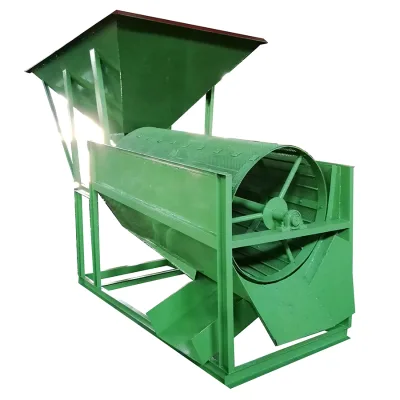
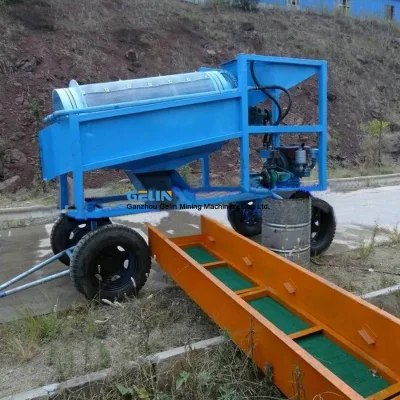
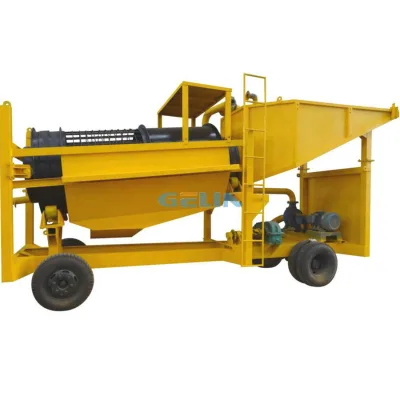
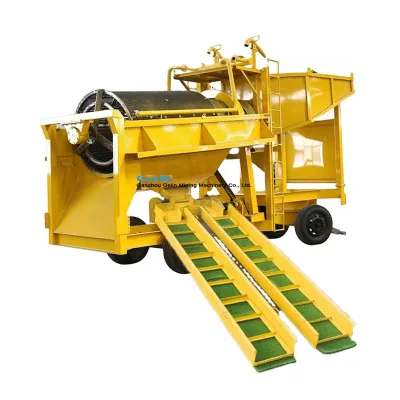
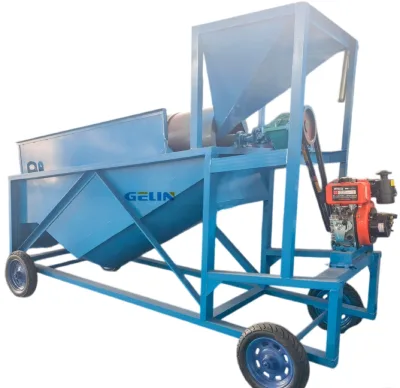
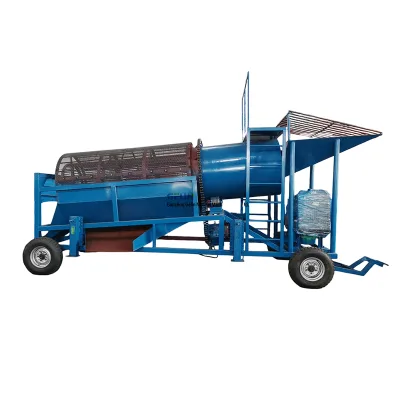
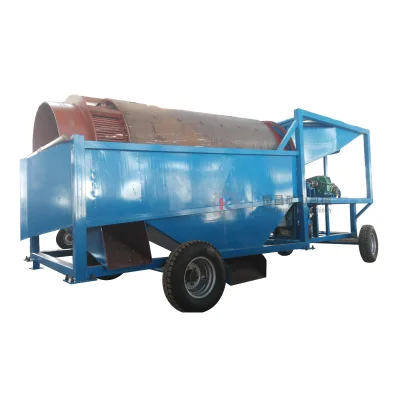
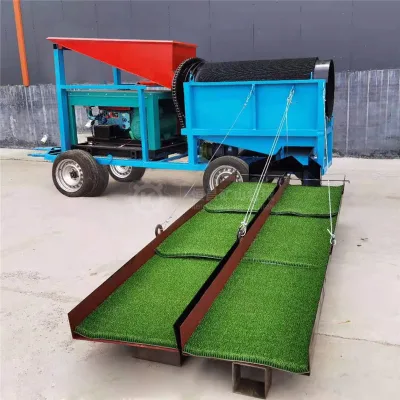
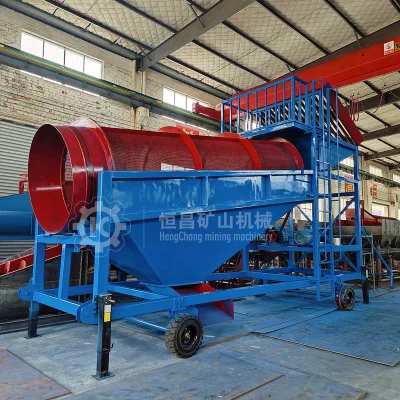
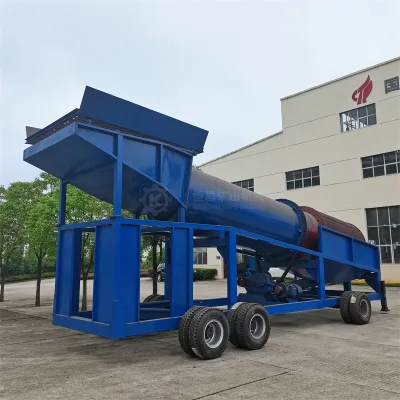
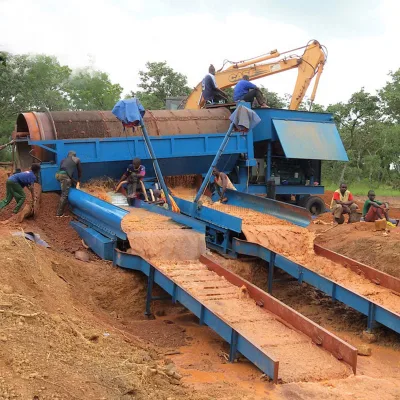
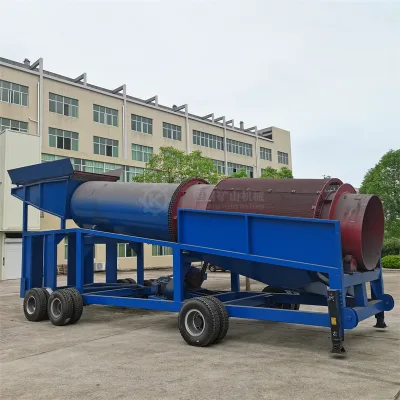
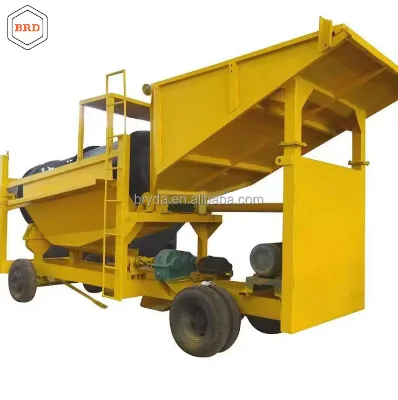
Mobile Gold Mining Trommel Machine for Placer Gold Washing and Separation High Recovery Rate
$3144.7521 - $3354.4022
MOQ: 1 sets


Comprehensive Sourcing Guide
Mobile Placer Gold Trommel Sourcing Guide
Sourcing Mobile Placer Gold Trommel equipment requires a disciplined approach to verifying technical alignment with your specific ore characteristics. Buyers must prioritize machines that offer customizable screen mesh sizes, as the ability to adjust from 3mm to 40mm directly impacts recovery rates for varying particle sizes. The core mechanism relies on gravity separation, often integrated with sluice boxes or centrifugal concentrators, making the trommel’s internal configuration critical for processing alluvial and placer gold deposits effectively.
Procurement decisions should also account for the physical dimensions and power requirements of the unit. Observed models feature drum diameters around 1500mm and lengths up to 4500mm, with power consumption ranging from 3 to 30kw. These specifications dictate the necessary site infrastructure, including electrical supply stability and space allocation. Understanding these constraints early prevents costly site modifications and ensures the selected trommel integrates seamlessly into your existing mobile processing plant workflow.
Product Scope and Observed Listing Signals
The market for mobile trommels includes distinct product lines such as the MGT series and GT models, each tailored to different throughput capacities. Listings indicate that these units are designed for all kinds of placer and alluvial gold applications, with some models specifically engineered for river sand gold processing. The presence of training supply services suggests that operational complexity is a consideration, requiring buyers to ensure their staff can manage the machinery’s startup and maintenance procedures efficiently.
Packaging and transportation methods vary significantly based on unit size, with some models shipped in 40GP containers while larger units may require non-packed transportation due to their dimensions. This variability impacts logistics planning and import duties. Buyers should verify whether the supplier supports local shipment arrangements or container transportation, as this affects the total landed cost and delivery timeline. The condition is consistently listed as new, indicating that buyers are acquiring fresh equipment rather than refurbished units, which simplifies initial warranty negotiations.
Technical Specifications to Verify
Verifying the screen mesh material is essential for durability, with high manganese steel being a common specification for wear resistance. The inside screen sizes typically include options like 3mm, 5mm, 8mm, 10mm, and 12mm, allowing for precise control over the separation process. Buyers must confirm that the motor, often cited as a core component, meets the voltage requirements of their site, which are frequently listed as 380V. Mismatched electrical specifications can lead to operational failures or the need for expensive transformers.
Dimensional accuracy is another critical verification point, as models like the GL/TW series may have dimensions that vary according to the specific machine configuration. The production capacity is often cited in the range of 10-20t/h, but buyers should request detailed performance data for their specific ore density and moisture content. Additionally, the weight of the unit, which can reach 8T for larger models, influences the choice of transport vehicles and the structural requirements of the mobile chassis or trailer.
Compliance and Safety Documentation
Certification status is a primary indicator of manufacturing quality, with ISO and CE marks frequently appearing in product listings. Some suppliers provide ISO9001 certification, which signals adherence to international quality management standards during production. Buyers should request copies of these certificates to verify their validity and ensure they cover the specific model being purchased. This documentation is crucial for regulatory compliance in many jurisdictions and can facilitate smoother customs clearance processes.
Safety and operational documentation should also include video outgoing-inspection services, which allow buyers to visually verify the machine’s condition before shipment. This feature provides transparency and reduces the risk of receiving damaged or non-conforming equipment. Buyers should ensure that the supplier provides comprehensive manuals covering electrical safety, mechanical maintenance, and emergency shutdown procedures. Proper documentation ensures that operators can maintain the equipment safely and efficiently throughout its lifecycle.
Cost Drivers and Commercial Terms
The observed price range for these units spans from 860 to 45,000 USD, reflecting significant variations in size, capacity, and feature sets. Buyers must align their budget with the specific throughput requirements of their project, avoiding under-specification that leads to bottlenecks or over-specification that wastes capital. The minimum order quantity is typically one set, allowing for flexible procurement strategies for small-scale operations or pilot projects. Understanding the total cost of ownership, including energy consumption and spare parts, is vital for accurate financial planning.
Warranty terms are a key commercial consideration, with some suppliers offering a two-year warranty on their gravity separators. Buyers should clarify the scope of this warranty, including coverage for core components like the motor and screen mesh. Payment terms and delivery schedules should be negotiated carefully, especially for units requiring non-packed transportation. Clear commercial terms protect the buyer from unexpected costs and ensure that the supplier is accountable for the machine’s performance upon arrival at the site.
Supplier Qualification and Quality Control
Supplier location is a significant factor, with many manufacturers based in Jiangxi Province, China, a hub for mining machinery production. Buyers should verify the supplier’s production capacity and history to ensure they can deliver consistent quality. The presence of customizable standards, such as JT1-1 or MGT series specifications, indicates that suppliers can tailor machines to specific operational needs. Buyers should request references or case studies to validate the supplier’s ability to meet these customization requirements effectively.
Quality control processes should include rigorous testing of the trommel’s performance under simulated operating conditions. Buyers should inquire about the supplier’s inspection protocols, including checks for weld integrity, motor alignment, and screen mesh tension. The availability of video outgoing-inspection services is a positive indicator of transparency, allowing buyers to verify the machine’s condition before it leaves the factory. Establishing a clear communication channel with the supplier’s technical team ensures that any issues are addressed promptly during the manufacturing process.
Long-Term Procurement Checks
Long-term success depends on the availability of spare parts and technical support. Buyers should confirm that the supplier provides a comprehensive list of consumables, such as screen meshes and wear plates, along with estimated lifespans. The energy-saving features of some models can reduce operational costs over time, but buyers should verify these claims through independent testing or user testimonials. Ensuring a steady supply of parts minimizes downtime and maintains consistent gold recovery rates throughout the project’s duration.
Training and ongoing support are critical for maximizing the trommel’s performance. Buyers should ensure that the supplier offers comprehensive training programs for their operators, covering both routine maintenance and troubleshooting procedures. The availability of local shipment support or container transportation options facilitates easier logistics for future orders or spare parts shipments. Establishing a long-term relationship with a reliable supplier ensures access to updated models and technical advancements, keeping your processing plant competitive and efficient.
FAQs
What is the standard drum diameter for the MGT1230 model?
The standard drum diameter for the MGT1230 model is 1500mm. This specification is paired with a drum length of 4500mm to ensure adequate processing volume. The unit is designed for alluvial and placer gold applications, utilizing high manganese steel screen mesh for durability and efficient separation of gold-bearing materials.
Can the screen mesh size be customized for specific ore types?
Yes, customization is available for the screen mesh size to suit specific operational needs. The inside screen size can be adjusted to options such as 3mm, 5mm, 8mm, 10mm, or 12mm. This flexibility allows operators to optimize the separation process for different grades of alluvial or placer gold ore effectively.
What certifications are provided for the gravity separator units?
The gravity separator units are provided with ISO and CE certifications. Some models also carry ISO9001 certification to ensure quality management standards. These certifications verify that the manufacturing processes and final products meet international safety and quality requirements, making them suitable for global deployment in mining operations.
What is the typical power consumption range for these machines?
The typical power consumption range for these machines is 3-30kw. This energy-saving design ensures efficient operation across various models. The units are equipped with a 380V voltage requirement and feature a motor as a core component, supporting reliable performance in mobile placer gold processing environments.
How is the equipment packed for international shipping?
Packing methods vary based on the machine size and model. Smaller units are packed in 40gp containers for secure transport. Larger models may be non-packed due to their size, relying on container transportation or supporting local shipment arrangements. This approach ensures safe delivery while optimizing logistics costs for buyers.
What is the minimum order quantity for these gold trommels?
The minimum order quantity is 1 set for these gold trommels. This low MOQ allows buyers to test the equipment with minimal initial investment. The supplier offers training and supports video outgoing inspections, ensuring that even single-unit orders receive comprehensive technical support and quality verification before dispatch.