Hard Rock RC Drilling Rig Suppliers and Manufacturers
Compare 24 verified suppliers of Hard Rock RC Drilling Rig based on location, lead time, and certifications. Review product specs like drilling depth and mobility before contacting vendors for quotes; review the available evidence before requesting comparable quotations from suitable candidates.
Updated
Suppliers List
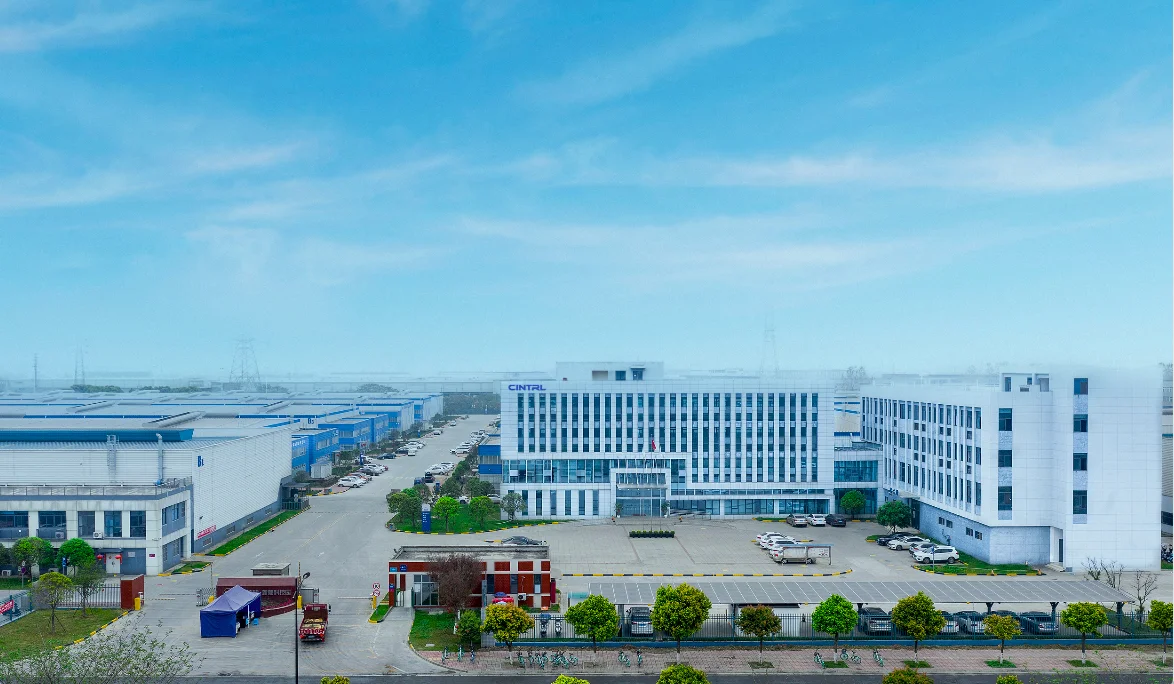
Shandong Cintrl Engineering Equipment Co., Ltd.
- Manufacturer, Trading Company
- Shandong, China
- Lead time3 days
- Avg. response≤ 3h
Main productsdrill rig,excavator,crusher,forklift,loader
Main marketsEastern Asia(30.00%), Southeast Asia(20.00%), South America(20.00%), Africa(20.00%), South Asia(5.00%), Northern Europe(2.00%), North America(2.00%), Eastern Europe(1.00%)
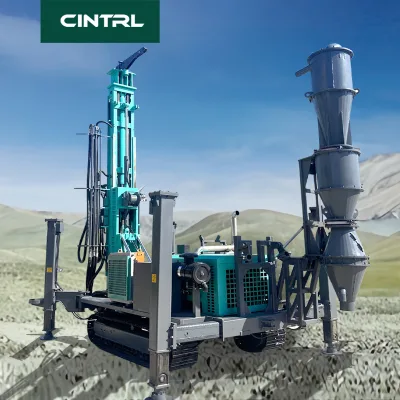
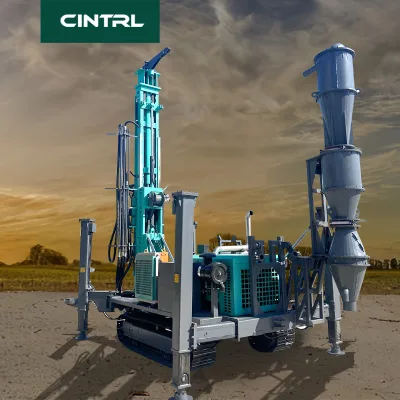
500m Depth Sonic Adapter Switchable Hard Soil/Soft Rock Drilling RC Drill Rig
$7735.6659
MOQ: 1 Minimum
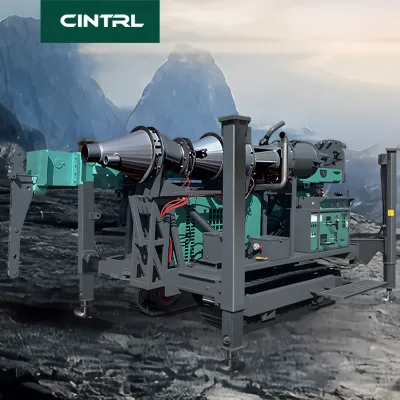
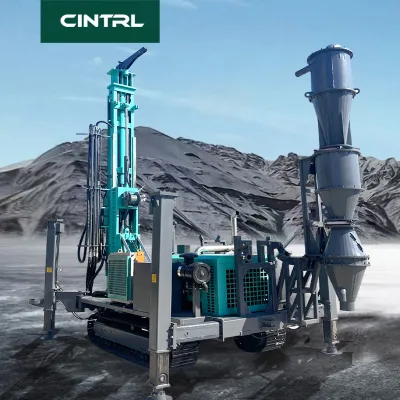
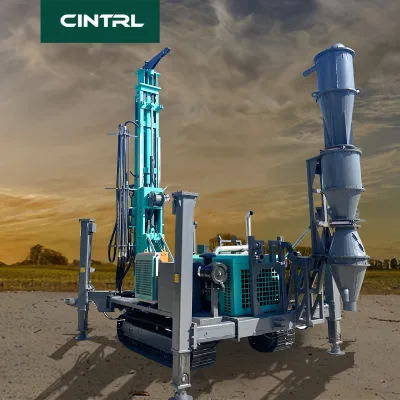
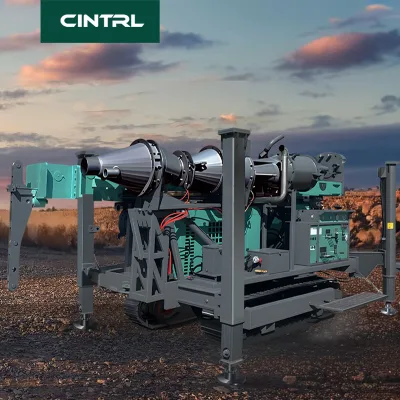
RC Rig with Telemetry System Real-Time Depth/Pressure Monitoring Data Logging
$5774.4823
MOQ: 1 Minimum

Shandong Unite Machinery Co., Ltd.
- Verified by BV
- Trading Company
- China Shandong
- Lead time30 days
- Avg. response≤ 2h
Main productsMining Dump Truck, Dump Truck, Forklift Truck, Mucking Loader, Excavator, Bulldozer, Wheel Loader Skid Steer Loader, Milling Machine, Mining Scissor Lift Truck, Mining Crusher
Main marketsSouth America,Africa,Southeast Asia/ Mideast,Europe


Factory Supply 500 RC Drilling Rig for Geological and Mining Applications
$60000.00 - $65000.00
MOQ: 1 Pieces


RC Drill Rigs Are The First Choice for Mineral Exploration and Geotechnical Drilling Projects
$58888.00 - $59999.00
MOQ: 1 Pieces

TYSIM Piling Equipment Co., Ltd.
- Verified by SGS
- Trading Company
- China Jiangsu
- Lead time23 days
- Avg. response≤ 16h
Main productsRotary Drilling Rig, Hydraulic Pile Breaker, Hydraulic Power Pack, Clamshell Telescopic Arm, Desander, Casing Pipe, Drilling Bucket and Auger, Drilling Bits, Electrical Vibroflotation, Hydraulic Auger
Main marketsSouth America,Eastern Europe,Mid East,North America,Southeast Asia,Eastern Asia,Oceania,Western Europe,Africa

Beijing Jincheng Mining Technology Co., Ltd.
- Verified by SGS
- Trading Company
- China Beijing
- Lead time30 days
- Avg. response≤ 5h
Main productsCore Drilling Rig, Water Well Drilling Rig, Rock Drilling Rig, Engineering Drilling Rig, DTH Drilling Tools, Diamond Core Drilling Tools, Water Well Drilling Tools, Portable Air Compressor, Drill Mud Pump
Main marketsAfrica


Portable RC Drilling Rigs for Sale Down The Hole Hammer Drill Rig Geotechnical Drill Rigs
$10000.00 - $50000.00
MOQ: 1 Pieces

Low-Pressure Down-The-Hole RC Drilling Rig for Sale Mobile Drilling Rig
$10000.00 - $50000.00
MOQ: 1 Pieces

Shandong Yahe Construction Machinery Co., Ltd.
- Verified by BV
- Combined
- China Shandong
- Lead time30 days
- Avg. response≤ 1h
Main productsRotary Drilling Rig, Pile Driver, Cfa Drilling Rig, Bore Pile Drilling Rig, Piling Rig, Pile Equipment, Drilling Rig, Rotary Drilling Machine, Cfa Piling Rig, Piling Machine
Main marketsSouth America,Europe,Australia
Shandong Xinwanli Machinery Co., Ltd.
- Verified by TüVRheinland
- Manufacturer, Trading Company
- Lead time7 days
- Avg. response≤ 1h
Main productsWater Well Drilling Rig, Hydraulic Drill, Core Drilling Rig, Down The Hole Drill Rig, Drilling Rig
Main marketsAfrica(50%), South America(18%), Mid East(17%)
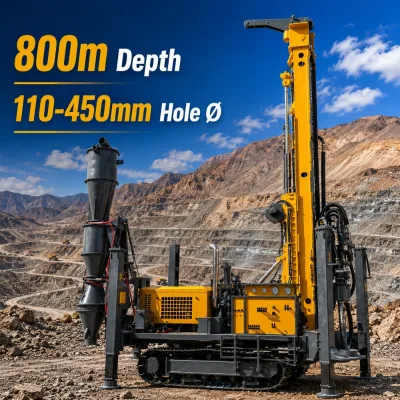
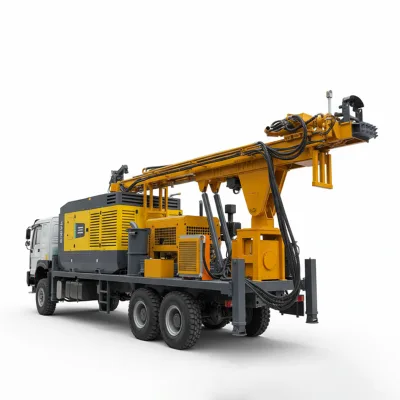
High Torque RC Crawler Drilling Rig for Hard Rock Ore Sampling
$3599.00 - $3699.00
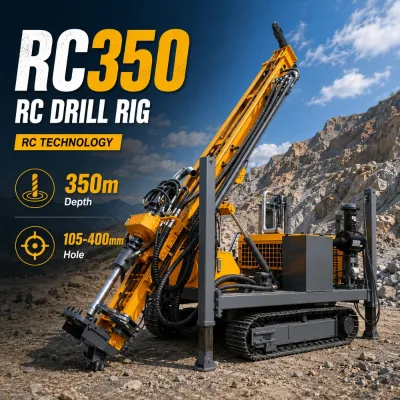
Multi-Function RC Crawler Drill Rig for Air Percussion and RC Drilling
$12650.00 - $13000.00
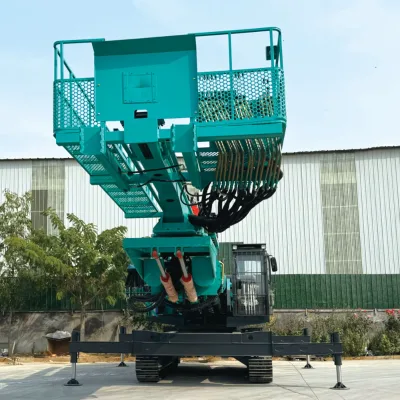
$14500.00 - $15000.00
MOQ: 1 sets
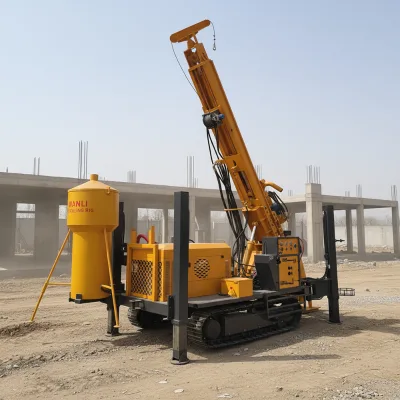
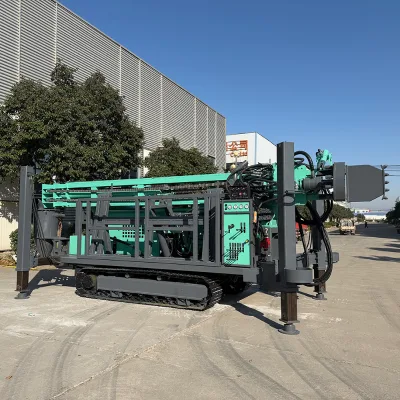
400mm Crawler Robust RC Drilling Rig Mineral Explorer 25 Degree Climb
$5000.00 - $6000.00

Zhejiang Sanrock Supply Management Co., Ltd.
- Verified by TUVRHEINLAND
- Trading Company,Manufacturer/Factory
- China Zhejiang
- Lead time23 days
- Avg. response≤ 4h
Main productsCore Drilling Rig, Pile Drilling Rig, Solar Pile Drlling Rig, Rotary Drilling Rig, DTH Drilling Rig, Blasting Drilling Rig, Pneumatic Rock Drilling Rig, Underground Jumbo Drilling Rig, Drill Rod, DTH Drill Hammer
Main marketsSouth America,Eastern Europe,Mid East,North America,Southeast Asia,Eastern Asia,Oceania,Western Europe,Africa

Mining Drilling Rig Machine Portable Drilling Equipment Hard Rock Borehole Drill Rig
$22600.00 - $23200.00
MOQ: 1 Sets

Borehole Drilling Rig Equipment Mining Machinery Hydraulic Rock Drilling Rig
$57800.00 - $60800.00
MOQ: 1 Sets

Shandong Flex Machinery Co., Ltd
- Verified by SGS
- Manufacturer
- China Shandong
- Lead time15 days
- Avg. response≤ 6h
Main productsWater Well Drilling Rig, Air Compressor, Core Drilling Rig, Drilling Pipe, Drilling Hammer, Drilling Bit, Mud Pump, Hydraulic Drilling Rig, Piling Rig, DTH Drilling Rig
Main marketsDomestic

Portable RC Drilling Rig with Downhole Hammer for Hard Rock Exploration
$1000.00 - $32900.00
MOQ: 1 set

RC Reverse Circulation Drilling Rig for Geotechnical Site Investigation
$1000.00 - $32900.00
MOQ: 1 set

High Speed RC Drill Rig for Mineral Exploration and Geotechnical Investigation
$1000.00 - $32900.00
MOQ: 1 set
Zhengzhou Unique Industrial Equipment Co., Ltd.
- Manufacturer, Trading Company
- Lead time旺季: "1 - 1":7,"> 1":"To be negotiated", 淡季: "1 - 1":7,"> 1":"To be negotiated"
- Avg. response≤ 2h
Main productsConcrete Batching Plant, Stone Crusher Plant, Asphalt Plant, Self Loading Concrete Mixer, Water Drilling Machine
Shandong Huayao Construction Machinery Co., Ltd.
- Verified by TüVRheinland
- Trading Company
- Lead time7 days
- Avg. response≤ 1h
Main productsWater Well Drill Rig, Excavator, Excavator Attachment, Crawler Transporter, Skid Steer Loader
Main marketsDomestic Market(65%), Africa(15%), Mid East(9%)
Henan Yugong Machinery Equipment Co., Ltd.
- Verified by TüVRheinland
- Trading Company
- Lead time15 days
- Avg. response≤ 4h
Main productsDrill Rig, Concrete Pump, Paper Cup Machine, Dredging Robot, Snow Blower
Main marketsNorth America(23%), South America(17%), Western Europe(13%)
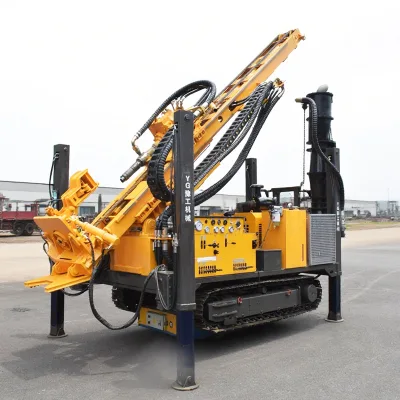
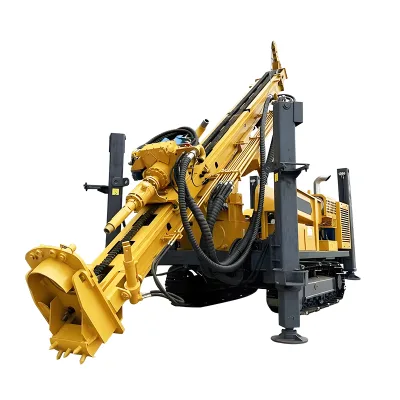
$10500.00 - $18000.00
MOQ: 1 sets
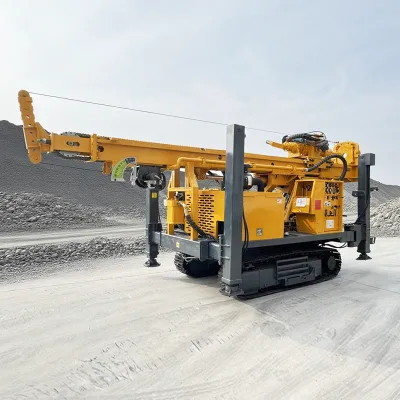
High-Pressure RC System 300m Depth for Efficient Drilling in Hard Rock Formations
$10500.00 - $18000.00
MOQ: 1 sets
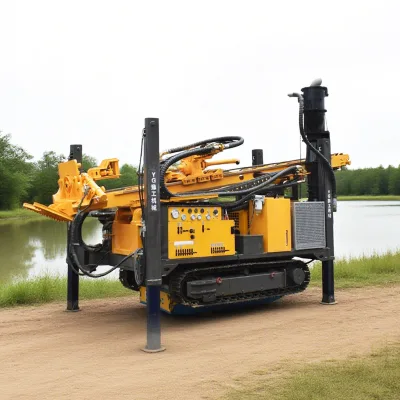
500m Deep Hole RC Rig for Oil, Gas, and Geothermal Drilling with Reliability
$10500.00 - $18000.00
MOQ: 1 sets
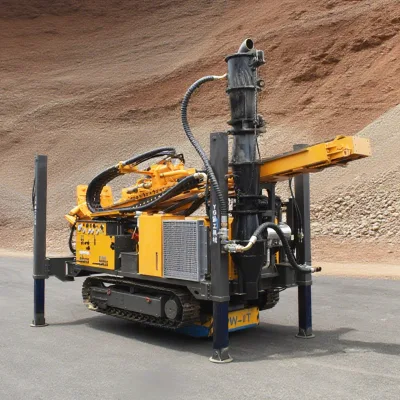
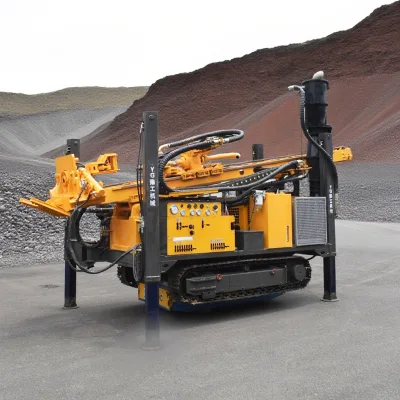
RC Drill Rig 200m Depth Portable Equipment for Water Well Contractors and Geotechnical Engineers
$10500.00 - $18000.00
MOQ: 1 sets

Rizhao Fuqian International Trade Co., Ltd.
- Verified by SGS
- Combined
- China Shandong
- Lead time30 days
- Avg. response≤ 3h
Main productsWell Drilling Rig, Core Drilling Rig, Reverse Circulation Drilling Rig, Geological Exploration Drilling Rig, Water Well Drilling Rig, Hydraulic Exploration Rig, Integrated DTH Blast Hole Drilling Rig, All-in-One Blasting Drilling Rig, 600m 800m Portable Drilling Rig, Mineral Exploration /Ore Prospecting Rig
Main marketsDomestic

Rock Core Drilling Rig Rotary Borehole Drilling Machine RC Core Drilling Rig
$8000.00 - $90000.00
MOQ: 1 Sets

Geology Exploration Full Hydraulic Core Drilling Rig for Rock RC Core Drilling Rig
$8000.00 - $90000.00
MOQ: 1 Sets


Advanced Hydraulic Crawler RC Core Drilling Rig for Efficient Rock Penetration
$8000.00 - $90000.00
MOQ: 1 Sets
Shandong Hengwang Heavy Industry Machinery Equipment Co., Ltd.
- Manufacturer, Trading Company
- Lead time旺季: "1 - 1":35,"> 1":"To be negotiated", 淡季: "1 - 1":35,"> 1":"To be negotiated"
- Avg. response≤ 2h
Main productsExcavators, Pile Drivers, Mine Drilling Rig, Loaders, Bulldozers
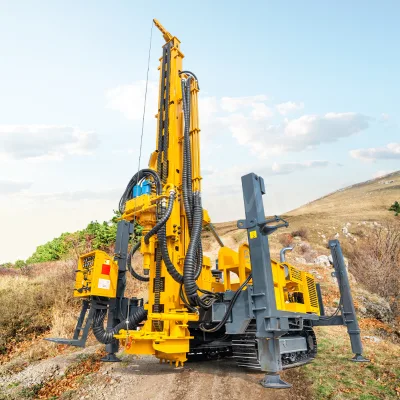
Hot Sale 500m Rock Drilling Rig Diesel Powered RC Drilling Rig for Rock Coring
$7000.00 - $15000.00
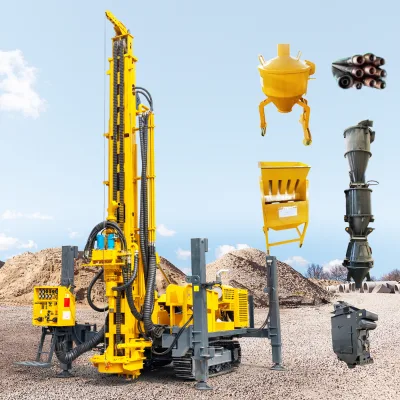
Enhancing Productivity with RC Percussion Drills in Hard Rock Conditions
$7000.00 - $15000.00
MOQ: 1 sets
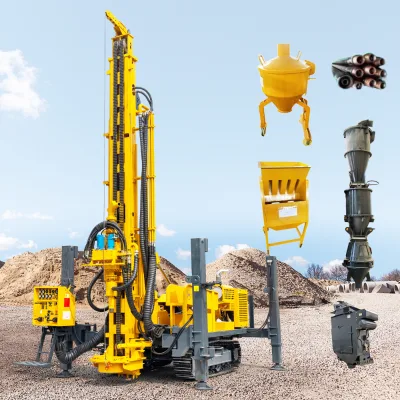
$7358.3212 - $15767.8311
MOQ: 1 sets
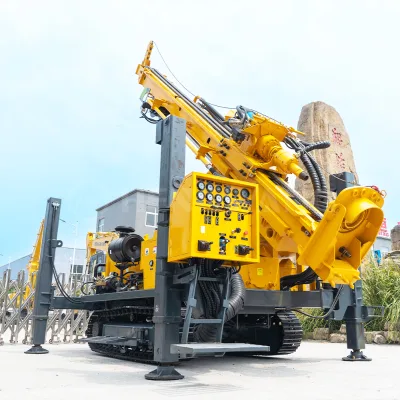
RC Exploration Rig: a Versatile Tool for Deep Geological Studies
$7000.00 - $15000.00
Jining Hengwang Mining Machinery Co., Ltd.
- Verified by SGS Group
- Manufacturer, Trading Company
- Lead time14 days
- Avg. response≤ 3h
Main productsWater Well Drill Rig, Core Drill Rig, DTH Drilling Rig, Hydraulic Drilling Rig, Pile Driver
Main marketsSouth America(25%), Eastern Europe(20%), Africa(20%)
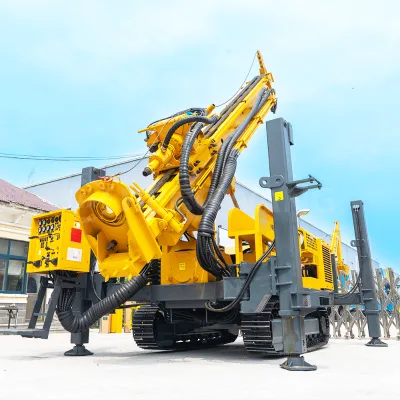
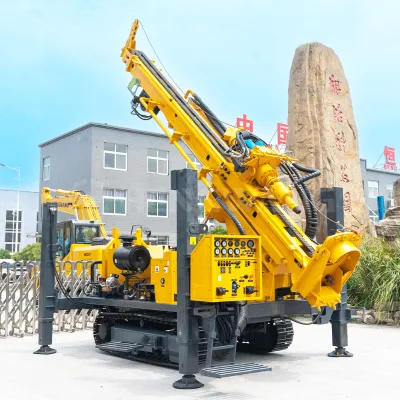
$1900.00 - $4500.00
MOQ: 1 sets
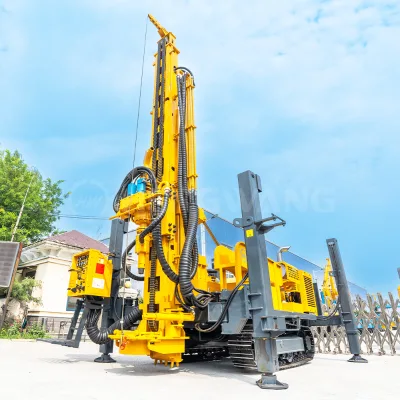
Selecting the Ideal RC Drilling Equipment for Your Next Industrial Project
$17500.00 - $19500.00
MOQ: 1 sets
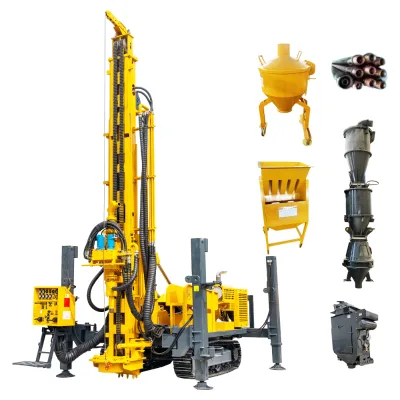
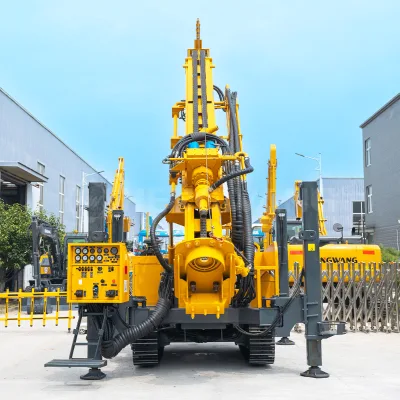
$3500.00 - $8500.00
MOQ: 1 sets
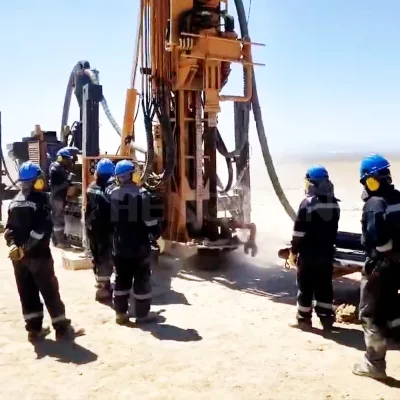

Qingdao Bohwa Machinery Corporation
- Trading Company
- China Shandong
- Lead time15 days
- Avg. response≤ 17h
Main productsMining Dump Truck, Drilling Rigs, Drilling Pipes, Diamond Drilling Tools, Loaders, Mine Ventilation Fans, Ventilation Air Ducts
Main marketsSouth America,Africa,Southeast Asia/ Mideast,East Asia(Japan/ South Korea),Europe,Australia,North America
SH Hardrock Heavy Industry Co., Ltd.
- Verified by Intertek
- Manufacturer, Trading Company
- Lead time10 days
- Avg. response≤ 2h
Main productsWater Drilling Rigs, Mining Rigs, Geotechnical Drilling Rigs, Air Compressors, Drilling Bits
Main marketsAfrica(30%), South America(20%), Eastern Europe(15%)
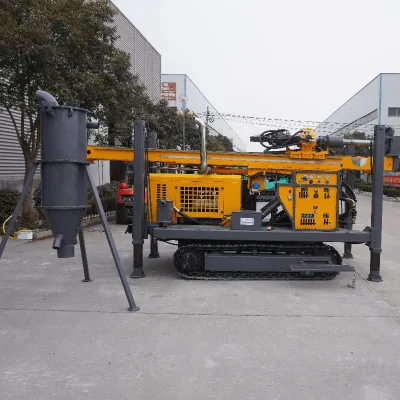
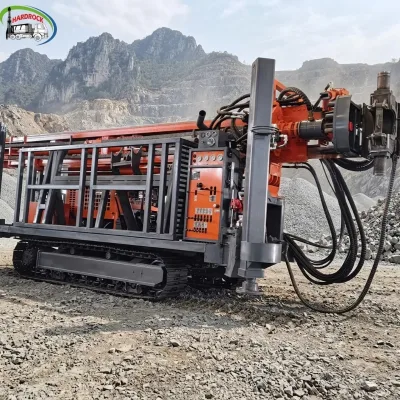
Efficiency Crawler Mounted Core Sample Drilling Rig RC Drilling Machine for Hard Rock
$23500.00
MOQ: 1 Minimum

Shandong Better Drilling Machinery Co., Ltd.
- Verified by SGS
- Combined
- China Shandong
- Lead time15 days
- Avg. response≤ 2h
Main productsdrilling rig
Main marketsSouth America,Africa,Others(foreignTradeCapacity.exportBusinessCapacityMarketOther),Europe,North America

Crawler Mounted 500m Reverse Circulation Core RC Drilling Rig Rock Drill Rig
$11500.00 - $15000.00
MOQ: 1 Pieces


RC Drilling Rig for Exploration and Mining, Drilling Depth of 200 Meters.
$9000.00 - $10100.00
MOQ: 1 Set

300m 350m RC Drill Rig Geological Core Drilling Rig Designed for Mining Sampling
$9000.00 - $9200.00
MOQ: 1 Sets
Beijing Jincheng Mining Technology Co., Ltd.
- Verified by SGS Group
- Trading Company
- Lead time20 days
- Avg. response≤ 4h
Main productsDrilling Rig, Air Compressor, Mud Pump, Drilling Tools, Construction Machinery
Main marketsSouth America(15%), Africa(15%), Mid East(15%)

Ji Ning Hengwang Mining Machinery Co., Ltd.
- Verified by SGS
- Combined
- China Shandong
- Lead time15 days
- Avg. response≤ 10h
Main productsMining Machine, Drilling Machine, Railway Equipment, Road Machinery, Electrical Equipment, Hydraulic Tools, New Energy, Pump, Piling Machine, Exploration Equipment
Main marketsSouth America,Southeast Asia/ Mideast,Europe

SH Hardrock Heavy Industry Co., Ltd.
- Verified by TUVRHEINLAND
- Manufacturer/Factory
- China Shanghai
- Lead time23 days
- Avg. response≤ 3h
Main productsWater Well Drilling Rig, DTH Drilling Rig, Borehole Drilling Rig, Deep Hole Water Well Drilling Rig, Deep Water Well Drilling Rig, Core Water Well Drilling Rig, Mining Exploration Drilling Rig, Foundation Drilling Rig, Core Drilling Rig, Geologica Drilling Rig
Main marketsSouth America,Eastern Europe,Mid East,Southeast Asia,Eastern Asia,Africa
Luohe Orange Mechanical Equipment Co., Ltd.
- Verified by SGS Group
- Manufacturer, Trading Company
- Lead time15 days
- Avg. response≤ 2h
Main productsFood processing production line, Baking equipment, Candy Production Line, Dairy Processing Machines, Packaging Machinery
Main marketsNorth America(23%), South Asia(13%), South America(12%)
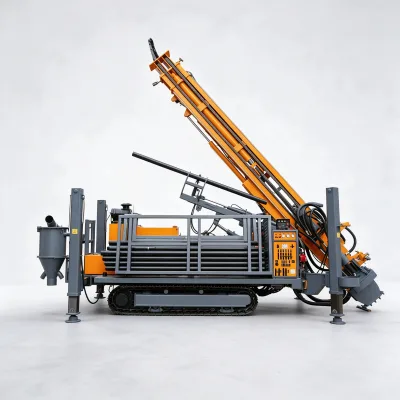
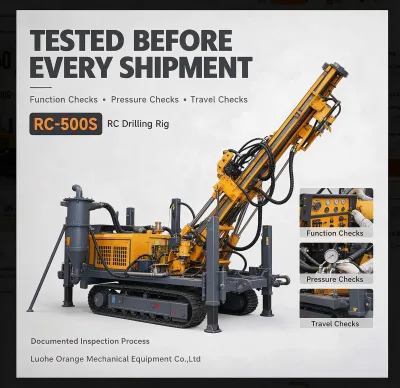
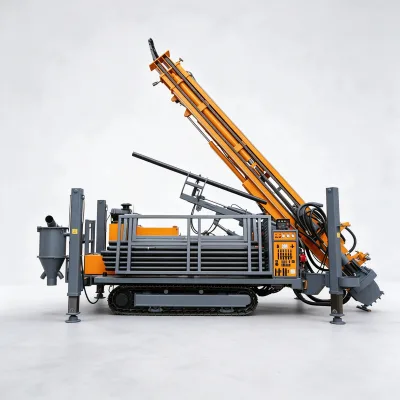
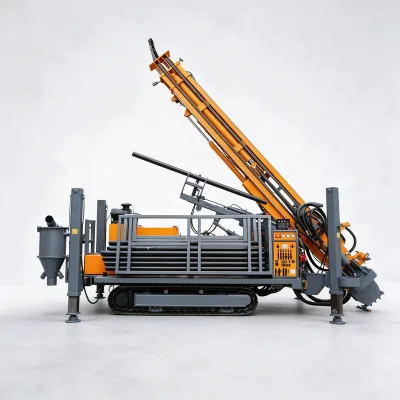
High Torque Crawler 500m RC Drilling Rig Machine Price
$19999.00 - $20000.00

Henan Yugong Machinery Equipment Co., Ltd.
- Verified by TUVRHEINLAND
- Trading Company
- China Henan
- Lead time30 days
- Avg. response≤ 2h
Main productsDrilling Rig Machine, Excavator Attachments, Concrete Pump, Egg Tray Machines, Spider Cranes, Mini Excavator, Pile Driver, Hydroseeding Machines, HDD Rig, Laser Screeds
Main marketsDomestic

Crawler Mounted Rock Core Reverse Circulation Drilling Rig Machine RC Drilling Rig
$29500.00 - $37500.00
MOQ: 1 set

Exploration RC Drill Rigs Poratble Mining Drill Machine Reverse Circulation Drilling Rigs
$29500.00 - $37500.00
MOQ: 1 set

Mengyin Dongheng Engineering Machinery Co., Ltd
- Verified by SGS
- Combined
- China Shandong
- Lead time15 days
- Avg. response≤ 3h
Main productsWell Drilling Rig, Photovoltaic Drilling Rig, Rope Core Drilling Rig, Truck Mounted Drilling Rig, Down The Hole Drill, Blasting Drilling Rig, Raise The Drilling Rig High, Pipe Pulling Machine, Construction Machinery
Main marketsDomestic

Hot Product Geological Exploration Deep Hole RC Mining Drilling Rigs
$10314.00 - $10500.00
MOQ: 1 Pieces

Mineral Exploration RC Drilling Rig Air Reverse Circulation RC Drill Machine Rig for Sale
$13900.00 - $41777.00
MOQ: 1 Pieces

Changsha DTH Drill Construction Machinery Co., Ltd.
- Verified by BV
- Manufacturer/Factory,Group Corporation
- China Hunan
- Lead time15 days
- Avg. response≤ 5h
Main productsWater Well Drilling Rig, Diamond Core Drilling Rig, RC Drilling Rig, Blasting Drilling Rig, Tunnel Drilling Rig, DTH Hammer, DTH Bit, Drill Rod, Mud Pump, Mining Drill Rig
Main marketsSouth America,Eastern Europe,Mid East,North America,Southeast Asia,Eastern Asia,Oceania,Western Europe,Africa

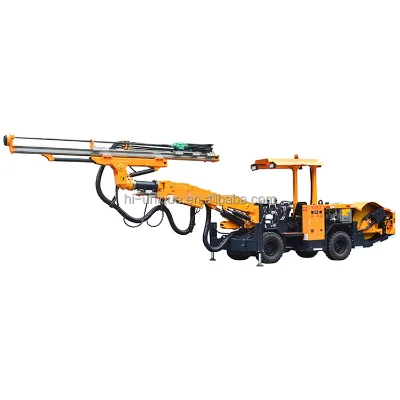
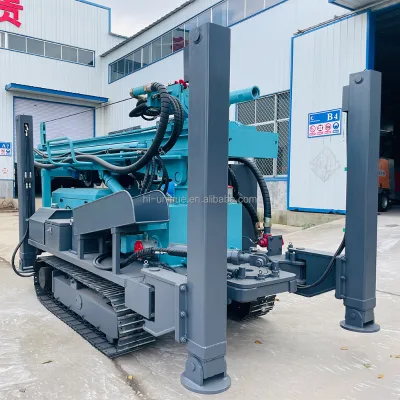
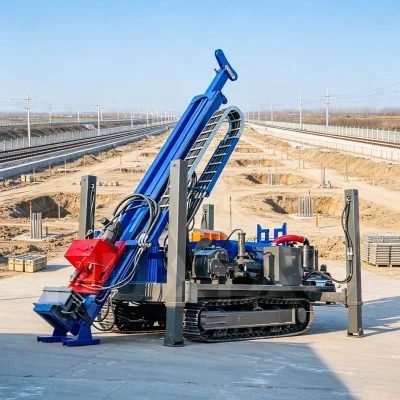
Csrc200 RC Drill Rig Reverse Circulation Drilling Rig Mining Exploration Geotechnical for Mining
$28900.00 - $33980.00
MOQ: 1 Pieces


$28900.00 - $33980.00
MOQ: 1 Pieces

Best Selling Csrc350 Mine Drilling Rig Machine RC Mining Drill Rigs
$28900.00 - $33980.00
MOQ: 1 Pieces






Comprehensive Sourcing Guide
Hard Rock RC Drilling Rig Supplier Concentration and Factory Types
The current supplier landscape for Hard Rock RC Drilling Rig equipment reveals a distinct concentration of manufacturing and trading entities within specific industrial regions. Data indicates that a significant portion of available suppliers are located in Shandong, China, which serves as a primary hub for heavy machinery production. This geographic clustering suggests that buyers seeking these specialized mining tools will likely encounter vendors operating from this province, where supply chains for components like engines, motors, and hydraulic systems are well-established. The presence of both manufacturers and trading companies in this region offers buyers a choice between direct factory engagement and intermediary services, each with distinct advantages regarding pricing flexibility and technical support. Understanding this concentration helps in narrowing the search scope and anticipating the logistical realities of sourcing from this specific industrial belt.
Supplier types vary between direct manufacturers and trading companies, influencing the nature of the procurement relationship. Manufacturers often provide OEM and ODM capabilities, allowing for customization of drilling rigs to meet specific operational requirements, such as varying drilling depths or power types. In contrast, trading companies may offer a broader range of related equipment, including excavators, loaders, and crushers, potentially simplifying the procurement of a complete mining fleet. The distinction is critical because it affects lead times, communication efficiency, and the depth of technical expertise available. Buyers must assess whether they require the direct technical assurance of a factory or the diversified inventory and logistical support that a trading company might provide, keeping in mind that the supplier type directly impacts the service model and potential for long-term partnership.
How to Verify Hard Rock RC Drilling Rig Suppliers
Verification of suppliers requires a multi-layered approach to ensure reliability and product quality before committing to a purchase. One critical step is checking for system certifications, such as CE, which indicates compliance with European safety and quality standards. Some suppliers may also hold ISO 9001 certification, signaling adherence to international quality management systems. Buyers should actively look for these credentials in the supplier profile or product listings, as they serve as a baseline for operational legitimacy. Additionally, verification badges from third-party inspection agencies, such as BV, provide an extra layer of confidence regarding the supplier’s business status and operational history. These verifications help mitigate the risk of engaging with fraudulent or non-compliant entities, ensuring that the supplier has undergone some level of external scrutiny.
Beyond certifications, buyers should evaluate the supplier’s response time and the availability of product evidence. A rapid response time, such as under two hours, often indicates a well-staffed sales team and efficient internal processes, which are crucial for resolving technical queries quickly. Product evidence, including video outgoing-inspections and machinery test reports, offers tangible proof of the equipment’s condition and functionality before shipment. Buyers should request these materials to verify that the drilling rig meets the specified parameters, such as drilling depth and power type. Furthermore, checking for detailed product attributes like mobility type, power source, and core components helps in assessing the supplier’s technical accuracy. This thorough verification process ensures that the supplier is not only legitimate but also capable of delivering equipment that meets the buyer’s specific operational needs.
What to Compare Across Hard Rock RC Drilling Rig Suppliers
When evaluating multiple suppliers, buyers must compare key operational metrics to determine the best fit for their project. Lead time is a critical factor, with some suppliers offering rapid turnaround times of around three days, while others may require up to thirty days for production and delivery. This variance can significantly impact project schedules, making it essential to align supplier capabilities with operational deadlines. Additionally, the minimum order quantity (MOQ) varies, with some suppliers accepting single-unit orders, which is beneficial for small-scale mining operations or initial trials. Comparing these logistical parameters helps buyers identify suppliers who can accommodate their volume requirements and timeline constraints without compromising on service quality or product availability.
Price and technical specifications are equally important dimensions for comparison. Prices for hard rock rc drilling rigs can range significantly, from lower-cost options around five thousand dollars to premium models exceeding eighty thousand dollars, depending on features like telemetry systems, drilling depth, and power output. Buyers should analyze the cost-to-feature ratio, ensuring that they are not overpaying for unnecessary capabilities or underpaying for equipment that lacks critical components. Technical specifications, such as drilling diameter, depth capacity, and mobility type, must be matched against the specific geological conditions of the mining site. By systematically comparing these factors, buyers can make informed decisions that balance cost efficiency with technical performance, ensuring that the selected supplier offers the best value for their specific application.
Common Hard Rock RC Drilling Rig Sourcing Risks
One of the primary risks in sourcing hard rock rc drilling rigs is the potential mismatch between advertised specifications and actual product performance. Suppliers may list impressive drilling depths or power outputs that are not achievable in real-world conditions, leading to operational inefficiencies. Buyers must be cautious of vague product descriptions and insist on detailed technical data, including core components and power types. The absence of clear information on voltage, mobility, or drilling way can indicate a lack of transparency or technical expertise. To mitigate this risk, buyers should request comprehensive product documentation and verify that the equipment’s specifications align with their specific mining requirements, ensuring that the machinery can handle the intended rock hardness and drilling conditions.
Another significant risk is the variability in after-sales support and warranty coverage. While some suppliers offer a one-year warranty and provide machinery test reports, others may have limited or unclear support structures. Buyers should carefully review the warranty terms and the availability of spare parts, as these are crucial for maintaining equipment longevity and minimizing downtime. The lack of established support can lead to prolonged operational disruptions if the drilling rig requires repairs or maintenance. Additionally, the risk of logistical delays cannot be ignored, especially when sourcing from distant regions. Buyers should assess the supplier’s logistics capabilities and ensure that they have a reliable shipping process to prevent delays that could impact project timelines. Understanding these risks allows buyers to implement safeguards and choose suppliers with robust support systems.
Hard Rock RC Drilling Rig Regional Sourcing and Logistics
Sourcing from regions like Shandong, China, involves specific logistical considerations that buyers must plan for in advance. The concentration of suppliers in this area means that shipping routes and freight options are well-developed, but buyers still need to account for transit times and customs procedures. The dimensions and weight of the drilling rigs, such as those measuring over four meters in length and weighing twelve tons, require specialized shipping arrangements, such as container or bulk carrier transport. Buyers should work closely with their suppliers to determine the most cost-effective and efficient shipping method, ensuring that the equipment is protected during transit. Understanding the logistical requirements helps in budgeting for freight costs and planning for the arrival of the machinery at the mining site.
Customs clearance and import regulations are also critical aspects of regional sourcing. Buyers must ensure that the supplier provides all necessary documentation, including certificates of origin, commercial invoices, and packing lists, to facilitate smooth customs clearance. The presence of certifications like CE can simplify the process in certain markets, but buyers should verify the specific requirements of their destination country. Additionally, buyers should consider the impact of tariffs and duties on the total cost of ownership. By planning for these logistical and regulatory challenges, buyers can avoid unexpected delays and additional costs, ensuring that the drilling rig arrives at the site in a timely manner and is ready for immediate deployment.
Hard Rock RC Drilling Rig Commercial Terms and Order Planning
Commercial terms, including payment methods and escrow services, play a vital role in securing a safe transaction. Buyers should prioritize suppliers who offer secure payment options, such as escrow, which protects both parties until the goods are received and verified. This is particularly important for high-value equipment like hard rock rc drilling rigs, where the financial stakes are significant. Buyers should also clarify the payment schedule, including deposits and final payments, to manage cash flow effectively. Understanding the commercial terms helps in assessing the supplier’s professionalism and reliability, ensuring that the transaction is conducted with transparency and security.
Order planning involves coordinating with the supplier to ensure that all technical and logistical details are finalized before production begins. This includes confirming the model number, customization options, and delivery timeline. Buyers should also plan for the installation and commissioning of the drilling rig, which may require technical support from the supplier. By establishing clear communication channels and setting realistic expectations, buyers can minimize the risk of misunderstandings and ensure a smooth procurement process. Additionally, buyers should consider the long-term relationship with the supplier, as a reliable partner can provide ongoing support and maintenance services. Effective order planning and commercial term negotiation are essential for a successful sourcing experience, ensuring that the drilling rig meets the buyer’s needs and operational goals.
FAQs
What is the price range for hard rock RC drilling rigs?
Prices for hard rock RC drilling rigs vary significantly based on specifications and features. Available options range from approximately $5,000 to over $82,500. Higher-priced models often include advanced telemetry systems, higher drilling depths, or specialized hydraulic components. Buyers should compare specific model capabilities against their budget constraints to find the best value.
What certifications are available for these drilling rigs?
Manufacturers typically provide CE certification for their drilling equipment to ensure compliance with European safety standards. Some suppliers also offer ISO 9001 certification, indicating adherence to quality management systems. Buyers should verify specific certification documents during the inquiry process to ensure the equipment meets local regulatory requirements and operational safety standards.
What is the typical lead time for manufacturing?
Lead times for hard rock RC drilling rigs generally range from three to thirty days. Some suppliers indicate a standard production time of three days, while others may require up to thirty days for complex orders or specific configurations. Buyers should confirm the exact delivery schedule with the supplier before placing an order to align with project timelines.
What is the minimum order quantity for these rigs?
The minimum order quantity for most hard rock RC drilling rigs is one unit. Suppliers typically allow single-item purchases, making it accessible for small-scale mining operations or individual contractors. This low MOQ enables buyers to test equipment performance before committing to larger fleet purchases for extensive mining projects.
Where are these drilling rigs manufactured?
These drilling rigs are primarily manufactured in Shandong, China. This region is known for its concentration of heavy machinery and mining equipment producers. Buyers sourcing from this location can benefit from established supply chains and competitive pricing structures inherent to the local manufacturing ecosystem.
What drilling depth capabilities do these rigs offer?
Hard rock RC drilling rigs typically offer drilling depths ranging from under 100 meters up to 500 meters. Specific models are designed for maximum depths of 500 meters, suitable for deep ore penetration. Buyers should select a rig based on their specific geological exploration requirements and target drilling depths.