High Chrome Crusher Hammers Suppliers and Manufacturers
Compare 21 verified suppliers of High Chrome Crusher Hammers by location, lead time, and certifications. Review response times and MOQs to select a partner. Contact suppliers directly to request quotes; review the available evidence before requesting comparable quotations from suitable candidates.
Updated
Suppliers List

Shanghai Duoling Watson Mining Equipment Co., Ltd.
- Verified by TUVRHEINLAND
- Combined
- China Shanghai
- Lead time15 days
- Avg. response≤ 10h
Main productsCone Crusher
Main marketsSouth America,Africa,Others(foreignTradeCapacity.exportBusinessCapacityMarketOther),Domestic

Wuxi Eternal Bliss Alloy Casting & Forging Co., Ltd.
- Verified by BV
- Trading Company
- China Jiangsu
- Lead time23 days
- Avg. response≤ 3h
Main productsCasting, Forging, Machine, Aluminium Casting, Cobalt Casting, Bronze Casting
Main marketsSouth America,Africa,Southeast Asia/ Mideast,East Asia(Japan/ South Korea),Domestic,Europe,Australia,North America

Ningbo Yinzhou Nord Machinery Co., Ltd.
- Verified by SGS
- Trading Company,Manufacturer/Factory,Group Corporation
- China Zhejiang
- Lead time45 days
- Avg. response≤ 13h
Main productsInvestment Casting, Precision Casting, Steel Casting China, Sand Casting, Lost Wax Casting, Lost Foam Casting, Open Die Forging, Steel Forging, Excavator Buckets, Mini Excavator Buckets
Main marketsSouth America,Eastern Europe,Mid East,North America,Southeast Asia,Western Europe,Africa

Shenzhen DENP Industrial Co., Ltd.
- Verified by SGS
- Trading Company
- China Shanghai
- Lead time30 days
- Avg. response≤ 1h
Main productsStone Crusher, Jaw Crusher Parts, Cone Crusher, Impact Crusher, Jaw Crusher, Impact Crusher Parts, Mining Equipment, Cone Crusher Parts, Jaw Plate, Toggle Plate
Main marketsSouth America,Africa,Southeast Asia/ Mideast,Europe,Australia,North America
Jinan Yideli Mining Machinery Co., Ltd.
- Manufacturer, Trading Company
- Shandong, China
- Lead time0 days
- Avg. response≤ 7h
Main productsMining crusher, Crusher parts
Main marketsDomestic Market(100.00%)
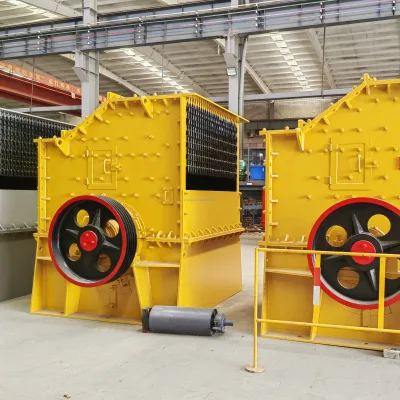
PC Series Hammer Crusher High Chrome Steel Hammers High Efficiency Mining Use
$879.00 - $1000.00
MOQ: 1 pieces
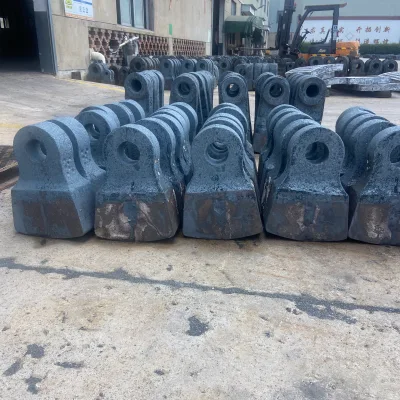
High-efficiency Fine Crusher Stone Crusher Limestone Gravel Impact Crusher Hammers
$1.553 - $3.6216
MOQ: 10 kilograms
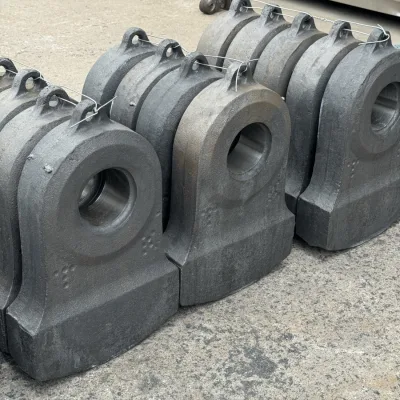
High Chrome Alloy Crusher Hammers Designed for Efficient Concrete Stone Recycling Machinery
$1.6519 - $3.3038
MOQ: 1 pieces
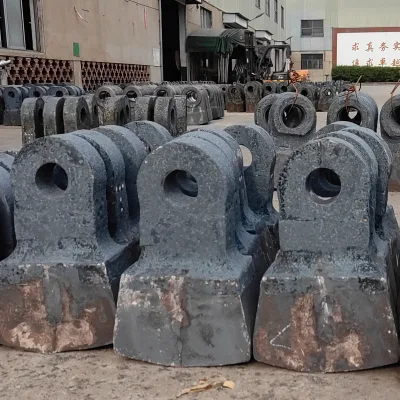
High Strength Wear-Resistant Hammer Crusher Casting Services Crusher Hammer Head / Liners
$1.50 - $3.50
MOQ: 20 pieces
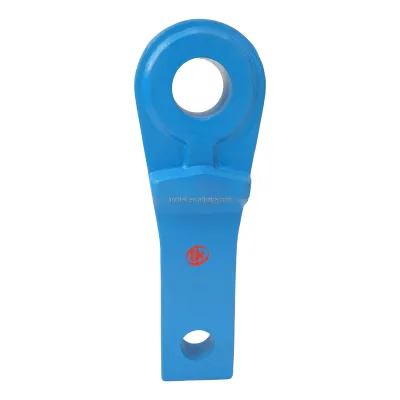
Impact Crusher High Chrome White Iron Crushing Hammer for Stone Production
$1.60 - $3.20
MOQ: 1 pieces
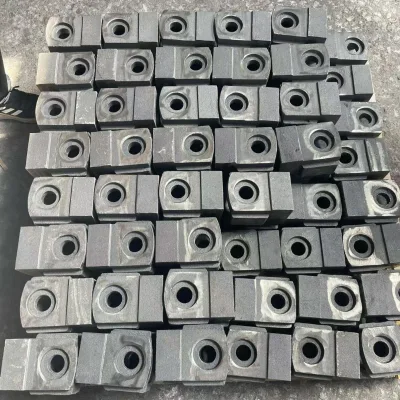

Jinhua Liweida Mechanical Equipment Co., Ltd.
- Verified by SGS
- Trading Company,Manufacturer/Factory
- China Zhejiang
- Lead time45 days
- Avg. response≤ 2h
Main productsHigh Managanse Wear Parts, Jaw Plate, Mantle and Concave, Hammer, Shredder, Jaw Crusher Parts, Cone Crusher Parts, Mining Machinery
Main marketsSouth America,Eastern Europe,Mid East,North America,Southeast Asia,Eastern Asia,Oceania,Western Europe,Africa
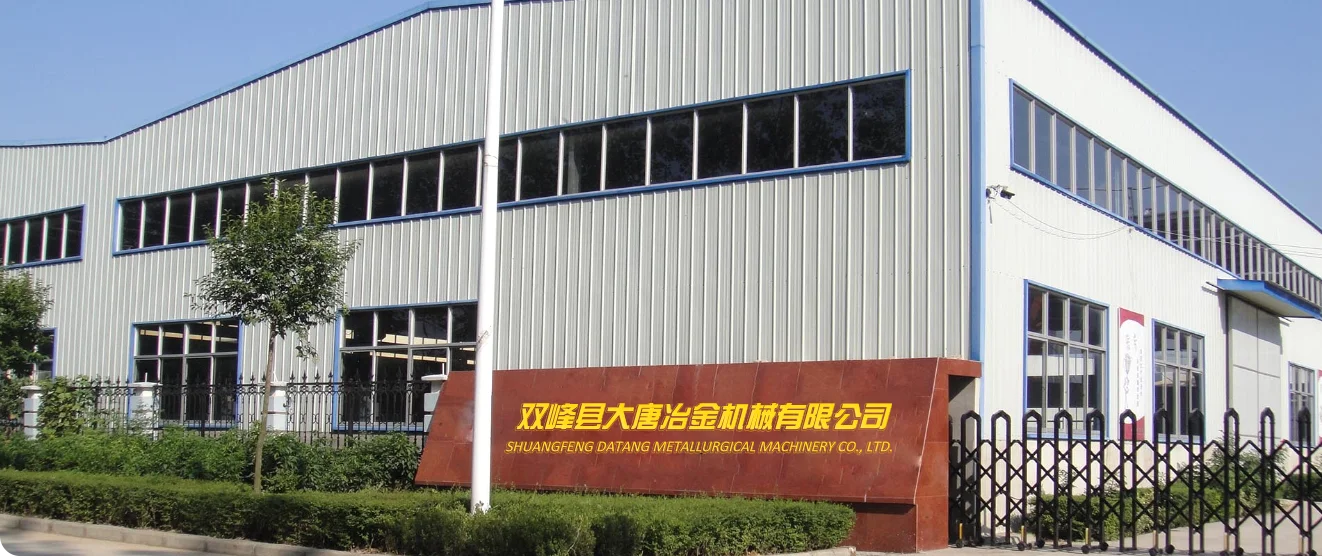
Shuangfeng County Datang Metallurgical Machinery Co., Ltd.
- Manufacturer, Trading Company
- Hunan, China
- Lead time0 days
- Avg. response≤ 2h
Main productsCone Crusher Part,Jaw Crusher Part,Impact Crusher Part,Jaw Crusher,Impact Crusher
Main marketsSouth America(30.00%), Eastern Europe(30.00%), Mid East(20.00%), North America(20.00%)

HENAN CRUSHTECHS MACHINERY CO., LTD.
- Verified by TUVRHEINLAND
- Trading Company,Manufacturer/Factory
- China Henan
- Lead time45 days
- Avg. response≤ 1h
Main productsCrusher, Crusher Parts, Jaw Plate, Jaw Crusher Parts, Impact Crusher Parts, Cone Crusher Parts, VSI Crusher Parts, Cone Crusher Mantle Liner, Cone Crusher Concave Liner, Bowl Liner
Main marketsSouth America,Eastern Europe,Mid East,North America,Southeast Asia,Eastern Asia,Oceania,Western Europe,Africa

SHANDONG RESPOWER INDUSTRIAL CO., LTD.
- Manufacturer/Factory
- China Shandong
- Lead time23 days
- Avg. response≤ 6h
Main productsConveyor Belt, Rubber & PVC Hose, Conveyor Components, Crusher Spare Parts, Electric Motor & Gear Box, Related Industrial Products, Hardware Tools
Main marketsSouth America,Eastern Europe,Mid East,North America,Southeast Asia,Eastern Asia,Oceania,Western Europe,Africa
Shenzhen Denp Industrial Co., Ltd.
- Trading Company
- Guangdong, China
- Lead time25 days
- Avg. response≤ 4h
Main productsjaw plate,Stone Crusher Wear Parts,Ball Mill,crusher wear parts,metal shredder parts
Main marketsNorth America(60.00%), Southeast Asia(20.00%), South America(10.00%), Northern Europe(5.00%), Western Europe(5.00%)
Zhejiang Gravik Machinery And Equipment Co., Ltd.
- Manufacturer, Trading Company
- Zhejinag, China
- Lead time20 days
- Avg. response≤ 2h
Main productsStone Crusher, Stone Crusher Parts, Stone Crushing Plant, Vibrating Screen, Vibrating Feeder
Main marketsEastern Europe(15.00%), North America(10.00%), South America(10.00%), Central America(10.00%), Africa(10.00%), Mid East(10.00%), Southeast Asia(10.00%), Eastern Asia(5.00%), Oceania(5.00%), Western Europe(5.00%), South Asia(3.00%), Southern Europe(3.00%), Northern Europe(3.00%), Domestic Market(1.00%)

Zibo Liantai Machinery Co., Ltd.
- Verified by SGS
- Manufacturer/Factory
- China Shandong
- Lead time38 days
- Avg. response≤ 4h
Main productsSingle Shaft Shredder, Double Shaft Shredder, Four Shaft Shredder, Wood Pallet Shredder, Wood Chipper Shredder, Crusher, Granulator, Grinder
Main marketsSouth America,Eastern Europe,Mid East,North America,Southeast Asia,Eastern Asia,Oceania,Western Europe,Africa

HENAN SENKE EQUIPMENT CO., LTD
- Verified by SGS
- Combined
- China Henan
- Lead time15 days
- Avg. response≤ 3h
Main productsVibrating Screen, Rotary Screen, Trommel Screen
Main marketsSouth America,Southeast Asia/ Mideast,East Asia(Japan/ South Korea),Domestic,Europe,Australia,North America
Henan Baixu Machinery Equipment Co., Ltd.
- Manufacturer, Trading Company
- Henan, China
- Lead time7 days
- Avg. response≤ 2h
Main productsJaw Crusher,Mobile Stone Crusher Plant,Sand Making Machine,Vibrating Screening Machinery,Hammer Crusher
Main marketsAfrica(30.00%), South America(15.00%), North America(10.00%), Domestic Market(10.00%), Mid East(10.00%), Central America(5.00%), Eastern Asia(5.00%), Northern Europe(5.00%), Eastern Europe(5.00%), Western Europe(2.00%), Southern Europe(2.00%), Southeast Asia(1.00%)
Jining Qingke Machinery Co., Ltd.
- Manufacturer, Trading Company
- Lead time旺季: "1 - 1":5,"> 1":"To be negotiated", 淡季: "1 - 1":5,"> 1":"To be negotiated"
- Avg. response≤ 4h
Main productsExcavator, Forklift, Skid Steer Loader, Tricycle, Road Roller

Zhengzhou Effort Trading Co., Ltd.
- Trading Company
- China Henan
- Lead time30 days
- Avg. response≤ 6h
Main productsBall Mill, Jaw Crusher, Rubber Autoclave, Stone Vibrating Screen, Stone Vibrating Feeder, Wet Pan Mill, Oil Press Machine, Wood Powder Milling Machine, Hammer Crusher, Sand Making Line
Main marketsSouth America,Africa,Southeast Asia/ Mideast,East Asia(Japan/ South Korea),Europe,Australia,North America
Jiangxi Changyi Mining Machinery Co., Ltd.
- Verified by TüVRheinland
- Manufacturer, Trading Company
- Lead time15 days
- Avg. response≤ 1h
Main productsMineral Separator, Mine Mill, Crusher, Sand Washer, Vibrating Screen
Main marketsAfrica(30%), South America(20%), Southeast Asia(20%)
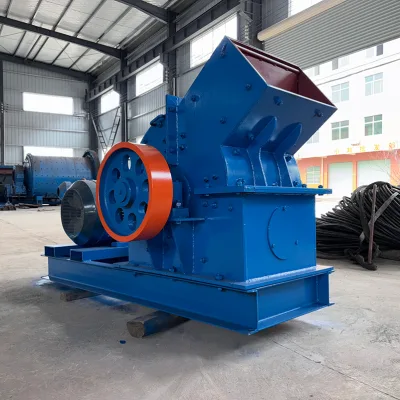
$1800.00 - $4200.00
MOQ: 1 sets
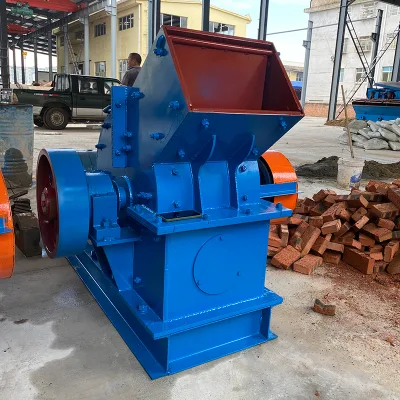
Hot Selling Diesel Hammer Crusher for Gold Basalt Gold Ore Crushing Machine Small Hammer Crusher
$2100.00 - $4200.00
MOQ: 1 sets
Jiangxi Henghong International Mining Machinery Co., Ltd.
- Manufacturer, Trading Company
- Jiangxi, China
- Lead time15 days
- Avg. response≤ 1h
Main productsFeeding Equipment,Crushing Equipment,Grinding Equipment,Screening Equipment,Separator Equipment
Main marketsAfrica(20.00%), South Asia(11.00%), Mid East(10.00%), South America(8.00%), Southeast Asia(6.00%), Eastern Europe(6.00%), Oceania(6.00%), North America(6.00%), Eastern Asia(5.00%), Domestic Market(5.00%), Northern Europe(5.00%), Central America(5.00%), Western Europe(5.00%), Southern Europe(2.00%)
Gongyi Sentai Machinery Manufacturing Factory
- Manufacturer, Trading Company
- Henan, China
- Lead time15 days
- Avg. response≤ 1h
Main productsDryer,Ball Mill,Crusher,Flotation Machine,Rotary Kiln
Main marketsSouth Asia(7.69%), Southern Europe(7.69%), Northern Europe(7.69%), Central America(7.69%), Western Europe(7.69%), Eastern Asia(7.69%), Mid East(7.69%), Oceania(7.69%), Africa(7.69%), Southeast Asia(7.69%), Eastern Europe(7.69%), South America(7.69%), North America(7.69%)
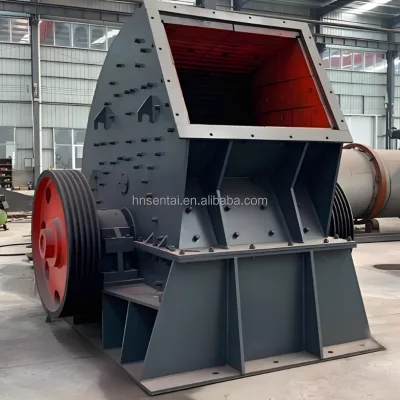
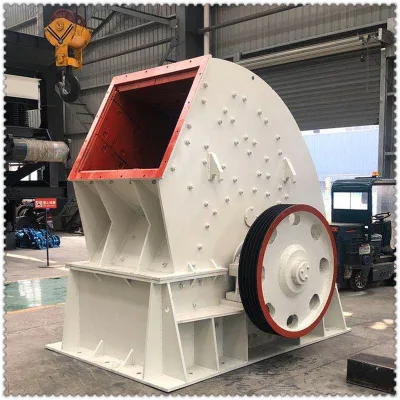
$4200.00 - $12000.00
MOQ: 1 Minimum
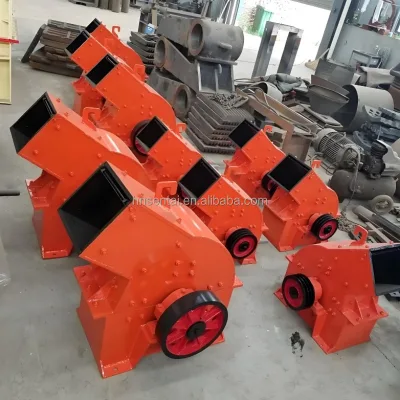
$1037.368 - $1244.8416
MOQ: 1 units
Zhengzhou Hengxing Heavy Equipment Co., Ltd.
- Manufacturer, Trading Company
- Henan, China
- Lead time25 days
- Avg. response≤ 7h
Main productsBall Mill,Rotary Dryer,Rotary Kiln,Stone Crusher Plant,AAC Block Equipment
Main marketsDomestic Market(49.00%), Southeast Asia(11.00%), Africa(10.00%), South Asia(8.00%), South America(6.00%), Mid East(6.00%), Eastern Asia(3.00%), Eastern Europe(3.00%), North America(1.00%), Oceania(1.00%), Western Europe(1.00%), Southern Europe(1.00%)
Alva (Linyi) Electromechanical Technology Co., Ltd
- Verified by TUVRHEINLAND
- Manufacturer/Factory
- China Shandong
- Lead time0 days
- Avg. response≤ 2h
Main productsWood Crusher, Woodworking Machinery, Veneer Peeling Machine, Plastic Crusher Machine, Wood Shredder, Wood Crusher Machine, Plastic Shredder Machine, Metal Shredder Machine, Plywood Machine, Plywood Production Line
Main marketsSouth America,Eastern Europe,Mid East,North America,Southeast Asia,Eastern Asia,Oceania,Western Europe,Africa


Crusher Scrap Iron Recycling and Crushing Machine Hammer Type Metal Crusher
$130000.00 - $160000.00
MOQ: 1 Pieces




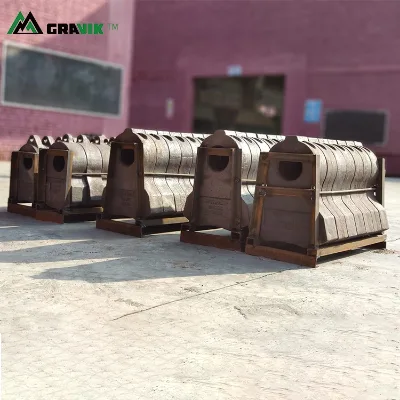
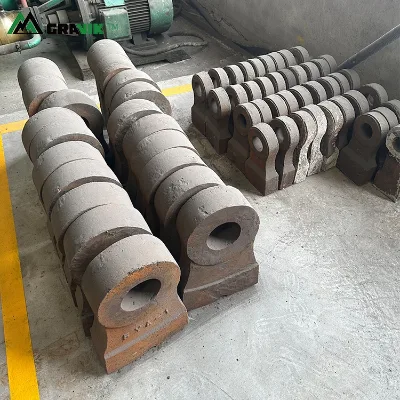
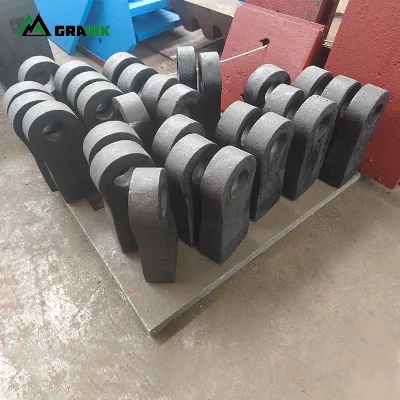


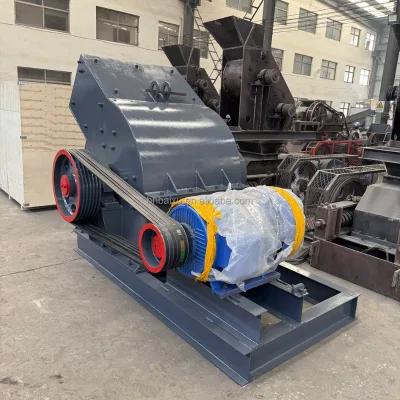


Comprehensive Sourcing Guide
High Chrome Crusher Hammers Supplier Concentration and Factory Types
The current supplier landscape for High Chrome Crusher Hammers reveals a diverse mix of manufacturing capabilities concentrated in specific Chinese provinces. Results indicate that suppliers are located in Shanghai, Jiangsu, and Zhejiang, suggesting these regions serve as key industrial hubs for this specific wear part category. The company types listed vary significantly, ranging from combined entities and trading companies to manufacturer/factory groups and group corporations. This variation is critical for buyers to understand, as a trading company may offer broader product lines but less direct control over the casting process, whereas a manufacturer or factory group typically possesses the direct infrastructure for thermal gravity casting or directional crystallization. Understanding the entity type helps buyers gauge the depth of technical support and the transparency of the supply chain.
Manufacturing processes observed in the product evidence include casting methods such as thermal gravity casting, directional crystallization, and sand casting. Some suppliers explicitly list ODM or OEM capabilities, indicating flexibility in customizing the hammer designs to fit specific crusher models. The presence of RD capacity for ODM suggests that some factories can adapt existing high chrome Cr26 or bimetal alloy designs to meet unique operational requirements. Buyers should note that while some suppliers are verified by third-party inspection agencies like TÜV Rheinland, BV, and SGS, the verification status does not automatically equate to manufacturing ownership. A combined company type might imply a hybrid model where the entity handles both trading and production, but buyers must verify the actual factory location and equipment to ensure quality control standards are met directly at the source of production.
How to Verify High Chrome Crusher Hammers Suppliers
Verification is a multi-layered process that goes beyond simple badge checks on a supplier profile. Buyers should prioritize suppliers who hold recognized system certifications such as ISO 9001, which indicates a standardized quality management system. Some product evidence also lists CE or RoHS certifications, which may be relevant depending on the end-use environment or export destination regulations. However, certification alone is insufficient; buyers must cross-reference these claims with the supplier’s verification status provided by independent agencies. For instance, a supplier verified by TÜV Rheinland or SGS offers an additional layer of trust regarding their business legitimacy and operational consistency. It is essential to confirm that the certification applies to the specific manufacturing facility producing the high chrome hammers, rather than just a trading office.
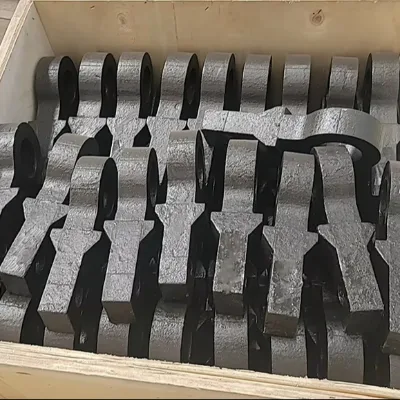
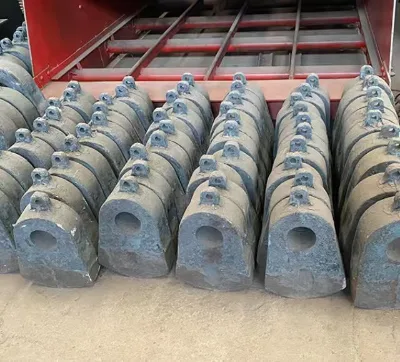
Beyond certifications, buyers should request detailed product attributes and test reports to validate technical claims. The product evidence shows attributes like hardness ranging from 59-63HRC for certain high chrome variants, while others list HRC50 for manganese alloy options. Buyers should ask for mill certificates or third-party lab reports that confirm these hardness levels and the chemical composition of the alloy steel. Additionally, inspecting the manufacturing process details, such as the use of resin sand cores or specific surface treatments like sand blasting or polishing, can reveal the supplier’s technical maturity. Buyers should also verify the response time, as a quick response often correlates with better communication channels and project management capabilities. Ensuring that the supplier can provide clear evidence of their quality control processes, such as caliper inspections or specific packing methods like iron frames or plywood boxes, is crucial for mitigating risk.
What to Compare Across High Chrome Crusher Hammers Suppliers
When evaluating multiple suppliers, buyers must compare key operational metrics to determine the best fit for their procurement strategy. Lead time is a significant differentiator, with observed values ranging from 15 days to 45 days. A shorter lead time of 15 days may be advantageous for urgent maintenance needs, while a 45-day lead time might be associated with more complex casting processes or larger order volumes. Minimum Order Quantity (MOQ) is another critical factor, with some suppliers requiring as few as 100 pieces, while others set the bar at 1000 pieces. Buyers should align these MOQs with their consumption rates to avoid excessive inventory costs or production delays. Response time, measured in hours, also varies, with some suppliers responding within 2.48 hours and others taking up to 12.91 hours, impacting the efficiency of the negotiation and specification phase.
Price and customization options are equally important comparison points. The price range for High Chrome Crusher Hammers varies, with some products listed between $2.00 and $3.00 per unit, while others range from $1.99 to $5.00. Buyers should not focus solely on the lowest price but rather on the value proposition, which includes material quality, hardness, and warranty terms. Customization availability is a key feature, with many suppliers offering OEM services and logo printing. Buyers should compare the extent of customization, such as the ability to adjust the standard ASTM specifications or modify the surface treatment. Additionally, comparing the main products offered by each supplier can reveal their specialization; some focus heavily on casting and forging, while others may offer a broader range of mining machinery parts. This holistic comparison helps in selecting a supplier who can meet both immediate and long-term sourcing needs.
Common High Chrome Crusher Hammers Sourcing Risks
One of the primary risks in sourcing High Chrome Crusher Hammers is the discrepancy between advertised specifications and actual product performance. Buyers may encounter suppliers who claim high hardness levels or specific alloy compositions that do not hold up under rigorous testing. For example, while some products list a hardness of 59-63HRC, others may only achieve HRC50, which could affect the wear resistance and lifespan of the hammers in high-impact crushing applications. This risk is exacerbated if the buyer does not request detailed material certificates or conduct independent quality inspections upon receipt. The reliance on self-reported product attributes without third-party verification can lead to significant operational disruptions and increased downtime in mining or construction sites.
Another significant risk involves the reliability of the supply chain and the consistency of the manufacturing process. Suppliers with longer lead times, such as 45 days, may face delays due to raw material shortages or production bottlenecks. Additionally, the use of different casting methods, such as thermal gravity casting versus sand casting, can result in variations in the microstructure and durability of the hammers. Buyers must be cautious of suppliers who do not clearly disclose their manufacturing processes or who use vague terminology to describe their products. Furthermore, the risk of receiving products with inadequate packaging, such as insufficient iron frames or pallets, can lead to damage during transit. Buyers should establish clear quality assurance protocols and consider using escrow services to protect their payments until the goods are verified to meet the agreed-upon standards.
High Chrome Crusher Hammers Regional Sourcing and Logistics
Sourcing High Chrome Crusher Hammers from China offers access to established industrial clusters, but buyers must navigate the logistical complexities of international shipping. The observed supplier locations in Shanghai, Jiangsu, and Zhejiang provide insights into the regional distribution of manufacturing capabilities. Shanghai, being a major port city, may offer advantages in terms of export logistics and access to global shipping routes. Jiangsu and Zhejiang are known for their robust manufacturing bases, particularly in casting and forging industries. Buyers should consider the proximity of the supplier to major ports when calculating total landed costs, as transportation fees can significantly impact the final price. Understanding the regional strengths of these areas can help buyers select suppliers who are not only technically capable but also logistically efficient.
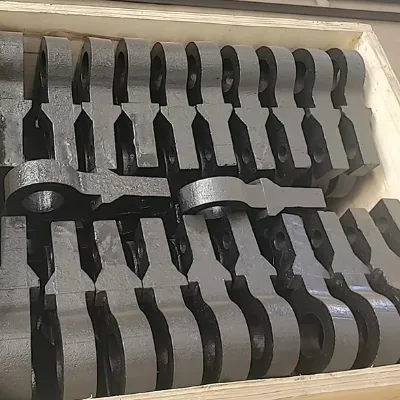
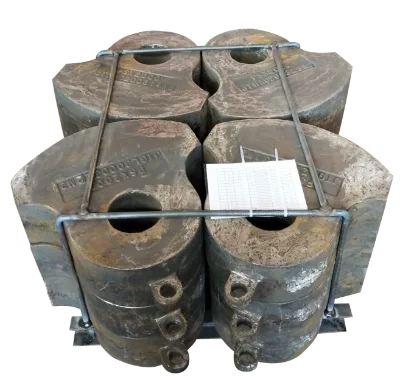
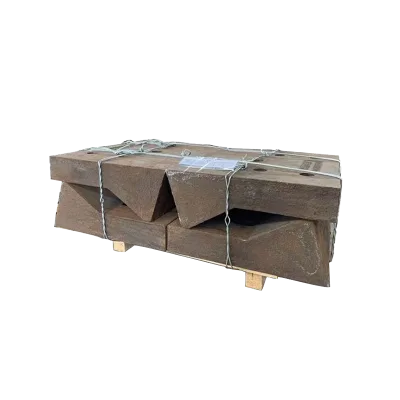
Logistics planning should also account for the specific packaging requirements of the products. The product evidence indicates that high chrome hammers are often packed in iron frames or plywood boxes, which are designed to protect the heavy and potentially sharp-edged parts during transit. Buyers should verify that the supplier’s packaging methods comply with international shipping standards to prevent damage. Additionally, the weight and dimensions of the hammers will influence freight costs, so buyers should request detailed packing lists and dimensions to estimate shipping expenses accurately. Coordinating with freight forwarders early in the process can help optimize shipping routes and reduce transit times. Buyers should also be aware of any import regulations or tariffs in their destination country that may affect the clearance and delivery of these industrial parts.
High Chrome Crusher Hammers Commercial Terms and Order Planning
Effective order planning for High Chrome Crusher Hammers requires a clear understanding of commercial terms and payment structures. Buyers should negotiate terms that align with their cash flow and risk tolerance, such as requesting partial payments upfront and the balance upon shipment or inspection. The availability of escrow services can provide an additional layer of security, ensuring that funds are only released when the goods meet the specified quality criteria. Buyers should also clarify the Incoterms, such as FOB or CIF, to determine who is responsible for shipping and insurance costs. Understanding these terms is crucial for accurate cost estimation and risk management throughout the procurement process.
Customization and after-sales support are also key components of commercial terms. Buyers should confirm whether the supplier offers technical support for installation and maintenance, as well as warranty policies for defective products. The ability to customize the hammers to specific crusher models can reduce compatibility issues and improve operational efficiency. Buyers should also consider the supplier’s capacity to handle repeat orders and scale production as needed. Establishing a long-term relationship with a reliable supplier can lead to better pricing, priority production scheduling, and improved service levels. By carefully planning the commercial terms and order logistics, buyers can minimize risks and ensure a smooth sourcing experience for High Chrome Crusher Hammers.
FAQs
What is the typical lead time for High Chrome Crusher Hammers?
Lead times vary by supplier, ranging from 15 days to 45 days. Some manufacturers in Shanghai offer faster delivery within two weeks, while others in Zhejiang may require up to six weeks for production and shipping. Always confirm the specific timeline with your chosen vendor before placing an order.
What are the minimum order quantities for these crusher parts?
Minimum order quantities typically start at 100 units for some suppliers, while others require 150 or 1000 units. The specific MOQ depends on the product model and customization needs. Buyers should verify the exact threshold with the supplier to ensure it aligns with their procurement volume requirements.
Which certifications do high chrome crusher hammer suppliers hold?
Many suppliers hold ISO 9001 certification, with some also displaying CE or RoHS compliance. Verification bodies like TÜV Rheinland, BV, and SGS confirm supplier status. Buyers should request current certificates to ensure the manufacturing process meets international quality and safety standards for mining equipment parts.
What materials are used to manufacture these crusher hammers?
These hammers are primarily made from high chrome alloy steel, bimetal alloys, or high manganese steel. Hardness levels often range between 50 HRC and 63 HRC. The material selection ensures wear resistance and durability, making them suitable for heavy-duty mining and construction machinery applications.
Where are the main manufacturing locations for these parts?
Manufacturing facilities are located in major industrial hubs including Shanghai, Jiangsu, and Zhejiang in China. Specific origins may vary, with some products shipping from Ningbo. Buyers should check the product origin details to understand logistics and potential shipping costs associated with the specific supplier location.
How quickly do suppliers typically respond to inquiries?
Response times vary significantly, ranging from under three hours to nearly thirteen hours. Some suppliers in Jiangsu respond within 2.5 hours, while others in Zhejiang may take over 12 hours. Faster response times often indicate higher availability and readiness to discuss customization or urgent order requirements.
What is the price range for High Chrome Crusher Hammers?
Prices generally range from 1.00 to 5.00 per unit, depending on material and specifications. Some listings show a narrow range of 2.00 to 3.00, while others extend up to 5.00. Buyers should compare unit costs against minimum order quantities to determine the total budget required for their project.