Direct Discharging Powder Gypsum Screen Suppliers and Manufacturers
Find 29 verified suppliers offering Direct Discharging Powder Gypsum Screen units with CE certification and customizable dimensions. Compare response times, lead times, and warranty terms before requesting quotes for your specific screening needs; review the available evidence before requesting comparable quotations from suitable candidates.
Updated
Suppliers List
Henan Chunying Environmental Protection Equipment Co., Ltd.
- Verified by SGS Group
- Manufacturer, Trading Company
- Lead time7 days
- Avg. response≤ 4h
Main productsRotary vibrating screen, Linear vibrating screen, Screw conveyor, Vacuum conveyor, Mining vibrating screen
Main marketsDomestic Market(40%), Southeast Asia(20%), Mid East(10%)
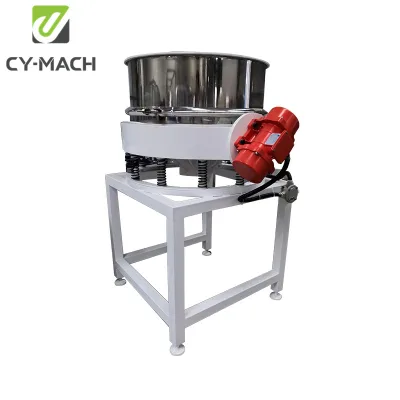
Factory Outlet CY-MACH 600mm Single Deck Powder Gypsum Circular Direct Discharging Screen
$1603.4833 - $1706.9338
MOQ: 1 sets
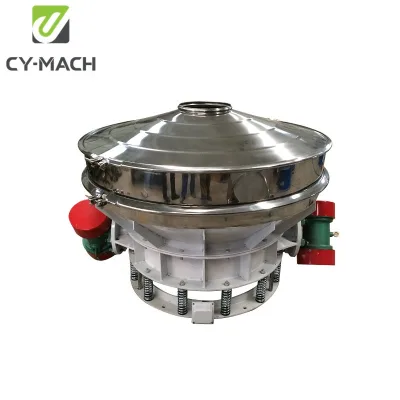
Factory Outlet CY-MACH 1000mm Granular Powder Gypsum Double Source Direct Discharging Screen
$3000.00 - $3050.00
MOQ: 1 sets
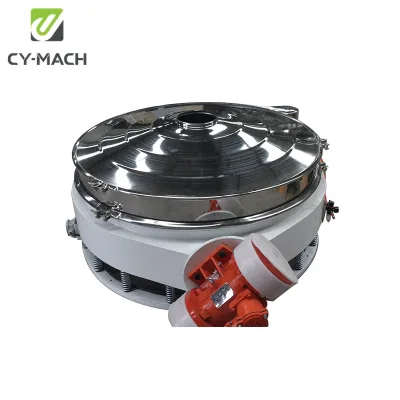
$4000.00 - $4050.00
MOQ: 1 sets
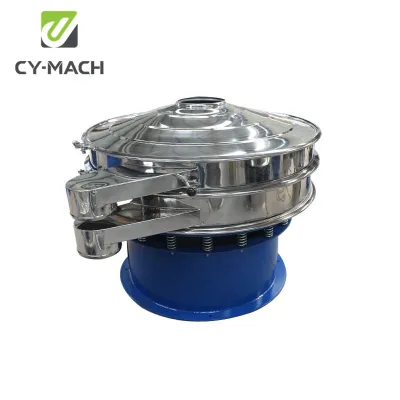
CY-MACH Plastic powder food industry for mini rotary vibrating screen round vibrating screen
$2000.00 - $2500.00
MOQ: 1 sets
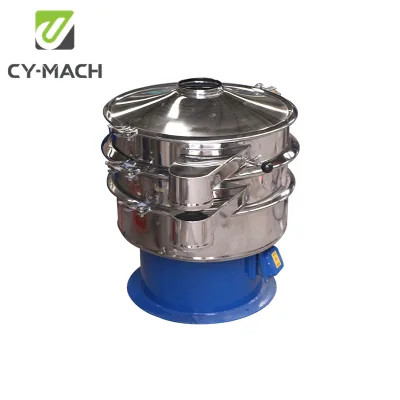
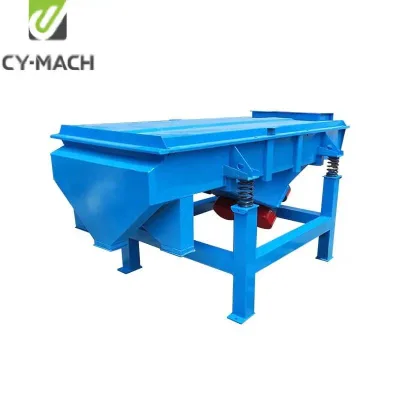
CY-MACH Reasonable price forced vibration screen Powder Granule Sieving for ketchup powder
$950.00 - $1050.00
MOQ: 1 acres

Henan Yuanzhen Machinery Equipment Co., Ltd.
- Combined
- China Henan
- Lead time15 days
- Avg. response≤ 1h
Main productsVibrating Screen, Sieve Shaker, Standard Test Sieve, Grading Equipment, Ultrasonic Screen, Ultrasonic Sieve, Safety Sieve, Separation Equipment, Solid-Liquid Separation, Vacuum Conveyor
Main marketsSouth America,Africa,Domestic,Europe,Australia,North America

- Trading Company,Manufacturer/Factory
- China Hebei
- Lead time23 days
- Avg. response≤ 21h
Main productsPneumatic Clutch, Hammer Crusher and Roller Screen, Gear Units and Electric Motor, Wear-Resistant Materials
Main marketsSouth America,Eastern Europe,Mid East,North America,Southeast Asia,Eastern Asia,Oceania,Western Europe,Africa

$20000.00 - $400000.00
MOQ: 1 Pieces

High Efficient Coarse Coal Roller Screen and Fine Screening for Coal Size Classification
$20000.00 - $400000.00
MOQ: 1 Pieces

Crs Roll Screen for Fine Coal Screening for Power Plant with Discharge Size 5mm 6mm 8mm 10mm
$20000.00 - $400000.00
MOQ: 1 Pieces

$20000.00 - $100000.00
MOQ: 1 Pieces
Jiangxi Changyi Mining Machinery Co., Ltd.
- Verified by TüVRheinland
- Manufacturer, Trading Company
- Lead time15 days
- Avg. response≤ 1h
Main productsMineral Separator, Mine Mill, Crusher, Sand Washer, Vibrating Screen
Main marketsAfrica(30%), South America(20%), Southeast Asia(20%)
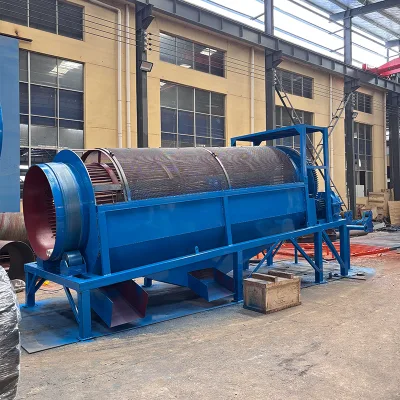
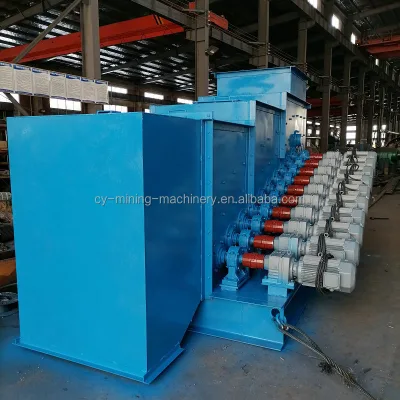
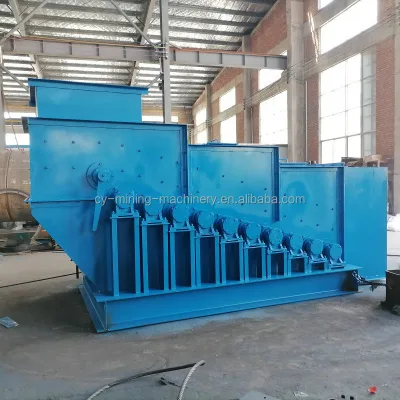
$4312.1823 - $6776.2865
MOQ: 1 sets

Xinxiang Tianfeng Vibration Machinery Co., Ltd.
- Verified by SGS
- Combined
- China Henan
- Lead time15 days
- Avg. response≤ 18h
Main productsVibrating Screen, Ultrasonic Vibrating Screen, Test Sieve, Swing Screen, Drum Screen, Rectilinear Sieve, Cyclone Screen, Feeder, Bucket Elevator, Vibrating Conveyor
Main marketsDomestic
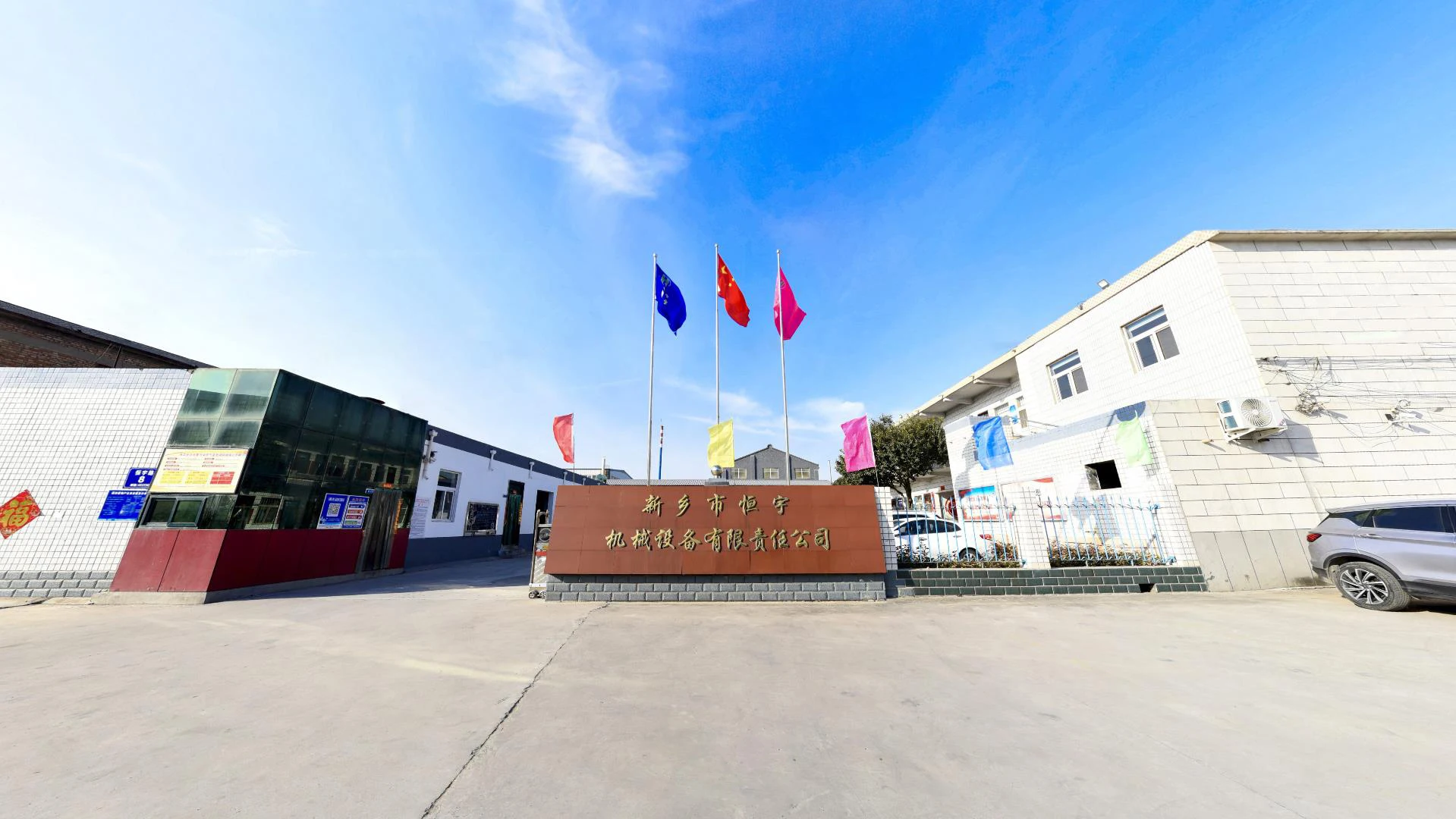
Xinxiang Hengyu Machinery Equipment Co., Ltd.
- Manufacturer
- Henan, China
- Lead time5 days
- Avg. response≤ 3h
Main productsZ type Bucket Elevator,Vibrating Screen,Vacuum Conveyor,Screw Conveyor,Gyratory Sifter
Main marketsDomestic Market(36.00%), Southeast Asia(20.00%), Southern Europe(7.00%), Northern Europe(7.00%), Western Europe(7.00%), North America(6.00%), South America(6.00%), Oceania(5.00%), Africa(3.00%), South Asia(3.00%)
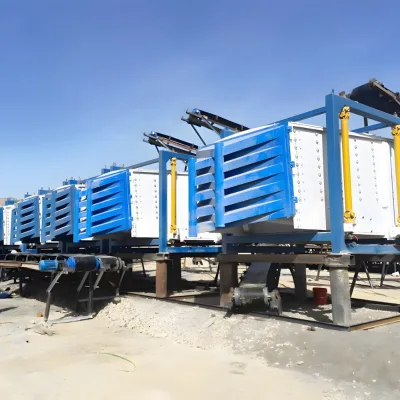
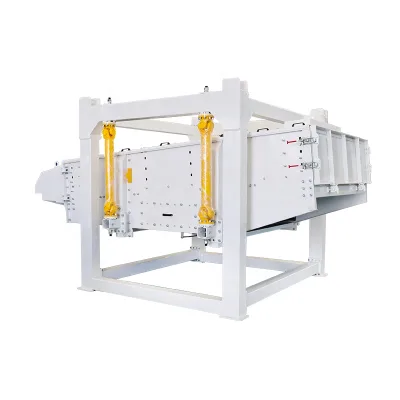
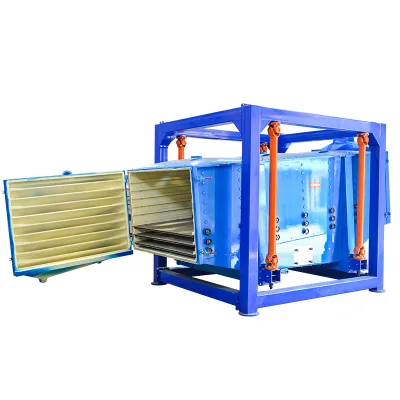
$1027.4146 - $2568.5365
MOQ: 1 Minimum
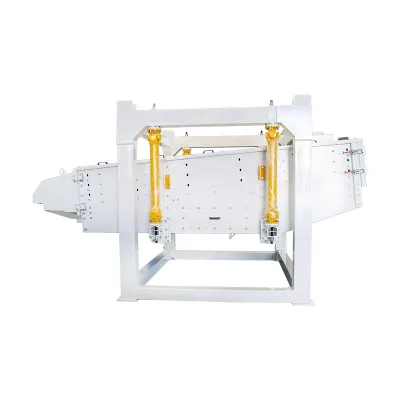

Shanghai Ecopro Environmental Engineering Co., Ltd.
- Trading Company,Manufacturer/Factory
- China Shanghai
- Lead time23 days
- Avg. response≤ 3h
Main productsSludge Dehydrator, Screw Press, Wastewater Treatment, Daf, Sludge Dewatering Machine, Static Screen, Dissloved Air Flotation, Filter Press, Sewage Treatment, Biocarrier
Main marketsSouth America,Eastern Europe,Mid East,North America,Southeast Asia,Eastern Asia,Oceania,Western Europe,Africa

Ecopro Screen Static Screens Fine Particle Sieve Wastewater Treatment
$3789.00 - $6256.00
MOQ: 1 Pieces

Screen Static Hydraulic Bow Run Down Screens Fine Particle Sieve Wastewater Treatment
$3789.00 - $6256.00
MOQ: 1 Pieces


HENAN SENKE EQUIPMENT CO., LTD
- Verified by SGS
- Combined
- China Henan
- Lead time15 days
- Avg. response≤ 3h
Main productsVibrating Screen, Rotary Screen, Trommel Screen
Main marketsSouth America,Southeast Asia/ Mideast,East Asia(Japan/ South Korea),Domestic,Europe,Australia,North America

Precision Drum Screen for Efficient Separation and Compost Grading Applications
$18100.00 - $19230.00
MOQ: 1 Pieces


Efficient Sand Drum Screen for Optimal Compost Grading and Screening
$18100.00 - $19230.00
MOQ: 1 Pieces

Robust Trommel Separation Screen for Precision Soil Screening Applications
$18100.00 - $19230.00
MOQ: 1 Pieces

Heavy-Duty Rock and Grizzly Screen for Efficient Material Separation
$1800.00 - $1950.00
MOQ: 1 Pieces

Zhengzhou Hongle Machinery Equipment Co., Ltd.
- Verified by SGS Group
- Manufacturer, Trading Company
- Lead time15 days
- Avg. response≤ 4h
Main productsFruit and Vegetables Production Line, Chicken Feet Production Line, Packing Machine Production Line, Nut Processing Line, Frying Production Line
Main marketsCentral America(20%), Africa(15%), Southern Europe(10%)

Shandong Huimin Lusheng Metal Products Co., LTD
- Verified by SGS
- Combined
- China Shandong
- Lead time30 days
- Avg. response≤ 5h
Main productsVibrating Screen, Vibrating Sieve, Stainless Steel Wire Mesh, Welded Mesh, Sieving Machine, Oscillating Screen, Linear Vibrating Screen, Banana Sieve, Polyurethane Screen
Main marketsDomestic


Durable Dewatering Screen for Effective Mineral Processing Solutions
$5000.00 - $100000.00
MOQ: 1 Pieces

Customizable High-Performance Mining Screens for Efficient Material Processing
$24500.00 - $45600.00
MOQ: 1 Pieces

Boye County Zhongheng Metal Products Co., Ltd.
- Verified by BV
- Combined
- China Hebei
- Lead time15 days
- Avg. response≤ 12h
Main productsPolyurethane Sieve Plate, Polyurethane Dewatering Screen Plate, Polyurethane Edged Screen Panels, Polyurethane Relaxion Screen Panels, Polyurethane Tension Screen Plate, Polyurethane Fine Screen Panel, Polyurethane Anti-Blocking Screen Panels, Polyurethane Screen Mesh, Customized Polyurethane Products, Polyurethane Screen Panel
Main marketsDomestic
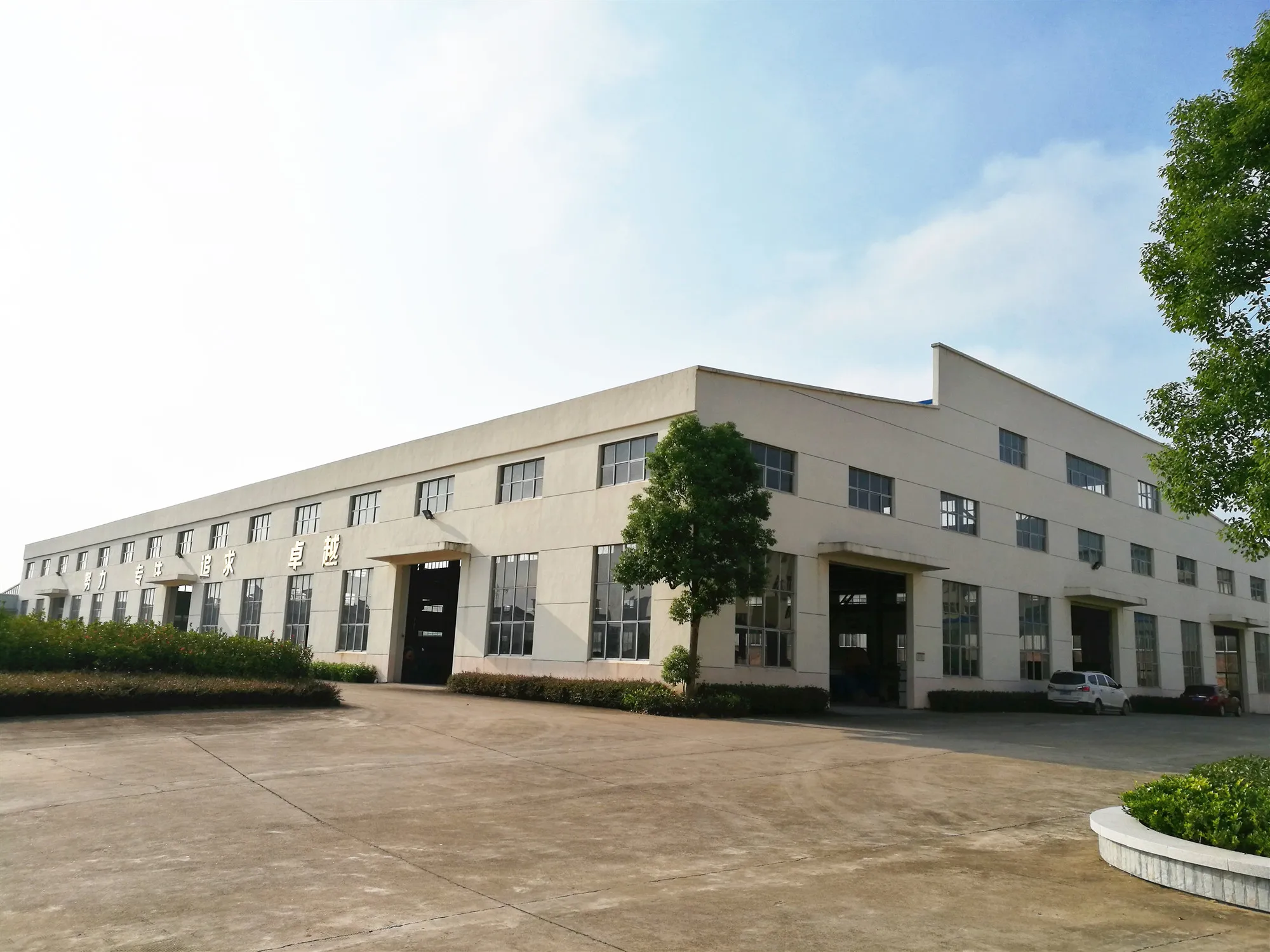
Jiangxi Henghong International Mining Machinery Co., Ltd.
- Manufacturer, Trading Company
- Jiangxi, China
- Lead time15 days
- Avg. response≤ 1h
Main productsFeeding Equipment,Crushing Equipment,Grinding Equipment,Screening Equipment,Separator Equipment
Main marketsAfrica(20.00%), South Asia(11.00%), Mid East(10.00%), South America(8.00%), Southeast Asia(6.00%), Eastern Europe(6.00%), Oceania(6.00%), North America(6.00%), Eastern Asia(5.00%), Domestic Market(5.00%), Northern Europe(5.00%), Central America(5.00%), Western Europe(5.00%), Southern Europe(2.00%)
Gongyi City Huashengming Heavy Industry Machinery Factory
- Verified by TüVRheinland
- Manufacturer, Trading Company
- Lead time10 days
- Avg. response≤ 1h
Main productsRoll Crusher, Toothed Roll Crushen, Four-Roll Crushe, Sizing Teeth Roller Crushe, High Pressure Roller Mill
Main marketsSoutheast Asia(30%), Africa(25%), South America(20%)

Henan Mind Machinery Equipment Co., Ltd.
- Manufacturer, Trading Company
- Henan, China
- Lead time15 days
- Avg. response≤ 2h
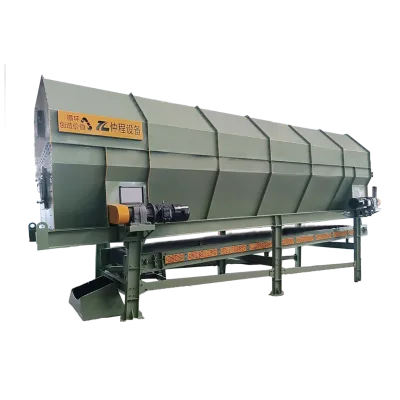
Main productswaste sorting system,trommel screen,Scrap Baler,Double Shaft Shredder,Crusher
Main marketsSouth Asia(15.00%), Domestic Market(10.00%), Eastern Asia(10.00%), Mid East(10.00%), Africa(10.00%), Southeast Asia(10.00%), Northern Europe(5.00%), North America(2.00%), South America(2.00%)
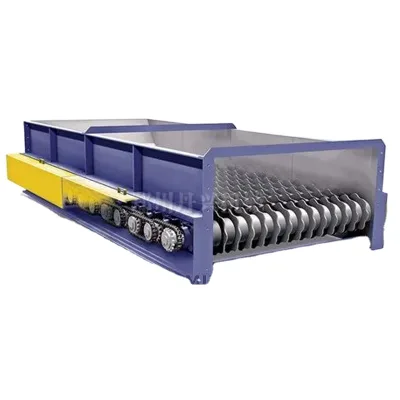
$1999.00 - $5300.00
MOQ: 1 sets
$1999.00 - $5300.00
MOQ: 1 sets

Qingdao EVU Environmental And Engineering Equipment Co., Ltd.
- Verified by SGS
- Combined
- China Shandong
- Lead time30 days
- Avg. response≤ 4h
Main productsSewage Treatment Plant, Water Purifier, Water Filter, Daf, Sludge Dewatering Machine, Electrical Flotation, Water Treatment Equipment, Seawater Desalination, Reverse Osmosis, RO Purifier
Main marketsSouth America,Southeast Asia/ Mideast,Europe
Weihai Haiwang Hydrocyclone Co., Ltd.
- Manufacturer, Trading Company
- Shandong, China
- Lead time0 days
- Avg. response≤ 2h
Main productsHydrocyclone,Vibrating Screen,Sand Washing Machine,Spiral Separator,Wearing Resistant Materials
Main marketsDomestic Market(65.00%), South America(9.00%), North America(6.00%), Southeast Asia(6.00%), Mid East(6.00%), Eastern Asia(2.00%), Eastern Europe(2.00%), Oceania(2.00%), Africa(1.00%), South Asia(1.00%)

Luoyang Farvista Intelligent Equipment Co.,Ltd.
- Verified by SGS
- Combined
- China Henan
- Lead time30 days
- Avg. response≤ 1h
Main productsScraper Conveyor, Beam Stage Loaders, Crushers, Self-Moving Tail Pieces, Sprocket Assemblies, Middle Troughs, Shafts, Cast Parts, Forged Parts, Welded Parts
Main marketsDomestic

Linear Dewatering Screen for Ore Dressing Equipment Efficiently Separating Fine Mineral Particles
$1400.00 - $28000.00
MOQ: 1 Pieces

Linear Dewatering Screen for Mineral Processing Equipment and Sand Washing Line
$1400.00 - $28000.00
MOQ: 1 Pieces

Guangzhou Longdai Environmental Protection Technology Co., Ltd
- Verified by TUVRHEINLAND
- Trading Company
- China Guangdong
- Lead time30 days
- Avg. response≤ 6h
Main productsSewage Treatment Equipment, Rotary Disc Filter, Rotating Biological Contactor, Water Treatment Consumables
Main marketsDomestic

Rotary Screen for High-Efficiency Treatment of Solid Suspended Matter Wastewater
$2450.00 - $2850.00
MOQ: 1 Sets

High-Speed Rotating Solid Separation Screen for Sewage Treatment Plants
$2840.00 - $2860.00
MOQ: 1 Sets
Zhengzhou Green Machinery Co.,Ltd.
- Trading Company
- Henan, China
- Lead time35 days
- Avg. response≤ 2h
Main productsmining machinery,construction machinery,food machinery
Main marketsNorth America(20.00%), South America(13.00%), South Asia(10.00%), Southeast Asia(10.00%), Southern Europe(10.00%), Eastern Europe(8.00%), Oceania(6.00%), Mid East(5.00%), Northern Europe(5.00%), Central America(5.00%), Western Europe(5.00%), Eastern Asia(3.00%)

Zhengzhou Hengxing Heavy Equipment Co., Ltd.
- Combined
- China Henan
- Lead time30 days
- Avg. response≤ 8h
Main productsBall Mill Equipment, Rotary Dryer, Sand Making Machine, Stone Production Line, Rotary Kiln, Benefication Equipment, Stone Crushing and Screening Plant, Sand Making Production Line, Mineral Ore Separation Equipment, Ball Press Machine & Briquette Machine
Main marketsSouth America,Africa,Southeast Asia/ Mideast,East Asia(Japan/ South Korea),Domestic,Australia

ZHENGZHOU ZHENGJIA HEAVY INDUSTRY CO.,LTD.
- Verified by SGS
- Manufacturer/Factory
- China Henan
- Lead time45 days
- Avg. response≤ 9h
Main productsBall Mill, Stone Crusher, Cement Ball Mill, Rotary Dryer, Rotary Kiln, Sand Washer, Vibrating Feeder
Main marketsSouth America,Mid East,Southeast Asia,Eastern Asia,Oceania,Africa

Henan Excellent Machinery Co., Ltd.
- Verified by TUVRHEINLAND
- Trading Company,Manufacturer/Factory
- China Henan
- Lead time45 days
- Avg. response≤ 2h
Main productsVibrating Screen, Belt Conveyor, Bucket Elevator, Apron Feeder, Mineral Sizer, Screw Conveyor, Chain Conveyor, Conveyor Idler, Conveyor Cover
Main marketsSouth America,Eastern Europe,Mid East,North America,Southeast Asia,Eastern Asia,Oceania,Western Europe,Africa
Zhengzhou Hengxing Heavy Equipment Co., Ltd.
- Manufacturer, Trading Company
- Henan, China
- Lead time25 days
- Avg. response≤ 7h
Main productsBall Mill,Rotary Dryer,Rotary Kiln,Stone Crusher Plant,AAC Block Equipment
Main marketsDomestic Market(49.00%), Southeast Asia(11.00%), Africa(10.00%), South Asia(8.00%), South America(6.00%), Mid East(6.00%), Eastern Asia(3.00%), Eastern Europe(3.00%), North America(1.00%), Oceania(1.00%), Western Europe(1.00%), Southern Europe(1.00%)
Anping County Guande Wire Mesh Co., Ltd.
- Manufacturer, Trading Company
- Hebei, China
- Lead time7 days
- Avg. response≤ 1h
Main productsJohnson Screens,Wedge Wire Screen,Water Well Warped Screen,Wire Wrapped Stainless Steel Screen Pipe,Curved Wedge Wire Screen
Main marketsNorth America(20.00%), Southeast Asia(10.00%), Oceania(10.00%), Eastern Europe(10.00%), Central America(8.00%), Africa(7.00%), Mid East(7.00%), Western Europe(5.00%), Domestic Market(5.00%), South America(5.00%), South Asia(4.00%), Northern Europe(3.00%), Eastern Asia(3.00%), Southern Europe(3.00%)

Luoyang Longding Environmental Protection Technology Co.,Ltd
- Manufacturer, Trading Company
- Henan, China
- Lead time0 days
- Avg. response≤ 6h
Main productsGrinding Mill,Stone Crusher,Vibrating Screen,Mineral Separator,Concrete Machine
Main marketsSoutheast Asia(30.00%), Africa(20.00%), South America(20.00%), Domestic Market(10.00%), South Asia(10.00%), Oceania(10.00%)
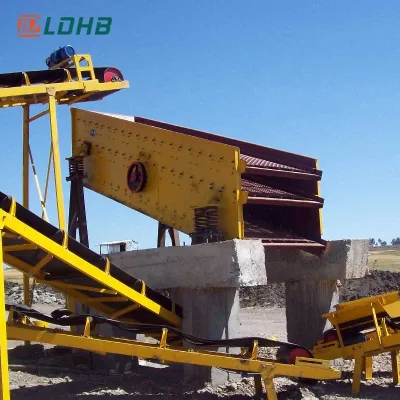
2ya1860 Concrete Sieving Screen for Sale
$4000.00 - $6000.00
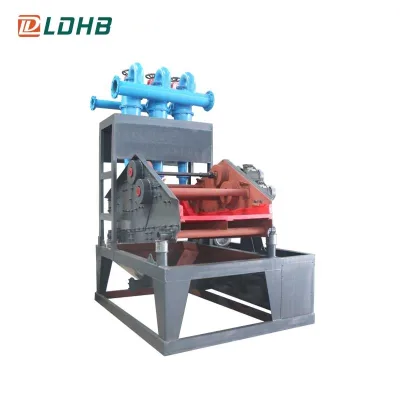
GP1836J-75 Good Quality Sieving Tailings Coal Dewatering Screen with Cyclone Separator
$3500.00 - $5000.00
MOQ: 1 sets

TYXC Environmental Protection Equipment Manufacturing Co., Ltd
- Verified by BV
- Combined
- China Sichuan
- Lead time45 days
- Avg. response≤ 10h
Main productsvibrating screen
Main marketsDomestic


China Factory Sieve for Building Materials Industry with Long Service Life and Corrosion Resistance
$2500.00 - $35000.00
MOQ: 1 Pieces
Jiangxi Hengchang Mining Machinery Manufacturing Co., Ltd.
- Manufacturer, Trading Company
- Lead time旺季: "1 - 10":16,"> 10":"To be negotiated", 淡季: "1 - 10":16,"> 10":"To be negotiated"
- Avg. response≤ 1h
Main productsMineral Separator, Crusher, Leaching Tank, Mine Mill, Flotation Machine
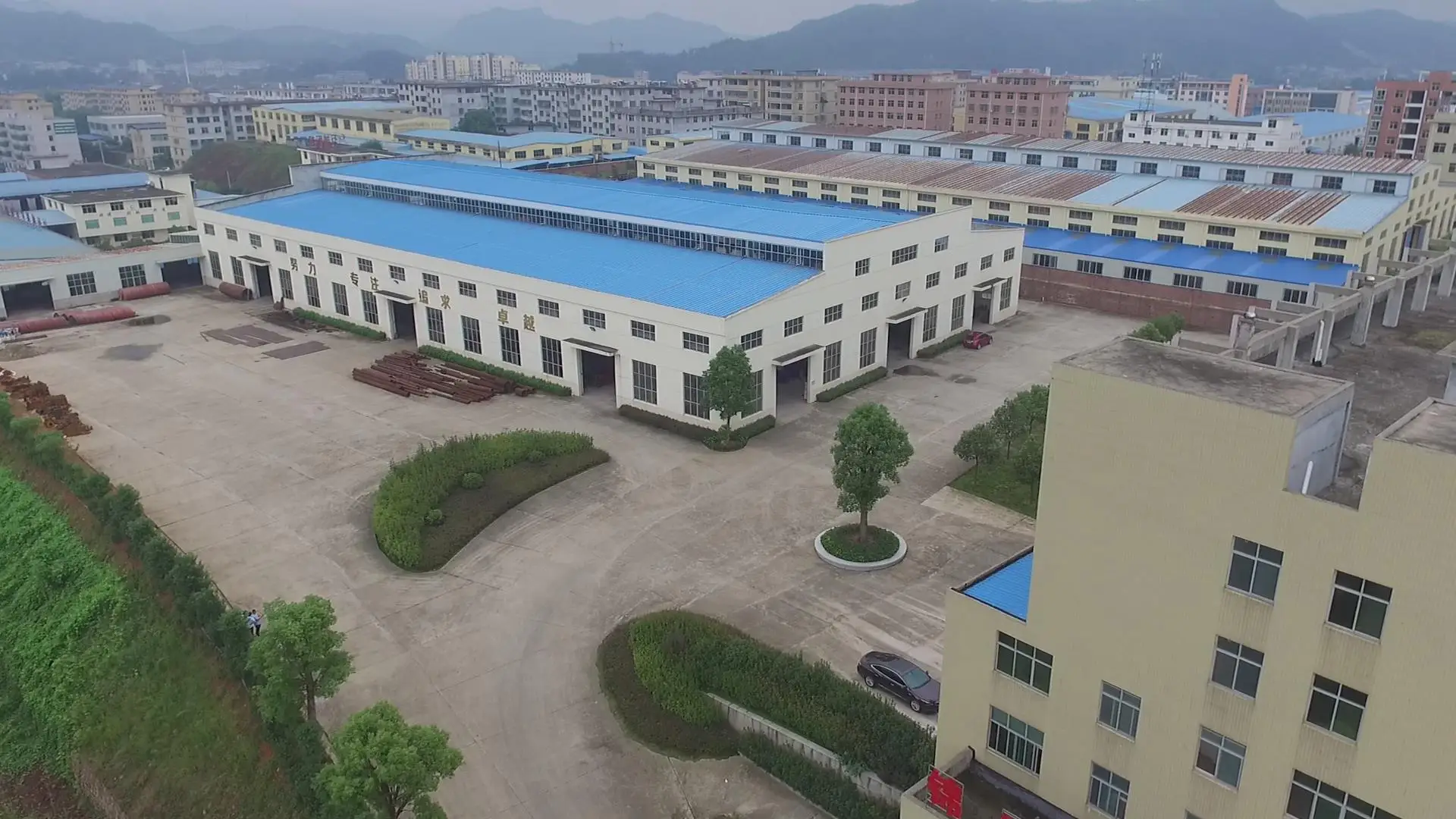
Jiangxi Hengchang Mining Machinery Manufacturing Co., Ltd.
- Manufacturer, Trading Company
- Jiangxi, China
- Lead time7 days
- Avg. response≤ 1h
Main productsGravity Separator,Stone Crusher,Ball Mill,Trommel Screen,Magnetic Separator
Main marketsAfrica(37.00%), South America(25.00%), Eastern Asia(10.00%), South Asia(5.00%), Mid East(5.00%), Domestic Market(2.00%), North America(2.00%), Southern Europe(2.00%), Northern Europe(2.00%), Central America(2.00%), Western Europe(2.00%), Eastern Europe(2.00%), Southeast Asia(2.00%), Oceania(2.00%)

Jiangxi Victor International Mining Equipment Co., Ltd.
- Manufacturer, Trading Company
- Jiangxi, China
- Lead time15 days
- Avg. response≤ 3h
Main productsMining Equipment
Main marketsAfrica(65.00%), Eastern Asia(10.00%), Mid East(10.00%), Southern Europe(5.00%), Domestic Market(1.00%), Eastern Europe(1.00%), South Asia(1.00%), Northern Europe(1.00%), Central America(1.00%), Southeast Asia(1.00%), Western Europe(1.00%), North America(1.00%), Oceania(1.00%), South America(1.00%)
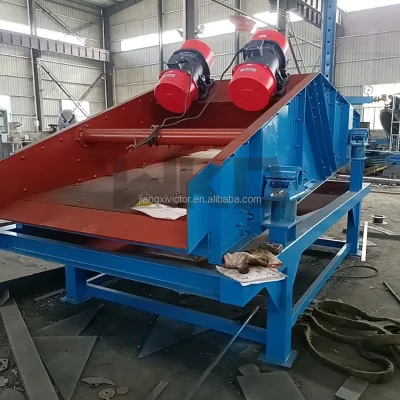
Heavy Duty Dewatering Screen Polyurethane Dewatering Screen for Coal/Silica Sand/Gravel
$3800.4072 - $4519.5974
MOQ: 1 sets
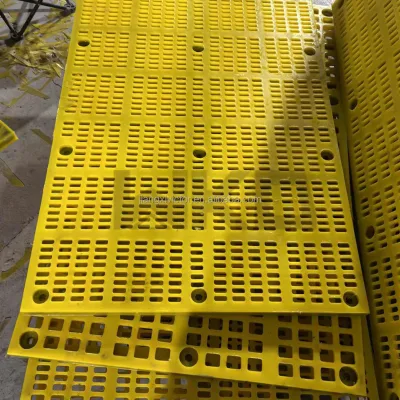
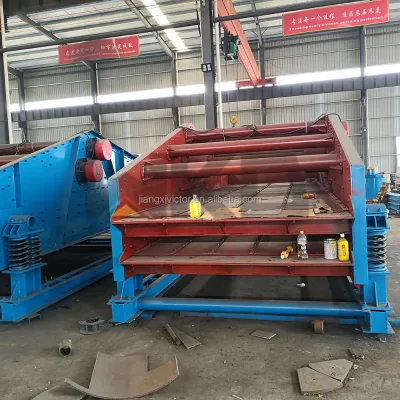
$4620.1953 - $5132.525
MOQ: 1 sets
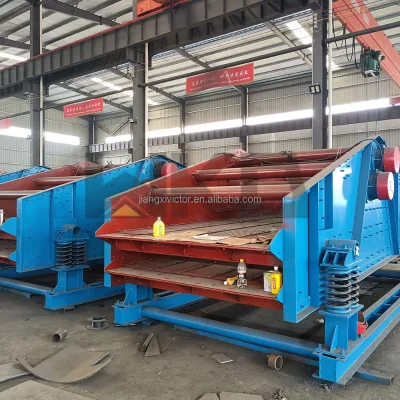


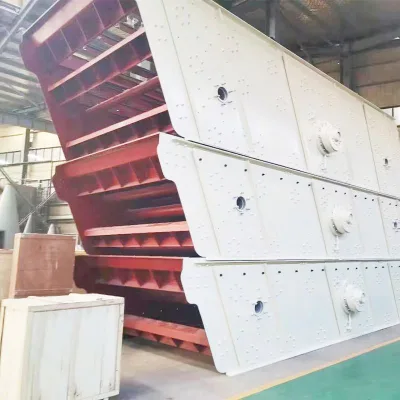
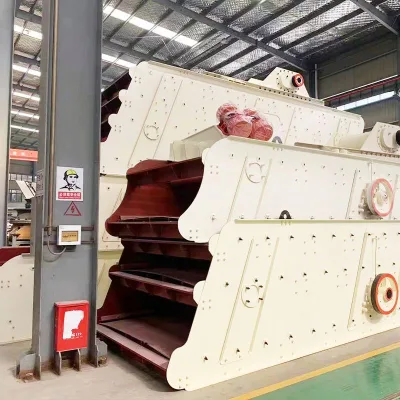


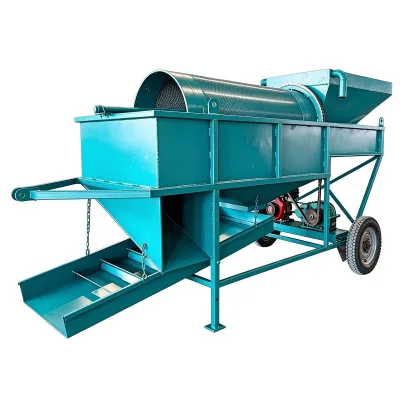




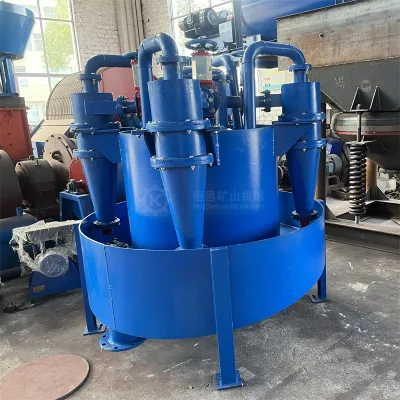
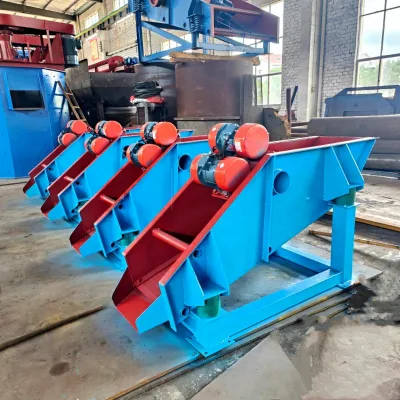
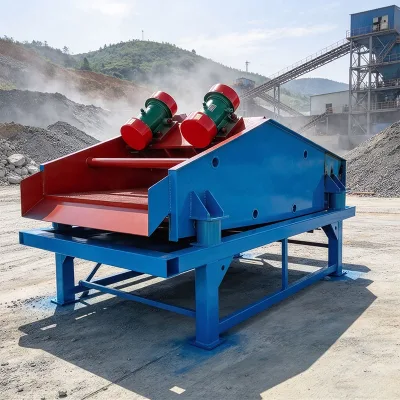
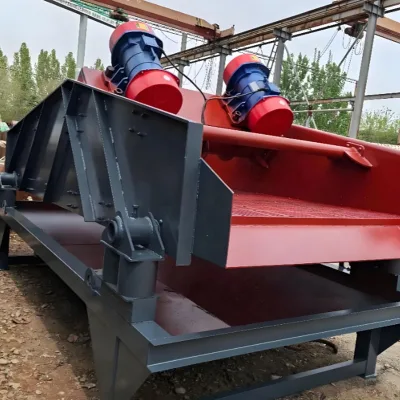
Comprehensive Sourcing Guide
Direct Discharging Powder Gypsum Screen Supplier Concentration and Factory Types
The current supplier landscape for direct discharging powder gypsum screens reveals a mix of manufacturing entities and trading companies, offering buyers a diverse range of sourcing options. Manufacturers typically provide deeper technical customization capabilities, as evidenced by the availability of light customization, sample processing, and graphic processing services. These factories often emphasize their ability to handle customized on-demand requests, which is crucial for specialized industrial applications where standard models may not suffice. The presence of trading companies alongside manufacturers suggests a market where some suppliers act as intermediaries, potentially offering a broader catalog of related machinery such as screw conveyors and vacuum conveyors. Buyers should carefully distinguish between these entity types to understand the source of their product, as this distinction often correlates with the depth of technical support and the flexibility of production schedules. Understanding whether a supplier is a direct factory or a trading entity helps in assessing the reliability of technical specifications and the potential for long-term partnership stability.
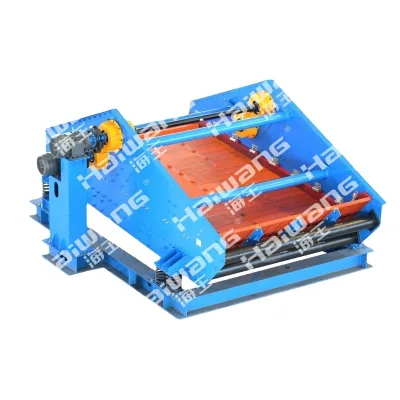
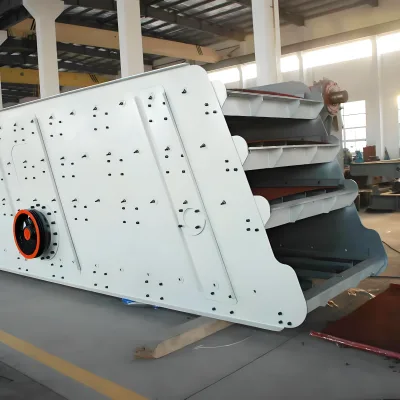
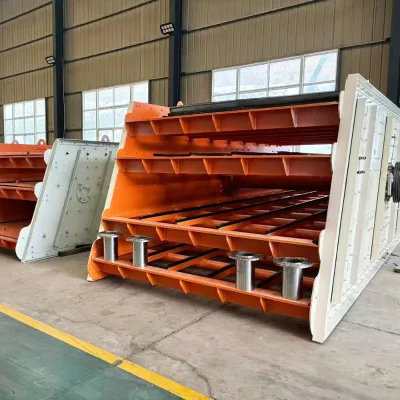
Main product portfolios vary significantly among suppliers, with many focusing heavily on rotary vibrating screens, linear vibrating screens, and mining vibrating screens. This specialization indicates that suppliers often have established production lines and expertise in specific screening technologies rather than offering a generic, one-size-fits-all solution. For instance, some suppliers highlight their capability in producing single-deck powder gypsum circular direct discharging screens, while others offer double-source direct discharging models for granular powders. The diversity in main products suggests that buyers can find suppliers who are deeply entrenched in the vibrating screen niche, potentially offering better after-sales support and spare parts availability. However, it also means that buyers must verify if the specific model they require is a core competency of the supplier or an ancillary offering. This verification is essential to ensure that the supplier has the necessary tooling and experience to produce high-quality direct discharging powder gypsum screens that meet specific operational requirements.
How to Verify Direct Discharging Powder Gypsum Screen Suppliers
Verification of suppliers requires a multi-layered approach that goes beyond basic company profiles. One critical step is to check for third-party verification badges, such as those provided by SGS Group, which can offer an additional layer of trust regarding the supplier's operational legitimacy. Buyers should also scrutinize system certifications, with CE certification being a common standard for machinery exported to certain regions, indicating compliance with European health, safety, and environmental protection standards. However, certification alone is not sufficient; buyers must also look for evidence of product testing and quality control processes. The availability of video outgoing-inspection services is a strong indicator of a supplier's transparency and confidence in their manufacturing quality. This feature allows buyers to visually verify the assembly, finish, and functionality of the Direct Discharging Powder Gypsum Screen before shipment, reducing the risk of receiving non-conforming goods. It is advisable to request these videos as part of the pre-order verification process to ensure that the physical product matches the advertised specifications.
Another vital aspect of verification is assessing the supplier's after-sales service capabilities and warranty terms. Suppliers that provide field maintenance and repair services, along with free spare parts, demonstrate a commitment to long-term customer support. Buyers should verify the specific terms of the warranty, such as the duration for core components like the motor, which may differ from the overall machine warranty. For example, some suppliers offer a 1.5-year warranty for the entire machine, while core components might have a separate one-year guarantee. Additionally, the availability of machinery test reports should be confirmed, as these documents provide objective data on the machine's performance under load. Buyers should also check the supplier's response time, as a quick response indicates a well-organized customer service team that can address technical queries or issues promptly. By combining these verification steps, buyers can build a comprehensive profile of the supplier's reliability and capability to deliver high-quality direct discharging powder gypsum screens.
What to Compare Across Direct Discharging Powder Gypsum Screen Suppliers
When evaluating multiple suppliers, buyers should compare key operational metrics such as lead time, minimum order quantity (MOQ), and response speed. Lead times can vary significantly, with some suppliers offering rapid turnaround times of around seven days, which is crucial for projects with tight deadlines. However, faster lead times may come at a premium or require higher MOQs, so buyers must balance speed with cost and volume requirements. The MOQ for direct discharging powder gypsum screens can be as low as one unit, allowing for small-scale testing or pilot projects, while larger orders may benefit from economies of scale. Response time is another critical factor, with some suppliers demonstrating a four-hour response window, indicating high availability and responsiveness. Buyers should prioritize suppliers who not only respond quickly but also provide detailed and accurate information in their initial replies, as this reflects their technical competence and customer service quality.
Technical specifications and customization options are also essential comparison points. Buyers should compare the voltage options, material grades, and screen mesh sizes available from different suppliers. For instance, some suppliers offer stainless steel 304/316L materials, which are ideal for food processing or corrosive environments, while others may use carbon steel for more general applications. The number of layers, power consumption, and motor types are also key differentiators. Suppliers that offer a wide range of models, such as the CY-MACH series with various diameters and power ratings, provide greater flexibility in selecting the right equipment for specific throughput requirements. Additionally, buyers should compare the warranty terms and after-sales service packages, as these can significantly impact the total cost of ownership. By systematically comparing these attributes, buyers can identify the supplier that best aligns with their technical needs, budget, and operational timeline.
Common Direct Discharging Powder Gypsum Screen Sourcing Risks
One significant risk in sourcing direct discharging powder gypsum screens is the potential mismatch between advertised specifications and actual product performance. Buyers may encounter suppliers who provide incomplete or misleading information regarding core components, such as the motor brand or power rating. This discrepancy can lead to operational inefficiencies or premature equipment failure. To mitigate this risk, buyers should insist on detailed technical datasheets and, if possible, conduct third-party inspections before shipment. Another risk is the variability in build quality, particularly regarding the screen mesh and frame construction. Suppliers who do not provide machinery test reports or video outgoing-inspections may have inconsistent quality control processes, increasing the likelihood of defects. Buyers should prioritize suppliers who offer comprehensive testing documentation and transparent inspection opportunities to ensure that the equipment meets their specific screening requirements.
Logistical and after-sales support risks are also prevalent in international sourcing. Buyers may face challenges in obtaining timely spare parts or technical support if the supplier lacks a robust global service network. Some suppliers list local service locations in regions like the Philippines or Brazil, but the extent and quality of these services can vary. Additionally, shipping damages are a common risk, especially for large and heavy machinery. Buyers should verify the supplier's packaging standards, such as the use of standard export fumigation-free wooden boxes, to ensure that the equipment is protected during transit. Furthermore, currency fluctuations and payment terms can pose financial risks. Buyers should use secure payment methods, such as escrow services, to protect their funds until the goods are received and verified. By anticipating these risks and implementing appropriate mitigation strategies, buyers can reduce the potential for costly disruptions and ensure a smoother sourcing experience.
Direct Discharging Powder Gypsum Screen Regional Sourcing and Logistics
The primary sourcing region for direct discharging powder gypsum screens is Henan, China, a well-known hub for mining and construction machinery manufacturing. This concentration of suppliers in Henan offers buyers access to a mature supply chain with established logistics networks and competitive pricing. However, buyers must also consider the logistical implications of sourcing from this region, including shipping times and customs clearance procedures. The availability of multiple port options, such as Qingdao, Guangzhou, Shenzhen, Shanghai, Ningbo, Suzhou, Dalian, Rizhao, Tianjin, and Yingkou, provides flexibility in choosing the most cost-effective and efficient shipping route. Buyers should work with their freight forwarders to determine the best port based on their final destination and import regulations. Additionally, the weight and dimensions of the equipment, which can range from 150 KG to over 297 KG, must be carefully considered when planning logistics and handling at the destination.
Local service locations are another important logistical consideration, particularly for buyers in regions like the Philippines and Brazil. Suppliers that offer local service support can significantly reduce downtime and maintenance costs by providing on-site repairs and spare parts. Buyers should verify the availability and scope of these local services before placing an order, as the quality and responsiveness of local support can vary. Furthermore, buyers should be aware of any import duties, taxes, or regulatory requirements in their home country that may affect the total landed cost of the equipment. Understanding these regional logistics factors allows buyers to make informed decisions about supplier selection and shipping arrangements, ensuring that the direct discharging powder gypsum screens are delivered efficiently and that ongoing support is available when needed.
Direct Discharging Powder Gypsum Screen Commercial Terms and Order Planning
Commercial terms for direct discharging powder gypsum screens typically include a range of price points, with costs varying based on model, specifications, and order volume. For example, prices can range from approximately $950 to over $4000, depending on factors such as screen diameter, material grade, and power requirements. Buyers should request detailed quotations that break down the cost of the machine, shipping, and any additional services, such as installation or training. Payment terms are also a critical aspect of order planning, with many suppliers offering flexible options to accommodate different buyer preferences. Buyers should negotiate terms that protect their interests, such as partial payments upon order placement and the remainder upon shipment or delivery. Additionally, buyers should consider the total cost of ownership, including energy consumption, maintenance, and spare parts, when evaluating the commercial viability of a supplier's offer.
Order planning should also account for the supplier's production capacity and lead times. Suppliers with a monthly capacity of 200 sets, for instance, can handle larger orders more efficiently, but buyers should confirm this capacity during peak seasons to avoid delays. Customization requests, such as specific voltage requirements or screen mesh sizes, may extend lead times, so buyers should communicate their needs clearly and early in the process. Furthermore, buyers should plan for the installation and commissioning of the equipment, which may require technical support from the supplier. Some suppliers offer field maintenance and repair services, which can be valuable for ensuring proper setup and operation. By carefully planning the commercial and logistical aspects of the order, buyers can minimize risks and ensure a successful procurement of direct discharging powder gypsum screens.
FAQs
What is the lead time for direct discharging powder gypsum screens?
The standard lead time for these vibrating screens is 7 days from order confirmation. This duration applies to factory outlet models like the CY-MACH series. Buyers should confirm specific timelines based on customization needs and current production schedules before placing an order.
What is the minimum order quantity for these vibrating screens?
The minimum order quantity is 1 unit for most Direct Discharging Powder Gypsum Screen models. This allows buyers to purchase single items for testing or small-scale operations. Bulk pricing may vary depending on the specific model and material requirements selected.
What certifications do these vibrating screen manufacturers hold?
Manufacturers of these screens hold CE system certification to ensure compliance with safety standards. Additionally, supplier verification is conducted by SGS Group to validate business credentials. Buyers should request specific certification documents to confirm current validity for their project requirements.
What is the response time for supplier inquiries?
Suppliers typically respond to inquiries within 4 hours during business days. This rapid response ensures quick clarification on technical specifications and pricing. Buyers can expect timely communication regarding order status and product availability for direct discharging powder gypsum screens.
What materials are used for the vibrating screen construction?
These screens are constructed from Stainless Steel 304 or 316L for corrosion resistance. Carbon steel options are also available for specific industrial applications. The material choice depends on the product being screened, such as gypsum, silica sand, or food processing powders.
What warranty is provided for the vibrating screen equipment?
A warranty of 1.5 years is standard for the core components of these vibrating screens. Some models offer a 1-year warranty on specific parts. Field maintenance and repair services are provided to ensure long-term operational reliability for industrial applications.
Where are these vibrating screens manufactured?
These vibrating screens are manufactured in Henan, China. This region is known for its concentration of machinery production facilities. Buyers can verify the place of origin on product specifications to ensure alignment with their sourcing preferences and logistics planning.