Ultra Light Portable Camping Mat Suppliers and Manufacturers
Compare 31 verified suppliers offering ultra light portable camping mats with varying lead times, MOQs, and certifications. Review response times and product specs like material and waterproofing before requesting quotes; review the available evidence before requesting comparable quotations from suitable candidates.
Updated
Suppliers List

- Verified by BV
- Trading Company
- China Fujian
- Lead time23 days
- Avg. response≤ 3h
Main productsMouth Care and Soap, Field Kitchen Trailer, Camping Tents, Boots and Shoes, Camo Uniform and Clothes, Outdoor Backpacks and Bags, Camouflage Net and Ghillie Suit, Blankets and Sleeping Bags, Canteens and Mess Tins, Tactical Helmet
Main marketsSouth America,Africa,Southeast Asia/ Mideast,East Asia(Japan/ South Korea),Europe,Australia,North America


Picnic Mat Portable Waterproof Mat Mini Folding Outdoor Camping Damp Proof Mat Red
$2.00 - $8.00
MOQ: 100 Pieces

Ningbo ZNZ Leisure Products Co., Ltd.
- Verified by CTI
- Manufacturer/Factory
- China Zhejiang
- Lead time45 days
- Avg. response≤ 13h
Main productsPVC Coated Woven Fabric, Siwmming Pool Fence, Outdoor RV Patio Mat, PE Rattan/Rattan Furniture, PVC Yarn, Outdoor Webbing/Rope for Outdoor Funture, Outdoor Beach Picnic Mat, Placemat, Door Mat, Outdoor PVC Mesh Sunscreen Fabric
Main marketsSouth America,Eastern Europe,North America,Oceania,Western Europe


Customized Design Portable Durable Waterproof Outdoor Hiking Camping Mat
$3.00 - $4.50
MOQ: 200 Pieces

Yiwu Fucheng International Trade Co., Ltd.
- Verified by TüVRheinland
- Trading Company
- Lead time30 days
- Avg. response≤ 2h
Main productsCamping Chair, Outdoor Table, Outdoor Camping Folding Bed, Outdoor Tent, Table And Chair Set
Main marketsNorth America(38%), Western Europe(20%), South America(11%)

Ningbo Chanceca Import & Export Co., Ltd.
- Verified by TUVRHEINLAND
- Trading Company
- China Zhejiang
- Lead time30 days
- Avg. response≤ 9h
Main productsTrekking Poles, Camping Tent, Camping Furniture, Camping Gear, Sleeping Gear, Waterproof Dry Bag
Main marketsSouth America,Africa,Southeast Asia/ Mideast,East Asia(Japan/ South Korea),Europe,Australia,North America


Ultralight Inflatable Camping Sleeping Pads Durable Waterproof Camping Mat
$14.89 - $15.59
MOQ: 50 Pieces

$13.25 - $13.90
MOQ: 100 Pieces

Outdoor Backpacking Traveling Camping Ultralight Sleeping Pad Lightweight Camping Mat
$13.25 - $13.90
MOQ: 100 Pieces

Light Portable Moisture-Proof and Warm Dampproof Camping Picnic Leisure Mat
$6.99 - $7.90
MOQ: 100 Pieces


Shandong Fangsheng Imports And Exports Co., Ltd.
- Manufacturer, Trading Company
- Shandong, China
- Lead time15 days
- Avg. response≤ 6h
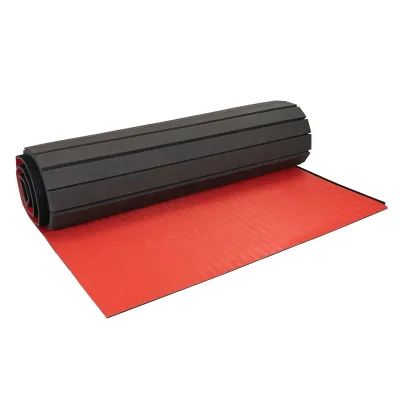
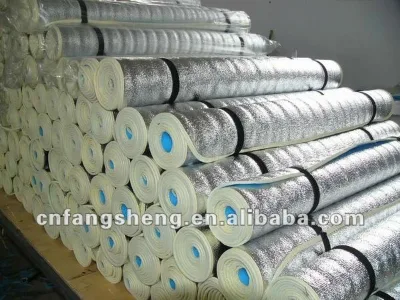
Main productsSports And Entertainment Mat and Roller (Floating Mat,Taekwondo Mat,Puzzle Mat,Foam Roller,PE Foam)
Main marketsNorth America(50.00%), Oceania(10.00%), South America(10.00%), Southern Europe(5.00%), Northern Europe(5.00%), Western Europe(5.00%), Eastern Asia(5.00%), Eastern Europe(5.00%), Southeast Asia(5.00%)
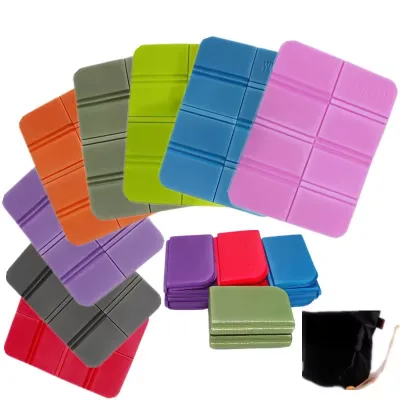
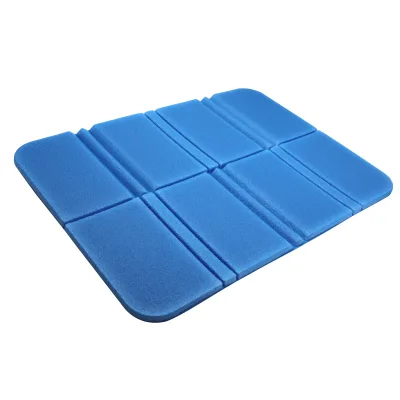
Foam Hiking Seat Cushion Foldable Waterproof Ultralight Camping Outdoor Sitting Mat
$0.35 - $0.40
MOQ: 200
Hebei Fryan Technology Co., Ltd.
- Trading Company
- Hebei, China
- Lead time3 days
- Avg. response≤ 6h
Main productsHip Lifting Pants,Compression pants & Shirts,Sporsts Kneepads,Motorcycle Armor Jacket,Body Shaper
Main marketsNorth America(22.00%), South America(21.00%), Central America(20.00%), Southern Europe(10.00%), Eastern Europe(10.00%), Western Europe(10.00%), Domestic Market(1.00%), South Asia(1.00%), Oceania(1.00%), Africa(1.00%), Southeast Asia(1.00%), Eastern Asia(1.00%), Mid East(1.00%)
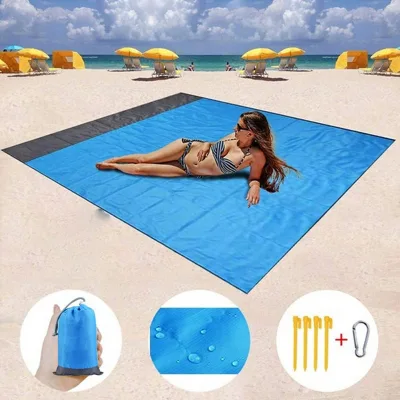
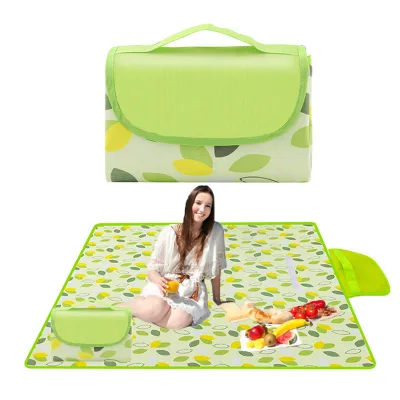
Custom Outdoor Camping Waterproof Picnic Blanket Portable Hiking Wilderness Cooking Mat
$3.7819 - $4.6017
MOQ: 5 pieces
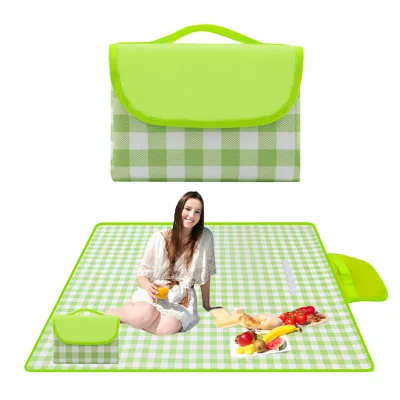
Large Waterproof Moisture-proof Portable Foldable Field Outdoor Travel Camping Hiking Picnic Mat
$3.7819 - $4.6017
MOQ: 5 pieces
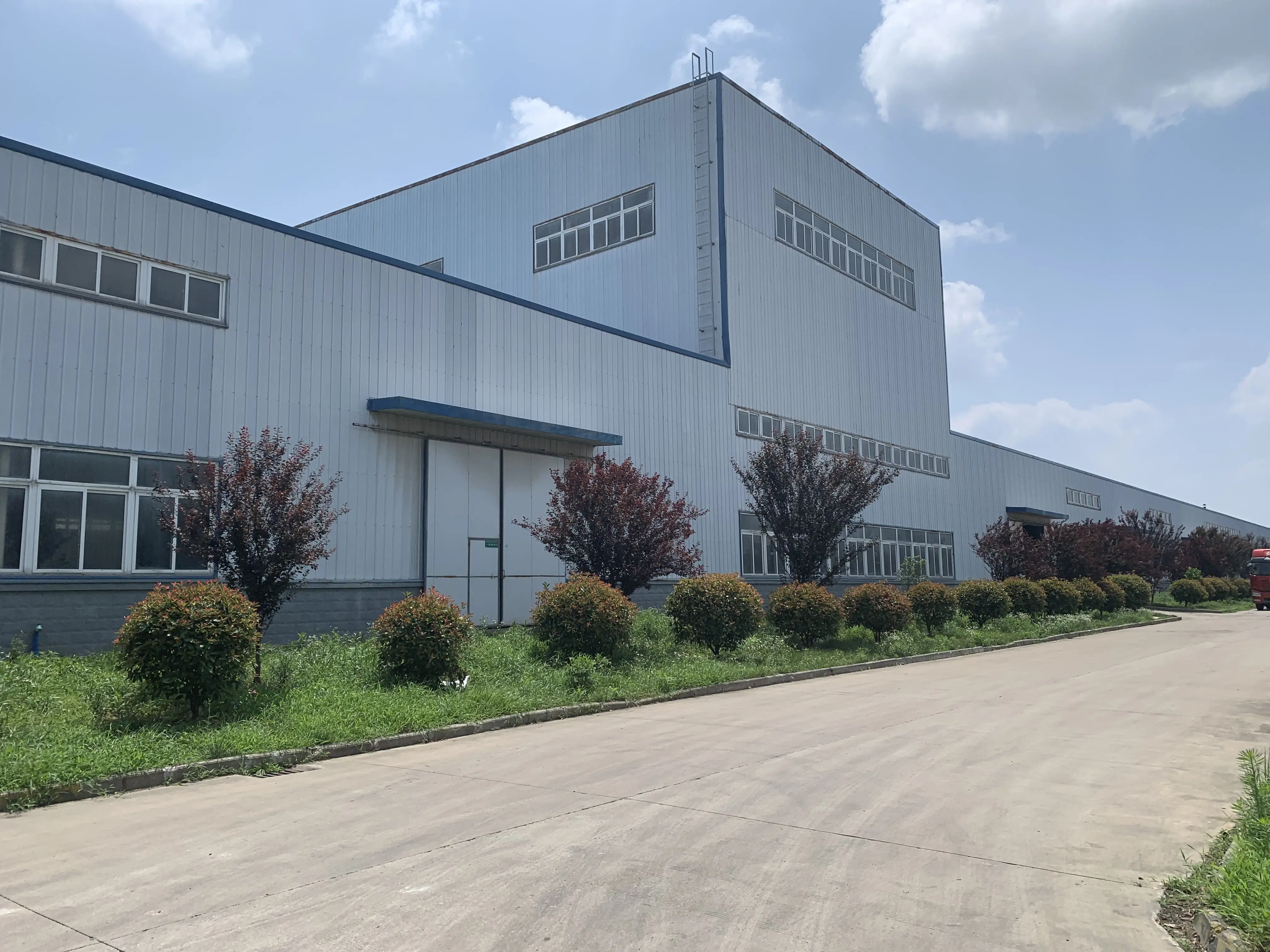
Tianjin Guoyu Technology Co., Ltd.
- Trading Company
- TIANJIN, China
- Lead time15 days
- Avg. response≤ 3h
Main productsMartial Art & MMA Mat,Heat Insulation Box,Floating mat,Heat insulation foam,Tatami jigsaw floor mat
Main marketsDomestic Market(91.50%), Oceania(5.00%), North America(2.35%), Western Europe(0.50%), Eastern Asia(0.50%), Southeast Asia(0.15%)
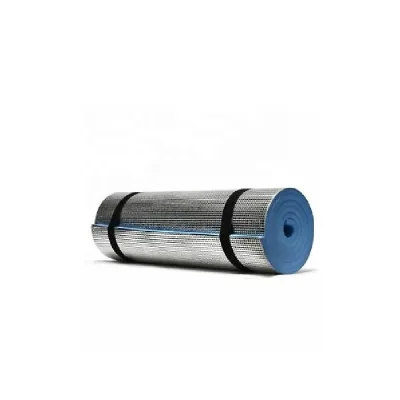
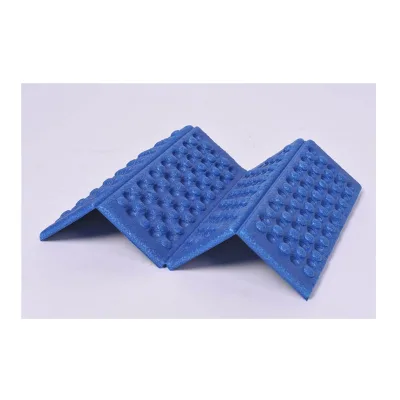
Hot Sale Portable Colorful travel Hiking Backpacking Camping Mat Sitting Mat
$1.20 - $1.50
MOQ: 100 pieces

- Verified by SGS
- Combined
- China Hebei
- Lead time15 days
- Avg. response≤ 2h
Main productsInflatable Tent/Camping Tent/Outdoor Tent, Relief Tent/Event Tent/Tarpaulin/Cavas Tent
Main marketsDomestic,Europe
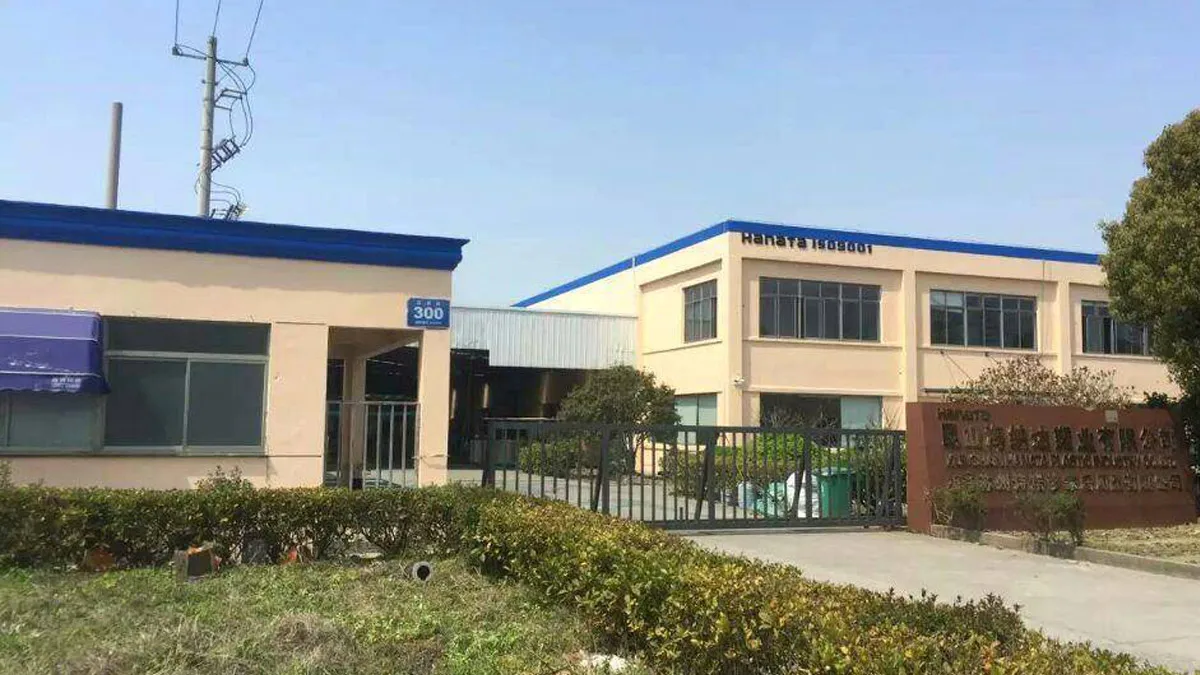
Kunshan Hanata Plastic Industry Co., Ltd.
- Manufacturer, Trading Company
- Jiangsu, China
- Lead time20 days
- Avg. response≤ 7h
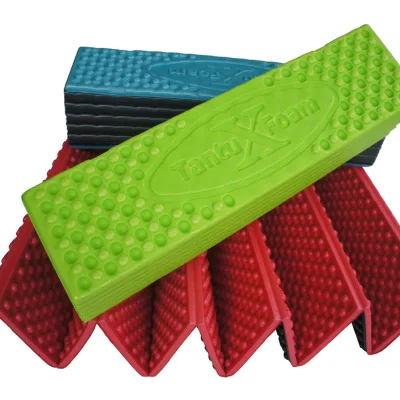
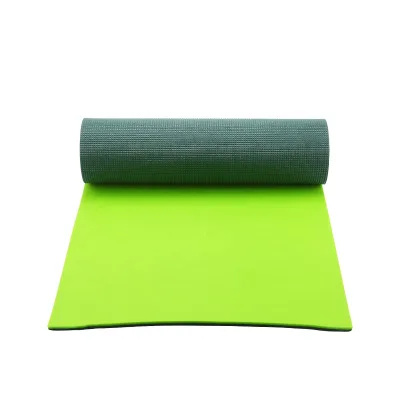
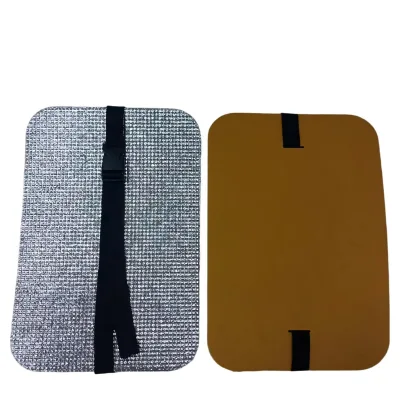
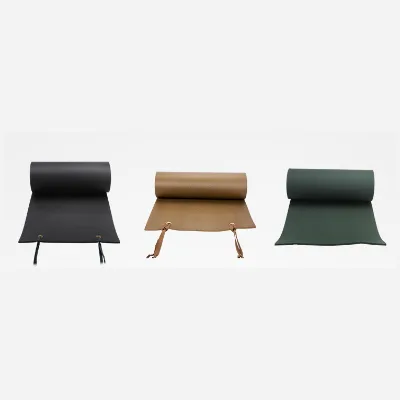
Main productsXPE,IXPE,outdoor camping pad,outdoor seat cushion,foam packing
Main marketsDomestic Market(60.00%), North America(8.00%), Mid East(5.00%), Southeast Asia(5.00%), Eastern Europe(5.00%), Northern Europe(5.00%), Africa(3.00%), South America(3.00%), Southern Europe(3.00%), Western Europe(3.00%)

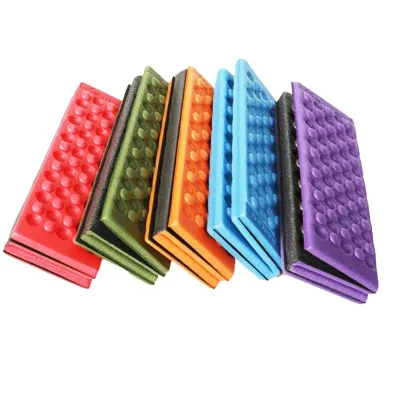
$0.90 - $1.00
MOQ: 500 pieces
$6.80 - $7.50
MOQ: 500 pieces

Changsha Ido Leisure Industry Co., Ltd.
- Verified by SGS
- Manufacturer/Factory
- China Hunan
- Lead time0 days
- Avg. response≤ 3h
Main productsHanging Chair and Hammock Stand, Leisure Table and Chair, Camping Gear Tent, Fishing Supplies, Leisure Chair and Table, Pavilion, Fire Pit, Parasol, Sporting Supplies, Outdoor Furniture
Main marketsNorth America,Western Europe

$4.80 - $5.80
MOQ: 200 Pieces

Portable Outdoor Waterproof Travel Camping Hiking Picnic Beach Mat Blanket
$2.20 - $2.80
MOQ: 200 Pieces

Ultrasonic Picnic Thick Waterproof Moisture-Proof Outdoor Lawn Foldable Camping Tent Mat
$4.30 - $5.00
MOQ: 200 Pieces


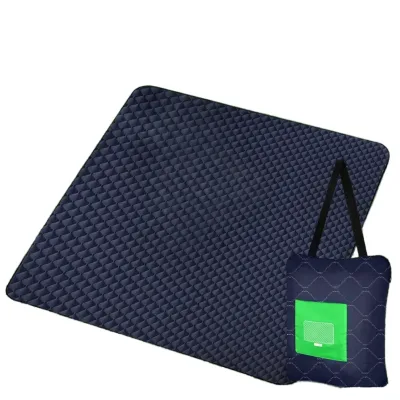
Outdoor Camping Picnic Polyester Material Waterproof Moisture-Proof Folding Portable Park Picnic Mat
$4.80 - $5.80
MOQ: 200 Pieces
Hangzhou Standard Mayo Industrial Co., Ltd.
- Verified by SGS Group
- Trading Company
- Lead time45 days
- Avg. response≤ 4h
Main productsOutdoor Furniture, Folding Table, Folding Chair, Camping Products, Beach Products
Main marketsSouth America(40%), North America(14%), Mid East(13%)
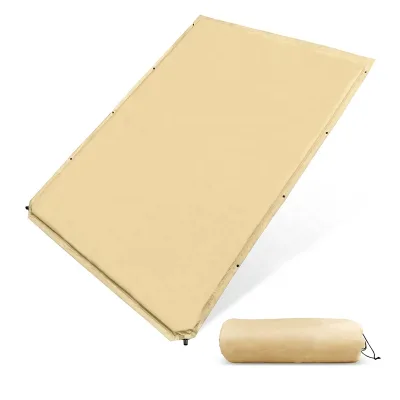
Polyester PVC Camping Pad Hiking Ultralight Easy Set up Self-Inflating Camping Mat
$49.184 - $51.2335
MOQ: 499 pieces
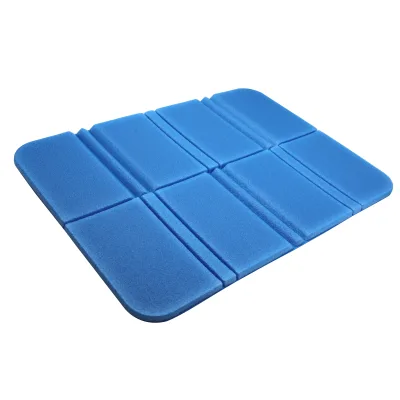
Folding Xpe Mat Foam Pad Portable Picnic Mat Anti-Dirty and Moisture-Proof Camping Mat
$0.4727 - $0.5236
MOQ: 2 pieces
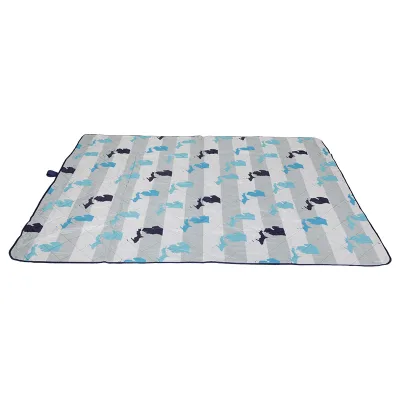
Fashion Styles Custom Portable Foldable Picnic Mat Outdoor Beach Camping Mat With Logo
$5.6369 - $6.1486
MOQ: 499 pieces
- Verified by Intertek
- Manufacturer, Trading Company
- Lead time10 days
- Avg. response≤ 5h
Main productsIXPE Foam, XPE Foam, IXPP Foam, IXPE Camp Mat, PO Acoustic Insulation Foam
Main marketsDomestic Market(76%), Southeast Asia(9%), North America(4%)
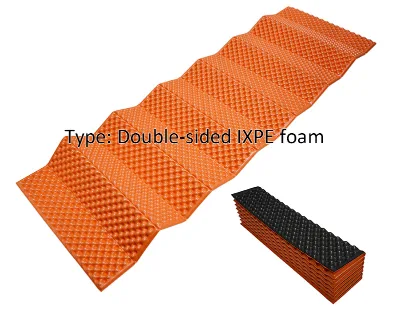
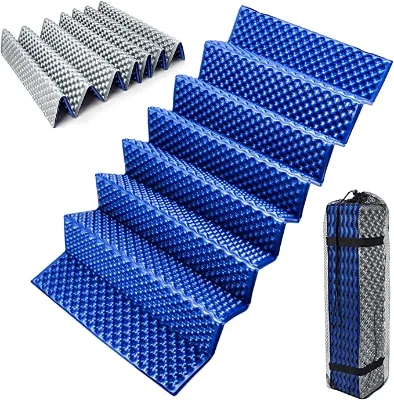
Versatile Portable Mat for Hiking Camping Mountaineering and Park Picnics
$6.6796 - $10.0696
MOQ: 10 pieces
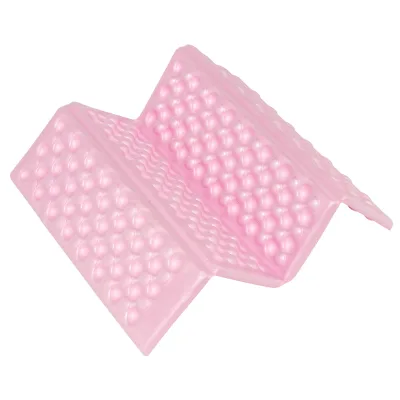
Premium Outdoor Sleeping Mat for Camping Hiking Backpacking Lightweight and Compact
$6.0468 - $10.7592
MOQ: 10 pieces

Hangzhou Chosen Textile Co., Ltd
- Verified by CTI
- Trading Company
- China Zhejiang
- Lead time45 days
- Avg. response≤ 7h
Main productsOutdoor Products, Textile Products, Home Textile, Weighted Products, Promotional Products, Gift Products
Main marketsAfrica,Southeast Asia/ Mideast,East Asia(Japan/ South Korea),Europe,Australia,North America

Qingdao Otia Industry and Trade Co., Ltd.
- Verified by SGS
- Trading Company,Manufacturer/Factory
- China Shandong
- Lead time105 days
- Avg. response≤ 5h
Main productsFolding Wagon, Garden Cart, Shopping Cart, Wheel Barrow, Aluminum Storage Box, Wheels
Main marketsSouth America,Eastern Europe,Mid East,Eastern Asia,Western Europe,Africa

Yuemai Outdoor & Camping Co., Ltd.
- Manufacturer/Factory
- China Jiangsu
- Lead time90 days
- Avg. response≤ 7h
Main productsTactical Vest, Body Armor Vest, Military Backpack, Tactical Clothing, Police Equipment, Outdoor, Tactical Gears, Army Rainwears, Airsoft and Paintball Articles, Army Uniforms
Main marketsEastern Europe,Mid East,North America,Southeast Asia,Western Europe,Africa

Ultralight Inflatable Sleeping Pad Outdoor Camping Mattress Waterproof Self-Inflating Mat
$13.60 - $14.64
MOQ: 10 Pieces

Yuemai Hot Sale Portable Ultralight Inflatable Sleeping Pad Outdoor Camping Inflatable Mat
$15.23 - $15.72
MOQ: 10 Pieces


Nantong Longdu Home Textile Co., Ltd.
- Verified by CTI
- Combined
- China Jiangsu
- Lead time15 days
- Avg. response≤ 2h
Main productsBeach Towel, Sports Towel, Kitchen Towel, Picnic Mat, Fleece Blanket, Pillow Blanket, Decorative Pillow, Poncho Towel, Blanket Hoodie, Bathrobe
Main marketsSouth America,Africa,Southeast Asia/ Mideast,East Asia(Japan/ South Korea),Domestic,Europe,Australia,North America


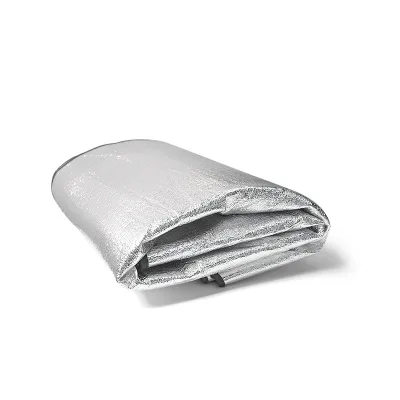
Factory Waterproof Portable Camping Folding Mat with Thickened Aluminum Film
$4.87 - $8.25
MOQ: 100 Pieces

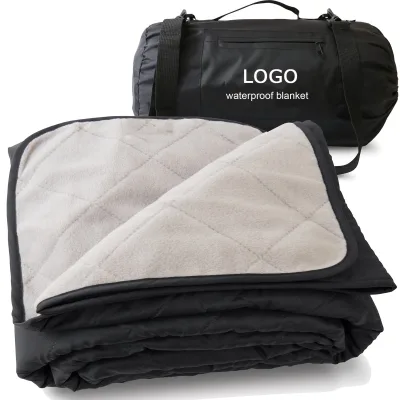
Custom Logo Outdoor Picnic Blanket with Extra Large Portable Hiking Camping Mat
$5.89 - $8.49
MOQ: 100 Pieces
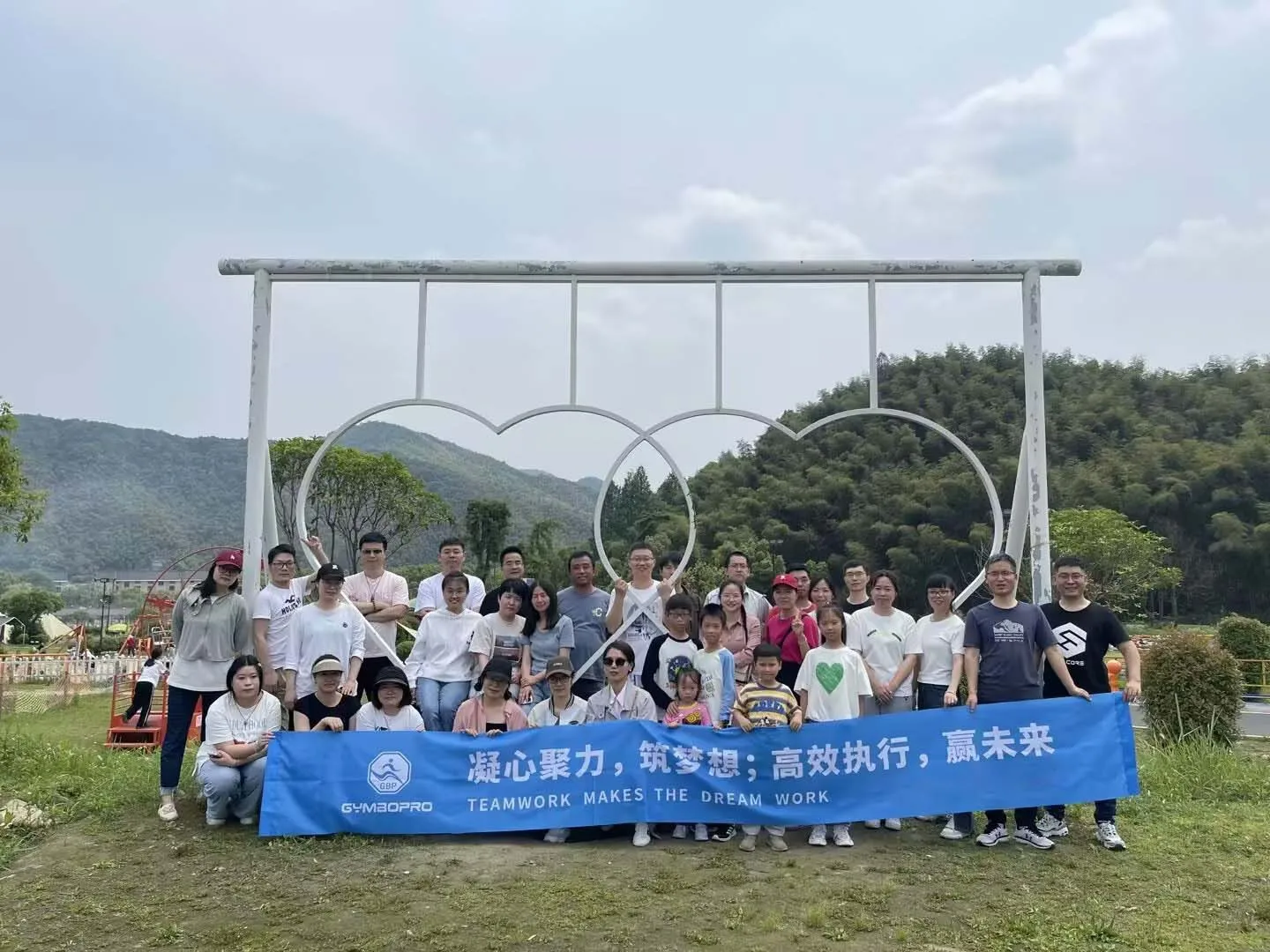
Hangzhou Gymbo Group Co., Ltd.
- Trading Company
- Zhejiang, China
- Lead time45 days
- Avg. response≤ 3h
Main productsOutdoor Furniture,Camping Chair,Camping Table,Camping Bed,Wagon
Main marketsSouth America(28.00%), North America(18.00%), Mid East(13.00%), Eastern Europe(8.00%), Western Europe(8.00%), Africa(8.00%), Northern Europe(6.00%), Southern Europe(6.00%), Oceania(3.00%), Domestic Market(1.00%), South Asia(1.00%)

Little Dolphin (Jiangsu) Leisure Products Co., Ltd.
- Verified by SGS
- Combined
- China Jiangsu
- Lead time15 days
- Avg. response≤ 19h
Main productsPolypropylene Outdoor Rug, PP Woven Mat, Outdoor Mat, Door Mat, Kitchen Mat, Anti-Fatigue Mat, Pet Mat, Leisure Furniture, Home Furnishings, Pincnic Beach RV Travel Mat
Main marketsAustralia,North America
Shanghai Mountains and Rivers Industry and Trade Co., Ltd.
- Trading Company
- Shanghai, China
- Lead time60 days
- Avg. response≤ 2h
Main productstent,sleeping bag,picnic rug,self inflatable mat,hammock
Main marketsNorth America(40.00%), Northern Europe(10.00%), Western Europe(10.00%), South Asia(10.00%), Southern Europe(10.00%), Eastern Europe(10.00%), Mid East(5.00%), Africa(5.00%)
Xiamen Double-S Lifesaving Products Co., Ltd.
- Verified by Intertek
- Manufacturer, Trading Company
- Lead time30 days
- Avg. response≤ 3h
Main productsLife Jacket, Waterproof Bag

Ningbo Youshine Trading Co., Ltd.
- Verified by BV
- Trading Company
- China Zhejiang
- Lead time45 days
- Avg. response≤ 6h
Main productsOutdoor Furniture, Gravity Chair, Garden Chair, Beach Chair, Camping Chair, Outdoor Portable Toilet, Plastic Table, Beach Umbrella, Garden Umbrella, Garden Furniture
Main marketsEast Asia(Japan/ South Korea),Europe,North America

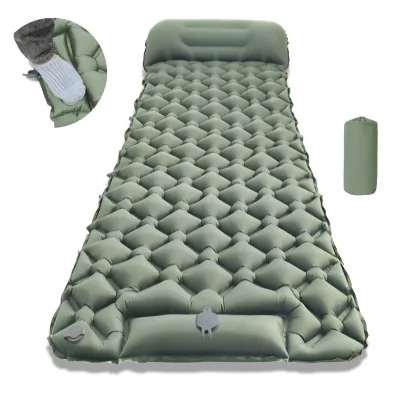
Camping Sleeping Pad Ultralight Camping Mat with Pillow Inflatable Sleeping Pads
$5.00 - $10.00
MOQ: 200 Pieces

Henan Jingyu Network Technology Co., Ltd.
- Verified by TüVRheinland
- Trading Company
- Lead time15 days
- Avg. response≤ 2h
Main productsHome Gardening Products, Sports And Entertainment Products, Mother And Baby Toys, Wooden Furniture, Automotive Supplies
Main marketsNorth America(43%), Western Europe(15%), Eastern Asia(10%)
Ningbo Hapton Houseware Co., Ltd.
- Verified by TüVRheinland
- Manufacturer, Trading Company
- Lead time30 days
- Avg. response≤ 3h
Main productsCarpets, Mat, Throws, Cleaning Cloth, Bedding Basics
Main marketsNorth America(25%), Western Europe(22%), Domestic Market(9%)

- Verified by SGS
- Trading Company
- China Zhejiang
- Lead time15 days
- Avg. response≤ 11h
Main productsBike, Bicycle
Main marketsEurope,Australia

Starry (Xiamen) Outdoor Equipment Technology Co., Ltd.
- Verified by SGS
- Trading Company
- China Fujian
- Lead time15 days
- Avg. response≤ 2h
Main productsCamping Tent, Inflatable Tent, Beach Tent, Ice Fishing Tent, Shower Tent, Car Roof Tent, Relief Tent, Camping Chair and Table, Gazebo, Inflatable Mattress
Main marketsEurope,North America

OEM Compact Waterproof Pocket Mat Portable Outdoor Camping Picnic Travel
$3.89 - $4.36
MOQ: 300 Pieces

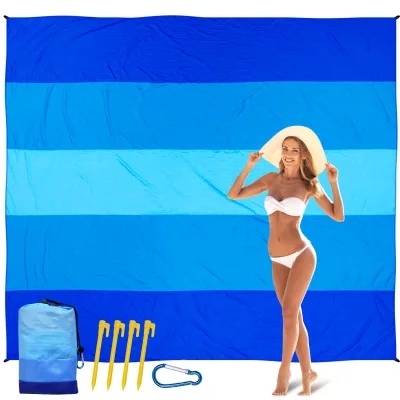
Wholesale Waterproof Picnic Mat Portable Foldable Beach Mat for Outdoor Camping
$2.99 - $3.39
MOQ: 300 Pieces

Wholesale ODM OEM Custom Lightweight Waterproof Picnic Mat Thick Padding Foldable Camping
$4.59 - $5.99
MOQ: 300 Pieces

Wholesale Extra Large Oxford Camping Mat Waterproof Lightweight Foldable Outdoor
$7.35 - $7.88
MOQ: 300 Pieces

- Verified by BV
- Manufacturer/Factory
- China Fujian
- Lead time15 days
- Avg. response≤ 25h
Main productsWater Bottle, Kitchen Ware, Shoes, Plastic Product, Bag, Toy
Main marketsSouth America,Eastern Europe,Mid East,North America,Southeast Asia,Eastern Asia,Oceania,Western Europe,Africa

- Verified by TUVRHEINLAND
- Trading Company
- China Zhejiang
- Lead time30 days
- Avg. response≤ 10h
Main productsSports and Outdoor
Main marketsSoutheast Asia/ Mideast,Europe

HEFEI EVA RUBBER MANUFACTURER CO., LTD.
- Trading Company
- China Anhui
- Lead time15 days
- Avg. response≤ 15h
Main productsEVA Sheet, Shoe Materials, out Sole of Security Shoes, Foam, Inner Soles, Footbeds, Floor Mats, Rubber Sheet, Velvet Flocking EVA, Goma Foamy
Main marketsSouth America,Africa,Southeast Asia/ Mideast,East Asia(Japan/ South Korea),Europe,North America

- Verified by BV
- Trading Company,Manufacturer/Factory
- China Zhejiang
- Lead time23 days
- Avg. response≤ 5h
Main productsSpiral Slicer, Tent, Hammock, Garden Decoration, Garden Light, Kitchenware, Homeware, Camping, Travel Suitcase, Organizer
Main marketsSouth America,Eastern Europe,Mid East,North America,Southeast Asia,Eastern Asia,Oceania,Western Europe,Africa

Wuhan Corhunter Garment Co., Ltd.
- Verified by BV
- Combined
- China Hubei
- Lead time15 days
- Avg. response≤ 11h
Main productsUniform, Jacket, Shirt, Pants, Shorts, Boots, Gloves, Hat, Belt, Camouflage Uniform
Main marketsAfrica,Southeast Asia/ Mideast,North America
Yongkang Letsgo Outdoor Products Factory
- Verified by TüVRheinland
- Manufacturer, Trading Company
- Lead time30 days
- Avg. response≤ 3h
Main productsFishing Stool, Camping Cot, Camping Moon Chair, Spring-loaded Chair, Portable Folding Stool
Main marketsSouth America(30%), Western Europe(30%), North America(20%)







Comprehensive Sourcing Guide
Ultra Light Portable Camping Mat Supplier Concentration and Factory Types
The current supplier landscape for ultra light portable camping mats reveals a distinct split between trading companies and direct manufacturers, each offering different advantages for procurement teams. Evidence indicates that suppliers located in China Fujian operate primarily as trading companies, leveraging their position to aggregate products from various sources. These entities often list a broad range of main products, including mouth care items, field kitchen trailers, and tactical gear, suggesting that camping mats are part of a diversified outdoor equipment portfolio rather than a specialized niche. This structure allows for flexibility in sourcing multiple product lines from a single point of contact, which can simplify logistics for buyers seeking a comprehensive outdoor solution. The presence of ISO9001:2015 certification and BV verification among these trading entities provides a baseline of operational legitimacy, ensuring that the company meets international quality management standards and has undergone third-party verification processes. Buyers should recognize that while trading companies offer convenience and variety, they may not have direct control over the manufacturing process, which can impact customization capabilities and raw material selection.
In contrast, suppliers based in China Zhejiang are identified as manufacturers or factories, indicating a more direct relationship with the production process. These entities specialize in materials such as PVC coated woven fabric, outdoor RV patio mats, and beach picnic mats, suggesting a deeper technical expertise in fabric treatment and outdoor furniture components. The certification profile for these manufacturers includes BSCI, ISO 9001, and GMP, highlighting a focus on social compliance, quality management, and good manufacturing practices. This distinction is crucial for buyers who prioritize supply chain transparency and direct factory communication. Manufacturers typically have greater control over production schedules and quality assurance protocols, which can be beneficial for large orders requiring strict adherence to specifications. However, the focus on specific materials like PVC and PE rattan may limit the variety of ultra light mat options compared to trading companies that source from multiple factories. Understanding this dichotomy helps buyers align their sourcing strategy with their specific needs for customization, volume, and supply chain control.
How to Verify Ultra Light Portable Camping Mat Suppliers
Verifying the legitimacy and capability of suppliers requires a multi-layered approach that goes beyond basic company profiles. Buyers should prioritize suppliers with established verification badges, such as BV or CTI, which indicate that an independent third party has audited the company’s business operations. For instance, the presence of CTI verification among Zhejiang-based manufacturers suggests a rigorous assessment of their factory conditions and production capabilities. Additionally, system certifications like ISO9001:2015, BSCI, and GMP serve as critical indicators of a supplier’s commitment to quality and ethical standards. These certifications are not merely decorative; they represent ongoing compliance with international norms that protect buyers from substandard products and unethical labor practices. Buyers should request copies of these certificates and verify their validity through the issuing bodies to ensure they are current and applicable to the specific products being sourced. This due diligence is particularly important when dealing with trading companies, where the gap between the supplier and the actual factory can obscure quality control measures.
Beyond certifications, buyers must assess the supplier’s responsiveness and operational efficiency as proxies for reliability. Response times, such as the 2.34 hours observed for some Fujian-based suppliers, indicate a high level of engagement and readiness to address inquiries promptly. This metric is crucial for maintaining momentum in the sourcing process, especially when negotiating custom specifications or resolving urgent issues. Conversely, longer response times, such as 12.56 hours for Zhejiang manufacturers, may reflect a more structured but potentially slower communication flow. Buyers should also examine the supplier’s product evidence, including detailed attributes like material composition, craft type, and customization options. For example, the availability of woven 210t polyester mats versus knitted Oxford fabric options provides insight into the supplier’s technical range. By cross-referencing verification status, certification validity, and operational metrics, buyers can build a comprehensive profile of each supplier’s reliability, ensuring that they partner with entities capable of delivering consistent quality and service.
What to Compare Across Ultra Light Portable Camping Mat Suppliers
When evaluating multiple suppliers, buyers must systematically compare key operational dimensions to identify the best fit for their specific requirements. Lead time is a critical factor, with observed values ranging from 23 days for some trading companies to 45 days for manufacturers. This disparity often reflects the complexity of the supply chain, with trading companies potentially holding inventory or having faster access to finished goods, while manufacturers may require more time for production scheduling and raw material procurement. Buyers should align their order timelines with these lead times to avoid stockouts or delays in product launches. Additionally, the minimum order quantity (MOQ) varies significantly, with some suppliers requiring as few as 5 units, while others mandate 50 or 100 units. This variation allows buyers to test the market with smaller orders or commit to larger volumes for better pricing, depending on their risk tolerance and sales projections. Comparing these metrics helps buyers balance cost efficiency with operational flexibility.
Product specifications and customization capabilities are equally important differentiators. Suppliers offer a range of materials, from 210t polyester to leather and Oxford fabric, each with distinct properties regarding weight, durability, and waterproofing. For instance, some mats are explicitly labeled as waterproof and sandproof, while others are not waterproof, highlighting the need for precise specification matching. Craft types such as woven, knitted, or simple styles also influence the final product’s performance and aesthetic. Buyers should compare the available customization options, including color, size, and packaging, to ensure the product aligns with their brand identity. Price ranges, observed between $2.00 and $10.20 per unit, further illustrate the diversity in product tiers. By systematically comparing lead times, MOQs, material options, and pricing, buyers can make informed decisions that optimize both cost and quality, ensuring that the selected supplier meets their strategic sourcing goals.
Common Ultra Light Portable Camping Mat Sourcing Risks
One of the primary risks in sourcing ultra light portable camping mats is the potential mismatch between product specifications and actual delivery. Suppliers may list products with attributes such as "waterproof" or "sandproof," but without rigorous quality control, these claims may not hold up under real-world conditions. For example, a mat described as waterproof might fail to repel moisture if the material treatment is substandard. Buyers must mitigate this risk by requesting physical samples before placing bulk orders, allowing them to test the product’s performance against their specific requirements. Additionally, the variation in customization options, such as the availability of custom logos or packaging, introduces the risk of production errors if specifications are not clearly communicated. Miscommunication can lead to delays or incorrect products, increasing costs and damaging supplier relationships. To address this, buyers should provide detailed technical drawings and written specifications, ensuring that all parties have a shared understanding of the requirements.
Another significant risk is the inconsistency in supplier reliability, particularly when dealing with trading companies that may not have direct control over manufacturing. The diversity of main products listed by some suppliers, ranging from camping mats to tactical gear, suggests that quality control may be diluted across multiple product lines. This can result in inconsistent quality between orders or even within the same order. Furthermore, the reliance on third-party verification and certifications does not guarantee ongoing compliance, as audits are typically periodic rather than continuous. Buyers should implement regular quality inspections and establish clear penalty clauses in contracts for non-compliance. Additionally, the variability in lead times, from 23 to 45 days, can disrupt supply chain planning if not managed properly. Buyers should maintain buffer stock and communicate regularly with suppliers to monitor production progress. By proactively addressing these risks through sampling, clear communication, and contractual safeguards, buyers can protect their interests and ensure a smoother sourcing experience.
Ultra Light Portable Camping Mat Regional Sourcing and Logistics
The geographic location of suppliers significantly impacts logistics costs, lead times, and overall supply chain efficiency. Suppliers in China Fujian, often operating as trading companies, may offer faster response times and potentially shorter lead times due to their proximity to major shipping hubs or their ability to aggregate inventory. This location advantage can be beneficial for buyers seeking quick turnaround times or smaller, frequent orders. However, the trading company model may introduce additional layers of cost and complexity, as the supplier acts as an intermediary rather than the direct manufacturer. Buyers should consider the trade-off between speed and cost, evaluating whether the convenience of a trading company justifies any potential price premiums. Additionally, the Fujian region’s industrial ecosystem may offer specific advantages in terms of material sourcing and labor costs, which can influence the final product price.
In contrast, suppliers in China Zhejiang, identified as manufacturers, may offer more competitive pricing for larger orders due to economies of scale and direct production control. However, their longer lead times, such as 45 days, require more advanced planning and potentially higher inventory holding costs. The Zhejiang region is known for its strong manufacturing base in textiles and outdoor equipment, which can provide access to high-quality materials and skilled labor. Buyers should assess the total landed cost, including shipping, duties, and insurance, when comparing suppliers from different regions. Logistics planning should also account for the supplier’s packaging standards, such as the use of PVC bags, PP boxes, or carton boxes, which can affect shipping volume and protection during transit. By understanding the regional strengths and logistical implications of each supplier location, buyers can optimize their supply chain strategy to balance cost, speed, and quality.
Ultra Light Portable Camping Mat Commercial Terms and Order Planning
Effective order planning requires a thorough understanding of the commercial terms offered by suppliers, including pricing structures, payment terms, and after-sales support. The observed price ranges, from $2.00 to $10.20 per unit, reflect the diversity in product quality, material, and customization levels. Buyers should negotiate prices based on order volume, leveraging the supplier’s capacity to offer discounts for larger commitments. Additionally, understanding the MOQ requirements is essential for financial planning, as low MOQs allow for market testing but may come with higher per-unit costs. Buyers should also clarify the payment terms, such as the use of escrow services or letters of credit, to mitigate financial risk. Escrow protection ensures that funds are only released upon satisfactory delivery, providing a layer of security for both parties.
Beyond pricing and payment, buyers must plan for post-order activities, including quality inspection, shipping coordination, and inventory management. The supplier’s response time, such as 2.34 hours for some entities, indicates their readiness to handle post-order inquiries and resolve issues promptly. Buyers should establish clear communication channels and regular update schedules to monitor production progress and address any deviations early. Additionally, understanding the supplier’s return and warranty policies is crucial for managing potential defects or damages. By integrating commercial terms into a comprehensive order planning strategy, buyers can minimize risks, optimize costs, and ensure a smooth transaction from inquiry to delivery. This proactive approach enables buyers to build sustainable supplier relationships and maintain a competitive edge in the outdoor equipment market.
FAQs
What is the price range for portable camping mats?
Prices for portable camping mats typically range from $2.00 to $10.20 per unit depending on material and features. Basic woven polyester options start around $2.00, while specialized leather or thick Oxford models may cost up to $10.20. Buyers should check specific product listings for exact pricing tiers based on quantity and customization needs.
What materials are commonly used for these mats?
Common materials include 210t Polyester, Oxford fabric, and Leather. Polyester and Oxford options are often woven or knitted for durability and waterproofing. Leather variants offer a different texture but may lack waterproofing. The material choice affects weight, hardness, and suitability for specific seasons like spring, autumn, or all-year use.
What is the minimum order quantity for these products?
Minimum order quantities vary significantly by supplier and product type. Some suppliers require a minimum of 5 units, while others set the bar at 10, 50, or 100 pieces. Buyers seeking small batches should look for suppliers with an MOQ of 5, whereas bulk buyers can access lower unit prices with higher volume commitments.
Are these mats waterproof and sandproof?
Many mats feature waterproof properties, especially those made from Oxford or polyester with specific coatings. Some products are explicitly labeled as sandproof and easy to clean, ideal for beach use. However, certain leather or non-coated variants may not be waterproof. Buyers must verify the specific feature attributes for each product model before purchasing.
What certifications do these suppliers hold?
Suppliers offering these mats often hold ISO9001:2015, BSCI, ISO 9001, and GMP certifications. These credentials indicate adherence to quality management and social responsibility standards. Verification services like BV and CTI also confirm supplier reliability. Buyers should request current certificates to ensure compliance with their specific import or quality requirements.
How long does production take?
Lead times for manufacturing these mats generally range from 23 to 45 days. The exact duration depends on the supplier's location, order volume, and customization requirements. Trading companies may have faster turnaround times compared to manufacturers. Buyers should confirm the specific lead time with the supplier before finalizing orders to avoid delays.