Rotational Moulded Insulated Ice Chest Suppliers and Manufacturers
Source 28 Rotational Moulded Insulated Ice Chest suppliers offering capacities from 12 to 75 liters with ice retention up to 6 days. Compare grounded metrics including ISO 9001 and BSCI certifications, Guangdong origins, and MOQs starting at 30 pieces to identify suitable partners.
Updated
Suppliers List
Guangdong Huisu Plastic Technology Co., Ltd.
- Manufacturer, Trading Company
- Lead time旺季: "1 - 300":60,"> 300":"To be negotiated", 淡季: "1 - 300":60,"> 300":"To be negotiated"
- Avg. response≤ 6h
Main productsCooler box/Car Refrigerators/Outdoor Portable Air Conditioner
Heshan Aohong Industry Co., Ltd.
- Verified by TüVRheinland
- Manufacturer, Trading Company
- Lead time30 days
- Avg. response≤ 2h
Main productsCooler Box, Rotational Tools Box
Main marketsNorth America(55%), Oceania(20%), South America(5%)
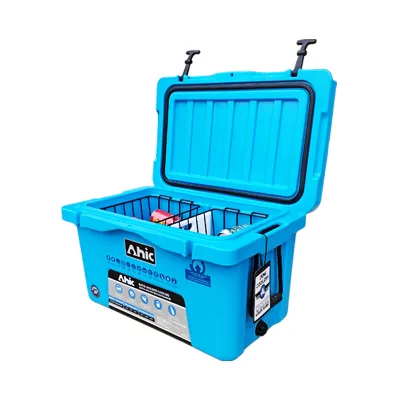
45 Quart Car Rotational Molded Insulated Ice Chest Box for Camping Fishing and Picnic
$56.00 - $62.00
MOQ: 30 pieces
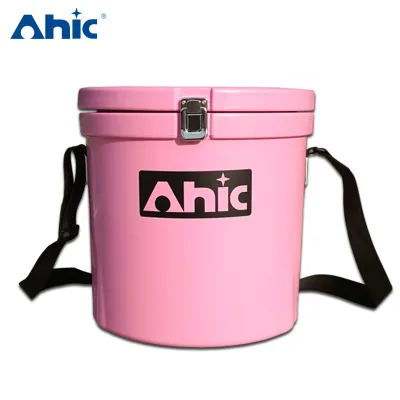
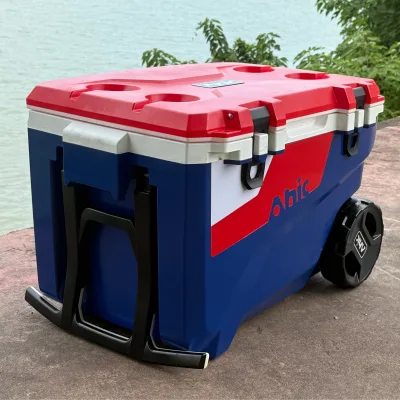
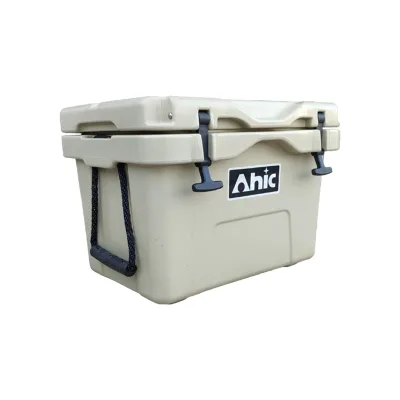
25 Quart Hard Cooler Insulated Portable PE Ice Chest with Heavy Duty Handle for Ice Retention 5 Days
$41.876 - $52.345
MOQ: 2 pieces
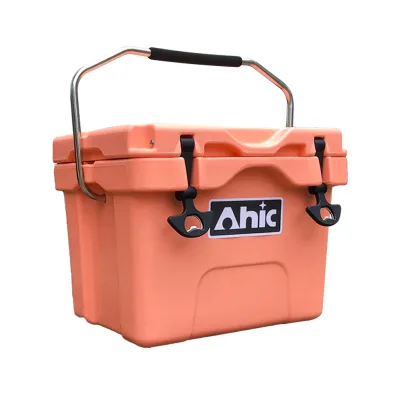
Chinese Factory Keep Food Cool Ice Box Marine Cooler Chest with Long Cooling Time 5 Days
$33.00 - $36.00
MOQ: 50 pieces
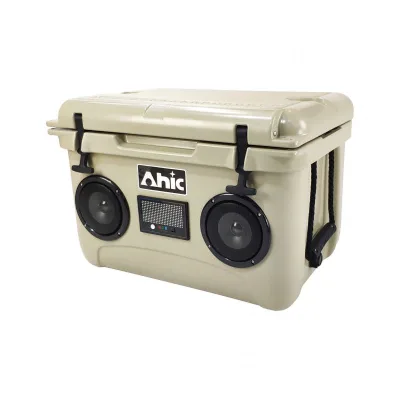
$84.138 - $93.3728
MOQ: 1 pieces
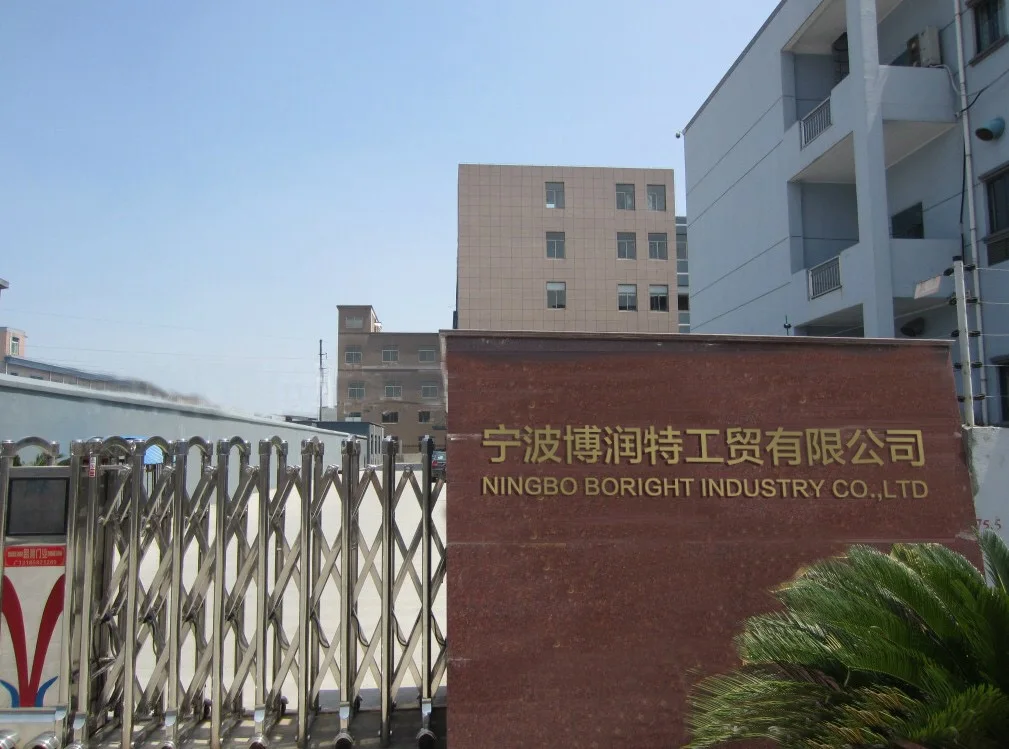
Ningbo Boright Industry And Trade Co., Ltd.
- Manufacturer
- Zhejiang, China
- Lead time15 days
- Avg. response≤ 1h
Main productsRotomolded coolers,cooler box,Rotaional molds,hard cooler,ice chest
Main marketsNorth America(50.00%), Eastern Europe(20.00%), South America(20.00%), Oceania(10.00%)
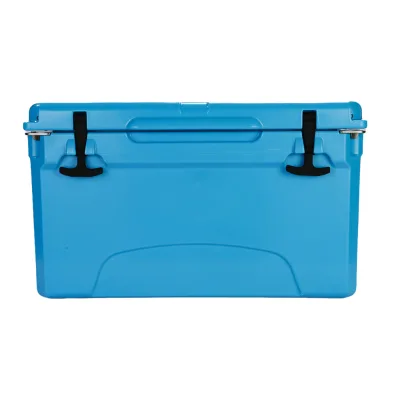
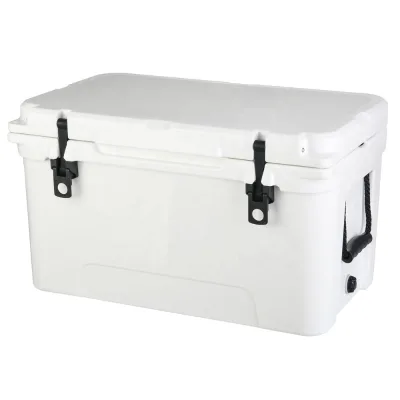
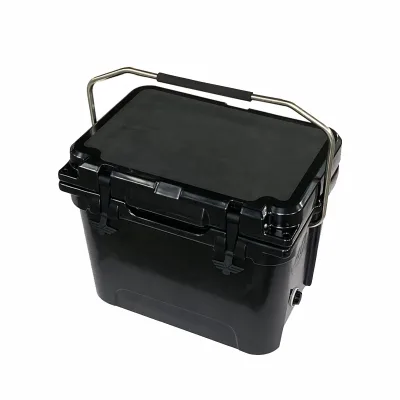
Boright Custom Design Thermal Insulated Cooler Box 40QT Hard Plastic Ice Chest
$52.00 - $62.00
MOQ: 2 pieces

Zhejiang Benfan Machinery Co., Ltd.
- Verified by SGS
- Combined
- China Zhejiang
- Lead time30 days
- Avg. response≤ 7h
Main productsRotomolding Machine, Molds, Rotomolded Cooler Box, Rotomolded Kayak
Main marketsSouth America,Africa,Southeast Asia/ Mideast,East Asia(Japan/ South Korea),Domestic


Insulated Type Rotomolded Coolers Ice Chest Cooler Box, Plastic Cooler Box
$52.00 - $54.00
MOQ: 50 Pieces


Yuyao Keyang Refrigeration Technology Co., Ltd.
- Verified by BV
- Combined
- China Zhejiang
- Lead time15 days
- Avg. response≤ 7h
Main productsCooler Box, Cooler Jug
Main marketsSouth America,Southeast Asia/ Mideast,Europe,North America

Camping Rotomolded Hard Cooler Box Long Ice Retention Insulated Ice Chest for Wholesale
$160.00 - $360.00
MOQ: 200 Pieces

Large Capacity Rotomolded Hard Cooler Box Insulated Ice Chest for Road Trip Camping
$160.00 - $360.00
MOQ: 200 Pieces


Zhejiang Kuer Ruimao Import And Export Co., Ltd.
- Manufacturer, Trading Company
- Lead time旺季: "1 - 100":16,"> 100":"To be negotiated", 淡季: "1 - 100":16,"> 100":"To be negotiated"
- Avg. response≤ 2h
Main productsCooler Box, Pet Cages, Kayak
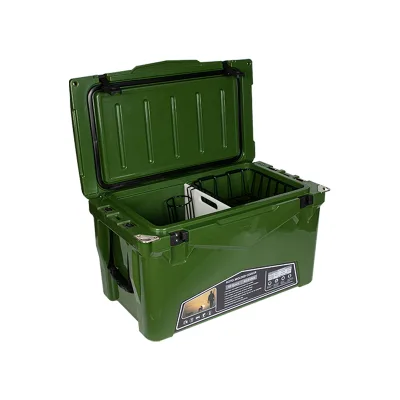
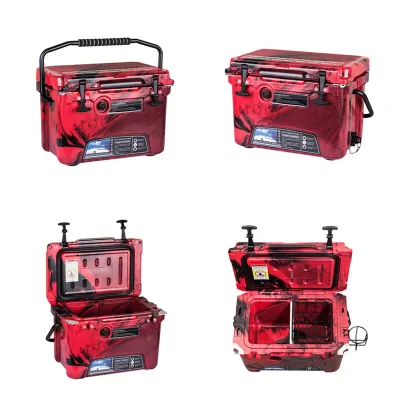
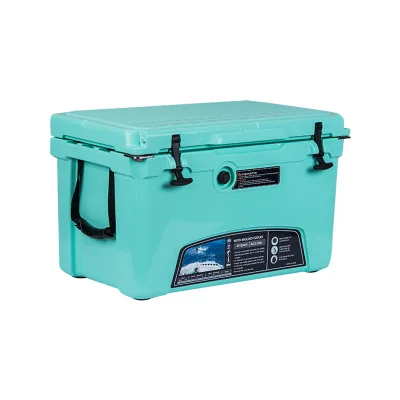
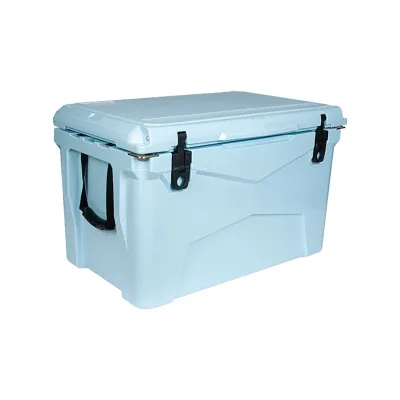
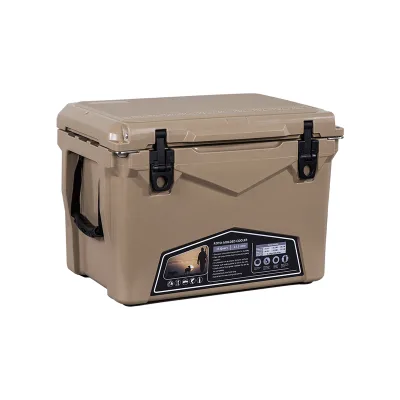
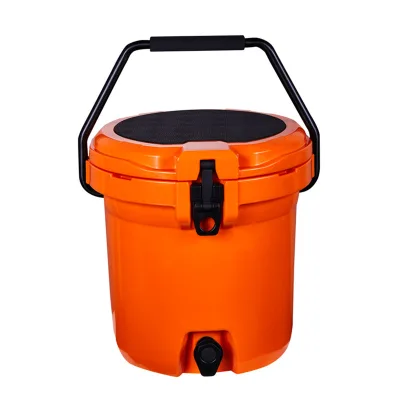
China Cheap Ice Box 35L Insulation Ice Chest Cooler Box
$56.00 - $62.00

Changsha Ido Leisure Industry Co., Ltd.
- Verified by SGS
- Manufacturer/Factory
- China Hunan
- Lead time0 days
- Avg. response≤ 3h
Main productsHanging Chair and Hammock Stand, Leisure Table and Chair, Camping Gear Tent, Fishing Supplies, Leisure Chair and Table, Pavilion, Fire Pit, Parasol, Sporting Supplies, Outdoor Furniture
Main marketsNorth America,Western Europe


Food-Grade EPS Foam Cooler Box High-Density Insulated Ice Chest for Cold Storage
$23.00 - $26.00
MOQ: 200 Pieces

160L Plastic Insulated Ice Cooling Chest Cooler Box for Outdoor Camping Picnic
$110.00 - $154.00
MOQ: 100 Pieces
- Verified by SGS Group
- Manufacturer, Trading Company
- Lead time25 days
- Avg. response≤ 6h
Main productsCooler Box, Plastic Blow Molding Products, Tool Case, Toss Game, Chill Chest
Main marketsNorth America(30%), Domestic Market(30%), Oceania(13%)
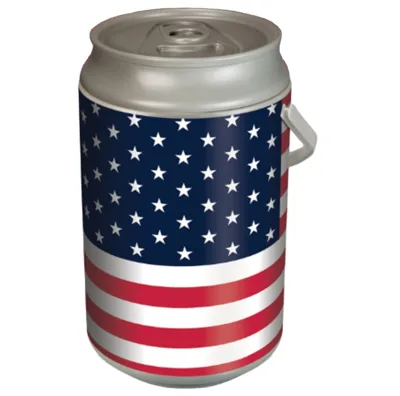
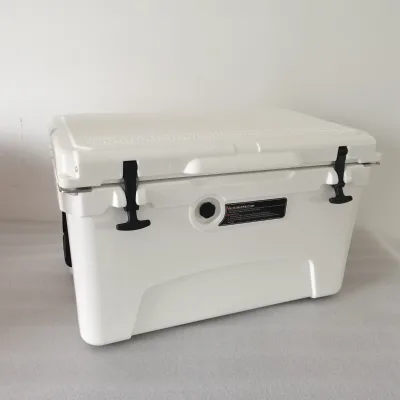
$6.1904 - $8.2549
MOQ: 10000 boxes
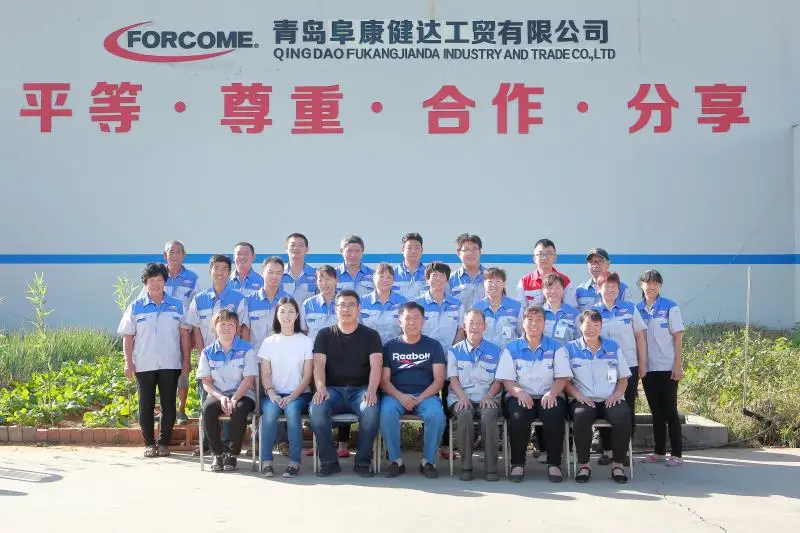
- Manufacturer, Trading Company
- Shandong, China
- Lead time0 days
- Avg. response≤ 5h
Main productscooler box,cooler burket,camping products,folding wagon,injection mold products
Main marketsNorth America(80.00%), Eastern Europe(20.00%)
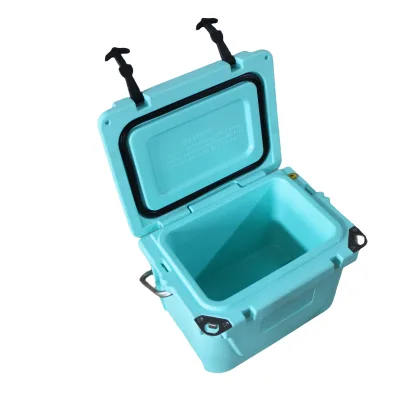
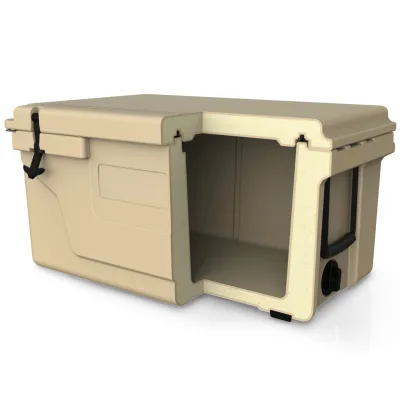
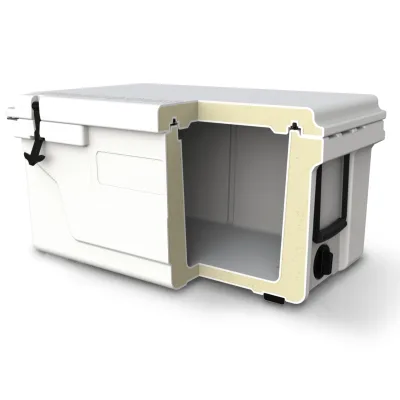
65 Quart Rotomolded Super Large Ice Chest Holds Ice up to 7 Days Ice Cooler
$59.00 - $80.00
MOQ: 10 pieces
Changzhou Kailida Houseware Co., Ltd.
- Manufacturer, Trading Company
- Jiangsu, China
- Lead time90 days
- Avg. response≤ 12h
Main productscar floor mat,car air freshener,car Accessories)
Main marketsNorth America(50.00%), Eastern Europe(13.00%), Southeast Asia(12.00%), Domestic Market(11.00%), South America(10.00%), Western Europe(2.00%), Oceania(1.00%), Eastern Asia(1.00%)

Seabang (Xiamen) Outdoor Products Co., Ltd.
- Verified by SGS
- Trading Company
- China Fujian
- Lead time15 days
- Avg. response≤ 1h
Main productsCooler Box, Plastic Drinking Water Bottle, Cooler Bag Insulated Bag, Sport Water Bottle, Outdoor Waterproof Bag, Waterproof Storage Bag, Folding Bucket, Headlamp
Main marketsDomestic,Europe,North America
Jiaxing TR-Technology Co., Ltd.
- Verified by Intertek
- Manufacturer, Trading Company
- Lead time30 days
- Avg. response≤ 4h
Main productsCooler Box Speaker, Cooler Bag Speaker, Solar Cooler, Mini Fridge Speaker, Tackle Box Speaker
Main marketsNorth America(40%), Oceania(30%), South America(10%)
Everich Commerce Group Limited
- Manufacturer, Trading Company
- Lead time旺季: "1 - 100":45,"101 - 1000":50,"1001 - 3000":60,"> 3000":"To be negotiated", 淡季: "1 - 100":45,"101 - 1000":50,"1001 - 3000":60,"> 3000":"To be negotiated"
- Avg. response≤ 4h
Main productsWater Bottle, Tumbler, Mug, Lunch Box, Cooler Bag
Zhejiang Gint Vacuum Flask Technology Co., Ltd.
- Verified by Intertek
- Manufacturer, Trading Company
- Lead time45 days
- Avg. response≤ 9h
Main productsCooler Box, Tumbler, Vacuum Flask
Main marketsEastern Asia(43%), North America(37%), Western Europe(12%)
Campersville(Guangdong) Outdoor Products Co., LTD.
- Verified by TüVRheinland
- Trading Company
- Guangdong, China
- Lead time0 days
- Avg. response≤ 1h
Main productsCooler Box
Main marketsNorth America(40%), South America(10%), Eastern Europe(10%)
Zhejiang Kuer Ruimao Import And Export Co., Ltd.
- Verified by SGS Group
- Manufacturer, Trading Company
- Lead time30 days
- Avg. response≤ 4h
Main productsCooler Box, Kayak, Pet Cages
Main marketsNorth America(60%), Eastern Asia(20%), Western Europe(10%)
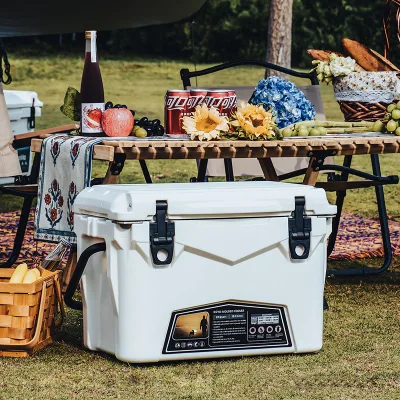
20L Kuer Summer Beach Box Cooler Camping Travel Ice Chest
$45.00 - $48.00
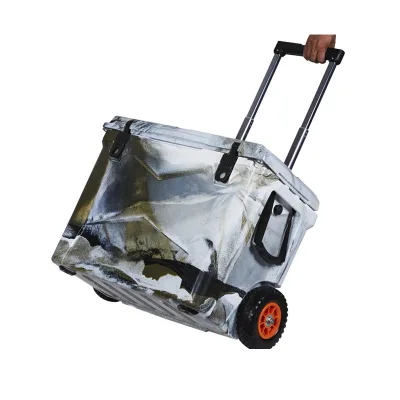
Outdoor Camping Rotomold Sustainable Eco Friendly Products Ice Chest Cooler Box Insulated Hard Style
$114.7626 - $121.9345
MOQ: 100 pieces
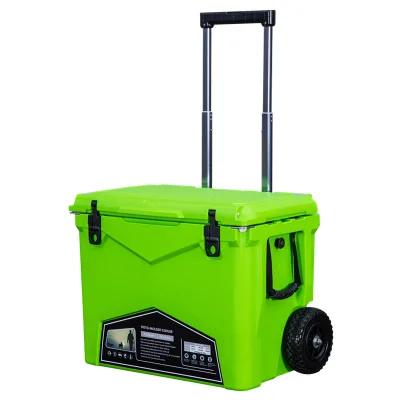
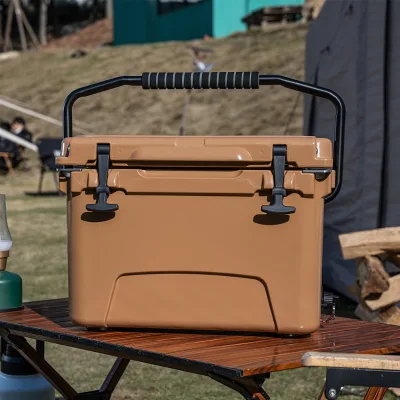
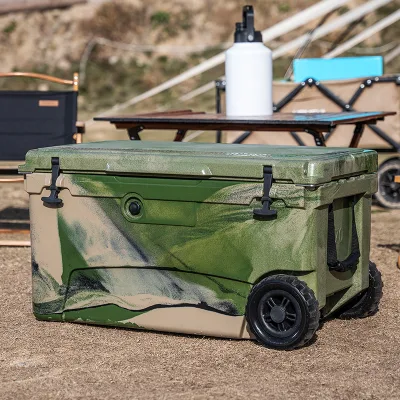
100L Rolling Ice Chest the Plastic Cooler Box With Wheels
$119.00 - $122.00
Nanchang Yanle New Material Co., Ltd.
- Verified by Intertek
- Trading Company
- Lead time30 days
- Avg. response≤ 2h
Main productsCooler Box
Main marketsNorth America(30%), Africa(20%), Western Europe(20%)

Guangzhou Cesin Cold Chain Technology Co., Ltd.
- Verified by TUVRHEINLAND
- Combined
- China Guangdong
- Lead time15 days
- Avg. response≤ 2h
Main productsCold Chain Package, Temperature and Humidity Recorder and Platform, Phase Change Material
Main marketsAfrica,Southeast Asia/ Mideast,Domestic
- Verified by TüVRheinland
- Trading Company
- Lead time20 days
- Avg. response≤ 3h
Main productsWater Bottle, Tumbler, Mug, Flask, Cup
Main marketsNorth America(50%), Southeast Asia(10%), South America(8%)

Hebei Ruosen Technology Co., Ltd.
- Verified by SGS
- Trading Company
- China Hebei
- Lead time15 days
- Avg. response≤ 4h
Main productsIce Box, Ice Cooler Box, Cooler Box, Ice Pack, Portable Cooler, Ice Chest Box, Ice Chest Cooler Box
Main marketsDomestic
Zhejiang Benfan Machinery Co., Ltd.
- Manufacturer, Trading Company
- Zhejiang, China
- Lead time30 days
- Avg. response≤ 3h
Main productsRotational Molding Machine,Rotomolding Carousel Machine,Camping Mattress,Rotational Mold,Rotomolded products
Main marketsNorth America(40.00%), Eastern Europe(20.00%), Mid East(10.00%), South America(10.00%), Southeast Asia(8.00%), Western Europe(7.00%), Oceania(5.00%)
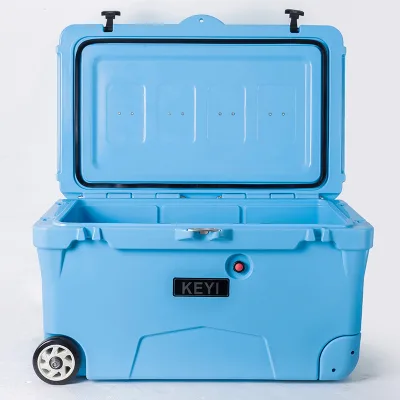
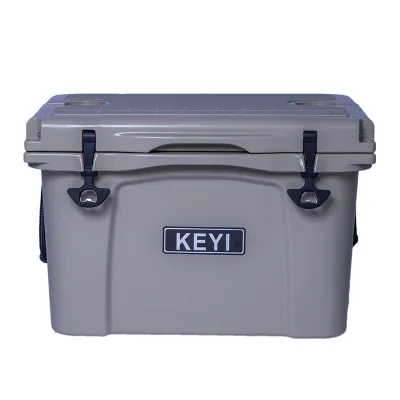
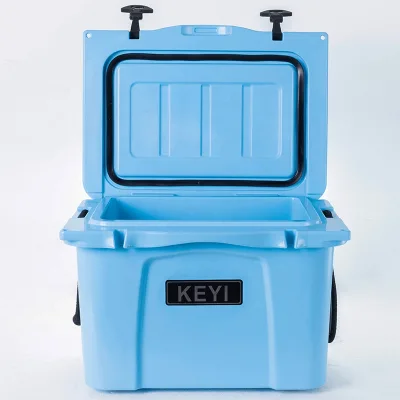
KEYI 25L Hot Selling Plastic Beach Coolers Portable Outdoor Ice Chest for Camping
$43.25 - $68.25
MOQ: 50
Zhenjiang Donghong Mold Technology Co., Ltd.
- Manufacturer, Trading Company
- Jiangsu, China
- Lead time0 days
- Avg. response≤ 3h
Main productsroto molded products,roto molds,Commercial insulated box,Commercial food transport box
Main marketsNorth America(10.00%)
Yangdong Jinheng Industrial Co., Ltd.
- Manufacturer, Trading Company
- Guangdong, China
- Lead time40 days
- Avg. response≤ 4h
Main productsCooler Box,cooler,car cooler,draft beer dispenser,ice chest
Main marketsOceania(36.30%), Western Europe(22.20%), Southern Europe(16.30%), North America(9.50%), Eastern Asia(5.10%), Northern Europe(3.80%), South America(3.70%), Africa(1.60%), Eastern Europe(1.50%)

- Verified by BV
- Trading Company
- China Zhejiang
- Lead time30 days
- Avg. response≤ 7h
Main productsOEM/ODM Hard Plastic Tool Cases, OEM/ODM Aluminum Cases, OEM/ODM Bags
Main marketsSouth America,Southeast Asia/ Mideast,Europe,North America

40qt Wholesale Insulated Portable Thermal Roto-Molded Camping Fishing Ice Chest Cooler Box
$67.00 - $87.00
MOQ: 1 Pieces

Yongkang Nengfeng Hardware Manufacture Co., Ltd.
- Manufacturer
- Zhejiang, China
- Lead time35 days
- Avg. response≤ 5h
Main productsCooler Box
Main marketsDomestic Market(70.00%), Eastern Asia(15.00%), North America(10.00%), Western Europe(5.00%)
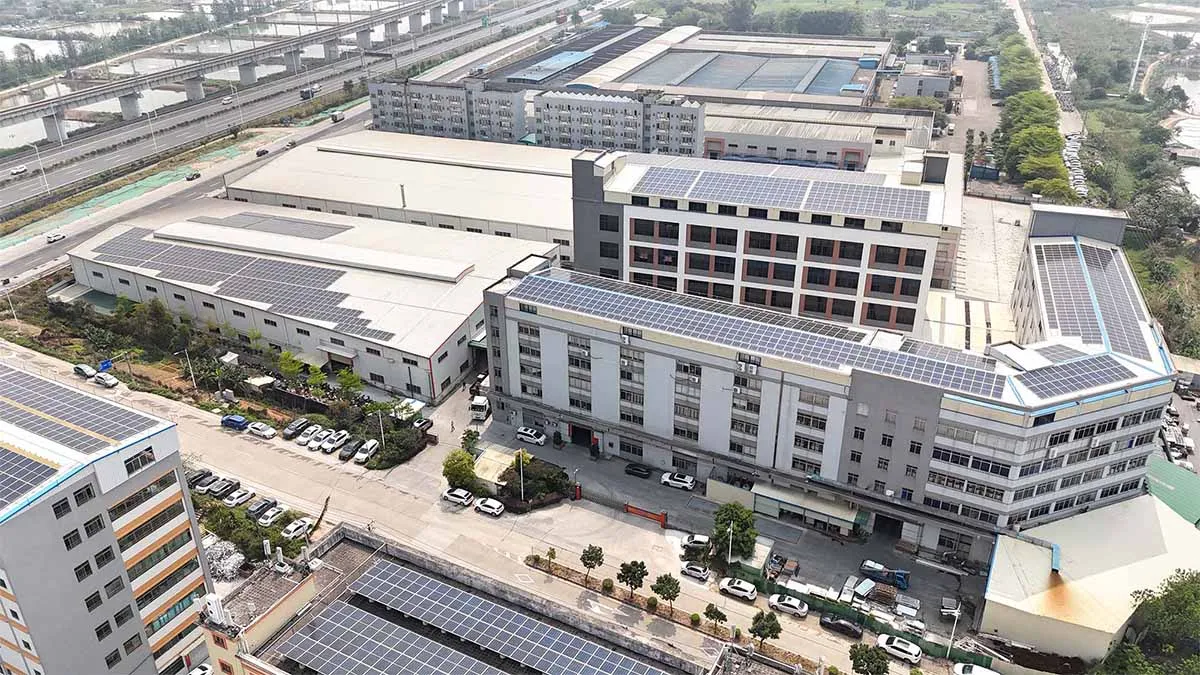
Jiangmen City Lijing Stainless Steel Products Co., Ltd.
- Manufacturer
- Guangdong, China
- Lead time45 days
- Avg. response≤ 8h
Main productsSauce Pan,Stock Pot,Frying Pan,GN Pan
Main marketsDomestic Market(30.00%), Northern Europe(25.00%), Eastern Europe(10.00%), North America(2.00%), Western Europe(2.00%), South America(2.00%), Southeast Asia(1.00%), South Asia(1.00%), Central America(1.00%), Eastern Asia(1.00%), Africa(1.00%)
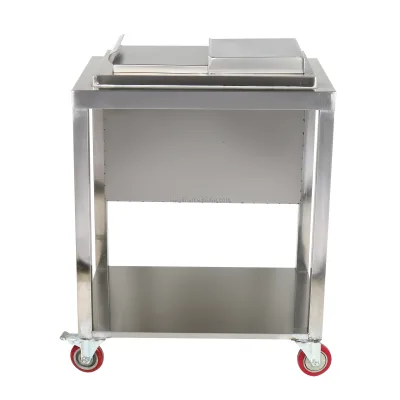
Stainless Steel Outdoor Stand up Ice Bin Chest on Wheels Rolling Cooler Ice Chest Trolley Cart
$112.7131
MOQ: 10 Minimum
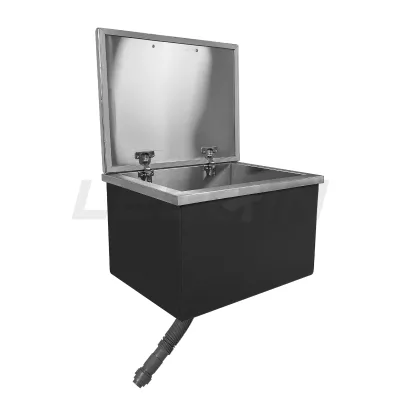
Drop in Ice Chest Stainless Steel Ice Cooler Commercial Ice Bin with Hinged Cover
$70.7025 - $80.9486
MOQ: 10 Minimum
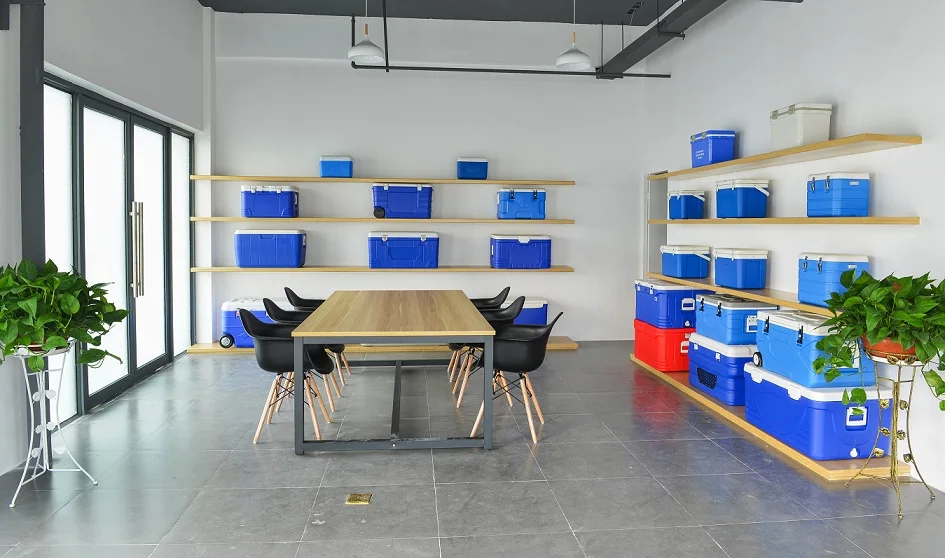
TAIZHOU COMBO COOL CHAIN TECHNOLOGY CO., LTD.
- Manufacturer, Trading Company
- Zhejiang, China
- Lead time25 days
- Avg. response≤ 4h
Main productsPlastic Cooler Box,Fishing Cooler Box,Medical Cooler Box
Main marketsSoutheast Asia(30.00%), Domestic Market(20.00%), South America(10.00%), Mid East(10.00%), North America(10.00%), Oceania(10.00%), Eastern Europe(10.00%)
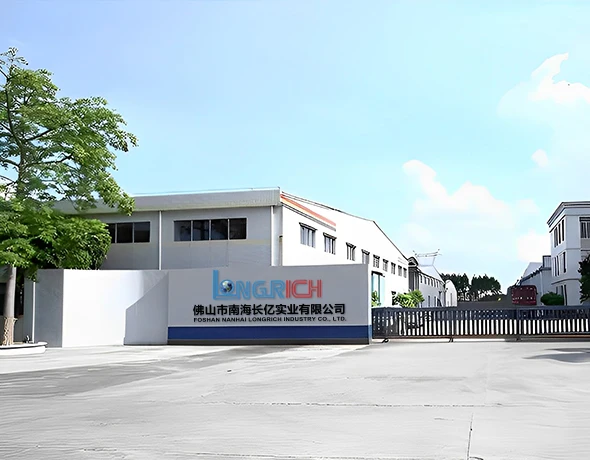
FOSHAN NANHAI LONGRICH INDUSTRY CO.,LTD.
- Manufacturer
- Guangdong, China
- Lead time25 days
- Avg. response≤ 11h
Main productsMetal Ice Buckets,Party Tubs,Metal Bottle Holders,Ice Buckets with Stands,Metal Beverage Containers
Main marketsWestern Europe(20.00%), North America(20.00%), South America(15.00%), Eastern Europe(10.00%), Africa(10.00%), Southeast Asia(10.00%), Domestic Market(5.00%), Mid East(5.00%), Oceania(5.00%)
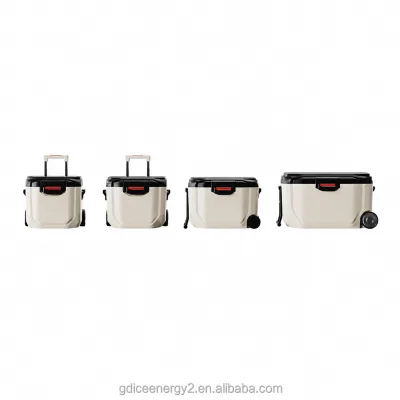
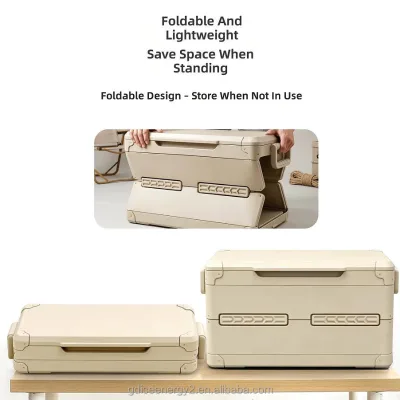
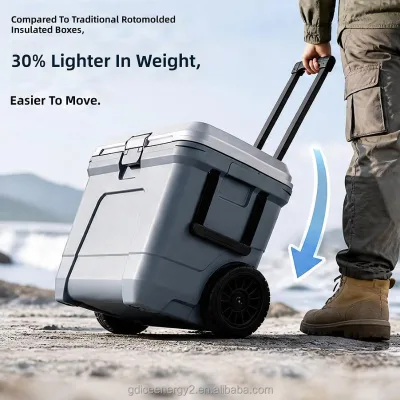
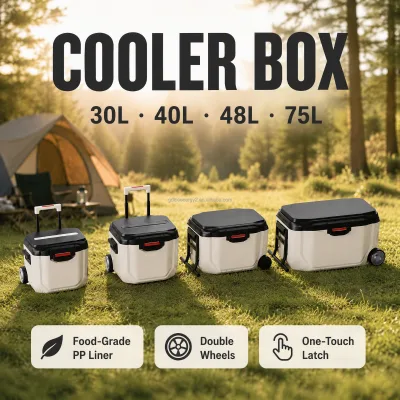
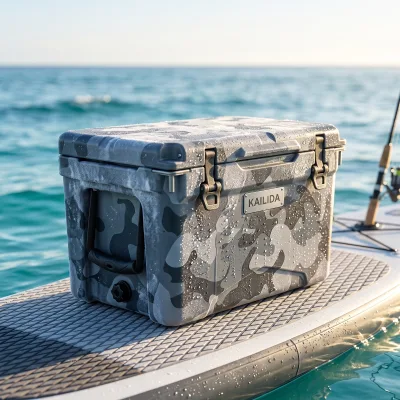
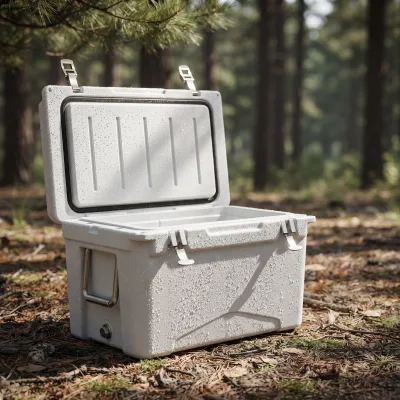


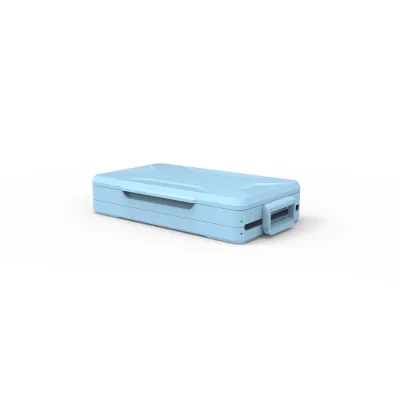
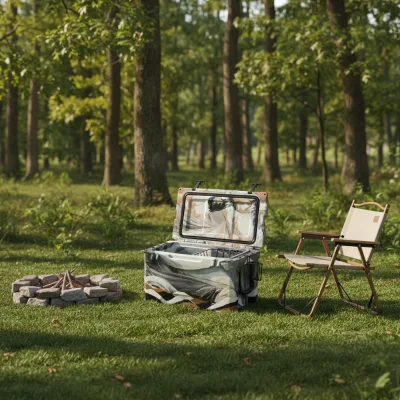


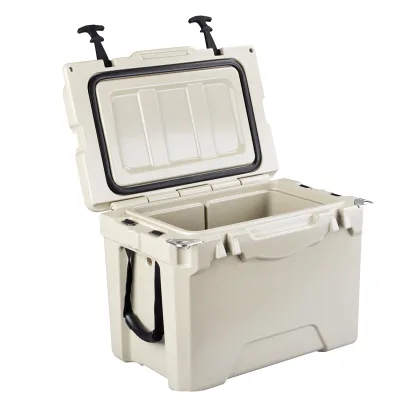
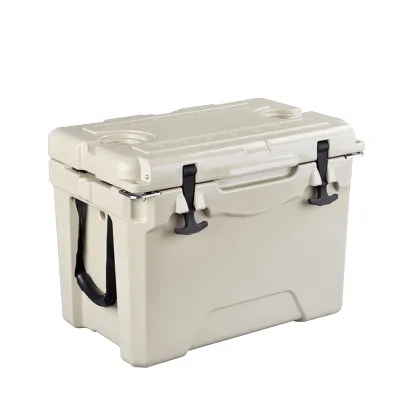


Comprehensive Sourcing Guide
Rotational Moulded Insulated Ice Chest Supplier Concentration and Factory Types
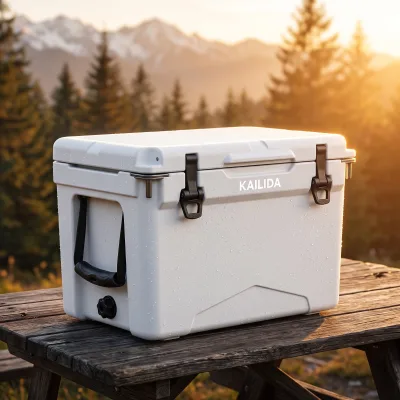
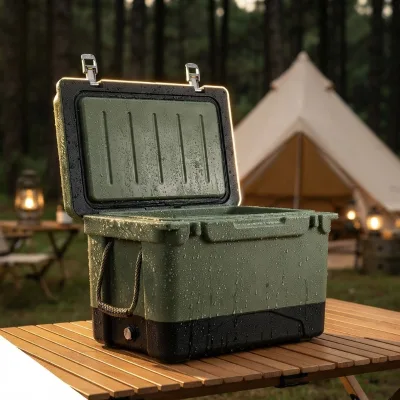
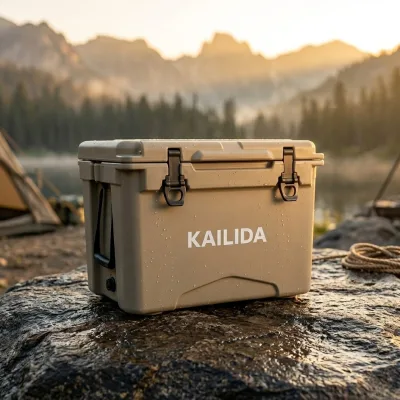
The current supplier landscape for rotational moulded insulated ice chests includes a mix of manufacturers and trading companies, with a total of twenty-eight active entities observed in the results. These suppliers primarily operate as manufacturers capable of handling custom logo OEM requests, though some function as trading companies bridging the gap between production and sales. The main product focus across these entities centers on cooler boxes, car refrigerators, and outdoor portable air conditioners, indicating a specialized cluster in cold storage solutions. While specific factory locations are not universally detailed for every entity, the available data points to a significant concentration of production capabilities within Guangdong, China, where specific model numbers and brand names like AHIC are associated with local manufacturing.
Buyers should recognize that the supplier base is not monolithic; it comprises distinct operational types with varying capabilities. Some suppliers explicitly list rotational molding as their primary production method, utilizing materials like PE and HDPE to create durable, seamless containers. Others may offer injection-molded alternatives or focus on different refrigeration types such as absorption systems. The presence of both manufacturer and trading company types suggests that buyers must distinguish between direct factory access and intermediary services. When evaluating potential partners, it is crucial to verify if the entity is the actual producer of the rotational moulded units or a reseller, as this distinction impacts pricing, customization flexibility, and direct communication regarding production timelines and quality control protocols.
How to Verify Rotational Moulded Insulated Ice Chest Suppliers
Verification of suppliers in this category requires a rigorous check of their stated credentials and physical capabilities against the provided data. Several suppliers in the current results hold specific certifications such as ISO 9001, BSCI, CP65, FDA 21 CFR 177, FCC, CE, and RoHS, which serve as critical indicators of compliance with international safety and quality standards. Additionally, third-party verification from entities like TüVRheinland is available for some suppliers, providing an external validation of their business operations and product integrity. Buyers must confirm that these certifications are current and applicable to the specific rotational moulded products they intend to purchase, rather than assuming they cover the entire product range or future production runs.
Beyond certifications, buyers should assess the supplier's response time and production capacity to gauge reliability. The observed response times vary, with some suppliers indicating a two-hour response window while others show a six-hour window, which can significantly impact the speed of negotiation and order processing. Furthermore, the presence of specific product attributes like "Foldable," "Portable," and "Eco-Friendly" features should be cross-referenced with the supplier's actual inventory and manufacturing claims. Buyers are advised to request proof of these capabilities, such as video tours of the rotational molding facility or recent test reports, to ensure the supplier can consistently deliver the specific insulation and structural integrity required for high-performance ice chests.
What to Compare Across Rotational Moulded Insulated Ice Chest Suppliers
When comparing suppliers, the primary differentiators include lead times, minimum order quantities, and specific product attributes like ice detention time and material composition. Lead times in the current results show a range where orders under 300 units may take up to 60 days during peak seasons, while larger orders require negotiation. Some suppliers offer a fixed lead time of 30 days, which is a significant advantage for buyers with tight schedules. Minimum order quantities also vary, with some suppliers setting a floor of 30 pieces for specific rotational moulded models, while others may have different thresholds. Buyers must carefully align their order volume with these MOQs to avoid unnecessary costs or rejected orders.
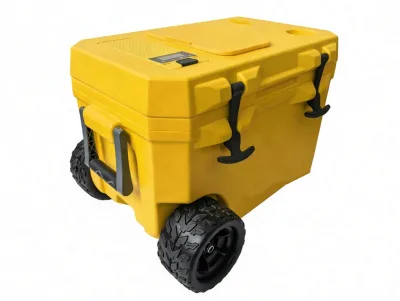
Product specifications provide another critical layer for comparison, particularly regarding capacity, material, and insulation performance. The data indicates capacities ranging from 12 liters to 75 liters, with ice detention times varying from 48 hours to over 100 hours depending on the model and material used. Materials such as PP, PE, and HDPE are common, with some products incorporating PU for enhanced insulation. Buyers should compare the specific model numbers and their associated features, such as the presence of wheels, retractable handles, or specific color options. Additionally, the supply ability, noted as 10,000 pieces per month for some suppliers, offers insight into the scalability of the partner, ensuring they can meet demand fluctuations without compromising on quality or delivery schedules.
Common Rotational Moulded Insulated Ice Chest Sourcing Risks
One significant risk in sourcing rotational moulded ice chests is the variability in ice retention claims versus actual performance. While some suppliers advertise ice detention times of up to 100 hours, others specify 48 hours or two days, and these figures can be influenced by ambient temperature, packing density, and the specific insulation materials used. Buyers must verify these claims through independent testing or by requesting detailed technical data sheets that outline the testing conditions under which these retention times were achieved. Relying solely on marketing claims without validation can lead to product failures in the field, damaging the buyer's brand reputation and resulting in costly returns or replacements.
Another risk involves the discrepancy between the stated main products and the actual manufacturing focus. Some suppliers list a broad range of items including car refrigerators and portable air conditioners alongside cooler boxes, which may indicate a lack of specialized expertise in rotational moulding. If a supplier's primary focus is not on ice chests, their quality control processes for this specific product line might be less rigorous. Additionally, the variation in response times and lead times across the supplier base suggests that communication delays and production bottlenecks are common. Buyers should mitigate this by establishing clear communication channels and setting realistic expectations for delivery dates, ensuring that any potential delays are communicated proactively to avoid supply chain disruptions.
Rotational Moulded Insulated Ice Chest Regional Sourcing and Logistics
The regional sourcing landscape for these products is heavily influenced by the location of manufacturing hubs, with Guangdong, China, emerging as a key production center based on the available data. Specific model numbers and brand names are linked to this region, suggesting a cluster of specialized facilities capable of rotational moulding. Buyers should prioritize suppliers located in or near this cluster to benefit from established supply chains and logistical efficiencies. However, since not all suppliers explicitly state their location, buyers must verify the port of dispatch, which is listed as Jiangmen, Shenzhen, or Guangzhou for some entities. These ports offer robust shipping infrastructure, facilitating the export of heavy items like ice chests to global markets.
Logistics planning must account for the physical dimensions and weight of the products, which vary significantly by capacity. For instance, a 45-quart unit has a single package size of 70x45x44 cm and a gross weight of 28 kg, while smaller 12-quart units are much more compact at 33x35x34 cm and 3.8 kg. These differences impact shipping costs, container loading efficiency, and handling requirements. Buyers should calculate the total volume and weight of their order to optimize freight costs and ensure that the chosen logistics partner can handle the specific dimensions of the palletized goods. Additionally, the use of different materials like PE and HDPE may affect the durability of the packaging during transit, requiring careful selection of protective materials to prevent damage during long-haul shipping.
Rotational Moulded Insulated Ice Chest Commercial Terms and Order Planning
Commercial terms for rotational moulded ice chests often include specific pricing structures that vary by capacity and customization level. The observed price ranges indicate that smaller units, such as 35-quart models, may cost between $42.44 and $46.00, while larger 52-liter units can range from $63.58 to $69.00. These prices are subject to negotiation, particularly for orders exceeding 300 units, where lead times and costs may be adjusted. Buyers should be prepared to negotiate based on volume, as the data suggests that larger orders often require individual negotiation rather than fixed pricing. Additionally, the availability of custom logo OEM services implies that branding costs may be factored into the final price, requiring a clear understanding of the total cost of ownership.
Order planning must also consider the supply ability and production capacity of the selected supplier. With some suppliers capable of producing 10,000 pieces per month, buyers can plan for larger campaigns, but they must ensure that the supplier's capacity aligns with their projected demand. The presence of sample processing and graphic processing capabilities allows for customization, but buyers should factor in the time required for sample approval and production setup. Furthermore, the use of escrow services and verified supplier status adds a layer of financial security, ensuring that payments are protected until the goods are delivered as specified. Buyers should integrate these commercial terms into their overall procurement strategy to minimize risk and ensure a smooth transaction from order placement to final delivery.
FAQs
What is the ice retention time for these coolers?
Ice detention times vary by model, ranging from 48 hours to 2 days for standard plastic boxes. Rotational molded options offer superior performance, maintaining cold temperatures for 5 to 6 days. This extended duration ensures food and beverages remain fresh during extended outdoor adventures or long fishing trips without frequent ice refills.
What materials are used in construction?
Manufacturers primarily use Polypropylene, Polyethylene, and HDPE for the outer shell, often combined with Polyurethane foam insulation. These materials provide durability and eco-friendly properties. The combination ensures the cooler is lightweight yet robust, capable of withstanding rough handling during transport while effectively maintaining internal temperatures for extended periods.
What is the minimum order quantity?
The minimum order quantity is typically 30 pieces for rotational molded insulated ice chests. This threshold allows buyers to secure custom branding or specific color options. Smaller standard models may have different requirements, but bulk orders generally start at this level to facilitate efficient production and shipping logistics for international buyers.
What certifications do suppliers hold?
Suppliers often hold ISO 9001, BSCI, FDA 21 CFR 177, FCC, CE, and RoHS certifications. These credentials verify compliance with international quality, safety, and environmental standards. Buyers should verify specific documentation to ensure the products meet local regulatory requirements, particularly for food contact materials and electronic components in active cooling units.
What are the lead times for production?
Lead times are generally 60 days for orders between 1 and 300 units during both peak and off-peak seasons. For quantities exceeding 300 units, production schedules are negotiated directly with the supplier. Buyers should plan accordingly, as larger orders may require additional time for manufacturing, quality control, and international shipping arrangements.
What is the price range per unit?
Prices typically range from approximately $42 to $69 per unit, depending on capacity and features. Smaller 35-quart models start around $42, while larger 52-liter rolling chests cost closer to $69. Rotational molded options with extended ice retention may fall within the $56 to $62 range, reflecting their superior construction and durability.