Garden Marquee Suppliers and Manufacturers - 28 Factories
Compare 28 verified Garden Marquee suppliers in China based on location, lead times, certifications, and response times. Review product specs like PVC fabric and ISO standards before contacting factories for quotes; review the available evidence before requesting comparable quotations from suitable candidates.
Updated
Suppliers List

- Verified by SGS
- Combined
- China Guangdong
- Lead time15 days
- Avg. response≤ 8h
Main productsTent, Party Tent, Marquee, Wedding Tent, Exhibition Tent, Warehouse Tent, Gazebo, Garden Gazebo, Wholesale Military Tent, Dome Tent
Main marketsSouth America,Southeast Asia/ Mideast,North America

Changzhou Huanyu Tent & House Manufacturing Co., Ltd.
- Verified by SGS
- Combined
- China Jiangsu
- Lead time30 days
- Avg. response≤ 5h
Main productsWedding Tent, Marquee Tent, Glamping Tent, Dome Tent, Archy Tent, Clear Span Tent, Polygon Tent, Curve Tent, Multi-Side Tent, Pagoda Tent
Main marketsSoutheast Asia/ Mideast,Domestic,Australia


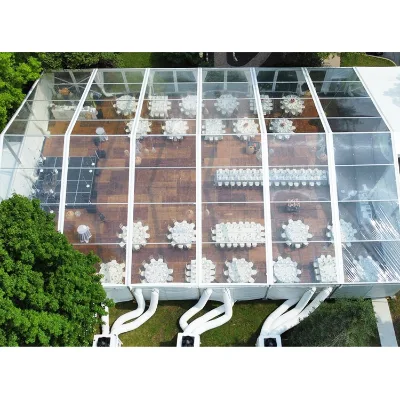
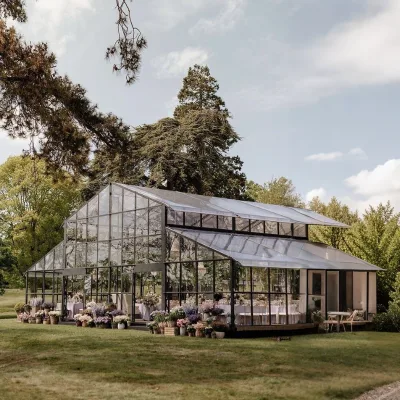
European Style Steel Clear Orangery Marquees and Tent for Outdoor Wedding Party
$66.00 - $90.00
MOQ: 150 Square Meters

European Style Steel Clear Orangery Marquees and Tent for Outdoor Wedding Party
$66.00 - $90.00
MOQ: 150 Square Meters
Fengming Prefabricated Construction Technology (Guangzhou) Co., Ltd.
- Verified by SGS Group
- Manufacturer, Trading Company
- Guangdong, China
- Lead time10 days
- Avg. response≤ 2h
Main productsTent, Truss/Stage, Homestay, Dome Tent, Trade Show Tent
Main marketsNorth America(26%), Eastern Europe(22%), Africa(18%)

Shaoxing ShunXin Pipe Making Co., Ltd.
- Combined
- China Zhejiang
- Lead time30 days
- Avg. response≤ 21h
Main productsTent, Folding Tent, Pop up Tent, Party Tent, Gazebo, Canopy, Marquee, Shelter, Awning, Pavlion
Main marketsSouth America,Africa,Southeast Asia/ Mideast,Domestic,Europe,Australia,North America
Jiangsu Lingtong Exhibition Tent Co., Ltd.
- Verified by SGS Group
- Manufacturer, Trading Company
- Lead time15 days
- Avg. response≤ 2h
Main productsClear Span Tent/Warehouse Tent/Event Tent/Party Tent/Wedding Tent/Exhibition Tent/Transparent Tent, Tennis Court Tent/Pickleball Court Tent/Padel Tent/Basketball Court Cover/Scooer Field Cover, Foldable Tent/Tunnel Tent/Carport Tent, Shelter Tent
Main marketsAfrica(15%), Eastern Asia(15%), North America(10%)
- Verified by Intertek
- Manufacturer, Trading Company
- Lead time15 days
- Avg. response≤ 3h
Main productsTrade Show Tent, Wedding Party Tent, Event Tent
Main marketsDomestic Market(60%), North America(25%), Western Europe(10%)
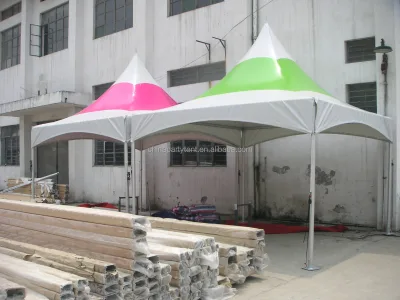
White PVC High Top Spring Top Marquee Garden Gazebo Tent
$20.00 - $50.00
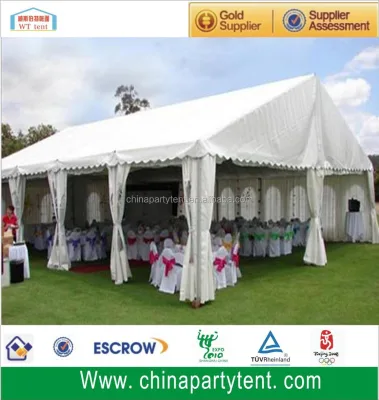
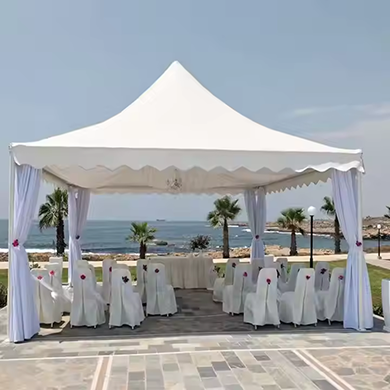

Suzhou Mk Architecture Technology Co., Ltd
- Verified by TUVRHEINLAND
- Trading Company
- China Jiangsu
- Lead time30 days
- Avg. response≤ 4h
Main productsTent, Truss, Stage
Main marketsEurope
Dalian Chengzhan Tent Technology Co., Ltd.
- Verified by TüVRheinland
- Manufacturer, Trading Company
- Lead time15 days
- Avg. response≤ 3h
Main productsAluminum Alloy Tent, Dome Tent, Pagoda Tent, Wedding Party Tent, Warehouse Tent
Main marketsDomestic Market(95%), Mid East(3%), Africa(1%)
Liri Architecture Technology (guangdong) Co., Ltd.
- Manufacturer, Trading Company
- Lead time旺季: "1 - 1000":35,"> 1000":"To be negotiated", 淡季: "1 - 1000":35,"> 1000":"To be negotiated"
- Avg. response≤ 6h
Main productsWedding Tent, Event Tent, Exhibition Tent, Dome Tent, Glamping Tent
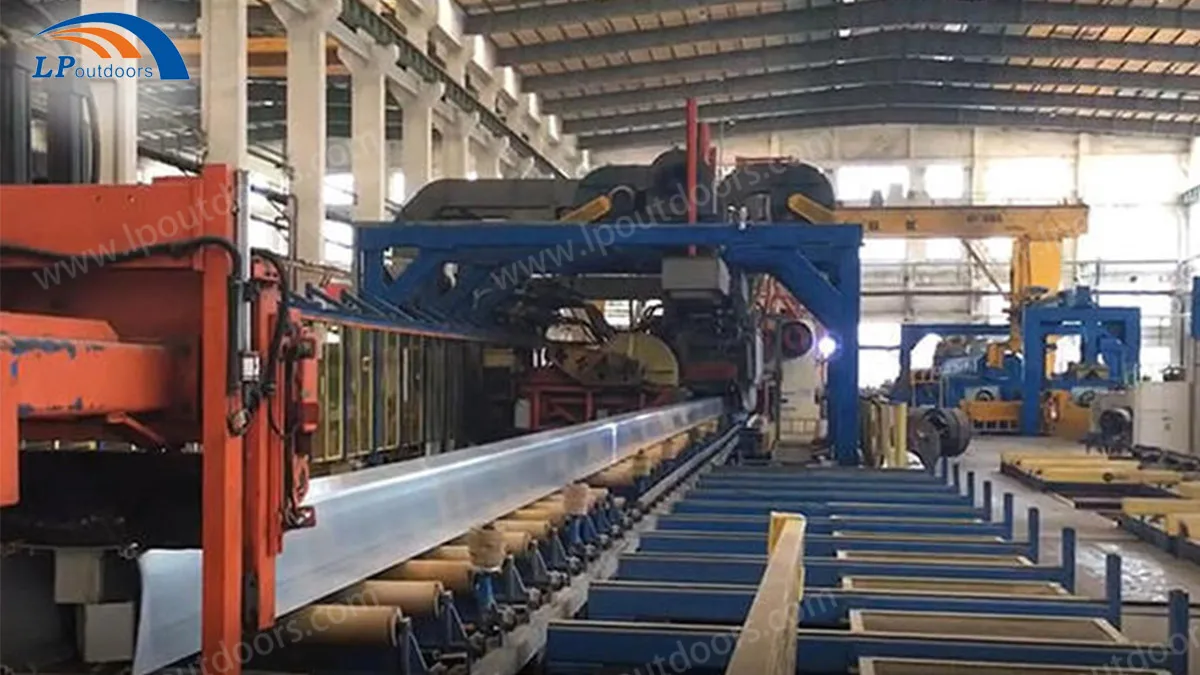
Dongguan LP Construction Technology Co., Ltd.
- Manufacturer, Trading Company
- GUANGDONG, China
- Lead time20 days
- Avg. response≤ 5h
Main productsAluminum louver pergola,Pergola,event tent,wedding tent,party tent
Main marketsOceania(20.00%), North America(20.00%), Mid East(15.00%), South America(10.00%), Africa(10.00%), Western Europe(10.00%), Northern Europe(5.00%), Southeast Asia(5.00%), Eastern Europe(5.00%)

Shenzhen Baikal Tent Co., Ltd.
- Verified by CTI
- Combined
- China Guangdong
- Lead time23 days
- Avg. response≤ 3h
Main productsParty Tent Wedding Tent Marquee Tent Event Te
Main marketsAfrica,Domestic,Australia,North America


Outdoor Waterproof Big Marquee Tents Wedding Party Tents for Sale
$29.00 - $39.00
MOQ: 50 Square Meters
- Verified by SGS Group
- Manufacturer, Trading Company
- Lead time25 days
- Avg. response≤ 9h
Main productsAluminum Frame Tent, Event Tent, Wedding Tent, Circus Tent, Hotel Tent
Main marketsMid East(21%), Southeast Asia(13%), North America(8%)
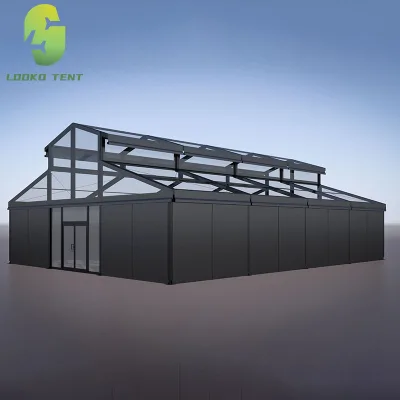
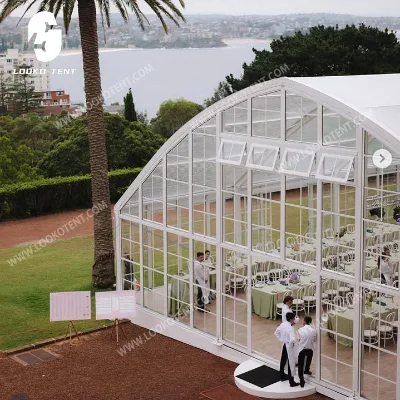
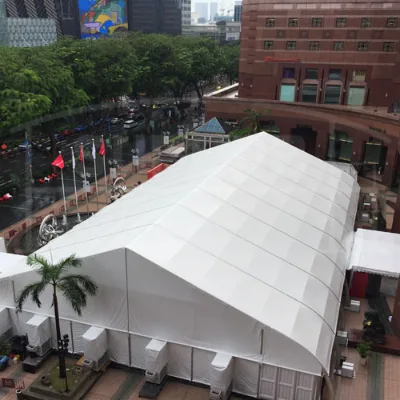
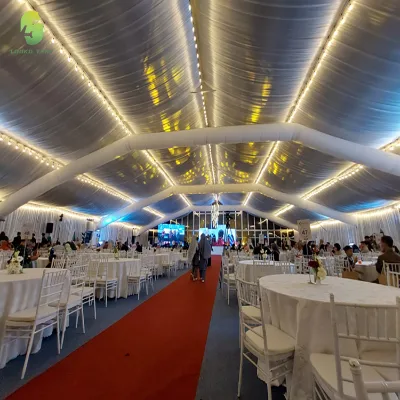
Party Tents Outdoor Event Wedding Party Tent
$25.00 - $35.00

Expomax ( China ) Exhibition Tent Co., Ltd.
- Verified by SGS
- Combined
- China Jiangsu
- Lead time15 days
- Avg. response≤ 1h
Main productsMarquee Tent, Clear Span Tent, Pagoda Tent, Arcum Tent
Main marketsOthers(foreignTradeCapacity.exportBusinessCapacityMarketOther),Domestic
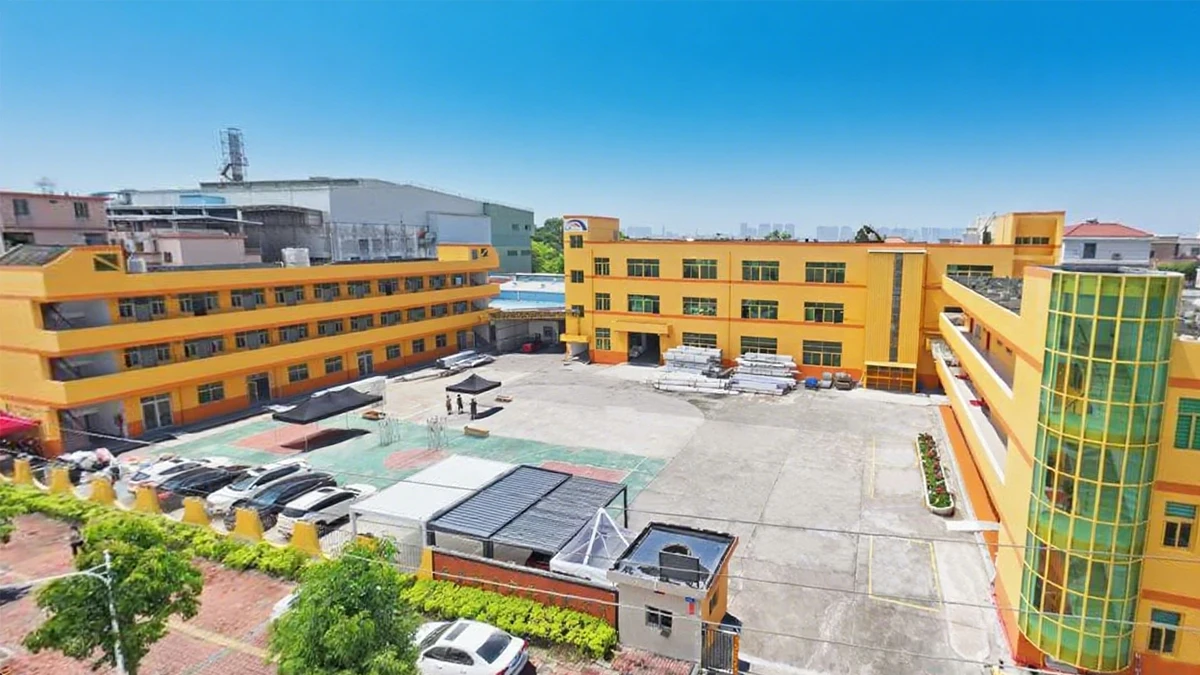
Dongguan Liping Industrial Co., Ltd.
- Manufacturer, Trading Company
- Guangdong, China
- Lead time20 days
- Avg. response≤ 3h
Main productsTent,wedding tent,party tent,marquee tent,high peak tent
Main marketsOceania(15.00%), South America(15.00%), North America(15.00%), Africa(10.00%), Mid East(10.00%), Western Europe(8.00%), Eastern Europe(7.00%), Northern Europe(5.00%), Central America(5.00%), Southeast Asia(5.00%), Eastern Asia(5.00%)
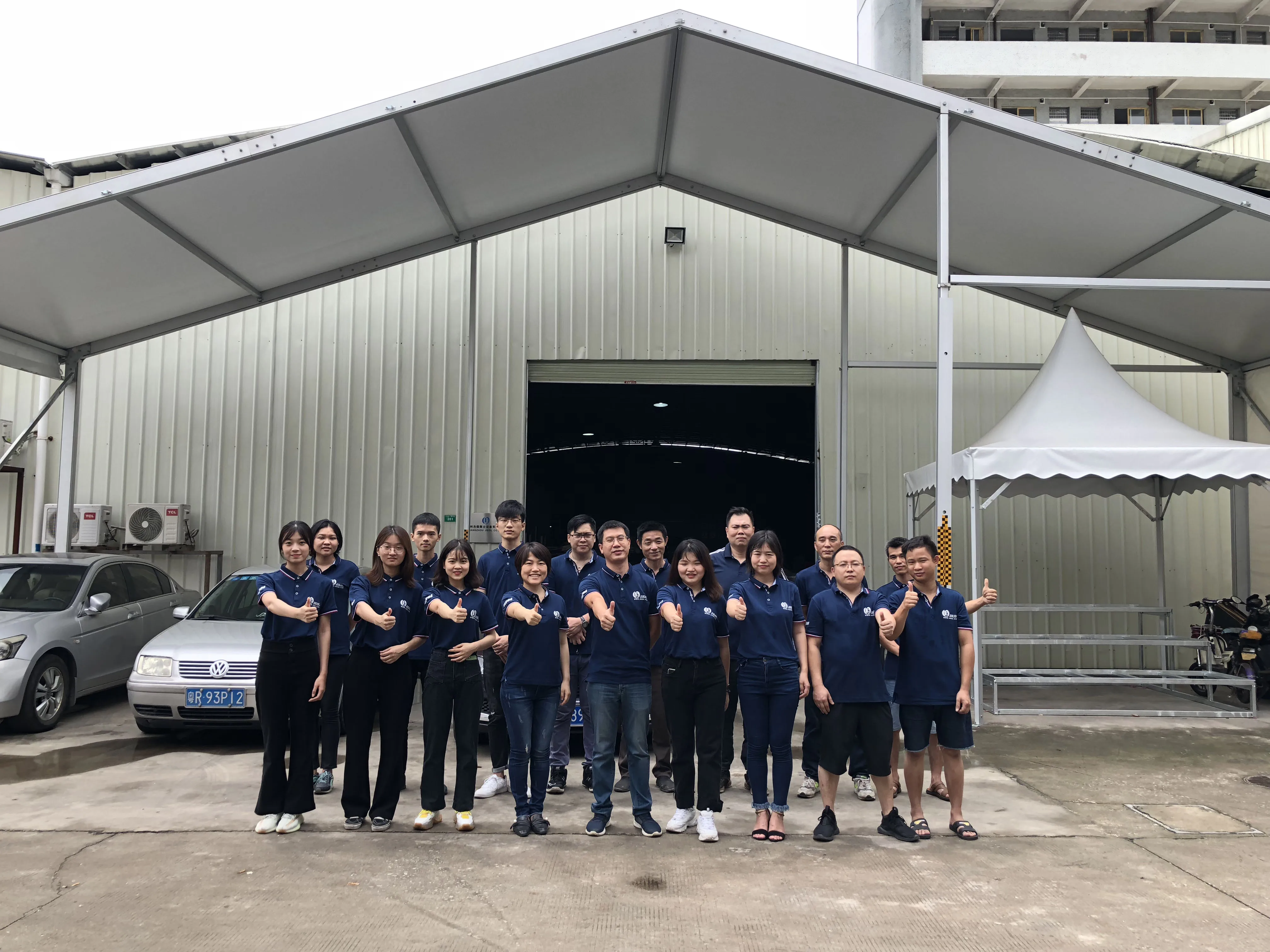
- Manufacturer
- Hong Kong S.A.R.
- Lead time15 days
- Avg. response≤ 4h
Main productsTent,Party Tent,Aluminum tent,Dome tent,Camping tent
Main marketsMid East(20.00%), North America(20.00%), Africa(10.00%), Southeast Asia(10.00%), South America(10.00%), South Asia(5.00%), Eastern Europe(5.00%), Northern Europe(5.00%), Western Europe(5.00%), Eastern Asia(5.00%)
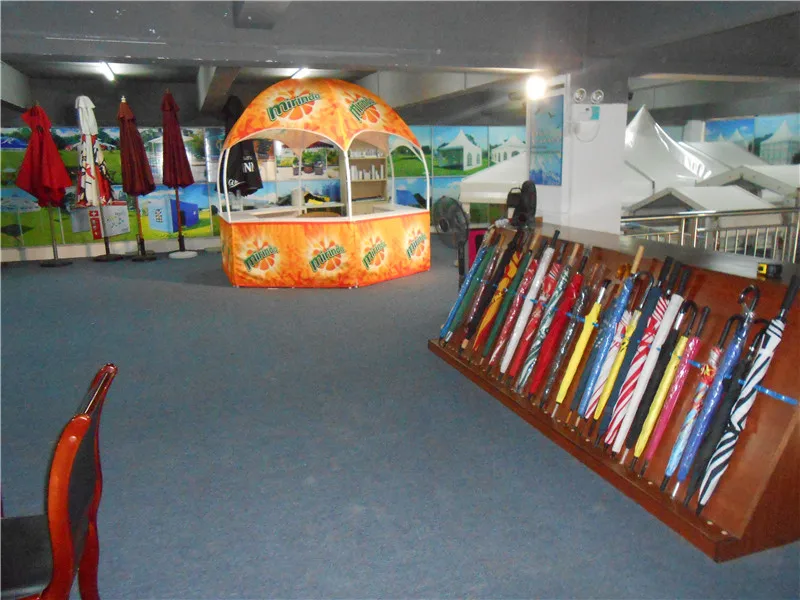
Foshan Dupples Outdoor Products Co., Ltd.
- Manufacturer, Trading Company
- Guangdong, China
- Lead time15 days
- Avg. response≤ 6h
Main productsCanopy tent,Beach umbrella,Party tent,Awning,Garden Parasol
Main marketsMid East(30.00%), North America(25.00%), Africa(25.00%), Western Europe(20.00%)
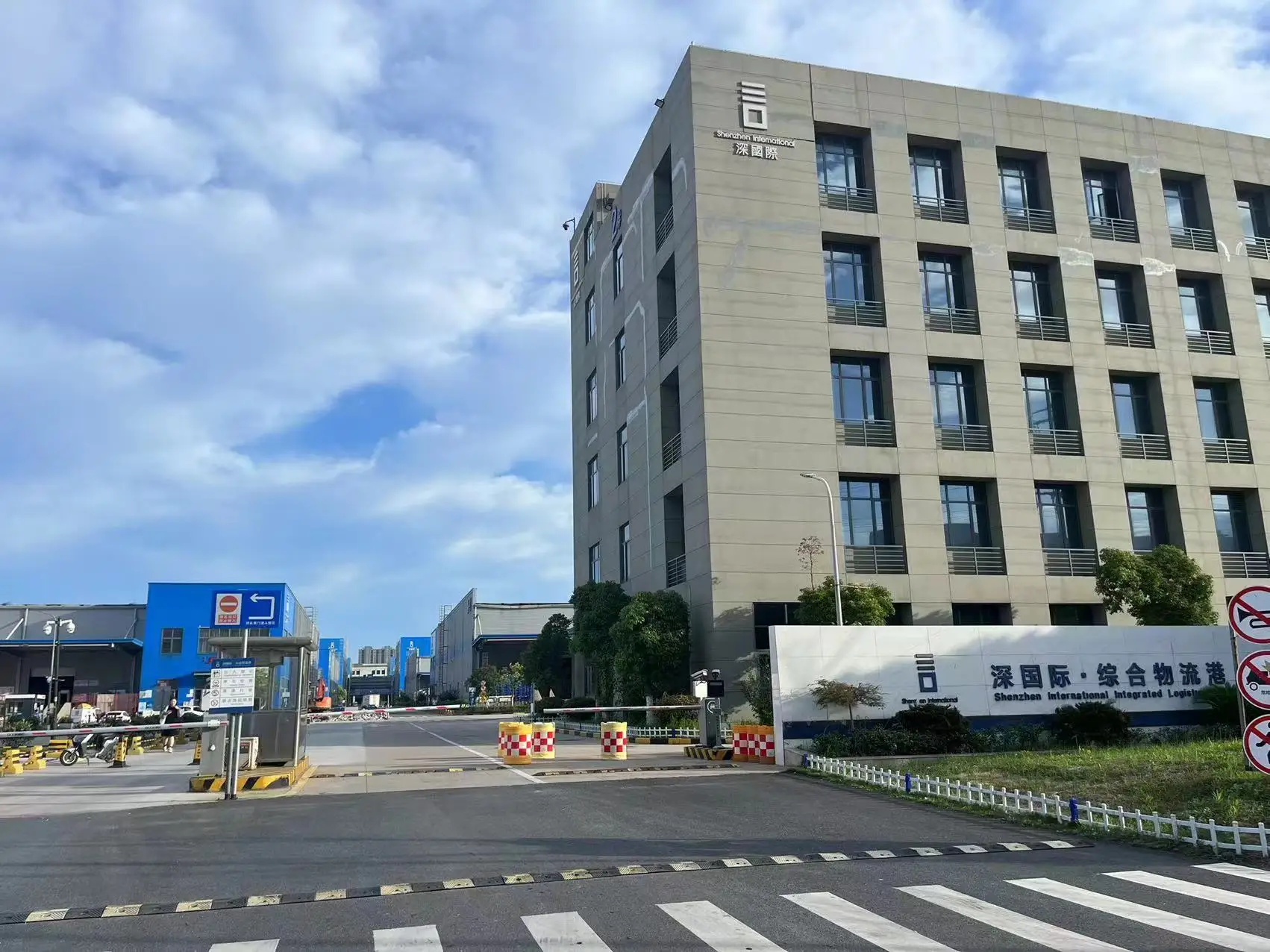
Hangzhou Jiamo Technology Co., Ltd.
- Trading Company
- Zhejiang, China
- Lead time25 days
- Avg. response≤ 2h
Main productsBig Event Tent,Stretch Tent,Folding Tent,Outdoor Tarps,Banquet Chairs and Tables
Main marketsCentral America(20.00%), Africa(15.00%), Domestic Market(10.00%), Mid East(10.00%), Southeast Asia(5.00%), South Asia(5.00%), Southern Europe(5.00%), North America(5.00%), Western Europe(5.00%), Eastern Asia(5.00%), Eastern Europe(5.00%), Oceania(5.00%), South America(5.00%)
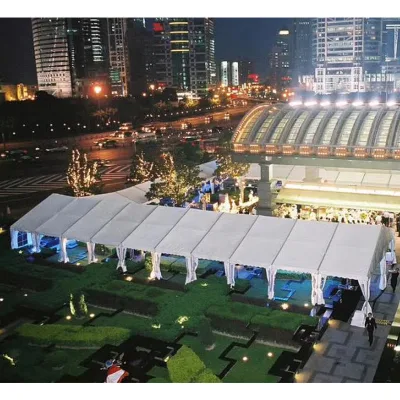
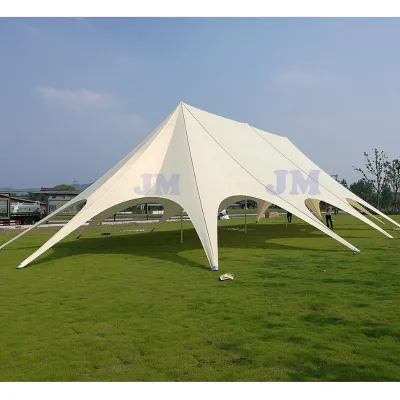
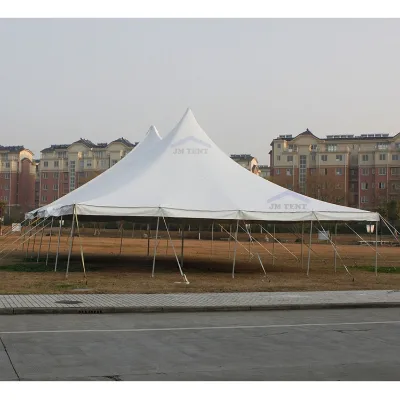
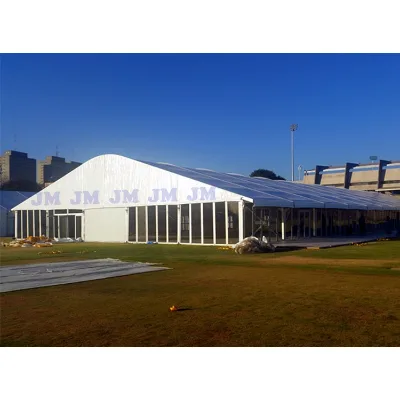
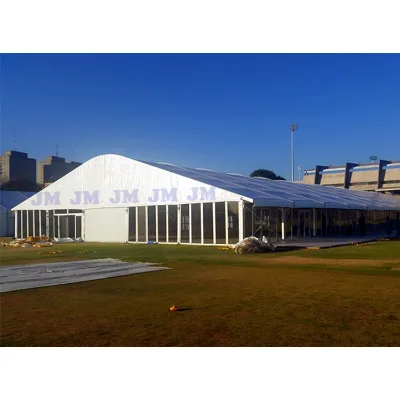
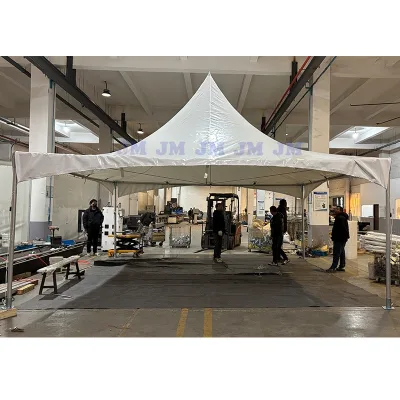
Outdoor Modern Aluminum Frame 25x50m Arcum Marquee Tent With Arch Top for Outdoor Exhibition Events
$26.90 - $55.00
MOQ: 9 square
Changzhou Guangrui Tent Technology Co., Ltd.
- Verified by TüVRheinland
- Manufacturer, Trading Company
- Lead time20 days
- Avg. response≤ 2h
Main productsMarquee, Tent, Wedding Tent, Pagoda Tent, Atrium Tent
Main marketsDomestic Market(40%), Africa(15%), Southeast Asia(10%)
Shelter Architecture Technology (guangdong) Co., Ltd.
- Manufacturer, Trading Company
- Guangdong, China
- Lead time20 days
- Avg. response≤ 4h
Main productsWedding Tent,Clear Top Tent,Arch Tent,Atrium Tent,Dome Tent
Main marketsNorth America(37.00%), Africa(14.00%), Southeast Asia(10.00%), Domestic Market(6.00%), Mid East(5.00%), Oceania(5.00%), South America(5.00%), Central America(5.00%), Western Europe(4.00%), South Asia(2.00%), Southern Europe(2.00%), Eastern Asia(2.00%), Eastern Europe(2.00%), Northern Europe(1.00%)
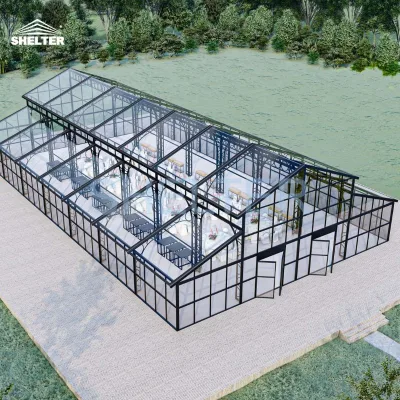
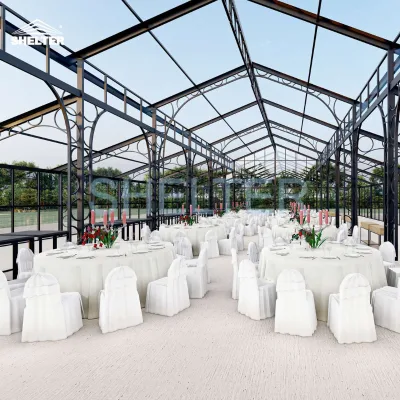
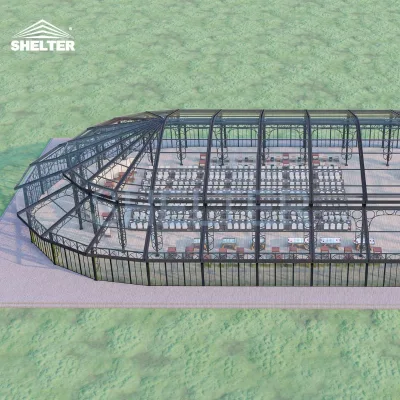
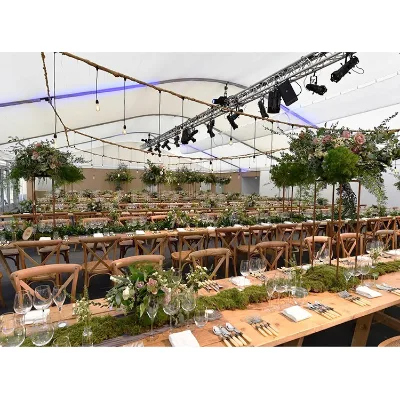
Commercial Event Tent Outdoor Tent Luxuriant Orangery Marquee Tent Black Glass Marquee Shelter
$65.00 - $130.00
MOQ: 25 square
Cangzhou Yongsheng Imp. & Exp. Trade Co., Ltd.
- Verified by TüVRheinland
- Trading Company
- Lead time45 days
- Avg. response≤ 2h
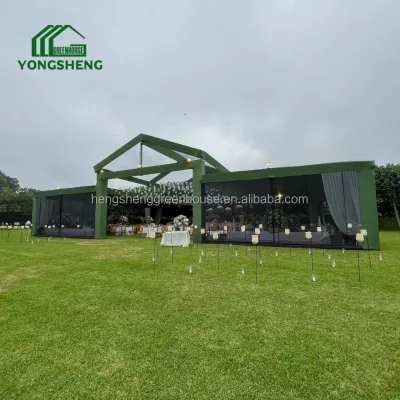
Main productsGarden Greenhouse, Glass Greenhouse, Wedding Greenhouse, Glass Sunroom
Main marketsNorth America(40%), Eastern Europe(10%), Mid East(10%)
Shaoxing Marvel Union Recreational Products Co., Ltd.
- Verified by TüVRheinland
- Manufacturer, Trading Company
- Lead time45 days
- Avg. response≤ 5h
Main productsGarden Gazebo, Party Tent, Canopy Carport, Folding Tent, Storage Canopy
Main marketsNorth America(43%), Western Europe(38%), Oceania(12%)
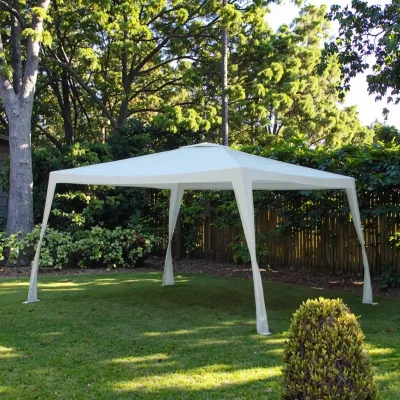
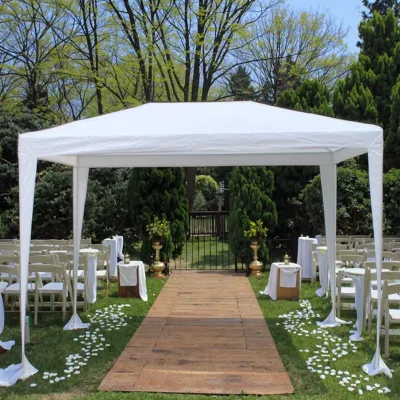
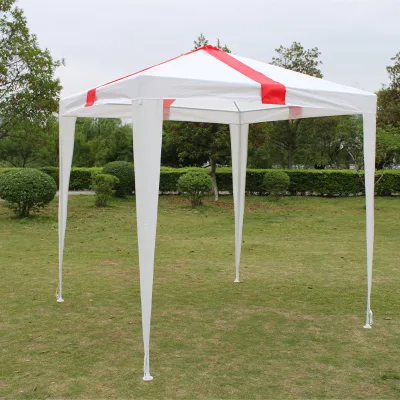
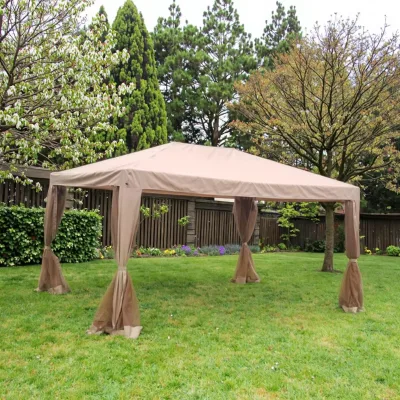
Garden Gazebo Portable Sunshade UV Protection Pavilion Tent for Garden Tea Parties
$10.3748 - $18.6746
MOQ: 100 Minimum
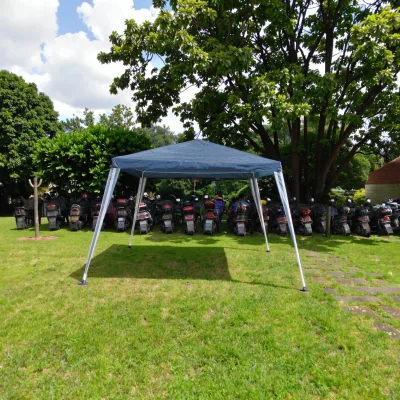
Adjustable Convertible Garden Shelter Sunshade Open Gazebo Tent Outdoor Dining and Garden Parties
$9.2423 - $14.3751
MOQ: 100 Minimum
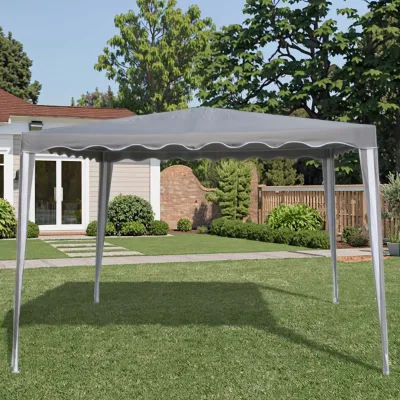
Adjustable Height Backyard Garden Gazebo Canopy Good Quality Polyester Fabric Tent
$9.00 - $15.00
MOQ: 100 Minimum
- Verified by SGS Group
- Manufacturer, Trading Company
- Lead time15 days
- Avg. response≤ 1h
Main productsEvent Tent, Marquee
Main marketsDomestic Market(40%), Africa(15%), North America(5%)
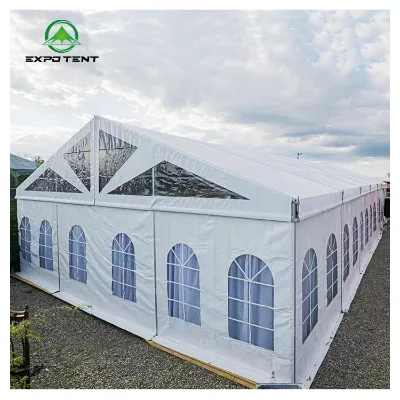
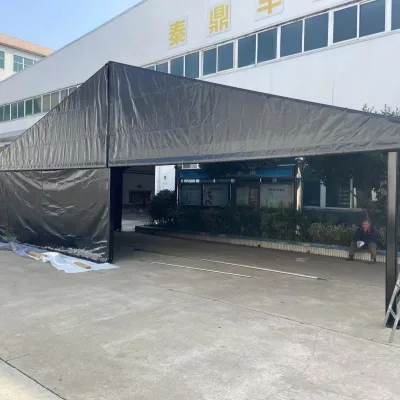
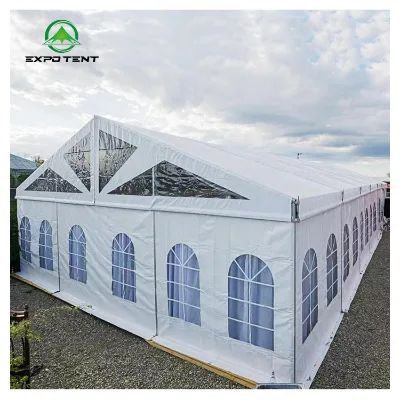
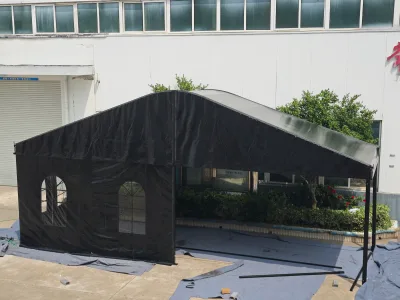
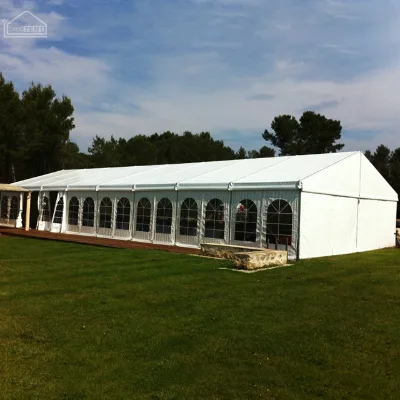
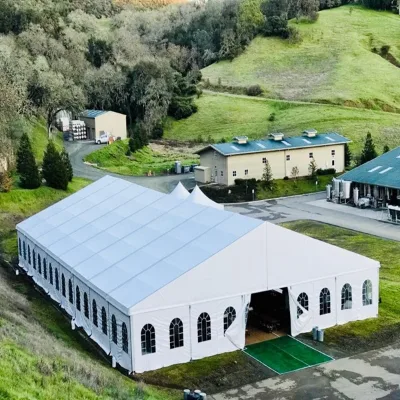
Aluminium Clear Span Big Exhibition Carpa Tent for Sale
$28.00 - $40.00
Outdoor Big Clear Span Aluminum Frame Tent
$26.00 - $33.00
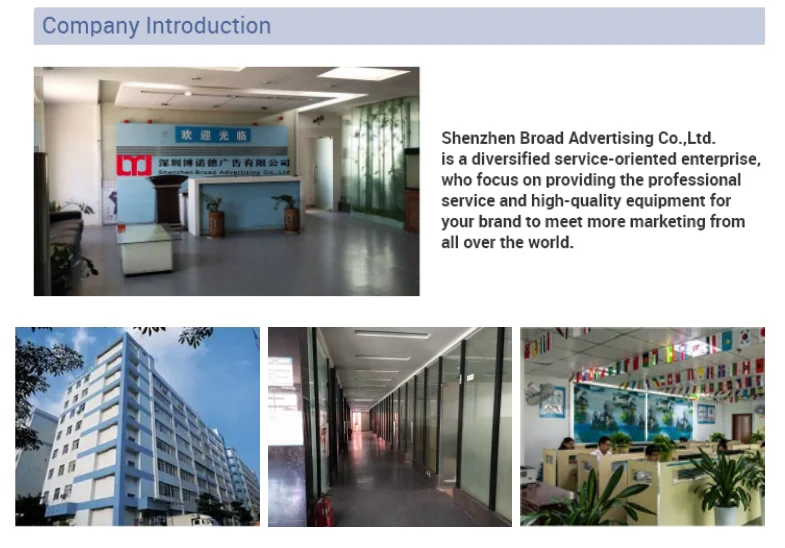
Shenzhen Broad Advertising Co., Ltd.
- Manufacturer, Trading Company
- Guangdong, China
- Lead time8 days
- Avg. response≤ 3h
Main productsTrade show tent,Advertising tent,beach flag,Gazebo tent,pop up backdrop
Main marketsNorth America(30.00%), Eastern Europe(20.00%), Central America(15.00%), Western Europe(15.00%), South America(10.00%), South Asia(5.00%), Africa(5.00%)
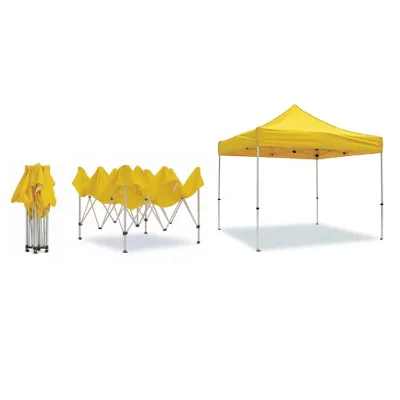
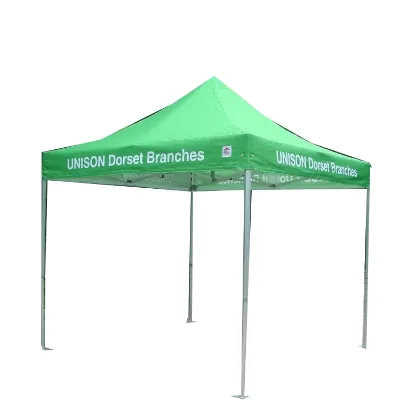
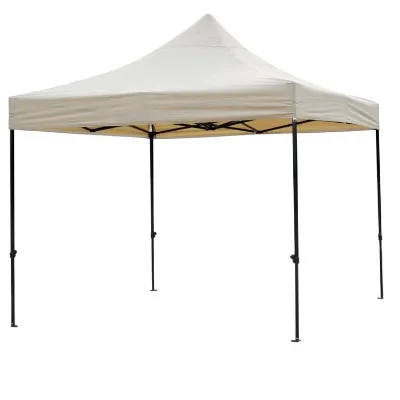
3x3 Metal Pop up Folding Outdoor Gazebo Tent Weeding Tent
$20.00 - $23.00

Jiangmen COSCO SHIPPING Aluminium Co., Ltd.
- Verified by TUVRHEINLAND
- Combined
- China Guangdong
- Lead time30 days
- Avg. response≤ 2h
Main productsAluminium Extrusion / Profile, Aluminium Extruded Components, Aluminium Parts, Aluminium Heatsink / Radiator, Aluminium Enclosure, Aluminium Faceplate, Aluminium Truck / Tray Body, Aluminium Railing System, Aluminium Event Tents, Aluminium Automatic Partition System
Main marketsSouth America,Africa,Southeast Asia/ Mideast,East Asia(Japan/ South Korea),Domestic,Europe,Australia,North America


Outdoor Multi-Side Weeding Event Tent with Strong Aluminium Frames with Glass Walls
$40.00
MOQ: 10 Square Meters
Qingdao Powerup International Trade Co., Ltd.
- Trading Company
- Shandong, China
- Lead time30 days
- Avg. response≤ 2h
Main productsPush-pull Sliding Tent,Disaster Relief Tent,Shelter Tent,Inflatable Camping Tent,House Tent
Main marketsNorth America(50.00%), Eastern Asia(20.00%), Central America(10.00%), South America(10.00%), Southeast Asia(10.00%)

Guangzhou Meile Exhibition Equipment Co., Ltd.
- Verified by SGS
- Combined
- China Guangdong
- Lead time15 days
- Avg. response≤ 8h
Main productsTent, Wedding Tent, Party Tent, Big Tent, Exhibition Tent, Events Tent, Promotion Tent, Advertising Tent, Aluminum Stage, Aluminum Truss
Main marketsAfrica,Others(foreignTradeCapacity.exportBusinessCapacityMarketOther),Australia

Hebei New Sight Outdoor Products Co., Ltd.
- Verified by SGS
- Combined
- China Hebei
- Lead time23 days
- Avg. response≤ 5h
Main productspop up tent
Main marketsEurope

Party Tent Canopy Outdoor Exhibition Waterproof Tent Promotion Booth Tent
$96.50 - $120.00
MOQ: 1 Pieces

Party Tents for Events Outdoor Exhibition Tent Outdoor Tent for Brands
$144.00 - $180.00
MOQ: 1 Pieces


Ningbo Yilong Outdoor Products Co., Ltd.
- Verified by TUVRHEINLAND
- Manufacturer/Factory
- China Zhejiang
- Lead time0 days
- Avg. response≤ 14h
Main productsAluminium Foldable Gazebo, Aluminium Umbrella, Wooden Umbrella, Beach Umbrella, Swing Chair, Steel Gazebo, Outdoor Furniture, Campling, Chair, Table
Main marketsSouth America,Eastern Europe,Mid East,North America,Southeast Asia,Eastern Asia,Oceania,Western Europe,Africa










Comprehensive Sourcing Guide
Garden Marquee Supplier Concentration and Factory Types
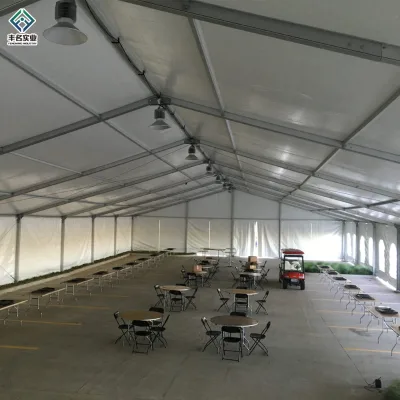
The current supplier landscape for garden marquees reveals a distinct geographic concentration in China, with Guangdong and Jiangsu provinces emerging as primary manufacturing hubs. Suppliers located in Guangdong, such as those based in Foshan, often operate as combined entities that blend manufacturing capabilities with trading functions. This hybrid model allows them to offer a broad spectrum of products, including temporary outdoor exhibition tents, party marquees, and warehouse structures. These suppliers frequently highlight their ability to produce single-skin structures with PVC coated fabric roofs and sidewalls, catering to both traditional party uses and advertising applications. The presence of ISO9001 and ISO14001 certifications among these Guangdong-based factories indicates a standardized approach to quality management and environmental responsibility, which is crucial for buyers seeking reliable production partners.
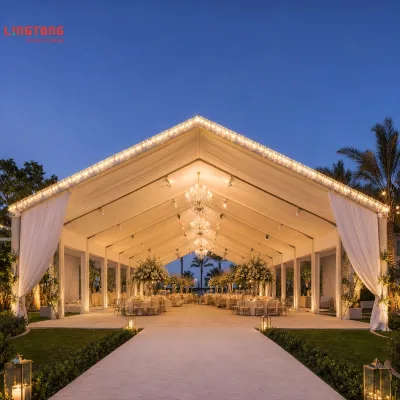
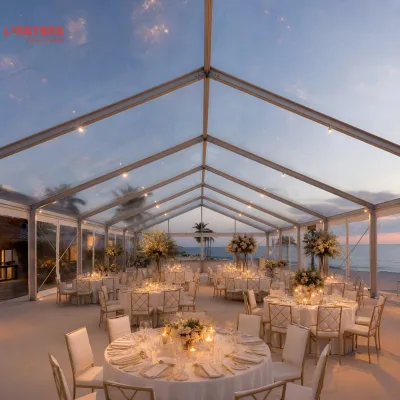
In contrast, suppliers in Jiangsu province present a different operational profile, often focusing on specialized designs like double-skin structures for church weddings or garden events. These manufacturers may not display the same level of system certification visibility as their Guangdong counterparts, requiring buyers to dig deeper into their specific credentials. The main products listed by Jiangsu suppliers often include clear span tents, polygon tents, and curve tents, suggesting a specialization in complex architectural forms rather than standard a-frame or ridge tents. This regional distinction helps buyers identify whether they are dealing with a high-volume, standardized producer or a more specialized manufacturer capable of handling custom architectural requirements. Understanding these factory types and their regional strengths is the first step in narrowing down the supplier pool effectively.
How to Verify Garden Marquee Suppliers
Verification is a critical step when evaluating Garden Marquee suppliers, as the market contains a mix of verified manufacturers and trading companies. Buyers should prioritize suppliers who have undergone third-party verification processes, such as SGS, which serves as a tangible indicator of operational legitimacy. The presence of an SGS verification badge provides a layer of confidence regarding the supplier's business scope and physical existence, reducing the risk of engaging with fraudulent entities. Additionally, checking for specific product certifications like TUV, SGS, or BV is essential, as these attest to the material safety and performance standards of the PVC fabrics and structural components. These certifications are particularly important for outdoor structures that must withstand various weather conditions, ensuring that the materials are waterproof, fire-proof, and UV-resistant as claimed.
Beyond basic verification badges, buyers must scrutinize the supplier's response time and communication efficiency, as these metrics reflect their operational readiness. A response time of approximately 7.67 hours, as observed in some Guangdong suppliers, suggests a moderate level of engagement, while faster response times, such as 4.06 hours, indicate a more agile customer service team. Buyers should also examine the detailed product attributes provided, such as the specific pole materials, sidewall fabric weights, and fixing solutions like expandable bolts or weight plates. These technical details serve as evidence of the supplier's expertise and attention to detail. If a supplier cannot provide clear answers to these technical questions or lacks verifiable certifications, it may be prudent to seek alternative partners who can demonstrate greater transparency and reliability in their operations.
What to Compare Across Garden Marquee Suppliers
When comparing suppliers, lead time is a pivotal factor that directly impacts project planning and inventory management. Suppliers in Guangdong often quote lead times around 15 days, which is suitable for urgent orders or smaller batches, whereas Jiangsu-based suppliers may indicate lead times of up to 30 days. This discrepancy highlights the importance of aligning supplier capabilities with your project timeline, especially for large-scale events or seasonal deployments. Buyers should also compare the minimum order quantities (MOQ), as some suppliers offer an MOQ of just one unit, providing flexibility for trial orders or small-scale events, while others may have higher thresholds. Understanding these logistical constraints helps in selecting a supplier that matches your volume requirements and budgetary constraints without unnecessary delays.
Another critical dimension for comparison is the customization capability and warranty terms offered by each supplier. Many Garden Marquee suppliers advertise available customization options, allowing buyers to tailor the tent size, color, and structure to specific event needs. However, the extent of this customization varies, with some suppliers offering OEM and ODM services while others stick to standard models. Warranty terms also differ significantly, with some providers offering frame warranties of five to eight years and PVC warranties of five years, while others may not specify these details clearly. Buyers should also evaluate the main products listed by each supplier to ensure they specialize in the specific type of marquee required, whether it is a clear span tent, a ridge tent, or a double-decker structure. This comprehensive comparison ensures that the selected supplier can meet both technical and commercial expectations.
Common Garden Marquee Sourcing Risks
One of the primary risks in sourcing garden marquees is the potential mismatch between advertised specifications and actual product quality. Suppliers may claim that their tents are waterproof and fire-proof, but without rigorous testing and certification, these claims may not hold up under real-world conditions. Buyers must be cautious of suppliers who do not provide detailed material specifications, such as the exact weight of the PVC coated fabric or the type of aluminum alloy used for poles. Inconsistent quality can lead to structural failures during events, resulting in significant financial losses and reputational damage. Therefore, it is essential to request sample materials or detailed test reports to verify the durability and safety of the tent components before committing to a large order.
Another significant risk is the variability in supplier response times and communication clarity, which can lead to misunderstandings regarding order details and delivery schedules. Suppliers with slower response times may struggle to address urgent queries or resolve issues that arise during production, potentially causing delays. Additionally, the lack of standardized packaging or labeling practices among different suppliers can complicate logistics and installation processes. Buyers should also be wary of suppliers who do not clearly disclose their establishment years or operational history, as this information can provide insights into their stability and experience in the industry. By identifying and mitigating these risks early in the sourcing process, buyers can ensure a smoother procurement experience and reduce the likelihood of post-purchase complications.
Garden Marquee Regional Sourcing and Logistics
Sourcing garden marquees from China involves navigating distinct regional logistics networks, with Guangdong and Jiangsu offering different advantages. Suppliers in Guangdong, particularly those in Foshan, benefit from proximity to major ports and established supply chains, which can facilitate faster shipping and lower logistics costs. This region's concentration of combined manufacturing and trading companies allows for efficient consolidation of orders, making it an attractive option for buyers seeking quick turnaround times. However, buyers must also consider the specific packaging requirements, such as the use of membrane films, cartons, and PVC carry bags, which can impact the overall shipping volume and cost. Understanding these logistical nuances helps in planning the transportation and storage of the marquees effectively.
In contrast, sourcing from Jiangsu may involve different logistical considerations, as suppliers in this region may have varying access to transportation infrastructure. The longer lead times associated with Jiangsu suppliers, often around 30 days, may require earlier planning and coordination to ensure timely delivery. Buyers should also evaluate the supplier's packing standards, as some may offer customized packing solutions to meet specific customer requirements. This flexibility can be beneficial for buyers with unique storage or handling needs. Additionally, the geographic location of the supplier can influence the choice of shipping method, whether by sea, air, or rail, depending on the urgency and volume of the order. By carefully assessing these regional logistics factors, buyers can optimize their supply chain and minimize potential disruptions.
Garden Marquee Commercial Terms and Order Planning
Commercial terms, including pricing and payment conditions, play a crucial role in the final decision-making process for Garden Marquee sourcing. Prices for these structures can vary significantly based on size, material quality, and customization options, with some suppliers offering prices ranging from $40 to $70 per unit for standard models. Buyers should request detailed quotations that break down the costs of materials, labor, and shipping to ensure transparency and avoid hidden fees. Additionally, understanding the payment terms, such as the use of escrow services or advance payments, is essential for mitigating financial risks. Suppliers who offer secure payment options provide an added layer of protection, ensuring that funds are only released upon satisfactory delivery of the goods.
Order planning also requires careful consideration of the supplier's capacity and production capabilities, especially for large-scale events or bulk orders. Buyers should verify the supplier's ability to handle the required volume within the specified lead time, as overcommitting can lead to delays and quality compromises. It is also important to discuss the after-sales support and warranty claims process, as these factors can impact the long-term value of the purchase. Suppliers who provide comprehensive warranty coverage and responsive customer service demonstrate a commitment to customer satisfaction and product reliability. By aligning commercial terms with operational capabilities, buyers can establish a sustainable partnership that supports their event planning needs and ensures a successful outcome.
FAQs
What is the price range for garden marquees?
Garden marquees typically cost between $40 and $70 per unit based on current market data. Prices vary depending on the specific model, size, and customization options selected by the buyer. Suppliers offer flexible pricing structures to accommodate different budget requirements for outdoor events.
How long does it take to manufacture a marquee?
Manufacturing lead times generally range from 15 to 30 days depending on the supplier location and order complexity. Suppliers in Guangdong often provide faster turnaround times compared to those in Jiangsu. Buyers should confirm specific delivery schedules with their chosen manufacturer before placing orders.
What certifications do Garden Marquee suppliers hold?
Many suppliers hold ISO9001:2015 and ISO14001:2015 system certifications to ensure quality management standards. Products may also carry TUV, SGS, or BV certificates for safety and material compliance. Buyers should verify these credentials directly with suppliers to ensure they meet specific project requirements.
What materials are used in marquee construction?
Marquees typically use PVC coated fabric for roofs and sidewalls, with weights ranging from 650 to 900 grams per square meter. Frames are often constructed from aluminum alloys or flexible poles. These materials provide waterproof, fireproof, and UV-resistant properties suitable for various outdoor environments.
What is the minimum order quantity for marquees?
The minimum order quantity is often set at just one unit, allowing buyers to test quality before larger purchases. This low MOQ supports small-scale events or initial sampling needs. Buyers should confirm specific MOQ policies with suppliers as terms may vary based on customization levels.
Where are Garden Marquee manufacturers located?
Major manufacturing hubs for garden marquees are located in China, specifically in Guangdong and Jiangsu provinces. Guangdong suppliers often offer faster response times and lead times. Jiangsu-based manufacturers may provide different structural options like double-skin designs for specialized event requirements.