Inconel Nickel Chromium Alloy Suppliers and Manufacturers
Compare 26 verified suppliers of Inconel Nickel Chromium Alloy by location, response time, lead time, and certifications. Review product specs like ASTM standards and pricing ranges before contacting factories in China for quotes; review the available evidence before requesting comparable quotations from suitable candidates.
Updated
Suppliers List

Henan Shengbang Medical Technology Co., Ltd.
- Verified by SGS
- Manufacturer
- China Henan
- Lead time15 days
- Avg. response≤ 15h
Main productsInvestment Material
Main marketsOthers(foreignTradeCapacity.exportBusinessCapacityMarketOther),Europe

- Verified by SGS
- Trading Company
- China Jiangsu
- Lead time30 days
- Avg. response≤ 7h
Main productsNickel Strip, Nichrome Wire, Nickel Wire, Resistance Wire, Nickel Welding Wire, Inconel, Incoloy, Heating Wire, Thermocouple Wire, Nickel Alloy
Main marketsSouth America,Others(foreignTradeCapacity.exportBusinessCapacityMarketOther),Southeast Asia/ Mideast,East Asia(Japan/ South Korea),Domestic,Europe,Australia,North America

Jiangsu Qiyuan Special Alloy Co., Ltd
- Verified by TUVRHEINLAND
- Combined
- China Jiangsu
- Lead time15 days
- Avg. response≤ 17h
Main marketsOthers(foreignTradeCapacity.exportBusinessCapacityMarketOther)
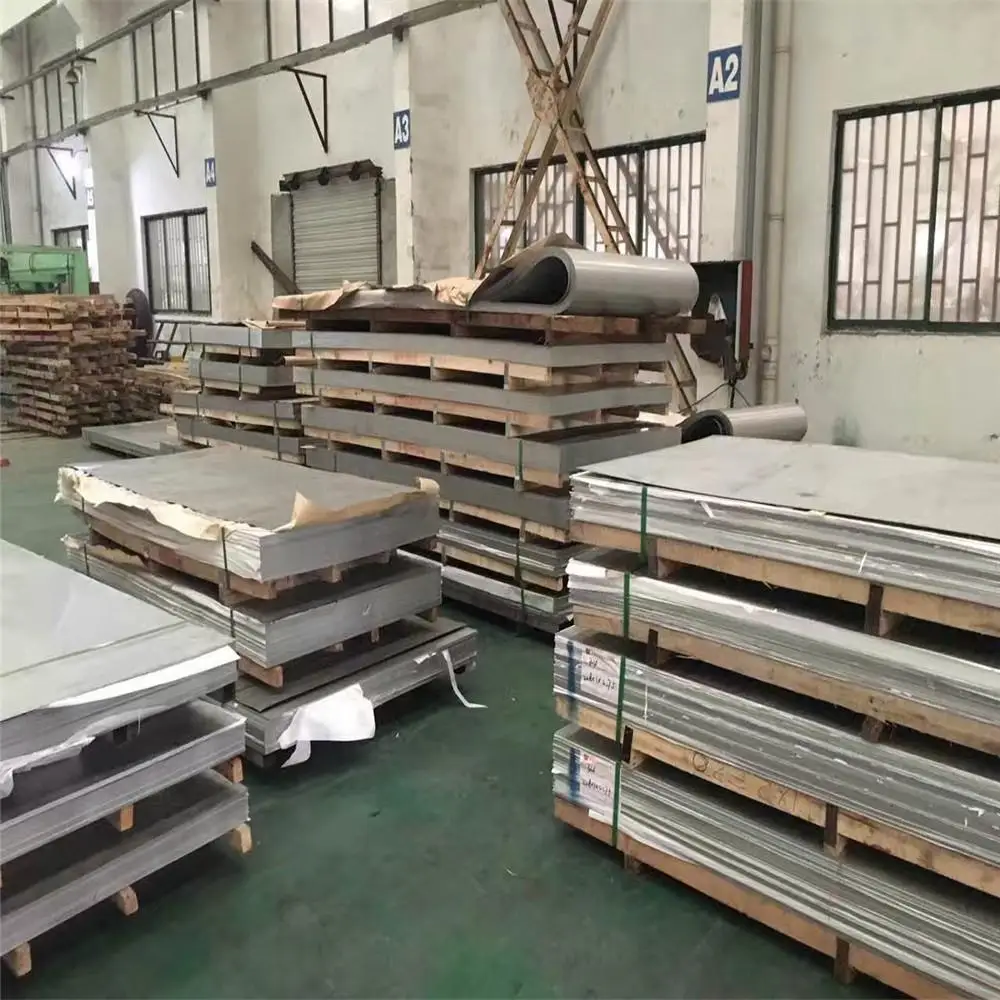
Guojin Industry And Trade (shandong) Co., Ltd.
- Manufacturer, Trading Company
- Shandong, China
- Lead time0 days
- Avg. response≤ 4h
Main productsCentrifugal casting,Investment casting,Lost-foam casting,Heat-resistant steel,nickel alloy
Main marketsSoutheast Asia(20.00%), Eastern Asia(10.00%), North America(10.00%), Eastern Europe(10.00%), South America(10.00%), Northern Europe(5.00%), Western Europe(5.00%)
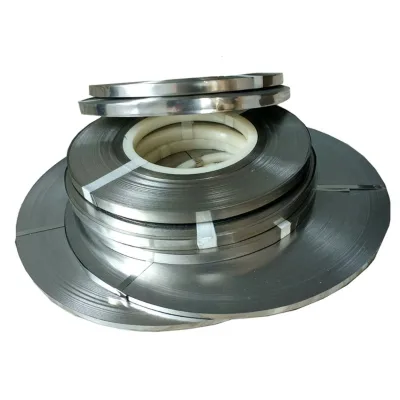
Nickel Chromium Alloy 80/20 Inconel Grade
$20.00 - $22.00
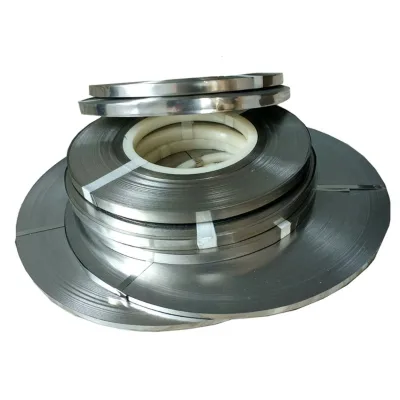
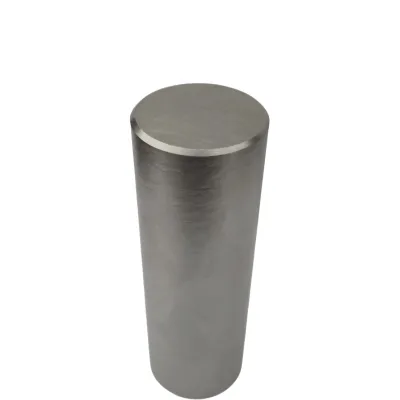

Shanghai Bozhong Metal Group Co., Ltd.
- Verified by TUVRHEINLAND
- Trading Company
- China Shanghai
- Lead time15 days
- Avg. response≤ 14h
Main productsStainless Steel, Nickel Alloy, Alloy and Carbon Steel
Main marketsSouth America,Southeast Asia/ Mideast,Europe


Alloy 690/Inconel 690 Nickel-Chromium Alloy Plate with High Oxidation Resistance
$989.00 - $1400.00
MOQ: 1 Tons


Shandong Titanium Nickel Special Steel Co., Ltd
- Verified by CTI
- Combined
- China Shandong
- Lead time30 days
- Avg. response≤ 1h
Main productsHastelloy Sheet, Monel Alloy Sheet, Nickle Alloy Bar, Superalloy, Corrosion Resistant Alloy Bar, Precision Alloy, Monel Bar, Inconel, Haynes Alloy Sheet, Plate/Sheet
Main marketsDomestic

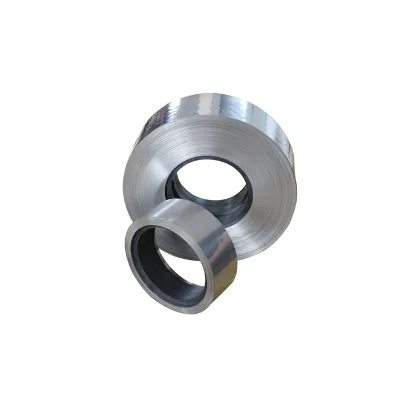
Inconel 686 Uns N06686 Nickel Alloy Strip/Coil/Foil Corrosion-Resistant Nickel-Chromium Alloy
$23.00 - $26.12
MOQ: 10 kg


Inconel 600 Alloy (UNS N06600) Nickel-Chromium Alloy with Excellent Heat & Corrosion Resistance
$22.50 - $26.60
MOQ: 10 kg

Inconel 690 (UNS N06690) High-Chromium Nickel Alloy with Superior Oxidation & Corrosion Resistance
$25.00 - $26.60
MOQ: 10 kg

Incoloy 330 Uns N08330 Nickel Alloy Wire High-Performance Nickel-Iron-Chromium Alloy
$25.00 - $25.60
MOQ: 10 kg

- Verified by TüVRheinland
- Trading Company
- Lead time15 days
- Avg. response≤ 3h
Main productsHeating Resistance Wire, Nickel Welding Wire, Thermocouple Wire, Corrosion Resistance Alloy, Thermal Spray Alloy
Main marketsSouth Asia(20%), South America(15%), Western Europe(15%)
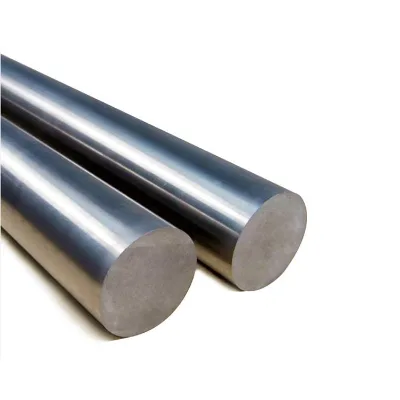
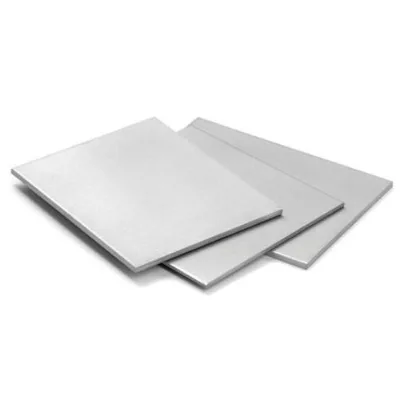
Competitively Priced Nickel Alloy Inconel Heat Shield 600/601/625/718/725/X750
$42.00 - $48.00
MOQ: 10
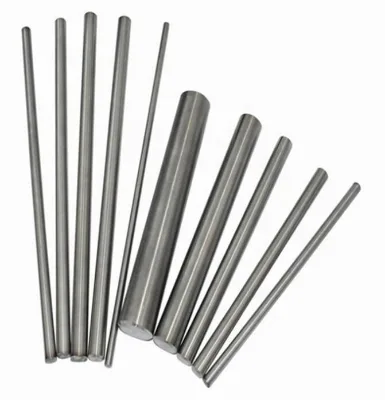
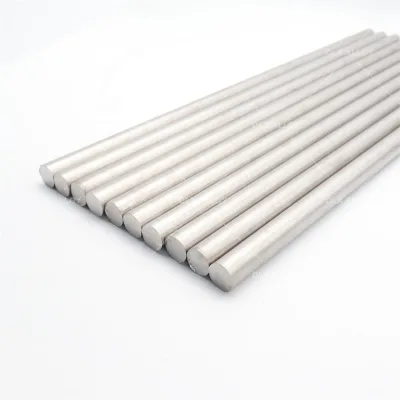
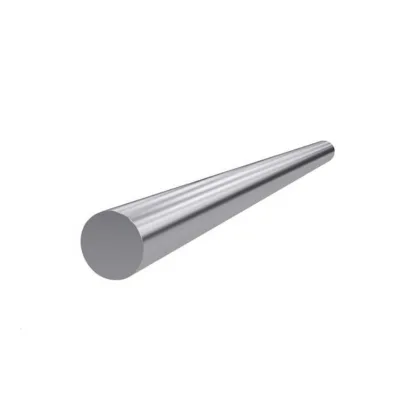
Nickel Chromium Alloy UNS N07080/W. Nr. 2.4952 & 2.4631 Nimonic 80a Round bar
$36.2338 - $56.938
MOQ: 30 kilograms

Huona (Shanghai) New Material Co., Ltd.
- Verified by BV
- Manufacturer/Factory
- China Shanghai
- Lead time23 days
- Avg. response≤ 3h
Main productsThermostatic Bimetal Strip, Welding Wire, Soft Magnetic Alloys, Resistance Alloy, Magnesium Alloy Plate, Amorphous & Nanocrystalline, Controlled Expansion Alloys, Permalloy, Invar, Heating Alloy
Main marketsSouth America,Eastern Europe,Mid East,North America,Southeast Asia,Eastern Asia,Oceania,Western Europe,Africa

Alloy 690/Inconel 690 Nickel-Chromium Alloy Plate/Wire with High Oxidation Resistance
$23.00 - $25.00
MOQ: 100 kg

Shanxi Yobest Metal Products Co., Ltd.
- Trading Company
- Shanxi, China
- Lead time21 days
- Avg. response≤ 3h
Main productsMetal Building Materials,Hardware Products,Metal Materials
Main marketsNorth America(35.00%), Southeast Asia(15.00%), South America(15.00%), Eastern Europe(10.00%), Northern Europe(10.00%), Western Europe(10.00%), Oceania(5.00%)
- Verified by TüVRheinland
- Trading Company
- Jiangsu, China
- Lead time0 days
- Avg. response≤ 14h
Main productsSquare Pipe,Steel Pipe,Steel Coil,Steel Plate
Main marketsSoutheast Asia(37%), Mid East(20%), South America(14%)

Shanghai Tankii Alloy Material Co., Ltd.
- Verified by BV
- Trading Company,Manufacturer/Factory
- China Shanghai
- Lead time23 days
- Avg. response≤ 5h
Main productsNickel Chromium Alloys, Fecral Alloy, Thermocouple Wire, Copper Nickel Alloys, Thermal Spraying Wire, Constantan, Manganin, Alloy
Main marketsSouth America,Eastern Europe,Mid East,North America,Southeast Asia,Eastern Asia,Western Europe,Africa
Zhengzhou Hengtong Furnace Co., Ltd.
- Manufacturer, Trading Company
- Henan, China
- Lead time0 days
- Avg. response≤ 3h
Main productsmuffle furnace,tube furnace,vacuum furnace,atmosphere furnace,bogie hearth furnace
Main marketsEastern Europe(20.00%), South America(20.00%), North America(20.00%)
Hunan Boyu Technology Co., Ltd.
- Manufacturer, Trading Company
- Hunan, China
- Lead time15 days
- Avg. response≤ 4h
Main productssputtering target,metal target,alloy target,evaporation materials,pvd coating materials
Main marketsNorth America(30.00%), Southeast Asia(10.00%), Eastern Europe(10.00%), South America(10.00%)
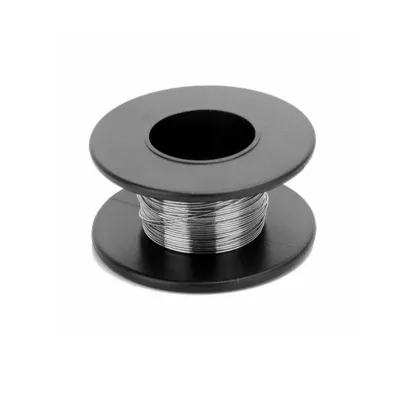
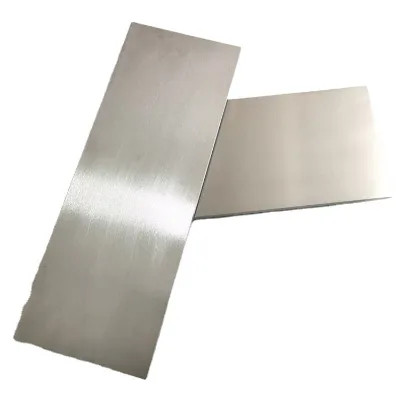
Manufacturer Nickel Chromium Alloy Target Cr30Ni70 Cr20Ni80 Ni60Cr40 Nickel Chromium Rod Wire Plate
$50.00 - $80.00
MOQ: 1 pieces
$51.9044 - $83.0476
MOQ: 1 pieces
Danyang City Kaixin Alloy Material Co., Ltd.
- Verified by Intertek
- Manufacturer, Trading Company
- Jiangsu, China
- Lead time20 days
- Avg. response≤ 5h
Main productsCorrosion Resistant Alloy, Special Nickel Base Welding Wire, Expansion Alloy, High Temperature Alloy, Magnetically Soft Alloy
Main marketsDomestic Market(65%), Mid East(15%), Eastern Europe(13%)
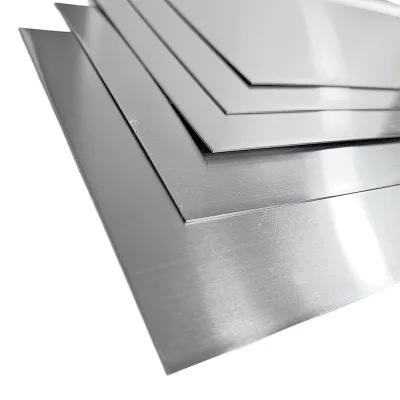
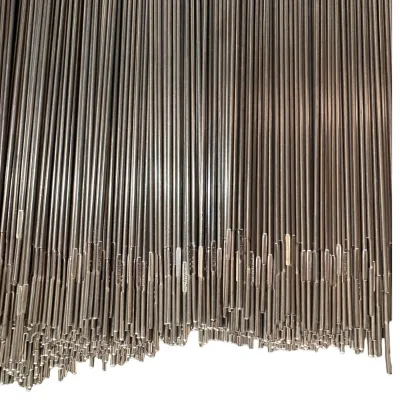
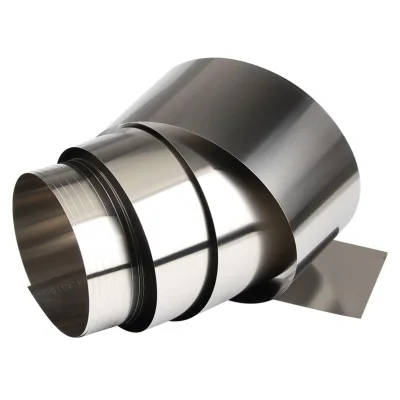
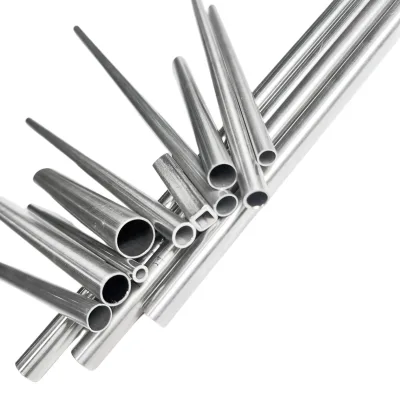
Pure Nickel Alloy bar Inconel 625 Inconel 718 Price ASTM GB/T Round Bar Invar 36 4J36
$25.00 - $35.00
MOQ: 100
Jiangsu Zhongxing Nickel Alloy Materials Co., Ltd.
- Manufacturer
- Jiangsu Province, China
- Lead time30 days
- Avg. response≤ 2h
Main productsSeamless Tube, Capillary Tube Coil, Capillary Tube
Main marketsDomestic Market(95.00%), North America(3.00%), South America(2.00%)
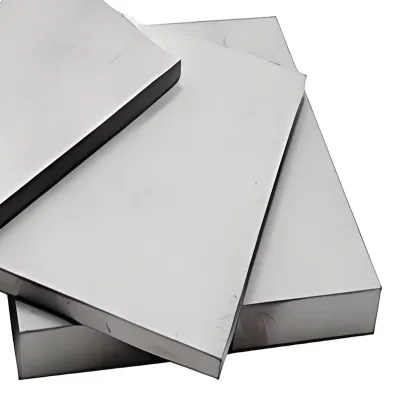
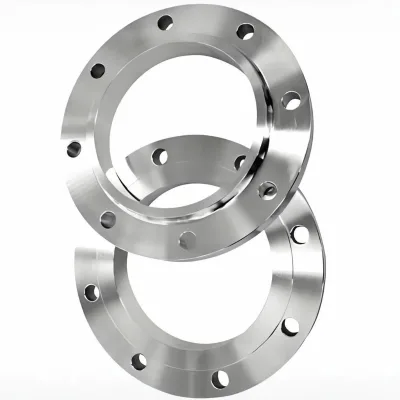
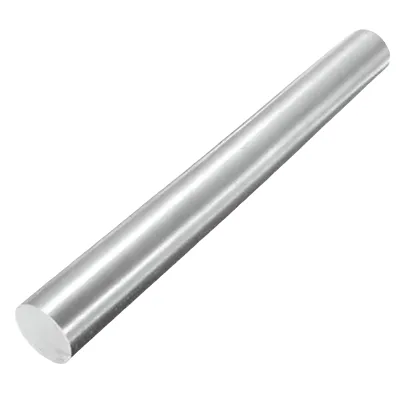
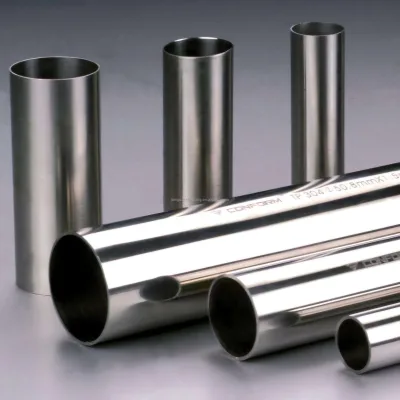
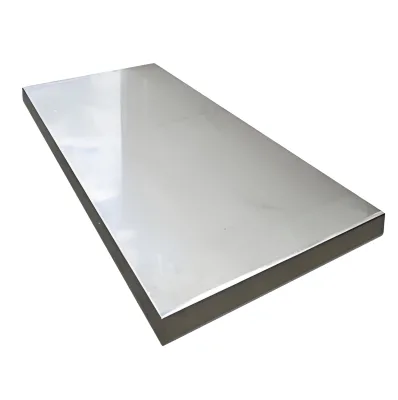
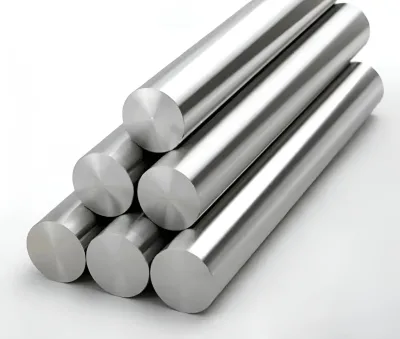
Nickel Based Alloy Inconel 600 Bar Custom Size Industrial Application 690 MPa Ultimate
$32.945 - $39.1224
MOQ: 1 pieces
BGRIMM Advanced Materials Science Technology Co., Ltd.
- Manufacturer, Trading Company
- Beijing, China
- Lead time10 days
- Avg. response≤ 3h
Main productsthermal spray powders,welding material,Tungsten products,thermal spray powders,Molybdenum Wire
Main marketsNorth America(30.00%), Western Europe(20.00%), Oceania(13.00%), Mid East(10.00%), South America(8.00%), Southeast Asia(6.00%), Central America(6.00%), Africa(5.00%), Eastern Europe(2.00%)
Haihong (jiangsu) Steel International Trade Co., Ltd.
- Trading Company
- Jiangsu, China
- Lead time10 days
- Avg. response≤ 3h
Main productsRoofing Sheet Color Coated,Color Steel Plates,Galvanized Steel Coil,Prepainted Galvanized Steel Coil,Steel Plates
Main marketsSoutheast Asia(30.00%), Eastern Europe(20.00%), North America(10.00%), Central America(10.00%), Eastern Asia(9.00%), South America(5.00%), Western Europe(4.00%), South Asia(3.00%), Mid East(3.00%), Northern Europe(3.00%), Oceania(1.00%), Southern Europe(1.00%), Africa(1.00%)
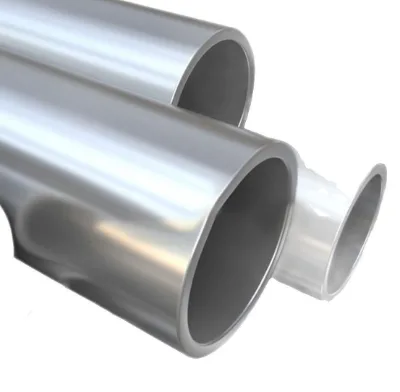
Inconel 601 Nickel Alloy Pipe Complete Specifications Available Stock with Retail Cutting
$20.00 - $22.20
MOQ: 100 kilograms
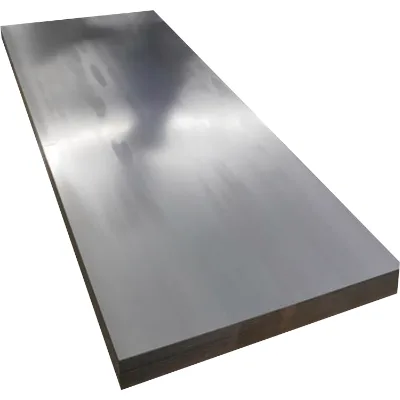
In-Stock GH2132 Nickel-Chromium High-Temperature Corrosion-Resistant Alloy Plate Metal Slab
$13.3381 - $15.699
MOQ: 100 kilograms
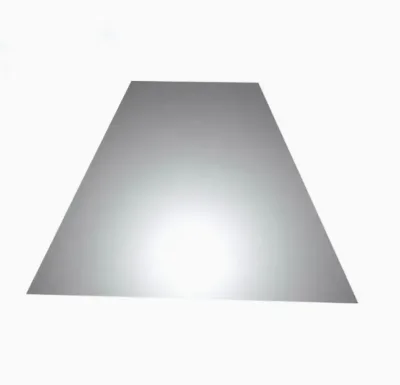
$1.8483 - $2.1556
MOQ: 1 kilograms

Changsha Xinkang Advanced Materials Co., Ltd.
- Verified by TUVRHEINLAND
- Combined
- China Hunan
- Lead time15 days
- Avg. response≤ 2h
Main productsSputtering Targets, Evaporation Materials, High Purity Metal Materials, Alloy Materials, Compound Materials, Metal Test
Main marketsEurope


Nicocralyta Alloy Nickel Cobalt Chromium Aluminum Yttrium Tantalum Alloy Sputtering Targets
$100.00 - $200.00
MOQ: 1 Pieces

Hangzhou Ualloy Material Co., Ltd.
- Combined
- China Zhejiang
- Lead time15 days
- Avg. response≤ 22h
Main productsResistance Strip, Copper Nickel Alloy Strip, Fecral Strip, Precision Alloy
Main marketsSouth America,Africa,Southeast Asia/ Mideast,East Asia(Japan/ South Korea),Domestic,Europe,Australia,North America
Zhejiang Cooldo Electromechanical Equipment Co., Ltd.
- Verified by TüVRheinland
- Manufacturer, Trading Company
- Lead time15 days
- Avg. response≤ 4h
Main productsMetal Melting Furnace, Metal Casting Machine, Metal Heat Treatment Oven, Hydraulic Press Machine, Spectrometer
Main marketsSouth America(17%), Oceania(11%), Mid East(11%)
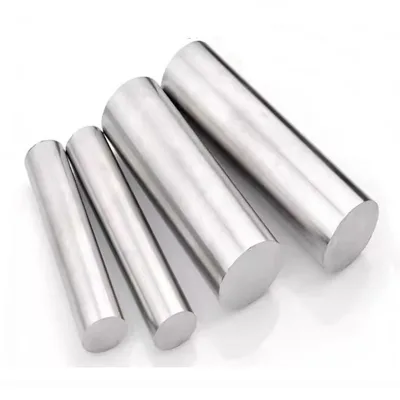
Inconel 625 Nickel Based Superalloy Factory Price, Nickel Based Alloy 625 Round Rod bar
$38.1196 - $43.2716
MOQ: 500 kilograms
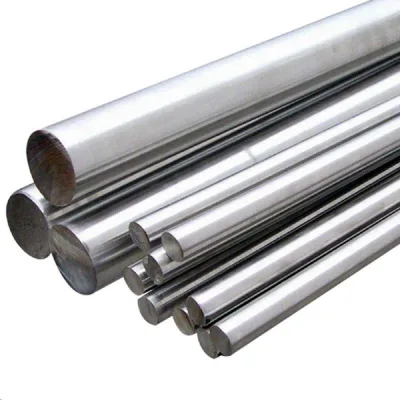
High Quality Inconel 625 Nickel Based Alloy 625 Round Rod Bar Factory Price
$37.8333 - $42.9464

Dengwei International Trading (Shang hai)Co.,ltd
- Verified by SGS
- Trading Company
- China Shanghai
- Lead time15 days
- Avg. response≤ 3h
Main productsInconel, High-Temperature Alloy, Incoloy, Duplex Stainless Steel, Stainless Steel, Hastelloy, Nickel Alloy, Monel, Titanium, Aluminum
Main marketsEast Asia(Japan/ South Korea)
Shanxi Xincongbang Metal Products Co., Ltd.
- Verified by Intertek
- Trading Company
- Lead time0 days
- Avg. response≤ 2h
Main productsSteel Sheet, Seamless Steel Pipe
Main marketsDomestic Market(30%), North America(30%), Eastern Europe(30%)

Luoyang Youbo Metal Material Co., Ltd.
- Trading Company
- Henan, China
- Lead time15 days
- Avg. response≤ 3h
Main productsTungsten,Molybdenum,Titanium,Tantalum,Niobium
Main marketsWestern Europe(35.00%), North America(30.00%), Mid East(20.00%), South Asia(15.00%)
Shandong Fulaite Metal Material Co.,Ltd
- Verified by SGS Group
- Trading Company
- Lead time15 days
- Avg. response≤ 1h
Main productsStainless Steel, GI, PPGI, Aluminum Products, Copper Products
Main marketsSouth America(35%), Southeast Asia(30%), Mid East(29%)
Jiangsu DZX Technology Co.,Ltd
- Verified by SGS Group
- Trading Company
- Lead time15 days
- Avg. response≤ 4h
Main productsHeating Resistance Alloy, Thermocouple Wire, Nickel Welding Alloy, Pure Nickel Strip
Main marketsSoutheast Asia(20%), Northern Europe(15%), Southern Europe(15%)
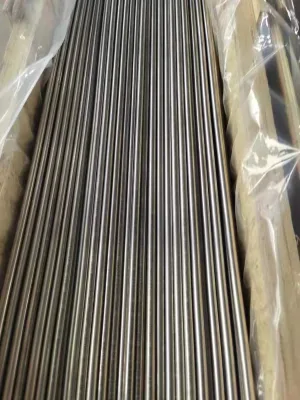
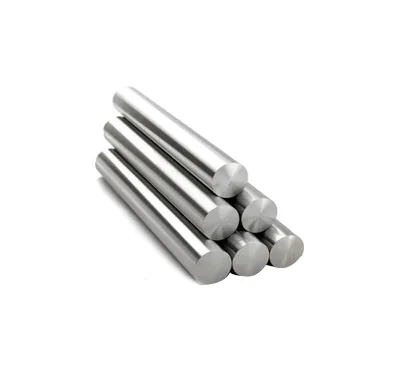
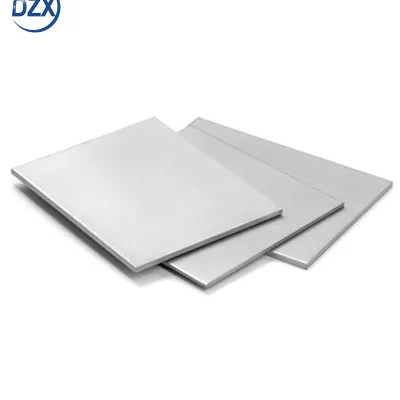
High-Corrosion Resistant Inconel 600/625 Plate 2mm-20mm for Chemical Equipment Parts
$45.00 - $48.00
MOQ: 50 kilograms

Zhengzhou Shibo Nonferrous Metals Products Co., Ltd.
- Verified by BV
- Combined
- China Henan
- Lead time15 days
- Avg. response≤ 16h
Main productsLab Furnace, Sic Heating Elements, Molybdenum Sheets, Molybdenum Foil, Tungsten Products, Molybdenum Products, Molybdenum Rod, Molybdenum Electrode, Mosi2 Heating Element, Sic Heater
Main marketsOthers(foreignTradeCapacity.exportBusinessCapacityMarketOther)






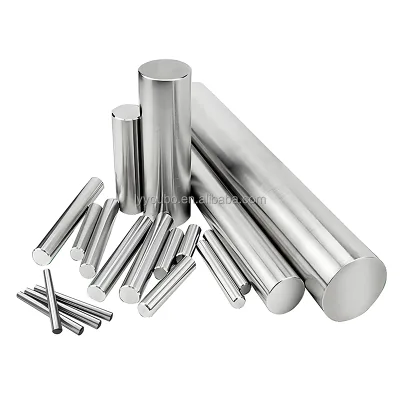
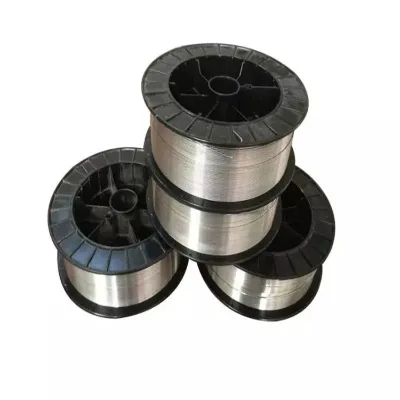
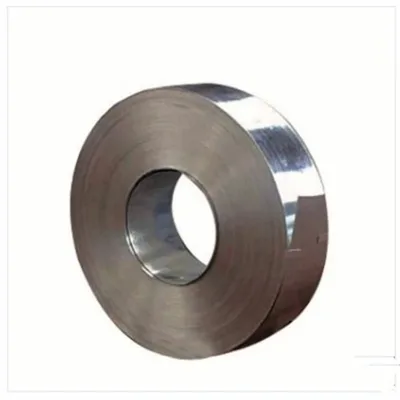


Comprehensive Sourcing Guide
Inconel Nickel Chromium Alloy Supplier Concentration and Factory Types
Current data indicates a concentration of manufacturers and trading entities within specific Chinese provinces, notably Henan and Jiangsu, where nickel alloy production is active. In Henan, suppliers are identified as manufacturers specializing in investment materials and dental alloys, suggesting a localized cluster for specific casting applications. Meanwhile, Jiangsu hosts a mix of trading companies and combined entities offering a broader range of products like Inconel strips, bars, and plates. These regions appear to serve as primary hubs for sourcing nickel-chromium alloys, with some suppliers explicitly listing their origin as Changzhou in Jiangsu or Henan. Buyers should verify if these locations align with their logistical needs, as the presence of multiple supplier types in these areas can influence lead times and communication efficiency.
Factory types vary significantly across the available results, ranging from pure manufacturers to trading companies and combined entities. Manufacturers in Henan focus on investment casting and dental materials, while Jiangsu-based suppliers often handle complex forms like seamless tubes and cold-rolled strips. Some entities operate as combined firms, blending manufacturing capabilities with trading functions to offer diverse product lines including Inconel 600, 617, and 690. This diversity means a buyer might find a single supplier capable of handling both raw material supply and specialized processing. However, the distinction between a pure manufacturer and a trading company is critical for understanding quality control depth and customization capabilities. Buyers must assess whether the supplier's primary role matches their specific project requirements for direct factory interaction or broader market access.
How to Verify Inconel Nickel Chromium Alloy Suppliers
Verification of supplier credentials is essential when sourcing Inconel nickel chromium alloys, as the market includes entities with varying levels of third-party validation. Some suppliers in the current results hold specific certifications such as ISO9001:2015, while others display verification badges from organizations like SGS or TÜV Rheinland. These credentials serve as indicators of a supplier's commitment to quality management systems and product standards. However, the presence of a certification does not guarantee that every product batch meets the same specifications. Buyers should request current, valid certificates directly from the supplier and cross-reference them with the issuing body to ensure authenticity. Relying solely on platform badges without independent verification can lead to discrepancies in material quality.
Beyond certifications, response time and company type provide additional layers of verification regarding supplier reliability. Data shows response times ranging from approximately 4 hours to nearly 17 hours, which can indicate the operational efficiency of the sales team. A faster response time often correlates with a more active and responsive supply chain, though it does not replace the need for technical due diligence. Additionally, the company type—whether a manufacturer, trading company, or combined entity—should be confirmed through direct inquiry. Buyers should ask for proof of the supplier's physical location and manufacturing capacity, especially when dealing with complex alloys like Inconel 690 or 718. Verifying these details ensures that the supplier has the actual capability to fulfill orders rather than acting merely as an intermediary.
What to Compare Across Inconel Nickel Chromium Alloy Suppliers
When evaluating multiple suppliers, key comparison metrics include lead time, minimum order quantity (MOQ), and pricing structures, all of which vary significantly across the market. Lead times observed in the data range from 15 days to 30 days, with some suppliers indicating zero days for specific items, though this requires careful interpretation. MOQs also differ, with some suppliers requiring as little as 5 units while others demand 300 units or more. These variations directly impact inventory planning and cash flow, making it crucial to align supplier terms with project scales. Buyers should create a comparison matrix to visualize these differences, ensuring they select a supplier whose constraints match their operational capacity and budget.
Pricing and product specifications are equally critical factors in the comparison process. Prices for nickel-chromium alloys can range from 22.50 to 55.00 per unit, depending on the specific alloy grade, form, and customization requirements. Some suppliers offer free samples, which can be a valuable tool for validating material properties before committing to a larger order. Additionally, the availability of customization services, such as specific dimensions or surface treatments, should be compared. Suppliers offering ODM and OEM capabilities may provide more flexibility for unique applications, whereas those with fixed standards might be better suited for standard industrial needs. Buyers must weigh the cost implications of customization against the benefits of tailored solutions to determine the most cost-effective option for their specific use case.
Common Inconel Nickel Chromium Alloy Sourcing Risks
One significant risk in sourcing Inconel nickel chromium alloys is the potential mismatch between advertised specifications and actual product delivery. While suppliers may list standards like ASTM, AISI, or DIN, the actual material composition and mechanical properties must be verified through independent testing. For instance, claims of high-temperature oxidation resistance or acid corrosion resistance require concrete evidence, such as test reports or certificates of analysis. Without such documentation, buyers risk receiving materials that fail under operational stress, leading to costly project delays or safety hazards. It is imperative to request detailed product attributes, including density, elongation, and tensile strength, to ensure the material meets the rigorous demands of industrial or aviation applications.
Another risk involves the reliability of lead times and the consistency of supply chain operations. While some suppliers report short lead times, others indicate longer durations, and discrepancies can arise due to raw material shortages or production bottlenecks. The variation in response times, from 4 to 17 hours, suggests differing levels of operational readiness, which can affect order processing speed. Additionally, the distinction between manufacturers and trading companies introduces a layer of complexity; trading companies may not have direct control over production schedules, potentially leading to delays. Buyers should establish clear communication channels and request written confirmation of delivery timelines to mitigate these risks. Understanding the supplier's capacity and historical performance is essential for avoiding disruptions in the supply chain.
Inconel Nickel Chromium Alloy Regional Sourcing and Logistics
Regional sourcing strategies should focus on the identified manufacturing clusters in Henan and Jiangsu, where a concentration of nickel alloy suppliers is evident. Henan-based manufacturers appear to specialize in investment casting and dental materials, making them ideal for specific niche applications. In contrast, Jiangsu hosts a diverse array of suppliers offering a wide range of forms, including strips, bars, and plates, suitable for broader industrial and aviation uses. Buyers should consider the logistical implications of sourcing from these regions, as proximity to ports and transportation infrastructure can influence shipping costs and delivery times. Evaluating the specific location of the supplier, such as Changzhou in Jiangsu, can help in planning efficient logistics and minimizing transit delays.
Logistics planning must also account for packaging and handling requirements, which vary by supplier and product type. Some suppliers use wooden boxes for heavy or high-value items, while others opt for cartons for smaller quantities. The choice of packaging can impact the safety of the materials during transit and the ease of unloading at the destination. Buyers should confirm packaging standards with the supplier to ensure that the materials arrive in optimal condition. Additionally, the origin of the product, whether Henan or Jiangsu, should be verified to ensure compliance with any regional trade regulations or import requirements. A clear understanding of the logistics chain, from factory gate to final destination, is crucial for maintaining supply chain integrity and avoiding unexpected costs.
Inconel Nickel Chromium Alloy Commercial Terms and Order Planning
Commercial terms for Inconel Nickel Chromium Alloy orders often include specific conditions regarding payment, delivery, and customization. Minimum order quantities can range from 5 to 300 units, requiring buyers to plan their orders carefully to meet these thresholds. Pricing structures may vary based on the alloy grade, form, and volume, with some suppliers offering competitive rates for larger orders. Buyers should negotiate terms that align with their budget and production schedules, ensuring that the total cost of ownership, including shipping and duties, is accounted for. Clear communication regarding payment terms and delivery schedules is essential to avoid misunderstandings and ensure a smooth transaction process.
Order planning should also consider the customization capabilities and technical support offered by the supplier. Many suppliers provide customization options, allowing buyers to specify dimensions, surface finishes, and other attributes to meet precise requirements. This flexibility is particularly valuable for applications in the medical, chemical, or aviation industries, where standard specifications may not suffice. Buyers should engage with suppliers early in the planning phase to discuss technical details and confirm that the supplier can meet their specific needs. Additionally, understanding the supplier's capacity for ODM and OEM services can help in scaling production as project requirements evolve. A well-planned order, supported by clear commercial terms and technical alignment, ensures a successful sourcing outcome.
FAQs
What is the price range for Inconel Nickel Chromium Alloy?
Prices for these alloys typically range from 22.00 to 55.00 per unit depending on the specific grade and form. Inconel 617 strip is listed at 22.50, while dental nickel chromium alloy starts at 35.00. Higher-grade sheets and bars may reach up to 55.00. Buyers should verify current quotes as costs vary by order volume and customization requirements.
What are the minimum order quantities for these alloys?
Minimum order quantities vary significantly by product type and supplier. Dental nickel chromium alloy requires a minimum of 10 units. Inconel 600 sheets have an MOQ of 30 units. Inconel 617 strip requires a higher minimum of 300 units. Some specialized sheets may accept orders as low as 5 units. Always confirm the specific MOQ with the supplier before placing an order.
How long does delivery take for Inconel alloys?
Lead times depend on the supplier and product specifications. Some manufacturers offer a lead time of 15 days for dental alloys. Others may require up to 30 days for standard Inconel and Incoloy products. Certain suppliers list a lead time of zero days, indicating immediate availability. Buyers should confirm the exact delivery schedule with the supplier to ensure it meets project deadlines.
Where are Inconel Nickel Chromium Alloy suppliers located?
Suppliers for these alloys are primarily located in China. Specific manufacturing hubs include Henan, Jiangsu, and Shandong provinces. Henan suppliers focus on dental casting alloys. Jiangsu suppliers provide various Inconel grades like 600, 617, and 690. Shandong suppliers offer casting services for heat-resistant steel and nickel alloys. Buyers can filter results by these regions to find local or regional suppliers.
What certifications do Inconel alloy suppliers hold?
Many suppliers hold ISO9001:2015 certification for quality management systems. Some products also carry RoHS compliance certificates. Verification services include SGS and TÜV Rheinland for supplier reliability. These certifications ensure that the materials meet international standards for chemical composition and mechanical properties. Buyers should request valid certificates to verify compliance with specific industry requirements before purchasing.
What standards apply to Inconel nickel chromium alloys?
These alloys comply with multiple international standards including AISI, ASTM, BS, DIN, GB, and JIS. Specific grades like Inconel 600 follow ASTM B167 for seamless tubes. Inconel 617 and 690 products also adhere to ASTM standards. Buyers should specify the required standard based on their application, whether for chemical, medical, industrial, or aviation use, to ensure material compatibility and performance.