Source Decorations 6000 Series Aluminum Profile for windows doors furniture
Compare 30 listings of Decorations 6000 Series Aluminum Profile from verified Chinese suppliers. Buyers can evaluate custom shapes, surface treatments, delivery times, and certifications for architectural, decorative, and furniture applications to find the best fit for their specific project requirements.
Updated
Key considerations
Products List
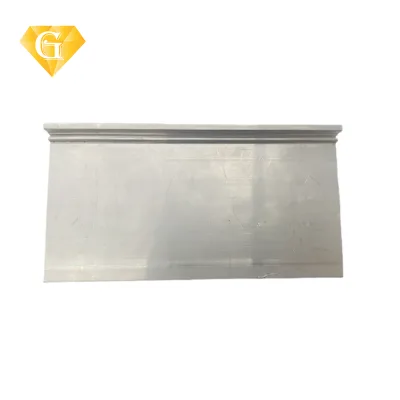
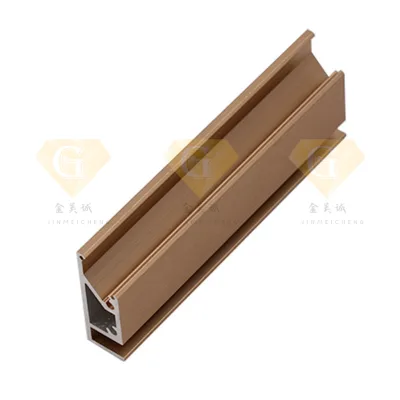
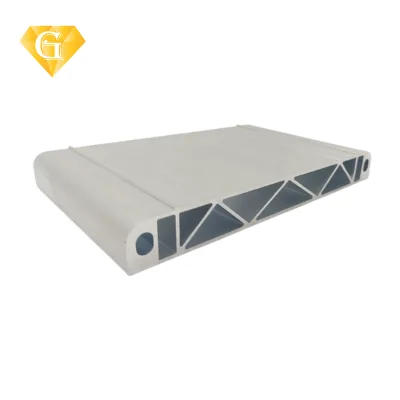
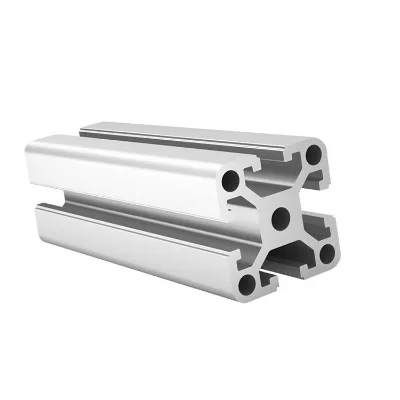
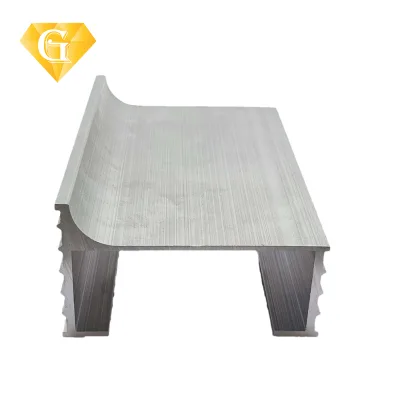
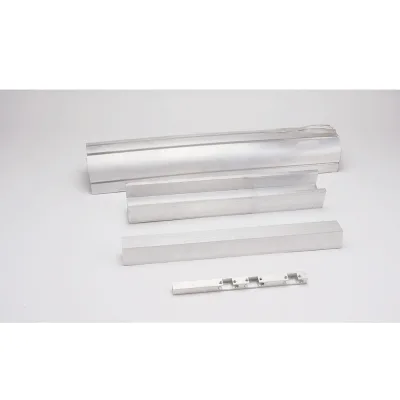

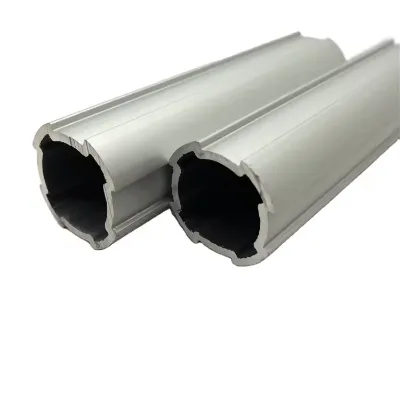
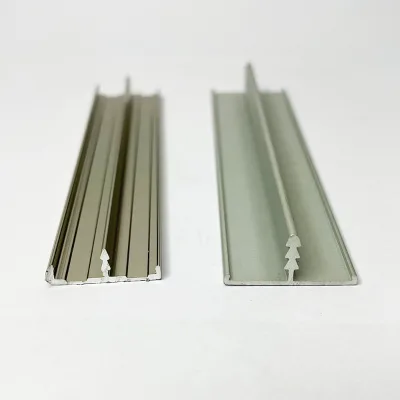
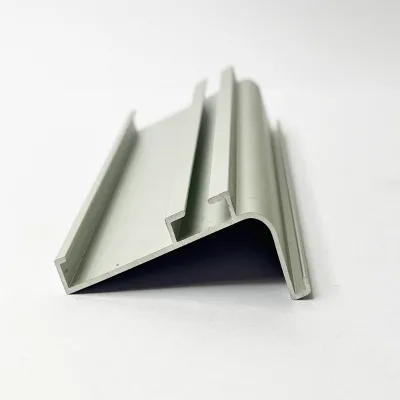


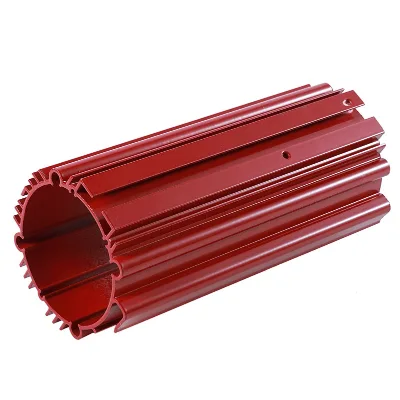


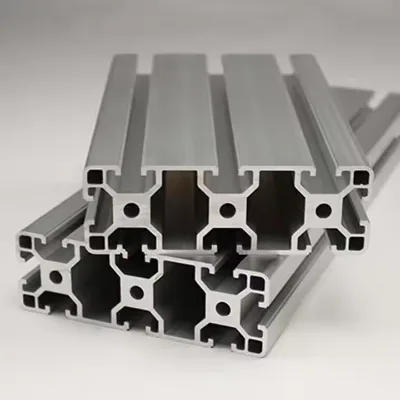
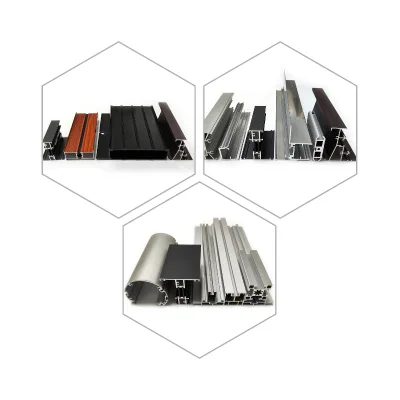
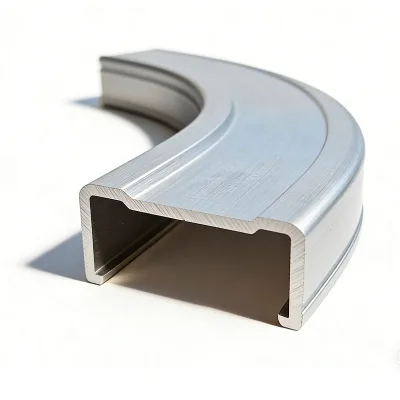
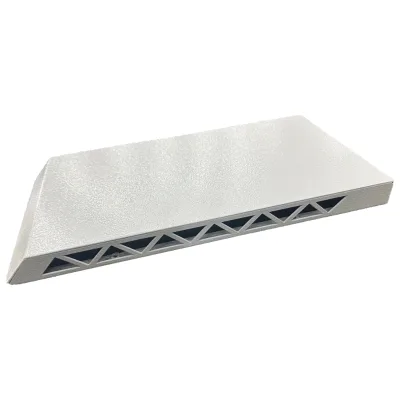
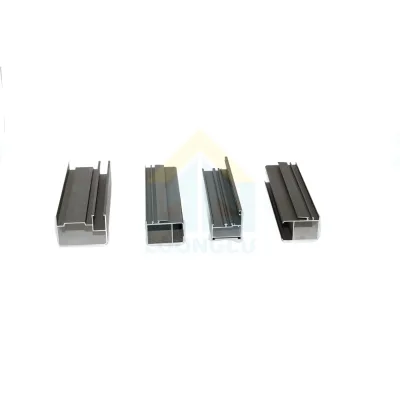
Hot Selling Length Aluminum Profiles as Customized for Construction and Decoration
$2300.00 - $2800.00
MOQ: 20 Tons

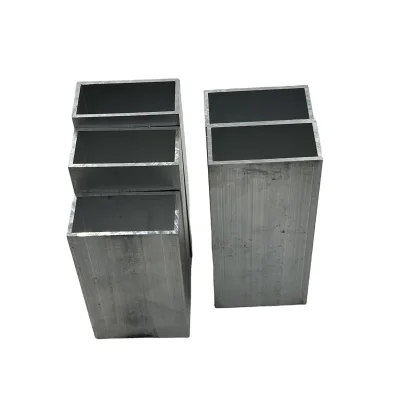
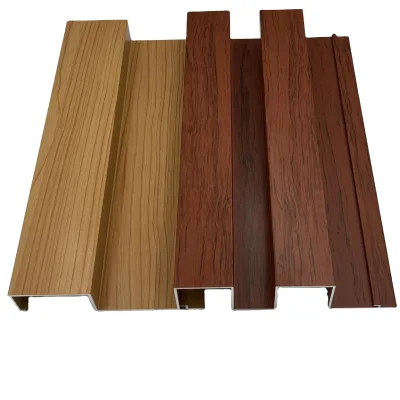


Comprehensive Sourcing Guide
Decorations 6000 Series Aluminum Profile Sourcing Guide
Sourcing aluminum profiles for decorative applications requires a nuanced understanding of material properties, specifically the 6000 series alloys known for their balance of strength and workability. Buyers must distinguish between structural extrusions and those designed purely for aesthetic enhancement, as the latter often prioritize surface finish and color consistency over mechanical load-bearing capacity. The 6000 series, particularly grades like 6063, offers excellent extrudability, making it ideal for complex cross-sections used in interior design, furniture, and architectural accents.
Procurement teams should verify that the selected profile meets the specific visual requirements of the end product, such as rose gold finishes or custom colors. Since decorative profiles are often visible, surface treatments like anodizing or powder coating are critical for durability and appearance. Buyers must ensure that the supplier can maintain color consistency across batches, as variations in the anodizing process can lead to noticeable defects in large-scale decorative installations.
Product Scope and Observed Listing Signals
The market for decorative aluminum profiles includes a wide variety of shapes, from standard squares to irregular forms tailored for specific design needs. Listings often highlight customization options, allowing buyers to specify dimensions, lengths, and surface treatments to match their project requirements. It is common to find profiles marketed for use in cabinets, wardrobes, and other furniture pieces, where the aluminum serves both a structural and aesthetic function.
Observed product attributes indicate that many suppliers offer profiles with tolerances as tight as ±1%, ensuring precise fitment in decorative assemblies. Some listings specify irregular shapes or specific model numbers like "Rose Gold Aluminium Profile," signaling a focus on visual appeal. Buyers should carefully review the shape and application details to ensure the profile aligns with their design intent, as decorative profiles often have unique cross-sections that differ from standard industrial extrusions.
Technical Specifications to Verify
Technical verification begins with confirming the alloy grade and temper, as these factors influence the profile's machinability and final appearance. The 6000 series alloys, such as 6063-T5, are frequently used for decorative applications due to their good corrosion resistance and ease of finishing. Buyers must ensure that the temper specified by the supplier matches the processing requirements, particularly if the profile will undergo additional bending, punching, or cutting during assembly.
Surface treatment is another critical technical specification for decorative profiles. Options like silver anodizing or custom colors provide protection against wear and enhance visual appeal. Buyers should verify the thickness of the anodized layer or the quality of the paint finish, as these determine the long-term durability of the decorative element. Additionally, confirming the available length ranges and dimensional tolerances helps prevent fitment issues during installation.
Compliance and Safety Documentation
While decorative profiles may not always require rigorous safety certifications, compliance with environmental standards is increasingly important for global procurement. Certifications such as ISO 9001 indicate that the supplier follows consistent quality management practices, which is crucial for maintaining the aesthetic integrity of decorative products. Buyers should request documentation to verify that the supplier's processes are certified, ensuring a reliable supply chain for high-visibility components.
Environmental regulations may also impact the choice of surface treatments and alloys. Buyers should inquire about the compliance of the anodizing or coating processes with standards like RoHS, which restricts hazardous substances. Although not always explicitly stated, verifying that the materials are free from harmful chemicals ensures that the final product meets safety requirements for indoor use, particularly in furniture and architectural applications where human contact is frequent.
Cost Drivers and Commercial Terms
The cost of decorative aluminum profiles is influenced by several factors, including the alloy grade, surface treatment complexity, and order volume. Custom colors and irregular shapes often incur higher costs due to the additional processing required. Buyers should anticipate variations in pricing based on the level of customization, with standard square or rectangular profiles typically being more cost-effective than unique designs.
Commercial terms such as MOQ and lead times also play a significant role in procurement planning. Some suppliers offer low MOQs starting from 1 kg, which is beneficial for small-scale projects or prototyping. However, larger orders may benefit from economies of scale. Lead times can vary significantly, ranging from 15 to 45 days depending on the complexity of the order and the supplier's production schedule. Buyers should negotiate clear payment terms, such as T/T, to manage cash flow effectively.
Supplier Qualification and Quality Control
Qualifying suppliers for decorative profiles requires a focus on their ability to maintain consistent quality and finish. Buyers should assess the supplier's experience in producing profiles for decorative applications, as this expertise often translates to better control over surface defects and color consistency. Requesting samples is a critical step to evaluate the physical quality of the profile, including its finish, dimensions, and overall appearance.
Quality control processes should include rigorous inspection of surface treatments and dimensional accuracy. Buyers should inquire about the supplier's internal testing procedures, such as adhesion tests for coatings or hardness tests for anodized layers. Establishing clear quality acceptance criteria before production begins helps prevent disputes and ensures that the delivered profiles meet the required aesthetic and functional standards.
Long-Term Procurement Checks
Long-term procurement success depends on the supplier's ability to maintain consistent quality and supply reliability over time. Buyers should establish regular communication channels to monitor production progress and address any issues promptly. Building a relationship with the supplier can also facilitate better pricing and priority treatment for urgent orders, which is valuable in the decorative industry where timelines can be tight.
Continuous improvement and feedback loops are essential for maintaining high standards. Buyers should provide feedback on the performance of the profiles in their applications, helping the supplier refine their processes. Regular audits or reviews of the supplier's quality management systems can also ensure that they continue to meet the required standards, safeguarding the integrity of the final decorative products.
FAQs
What is the typical delivery time for 6000 series aluminum profiles?
The typical delivery time ranges from 8 to 45 days depending on the specific product model and order volume. Standard items like T-profiles may ship within 8-14 days, while complex irregular shapes or large orders can require 25-45 days for production and logistics completion.
Can I customize the dimensions and surface treatment of these profiles?
Yes, customization is available for dimensions, colors, and surface treatments. Buyers can request custom lengths, thicknesses, and specific finishes such as silver anodized. The manufacturer supports OEM and ODM services to meet unique project requirements for architectural or decorative applications.
Which certifications do these aluminum alloy profiles hold?
These profiles are certified under ISO 9001 standards, ensuring quality management in production. While CE and RoHS are noted in background contexts, ISO 9001 is the primary documented certification for the manufacturing process, guaranteeing consistent material quality and processing service reliability.
What is the minimum order quantity for these aluminum profiles?
The minimum order quantity varies by product, starting from 1 kg for some items. Other profiles may require a multiple of 500 units. Buyers should check specific model requirements, as MOQs range from 1 to 1500 units depending on the customization and shape.
Where are these 6000 series aluminum profiles manufactured?
These profiles are manufactured in China, specifically in Jiangsu and Guangdong provinces. Some specialized extrusions originate from Hunan. These regions are known for robust aluminum extrusion capabilities, supporting various applications from transportation tools to decorative architectural elements.
What processing services are available for these aluminum profiles?
Available processing services include bending, decoiling, welding, punching, and cutting. These services allow buyers to tailor the raw extruded profiles to specific project needs. The manufacturer supports various techniques to ensure the final product fits precise installation or assembly requirements.