Industrial Digital Multimeter Suppliers and Manufacturers
Explore 29 verified options for Industrial Digital Multimeter suppliers offering OEM support and varied lead times. Compare response times, certifications like ISO9001, and locations in China to find the right partner for your testing needs; review the available evidence before requesting comparable quotations from suitable candidates.
Updated
Suppliers List
Sichuan Hongjun Science And Technology Co., Ltd.
- Verified by SGS Group
- Trading Company
- Lead time7 days
- Avg. response≤ 11h
Main productsInverter, PLC, Servo Motor, Planetary Reducer, Flowmeter
Main marketsEastern Europe(30%), Southeast Asia(20%), Eastern Asia(10%)
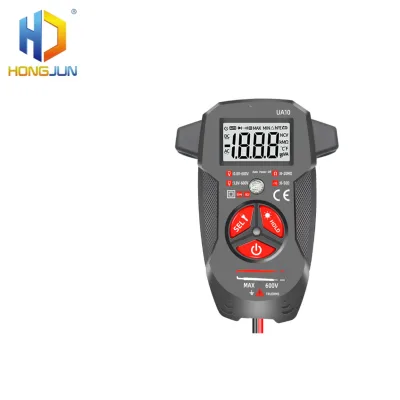
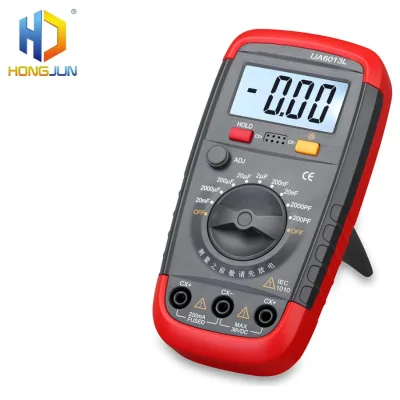
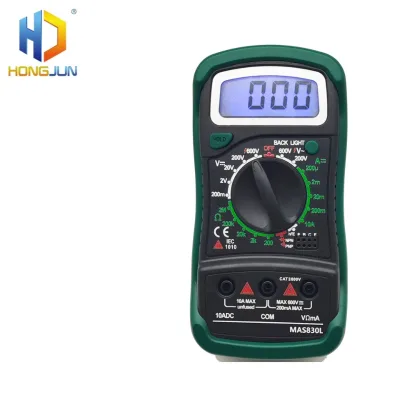
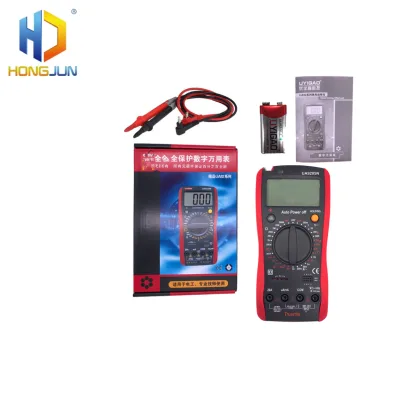
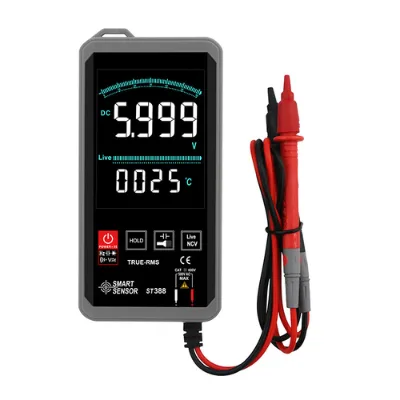
Handheld Digital Multimeter, True Rms, 400mA Ac Max, 400mA Dc Max, 1000V Ac Max
$12.0235
MOQ: 5 Minimum
Shandong Messi Power Co., Ltd.
- Trading Company
- Shandong, China
- Lead time15 days
- Avg. response≤ 2h
Main productstest bench,diesel injector,diesel injection pump,engine part
Main marketsSouth America(50.00%), Africa(15.00%), Mid East(10.00%), North America(5.00%), Western Europe(3.00%), South Asia(2.00%), Southern Europe(2.00%), Northern Europe(2.00%), Central America(2.00%), Domestic Market(2.00%), Eastern Asia(2.00%), Eastern Europe(2.00%), Oceania(2.00%), Southeast Asia(1.00%)

- Verified by BV
- Combined
- China Zhejiang
- Lead time30 days
- Avg. response≤ 9h
Main productsCurrent Transformer, Voltage Transformer, Instrument-Transformer, Vacuum Circuit Breaker, Switch Circuit Breaker, High Voltage Vacuum Circuit Breaker, Potential Transformer, Outdoor Vacuum Circuit Breaker, 12kv Vacuum Circuit Breaker, Combined Transformer
Main marketsDomestic
Xiongan Jinsheng Trading Co., Ltd.
- Verified by TüVRheinland
- Trading Company
- Lead time15 days
- Avg. response≤ 2h
Main productsMultimeter, Metal Detector, Industrial Thermal Imager, Spot Welder, Resistance Tester
Main marketsMid East(30%), Southeast Asia(20%), Africa(20%)
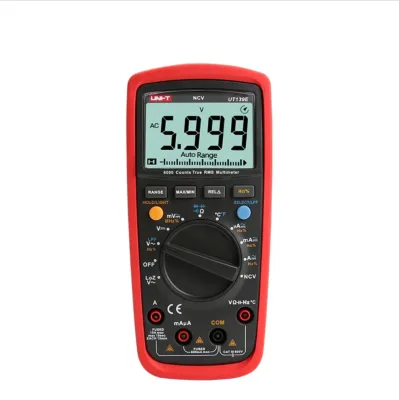
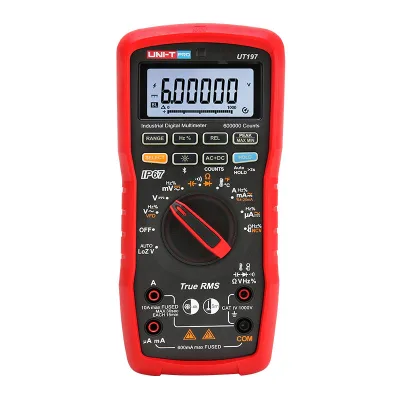
$325.5588 - $352.3459
MOQ: 1 bags
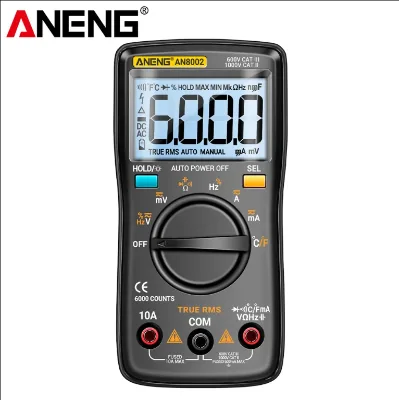
$9.1574 - $10.1857
MOQ: 1 bags
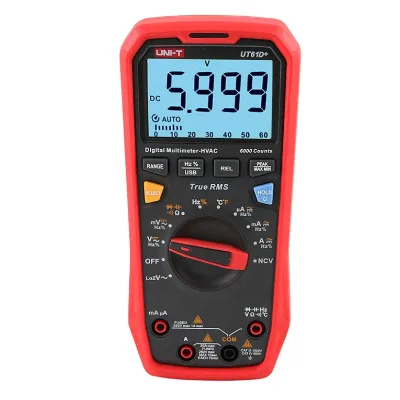
$39.3023 - $43.2117
MOQ: 1 bags
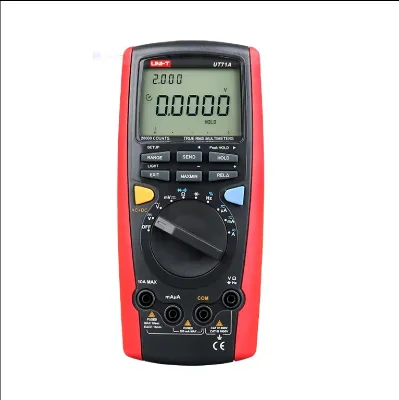
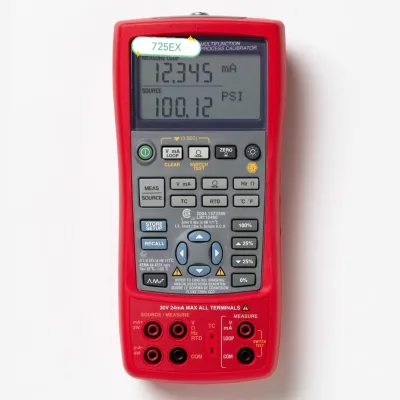
$7460.00 - $7480.00
MOQ: 1 bags
Shanghai Total Industrial Co., Ltd.
- Verified by SGS
- Manufacturer/Factory
- China Shanghai
- Lead time0 days
- Avg. response≤ 23h
Main productsFeeder Clamp, Weather Shield Enclosure, Rubber Grommet, Hoisting Grip, Cable Entry, Flexible Jumper Cable, Cablen Ties, Terminal Lugs, Conduit and Fittings, Hole Saw

Xi'an Lonn M&E Equipment Co., Ltd.
- Verified by TUVRHEINLAND
- Combined
- China Shaanxi
- Lead time30 days
- Avg. response≤ 4h
Main productsClamp Meter, Laser Distance Meter, Coating Thickness Gauge, Gas Analyzer, Mass Flowmeter, Digital Food Thermometer, Hygrometer Thermometer, Wireless Bluetooth Thermometer, Weather Station, pH Meter
Main marketsEurope,North America


Automatic Shutdown Digital Display Multimeter High Precision Multimeter Digital Burn-Proof Meter
$8.60 - $9.30
MOQ: 1 Pieces


Beijing GFUVE Electronics Co., Ltd.
- Manufacturer/Factory
- China Beijing
- Lead time23 days
- Avg. response≤ 9h
Main productsCurrent Transformer, Energy Meter Calibration, Power Quality Analyzer, Test Equipment, CT PT Analyzer, Relay Test Equipment, Split Core Current Transformer, Current Probe, Voltage Transformer, Power Meter
Main marketsSouth America,Eastern Europe,Mid East,North America,Southeast Asia,Eastern Asia,Oceania,Western Europe,Africa

SHENZHEN SCIEO ELECTRONICS CO., LTD.
- Verified by SGS
- Trading Company
- China Guangdong
- Lead time30 days
- Avg. response≤ 1h
Main productsPower Supply, Oscilloscope, Electronic Load, Multimeter, Signal Generators, Safety Regulation Tester, Hipot Tester, ESD Simulator, Thermal Imager, Power Meter
Main marketsDomestic,Europe
Quanzhou Bada Electrical Co., Ltd.
- Verified by SGS Group
- Manufacturer, Trading Company
- Lead time0 days
- Avg. response≤ 3h
Main productsElectrical Equipment and supplies, Low voltage electrical, Industrial control components, Medium and low voltage distribution, Power supply equipment
Main marketsDomestic Market(60%), Southeast Asia(30%), North America(5%)
Ningbo Kelsun Int'l Trade Co., Ltd
- Verified by SGS Group
- Trading Company
- Lead time30 days
- Avg. response≤ 6h
Main productsEducational Apparatus, Laboratory Equipment, Stationery & Sports Equipment, Educational Toys
Main marketsSoutheast Asia(15%), Mid East(15%), North America(10%)
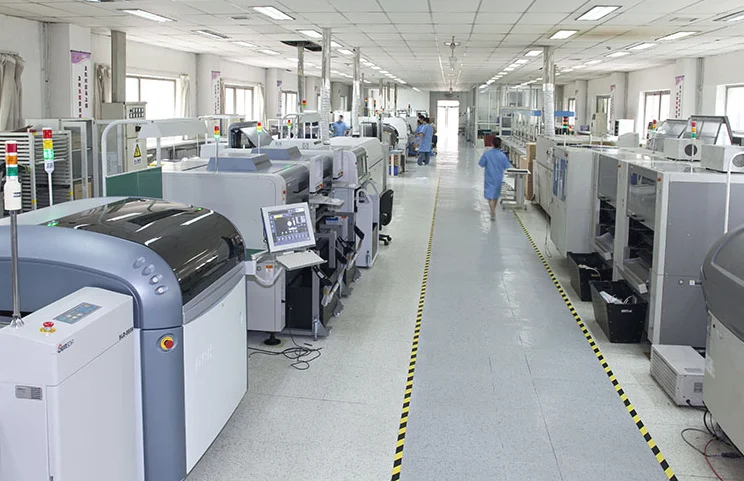
Baotou Boni Electromechanical Equipment Co., Ltd.
- Trading Company
- Inner Monglia, China
- Lead time0 days
- Avg. response≤ 5h
Main productsPhysical and chemical laboratory instruments,Radar level gauge ultrasonic level gauge level switch,Pressure transmitter liquid level transmitter temperature transmitter temperature and humidity transmitter differential pressure transmitter soil moisture transmitter 3051 transmitter,System card components,Surveillance Products
Main marketsNorthern Europe(25.00%), South America(25.00%), North America(25.00%)

- Verified by BV
- Trading Company
- China Hunan
- Lead time23 days
- Avg. response≤ 8h
Main productsPaint Roller, Putty Knife, Caulking Gun, Paint Brush, Trowel, Bricklaying Trowel, Scraper, Float Trowel, Paint Mixer, Wallpaper Roller
Main marketsSouth America,Southeast Asia/ Mideast,Europe

Xiamen Kumeijia Technology Co., Ltd.
- Verified by SGS
- Trading Company
- China Fujian
- Lead time30 days
- Avg. response≤ 4h
Main productsWashing Machine Accessories, Refrigeration Accessories, Car Parts, Other Tools, Thermostat, Motor, Air Conditioning Parts, Ice Cream Machine Accessories, Meter, Refrigerator Accessories
Main marketsSoutheast Asia/ Mideast
Yueqing HF-Shaw Electric Co., Ltd.
- Manufacturer, Trading Company
- Zhejiang, China
- Lead time15 days
- Avg. response≤ 4h
Main productsCircuit breaker,ac contactor,push button switch,indicator light,terminal block
Main marketsWestern Europe(20.00%), Southern Europe(15.00%), North America(15.00%), Southeast Asia(14.50%), Africa(6.00%), Eastern Asia(6.00%), Domestic Market(5.00%), South America(4.50%), Northern Europe(4.00%), Eastern Europe(3.50%), South Asia(2.50%), Mid East(2.00%), Central America(1.00%), Oceania(1.00%)
- Verified by TüVRheinland
- Trading Company
- Lead time25 days
- Avg. response≤ 6h
Main productsCentrifuge, Microscope, Autoclave, Incubator, Spectrophotometer
Main marketsAfrica(50%), North America(20%), South America(20%)
Ningbo Coolway Refrigeration Equipment Co., Ltd.
- Verified by TüVRheinland
- Trading Company
- Lead time25 days
- Avg. response≤ 9h
Main productsAir Conditioner Parts, Washing Machine Parts, Refrigerator Parts, HVAC Parts, Refrigeration Parts
Main marketsSouth America(22%), North America(16%), Western Europe(13%)
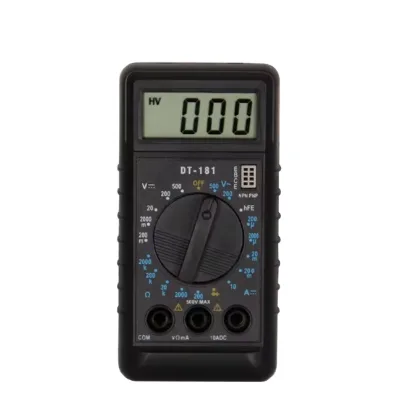
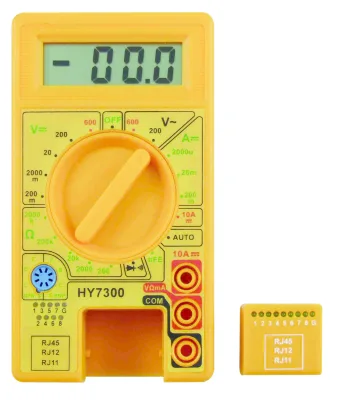
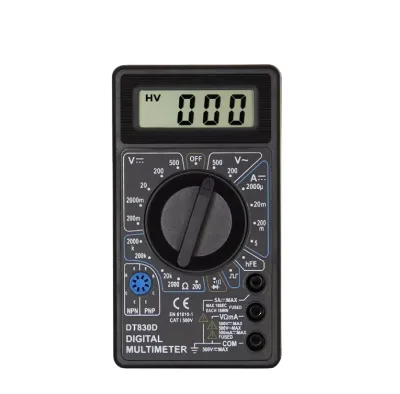
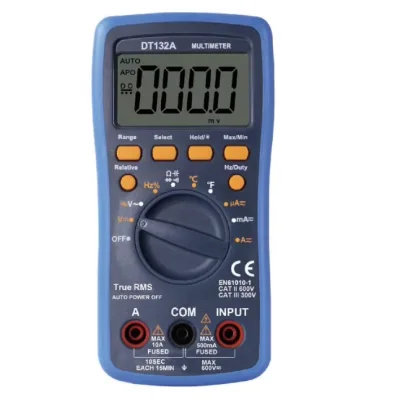
LCD DT132A Digital Multimeter Auto Range Anti-high Voltage Multimeter
$6.9913 - $12.1329
MOQ: 100 pieces

Shijiazhuang Suin Instruments Co., Ltd.
- Manufacturer
- China Hebei
- Lead time15 days
- Avg. response≤ 6h
Main productsFunction Generator, Spectrum Analyzer, Frequency Counter, Power Quality Analyzer, Programmable DC Power Supply, Millivolt Meter, Digital Multimeter, RF Signal Generator, Pulse/Pattern Generator, Stopwatch Calibrator
Main marketsSouth America,Southeast Asia/ Mideast,Europe


High Accuracy SA5053 5 1/2 Digits Digital Multimeters with Rich Measuring Functions
$416.00 - $480.00
MOQ: 1 SET


Hangzhou Zhongchuang Electron Co., Ltd.
- Trading Company
- Zhejiang, China
- Lead time15 days
- Avg. response≤ 3h
Main productsLCR digital bridge,digital multimeter of high precision,process calibrator,dry blcok temperature calibrator,two-channel funtion generator
Main marketsEastern Asia(20.00%), North America(10.00%), South America(10.00%), Eastern Europe(5.00%)

Shenzhen Alisi Electronic Technology Co., Ltd.
- Trading Company, Distributor/Wholesaler
- Guangdong, China
- Lead time3 days
- Avg. response≤ 2h
Main productselectron component,temperature controller,Auto parts,sensor,Wireless Controller
Main marketsSouth America(20.00%), Eastern Europe(20.00%), North America(15.00%), Western Europe(5.00%), Domestic Market(5.00%), South Asia(5.00%), Southern Europe(5.00%), Northern Europe(5.00%), Central America(5.00%), Eastern Asia(3.00%), Mid East(3.00%), Oceania(3.00%), Africa(3.00%), Southeast Asia(3.00%)
Shenzhen Graigar Technology Co., Ltd.
- Manufacturer, Trading Company
- Guangdong, China
- Lead time3 days
- Avg. response≤ 2h
Main productsUltrasonic Flaw Detector,Ultrasonic Flow Meter,Thickness Gauge,Underground Metal Detector,Leeb Hardness Tester
Main marketsNorth America(20.00%), Western Europe(15.00%), South America(10.00%), Mid East(10.00%), Oceania(10.00%), Africa(10.00%), Southeast Asia(10.00%), Eastern Europe(10.00%), Domestic Market(5.00%)
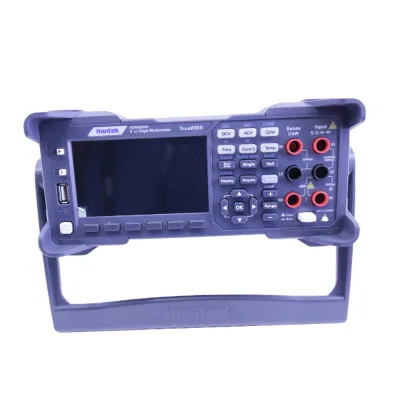
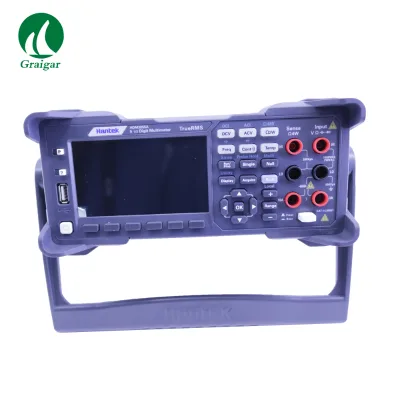
Hantek HDM3055 Digital Desktop Multimeter High-precision 5 1/2 Multimeter Digital Multimeter
$513.3835 - $811.743
MOQ: 1 Minimum

Zhejiang Shuntong Electric Co., Ltd.
- Verified by BV
- Trading Company,Manufacturer/Factory
- China Zhejiang
- Lead time23 days
- Avg. response≤ 8h
Main productsTransformers, Frequency Inverter, Inverter, Voltage Stabilizer, Fan
Main marketsSouth America,Eastern Europe,Mid East,North America,Southeast Asia,Eastern Asia,Oceania,Western Europe,Africa

Chengdu Qinliwei Import and Export Trade Co., Ltd.
- Trading Company,Manufacturer/Factory
- China Sichuan
- Lead time23 days
- Avg. response≤ 8h
Main productsGolf Products, CNC Products, Timer, Mat, Fashion Accessories, Digital Counter, Photographic Equipment
Main marketsNorth America,Western Europe


1000A Clamp Meter Digital Multimeter with Intelligent Overheat Protection
$18.28 - $19.80
MOQ: 40 Pieces


Beijing Dianshijincheng Technology Development Co., Ltd.
- Trading Company
- Beijing, China
- Lead time15 days
- Avg. response≤ 5h
Main productsPackaging and printing machinery and equipment,Printing machine equipment,Laboratory equipment,Environmental detector,Ultrasonic thickness gauge
Main marketsSouth America(18.00%), Mid East(16.00%), North America(15.00%), Eastern Europe(15.00%), Eastern Asia(8.00%), Southeast Asia(6.00%), Oceania(5.00%), Western Europe(4.00%), Southern Europe(3.00%), Africa(3.00%), South Asia(2.00%), Domestic Market(2.00%), Northern Europe(2.00%), Central America(1.00%)

Beijing GFUVE Electronics Co., Ltd.
- Trading Company
- Beijing, China
- Lead time20 days
- Avg. response≤ 3h
Main productsenergy meter calibration,ct analyzer,Electrical Power Calibrator,Split core current transformer,Clamp on current transformer
Main marketsDomestic Market(7.14%), South Asia(7.14%), Southern Europe(7.14%), Northern Europe(7.14%), Central America(7.14%), Western Europe(7.14%), Eastern Asia(7.14%), Mid East(7.14%), Oceania(7.14%), Africa(7.14%), Southeast Asia(7.14%), Eastern Europe(7.14%), South America(7.14%), North America(7.14%)
Shenzhen Feng Chipsource Electronic Co., Ltd.
- Manufacturer, Trading Company, Distributor/Wholesaler
- Guangdong, China
- Lead time2 days
- Avg. response≤ 8h
Main productsIntegrated Circuit,Electronic Components,Development Board,Wifi module,Bluetooth module
Main marketsNorth America(20.00%), Northern Europe(16.00%), Southern Europe(10.00%), South America(10.00%), Western Europe(10.00%), Eastern Europe(10.00%), Domestic Market(3.00%), South Asia(3.00%), Oceania(3.00%), Africa(3.00%), Central America(3.00%), Southeast Asia(3.00%), Eastern Asia(3.00%), Mid East(3.00%)
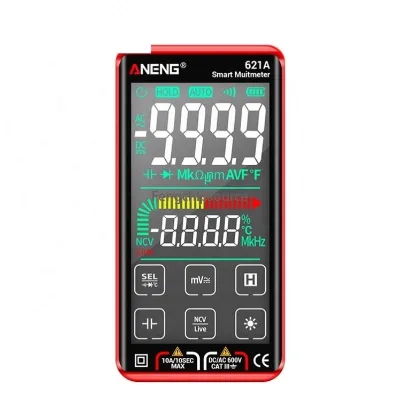
$6.3513 - $12.713
MOQ: 10 Minimum

$1.9202 - $3.5736
MOQ: 10 Minimum
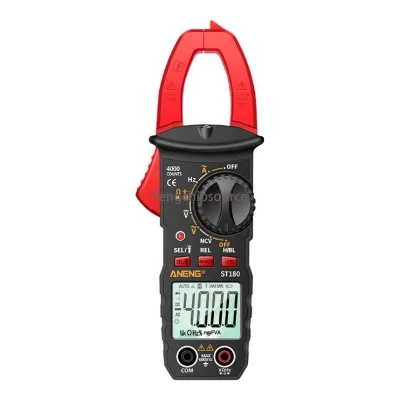
$2.6817 - $5.3724
MOQ: 10 Minimum
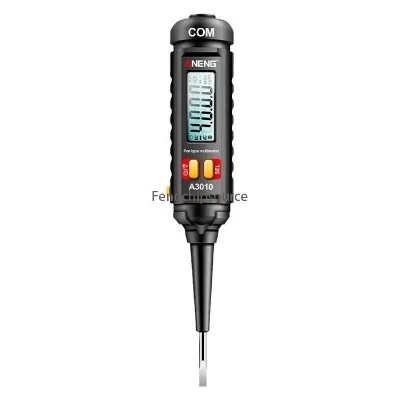
Shenzhen Lianxinyuan E-Commerce Co., Ltd.
- Manufacturer, Trading Company, Distributor/Wholesaler, Other
- Guangdong, China
- Lead time3 days
- Avg. response≤ 1h
Main productsTraffic tools,charger,Electronic products,integrated circuit,Solar products
Main marketsNorth America(30.00%), Northern Europe(15.00%), South America(15.00%), South Asia(10.00%), Southern Europe(10.00%), Eastern Europe(10.00%), Western Europe(10.00%)

Foshan Lingaode Trading Company Limited
- Verified by SGS
- Trading Company
- China Guangdong
- Lead time15 days
- Avg. response≤ 4h
Main productsVoltage Tester Pen, Electrical Tool
Main marketsOthers(foreignTradeCapacity.exportBusinessCapacityMarketOther),Southeast Asia/ Mideast


Advanced Smart Function Multimeter for Accurate Measurements and Testing
$8.00 - $10.00
MOQ: 50 Pieces

Hangzhou Frankever Imp. & Exp. Co., Ltd.
- Verified by SGS Group
- Trading Company
- Lead time30 days
- Avg. response≤ 3h
Main productsSoldering Iron, Smart Home Products, Multimeter, Remote control
Main marketsWestern Europe(35%), North America(30%), South America(20%)

Changzhou Eagle International Trade Corp.
- Trading Company
- China Jiangsu
- Lead time30 days
- Avg. response≤ 18h
Main productsRemote Control, Speaker, Multimeter, Connector, Megphone, Soldering Iron, CCAM Wire, LED Screen, LED TV Light Bar, TV Stand
Main marketsSouth America,Africa,Southeast Asia/ Mideast
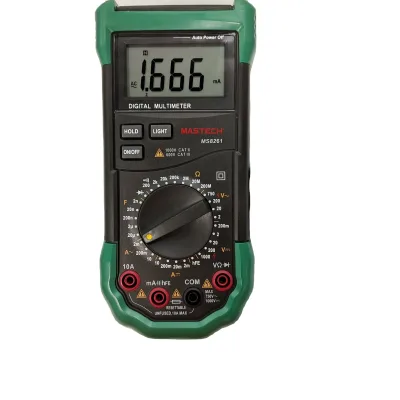
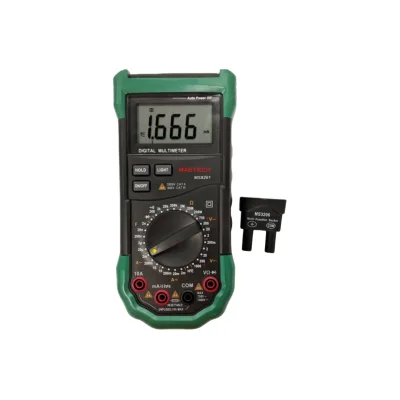


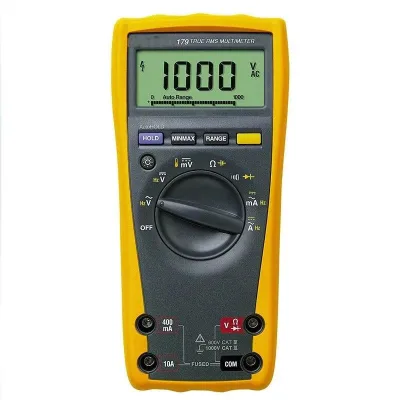
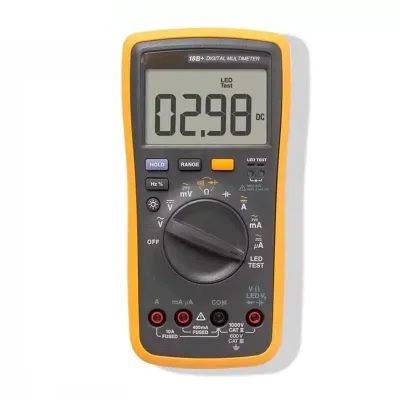
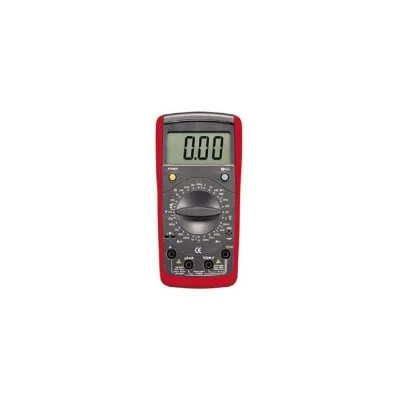
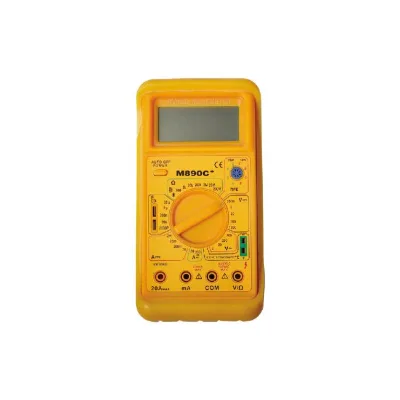
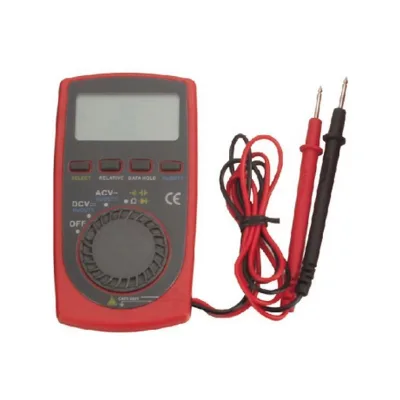
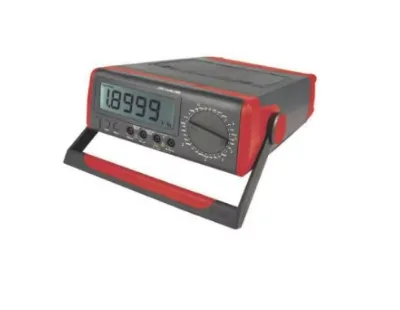
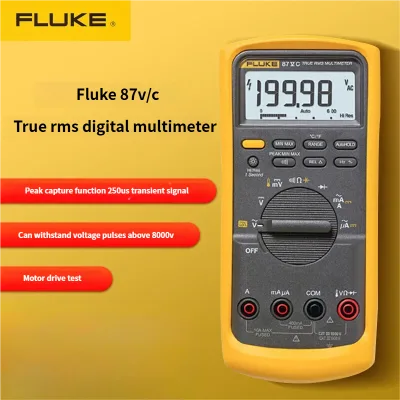
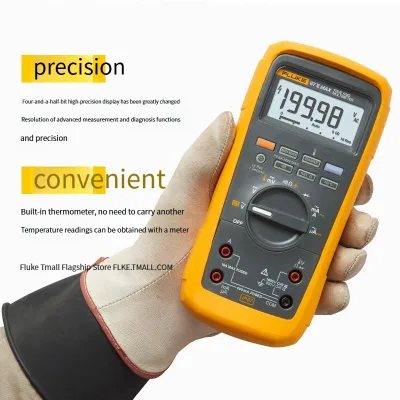


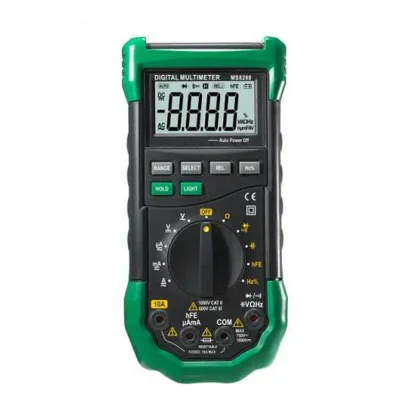
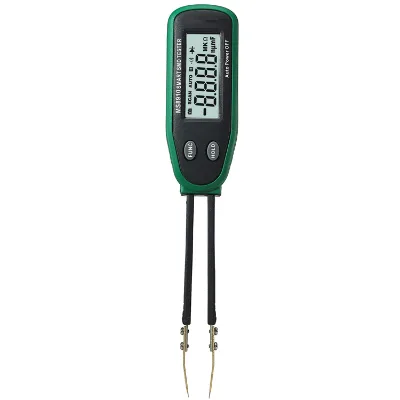
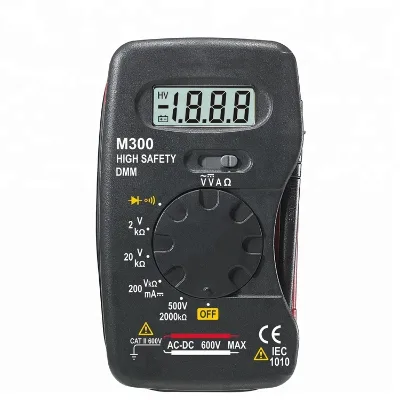
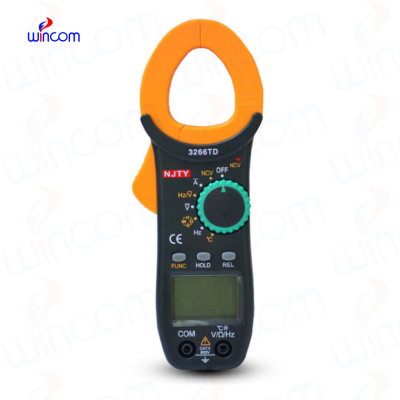
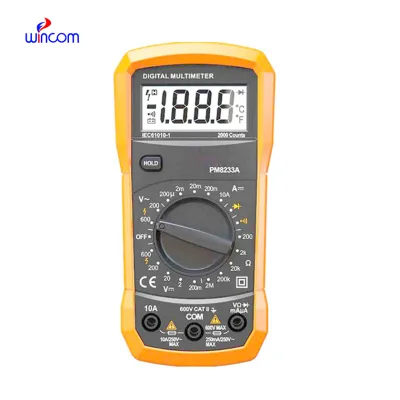
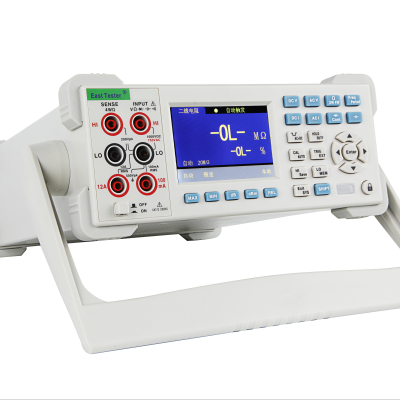
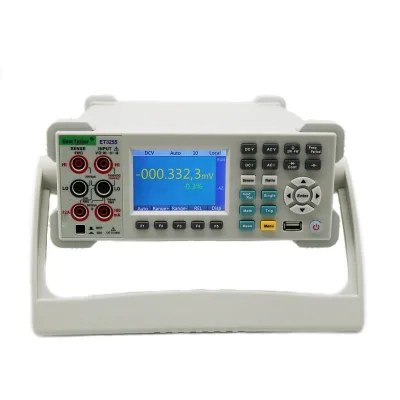
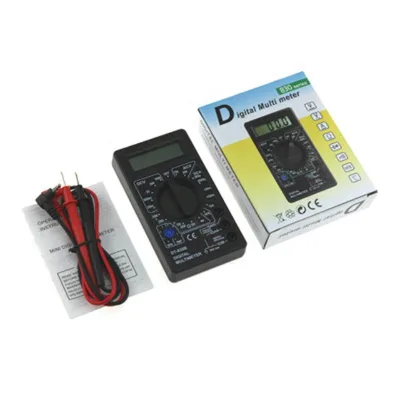
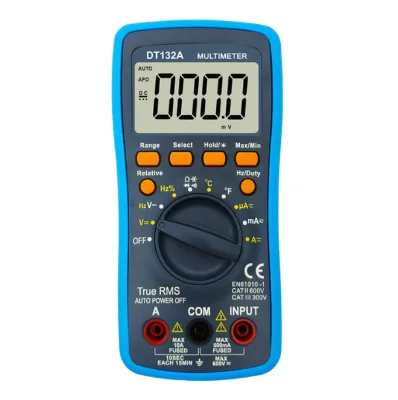


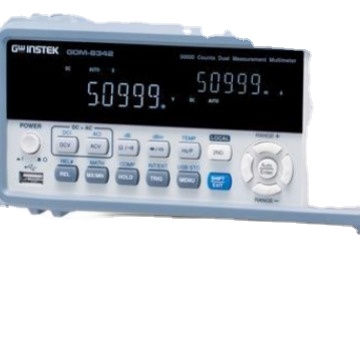
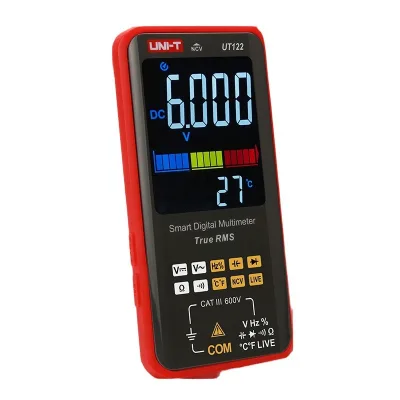
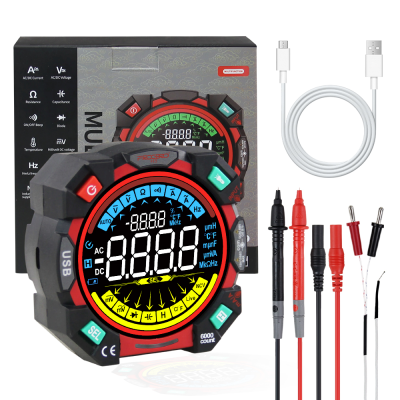
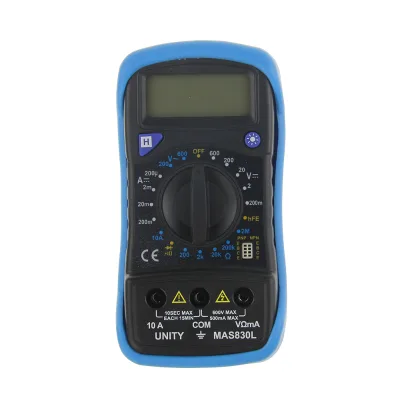


Comprehensive Sourcing Guide
Industrial Digital Multimeter Supplier Concentration and Factory Types
The Industrial Digital Multimeter sourcing landscape features a diverse mix of company types, primarily dominated by trading companies that aggregate products from various manufacturing origins. Current data indicates that many suppliers operating in this space identify as trading entities rather than direct manufacturers, which significantly influences the supply chain dynamics for buyers seeking these testing instruments. This structural characteristic means that buyers often interact with intermediaries who manage logistics and customer service rather than facilities that produce the internal circuitry or housing components. Understanding this distinction is crucial for setting realistic expectations regarding direct factory communication, production visibility, and the potential for deeper customization negotiations. The presence of trading companies does not inherently diminish quality, but it does shift the focus of the buyer’s due diligence toward the supplier’s ability to source reliably and manage quality control on behalf of the end client.
In addition to trading companies, the supplier base includes entities with combined operational models that may offer both original design manufacturing and original equipment manufacturing capabilities. Some suppliers in this sector demonstrate robust research and development capacities, supporting light customization, sample processing, and graphic processing services. This flexibility allows buyers to request specific modifications to the Industrial Digital Multimeter, such as tailored branding or minor functional adjustments, without requiring a full-scale re-engineering of the product. The availability of these services varies significantly across the supplier pool, with some providers offering extensive OEM support while others stick to standard off-the-shelf inventory. Buyers must carefully review the specific capabilities listed for each potential partner to ensure that the supplier’s operational model aligns with their need for either pure volume procurement or specialized, customized testing equipment solutions.
How to Verify Industrial Digital Multimeter Suppliers
Verifying the credibility of an Industrial Digital Multimeter supplier requires a multi-layered approach that goes beyond simple profile reviews. Buyers should prioritize suppliers who have undergone third-party verification processes, as these provide an external validation of the company’s business legitimacy and operational stability. For instance, certain suppliers in this category have been verified by recognized international inspection groups, which adds a layer of trust regarding their corporate structure and financial standing. This verification status serves as a foundational checkpoint, ensuring that the entity you are engaging with is a legitimate business entity capable of fulfilling contractual obligations. It is essential to look for these verification badges prominently displayed in the supplier’s profile, as they indicate a level of scrutiny that has already been applied to their business practices and legal registration.
Beyond basic corporate verification, buyers must assess the technical certifications and quality management systems that underpin the manufacturing of industrial digital multimeters. While not all suppliers display comprehensive certification lists, those that do often highlight adherence to international standards such as ISO9001:2015 for quality management and ISO14001:2015 for environmental management. These certifications are critical indicators of a supplier’s commitment to consistent product quality and sustainable manufacturing practices. Buyers should request copies of these certificates and verify their validity through the issuing bodies. Additionally, examining the warranty terms offered on the products, such as one-year or nine-month warranties, can provide insight into the supplier’s confidence in their product’s durability and performance. A robust warranty policy often correlates with higher quality control standards and better after-sales support, which are vital for industrial applications where equipment downtime can be costly.
What to Compare Across Industrial Digital Multimeter Suppliers
When evaluating multiple suppliers for industrial digital multimeters, buyers must systematically compare key operational metrics to identify the most suitable partner for their specific needs. One of the most critical factors is the response time, which indicates how quickly a supplier can address inquiries and provide quotations. Suppliers with faster response times, such as those reporting response times under three hours, are generally more agile and better equipped to handle urgent procurement requests or complex technical questions. This metric is particularly important for buyers who need to move quickly through the sampling and approval stages of the sourcing process. Comparing response speeds across different suppliers can help buyers gauge the level of customer service and operational efficiency they can expect throughout the engagement.
Another vital dimension for comparison is the lead time and minimum order quantity, which directly impact inventory planning and cash flow. Lead times can vary significantly, ranging from as short as seven days to as long as thirty days, depending on the supplier’s production capacity and current order backlog. Buyers must align these lead times with their project schedules to avoid production delays. Similarly, minimum order quantities can range from single units for testing purposes to larger batches for full-scale deployment. Some suppliers offer low MOQs, which is beneficial for initial trials, while others may require higher volumes to achieve competitive pricing. Additionally, buyers should compare the main products offered by each supplier, as some may specialize in specific types of testing instruments while others offer a broader range of industrial components. This specialization can influence the depth of technical expertise and the availability of complementary products.
Common Industrial Digital Multimeter Sourcing Risks
One of the primary risks in sourcing industrial digital multimeters is the potential mismatch between product specifications and actual performance, particularly when dealing with trading companies that may not have direct oversight of the manufacturing process. Buyers must be vigilant about verifying the accuracy ratings and technical specifications of the multimeters, as these parameters are critical for industrial testing applications. For example, accuracy levels can vary, with some products boasting high precision while others may have broader tolerances. Buyers should request detailed technical datasheets and, if possible, independent test reports to confirm that the products meet their required standards. Relying solely on marketing descriptions can lead to the procurement of equipment that is insufficient for precise industrial measurements, resulting in operational inefficiencies or safety hazards.
Another significant risk involves the variability in warranty coverage and after-sales support, which can differ widely among suppliers. While some suppliers offer comprehensive one-year warranties, others may provide shorter coverage periods, such as nine months, or have ambiguous terms regarding repair and replacement procedures. Buyers must carefully review the warranty conditions to understand what is covered, the duration of coverage, and the process for claiming support. Additionally, the risk of receiving products with inconsistent quality or packaging is higher when sourcing from multiple suppliers with varying standards. Buyers should establish clear quality acceptance criteria and consider implementing pre-shipment inspections to mitigate this risk. Ensuring that the supplier has a robust quality control process in place is essential to maintaining consistency across large orders and preventing defects from reaching the end user.
Industrial Digital Multimeter Regional Sourcing and Logistics
The geographic location of suppliers plays a crucial role in determining logistics costs, lead times, and overall supply chain resilience. Current data indicates that many Industrial Digital Multimeter suppliers are located in specific regions of China, such as Sichuan and Shandong, as well as Zhejiang. These regional concentrations can offer advantages in terms of localized supply chains and specialized manufacturing ecosystems, but they also require buyers to consider the logistical implications of shipping from these areas. Buyers should assess the proximity of the supplier’s location to major shipping ports or logistics hubs to estimate transit times and freight costs accurately. Understanding the regional distribution of suppliers can help buyers diversify their sourcing base and reduce dependency on a single geographic area, thereby mitigating the risk of disruptions caused by regional events or logistical bottlenecks.
Logistics planning must also account for the packaging dimensions and weight of the industrial digital multimeters, as these factors directly influence shipping costs and handling requirements. Suppliers often provide specific packaging details, such as single package sizes and gross weights, which are essential for calculating freight charges and planning warehouse storage. For instance, some products may be packaged in compact boxes with specific dimensions, while others may require larger packaging for protection. Buyers should request detailed packing lists and coordinate with their freight forwarders to optimize shipping methods, whether by sea, air, or express courier. Additionally, buyers must ensure that the supplier’s packaging meets international shipping standards to prevent damage during transit. Proper logistics planning, including the selection of appropriate packaging and shipping methods, is vital to ensuring that the industrial digital multimeters arrive at their destination in optimal condition and within the expected timeframe.
Industrial Digital Multimeter Commercial Terms and Order Planning
Effective order planning for industrial digital multimeters requires a thorough understanding of the commercial terms offered by suppliers, including pricing structures, payment terms, and customization options. Pricing can vary significantly based on the model, accuracy, and features of the multimeter, with some products offering competitive rates for high-volume orders while others may have higher unit costs for specialized equipment. Buyers should request detailed quotations that break down the costs, including any additional fees for customization, packaging, or shipping. It is also important to negotiate payment terms that align with the buyer’s cash flow needs, such as using secure payment methods like escrow to protect against fraud and ensure that funds are only released upon satisfactory delivery of the goods.
Customization support is another key commercial aspect that buyers must consider, as it can significantly impact the final product and its suitability for specific industrial applications. Many suppliers offer OEM services, allowing buyers to customize the branding, packaging, and even certain technical specifications of the industrial digital multimeters. Buyers should clearly communicate their customization requirements early in the sourcing process to ensure that the supplier can accommodate them within the agreed-upon lead times and costs. Additionally, buyers must plan for the potential need for samples before committing to large orders, as this allows for thorough testing and validation of the product’s performance. Establishing a clear communication channel for discussing customization details, sample approvals, and final production specifications is essential to ensuring that the final delivered products meet the buyer’s exact requirements and expectations.
FAQs
What is the typical response time for suppliers of industrial digital multimeters?
Suppliers listed on this page show response times ranging from 2 to 11 hours. Some vendors respond within 2 hours, while others take up to 11 hours. Buyers should check individual supplier profiles for specific response speed metrics before placing urgent orders.
What are the minimum order quantities for these digital multimeters?
Minimum order quantities vary by product, with some items requiring as few as 5 units. Other listings indicate a minimum of 1 unit for specific vehicle parts. Buyers must verify the exact MOQ for each model number before confirming purchase quantities.
How long does it take to receive orders for industrial digital multimeters?
Lead times for these products range from 7 to 30 days depending on the supplier. Some vendors offer a 7-day turnaround, while others require up to 30 days for production. Buyers should confirm the specific lead time with the seller before finalizing orders.
Are these digital multimeters available with OEM customization support?
Yes, many suppliers offer OEM customized support for these industrial digital multimeters. Products from Sichuan, China, often list OEM as a standard service option. Buyers seeking branded or custom specifications should confirm these details directly with the supplier during the inquiry process.
What warranty periods are typically offered for these testing instruments?
Most listed digital multimeters come with a 1-year warranty period. Some specific vehicle parts may offer a 9-month warranty instead. Buyers should verify the exact warranty duration for each product model to ensure adequate protection for their industrial testing equipment needs.
Where are the manufacturers of these industrial digital multimeters located?
Manufacturers are primarily located in Sichuan, China, and Shandong, China. Some suppliers also operate from Zhejiang, China. Buyers can filter results by these specific regions to find suppliers that match their logistical or regional sourcing preferences effectively.
What certifications do the suppliers of these multimeters hold?
Some suppliers hold ISO9001:2015 and ISO14001:2015 certificates for their quality management systems. Verification services like SGS Group and BV are also associated with certain suppliers on this page. Buyers should request specific certification documents to confirm compliance with their industry standards.