Interchangeable Handle Spinning Reel Suppliers and Manufacturers
Source Interchangeable Handle Spinning Reel options from 23 verified suppliers in China. Compare dimensions like lead time, MOQ, and response rates to find the right partner. Request quotes today; review the available evidence before requesting comparable quotations from suitable candidates.
Updated
Suppliers List

Nanjing Honor Fishing Gear Ltd.
- Verified by TUVRHEINLAND
- Combined
- China Jiangsu
- Lead time30 days
- Avg. response≤ 3h
Main productsFishing Tackle, Fishing Lure, Fishing Reel, Fishing Rod, Fishing Line, Fishing Equipment, Fishing, Fishing Hook, Fishing Bait, Fishing Pole
Main marketsSouth America


Best Spincast Carp Fishing Reels Catfish Baitcaster Spinning Rod and Reel
$2.30 - $2.57
MOQ: 120 Pieces

Hangzhou Ecooda E-Commerce Co., Ltd.
- Trading Company
- Hangzhou, China
- Lead time0 days
- Avg. response≤ 5h
Main productsOEM Producks,Fishing Reels,Fishing Lure,Reels/Spooler,Fishing Rods
Main marketsDomestic Market(80.00%), North America(15.00%), South America(5.00%)
Hangzhou Baqiandai Import And Export Co., Ltd.
- Verified by Intertek
- Manufacturer, Trading Company
- Lead time7 days
- Avg. response≤ 4h
Main productsFishing Rod, Bait, Fishing Reel, Fishing Line, Fishing Tools
Main marketsNorth America(30%), South America(25%), Southeast Asia(20%)
Cixi Aoqiusite Electric Appliance Co., Ltd.
- Verified by SGS Group
- Manufacturer, Trading Company
- Lead time10 days
- Avg. response≤ 4h
Main productsFish Reel, Spinning Reel , Baitcast Reel, Long cast Reel
Main marketsSoutheast Asia(25%), Eastern Asia(25%), Domestic Market(20%)
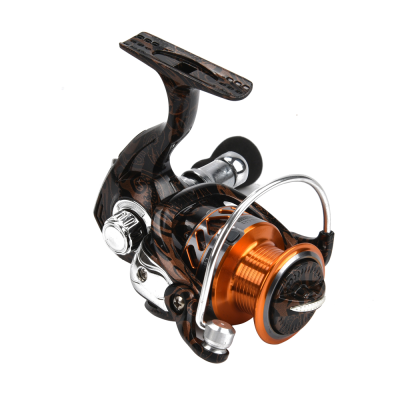
Spinning Fishing Reel for Sea Spinning Reel Spining Fish Reel CNC EVA Handle Light Hand/right Hand
$6.96 - $8.05
MOQ: 300 Minimum
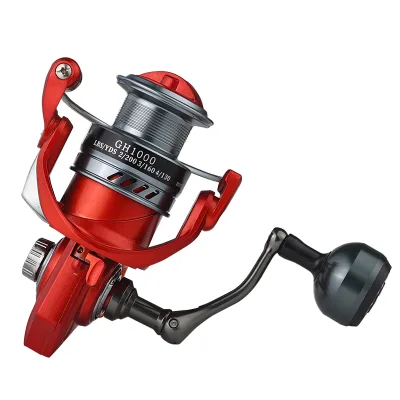
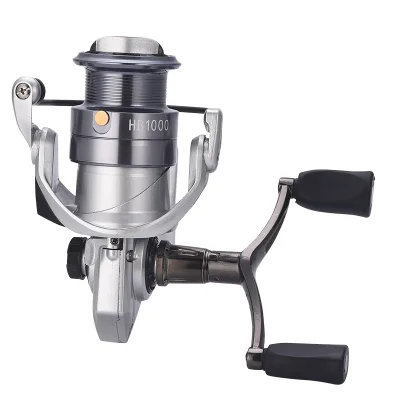
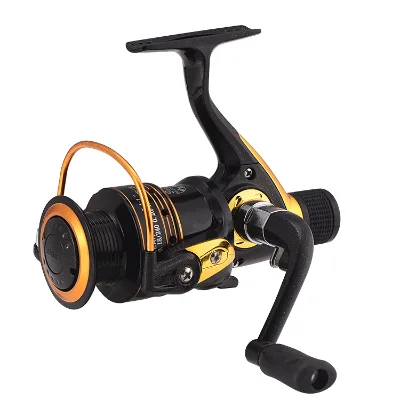
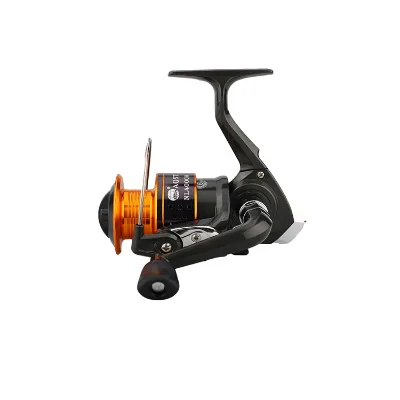
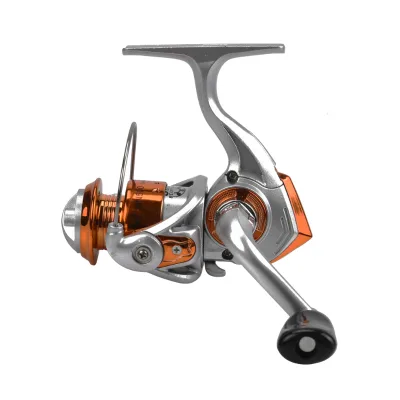
WEIHAI H.Y.D. SPORTS CO., LTD.
- Manufacturer, Trading Company
- shandong, China
- Lead time40 days
- Avg. response≤ 7h
Main productsFishing Rods,Fishing Lures,Fishing Floats,Fishing Reel,Fishing Line
Main marketsNorth America(30.00%), Western Europe(20.00%), Eastern Europe(10.00%), South Asia(5.00%), South America(5.00%), Oceania(5.00%), Southern Europe(5.00%), Eastern Asia(5.00%), Northern Europe(5.00%), Mid East(5.00%), Southeast Asia(5.00%)
Shijiazhuang Chentilly Trading Co., Ltd.
- Trading Company
- Hebei, China
- Lead time15 days
- Avg. response≤ 2h
Main productsTrolling lures,Bucktail jigs,Jigging lures,Fishing reel,Fishing rod
Main marketsNorth America(35.00%), Oceania(23.00%), Mid East(10.00%), South America(10.00%), Eastern Europe(10.00%), Western Europe(7.00%), Central America(5.00%)

Qingdao Leichi Industrial & Trade Co., Ltd.
- Trading Company
- Shandong, China
- Lead time30 days
- Avg. response≤ 13h
Main productsFishing Reel,Fishing Rod,fishing bait
Main marketsNorth America(51.00%), Domestic Market(9.00%), South America(7.00%), Eastern Europe(6.00%), Western Europe(6.00%), Northern Europe(6.00%), Southern Europe(5.00%), Central America(5.00%), Oceania(3.00%), Southeast Asia(2.00%)
Weihai Double-Winner Outdoor Product Co., Ltd.
- Manufacturer, Trading Company
- Shandong, China
- Lead time45 days
- Avg. response≤ 3h
Main productsFishing Rods, Fishing Lures, Fishing Bags
Main marketsCentral America(35.00%), Eastern Europe(20.00%), South America(10.00%), Eastern Asia(10.00%), South Asia(5.00%), North America(5.00%), Oceania(5.00%), Northern Europe(5.00%), Southeast Asia(5.00%)
Dongyang Kangle Fishing Tackle Co., Ltd.
- Verified by SGS Group
- Manufacturer, Trading Company
- Lead time35 days
- Avg. response≤ 8h
Main productsFishing Line, Fishing Bait
Main marketsDomestic Market(50%), North America(30%), Western Europe(10%)
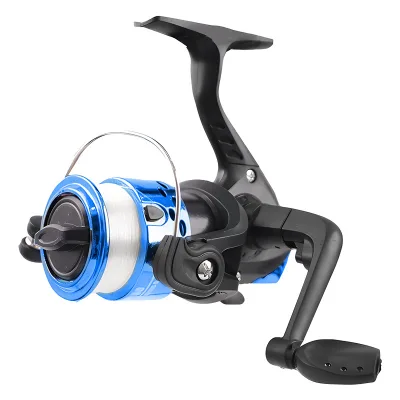
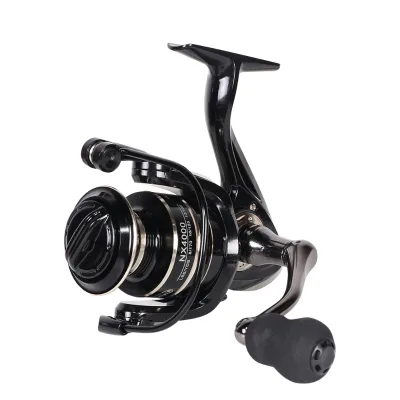
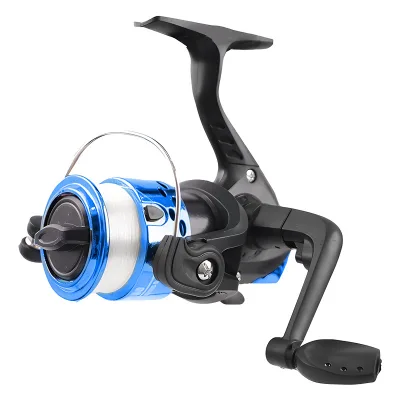
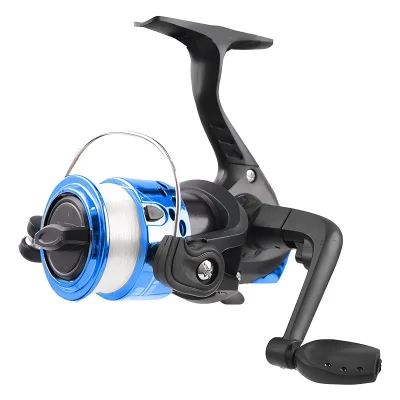
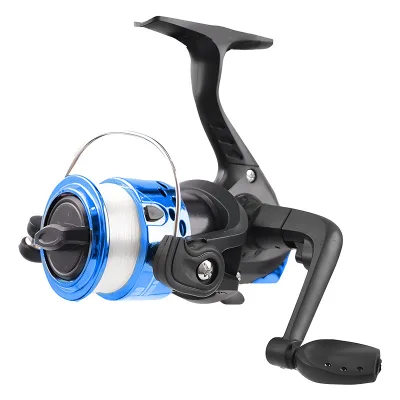
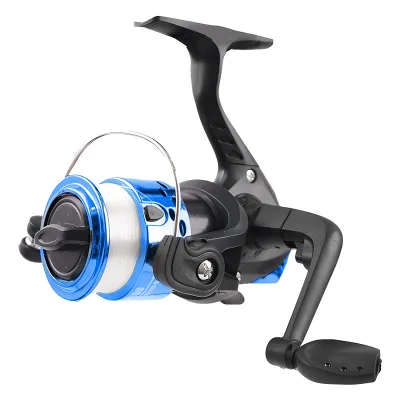
Lure Fishing Micro-Object Spinning Reel,Long-Distance Casting All-Metal Spinning Reel
$3.7744 - $5.0595
MOQ: 2 Minimum

Shandong Zhoutai Outdoor Products Co., Ltd.
- Verified by SGS
- Trading Company
- China Shandong
- Lead time60 days
- Avg. response≤ 3h
Main productsFishing Rod, Fishing Line, Fishhook, Fish Reel, Fishing Lure
Main marketsSouth America,Southeast Asia/ Mideast,Europe


Lightweight Spinning Reel for Easy Handling and Maximum Casting Distance
$6.90 - $7.40
MOQ: 200 Pieces


Weihai Huayue Sports Co., Ltd.
- Combined
- China Shandong
- Lead time45 days
- Avg. response≤ 10h
Main productsFishing Tackle, Fishing Rod, Fishing Combo, Fishing Reel, Fishing Lure, Fishing Tackle Set
Main marketsSouth America,Africa,Southeast Asia/ Mideast,East Asia(Japan/ South Korea),Domestic,Europe,Australia,North America
Cixi Longyi Fishing Tackle Co., Ltd.
- Manufacturer
- Zhejiang, China
- Lead time7 days
- Avg. response≤ 7h
Main productsFISHING REEL,SPINNING REEL,BAITCASTING REEL,CARP REEL,FLY REEL
Main marketsDomestic Market(35.00%), Southeast Asia(30.00%), Western Europe(10.00%), Eastern Europe(10.00%), South America(5.00%), South Asia(5.00%), Africa(5.00%)
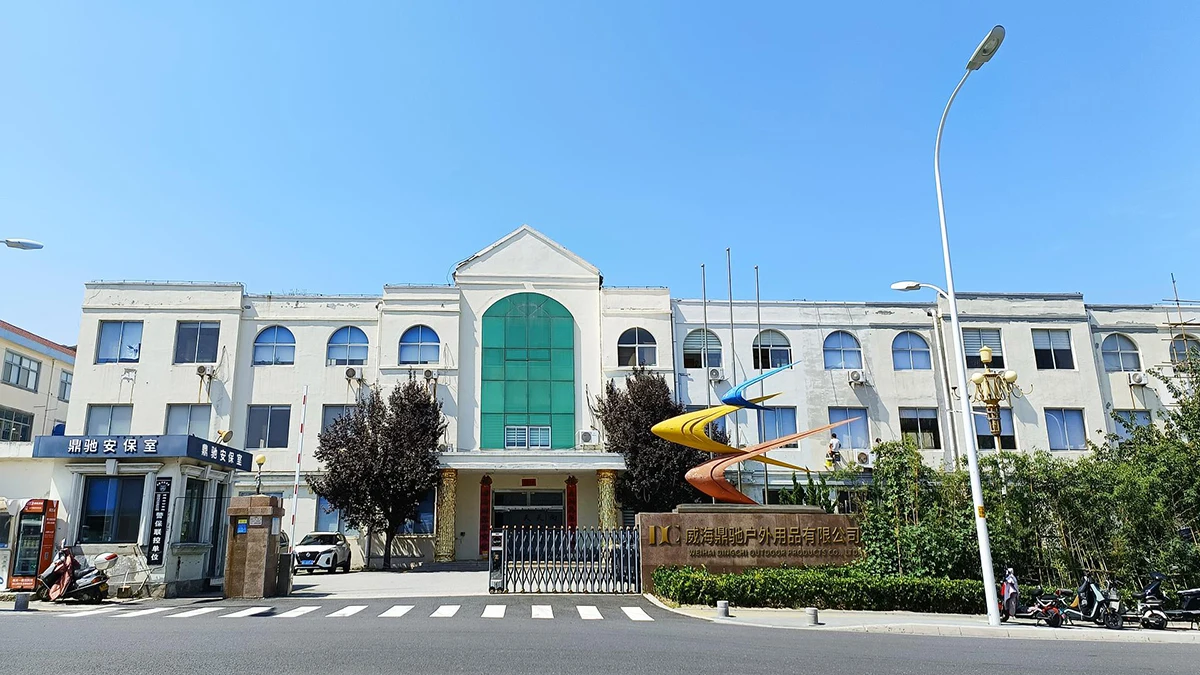
Weihai Dingchi Outdoor Products Co., Ltd.
- Manufacturer, Trading Company
- Shandong, China
- Lead time0 days
- Avg. response≤ 2h
Main productsFishing Lures , Fish Pole, Fishing Reel, Fish Hook, Fishing Tools
Main marketsNorth America(30.00%), Domestic Market(20.00%), Western Europe(10.00%), Southern Europe(10.00%), Northern Europe(10.00%), Eastern Europe(10.00%), Southeast Asia(10.00%)

- Verified by SGS
- Trading Company
- China Zhejiang
- Lead time15 days
- Avg. response≤ 14h
Main productsTents, BBQ Grill, Folding Table and Chair, Cooler Bag, Outdoor Lamp, Beach Mat, Picnic Blanket, Sleeping Bag, Water Bottle, Hammock
Main marketsEurope,Australia

Hot Sale Adaptable Aluminium Body Solid Wheel Seat Anti Slip Grip Pill Spinning Fishing Reel
$3.15 - $3.71
MOQ: 250 Pieces

EVA Handle Lightweight Combo Fishing Graphite Spinning Aluminum Reel Rod
$3.30 - $3.50
MOQ: 300 Pieces

Premium Mini Pocket Collapsible Telescopic Fishing Spinning Reel Combo Rod
$2.60 - $2.80
MOQ: 350 Pieces

Portable Premium Graphite Carbon Collapsible Telescopic Fishing Spinning Reel Combo Rod
$2.60 - $2.80
MOQ: 350 Pieces

Travel Saltwater Freshwater Portable Telescopic Spinning Reels Fishing Reel Rod
$1.60 - $2.00
MOQ: 500 Pieces

Freshwater Saltwater Spinning Colorful Poratble Light Weight Fishing Combo Reel Rod
$3.30 - $3.50
MOQ: 300 Pieces
Suqian Blue Sea Sports Goods Co., Ltd.
- Verified by TüVRheinland
- Trading Company
- Jiangsu, China
- Lead time0 days
- Avg. response≤ 6h
Main productsFishing Lure, Fishing Hook, Fishing Rig, Fishing Line, Fishing Accessories
Main marketsNorth America(50%), Eastern Europe(10%), Western Europe(10%)
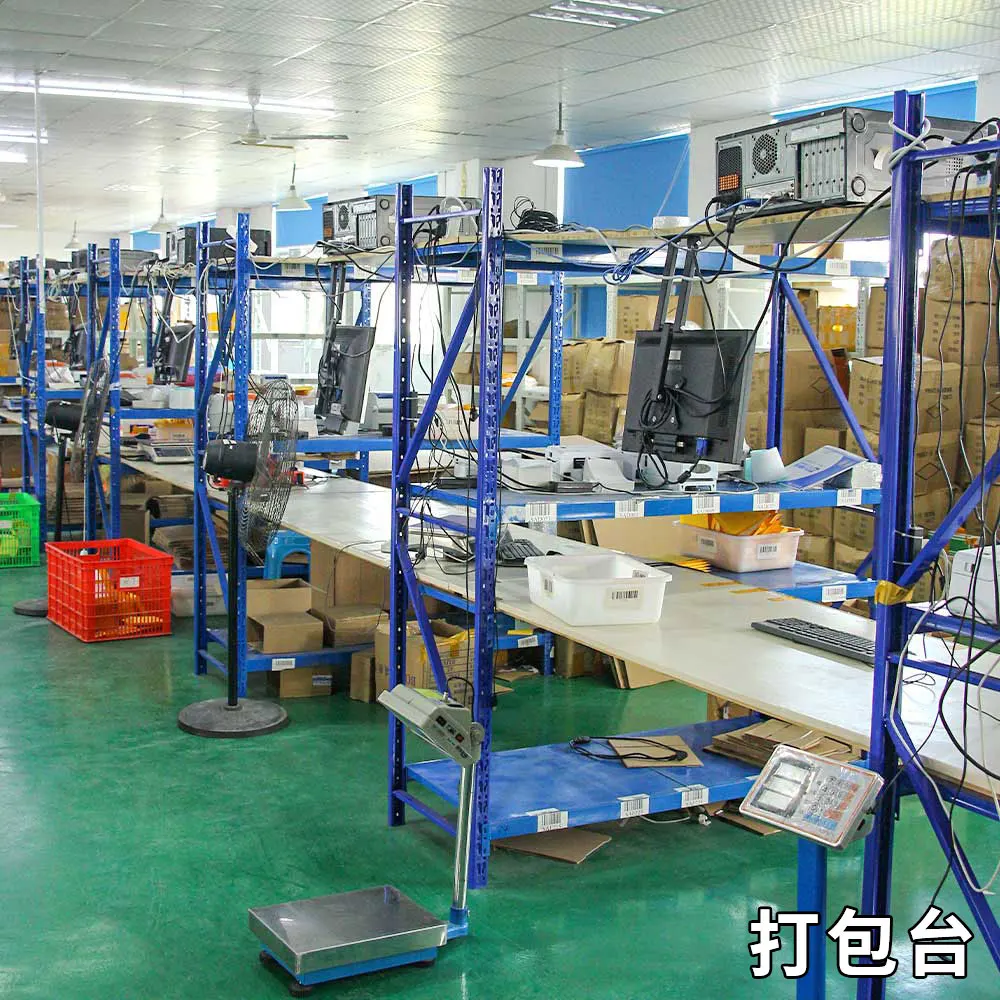
Shanghai Hengjia Network Technology Co., Ltd.
- Trading Company
- Shanghai, China
- Lead time30 days
- Avg. response≤ 5h
Main productsFishing Lure,Fishing Reel,Spoon Spinner Bait,Fishing Rod,Fishing Line
Main marketsDomestic Market(20.00%), North America(20.00%), Western Europe(15.00%), South America(10.00%), Southeast Asia(10.00%), Eastern Asia(10.00%), Mid East(10.00%), South Asia(5.00%)
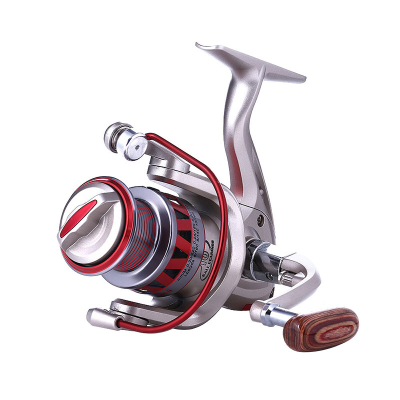
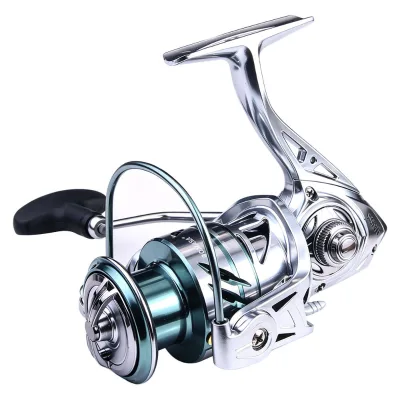
High Quality Freshwater Carp Fishing Reels Metal Spinning Reel Baitcasting Pole Reel
$6.28 - $8.70
MOQ: 1 Minimum
Weihai AGITEK Fishing Co., Ltd.
- Verified by TüVRheinland
- Manufacturer, Trading Company
- Lead time0 days
- Avg. response≤ 1h
Main productsFinishing Lures, Fishing Rods, Fishing Landing Nets, Fishing Reels, Fishing Toolings
Main marketsNorth America(20%), South America(15%), Eastern Asia(15%)
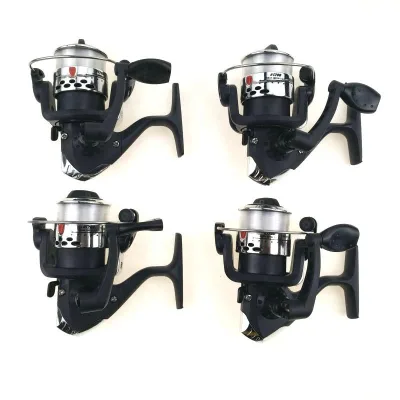
Hot Sale Fly Spinning Fishing Reels 1BB Plastic Spool Black Fly Spinning Reels Fishing Fresh Fisher
$4.05 - $4.85
MOQ: 100 pieces
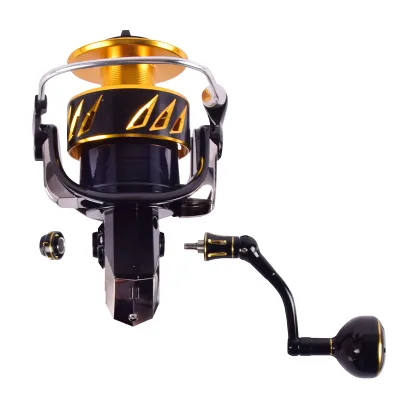
Weihai Guosong Outdoor Products Co., Ltd.
- Trading Company
- Shandong, China
- Lead time0 days
- Avg. response≤ 4h
Main productsFISHING LURE,FISHING REEL,FISHING HOOK,FISHING TOOLS,FISHING ROD
Main marketsNorth America(30.00%), South America(20.00%), Northern Europe(10.00%), Eastern Europe(10.00%), Western Europe(8.00%), Southern Europe(4.00%)
Weihai Honor Fishing Tackle Co., Ltd.
- Verified by TüVRheinland
- Manufacturer, Trading Company
- Lead time45 days
- Avg. response≤ 8h
Main productsFishing Rods, Fishing Lures, Fishing Reels, Fishing Accessories, Fishing Tools
Main marketsNorth America(25%), Eastern Europe(13%), South America(10%)
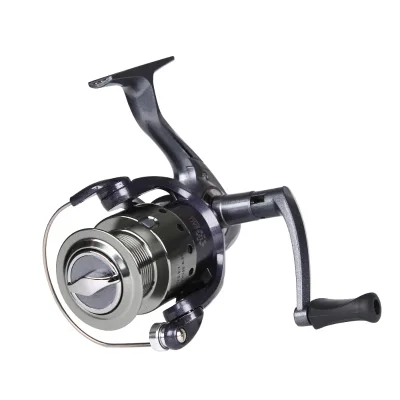
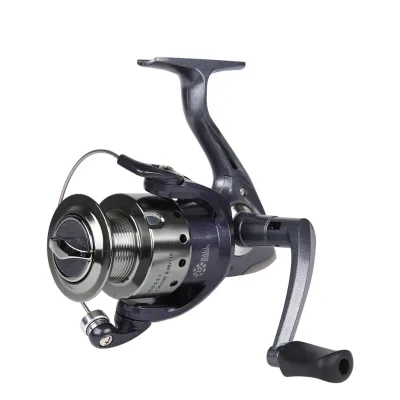
Aluminum CNC Spool Stainless Steel 12BB Spinning Fishing Reels Made in China
$4.0721 - $5.0924
MOQ: 1 pieces
Guizhou Xingruo E-Commerce Co., Ltd.
- Trading Company
- Guizhou, China
- Lead time0 days
- Avg. response≤ 4h
Main productsSports Bag,Hiking Bag,Fitness Bag,Camping Tent,Hiking Hats
Main marketsNorth America(50.00%), Western Europe(30.00%), Eastern Europe(10.00%), Mid East(8.00%), Eastern Asia(2.00%)
Weihai Alpha Innovation Pty Ltd.
- Verified by TüVRheinland
- Manufacturer, Trading Company
- Lead time28 days
- Avg. response≤ 6h
Main productsFishing Rod, Fishing Lure, Fishing Reel, Fishing Plastic Accessories, Fishing Line
Main marketsEastern Europe(25%), North America(20%), Southeast Asia(10%)
Dongguan Qiaotou Taiwei Hardware Factory
- Verified by TüVRheinland
- Manufacturer, Trading Company
- Lead time0 days
- Avg. response≤ 2h
Main productsFishing Gear, Fish Lip Gripper, Fishing Knotter, Hardware Accessories
Main marketsDomestic Market(75%), North America(15%), Southeast Asia(5%)
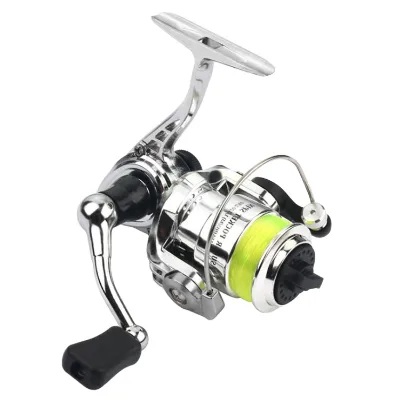
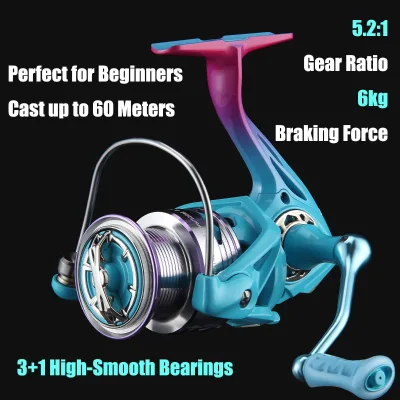
$10.107 - $11.4414
MOQ: 1 Minimum
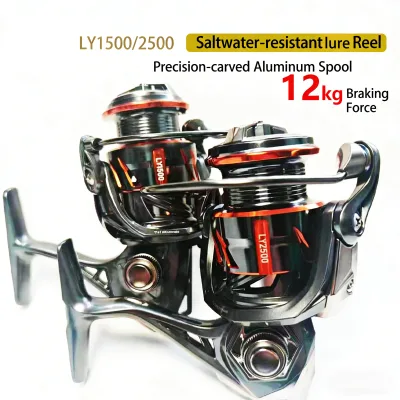
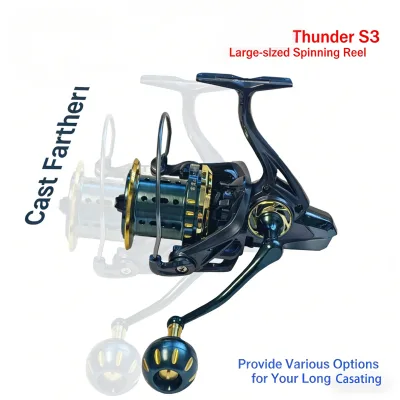

Weihai Fishingsoul Fishing Tackle Co., Ltd.
- Manufacturer, Trading Company
- Shangdong, China
- Lead time50 days
- Avg. response≤ 5h
Main productsFishing rod,lure,reel,hook,line
Main marketsNorth America(43.53%), Western Europe(22.58%), Oceania(14.21%), Southern Europe(4.73%), Northern Europe(4.57%), Southeast Asia(3.95%), South Asia(2.24%), Eastern Europe(1.30%), South America(1.20%), Africa(0.96%), Central America(0.73%)
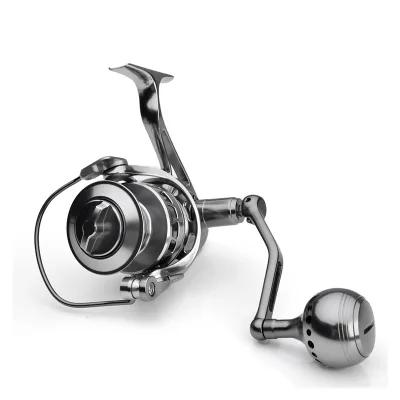
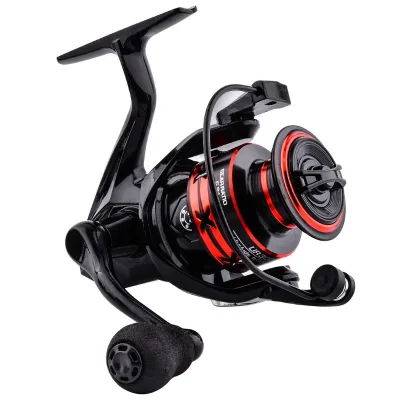
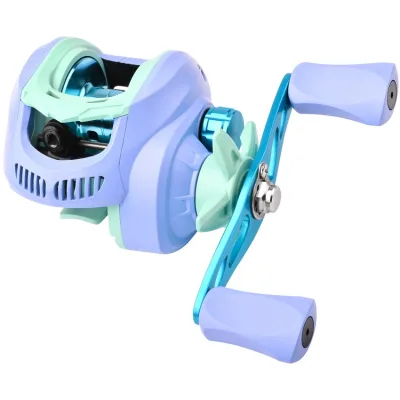
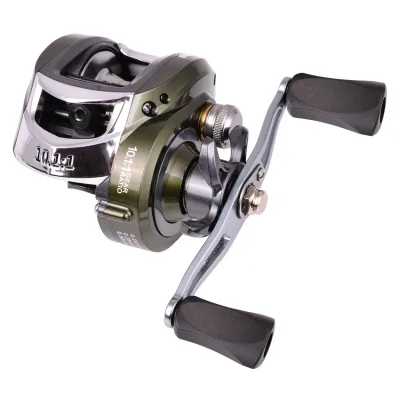
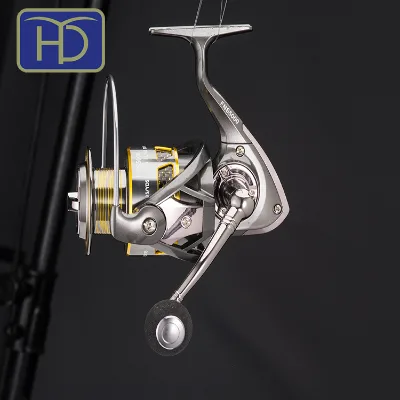
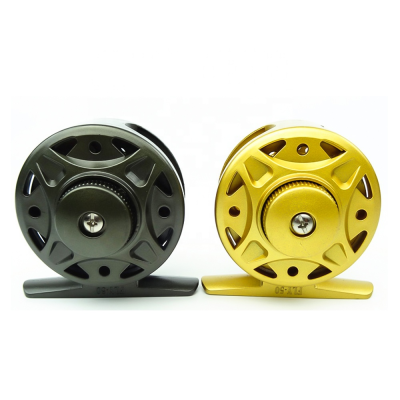
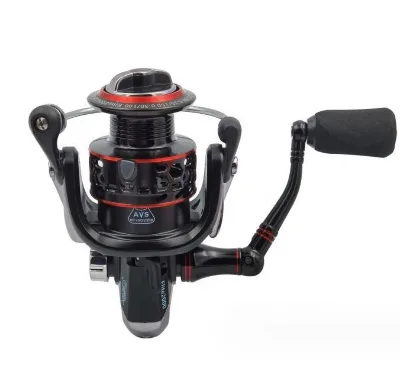
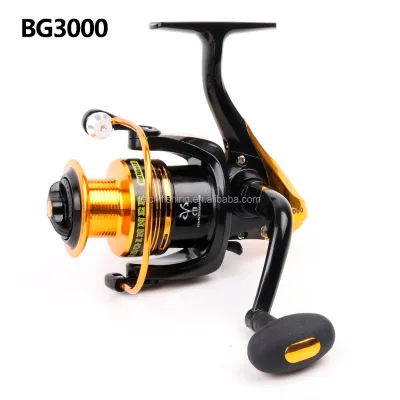


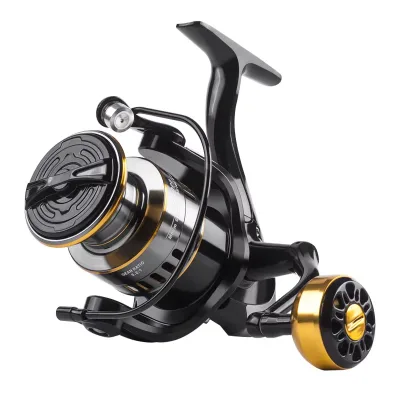
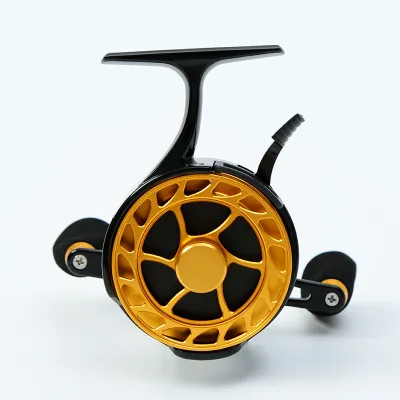
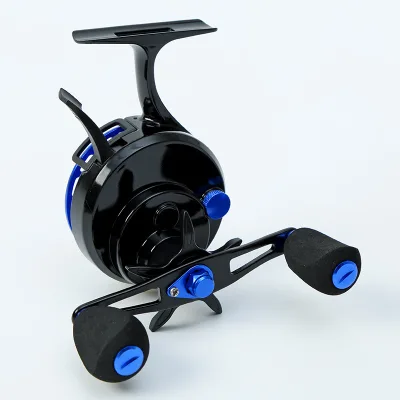
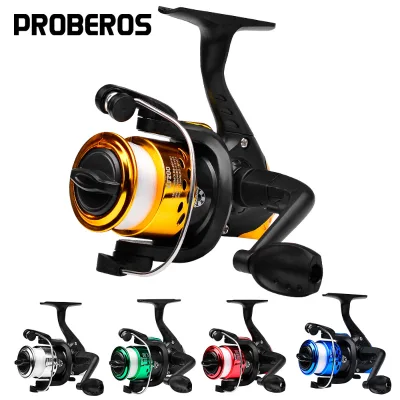
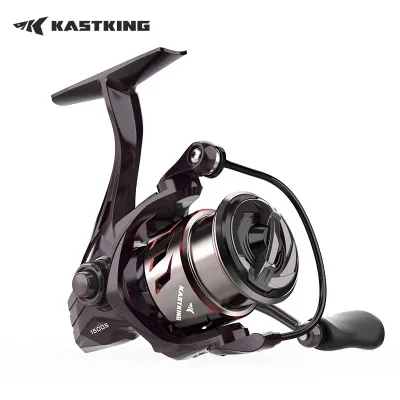
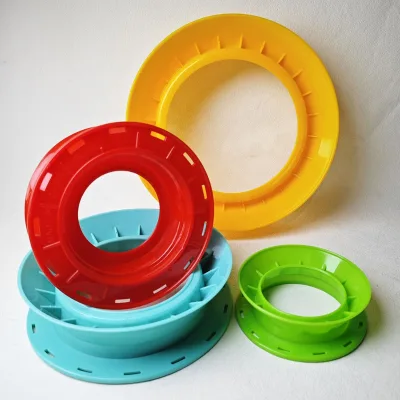
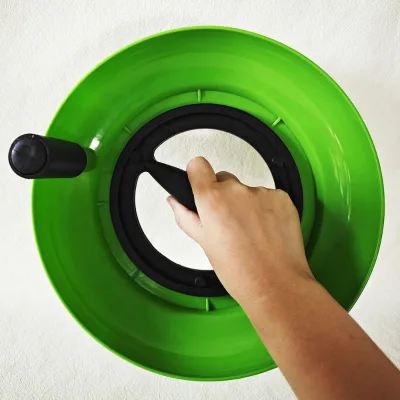
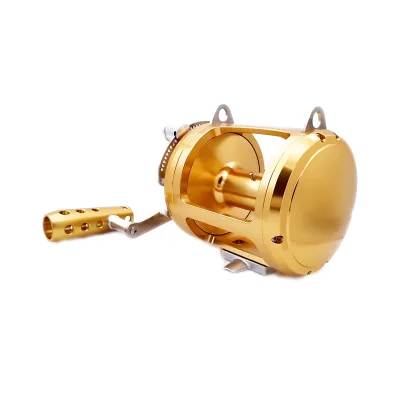
Comprehensive Sourcing Guide
Interchangeable Handle Spinning Reel Supplier Concentration and Factory Types
The available data indicates a concentration of manufacturing activity in China, specifically within the Jiangsu province, where combined company types operate alongside dedicated trading entities. These suppliers often list core competencies spanning fishing tackle, reels, rods, and lures, suggesting an integrated production ecosystem capable of handling complex assembly tasks. Some facilities in this region operate with their own brand capacity, allowing for customization of components like plastic handles and spools, while others function primarily as trading companies sourcing from various factories. This mix of combined and trading company structures means buyers must distinguish between direct manufacturers and intermediaries to understand the true origin of the interchangeable handle spinning reels they intend to purchase.
In contrast, other observed locations such as Hangzhou host trading companies that focus on OEM production and a broad range of fishing equipment including reels and spoolers. These entities often display response times and lead times that differ from the manufacturing hubs, with some showing zero-day lead times which may indicate stock availability rather than immediate production capacity. The presence of TUVRHEINLAND verification on certain suppliers provides a baseline for trust, yet the diversity in company types requires careful scrutiny. Buyers should not assume all suppliers in these regions possess identical capabilities; instead, they must verify whether a specific entity manages the actual molding and assembly of the interchangeable handle mechanisms or simply facilitates the transaction between the buyer and the factory floor.
How to Verify Interchangeable Handle Spinning Reel Suppliers
Verification begins with checking for recognized third-party certifications such as TUVRHEINLAND, which appears in the current supplier results as a marker of established compliance. While not every supplier displays this credential, its presence signals a higher level of scrutiny regarding quality management systems and product safety standards. Buyers should prioritize suppliers who explicitly list this verification status, as it reduces the risk of receiving substandard reels with faulty gear ratios or unstable spool mechanisms. However, the absence of this specific badge does not automatically disqualify a supplier; it merely necessitates a more rigorous request for alternative documentation, such as factory audit reports or specific product test results for the interchangeable handle components.
Beyond certifications, buyers must validate the supplier's response time and communication reliability, as these metrics often correlate with operational efficiency and after-sales support. The observed data shows response times ranging from 2.70 to 5 units, which can serve as a preliminary indicator of how quickly a supplier addresses technical queries regarding handle interchangeability or gear ratios. A supplier with a slower response time might struggle with complex customization requests or urgent order changes. Additionally, confirming the company type is essential; distinguishing between a combined manufacturer and a trading company helps buyers understand who holds the technical knowledge for the product. Buyers should request proof of the specific manufacturing process for the handle mechanism to ensure the supplier has direct control over the quality of the plastic or metal components used.
What to Compare Across Interchangeable Handle Spinning Reel Suppliers
When evaluating potential partners, buyers should systematically compare key operational metrics such as lead time, minimum order quantity (MOQ), and response speed to determine fit for their specific business needs. The current data reveals significant variation, with lead times ranging from zero days to thirty days and MOQs varying from 100 to 500 units depending on the product model and customization level. A supplier offering a thirty-day lead time might be a dedicated manufacturer with a robust production schedule, whereas a zero-day lead time could indicate a trading company holding ready stock. Understanding these differences is crucial for planning inventory and managing customer expectations, especially when dealing with seasonal demand spikes for fishing equipment.
Price and product specifications also require detailed comparison, as the data shows unit prices ranging from approximately $0.94 to $9.22 based on materials and features like aluminum spools versus plastic ones. Buyers must align their budget with the required durability and performance of the interchangeable handle spinning reels, noting that higher-priced items often feature advanced materials like carbon fiber or aluminum alloy gears. Furthermore, the availability of customization is a critical differentiator; some suppliers explicitly state that customization is available for handles and spools, while others may offer only standard configurations. Comparing these attributes side-by-side allows buyers to identify suppliers who can meet both their cost constraints and their technical requirements for the final product.
Common Interchangeable Handle Spinning Reel Sourcing Risks
One significant risk involves the ambiguity of material composition, particularly regarding the handle and spool materials which are critical for the functionality of interchangeable systems. The data indicates a mix of plastic, high-strength plastic, and aluminum alloy components, yet some listings use vague descriptors like "other" for material specifications. This lack of clarity can lead to receiving reels that do not meet the expected durability standards or that fail under the stress of heavy fishing loads. Buyers must explicitly request detailed material breakdowns and verify that the interchangeable handle mechanism is compatible with the specific reel body material to prevent mechanical failures or safety hazards during use.
Another risk stems from inconsistent product standards and packaging specifications, which can affect shipping costs and product integrity upon arrival. The observed data includes varying packing standards, from specific carton dimensions to references like "Refer to Parameters Sheet," which may lead to confusion regarding the final product dimensions and weight. Inconsistent packaging can result in damaged reels during transit, particularly for delicate components like the drag alarm systems or gear ratios. Additionally, relying on suppliers with undefined lead times or vague production capacities can disrupt supply chains. Buyers should mitigate these risks by demanding clear, written specifications for all product attributes and confirming that the supplier has a proven track record of adhering to these standards before placing large orders.
Interchangeable Handle Spinning Reel Regional Sourcing and Logistics
Sourcing from the identified regions in China, such as Jiangsu and Hangzhou, offers access to a dense network of fishing tackle manufacturers and trading companies. These regions benefit from established logistics infrastructure that supports the export of heavy and bulky items like fishing rods and reels. However, the distance from these manufacturing hubs to international markets necessitates careful planning for shipping and customs clearance. Buyers should be aware that while some suppliers may offer quick response times, the physical transit time for goods from China can vary significantly based on the chosen shipping method and the specific port of origin. Understanding these logistical nuances is essential for accurate delivery forecasting and inventory management.
Logistics planning must also account for the specific packaging requirements of the products, as the data shows varying package sizes and weights that impact freight costs. For instance, reels with aluminum spools and carbon brakes may have different weight profiles compared to those with plastic components, influencing the total shipping volume. Buyers should verify the single package size and gross weight with each supplier to ensure accurate freight calculations. Additionally, the location of the supplier within China can affect the efficiency of inland transportation to the port. Buyers should inquire about the supplier's experience with international shipping and their ability to handle documentation and compliance requirements for the destination country to avoid delays at customs.
Interchangeable Handle Spinning Reel Commercial Terms and Order Planning
Commercial terms for interchangeable handle spinning reels often include specific minimum order quantities that can range from 100 to 500 units, depending on the complexity of the customization and the supplier's production capacity. Buyers must align their order volume with these MOQs to secure the best pricing and ensure production feasibility. The data indicates that suppliers with lower MOQs may be trading companies or those with smaller production runs, while higher MOQs often correspond to direct manufacturers offering more extensive customization options. Understanding these thresholds is vital for budgeting and ensuring that the order size justifies the investment in tooling or setup costs for specialized handle mechanisms.
Payment terms and lead time commitments are equally critical components of the commercial agreement, as they directly impact cash flow and project timelines. The observed lead times vary from immediate availability to thirty days, requiring buyers to plan their procurement cycles accordingly. Suppliers with longer lead times may require earlier deposit payments or more structured payment schedules to secure production slots. Buyers should negotiate clear terms regarding delivery dates and penalties for delays, ensuring that the supplier is contractually bound to meet the agreed-upon timeline. Additionally, verifying the supplier's ability to handle custom orders within the specified timeframe is essential to avoid disruptions in the supply chain and to maintain customer satisfaction with the final product delivery.
FAQs
What is the price range for interchangeable handle spinning reels?
Prices for these reels typically range from $0.94 to $9.22 per unit. The final cost depends on the specific model, material composition, and gear ratio selected. Buyers should review individual product listings to confirm exact pricing tiers based on order volume and customization requirements.
What are the minimum order quantities for these fishing reels?
Minimum order quantities vary by supplier and product model. Some listings require a minimum of 100 units, while others may demand 120 or 500 pieces. Buyers must check the specific MOQ for each item to ensure their order meets the supplier's production thresholds.
How long does production take for these spinning reels?
Lead times for manufacturing these reels are generally around 30 days. However, some suppliers may list zero days or different timelines depending on stock availability. Buyers should confirm the exact production schedule with the supplier before placing an order to avoid delays.
Are customization options available for these fishing reels?
Yes, customization is available for many of these spinning reels. Buyers can often select specific materials, handle types, and gear ratios. Some suppliers also offer OEM branding and custom packaging options. It is essential to discuss specific requirements directly with the supplier to confirm feasibility.
Where are these interchangeable handle spinning reels manufactured?
These reels are primarily manufactured in China, with specific production hubs in Jiangsu and Hangzhou. Buyers sourcing from these regions benefit from established supply chains for fishing tackle. The origin is clearly stated in product details, ensuring transparency regarding the manufacturing location.
What materials are used for the reel spools and handles?
Common materials include plastic, aluminum alloy, and carbon fiber. Handles are often made from high-strength plastic or EVA foam for comfort. Spools vary between plastic and aluminum depending on the model. Buyers should review product attributes to select the material that best suits their fishing needs.